
Table of Contents
Bears occupy an odd place in childhood. They’re the animal most children first meet as a soft toy, and also one of the few large predators still roaming forests near where people live. That gap between teddy bear and wild animal is what makes a set of bear coloring pages work across such a wide age range, the same page can be a friendly cartoon or a serious study of an animal, depending on who’s holding the pencil.
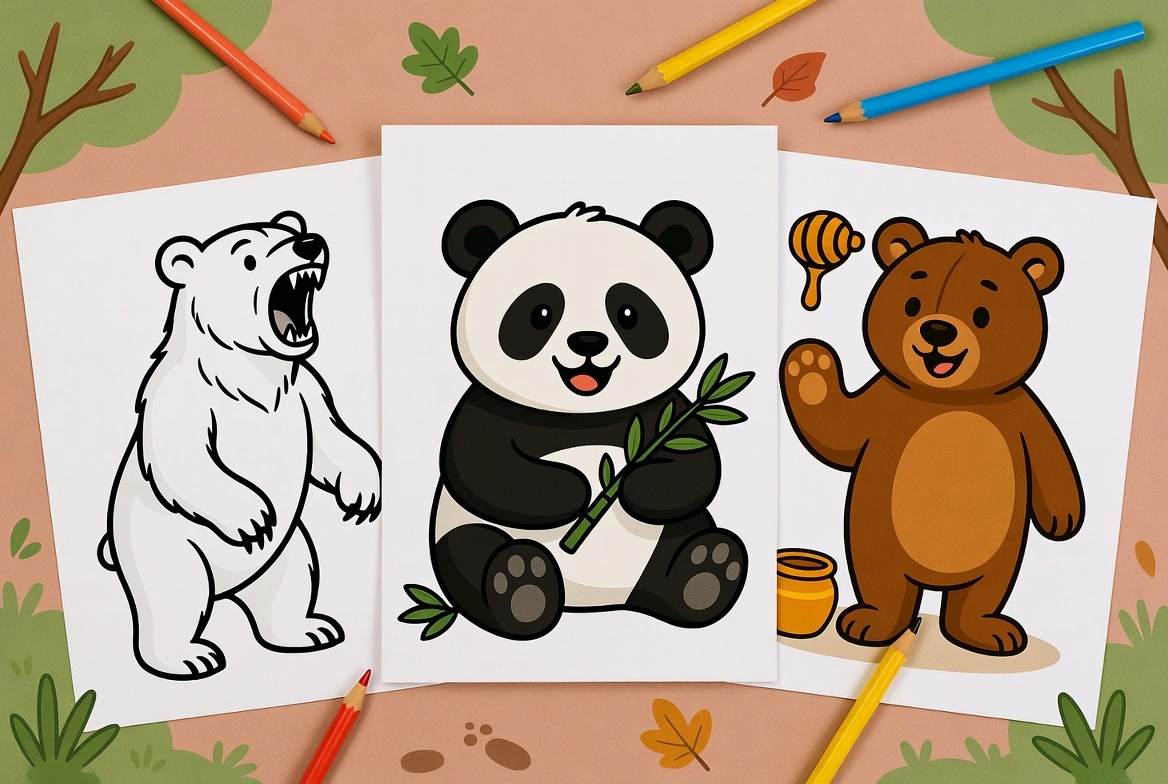
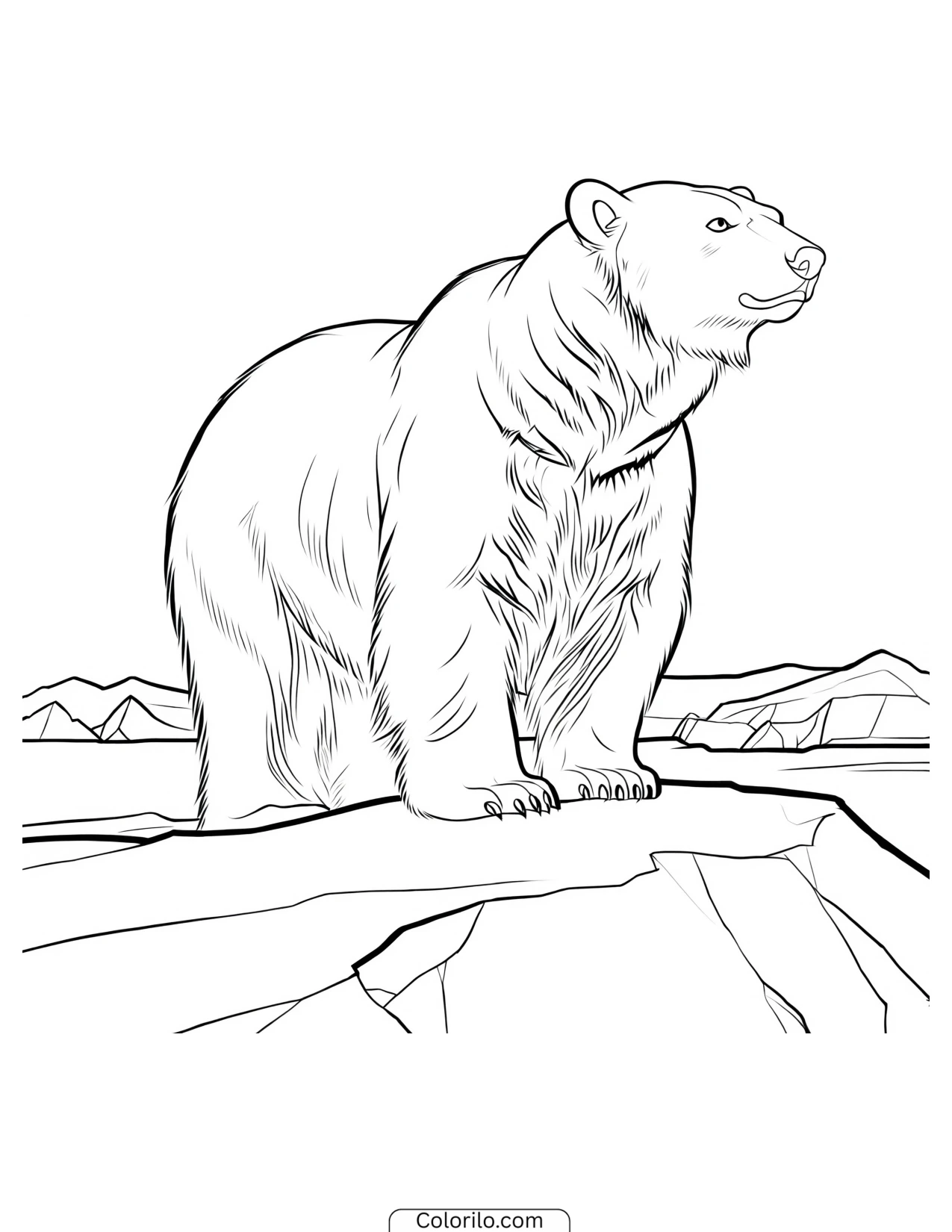
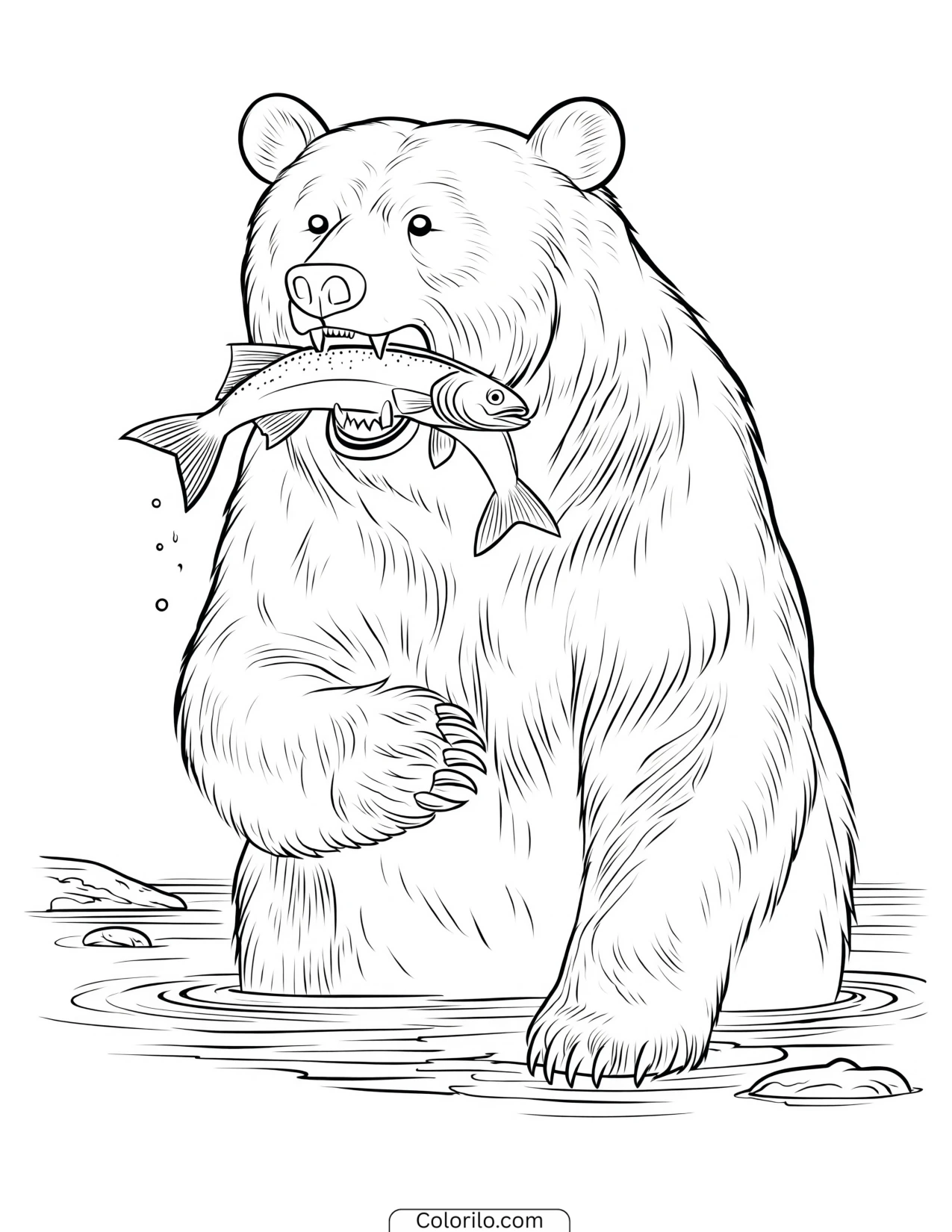
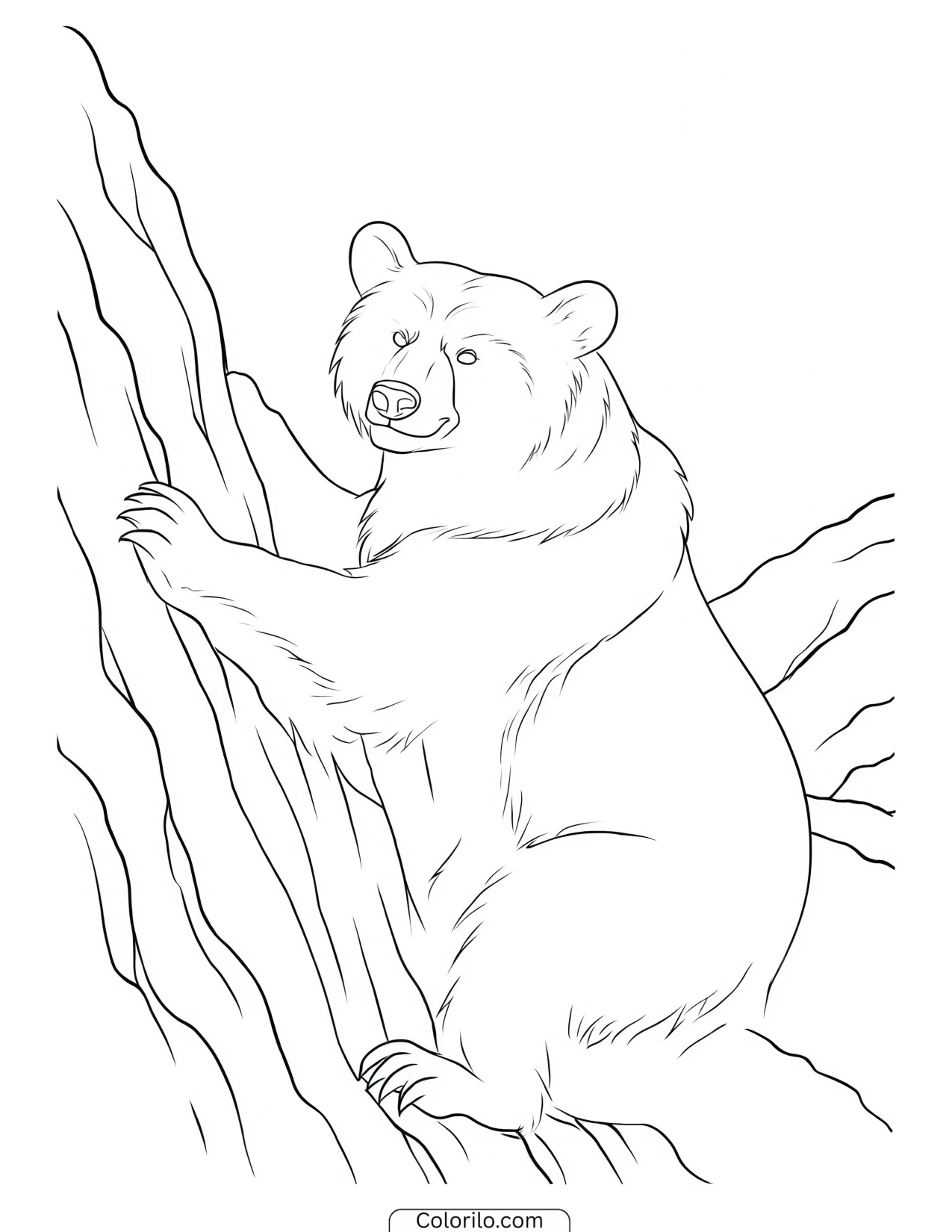
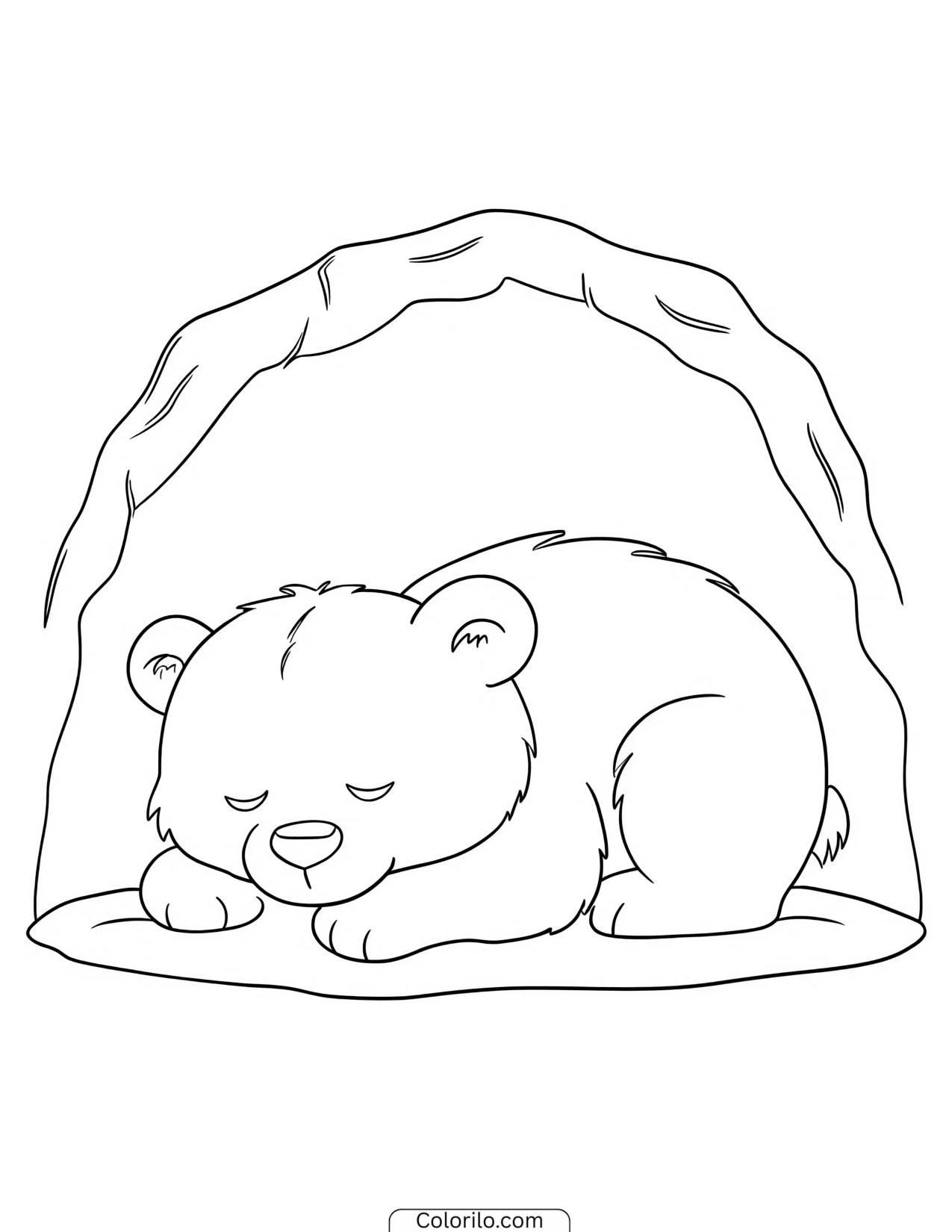
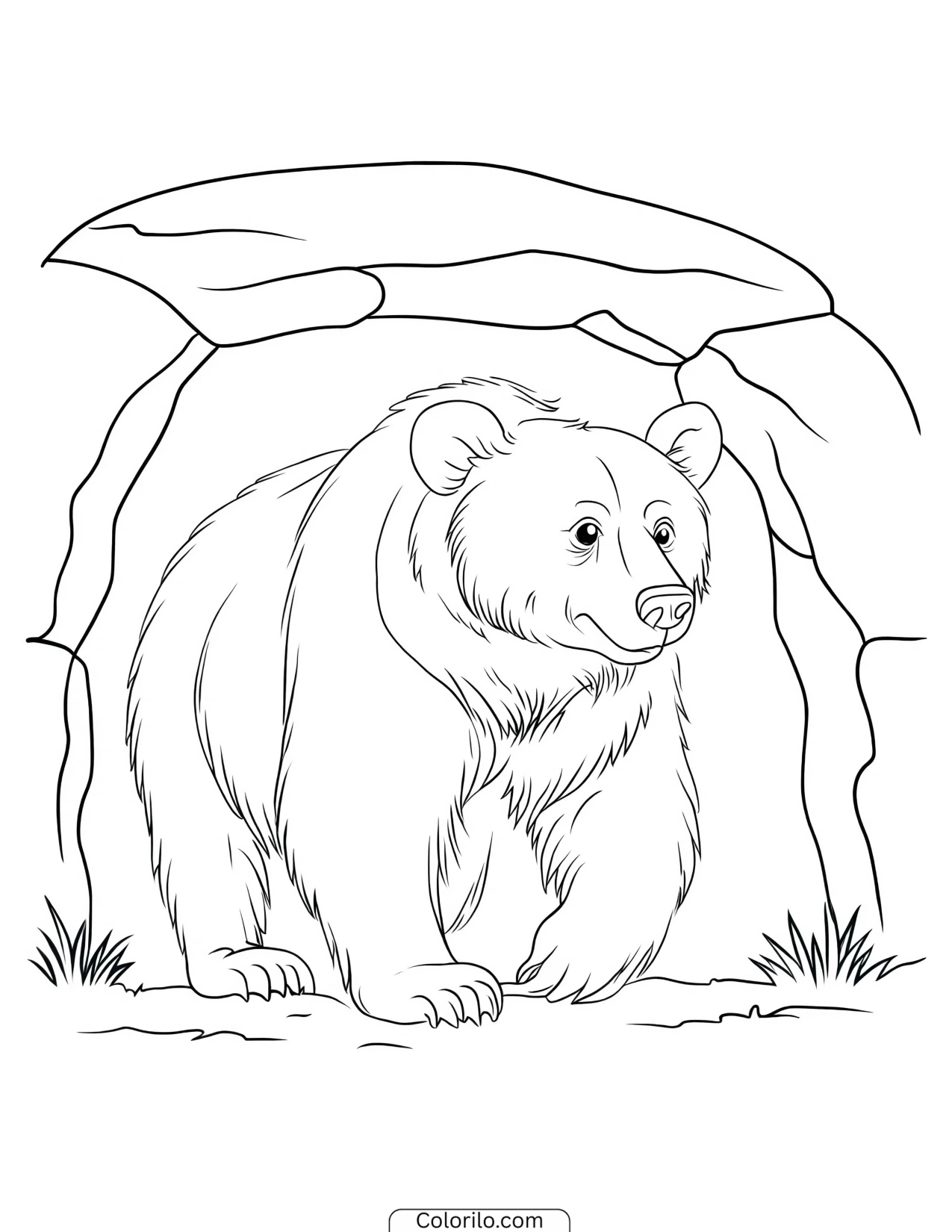
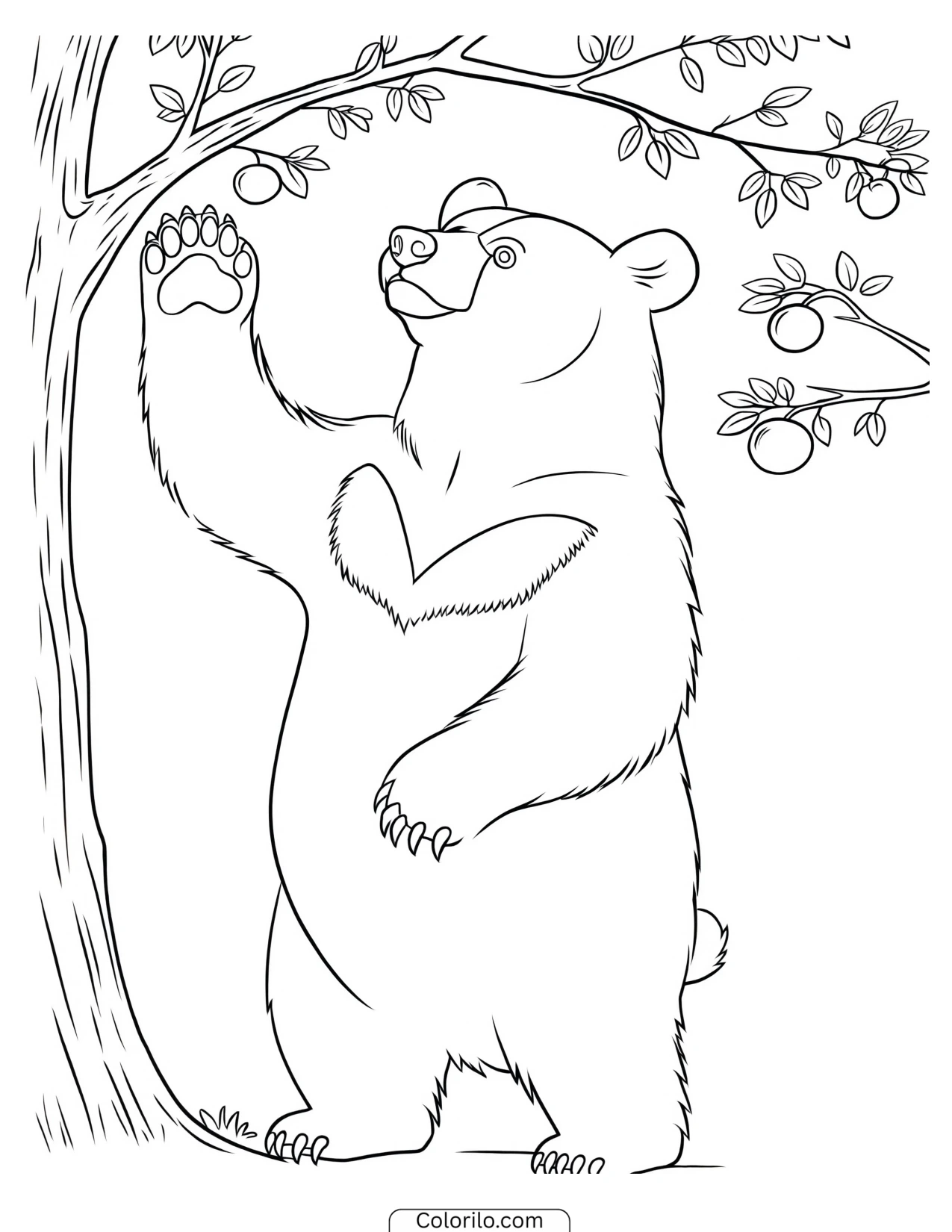
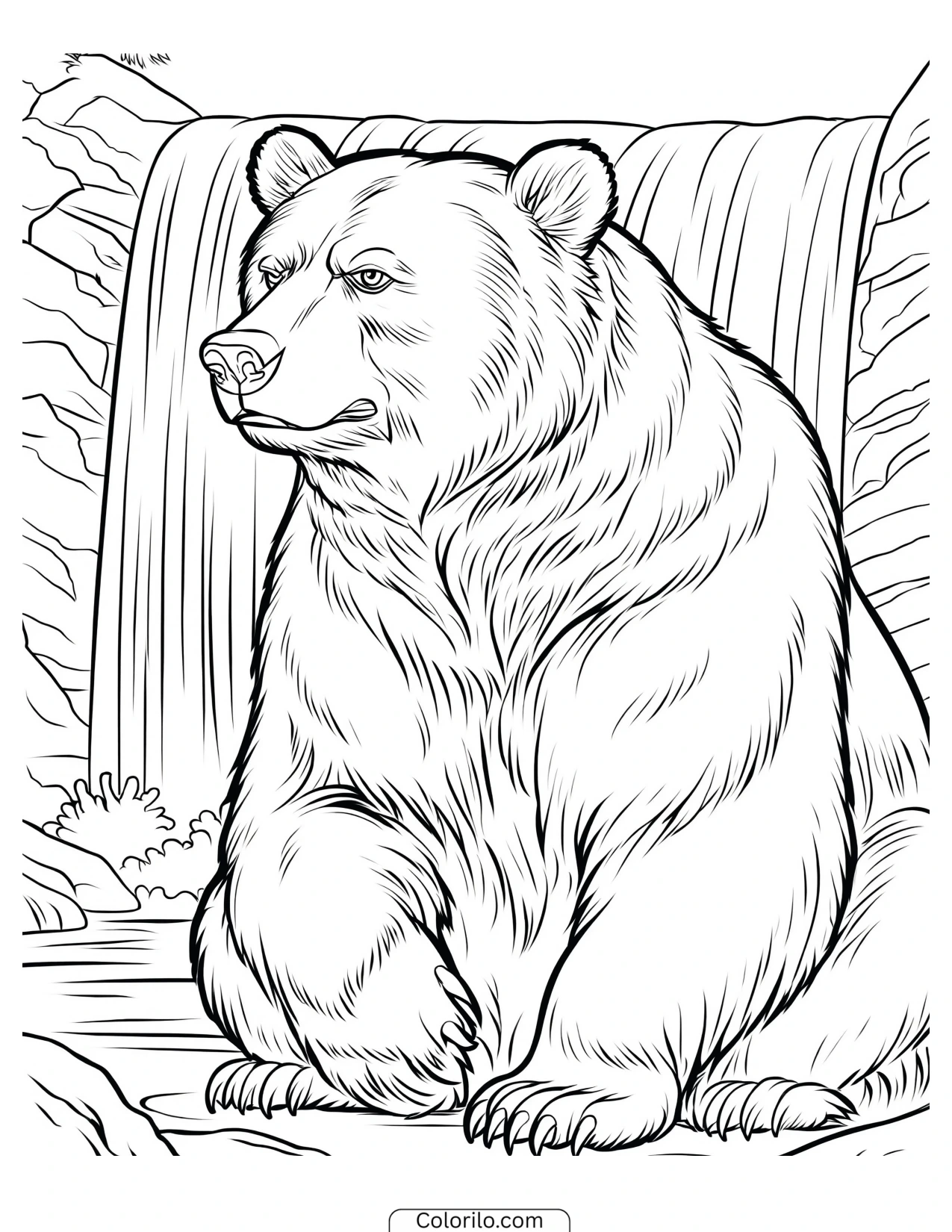
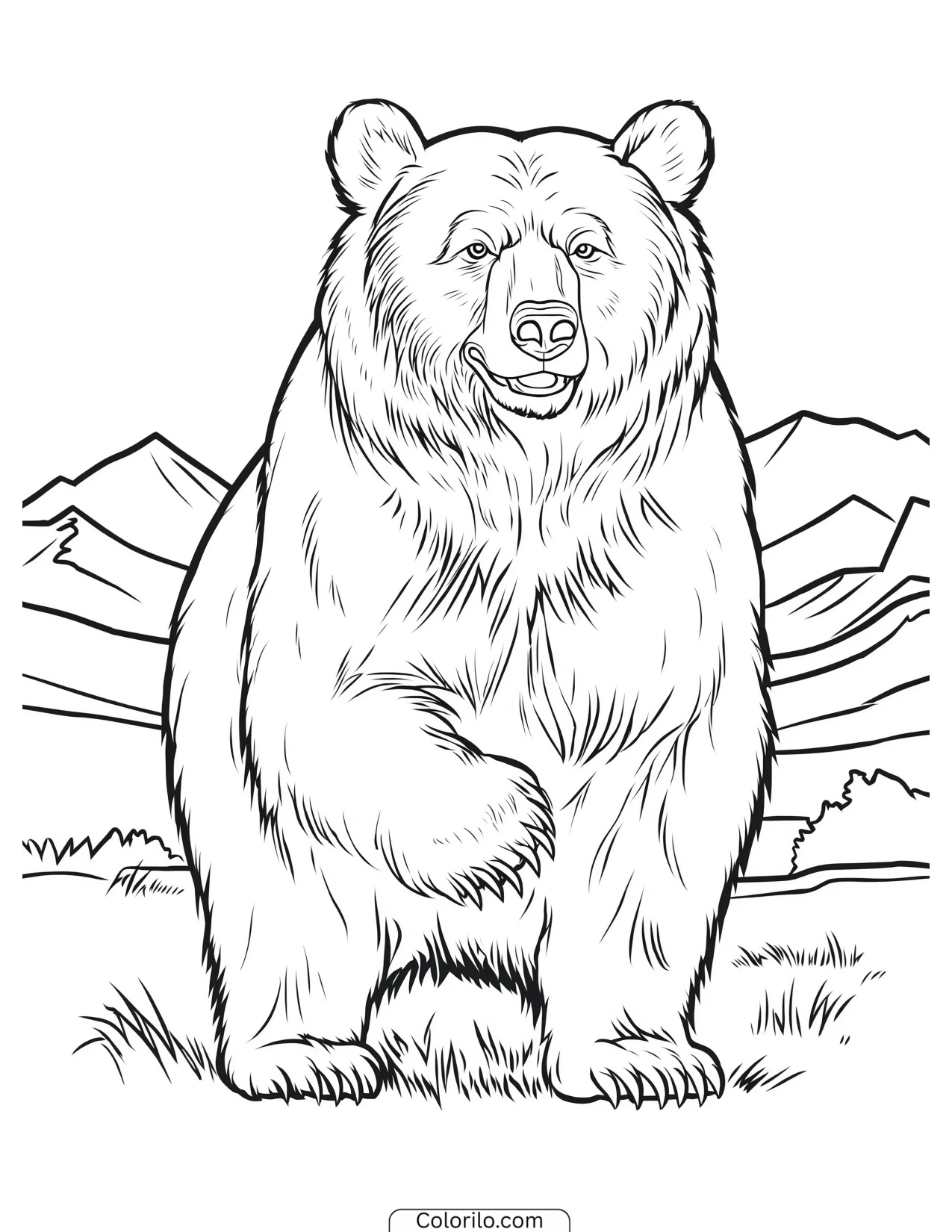
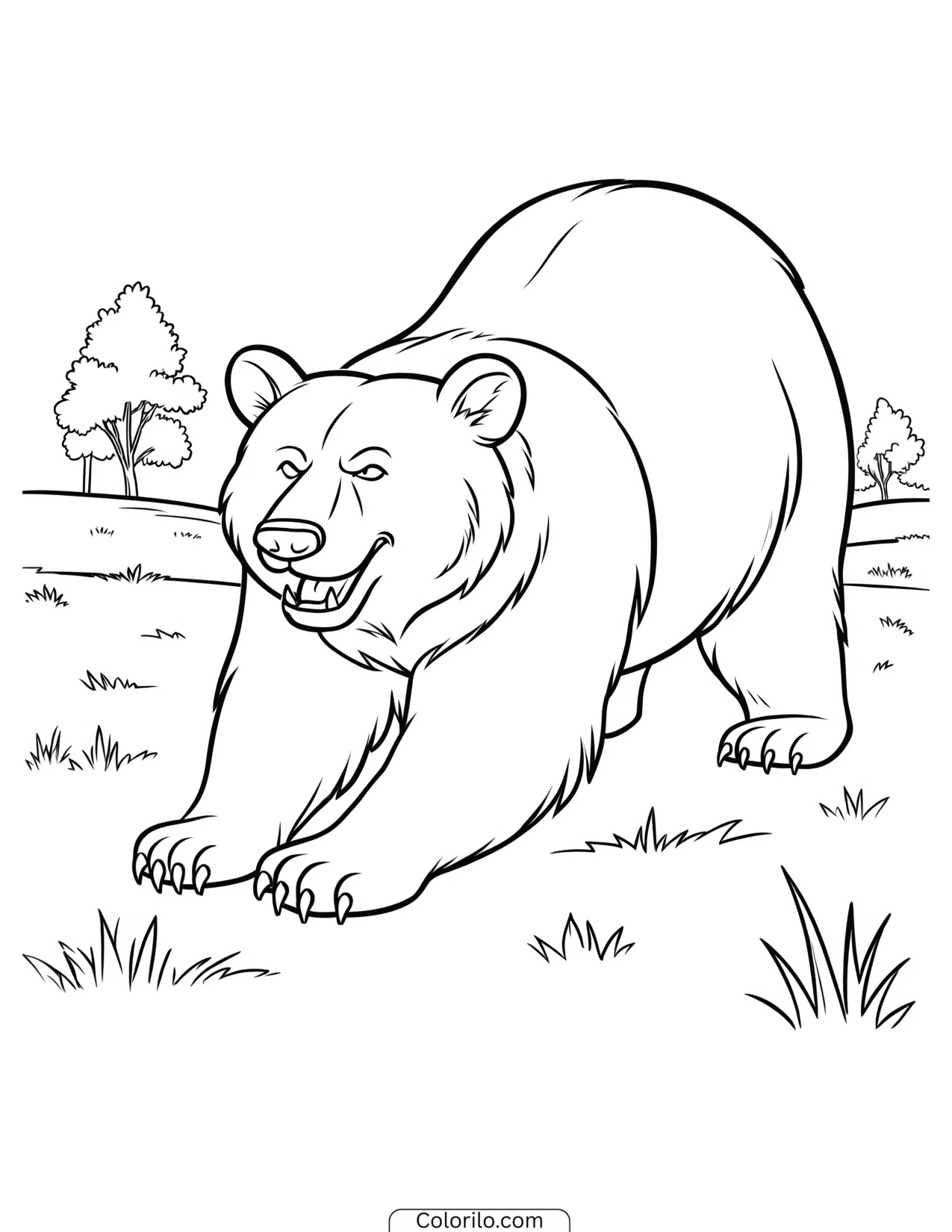
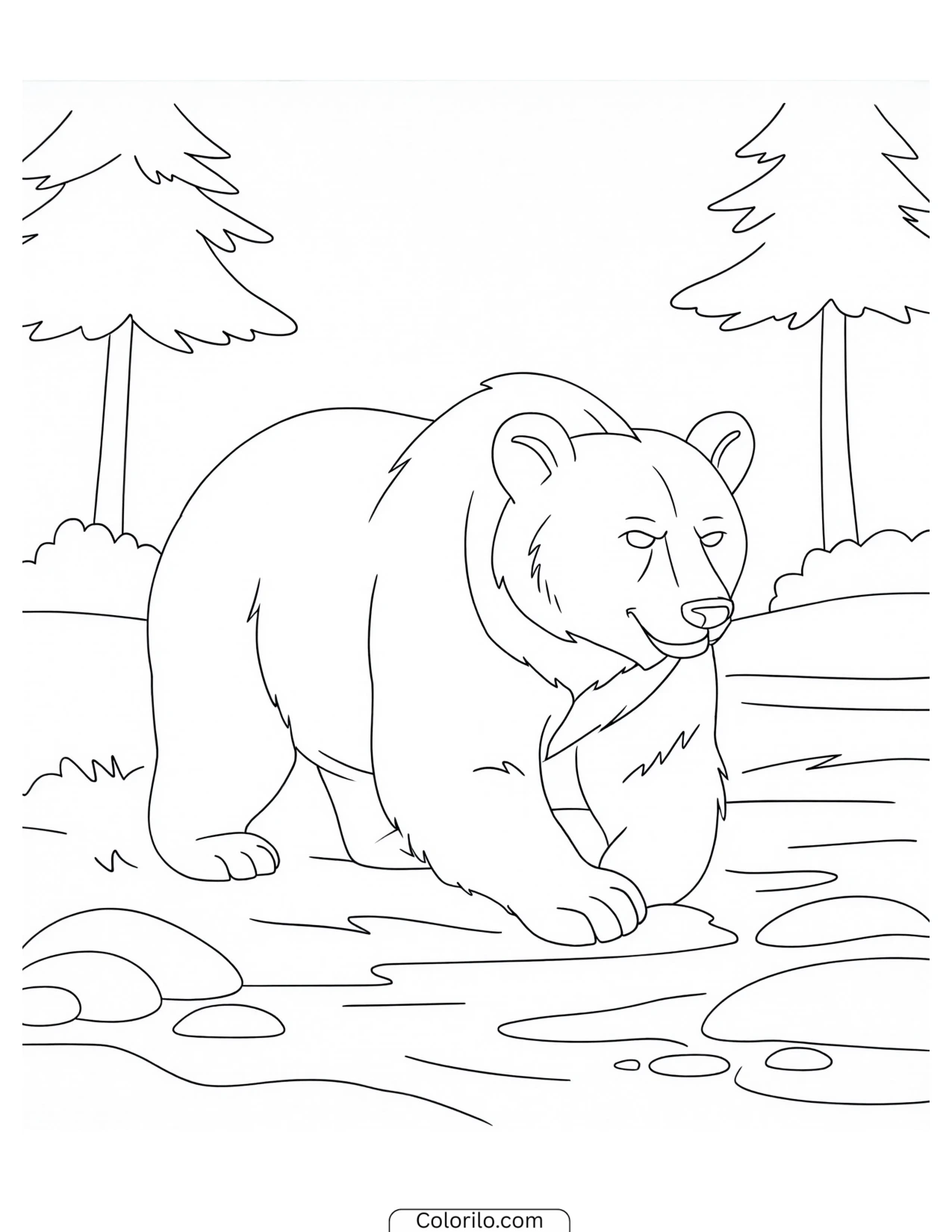
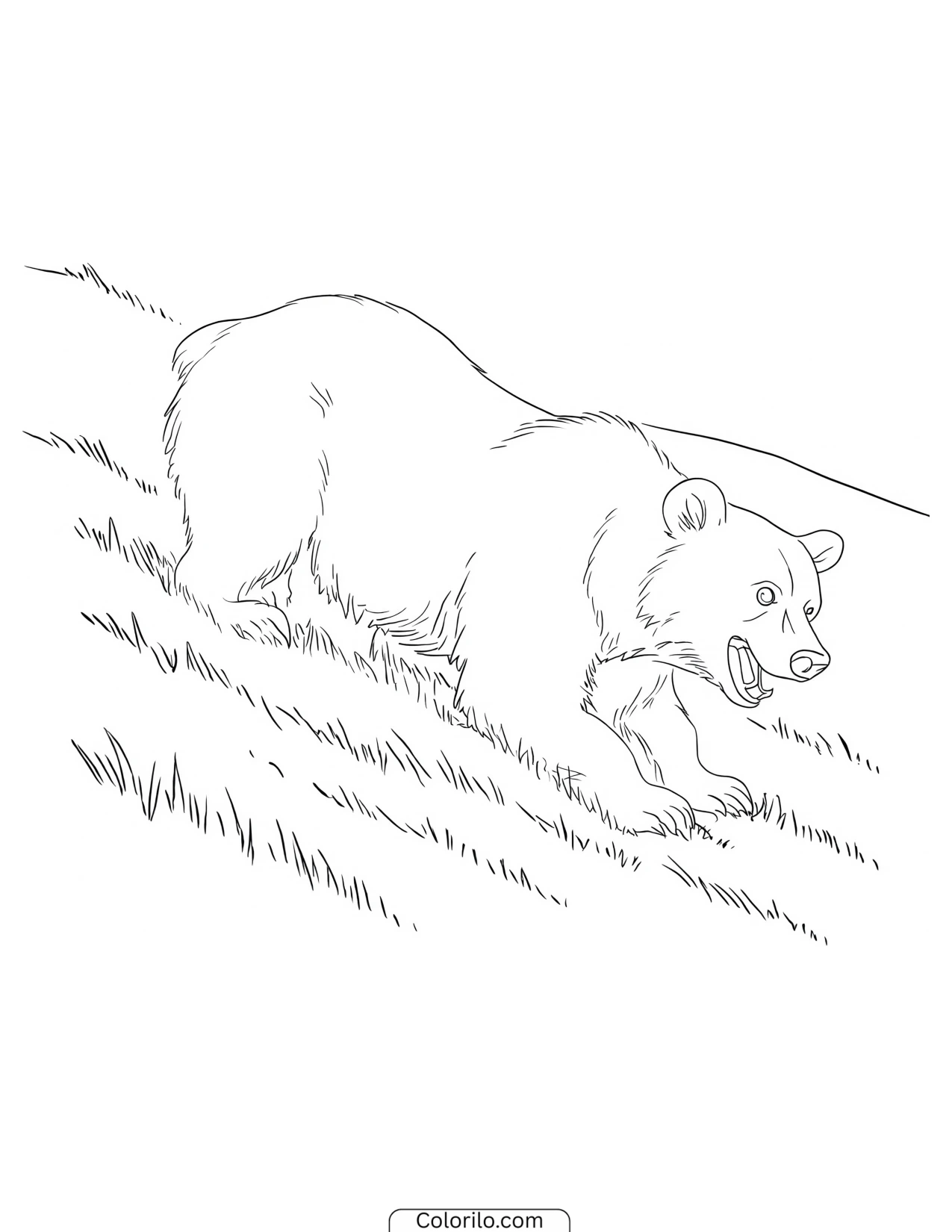
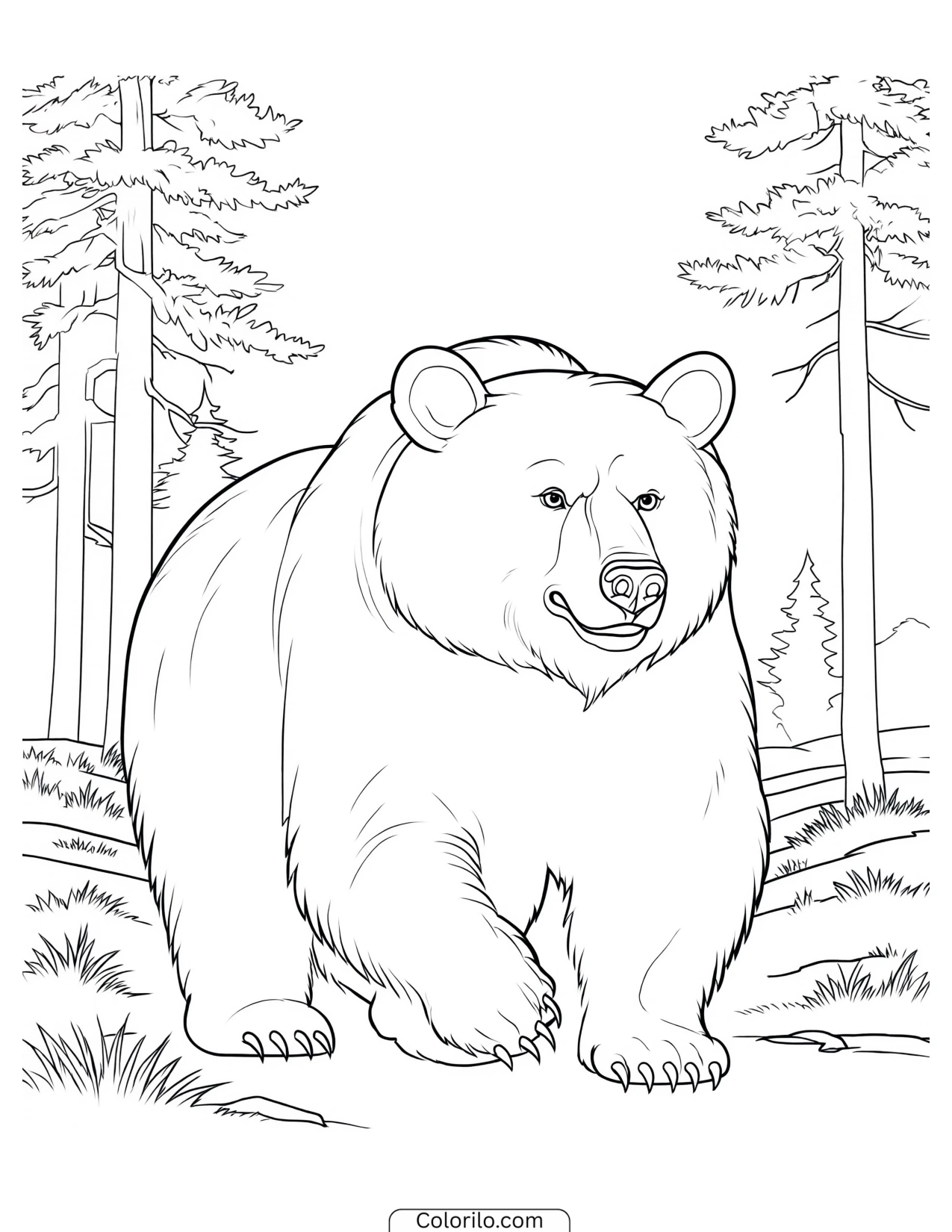
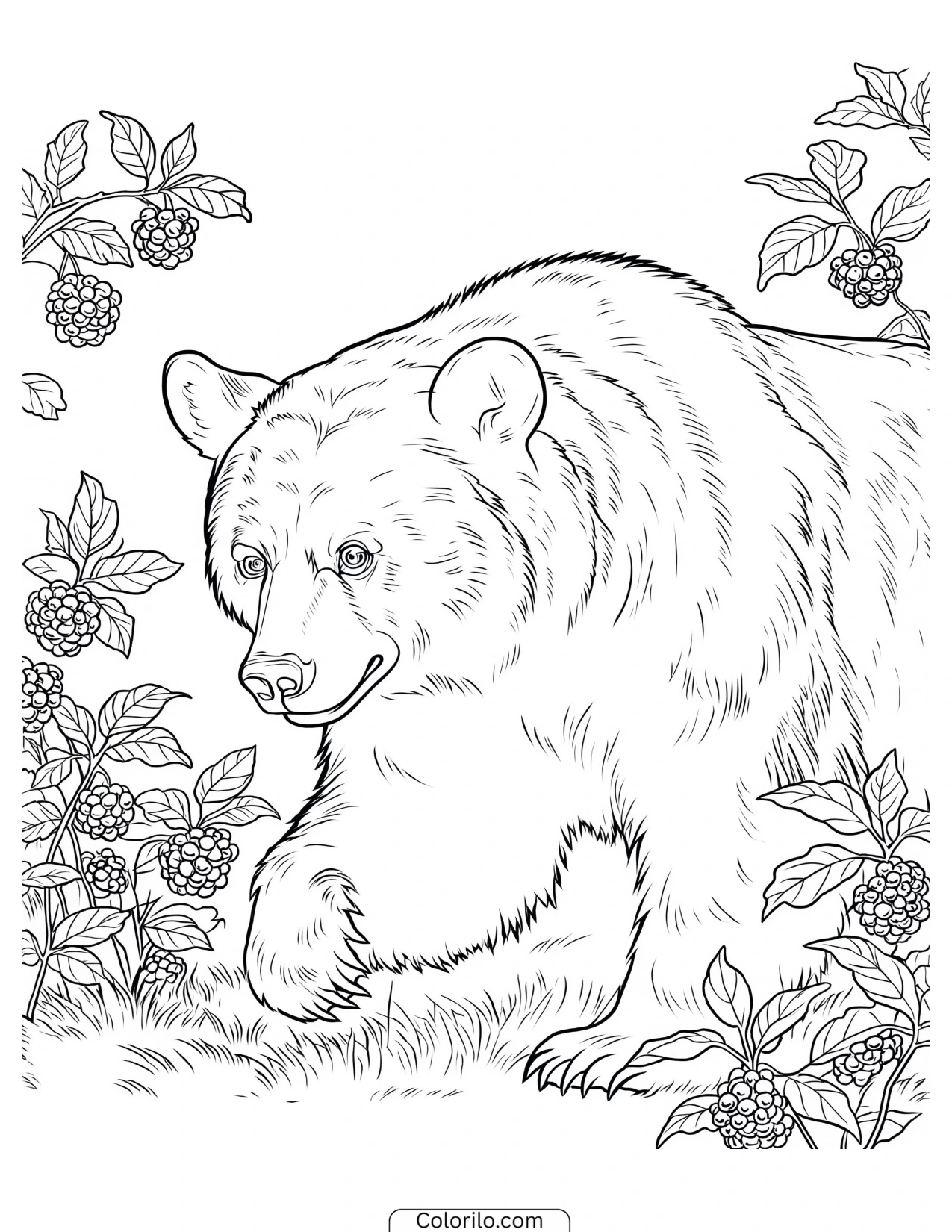
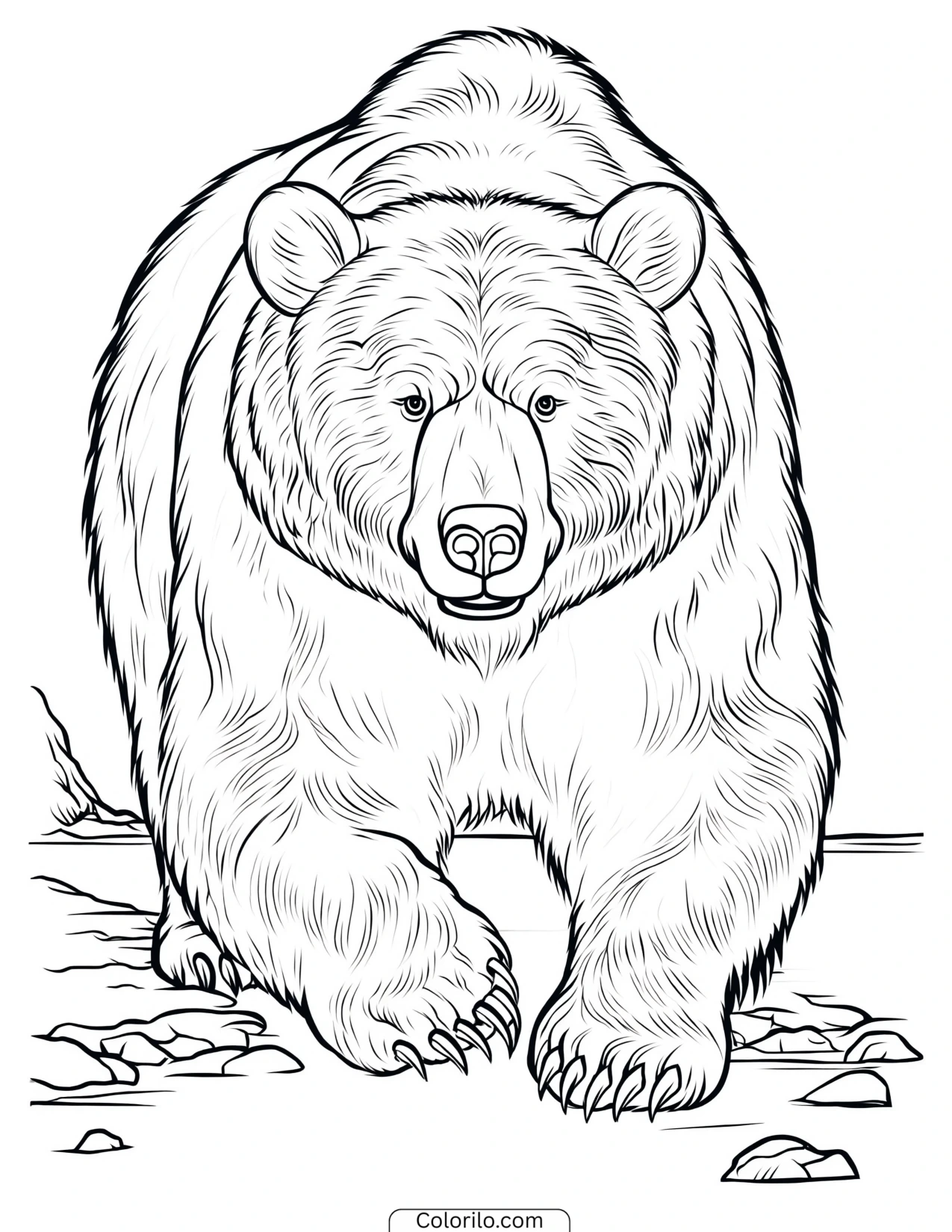
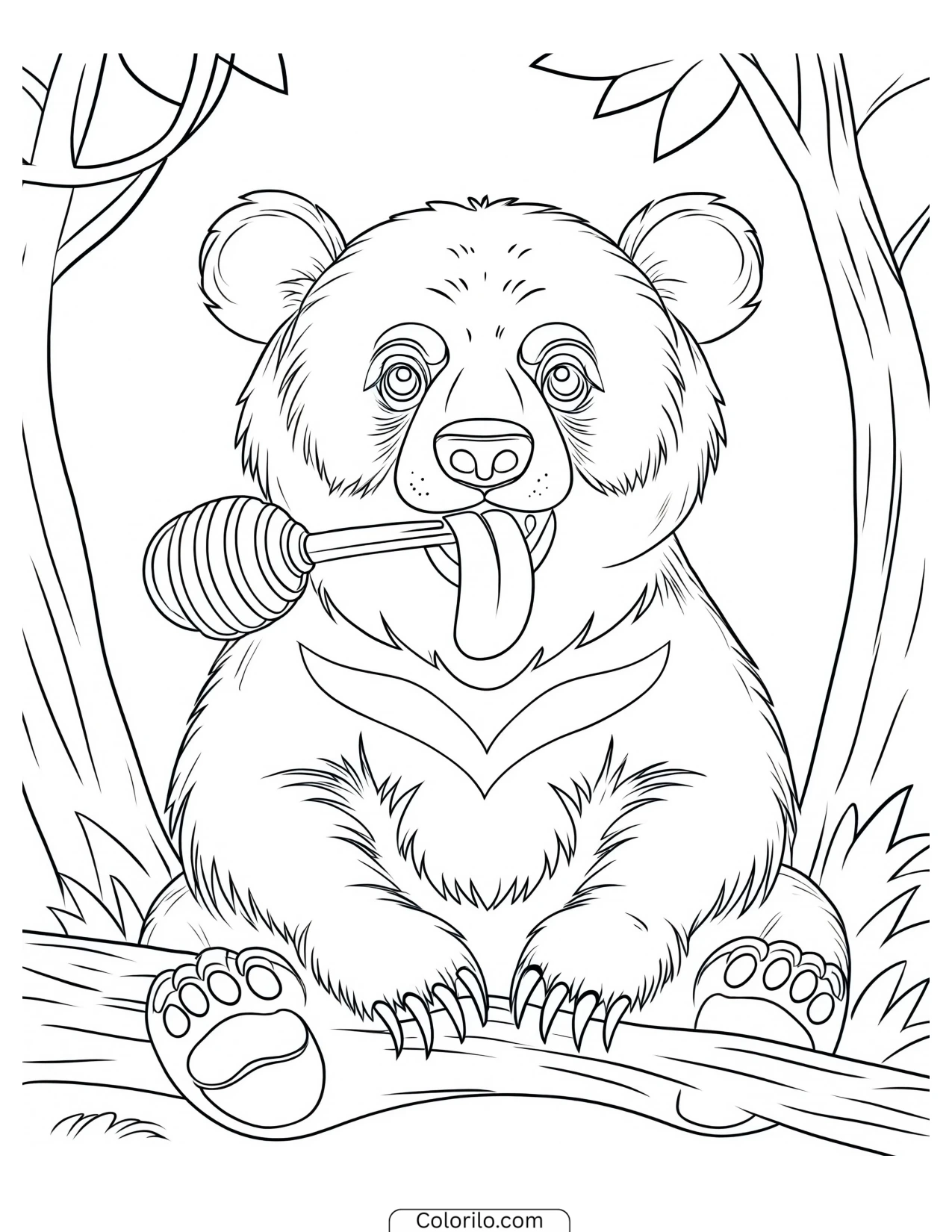
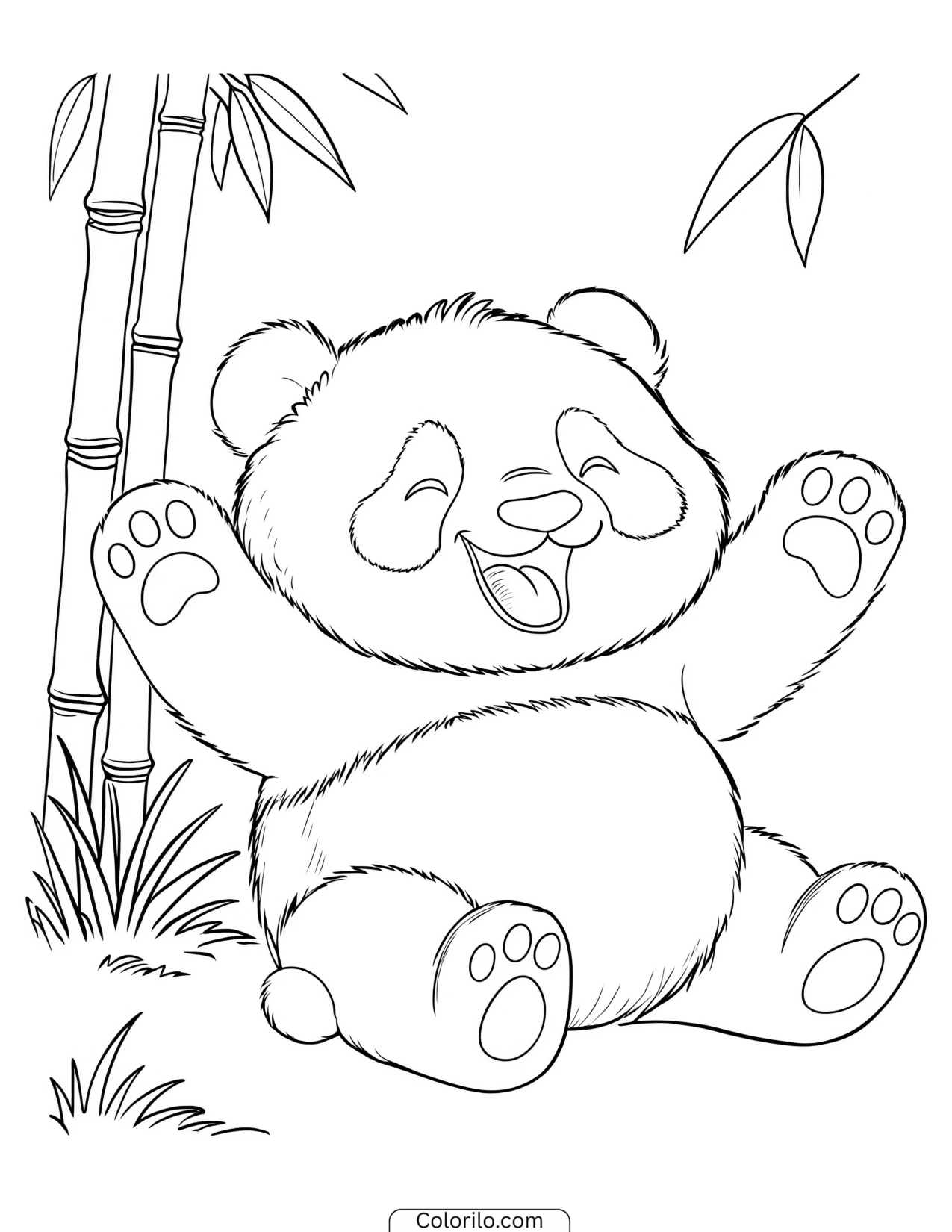
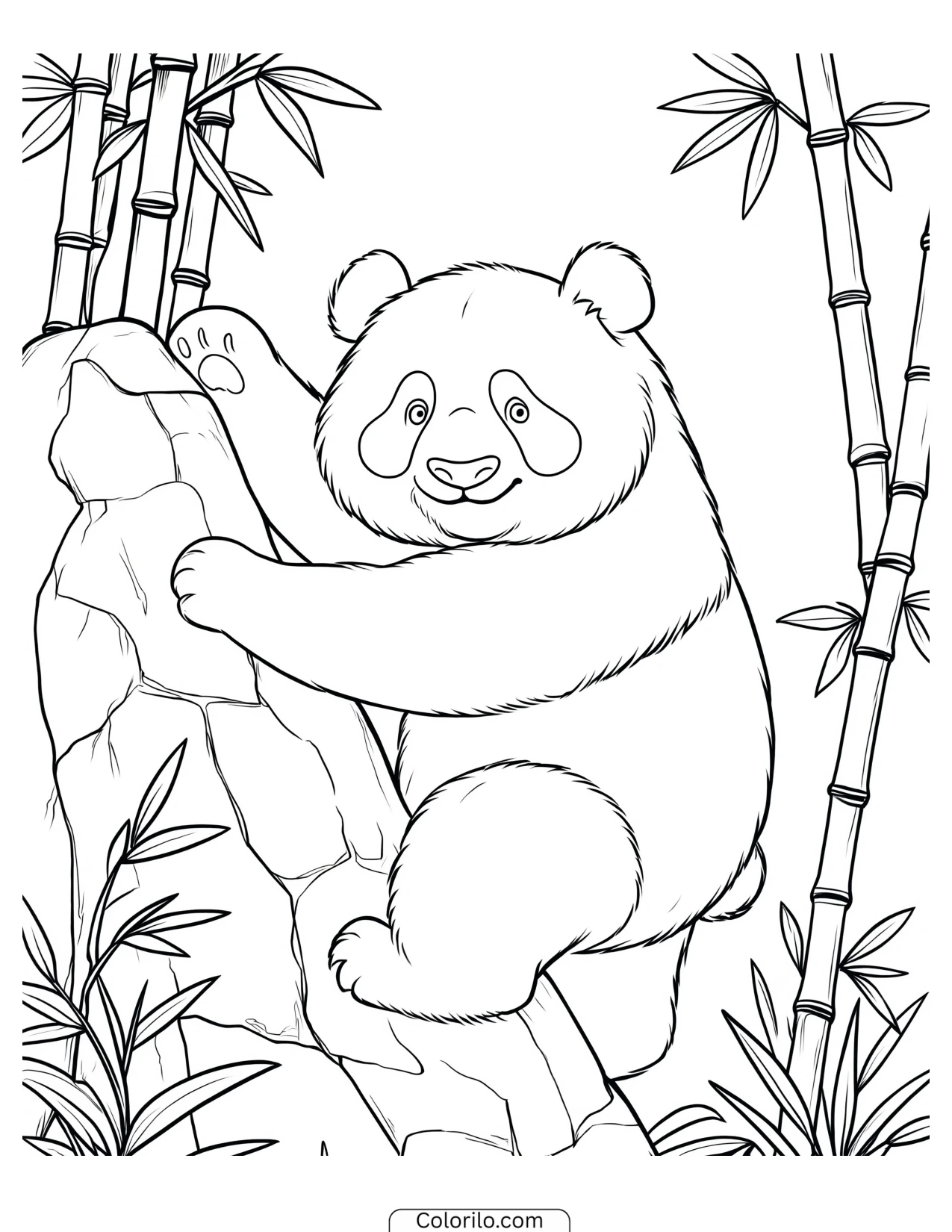
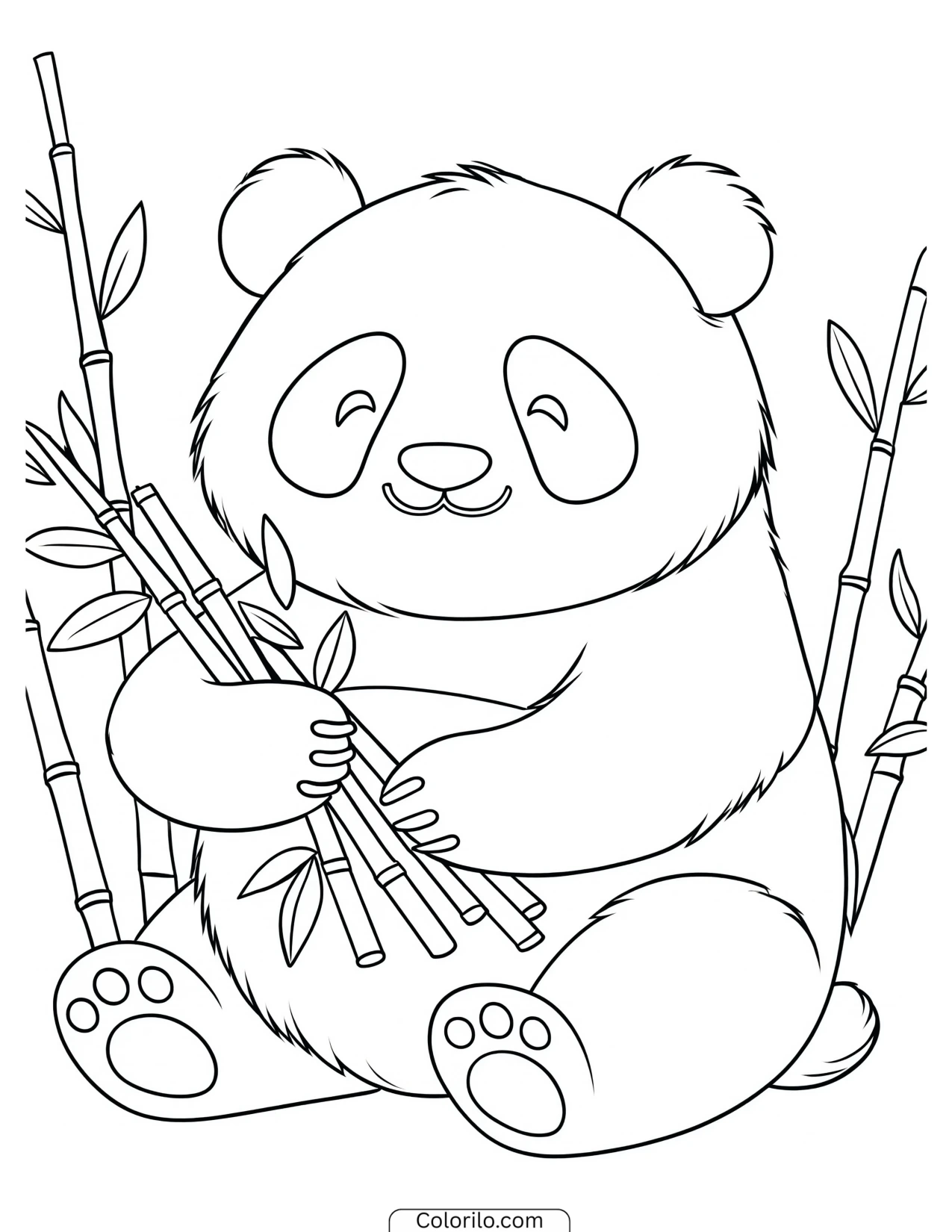
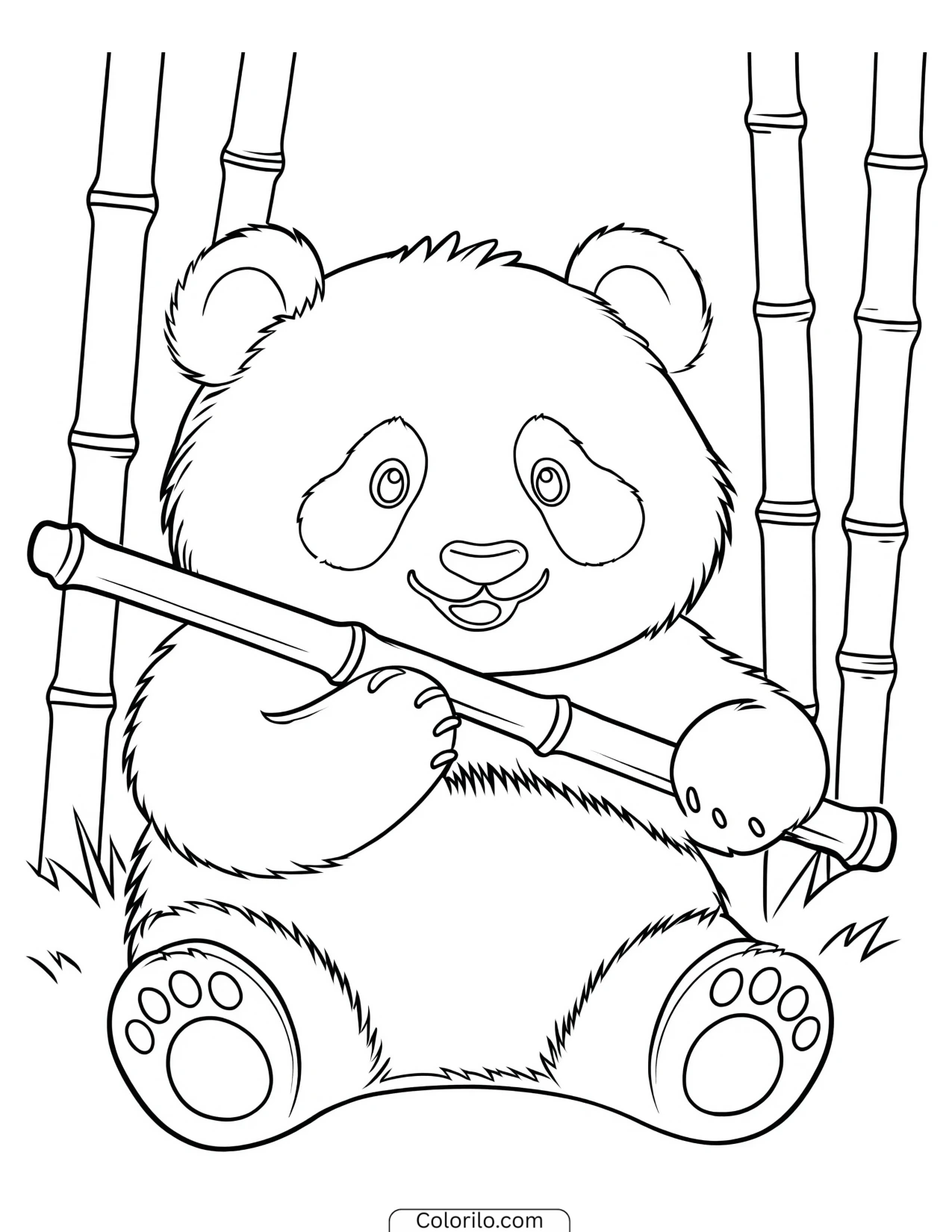
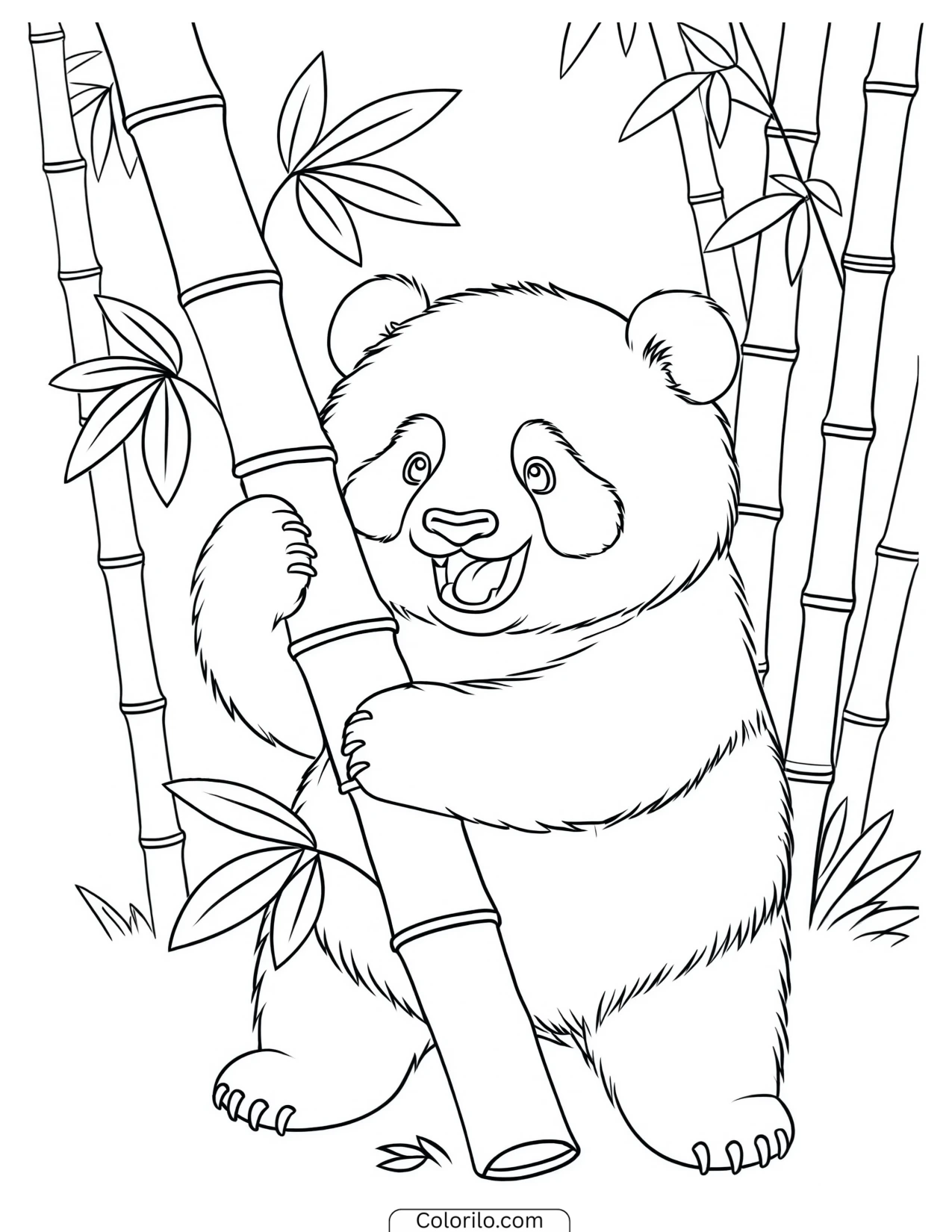
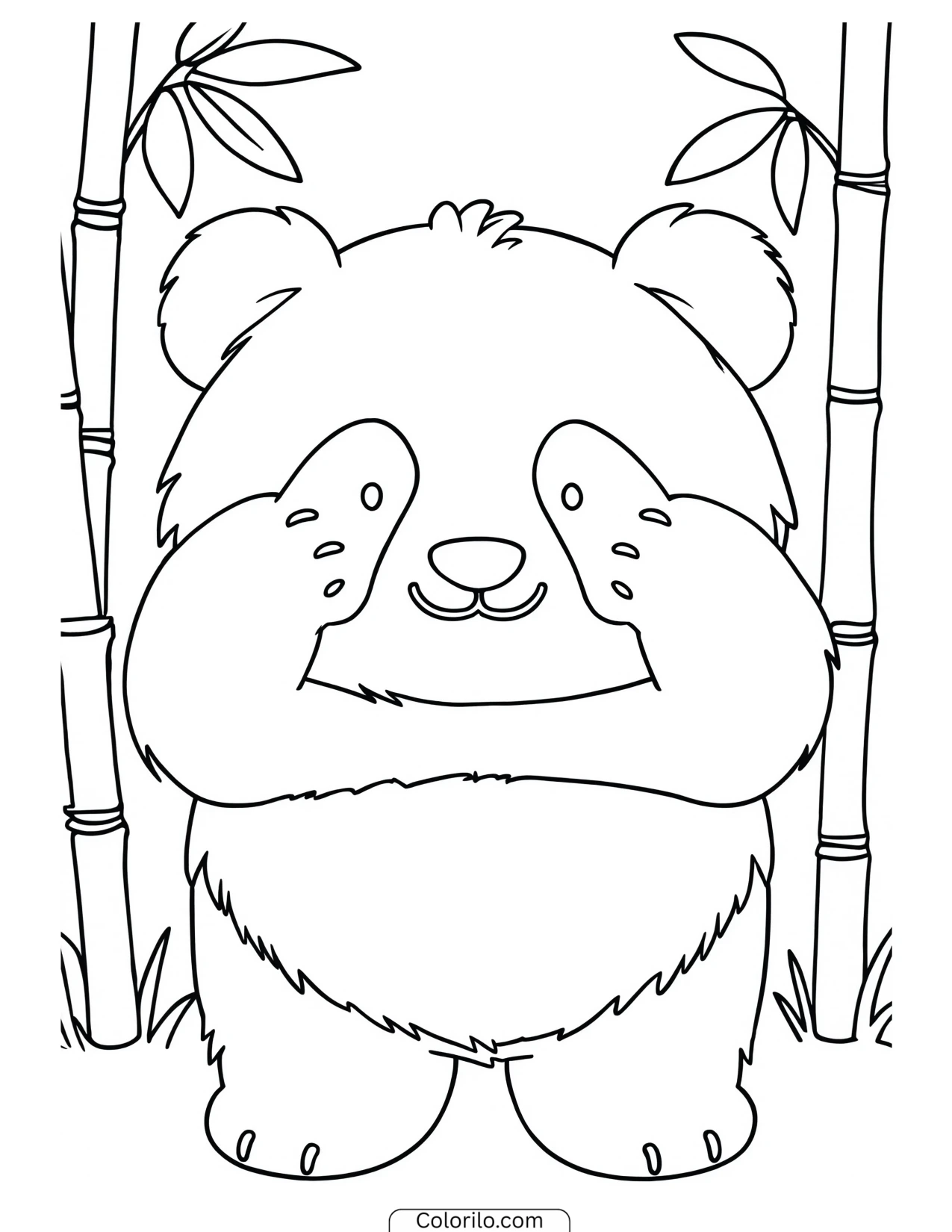
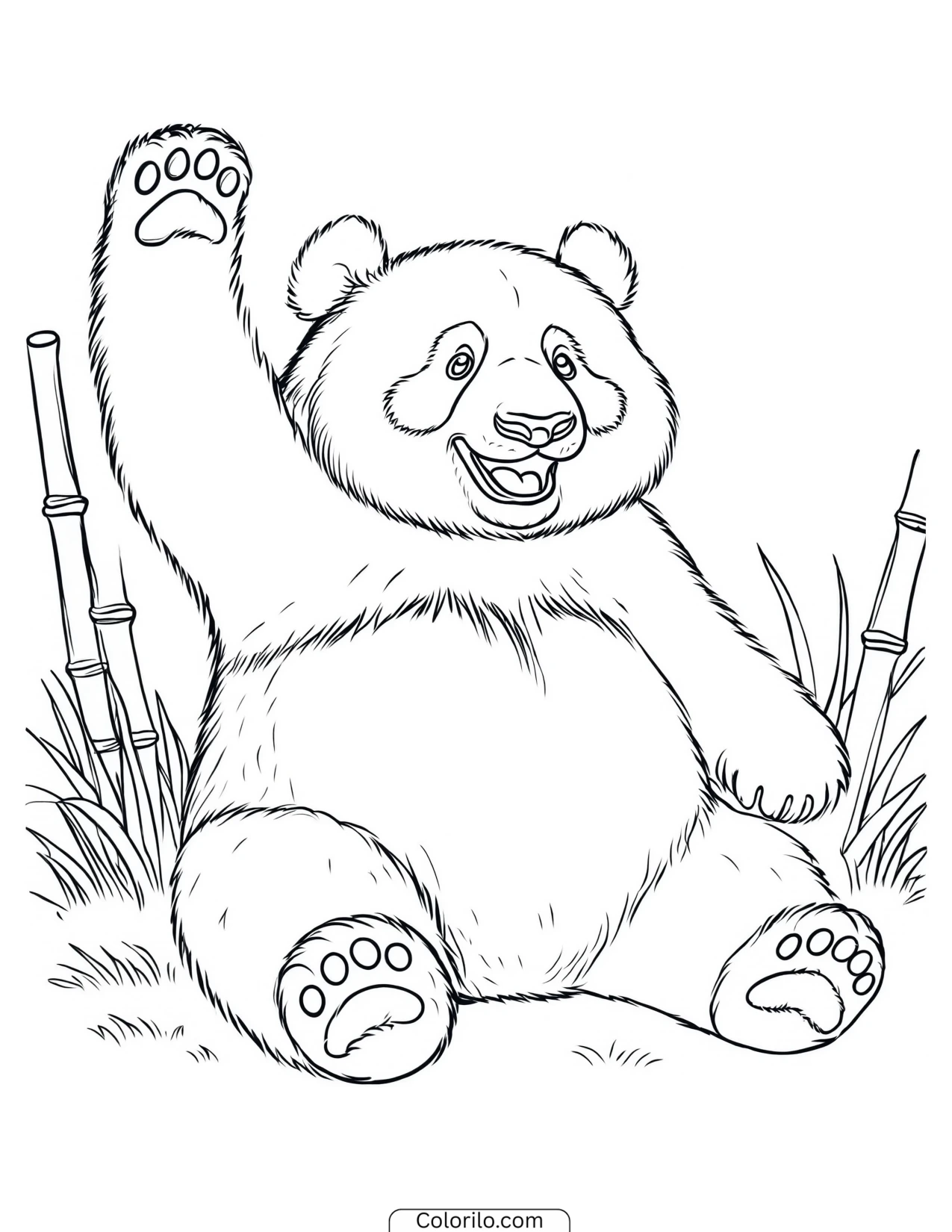
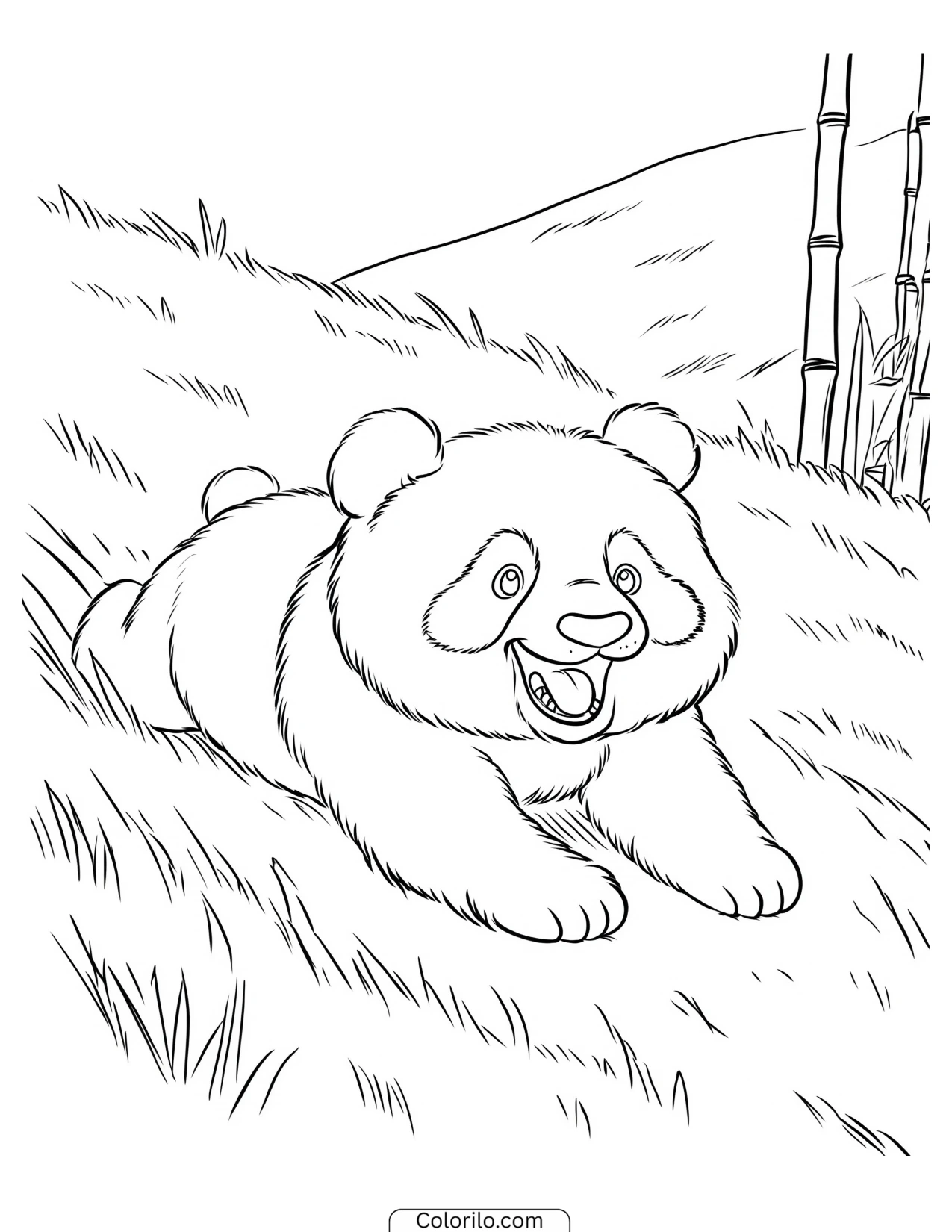
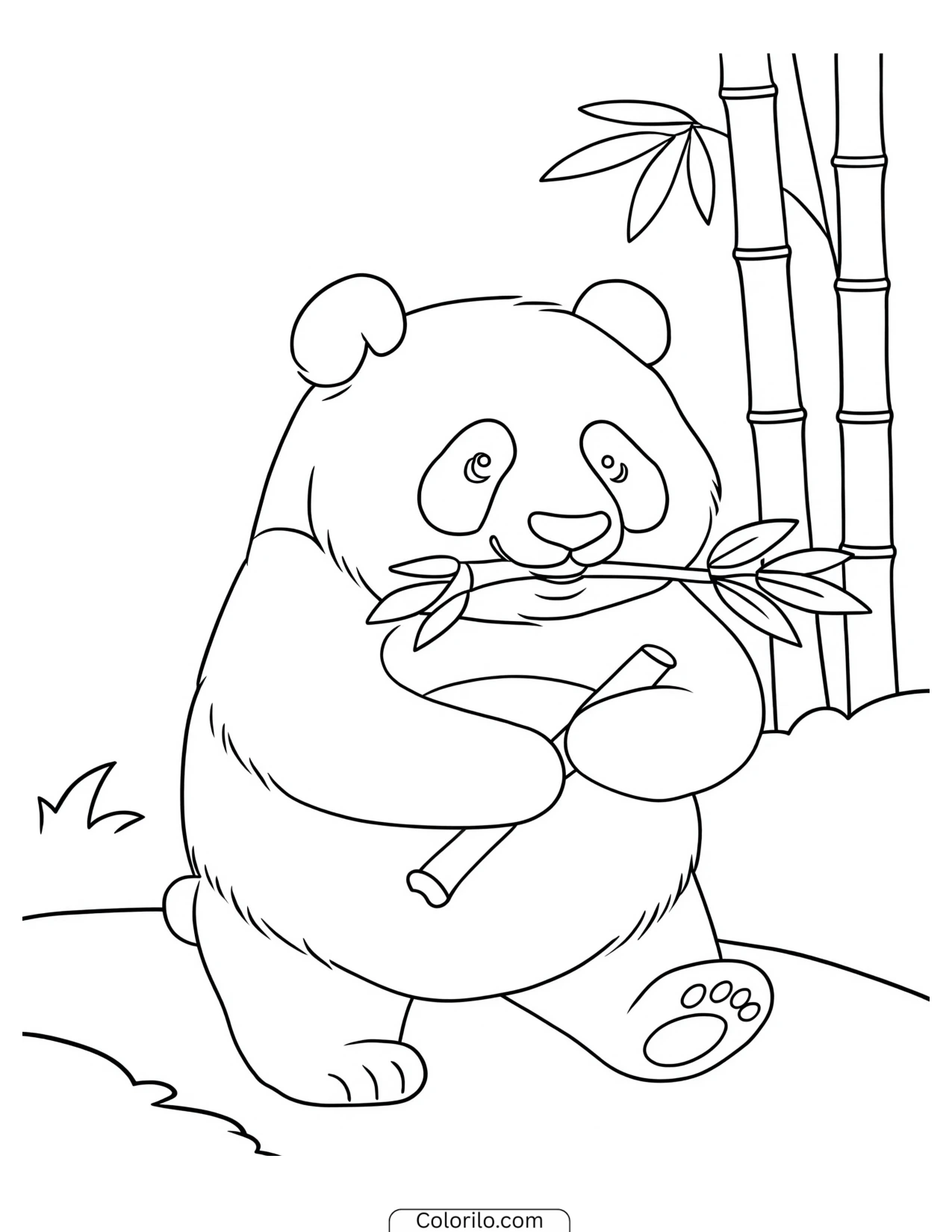
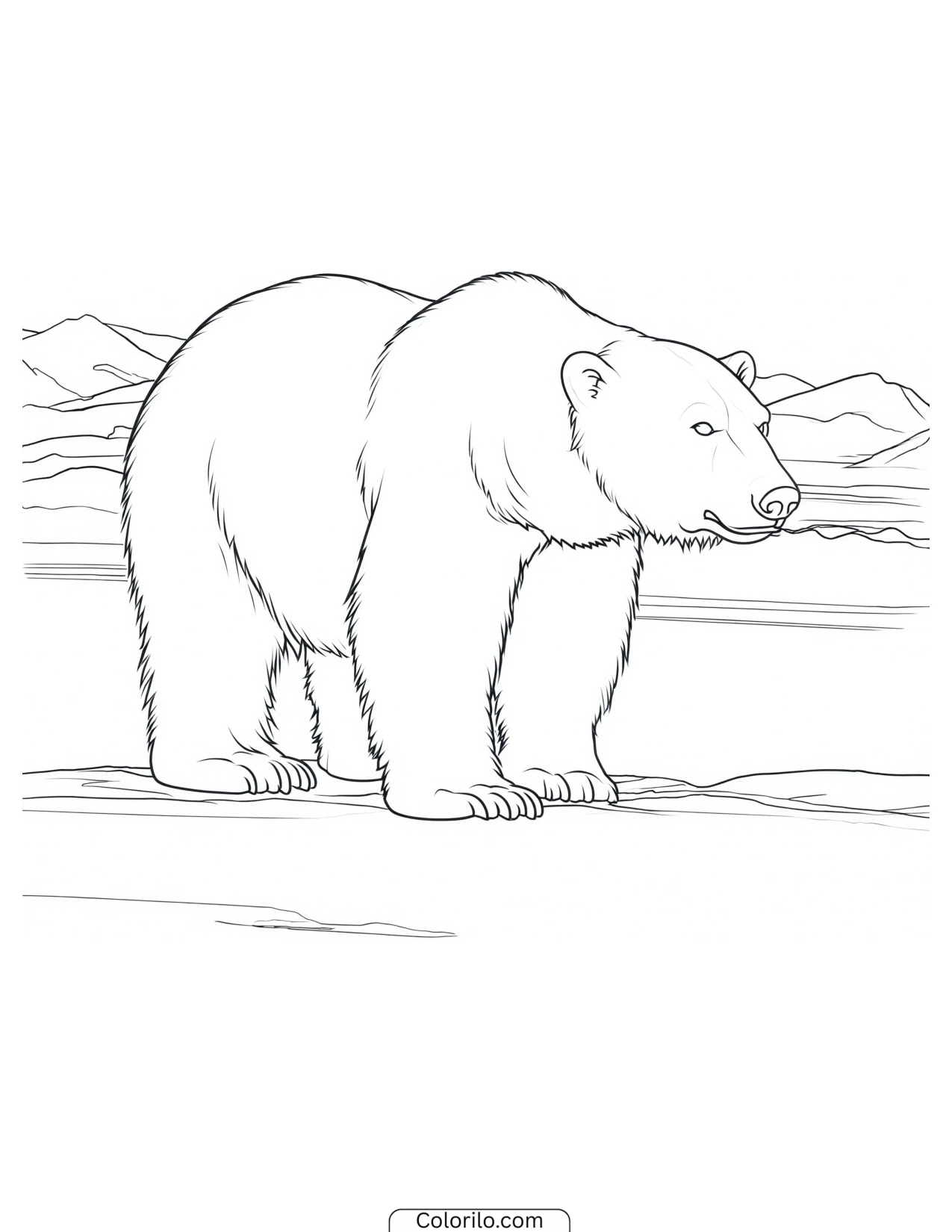
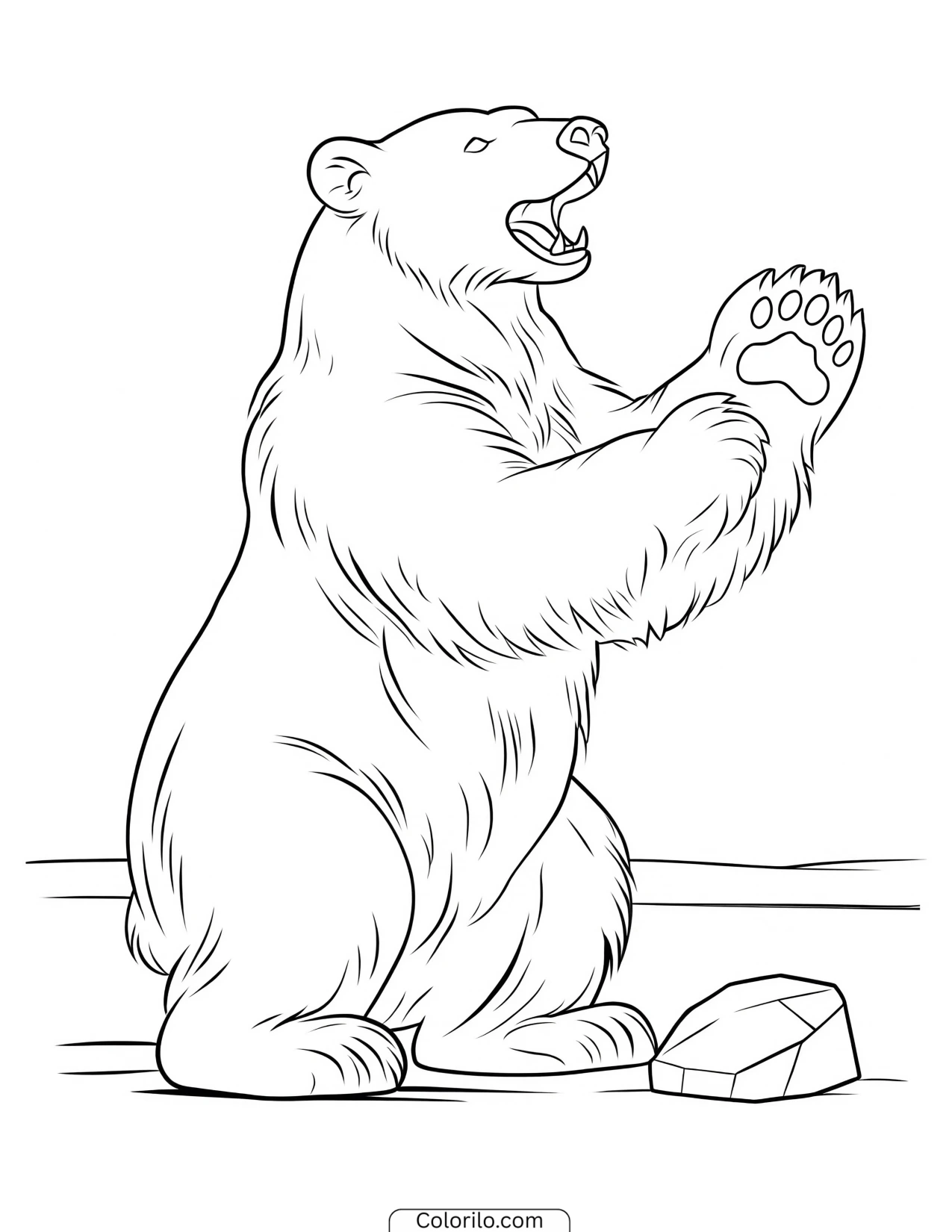
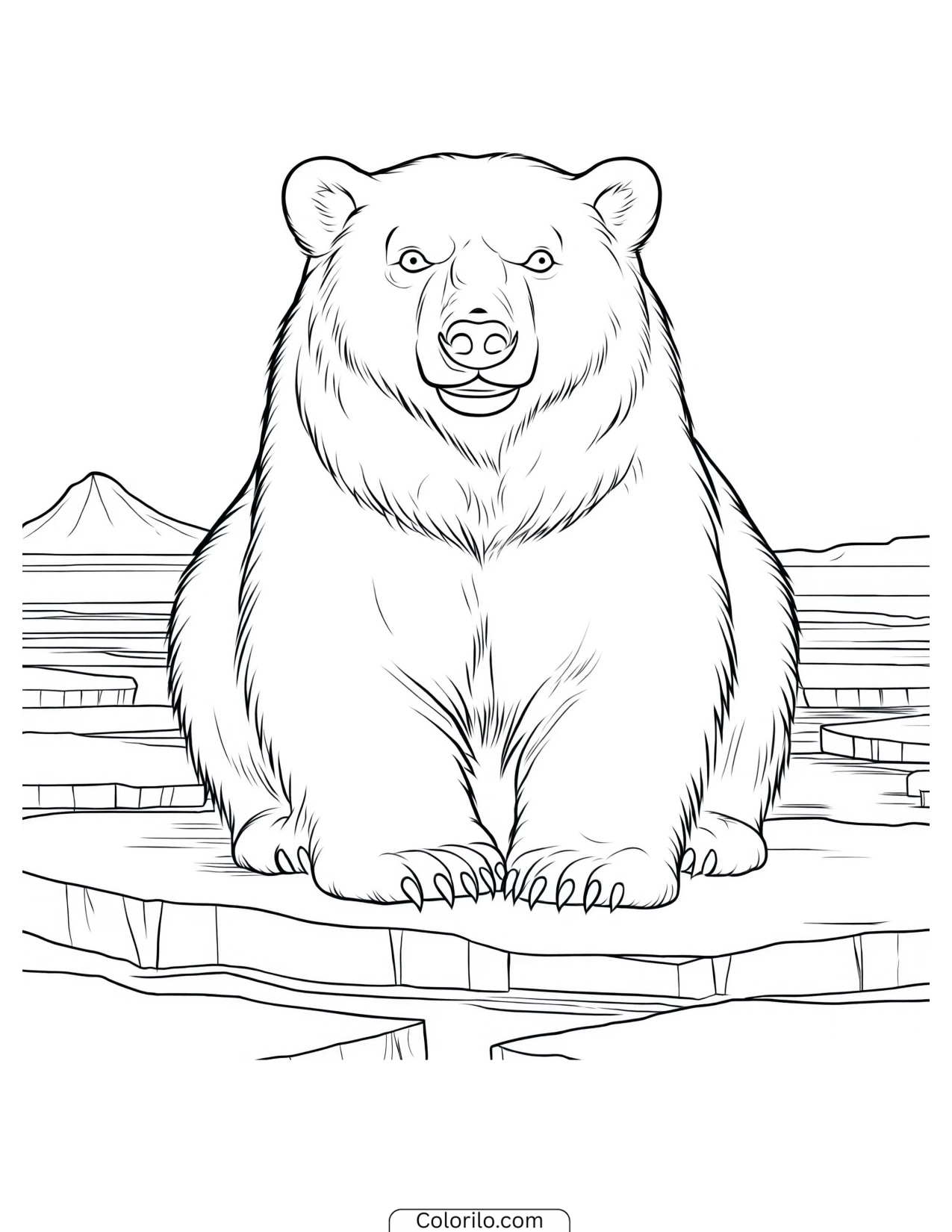
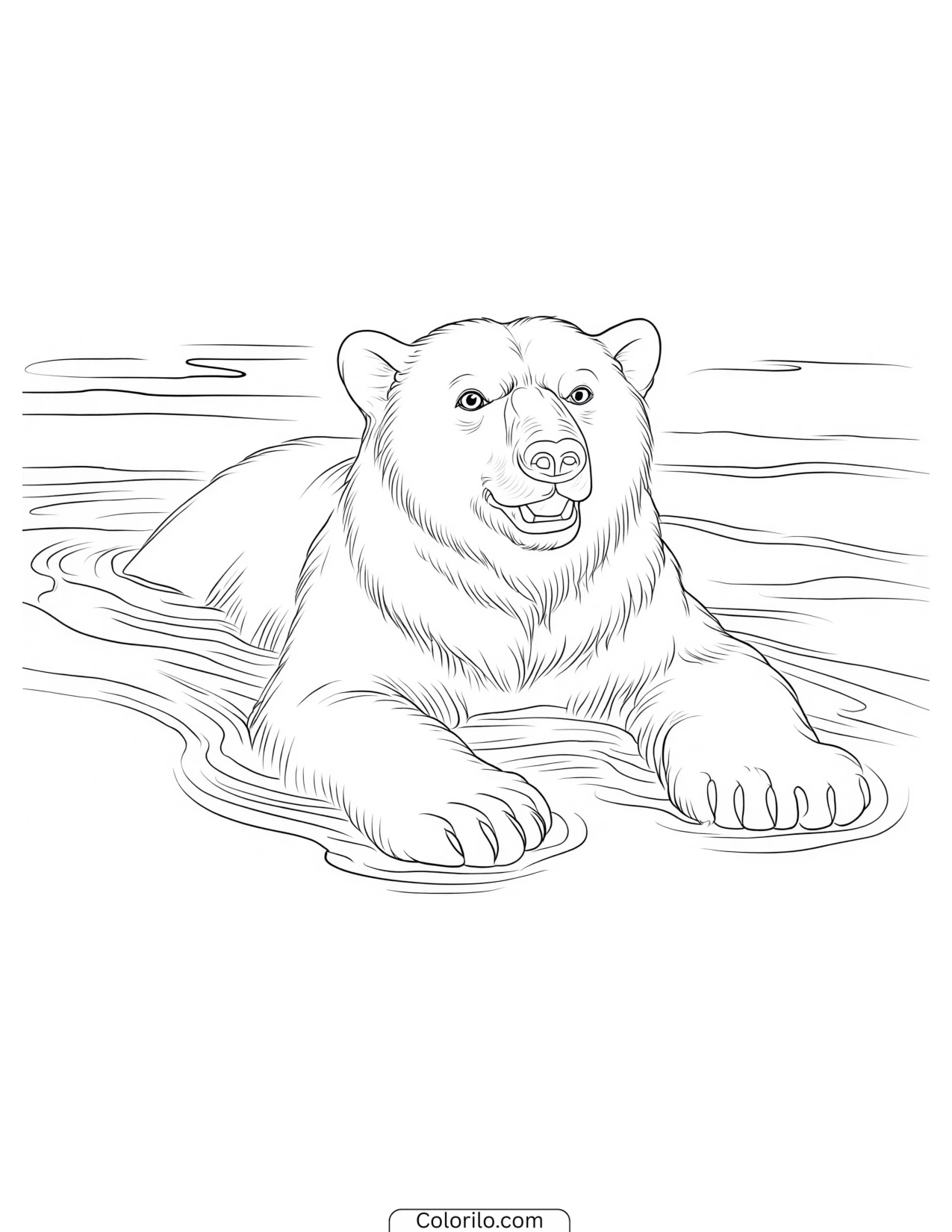
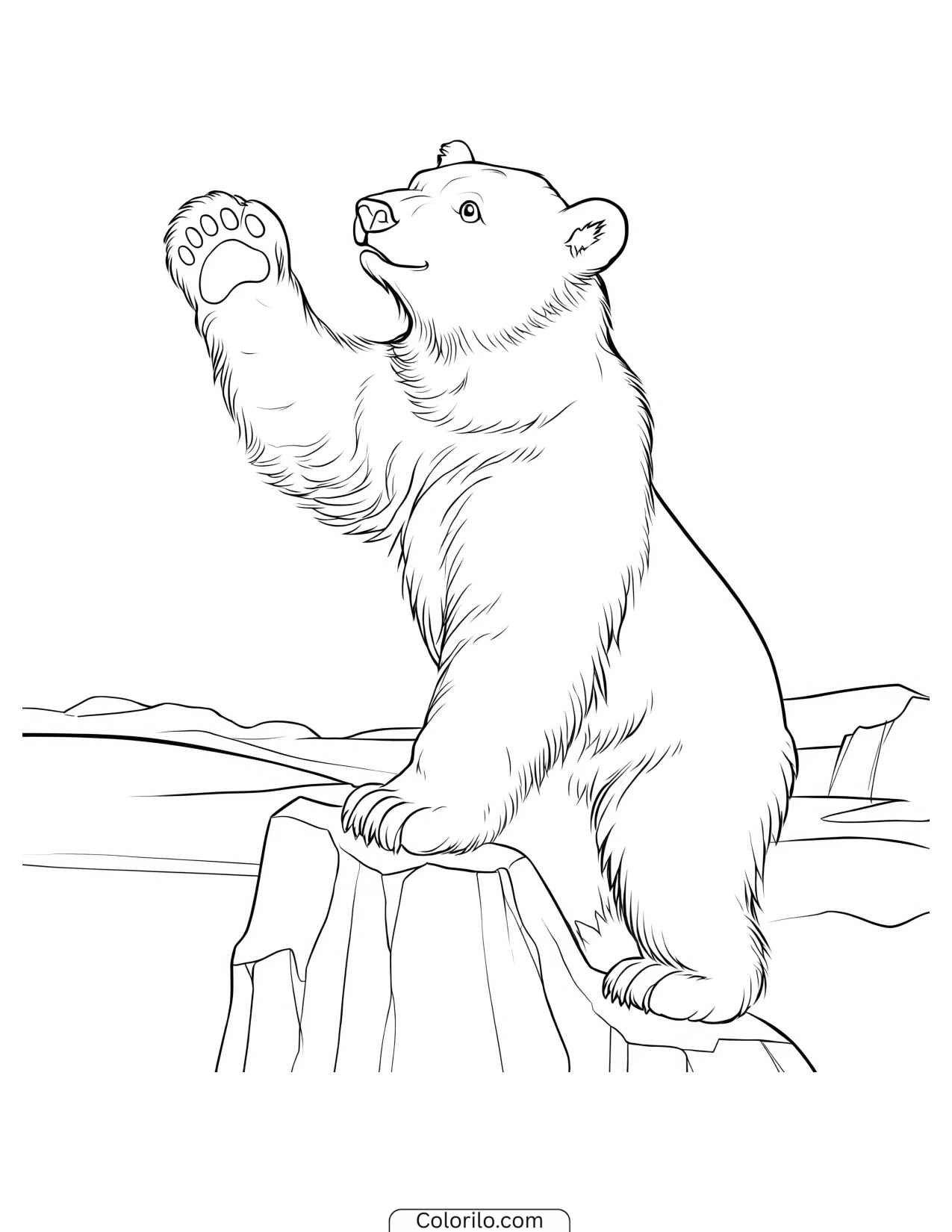
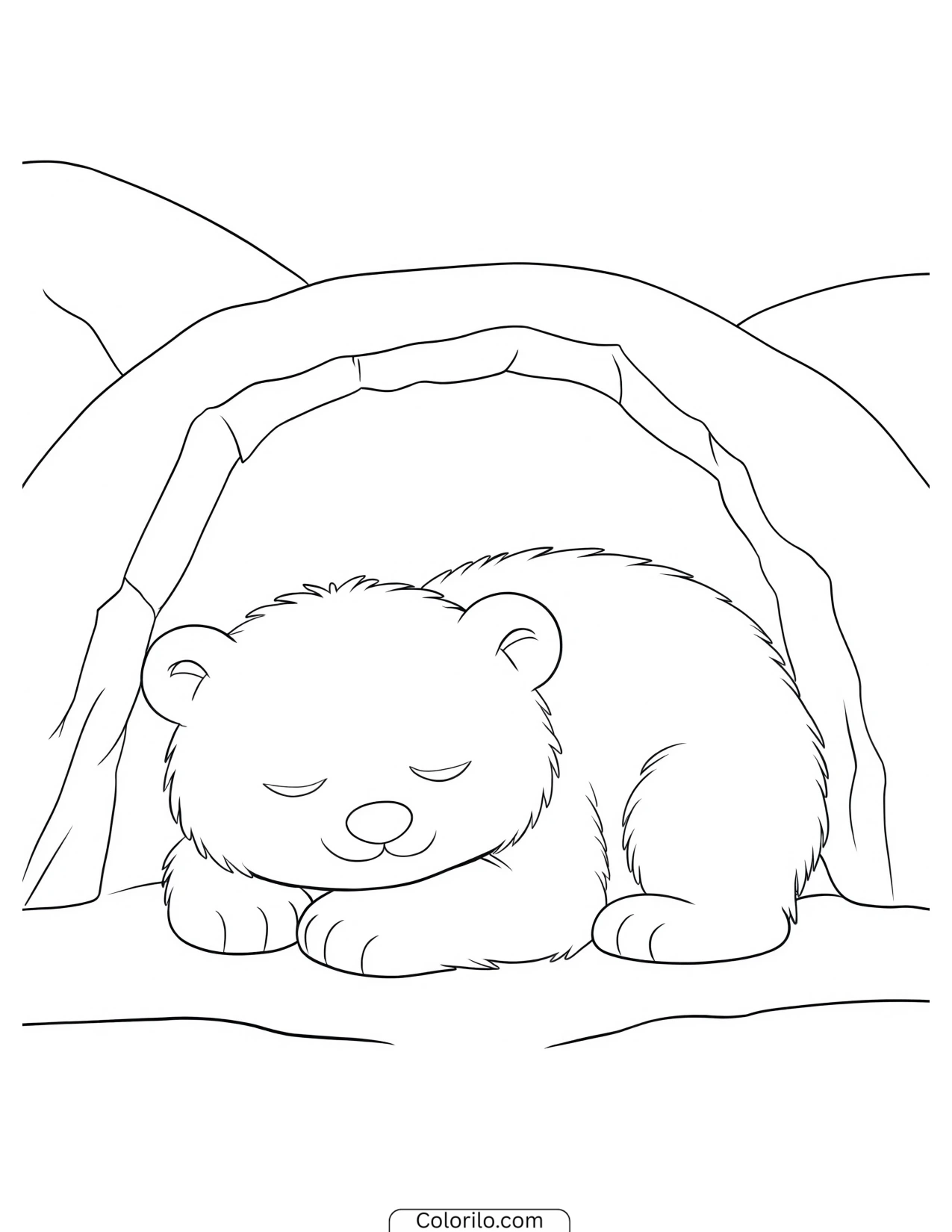
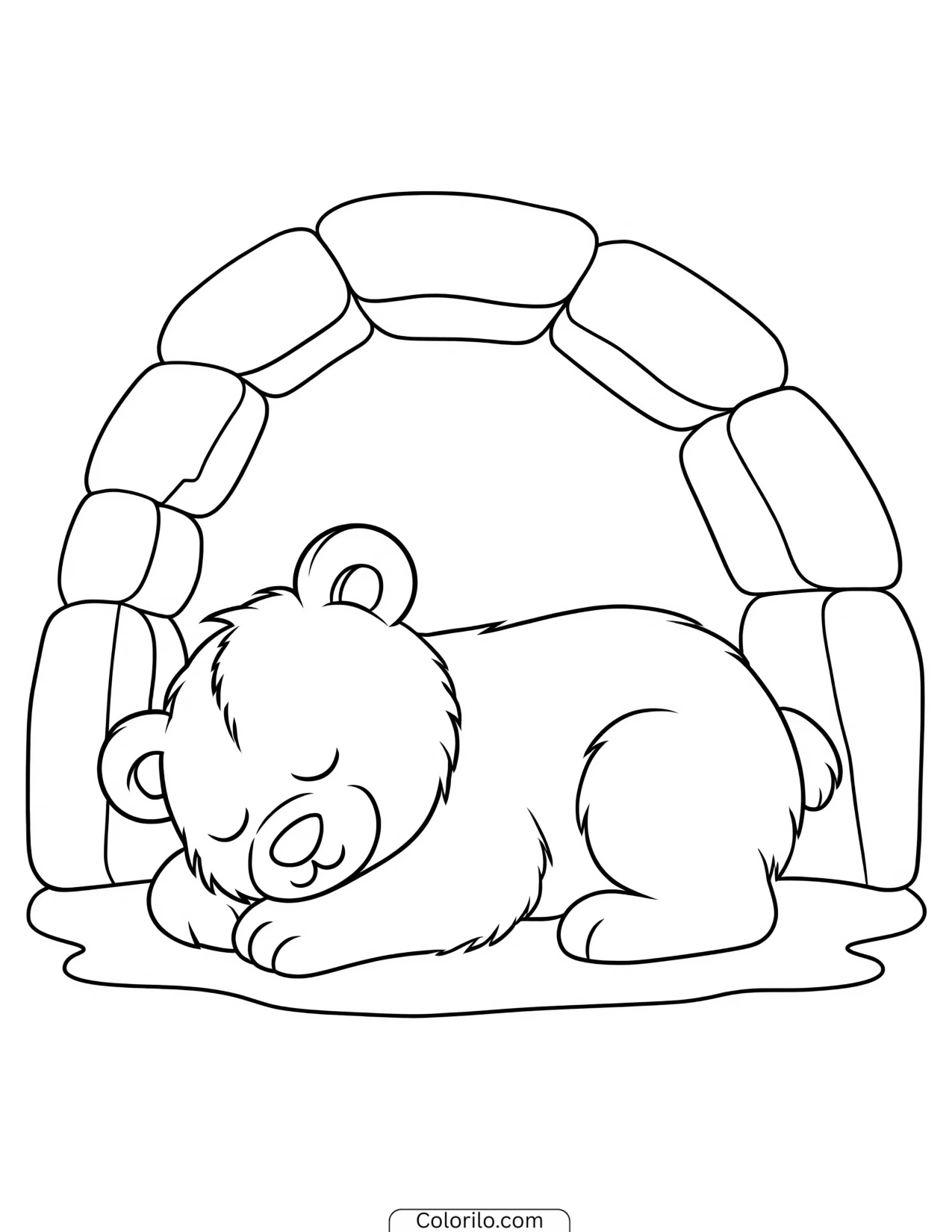
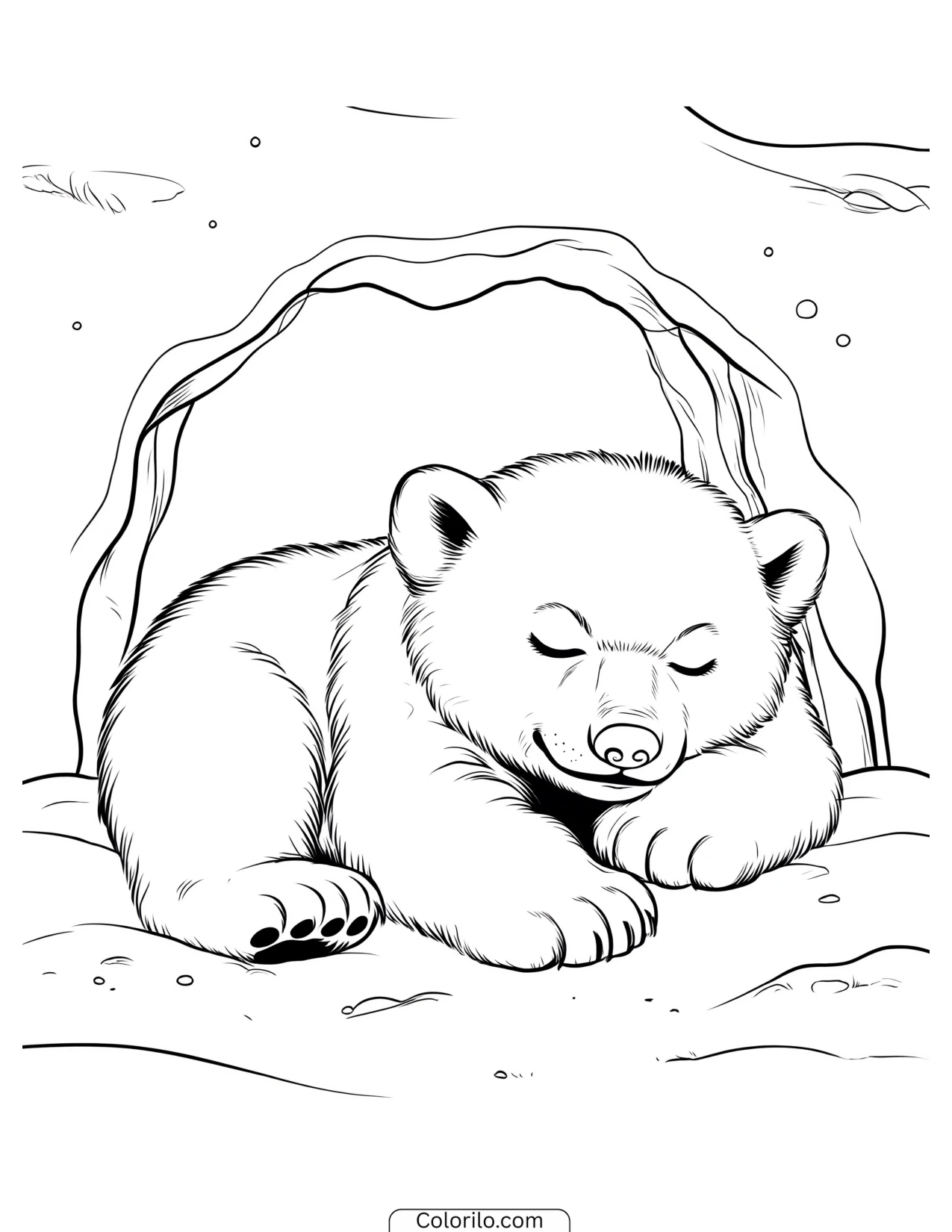
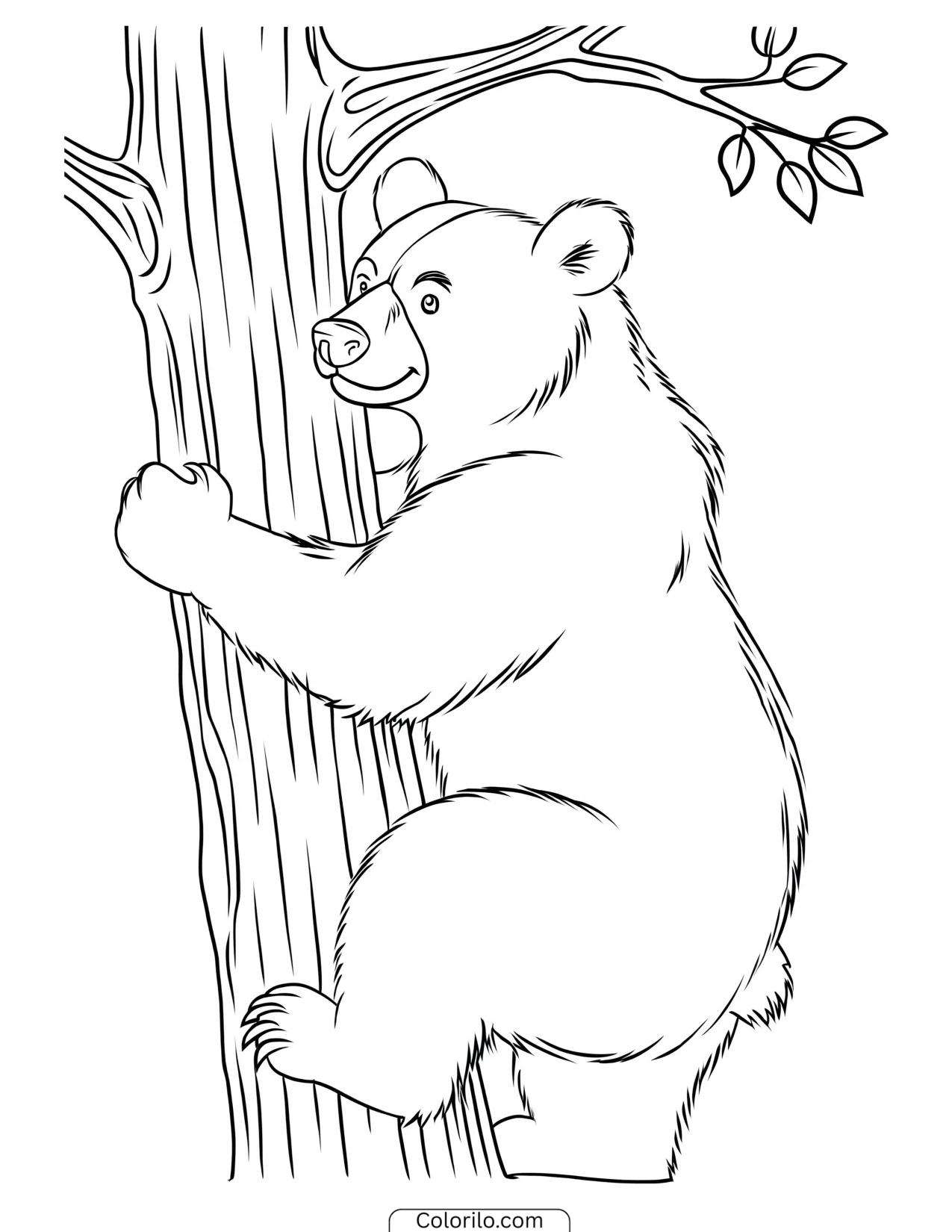
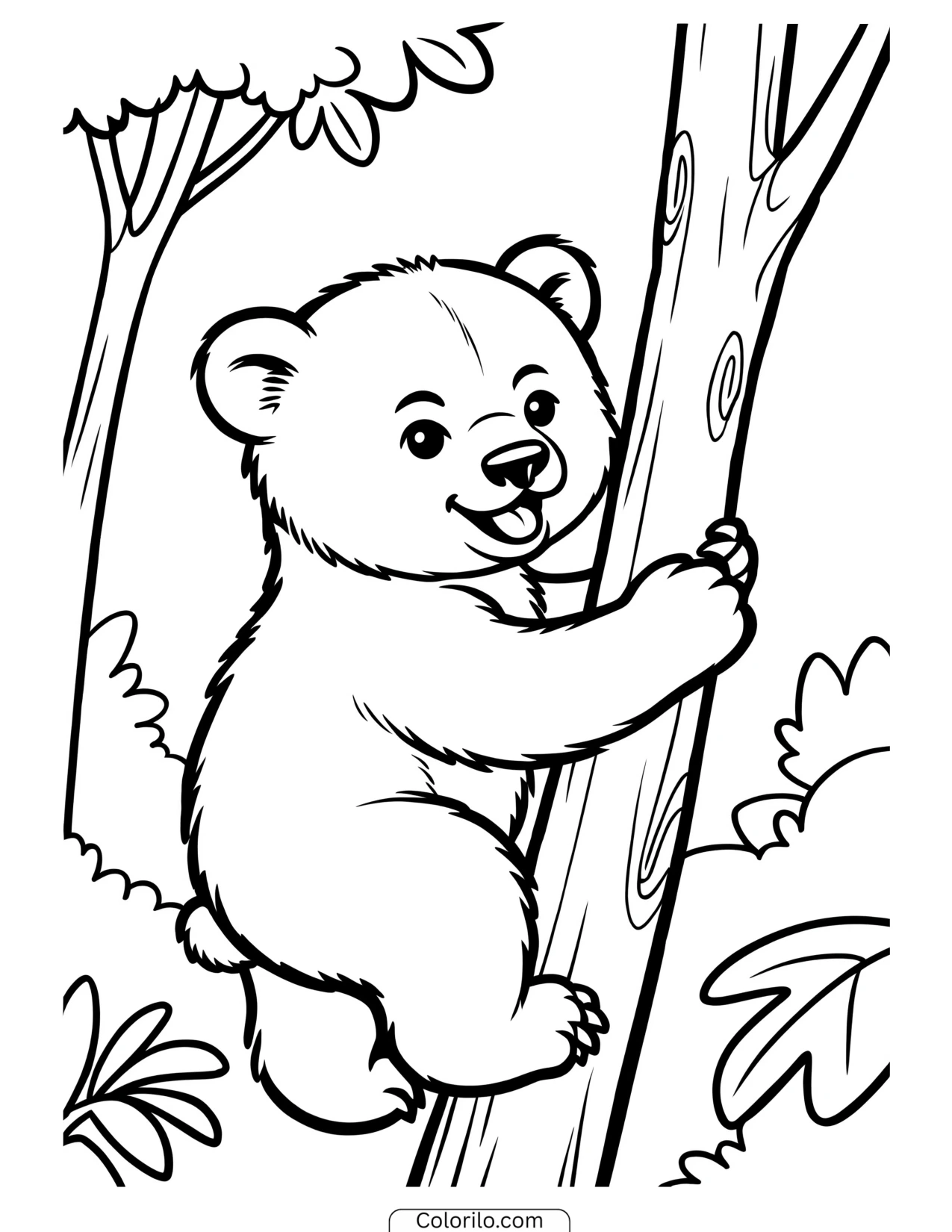
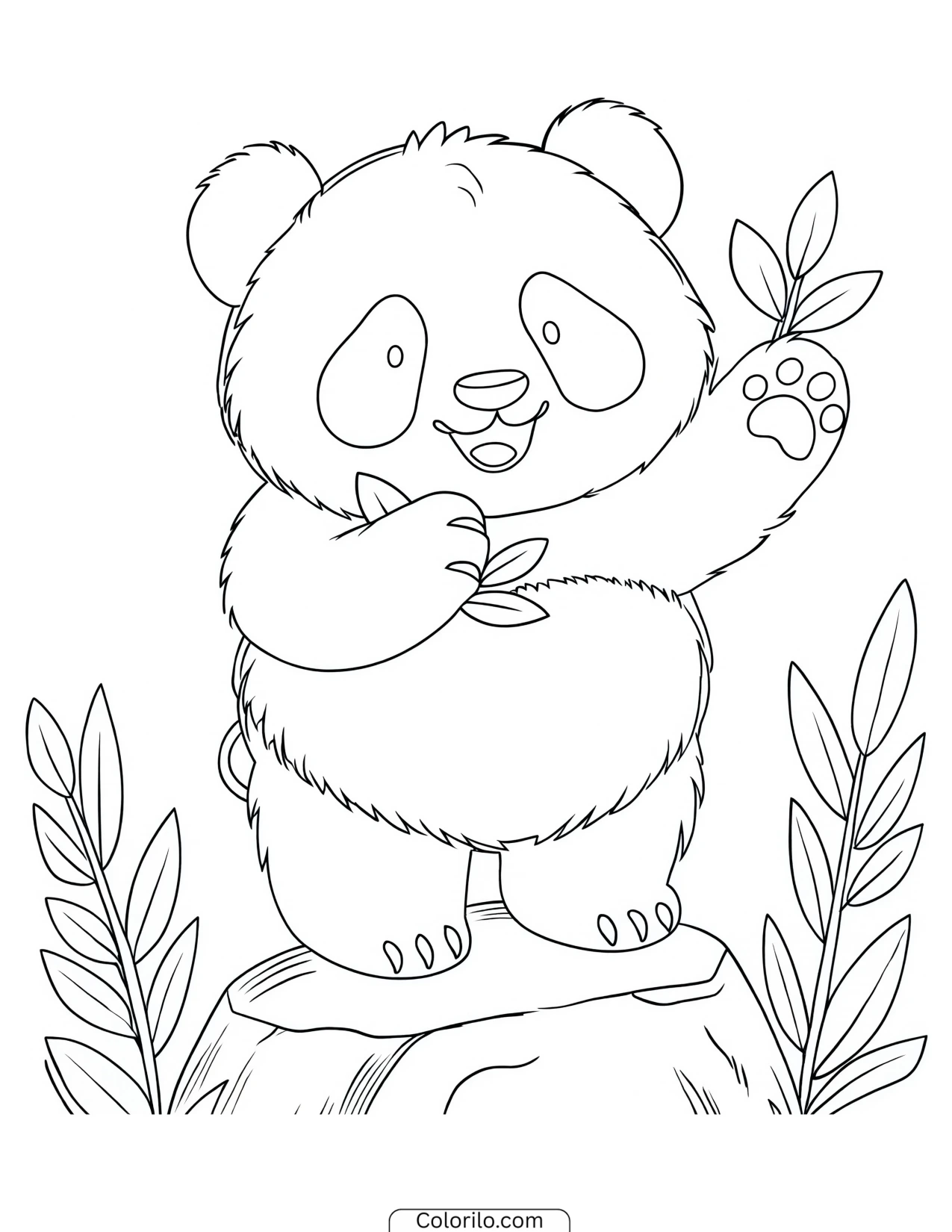
This collection has 50 free designs covering three kinds of bear. Ten pandas, mostly with bamboo, holding a stalk, hugging one, walking along eating leaves, and one sitting with both paws pressed to its cheeks. Eleven polar bears, including four cubs asleep in snow, beside an igloo, and napping at a cave mouth, plus adults on ice floes, wading through water, and roaring out on the ice. The remaining designs are brown and black bears in woodland settings: catching a fish, picking fruit from a branch, walking through berry bushes, sitting beside a waterfall, and emerging from a cave.
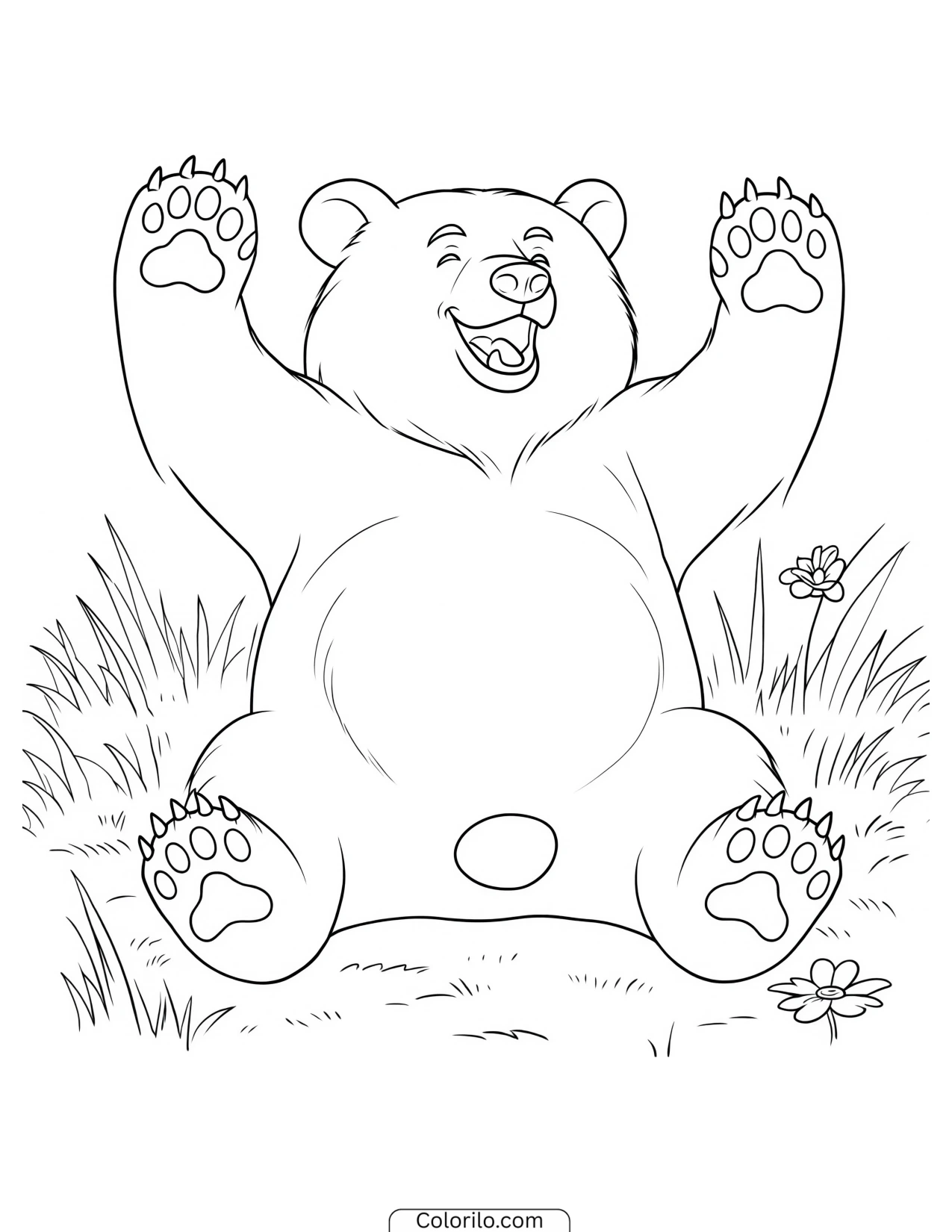
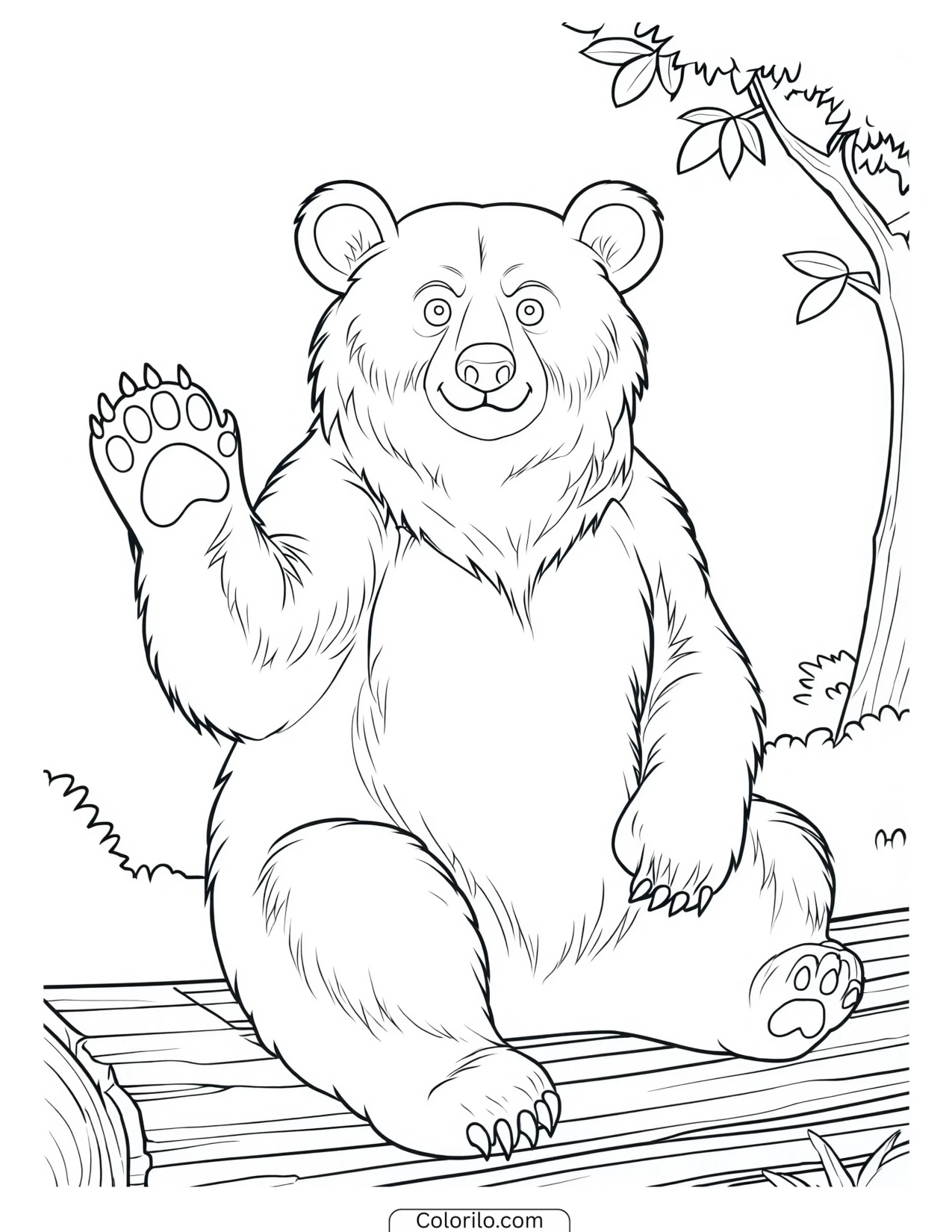
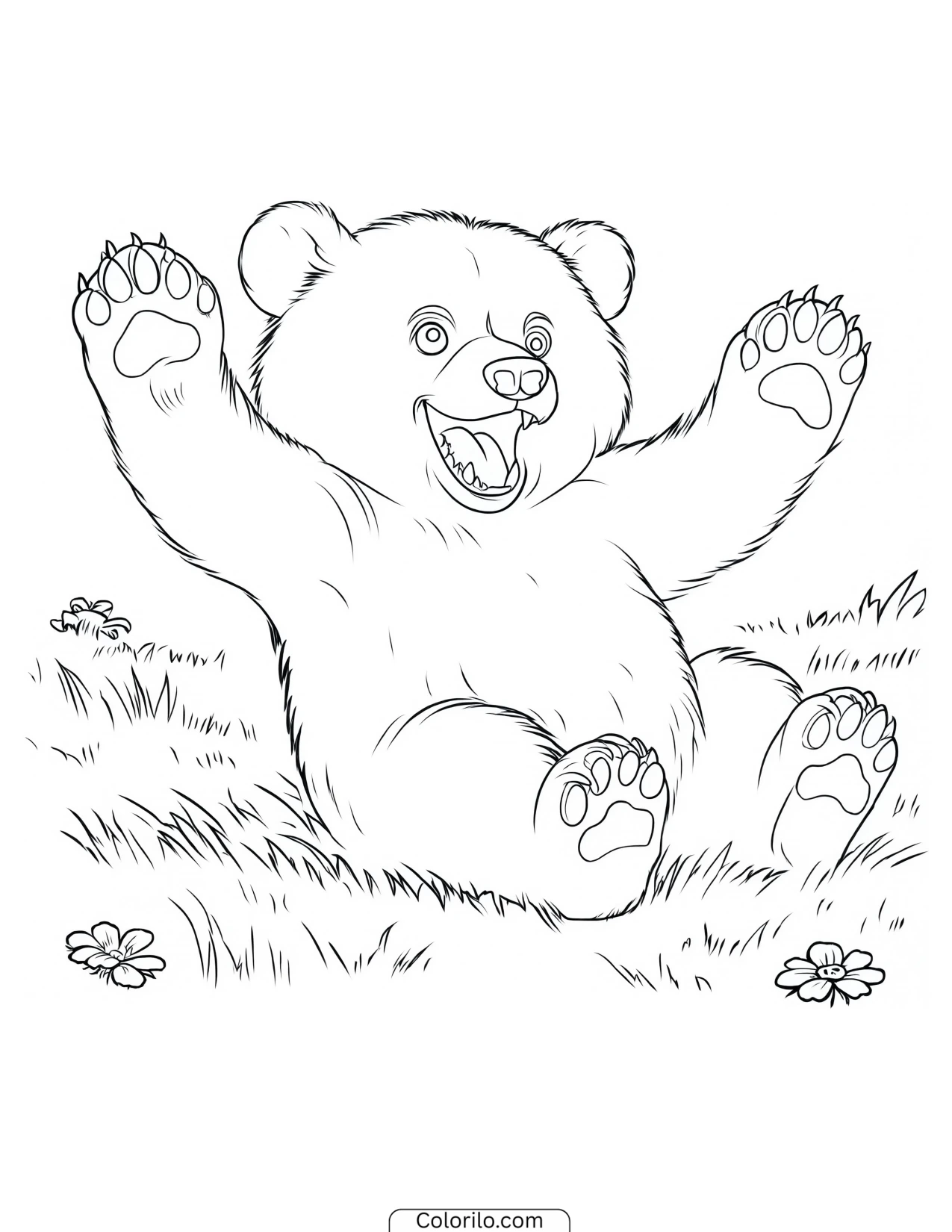
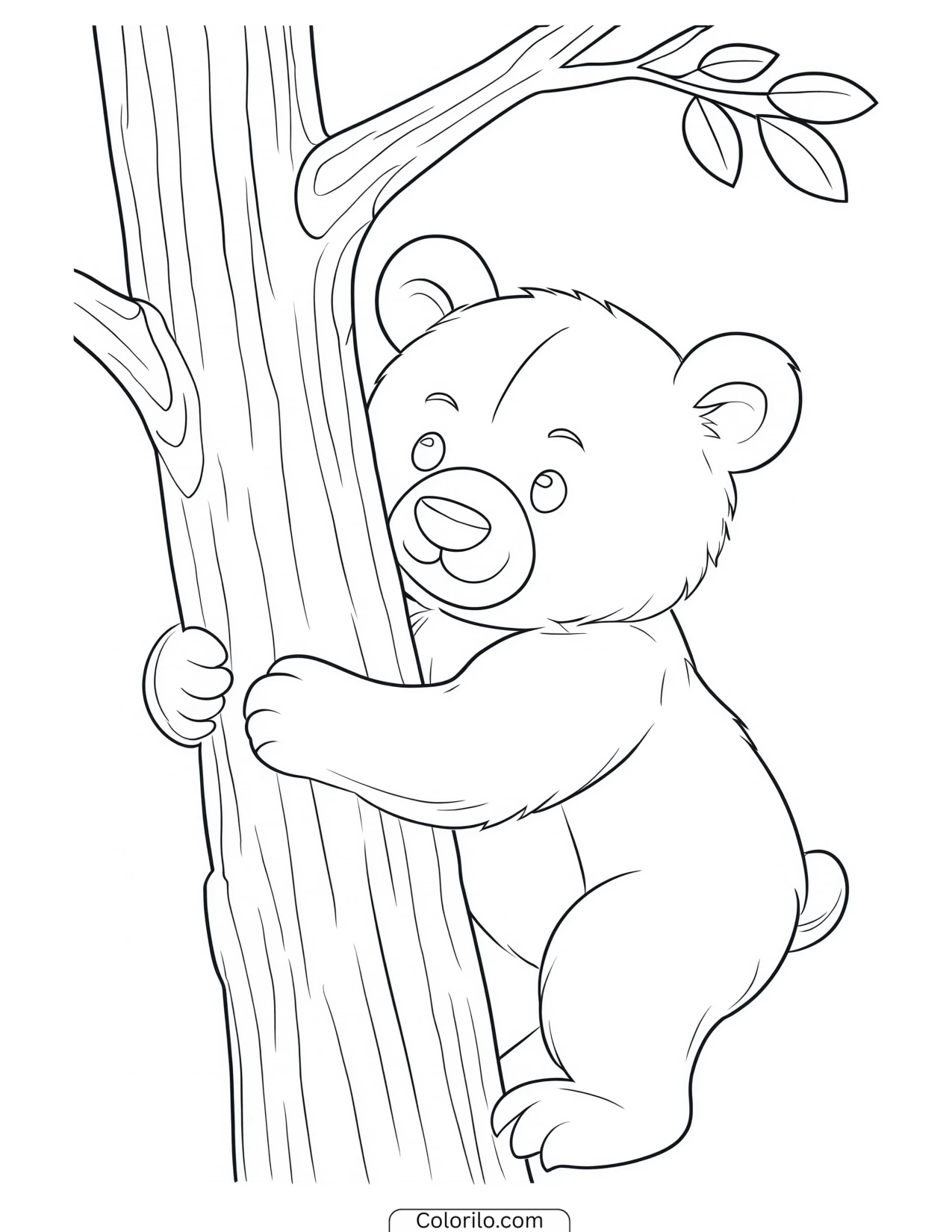
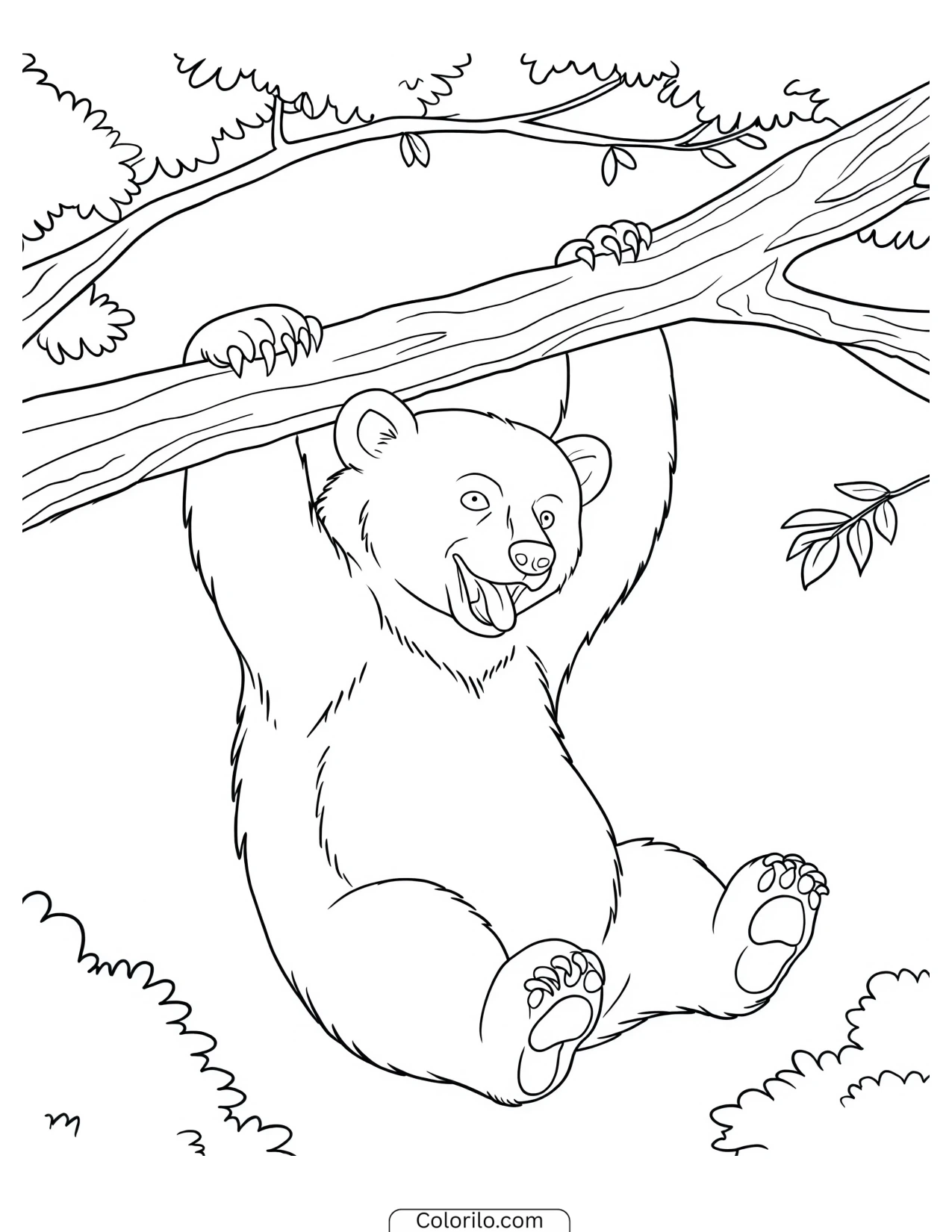
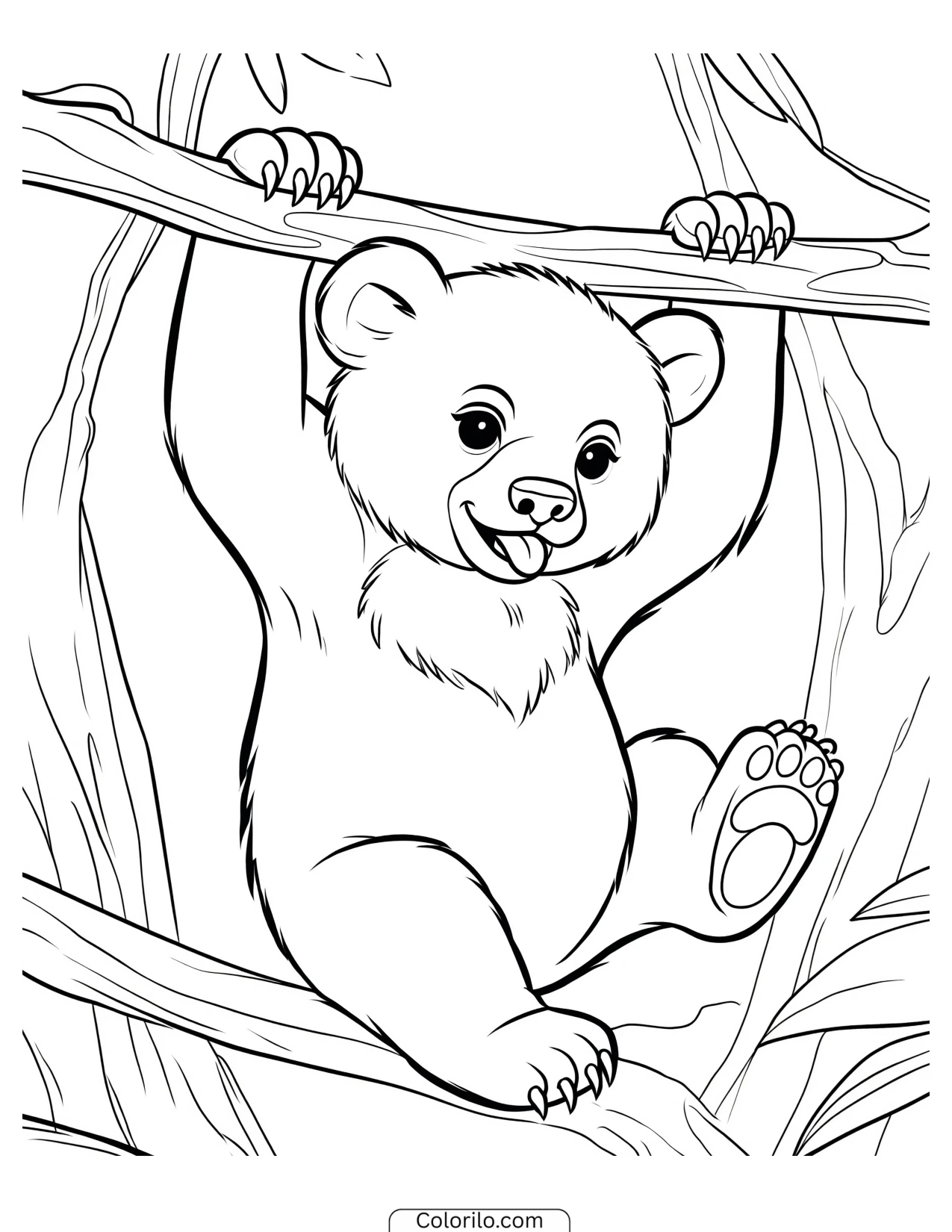
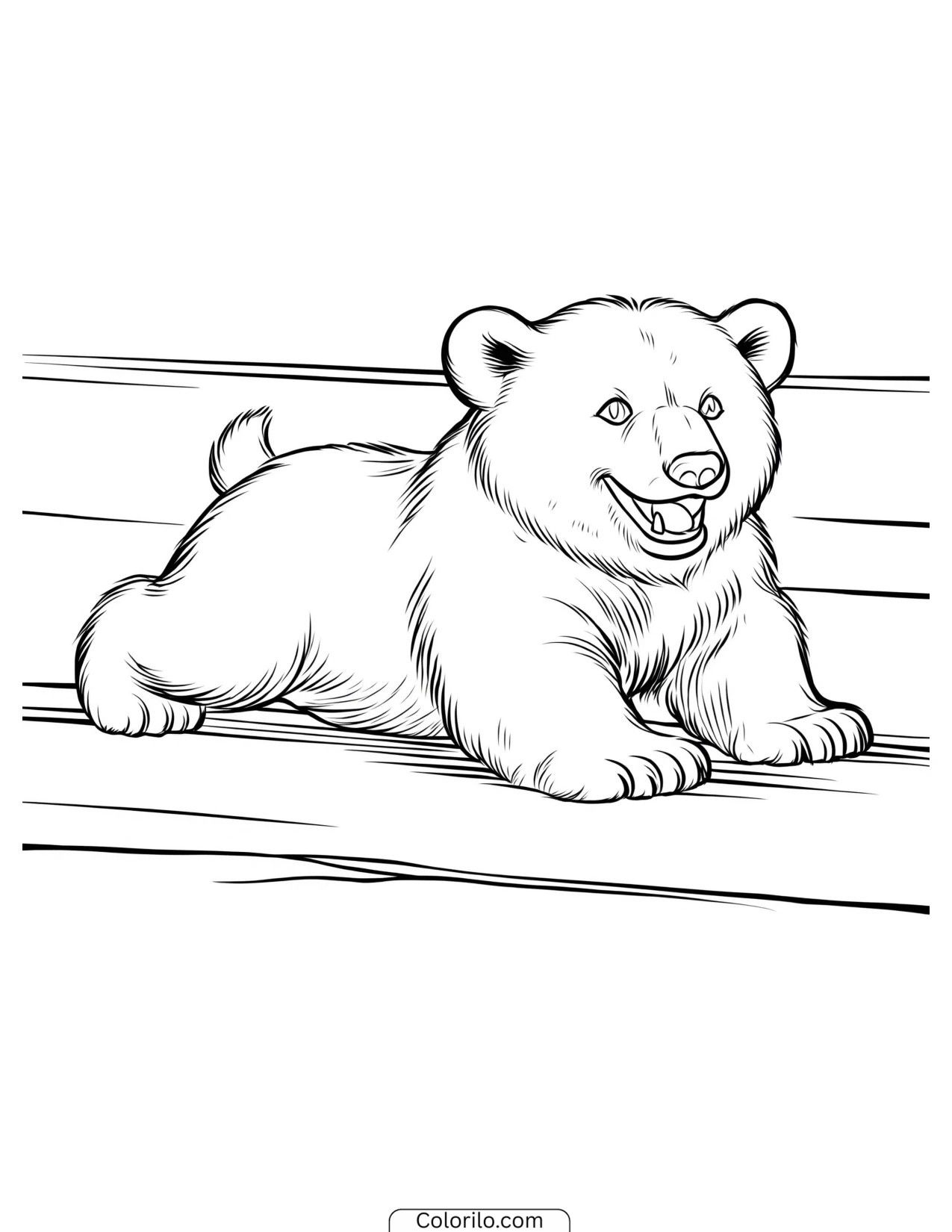
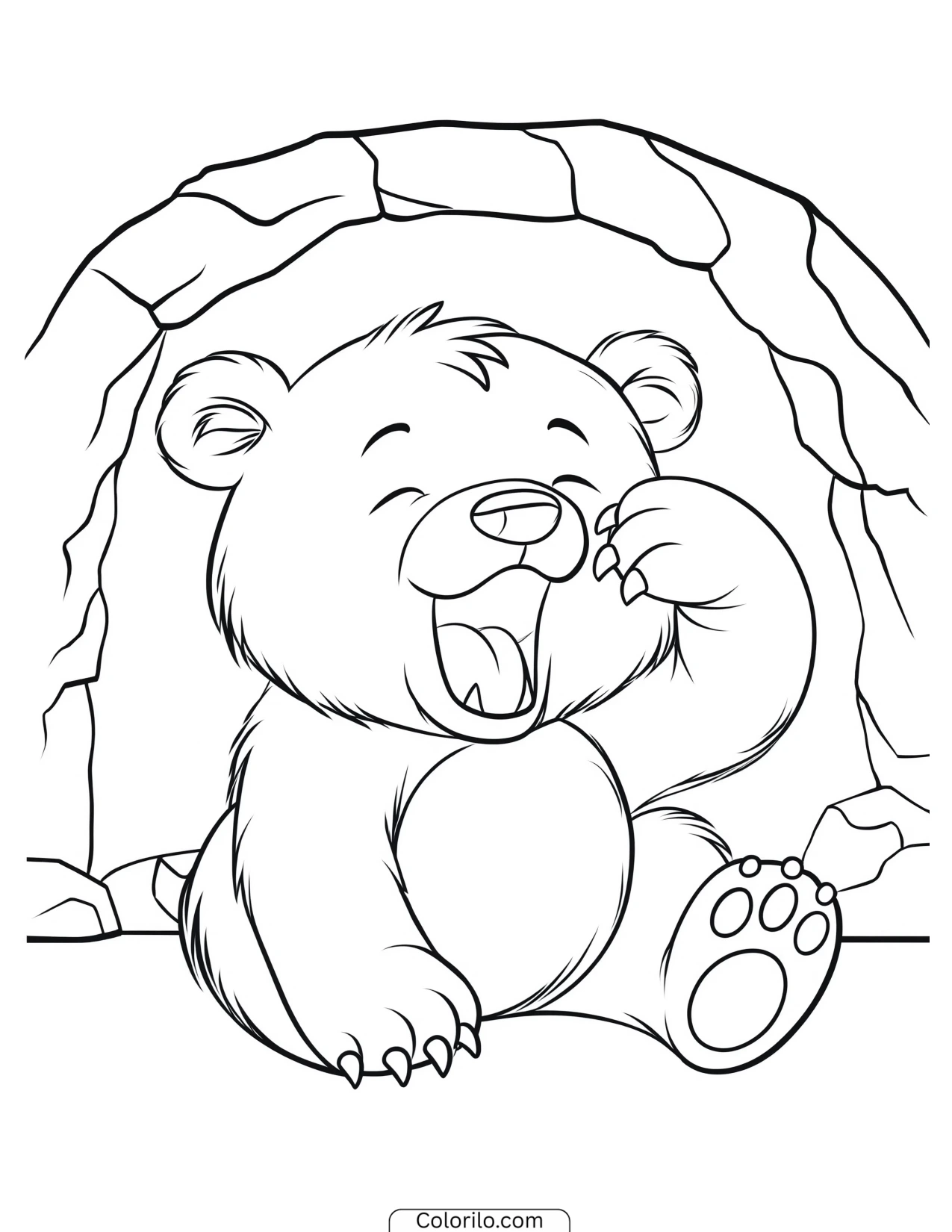
Around a dozen pages feature cubs specifically, and those are the gentlest in the set, clinging to trunks, hanging from branches, yawning at cave mouths, one dangling with its tongue out. Those are where to start with a young child, along with the waving and cheering designs.
Complexity varies usefully. The plain standing and sitting poses have large open areas that fill quickly. The habitat pages, waterfall, forest, berry bushes, the igloo scene, have backgrounds with real detail, and the panda designs carry the added interest of a fixed black-and-white pattern to work around.
Every one of these bear coloring pages is free, prints on standard US letter paper, and needs no sign-up. Click any design below to open the full-size PDF.
The Bears in This Collection
Giant panda
Ten pages. Technically a bear, though it took DNA evidence to settle a long argument about whether it belonged with raccoons instead. Pandas eat bamboo almost exclusively despite having a carnivore’s digestive system, which is why they need to eat 12 to 38 kilos of it a day just to get by. The black-and-white pattern makes these the most constrained pages here to color, and the most satisfying to get right.
Polar bear
Eleven pages. The largest bear alive, and the only one classed as a marine mammal, since it spends much of its life on sea ice hunting seals. Its fur isn’t actually white but transparent and hollow, scattering light, and the skin beneath is black. Worth telling a child before they reach for the white crayon and wonder what to do.
Brown and black bears
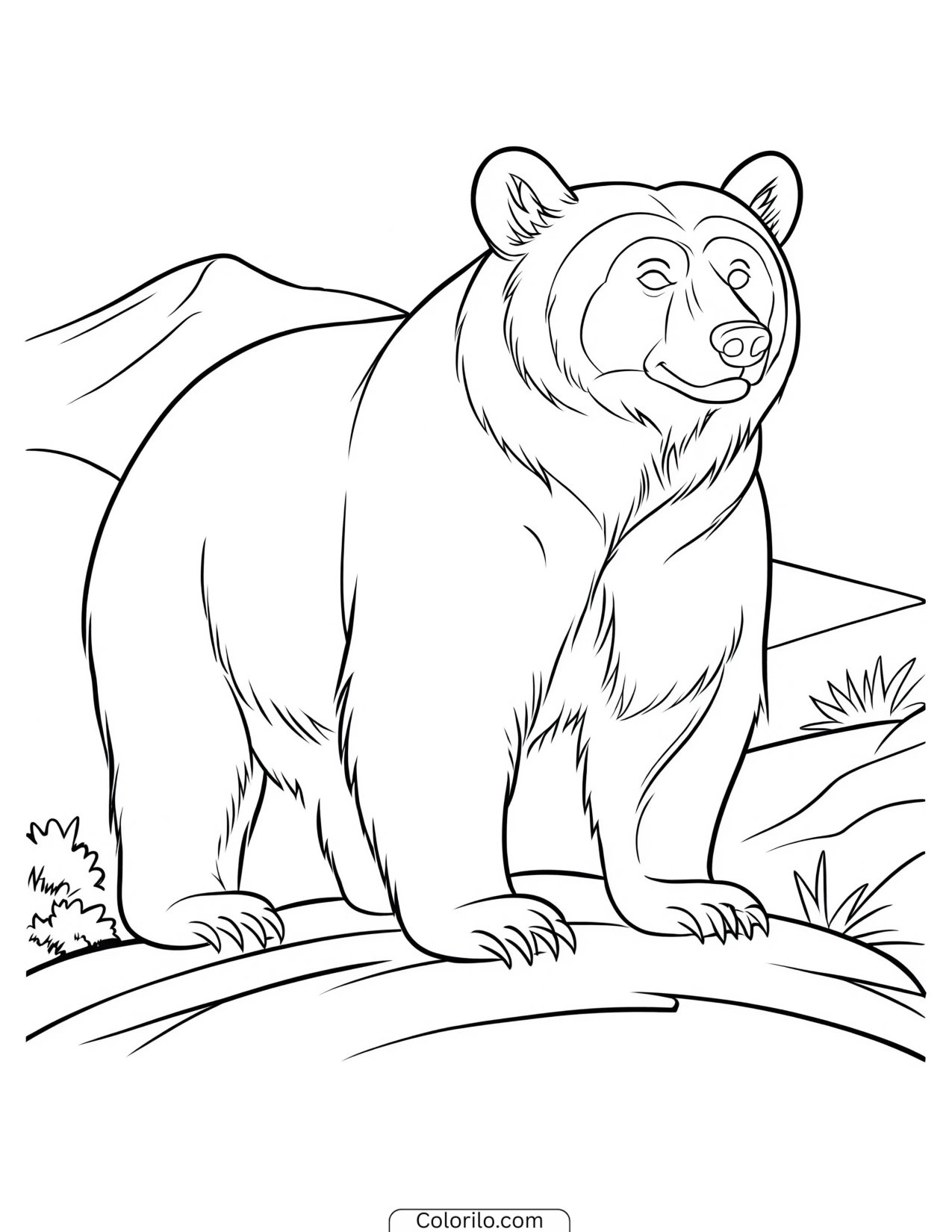
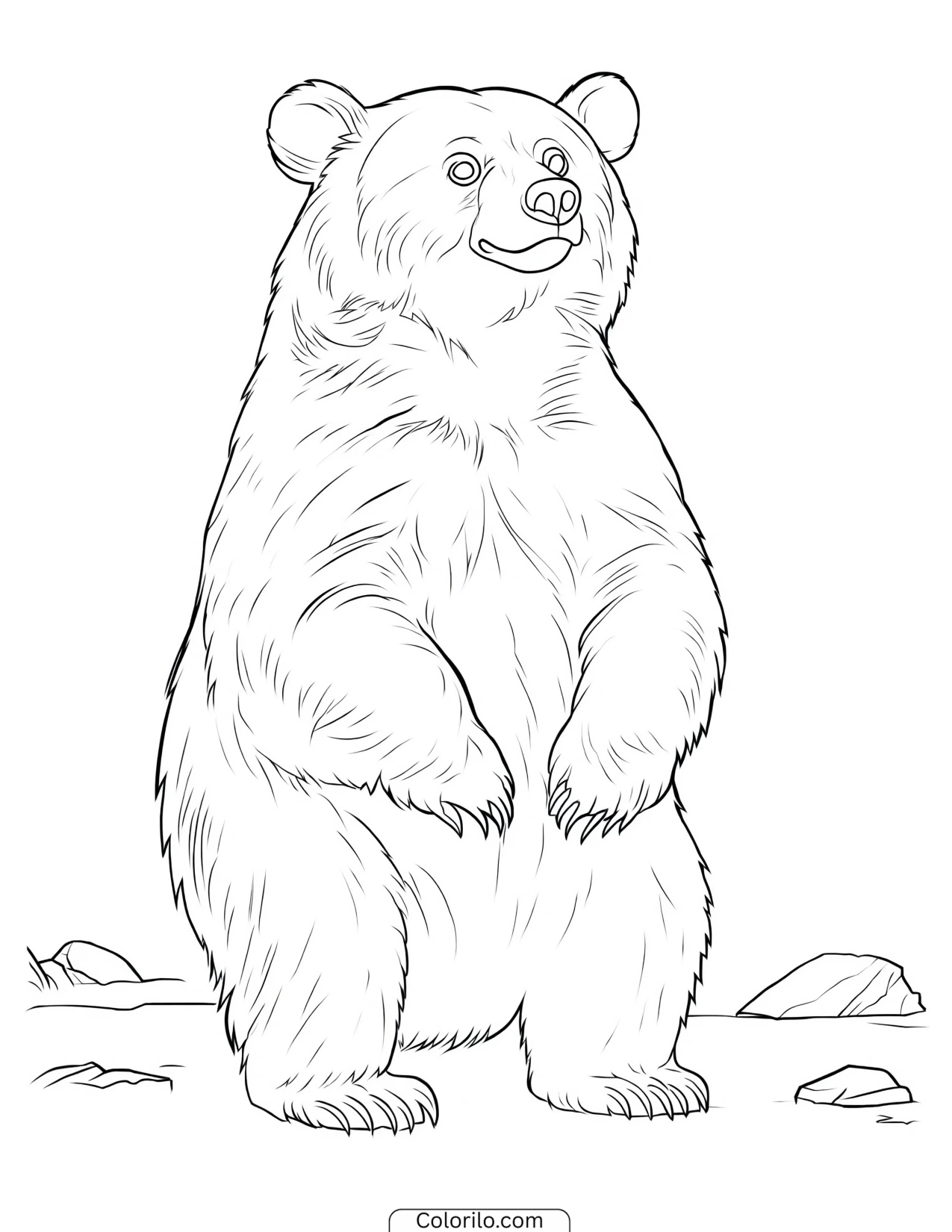
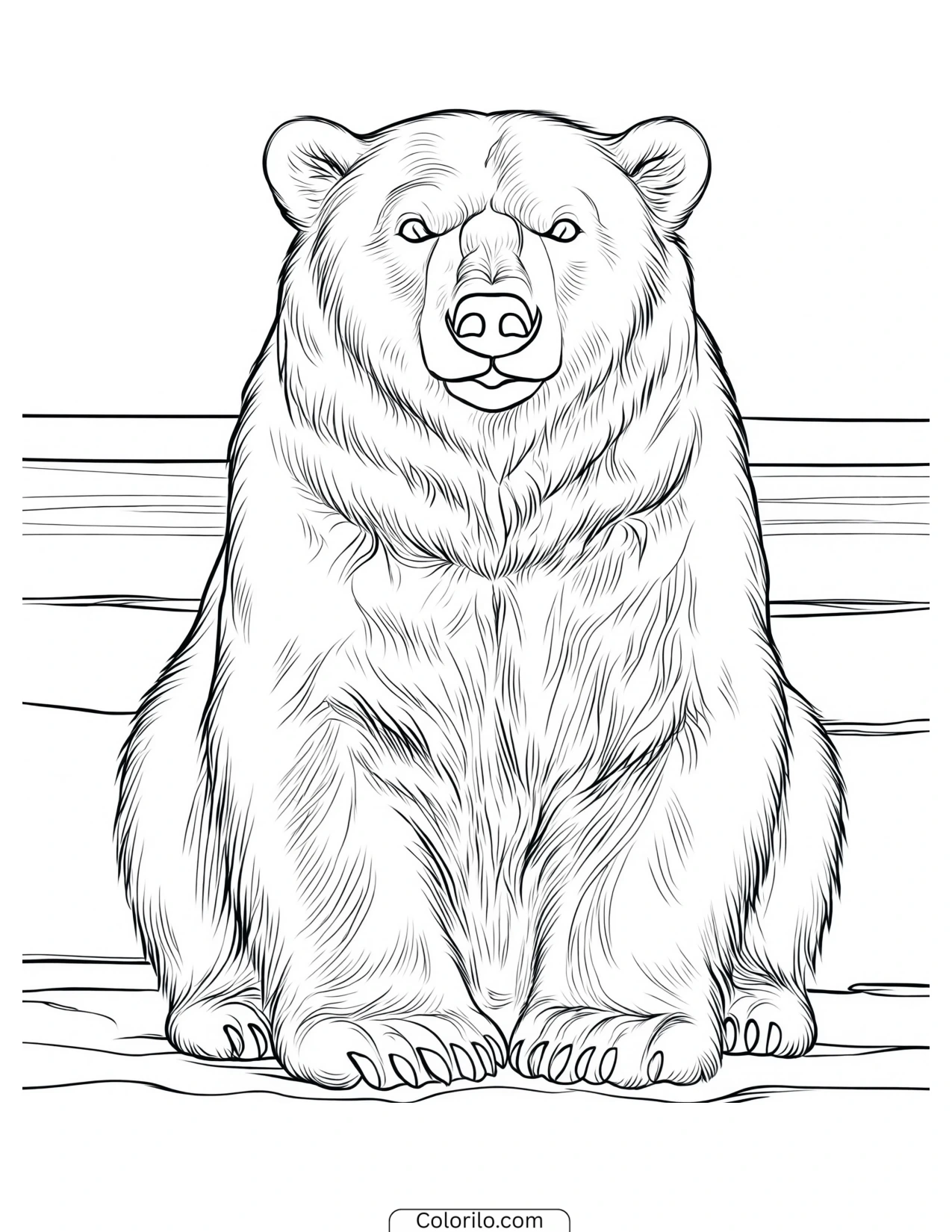
The remaining pages. These are the bears of temperate forests: omnivores that eat far more berries, roots, and fish than meat, and the ones behind the salmon-catching image in this set. Grizzlies are a brown bear subspecies, and both brown and black bears den through winter in a state closer to light dormancy than true hibernation.
Cubs
Around a dozen pages across all three types. Bear cubs are born remarkably small, a polar bear cub weighs about half a kilo at birth, against an adult female of several hundred, and stay with their mother for two years or more.
Coloring Tips
Pandas have less freedom than they look. Black ears, eye patches, shoulders, legs; white everywhere else. The interest is in the shading rather than the palette, so pencils and a light hand beat flat marker fills here.
Don’t leave the polar bears white. A page of untouched paper reads as unfinished. Pale grey, cream, or a faint blue in the shadowed areas gives the animal form while still reading as white, and the snow behind can take a stronger blue to push the bear forward.
Brown bears are not one brown. Real coats range from near-black through cinnamon to almost blond. Mixing two or three browns with darker shading around the legs and muzzle makes a considerable difference on the plain standing poses.
The habitat pages reward the background. The waterfall, the berry bushes, and the forest scene all give you greens and blues to work with, which makes the bear itself stand out more.
Start young kids on the cubs. The waving, cheering, and sleeping cub designs have the simplest linework and the friendliest expressions in the set.
Frequently Asked Questions
Are these bear coloring pages really free?
Yes, all 50 are free to download and print. Click any design to open the PDF. No account, no email, no payment.
What age are these suitable for?
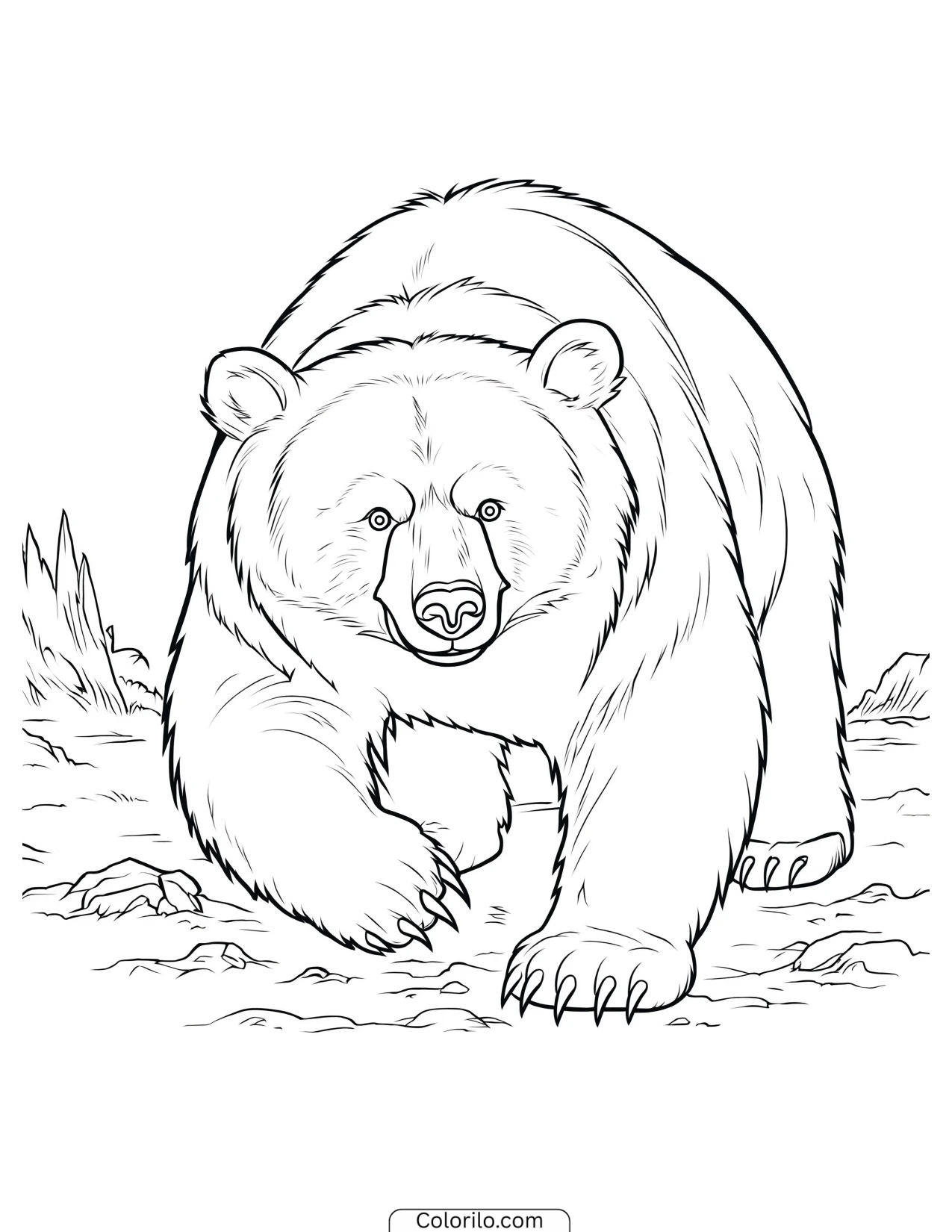
The cub pages and the waving, cheering designs suit children from around three. The plain adult poses work well through primary school, and the detailed habitat scenes, waterfall, forest, igloo, are better for seven and up. One page shows a roaring polar bear and another a serious bear walking forward; neither is graphic, but they’re the two least cuddly in the set.
Which bears are included?
Giant pandas, polar bears, and brown and black bears, plus cubs of each. Settings range from bamboo groves and Arctic ice to forests, streams, waterfalls, and berry bushes.
Can I use these in a classroom?
Yes. They work well alongside a unit on habitats, hibernation, food chains, or Arctic and Chinese wildlife, and are free for personal, educational, and classroom use.
Do bears really hibernate?
Not in the strictest sense. True hibernators drop their body temperature close to freezing and are very hard to rouse. Bears enter a lighter state called torpor, heart rate falls from around 40 beats a minute to 8, they don’t eat or drink for months, and yet a female can give birth and nurse cubs mid-winter and still wake if disturbed. Polar bears mostly stay active year-round; it’s usually only pregnant females that den.
Is a panda actually a bear?
Yes, though it was disputed for over a century. Giant pandas share the bear family with brown, black, and polar bears, and genetic work in the 1980s confirmed it. Red pandas, confusingly, are not bears at all and sit in a family of their own.



Leave a Reply