
Table of Contents
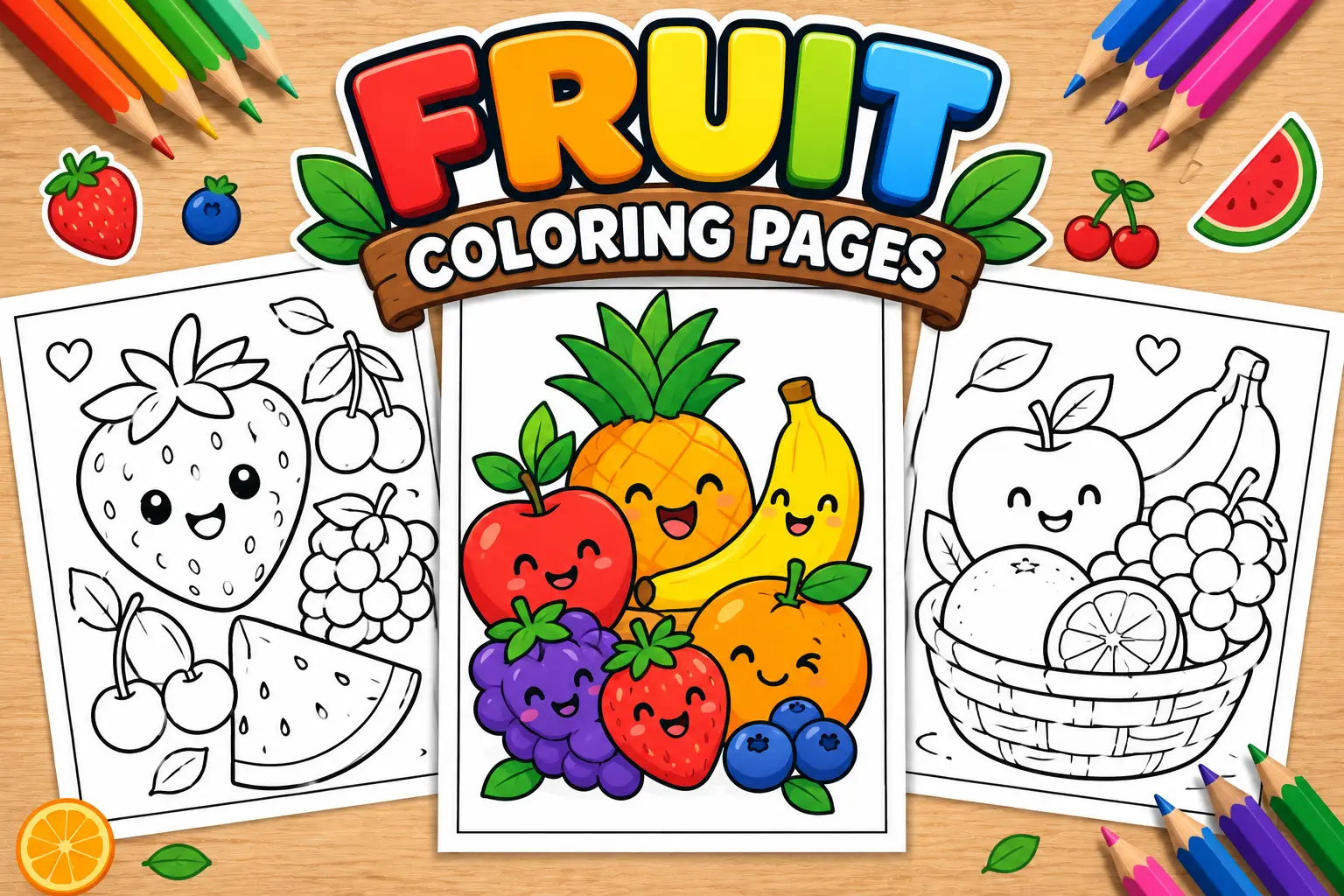
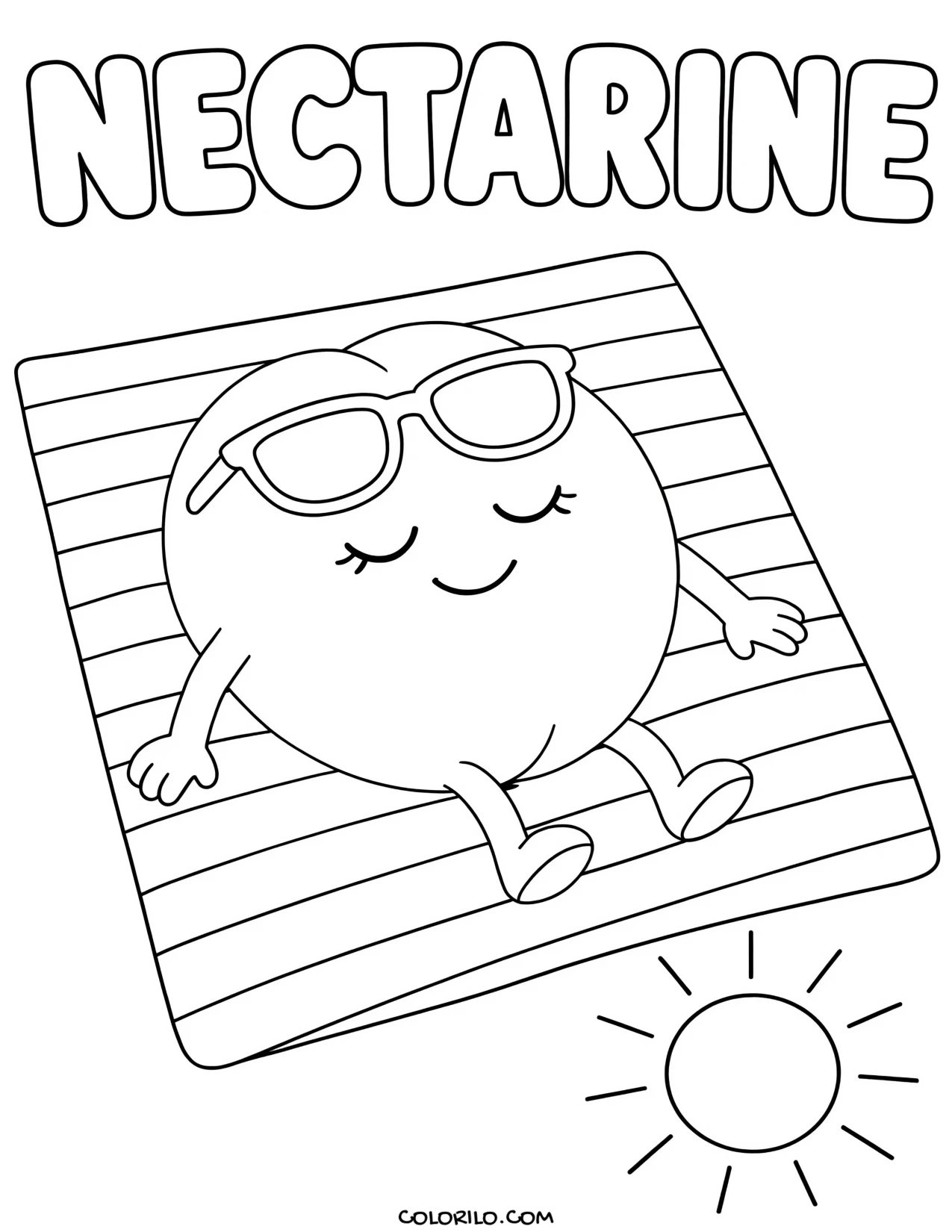
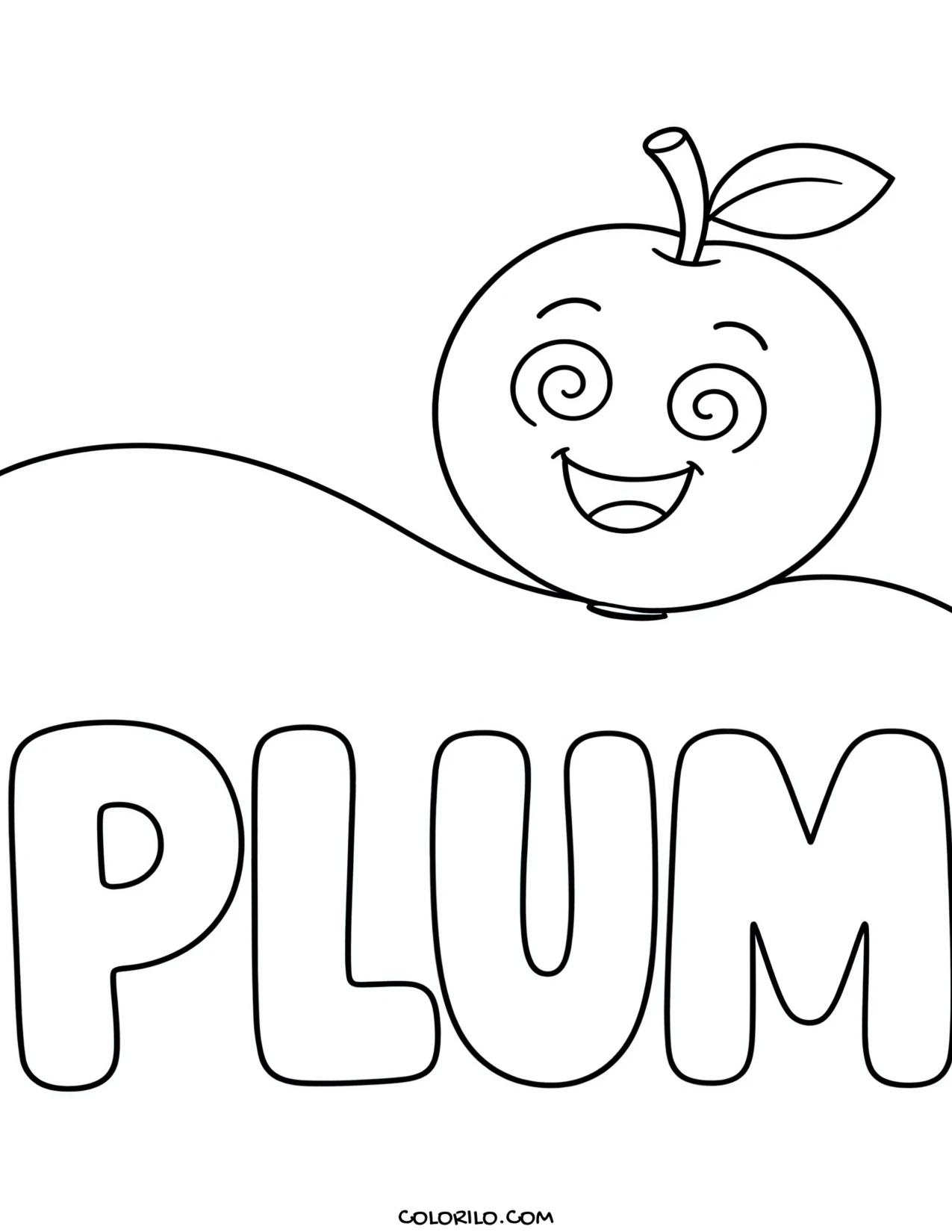
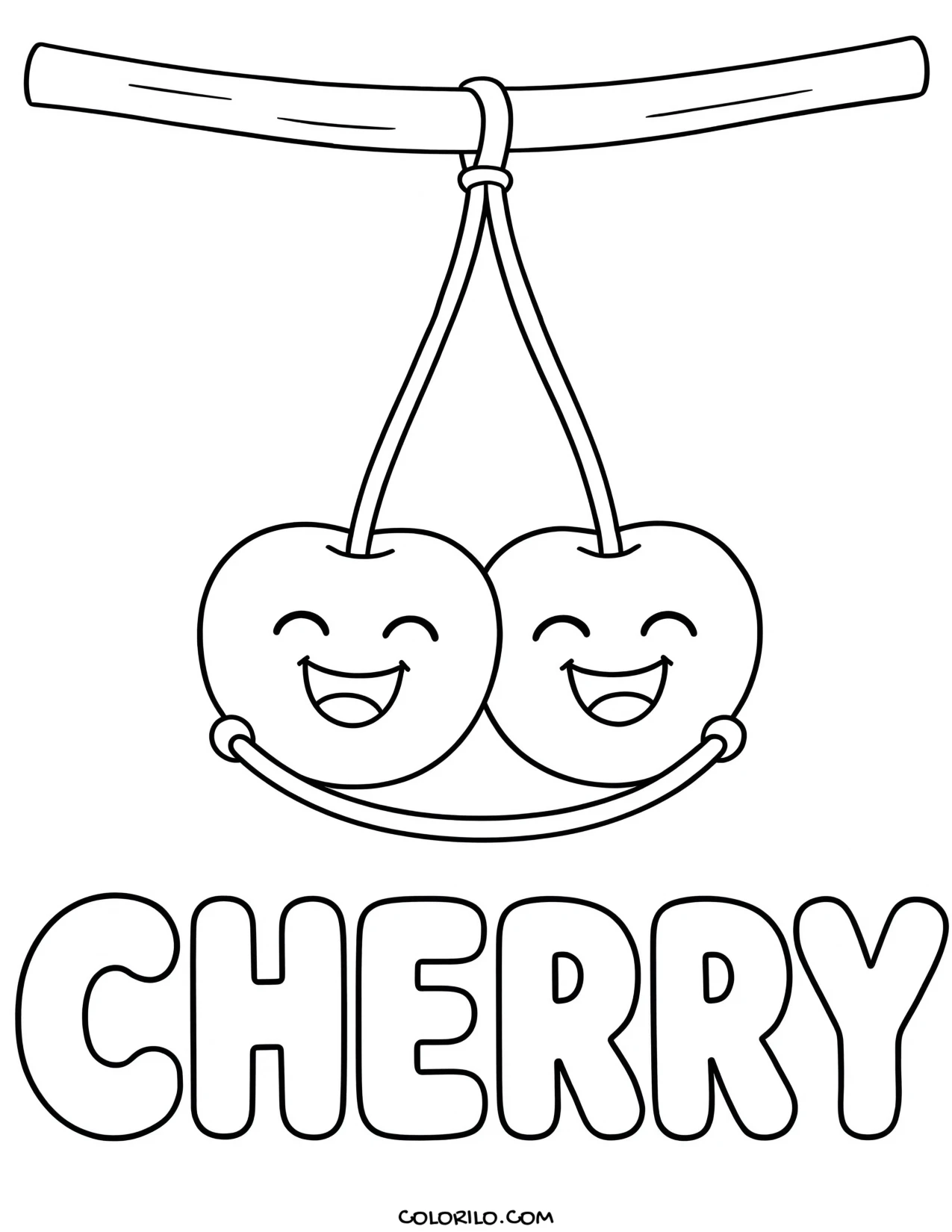
Every one of these fruit coloring pages is a different fruit. Forty-four designs, forty-four species, no repeats, which puts a quince, a rambutan, a persimmon and a gooseberry on the same page as the apple and the banana. Each one is drawn with a face and doing something, so a child meets the unfamiliar ones as characters rather than as homework.
Nine are orchard fruit, six are citrus, eight are berries and grapes, three are melons, and six are the tropical ones most children already know. Nine more are the ones they meet later, passionfruit, starfruit, dragonfruit, lychee, rambutan, durian, jackfruit, dates and kiwi. The last three are the tomato, the avocado and the pomegranate, which all need a word of explanation. Every group is described under the grid.
Every one of these fruit coloring pages is free. Each design prints on standard US Letter paper, there is no sign-up, and the fruit coloring sheets can be printed as many times as you need. Click any design below to open the full-size PDF.
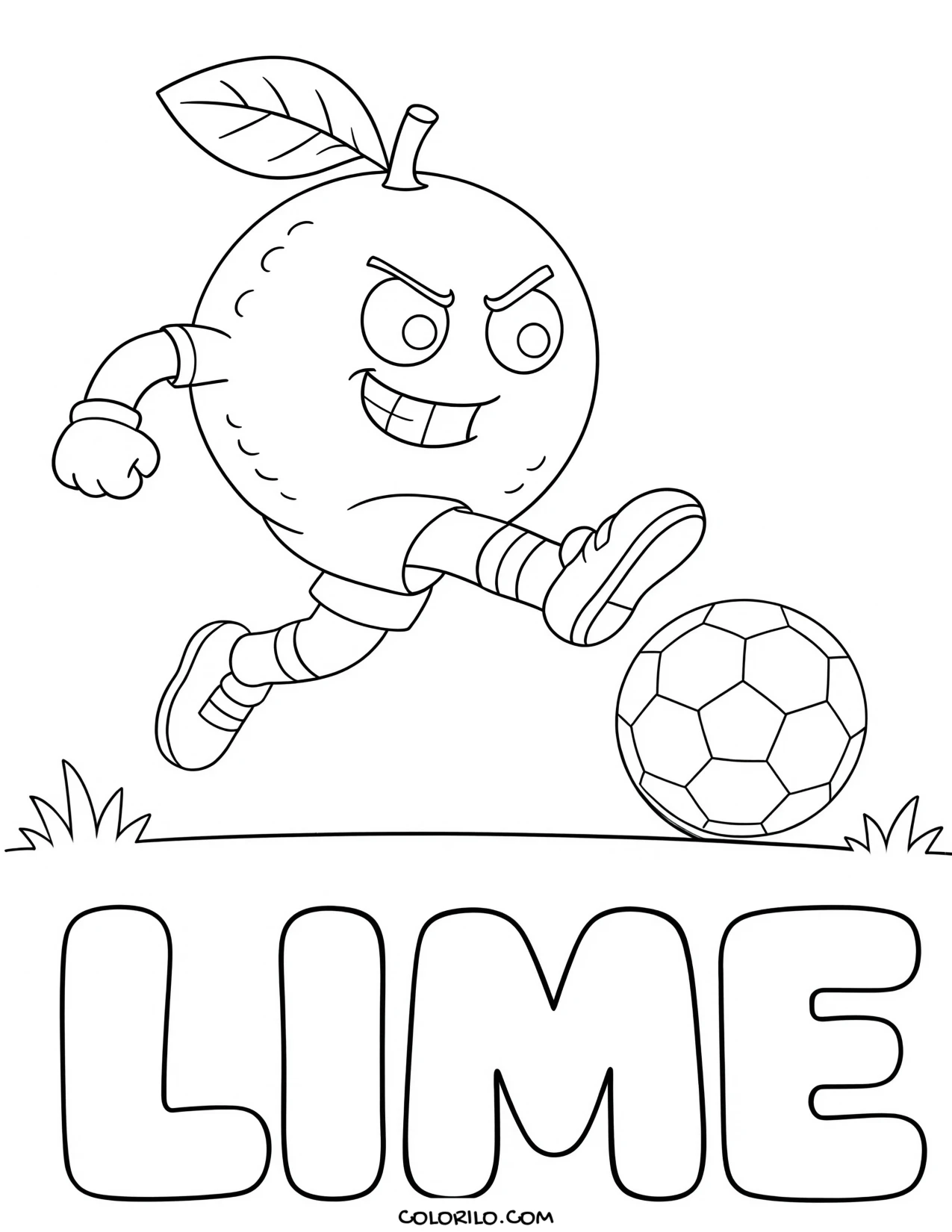
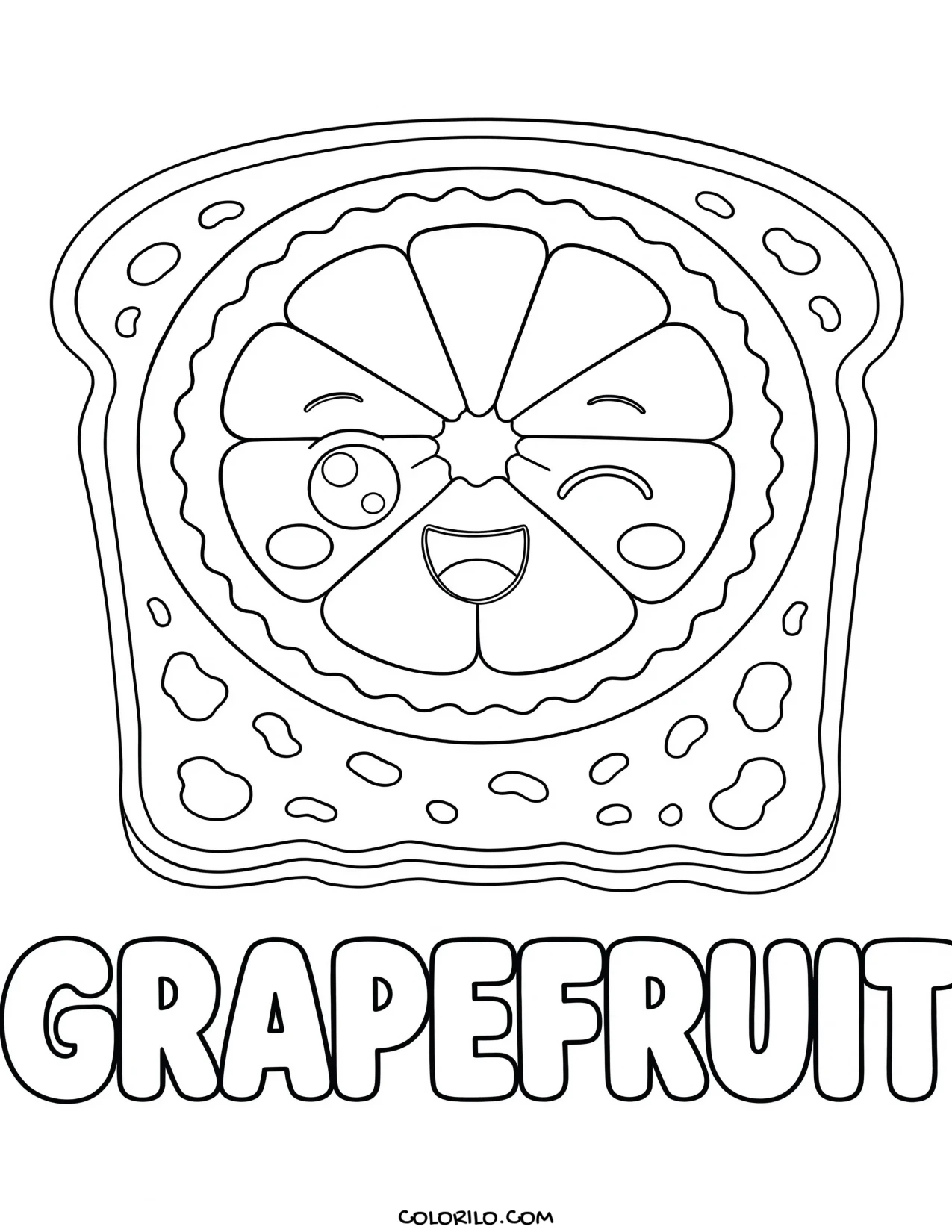
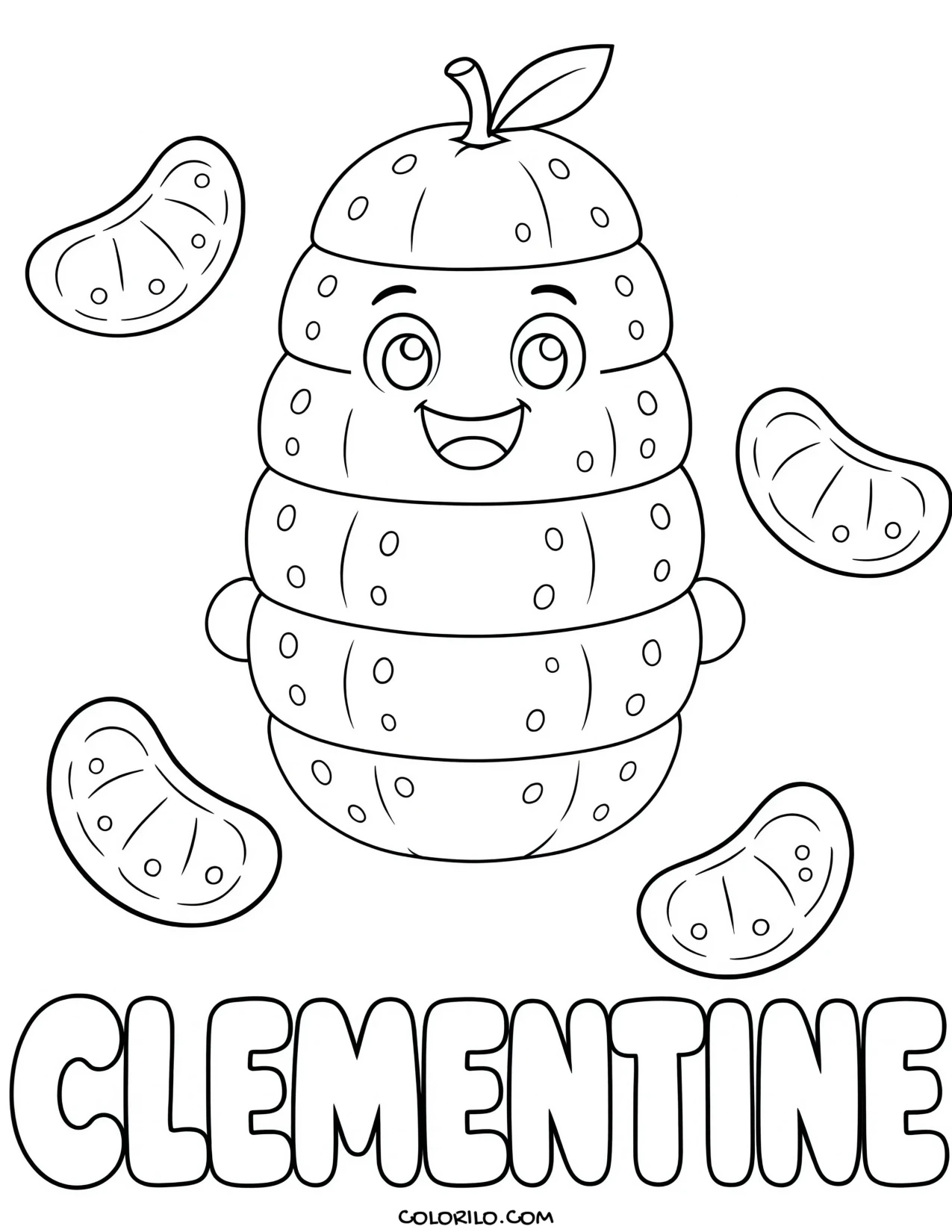
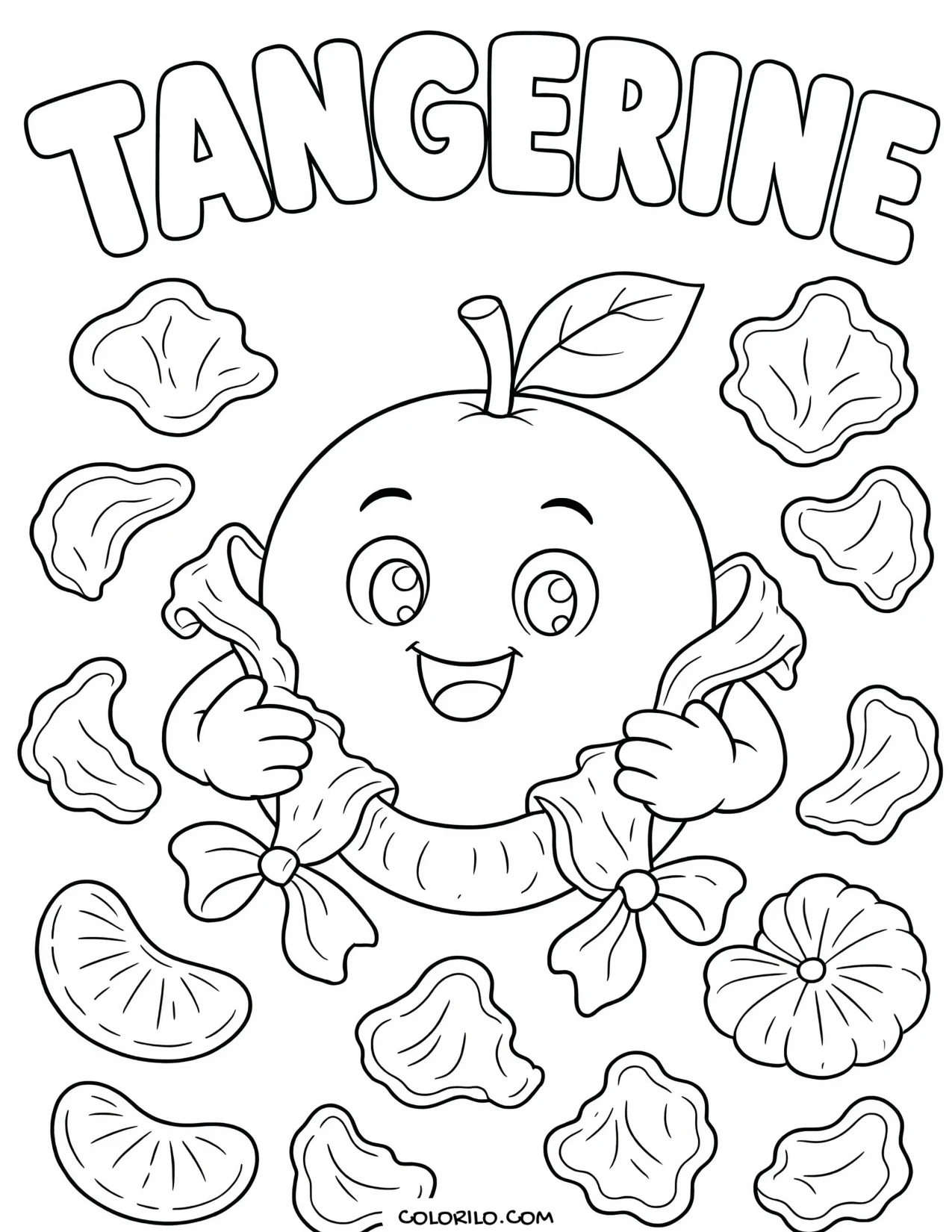
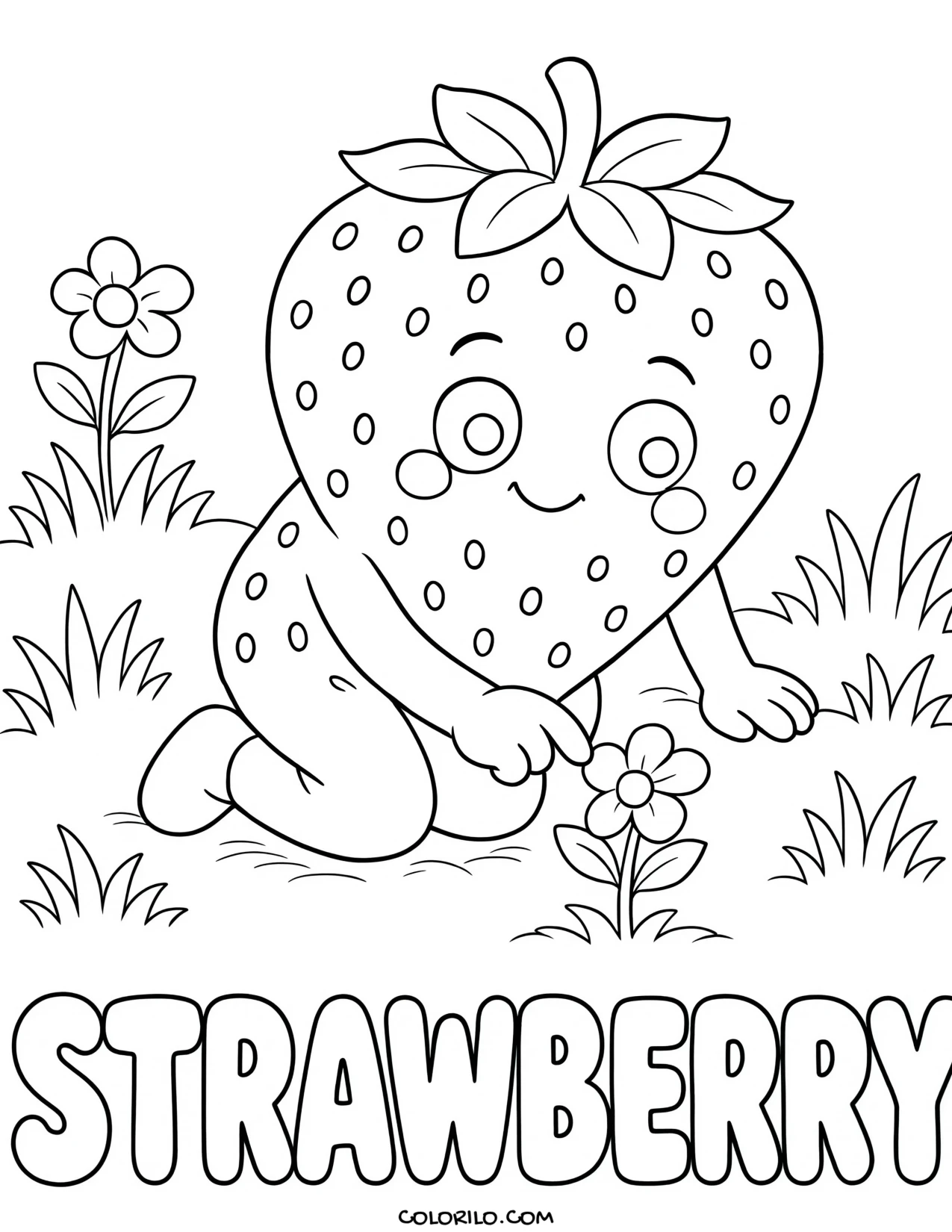
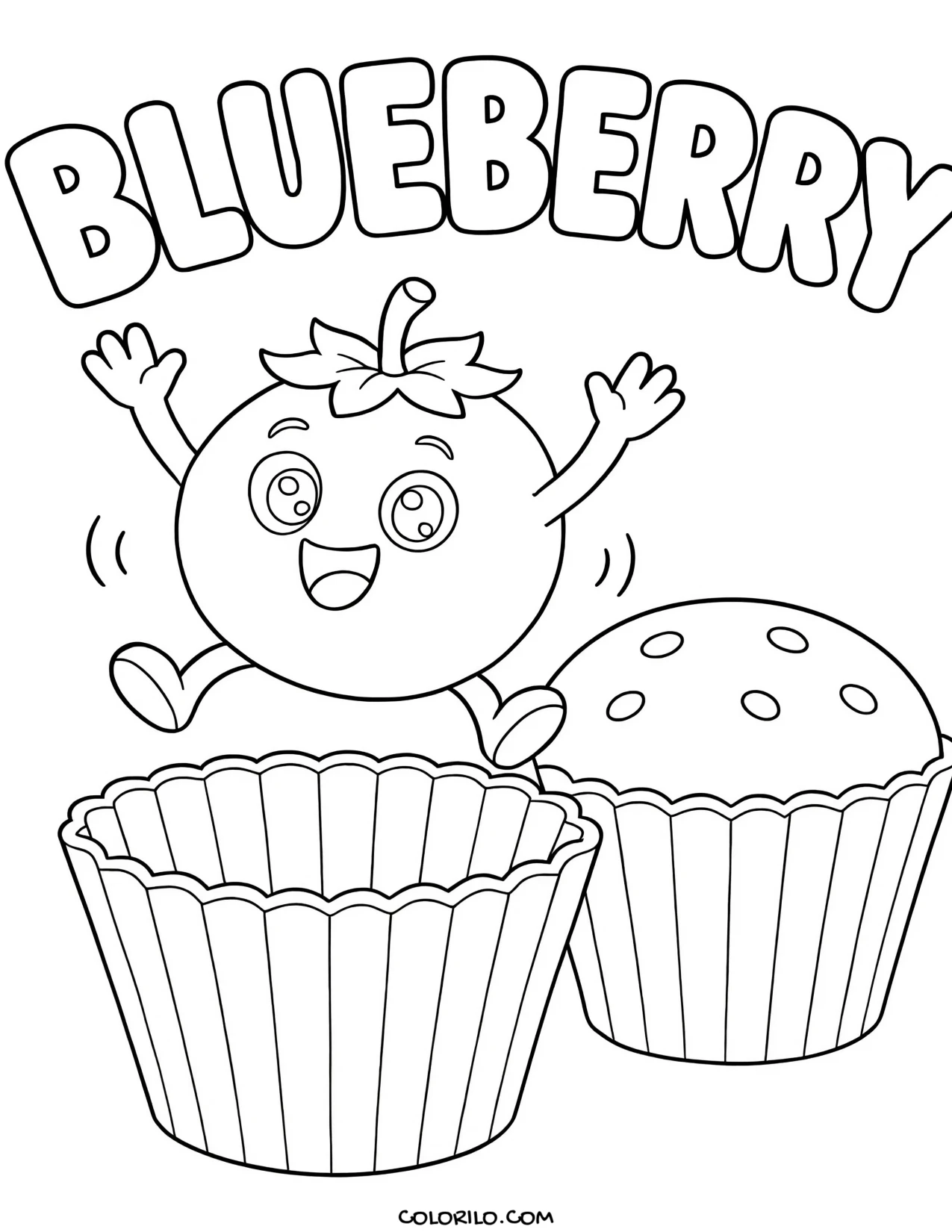
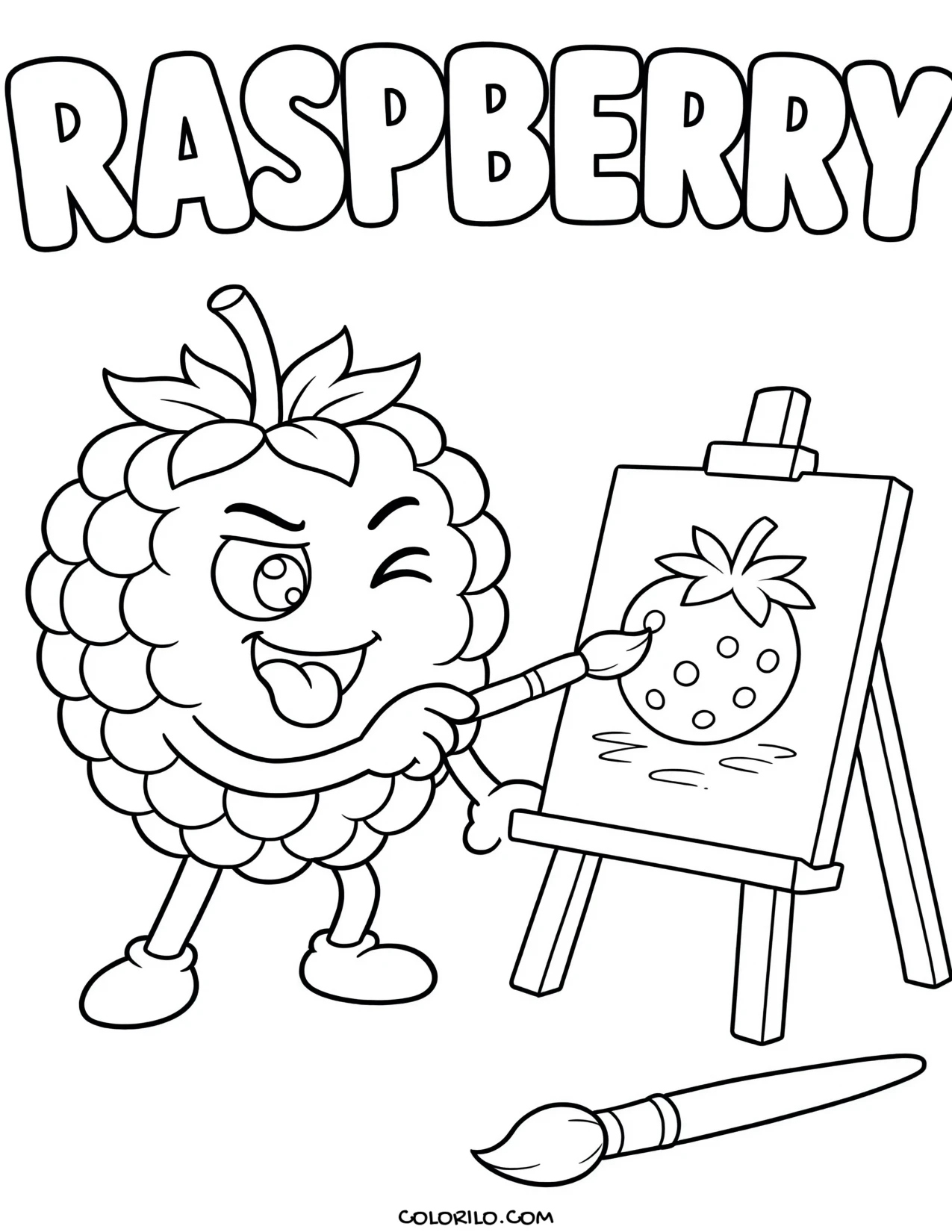
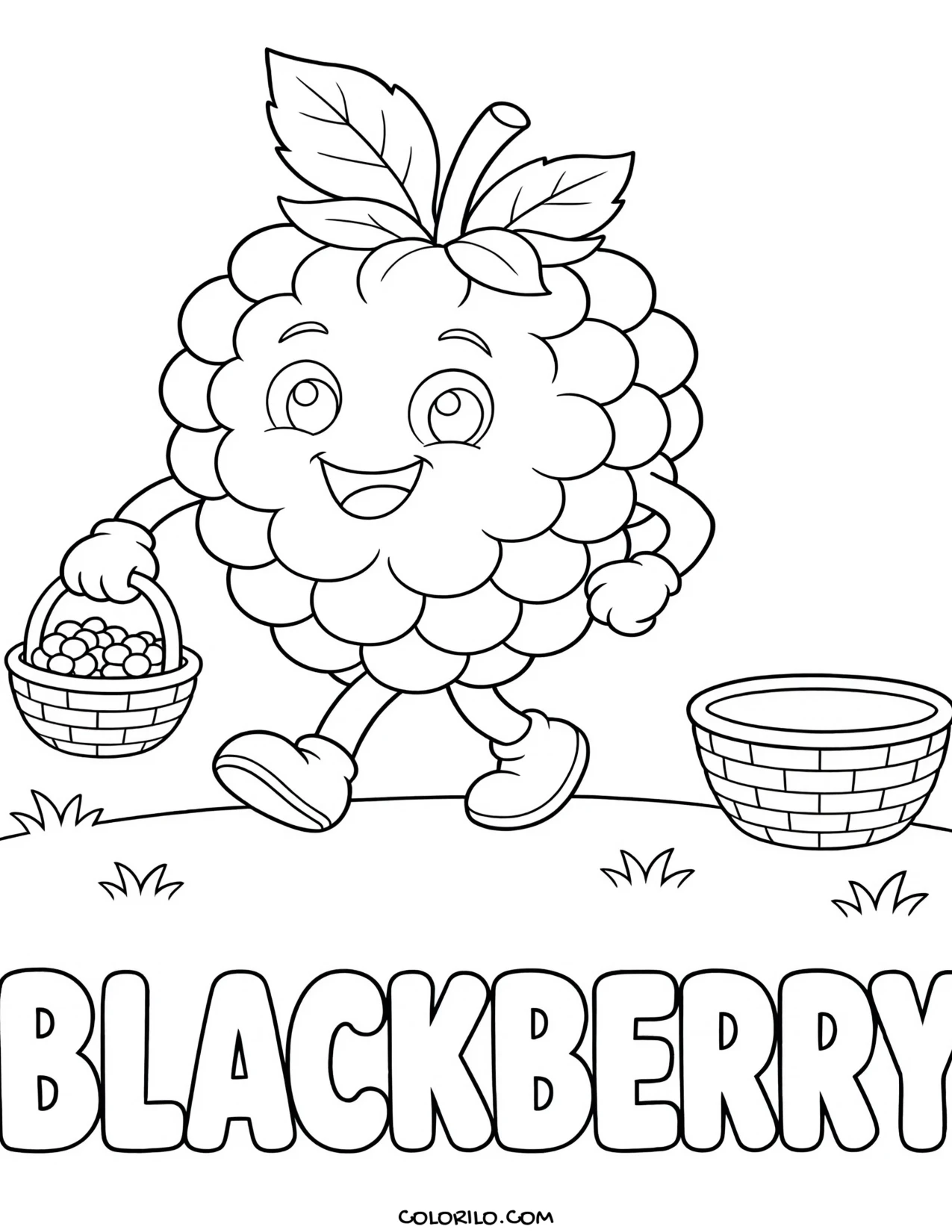
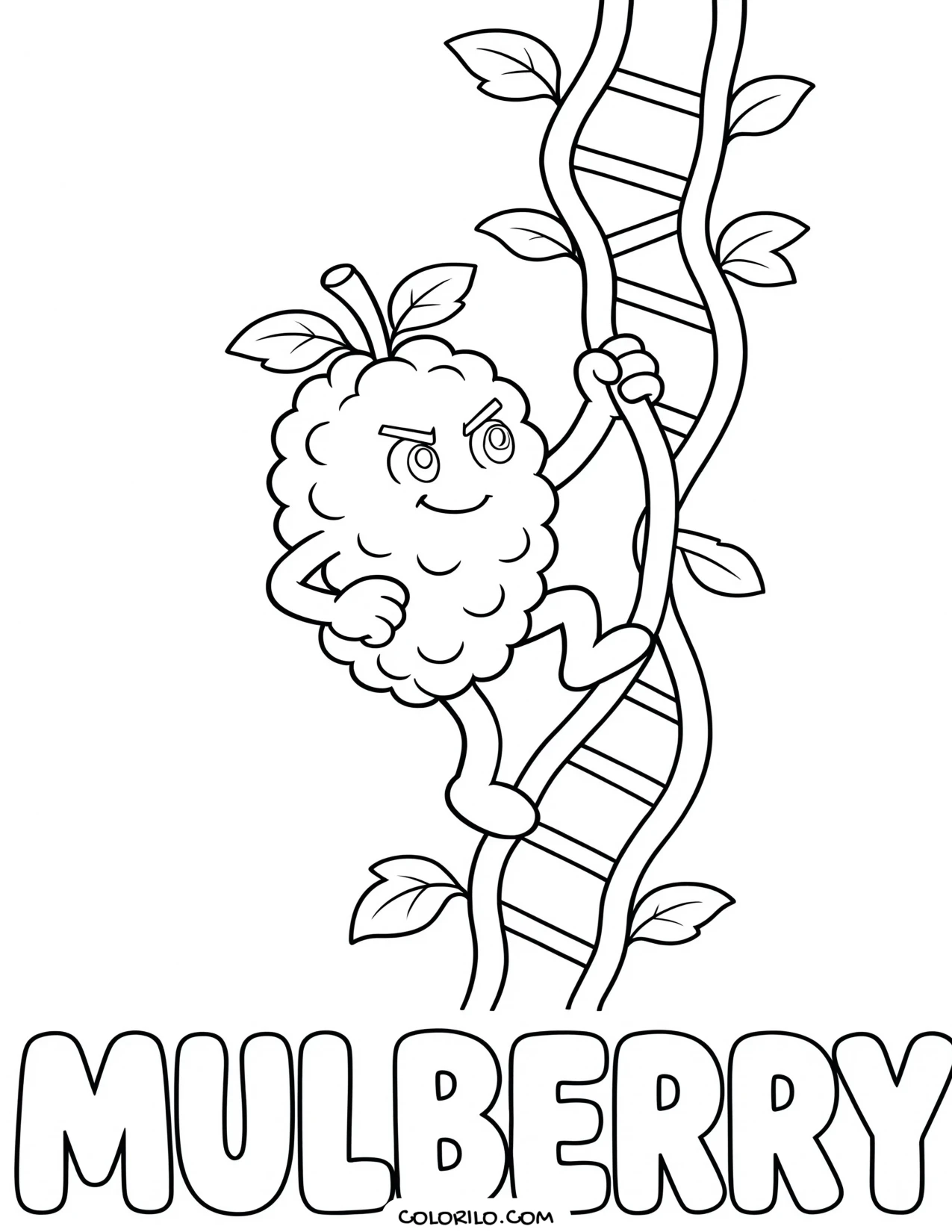
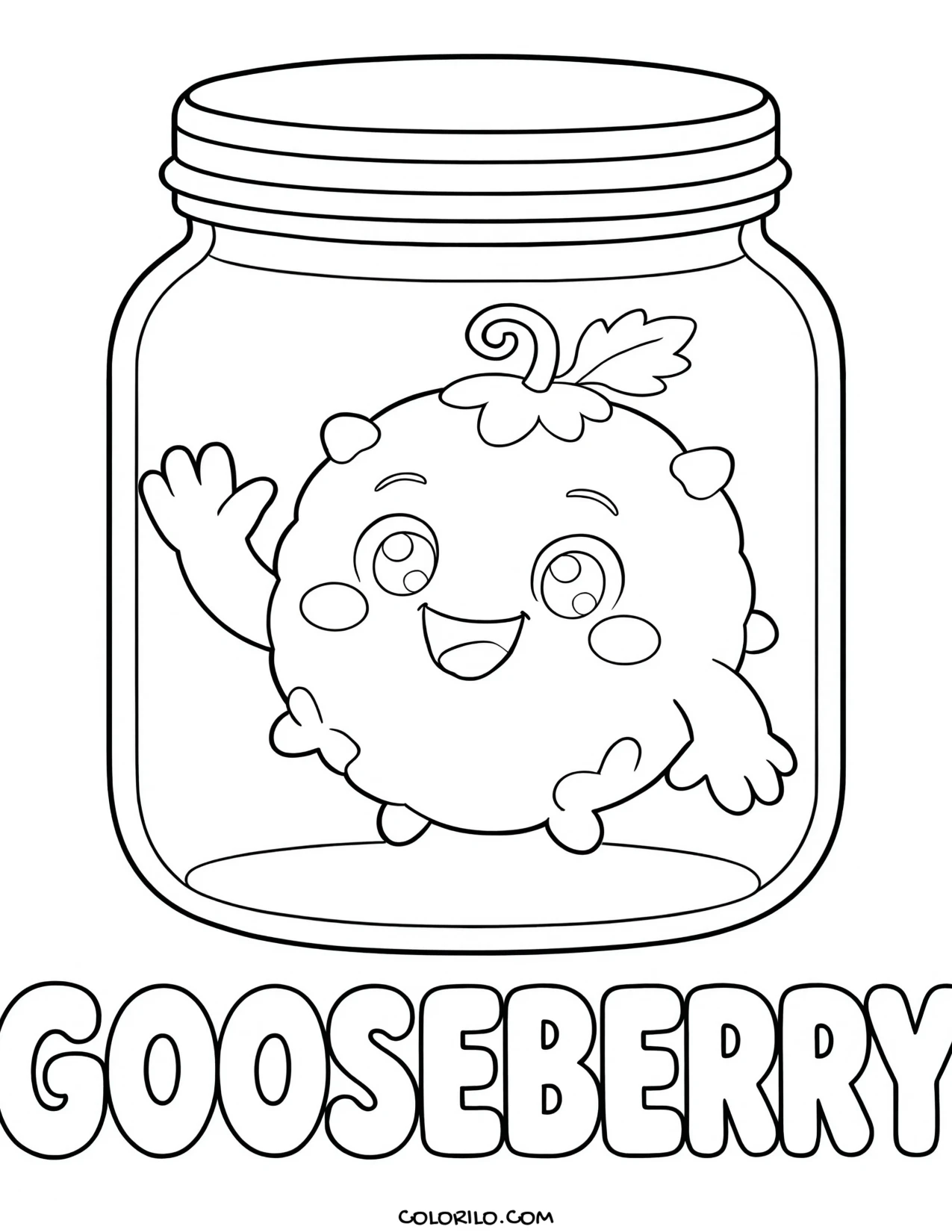
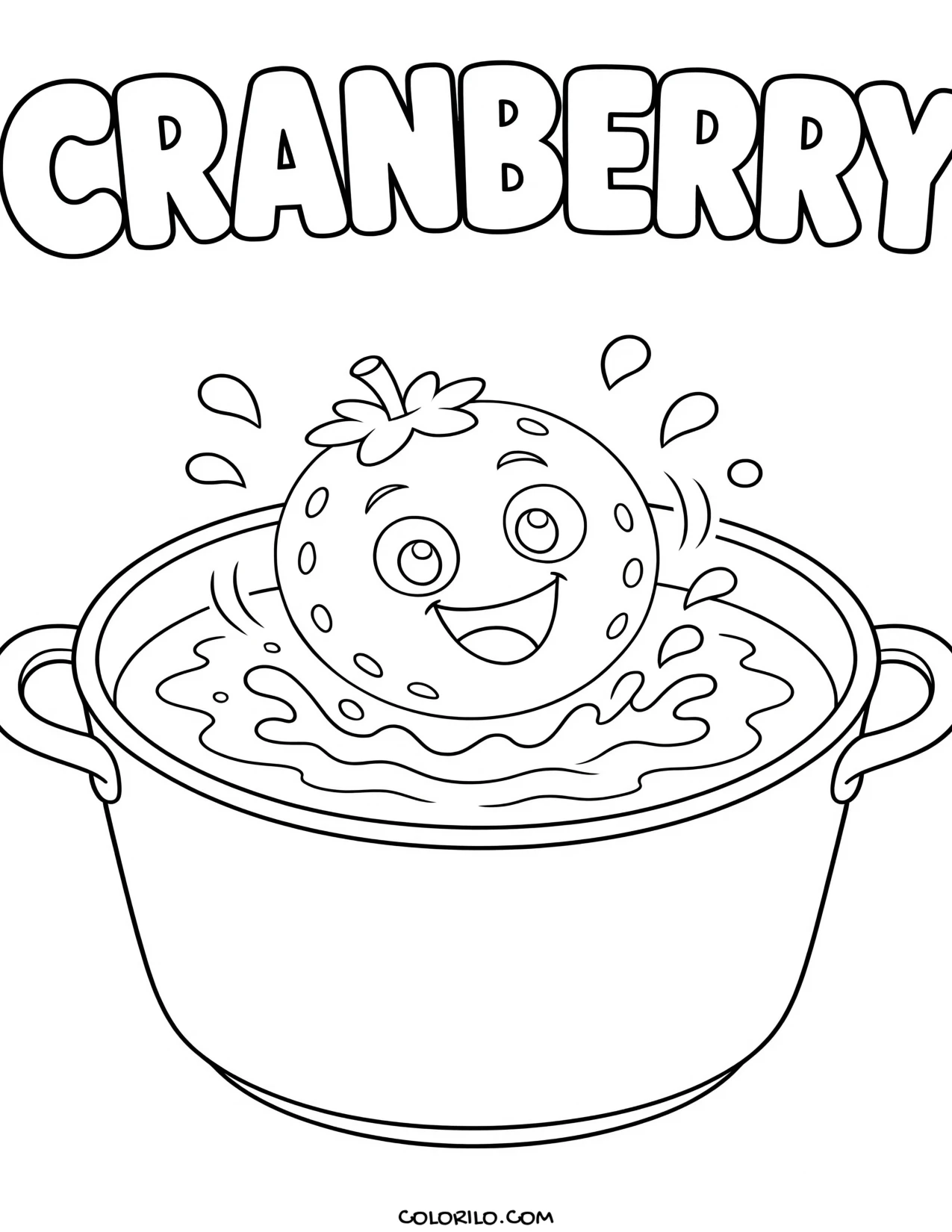
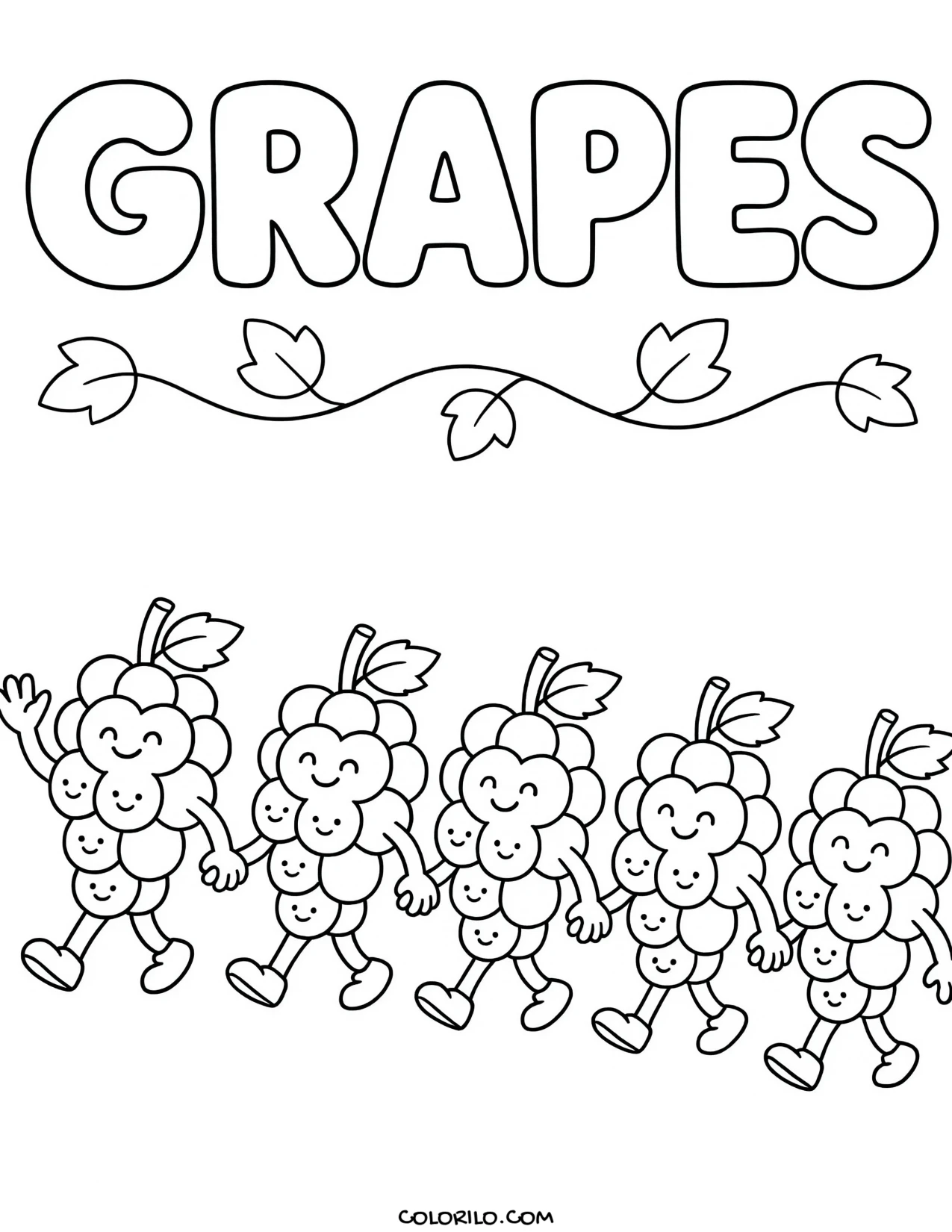
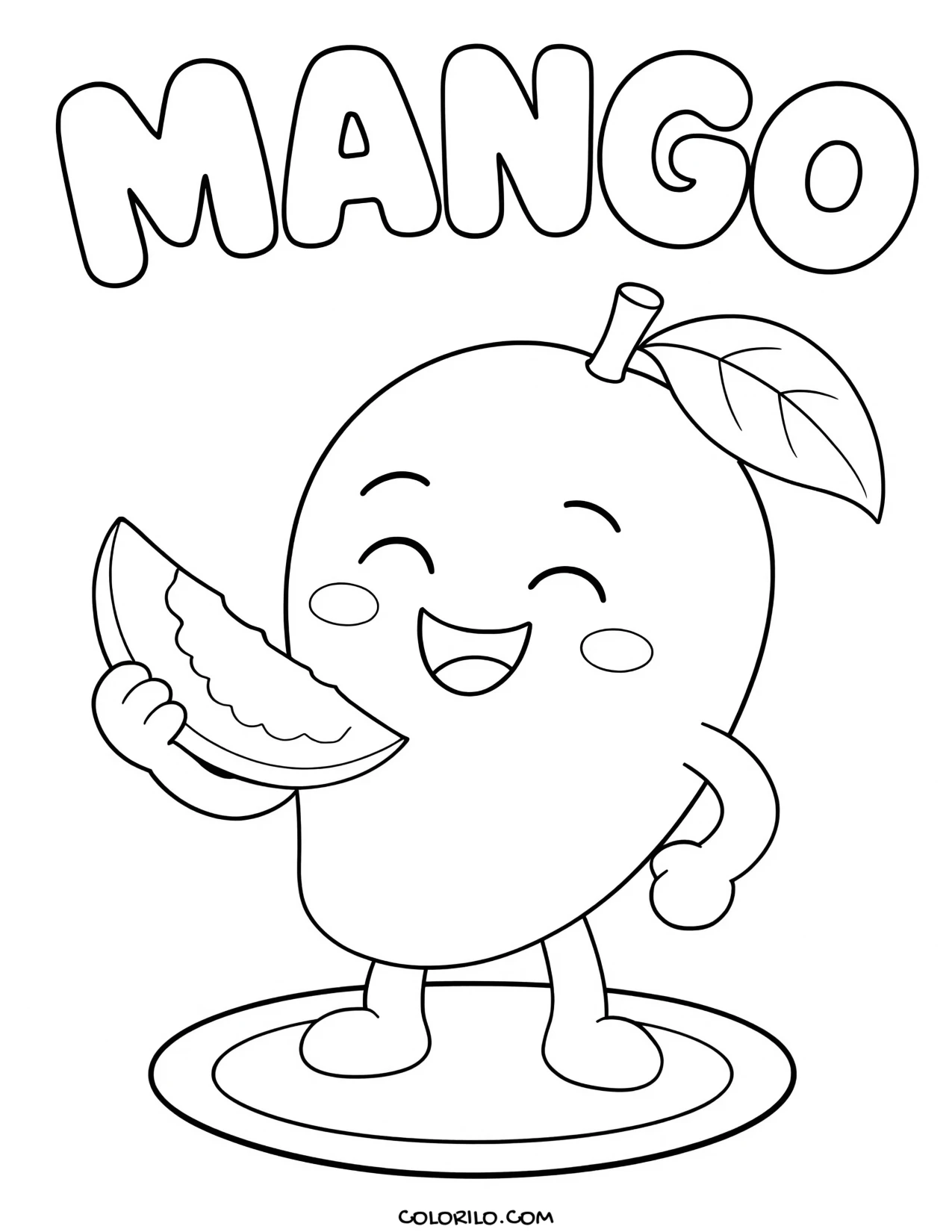
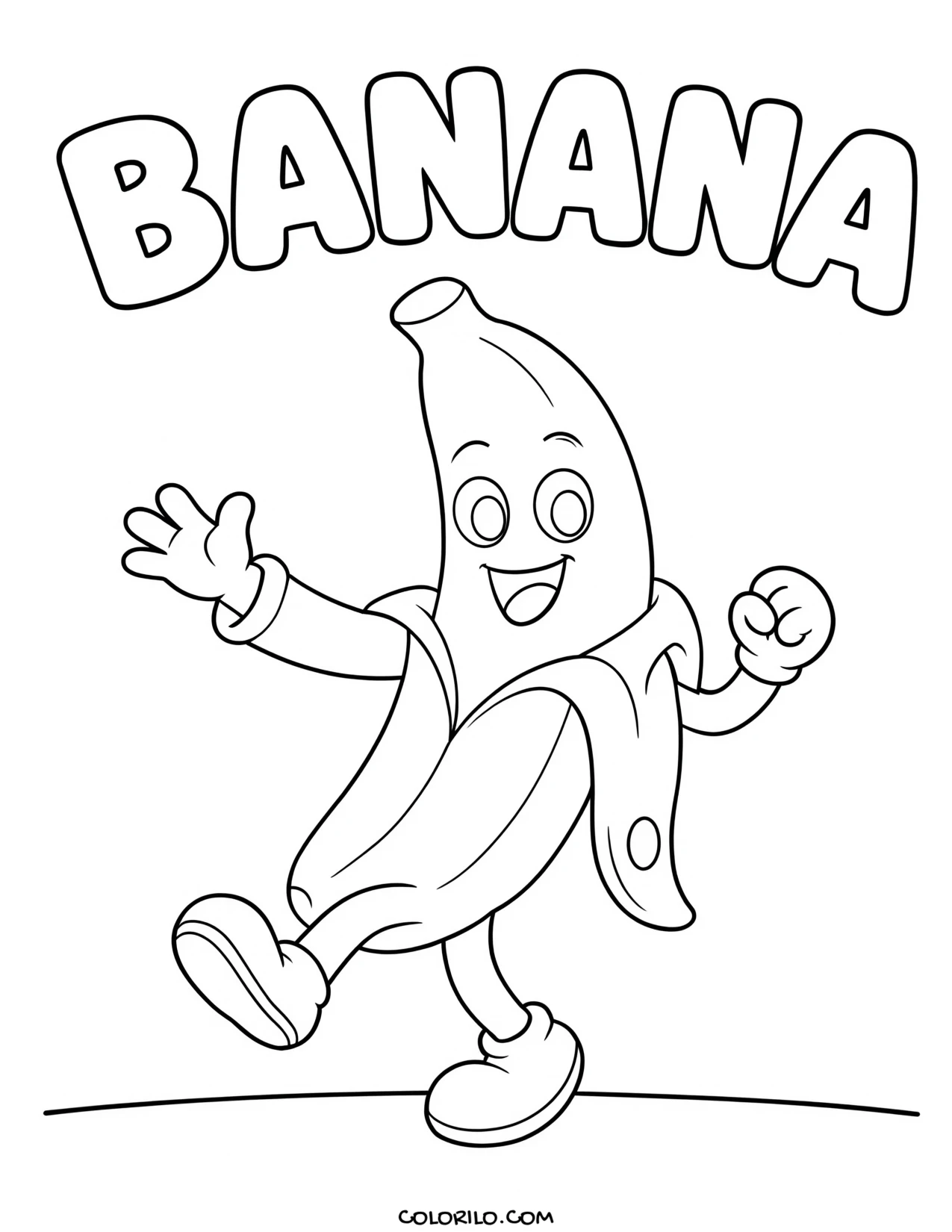
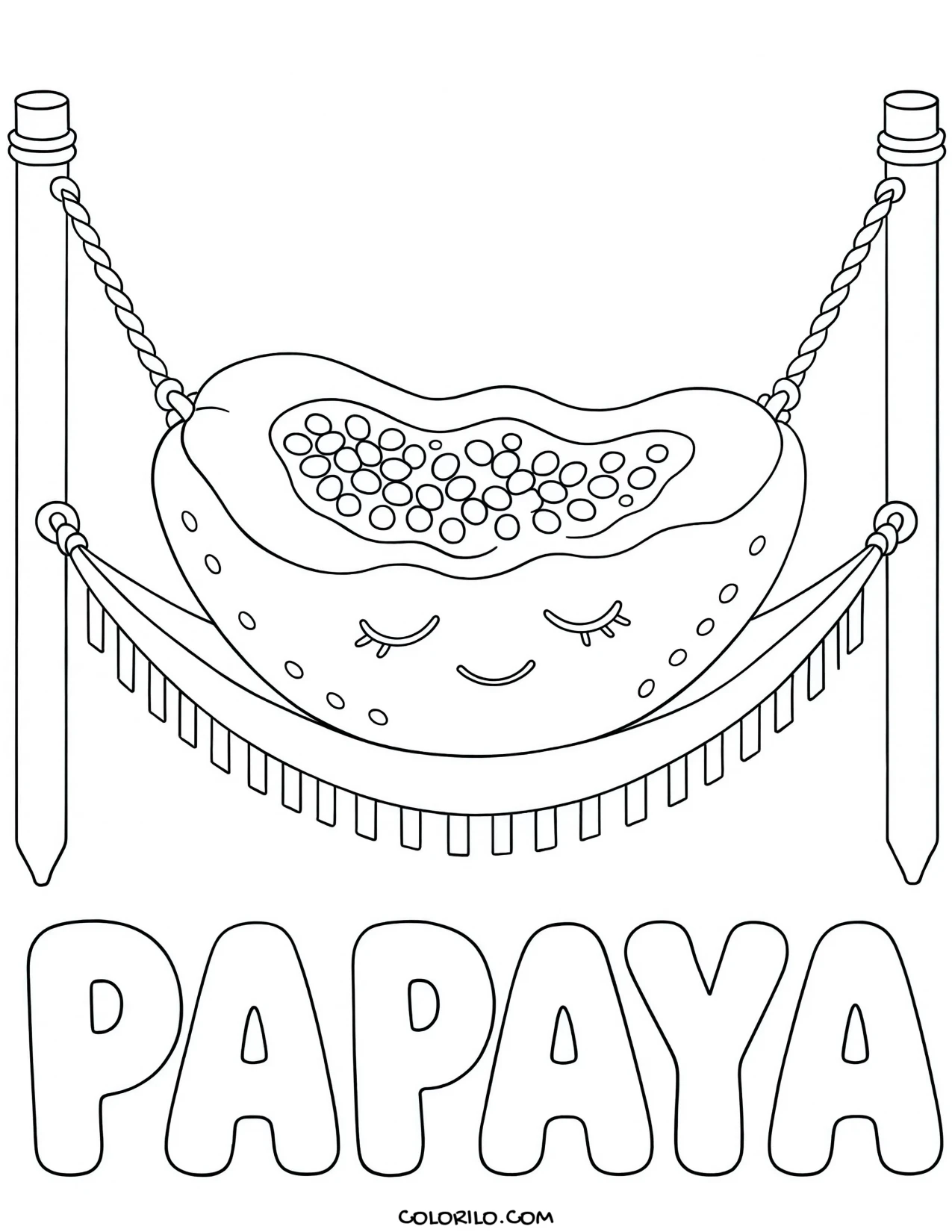
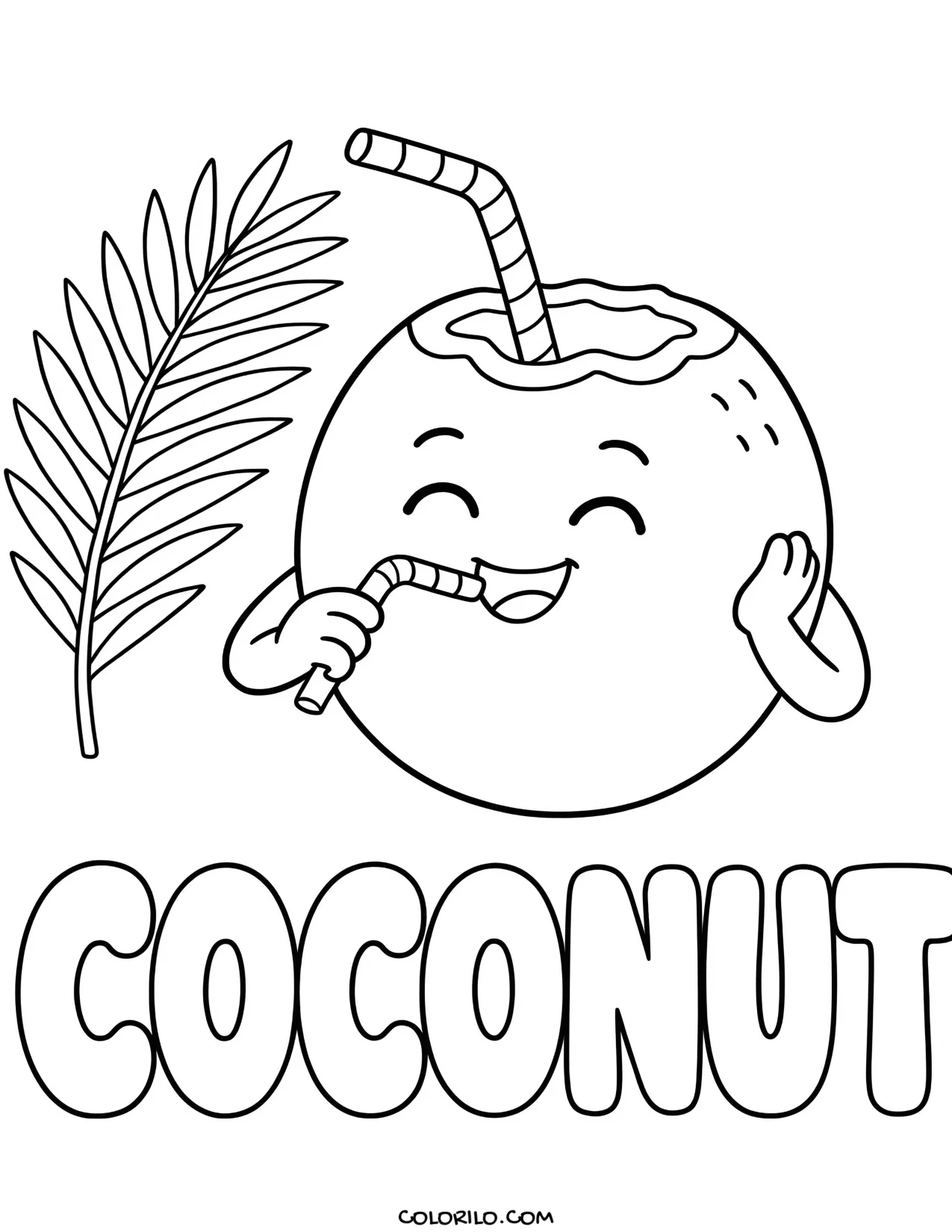

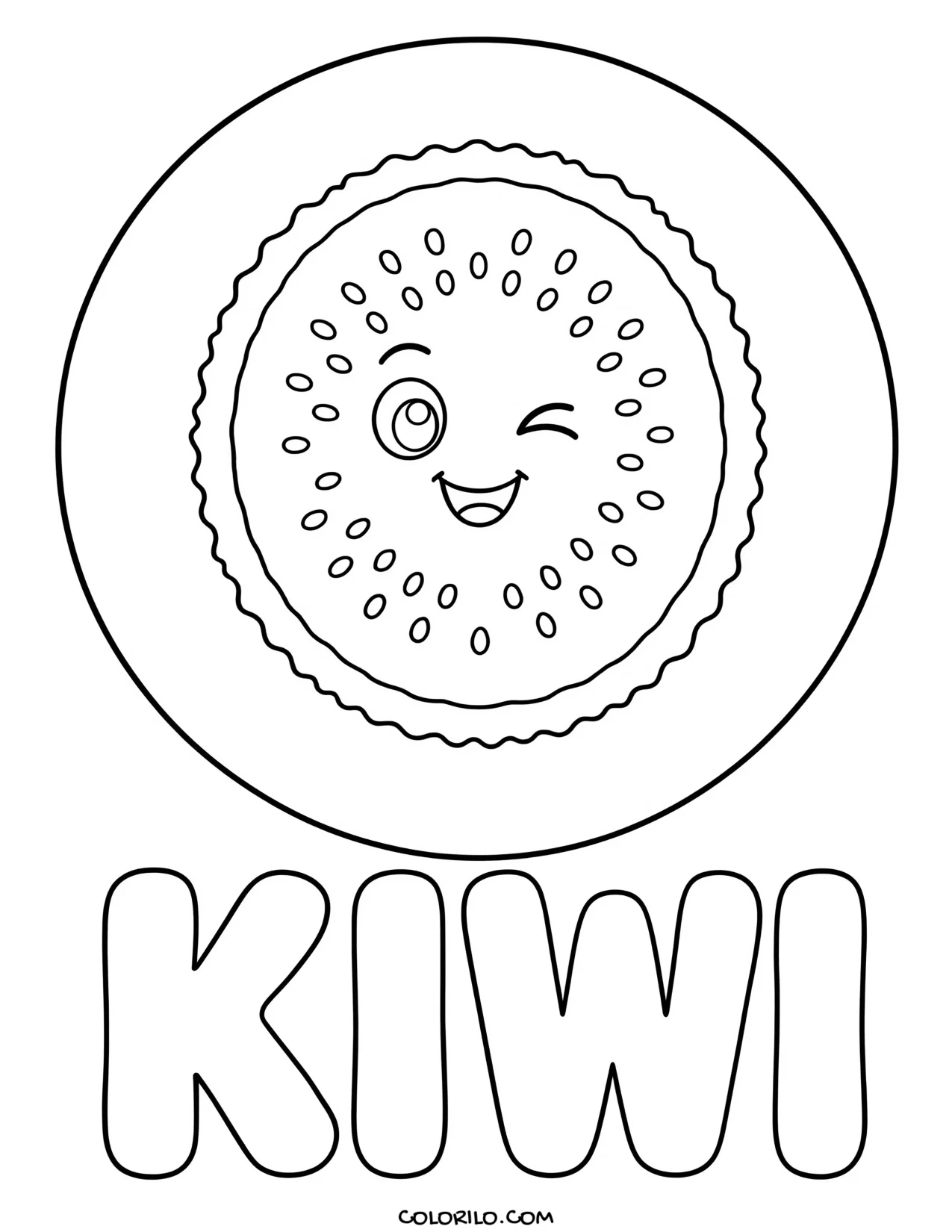
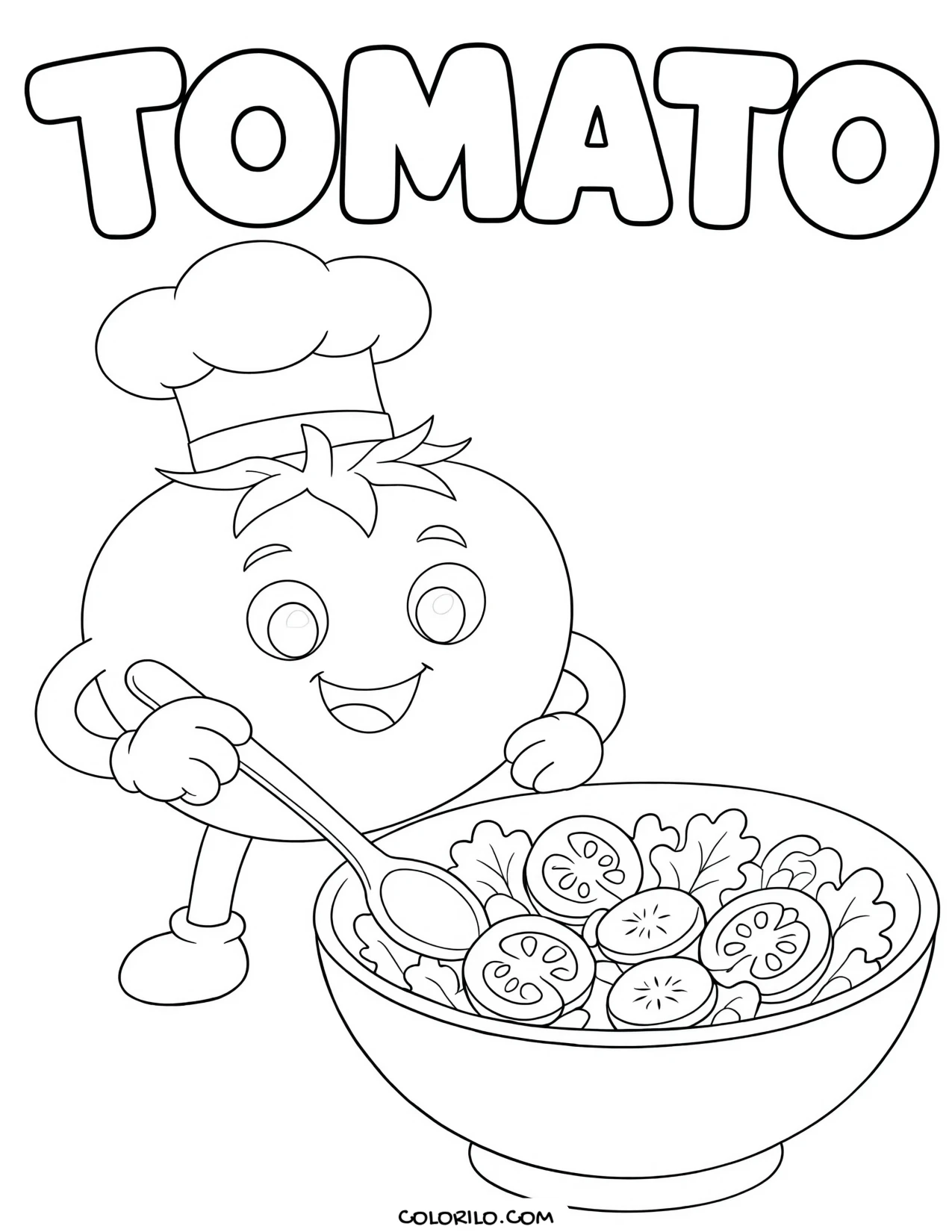
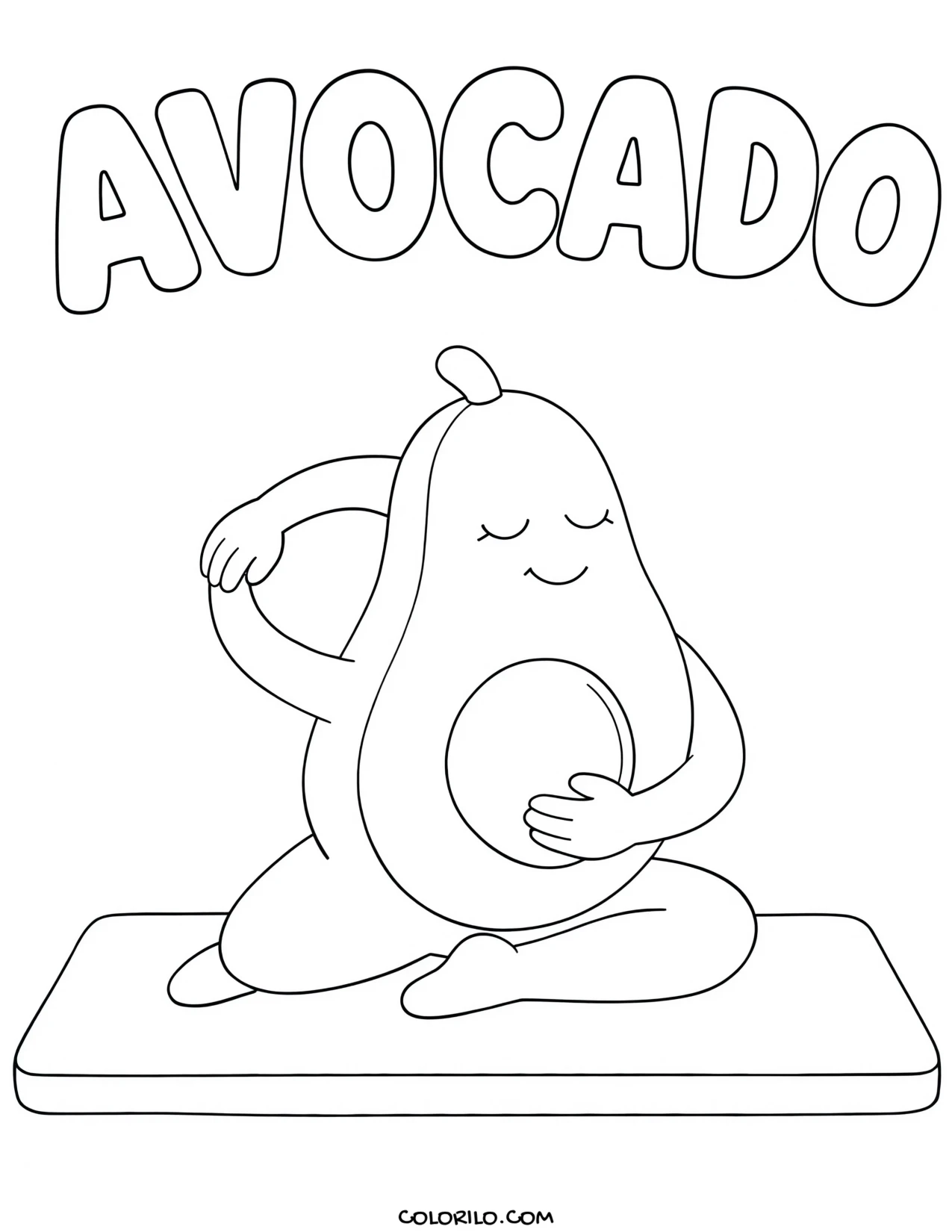
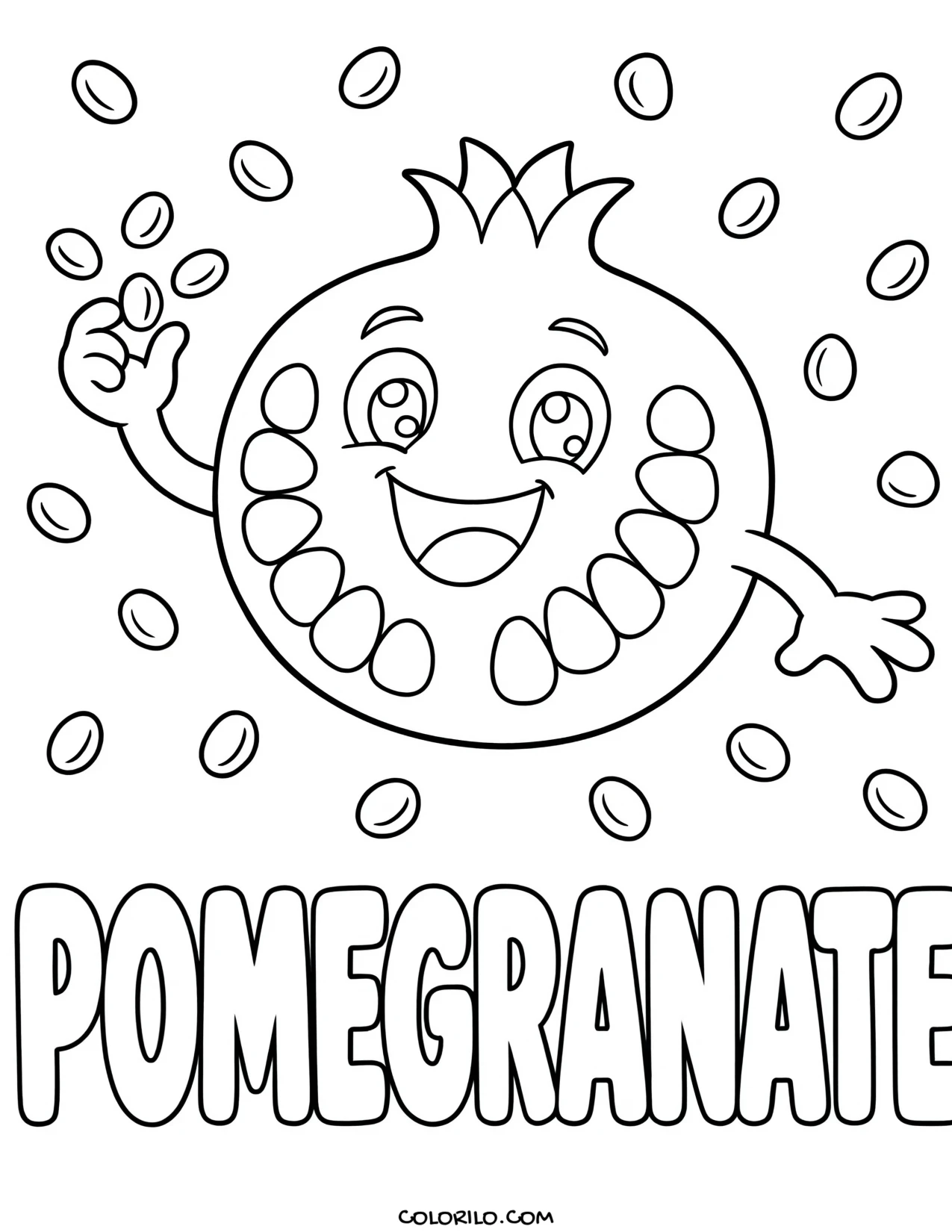
What’s in These Fruit Coloring Pages
Orchard fruit
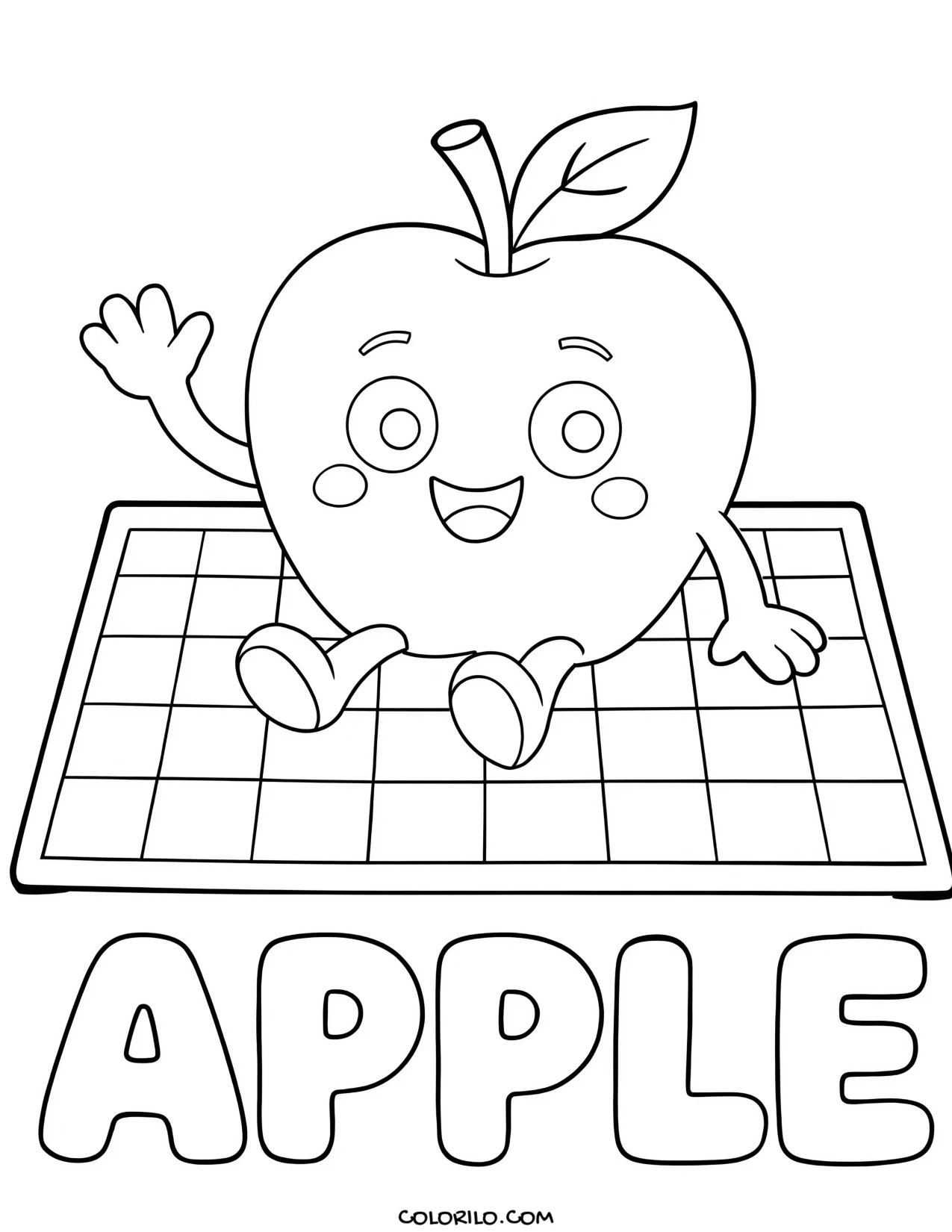
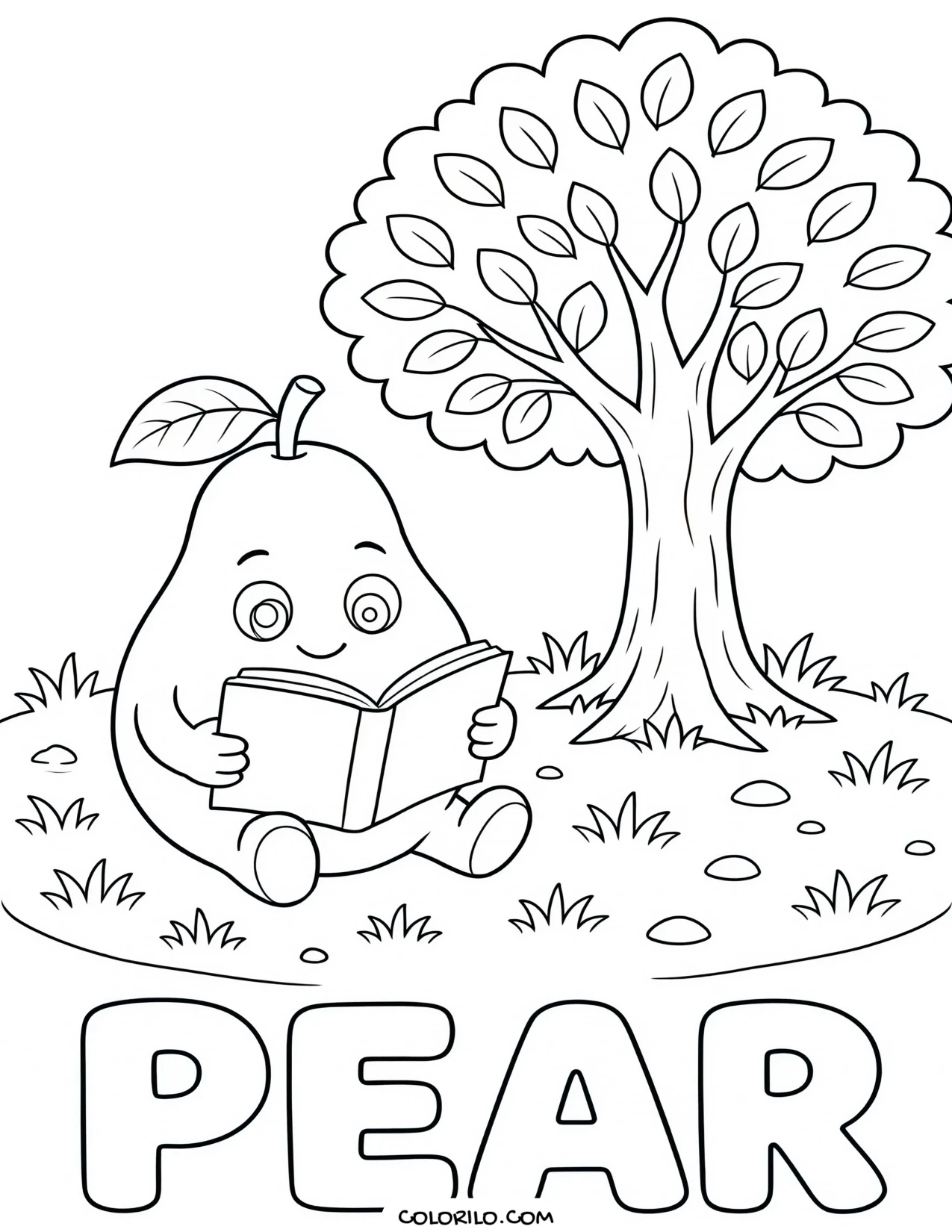
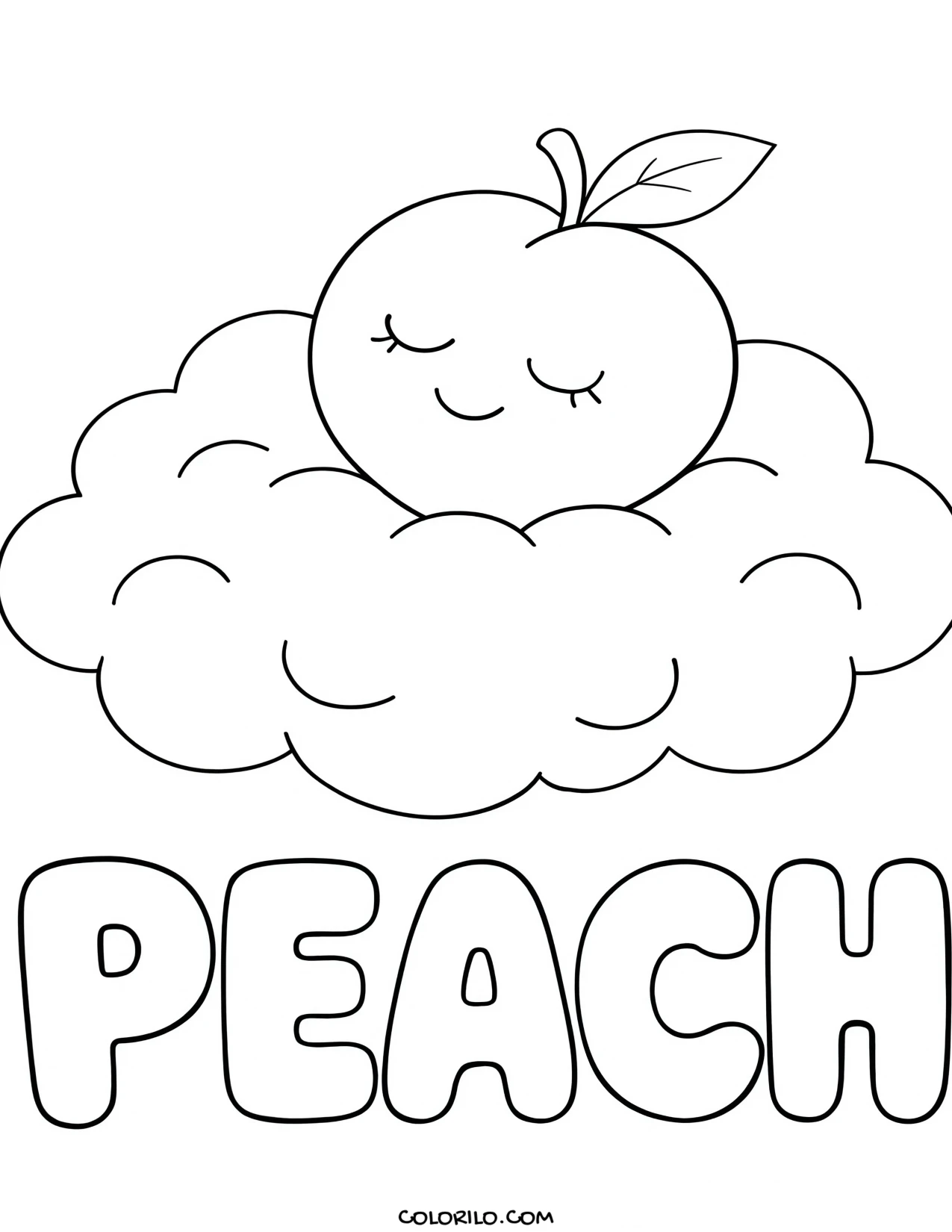
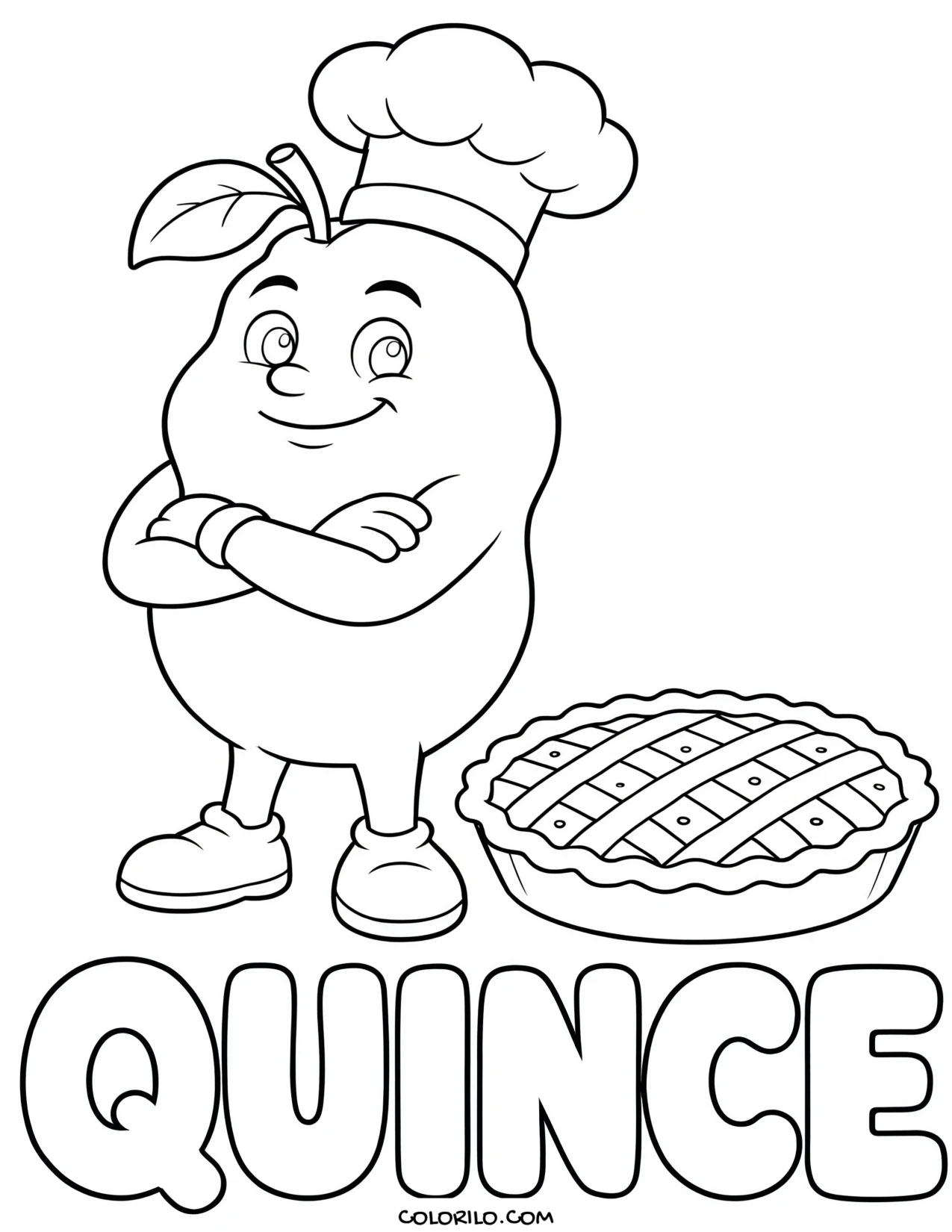
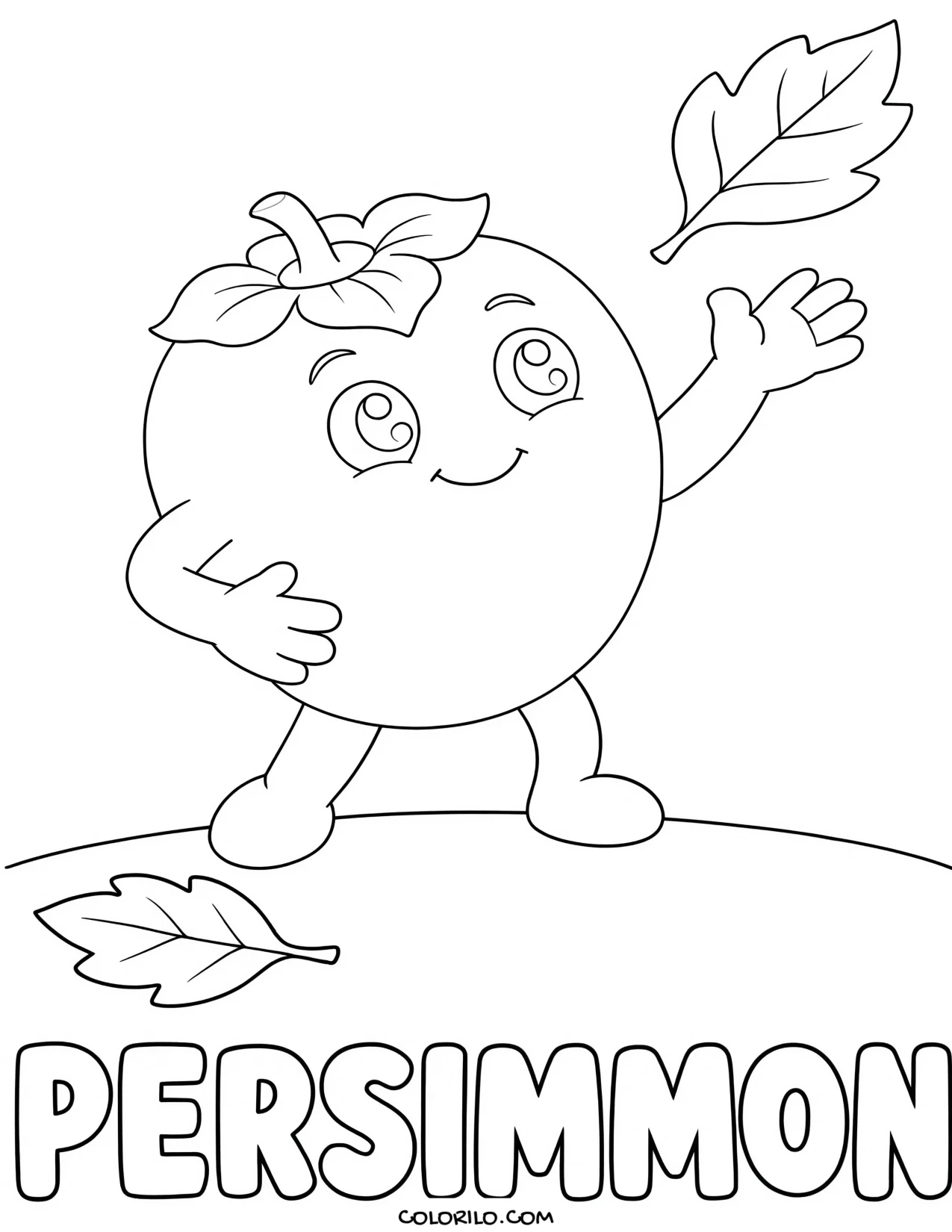
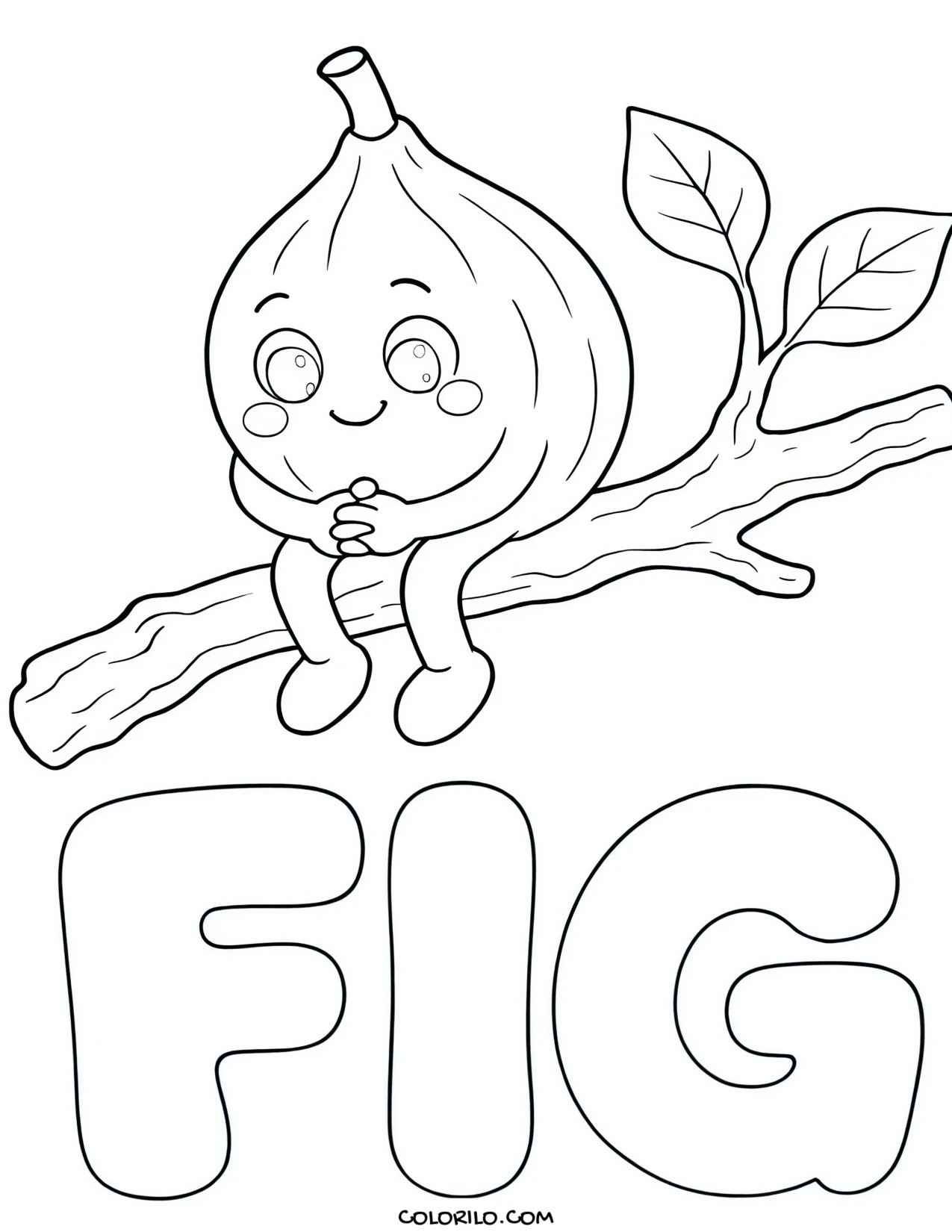
Apple, pear, peach, nectarine, plum, cherries, quince, persimmon and fig. The quince is drawn as a baker for a reason, it is the one fruit here that is close to inedible raw, hard and sour and astringent, and it only turns sweet and pink after long cooking. The fig is the stranger of the two: a fig is not really a fruit at all but a flower turned inward, with all of its blossom facing in.
Citrus
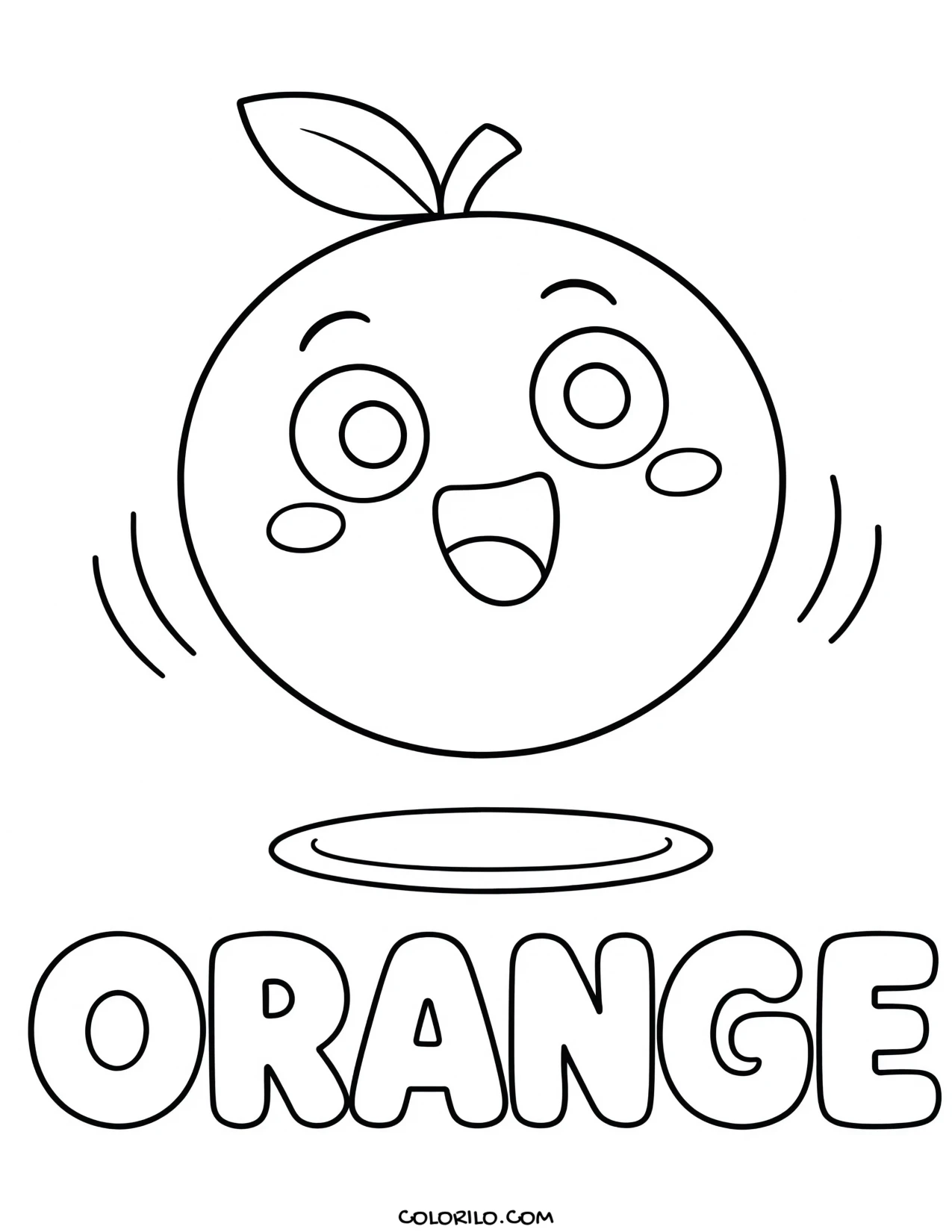
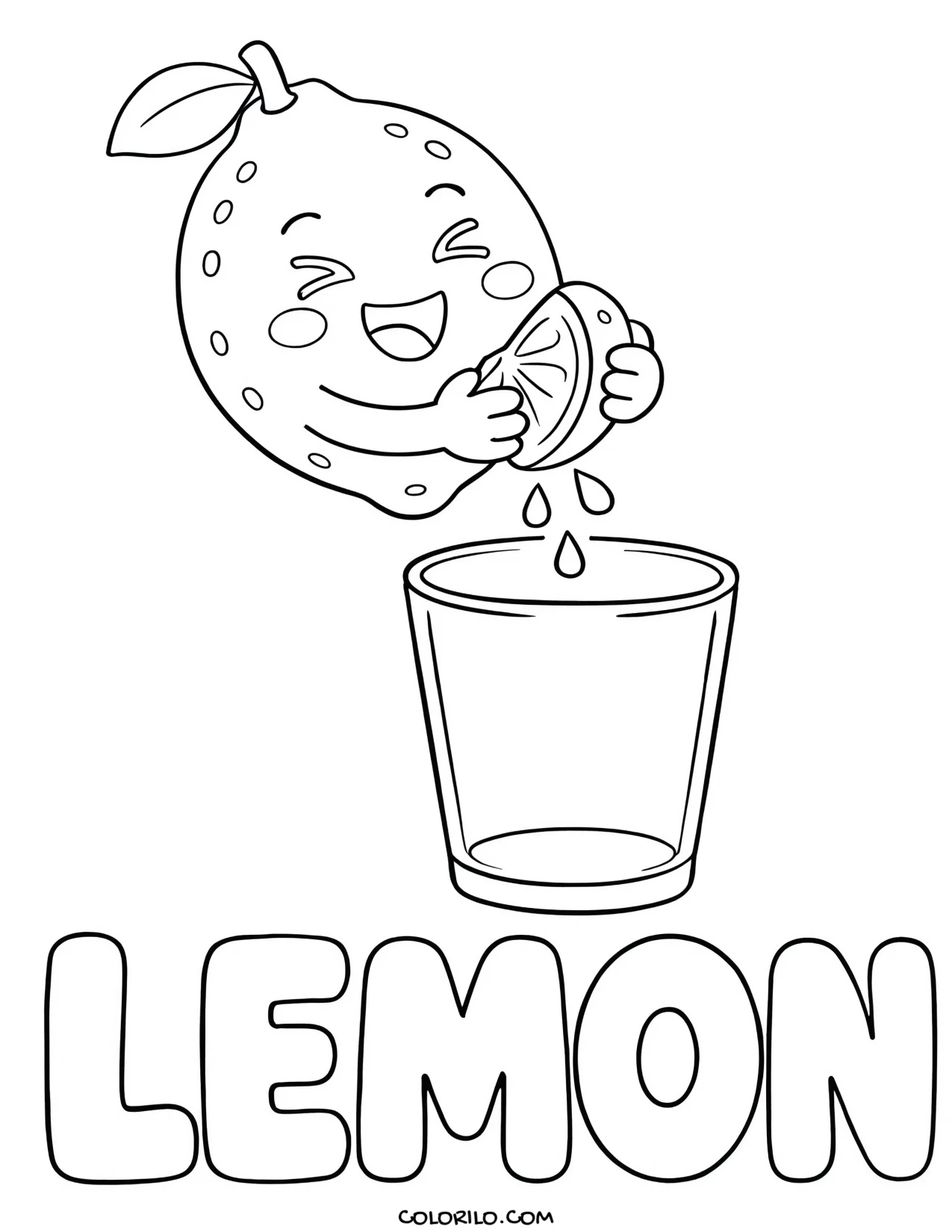
Orange, lemon, lime, grapefruit, clementine and tangerine. Almost every citrus fruit in a shop descends from just three wild ancestors, a citron, a pomelo and a mandarin, crossed and re-crossed for thousands of years. The grapefruit is the newest of them, an accident that turned up in Barbados in the 1700s, and it got its name from growing in bunches like grapes.
Berries and grapes
Strawberry, blueberry, raspberry, blackberry, mulberry, gooseberry, cranberry and a bunch of grapes. The cranberry page shows them in a pot, but the interesting part happens before that: cranberries have four small air pockets inside, so they float, and whole fields are flooded at harvest to bring them to the surface.
Melons
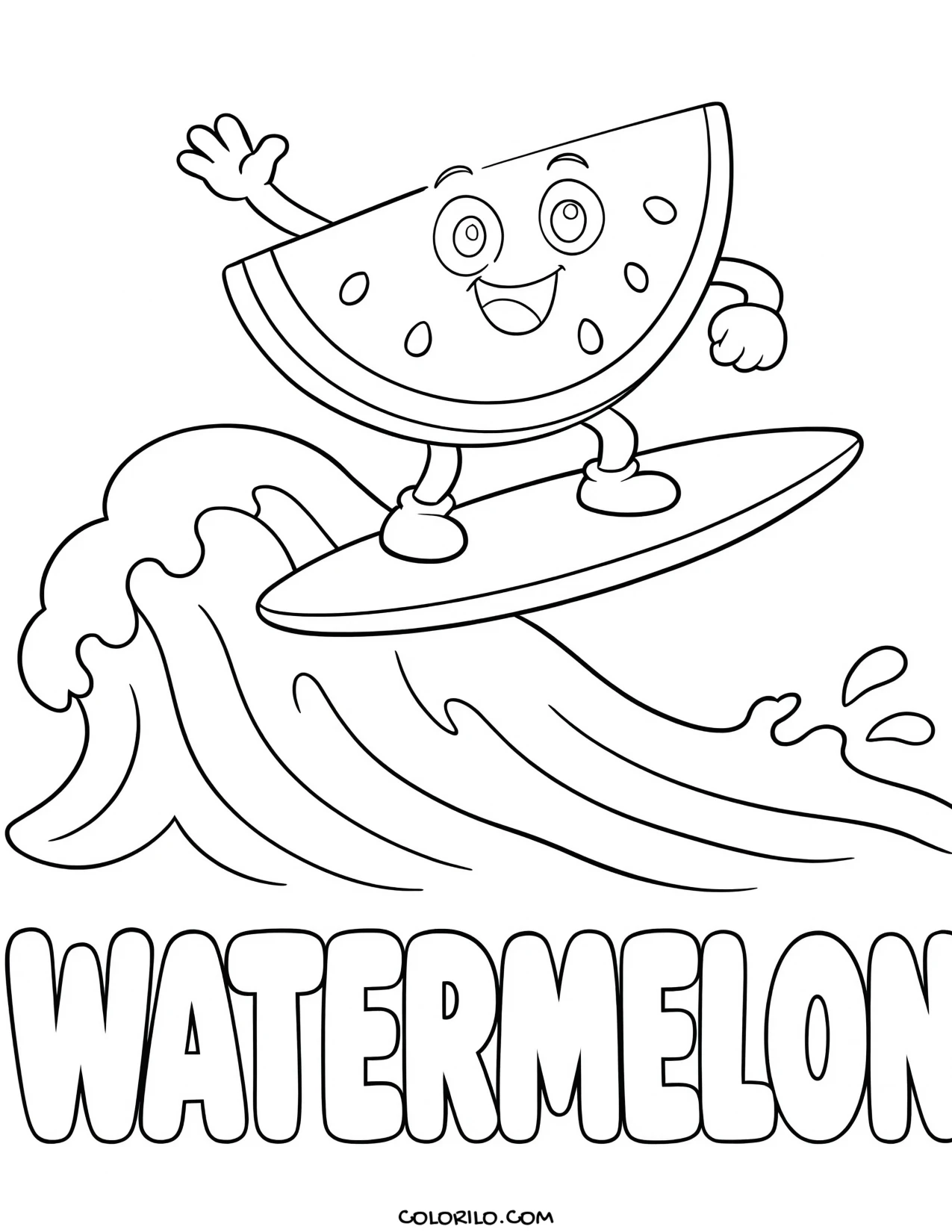
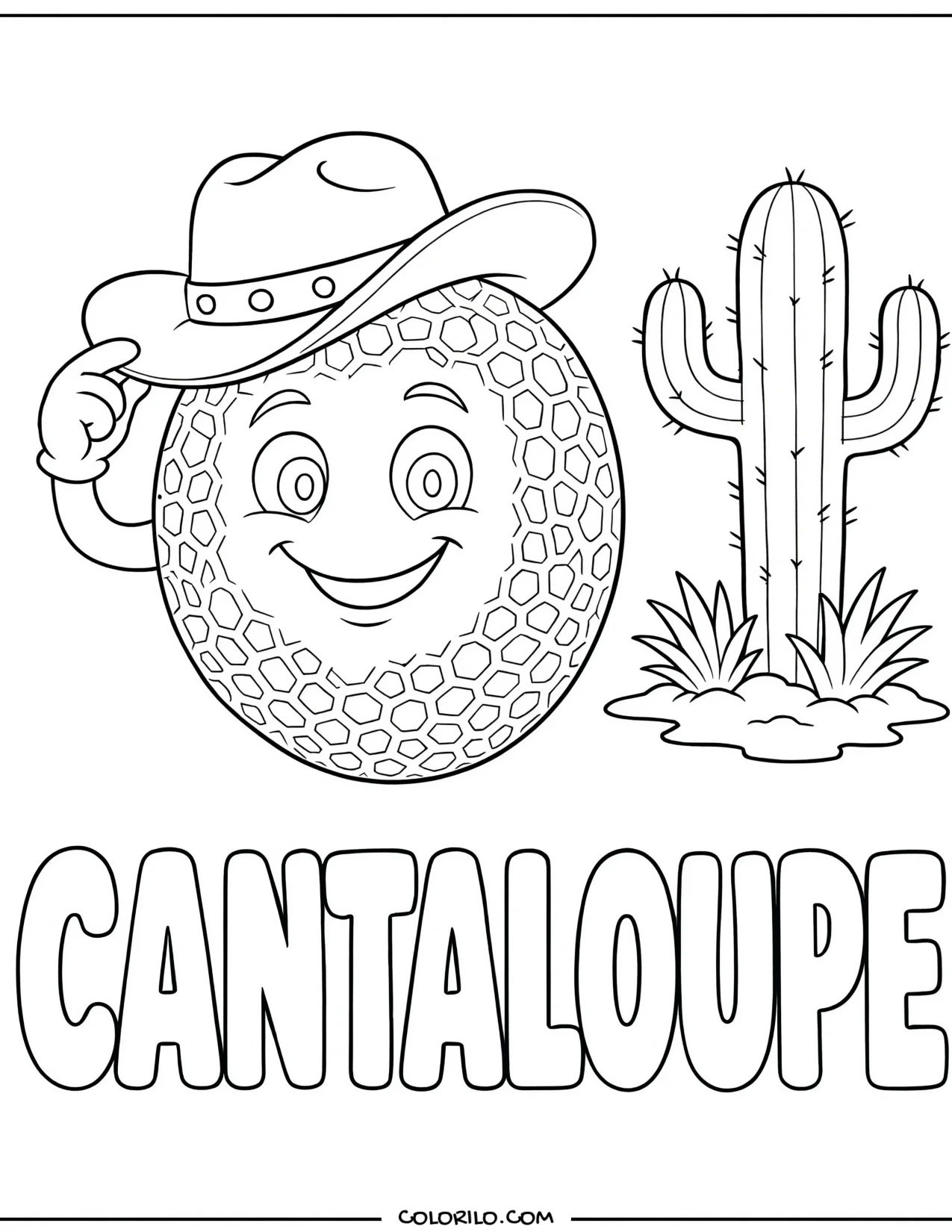
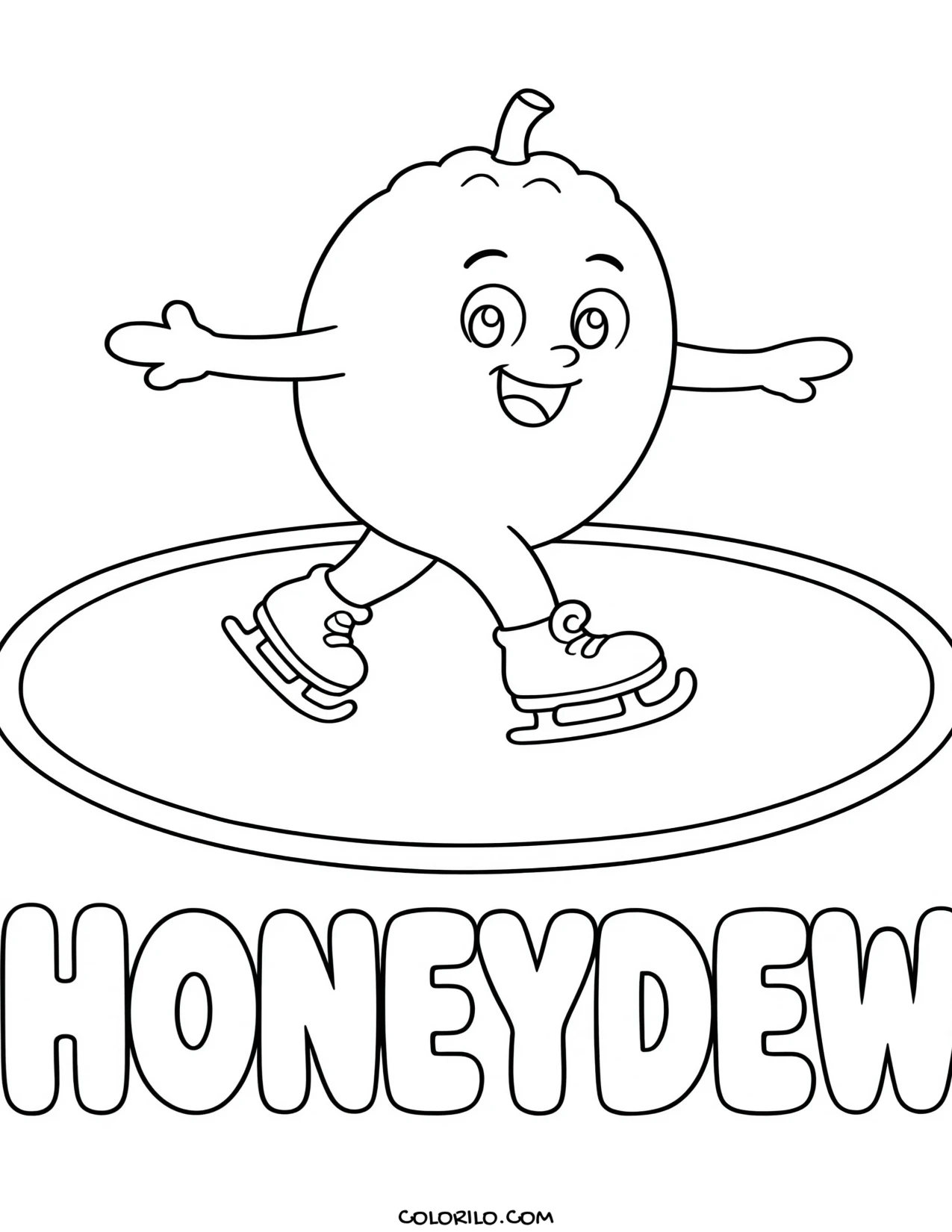
Watermelon, cantaloupe and honeydew. The watermelon is the one to point at when a child asks why it is so cold to eat on a hot day. It is about ninety-two percent water by weight, which is more than almost anything else people eat, and it comes from southern Africa where that was the entire point of it.
Tropical favorites
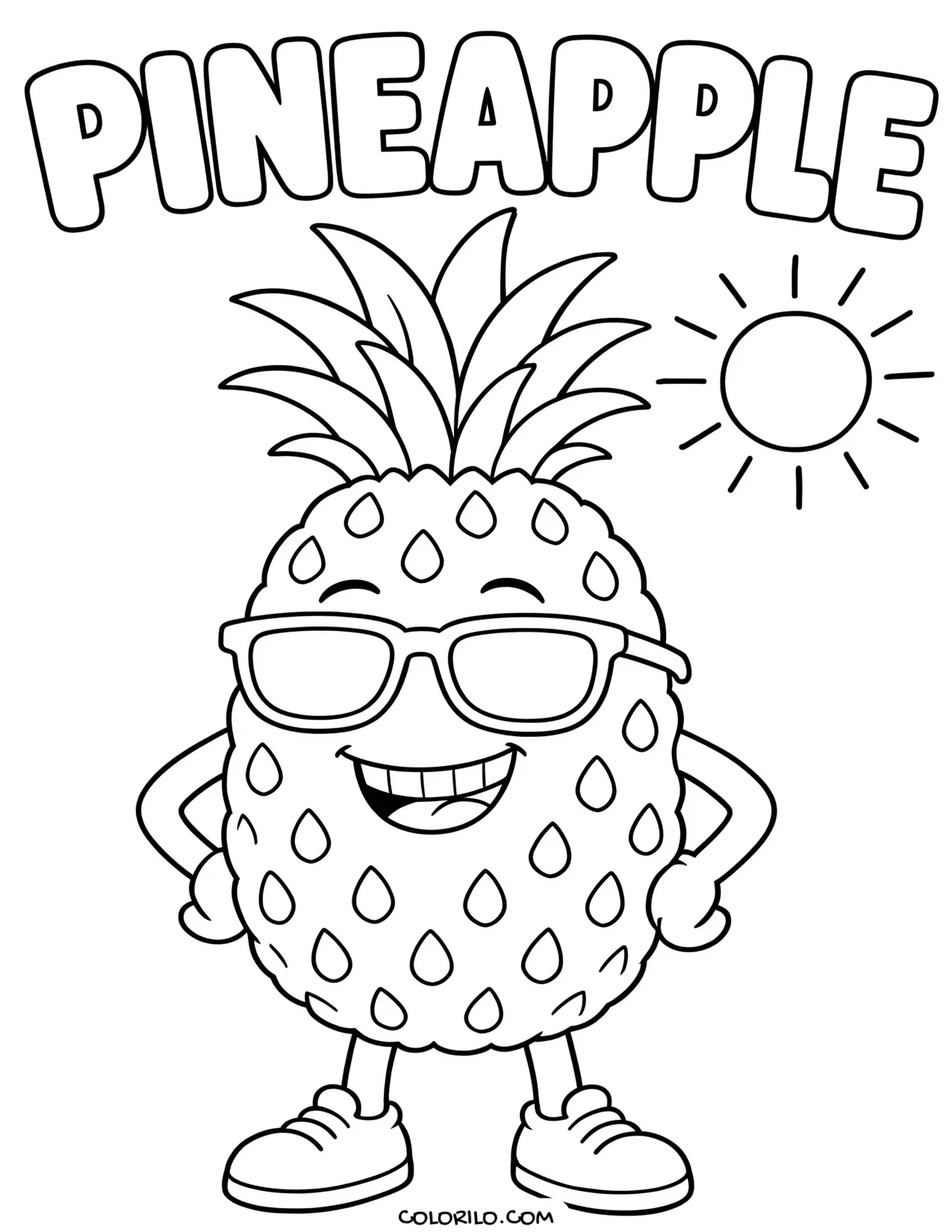
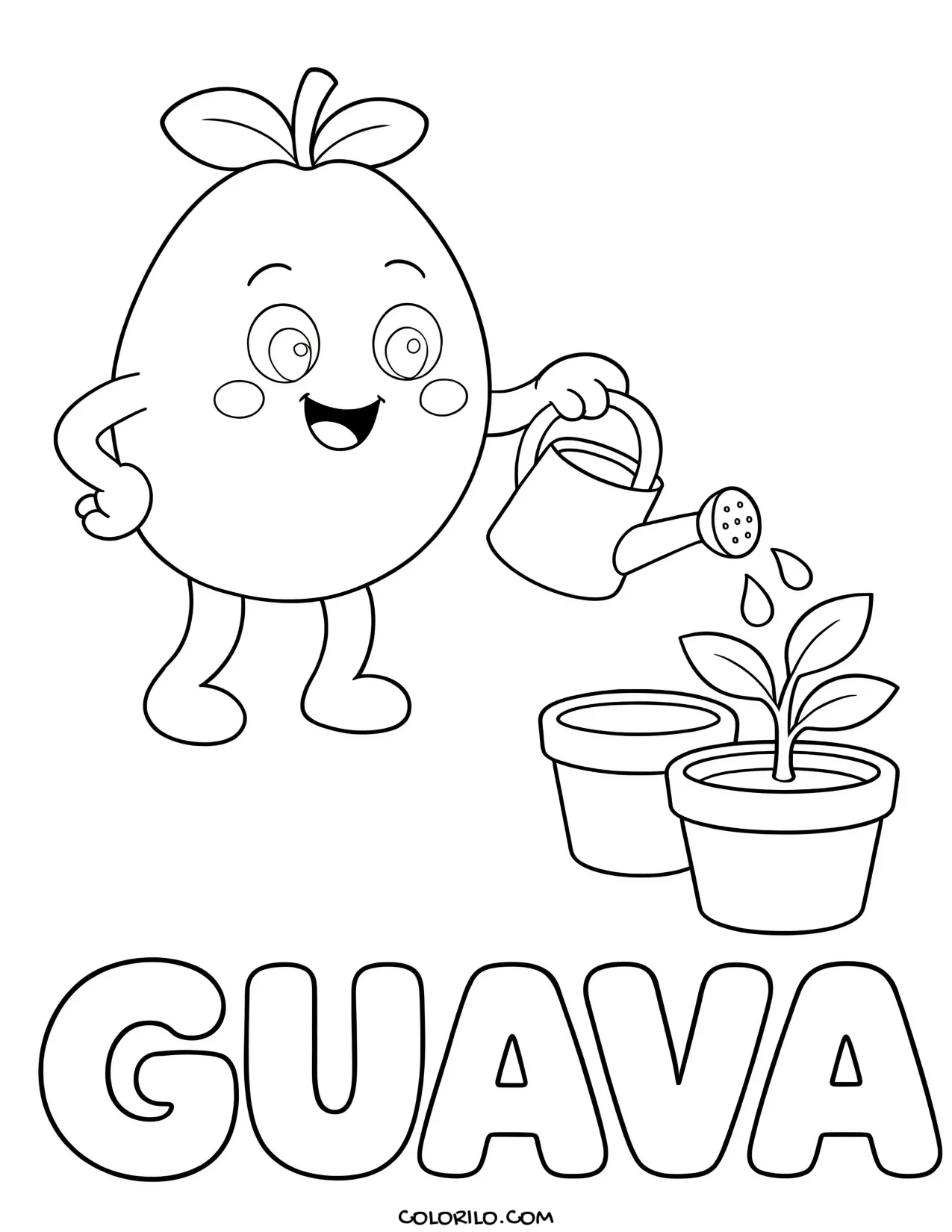
Pineapple, mango, banana, papaya, coconut and guava. A pineapple is not one fruit. It is dozens of separate small fruits that grow around a single core and fuse together as they ripen, which is what the diamond pattern on the outside actually is, each diamond was its own flower.
The ones people meet later
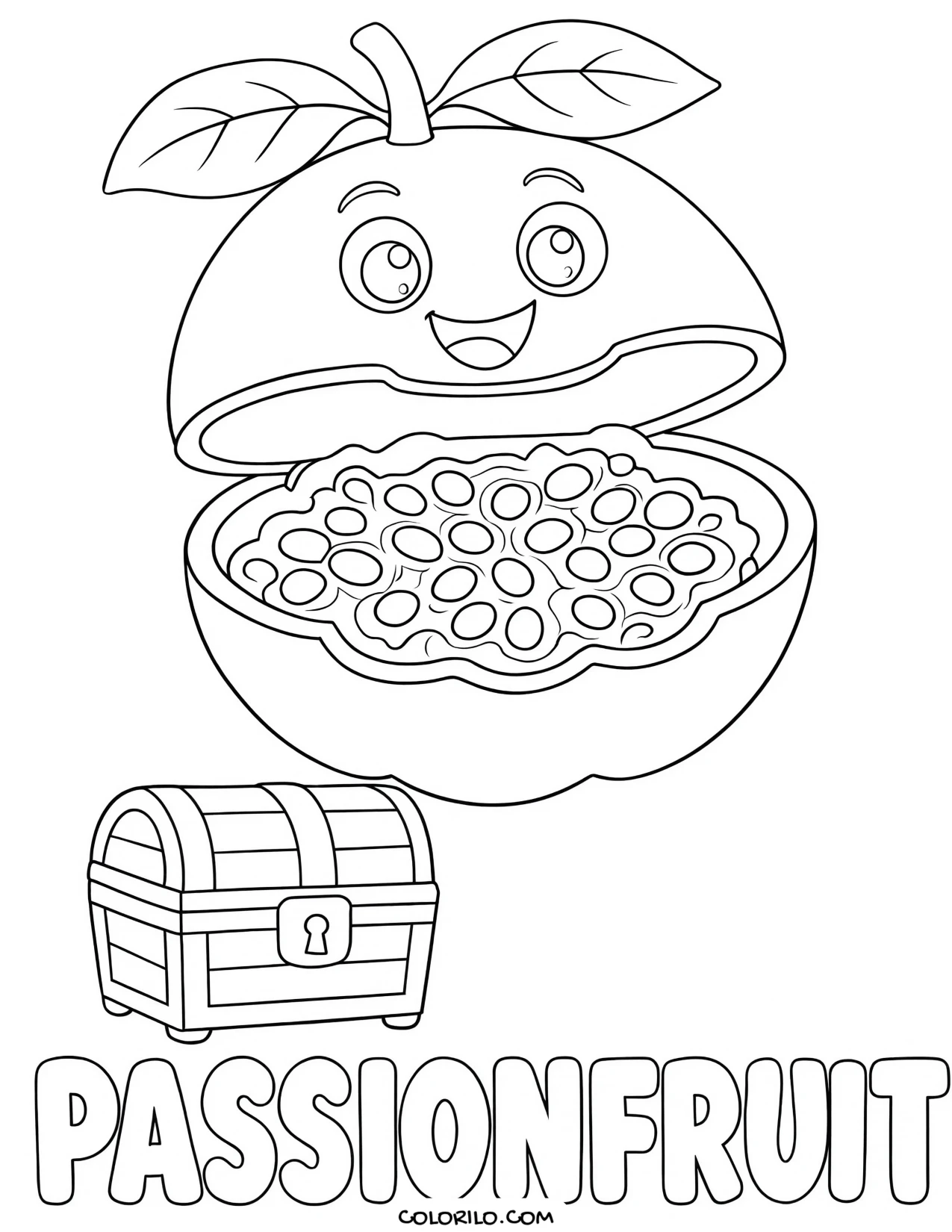
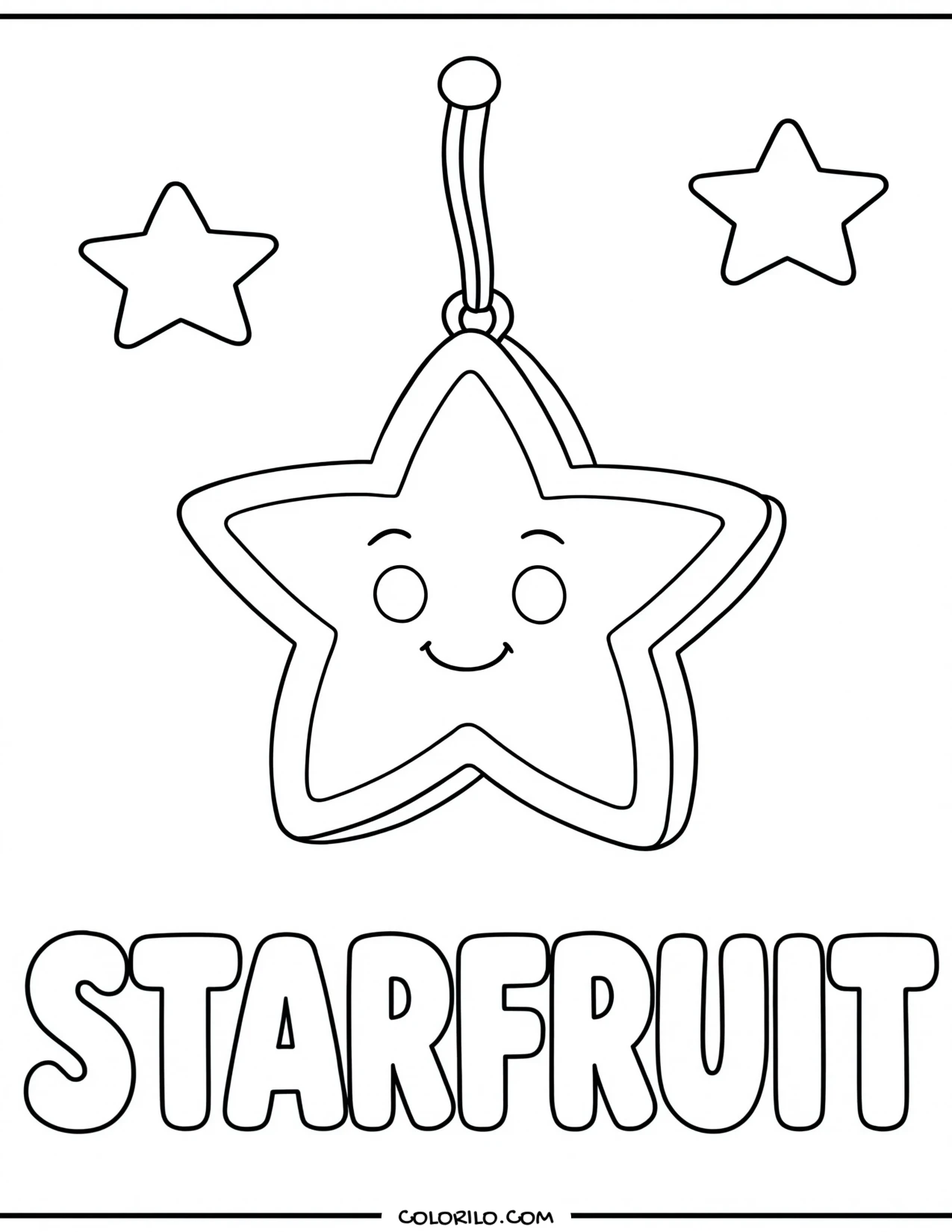
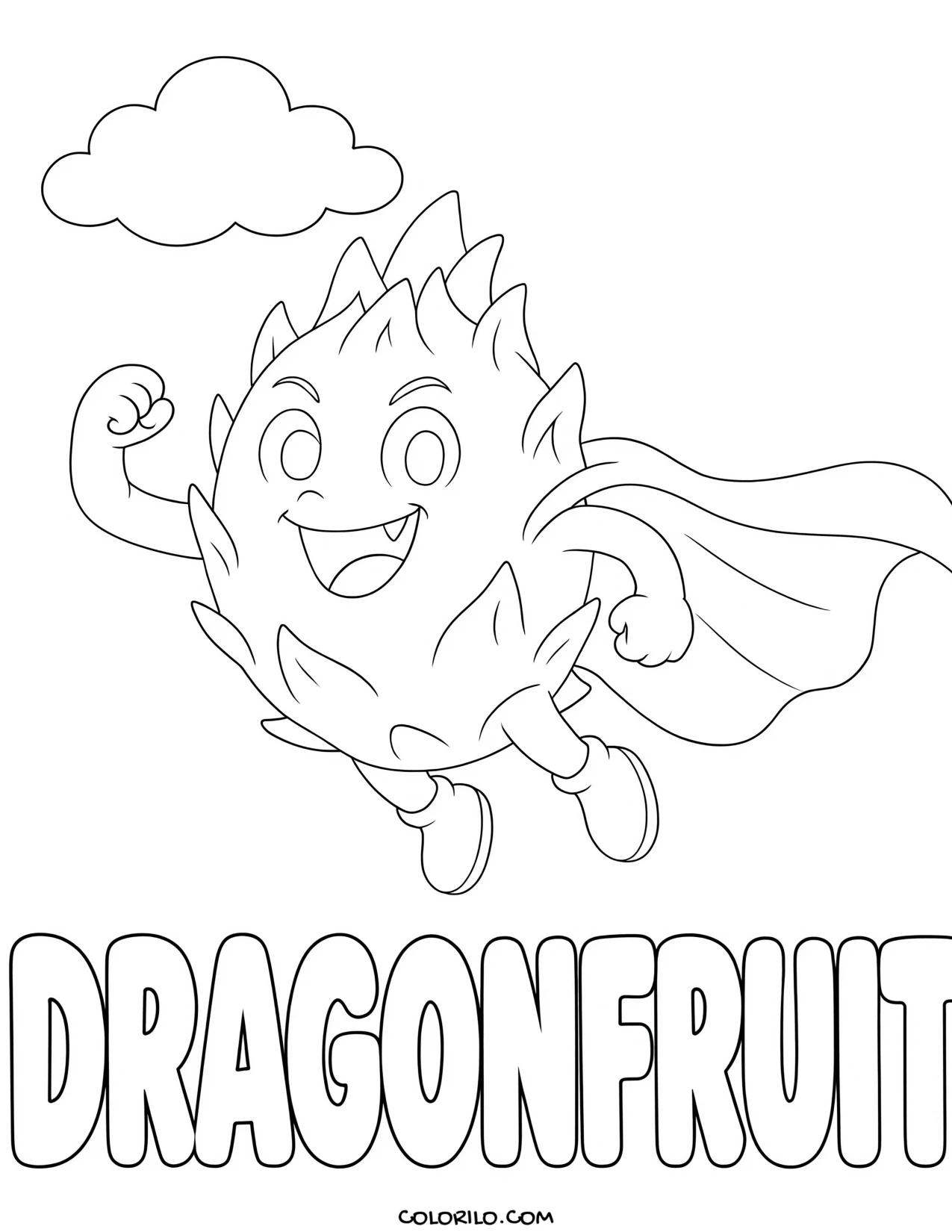
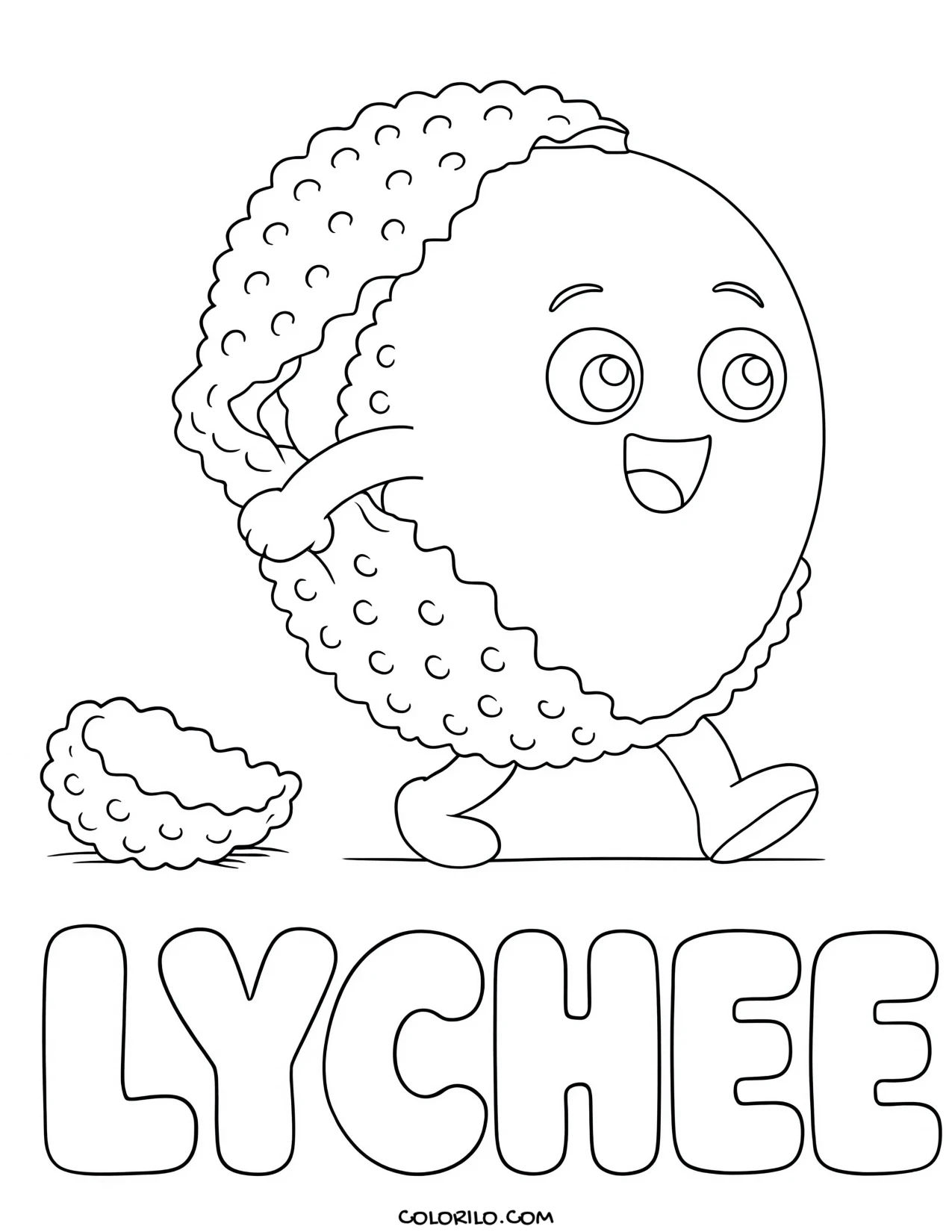
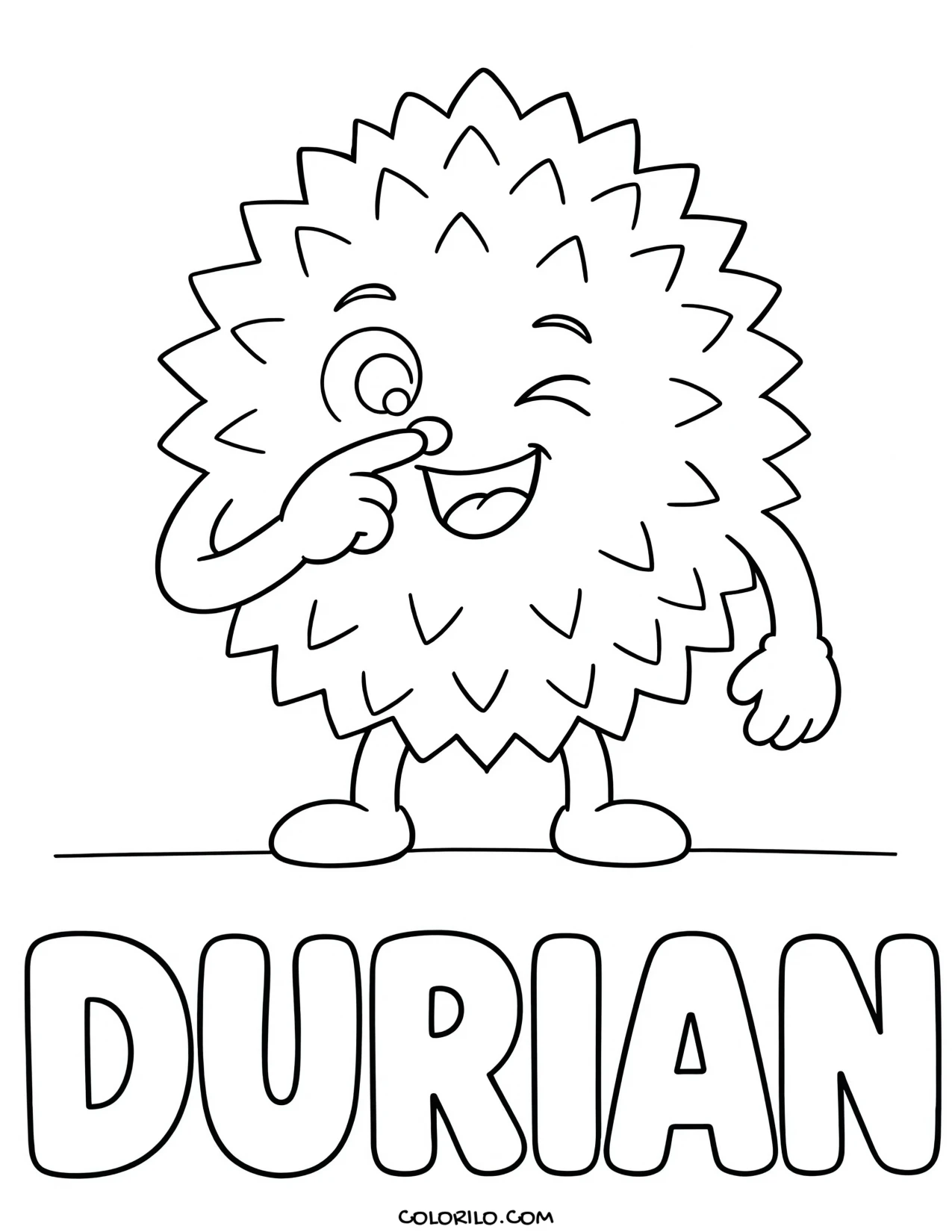
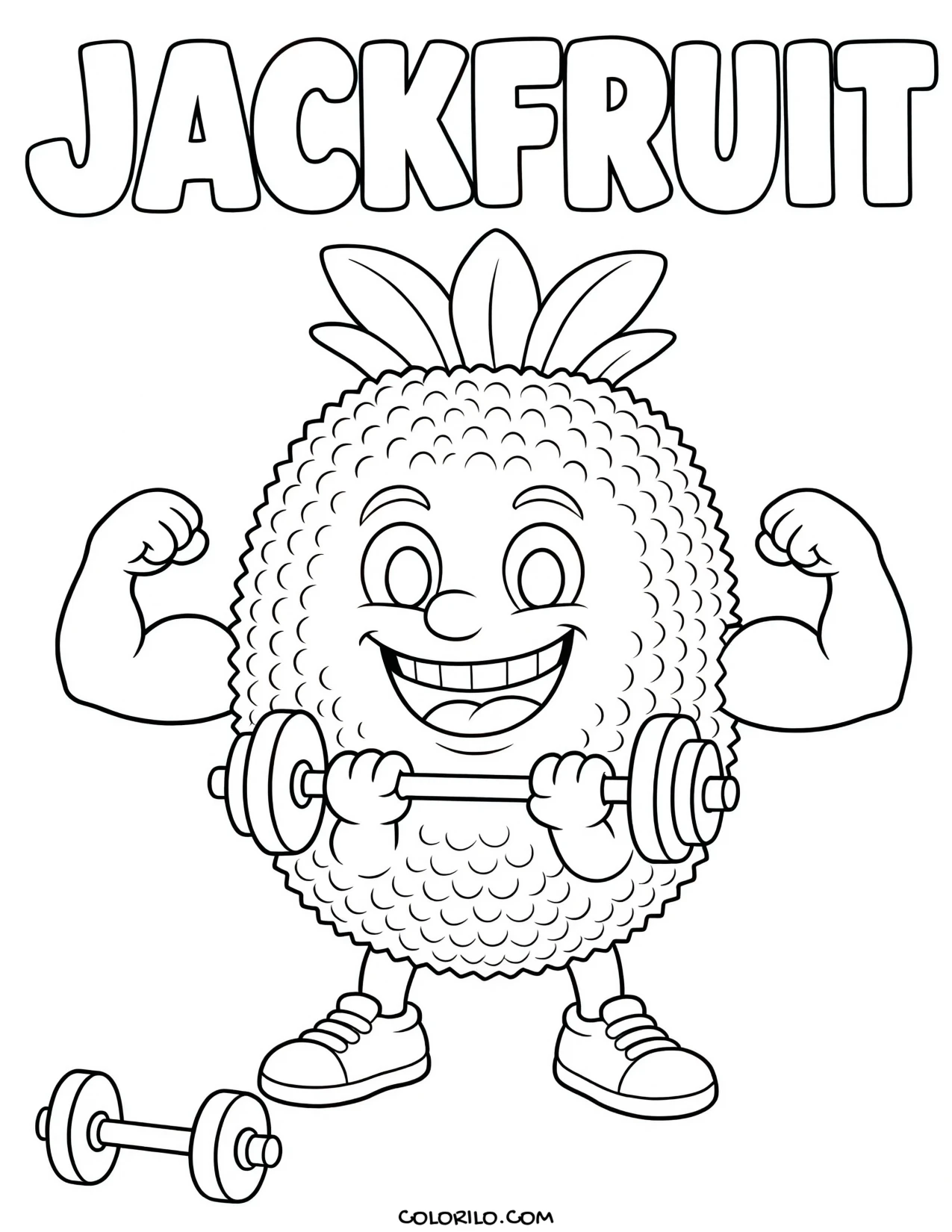
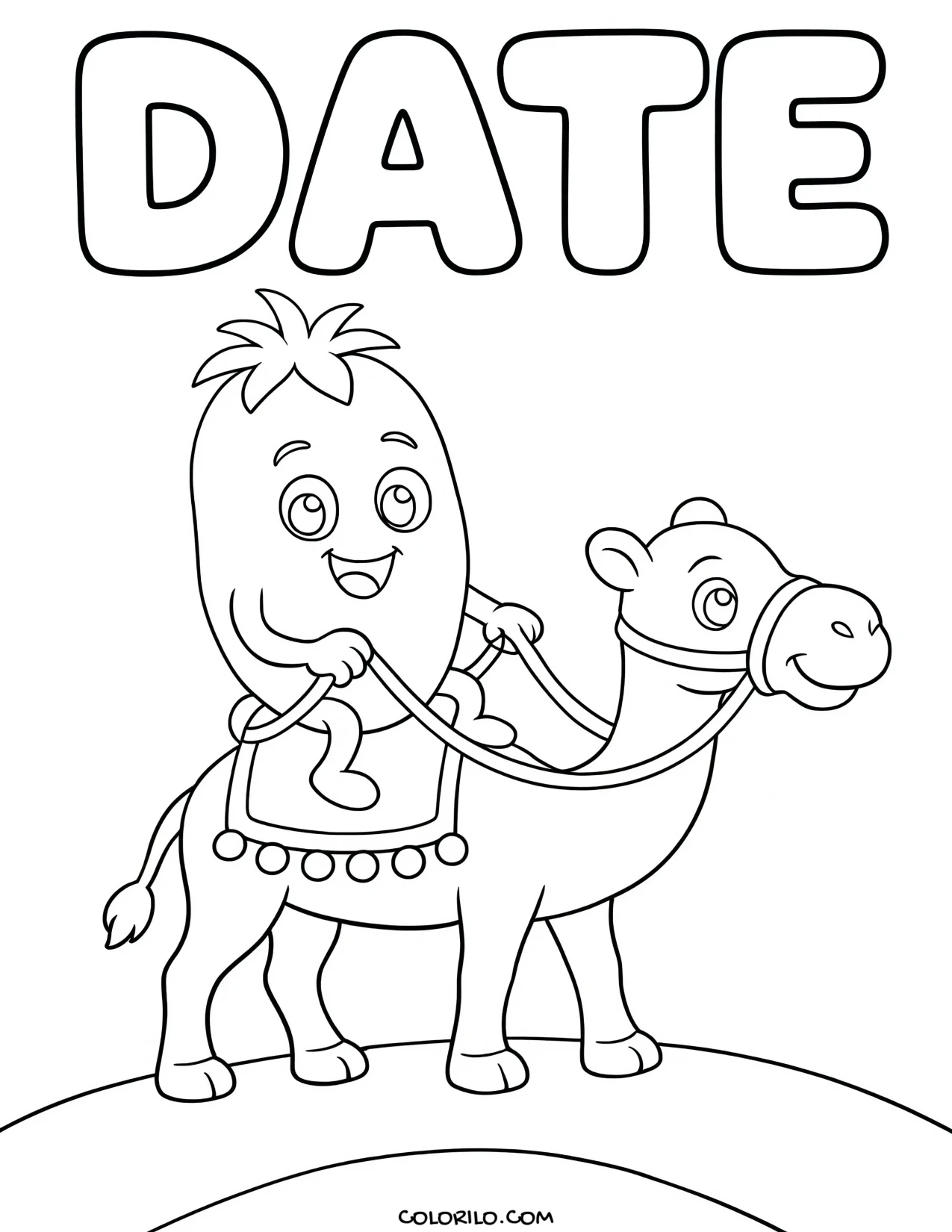
Passionfruit, starfruit, dragonfruit, lychee, rambutan, durian, jackfruit, dates and kiwi. Rambutan simply means hairy in Malay. Dragonfruit grows on a climbing cactus. Jackfruit is the largest fruit that grows on any tree, heavy enough to be dangerous to stand under. And durian smells strongly enough that it is banned outright on the Singapore underground, with a sign on the carriage wall saying so.
The three that need explaining
Tomato, avocado and pomegranate. The tomato is a fruit botanically and a vegetable legally, the United States Supreme Court ruled in 1893 that it counted as a vegetable for import taxes, on the grounds that people eat it with dinner rather than for dessert. The avocado is a berry with one enormous seed. And a pomegranate is barely a fruit in the usual sense: the part you eat is several hundred separate seeds, each wrapped in its own pocket of juice.
If it is food in general rather than fruit, the food coloring pages cover a much wider table. The plants and branches here lead naturally to the nature coloring pages and the flower collection, and the melons and coconuts belong with the summer set.
Coloring Tips
Ripeness is a color decision, and it is the most useful one here. A peach is not one orange. It is yellow near the stem, deep red where the sun reached it, and pale where it sat against a branch. The same is true of the nectarine, the mango, the plum and the persimmon. Blending two or three shades across a single fruit is what separates these pages from a chart of flat circles, and it is the thing worth teaching on this set above anything else.
Cut fruit has three parts, not one. The mango slice, the kiwi, the watermelon and the pomegranate are all drawn open. Each needs a skin, a flesh and a seed or stone, and all three are different colors. The watermelon in particular falls apart if the white rind between the green and the red gets skipped, that thin pale band is the whole reason it reads as watermelon.
Leave a highlight on the shiny ones. Apples, plums, cherries, grapes and blueberries all have waxy skin. Leaving one small unfilled patch on each, always on the same side, makes them look polished rather than painted. On the bunch of grapes, putting that patch on every single grape is what makes it read as a bunch instead of a blob.
The unfamiliar ones are worth looking up first. Most children will guess right on an apple and guess wrong on a rambutan. A rambutan is red with green hairs, a dragonfruit is bright pink outside and white with black speckles inside, a starfruit is yellow, a durian is dull green-brown. Looking at a photograph before starting turns nine of these pages into something learned rather than invented.
Vary the berries inside a group. The blackberry basket, the gooseberry jar and the cranberry pot each hold many of the same fruit. Making every one the identical shade flattens them. Two or three tones of the same color, with the darkest at the back and the lightest at the front, gives the pile depth without needing any shading skill.
Start younger children on the round ones. The apple, the orange, the plum, the blueberry and the clementine stack are simple closed shapes with very few lines, which suits a three or four year old. The pineapple, the pomegranate, the jackfruit and the rambutan have the most texture and the most small repeated marks, and are better saved for someone older.
Frequently Asked Questions
Are these fruit coloring pages really free?
Yes, all 44 are free to download and print. Click any design to open the PDF. No account, no email, no payment.
What age are these fruit coloring pages for?
The whole range. The round single fruits suit children from around three. The whole set works well through primary school, and the pineapple, pomegranate and rambutan have enough texture to keep an older child busy.
Is every design a different fruit?
Yes. Forty-four designs and forty-four different fruits, with nothing repeated. That includes several most children will not have seen, quince, gooseberry, persimmon, rambutan, jackfruit and durian among them.
Can I use these in a classroom?
Yes. These fruit coloring pages are free for personal, educational and classroom use, and the fruit coloring sheets can go out to a whole class without asking. They fit topics on healthy eating, on where food comes from, and on plants and seeds.
Can I print more than one copy?
As many as you need.
Which of these are actually berries?
Not the ones you would expect. To a botanist a berry is a fruit that grows from a single flower with one ovary and carries its seeds inside the flesh. That makes the banana a berry, and the watermelon, the avocado, the tomato, the grape and the kiwi. The strawberry is not one: what looks like a seed on the outside is itself a whole tiny fruit, and the red part underneath is swollen stem. Neither is the raspberry or the blackberry, which are clusters of many small fruits stuck together. The rule catches almost everyone out, which is what makes it worth knowing.



Leave a Reply