Table of Contents
Alphabet coloring pages do two things at once, which is why parents and teachers keep printing them. A child is colouring, which they want to do anyway, and while they are doing it they are looking at the shape of a letter for several minutes, far longer than they would look at it in a book.
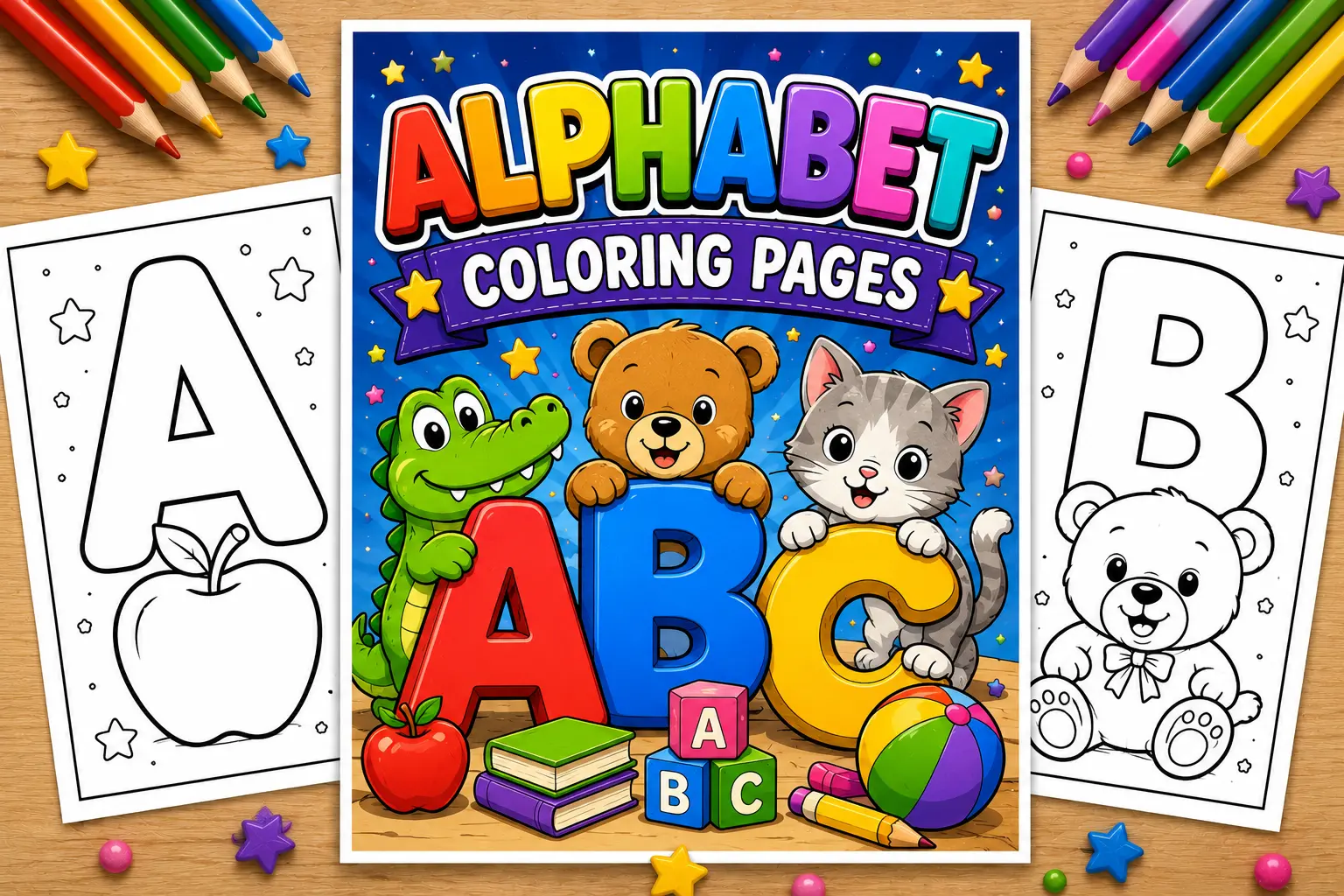
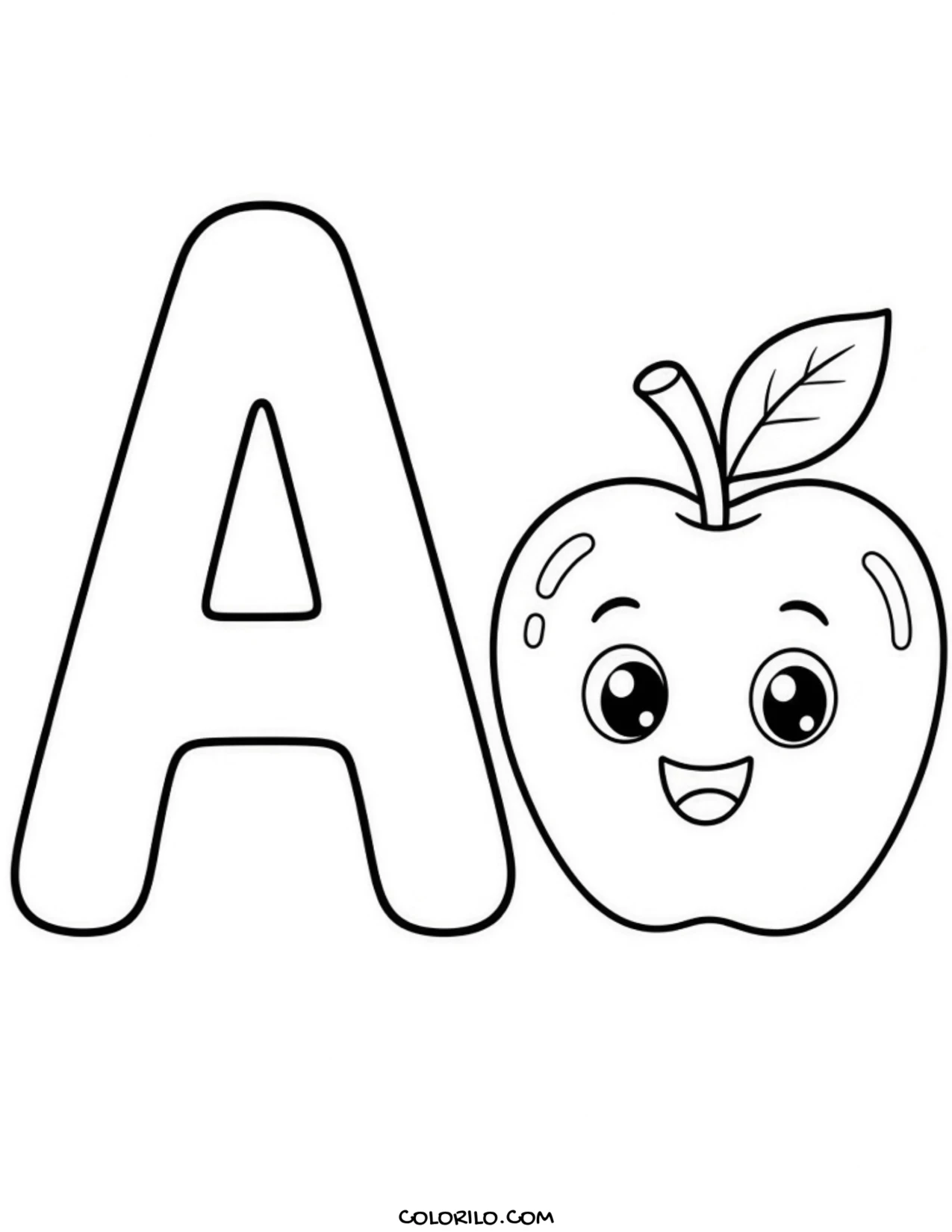
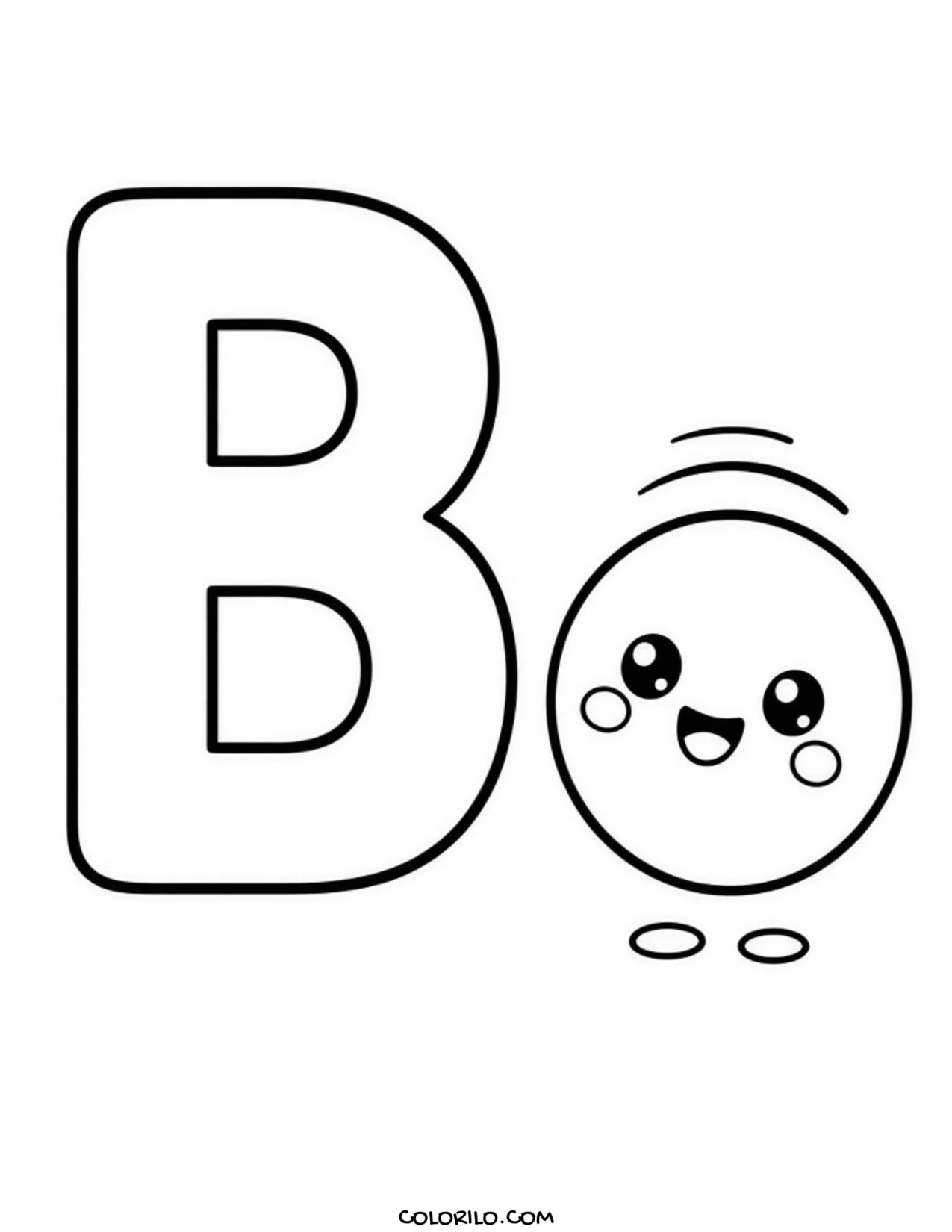
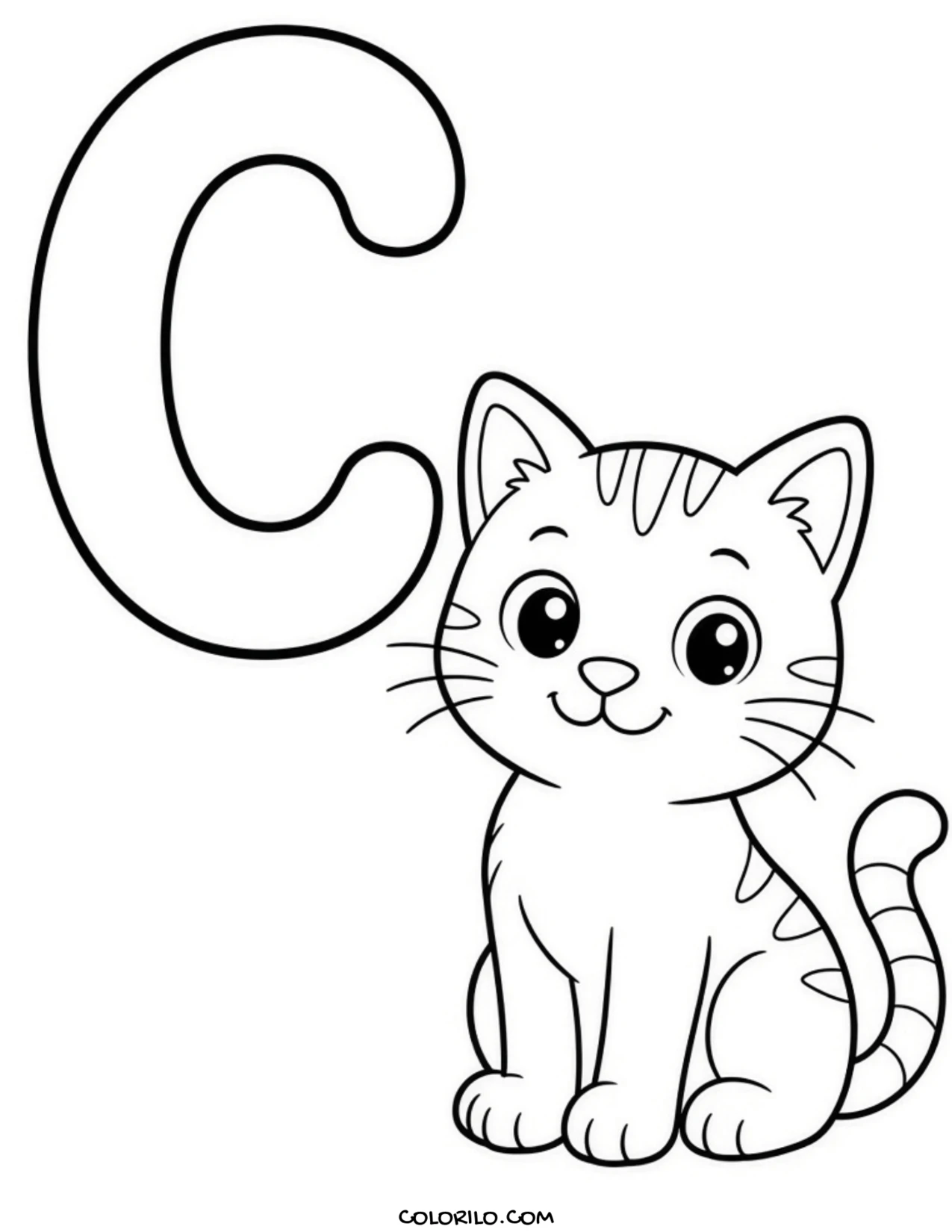
This set has 53 free designs, and it is built to be worked through rather than dipped into. One page shows all 26 letters together. Twenty-six pages give a single letter on its own, drawn large with nothing else on the sheet. Twenty-six more pair each letter with something that starts with it, A is for Apple, B is for Ball, C is for Cat, all the way to Z is for Zebra.
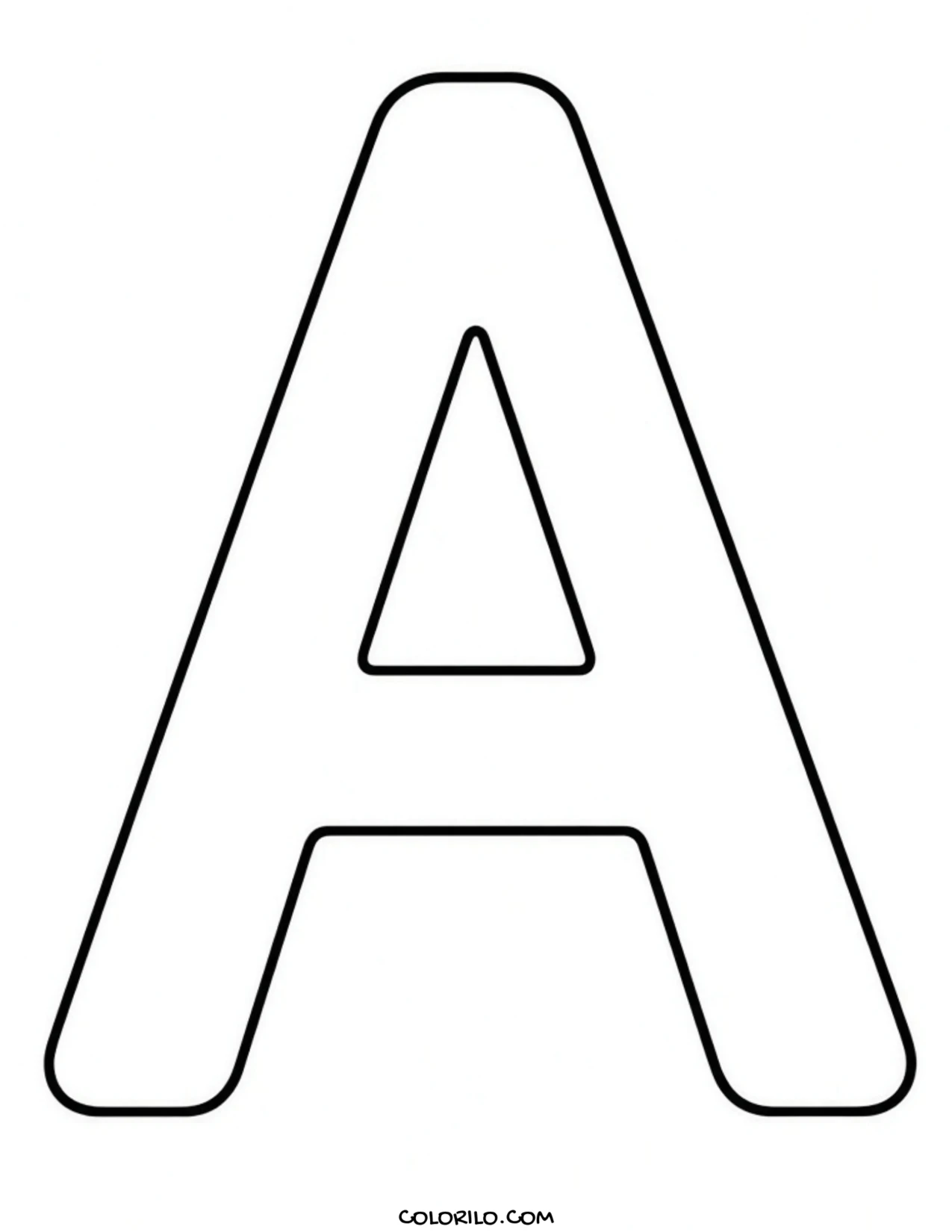
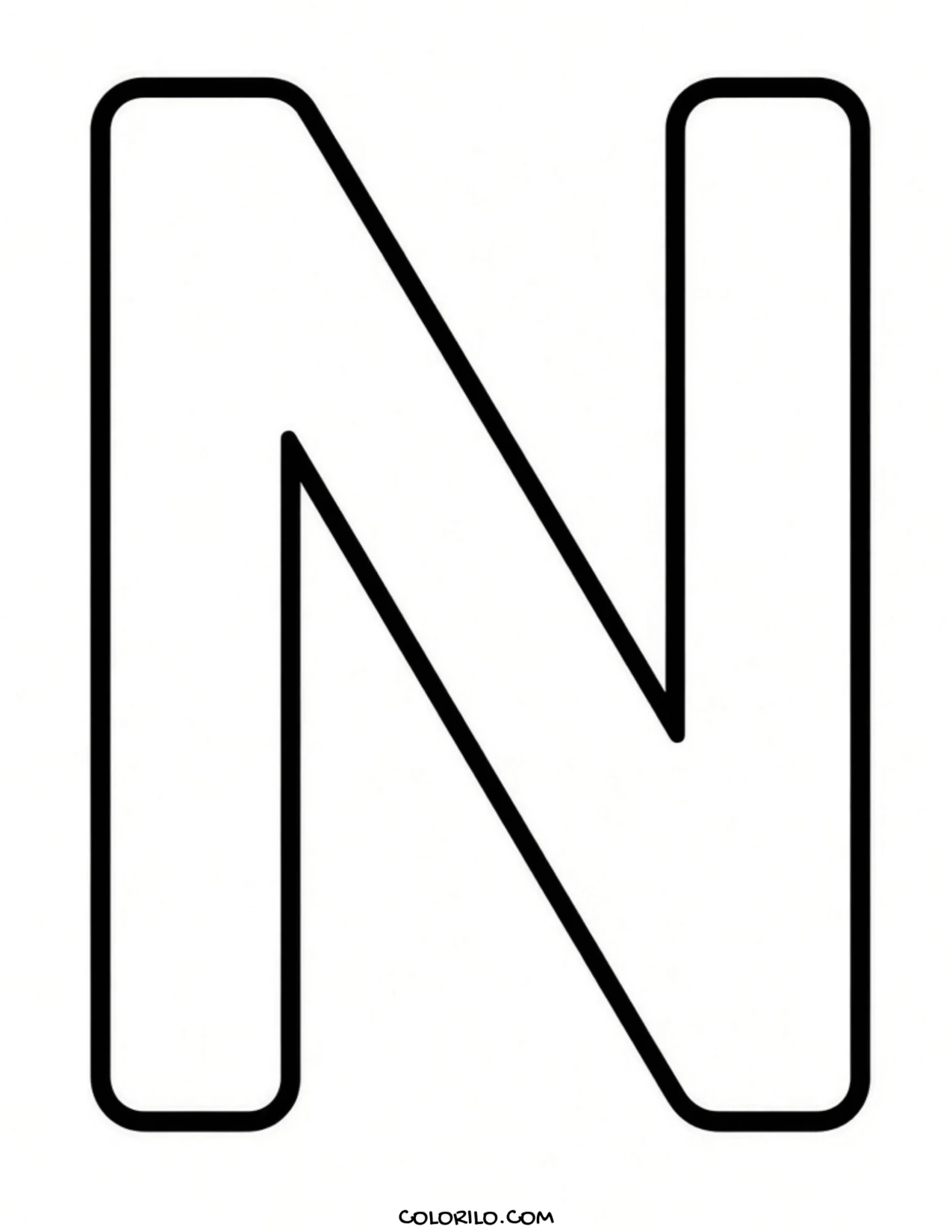
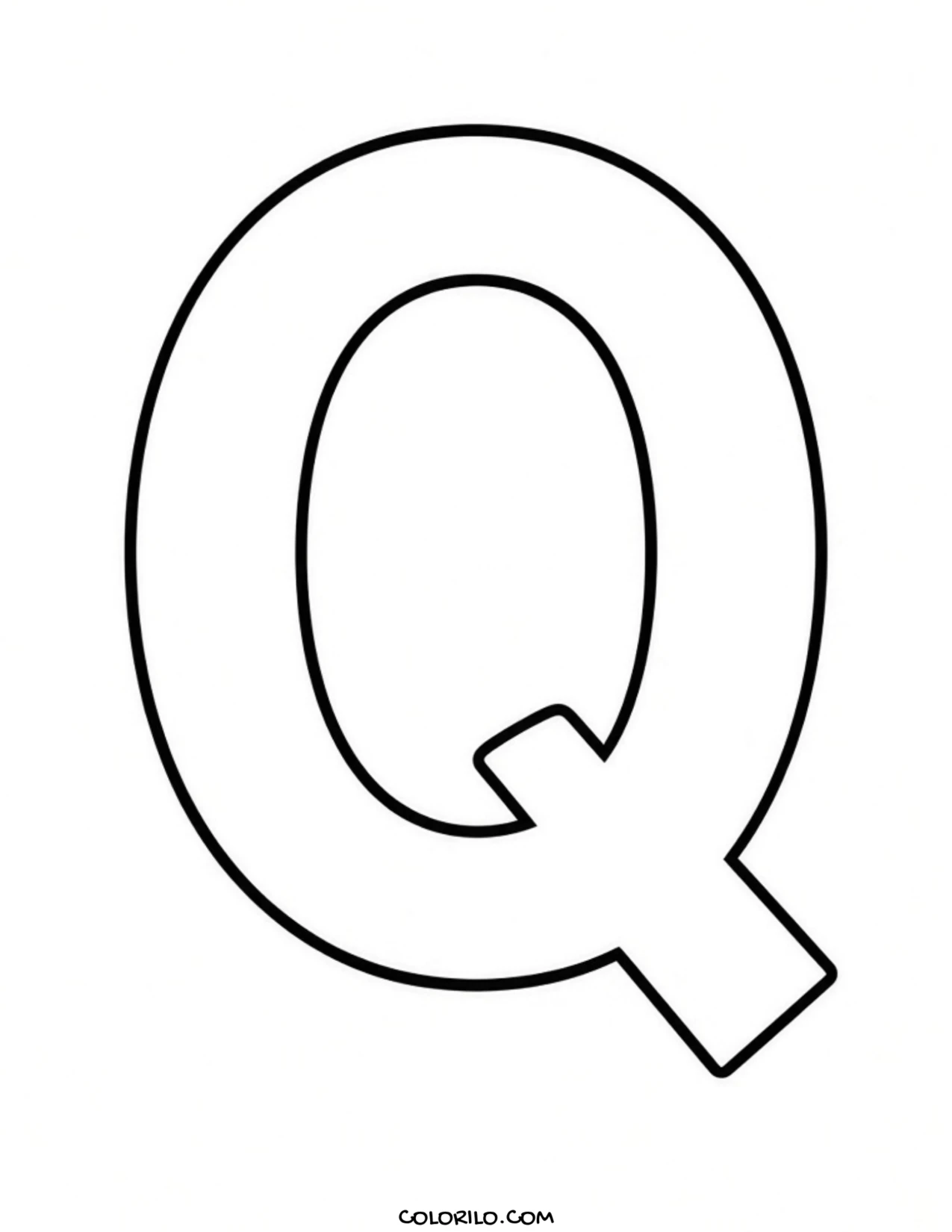
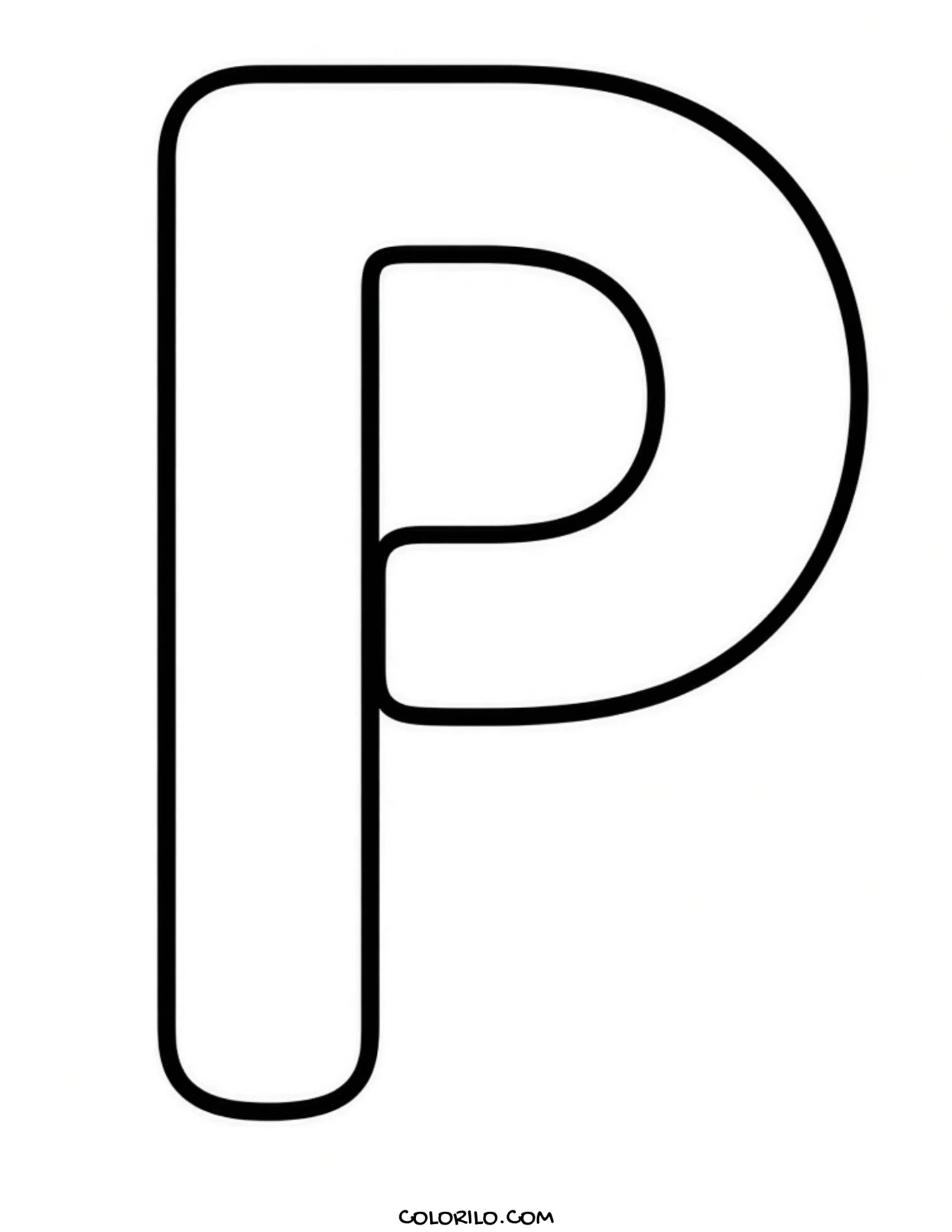
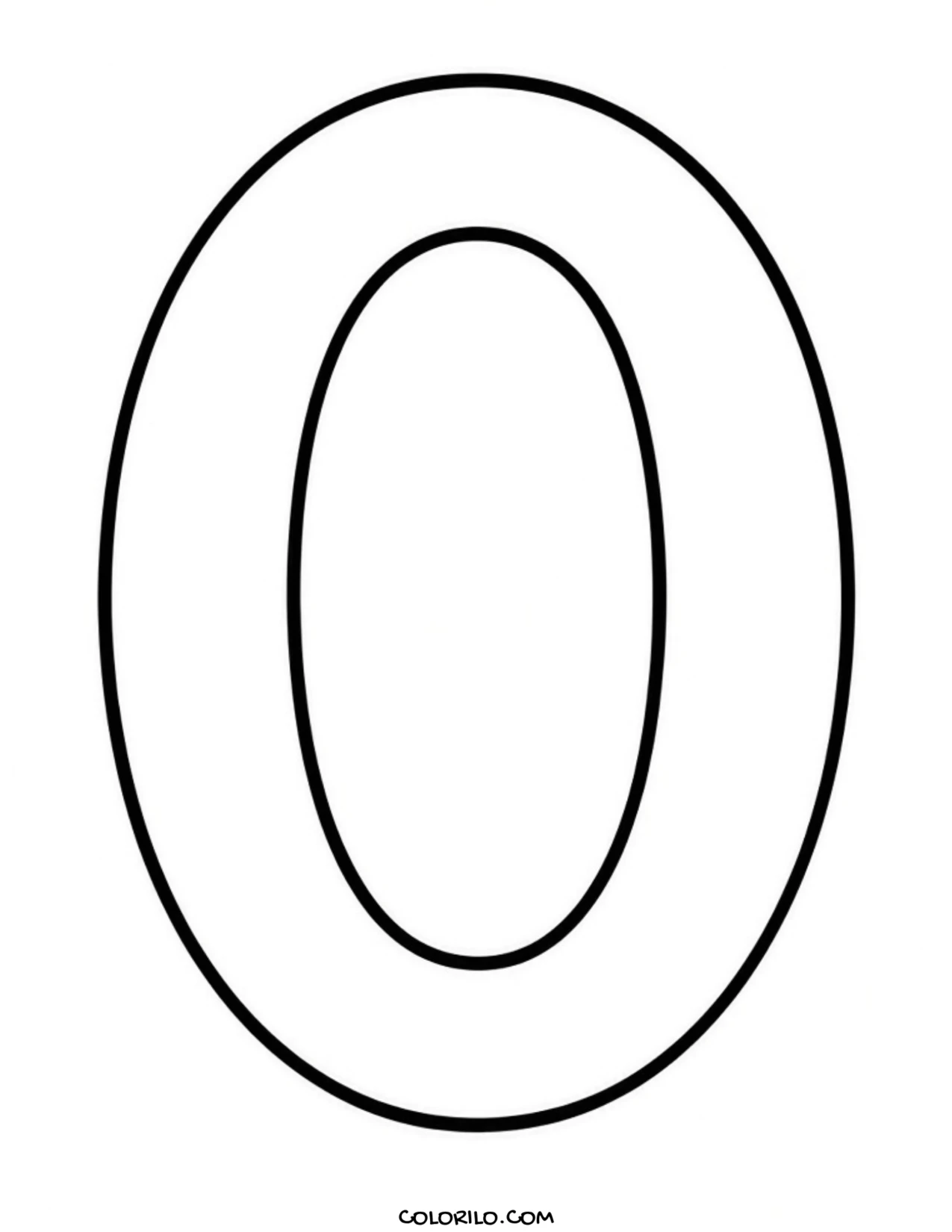
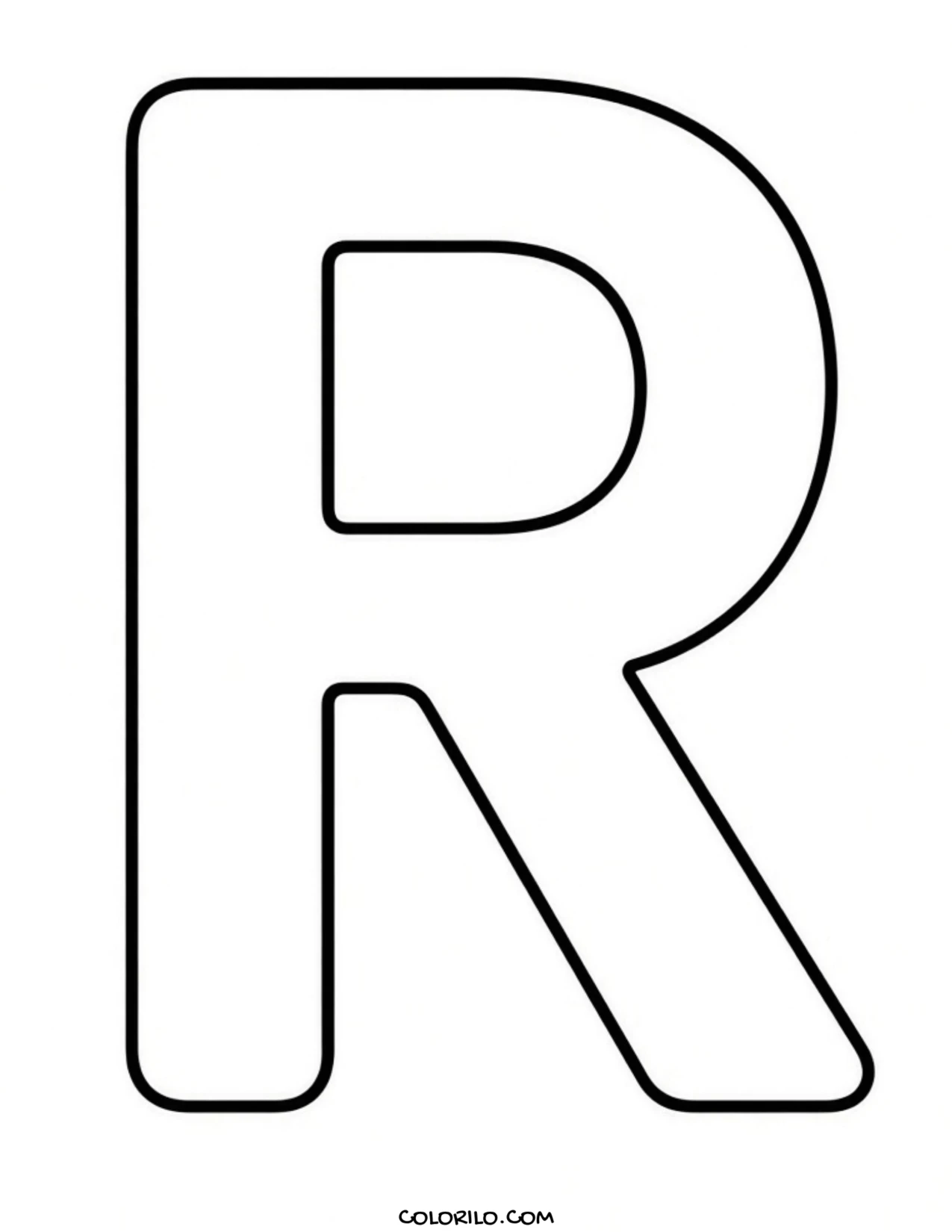
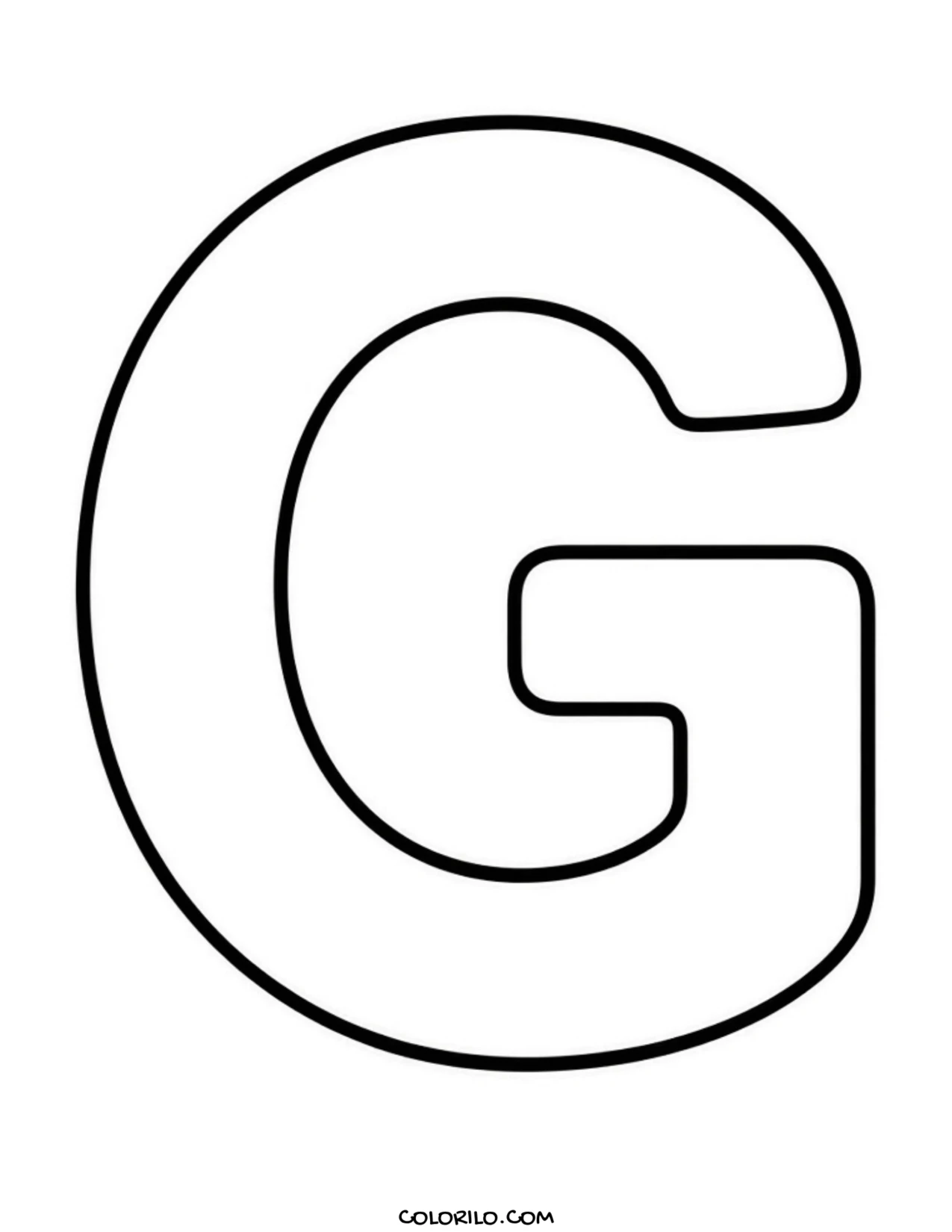
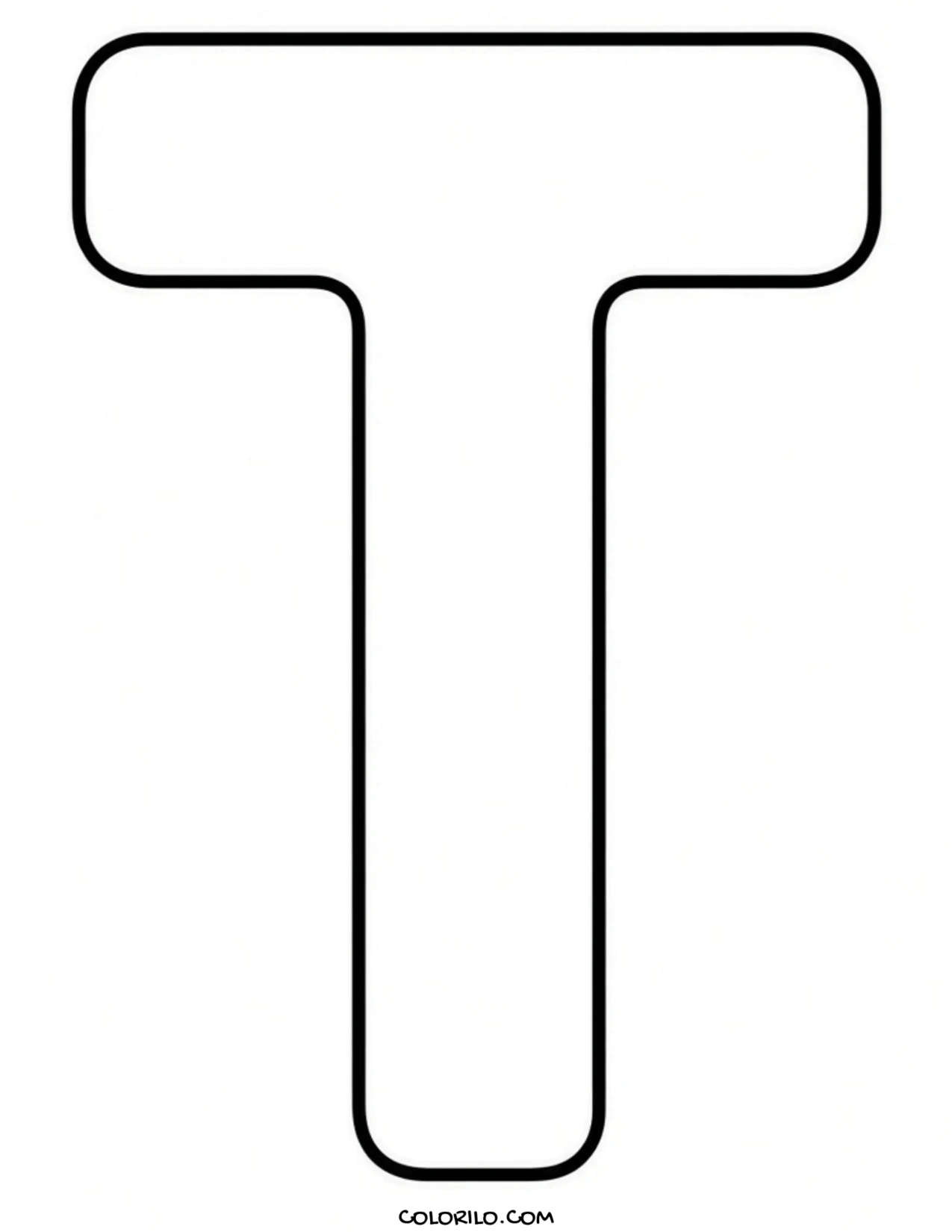
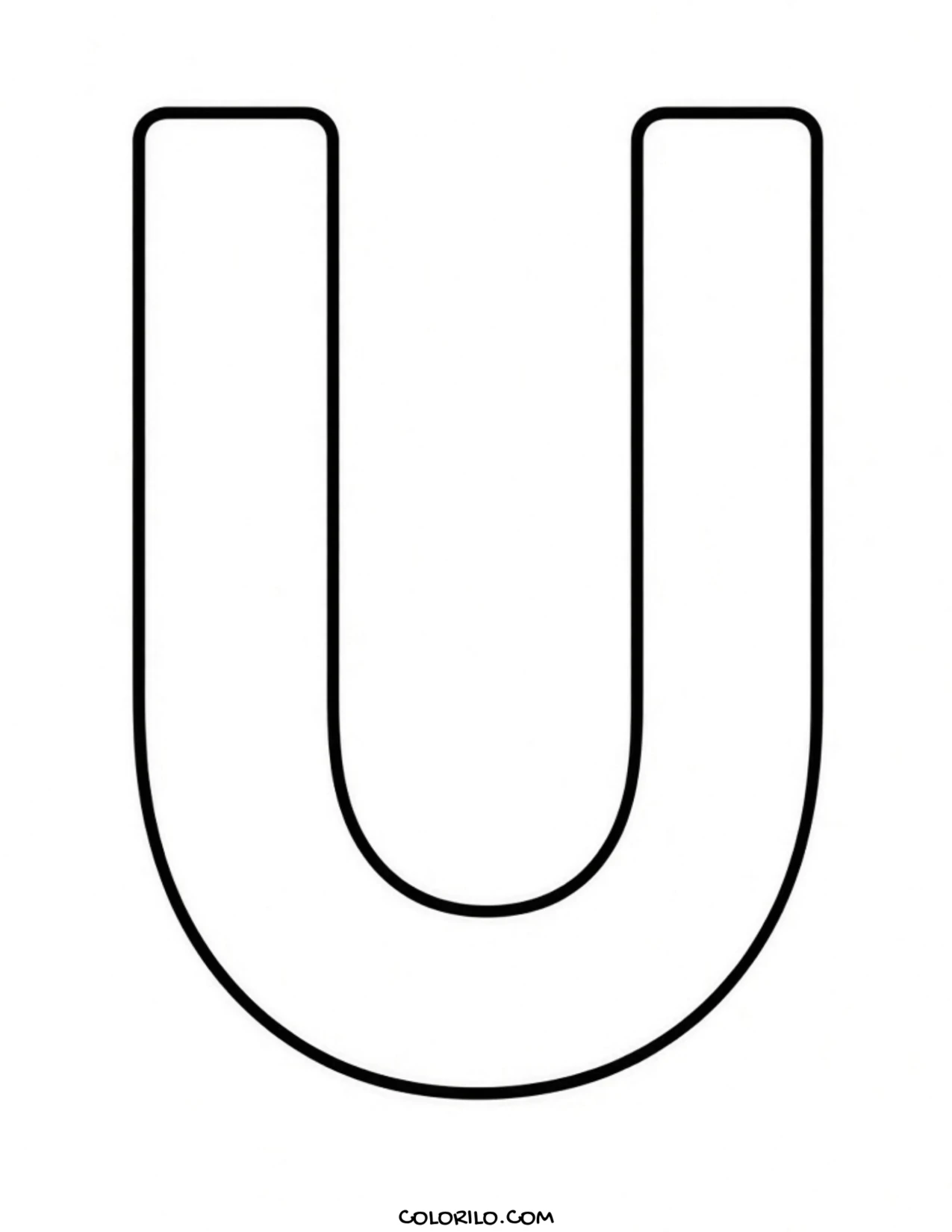
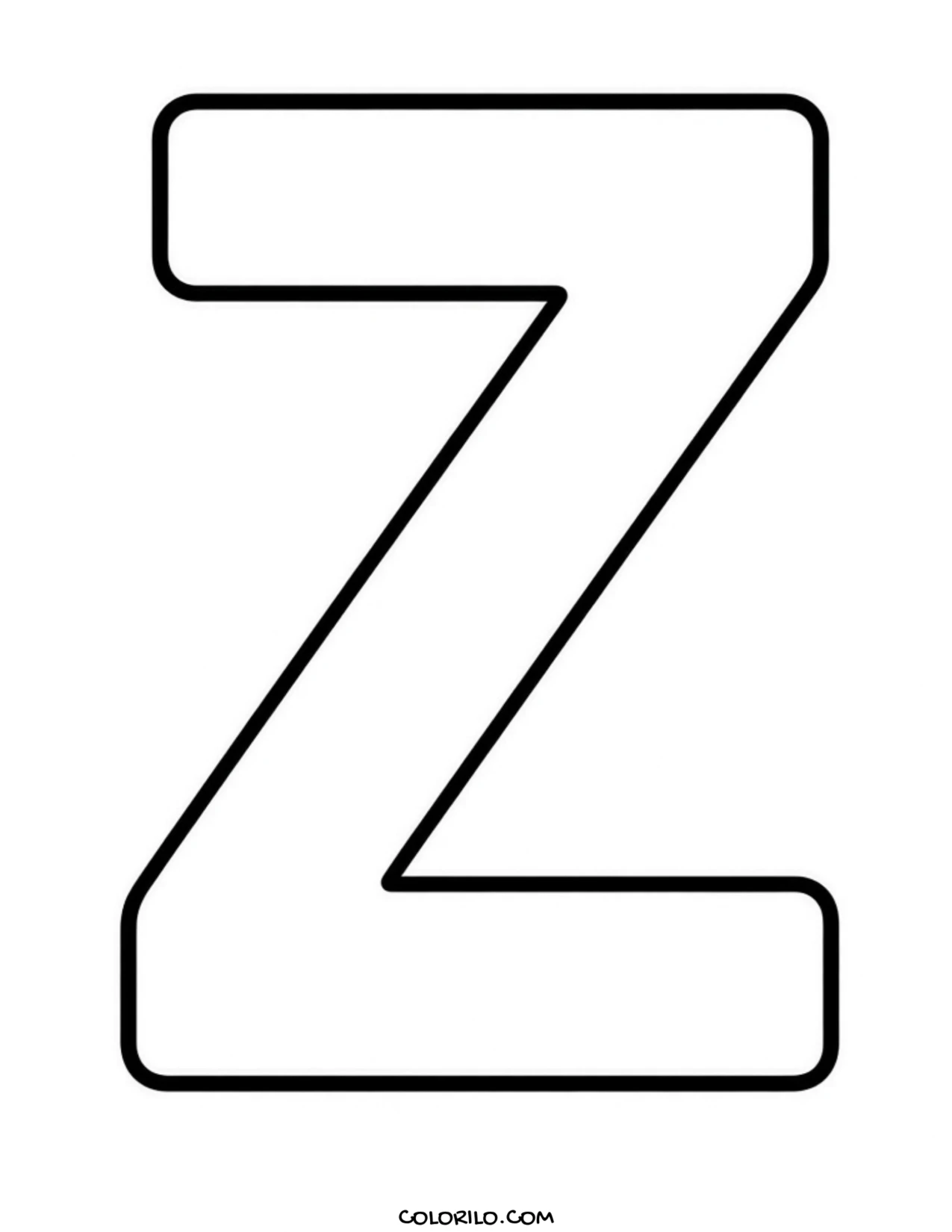
The plain letter pages are the ones to start with. A large A with plenty of room inside it lets a child trace the shape with a pencil before filling it in, which is closer to how letter formation is actually taught than tracing dotted lines is.
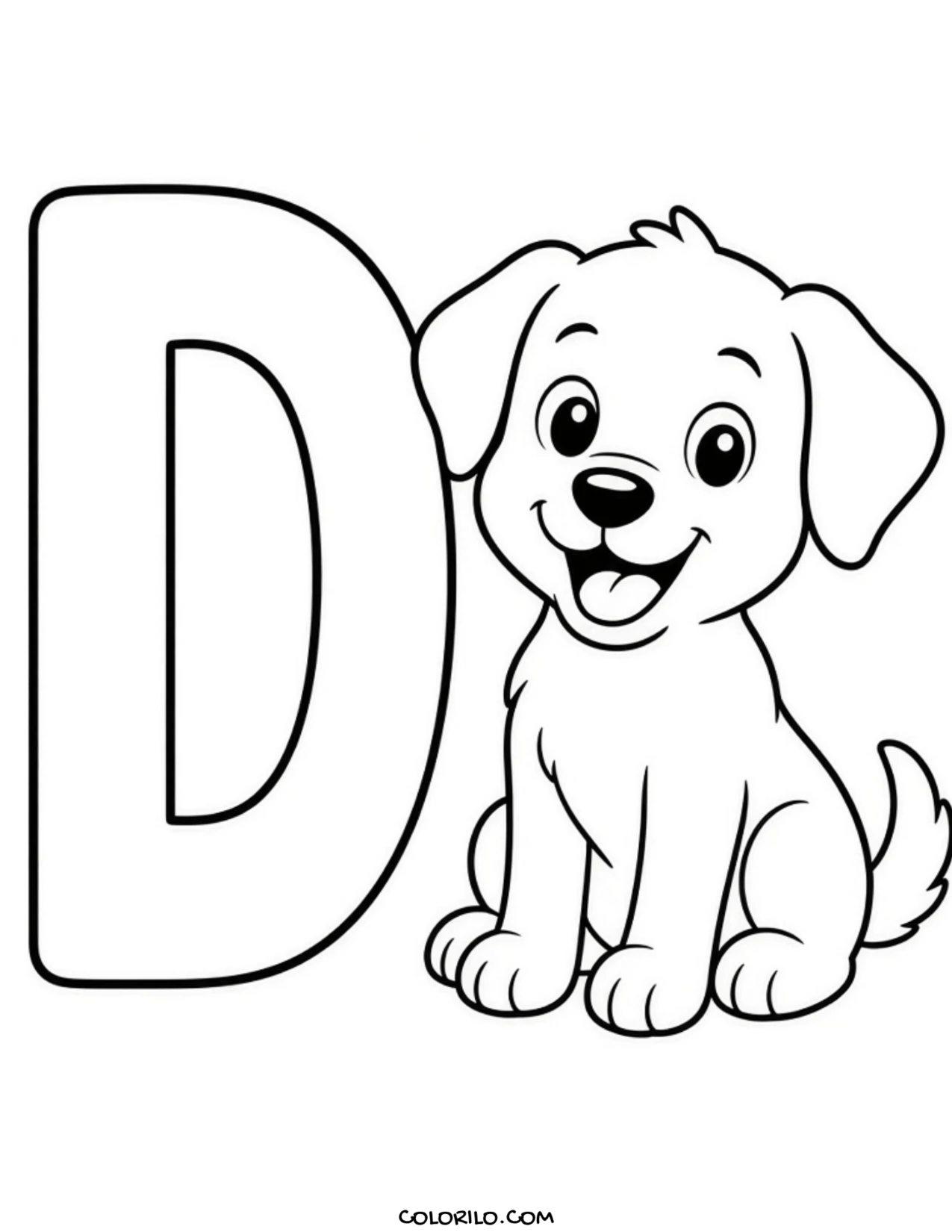
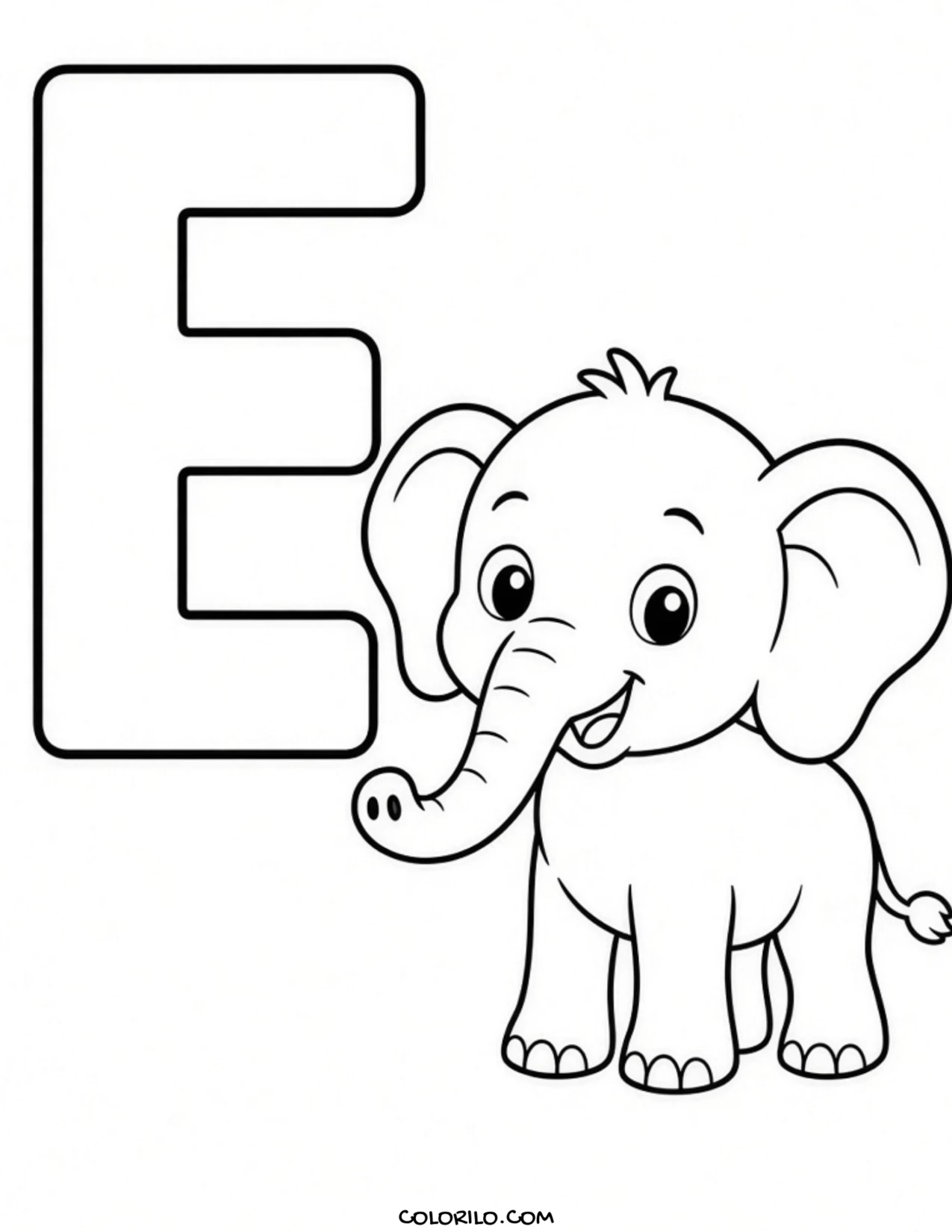
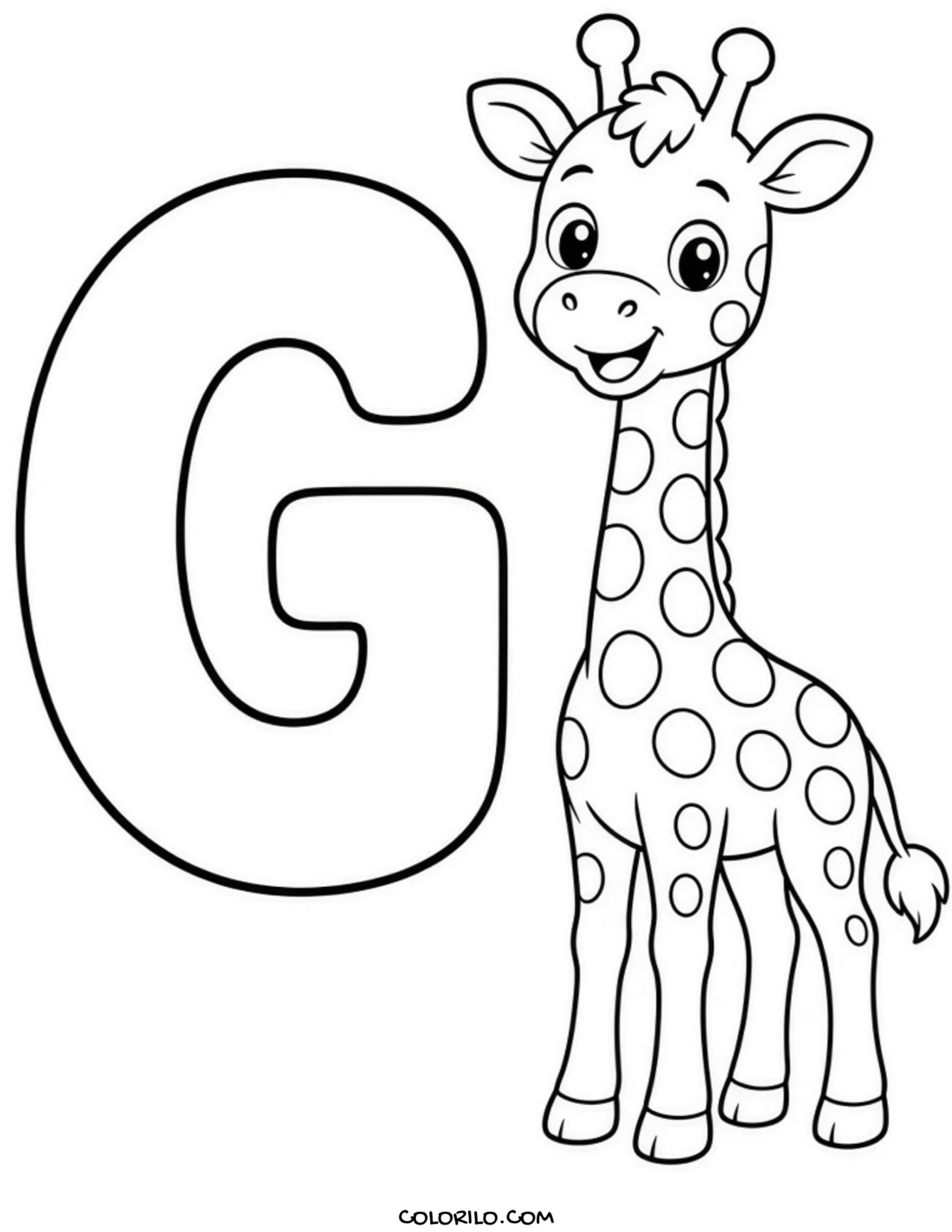
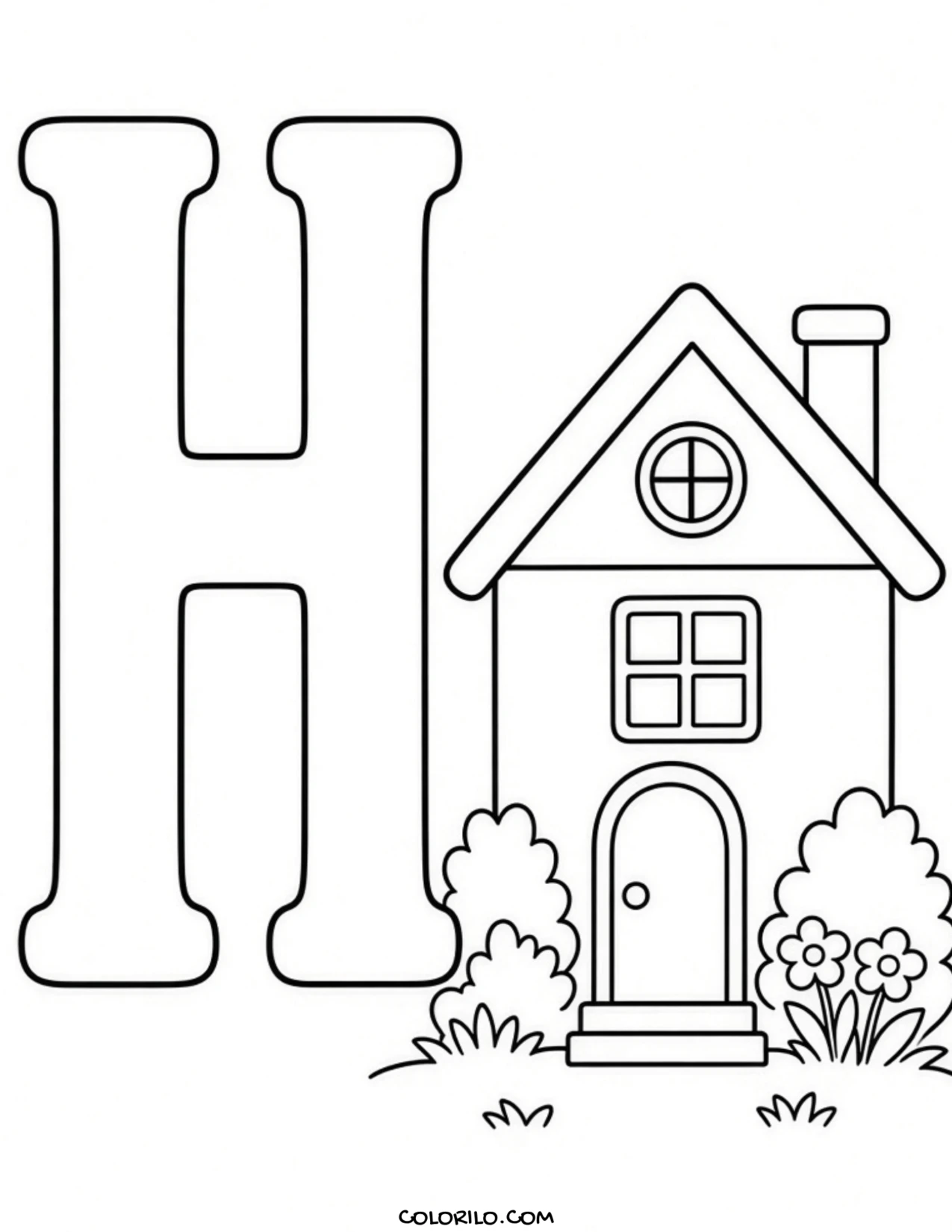
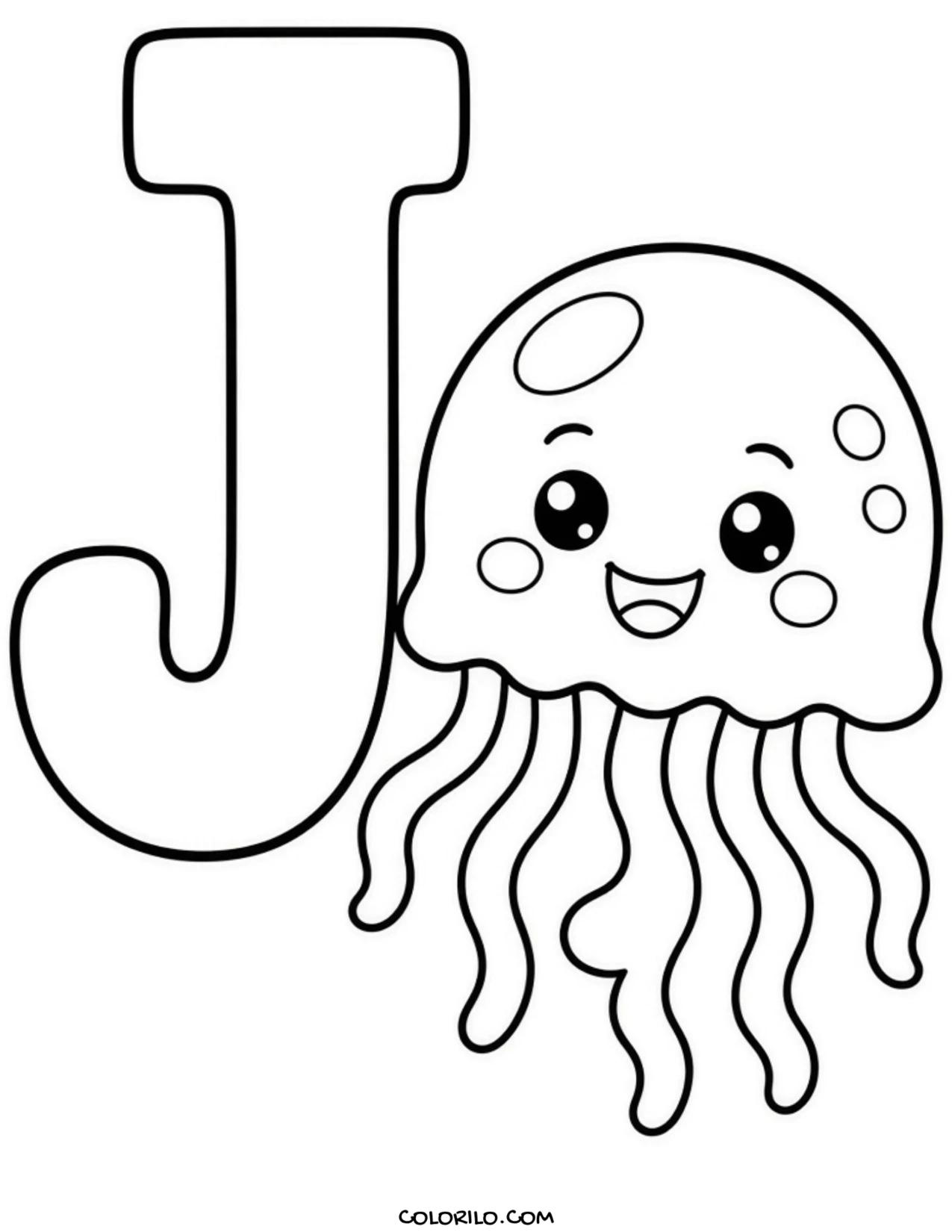
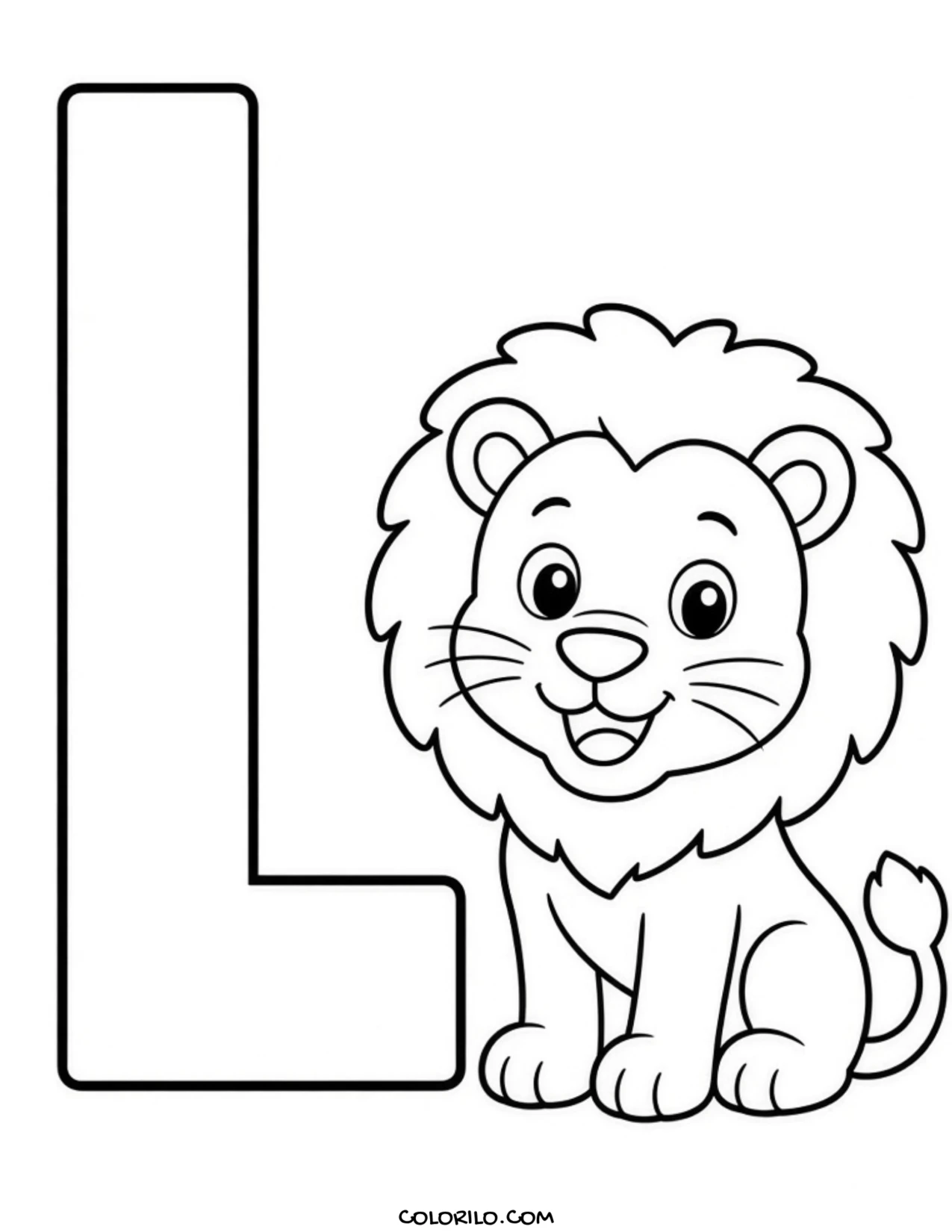
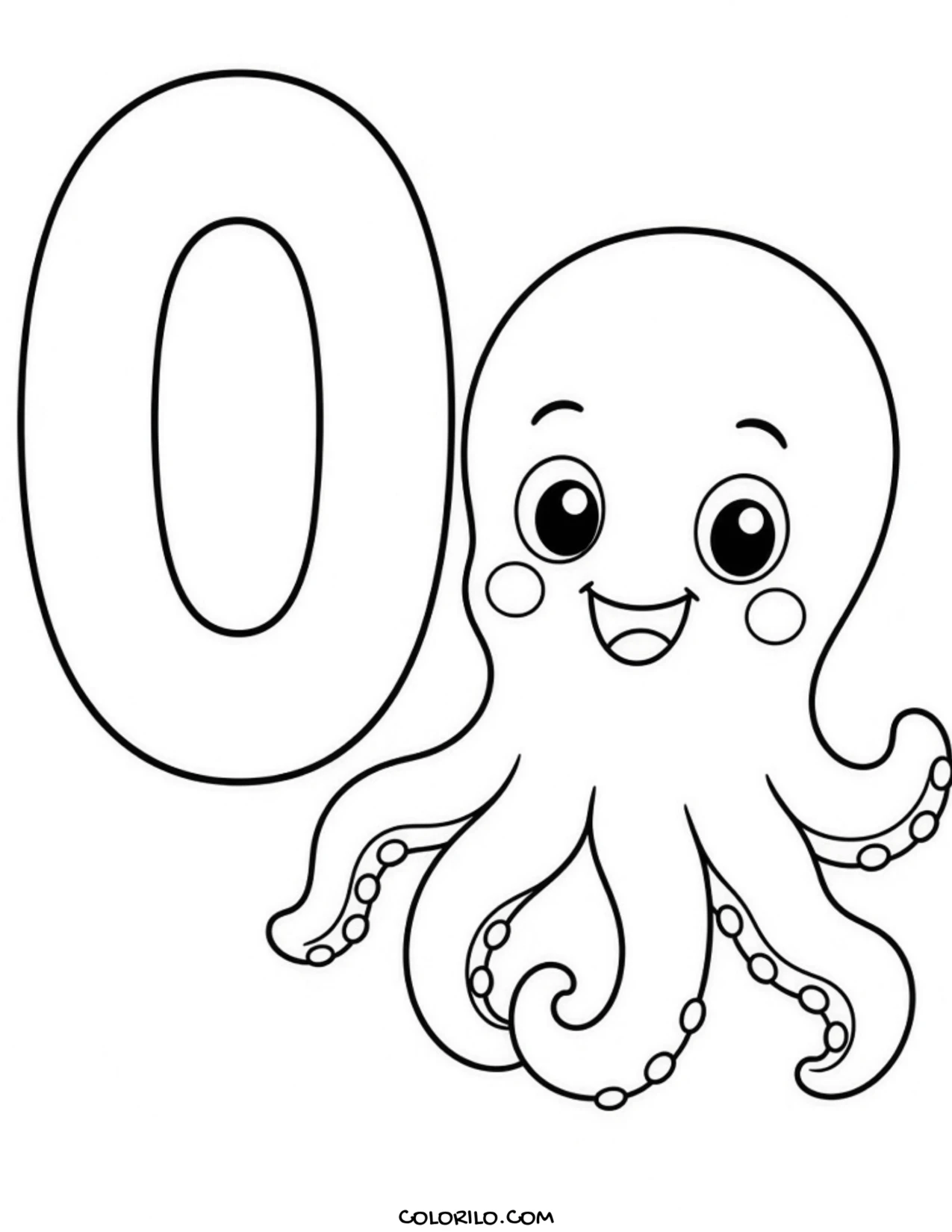
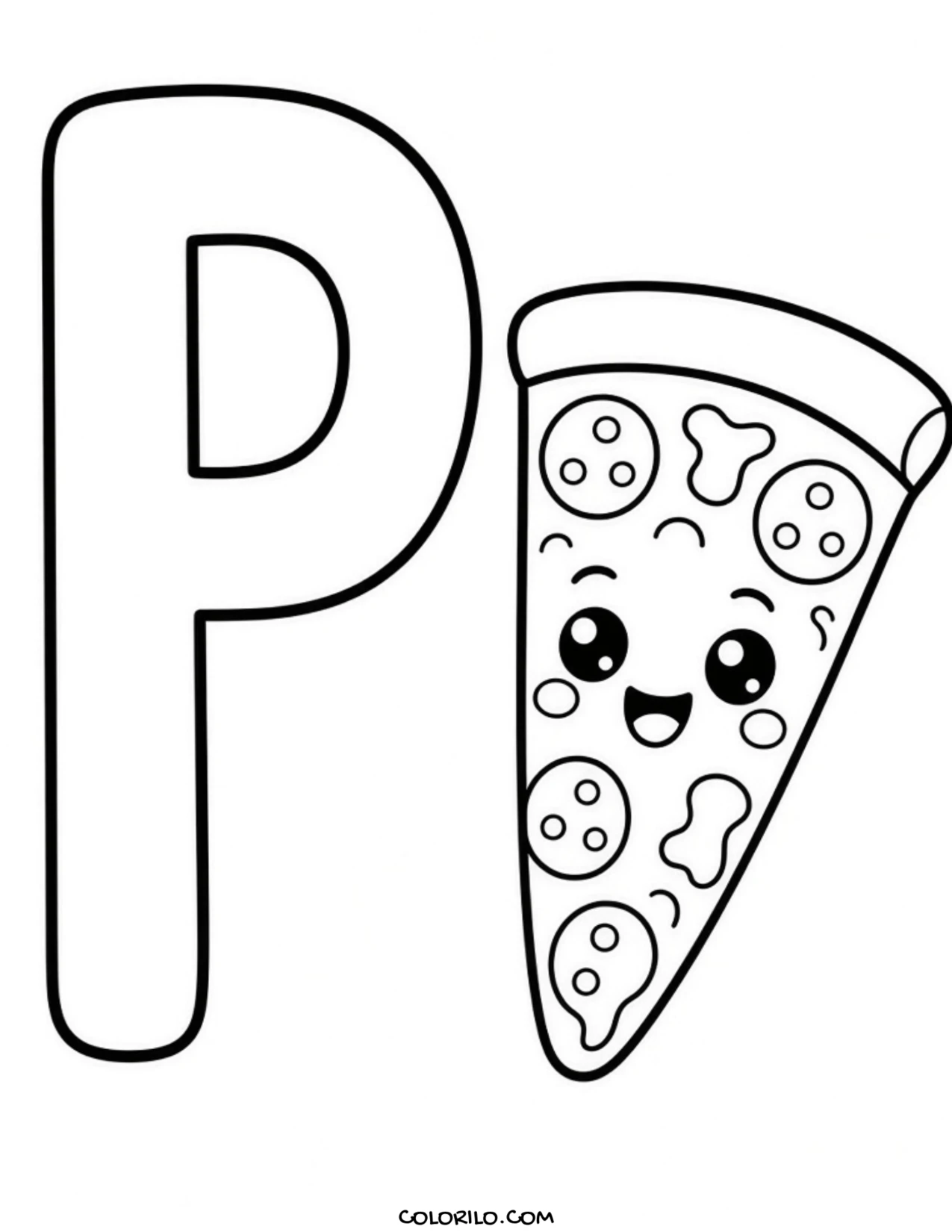
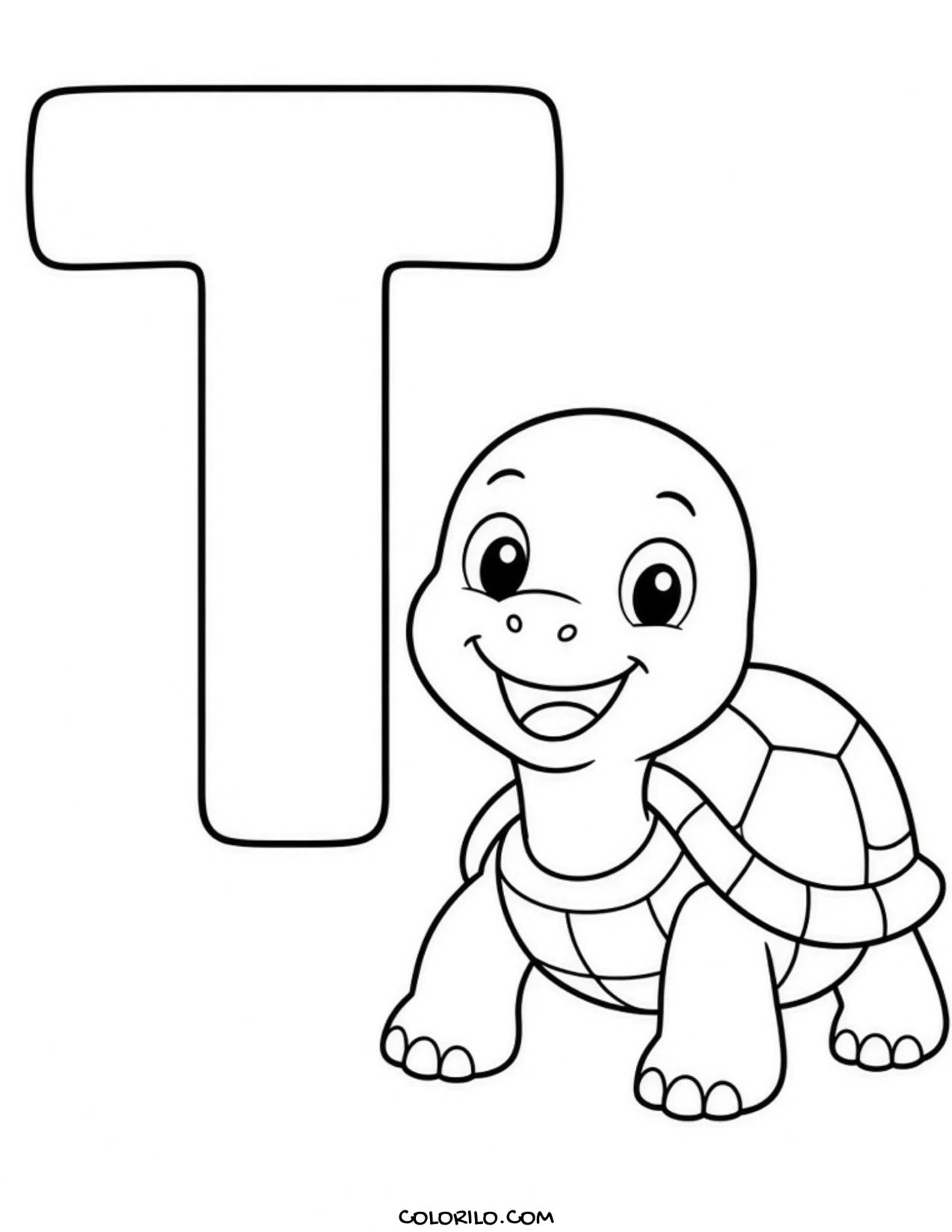
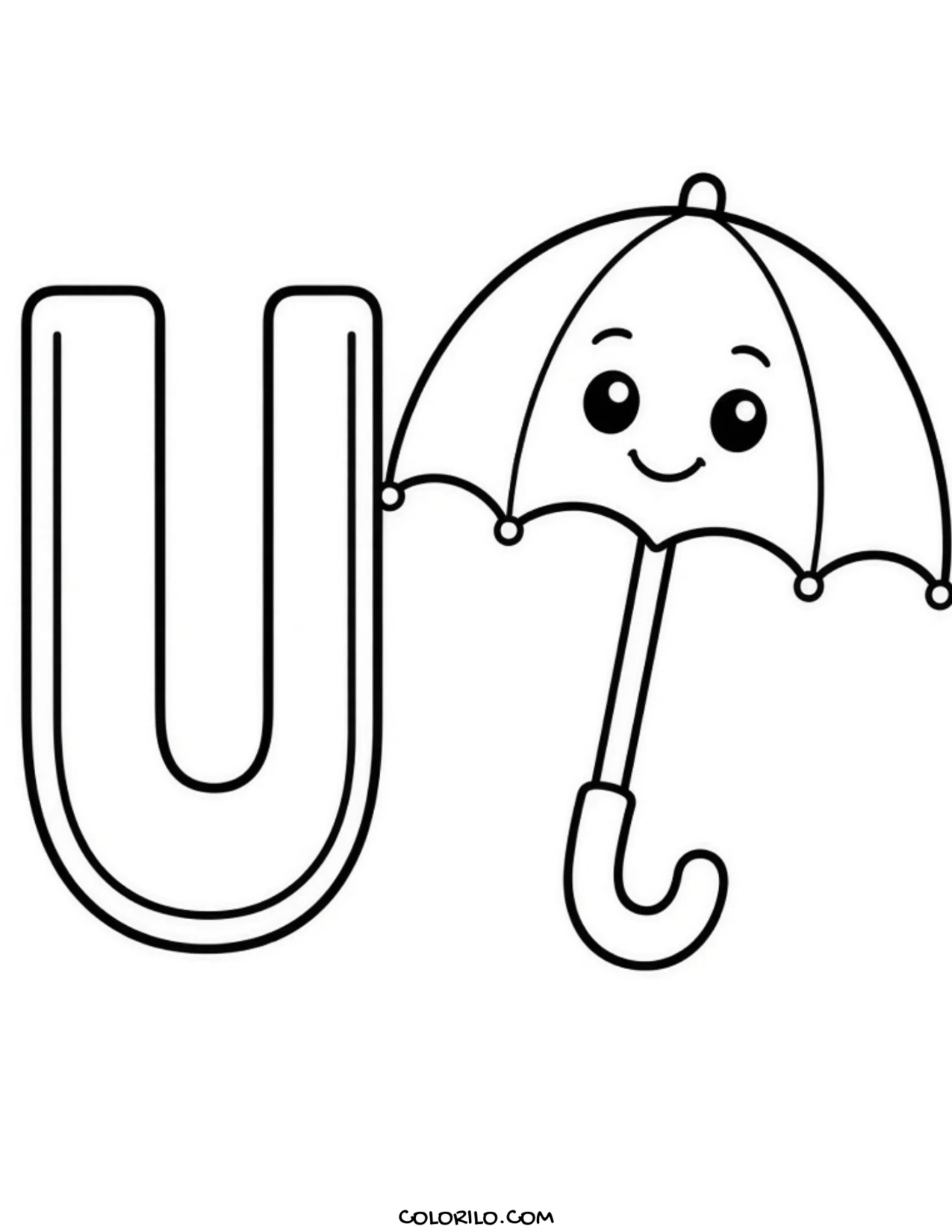
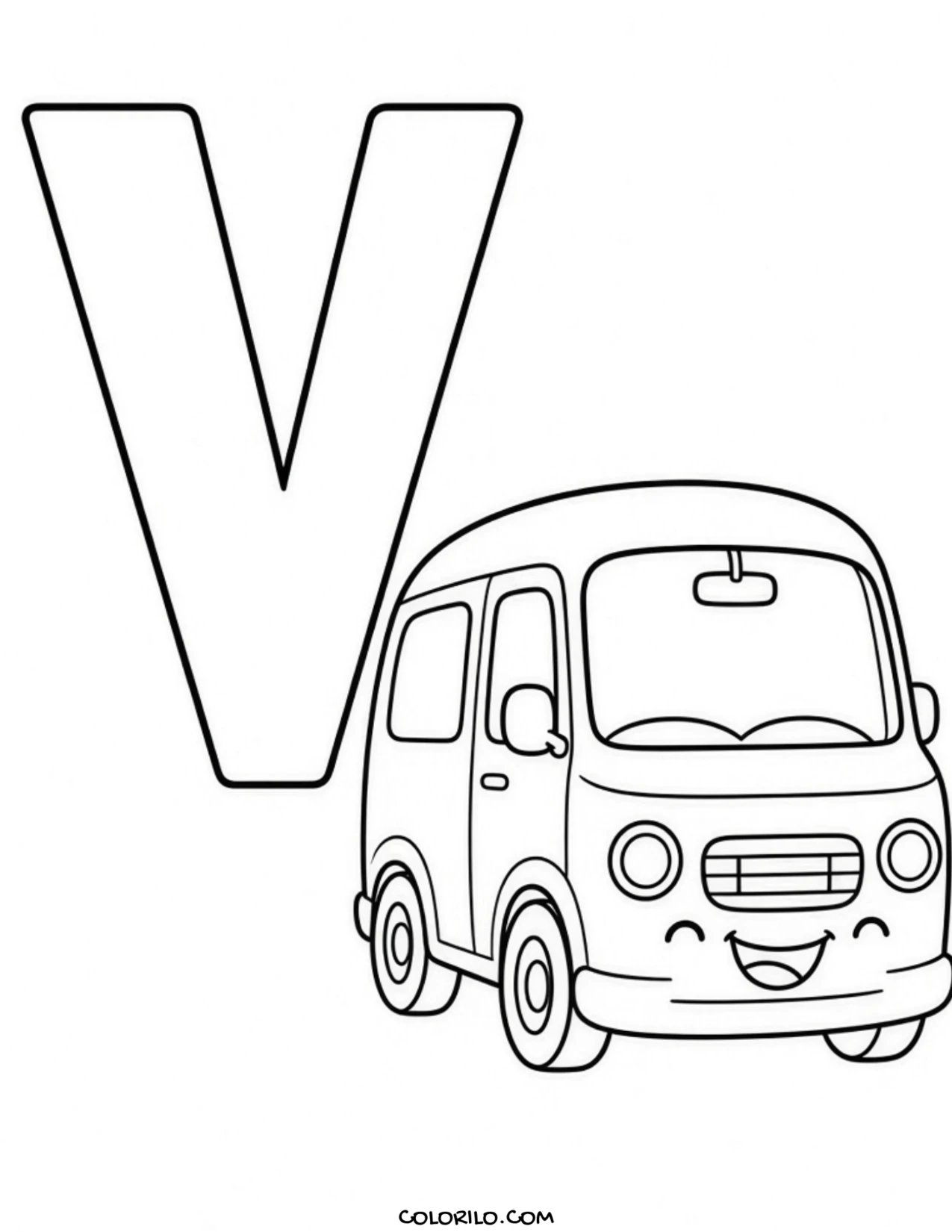
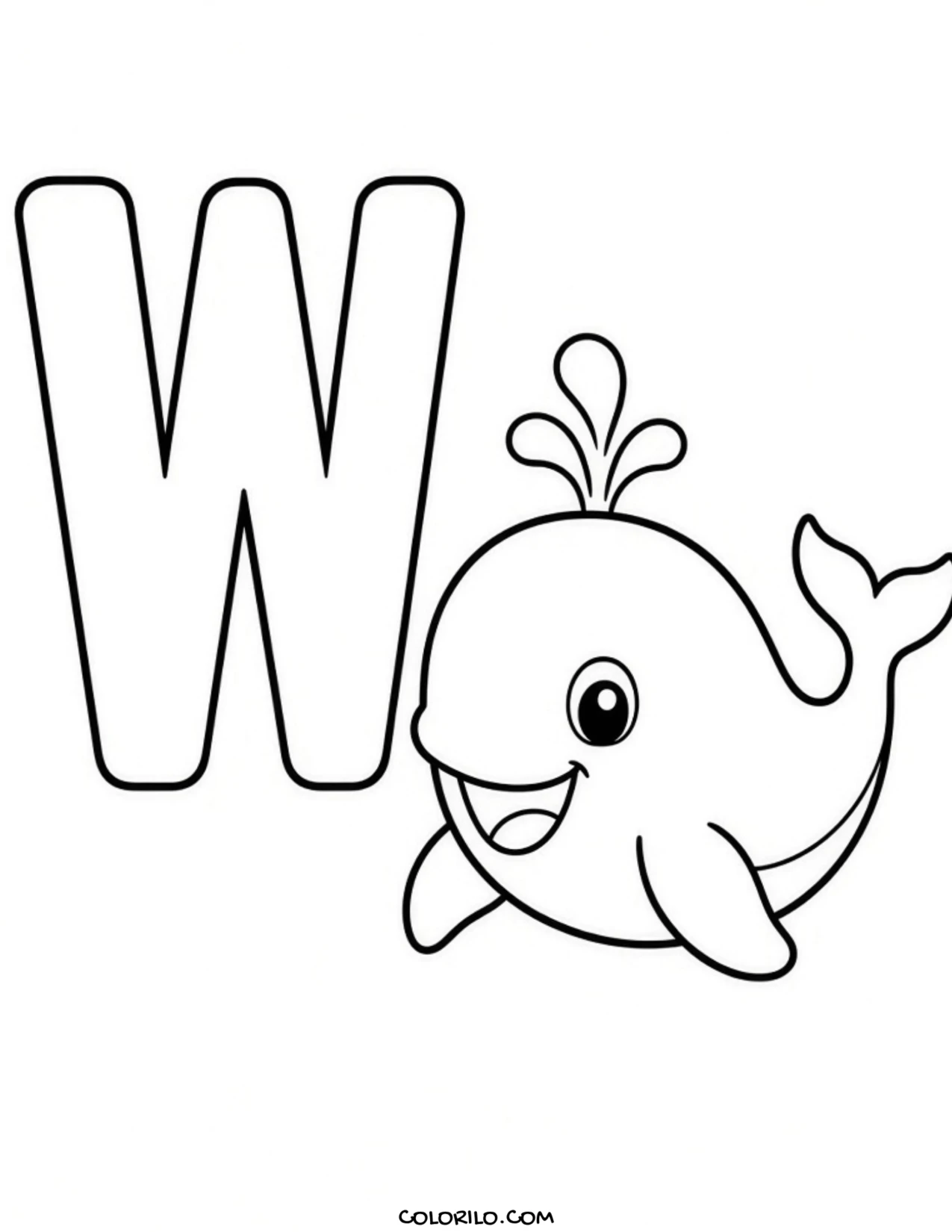
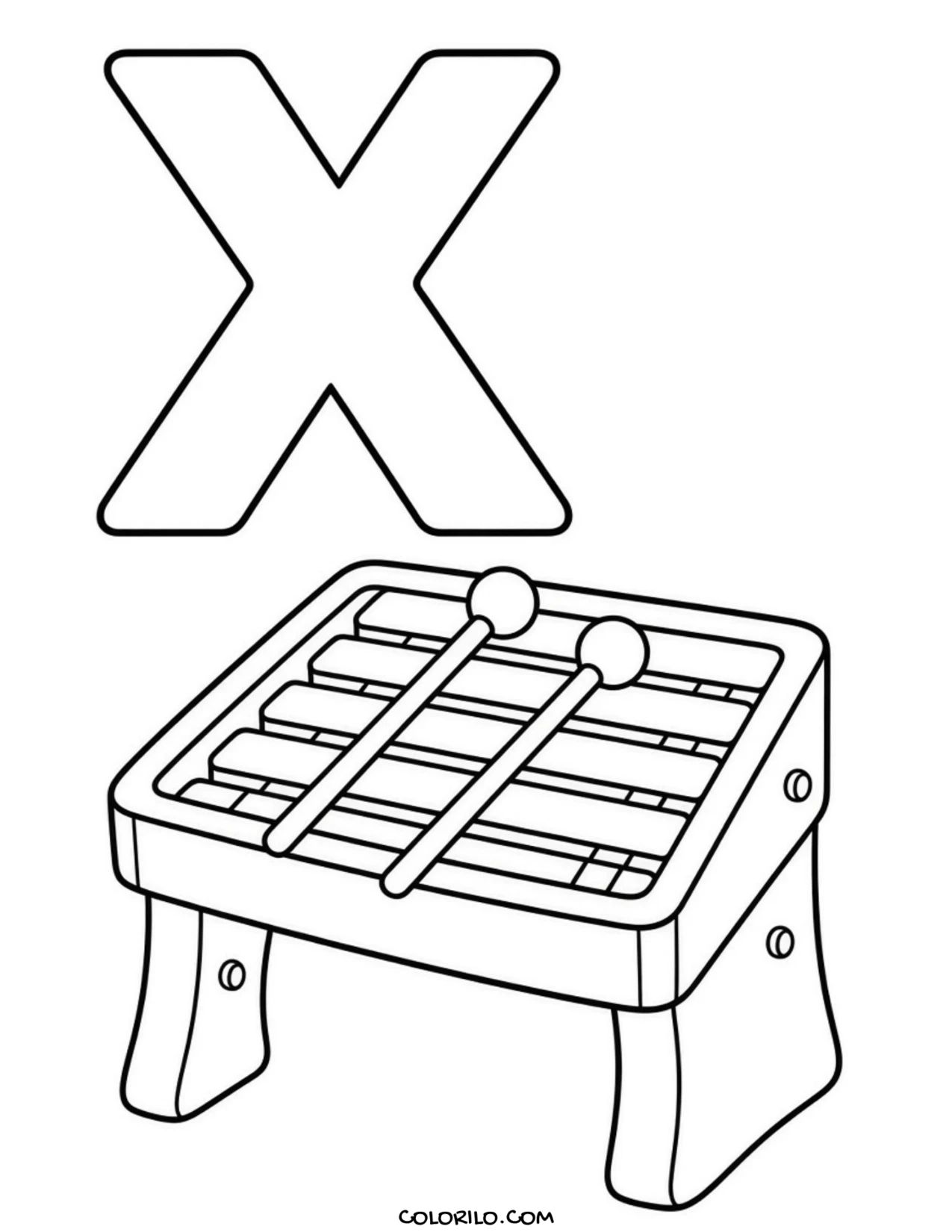
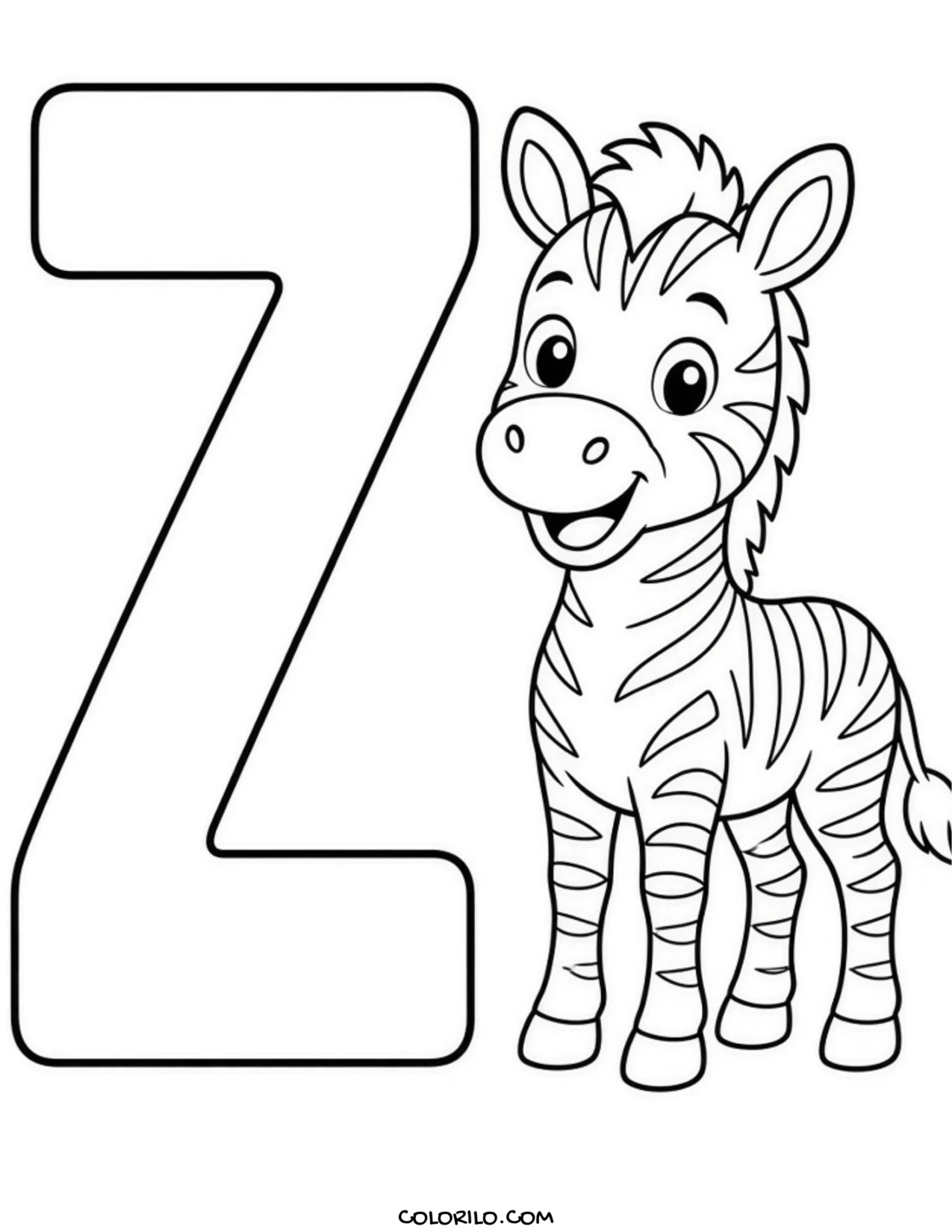
The picture pages come next, and they are the ones children ask for. A for Apple, D for Dog, E for Elephant, G for Giraffe, J for Jellyfish, O for Octopus, P for Pizza, X for Xylophone, Z for Zebra. Each has the letter and the object on the same page, so the sound and the picture arrive together.
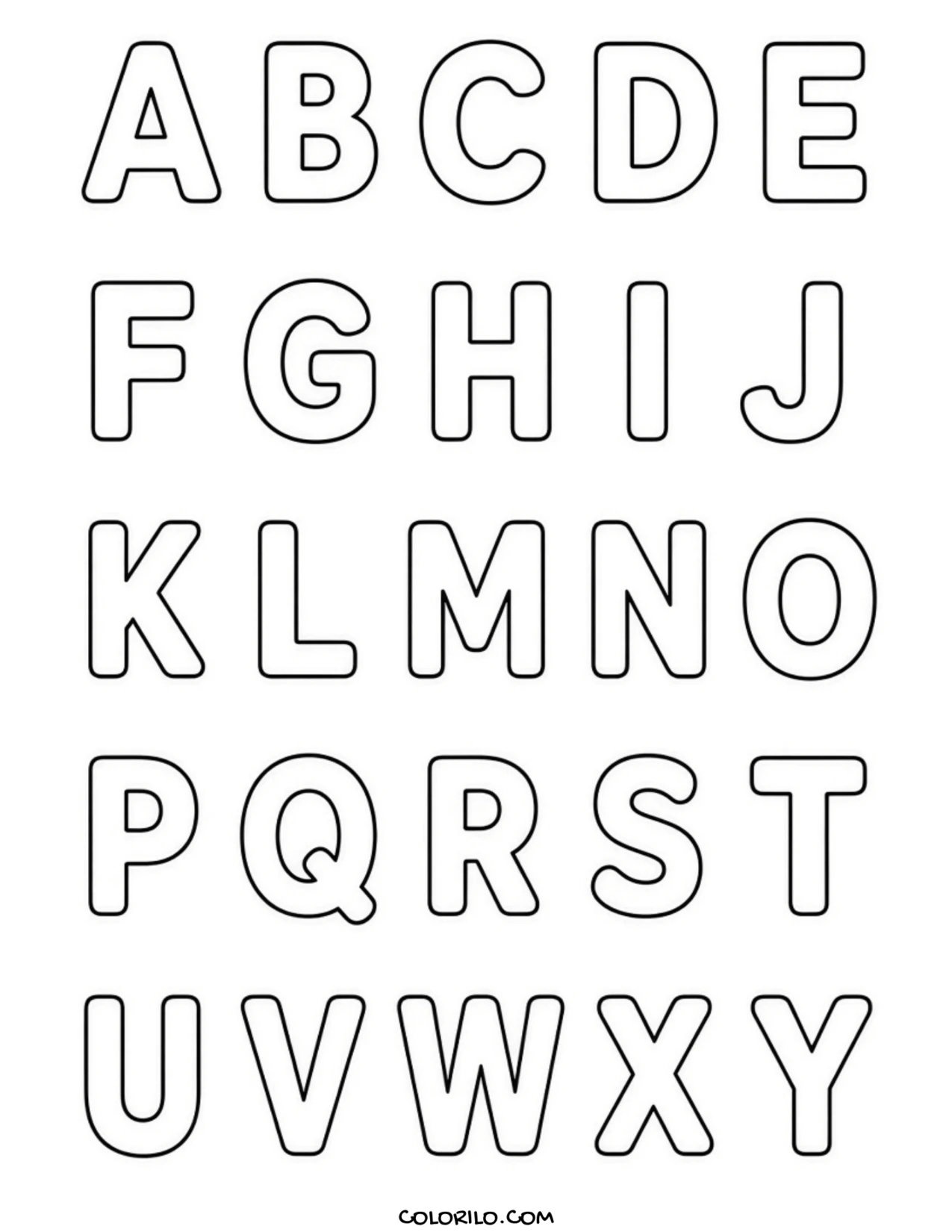
The full alphabet sheet is worth printing last, or keeping on a wall. Twenty-six letters on one page makes a reference a child can point at, and it is the design most often used as a poster once it has been coloured.
Every one of these alphabet coloring pages is free, prints on standard US letter paper, and needs no sign-up. Click any design below to open the full-size PDF.
What’s in This Collection
The full alphabet page
One sheet with all 26 letters on it. Print this first if you want something to work through over time, or last if you want a finished poster. A child colouring one letter a day gets through it in a month, and the sheet becomes a record of that.
Plain letter pages, A to Z
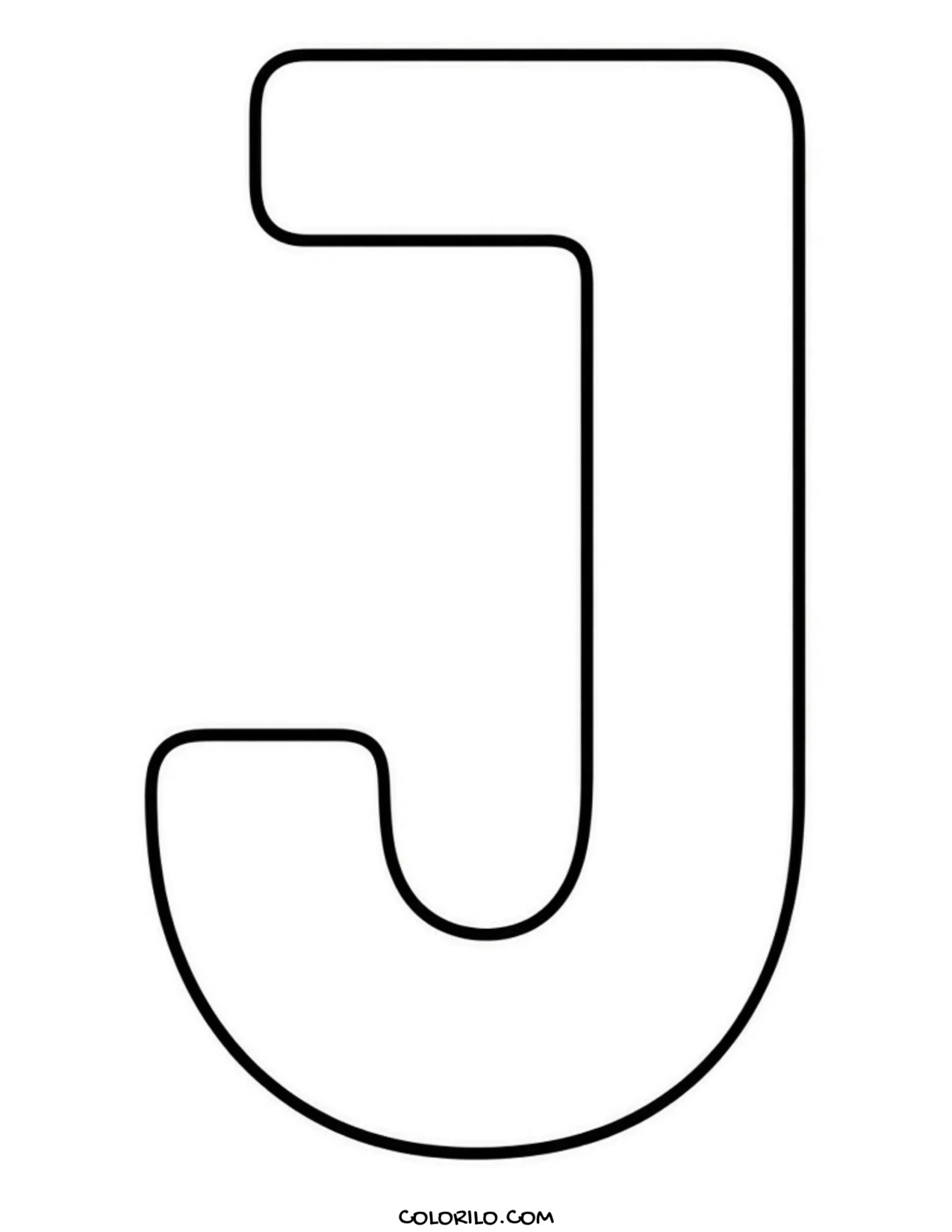
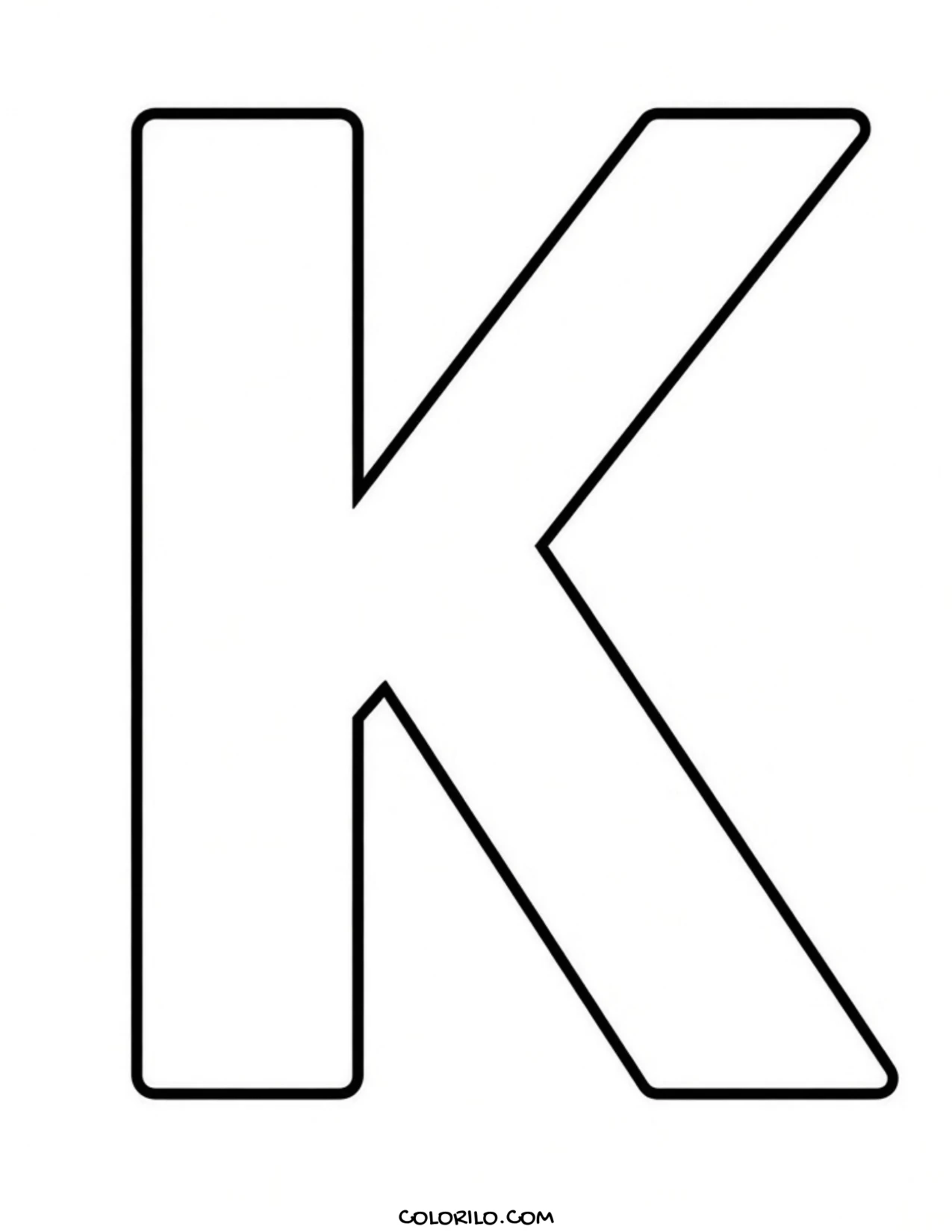
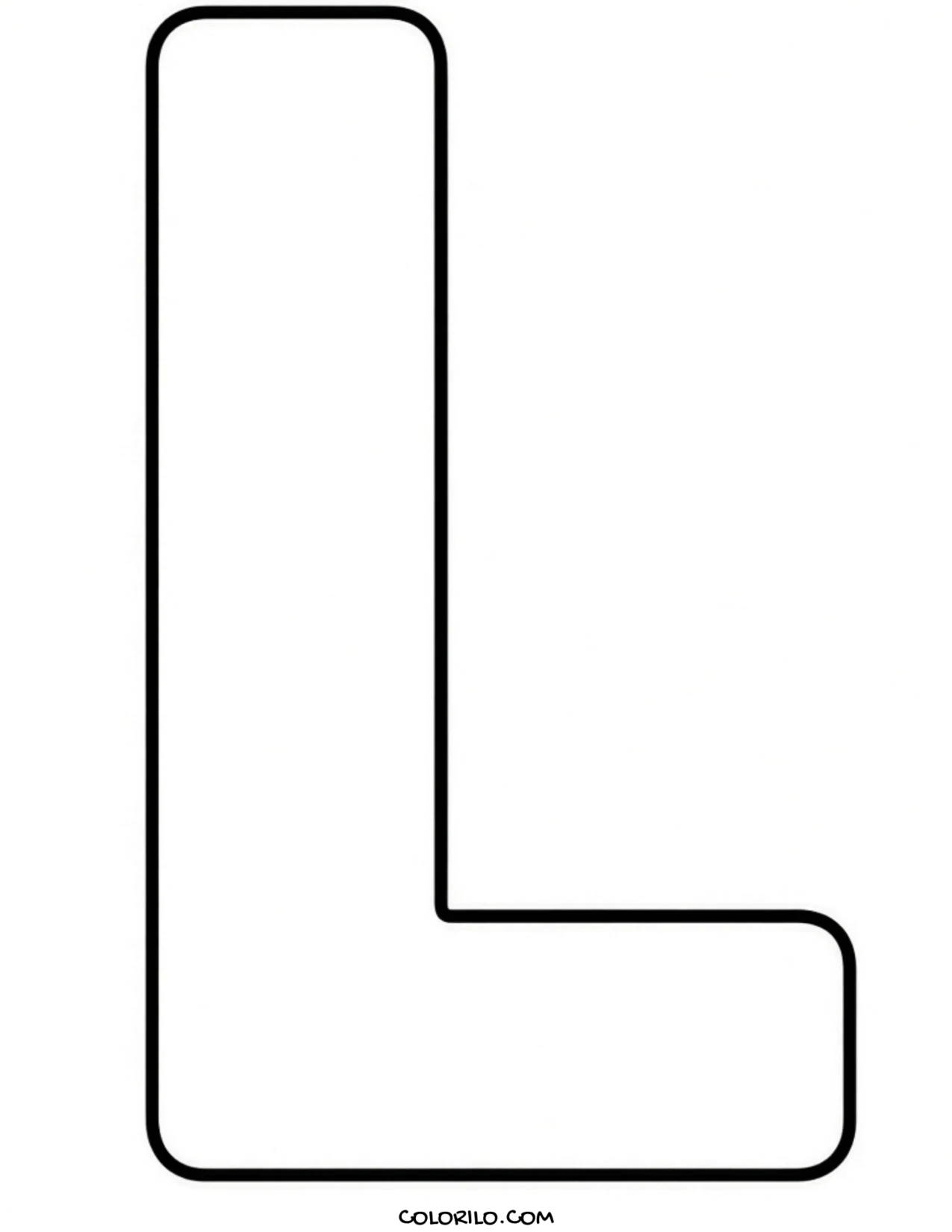
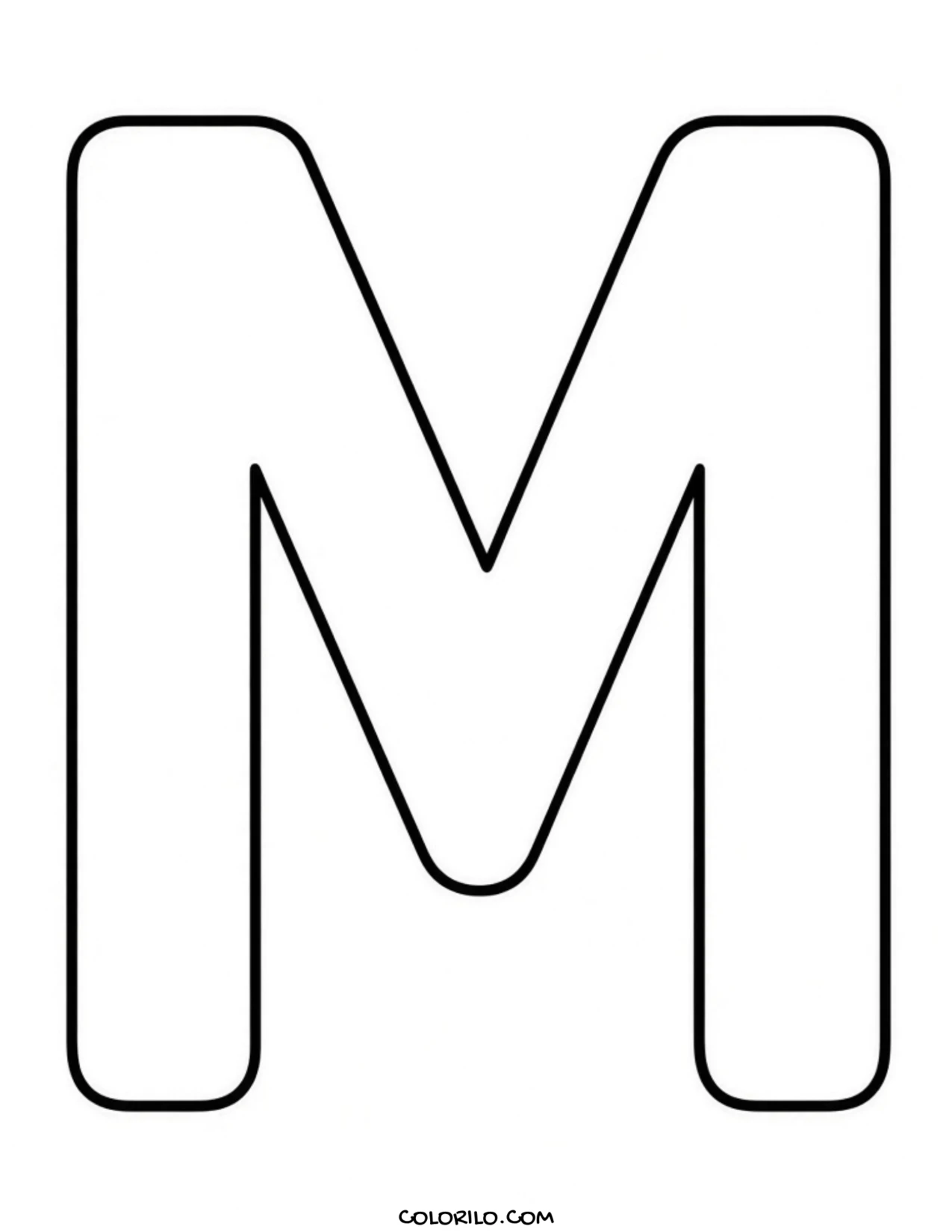
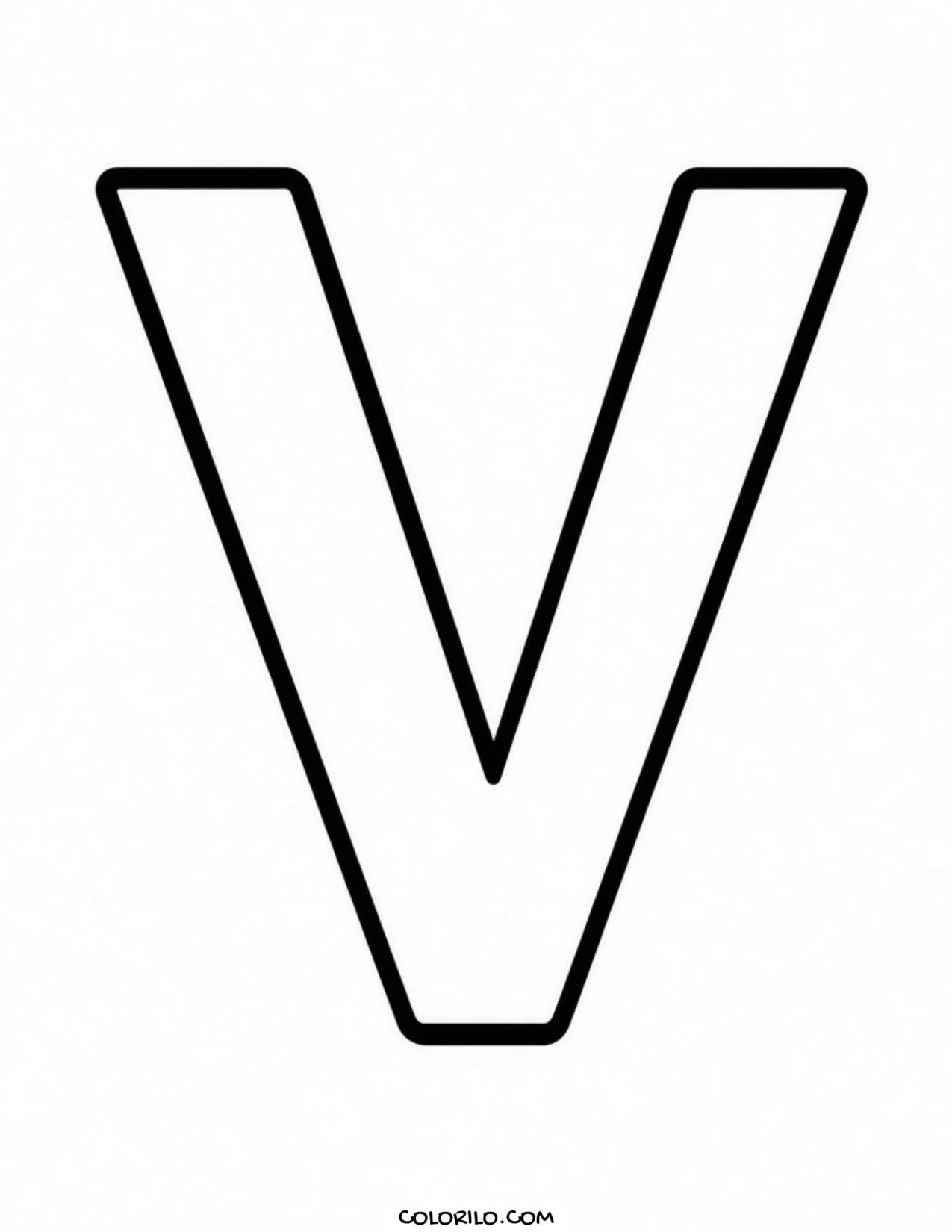
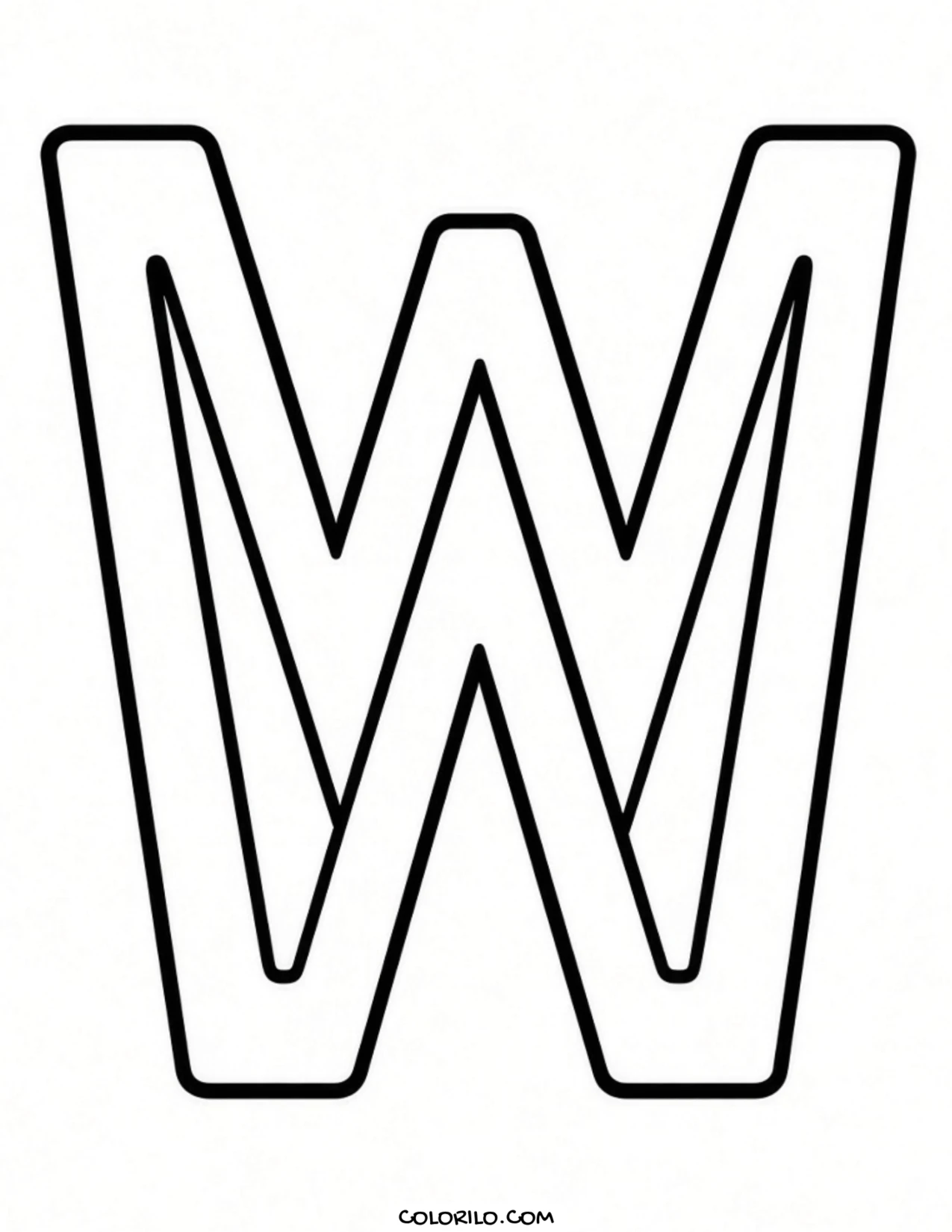
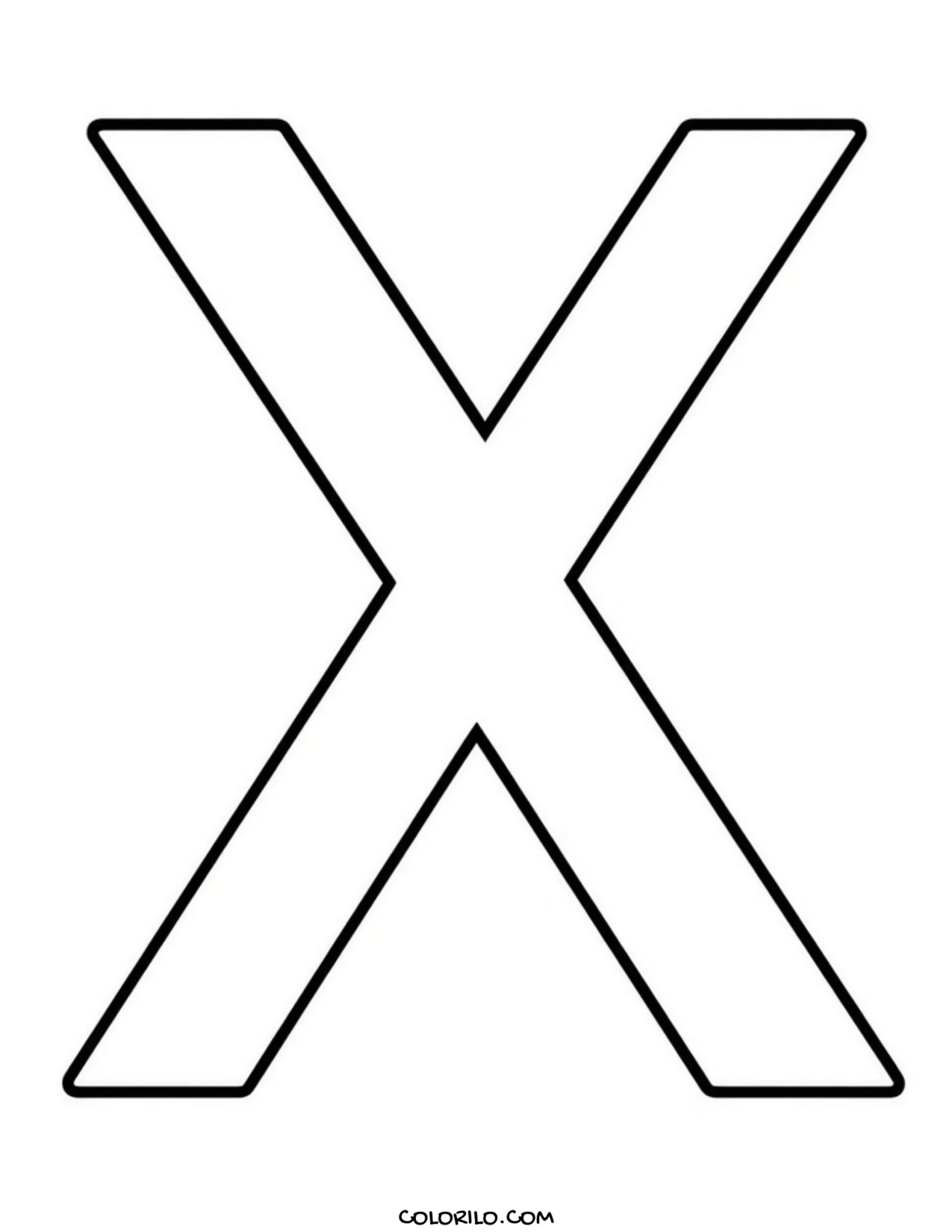
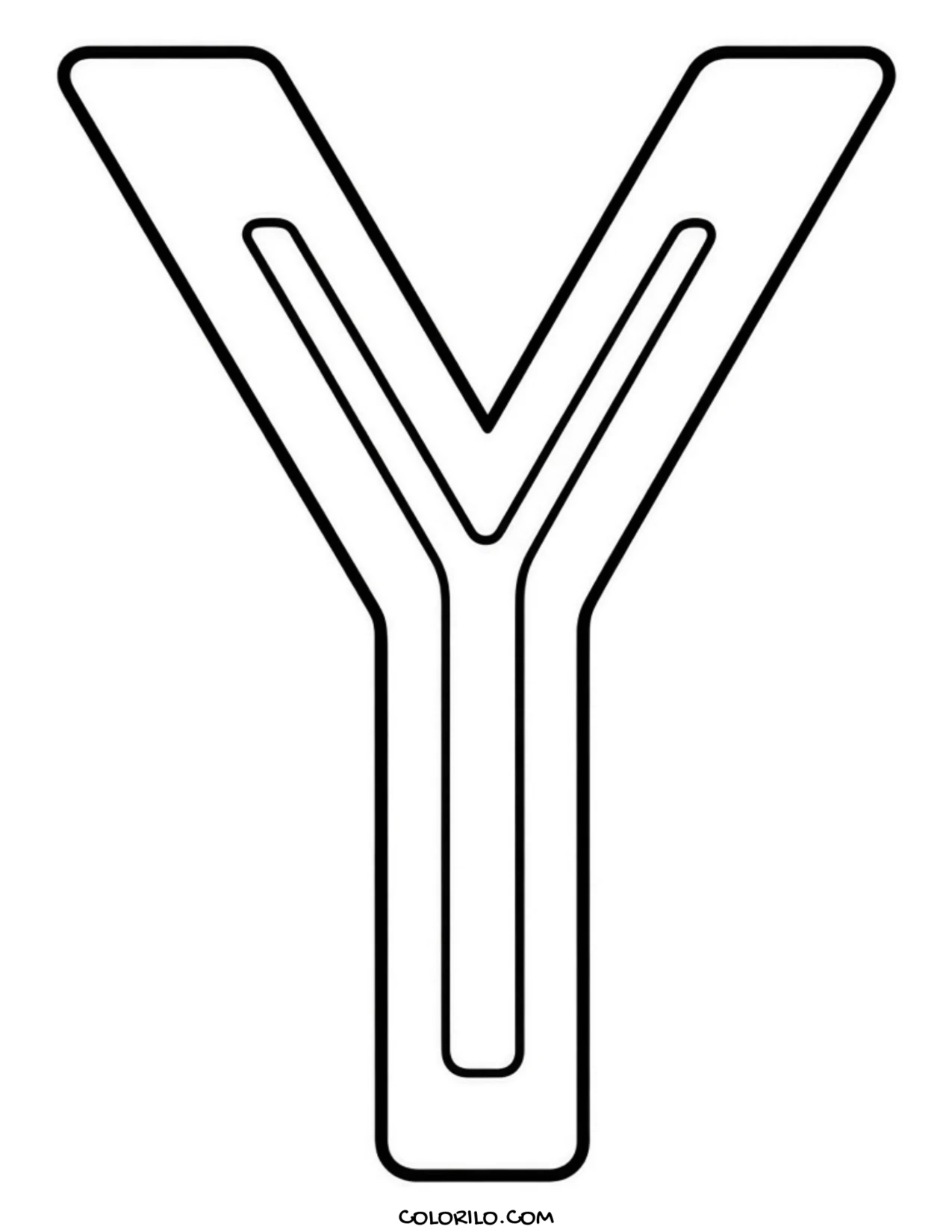
Twenty-six designs, each a single large letter with nothing else on the page. These have the biggest open areas in the set and the fewest lines, which makes them the right starting point for a three- or four-year-old. They also work as tracing practice, a finger or a pencil following the outline before any colour goes on.
Picture letter pages, A to Z
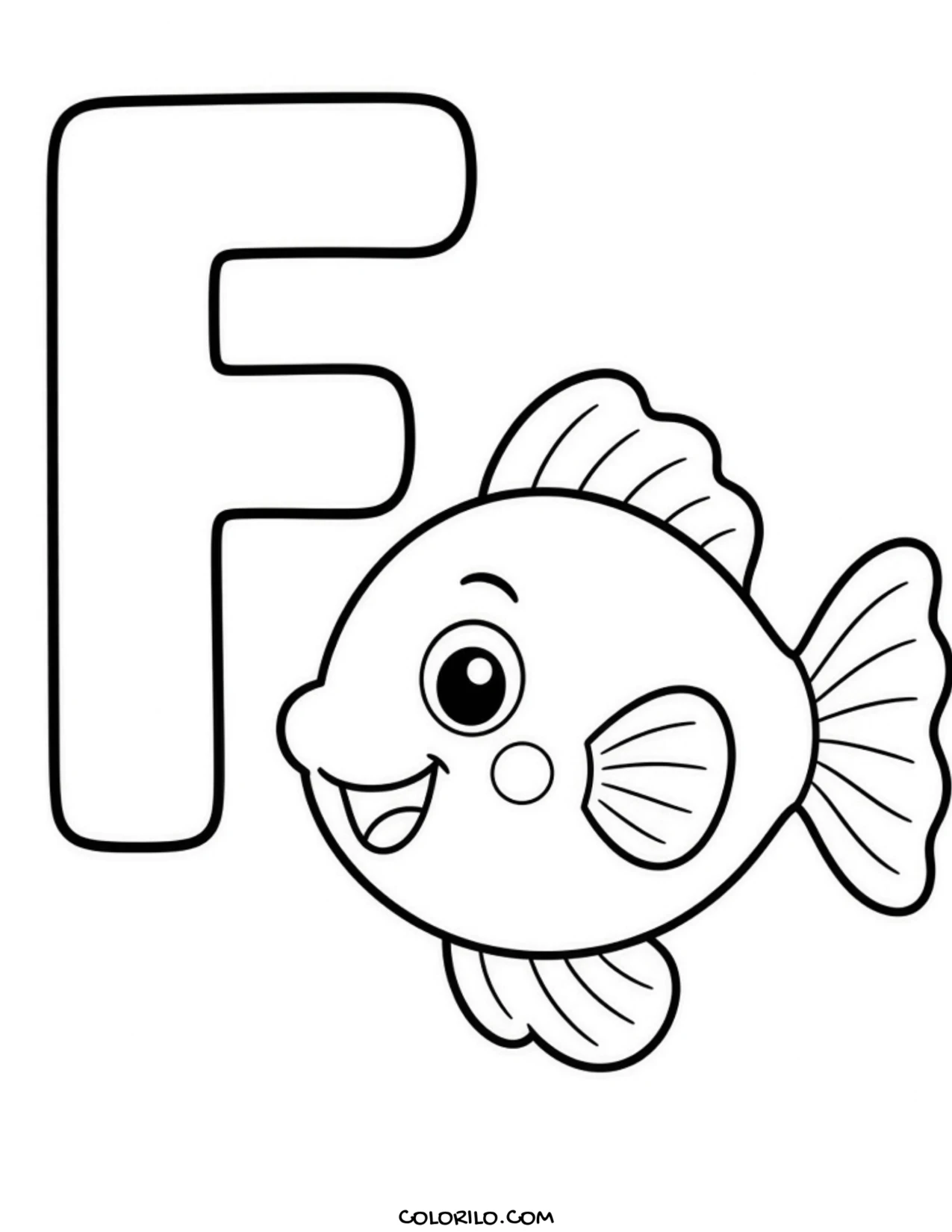
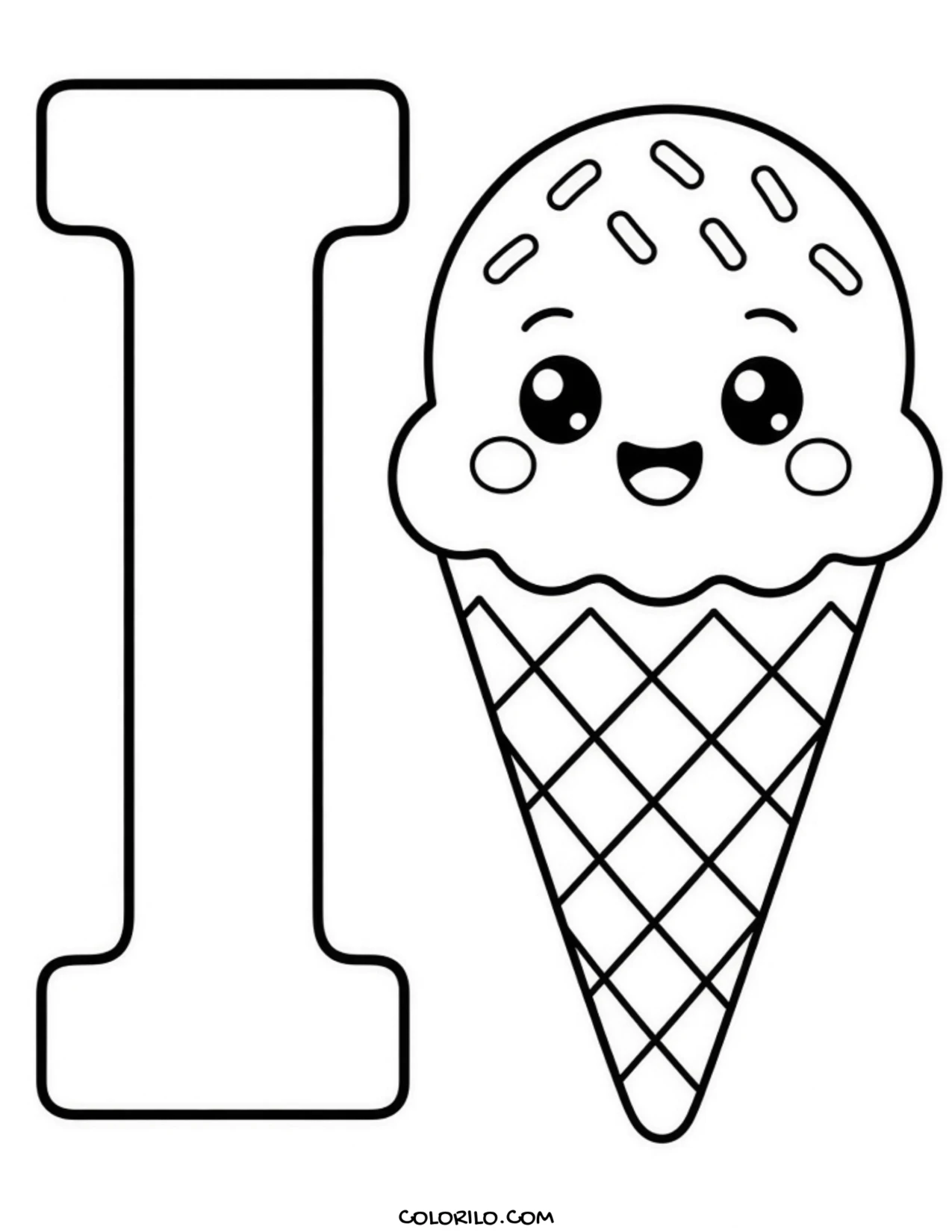
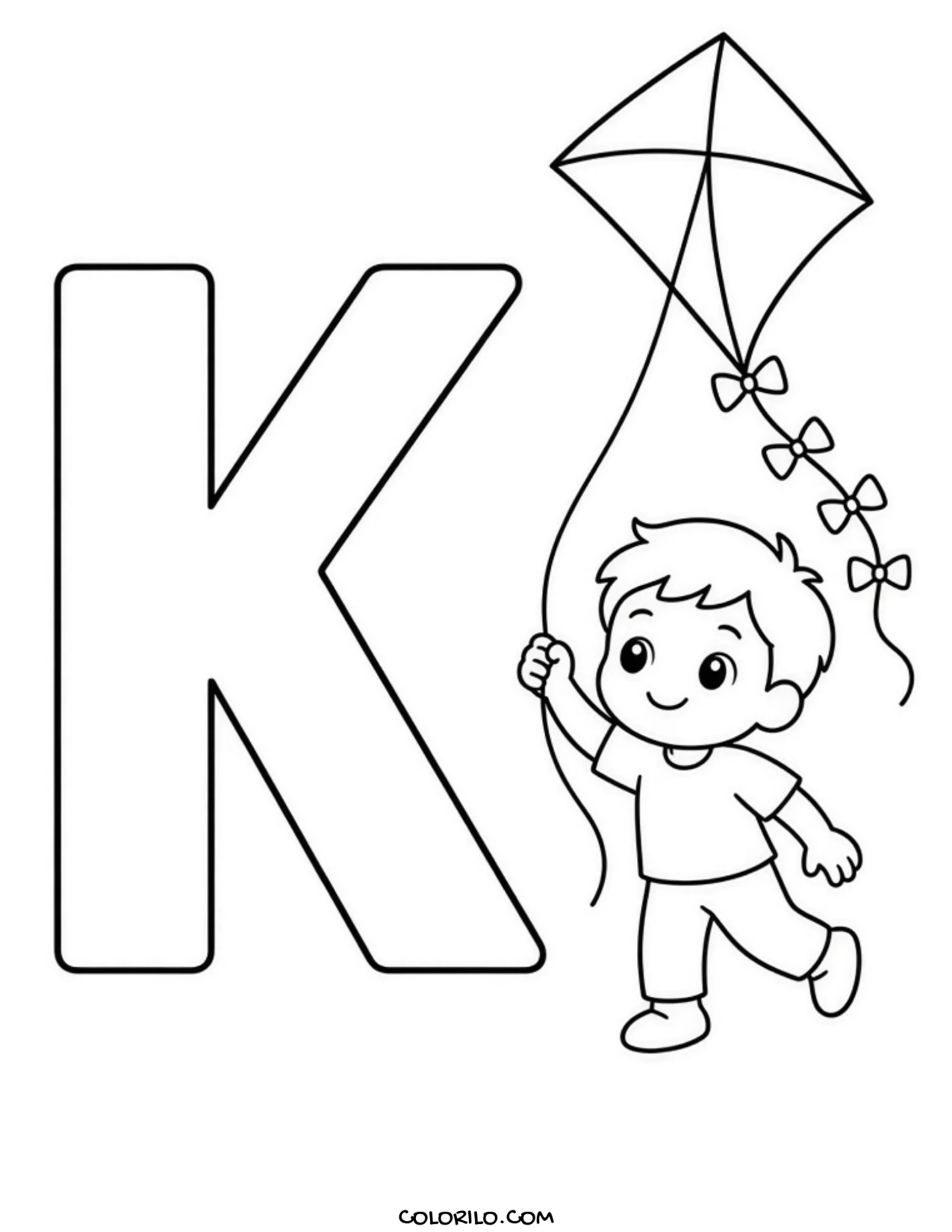
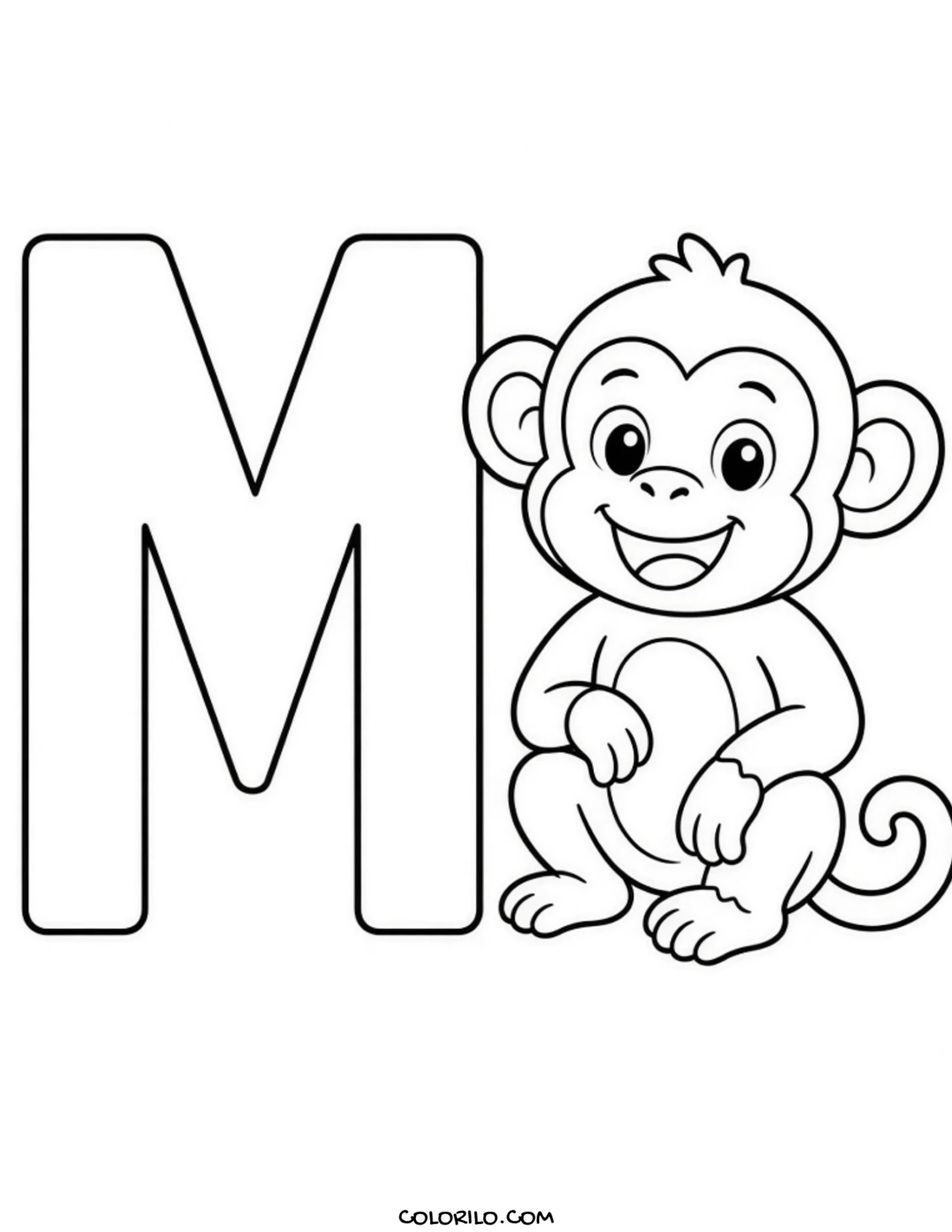
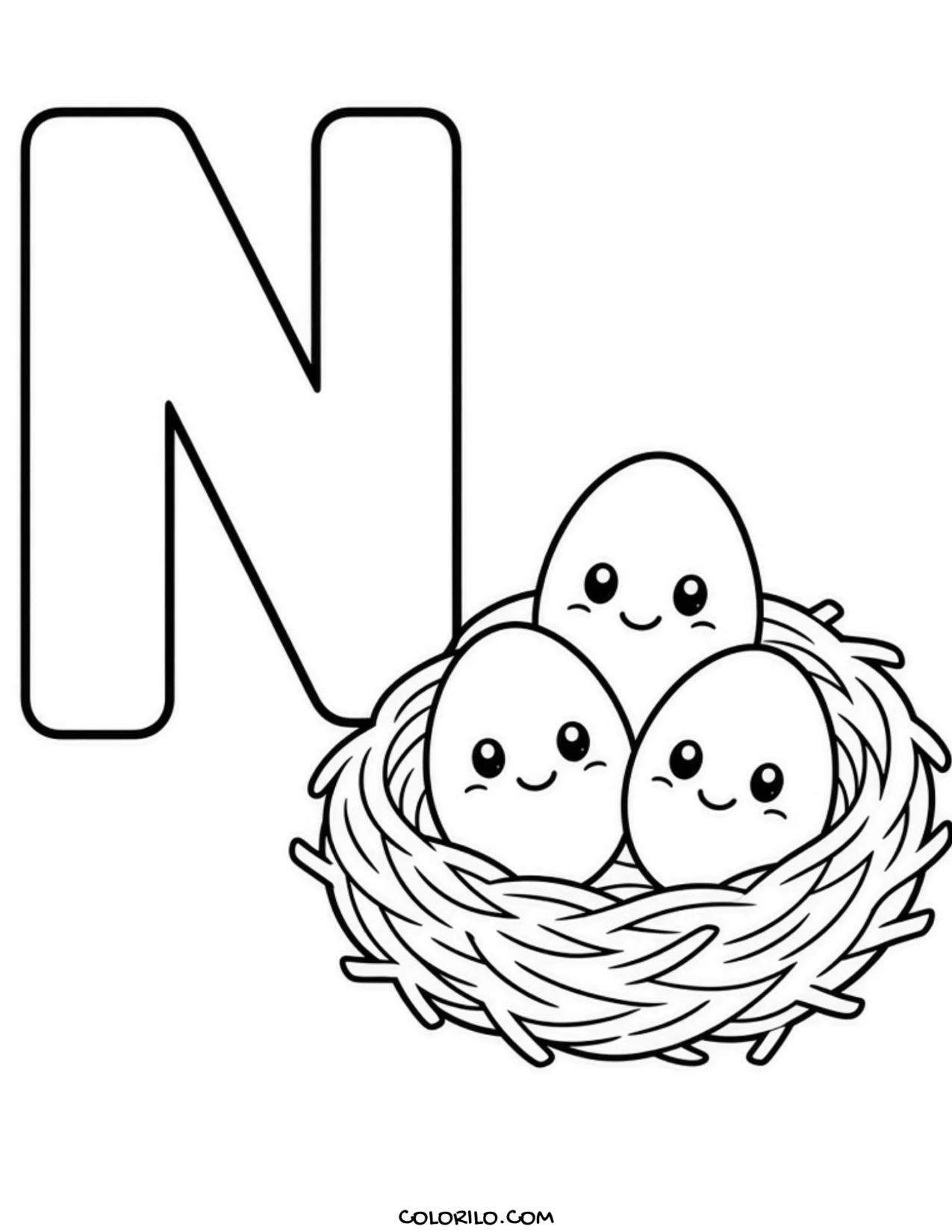
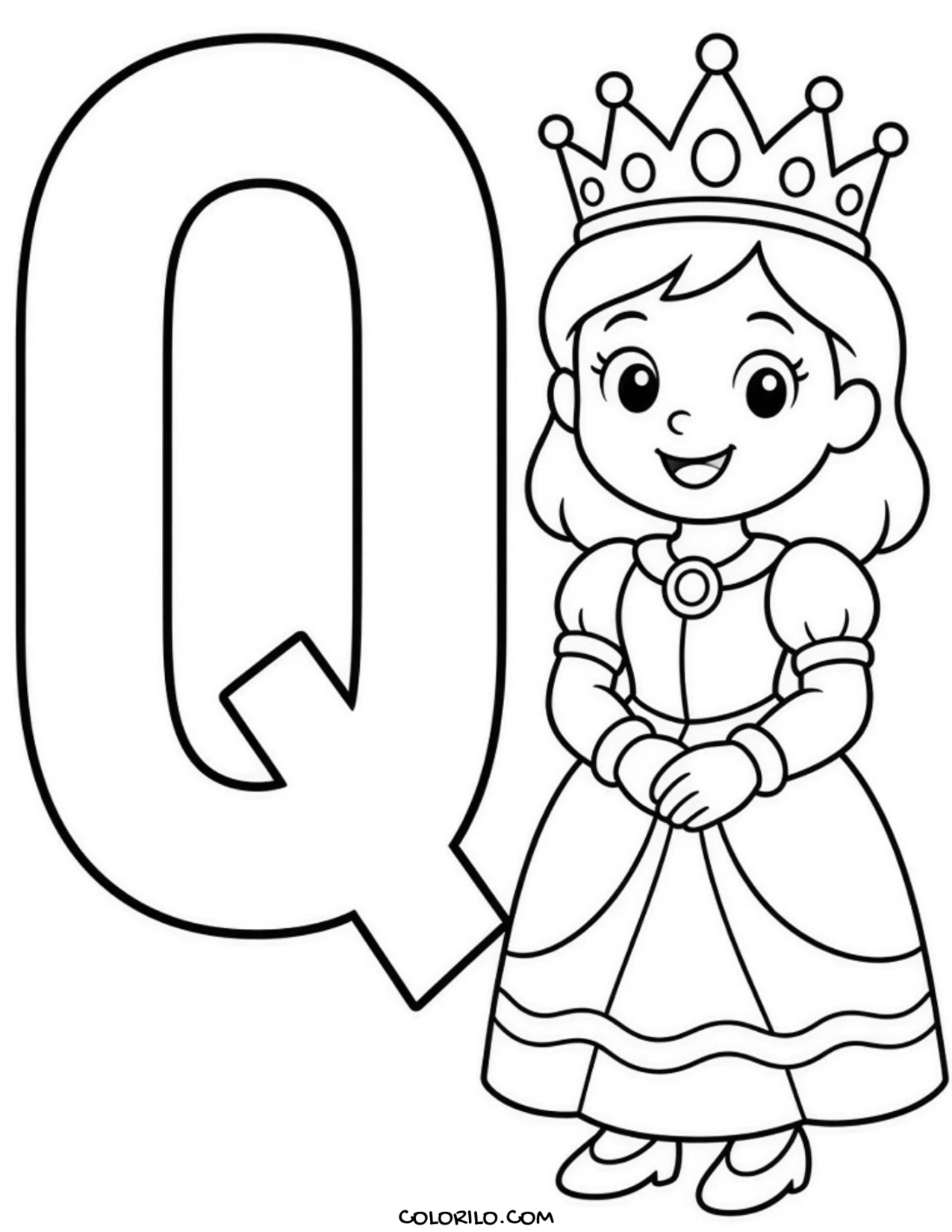
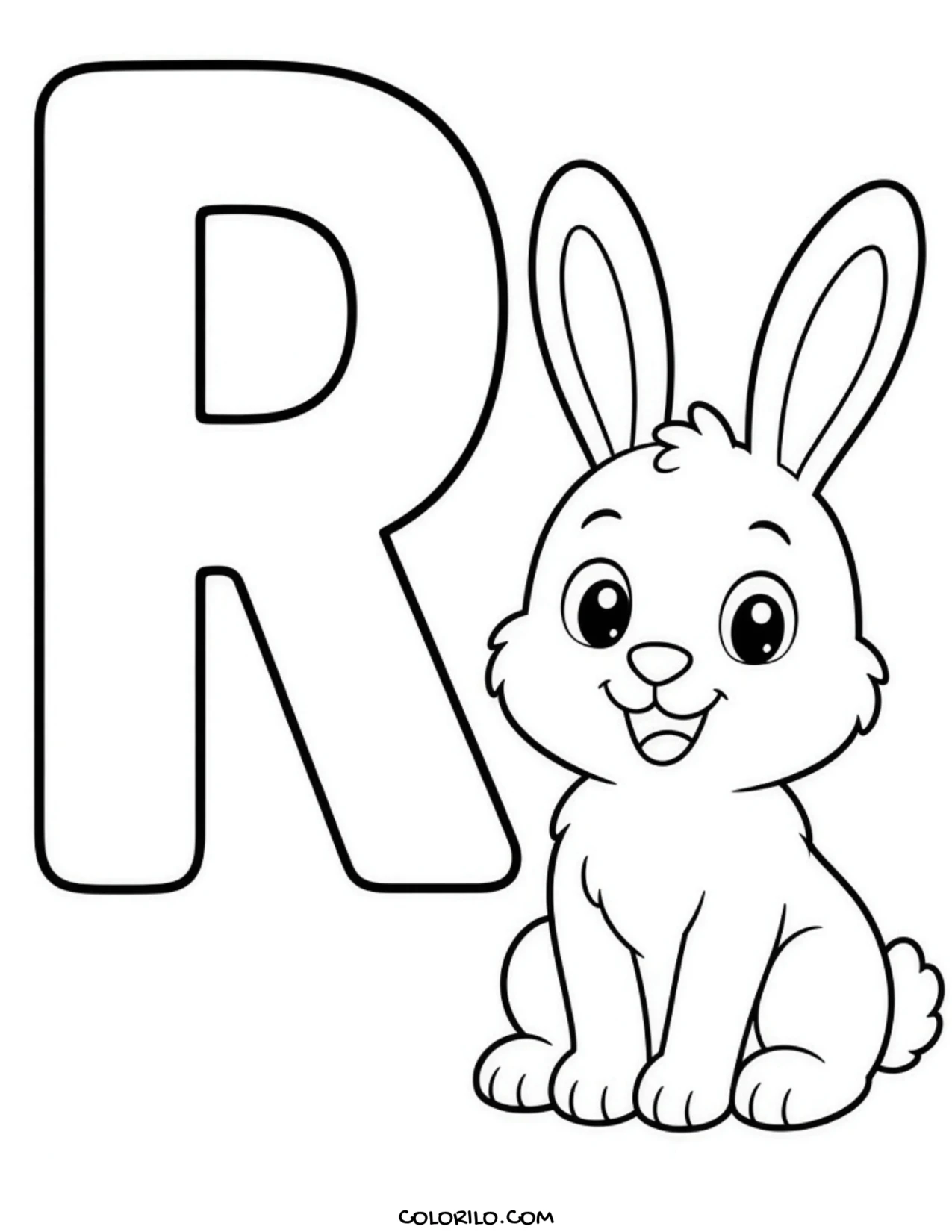
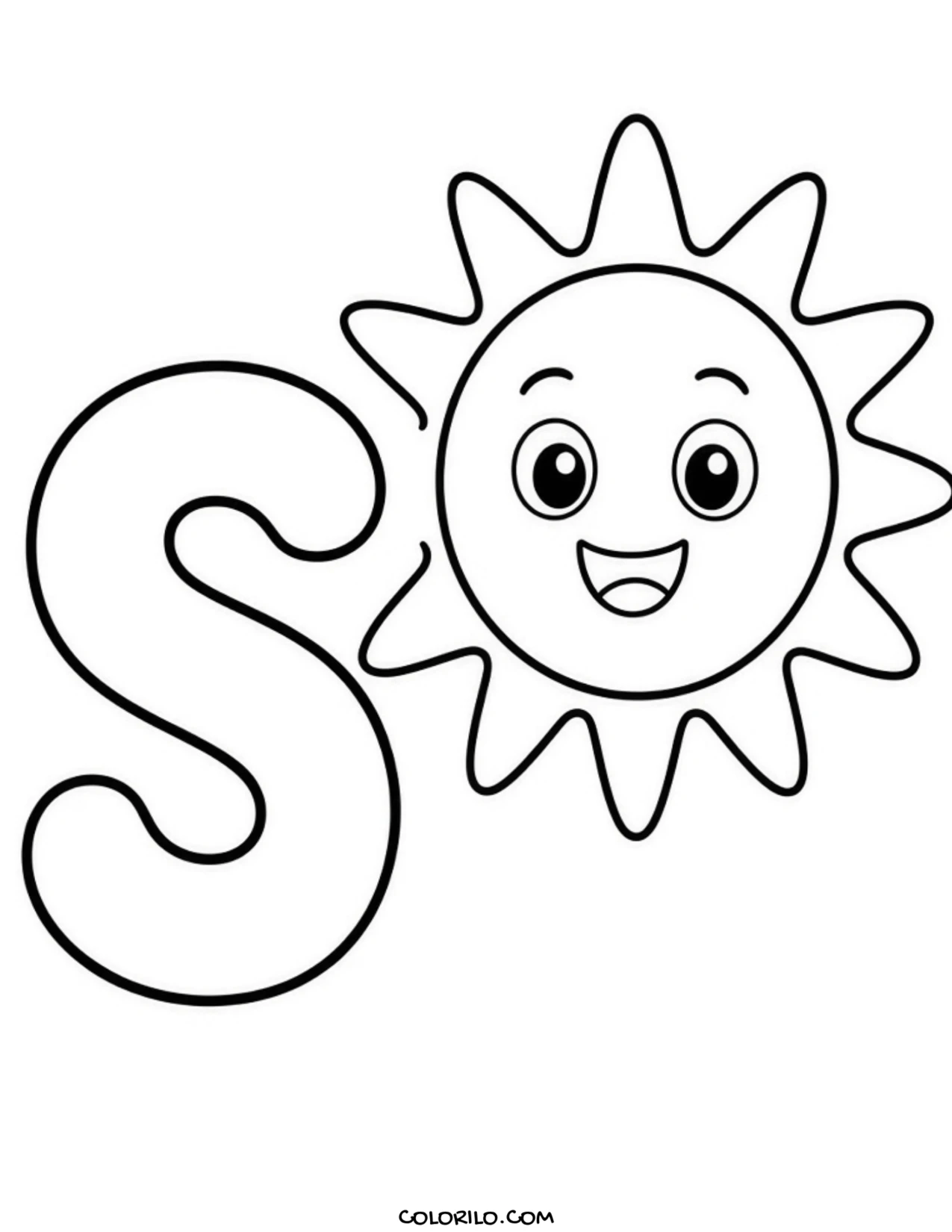
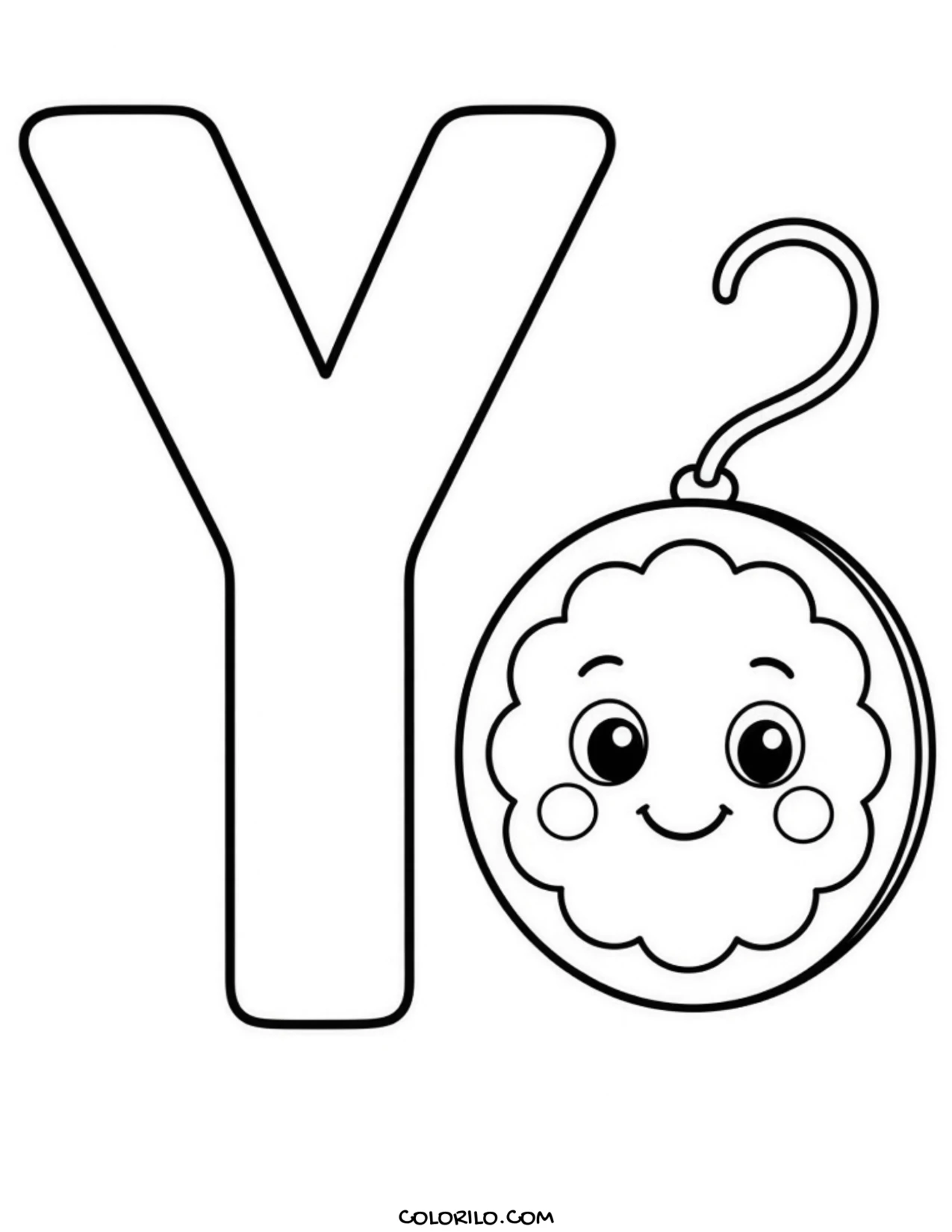
A is for Apple, B is for Ball, C is for Cat, D is for Dog, E is for Elephant, F is for Fish, G is for Giraffe, H is for House, I is for Ice Cream, J is for Jellyfish, K is for Kite, L is for Lion, M is for Monkey, N is for Nest, O is for Octopus, P is for Pizza, Q is for Queen, R is for Rabbit, S is for Sun, T is for Turtle, U is for Umbrella, V is for Van, W is for Whale, X is for Xylophone, Y is for Yo-Yo, and Z is for Zebra.
Why the objects were chosen
Each one starts with the sound the letter usually makes, which matters more than the spelling. Cat rather than city for C, Giraffe is the exception and worth mentioning to an older child. X is nearly always xylophone because English gives you very little else to work with at the start of a word.
Working through them in order
The alphabet is not usually taught A to Z. Most schemes start with the letters that appear most often and are easiest to say, s, a, t, p, i, n, because those alone let a child build real words almost immediately. If you are printing these to help with reading rather than just for fun, that order is worth following.
Several of the picture letters have collections of their own, dog, cat, food and ocean animals all cover objects that appear here.
How to Use These Pages
Say the sound, not the name. While a child colours the letter B, calling it buh rather than bee is what makes it useful later. Letter names help with spelling out loud; letter sounds are what actually get used when reading a word.
Trace before colouring. On the plain letter pages, running a finger or a dry pencil around the outline two or three times before any colour goes on builds the movement of writing the letter. It is the same motion, done slowly.
Let the object lead. On the picture pages, colouring the apple or the zebra first and the letter afterwards keeps a child interested for longer. The letter is the part you care about; the picture is the part they came for.
One letter at a time. Twenty-six pages is a lot at once. A single letter a day, stuck to the fridge or a wall as it is finished, works better than a stack of them handed over in one go, and the wall fills up, which children notice.
Use the same colour for a letter and its object. Colouring the A and the apple in the same red is a small thing that ties the two together on the page, and it gives a child a reason to look at both.
The plain pages suit the youngest. A large letter with nothing else on the sheet is the most forgiving page here. Save the giraffe, the octopus and the xylophone for a child who is already staying inside the lines.
Frequently Asked Questions
Are these alphabet coloring pages really free?
Yes, all 53 are free to download and print. Click any design to open the PDF. No account, no email, no payment.
Are these ABC coloring pages?
Yes, alphabet and ABC coloring pages are the same thing. This set covers the whole alphabet twice over: 26 plain letter pages and 26 letter-and-picture pages, plus a sheet with all 26 letters on it.
What age are these alphabet coloring pages for?
Roughly three to six. The plain letter pages have the largest open areas and suit the youngest, and the picture pages work well from four upward. Children learning to write their letters get the most out of them, which is usually between three and five.
Are there individual letter coloring pages?
Every letter has two of its own, one plain and one with a picture. If you only need a single letter, for a name or a first initial, print just that page rather than the whole set.
Can I use these in a classroom or nursery?
Yes, and they are made for it. The plain letters work as a whole-class activity or a letter-of-the-week display, and everything here is free for personal, educational, and classroom use.
Can I print more than one copy?
As many as you need. These are among the most useful pages here to print in bulk.
Does colouring letters actually help a child learn them?
It helps in a specific way rather than a magical one. Letter recognition improves with time spent looking at a letter’s shape, and colouring holds a child’s attention on one shape for several minutes at a stretch, far longer than a flashcard does. What it does not do on its own is teach the sound, which is the part that matters for reading. Saying the sound aloud while the child colours is what turns it from an activity into a lesson.
Leave a Reply