
Table of Contents
Mandala coloring sits in a different category from most printables. People reach for it the way they’d reach for a crossword or a long walk, not to entertain a child, but to occupy the restless part of the mind for an hour. The radial symmetry does something specific: because every section relates to the one opposite it, you make one decision and then follow it around the circle, which is enough structure to hold attention without demanding much of it.
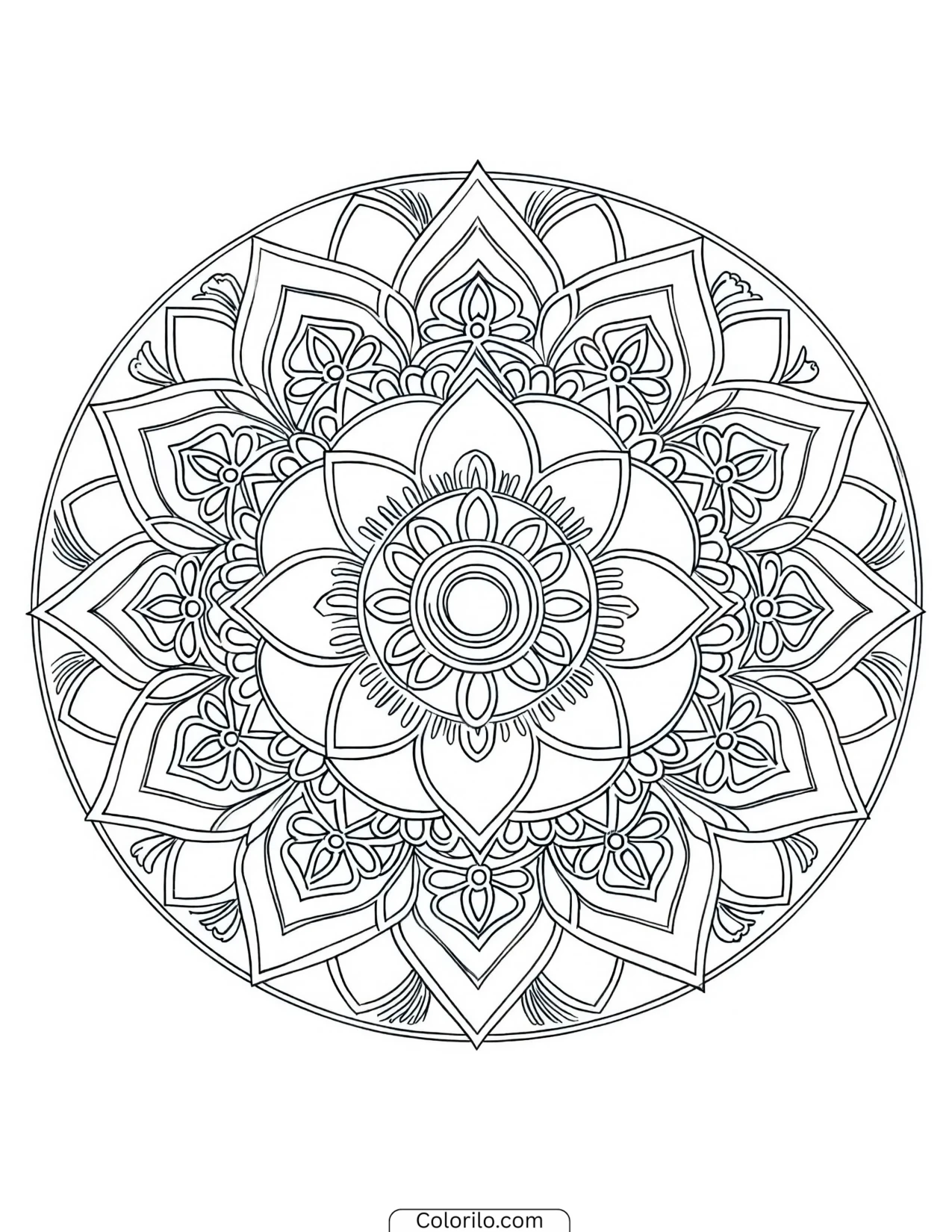
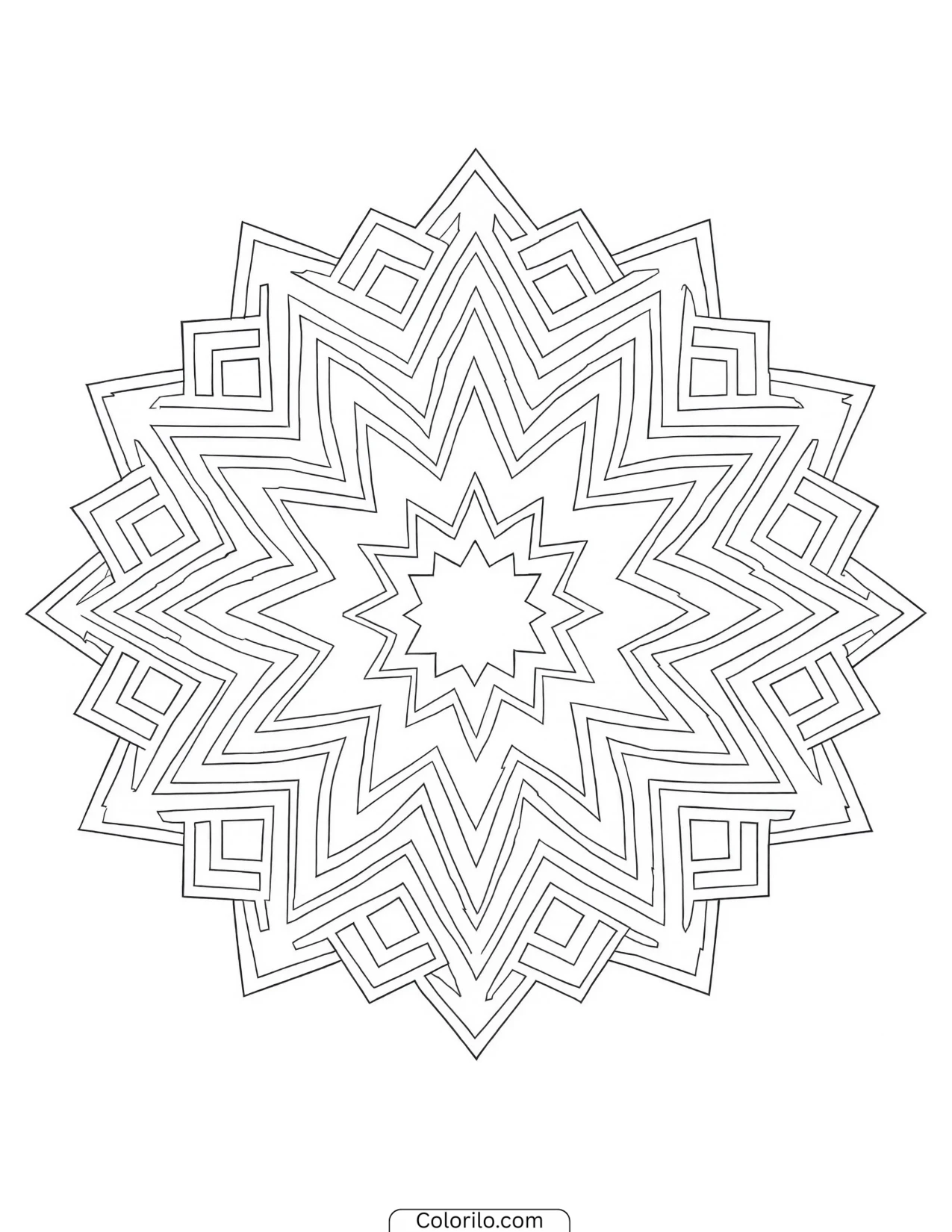
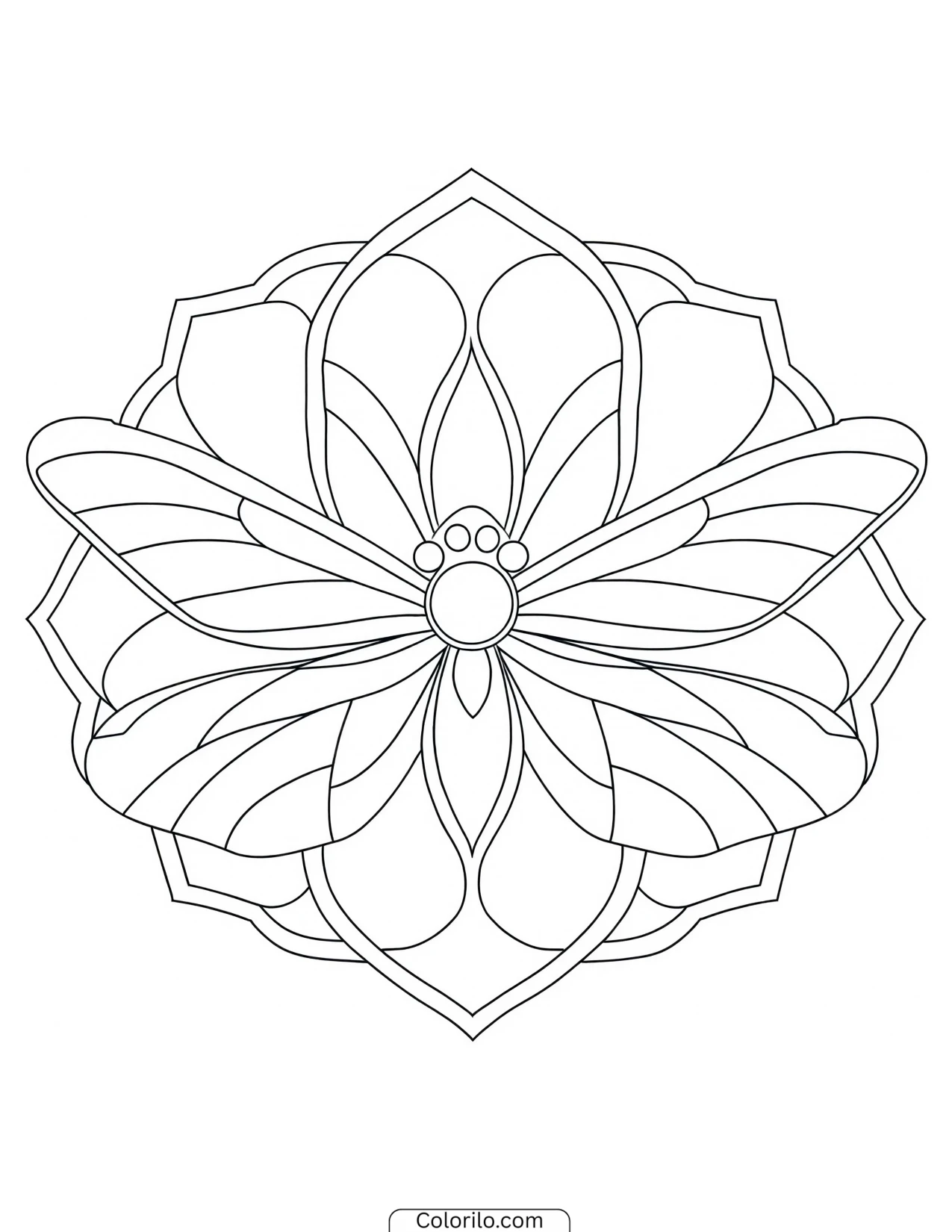
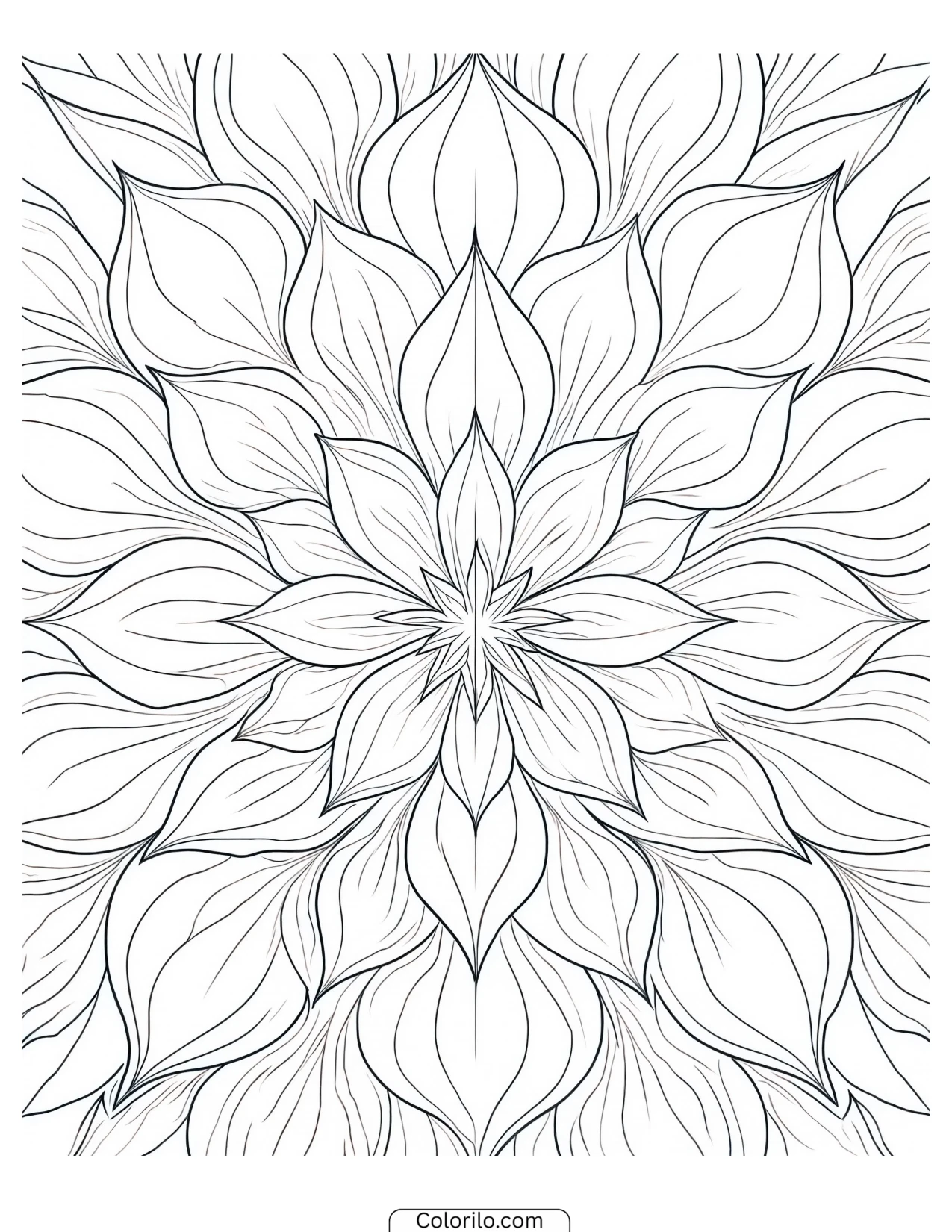
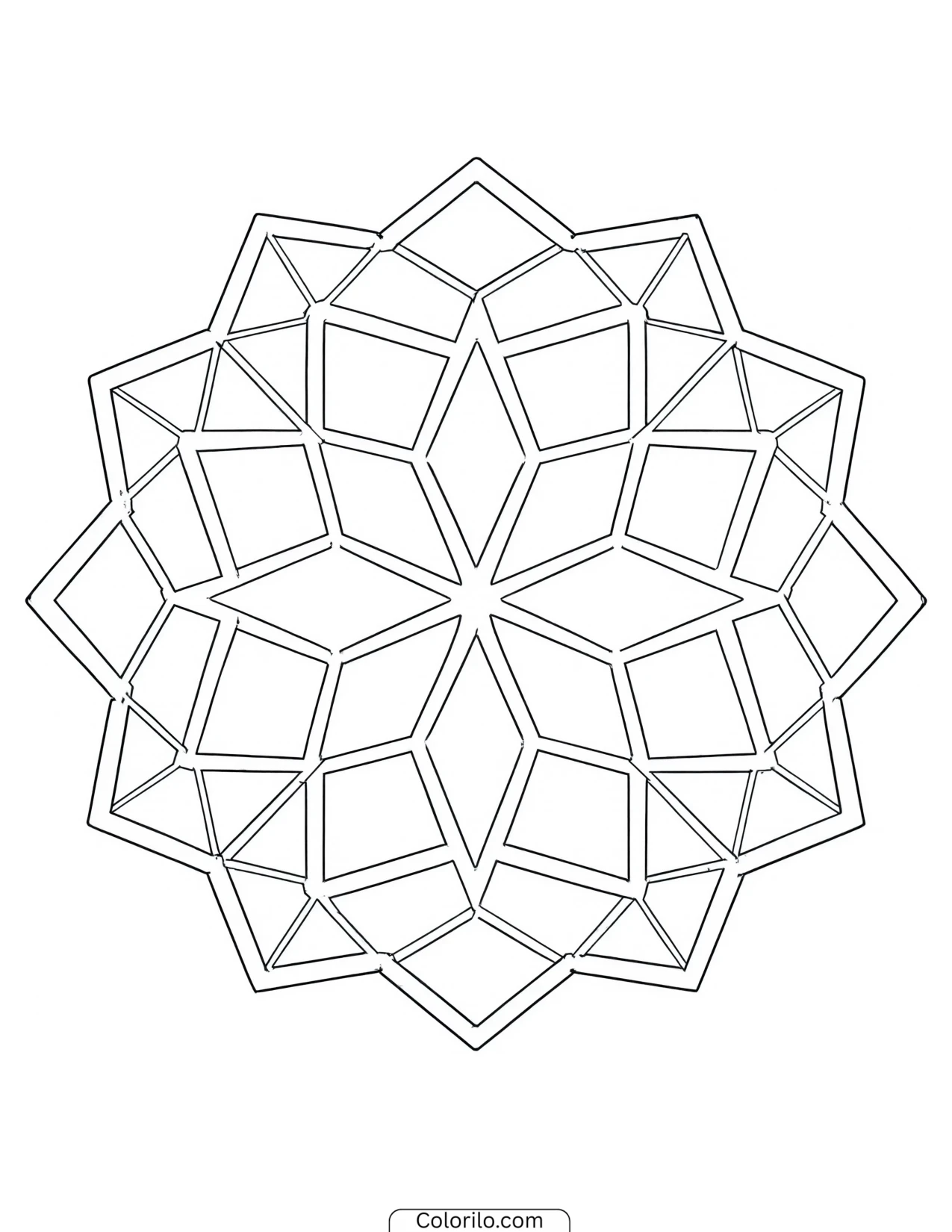
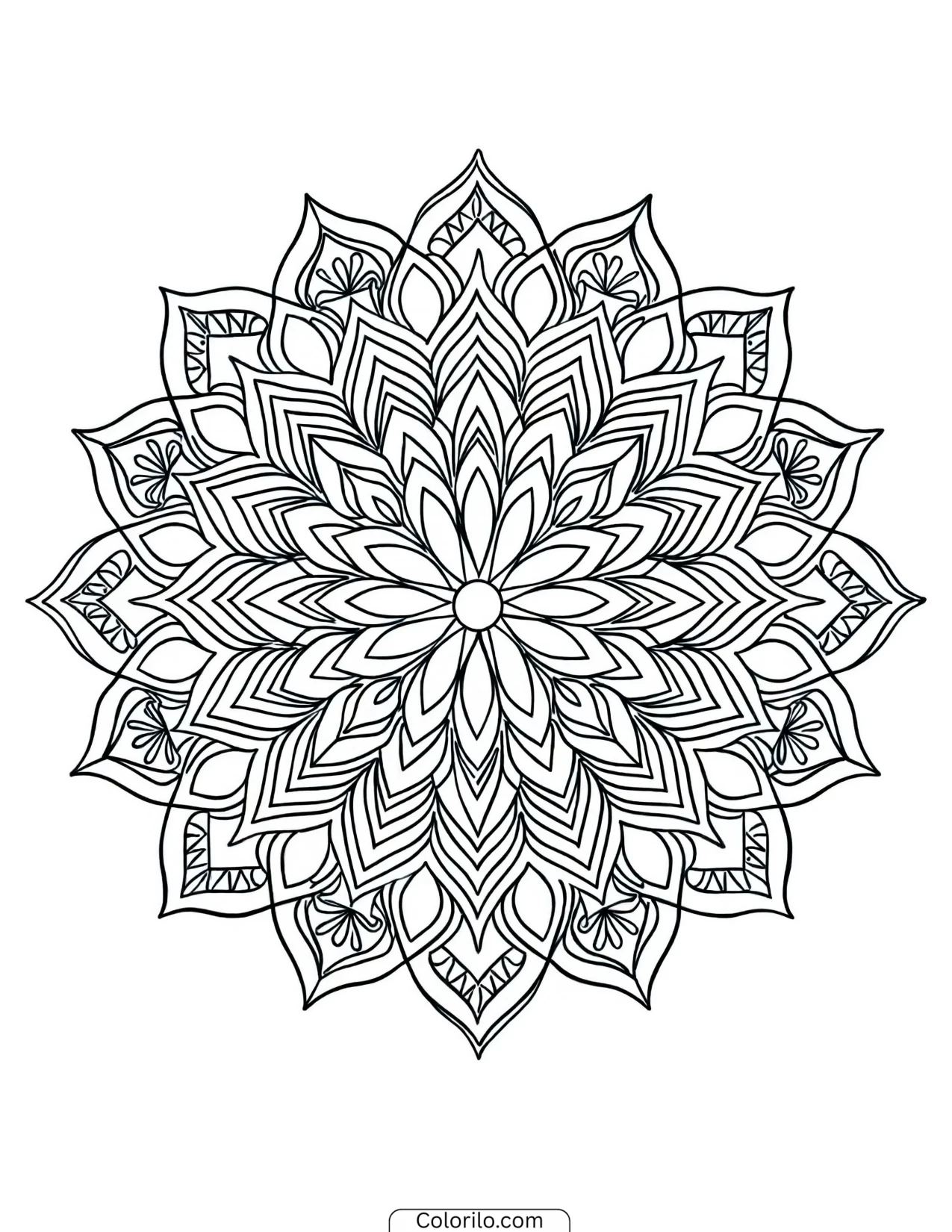
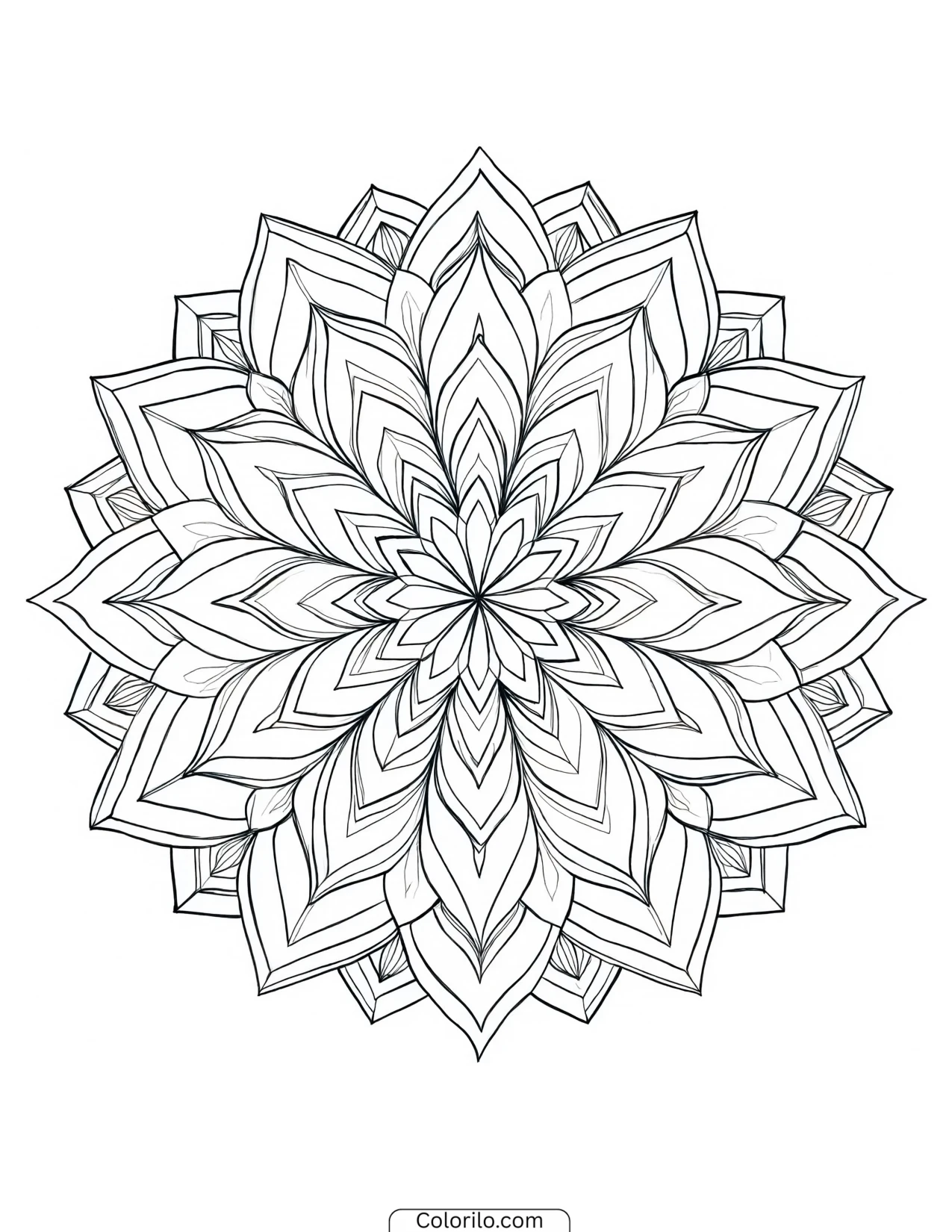
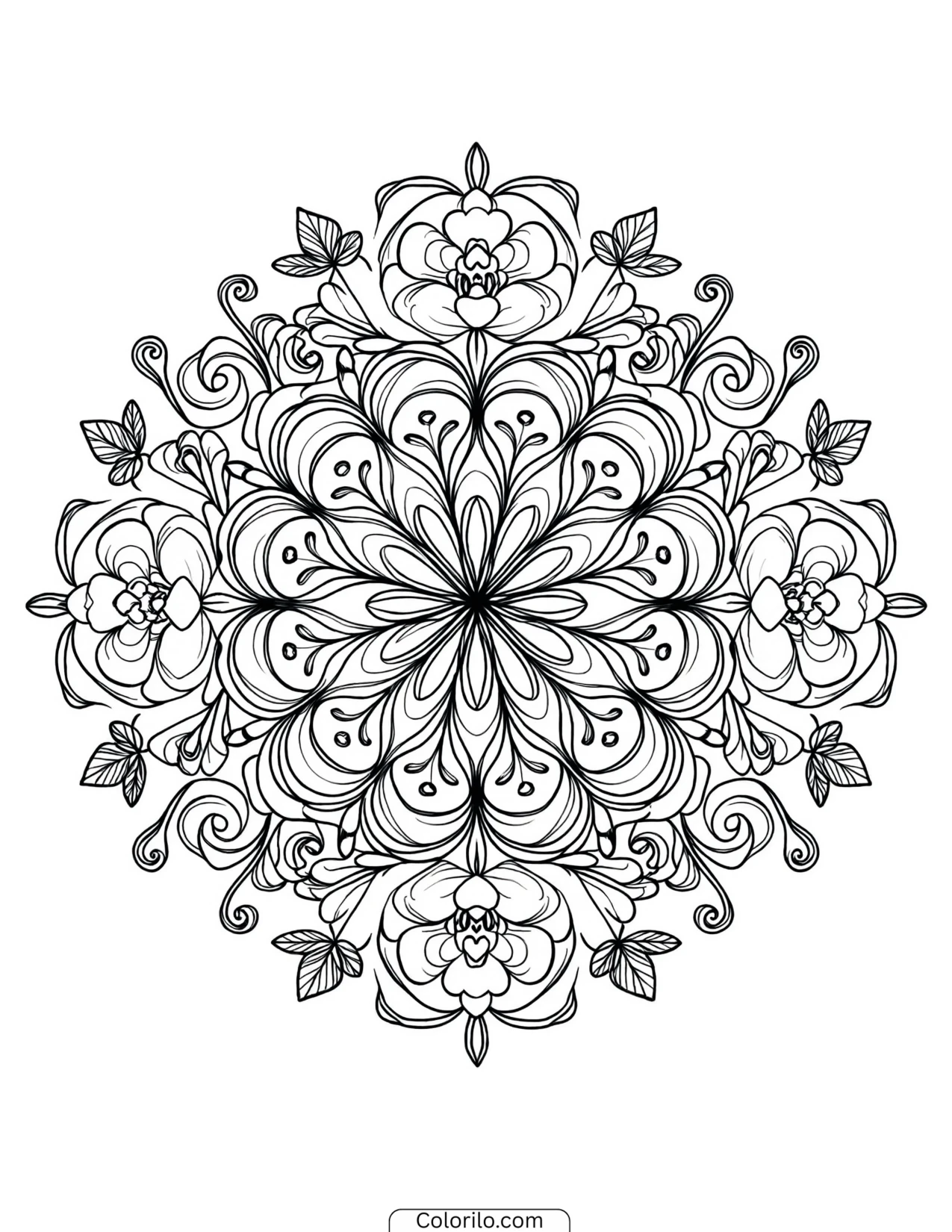
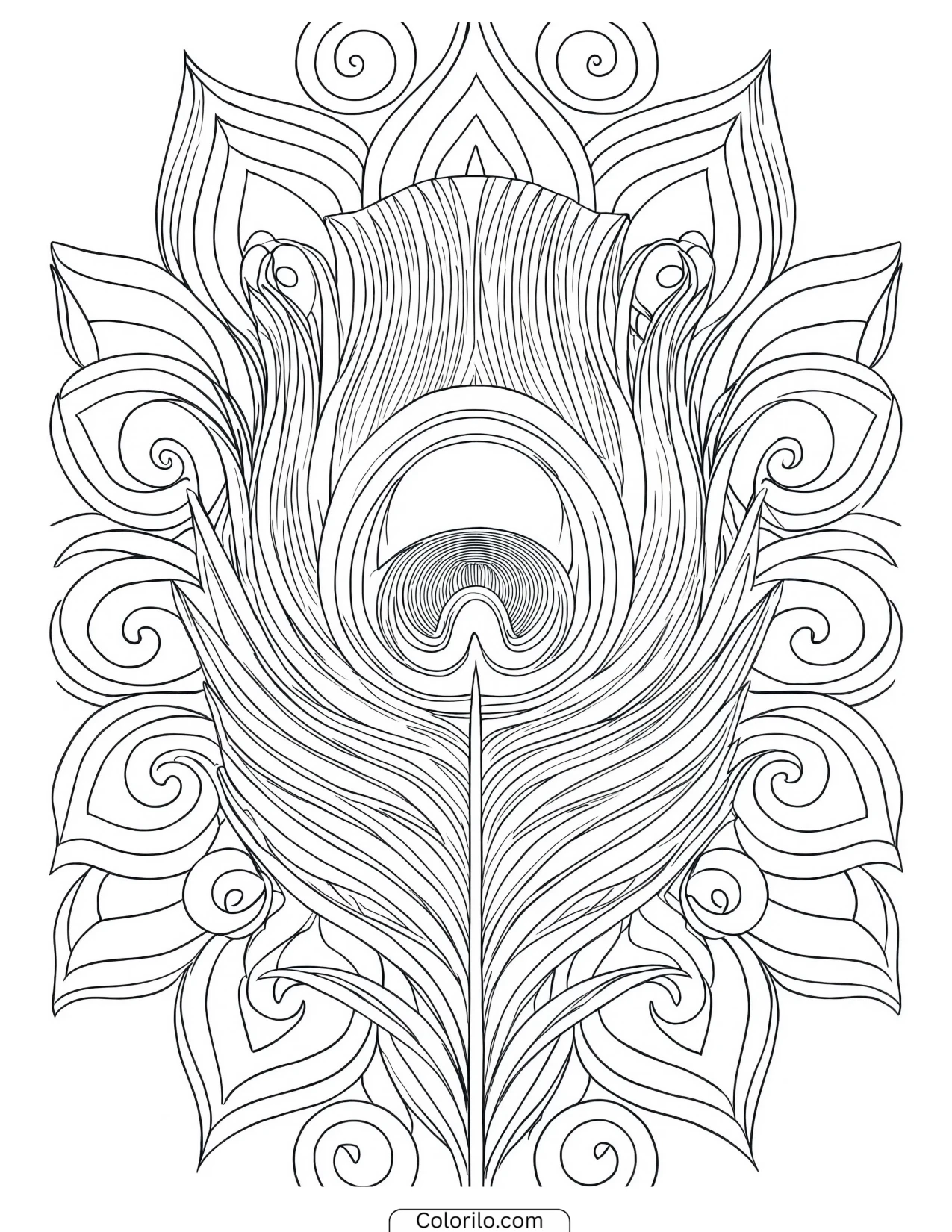
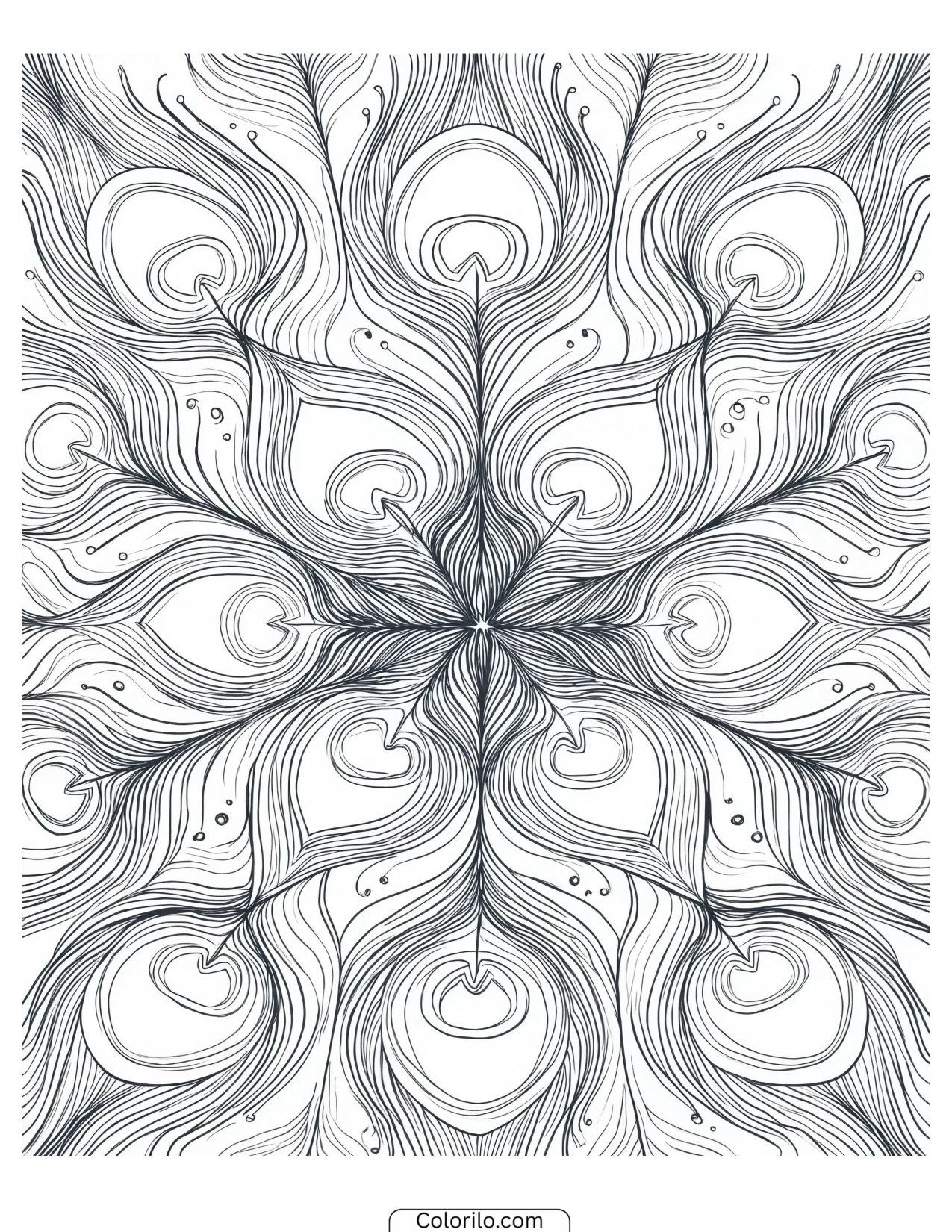
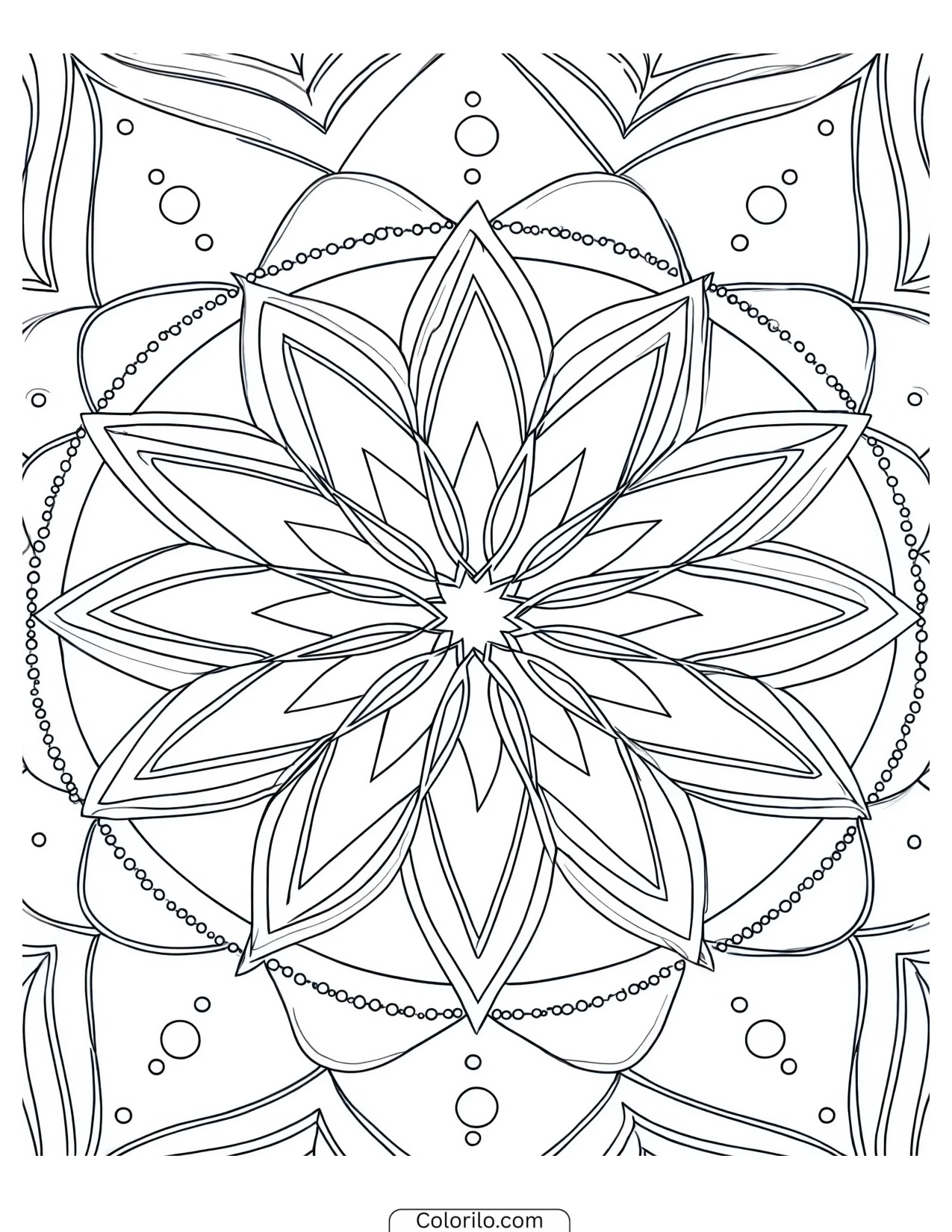
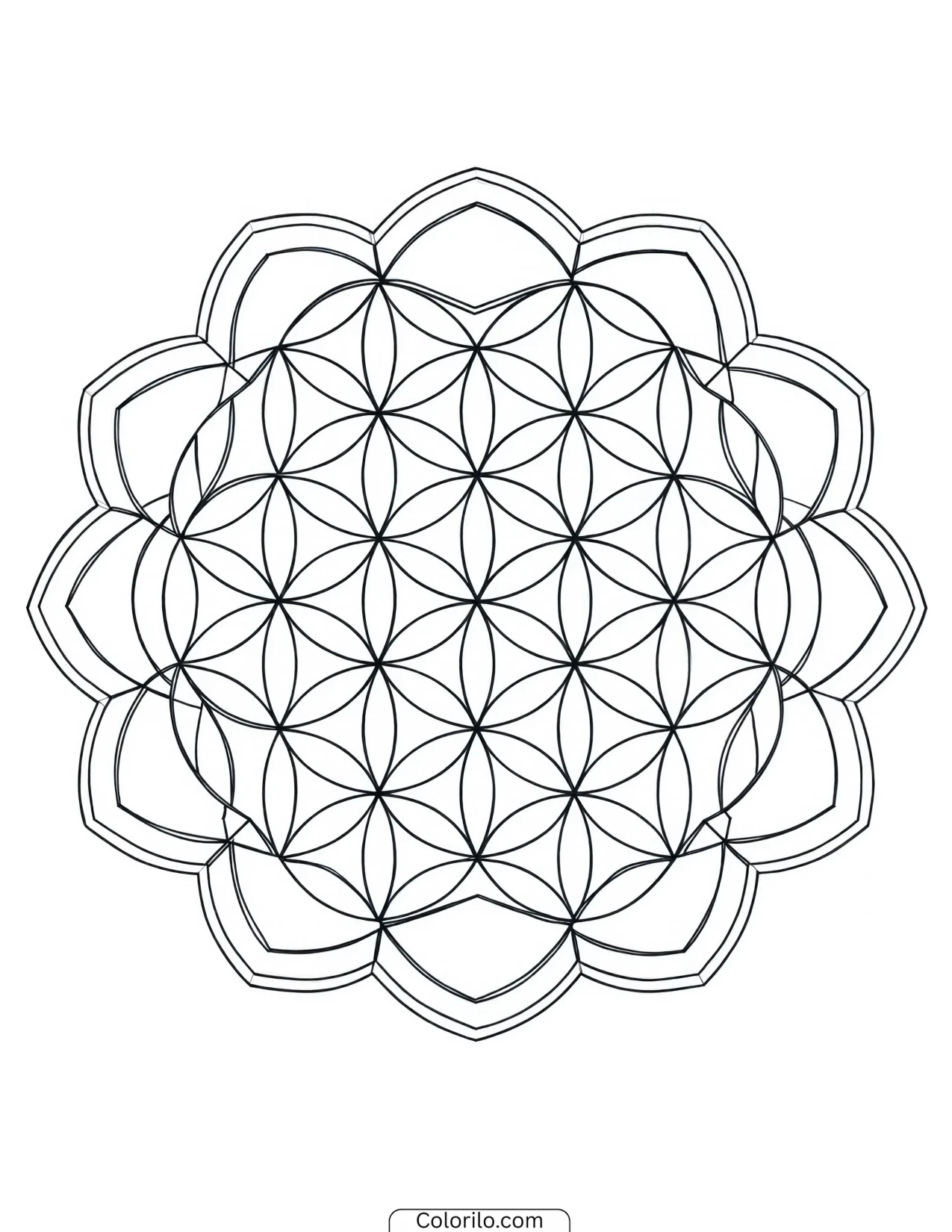
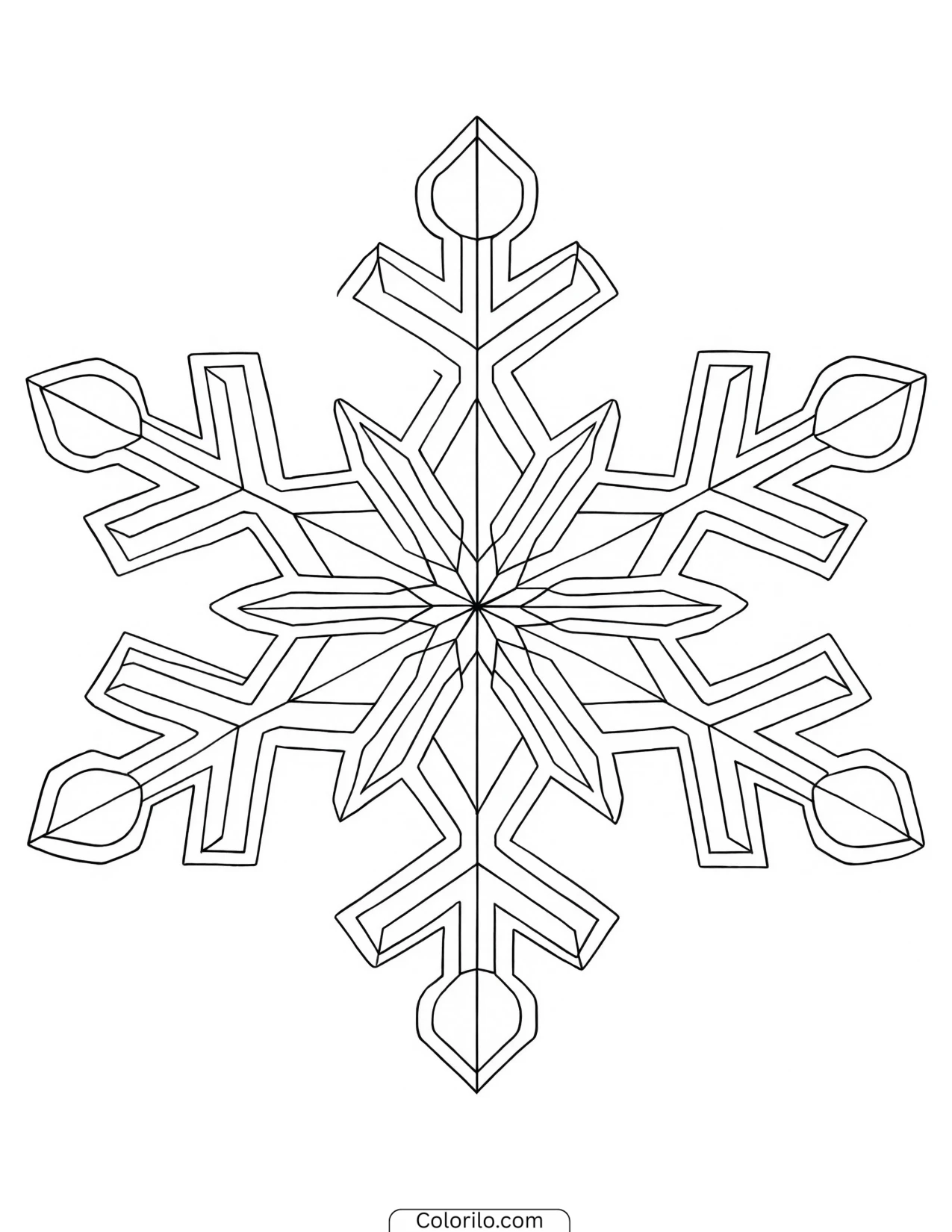
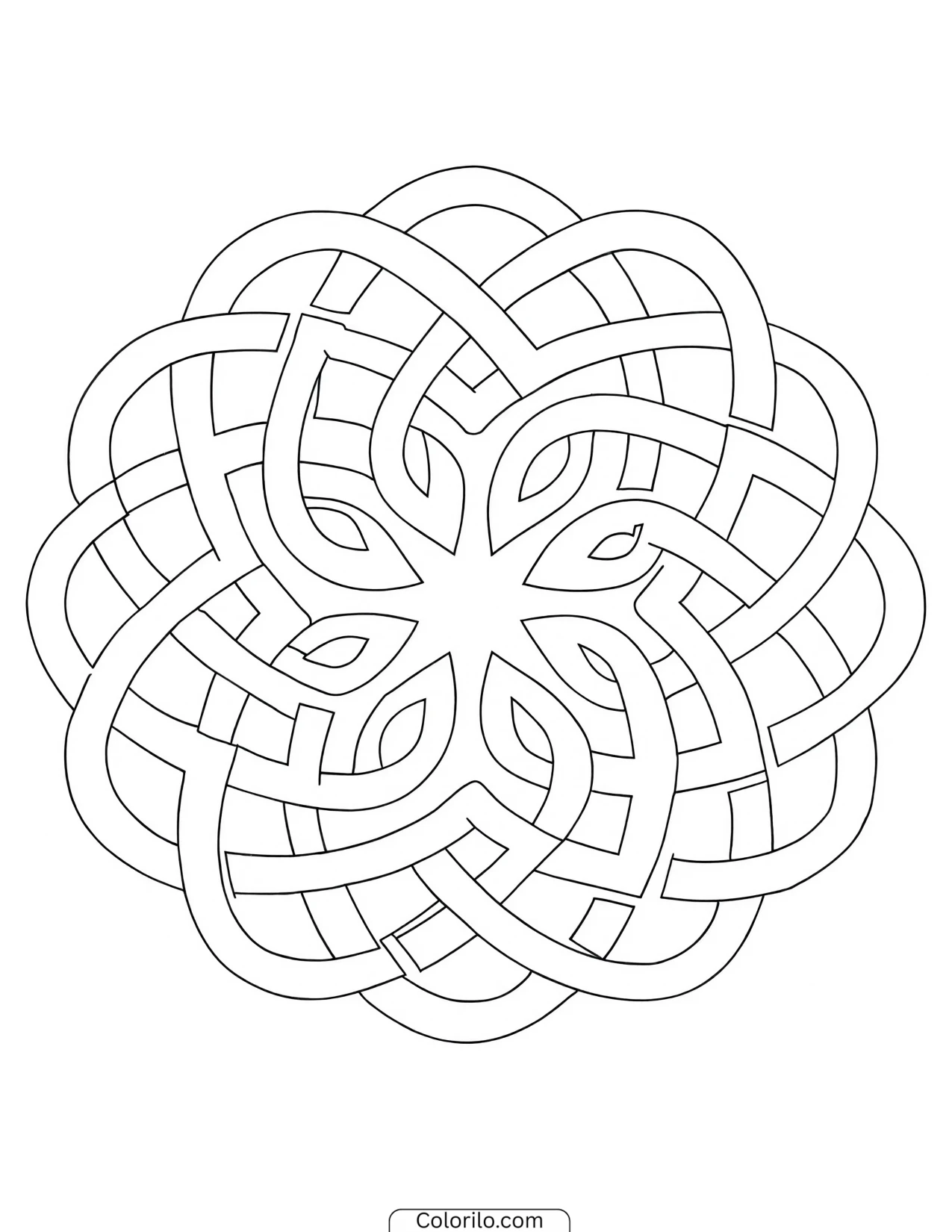
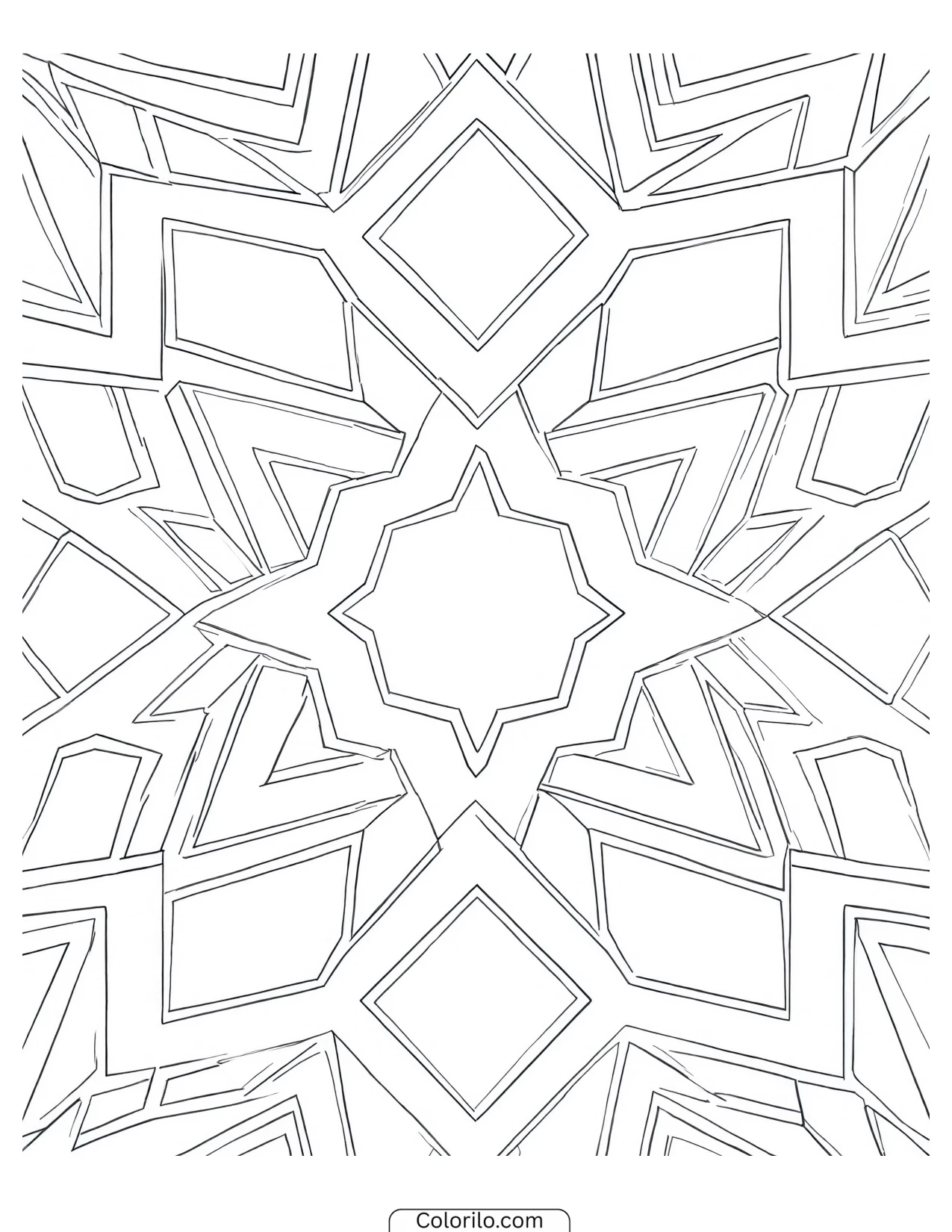
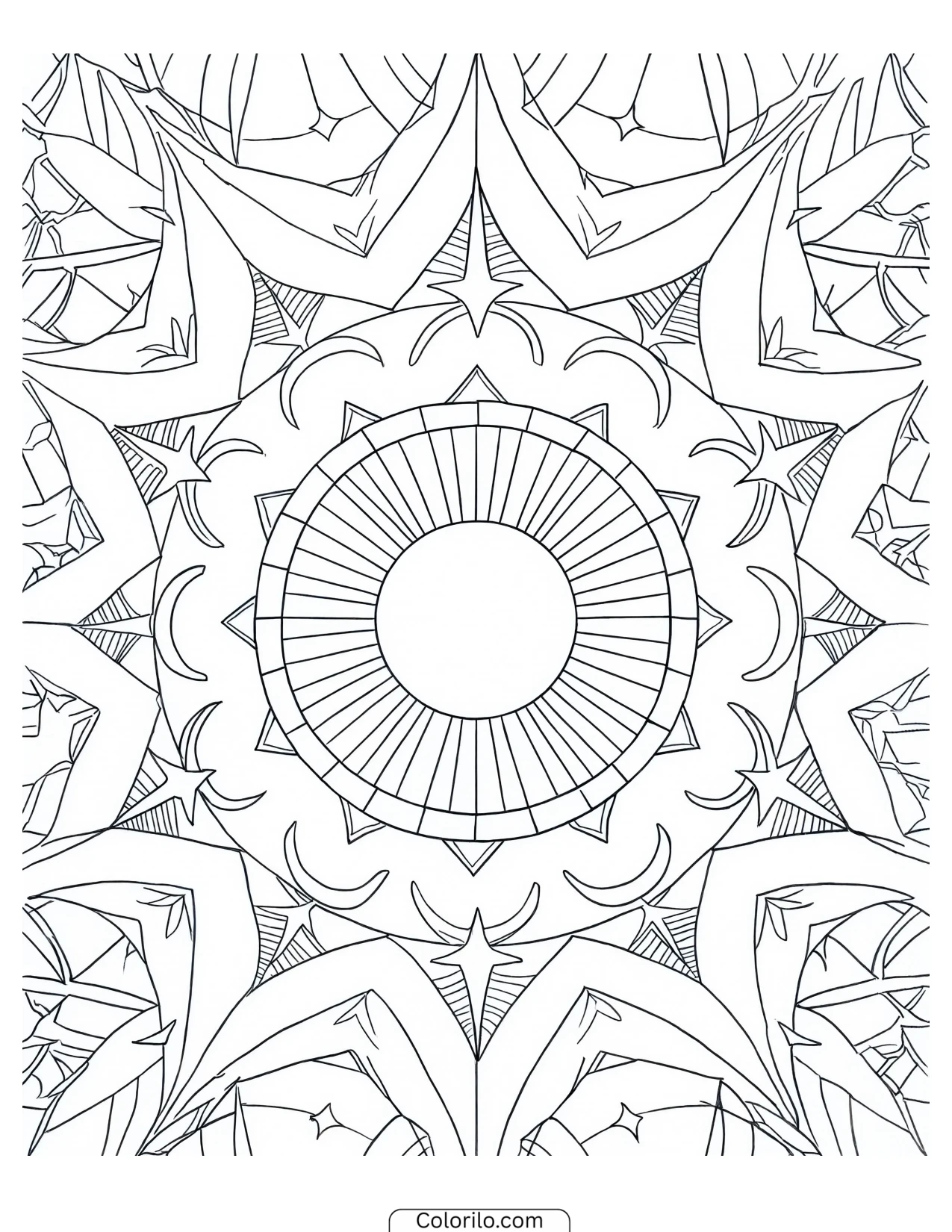
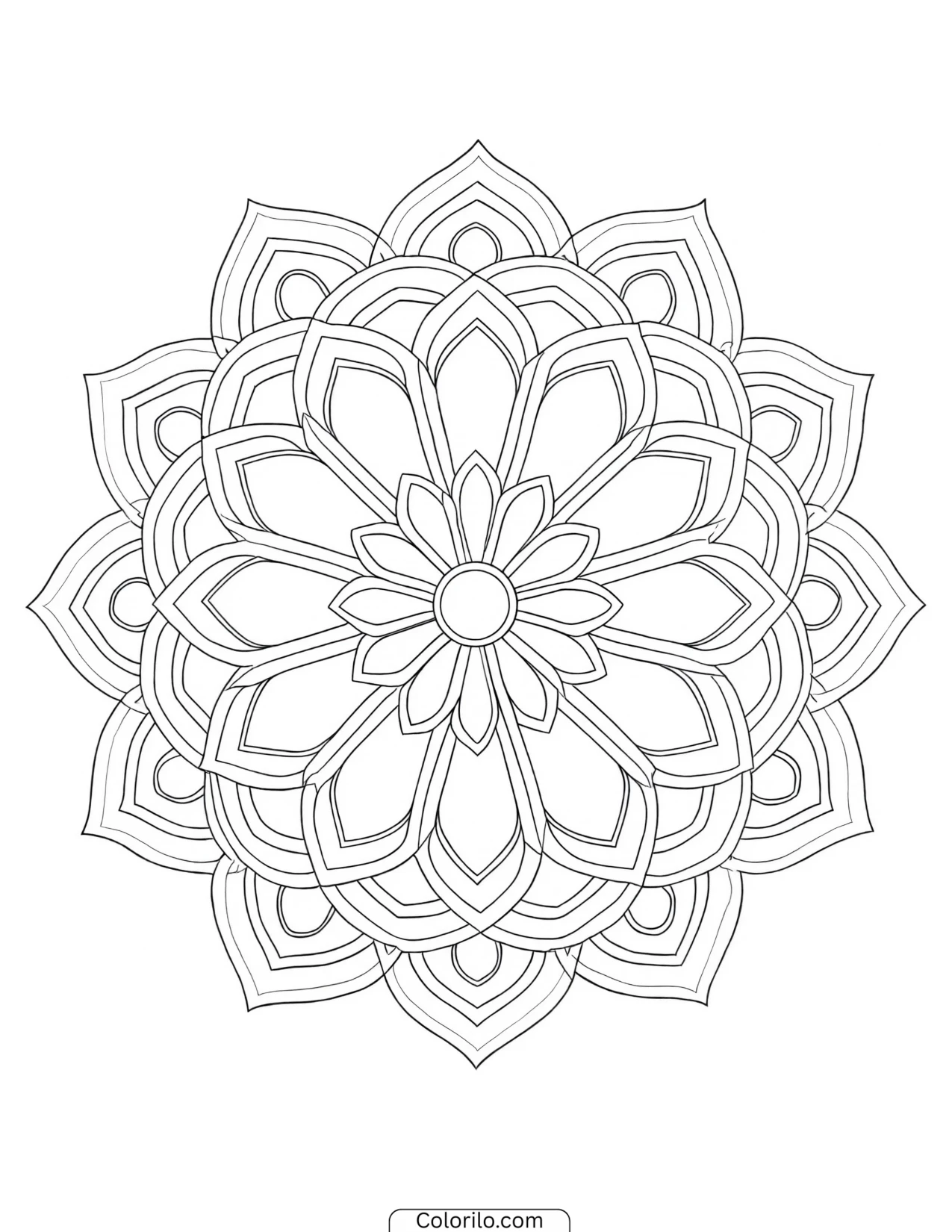
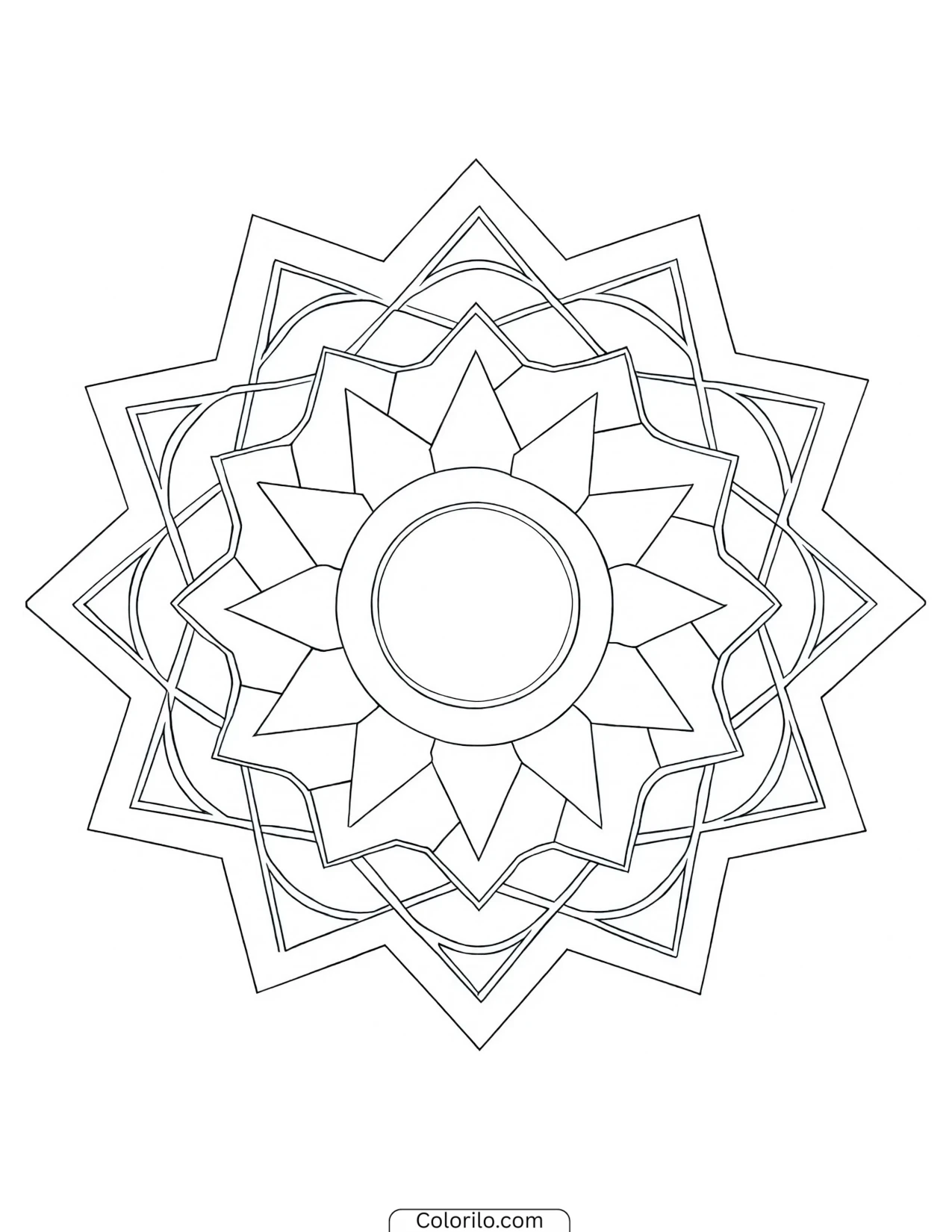
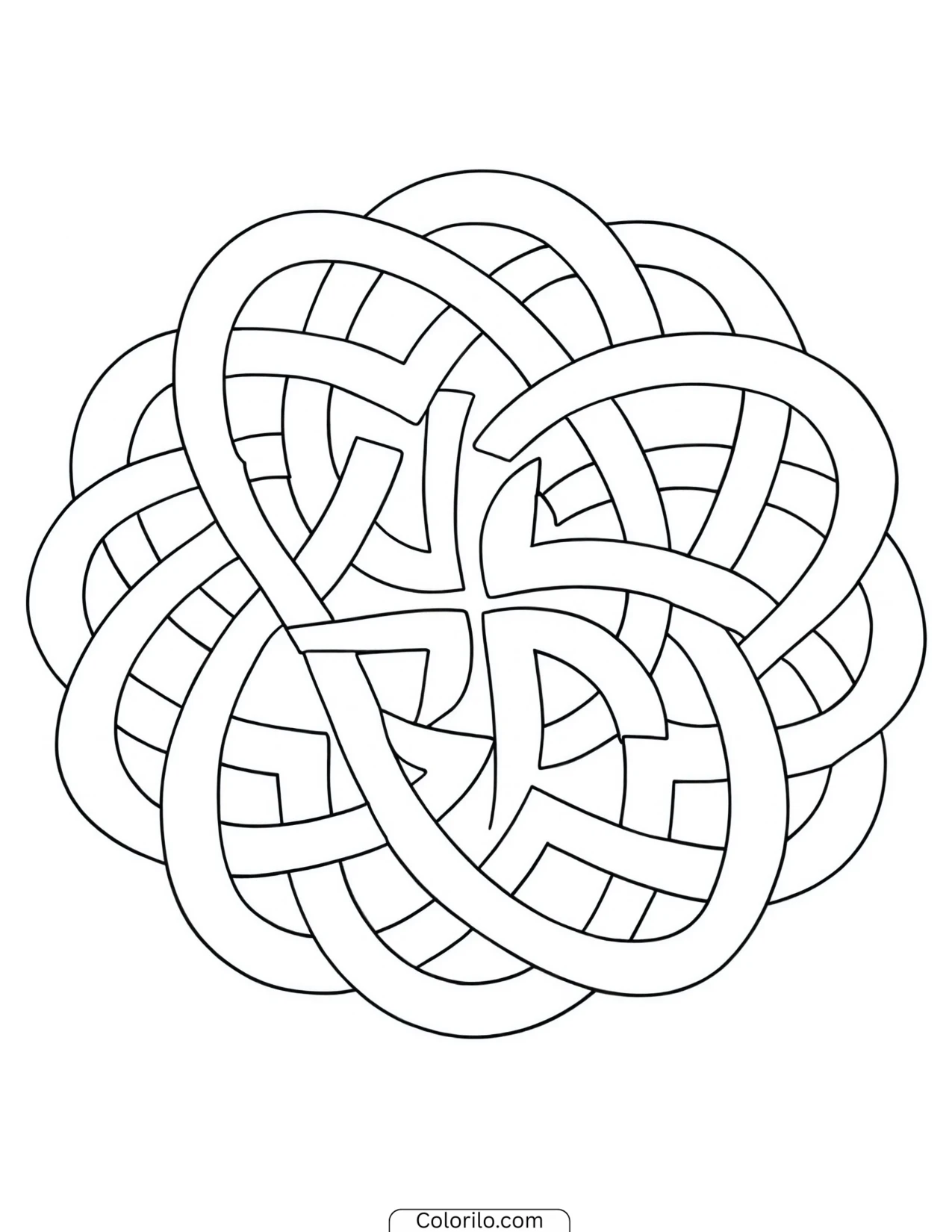
This collection has 47 free mandala coloring pages, and the range within it matters more than the count. Six lotus designs and four Flower of Life patterns sit at the traditional end. Five snowflakes and a poinsettia lean seasonal. Two Celtic knot patterns and a Tree of Life bring in knotwork and interlacing, which behave differently under a pencil than petals do, you’re tracing a path rather than filling a shape. There are two peacock feather designs, a henna-style dotted flower, and a run of geometric mandalas built from chevrons, diamonds, and zigzags for anyone who prefers angles to curves.
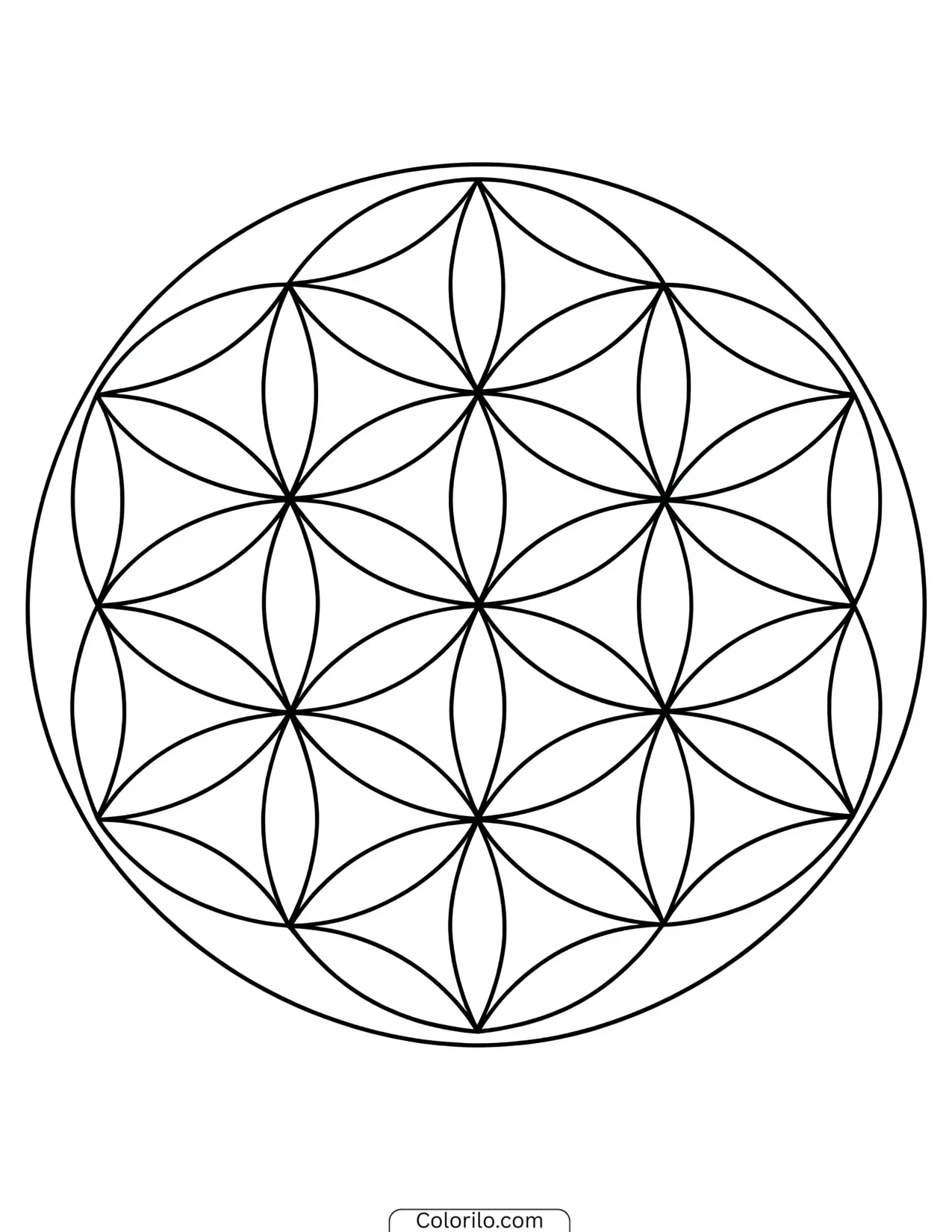
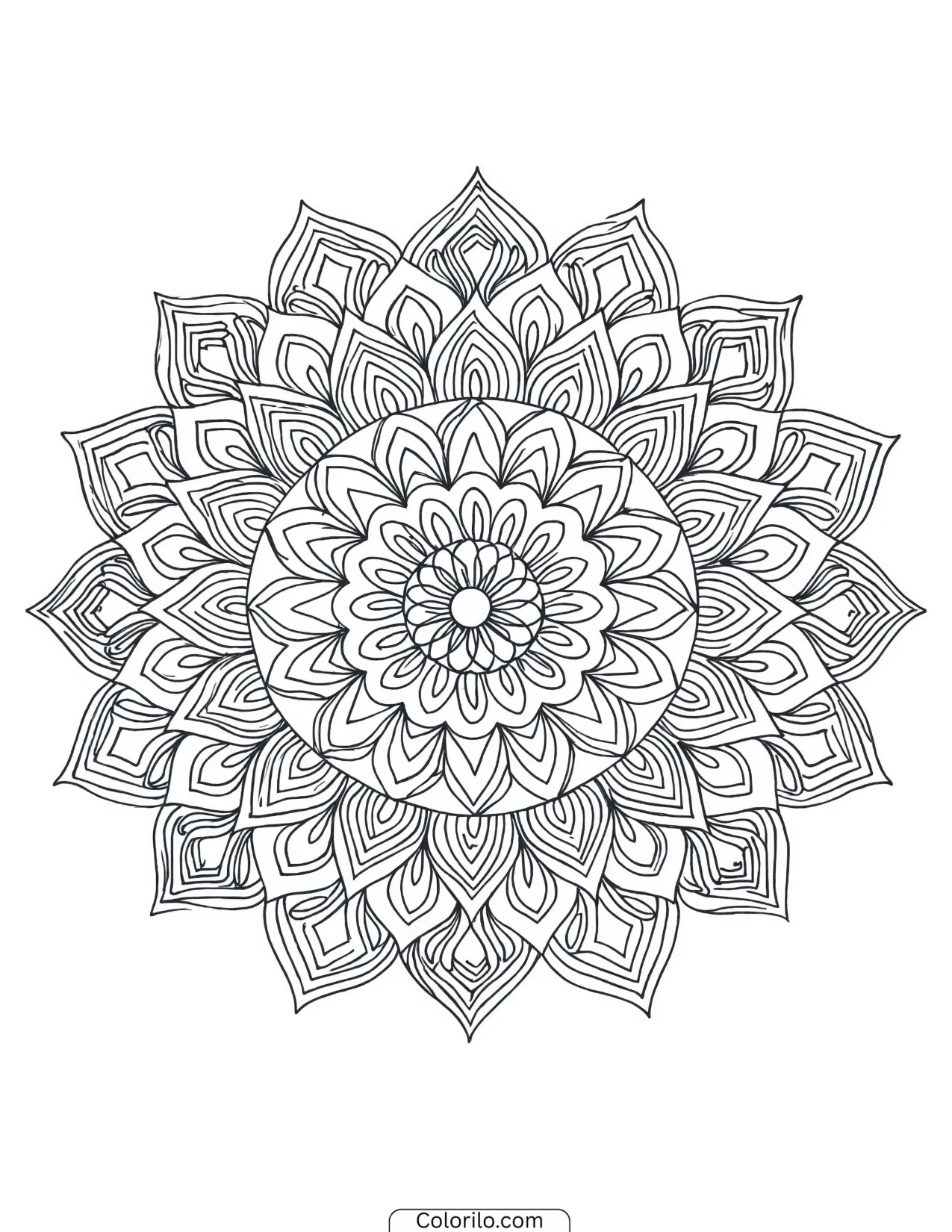
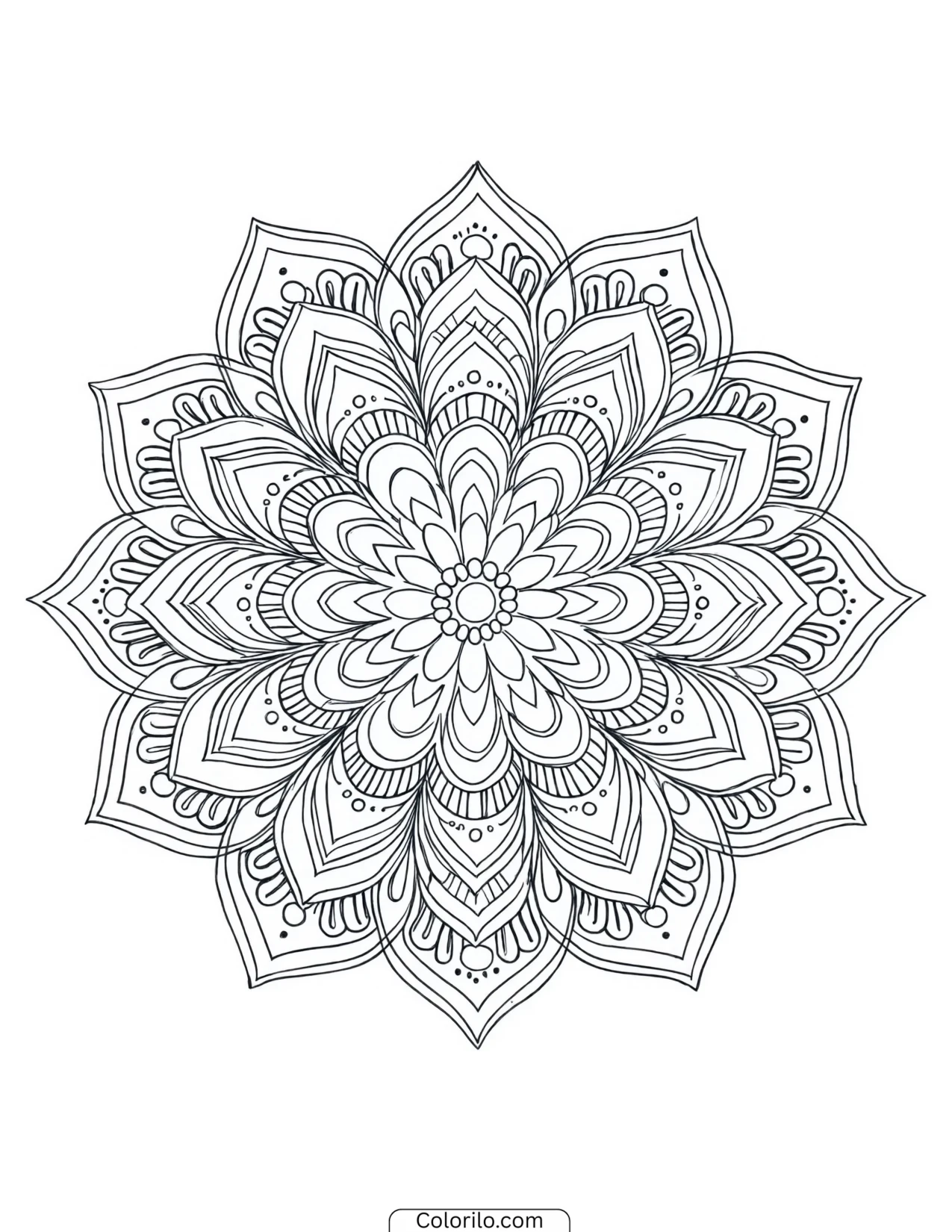
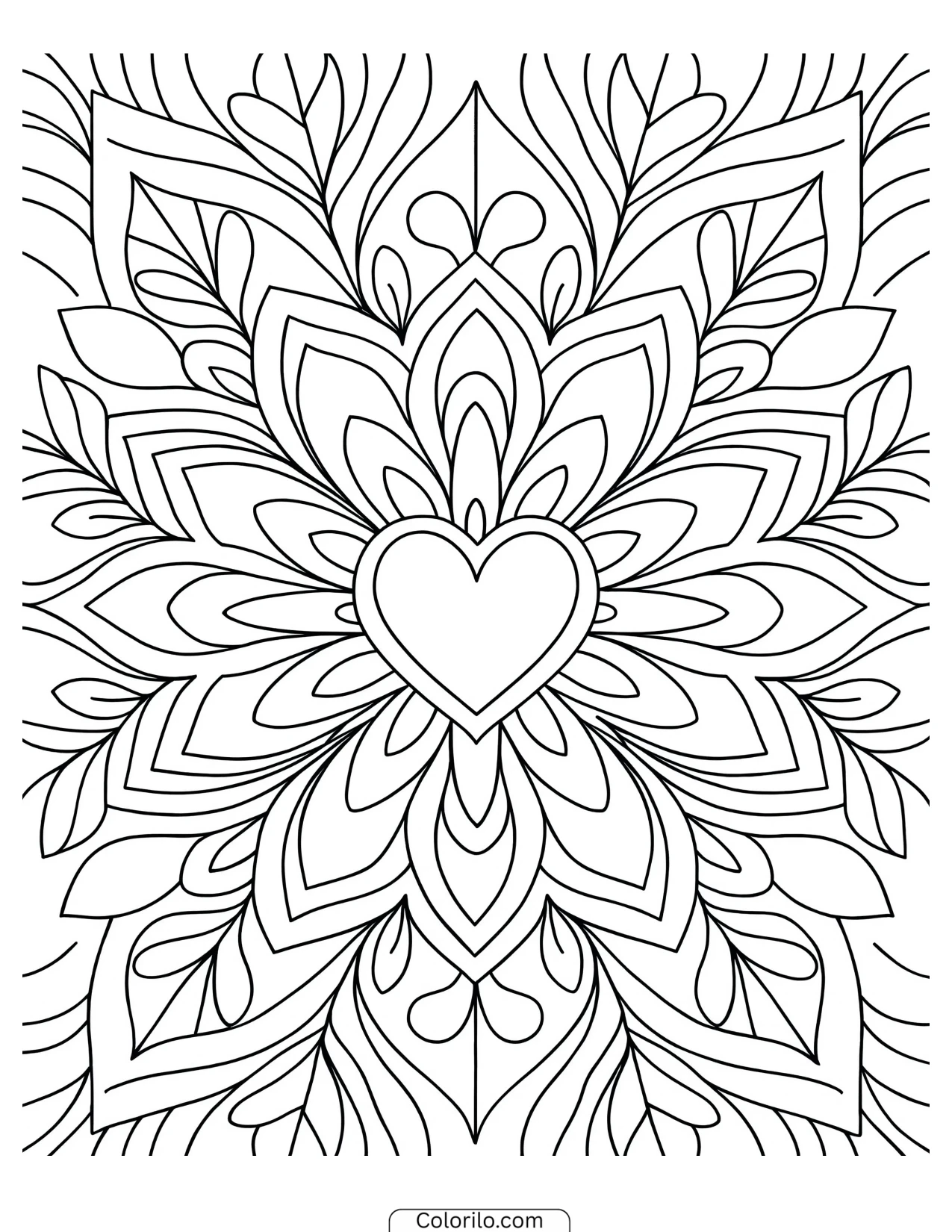
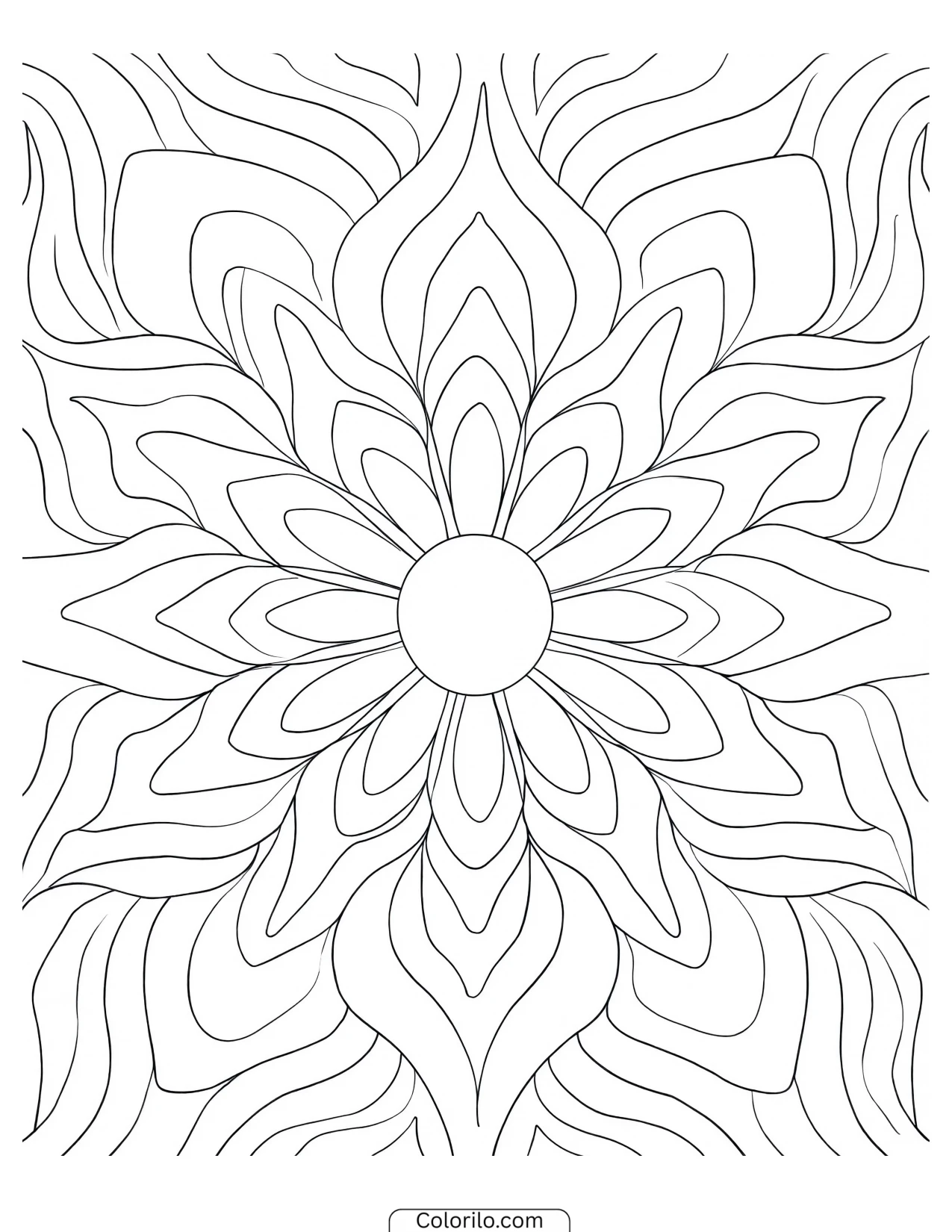
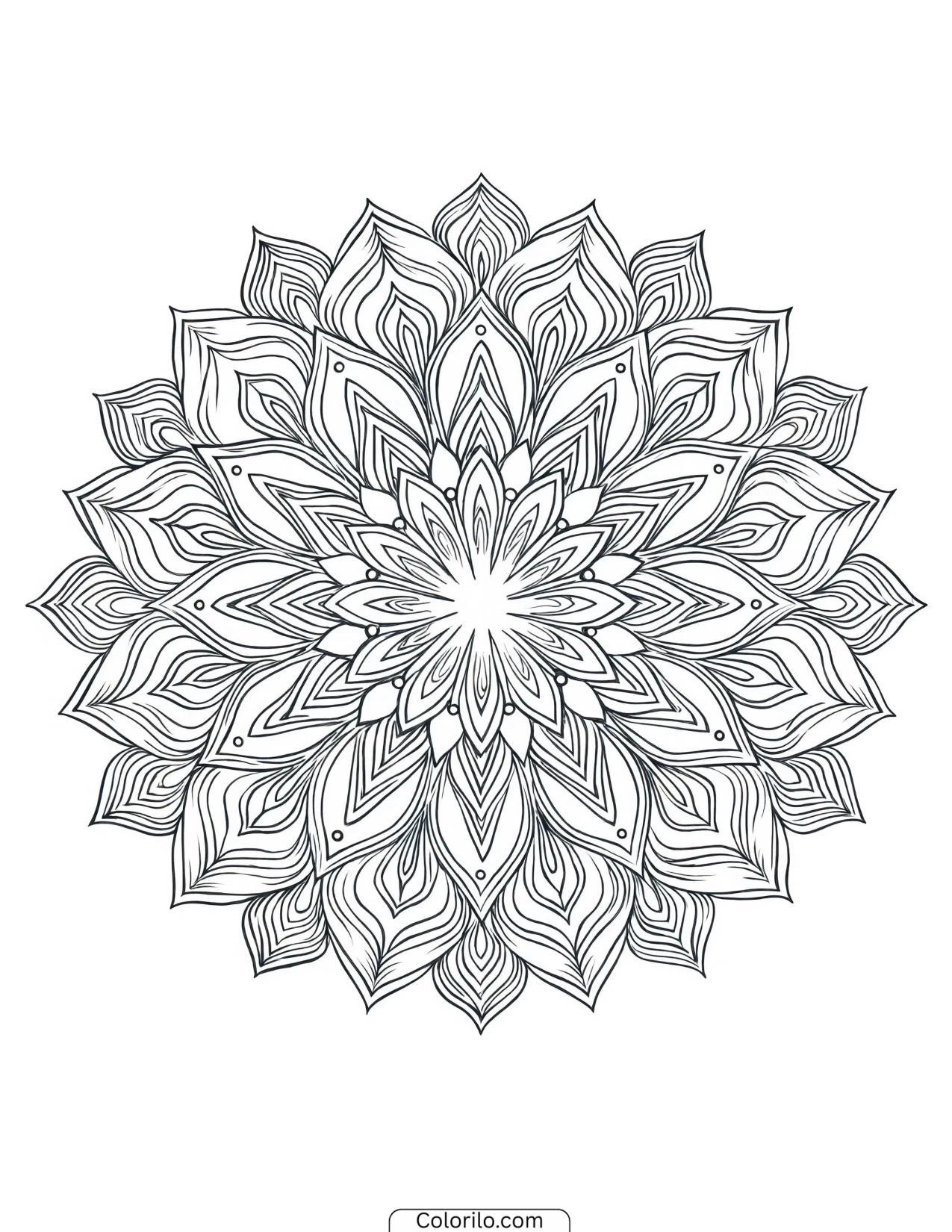
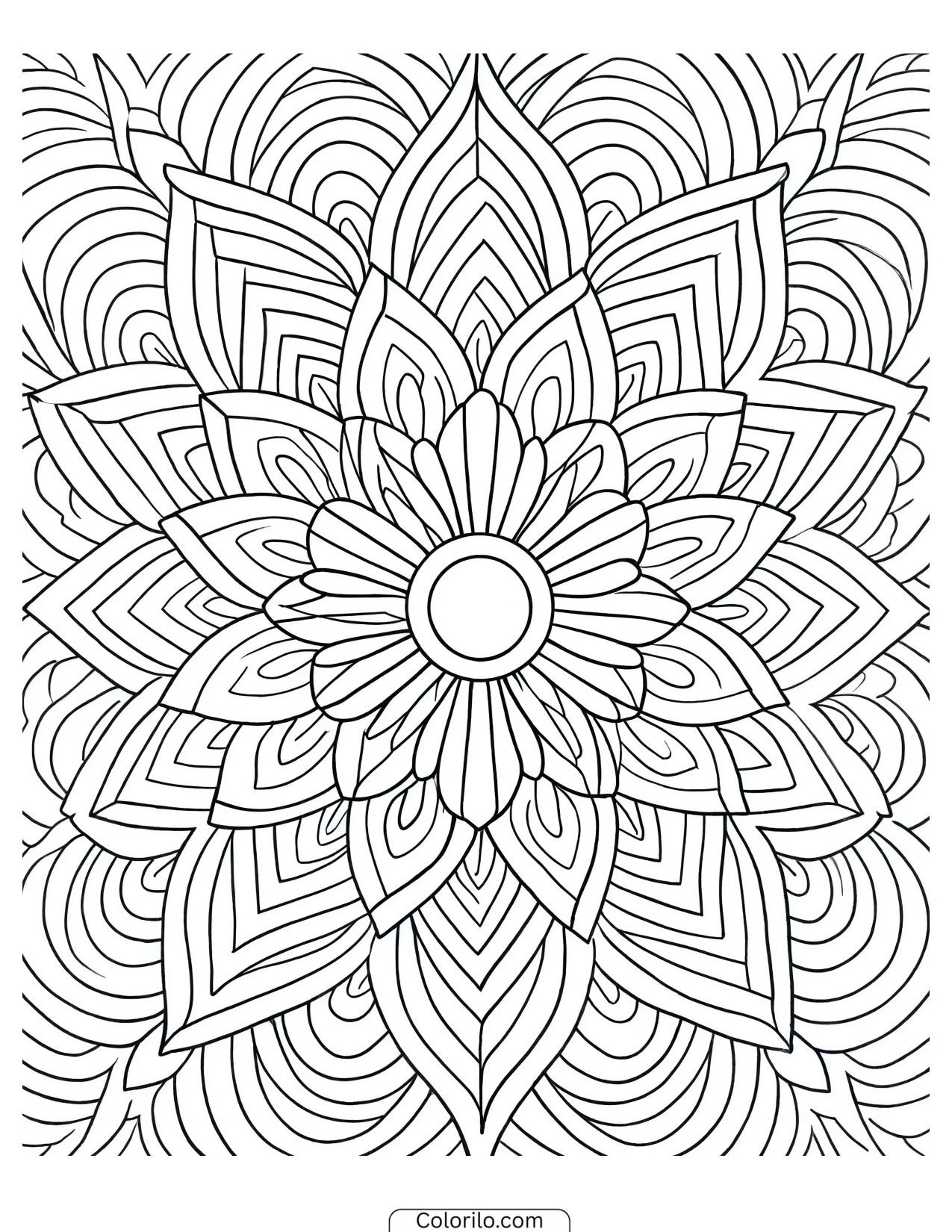
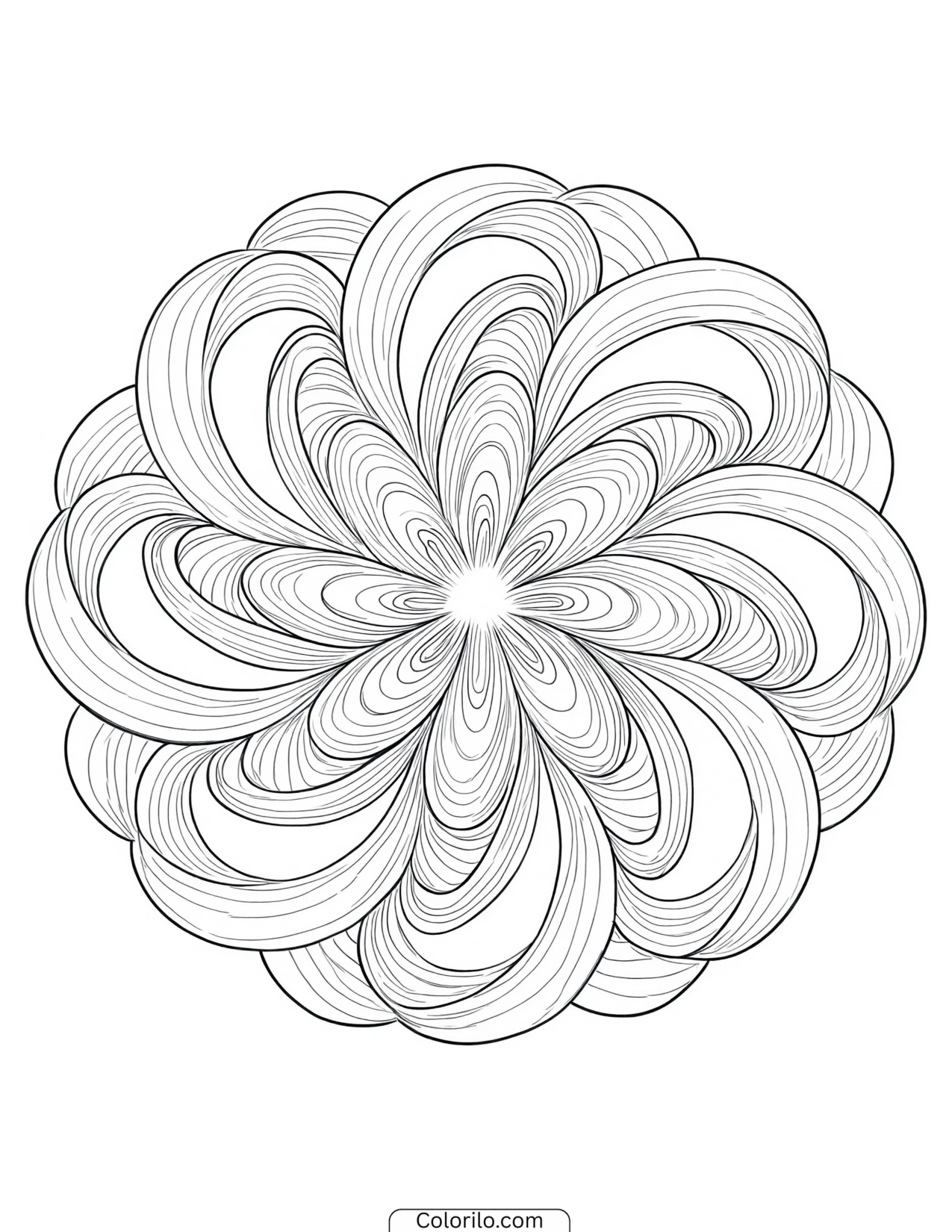
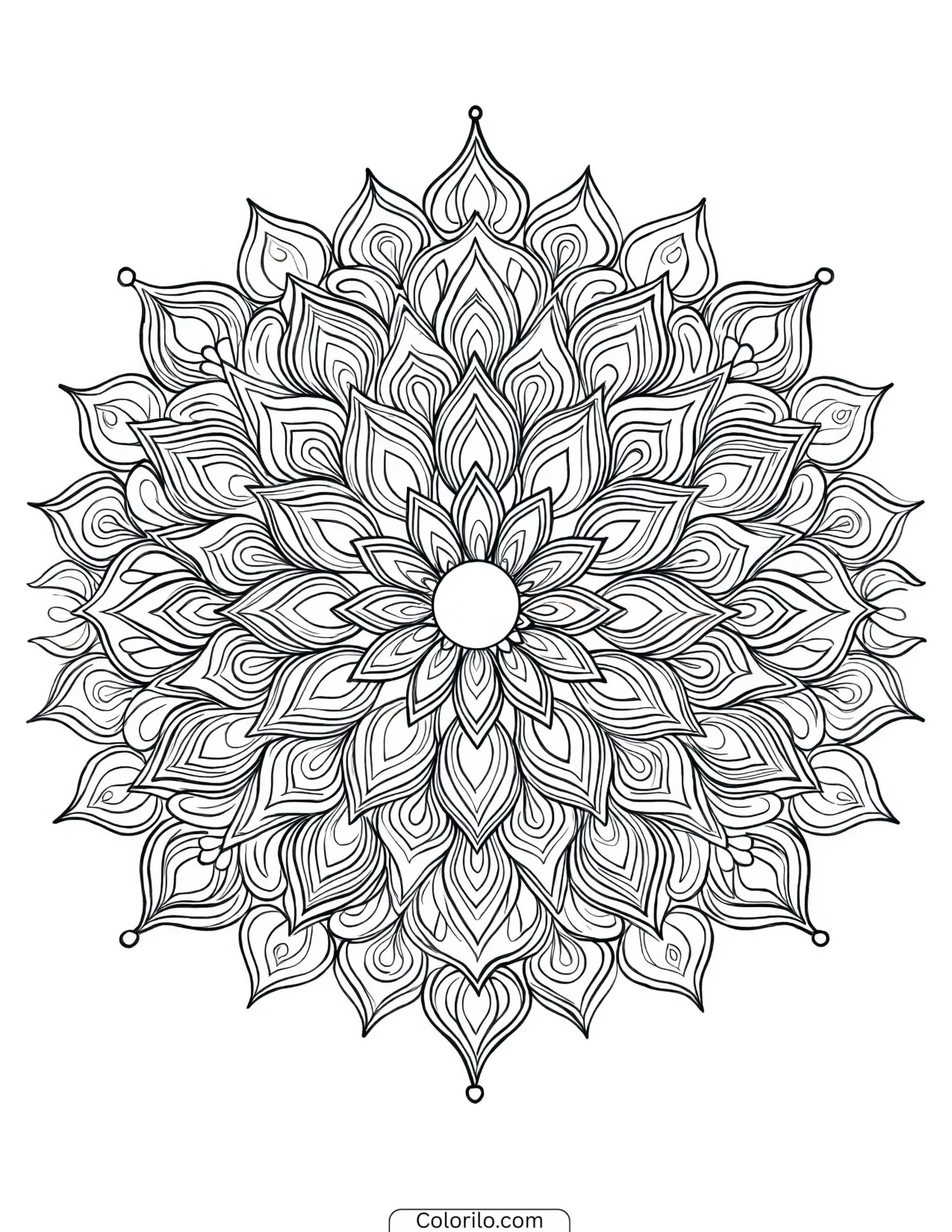
Complexity varies widely, and it’s worth choosing deliberately. The bold Flower of Life circle and the four-petal shell mandala have large open sections that fill quickly, good for a short sitting or a first attempt. The dense layered daisy, the swirling ribbon chrysanthemum, and the orchid filigree have hundreds of small segments and will absorb several hours. Neither is better; they suit different evenings.
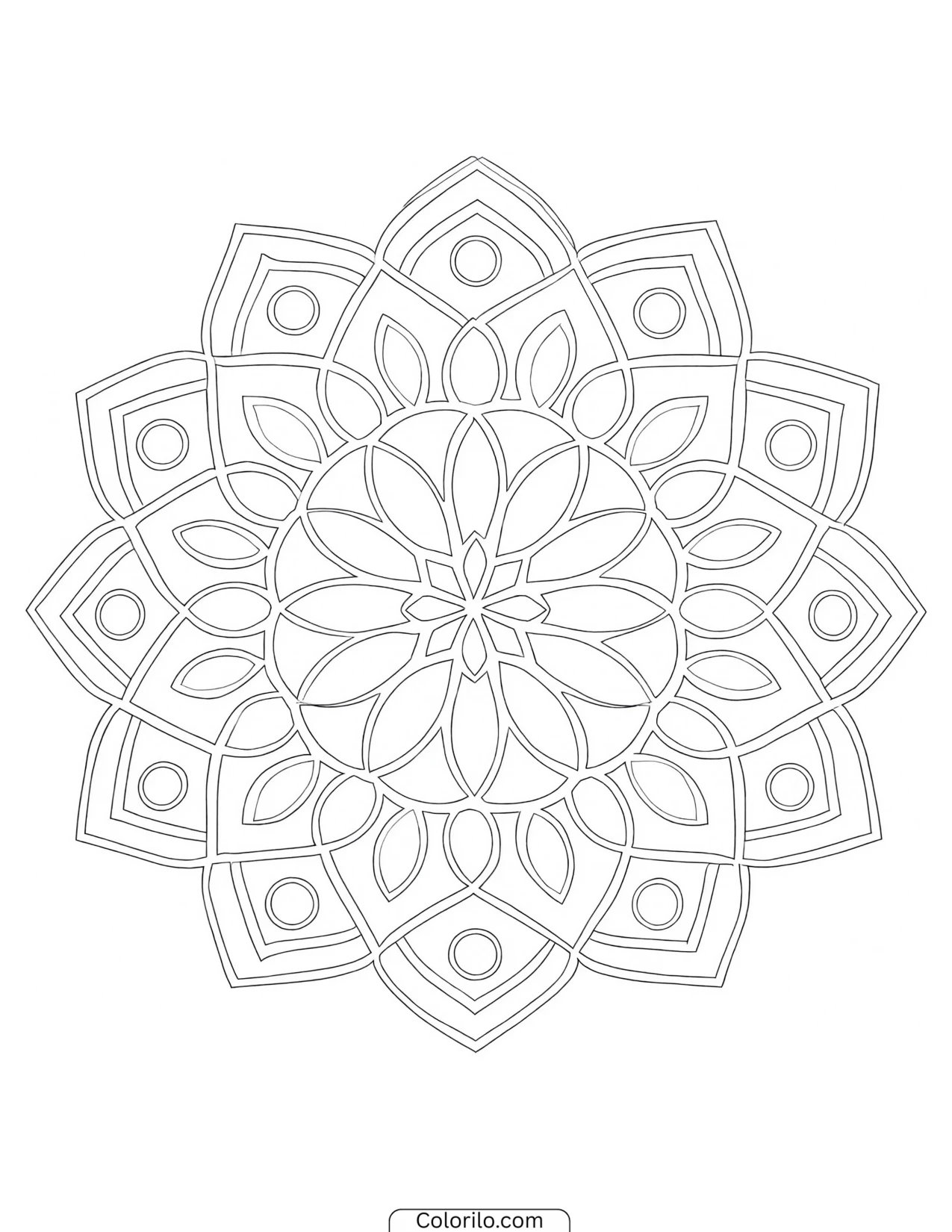
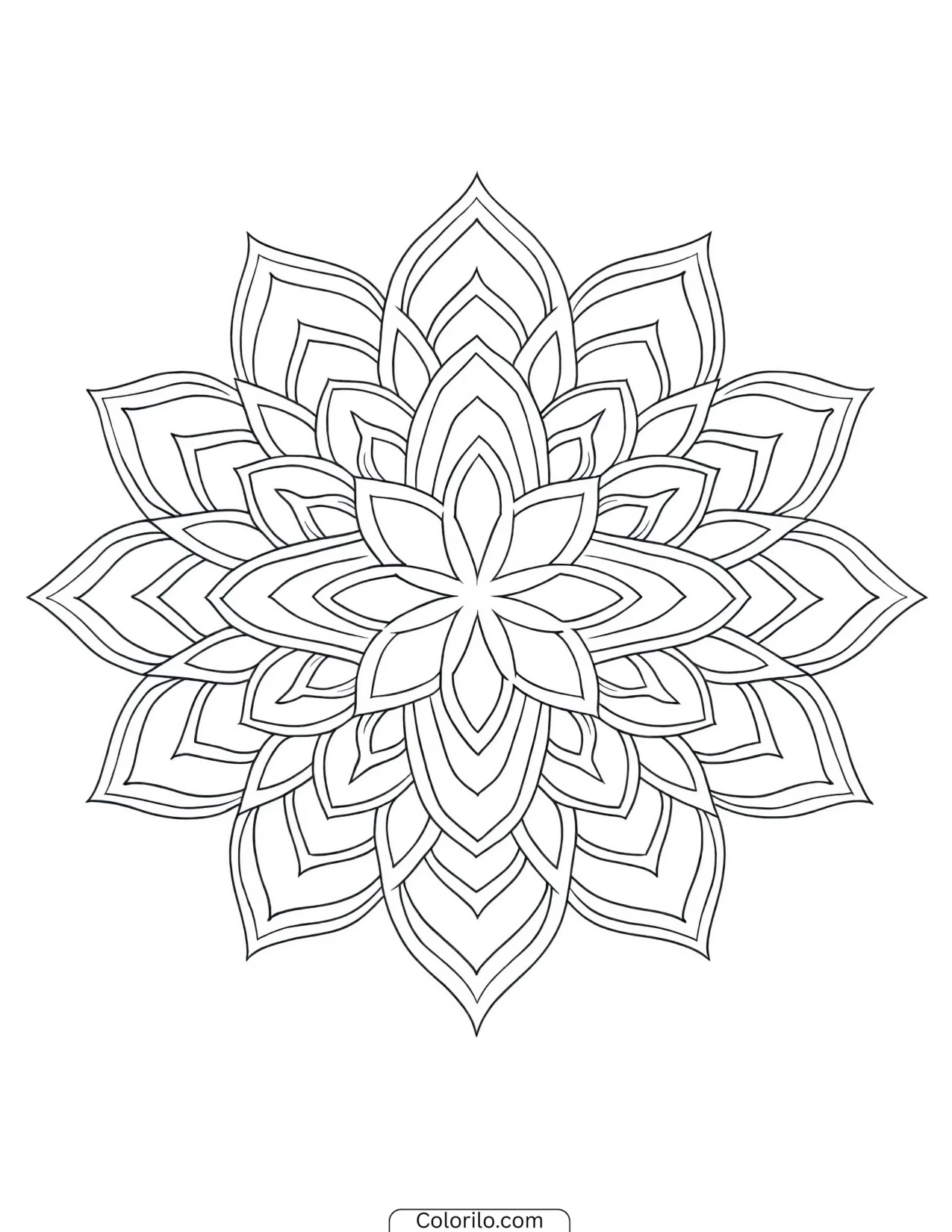
Every design here prints on standard US letter paper, is free, and requires no sign-up. Click any mandala below to open the full-size PDF.
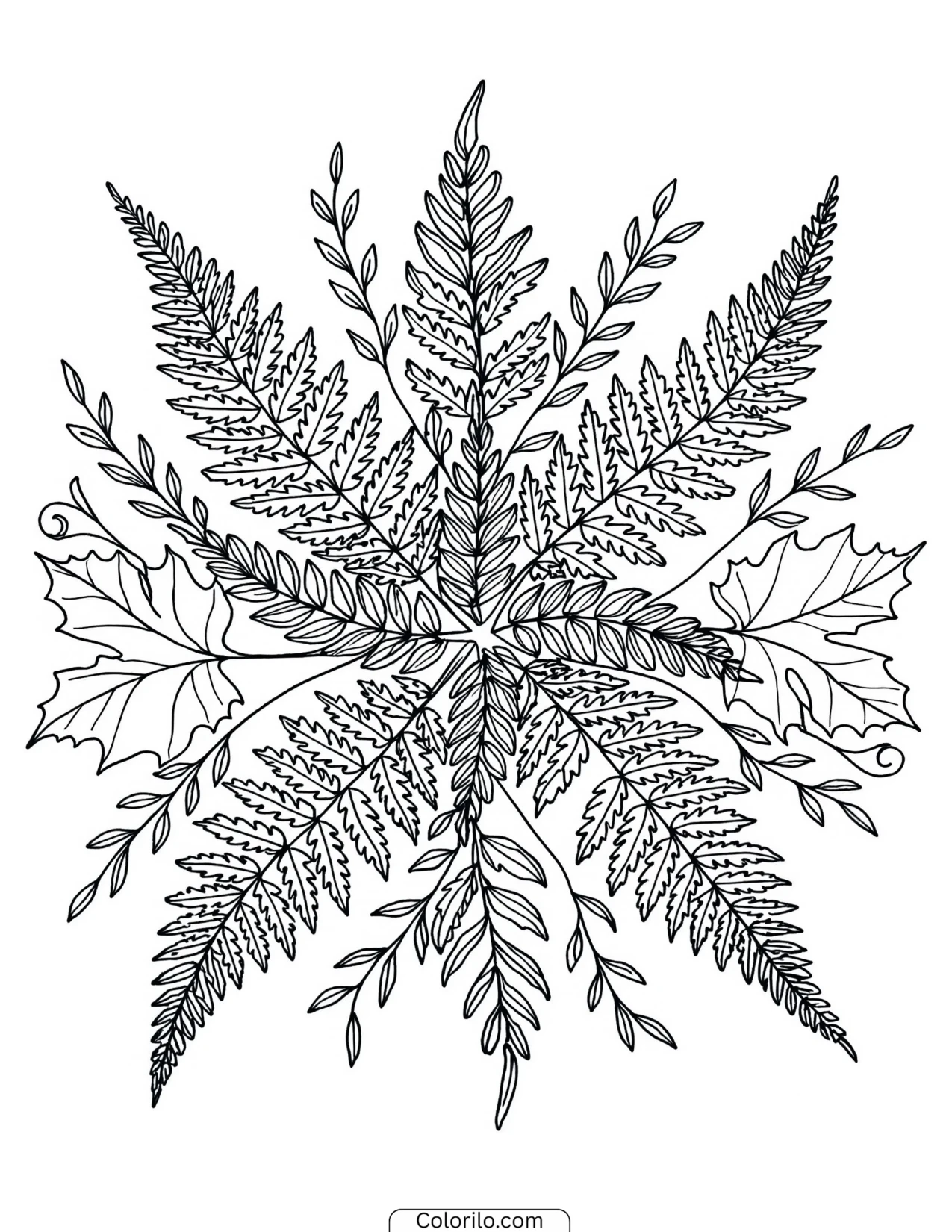
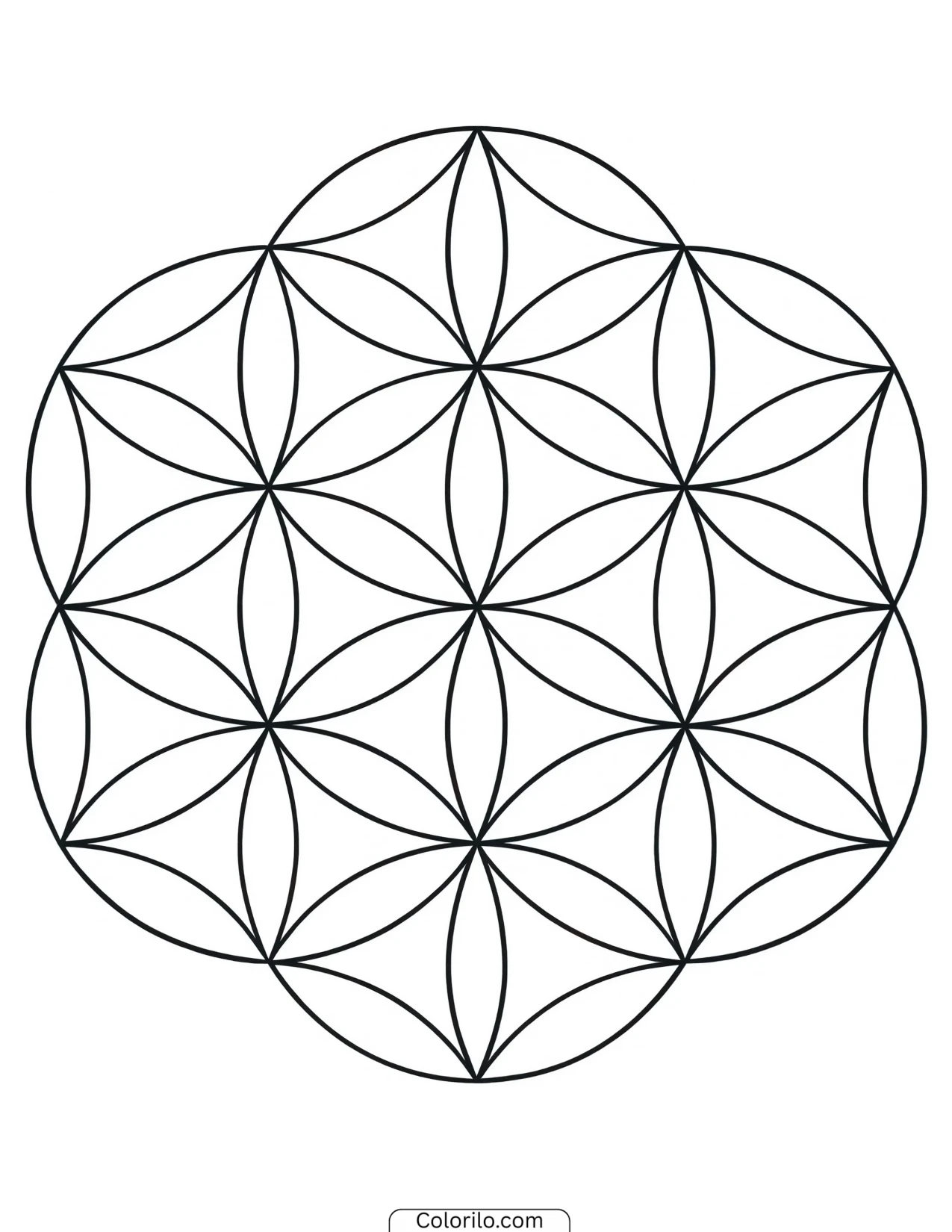
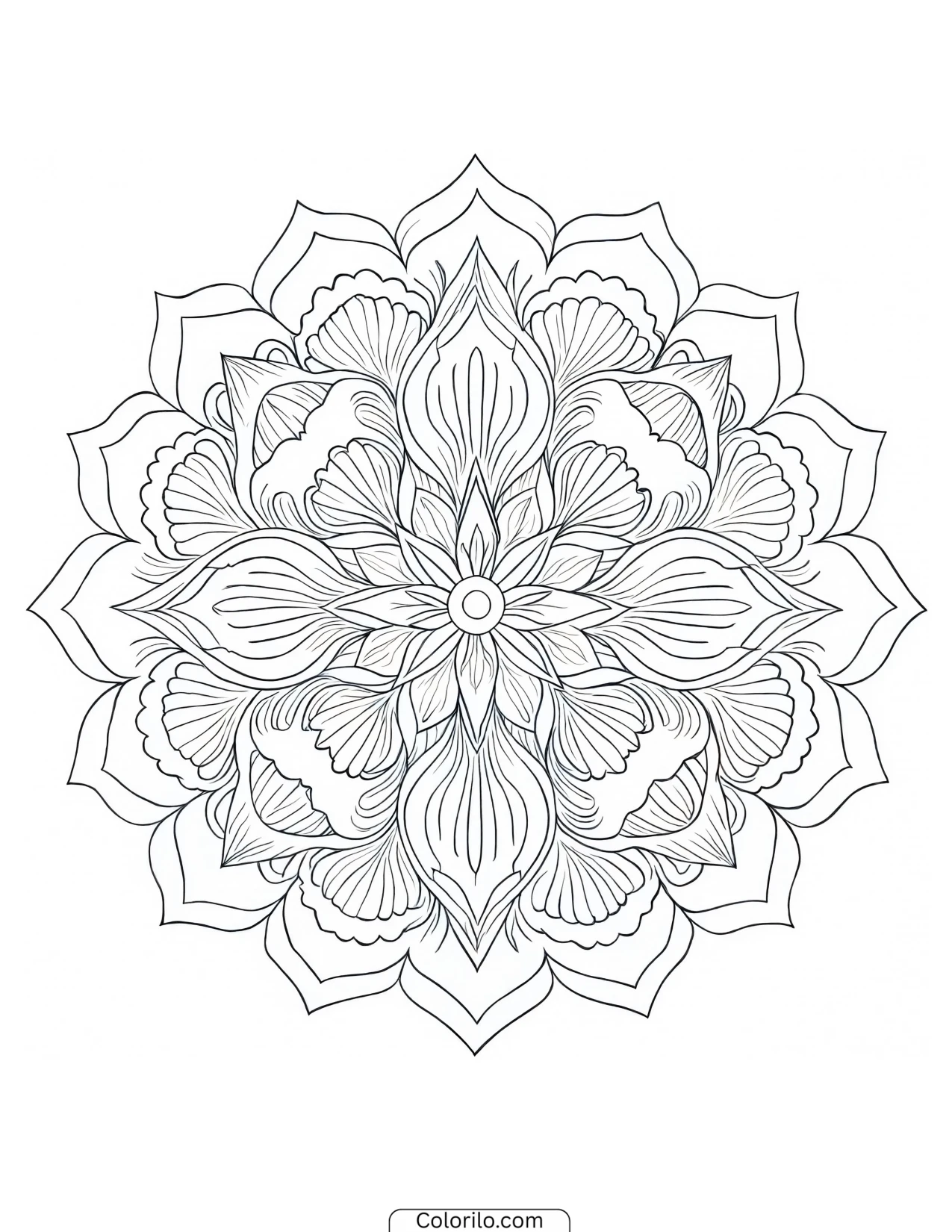
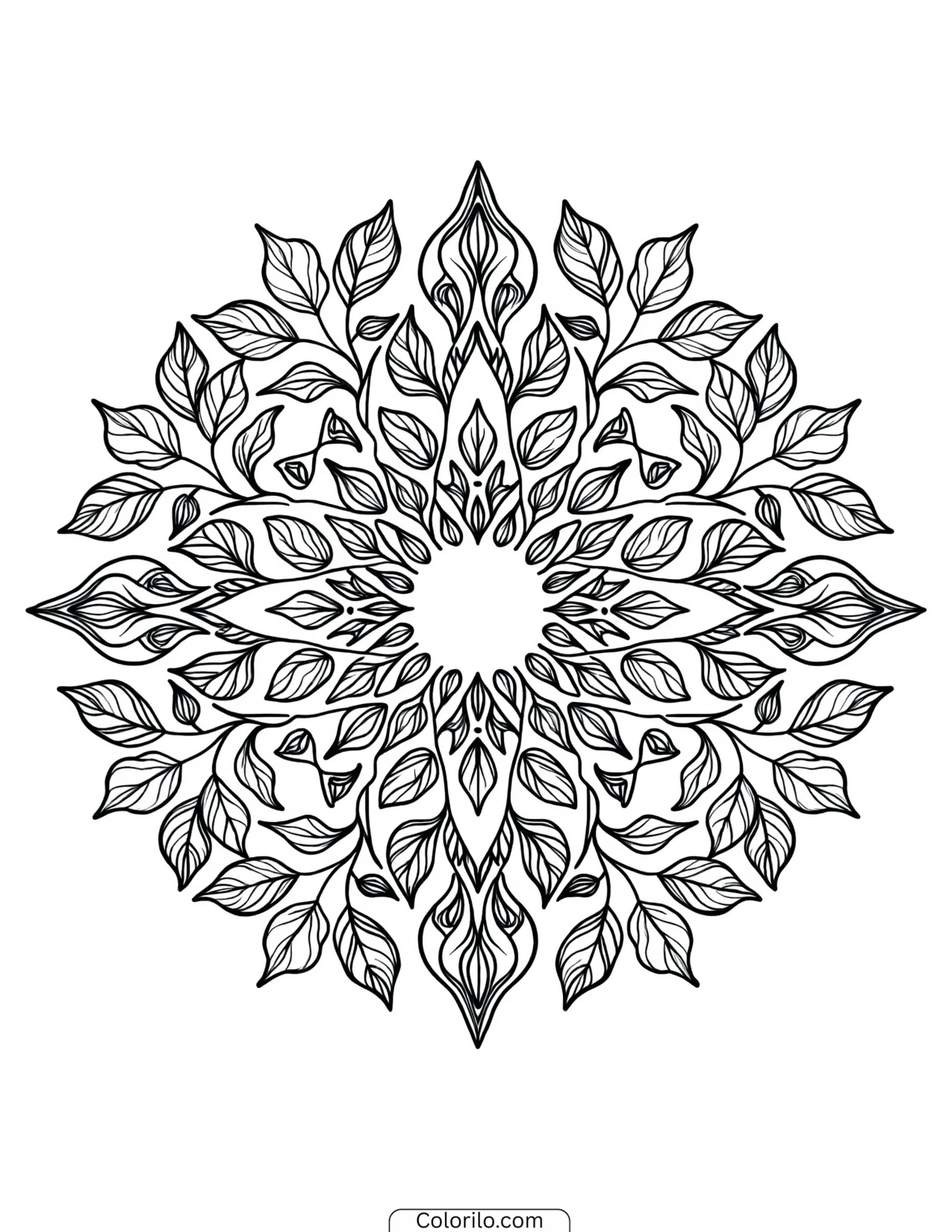
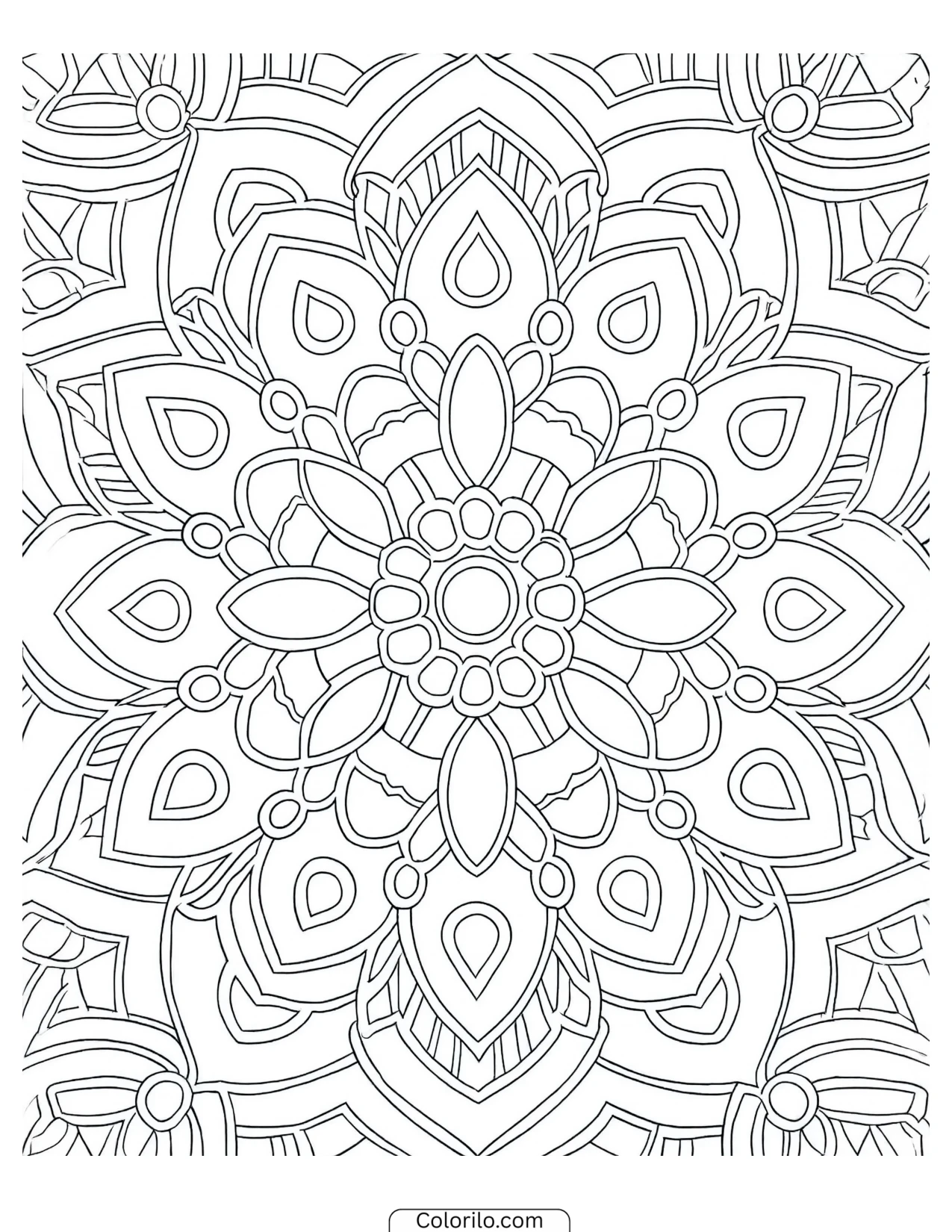
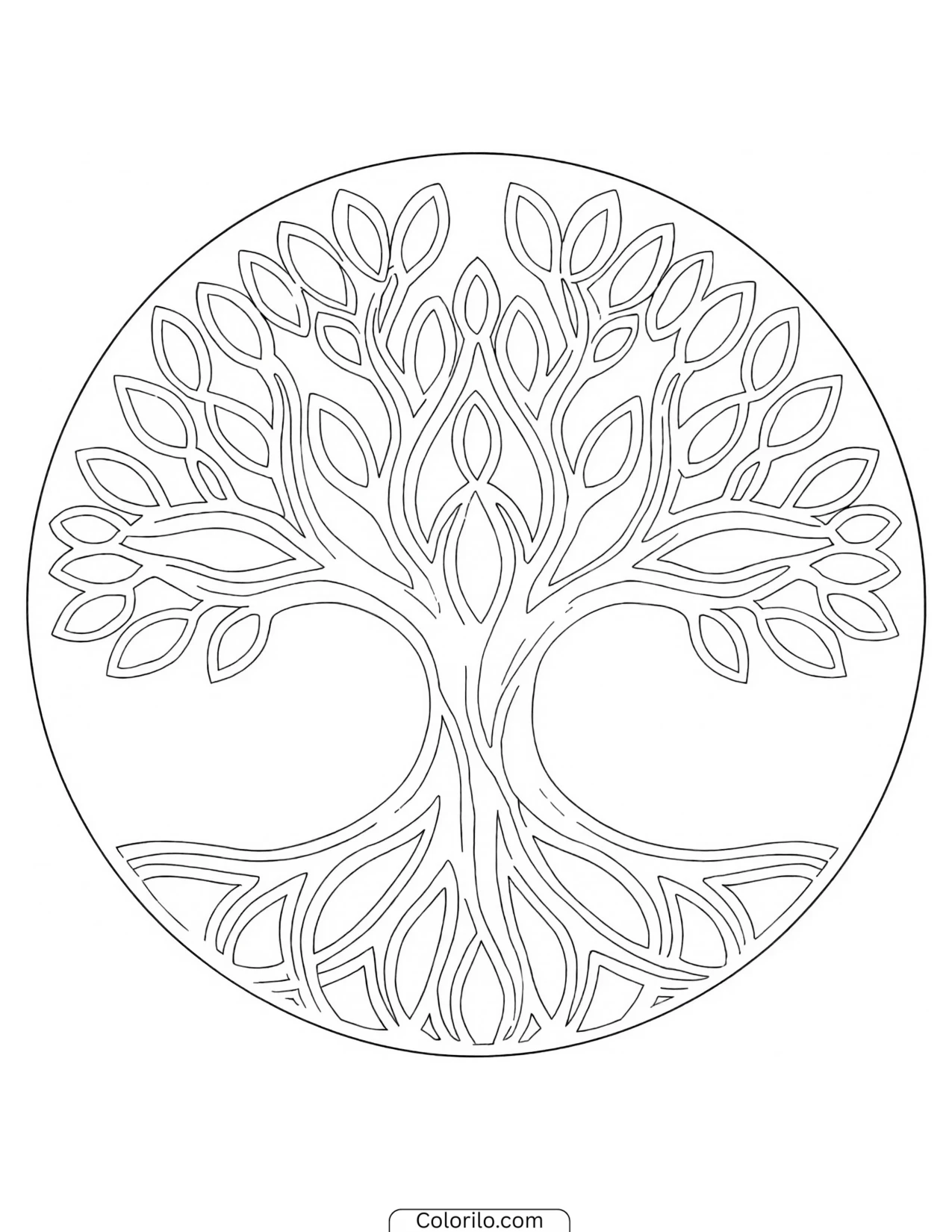
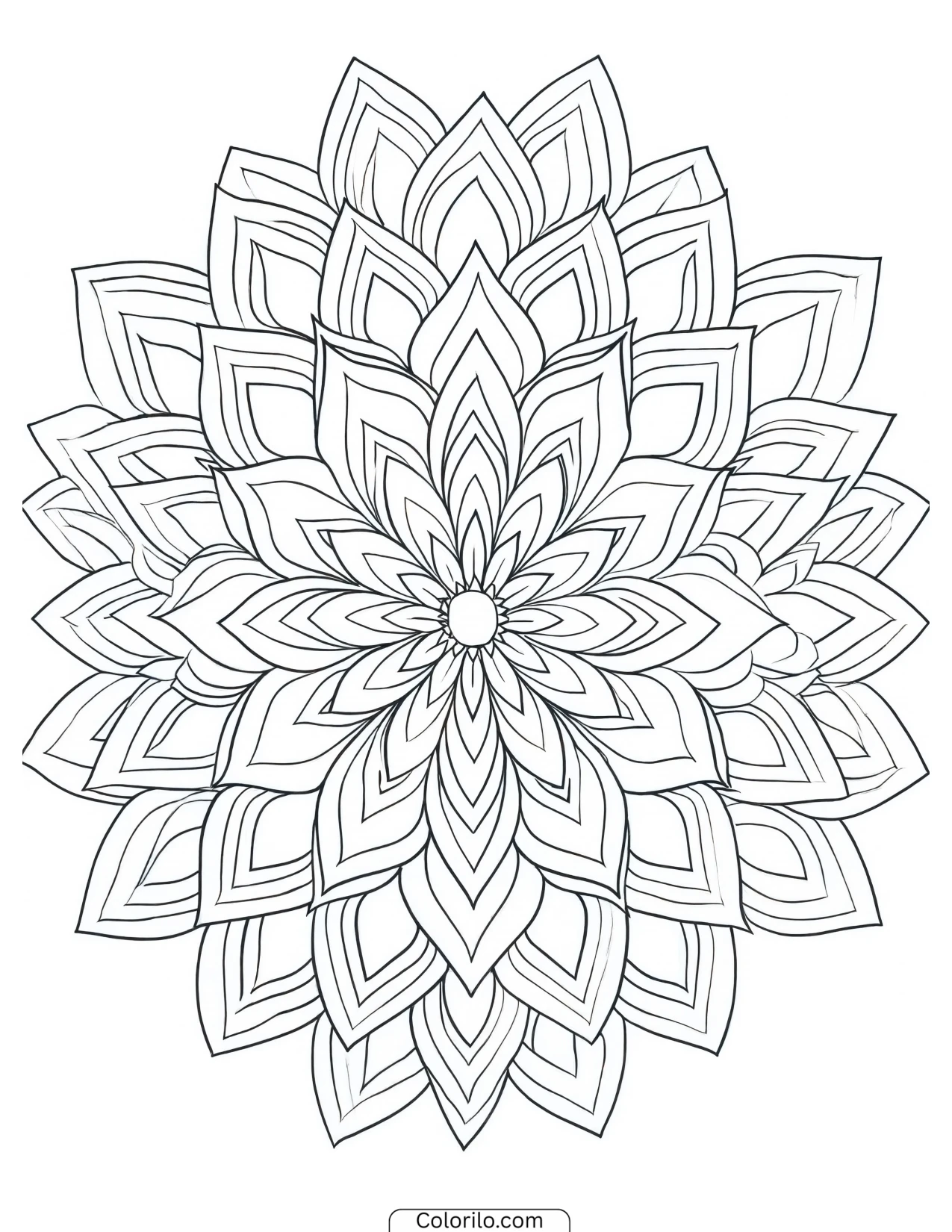
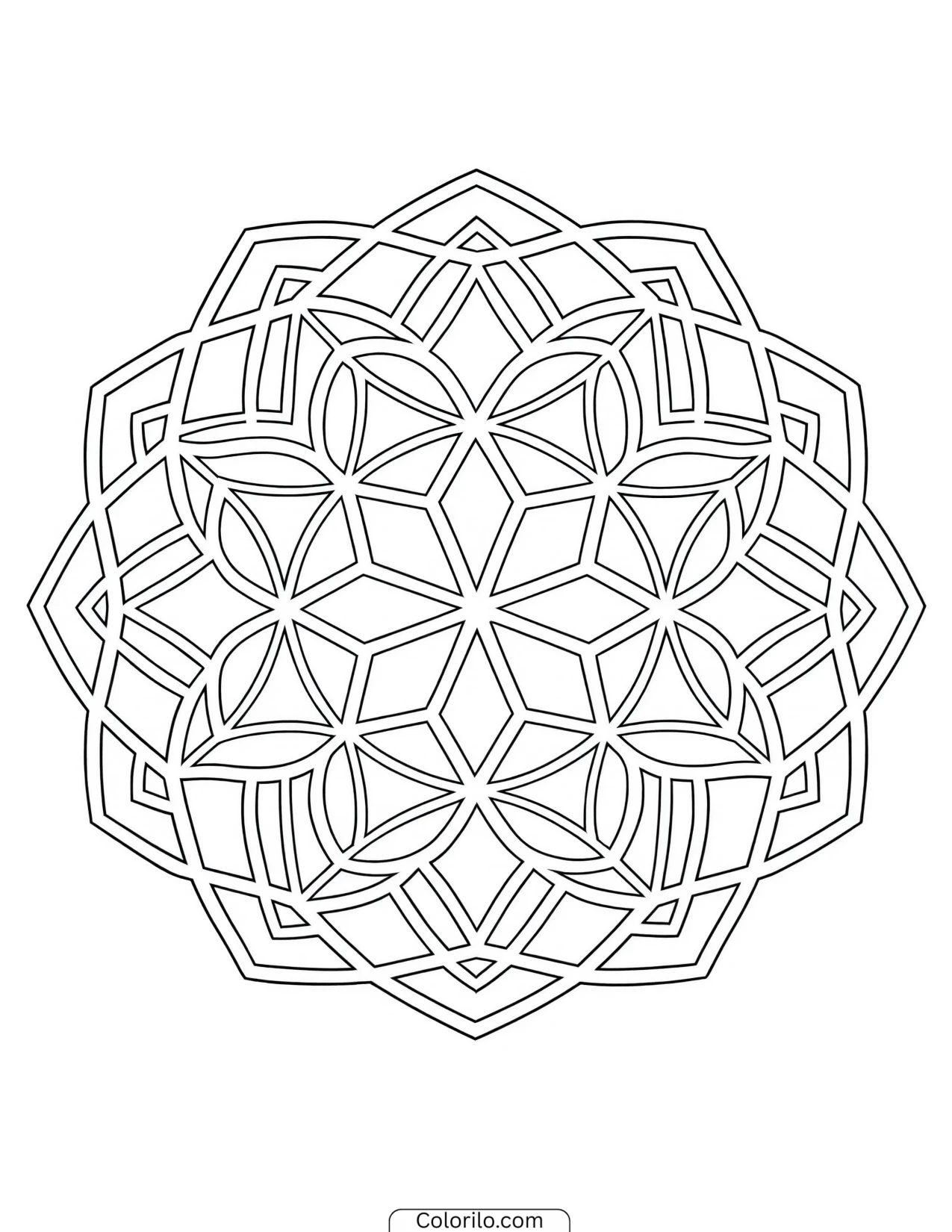
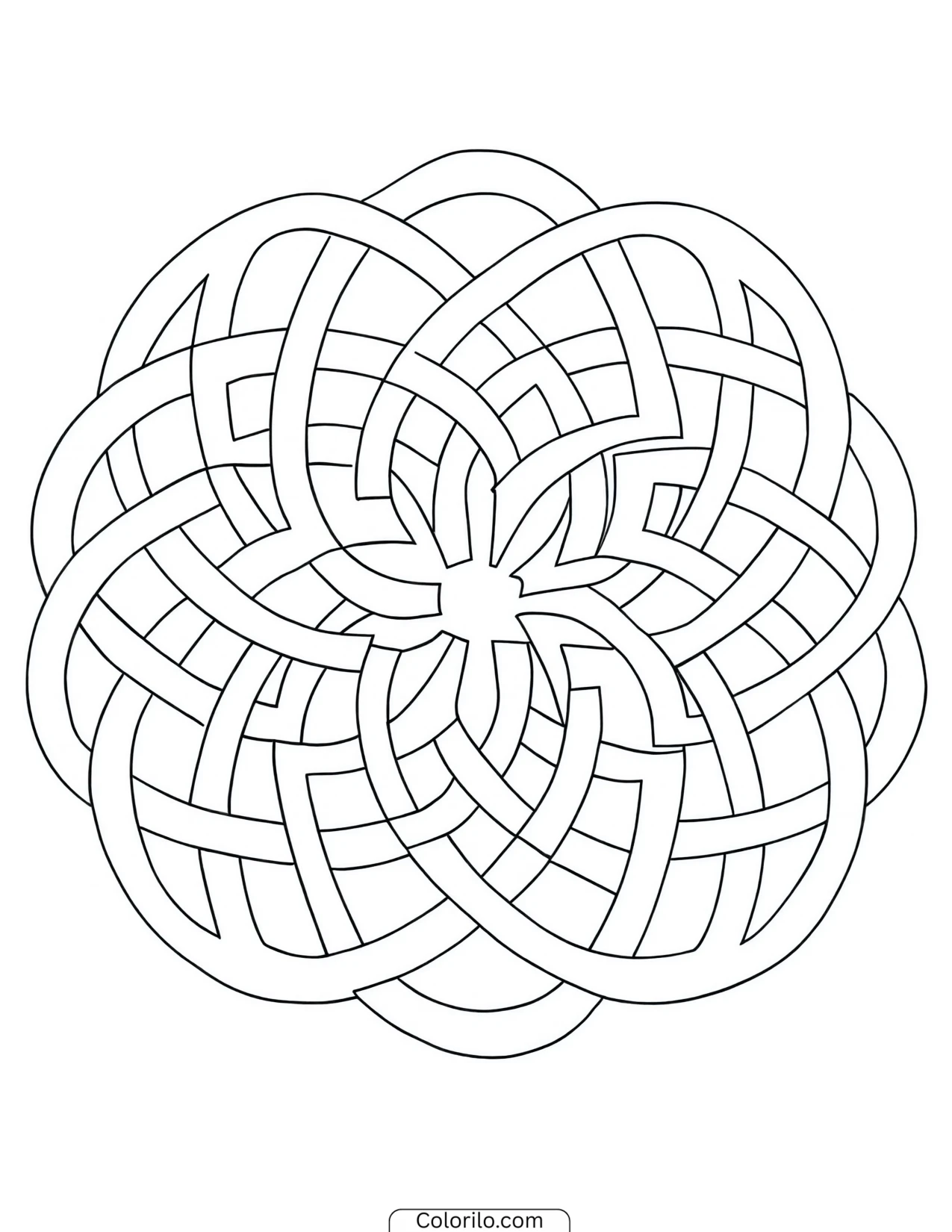
The Patterns in This Collection
Lotus
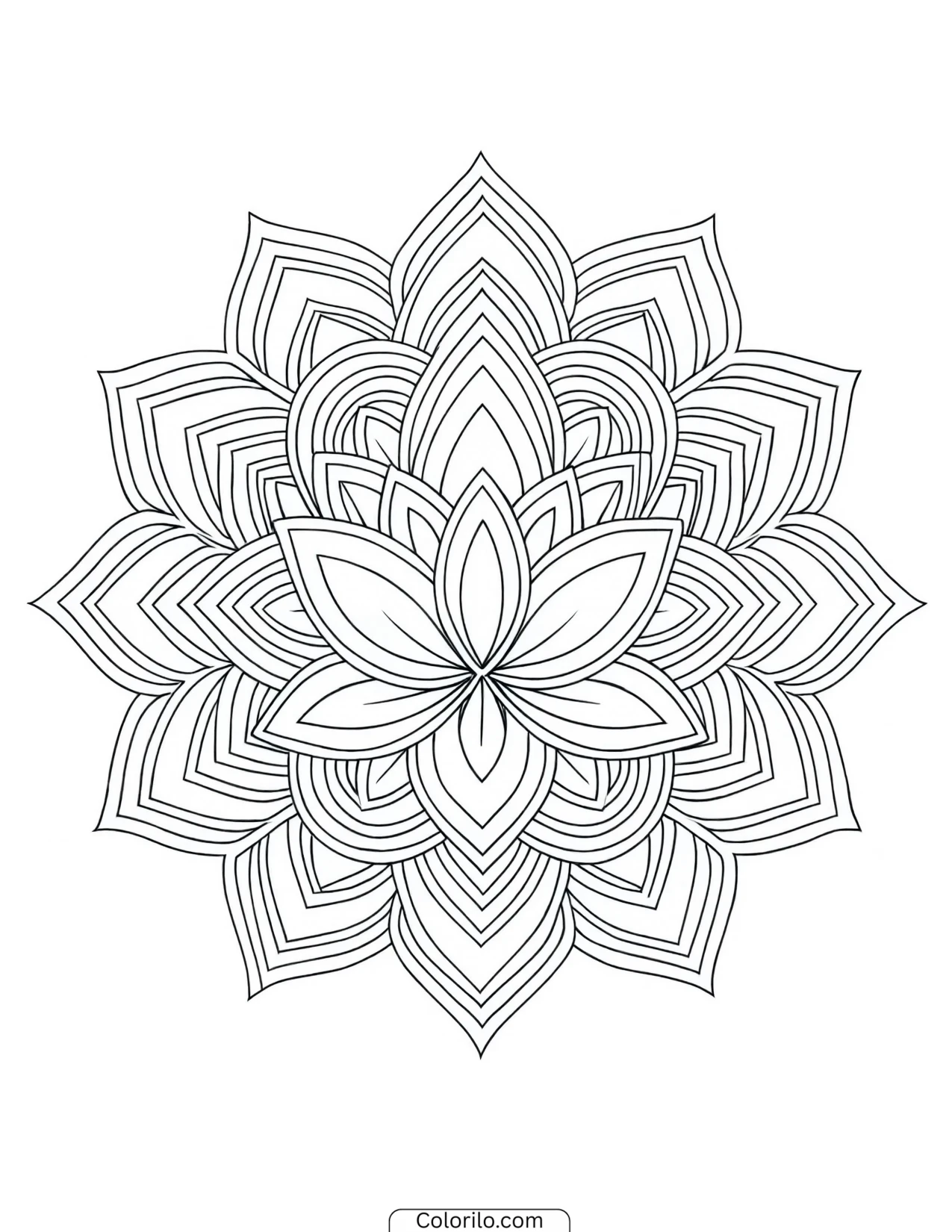
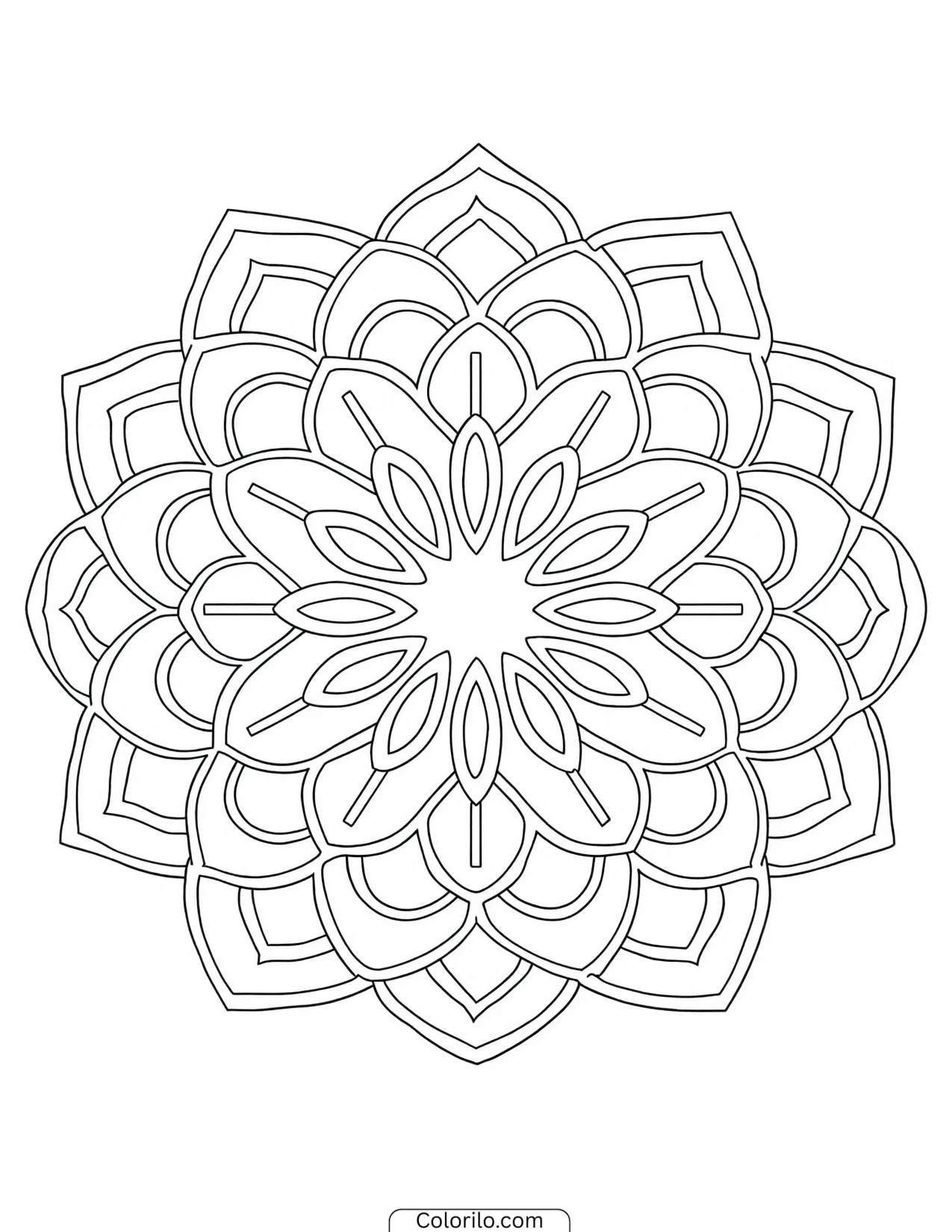
Six designs. The lotus grows out of muddy water and opens clean above it, which is why it carries associations with clarity emerging from difficulty across Buddhist and Hindu traditions. Visually it gives you nested layers of petals, which makes it one of the most forgiving patterns to shade, each ring can take a slightly different tone without the whole thing looking busy.
Flower of Life
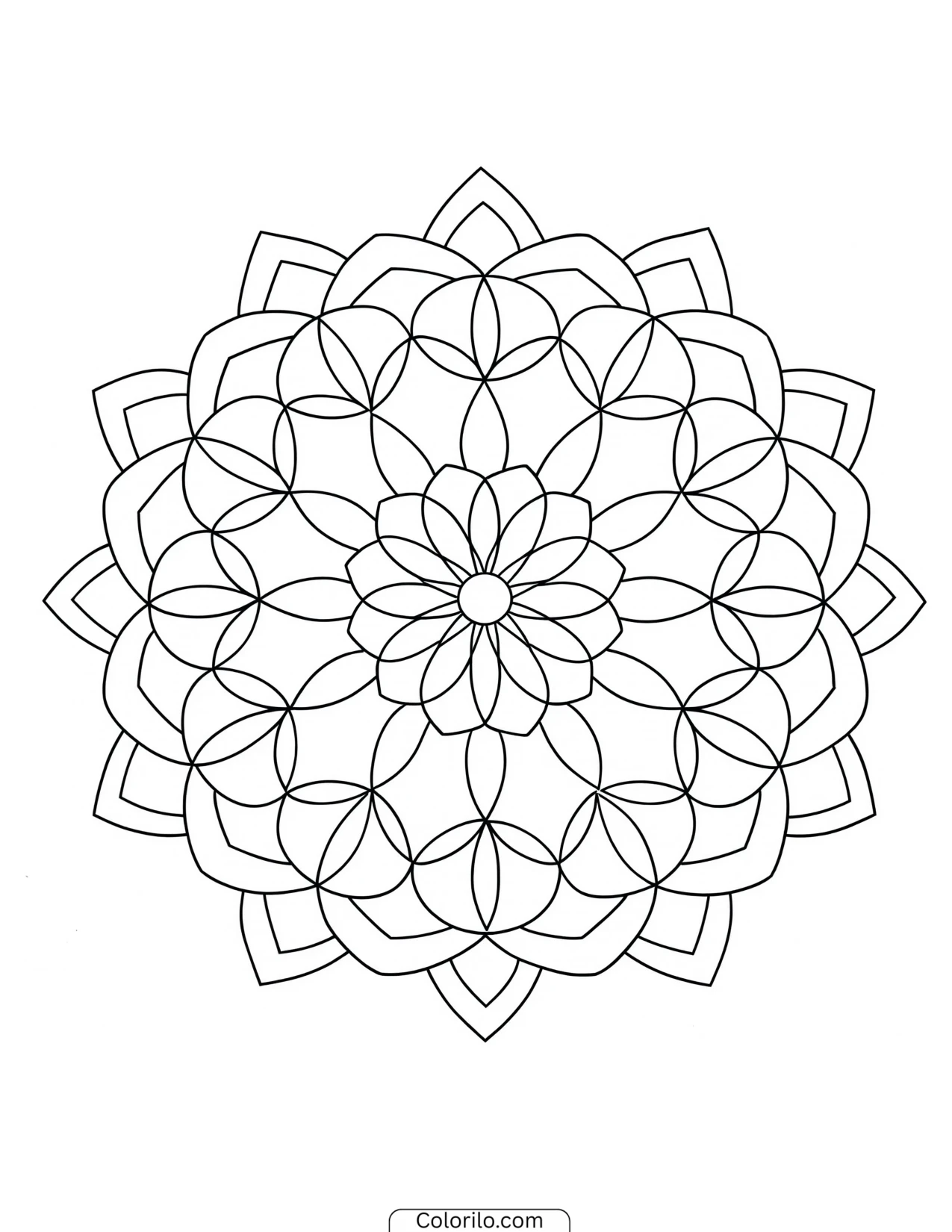
Four designs. A grid of evenly overlapping circles, found carved into surfaces at sites across the ancient world, including the Temple of Osiris at Abydos in Egypt. Because every circle intersects its neighbours, the overlaps create their own shapes, and how you color those intersections changes the pattern you see. Worth doing twice with different choices.
Celtic knots
Two designs, plus the Tree of Life. Knotwork comes from insular manuscript art, the Book of Kells being the famous example, and is built from a single unbroken line that weaves over and under itself. Coloring the strand as one continuous path rather than filling shapes is the traditional approach, and much more satisfying than it sounds.
Snowflakes
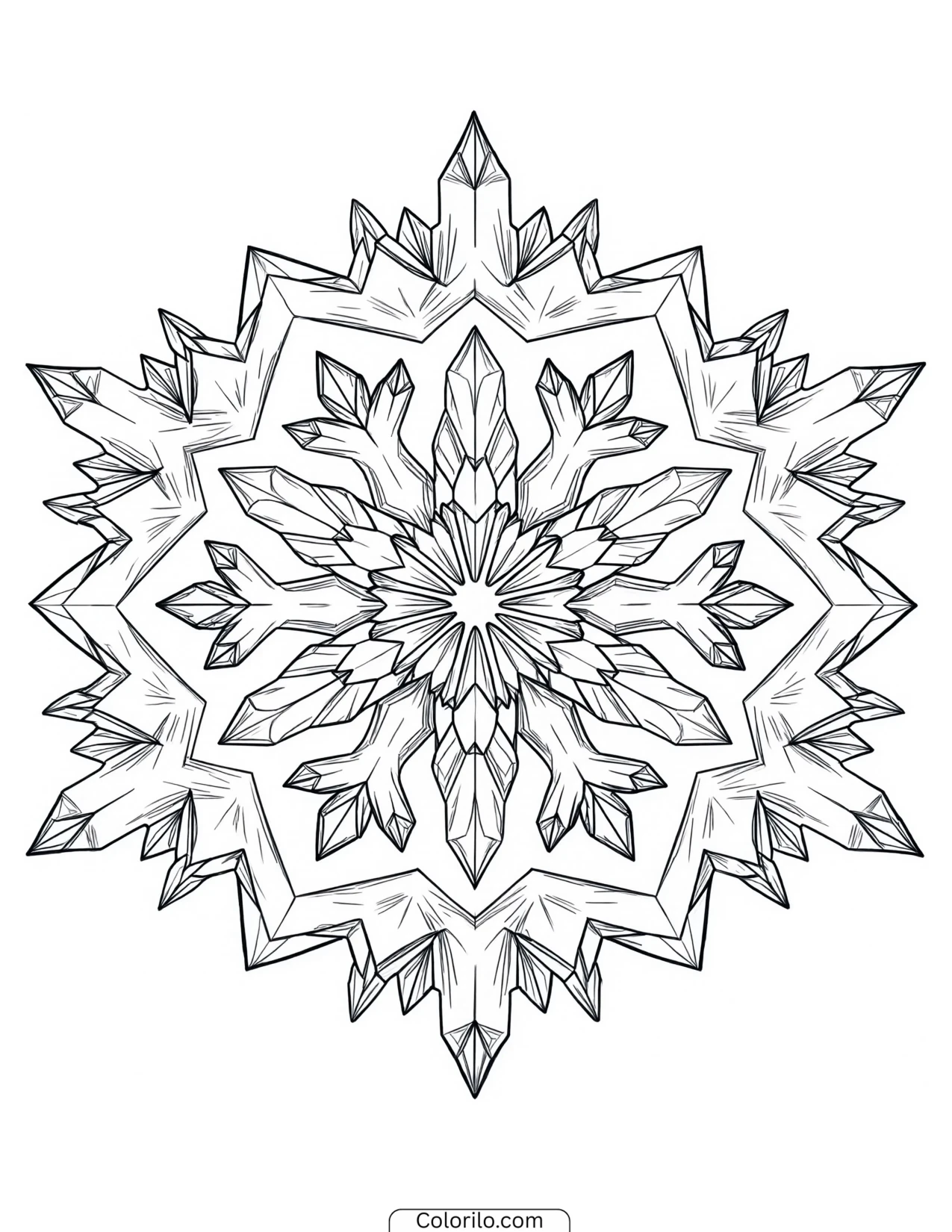
Five designs, including crystal, fern-leaf, and diamond variants. Real snowflakes have six-fold symmetry because of how water molecules bond, which is why the six-branch design here reads as more convincing than the eight-point one. These stay useful past winter; they’re just radial patterns.
Peacock feather
Two designs. The eye of a peacock feather is a natural mandala already, concentric rings of color around a centre. These are the pages to reach for if you want to use blues and greens without deciding anything else.
Henna and filigree
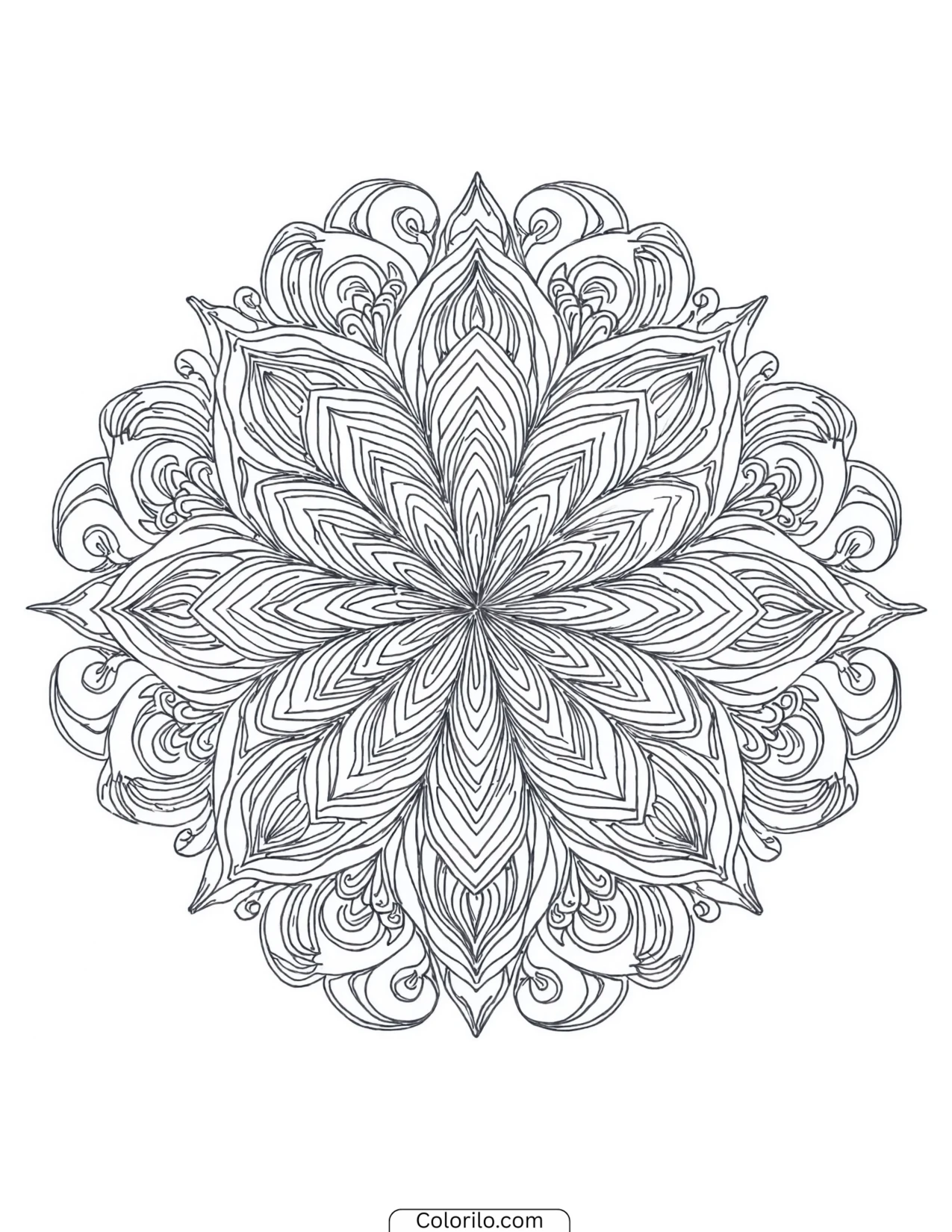
The dotted henna flower and the orchid filigree draw on mehndi, the tradition of painting temporary designs on hands and feet. Both rely on very fine linework and dense small detail, which is why they take considerably longer than their size suggests.
Dahlia and chrysanthemum
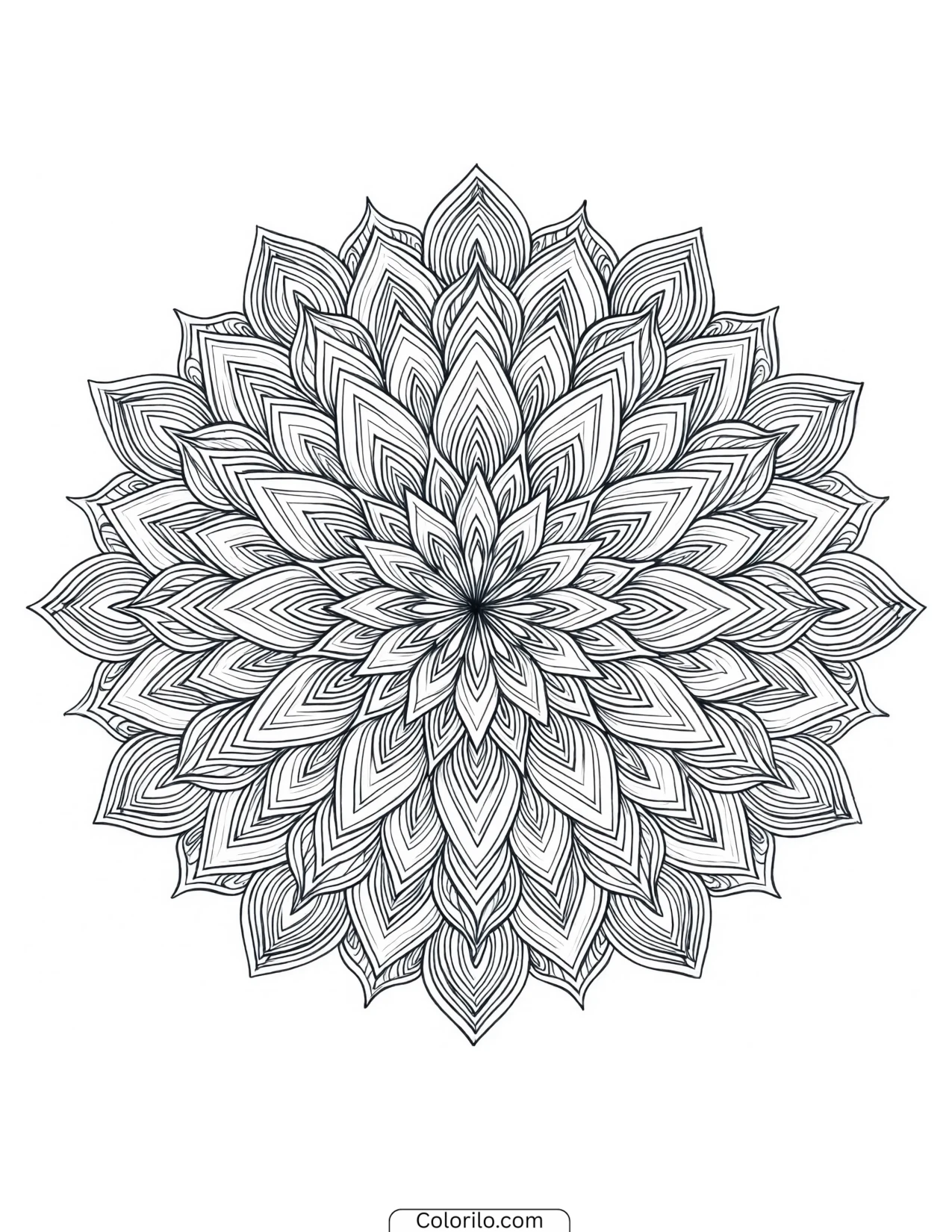
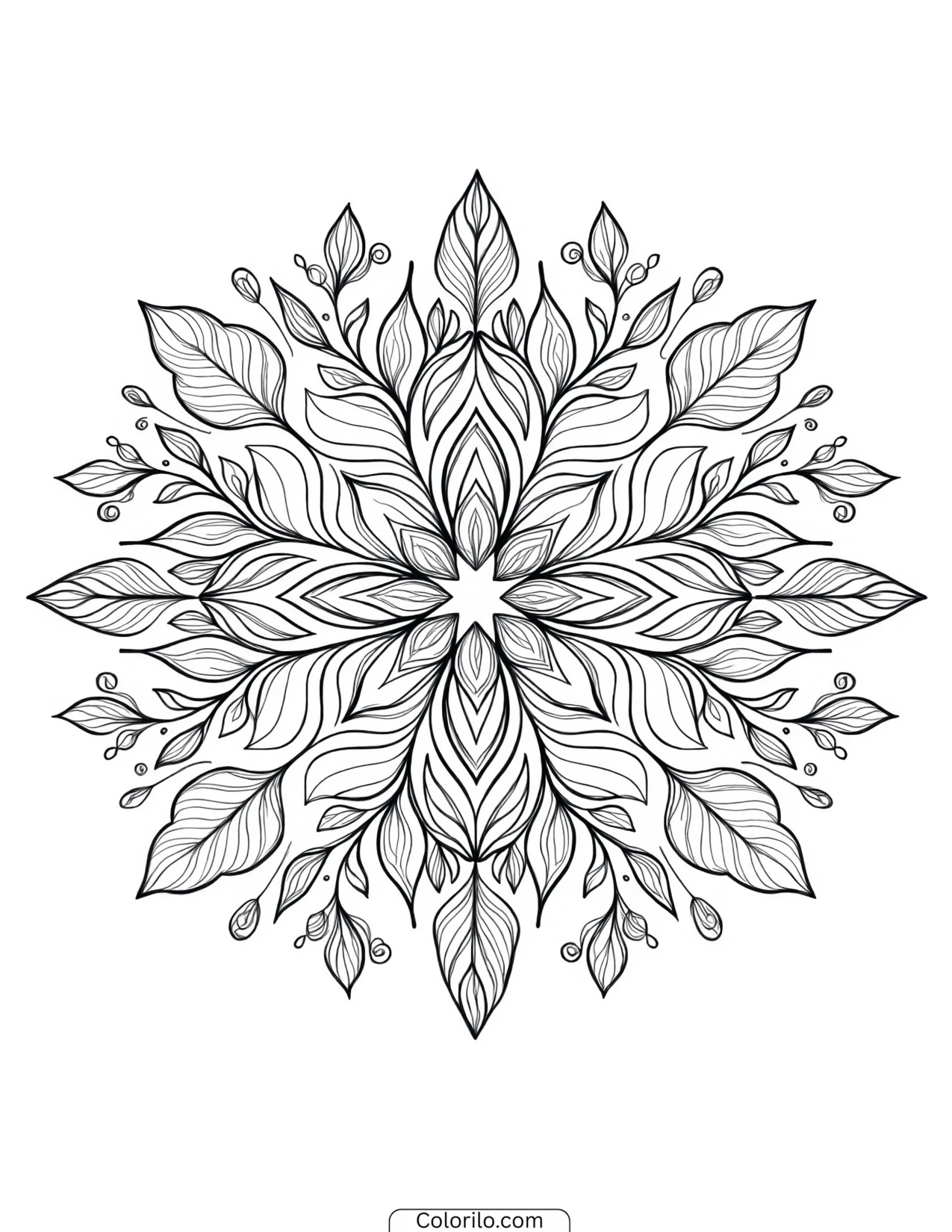
Flower structures with dozens of narrow overlapping petals. These are the closest thing here to a technical exercise: the petals are too many to color individually with any variety, so they push you toward gradients.
Geometric
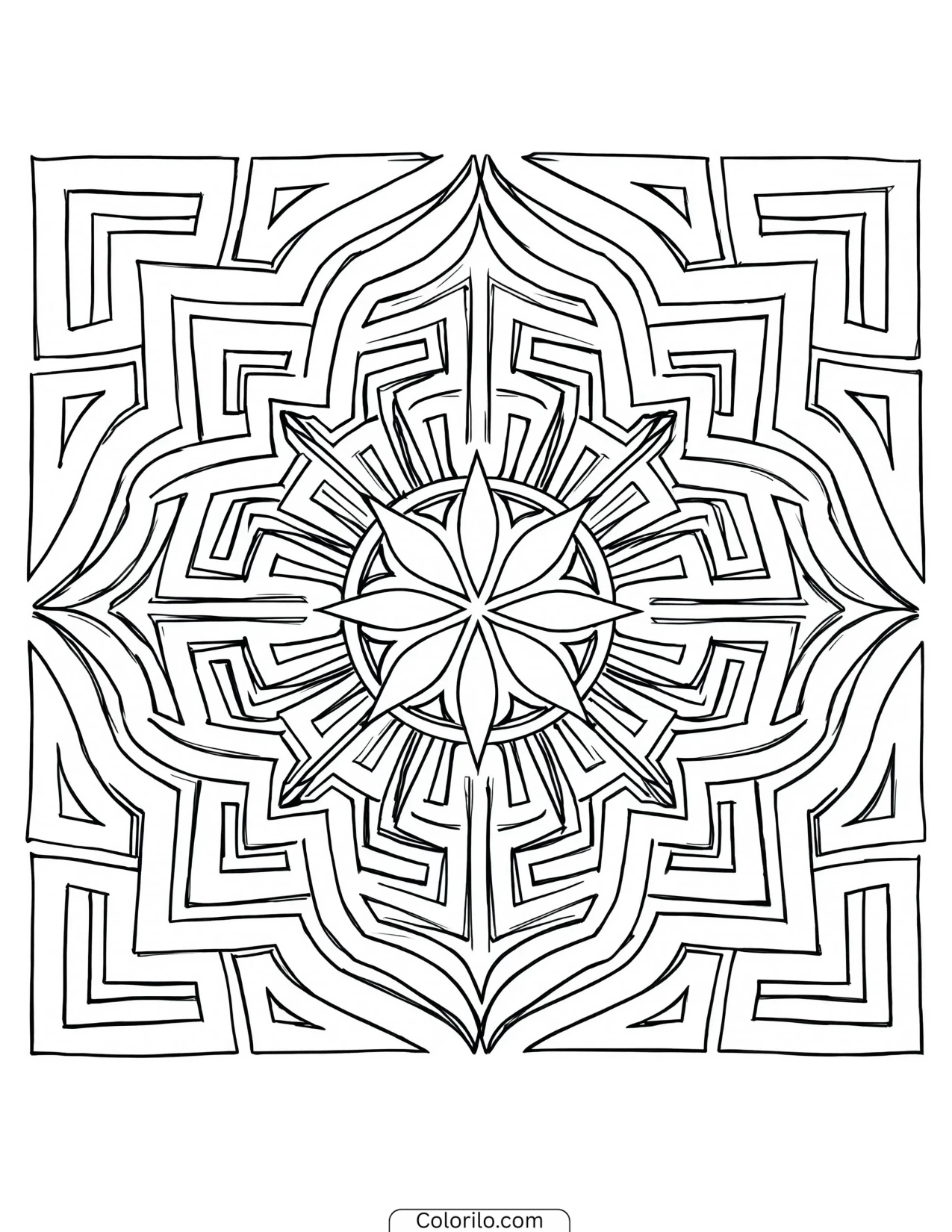
Chevrons, zigzags, interlaced stars, the labyrinth square. No symbolic content, just structure. These suit anyone who finds floral patterns fussy, and they take flat blocks of color better than the organic designs do.
Getting Better Results
Work from the centre outward. The middle sections are smallest and hardest to reach once your hand is resting on finished areas. Starting there also lets the palette establish itself before you commit to the large outer rings.
Decide your palette before the first mark. Three or four colors plus their lighter tints will read as more considered than fifteen colors used once each. Mandalas expose indecision more than figurative pages do, because the symmetry makes inconsistency visible.
Mirror across the symmetry, don’t randomize. If a section is one color, the section opposite should usually match. The pattern is doing the work; fighting it produces noise.
Colored pencils over markers for the dense pages. The chrysanthemum, the filigree, and the layered daisy have segments too narrow for a marker tip, and bleeding across a line is much more obvious in a symmetrical design than a scattered one.
Rotate the page as you go. Turning the sheet so you’re always drawing toward yourself gives better control on curves, the same reason it’s easier to write on a straight line than at an angle.
Don’t finish in one sitting. The dense mandala coloring pages here reward returning with fresh eyes. Fatigue tends to show up as rushed outer rings.
Frequently Asked Questions
Are these mandala coloring pages really free?
Yes, all 47 are free to download and print. Click any design to open the PDF. No account, no email, no payment.
Are these suitable for children?
Some are. The bolder geometric designs and the simpler flower mandalas work well for children around eight and up. The dense filigree and layered petal pages are aimed at teenagers and adults, a younger child will usually lose patience before finishing.
What does “mandala” actually mean?
It comes from Sanskrit, roughly translating as “circle.” In Hindu and Buddhist practice, mandalas are used as aids to meditation and as representations of the cosmos, and Tibetan monks build elaborate ones from colored sand only to dismantle them when finished. The coloring-book form is a modern secular descendant of that much older tradition.
Why is mandala coloring recommended for stress?
Research on this is genuinely mixed, and claims are often overstated. Some studies have found that coloring structured mandalas reduces self-reported anxiety more than free drawing does, the leading explanation being that a repetitive task with clear boundaries occupies attention without requiring decisions. It isn’t a treatment for anything, but plenty of people find it settling, which is reason enough.
Can I use these in a classroom or therapy setting?
Yes. They’re free for personal, educational, and clinical use, commonly used as a wind-down activity or alongside mindfulness exercises. Not for resale.
Can I print more than one copy?
As many as you like. Several of these are worth coloring twice with different palettes.
Leave a Reply