
Table of Contents
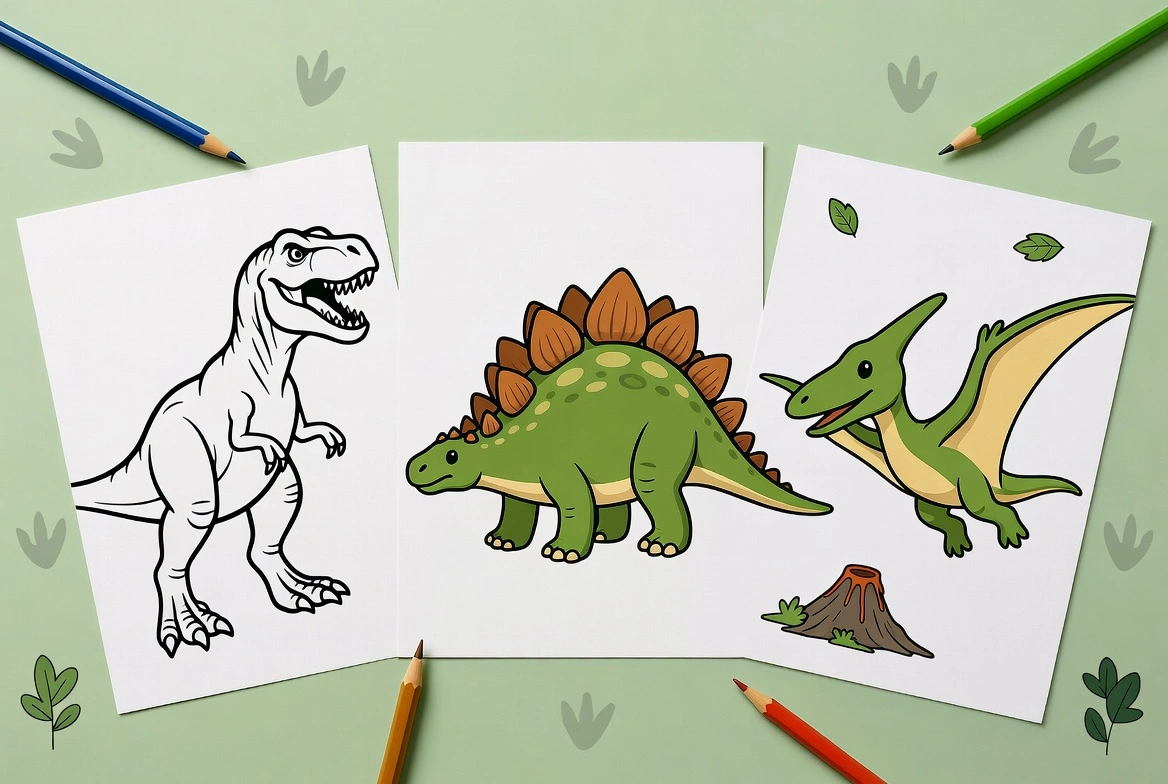
Dinosaurs are the rare subject where a four-year-old and a ten-year-old want the same thing for completely different reasons, one likes the shapes, the other can tell you which period each species lived in. This set of 31 free dinosaur coloring pages tries to serve both, mixing round, friendly cartoon designs with more accurate profiles you could point at in a museum.
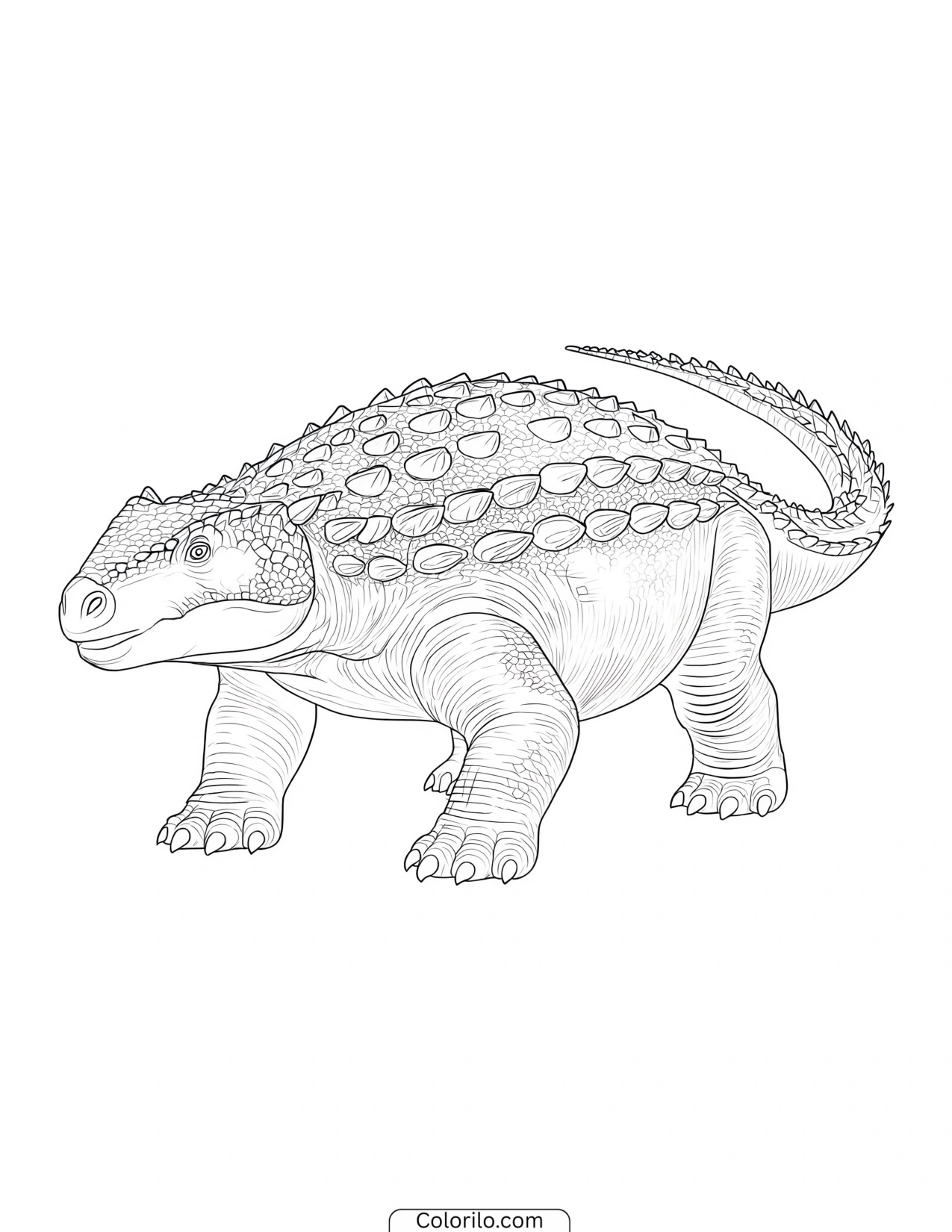
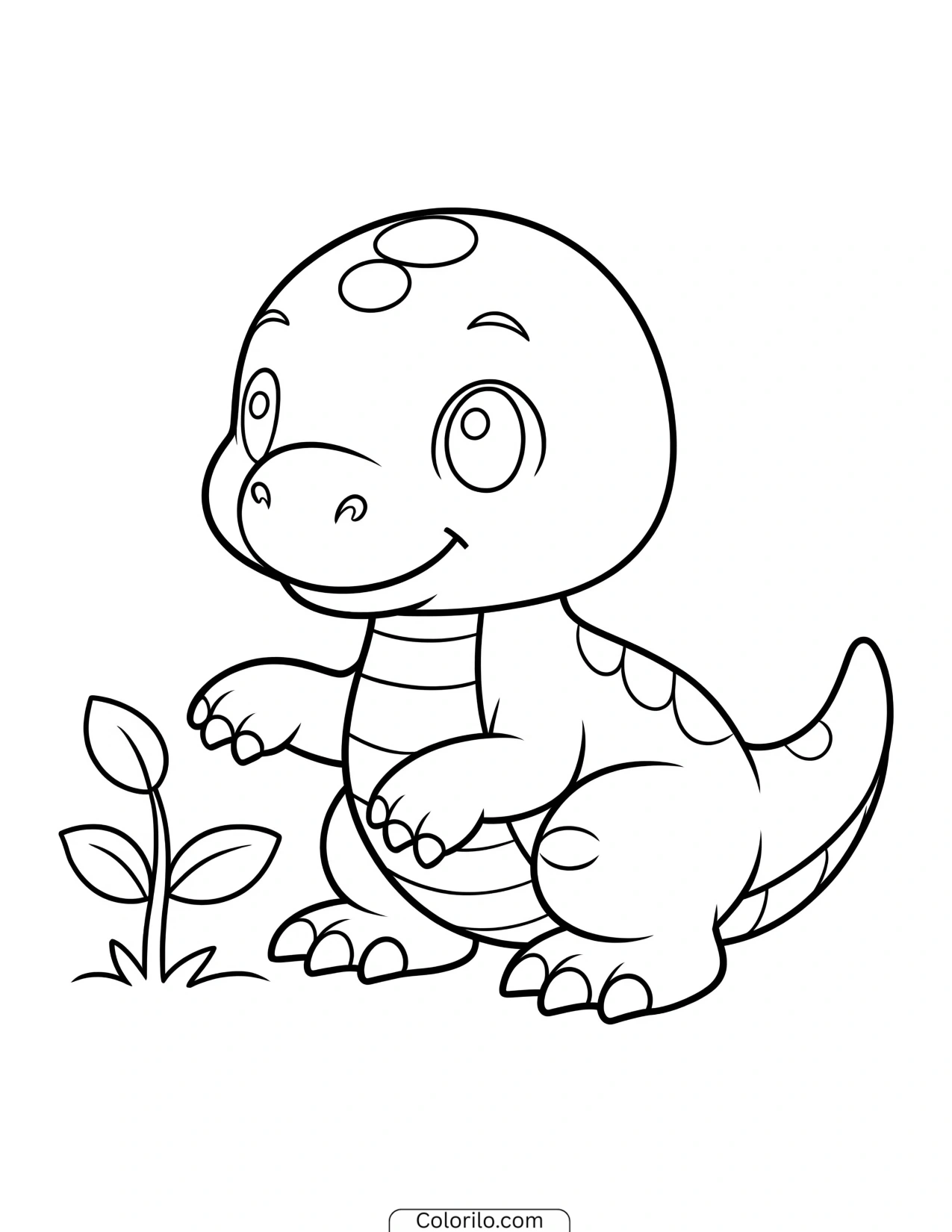
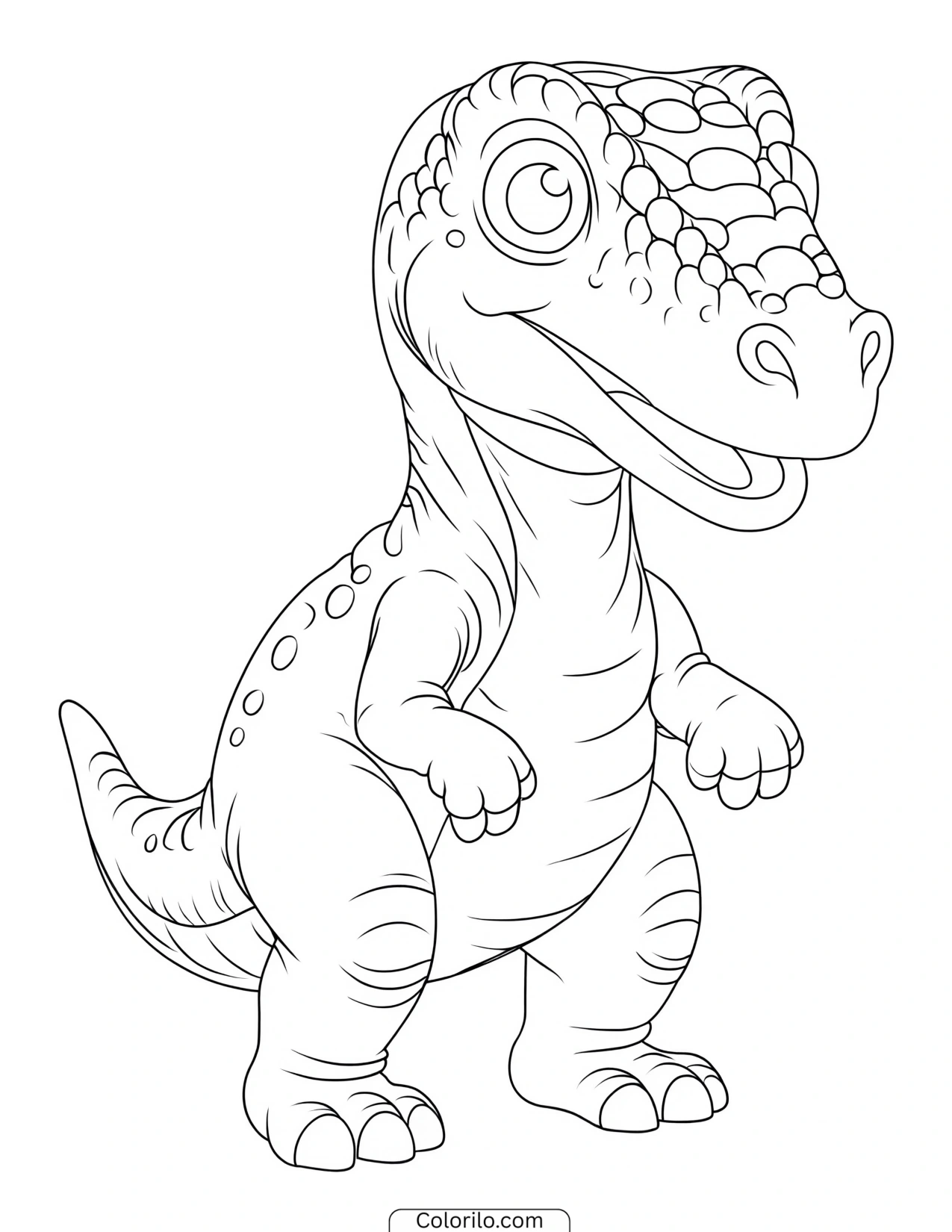
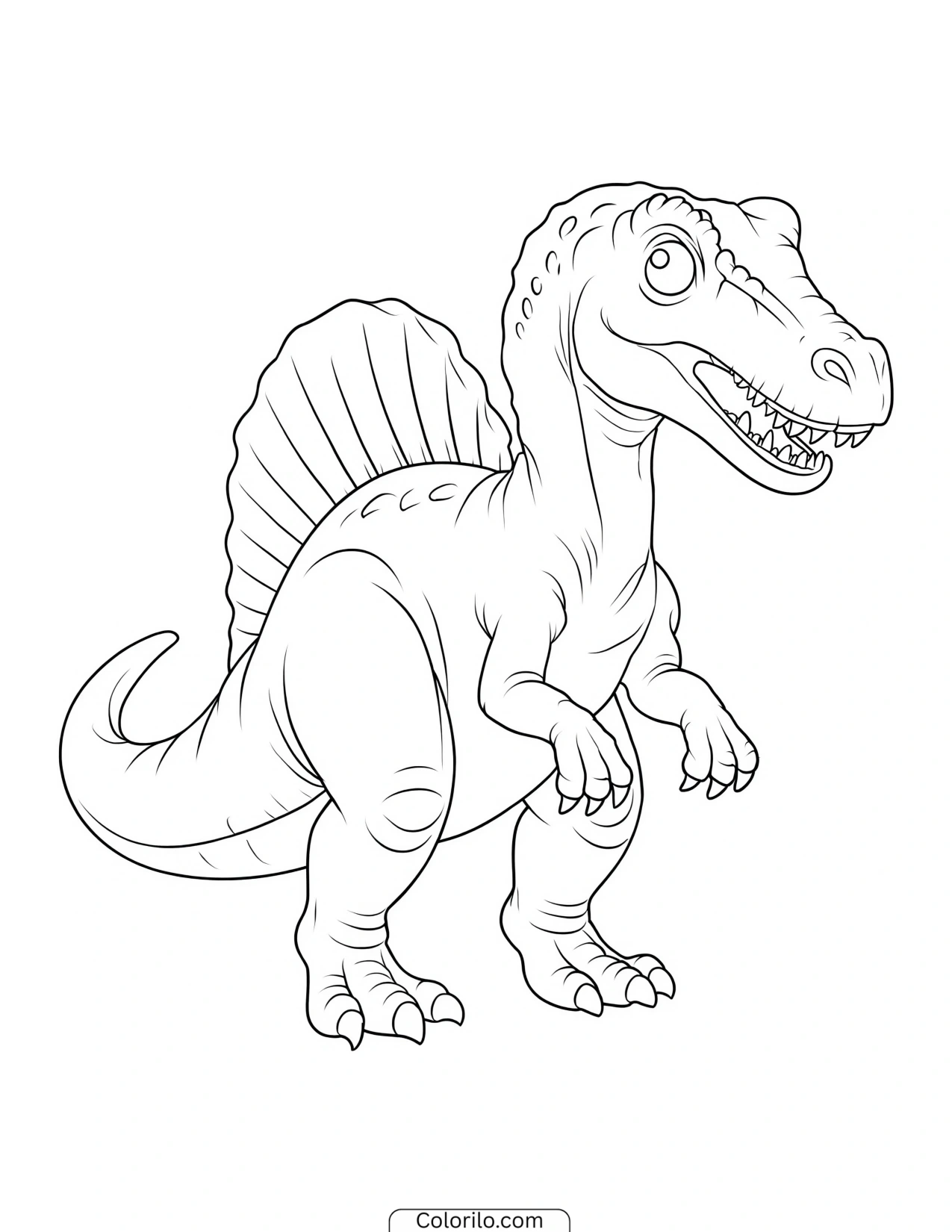
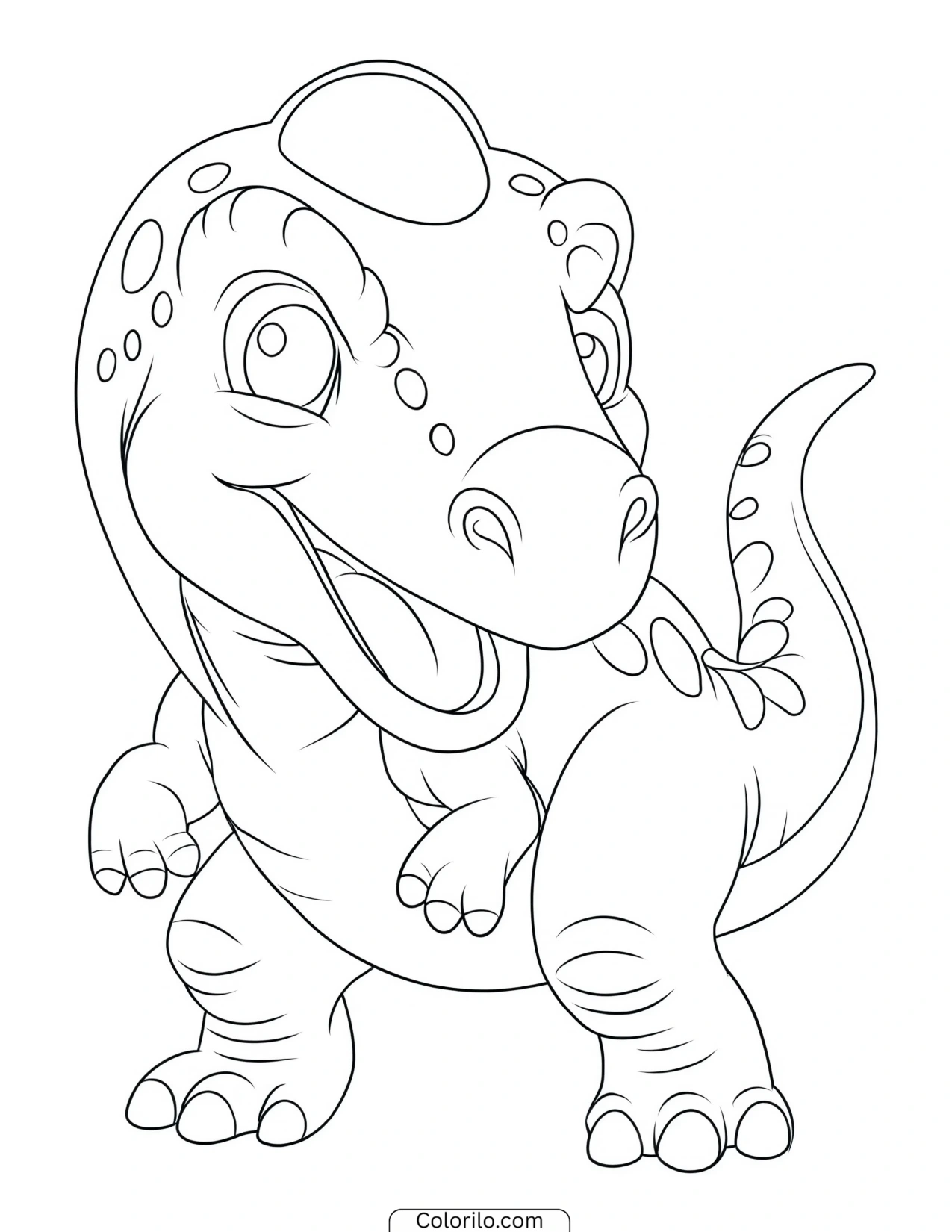
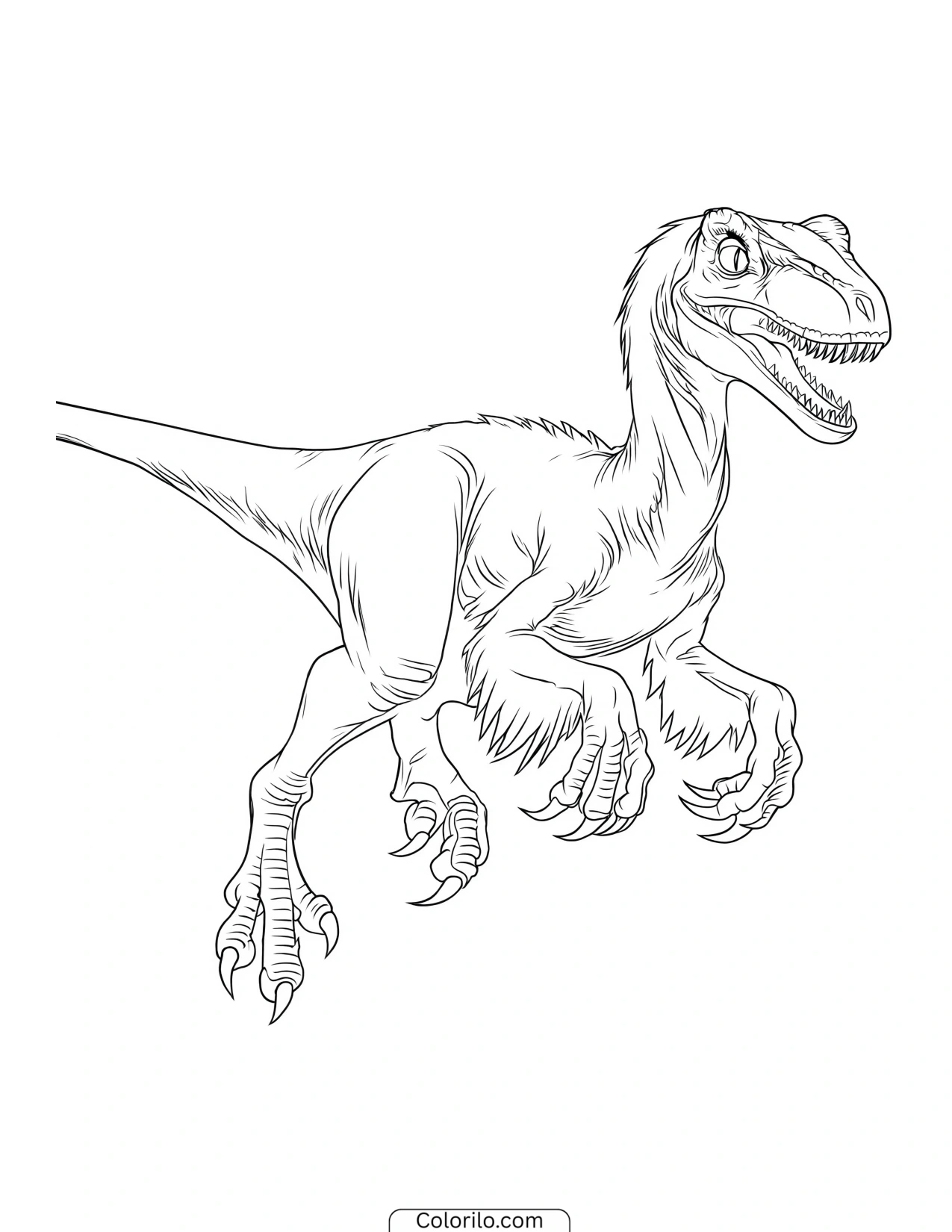
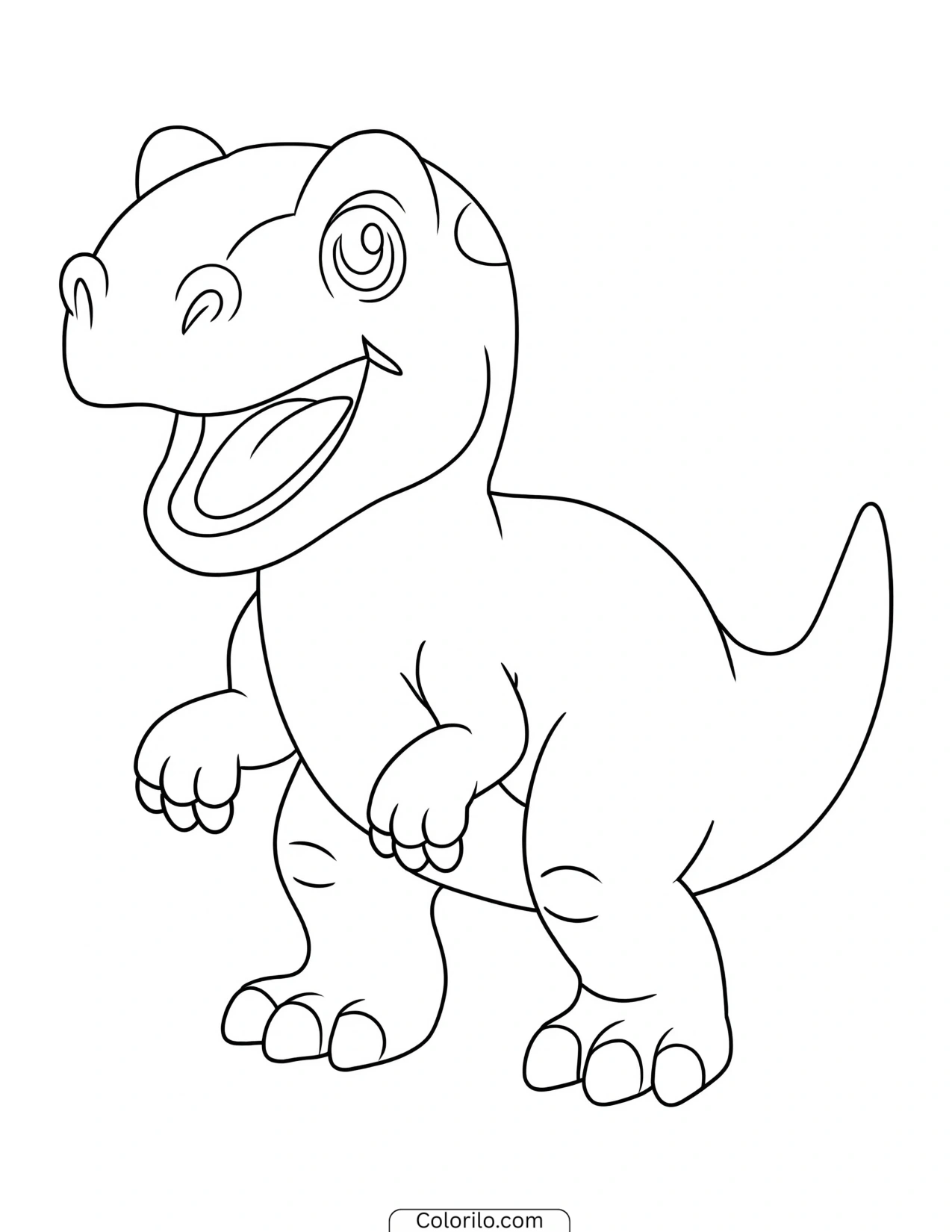
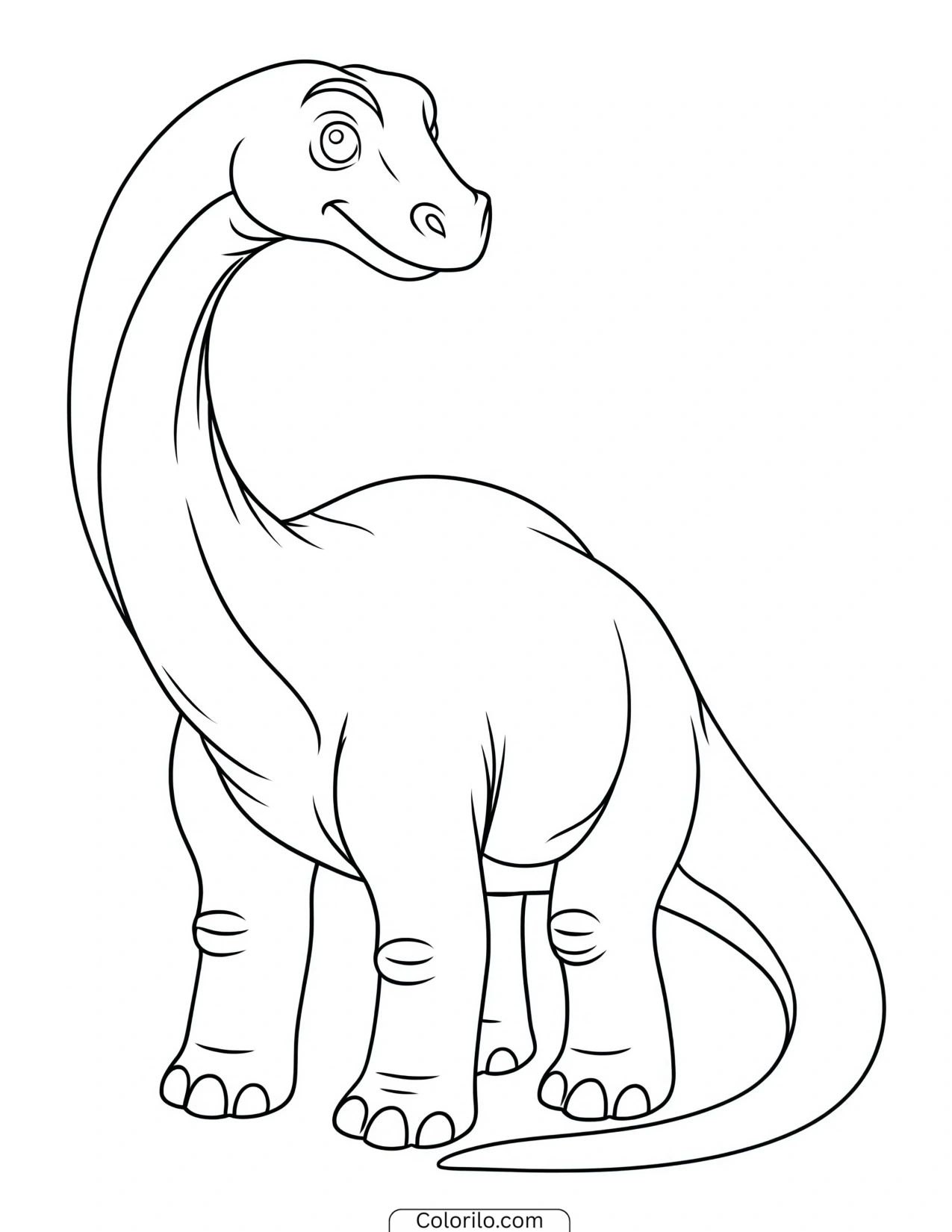
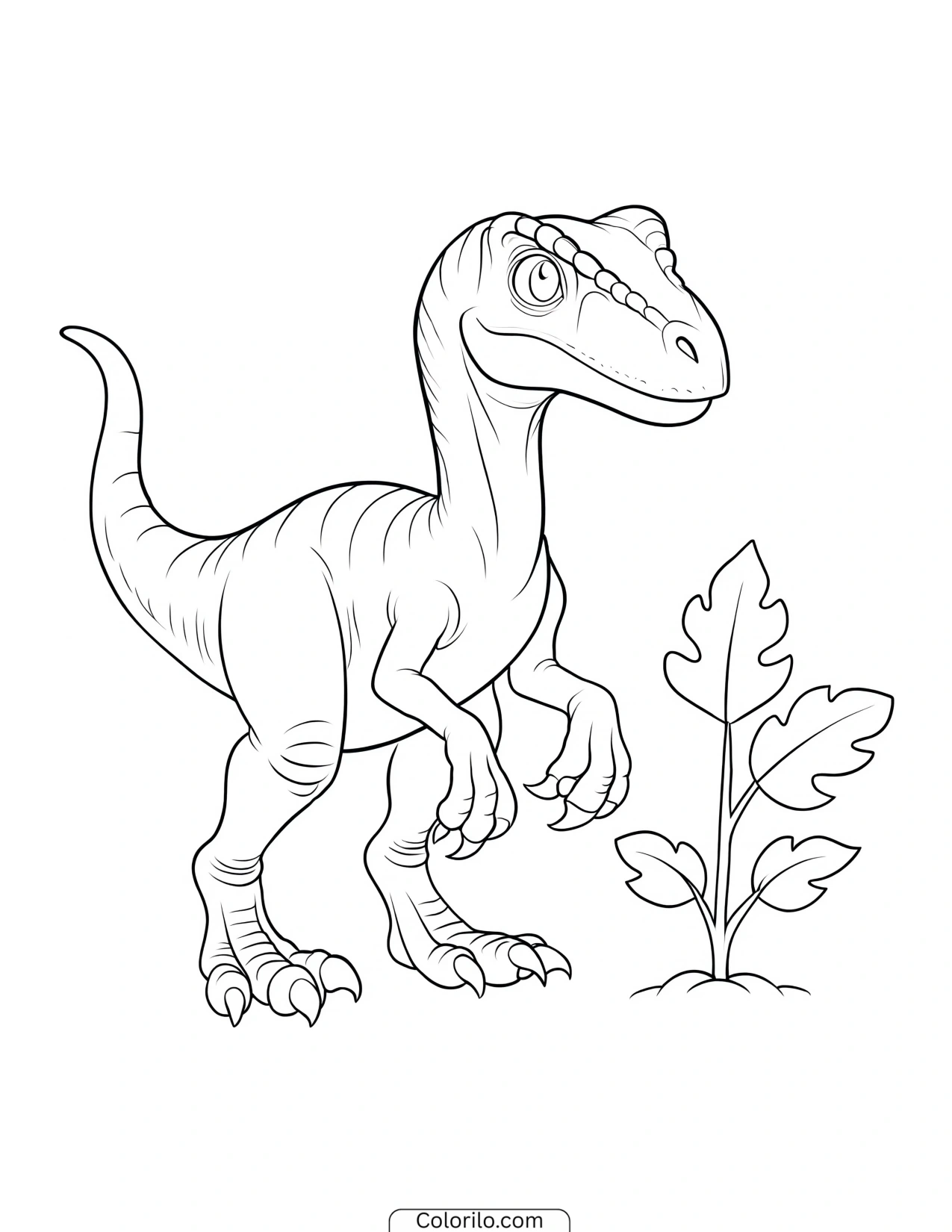
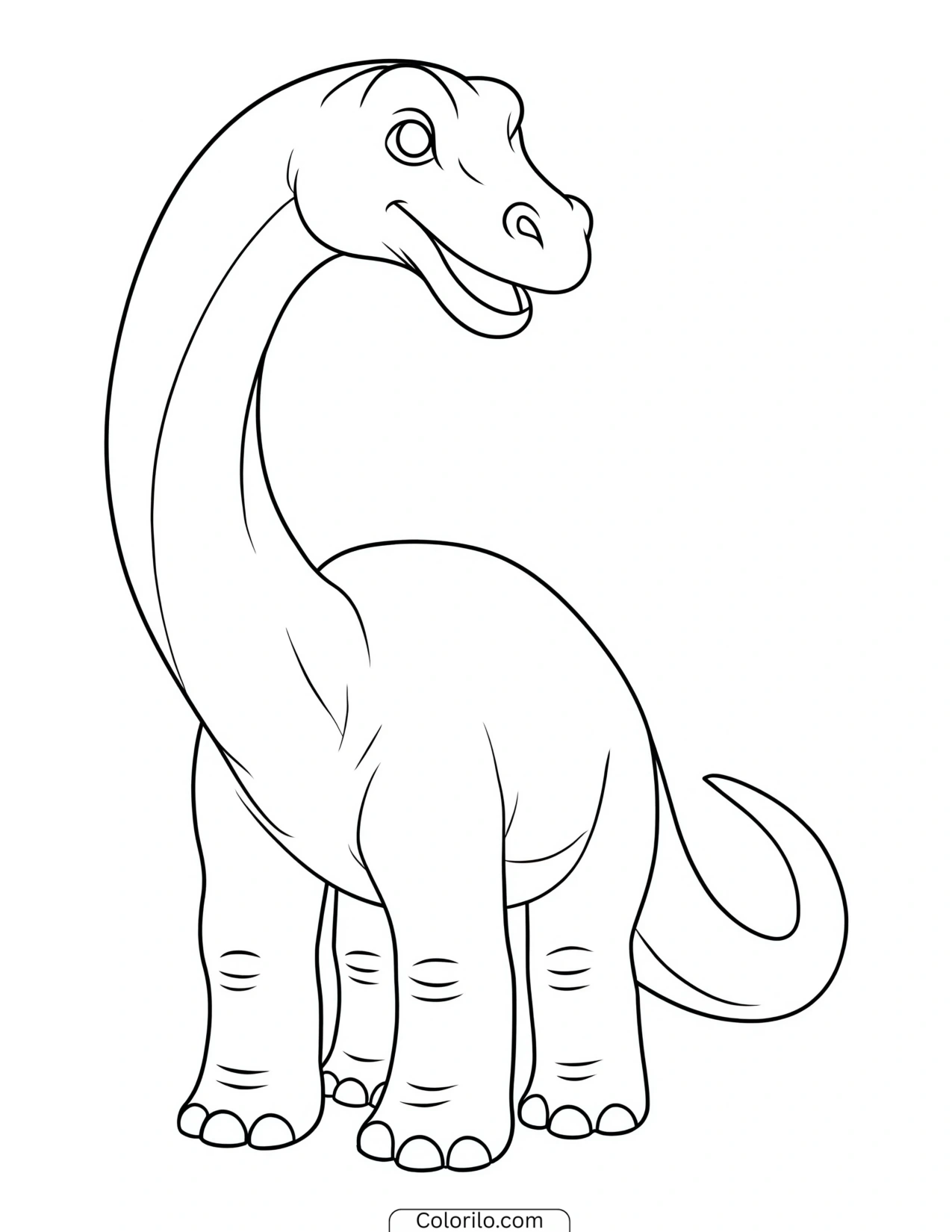
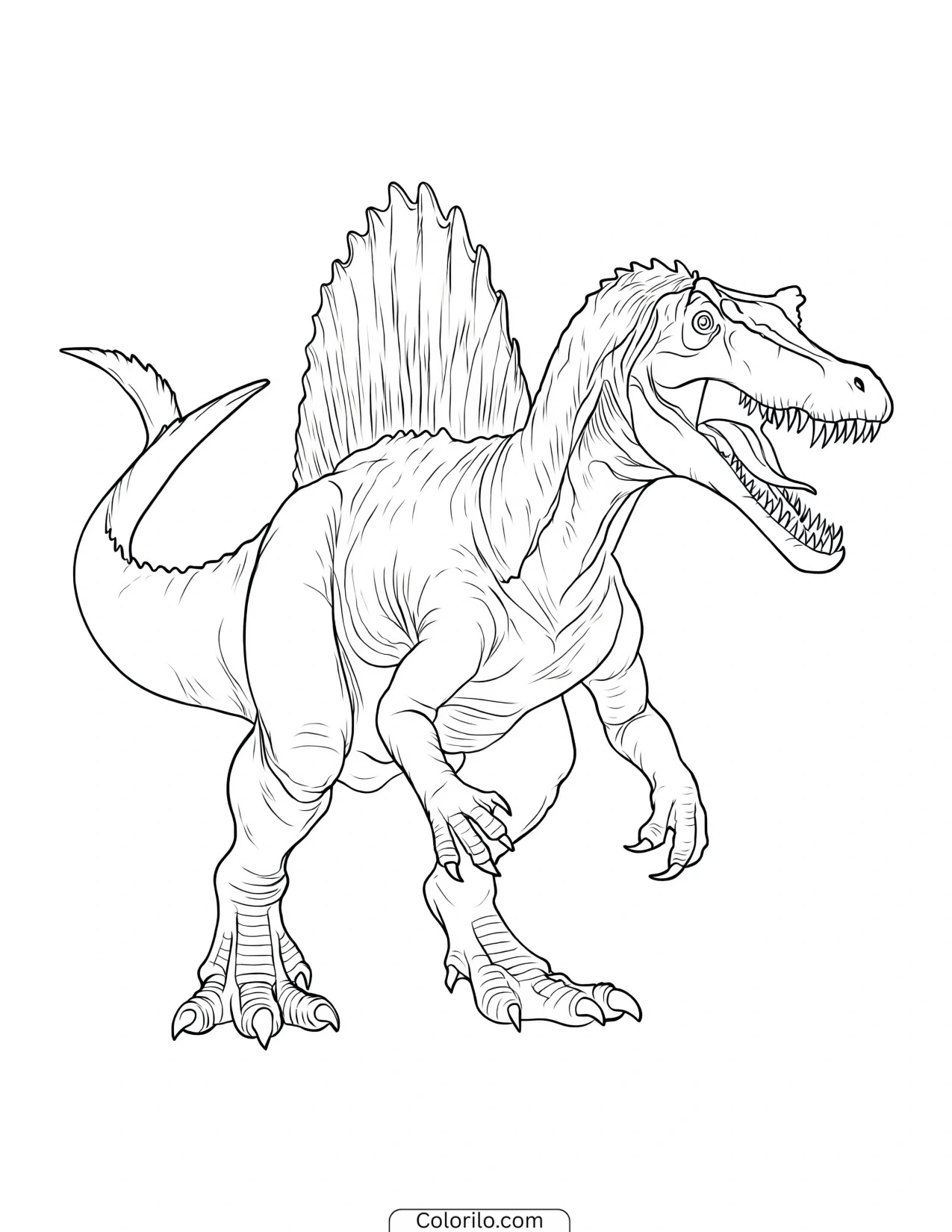
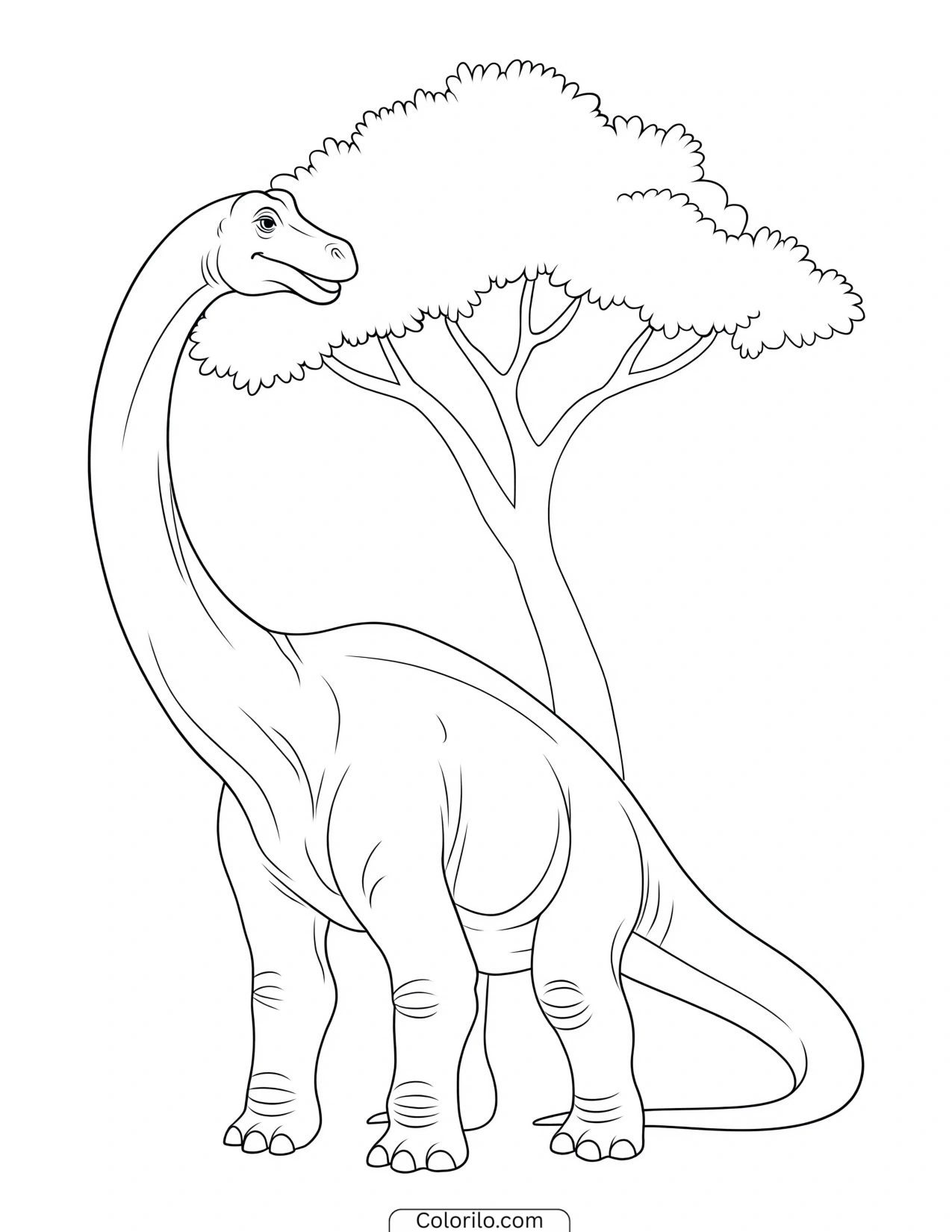
Twelve species are represented. T. rex leads with six pages, including three baby versions that are about as un-frightening as a tyrannosaur gets. There are three Stegosaurus, three Ankylosaurus, three Spinosaurus, and four raptors, two of them feathered, which is closer to what paleontologists now think Velociraptor actually looked like. Triceratops, Parasaurolophus, Carnotaurus, Dilophosaurus, and a Pterodactyl fill out the rest, along with four long-necked sauropods grazing, drinking, and looking back over their shoulders.
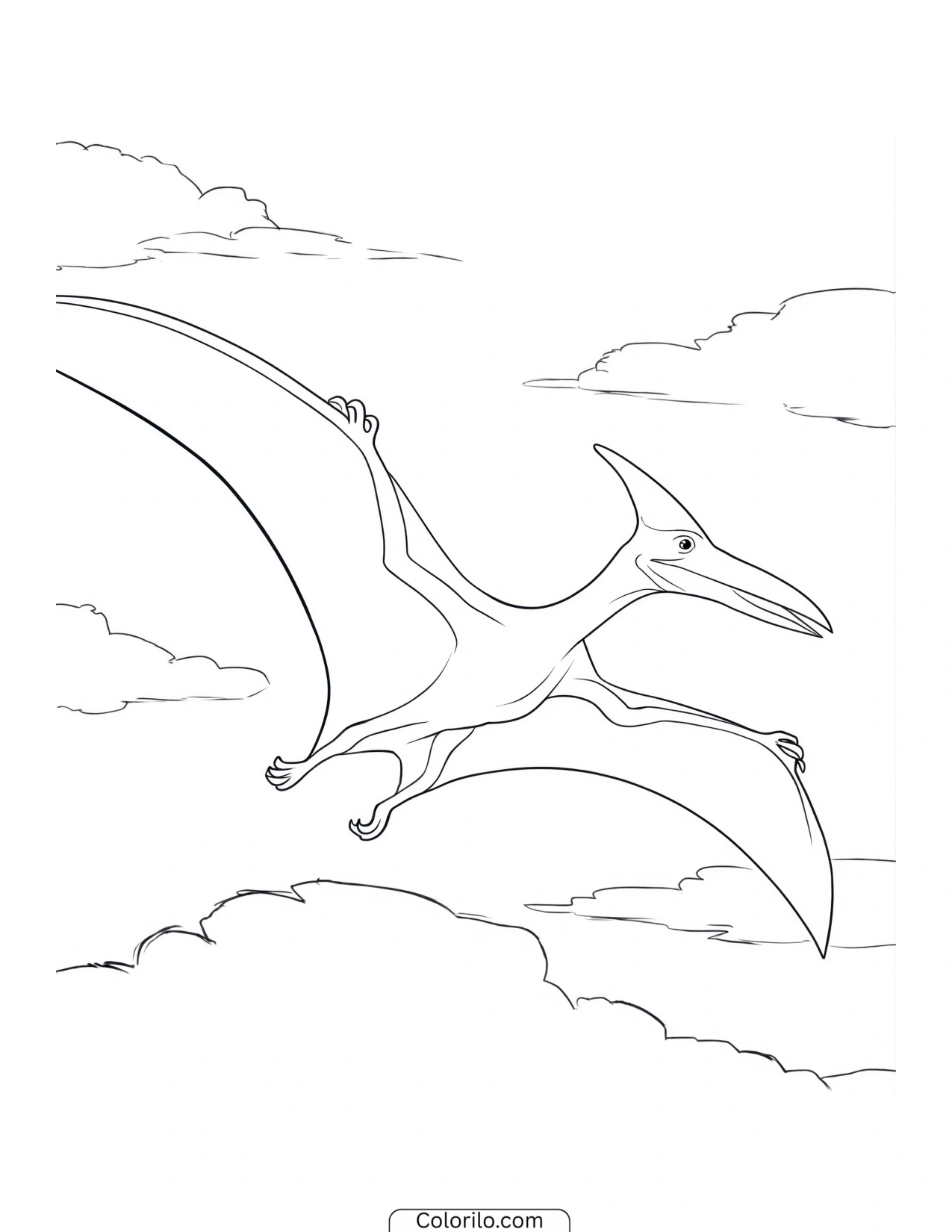
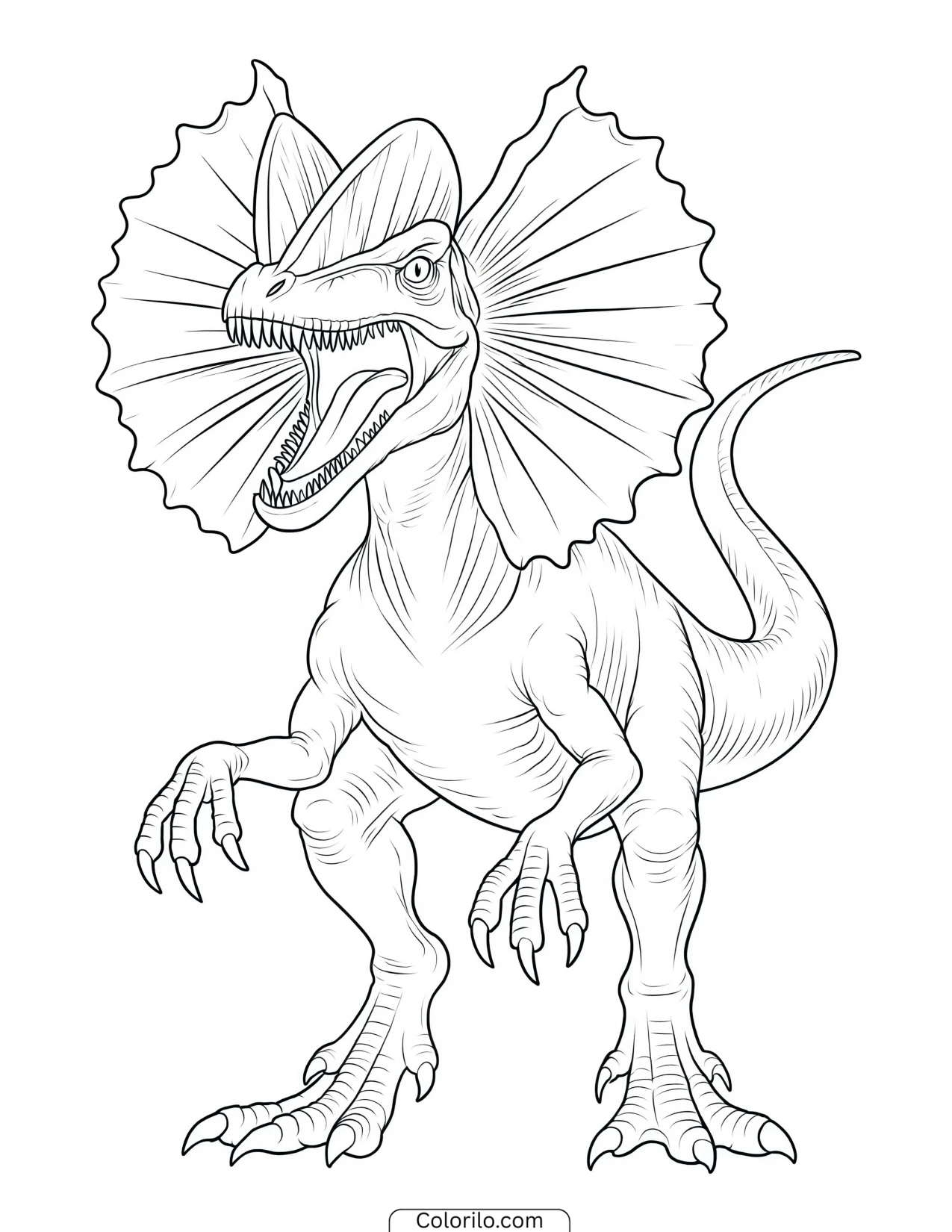
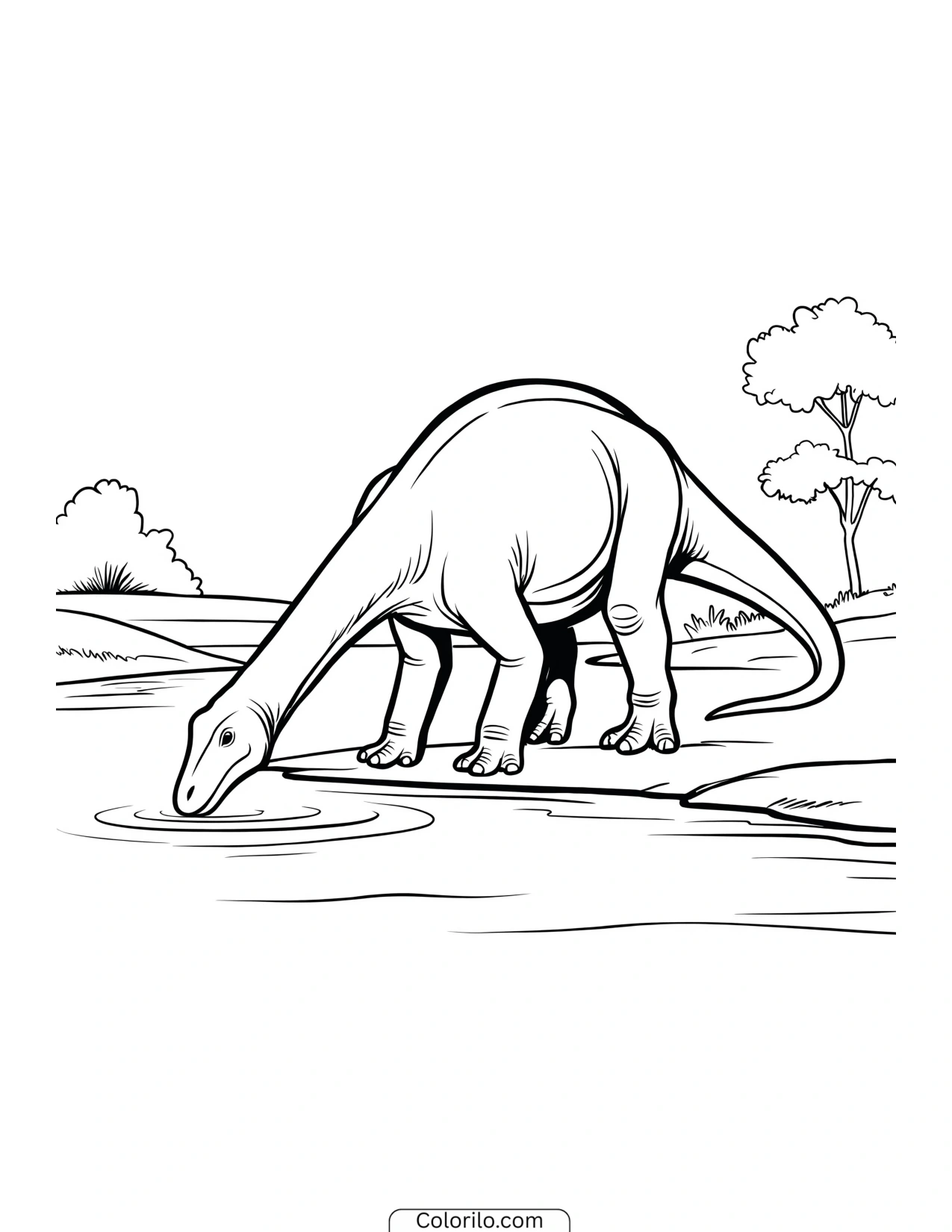
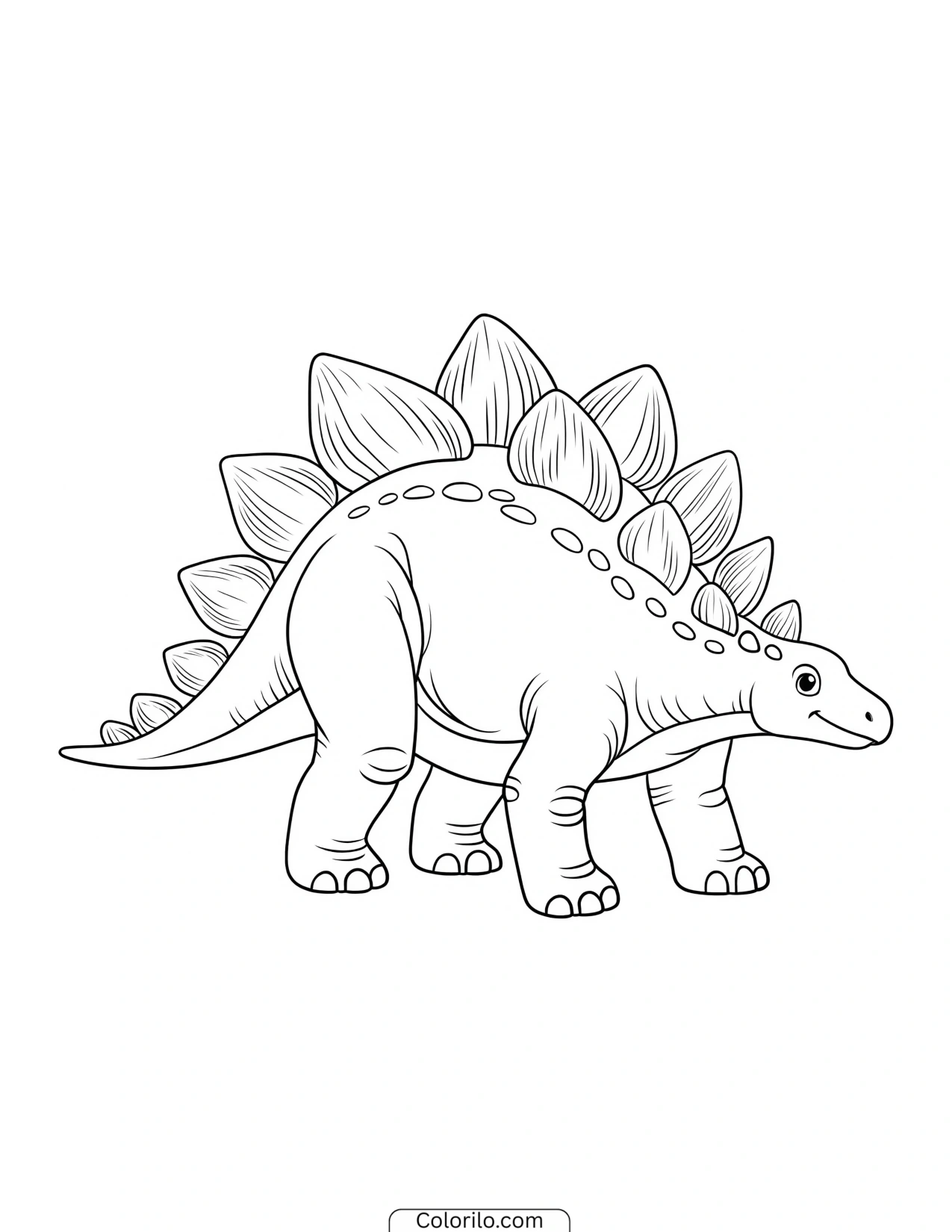
The difficulty range is wide. The baby T. rex pages and the smiling Stegosaurus use thick, simple outlines that suit preschoolers. The feathered Velociraptor, the Dilophosaurus with its spread frill, and the group scenes have considerably more line work for kids who want to spend an hour on one page. A few designs, the sauropod drinking at a lake, the Pterodactyl flying through clouds, include backgrounds, which gives older colorists somewhere to go beyond the animal itself.
Every one of these dinosaur coloring pages is free, prints on standard US letter paper, and needs no sign-up. Click any design below to open the full-size PDF.
Which Dinosaur Is Which
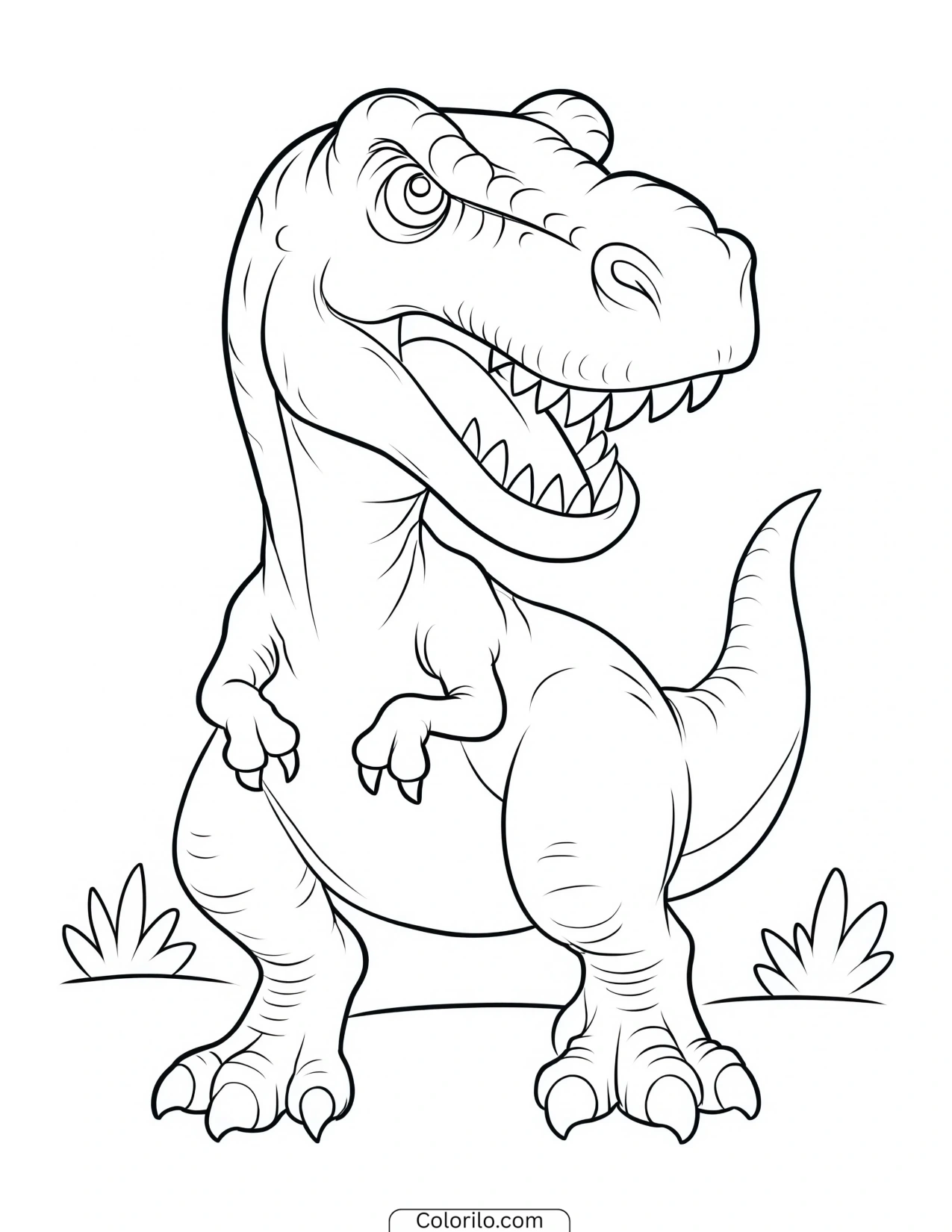
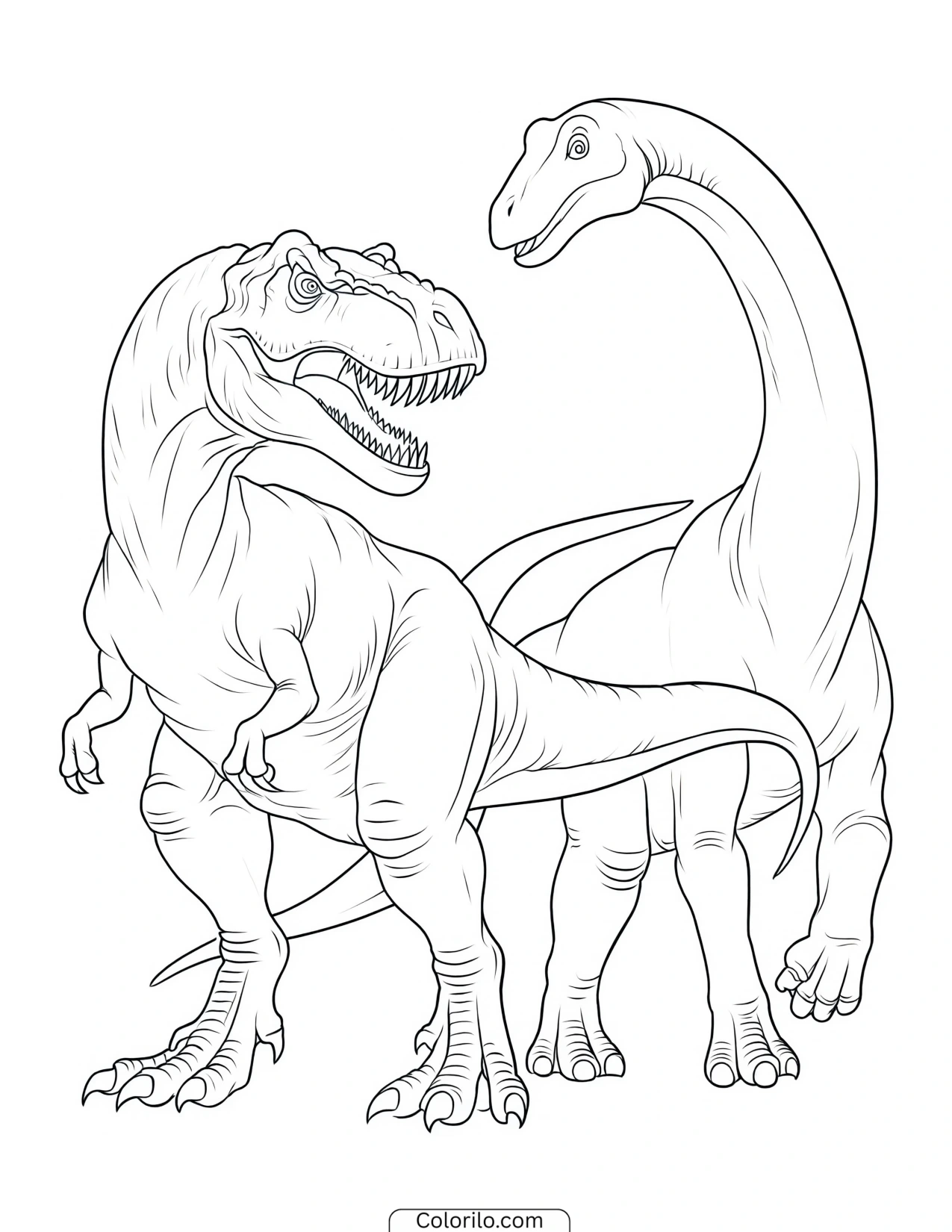
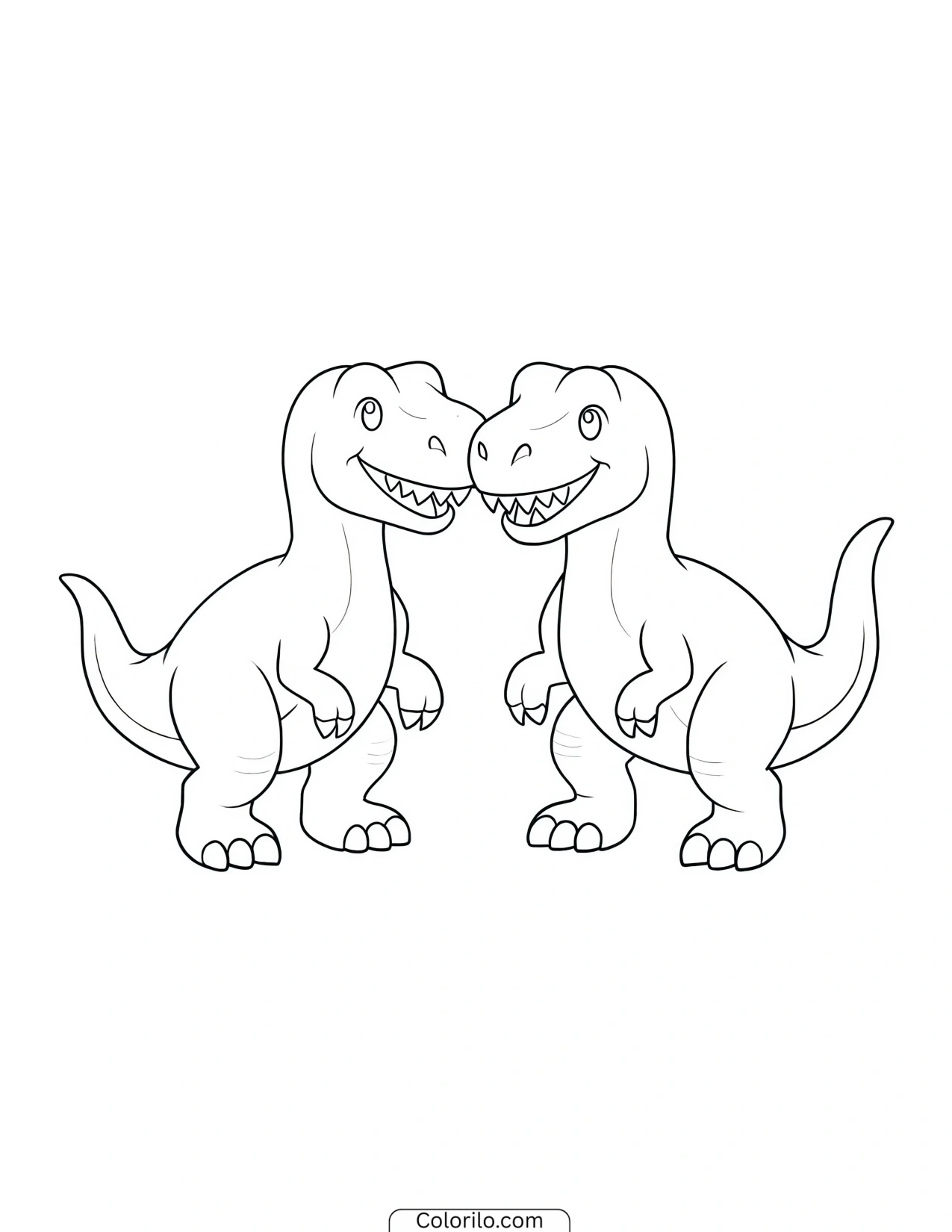
Tyrannosaurus rex
The one everybody knows. A Late Cretaceous predator around 12 metres long with a bite force greater than any land animal since. Six pages here, four of them cartoon or baby versions if a roaring one is too much for a small child.
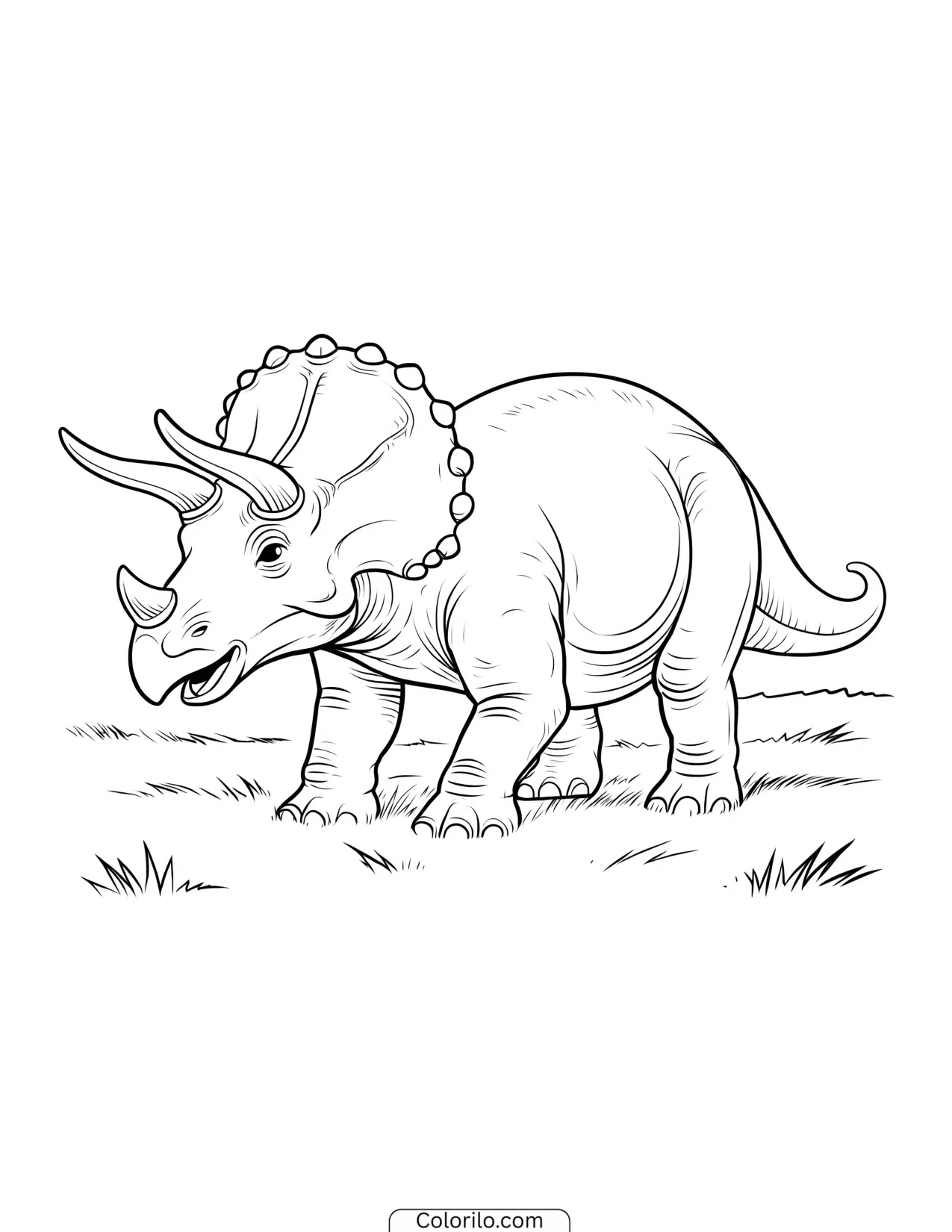
Triceratops
Three horns and a broad bony frill, which may have been for defence, display, or both. A plant-eater that lived alongside T. rex right at the end of the dinosaur era.
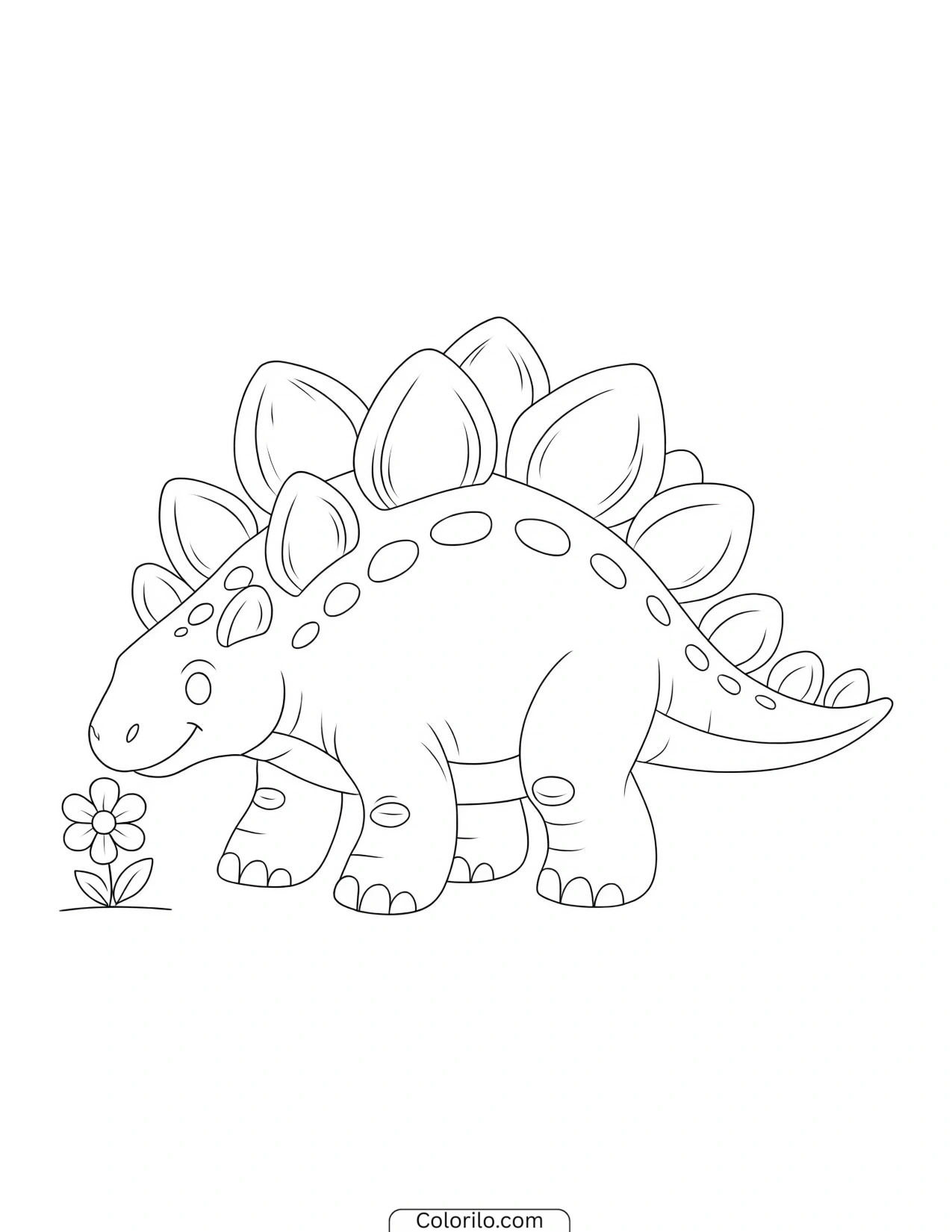
Stegosaurus
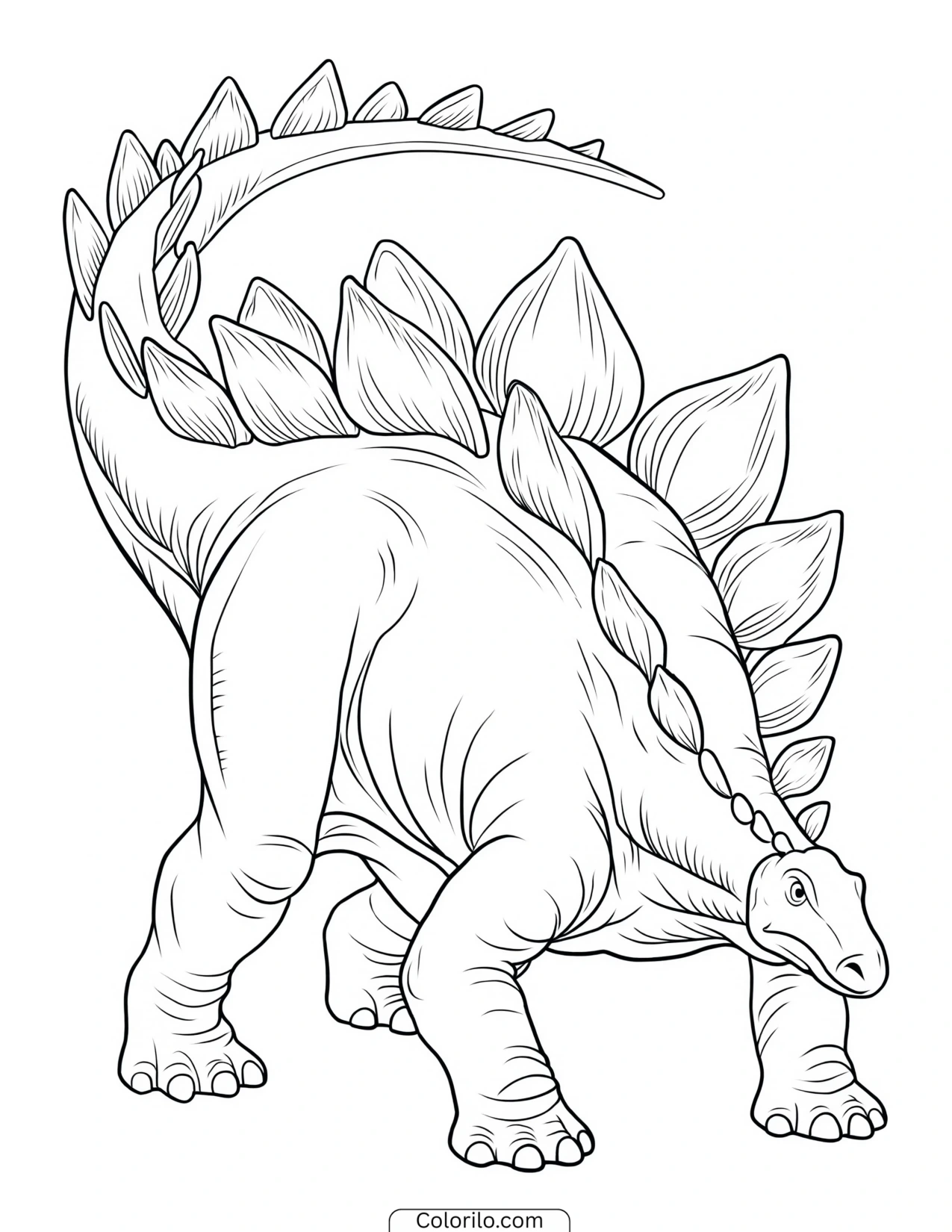
The plated back and spiked tail make it one of the most recognisable silhouettes in this set. It lived in the Late Jurassic, roughly 80 million years before T. rex, a gap longer than the one between T. rex and us.
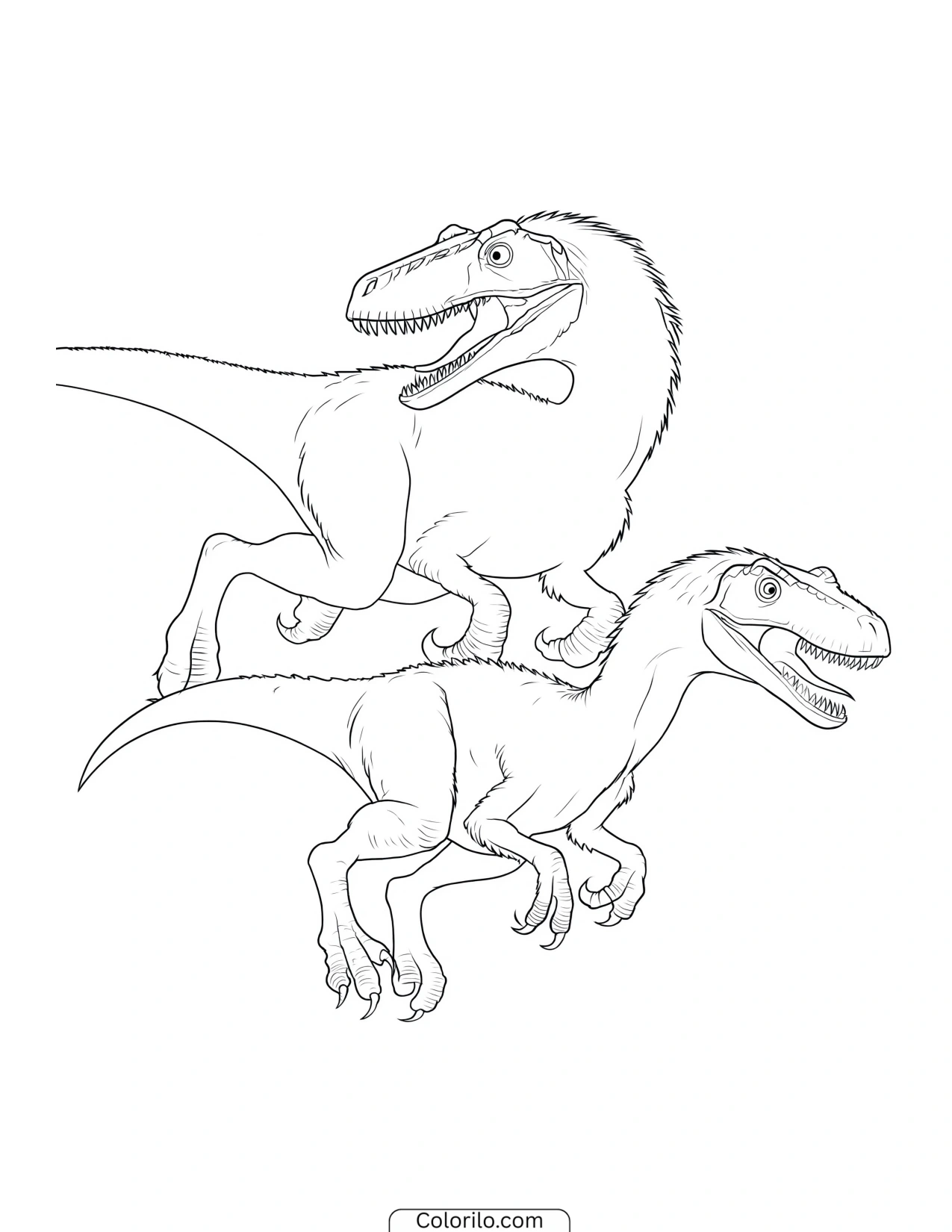
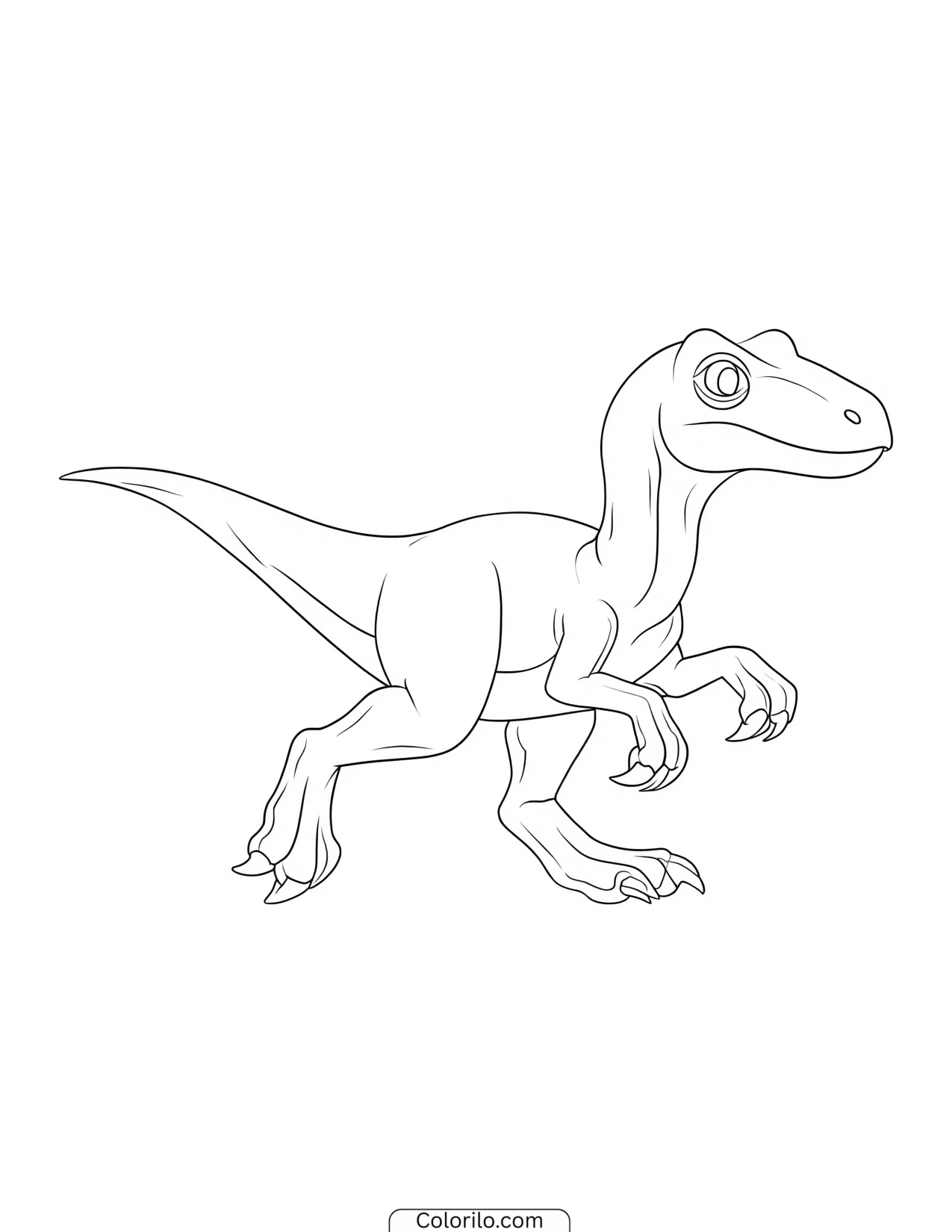
Velociraptor
Much smaller than films suggest: about the size of a turkey, and covered in feathers. Two of the four raptor pages here show the feathered version, which is worth pointing out to a kid who only knows the scaly movie one.
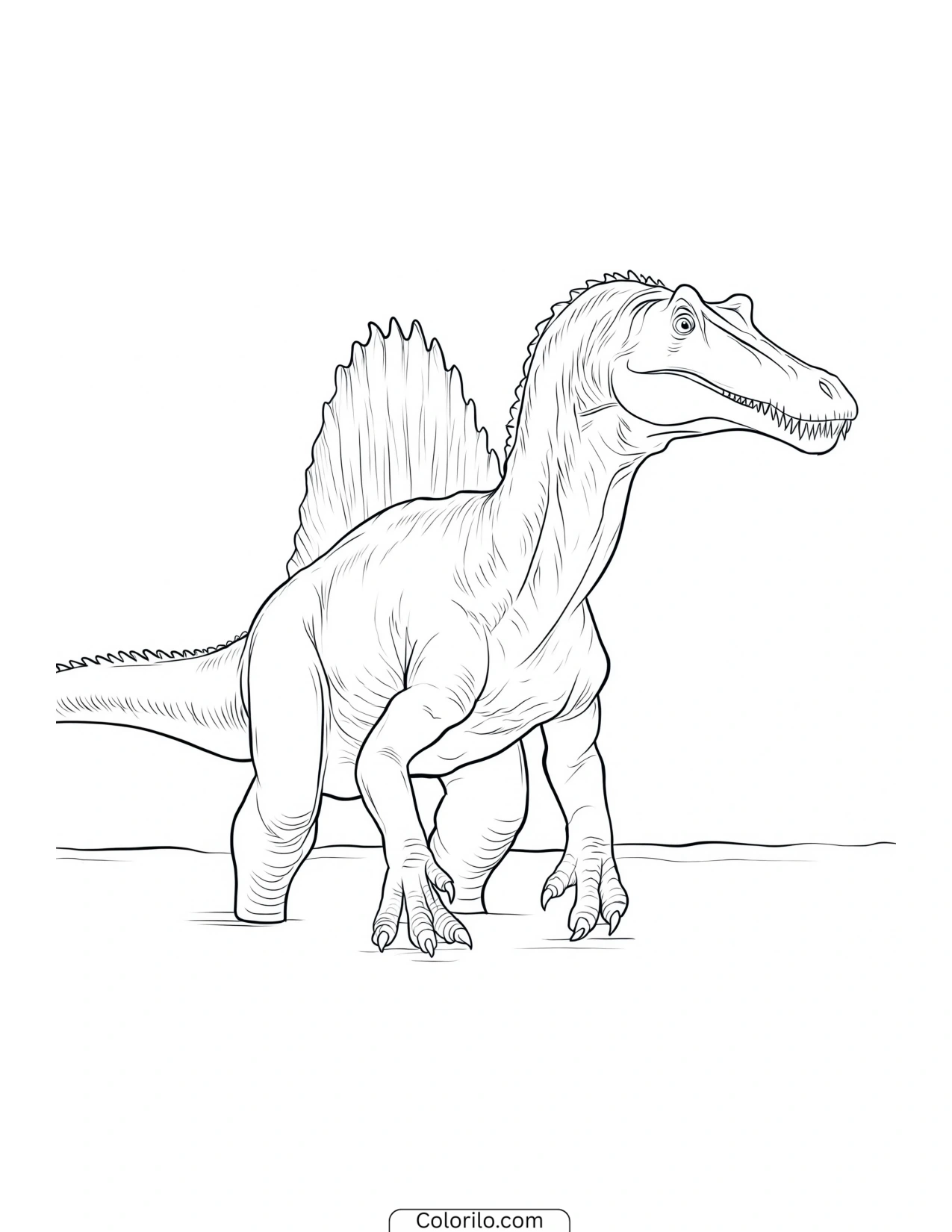
Spinosaurus
Longer than T. rex, with a tall sail down its back and a crocodile-like snout. Current thinking is that it spent much of its time in water hunting fish, which is what the wading page shows.
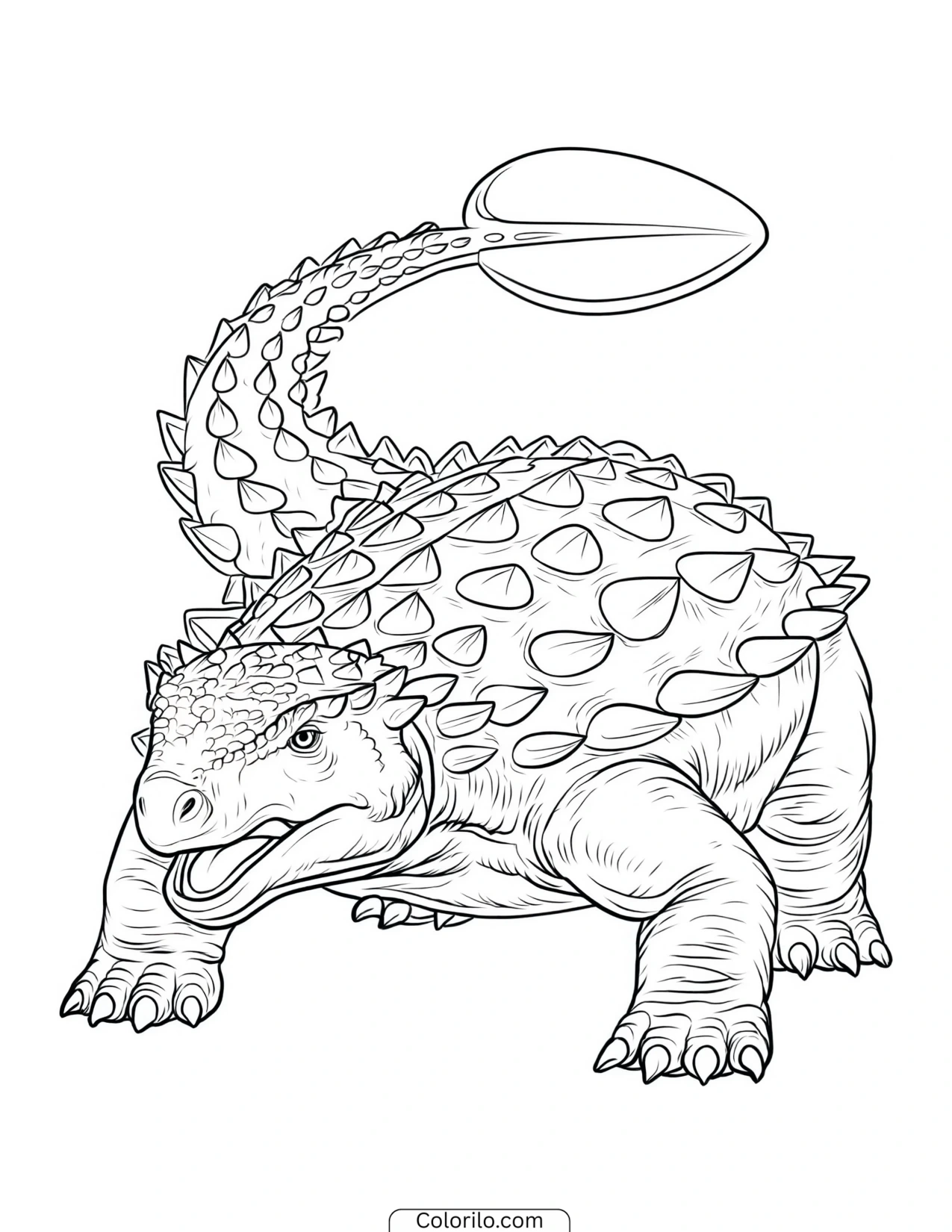
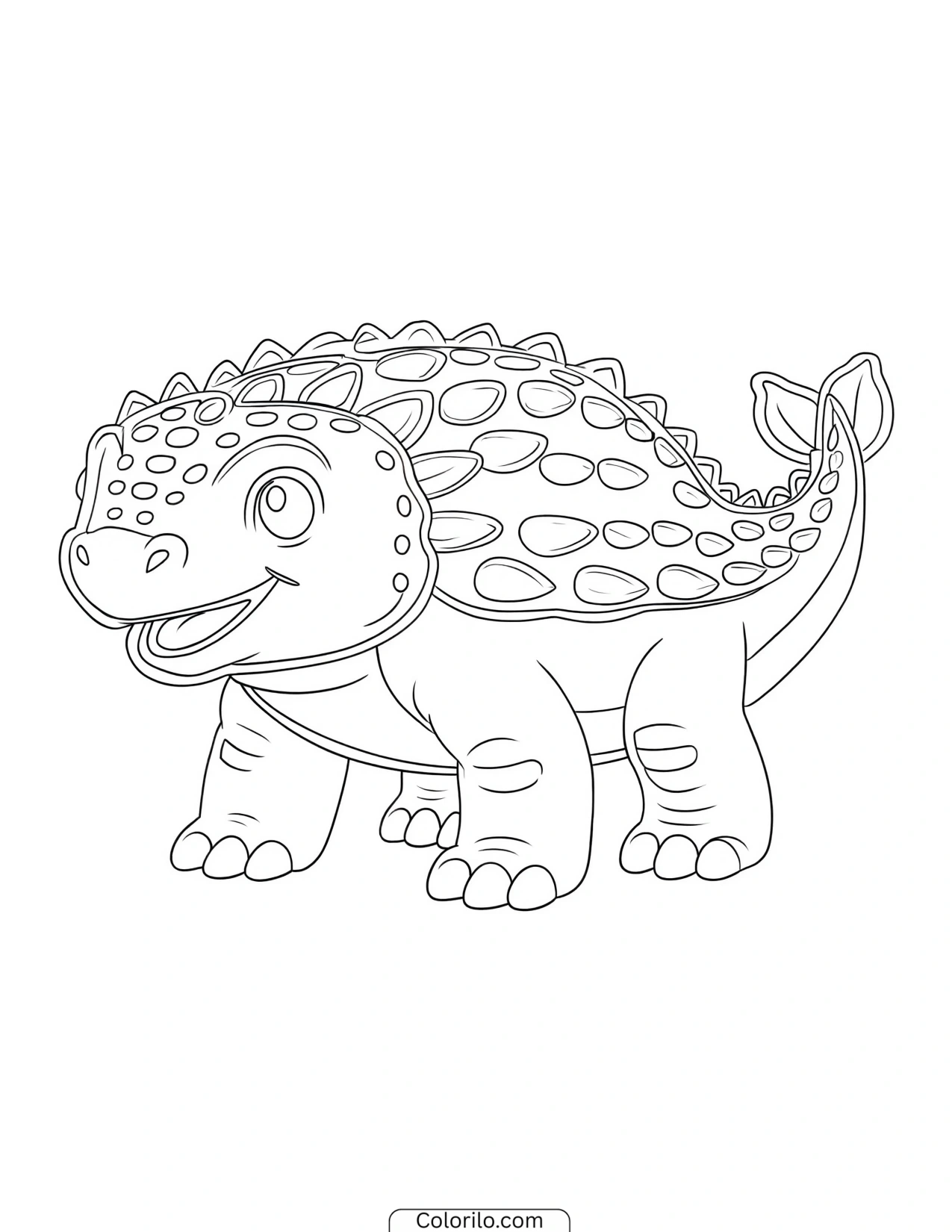
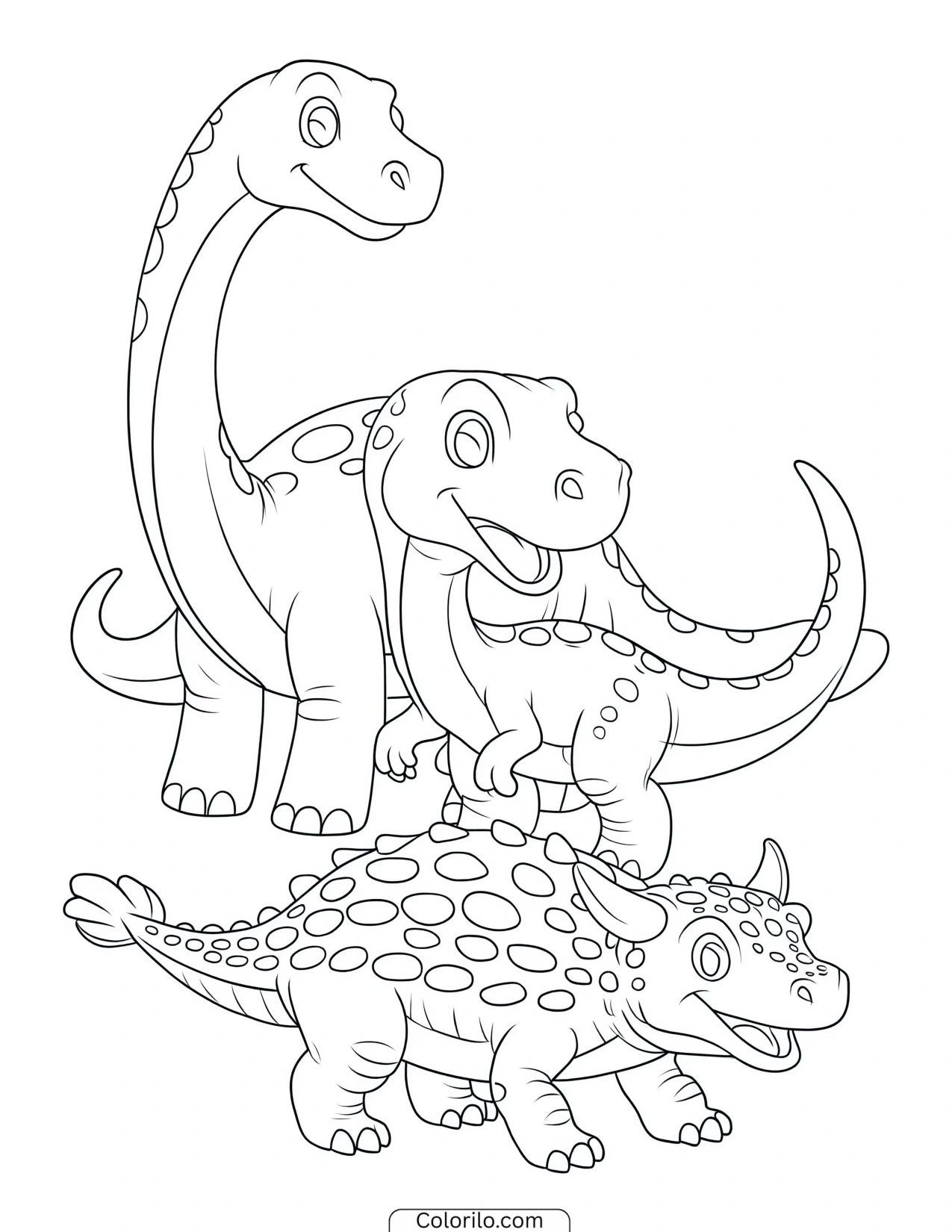
Ankylosaurus
Built like a tank, covered in bony armour, with a heavy club at the end of its tail. Three pages, all four-footed and low to the ground.
Parasaurolophus
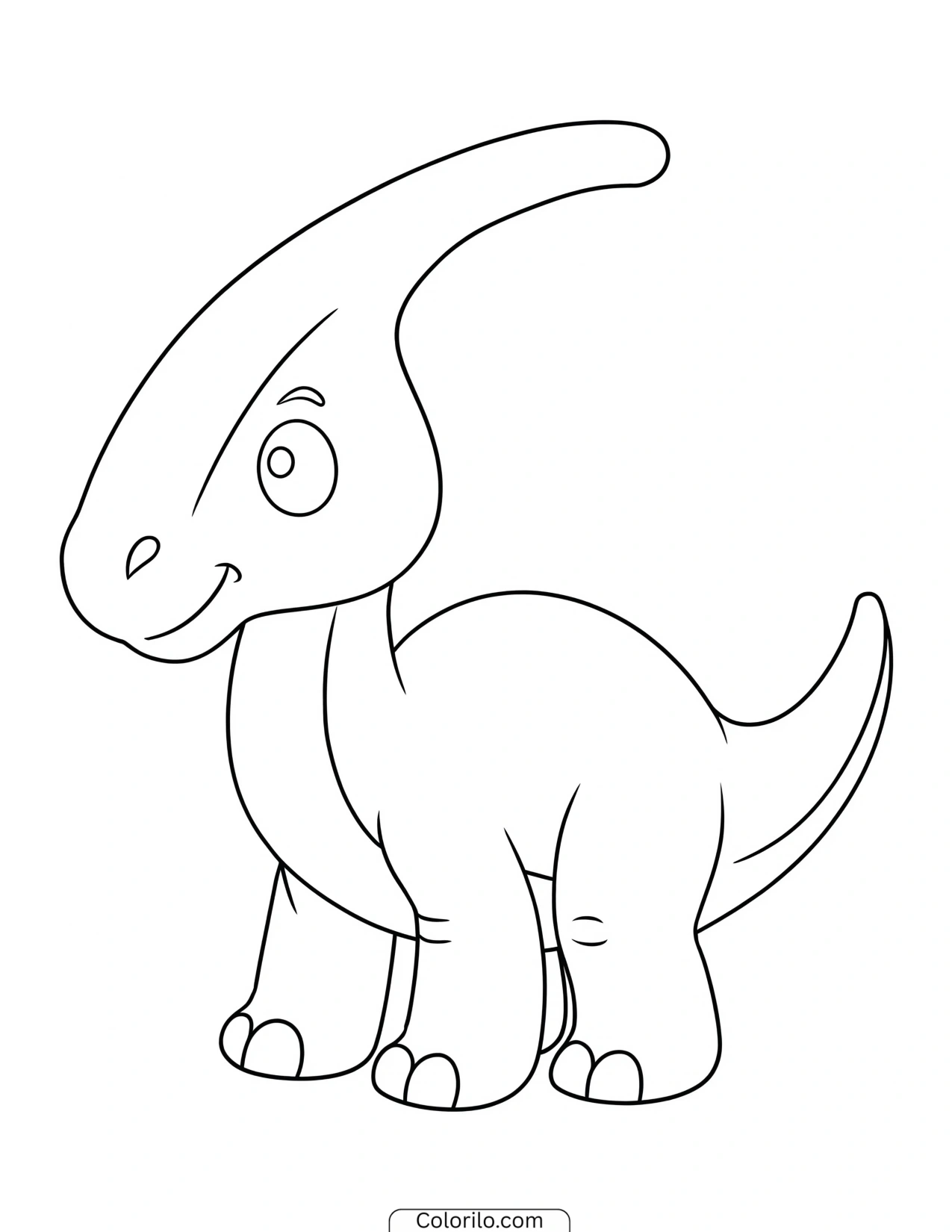
The long backward-curving crest on its head was hollow, and may have worked like a horn to make low calls across distances.
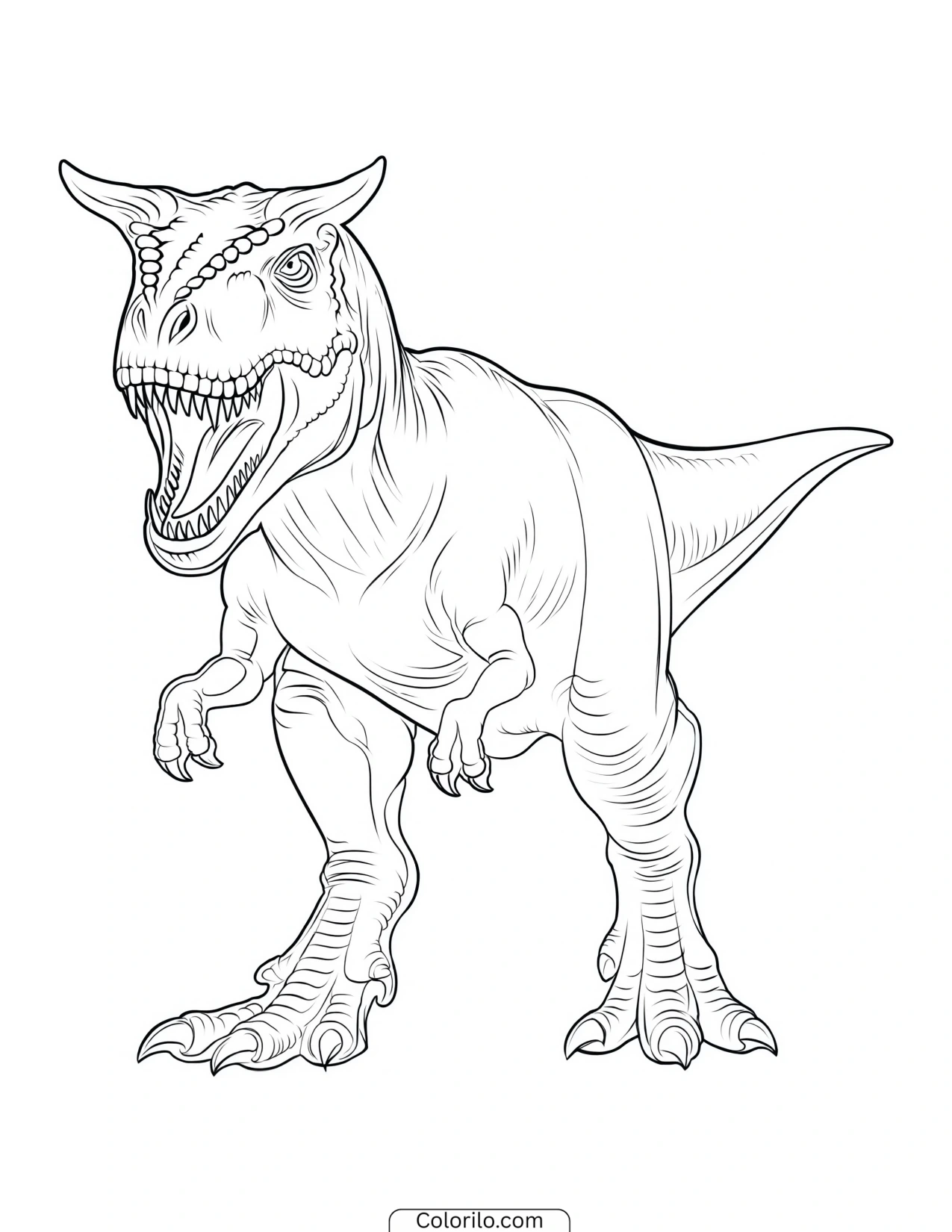
Carnotaurus
Two horns above the eyes and arms even shorter than a T. rex’s. A fast runner, from what its leg bones suggest.
Dilophosaurus
Two thin crests on its skull. Worth knowing: the neck frill and venom-spitting are inventions of Jurassic Park. The real animal had neither, and was considerably larger. The page here shows the film version, which is the one most kids picture.
Pterodactyl
Technically not a dinosaur at all. Pterosaurs were flying reptiles that lived at the same time, and are a separate branch of the family tree. A good fact to have on hand when a child asks.
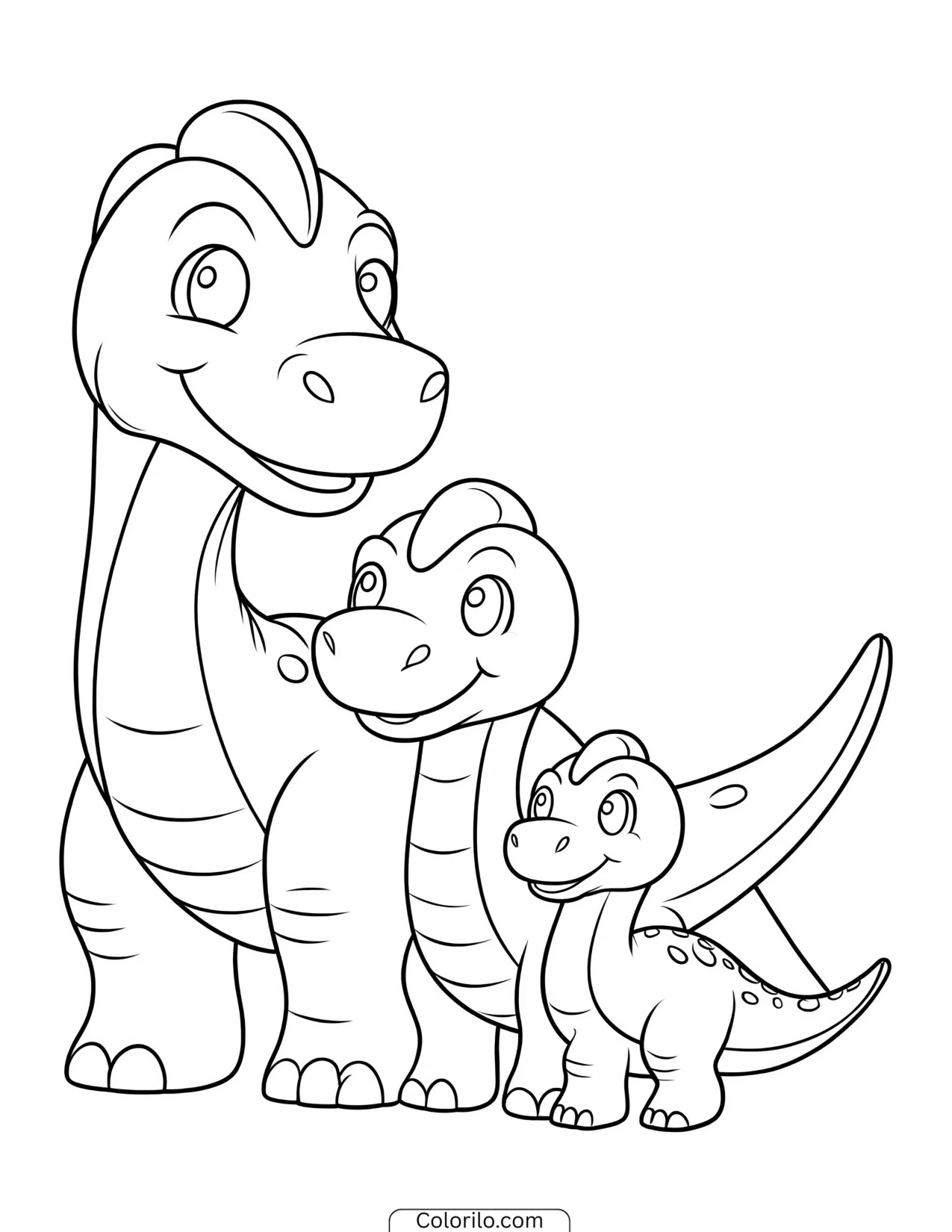
Sauropods
The four long-necked pages belong to this group, which includes Brachiosaurus, Diplodocus, and Apatosaurus. They were the largest animals ever to walk on land, and swallowed leaves whole without chewing.
Printing Tips
Start with the baby pages for young children. The three baby T. rex designs and the smiling Stegosaurus have the fewest internal lines in the set, the right place to begin for a three- or four-year-old.
Real dinosaur colours are anybody’s guess. Fossils rarely preserve colour, so no palette is wrong. If a child wants a purple Triceratops, there is no scientific basis for objecting, which is a genuinely fun thing to tell them.
The feathered raptors reward coloured pencils. Feather detail gets muddy under thick markers. Pencils hold the individual lines much better.
Use 90gsm paper or heavier for markers. Standard printer paper works for pencils and crayons, but the denser pages will bleed through under felt tips.
Print in pairs for comparison. Printing the Stegosaurus and the T. rex together makes the plant-eater versus meat-eater difference visible at a glance, long gut and small head against big jaw and heavy legs.
Frequently Asked Questions
Are these dinosaur coloring pages really free?
Yes, all 31 are free to download and print. Click any image to open the PDF. No account, no email, no payment.
What age are these dinosaur coloring pages for?
The set spans roughly ages 3 to 12. The baby T. rex and cartoon designs suit the youngest; the feathered Velociraptor, Dilophosaurus, and group scenes have enough detail for older children and adults who like a longer sit.
Which dinosaurs are included?
T. rex, Triceratops, Stegosaurus, Velociraptor, Spinosaurus, Ankylosaurus, Parasaurolophus, Carnotaurus, Dilophosaurus, Pterodactyl, and several long-necked sauropods.
Can I use these in a classroom?
Yes. They work well alongside a unit on fossils, prehistoric life, or herbivores and carnivores, and are free for personal, educational, and classroom use.
Can I print more than one copy?
As many as you need.
Is a Pterodactyl a dinosaur?
No, though almost everyone assumes so. Pterosaurs were flying reptiles from the same era but a separate group entirely, dinosaurs never evolved powered flight, with one exception: birds, which descend from small feathered theropods much like the raptors in this collection.
Leave a Reply