
Table of Contents
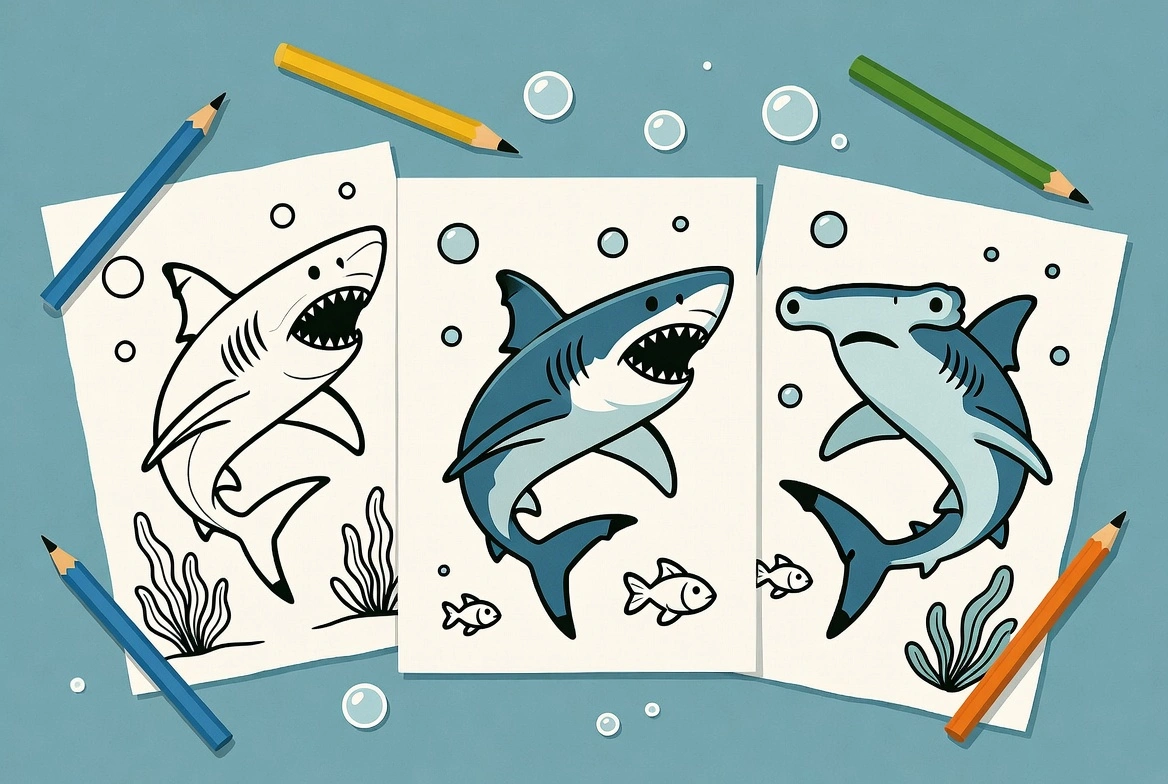
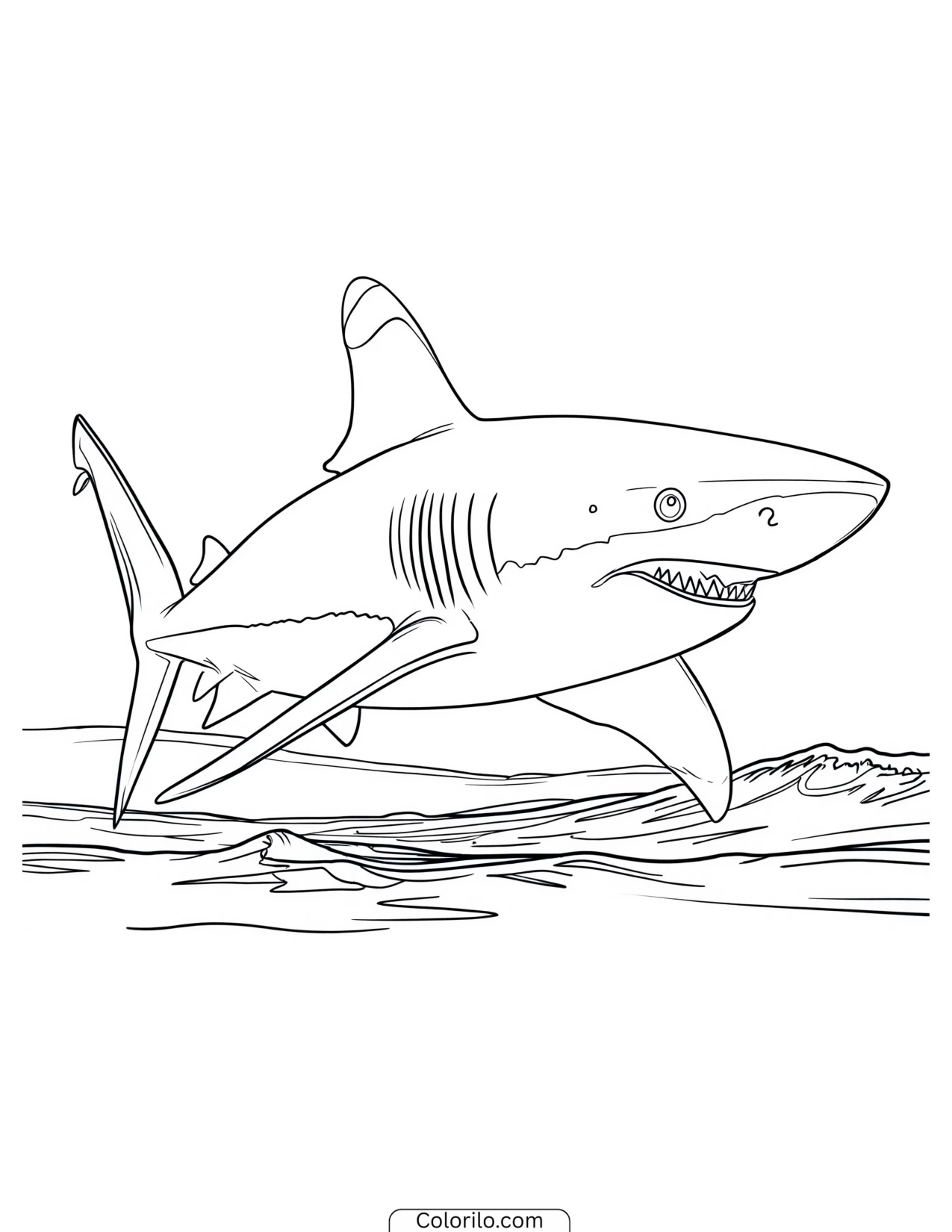
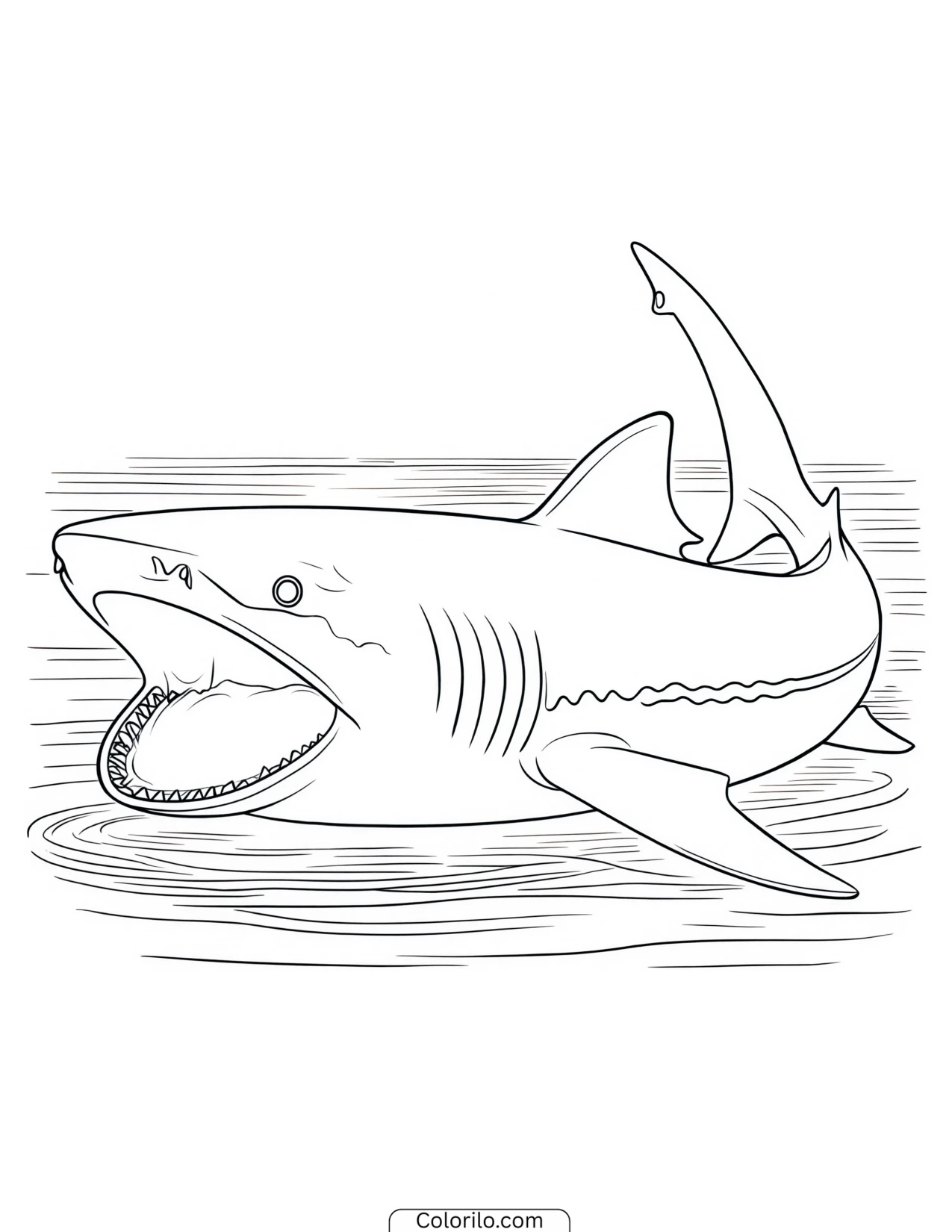
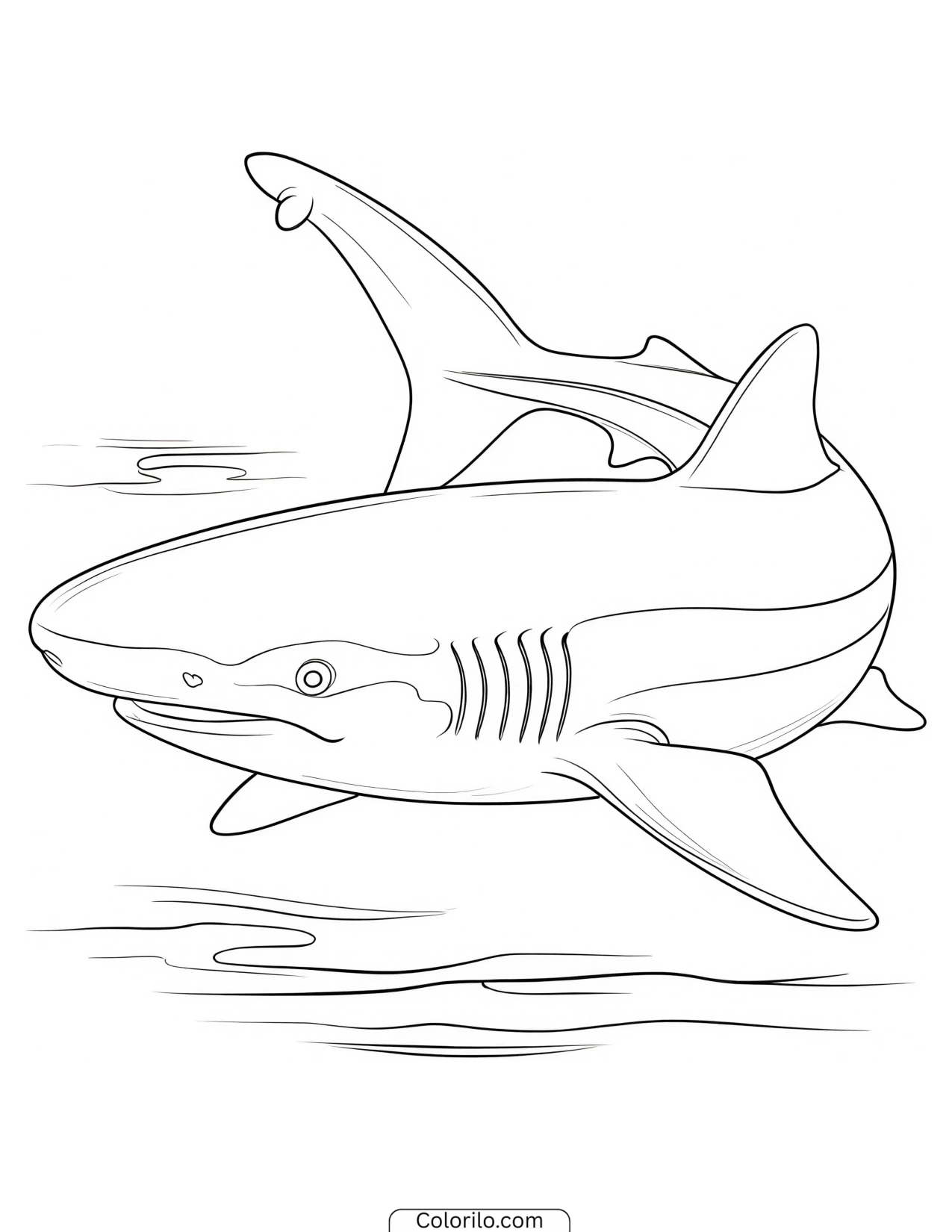
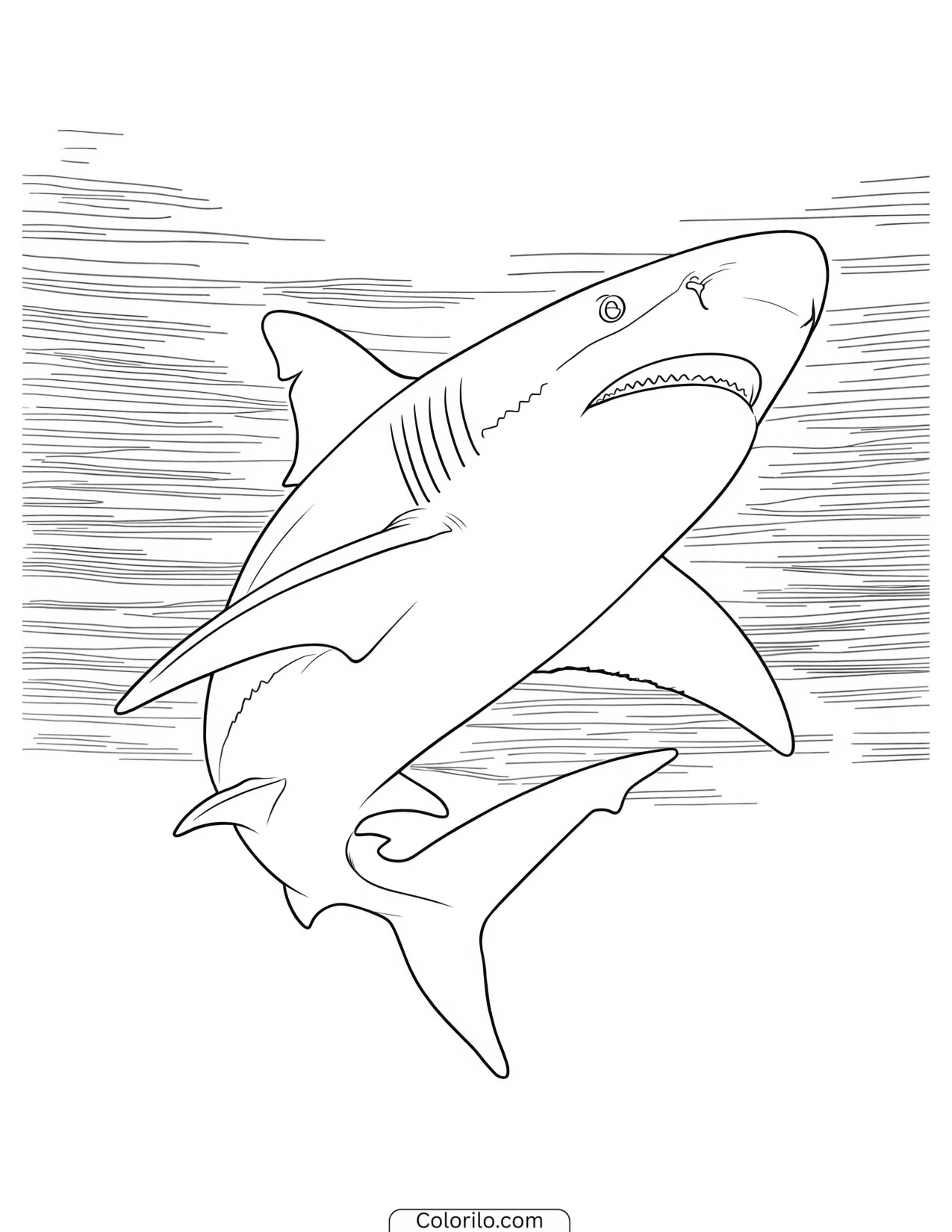
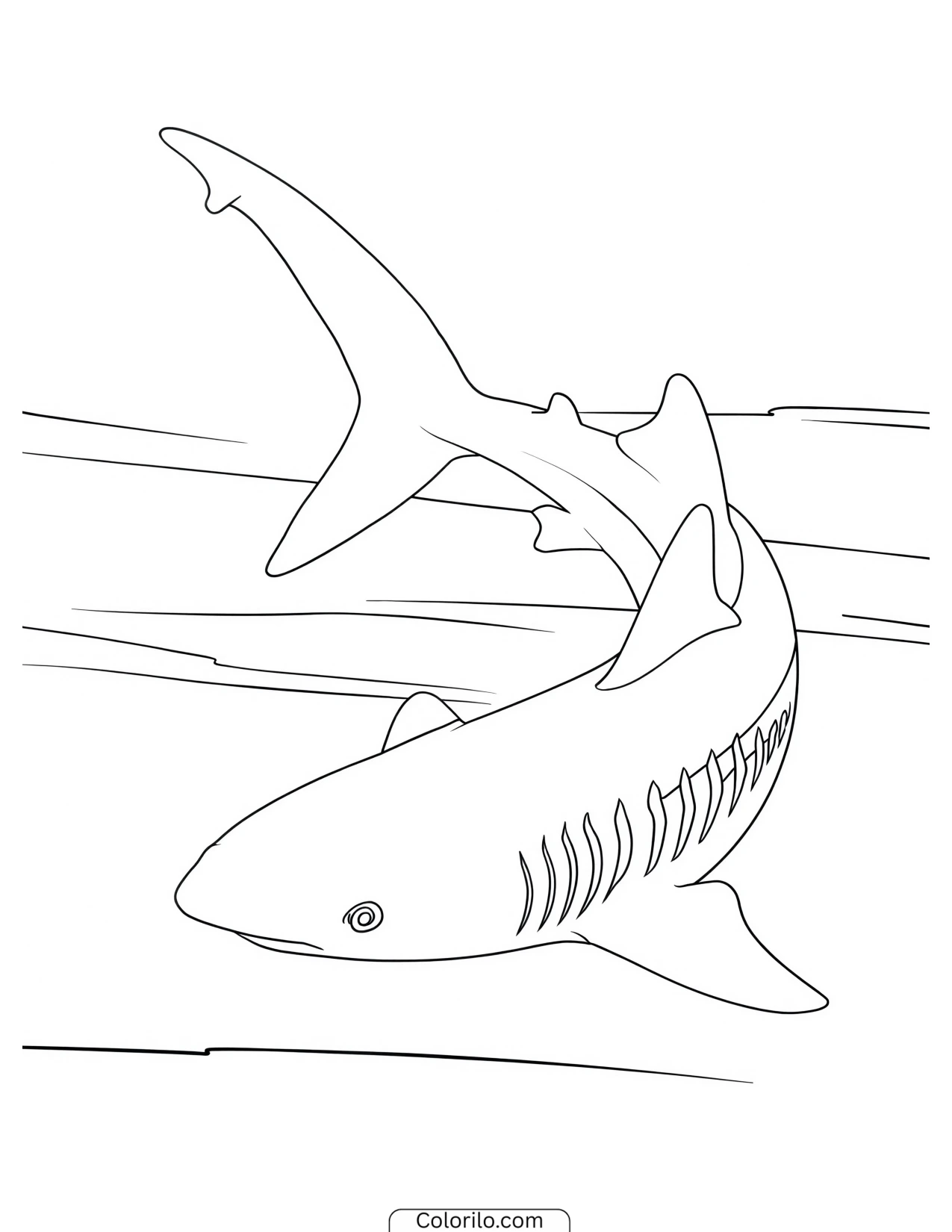
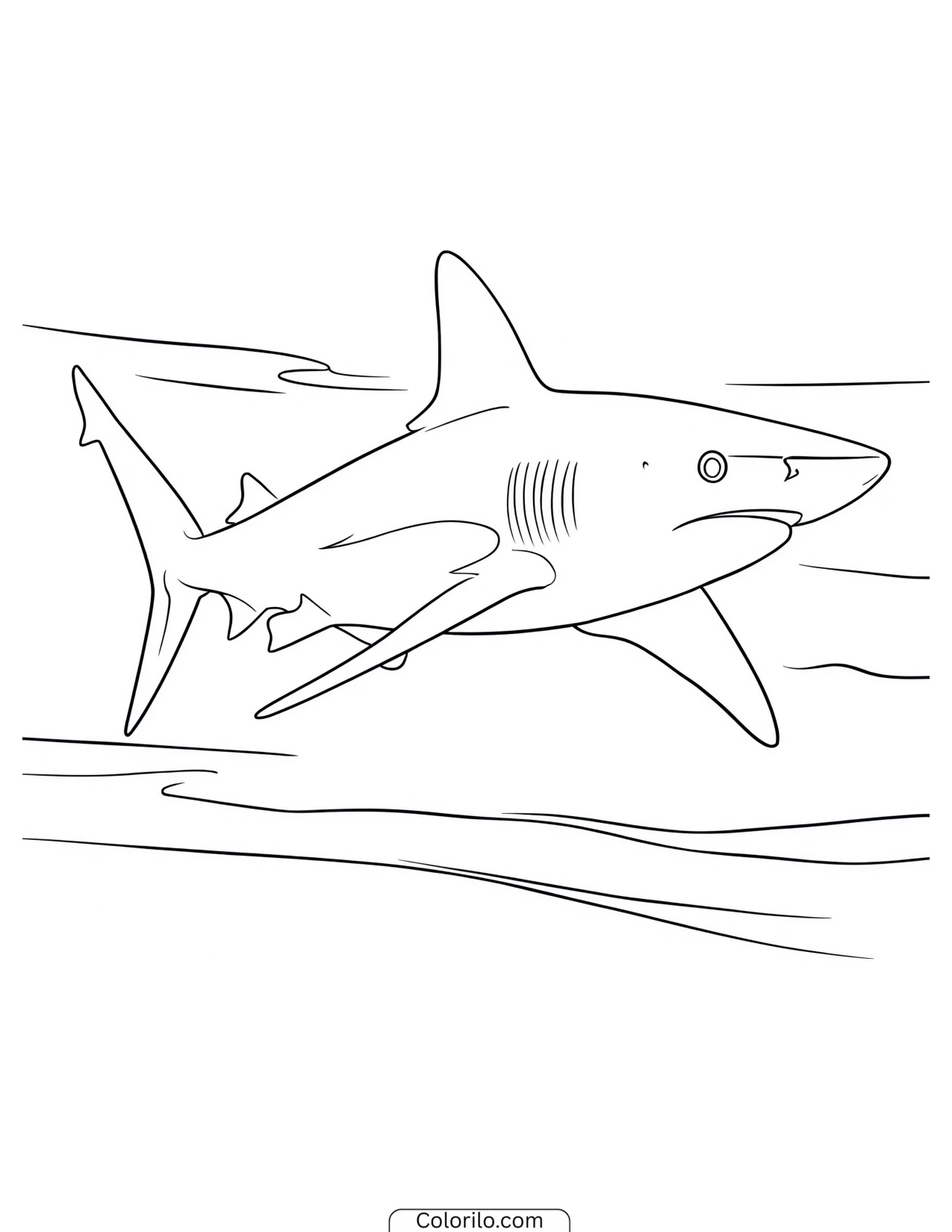
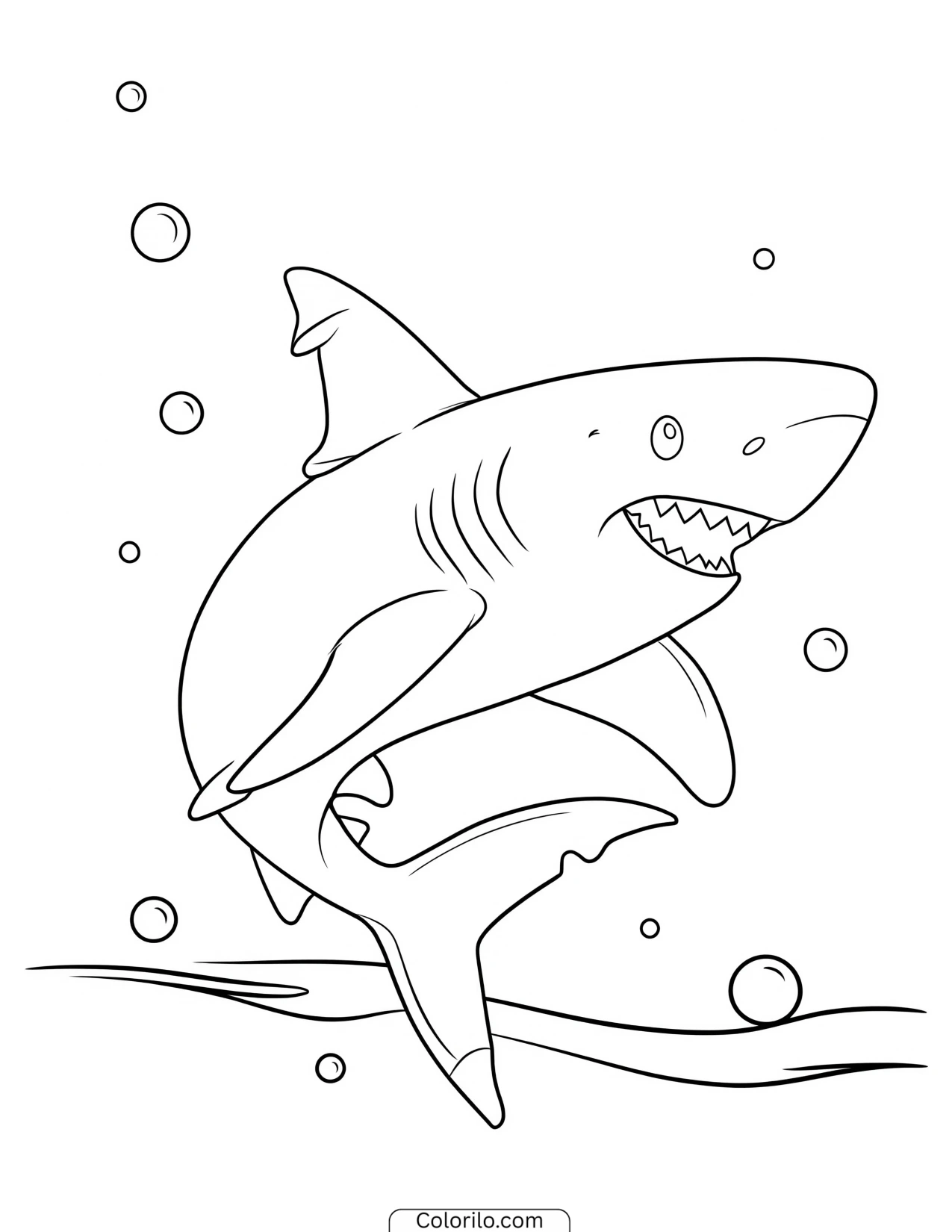
Sharks are the animal children get properly obsessed with, the kind of interest where a six-year-old learns the word “cartilaginous” and starts correcting adults. This set of 57 free shark coloring pages covers both ends of that: simple smiling cartoon sharks for younger kids, and detailed anatomical profiles for anyone who wants to get the dorsal fin right.
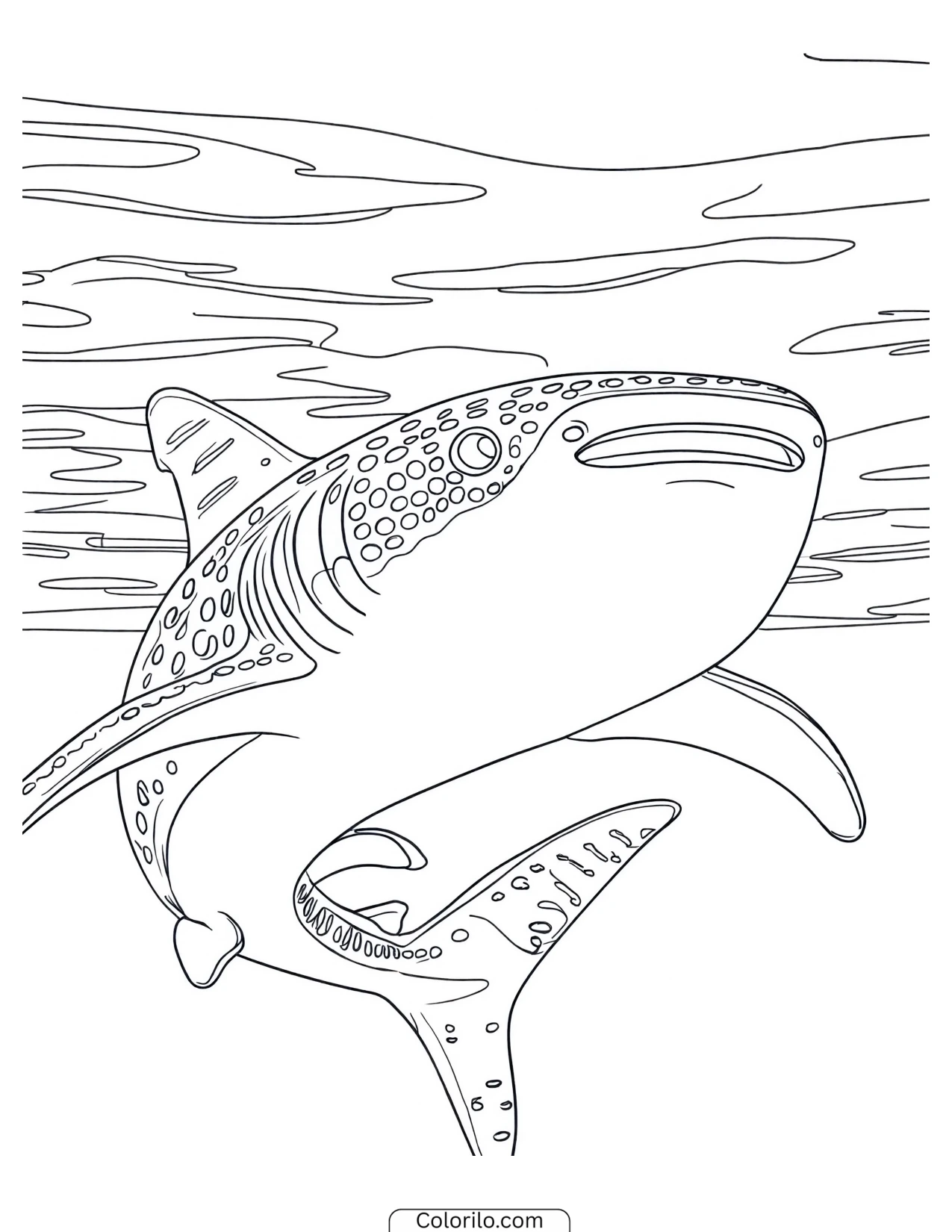
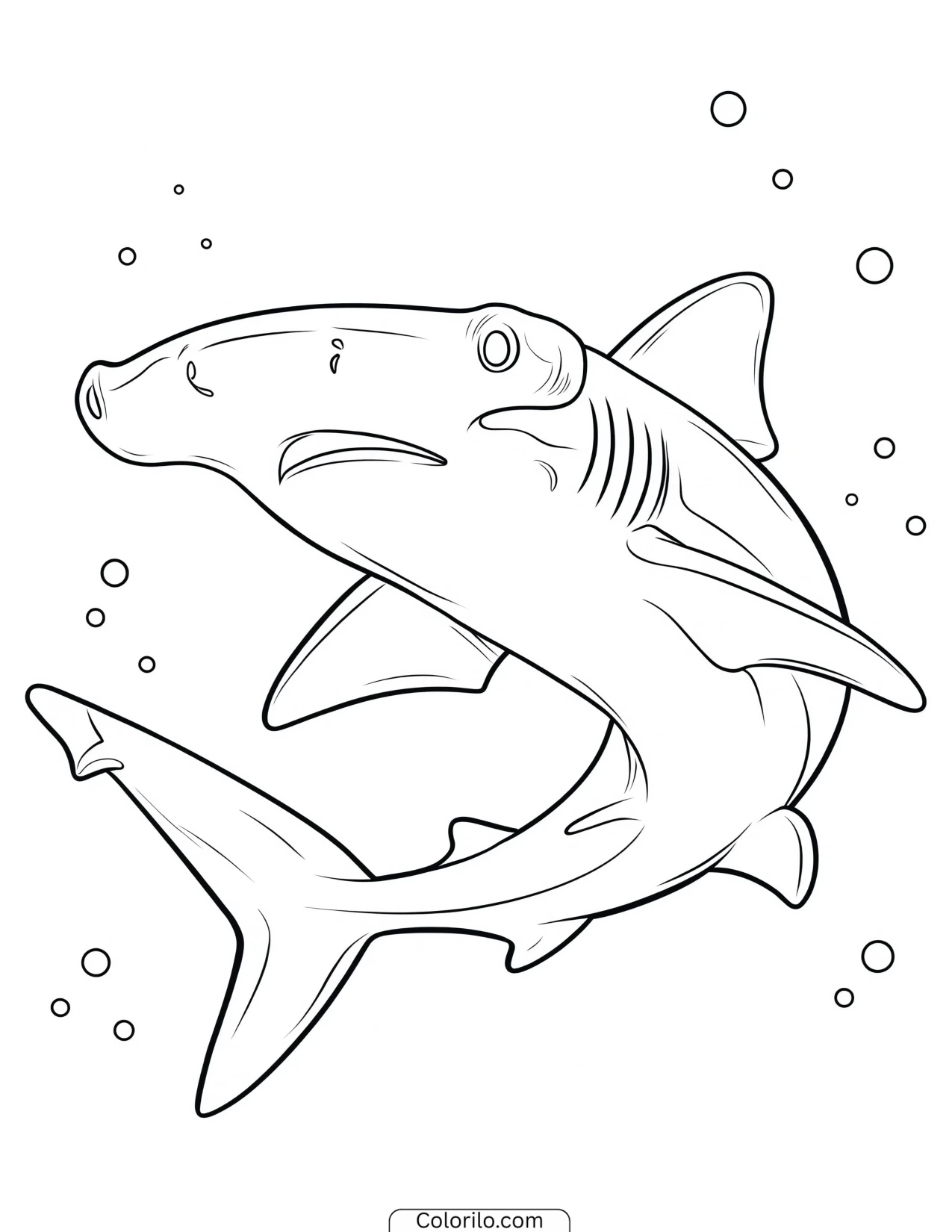
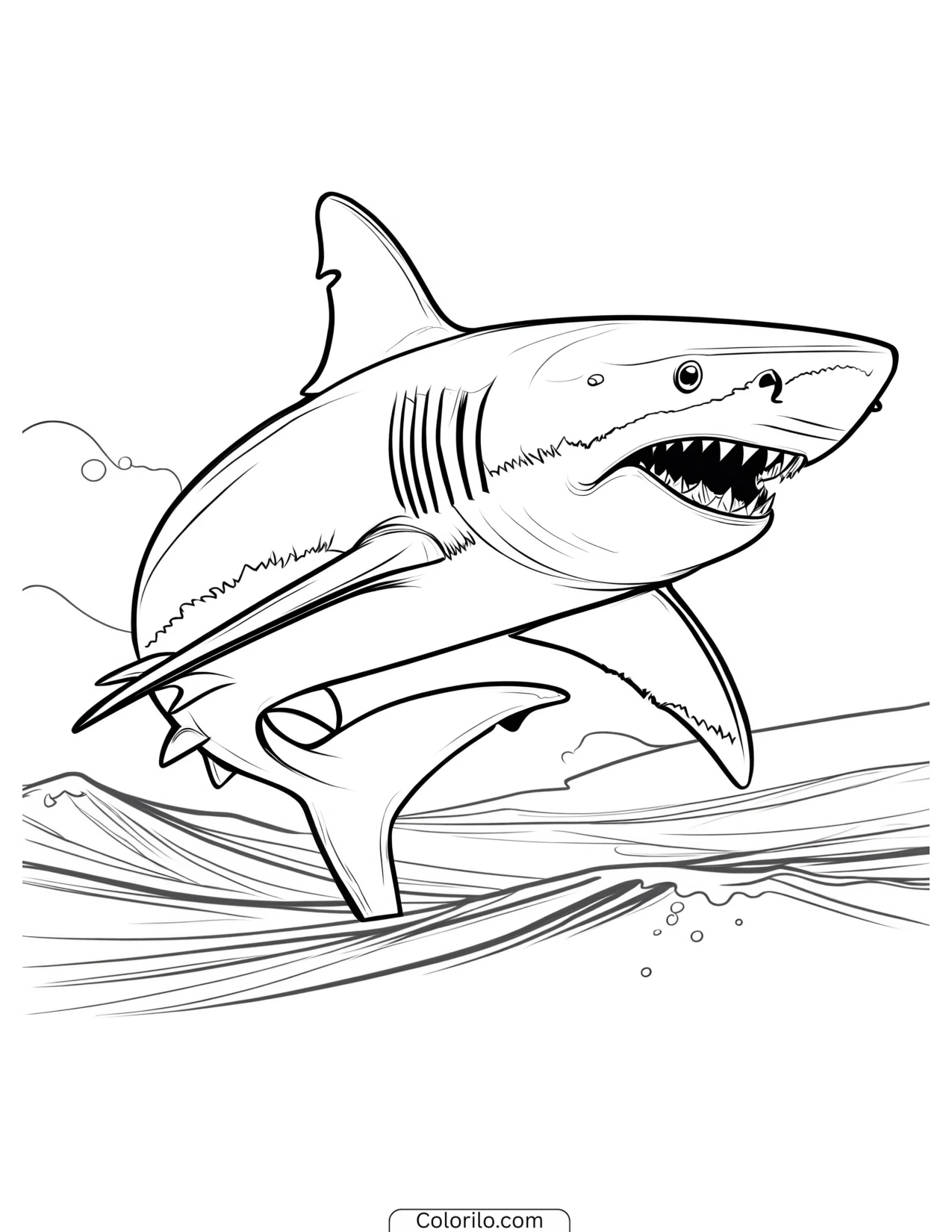
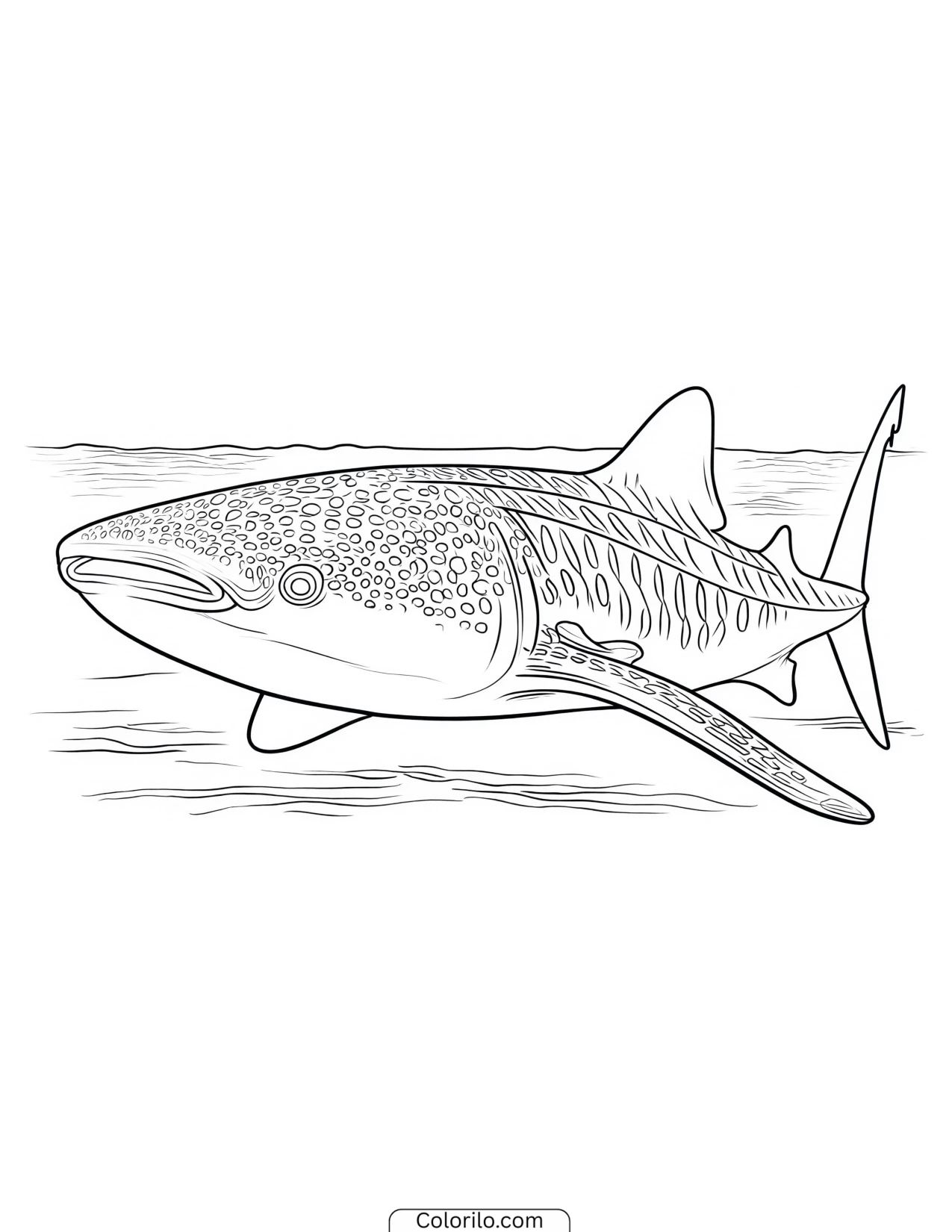
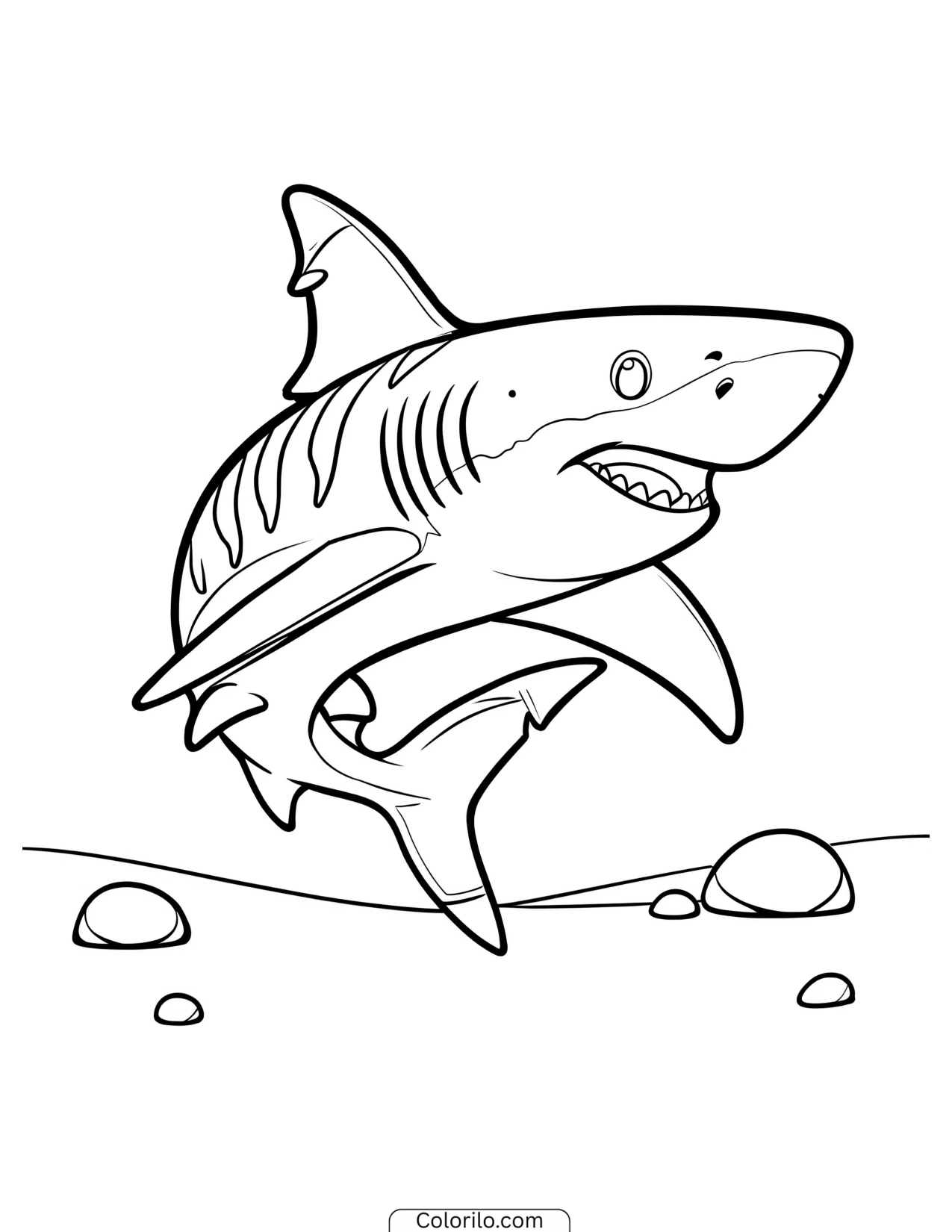
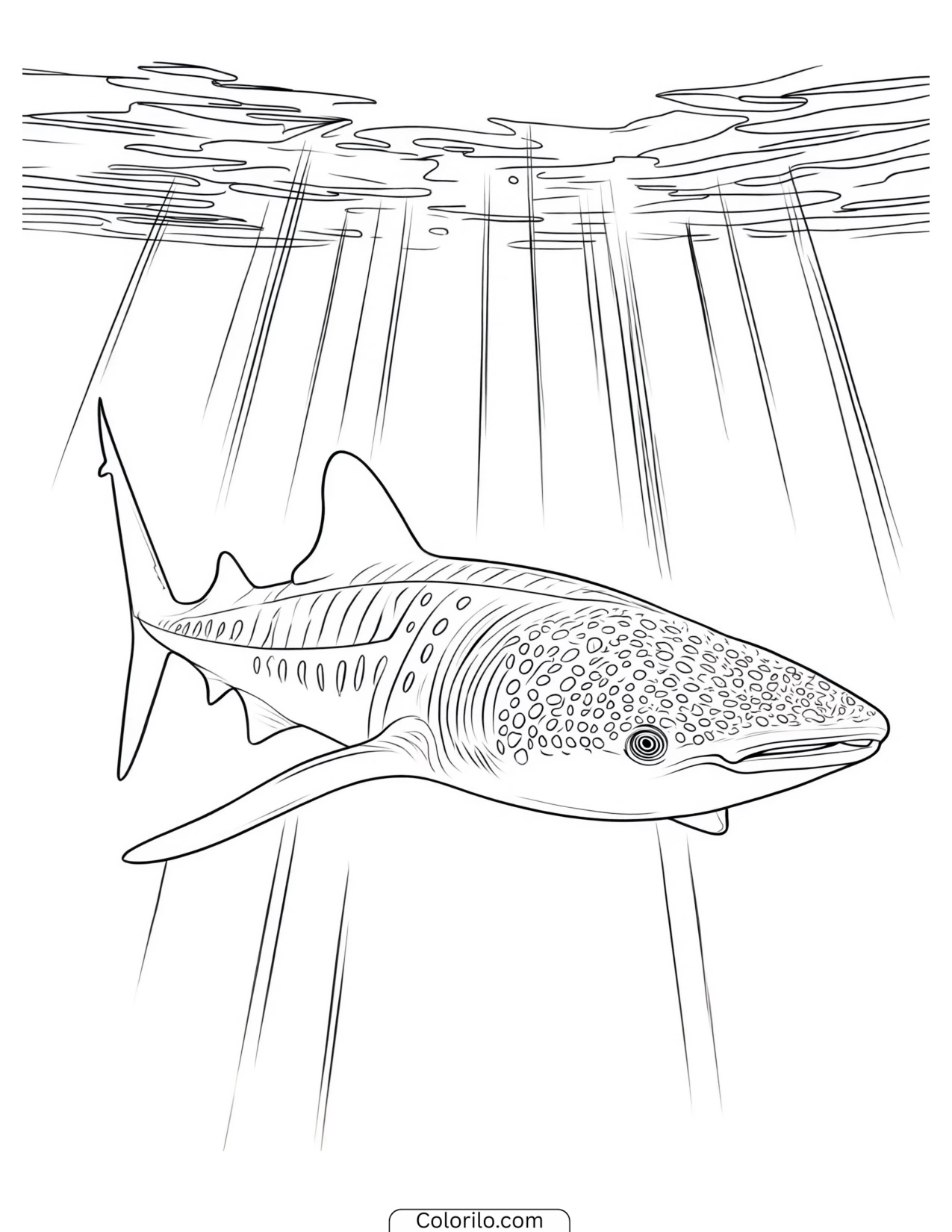
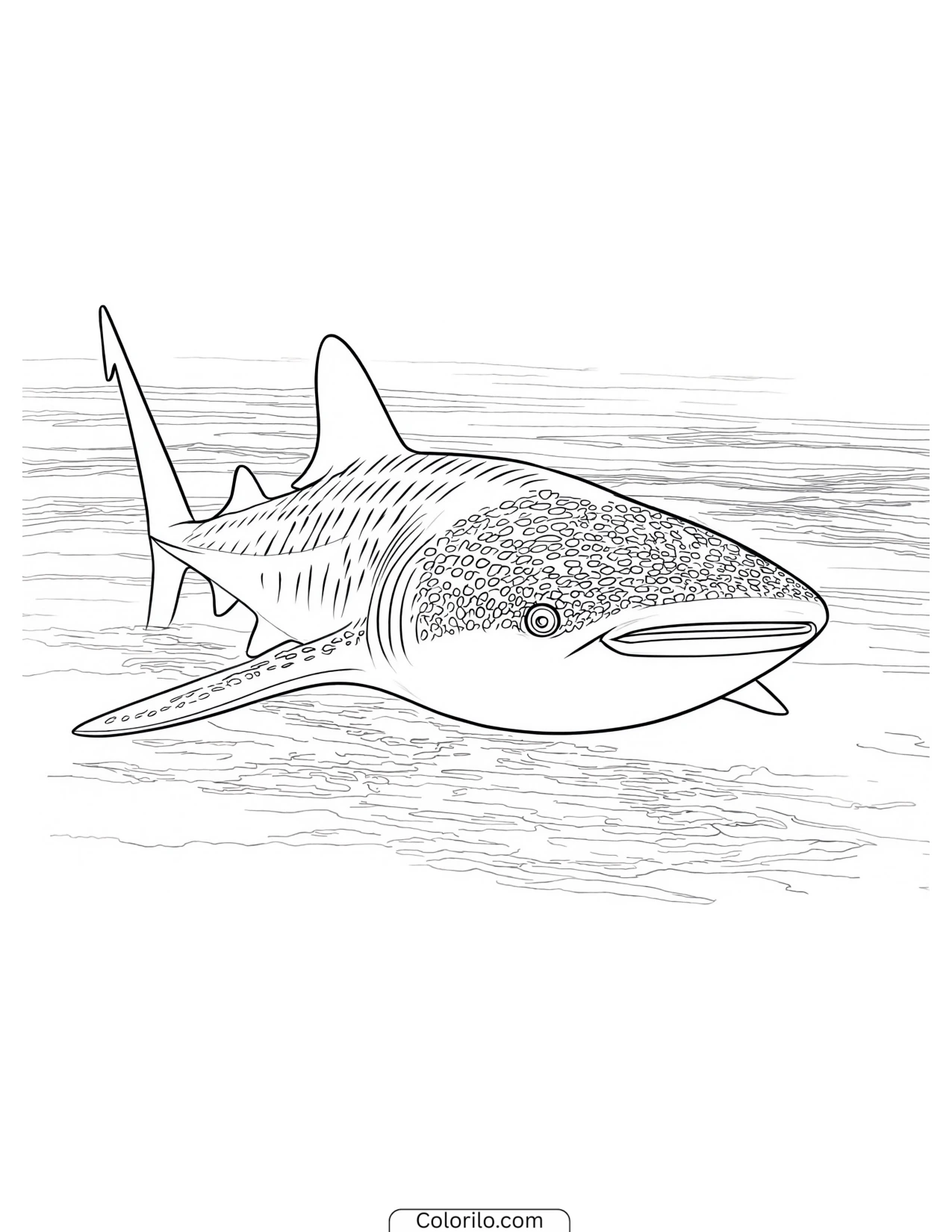
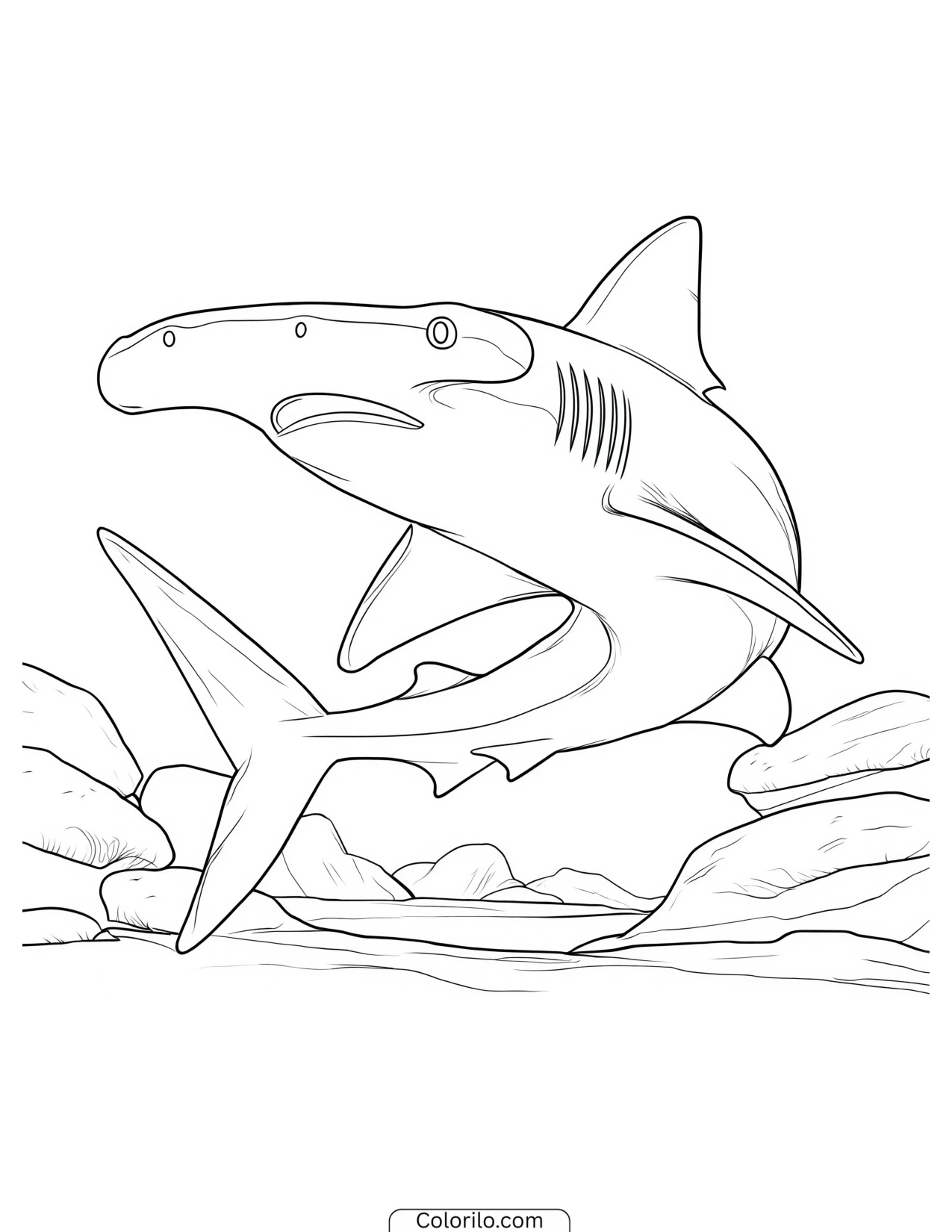
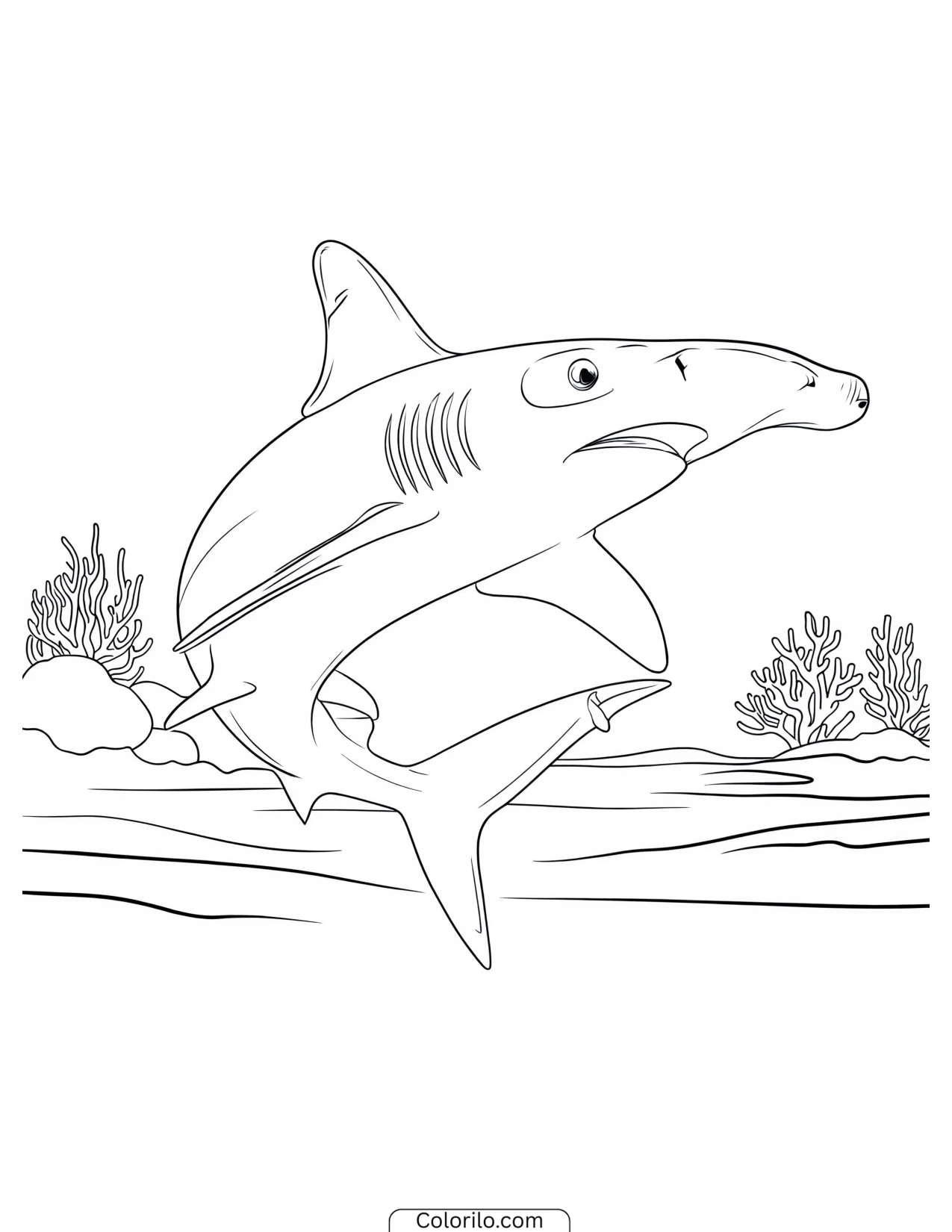
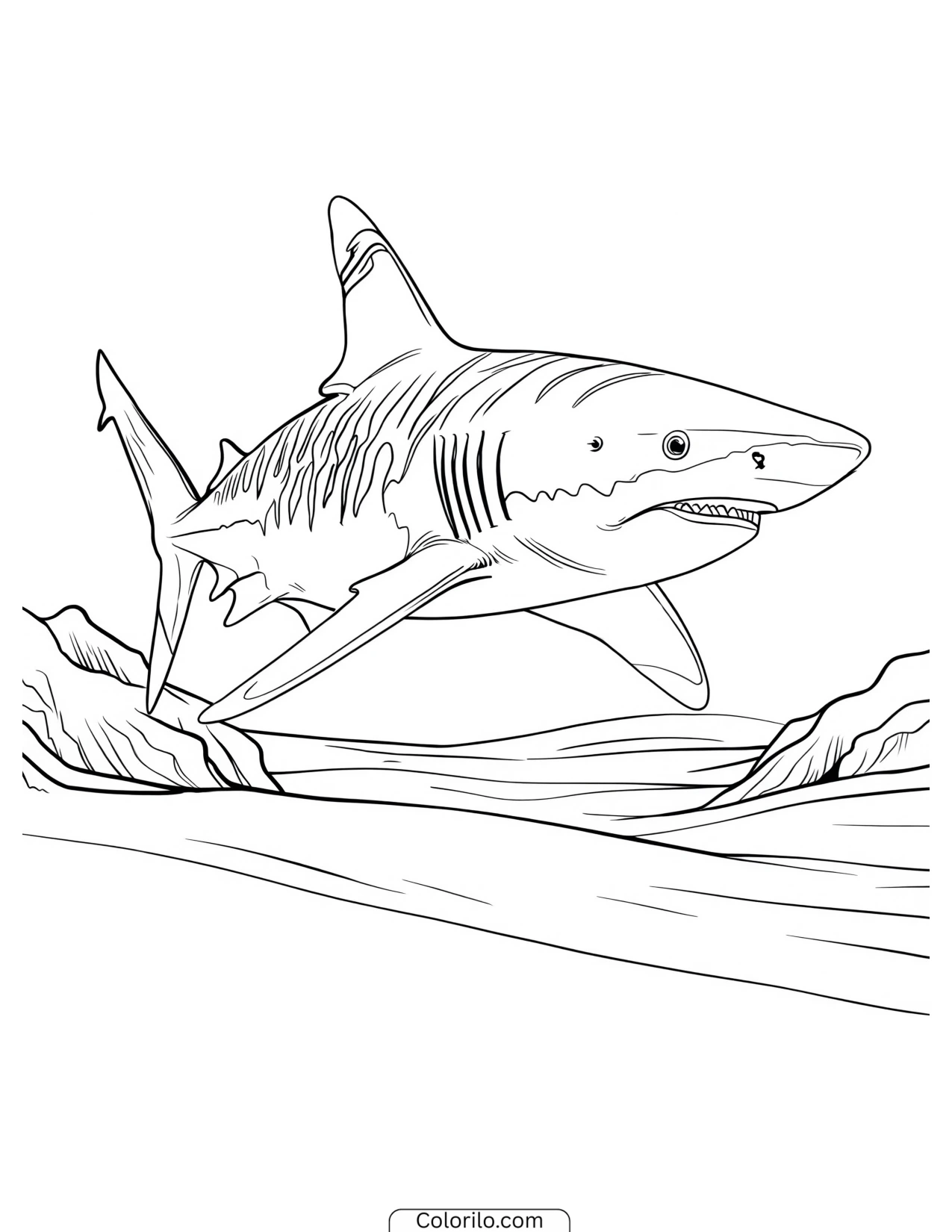
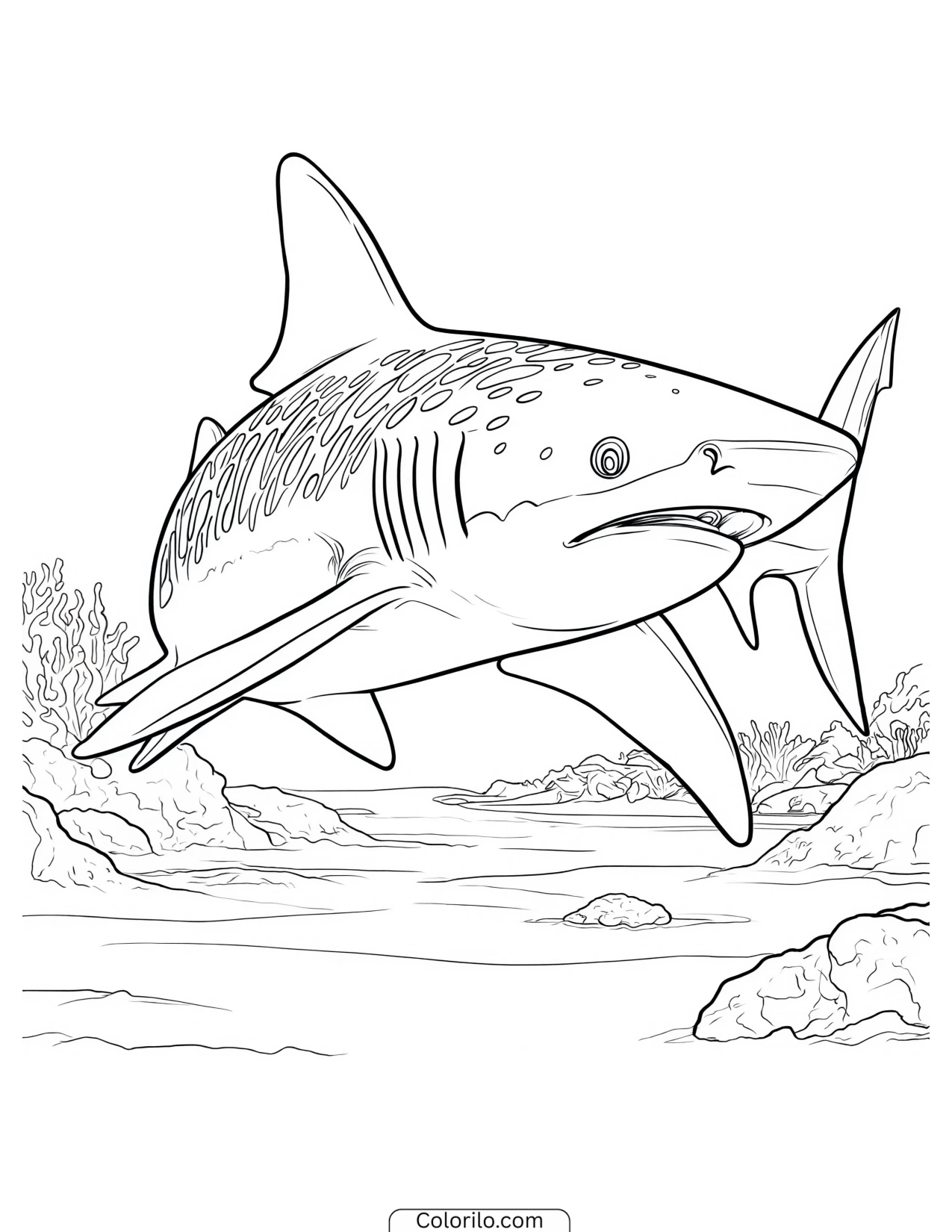
Four species are identified by name across the collection. Hammerheads appear six times, including one twisting mid-turn and several breaching the surface, their flattened head, called a cephalofoil, gives them a silhouette no other shark has. There are three whale sharks, the largest fish alive at up to 12 metres, and a filter feeder despite the name. Two tiger sharks, named for the stripes that fade as they mature. And one great white breaching, which is the image most people picture when they hear the word shark.
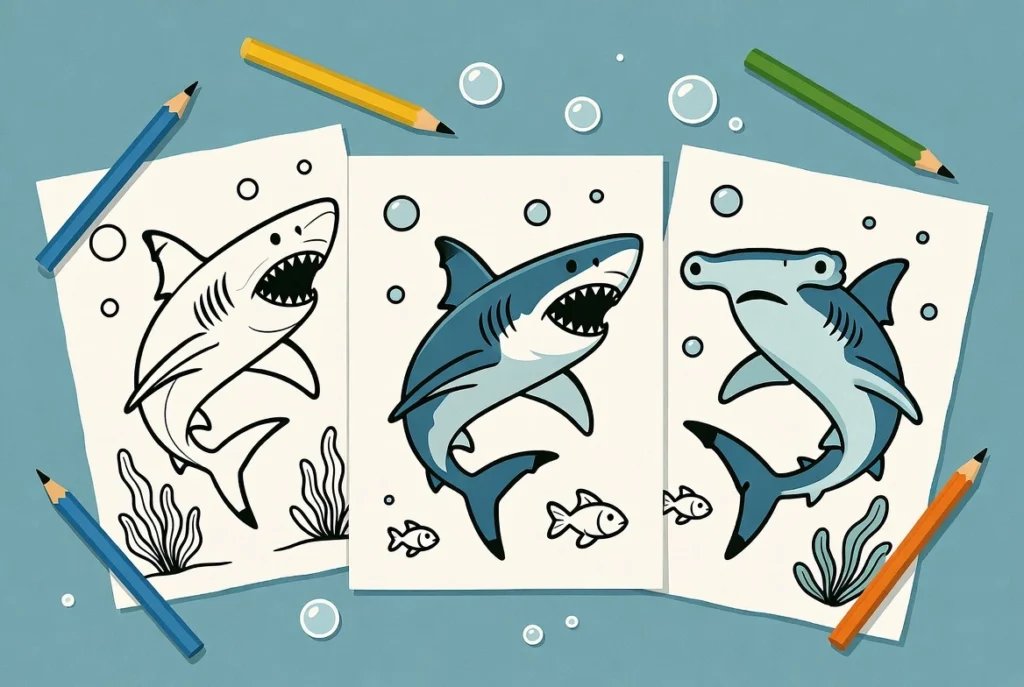
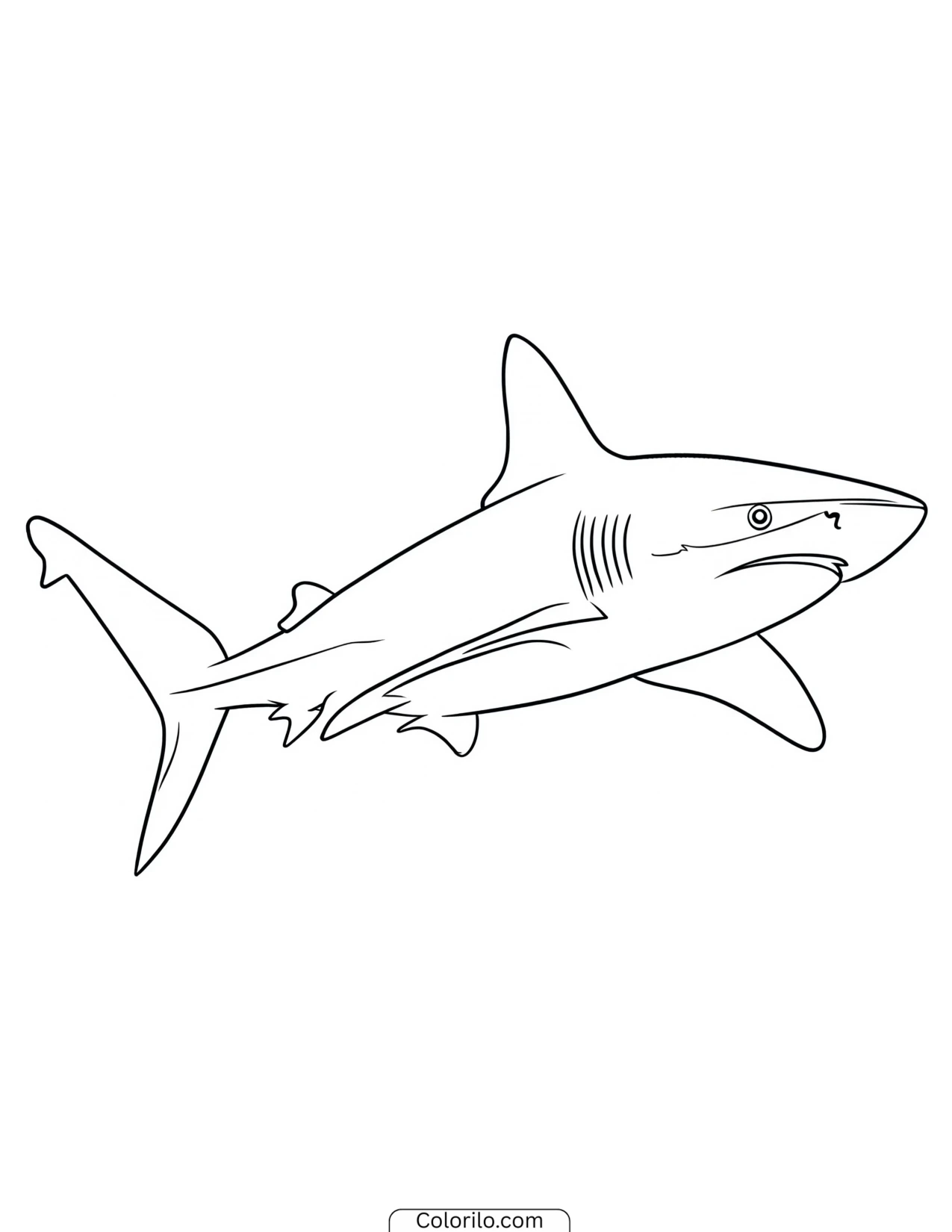
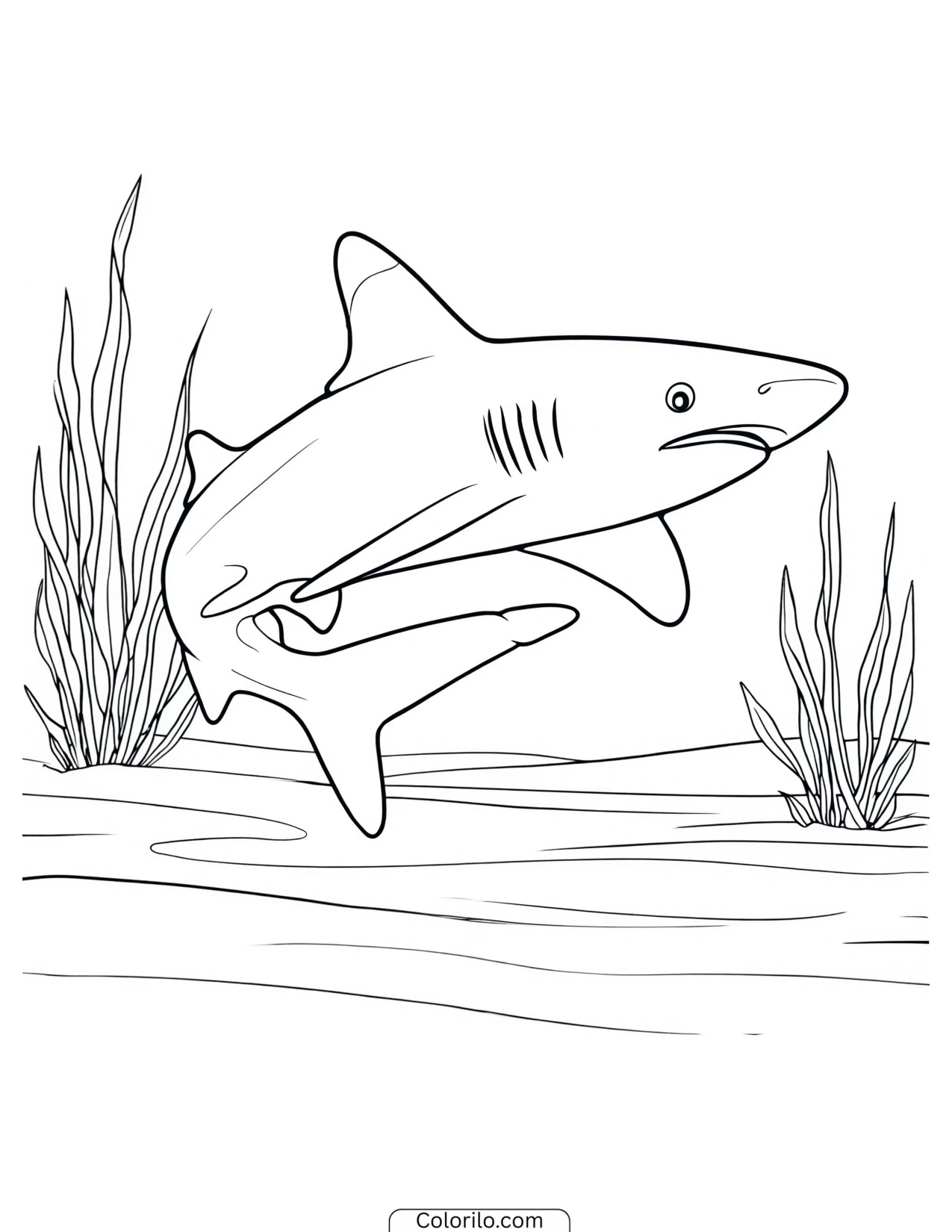
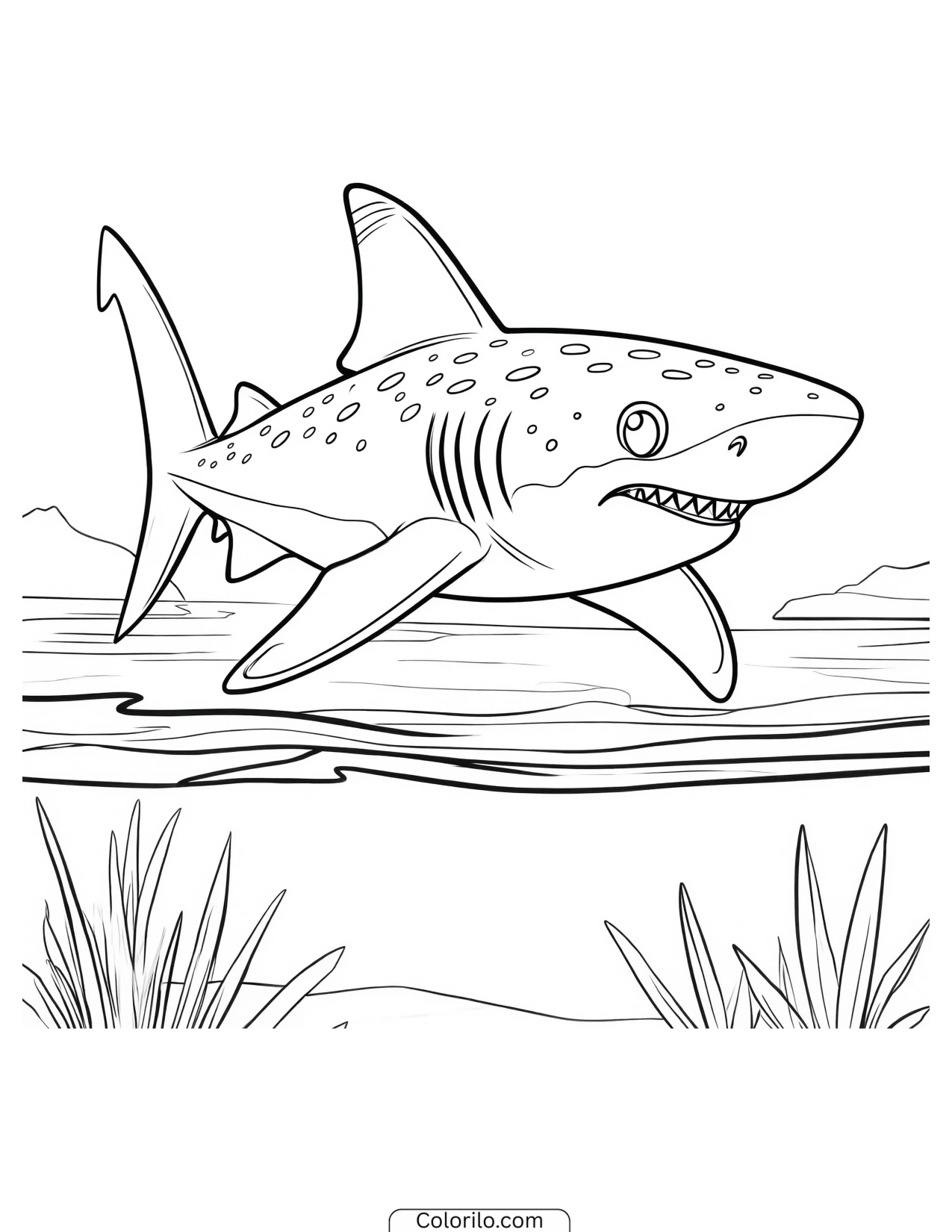
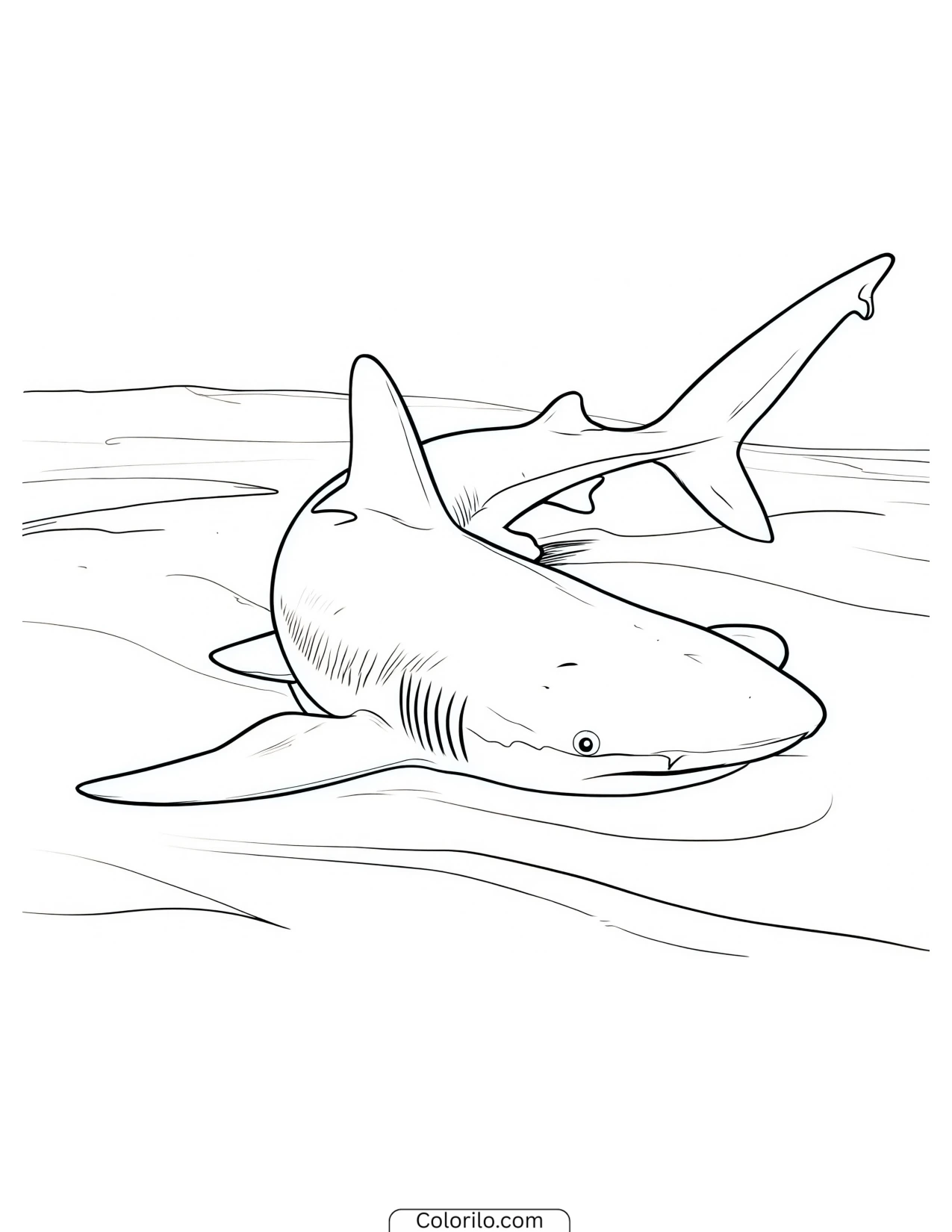
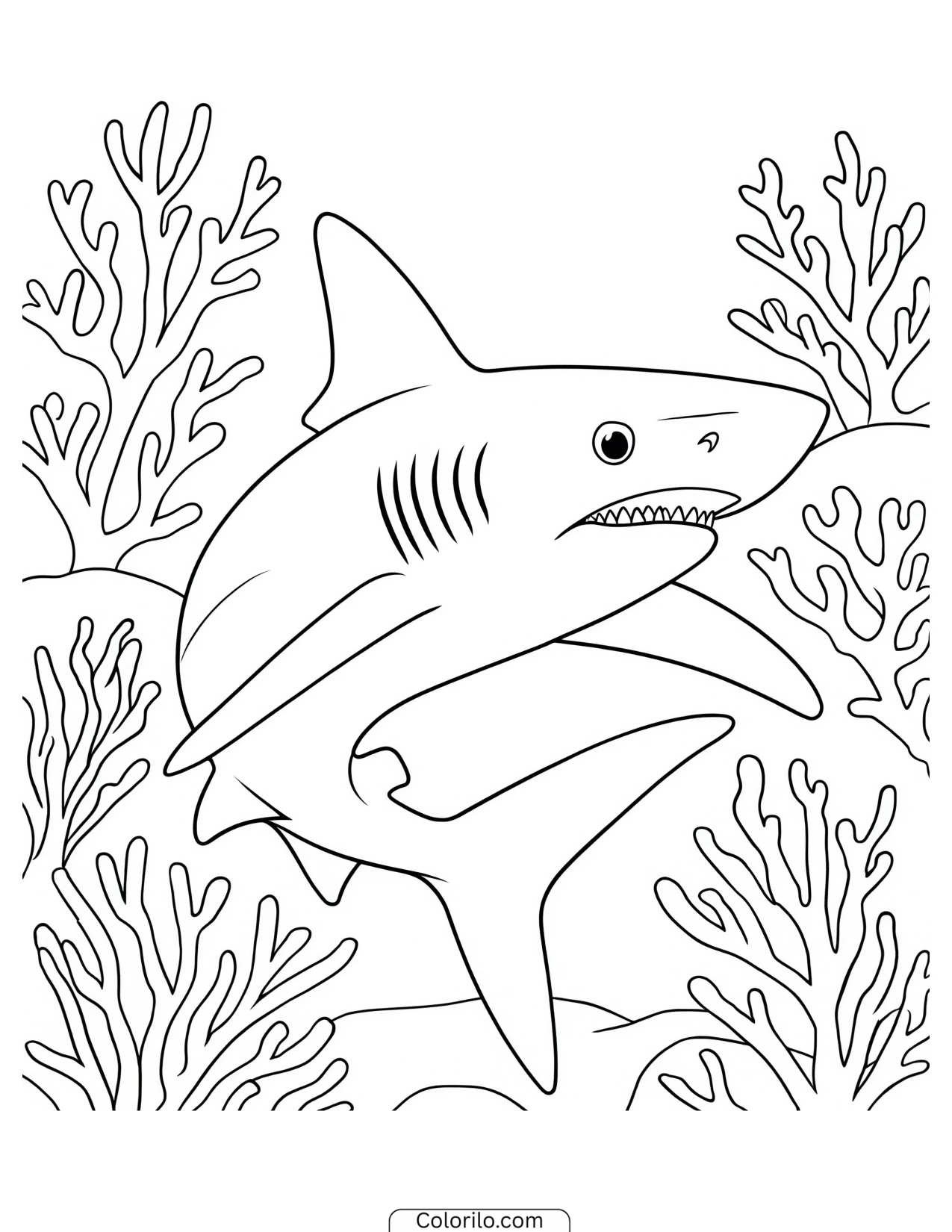
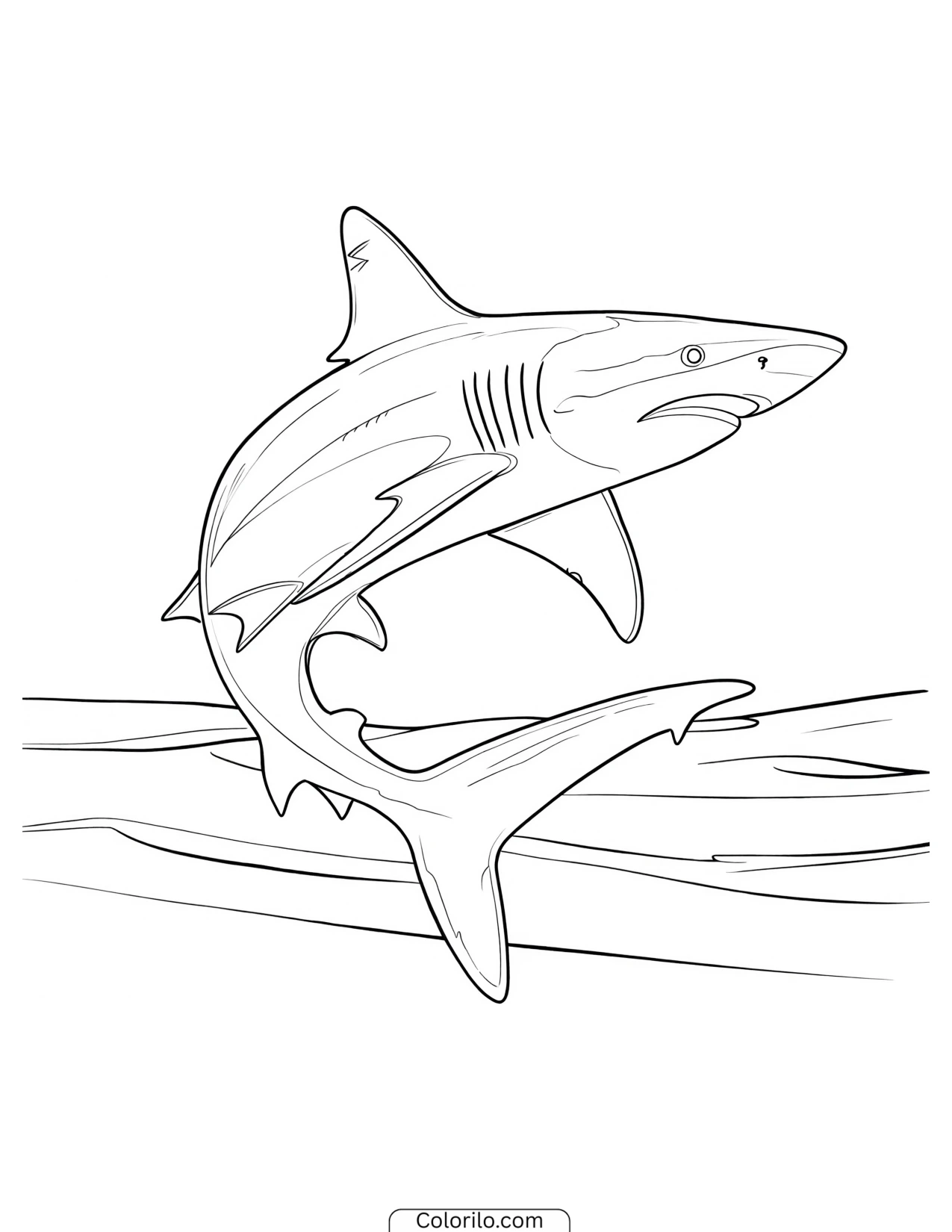
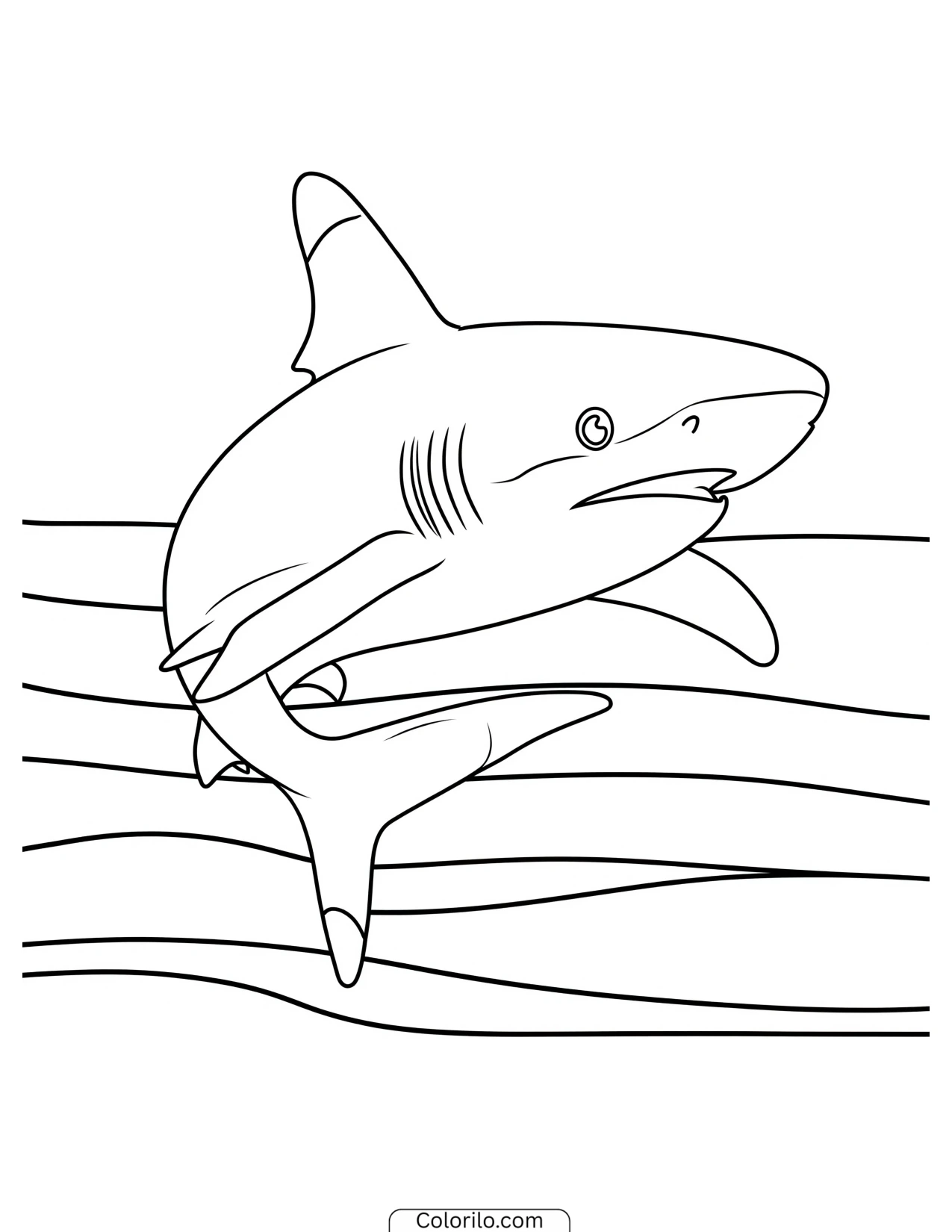
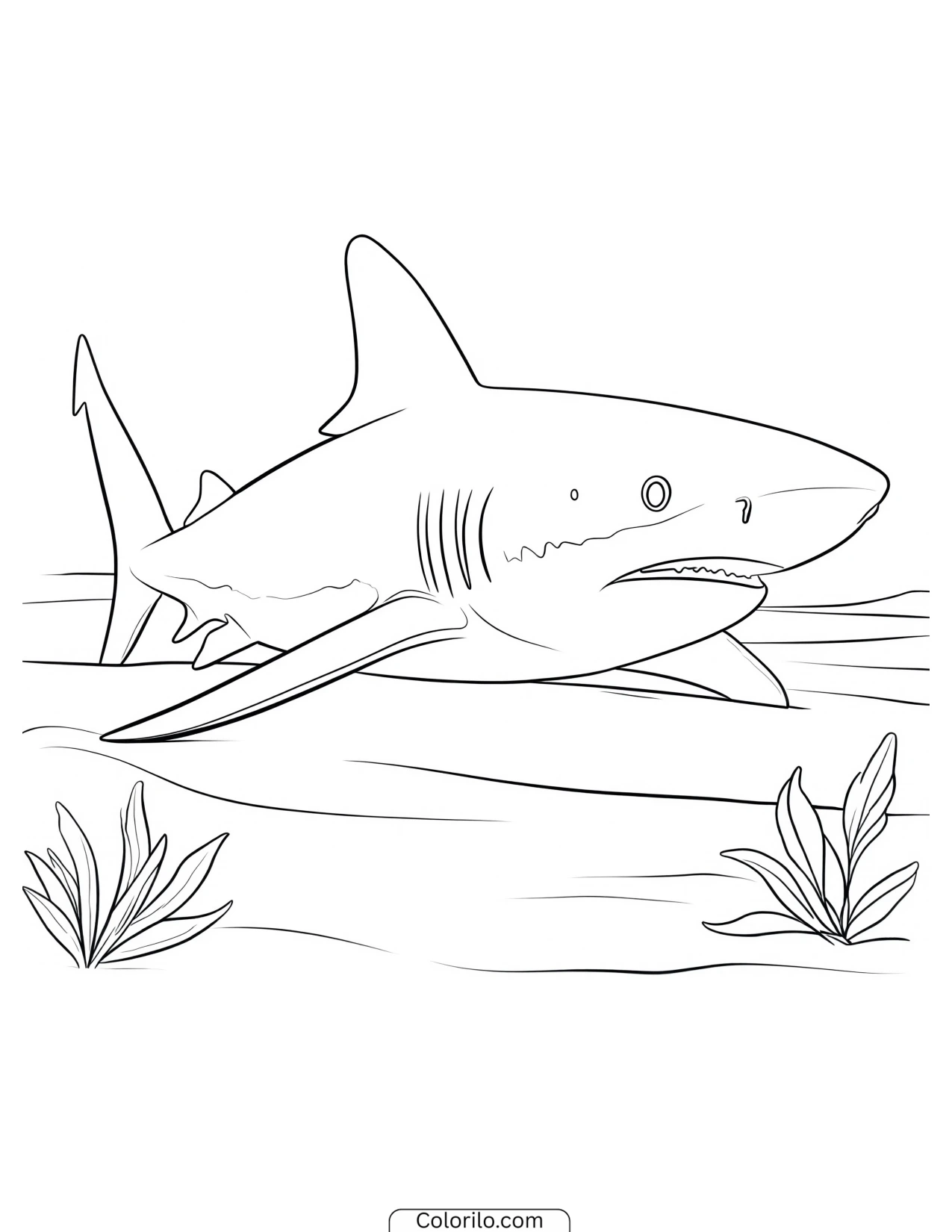
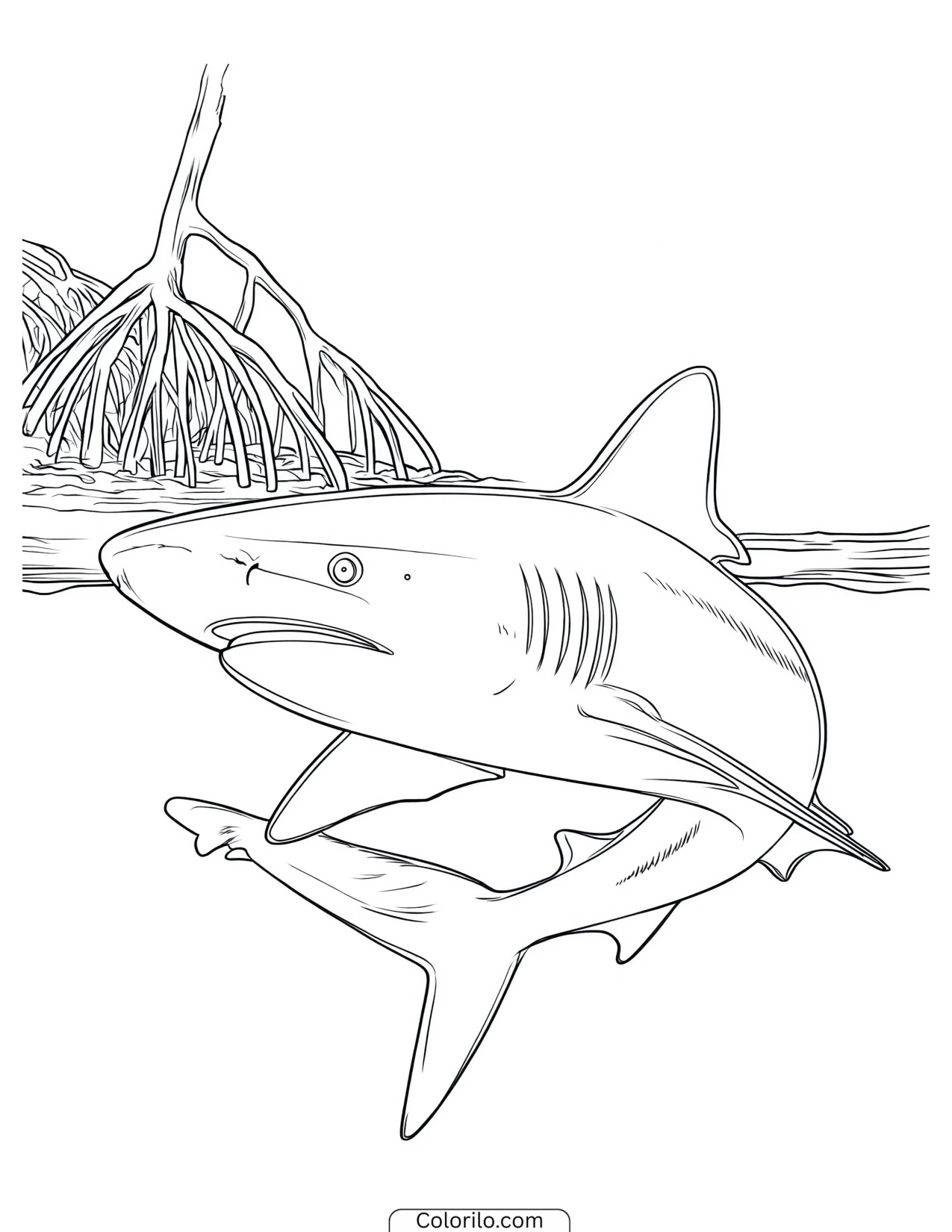
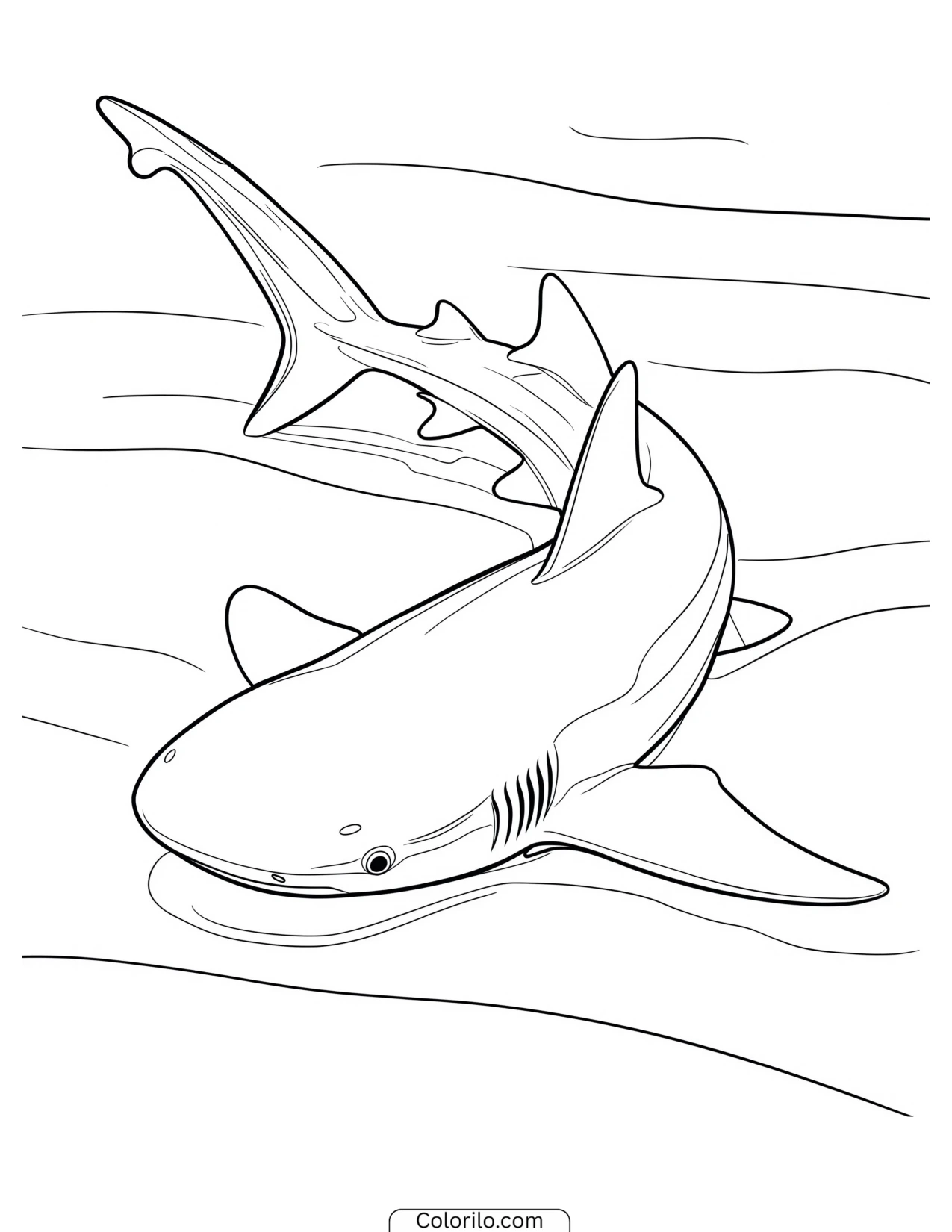
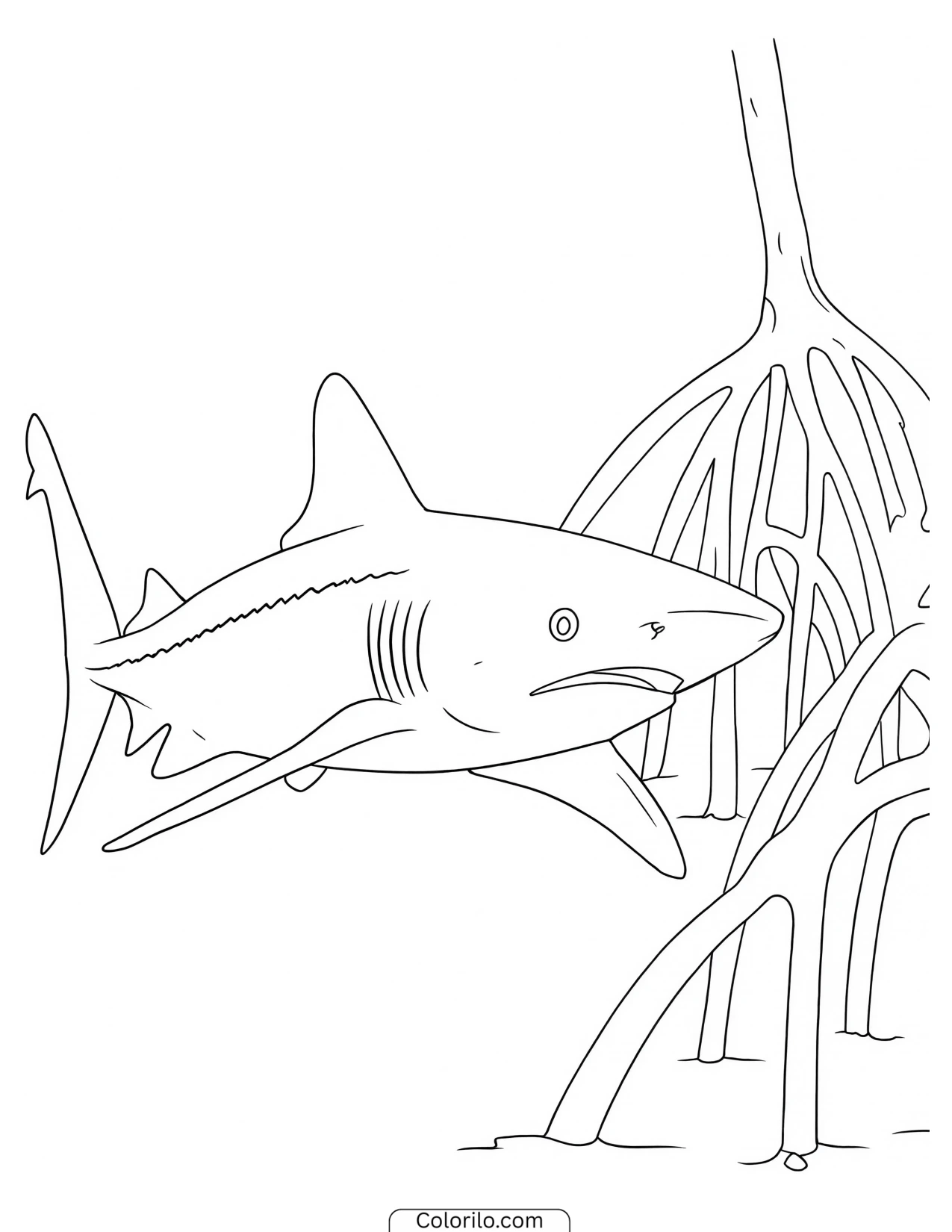
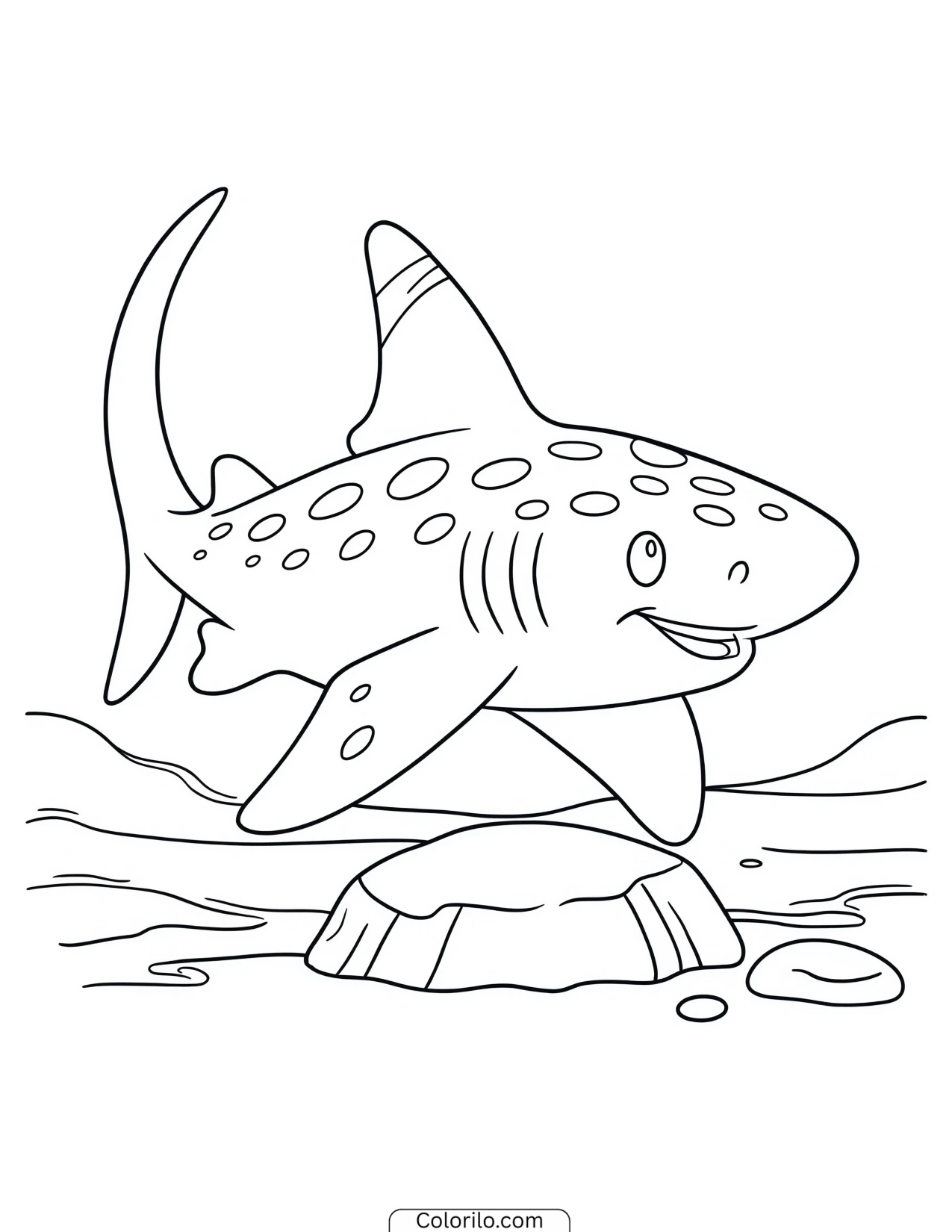
The remaining pages are sharks in their habitats rather than named species, over coral, along rocky seabeds, among mangrove roots, beneath rays of sunlight, trailing bubbles. Several are patterned, spotted, or striped, and a few are drawn as friendly cartoon sharks with a smile, which is where to start with a small child.
The range of settings is what makes this set useful for more than one sitting. Some designs show the shark alone against open water, which fills quickly. Others place it in a full underwater scene with coral, seaweed, shells, and light coming down through the surface, considerably more to color, and considerably more room to choose your own palette for the background.
Every one of these shark coloring pages is free, prints on standard US letter paper, and needs no sign-up. Click any design below to open the full-size PDF.
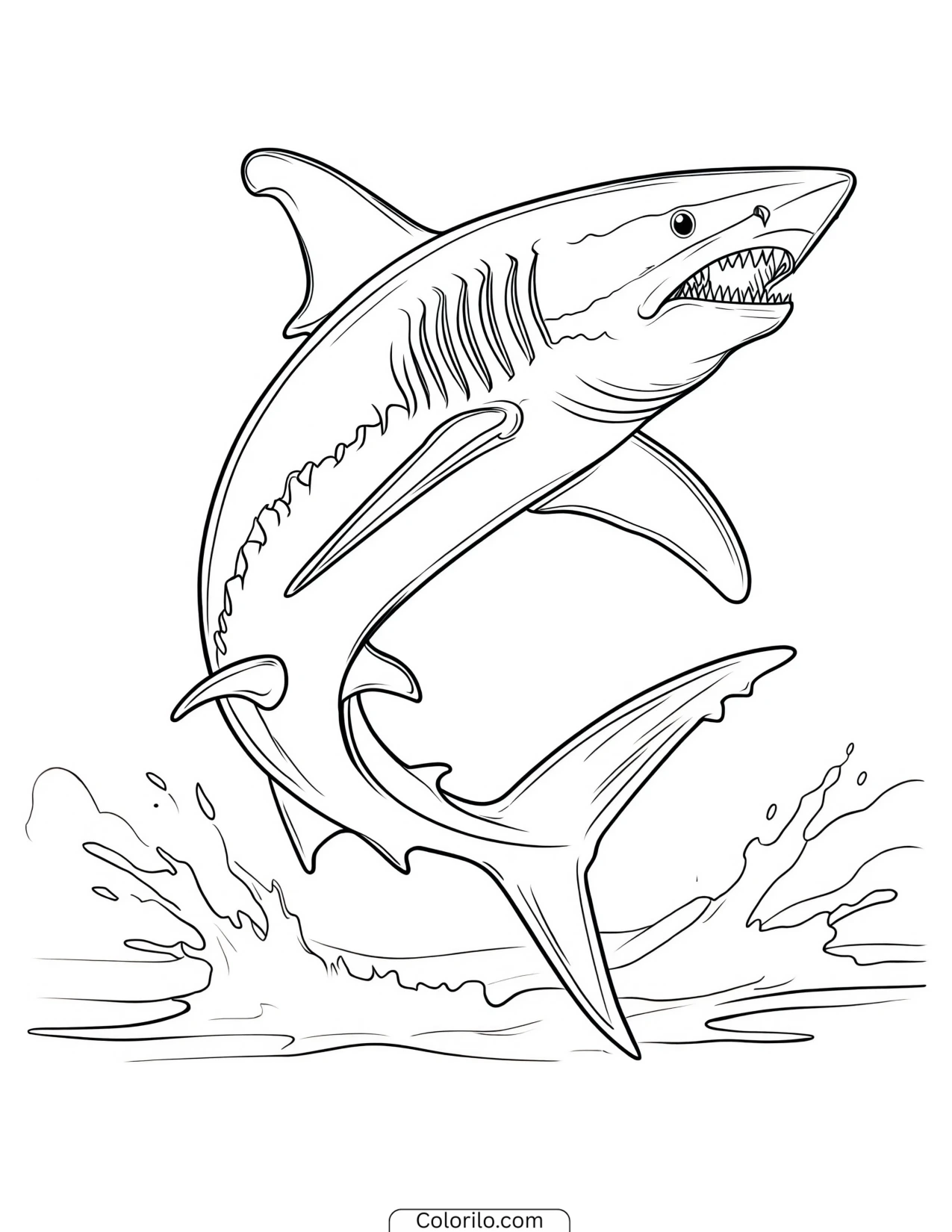
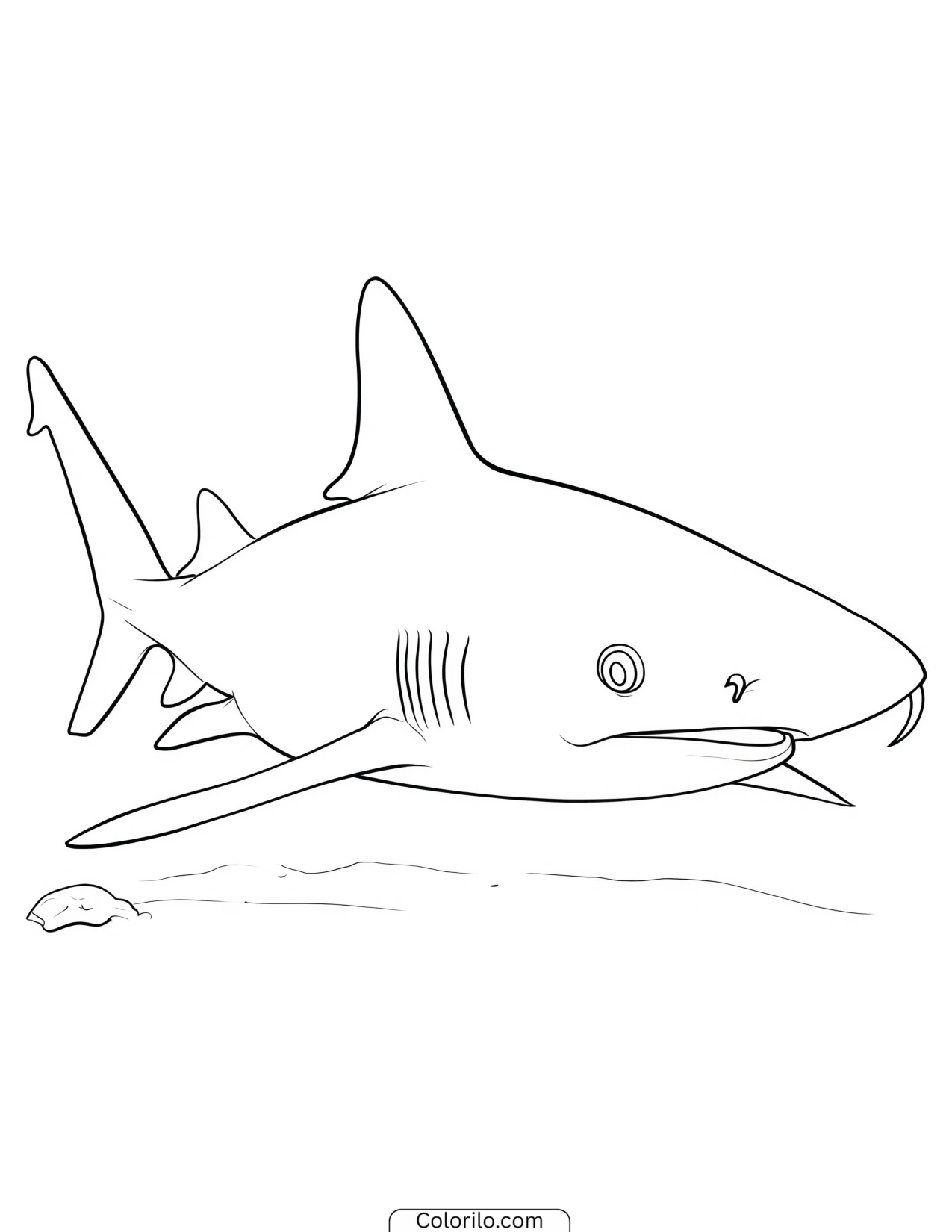
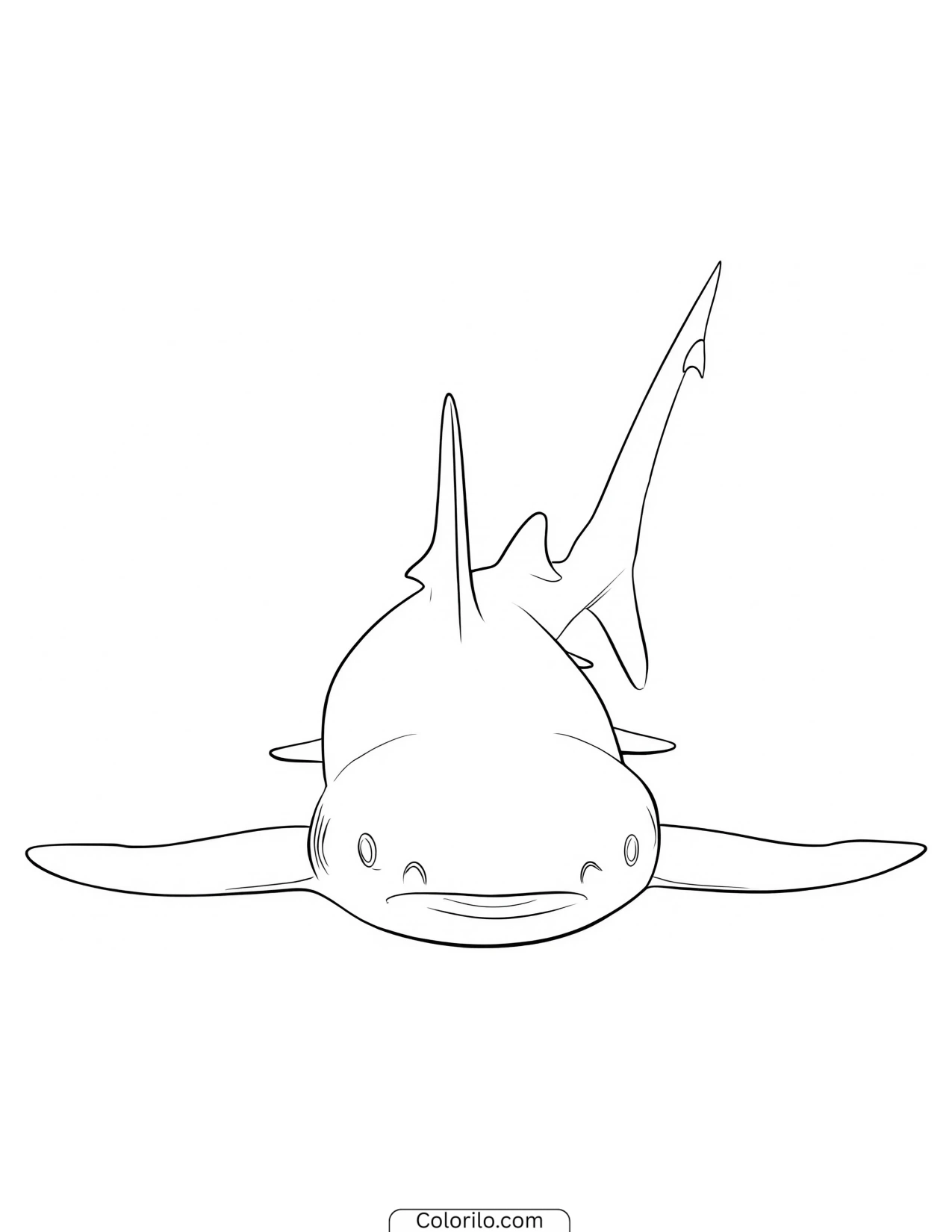
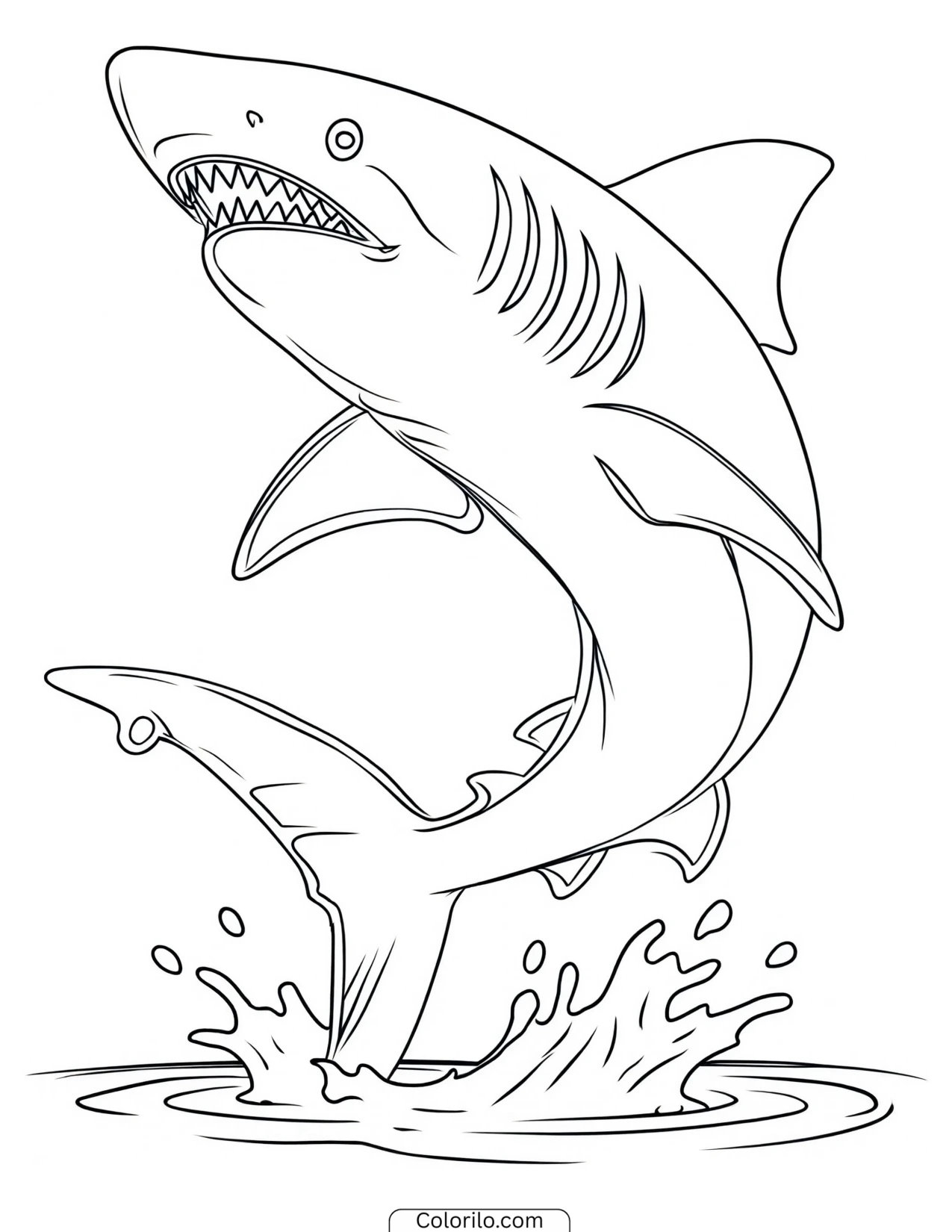
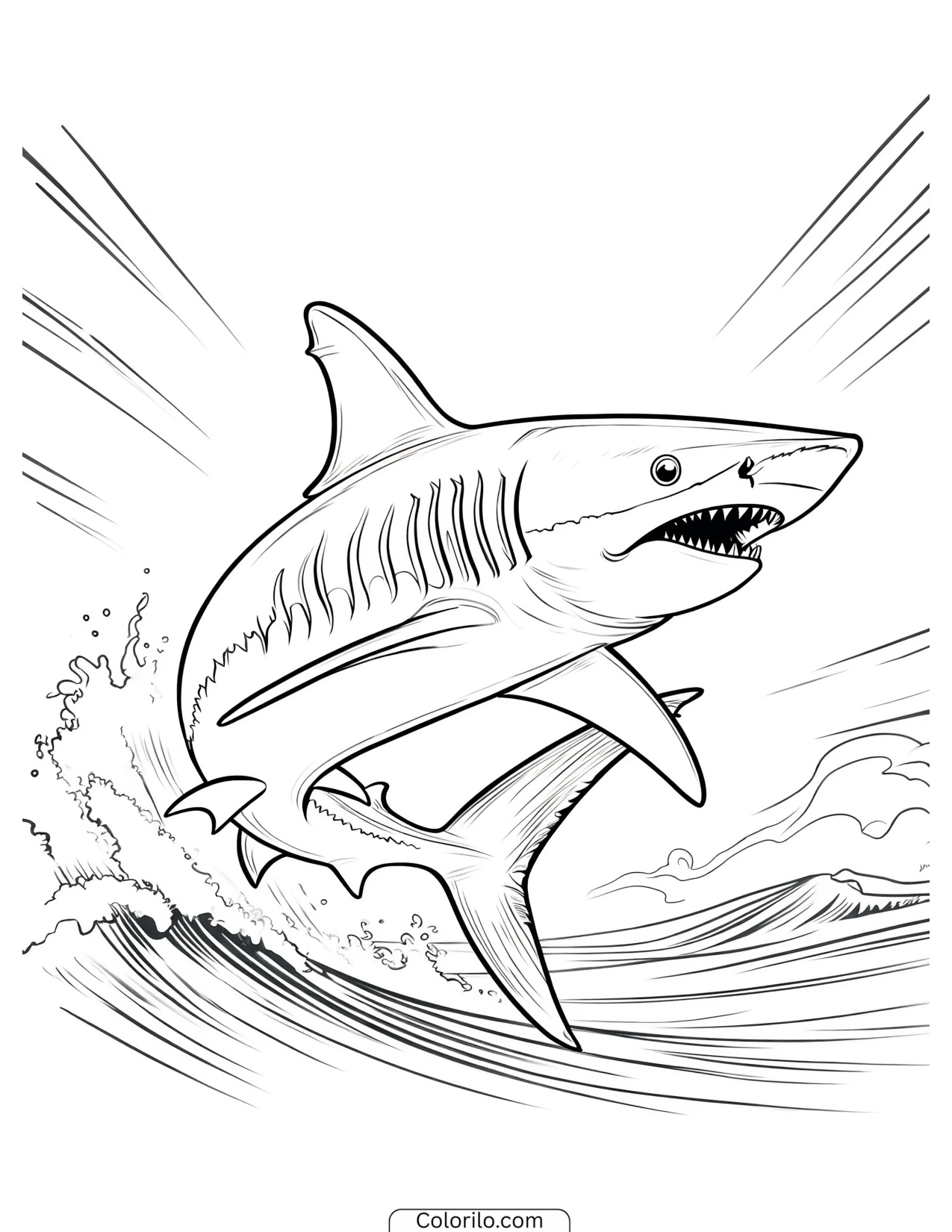
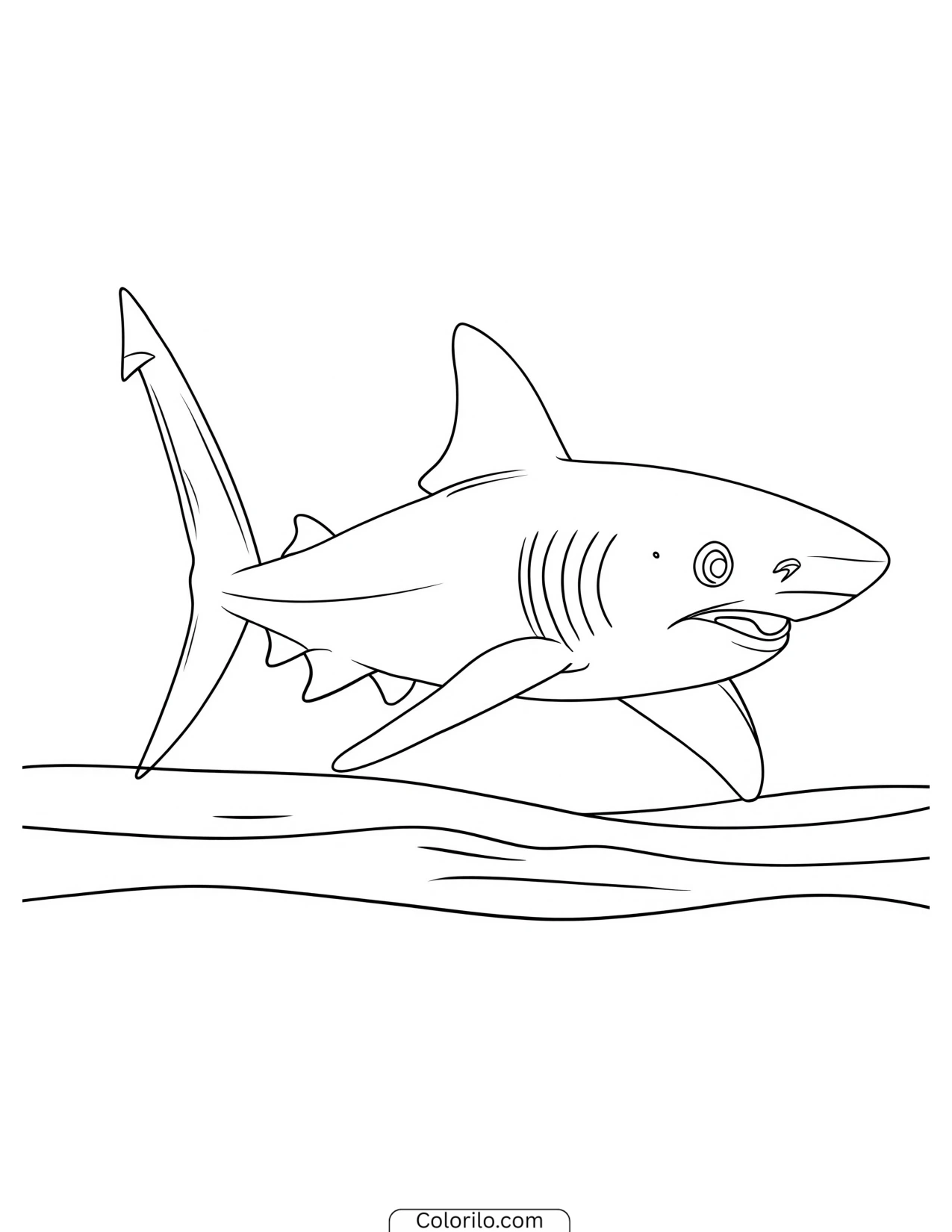
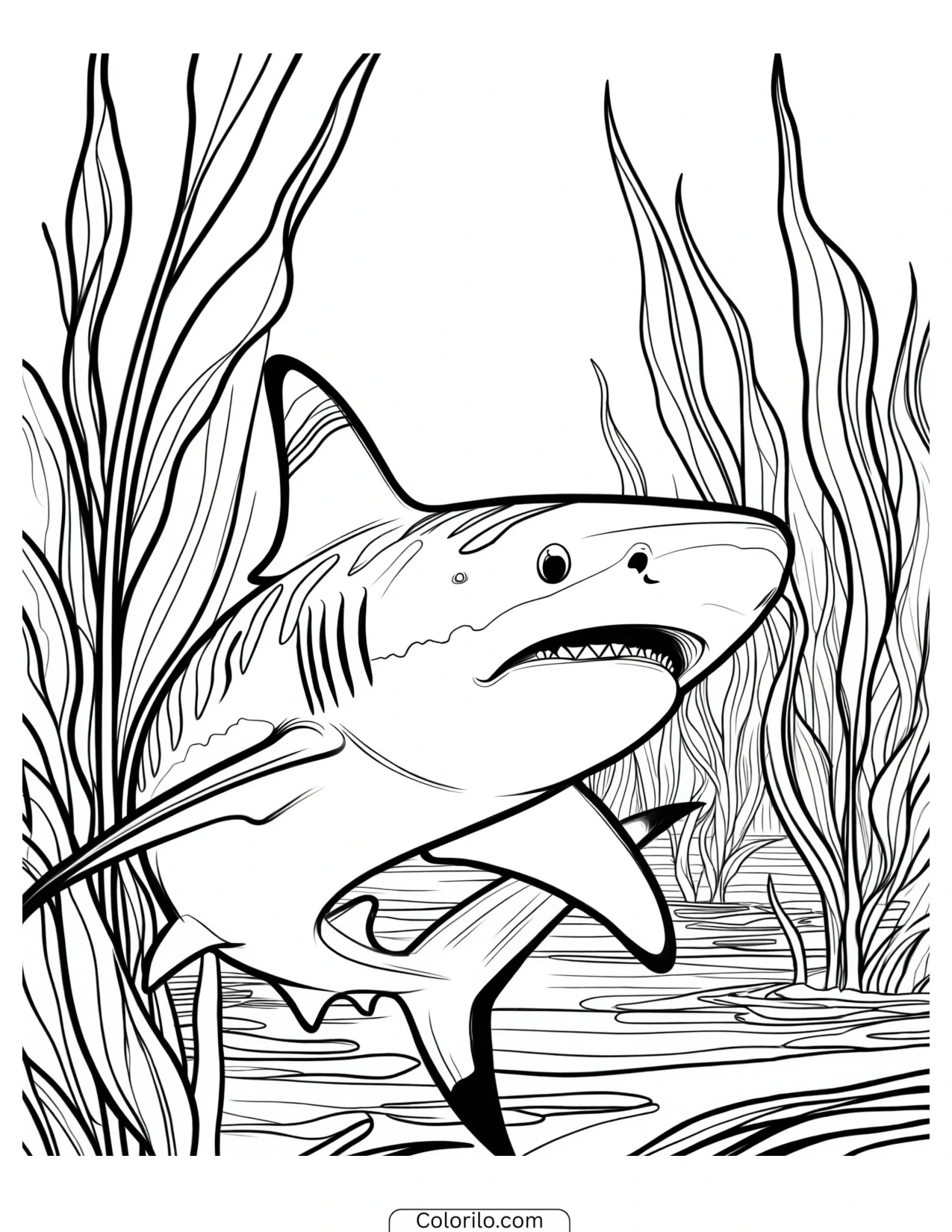
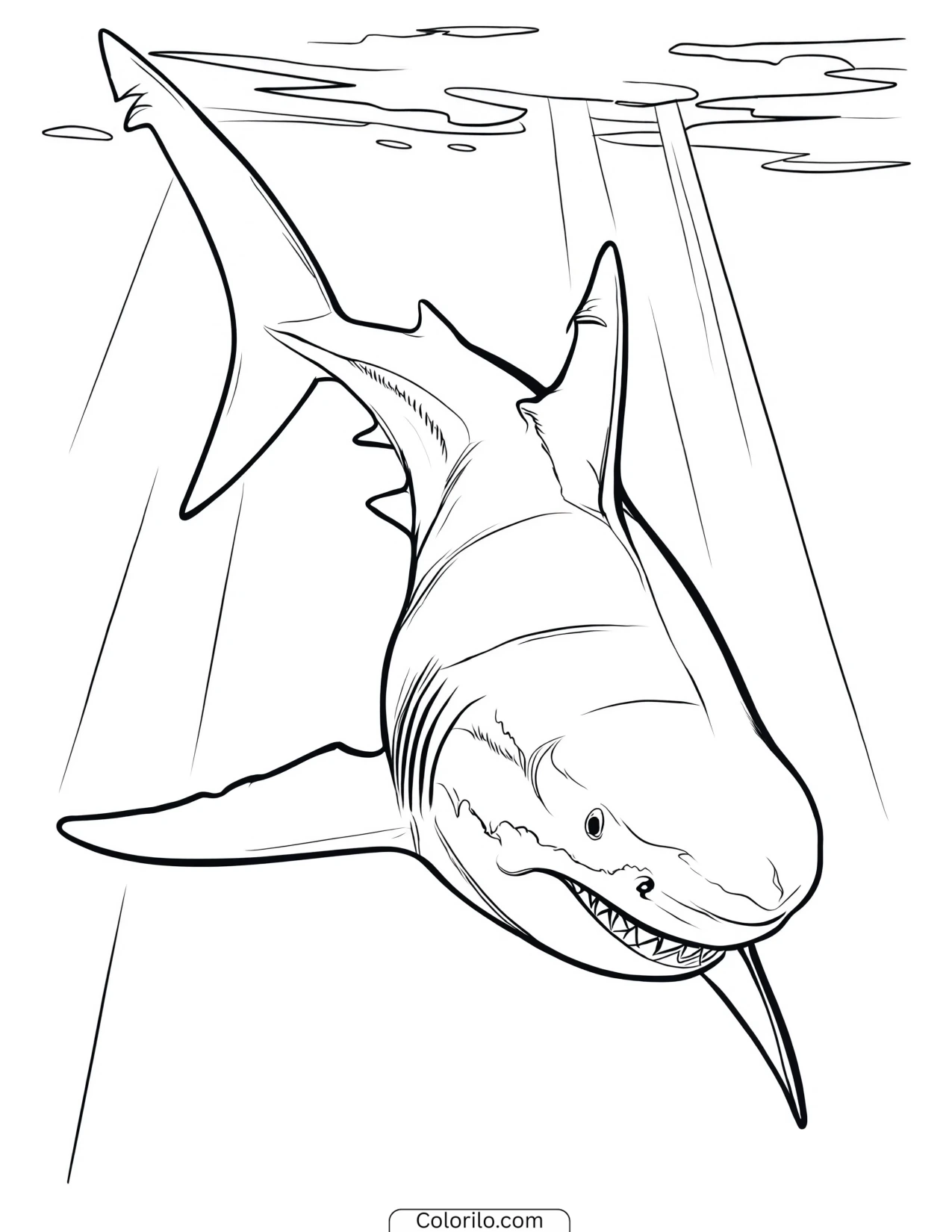
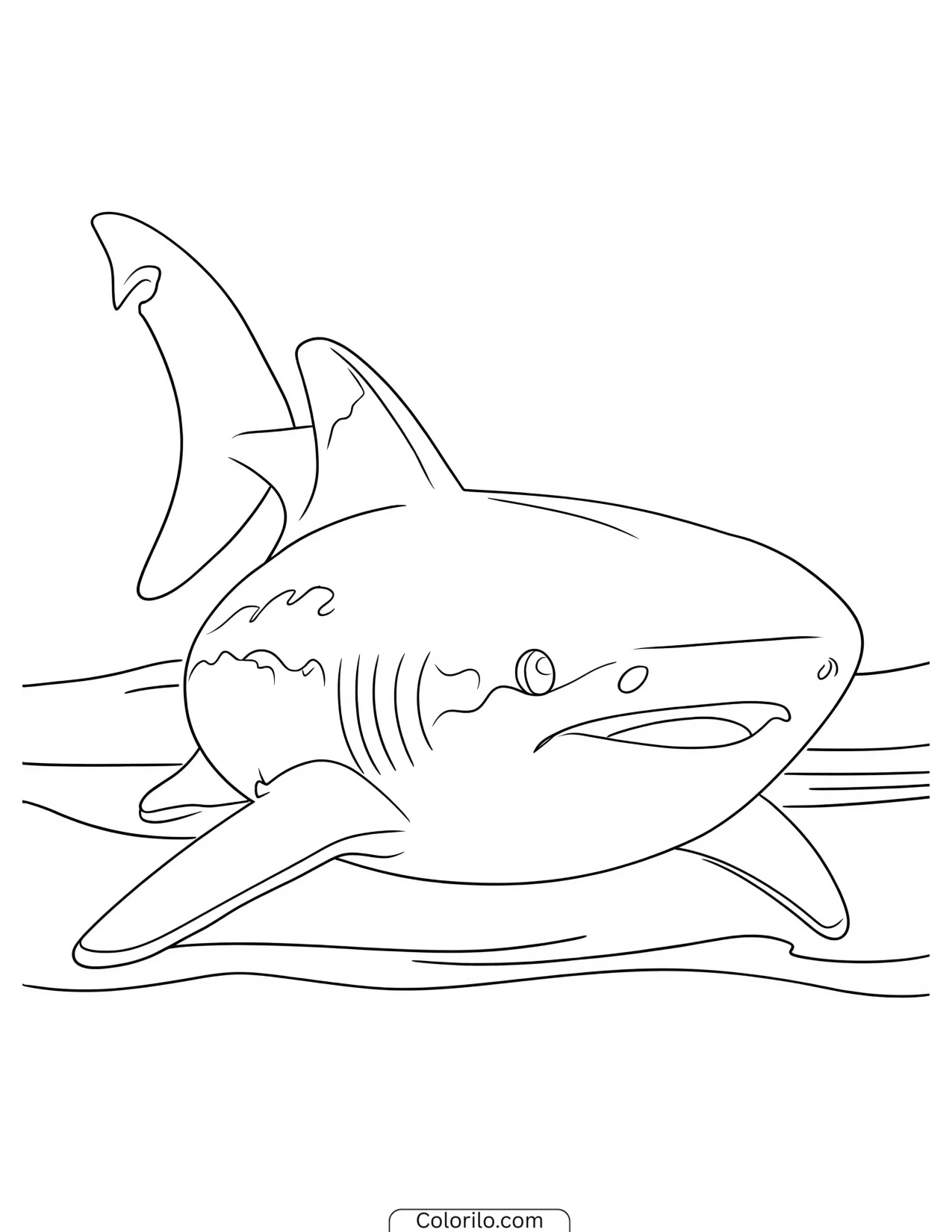
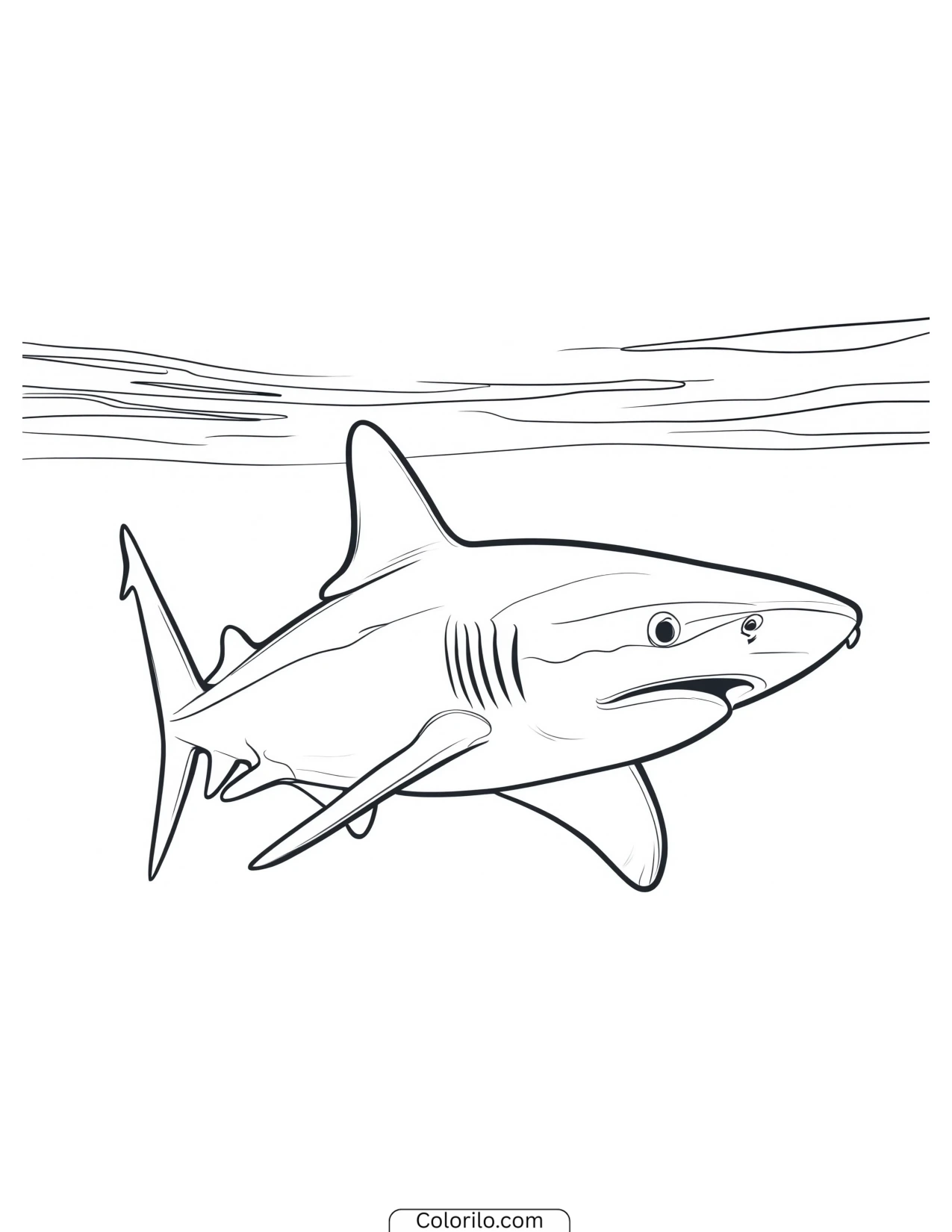
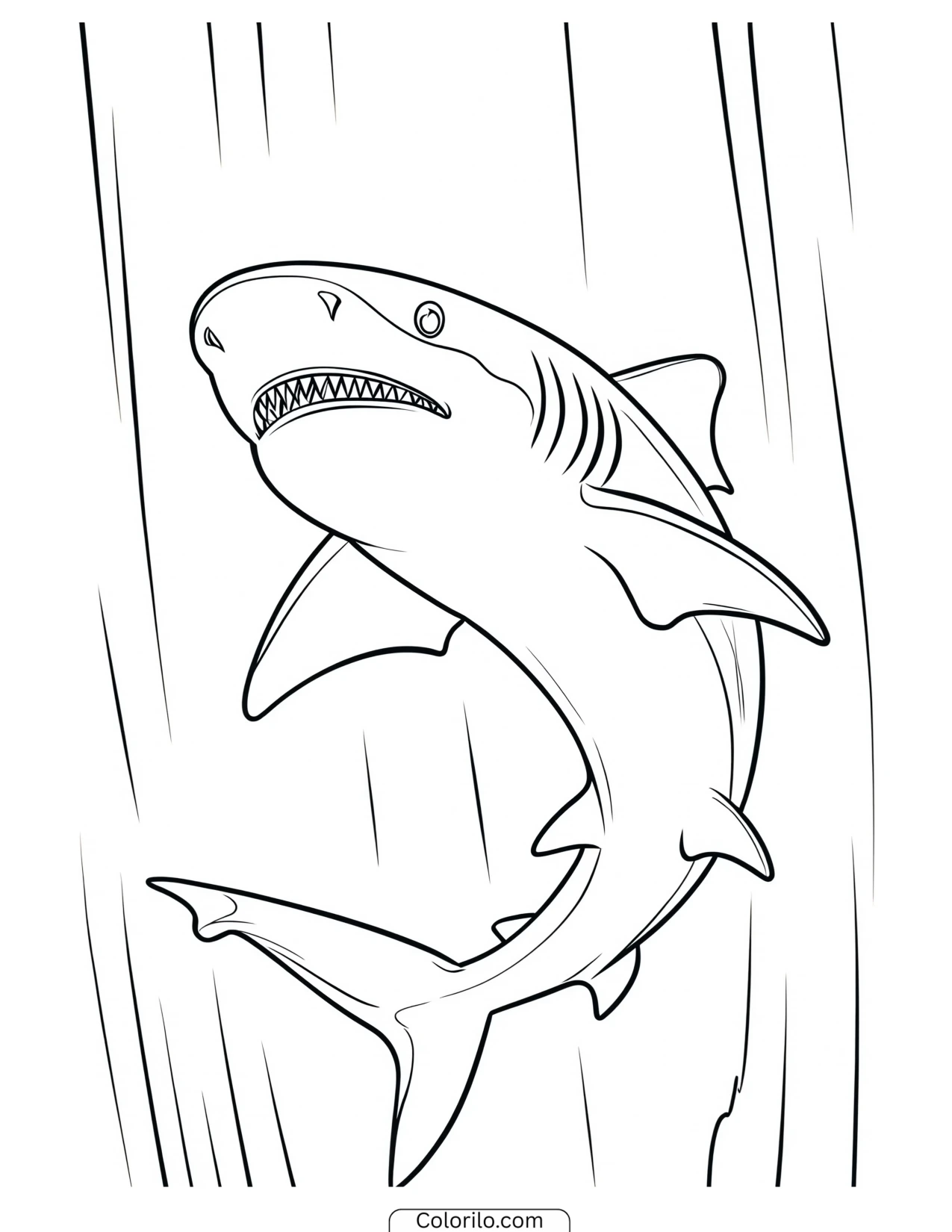
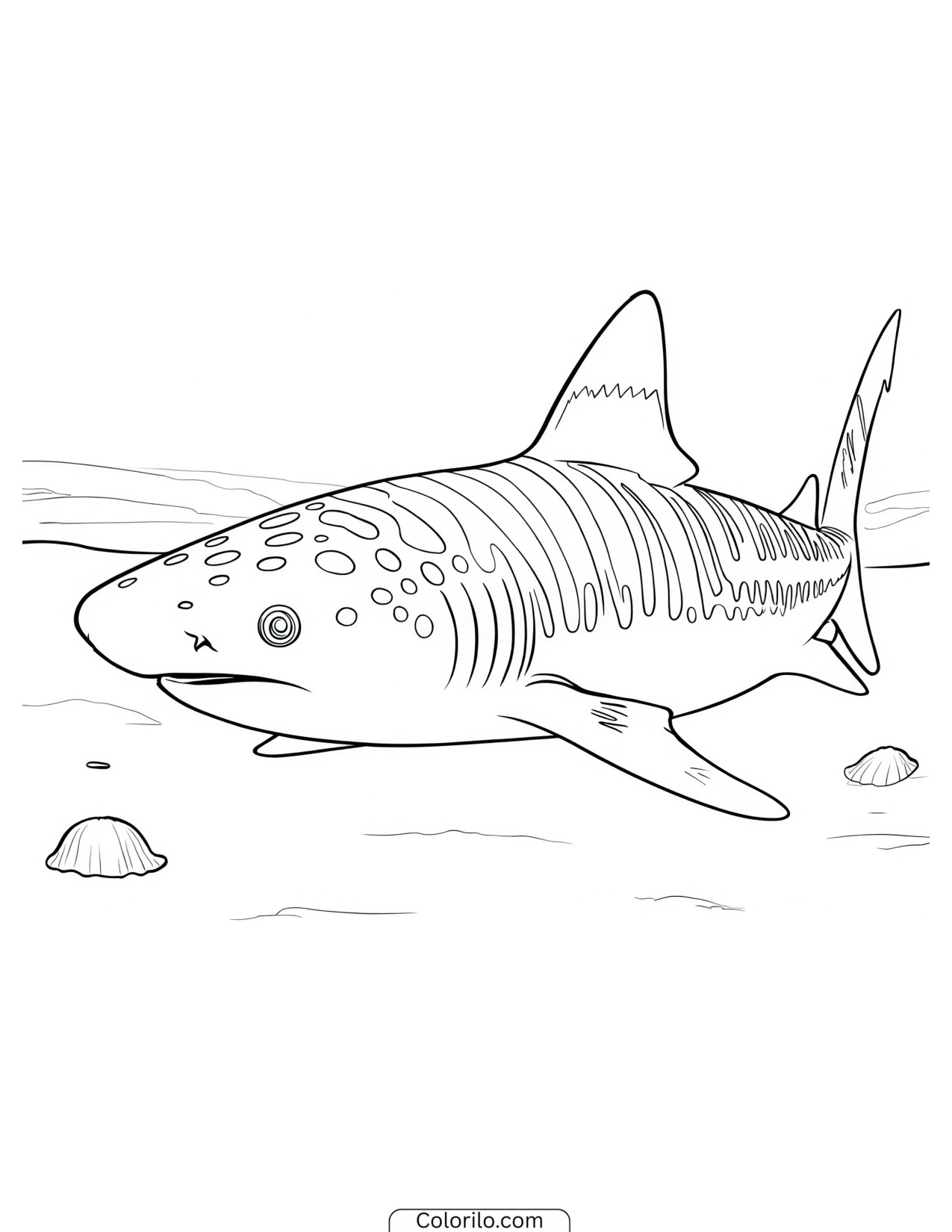
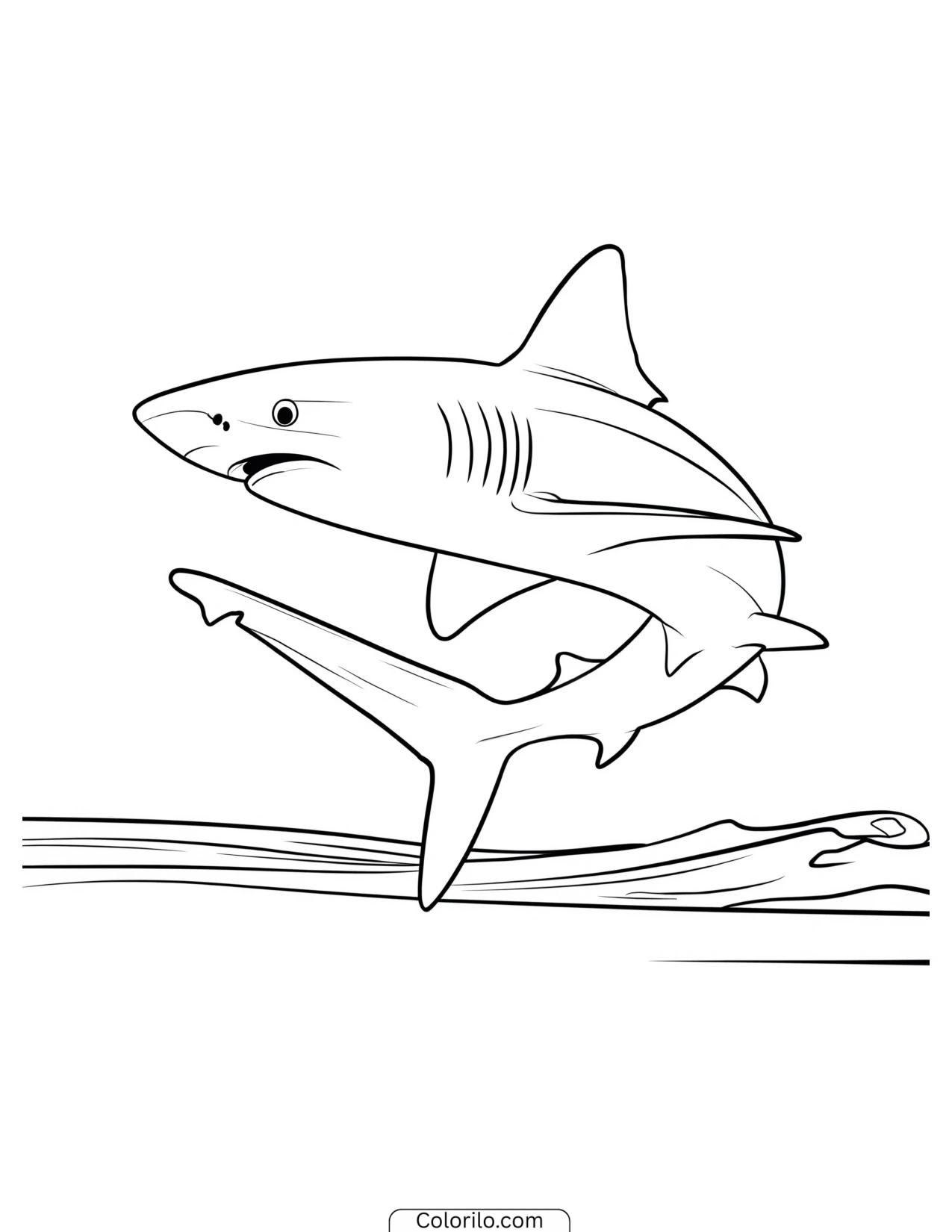
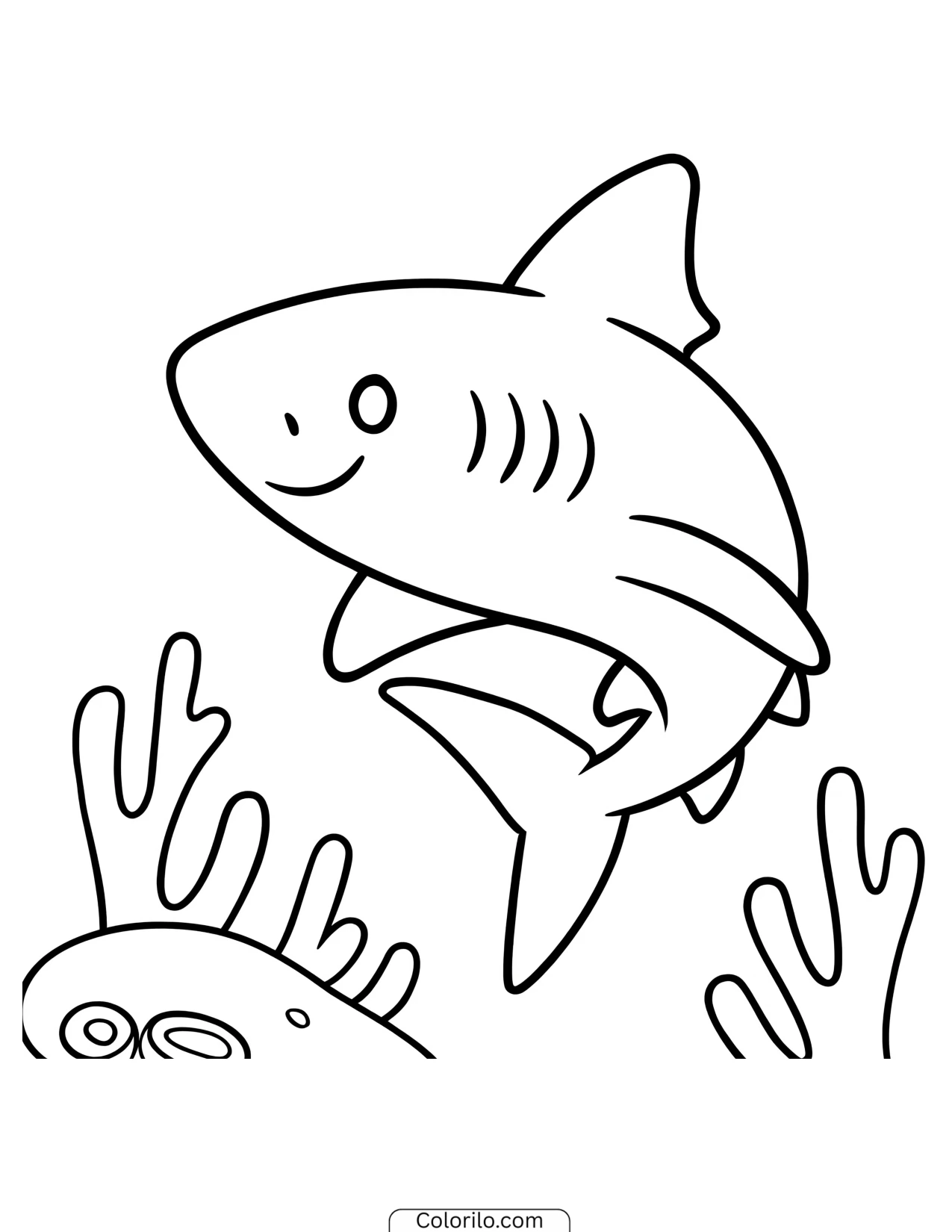
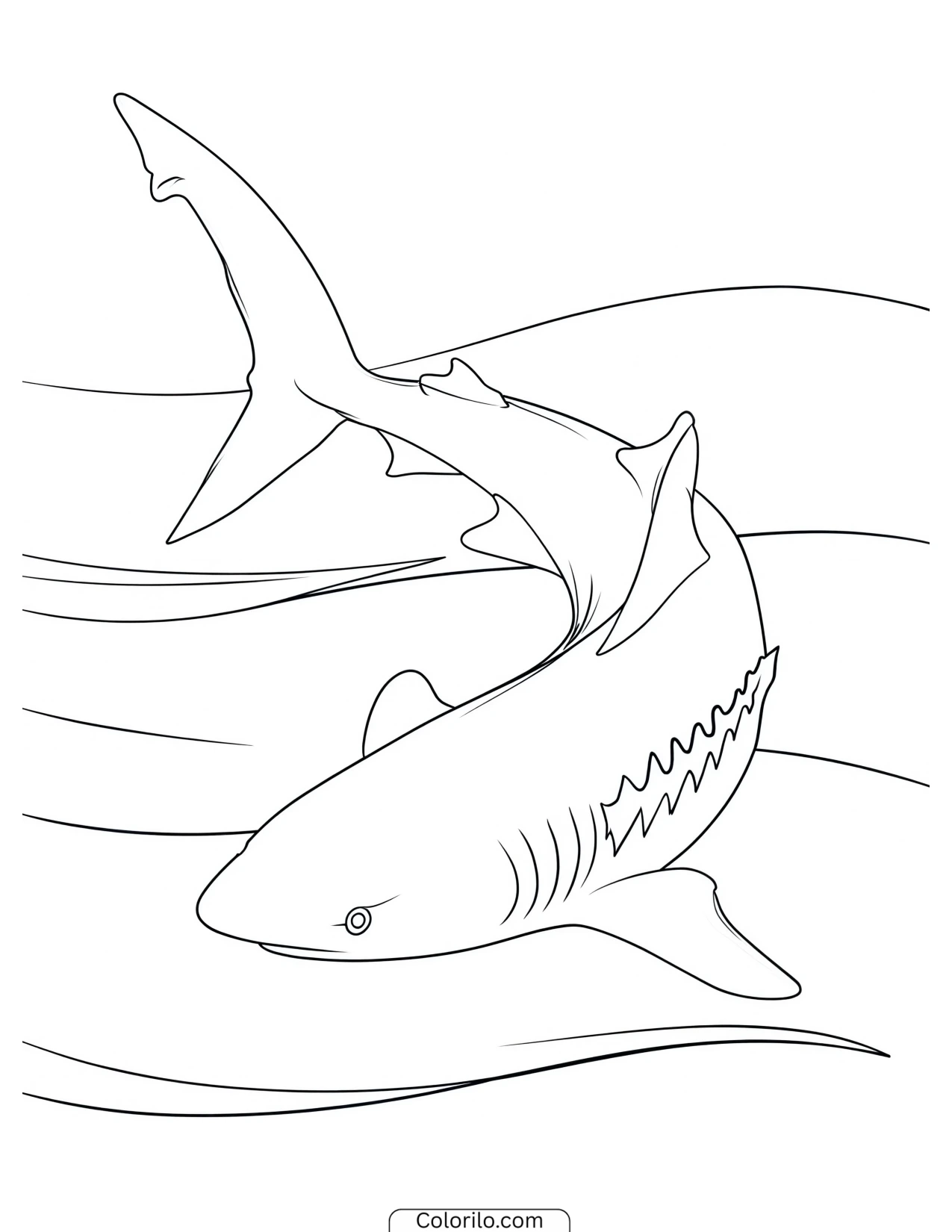
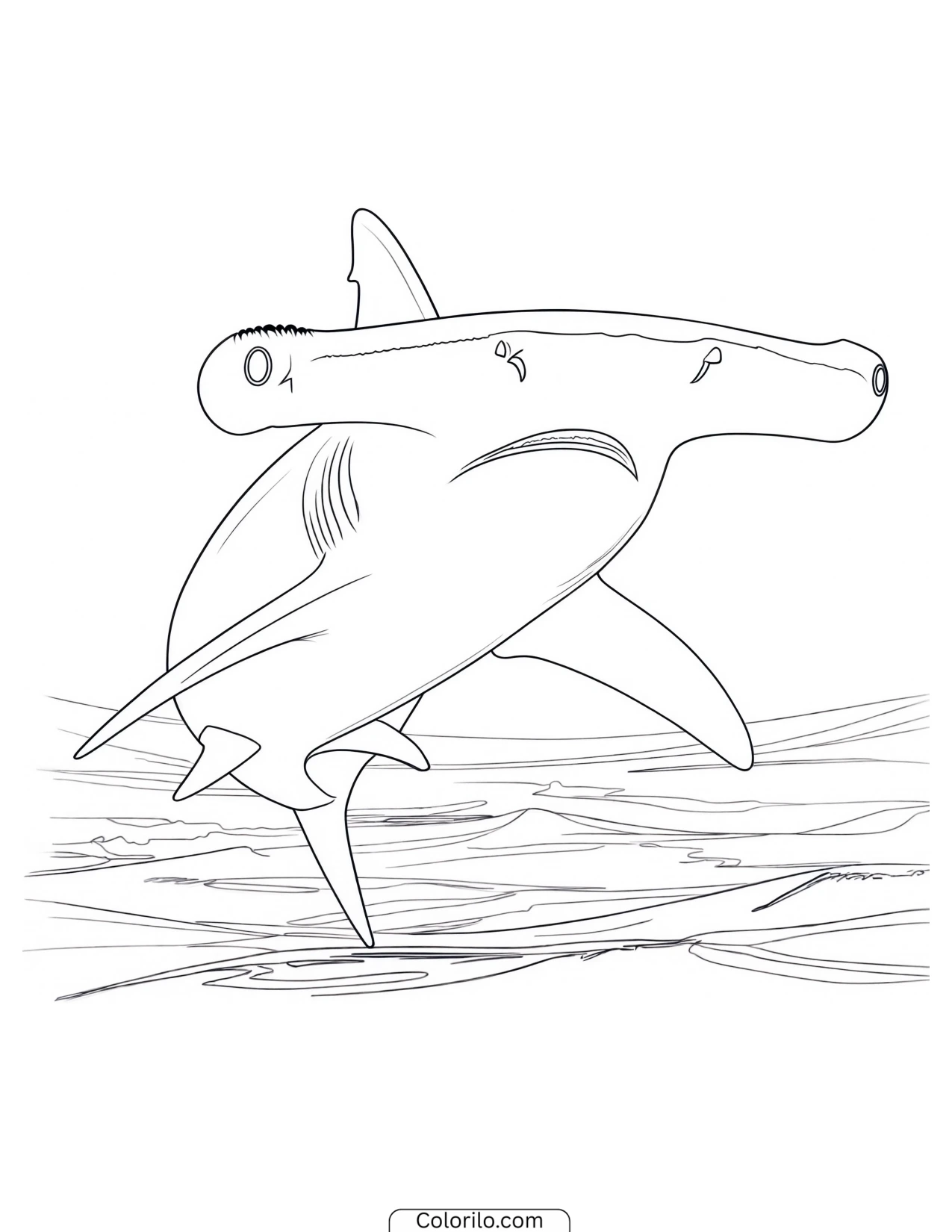
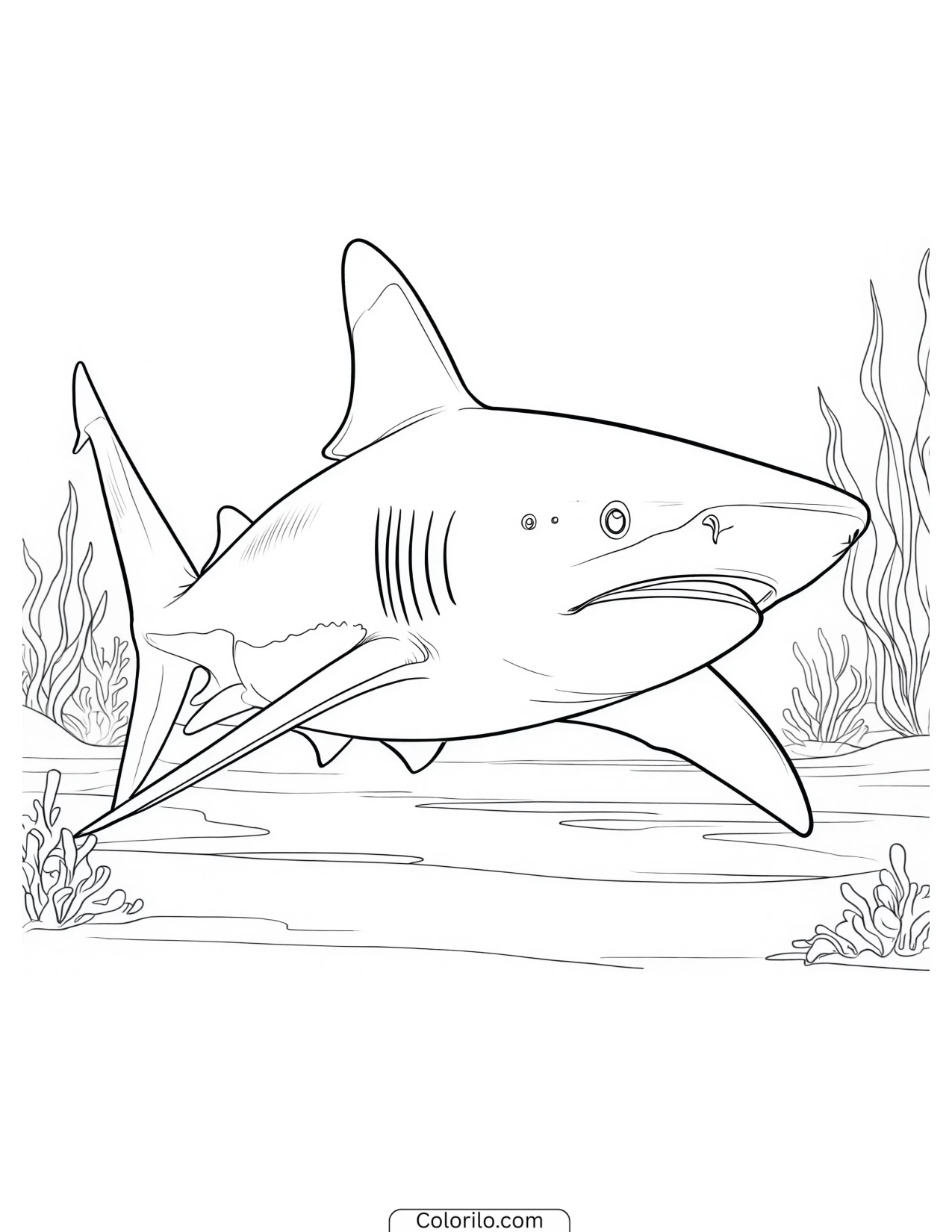
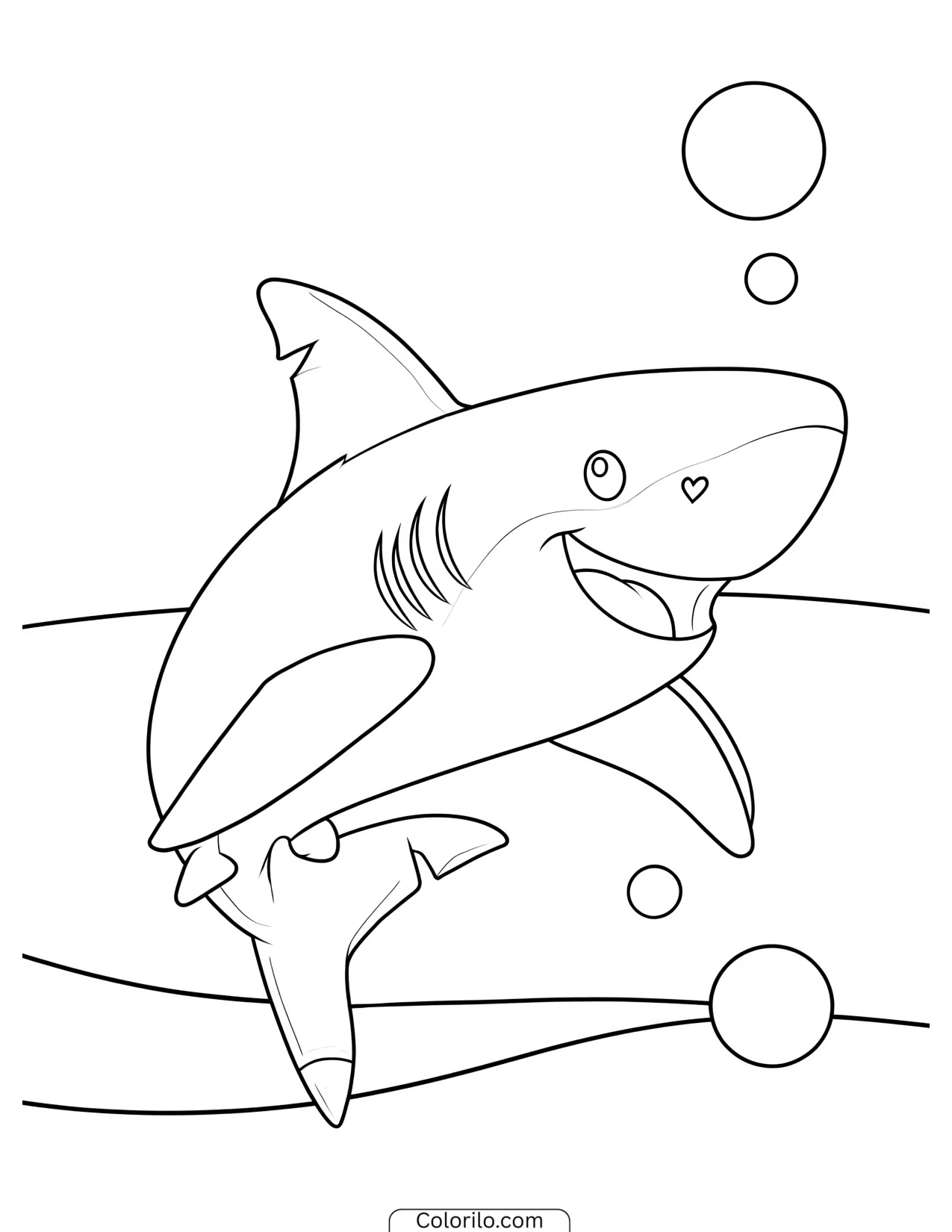
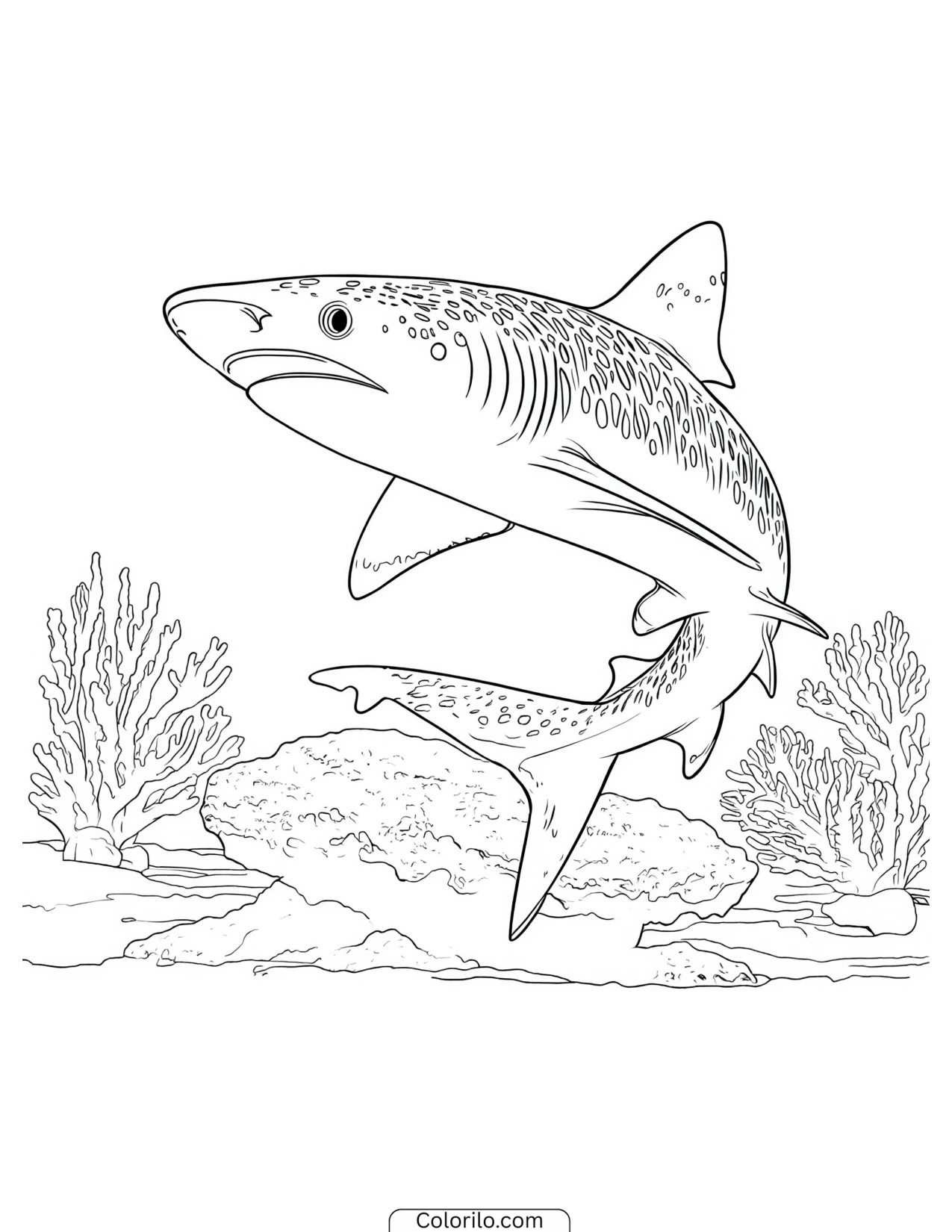
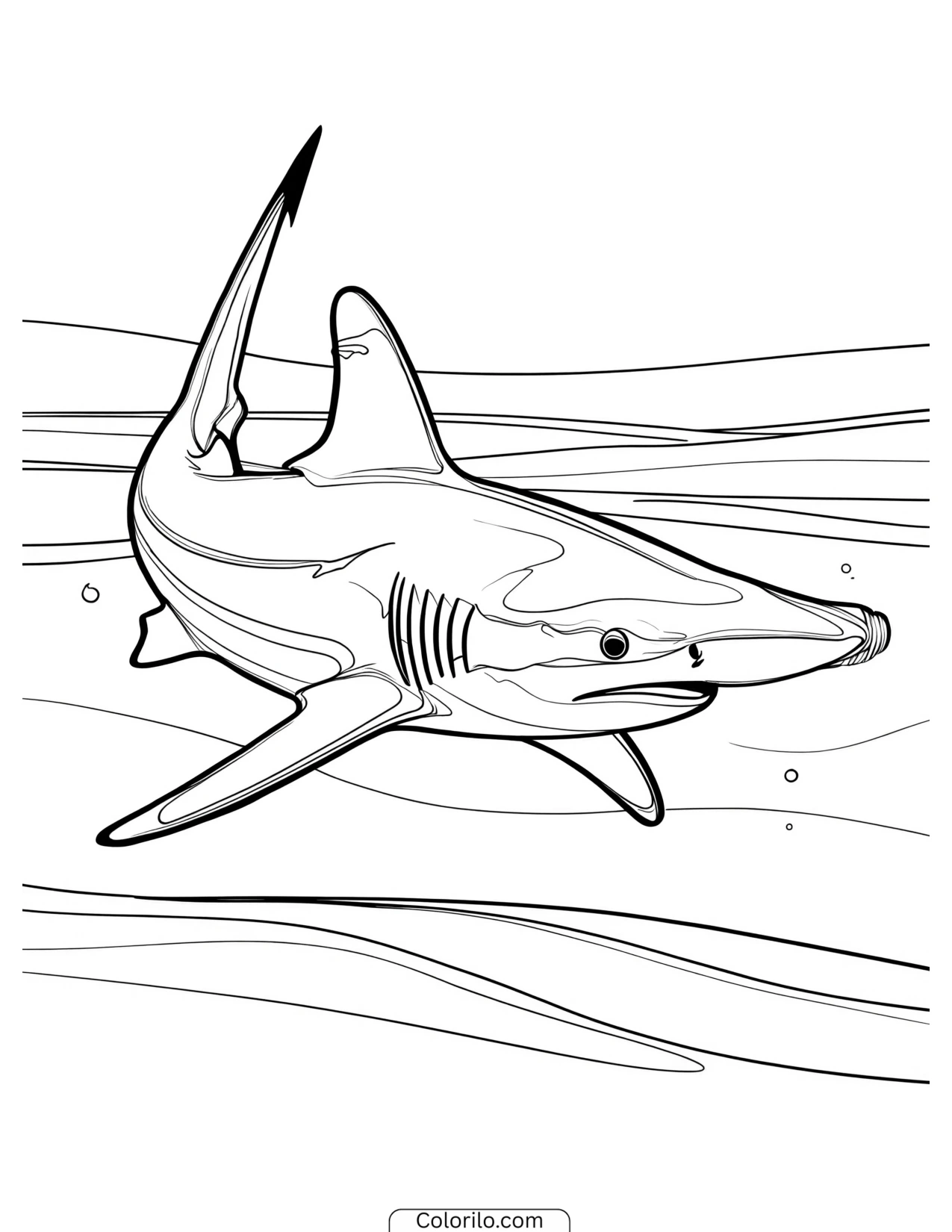
The Sharks in This Collection
Hammerhead
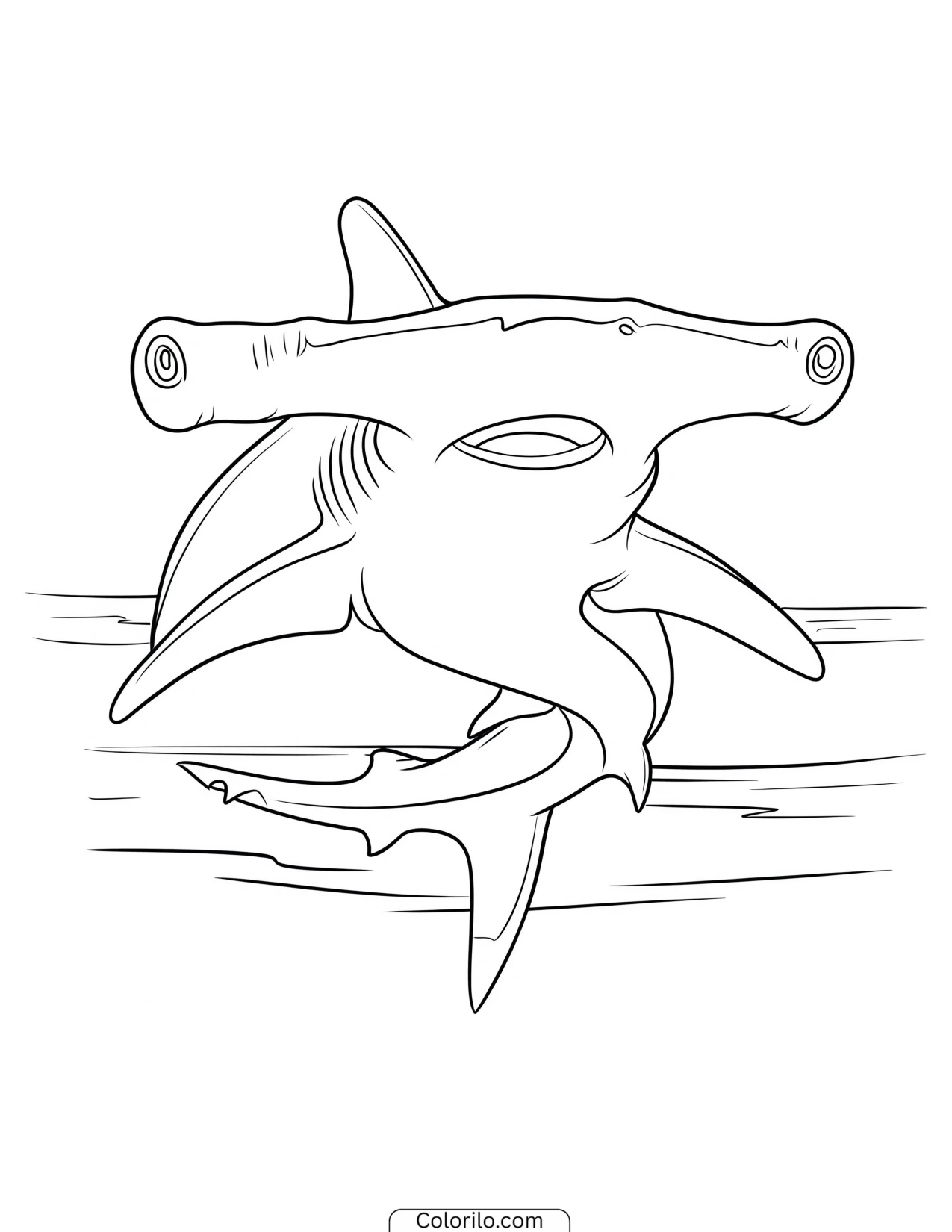
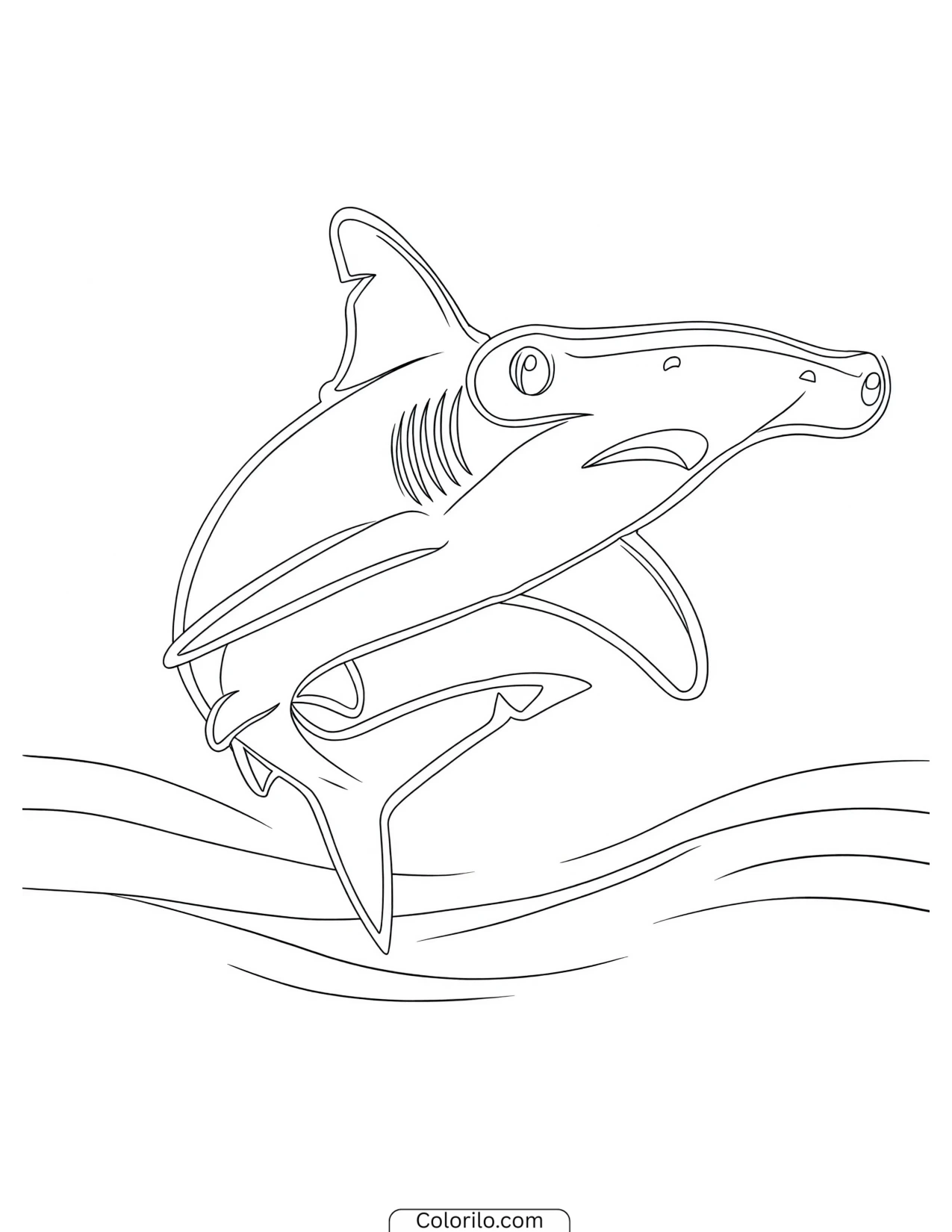
Six pages. The wide flattened head holds their eyes far apart, giving them near-360-degree vision, and is packed with electroreceptors that pick up the faint electrical fields of prey buried in sand. Great hammerheads reach around 6 metres. They’re the most distinctive shape here and the easiest to color convincingly, since the head does the work.
Whale shark
Three pages. The largest fish in the ocean, and harmless to people. It feeds by filtering plankton through its gills, and its back is covered in a pattern of pale spots and stripes unique to each individual, which means there’s no wrong way to color one.
Tiger shark
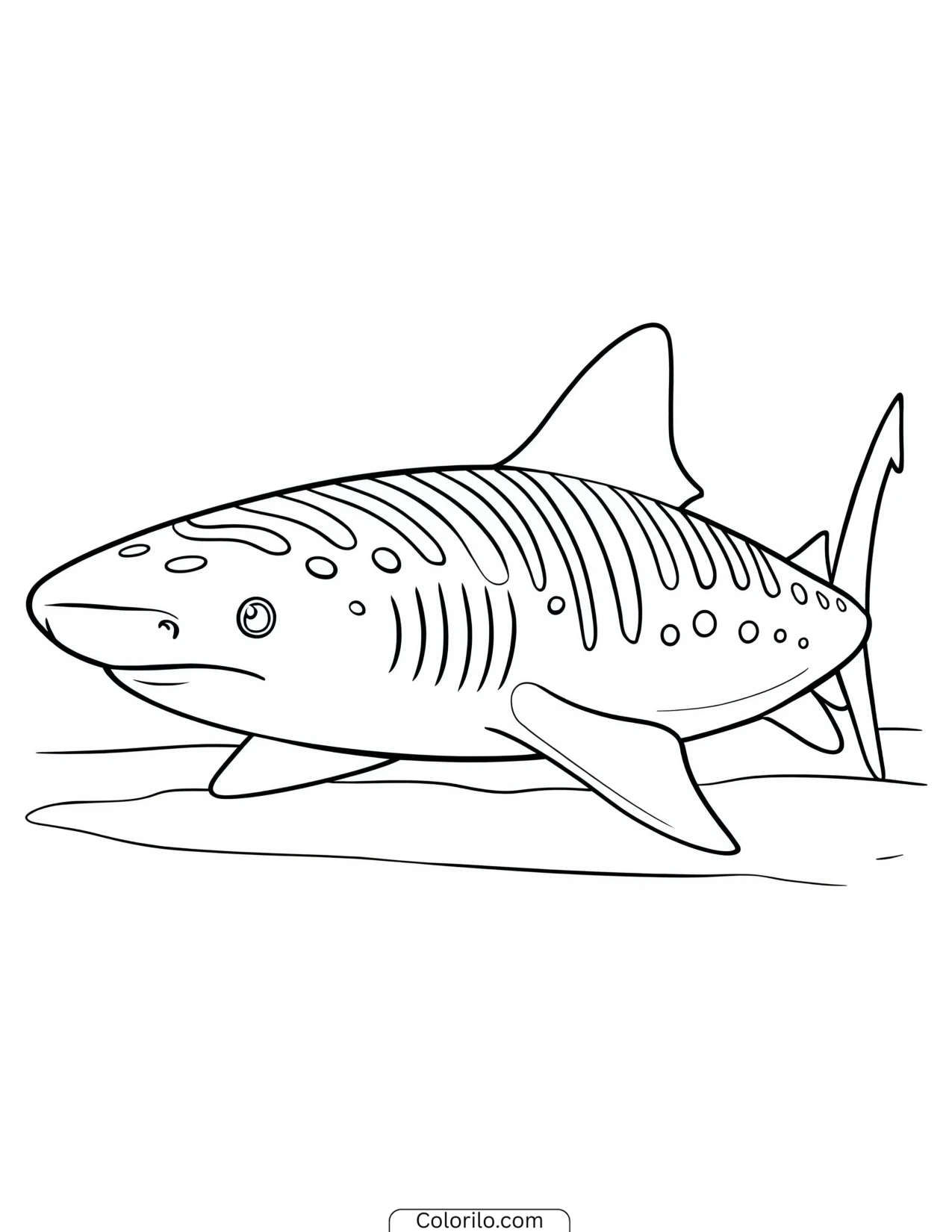
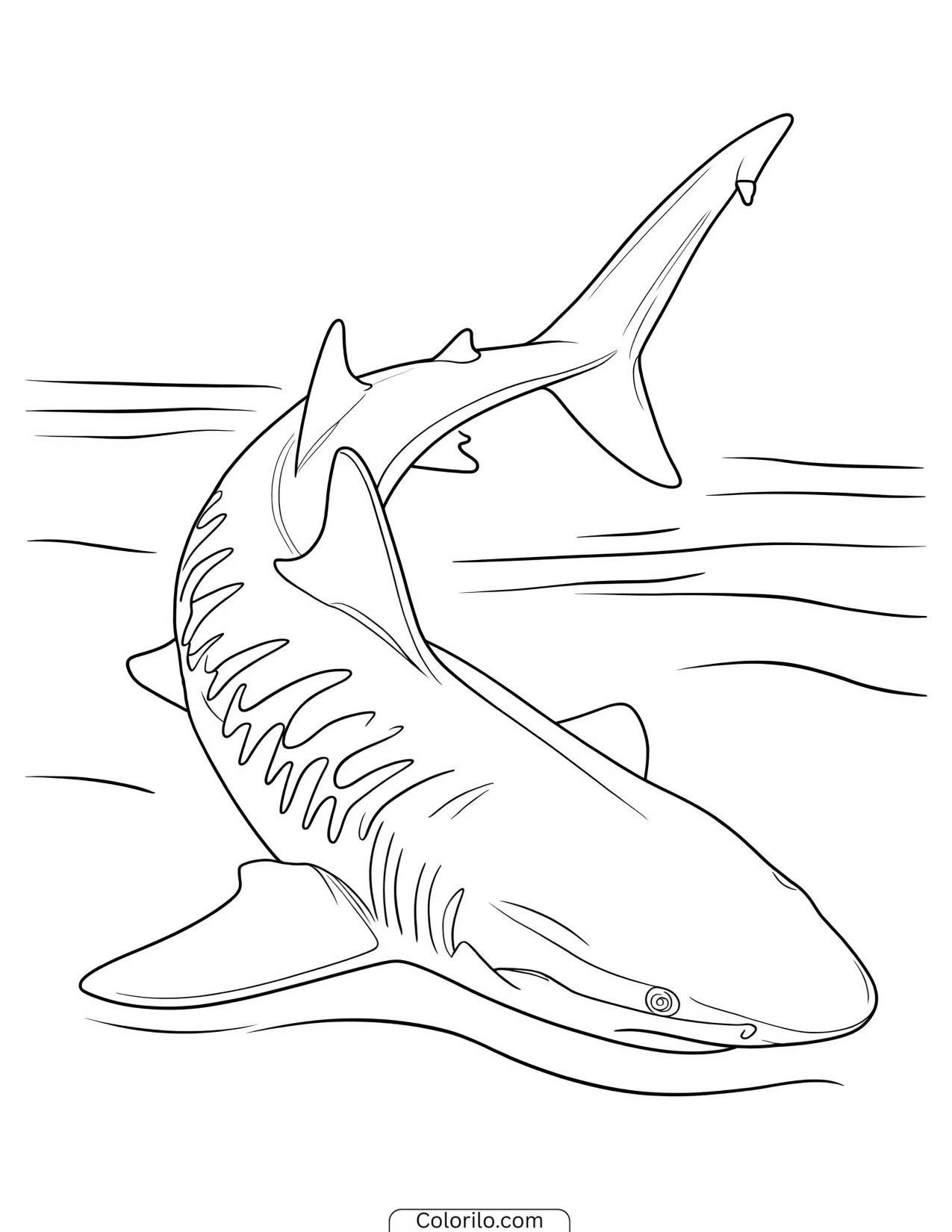
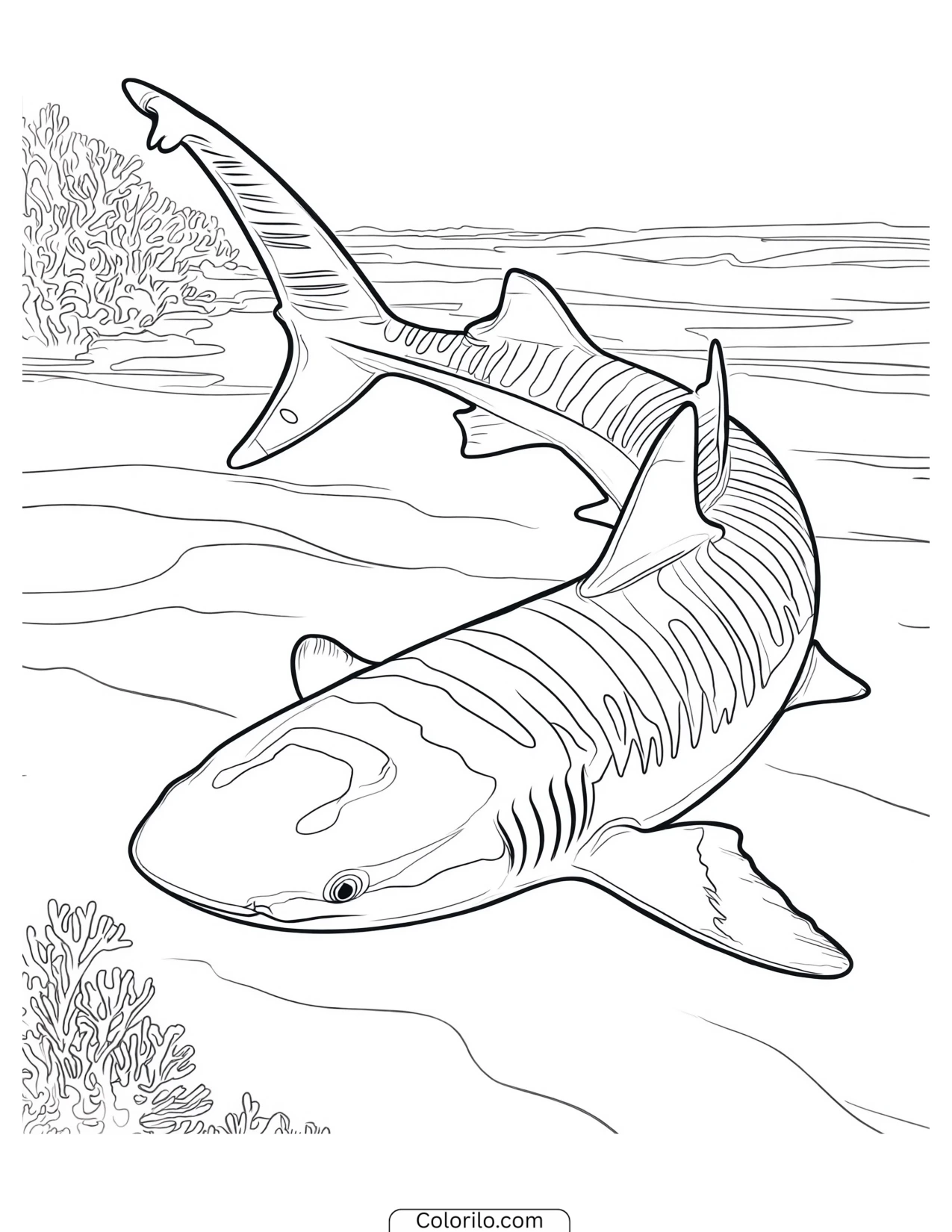
Two pages. Named for the dark vertical bars along its sides, strongest in juveniles and faded in adults. Known for eating almost anything, with a reputation among researchers as the ocean’s least discerning feeder.
Great white
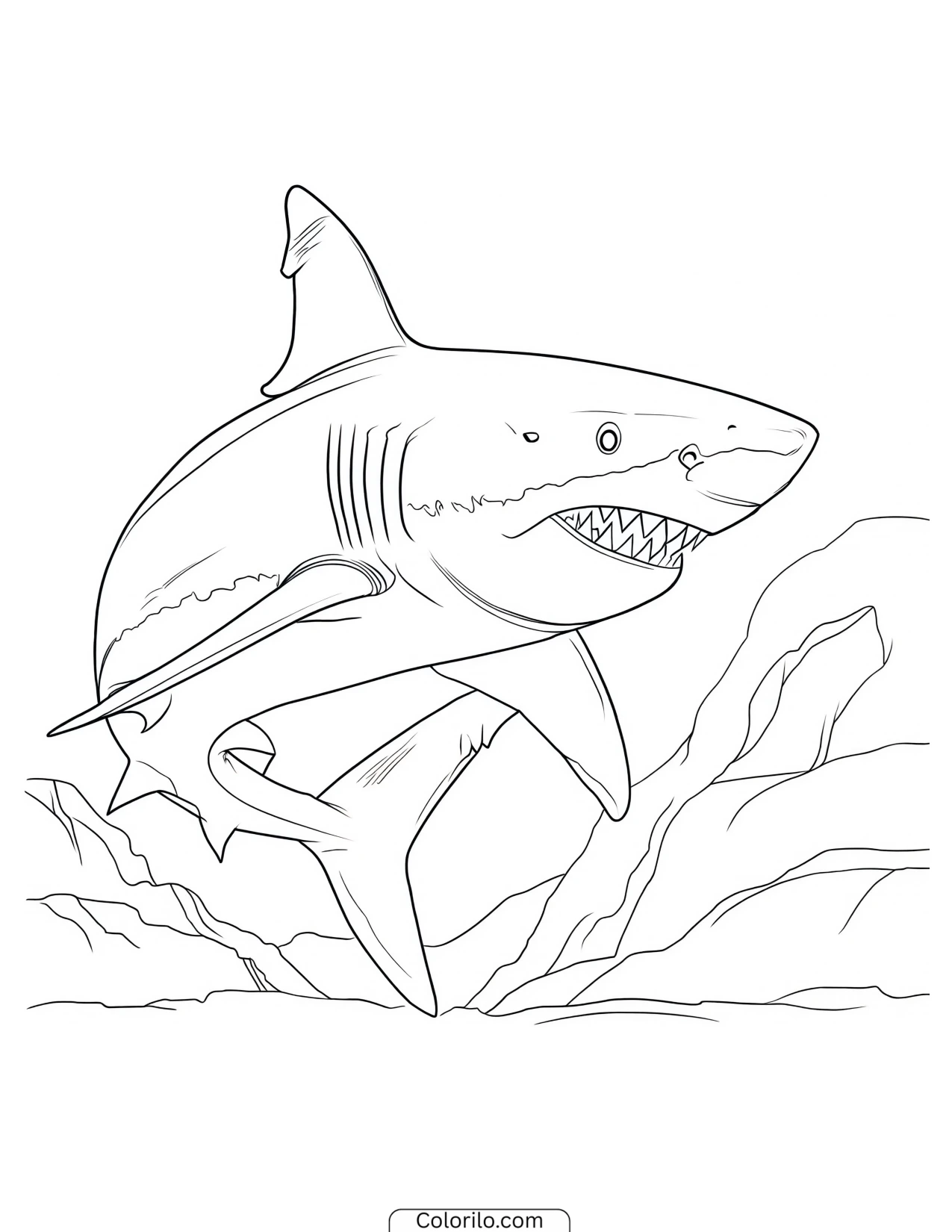
One page, breaching. Reaches around 6 metres, and the counter-shading is worth knowing before you start: dark grey-blue on top, white underneath, so it’s hard to see from above against the deep and from below against the light.
Unidentified sharks
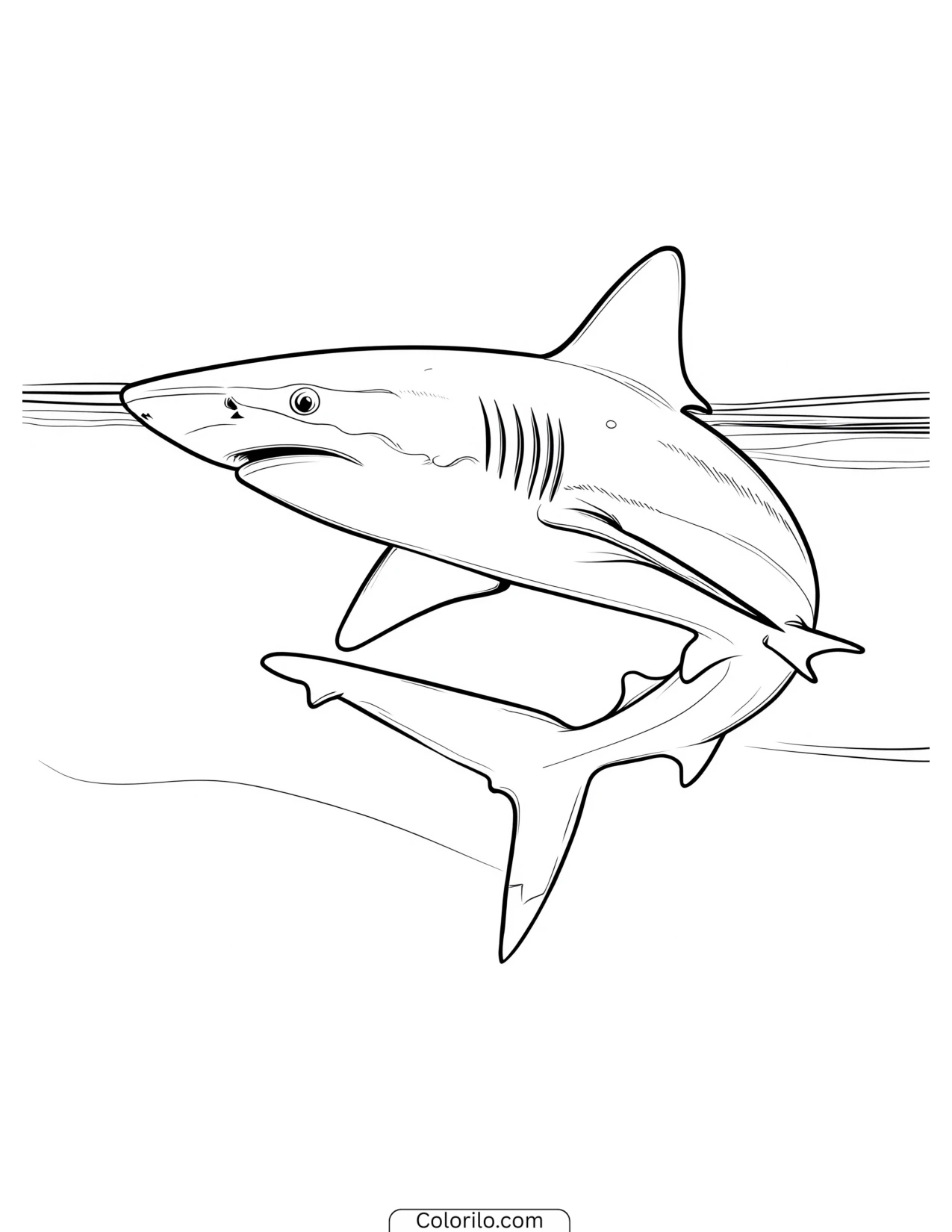
The rest of the set shows sharks in profile and in habitat scenes without a species specified. That’s an opportunity rather than a limitation: the same outline can be colored as a bull shark, a mako, a nurse shark, or a reef shark depending on the palette you pick.
Coloring Tips
Counter-shading makes a shark look real. Almost every species is darker on top and pale beneath, with a clear line where the two meet. Applying that to any of the plain profiles here instantly reads as a real animal rather than a flat shape.
The habitat pages are the interesting ones. Coral, seaweed, mangrove roots, shells. These give you somewhere to put color that isn’t grey, and the contrast makes the shark stand out more, not less.
Light rays want restraint. The sunlight page works best if the beams stay nearly white with a faint blue or yellow wash. Coloring them solid removes the effect entirely.
Start young kids on the smiling sharks. The three cartoon designs have the simplest linework in the set and none of the teeth detail.
Try one species in several colors. The unidentified profiles are the same shape as most real sharks. Print one three times and do a great white, a blue shark, and a lemon shark, a genuinely useful way to learn what distinguishes them.
Frequently Asked Questions
Are these shark coloring pages really free?
Yes, all 57 are free to download and print. Click any design to open the PDF. No account, no email, no payment.
What age are these suitable for?
The smiling cartoon sharks work from around age three. The plain profiles suit most primary-age children, and the detailed habitat scenes with coral, seaweed and light rays are better for eight and up. A few pages show open mouths with visible teeth, which is anatomically accurate rather than frightening, but worth a look if your child is nervous about sharks.
Which shark species are included?
Hammerhead, whale shark, tiger shark and great white are named. The remaining pages show sharks in profile and in habitat scenes without a specific species, which makes them usable for whichever shark a child is currently interested in.
Can I use these in a classroom?
Yes. They pair well with a unit on ocean habitats, marine food chains, or conservation, and are free for personal, educational, and classroom use.
Can I print more than one copy?
As many as you need.
Are sharks actually dangerous to people?
Far less than their reputation suggests. There are usually fewer than a hundred unprovoked bites worldwide in a year, and a handful of deaths. The bigger picture runs the other way: humans kill somewhere around 80 to 100 million sharks annually, mostly through fishing, and roughly a third of shark and ray species are now threatened with extinction. Worth mentioning to a child who’s frightened of them, the animal is in far more danger from us.
Do sharks have bones?
No, and it’s the fact most children enjoy. A shark’s skeleton is made of cartilage, the same flexible material in your ears and the tip of your nose. It’s lighter than bone, which helps them stay afloat, and it’s why shark fossils are usually just teeth, cartilage rarely survives.


Leave a Reply