
Table of Contents
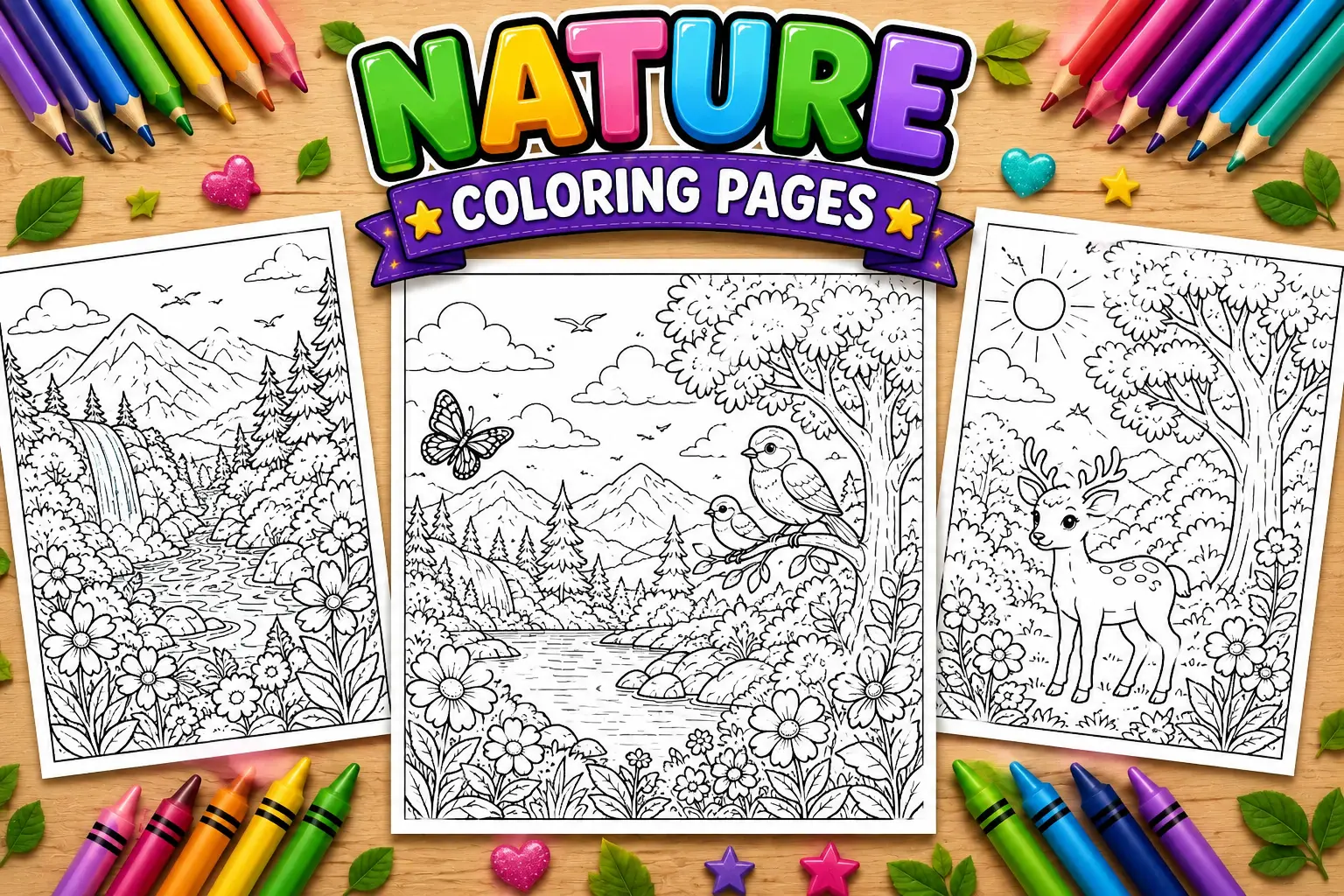
Most nature coloring pages are a view from a distance. A mountain, a river, a sunset behind trees. This set has those, but it spends most of its time much closer in, a beetle crossing a piece of bark, a snail on a leaf, a fern uncurling into a fiddlehead, the growth rings on a cut stump. There are 50 designs, and only five of them are a wide landscape.
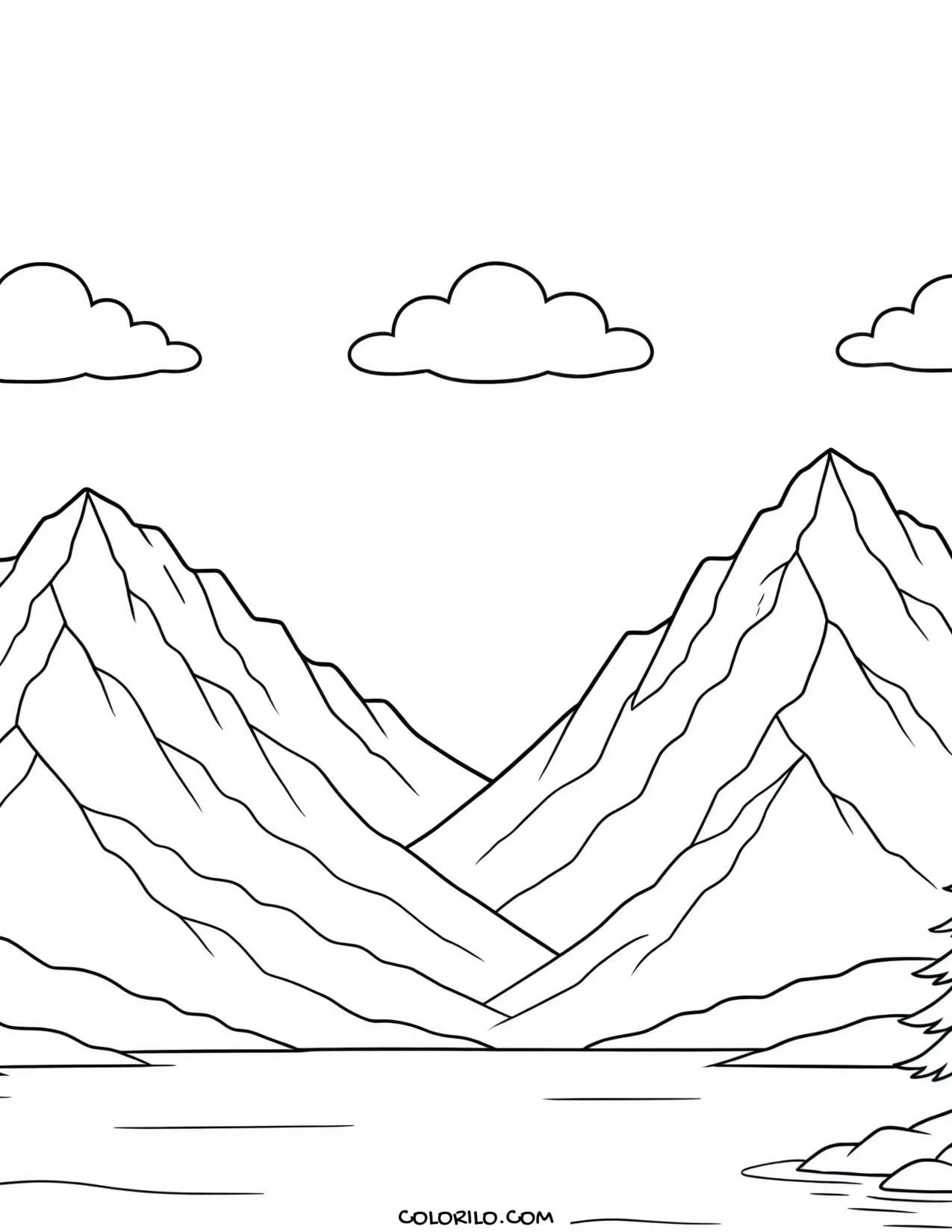
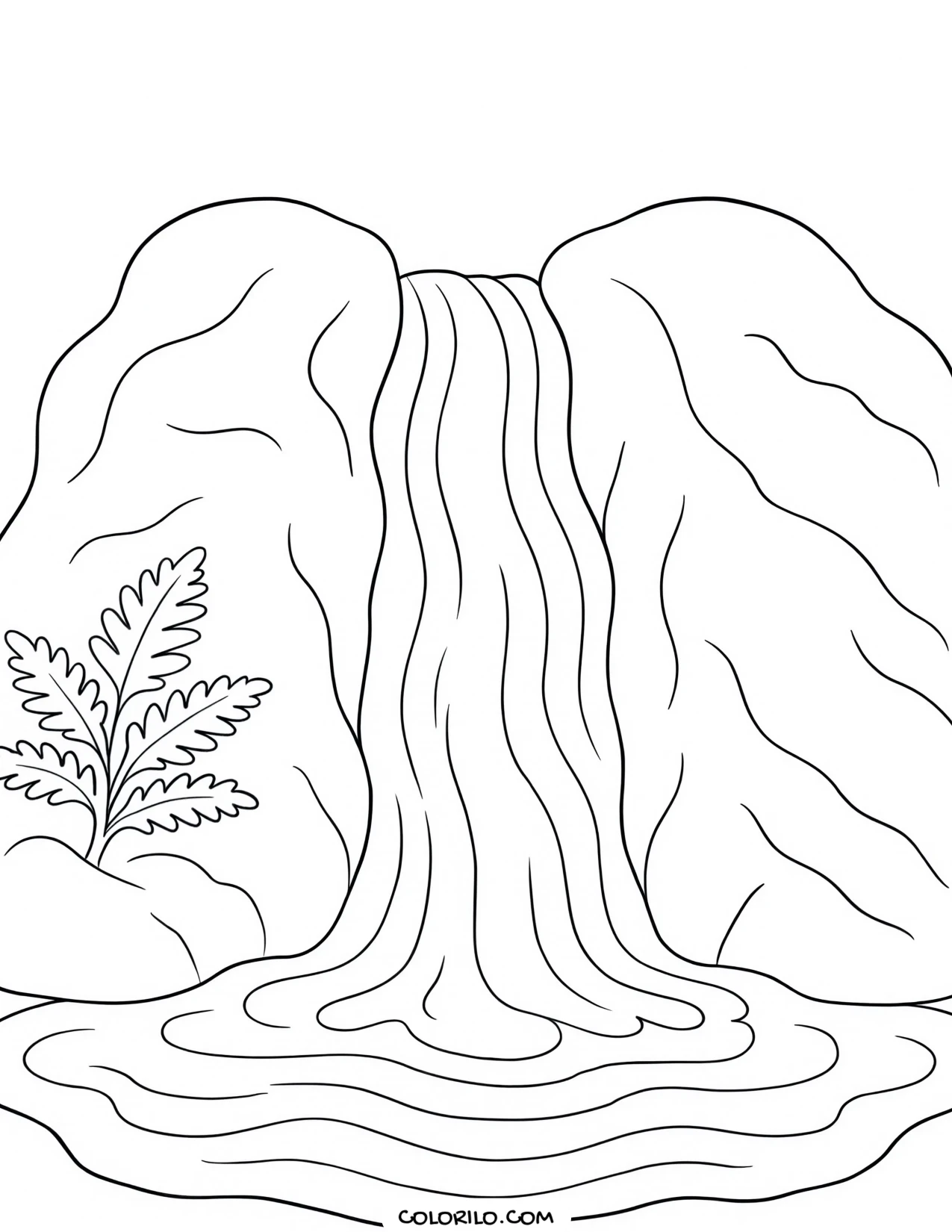
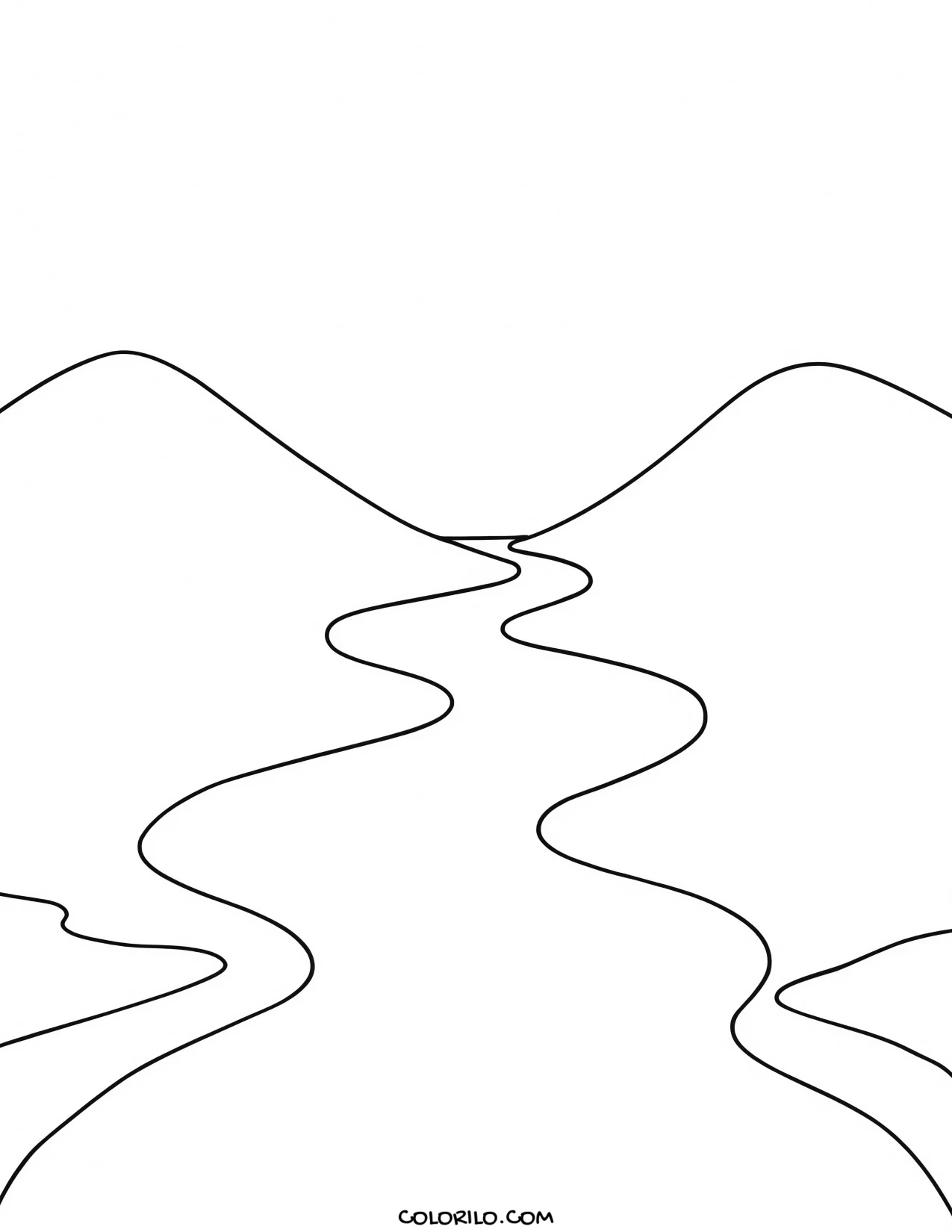
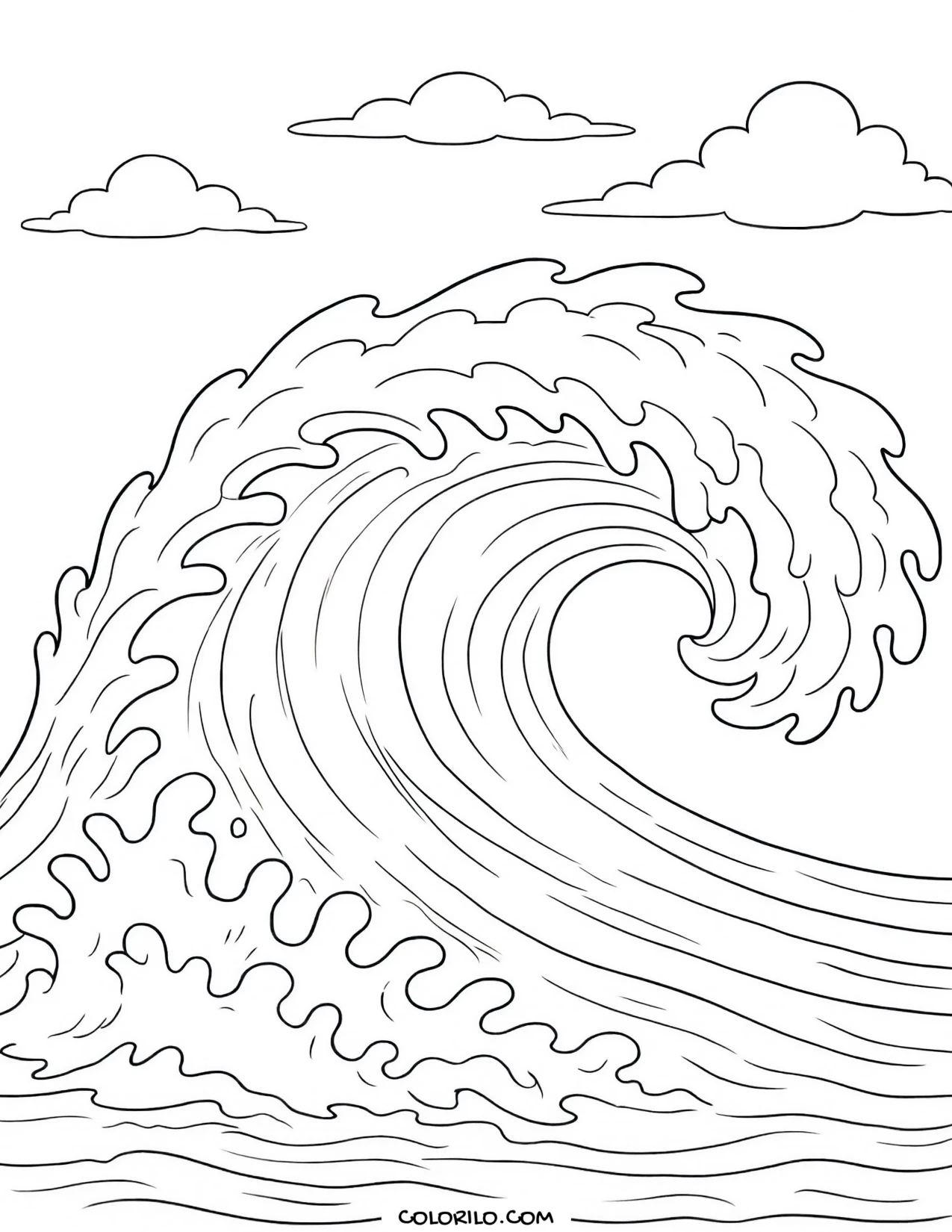
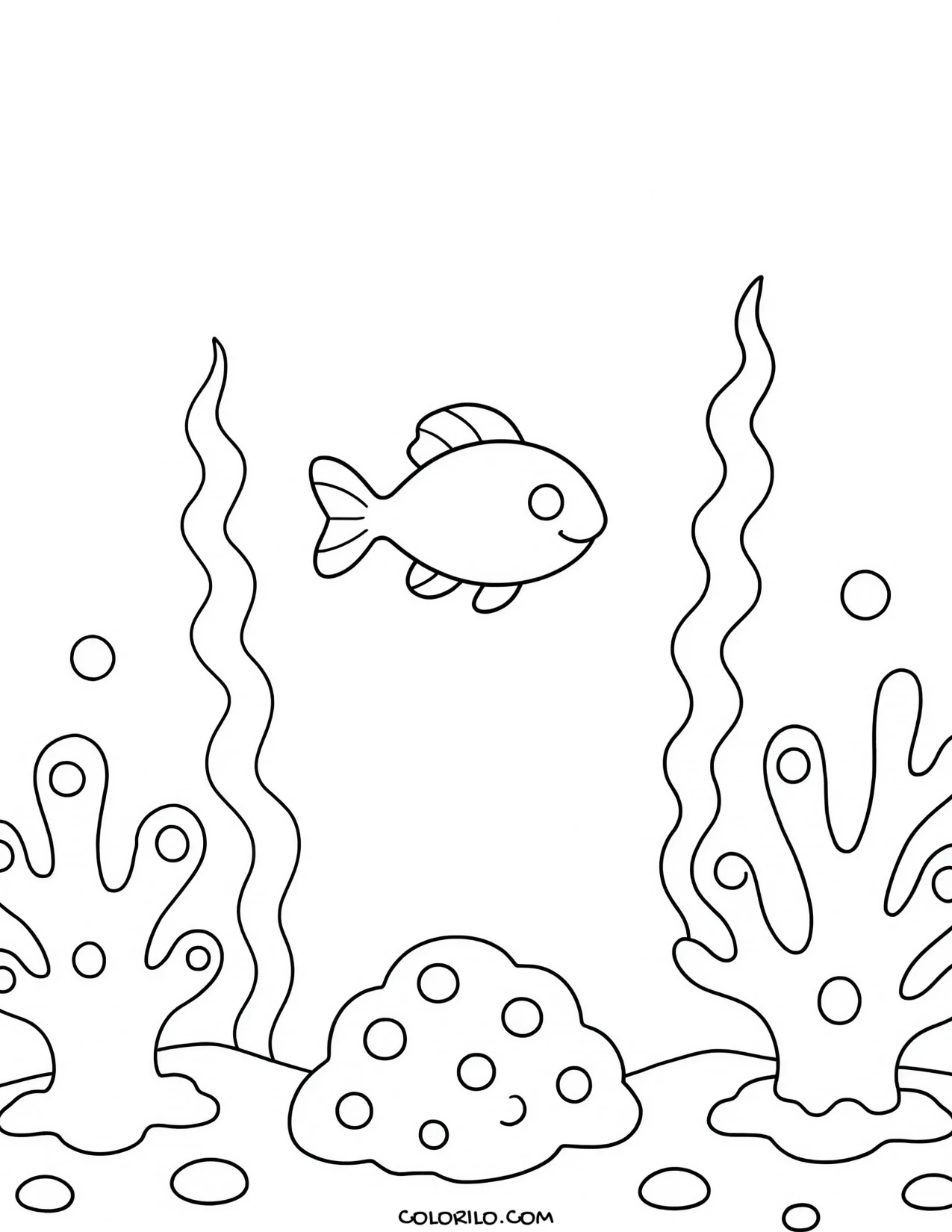
Those five are a mountain lake, a rocky waterfall, a river winding through a valley, a breaking ocean wave and a coral reef. They carry the most detail of anything here and take the longest to finish.
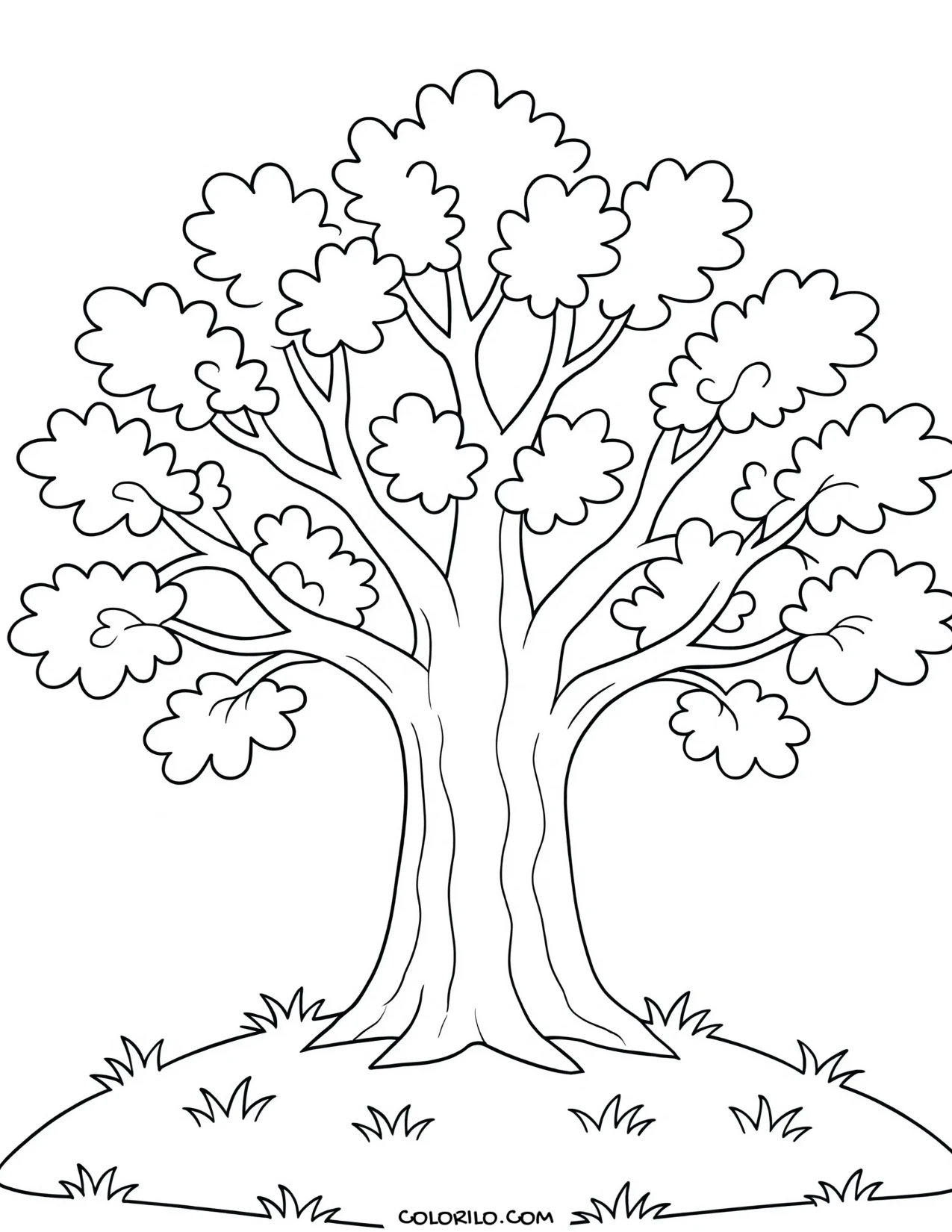
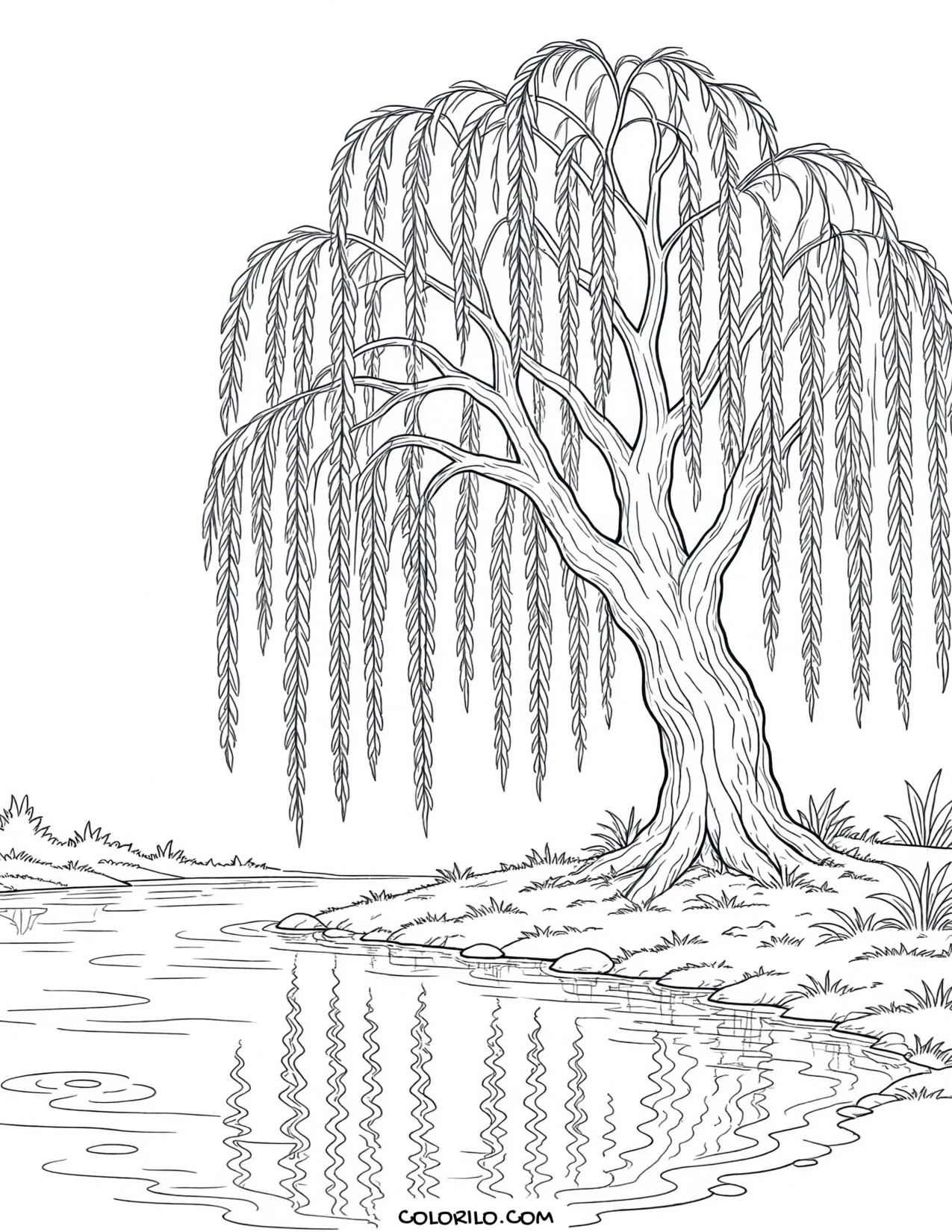
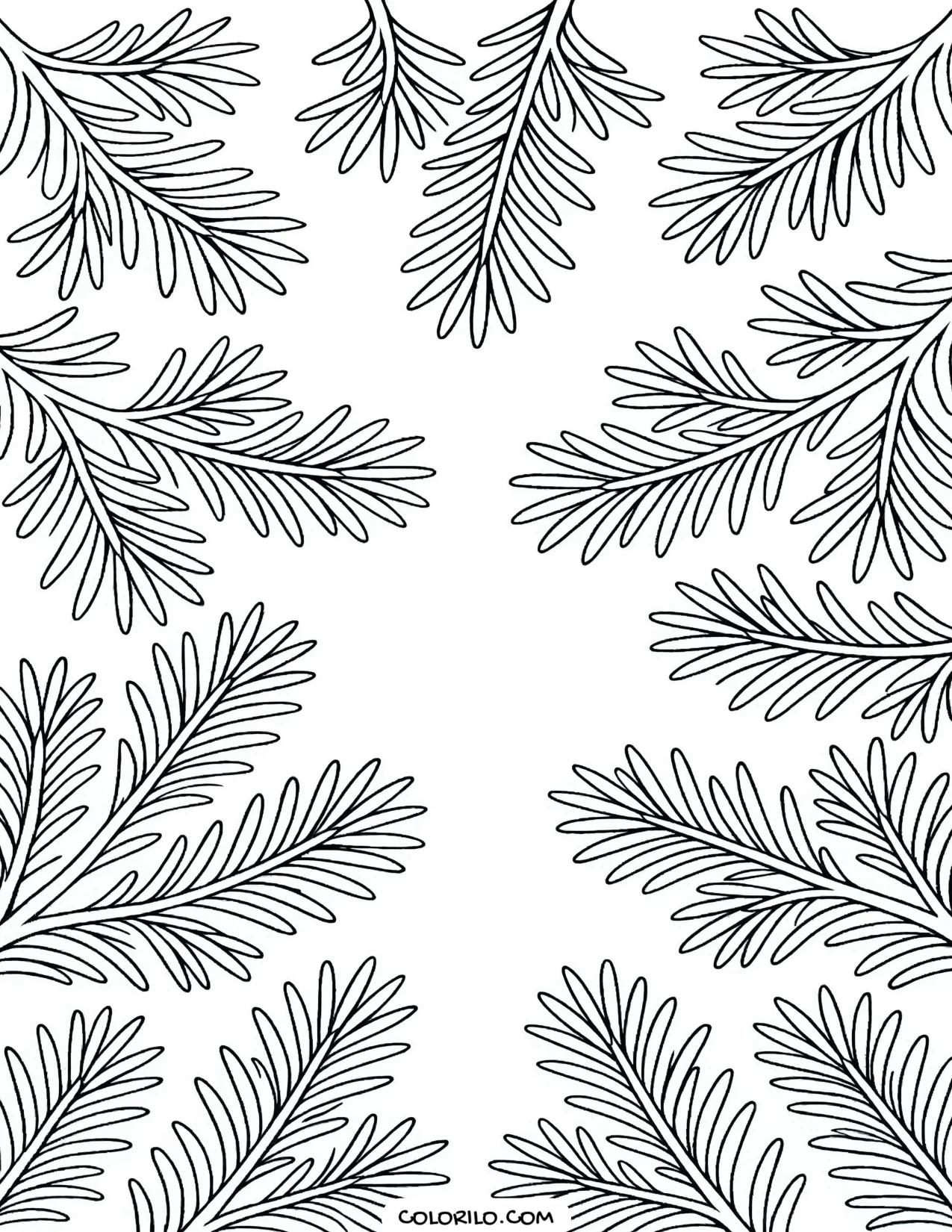
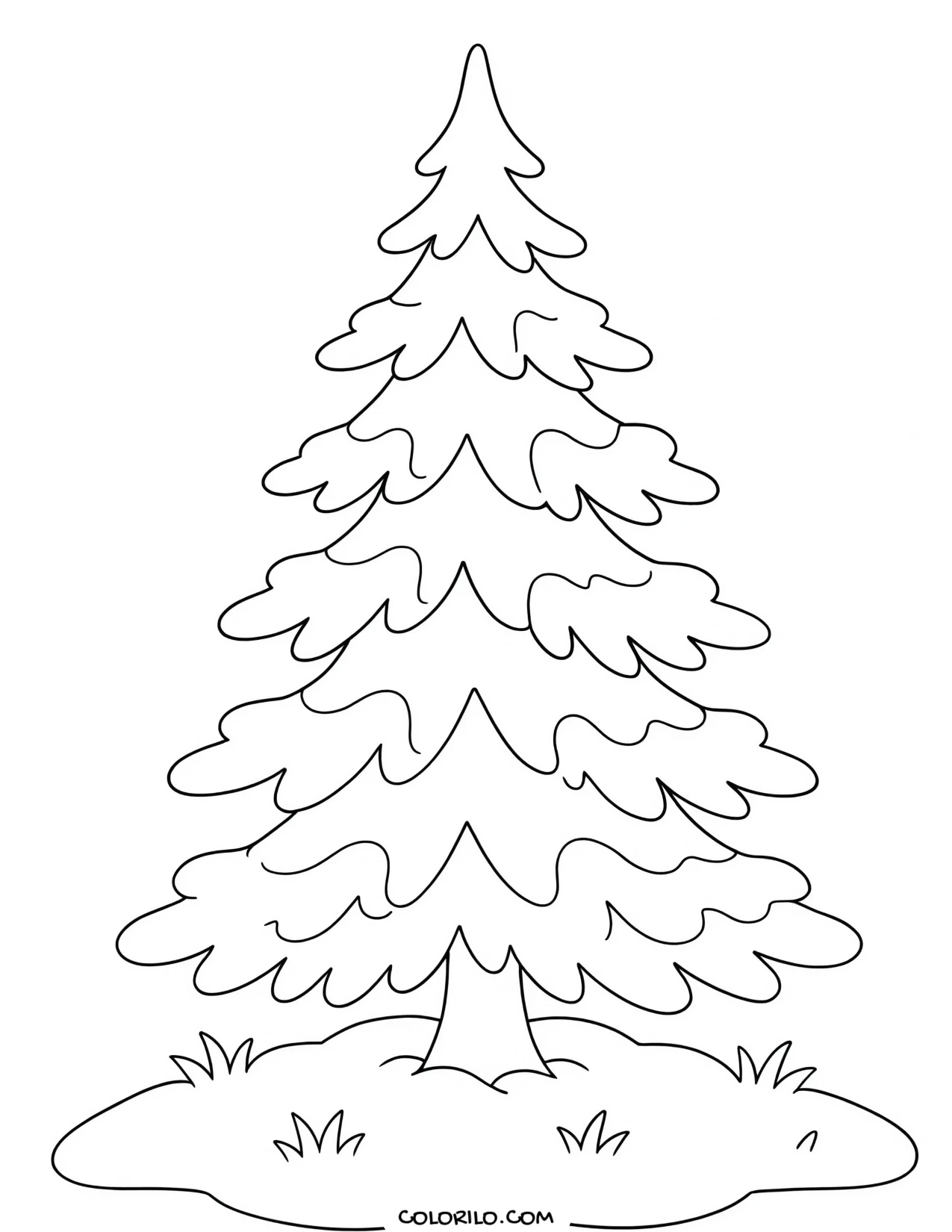
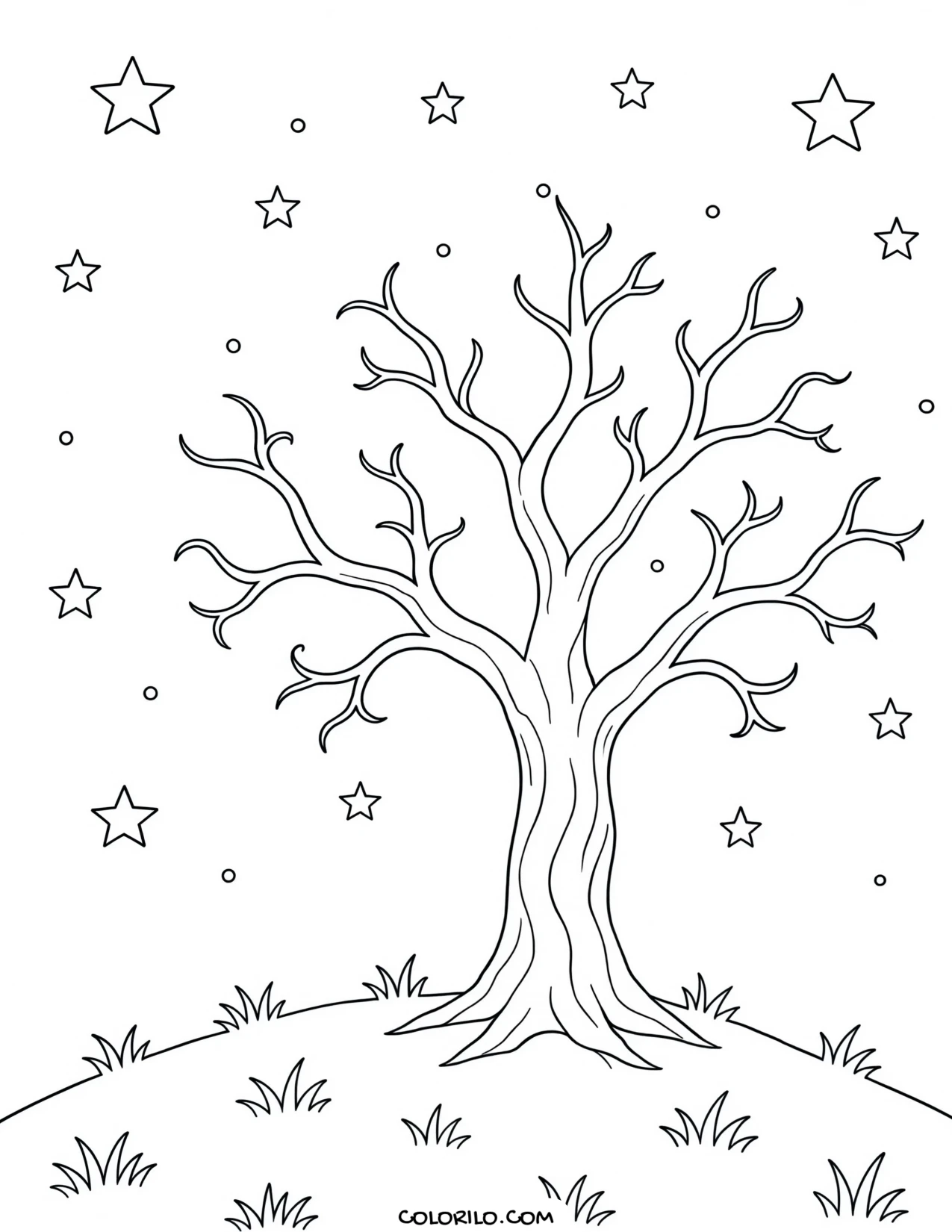
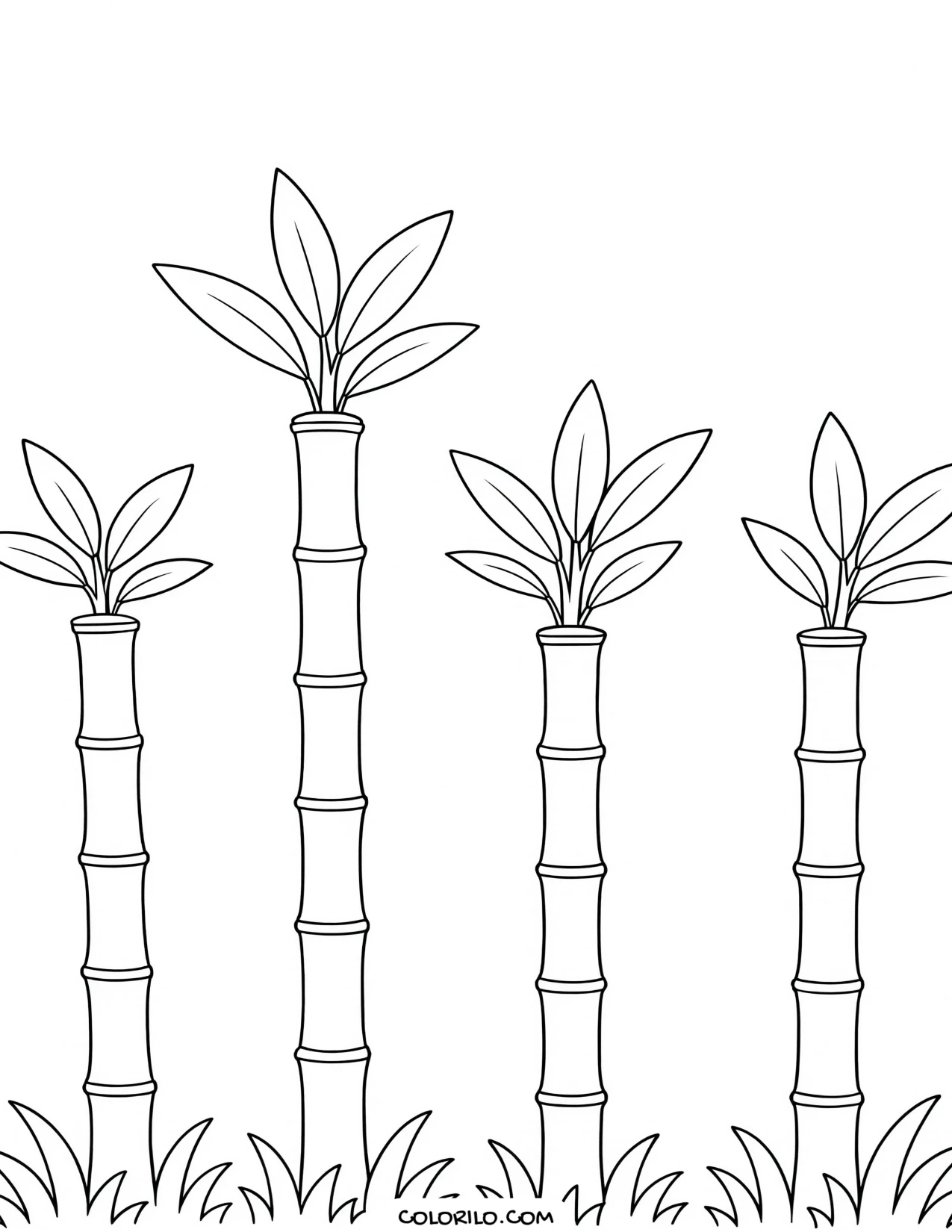
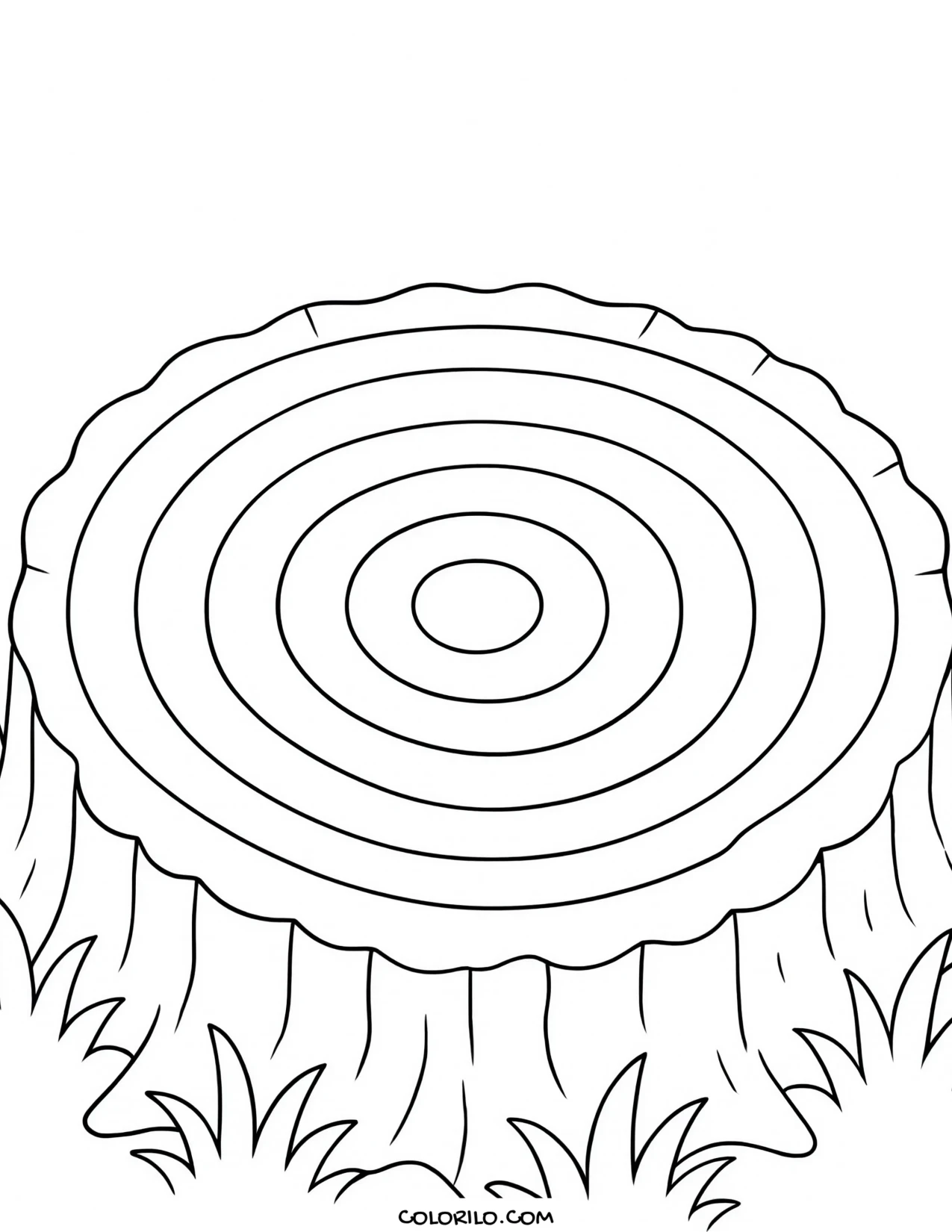
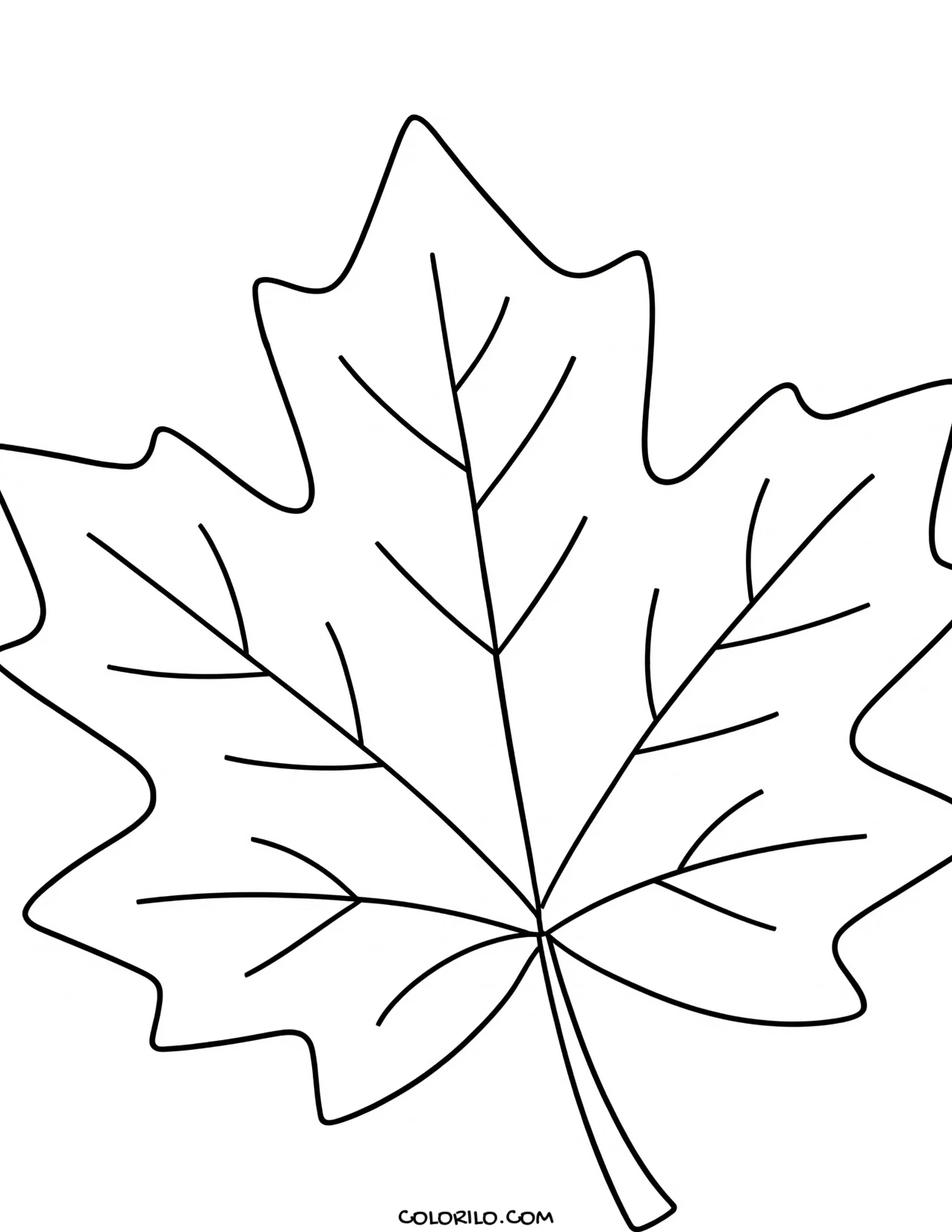
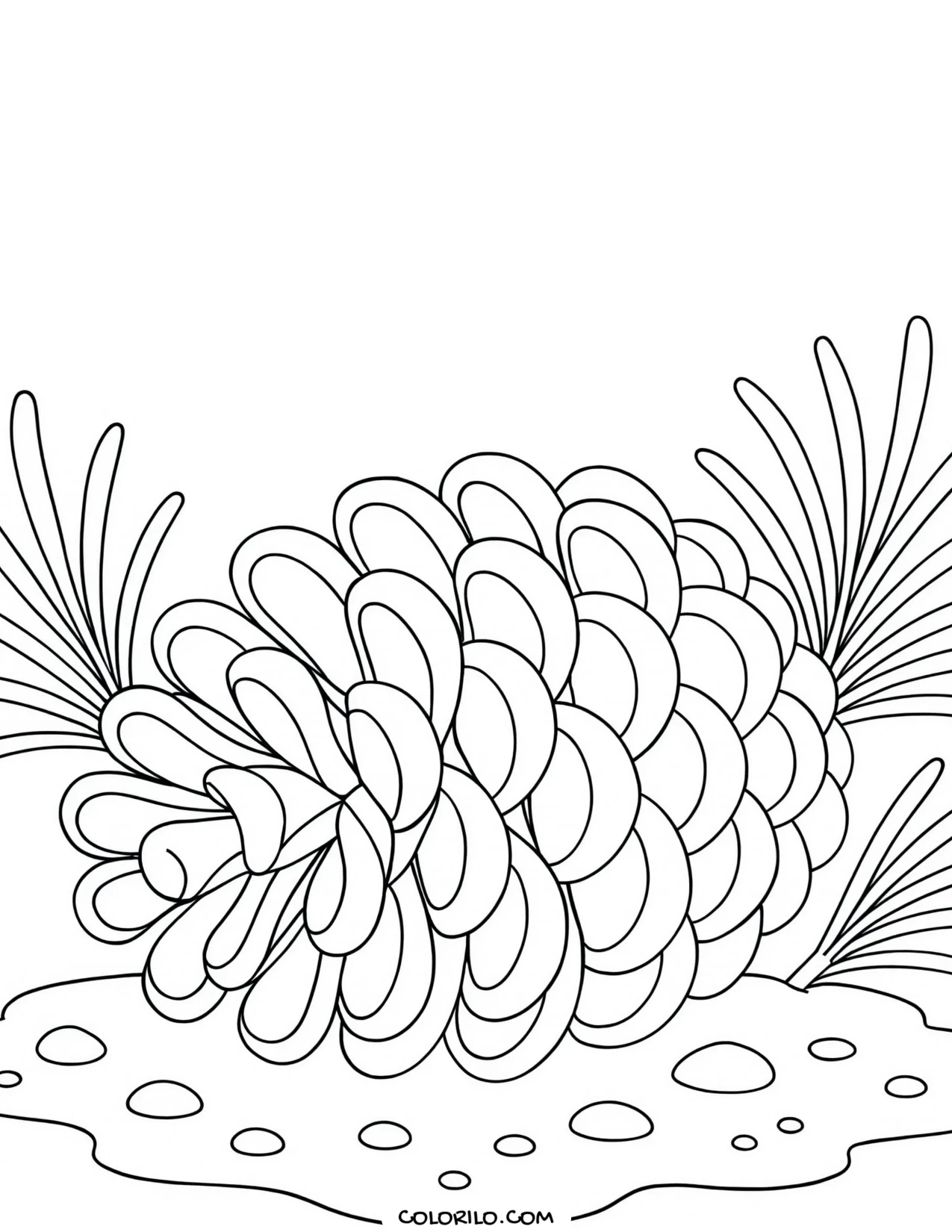
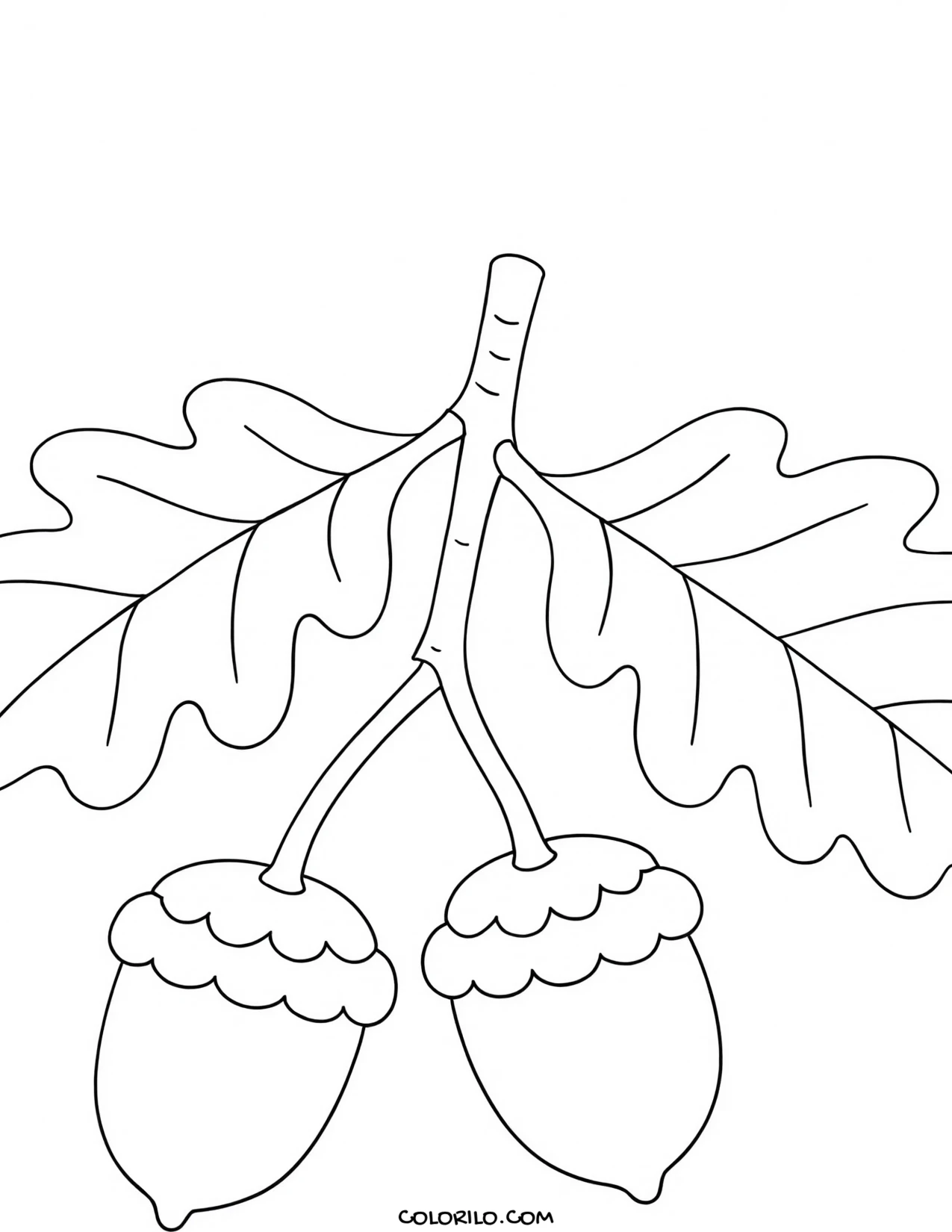
Ten designs are trees and what falls from them. A broad oak, a weeping willow, a pine canopy seen from directly below, a pine under fresh snow, a lone tree beneath stars, bamboo stalks, a cut stump with its rings showing, a maple leaf, a pinecone in needles, and acorns hanging from a branch.
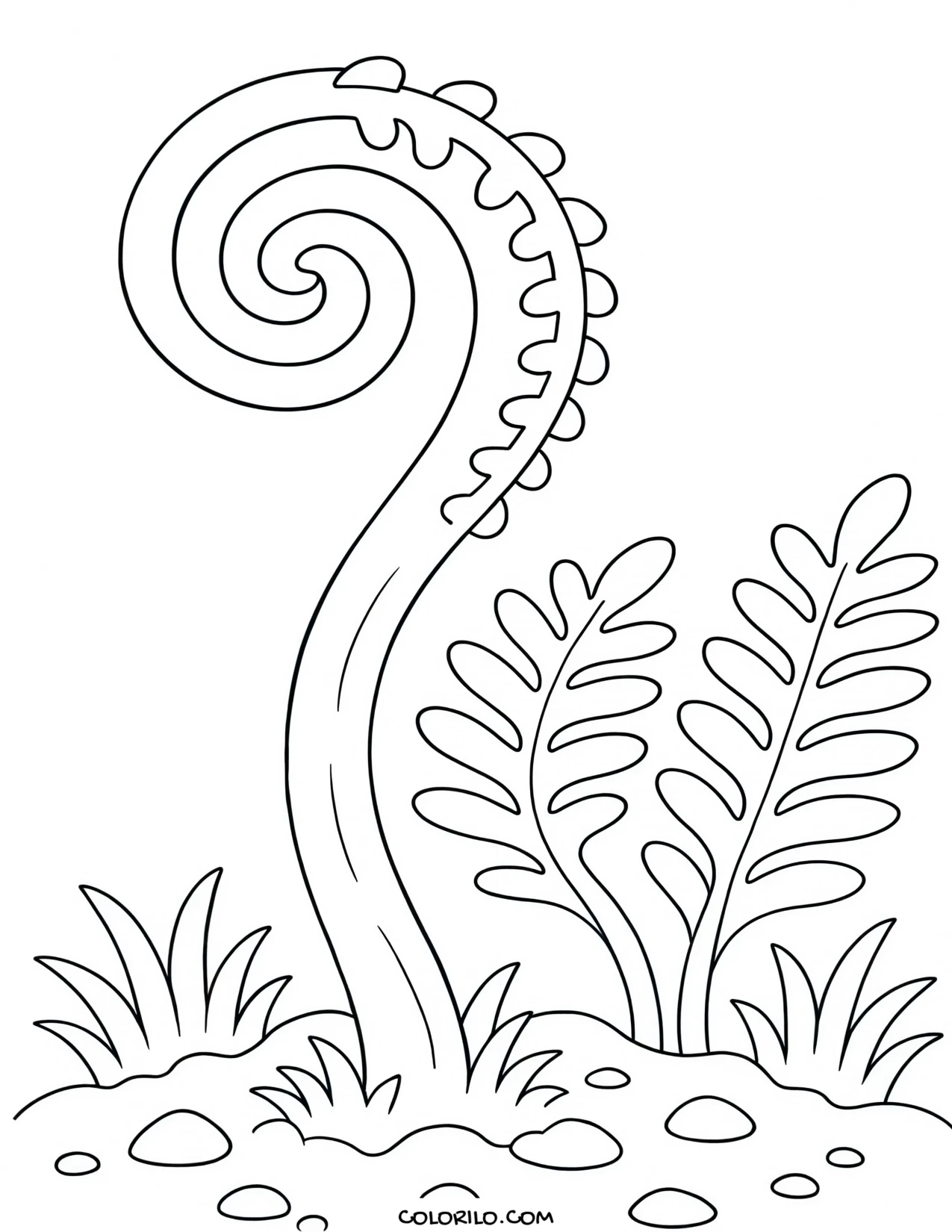
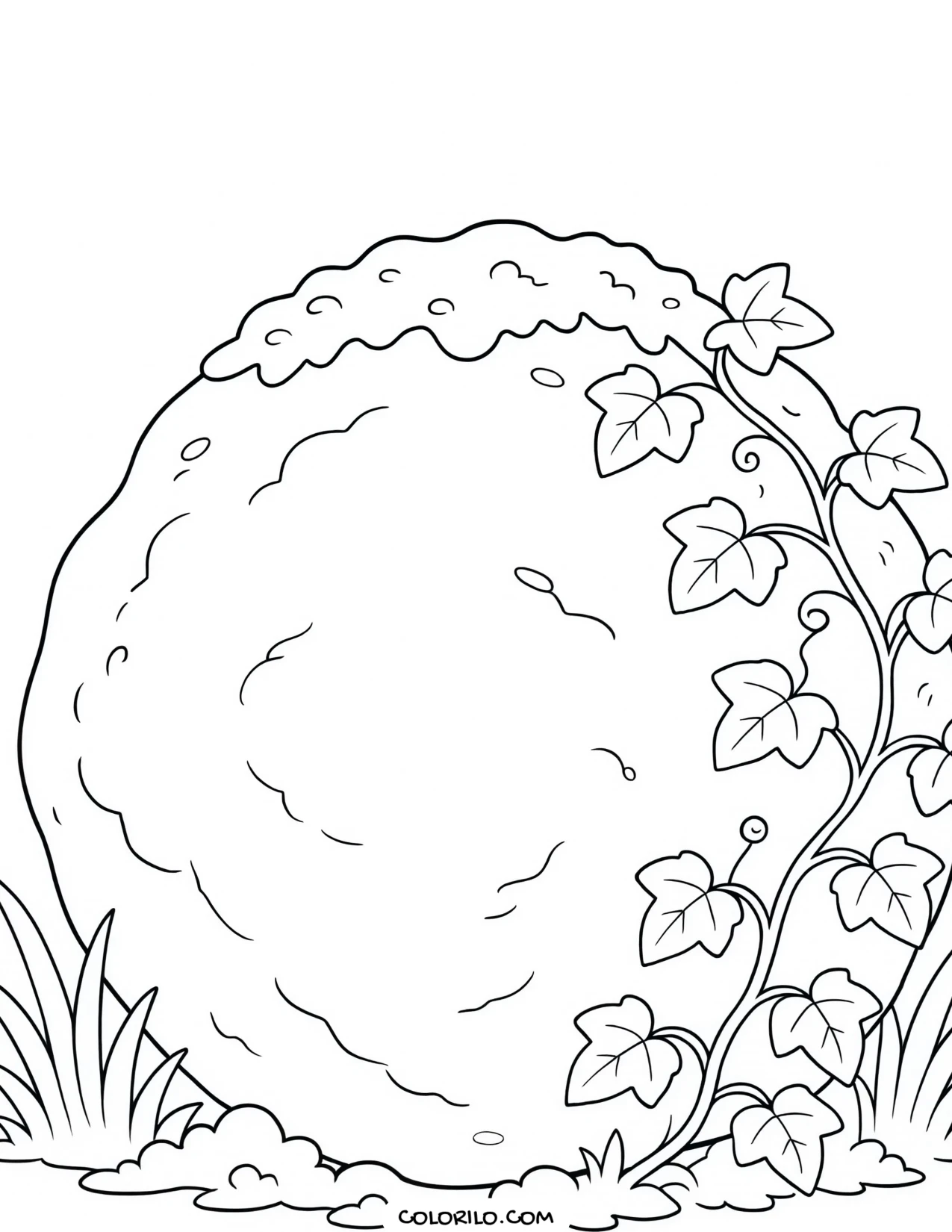
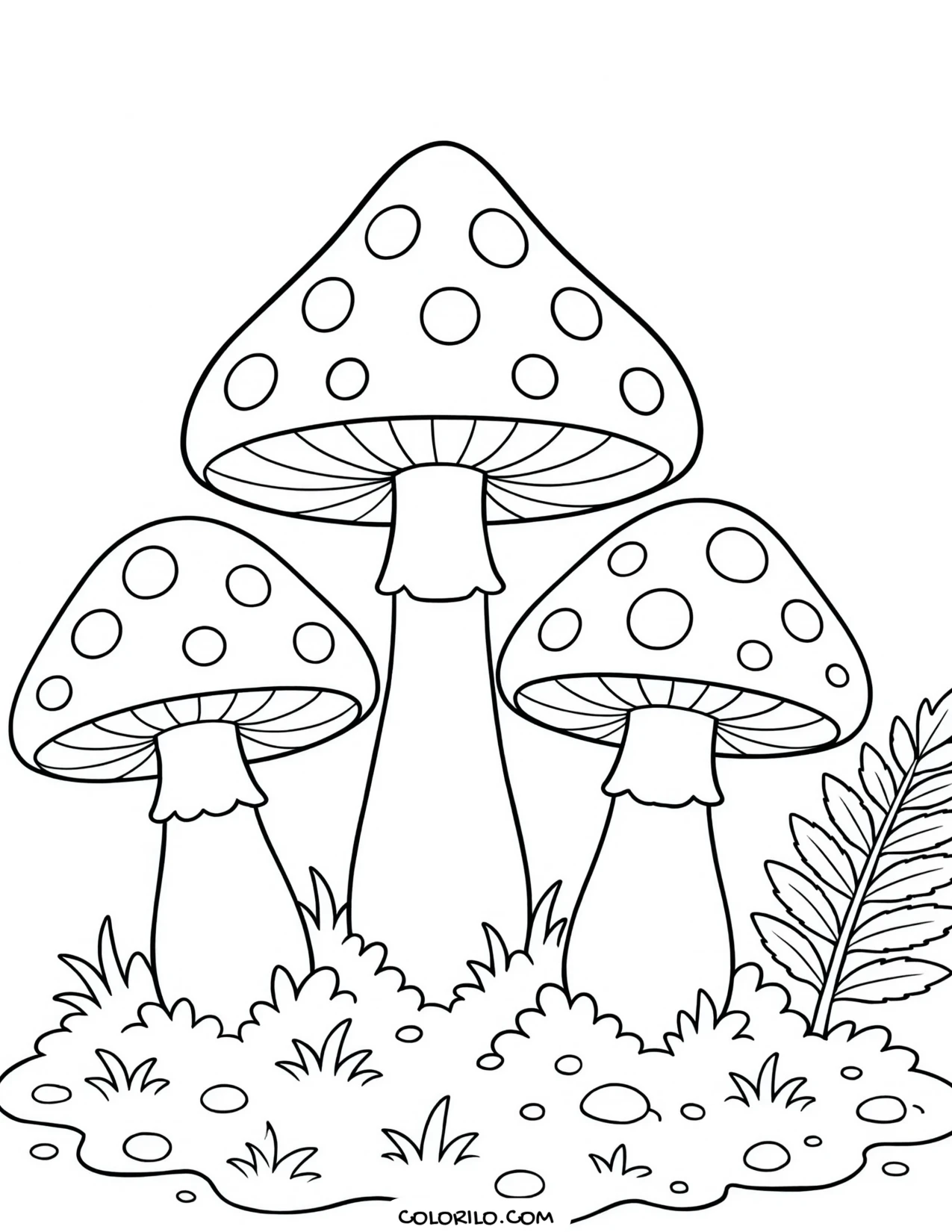
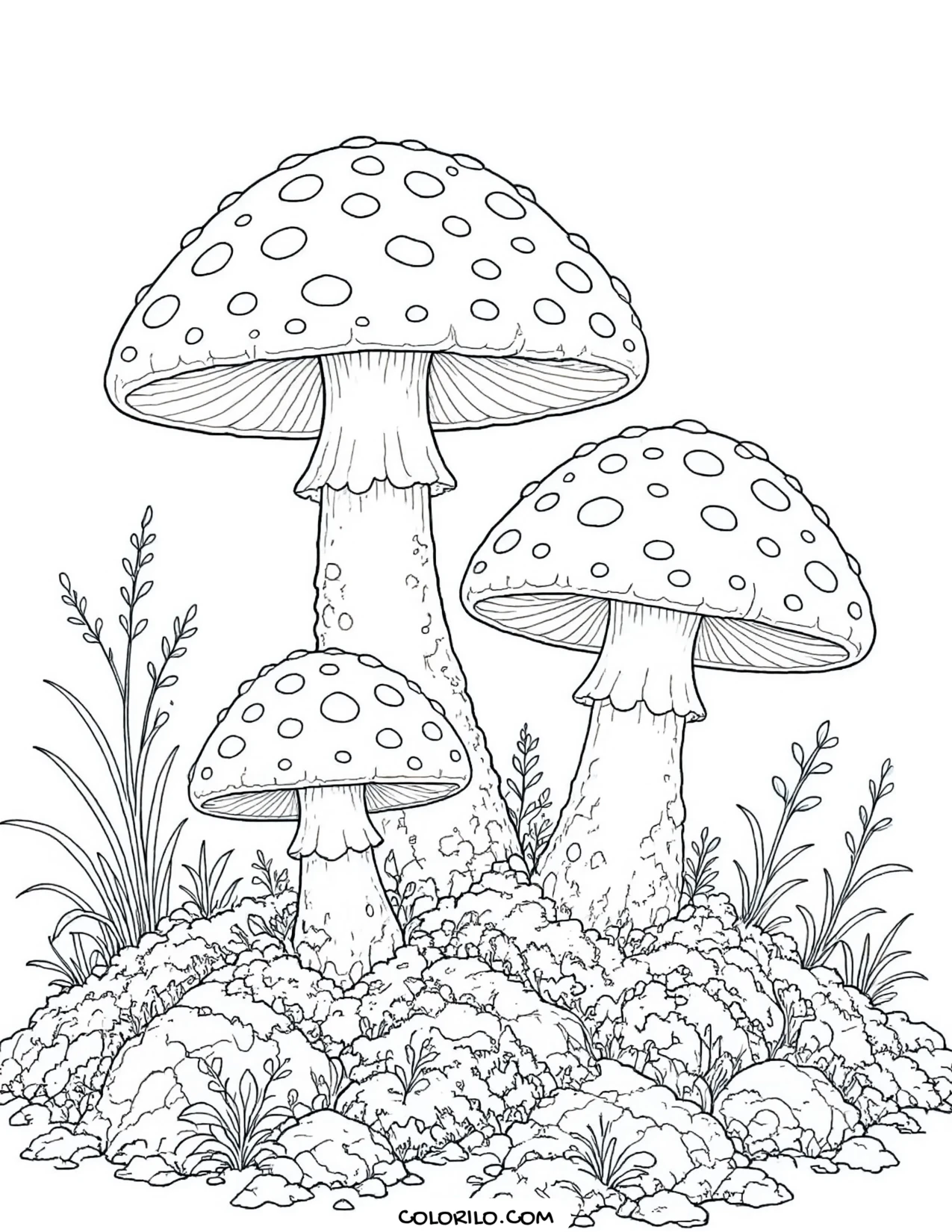
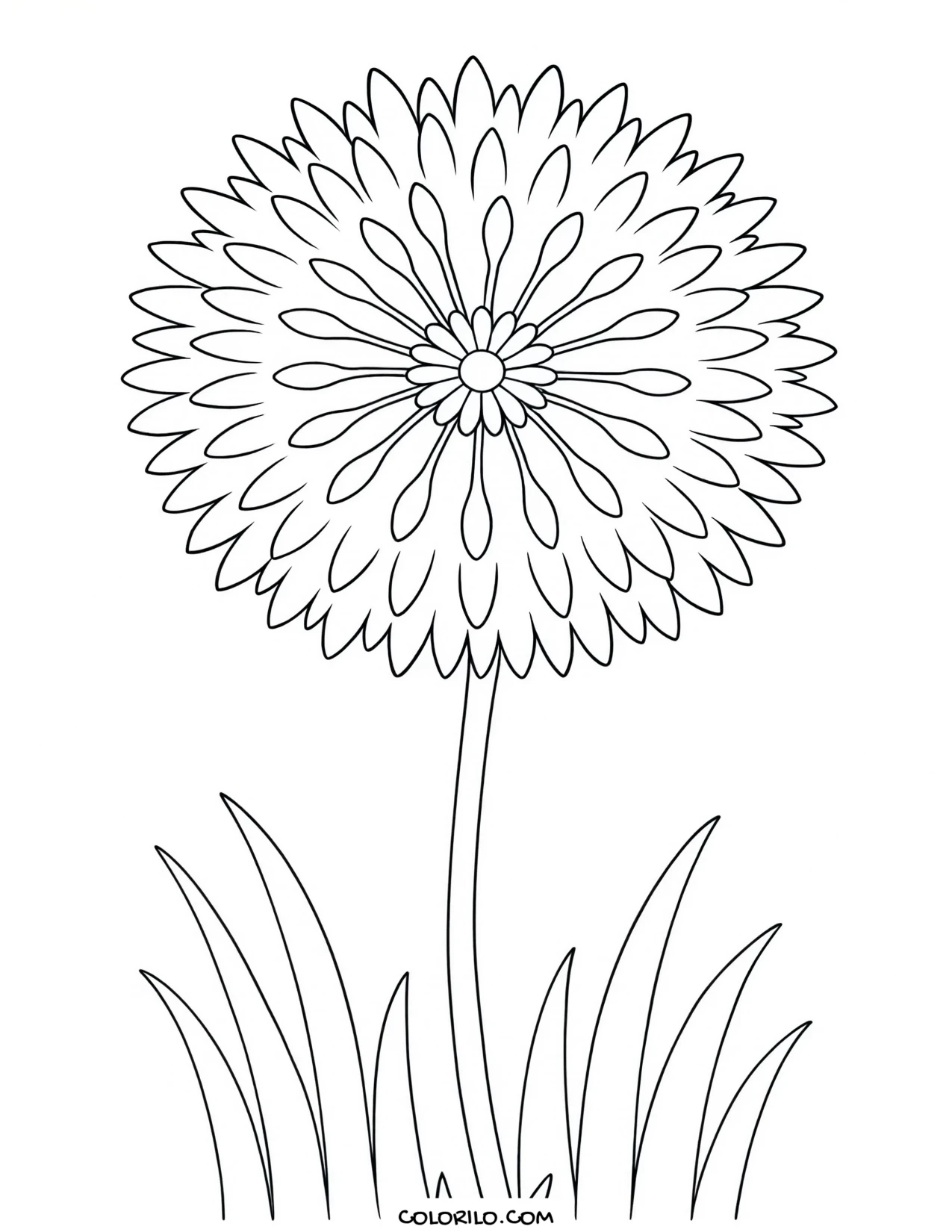
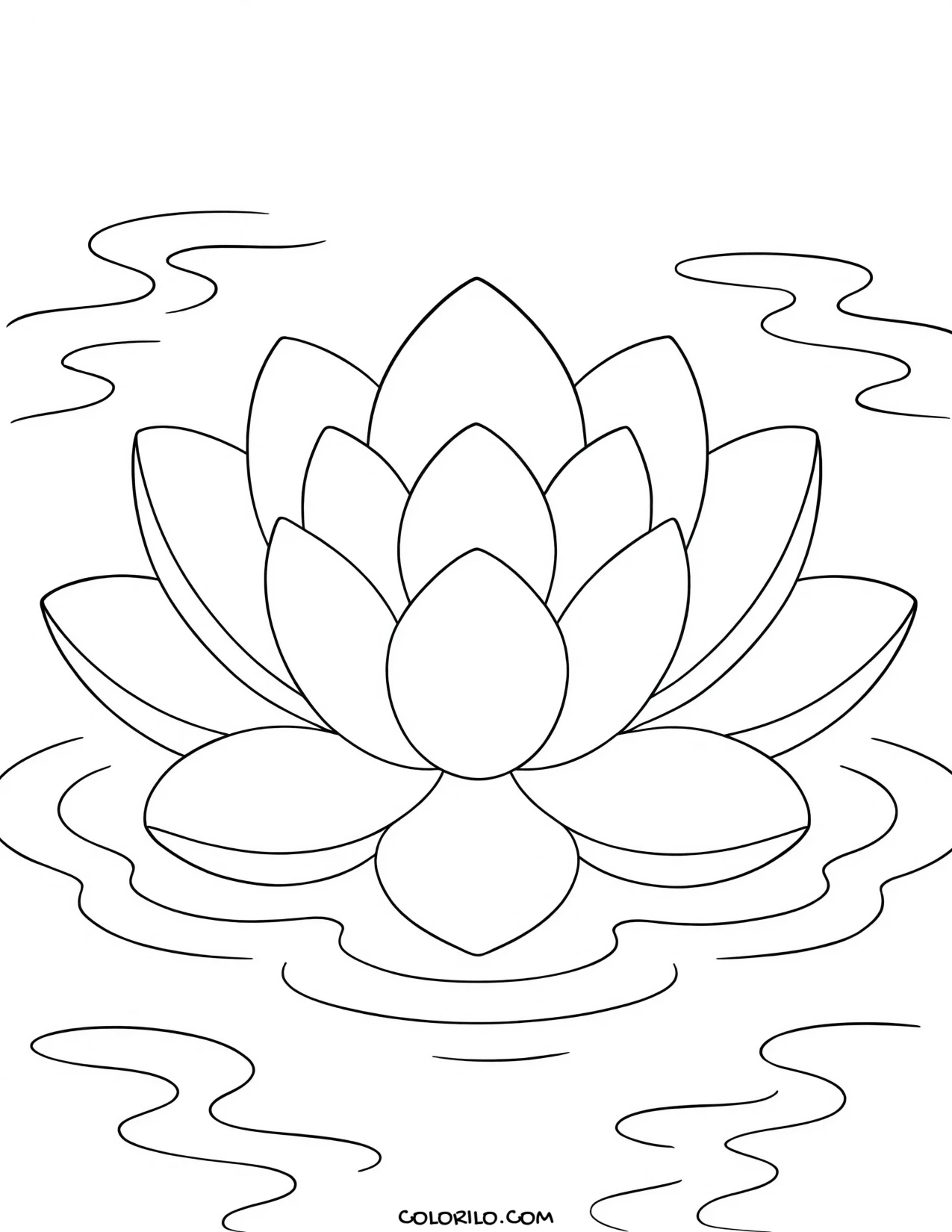
Ten more are plants at ground level. On one side a fern fiddlehead, ivy over a boulder, two clusters of mushrooms and a desert cactus. On the other, cherry blossom, a peony, a meadow of wildflowers, a dandelion clock and a lotus open on still water.
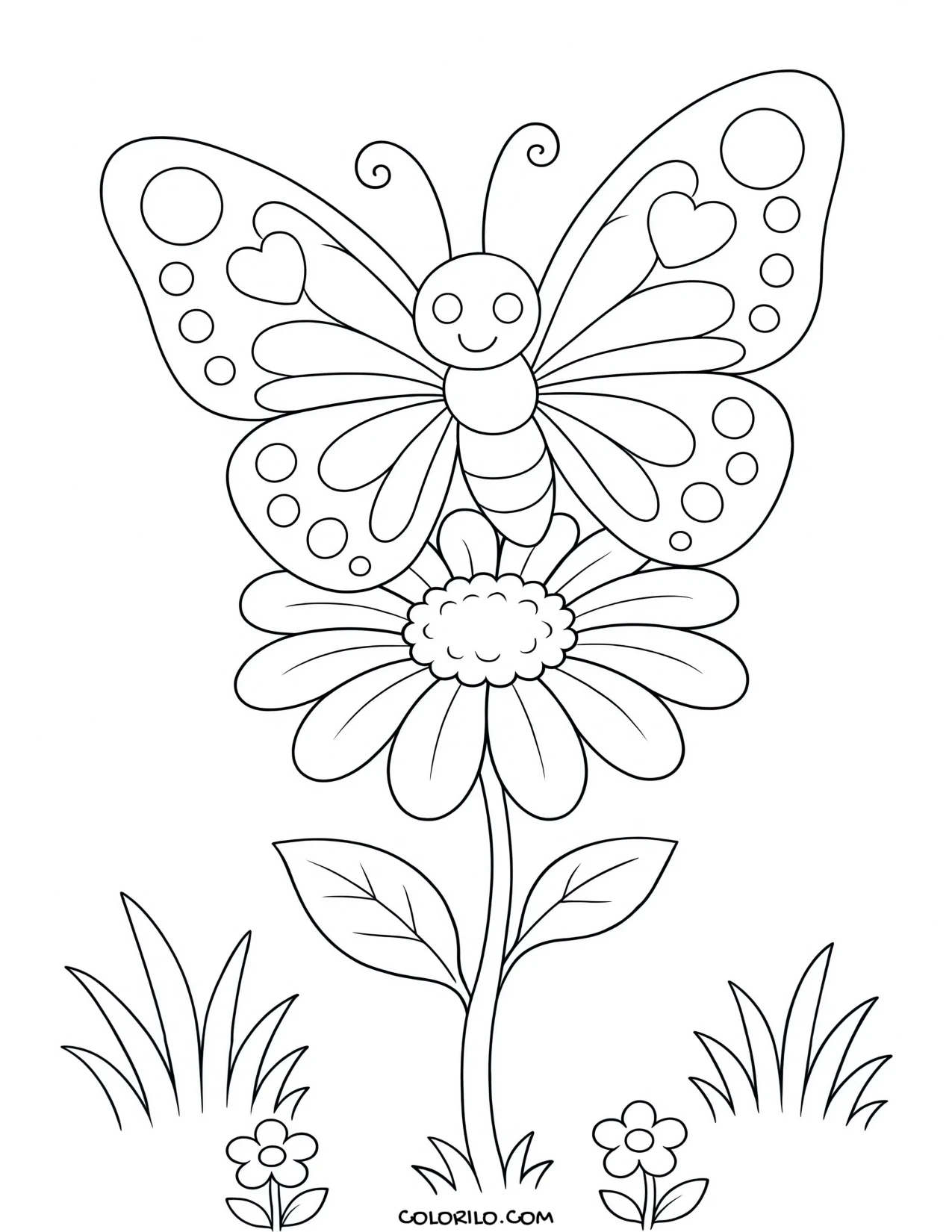
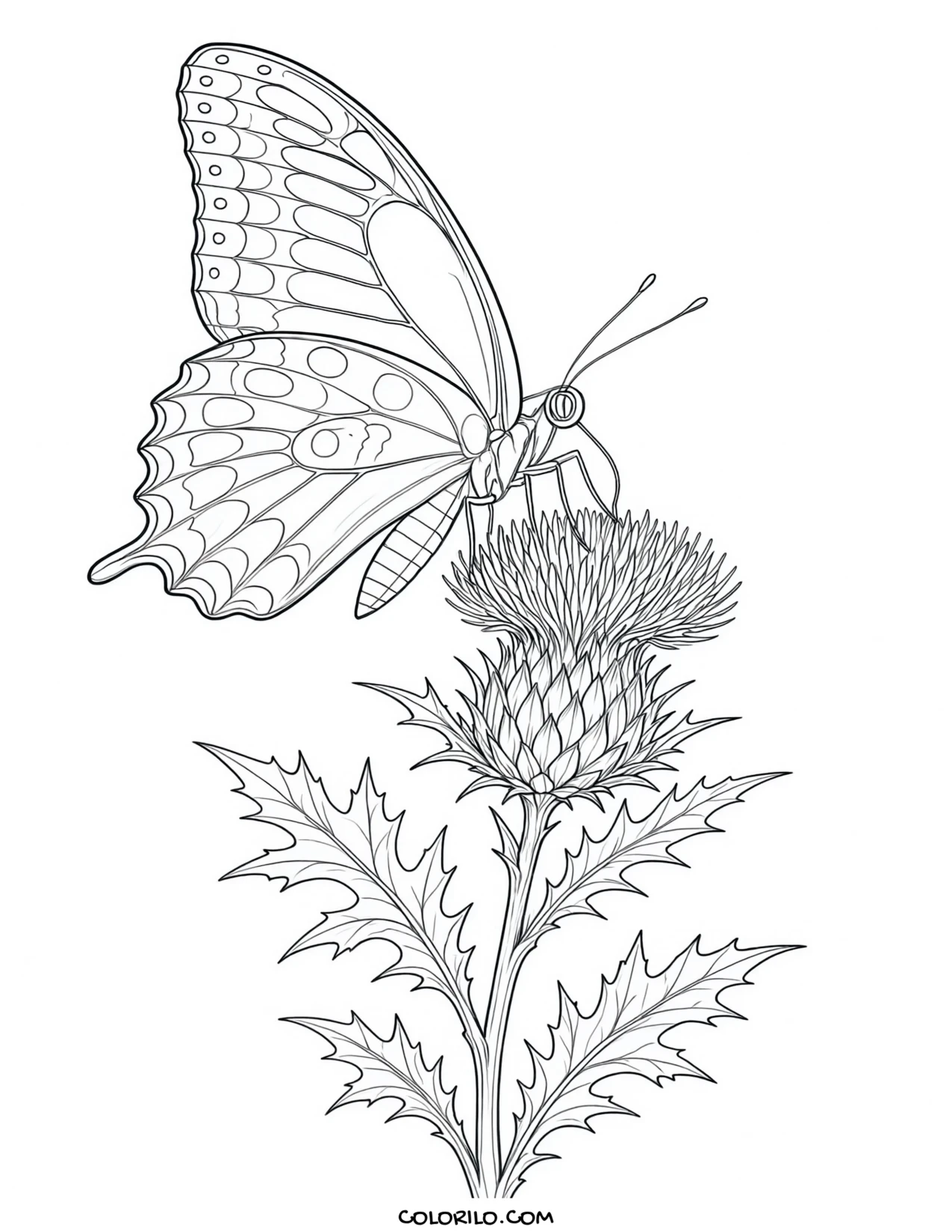
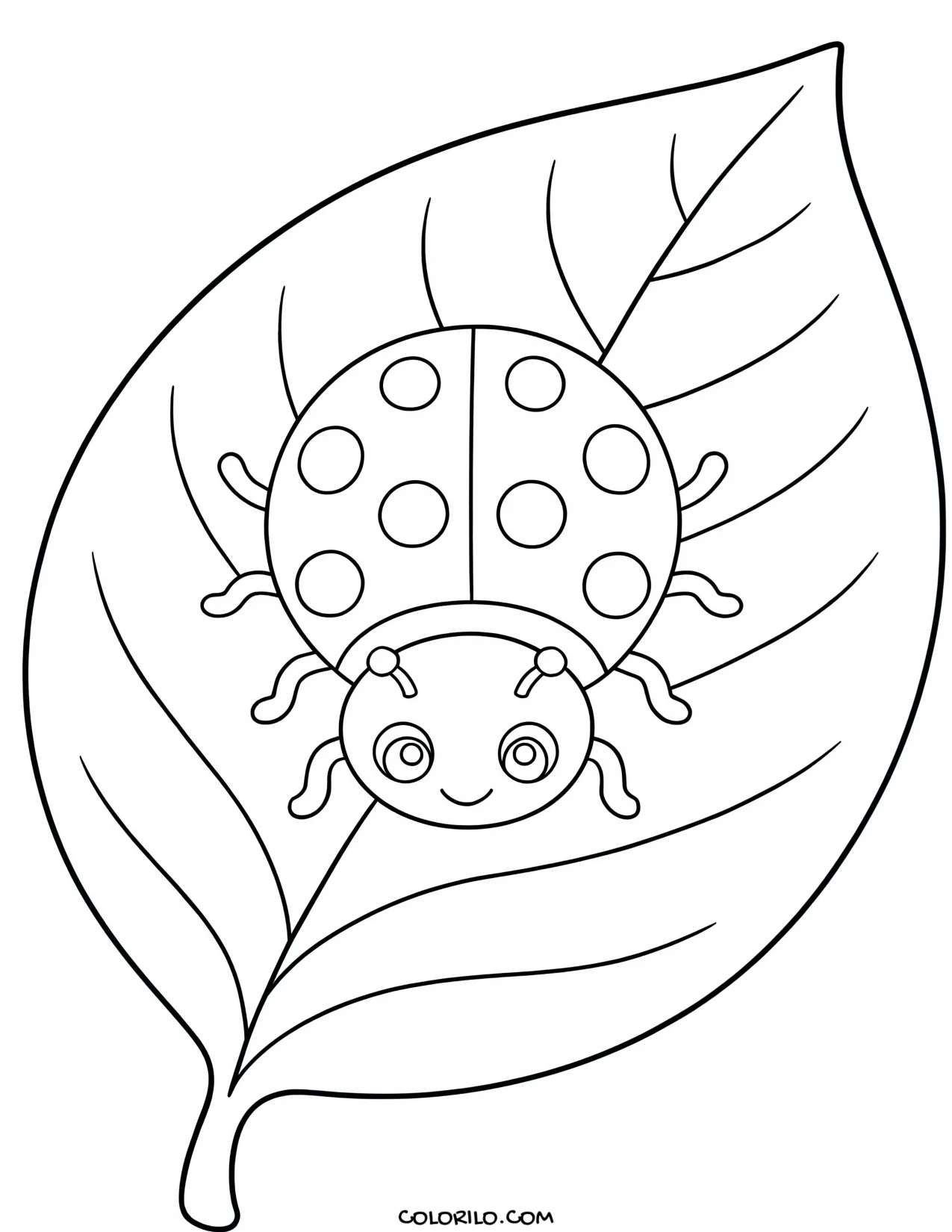
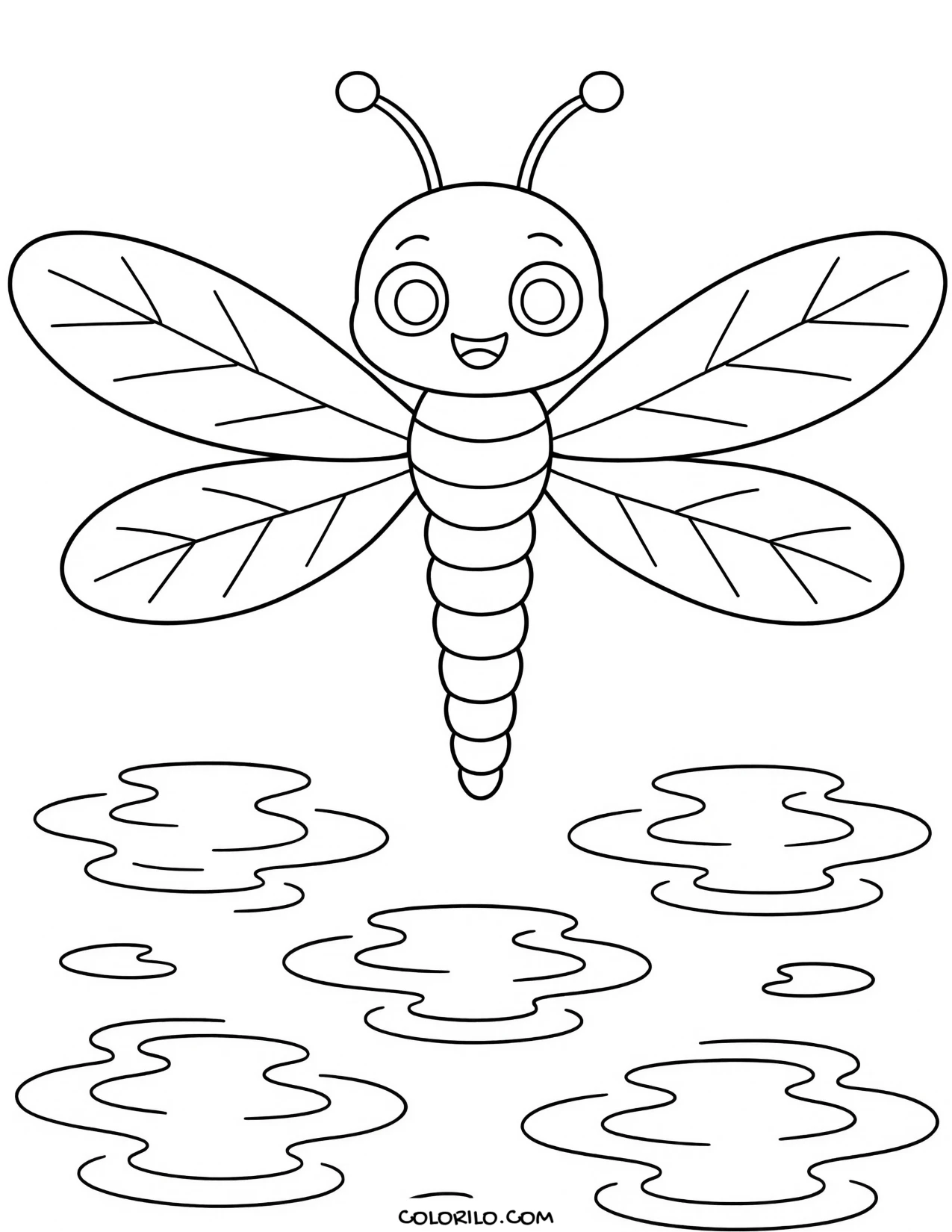
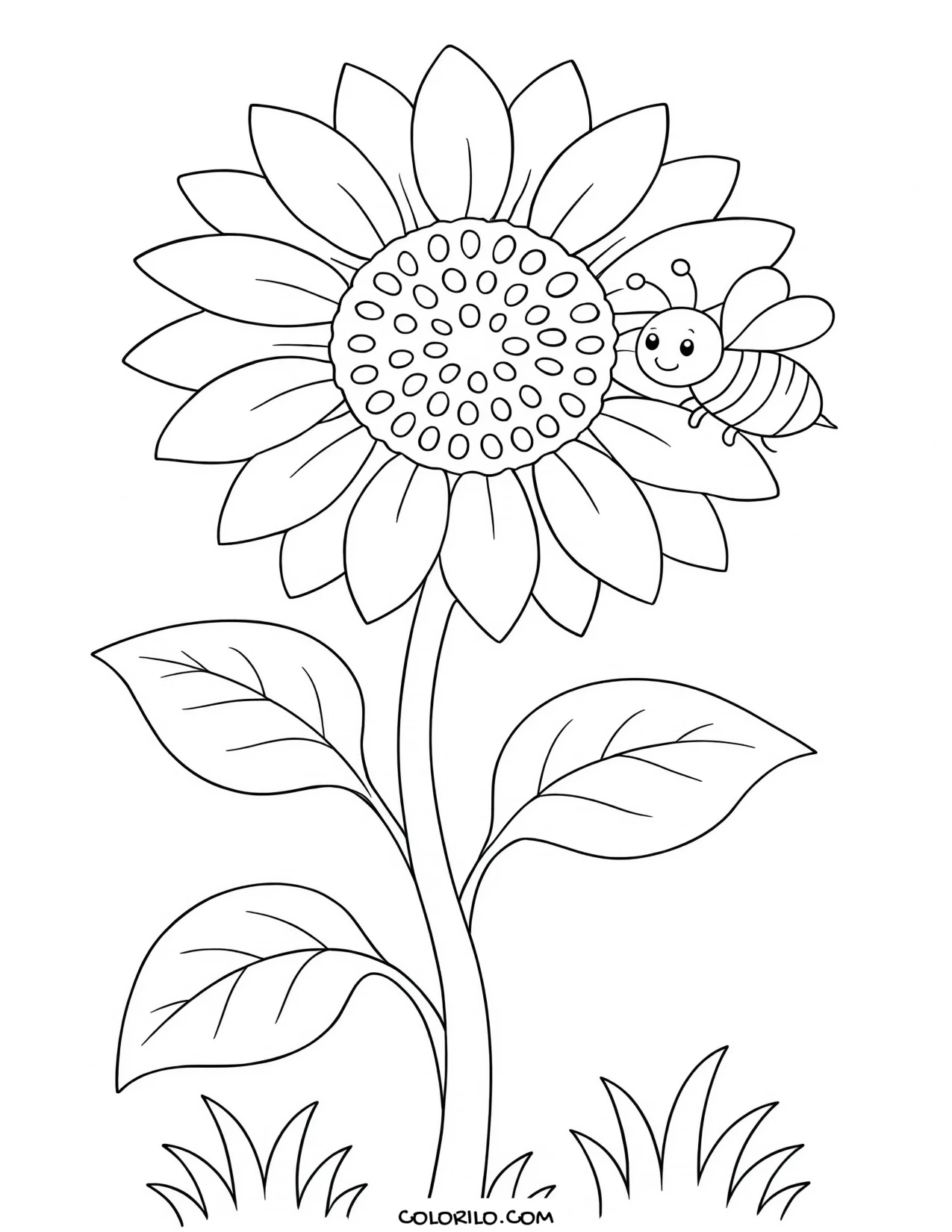
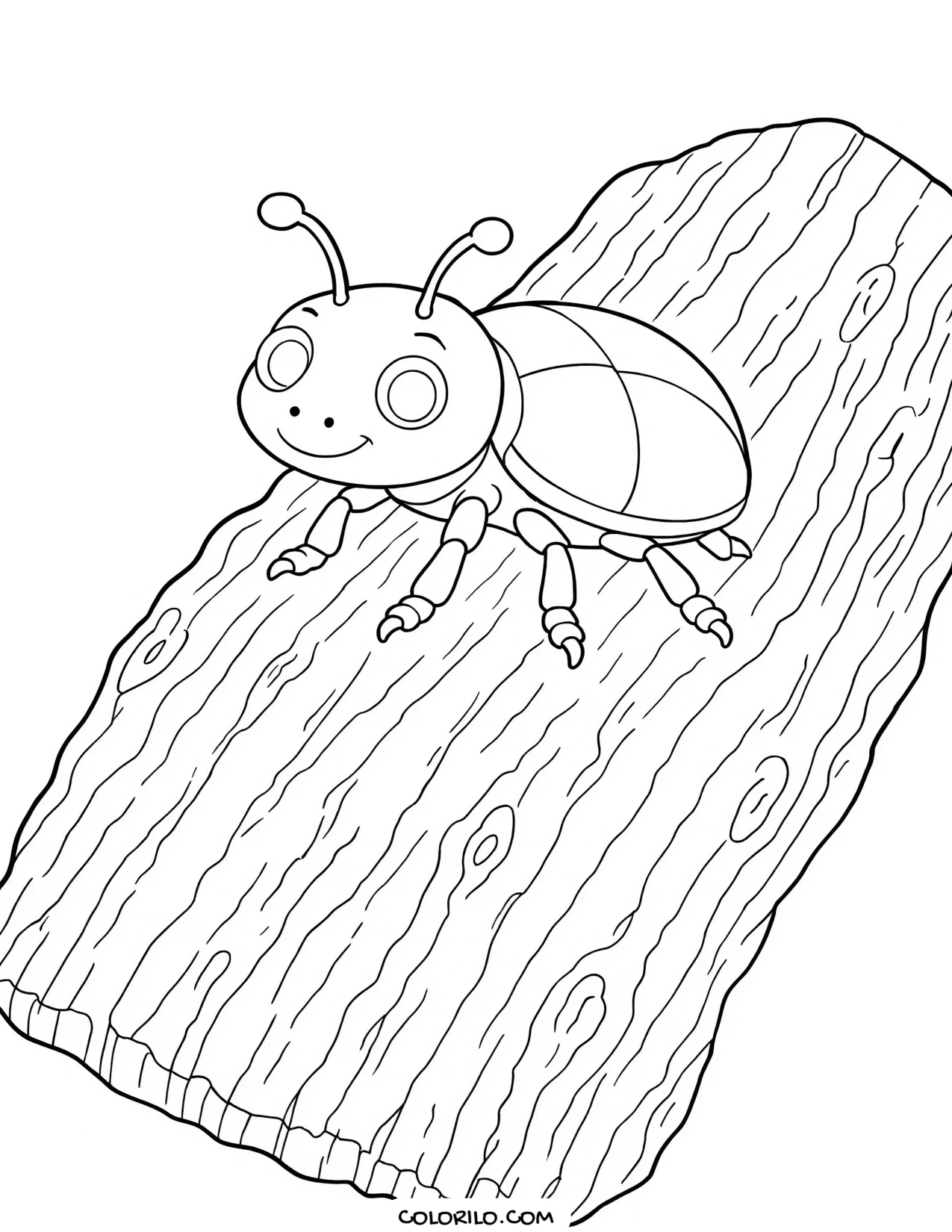
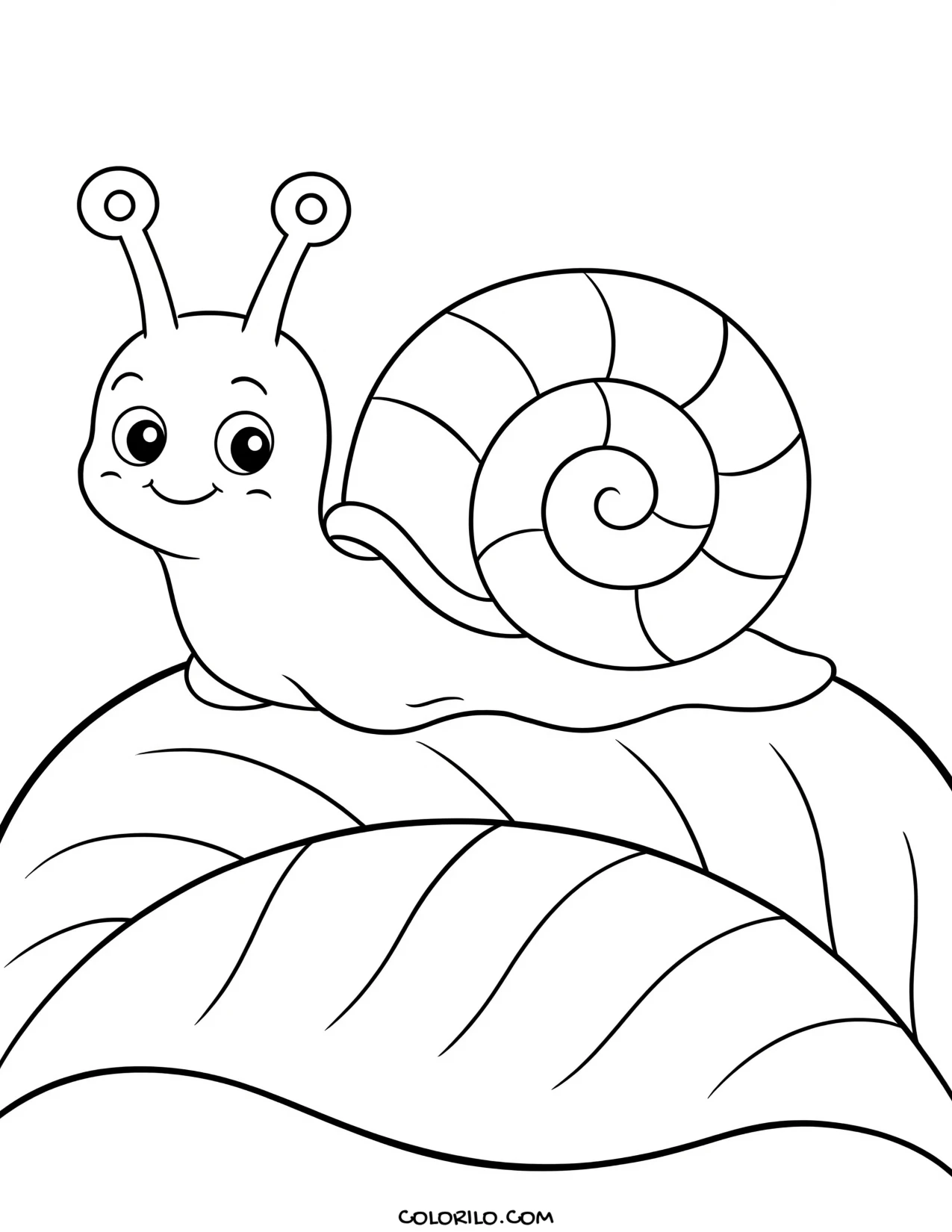
Seven are small things worth stopping to look at. Butterflies on a daisy and on a thistle, a ladybug on a leaf, a dragonfly over a pond, a bee on a sunflower, a beetle on bark and a snail. These have the least to fill in and are the quickest to finish.
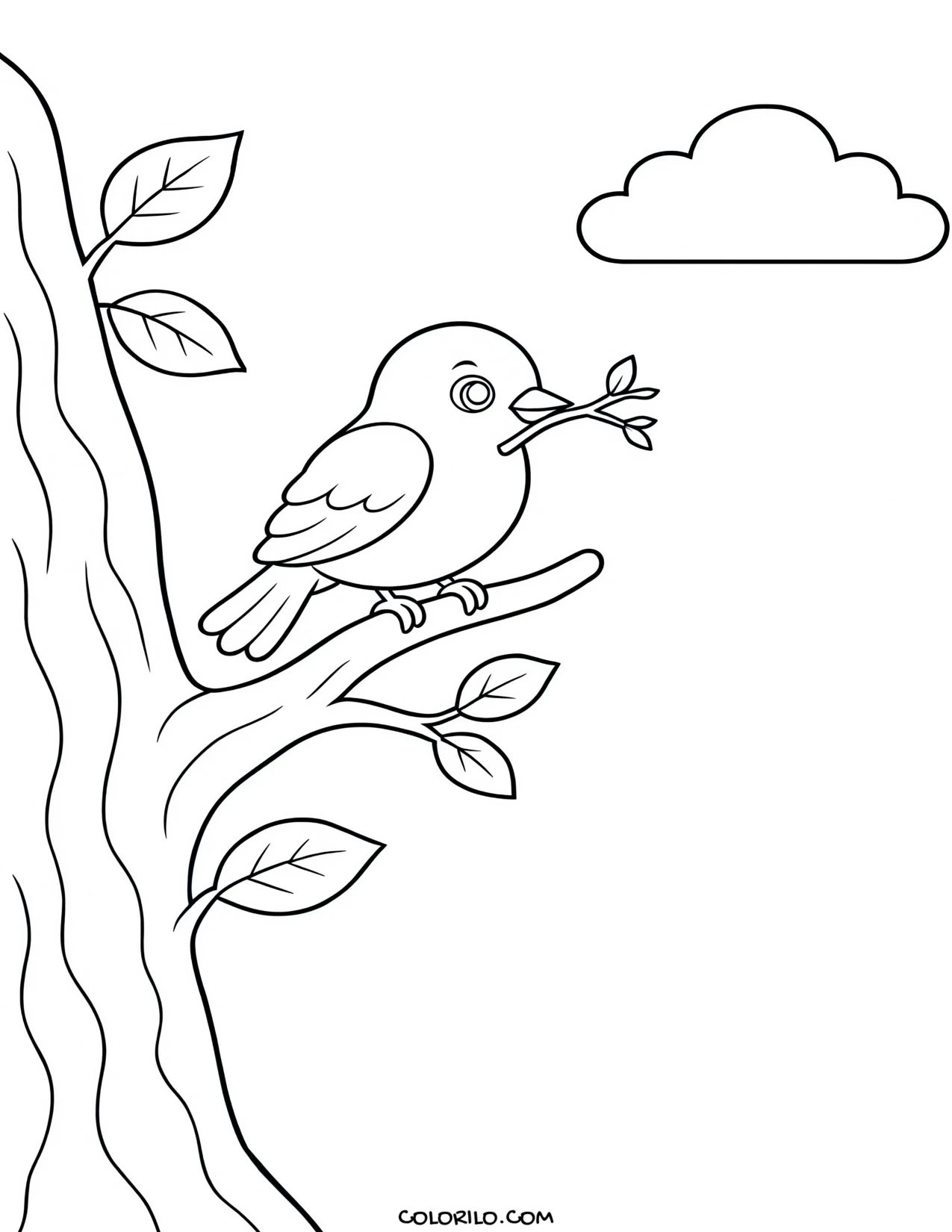
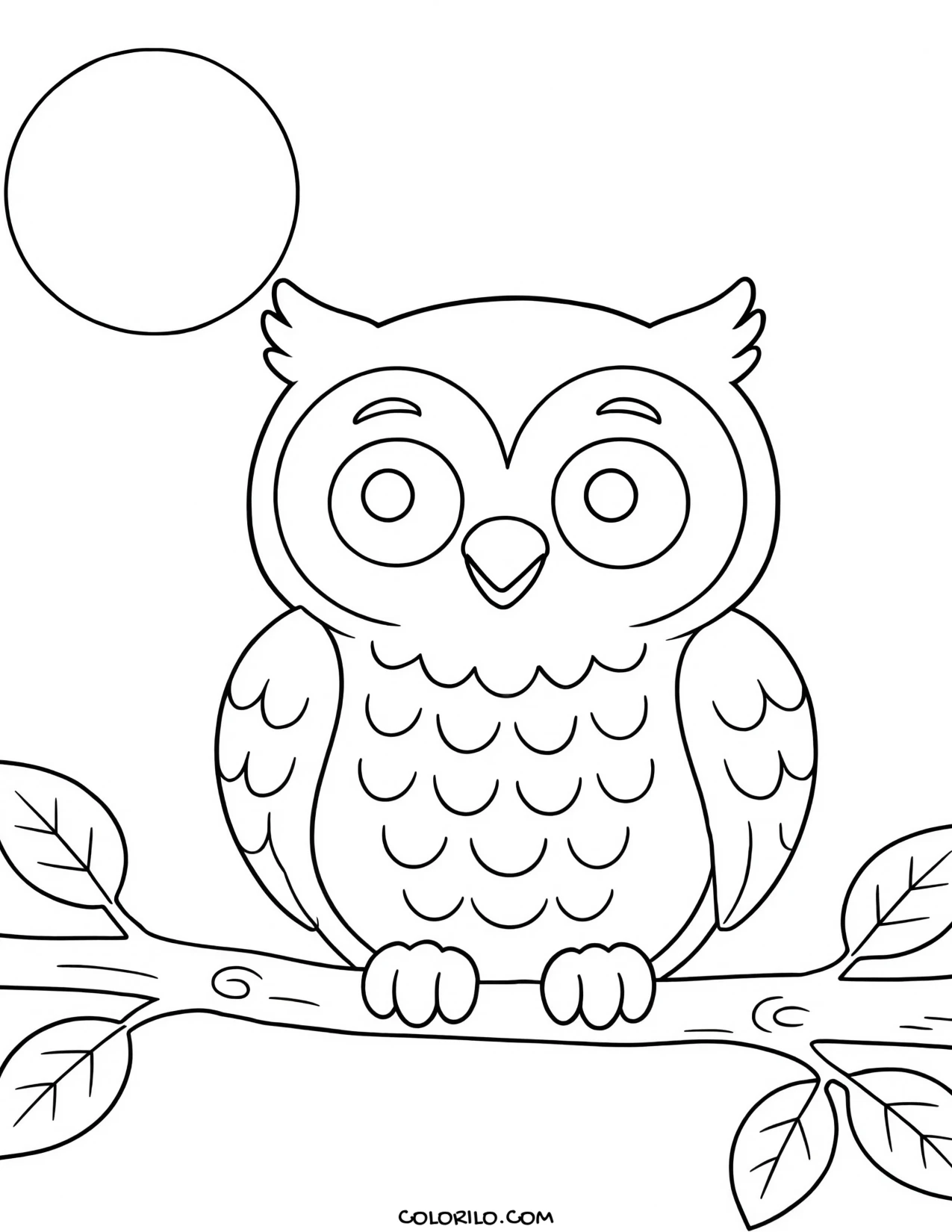
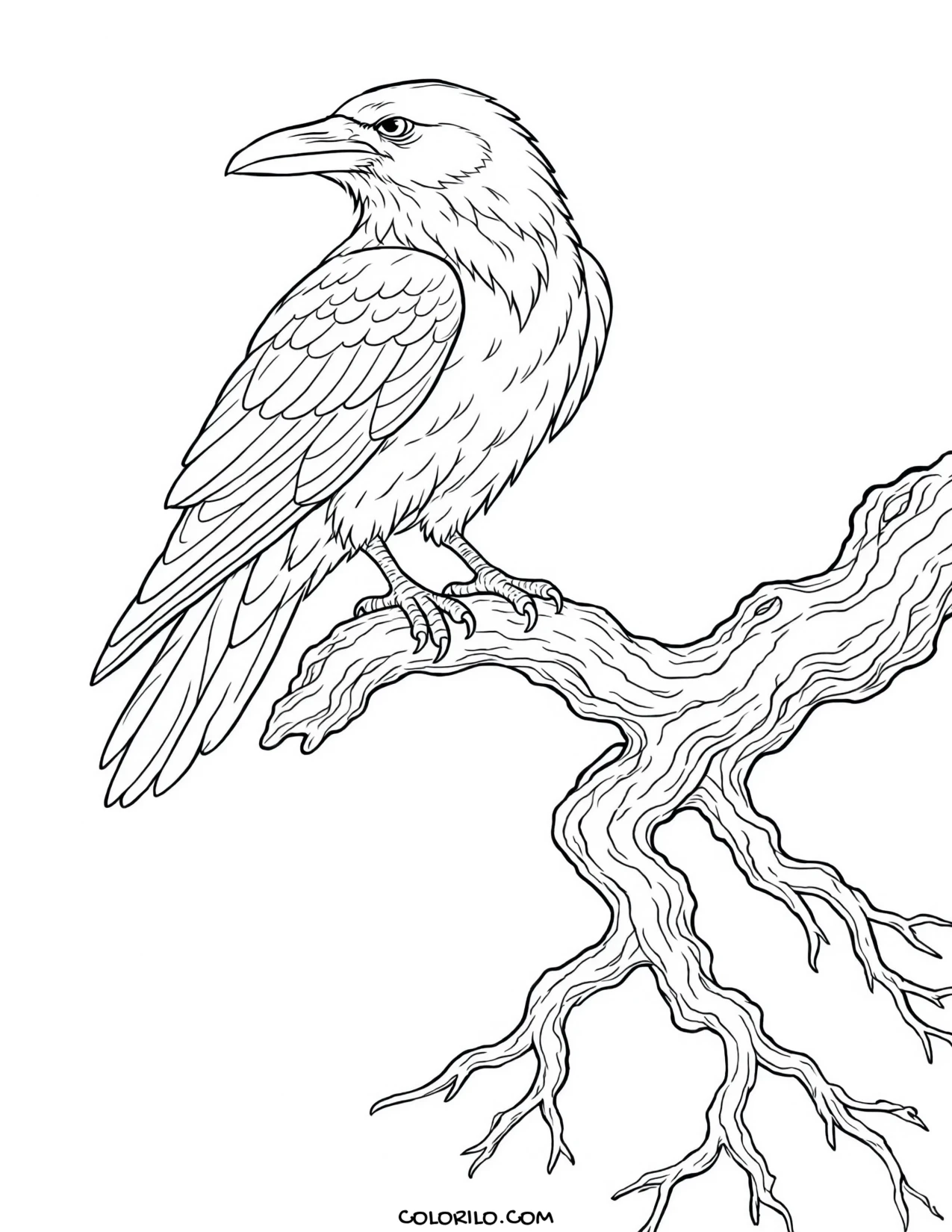
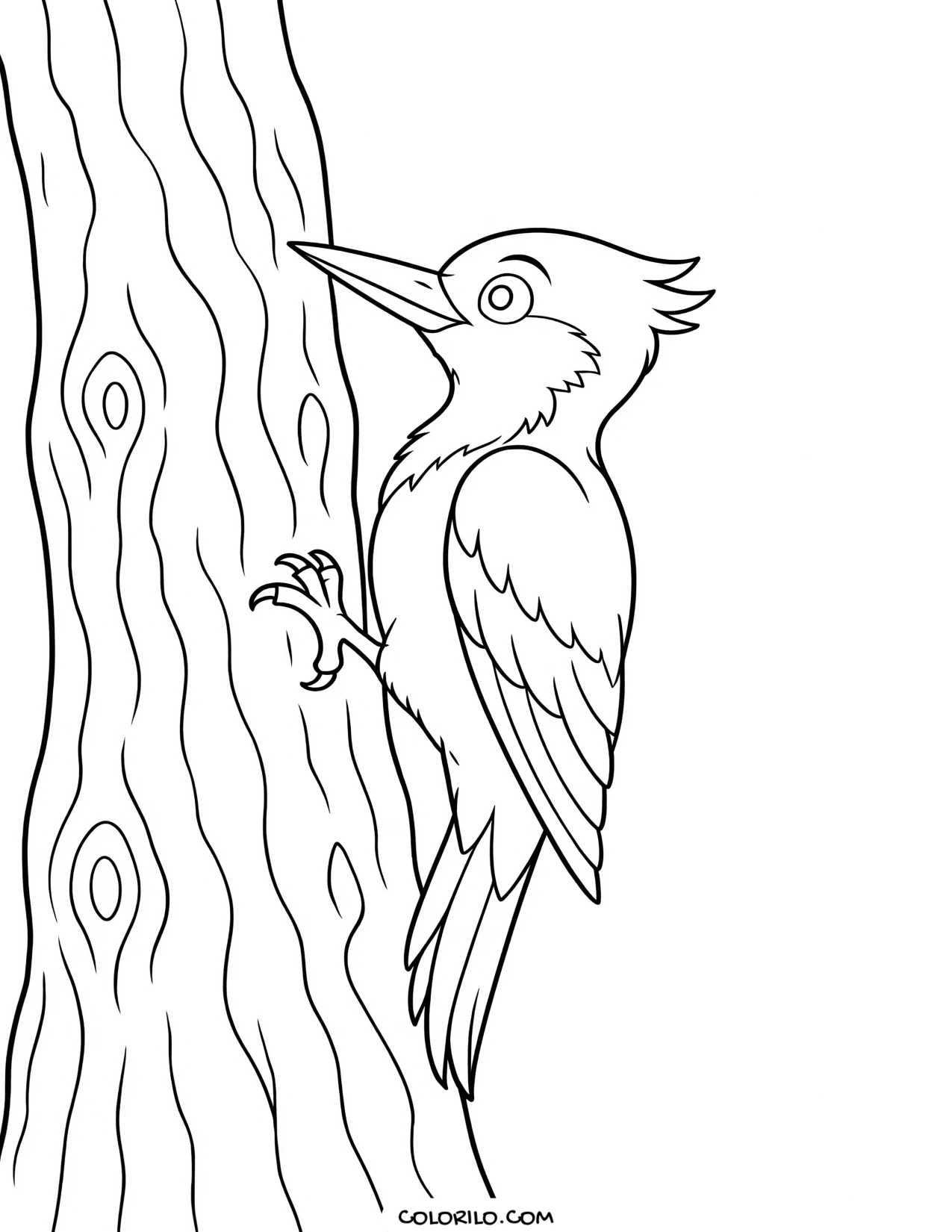
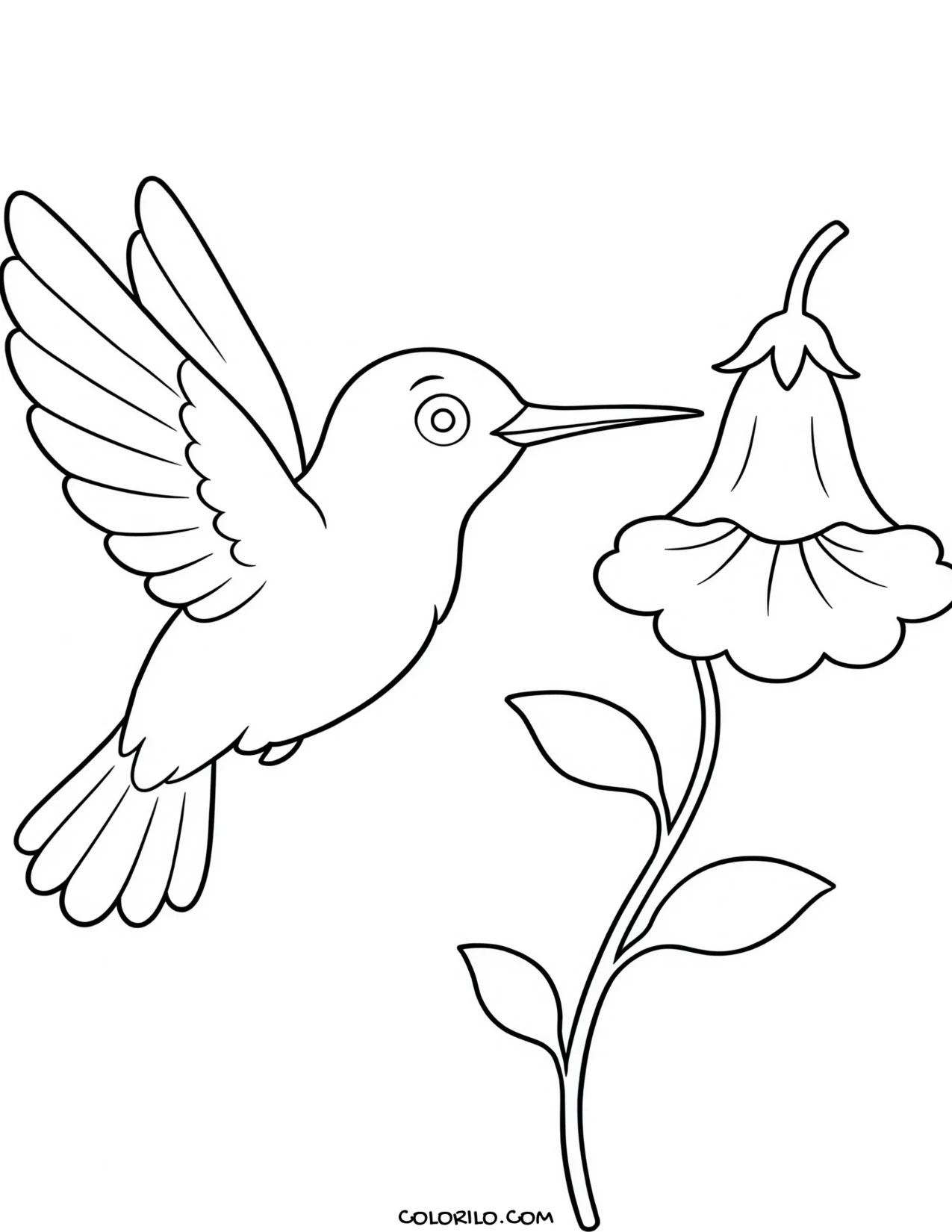
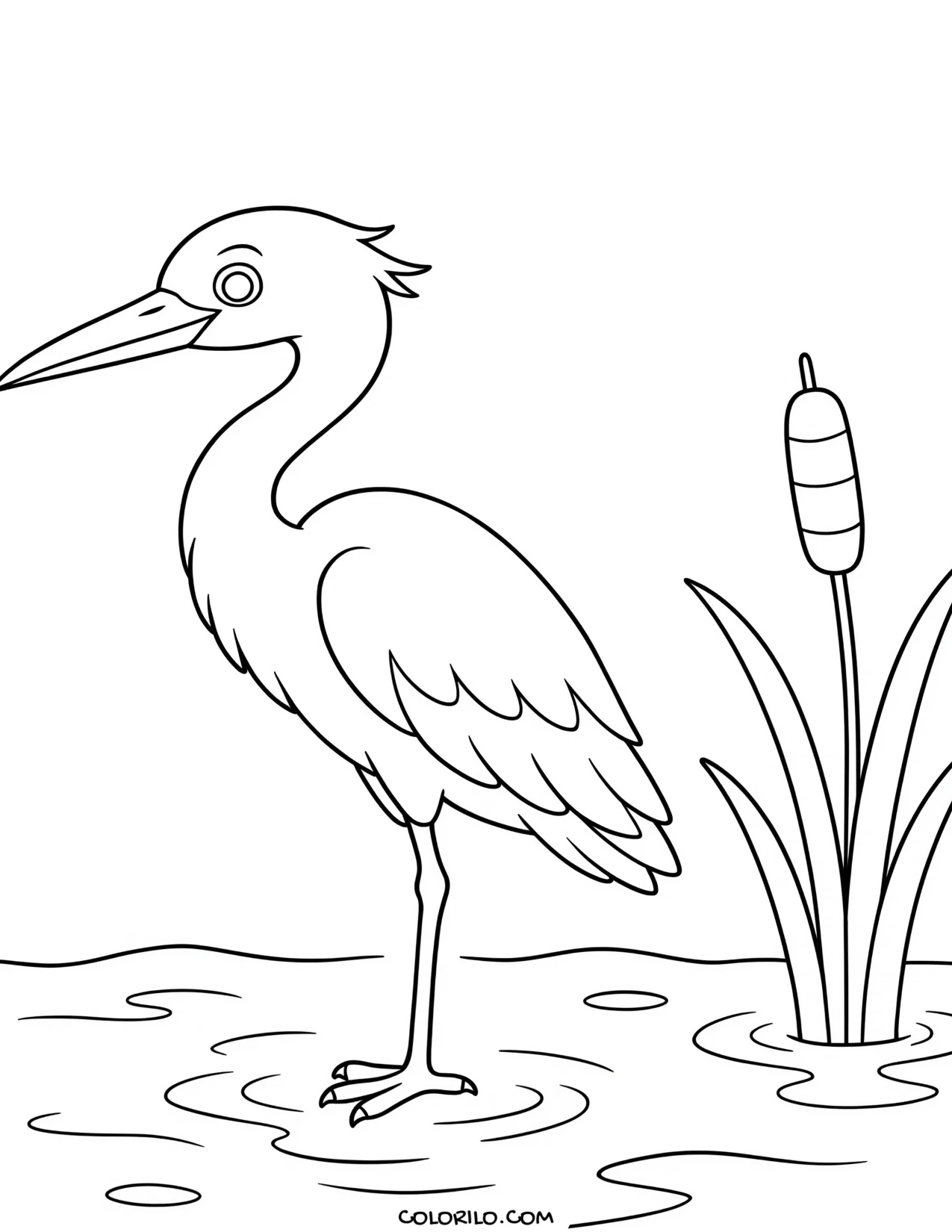
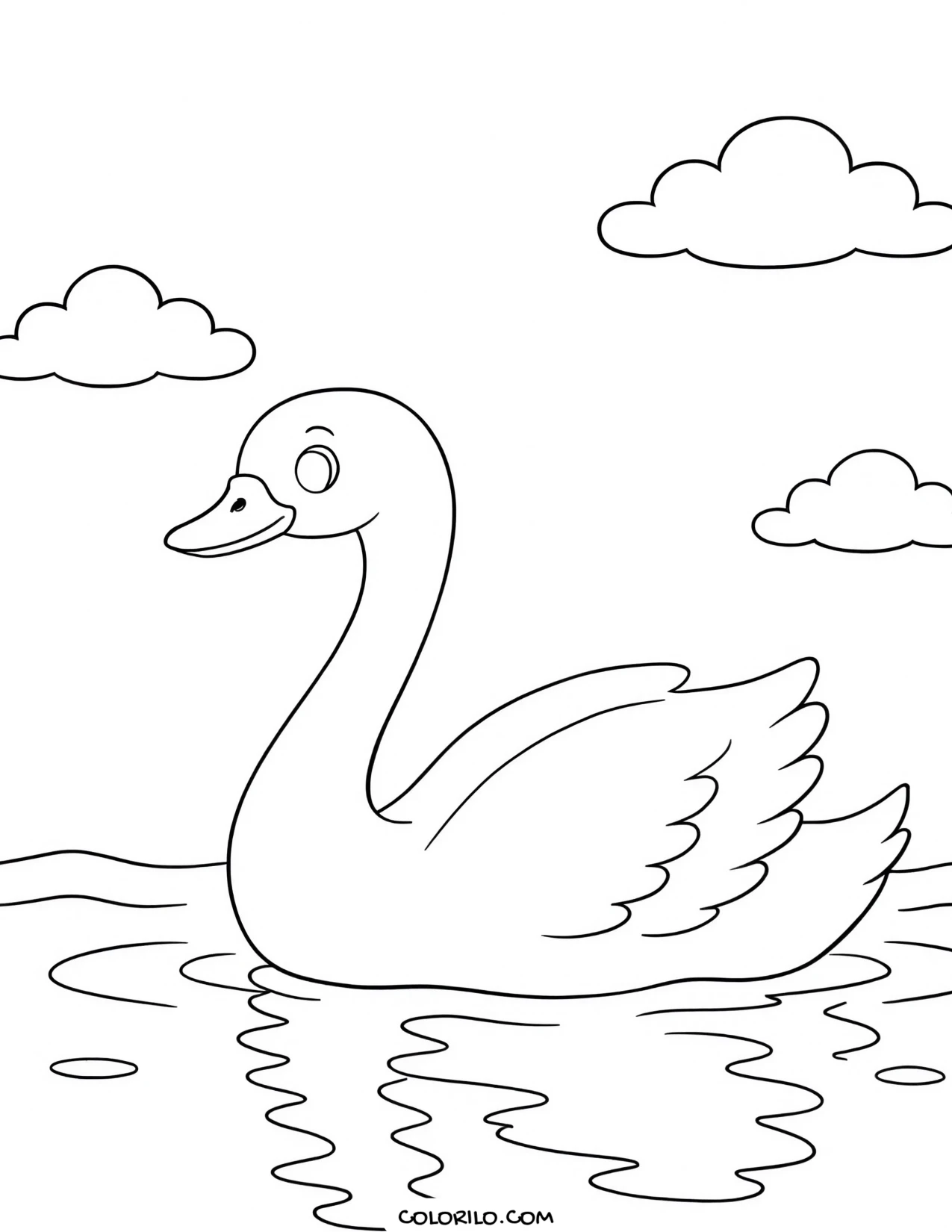
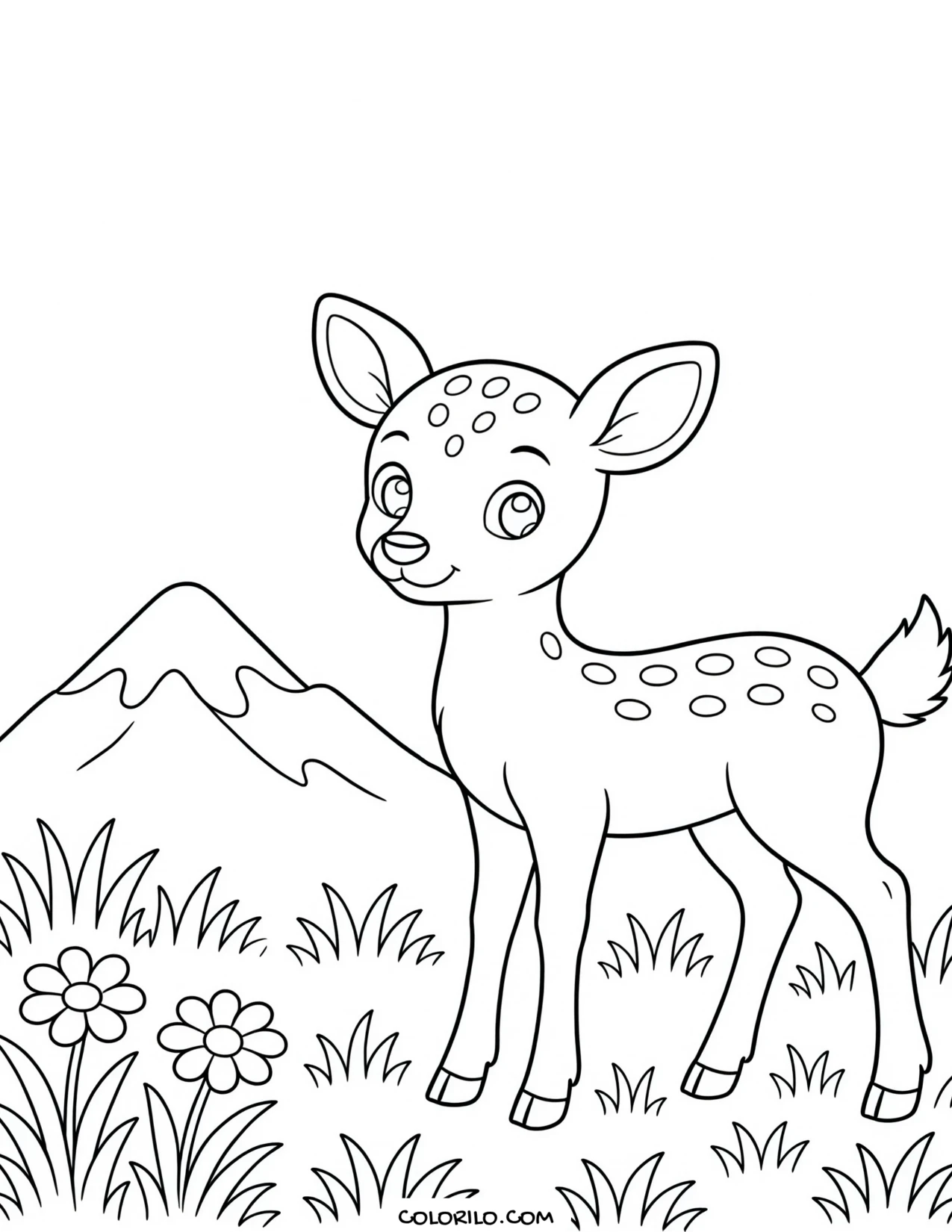
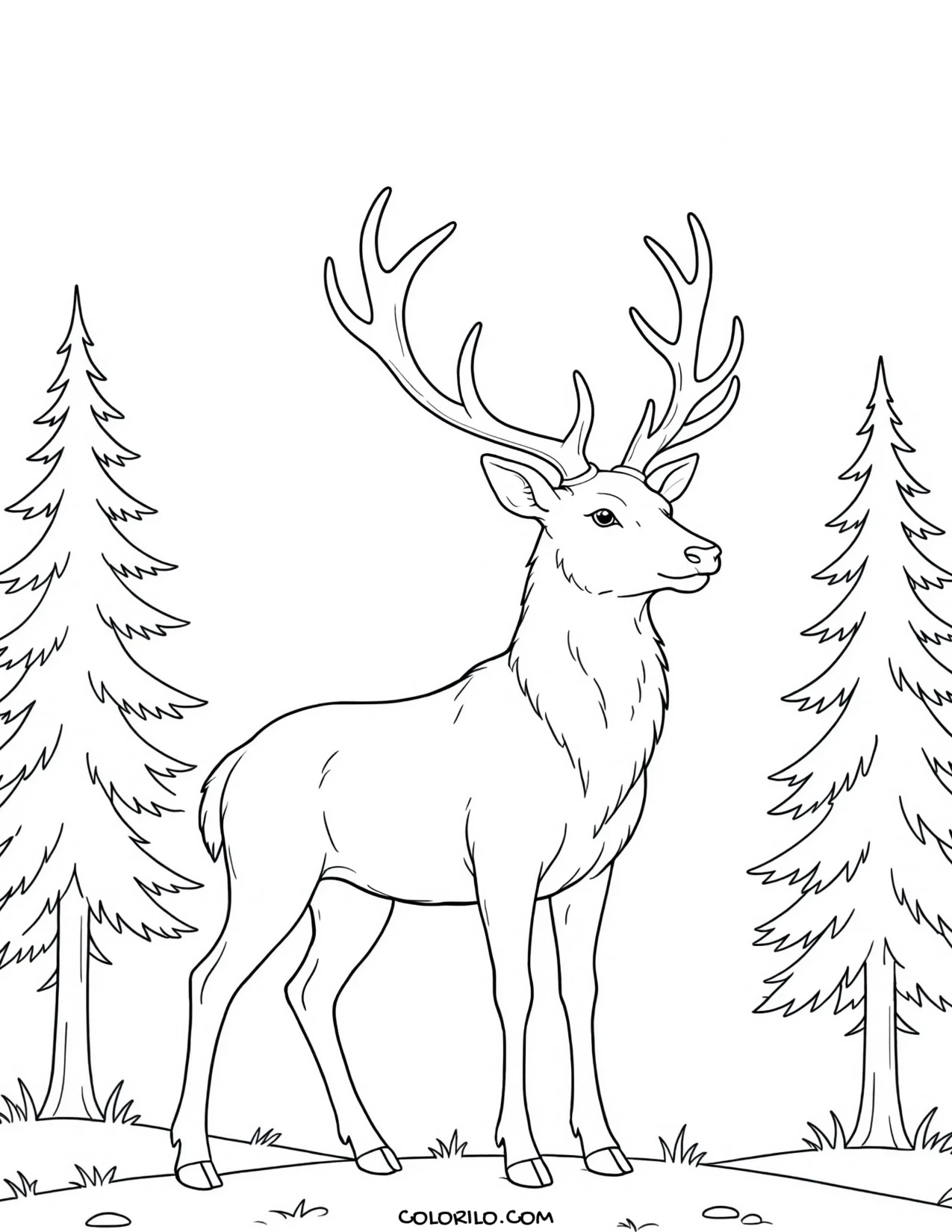
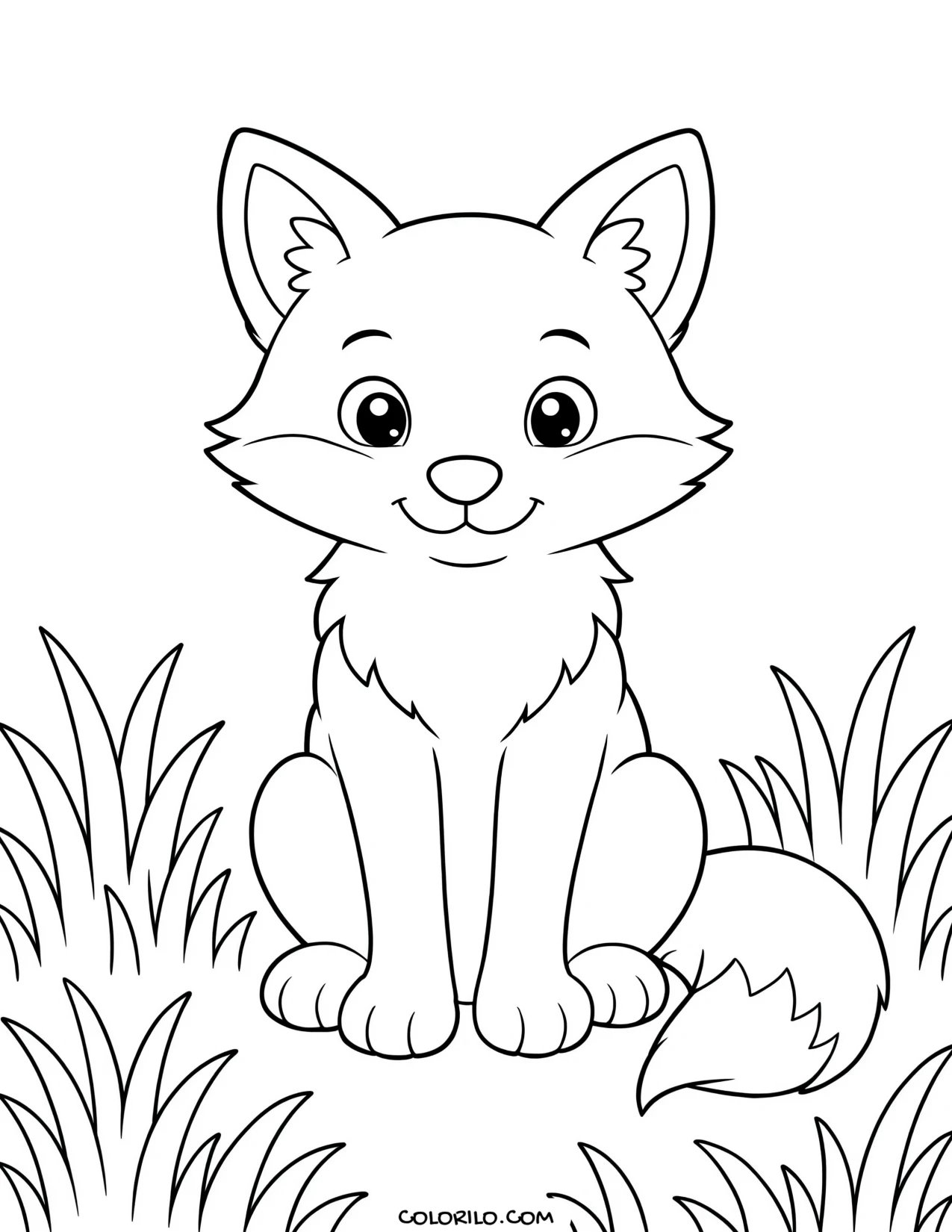
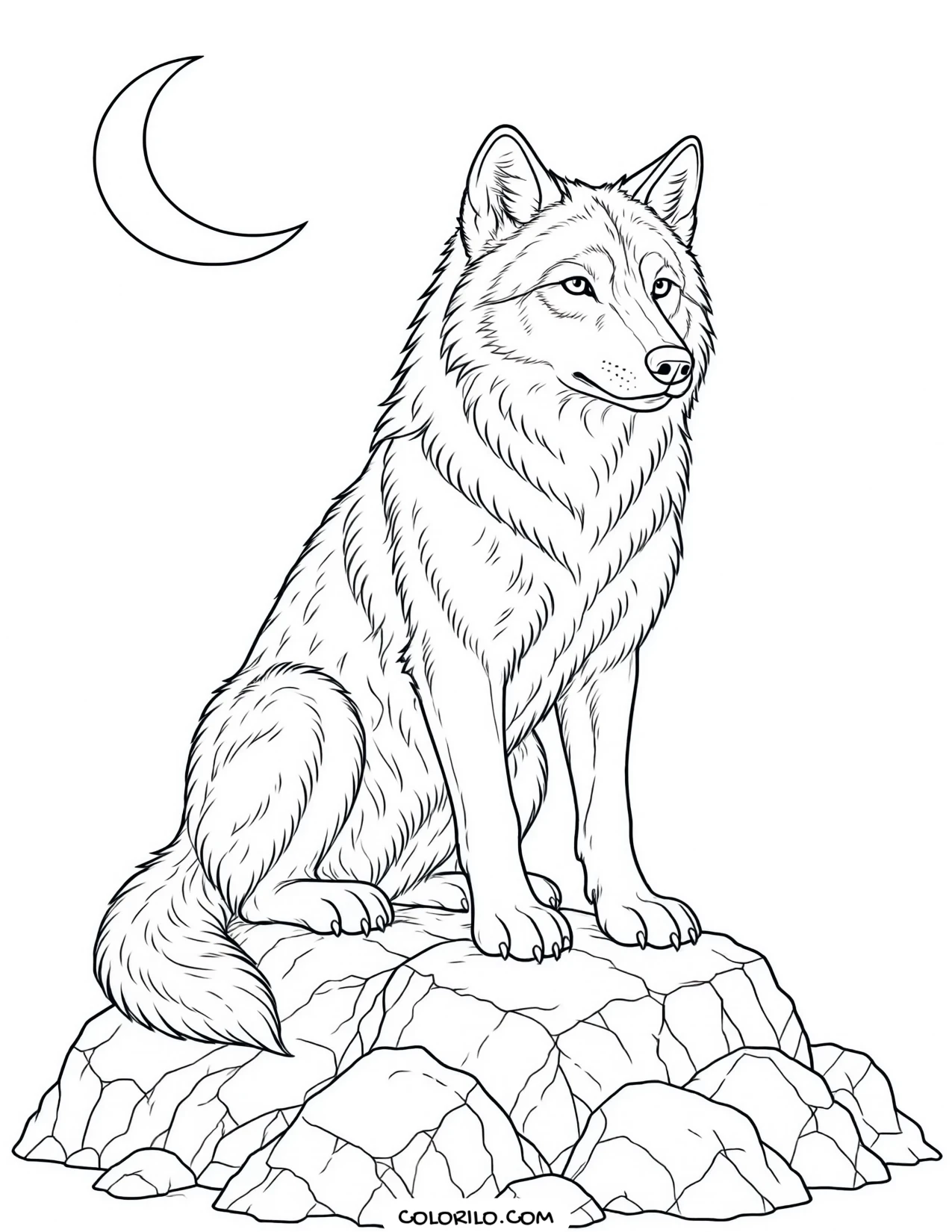
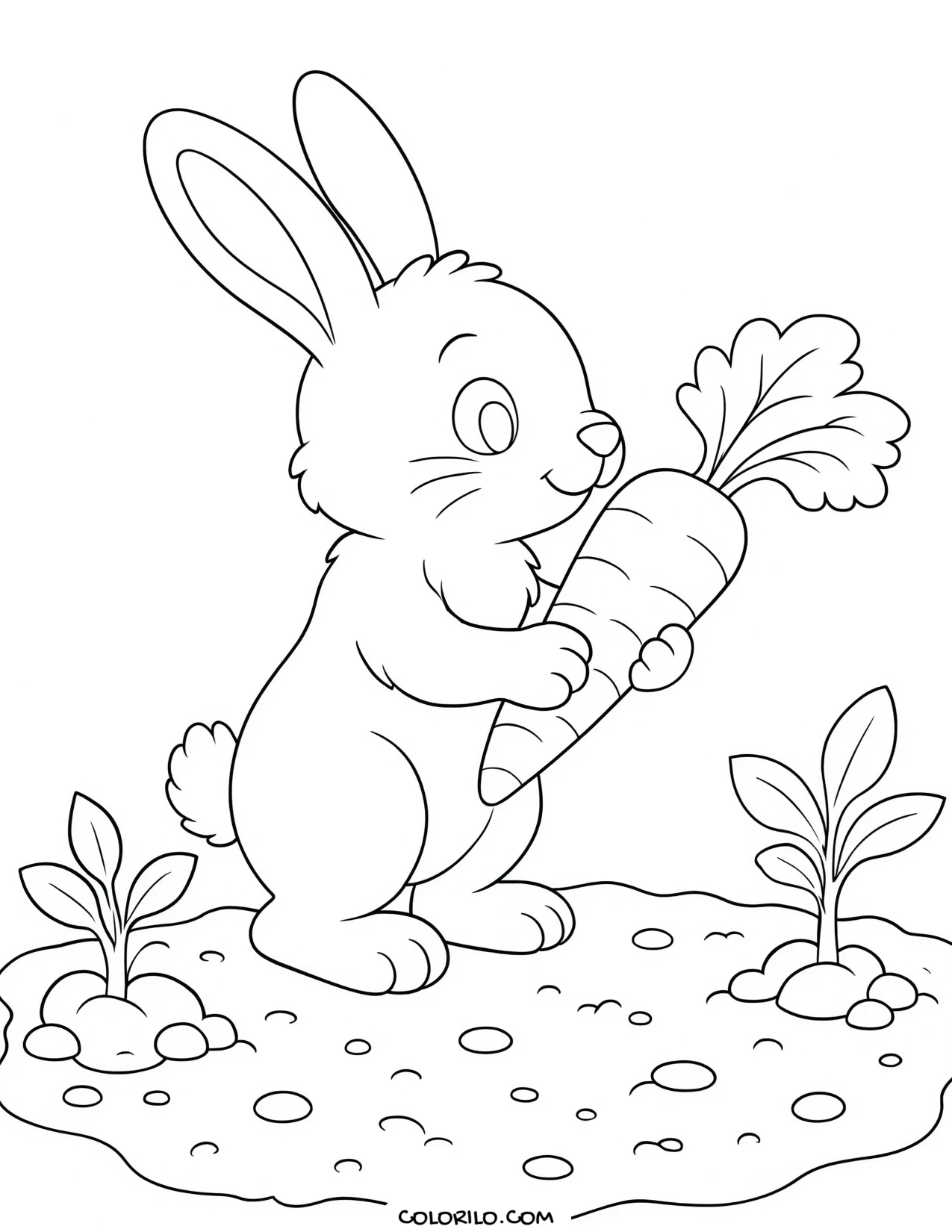
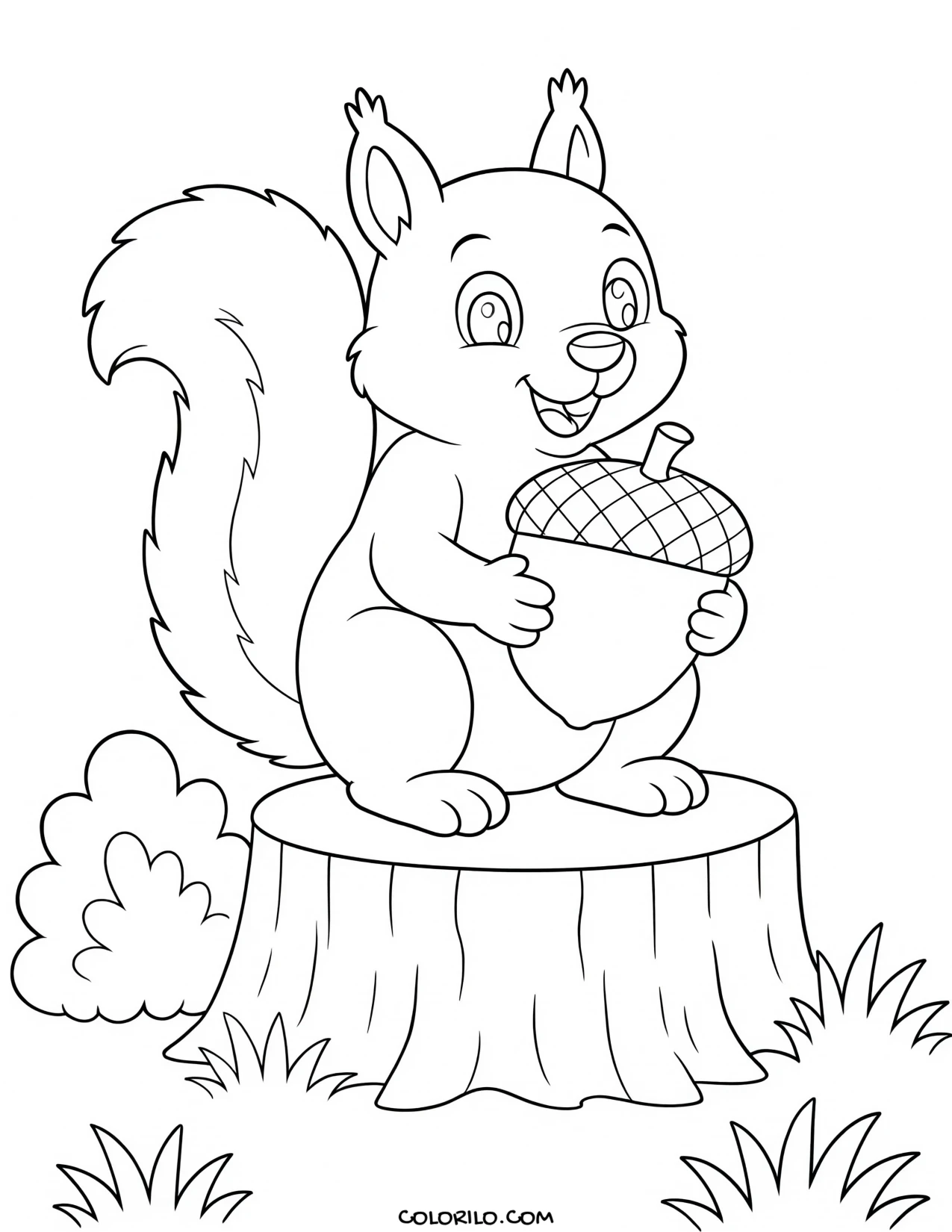
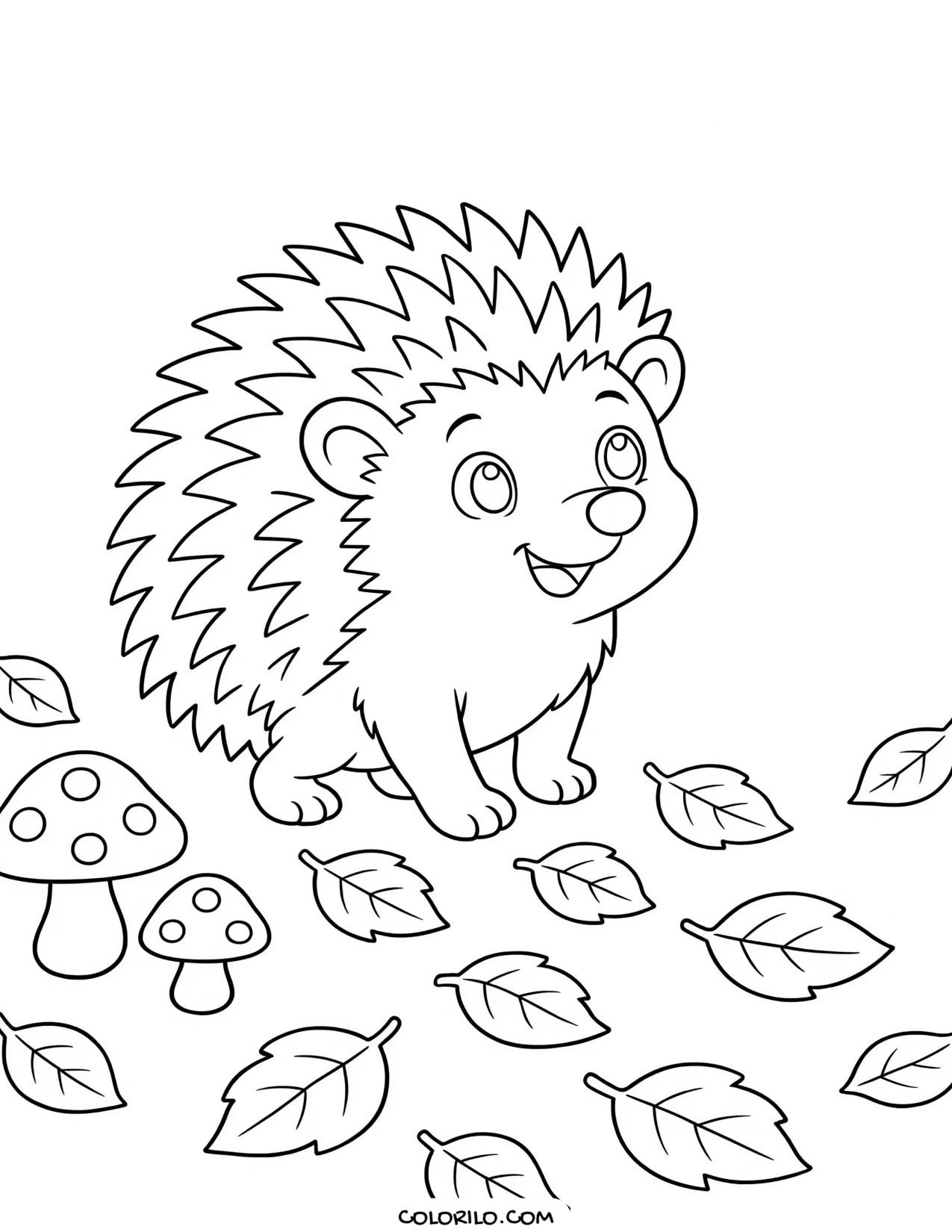
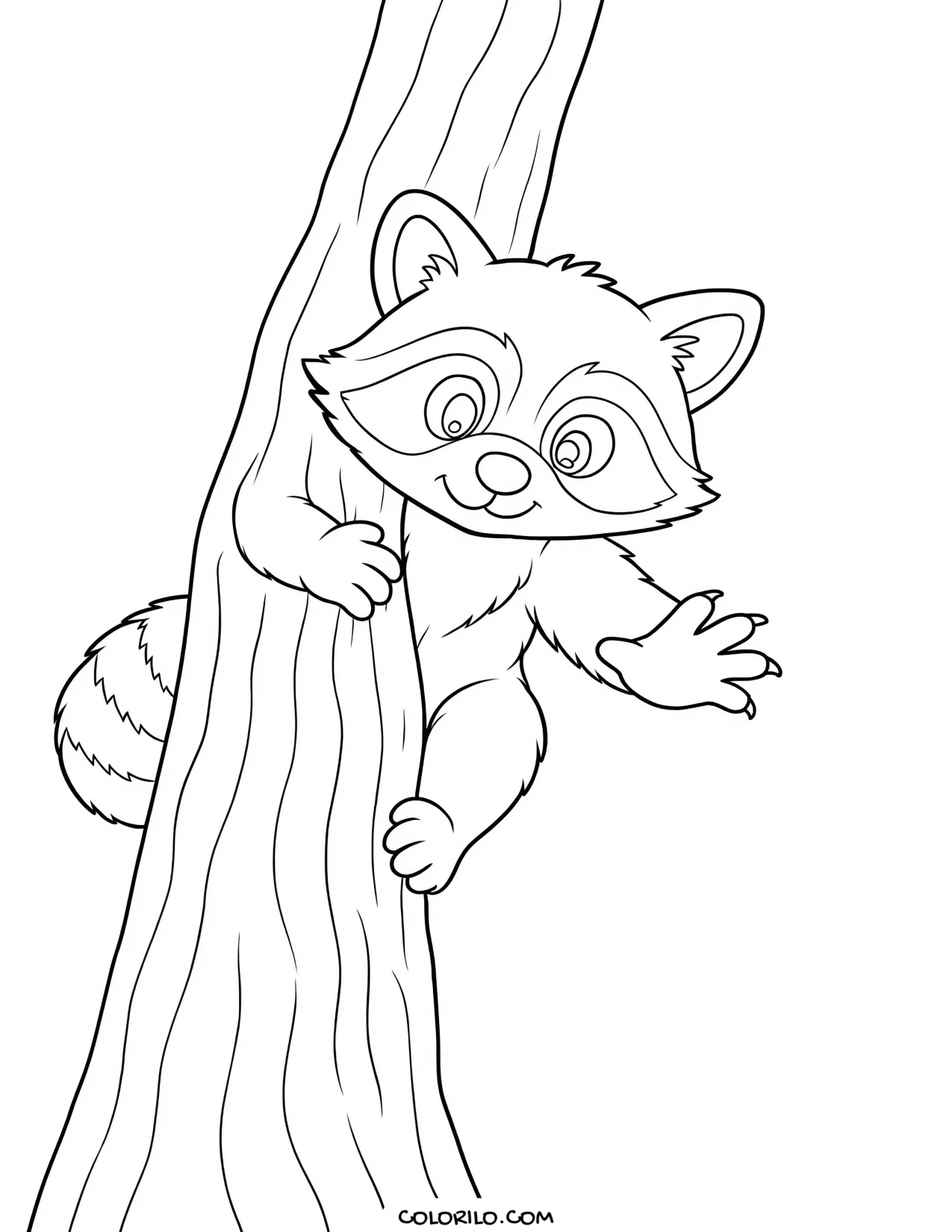
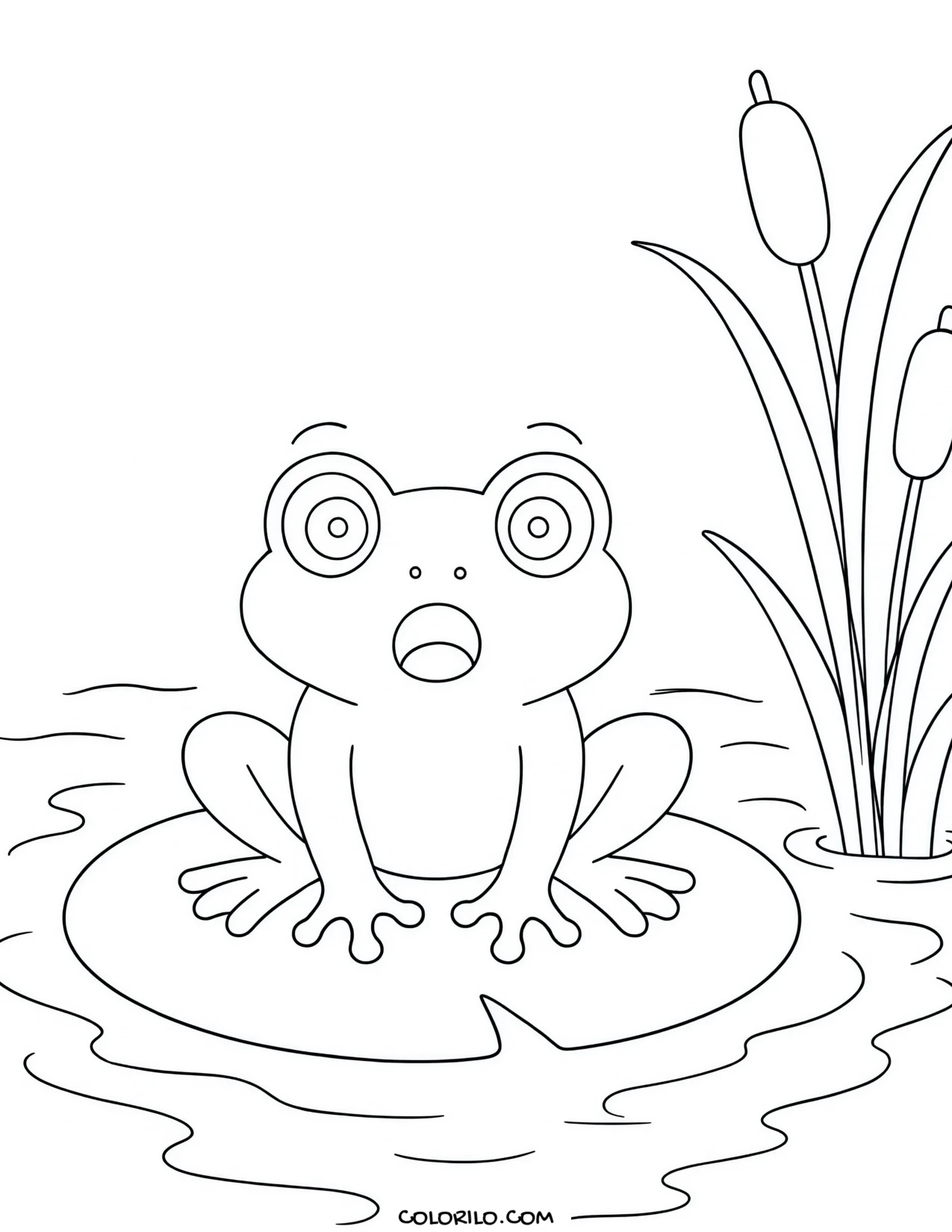
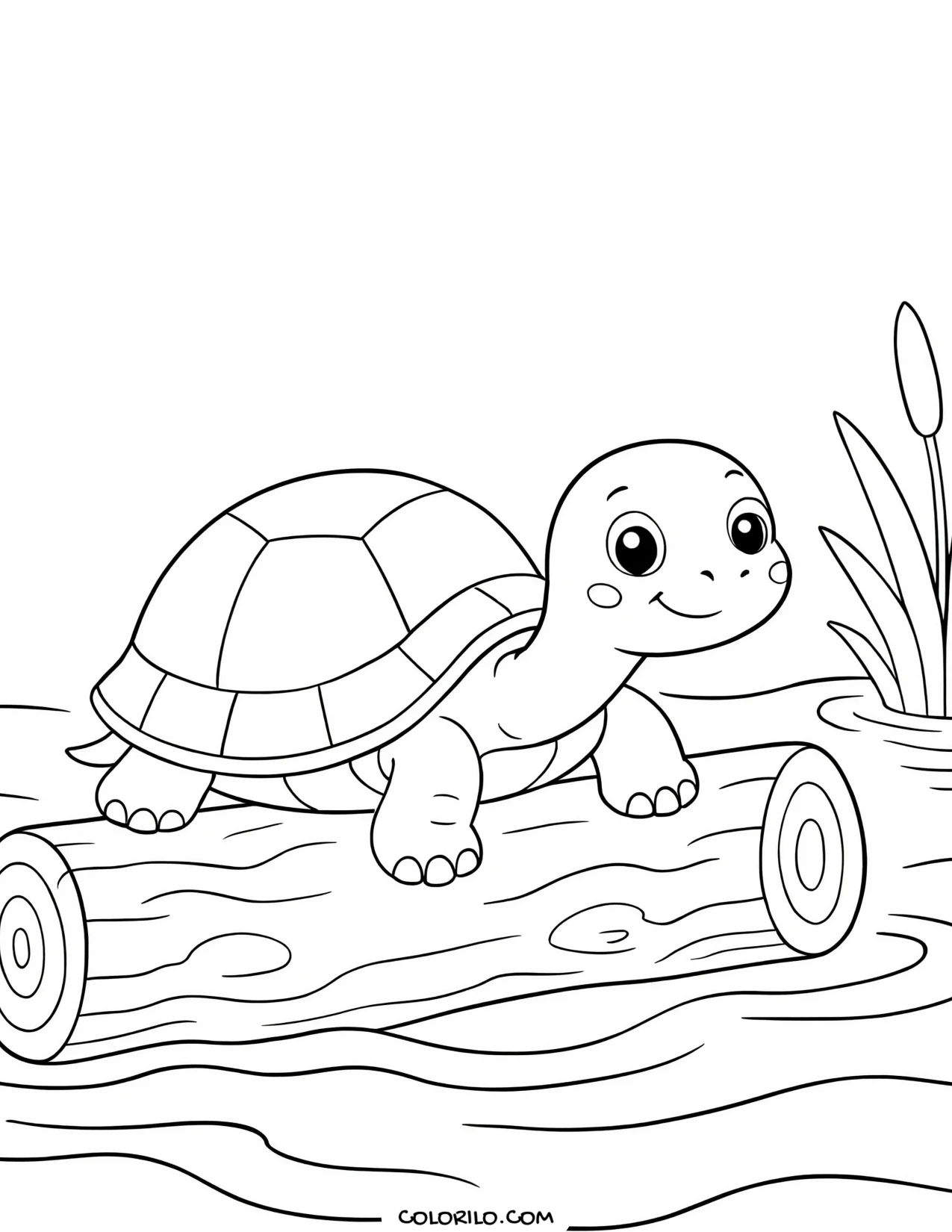
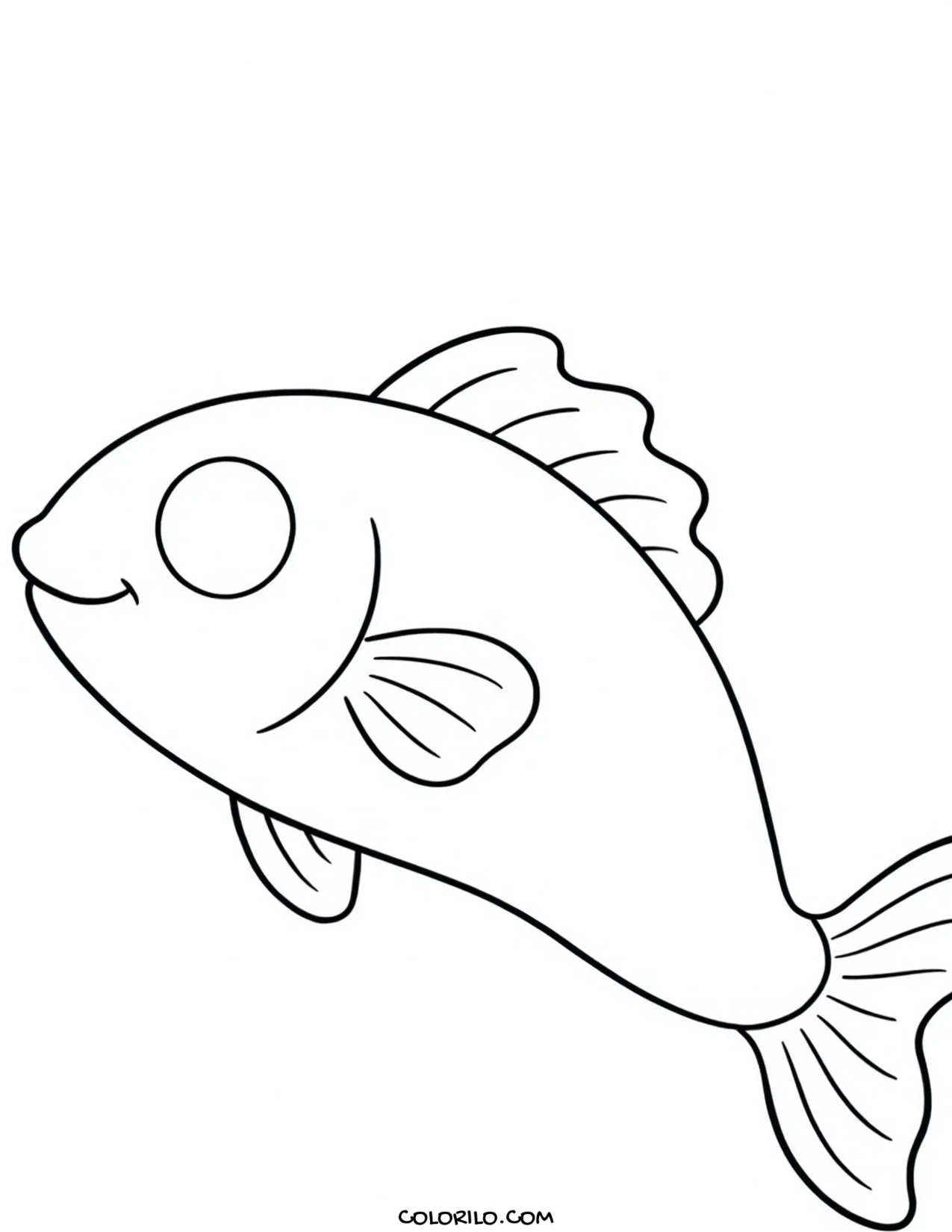
The remaining eighteen are animals. Seven birds, an owl, a raven, a woodpecker on a trunk, a hummingbird at a flower, a heron in shallow water, a swan and a small songbird on a twig. Eight woodland animals, a deer, a stag among pines, a fox, a wolf under a full moon, a rabbit, a squirrel, a hedgehog and a raccoon. And three at the water’s edge: a frog on a lily pad, a turtle on a log and a fish caught mid-jump.
Every one of these nature coloring pages is free. Each design prints on standard US Letter paper, there is no sign-up, and the nature coloring sheets can be printed as many times as you need. Click any design below to open the full-size PDF.
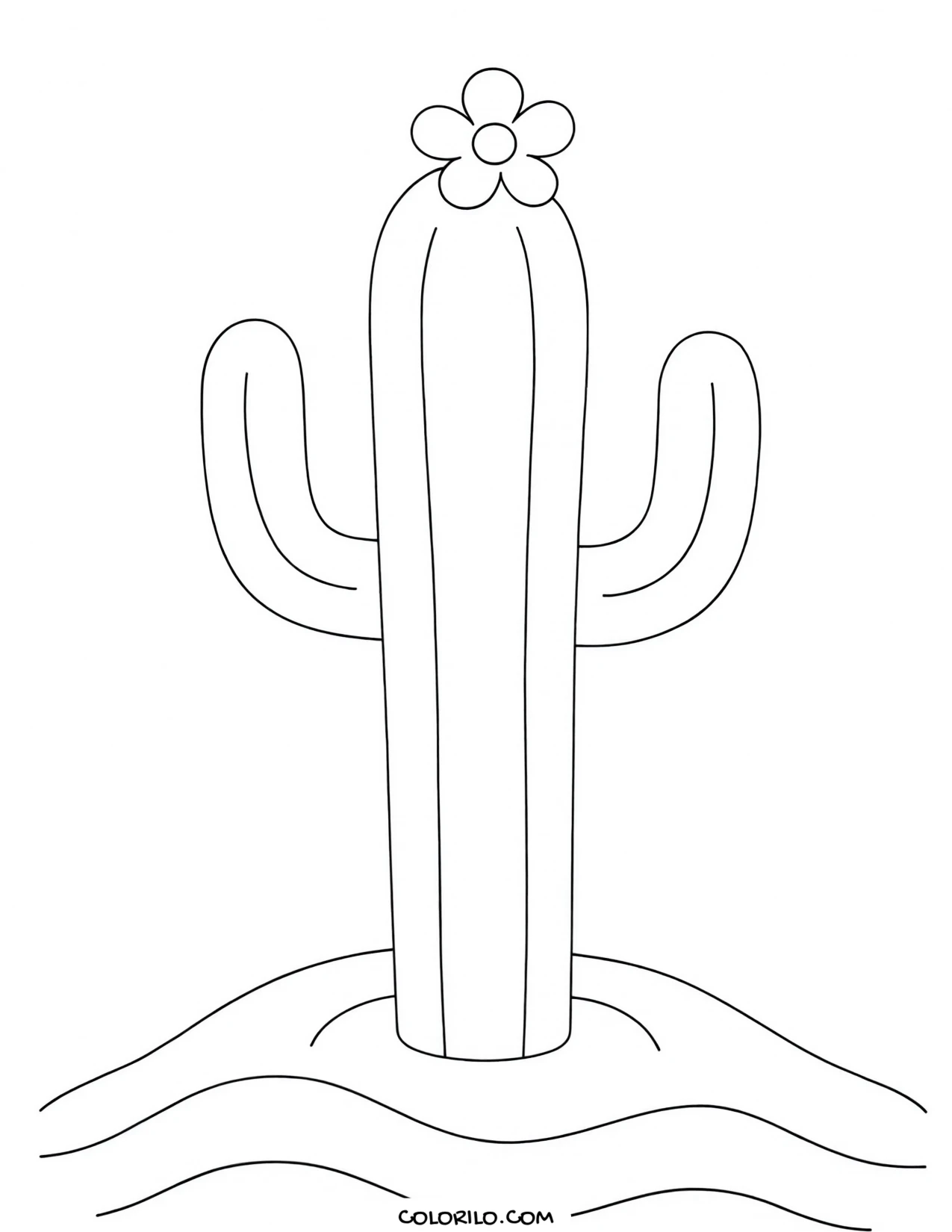
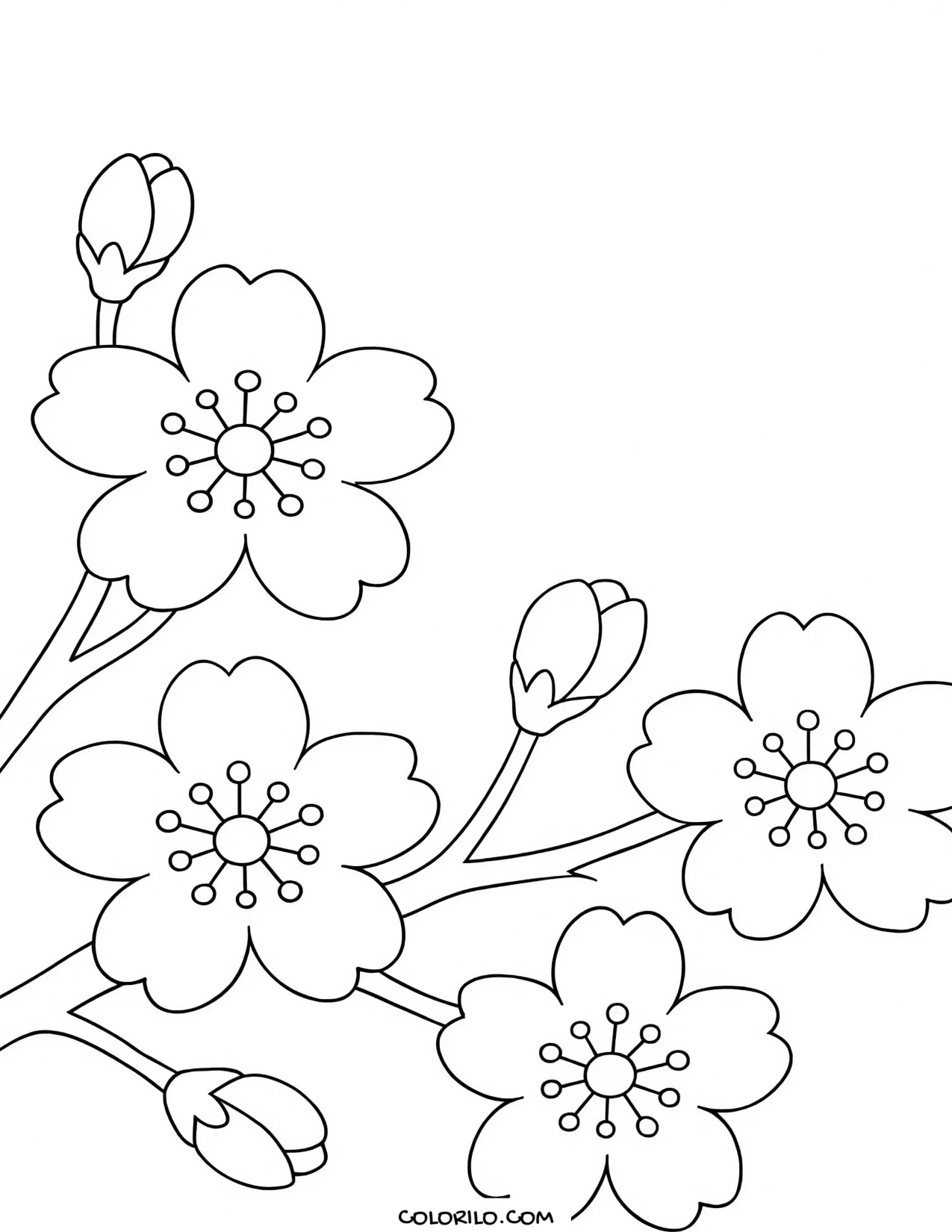
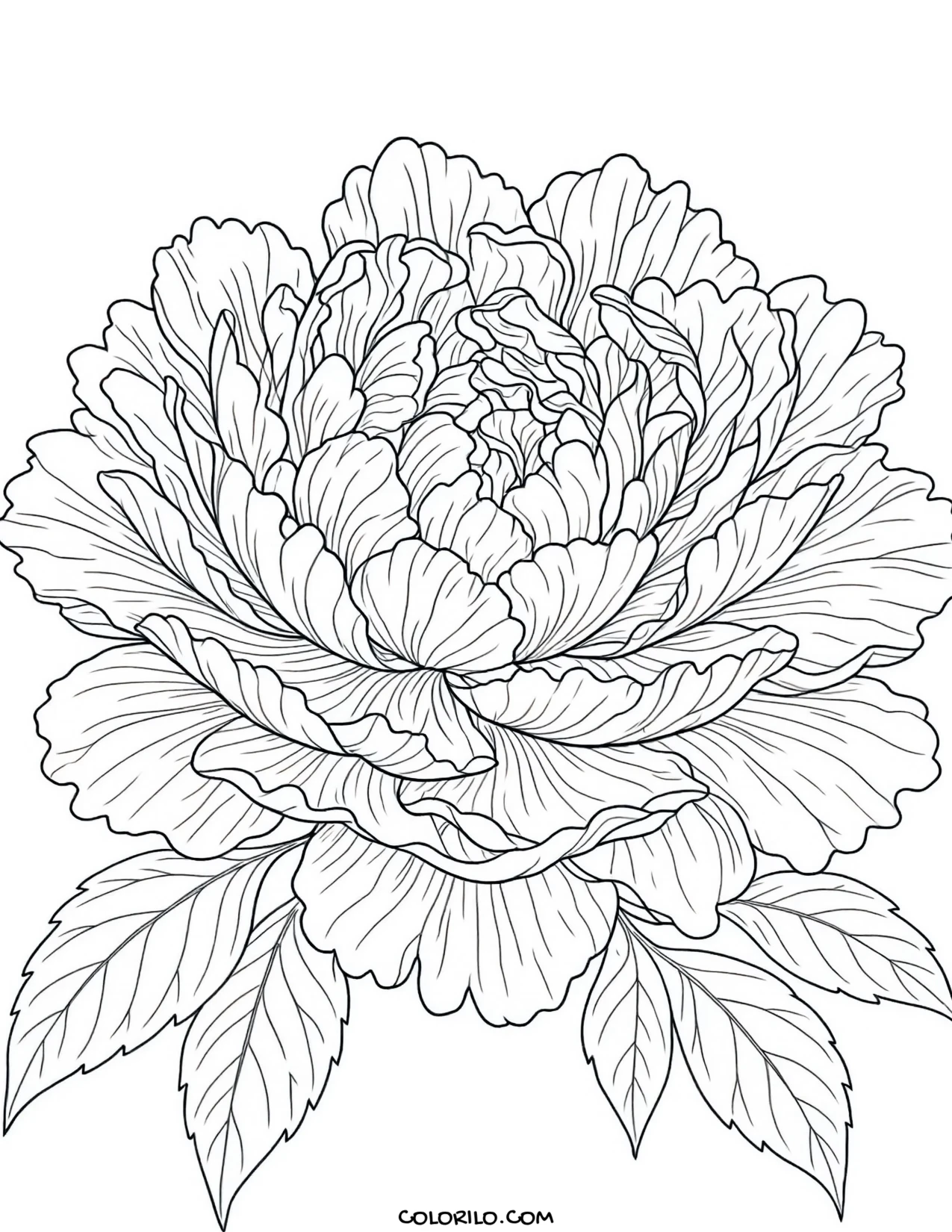
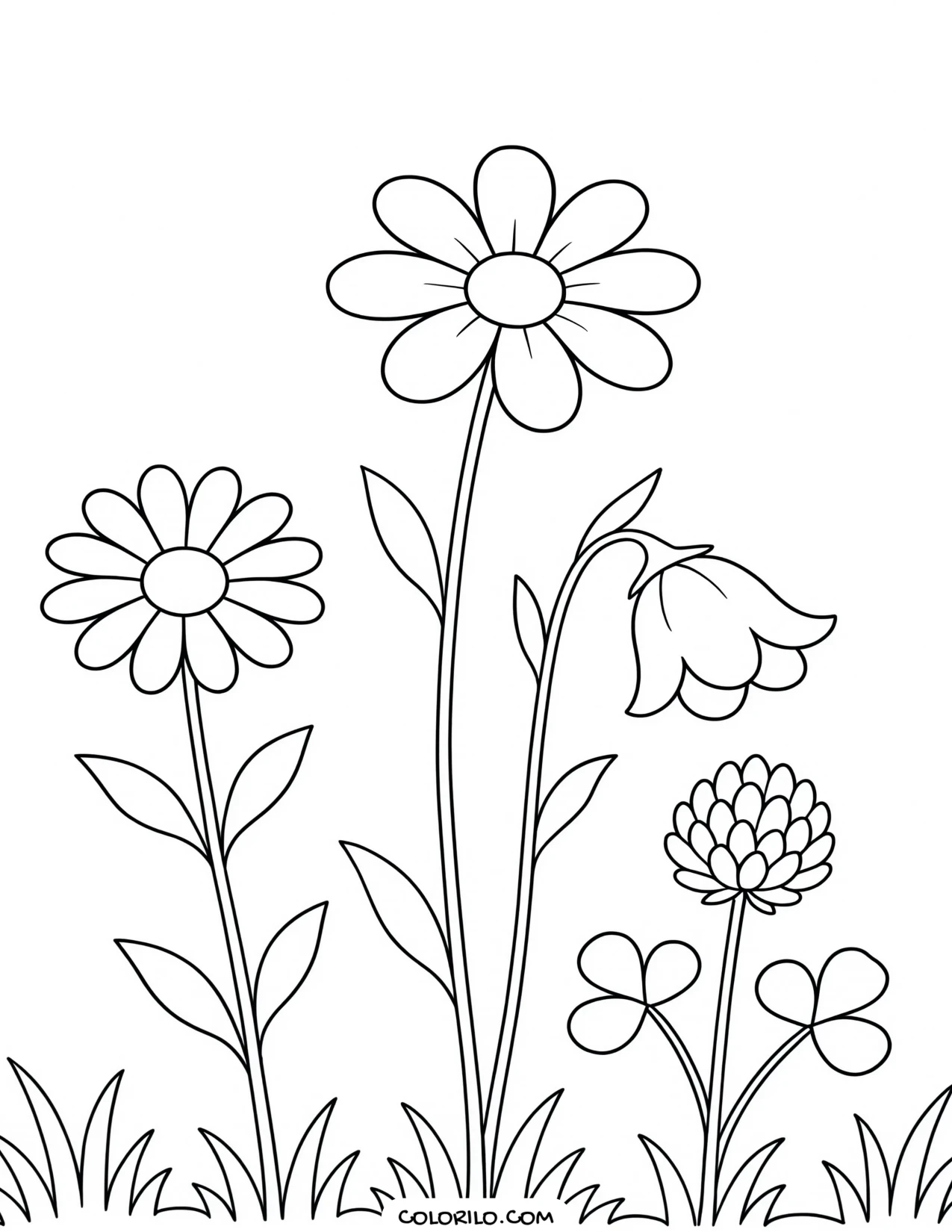
What’s in These Nature Coloring Pages
Landscapes and water
Mountain lake, rocky waterfall, winding river, ocean wave and coral reef. The reef is the densest sheet in the set and worth knowing something about before you start it: coral reefs cover well under one percent of the ocean floor, and roughly a quarter of all marine species spend part of their life on one.
Trees and what falls from them
Oak, weeping willow, pine canopy, snowy pine, a lone tree under stars, bamboo, a cut stump, a maple leaf, a pinecone and hanging acorns. The stump is the one to look at closely. Each ring is a year, and the width of each ring records that year’s weather, so a narrow ring means a dry summer. Reading those rings dates the timber in old buildings to the exact year it was felled.
The forest floor
A fern fiddlehead, ivy over a boulder, two mushroom groups and a desert cactus. Ferns reproduce by spores rather than seeds, which is why they arrived long before flowering plants did, ferns were already growing in forests around 200 million years before the first flower opened. The curled tip is named after the scroll at the head of a violin.
Flowers
Cherry blossom, a peony, a meadow of wildflowers, a dandelion clock and a lotus. The dandelion is the strangest one here. Each seed hangs beneath a tuft of fine bristles that holds a ring of still air above it as it falls, a form of flight found nowhere else in nature, and it can carry a single seed a kilometer from the plant it started on.
Insects and other small things
Two butterflies, a ladybug, a dragonfly, a bee on a sunflower, a beetle on bark and a snail. The ladybug is worth getting right: the number of spots does not tell you its age, which is the usual playground belief. Spot count is fixed by species, so a seven-spot ladybug has seven spots on the day it emerges and seven on the day it dies.
Birds
An owl, a raven, a woodpecker, a hummingbird, a heron, a swan and a songbird on a twig. The woodpecker page makes more sense once you know what is happening inside its head. It strikes the trunk up to twenty times a second, and its tongue is long enough that it wraps around the back of the skull and anchors near the nostril, which helps cushion the impact.
Woodland animals
Deer, stag, fox, wolf, rabbit, squirrel, hedgehog and raccoon. The stag and the deer are drawn differently for a reason worth explaining to a child: antlers are grown from bare skull and shed every single year. They are the fastest-growing bone of any mammal and can add nearly two centimeters in a day at full speed.
These nature coloring pages cover a lot of ground in fifty designs, so if one group is the one that holds their attention, there is usually a whole set behind it. The bird coloring pages run to eighty named species rather than the seven here, the flower coloring pages go much deeper than this set’s five, and the ocean animals collection picks up where the coral reef and the jumping fish leave off. The single wolf coloring pages set is the one to go to if the wolf and moon design is the favorite.
Coloring Tips
Green is not one green. This is the mistake that flattens a nature page faster than anything else. A pine is blue-green and almost gray in the shadows, a young fern is yellow-green, meadow grass in full sun is brighter and warmer than any of them, and ivy is darker than all three. Reaching for the same pencil for the oak, the fern, the bamboo and the meadow makes twelve different plants look like one plant.
Water takes its color from what is around it. The lake, the river, the pond and the lotus water are not blue by default. A mountain lake is the color of the sky above it, a river running under trees is green and brown from the bank, and the pond under the dragonfly is darker than either. Coloring all four the same blue is the quickest way to lose what makes each one a different place.
Leave the white where the light is. The foam at the base of the waterfall, the snow on the pine, the seeds coming off the dandelion and the crest of the ocean wave all work better as bare paper. Putting a light gray or a pale blue only into the shadowed side of each is what makes them read as bright rather than as empty.
The sunflower center is hundreds of separate flowers. It is not one disc to fill in. Every one of those small shapes is an individual floret, and they sit in two sets of spirals curving in opposite directions. Following those curves with the pencil rather than shading straight across is what makes that page look finished, and it is the most satisfying single thing to color in the set.
Bark is texture rather than color. The beetle on bark, the woodpecker trunk, the oak and the stump are all mostly one mid-brown. What separates them is the mark. Short broken strokes running the same direction as the trunk, with the gaps left showing, reads as bark. A flat even brown reads as cardboard.
Start younger children on the insects and the single leaves. The ladybug, the snail, the butterfly on a daisy, the maple leaf, the hanging acorns and the pinecone have the fewest lines and the largest open shapes, which suits a four or five year old. The coral reef, the meadow of wildflowers and the weeping willow have the most detail on the page and are the nature coloring pages an adult is more likely to want to sit down with.
Frequently Asked Questions
Are these nature coloring pages really free?
Yes, all 50 are free to download and print. Click any design to open the PDF. No account, no email, no payment.
What age are these nature coloring pages for?
The whole range. The ladybug, the snail, the maple leaf, the acorns and the butterfly designs have simple open shapes that suit children from around four. The animals and the trees work right through primary school. The coral reef, the meadow of wildflowers, the weeping willow and the pine canopy have enough detail for older children and for adults.
Can I use these in a classroom?
Yes. They fit topics on habitats, seasons, life cycles, trees and local wildlife, and they are free for personal, educational and classroom use. Most of what is drawn here can be found within walking distance of a school in the right season.
Can I print more than one copy?
As many as you need. The nature coloring sheets can go out to a whole class, a party or a holiday club without asking.
Which designs are detailed enough for an adult?
Most of these nature coloring pages are drawn for children, but five are not. The coral reef has the most going on, followed by the meadow of wildflowers, the weeping willow, the pine canopy and the peony. Those five take an evening rather than ten minutes.
Why do a snail’s shell, a fern fiddlehead and a sunflower center all spiral the same way?
Because all three grow by adding to one edge while the rest of the shape stays as it is. A snail adds shell at the opening, a fern unrolls from the tip, a sunflower adds florets at the center and pushes the older ones outward. Growing that way can only produce a spiral. In the sunflower each new floret sits about 137.5 degrees around from the last, an angle that never lines up with itself however many times you repeat it, which is what lets the head pack in the most seeds with no gaps and no overlap.
Leave a Reply