
Table of Contents
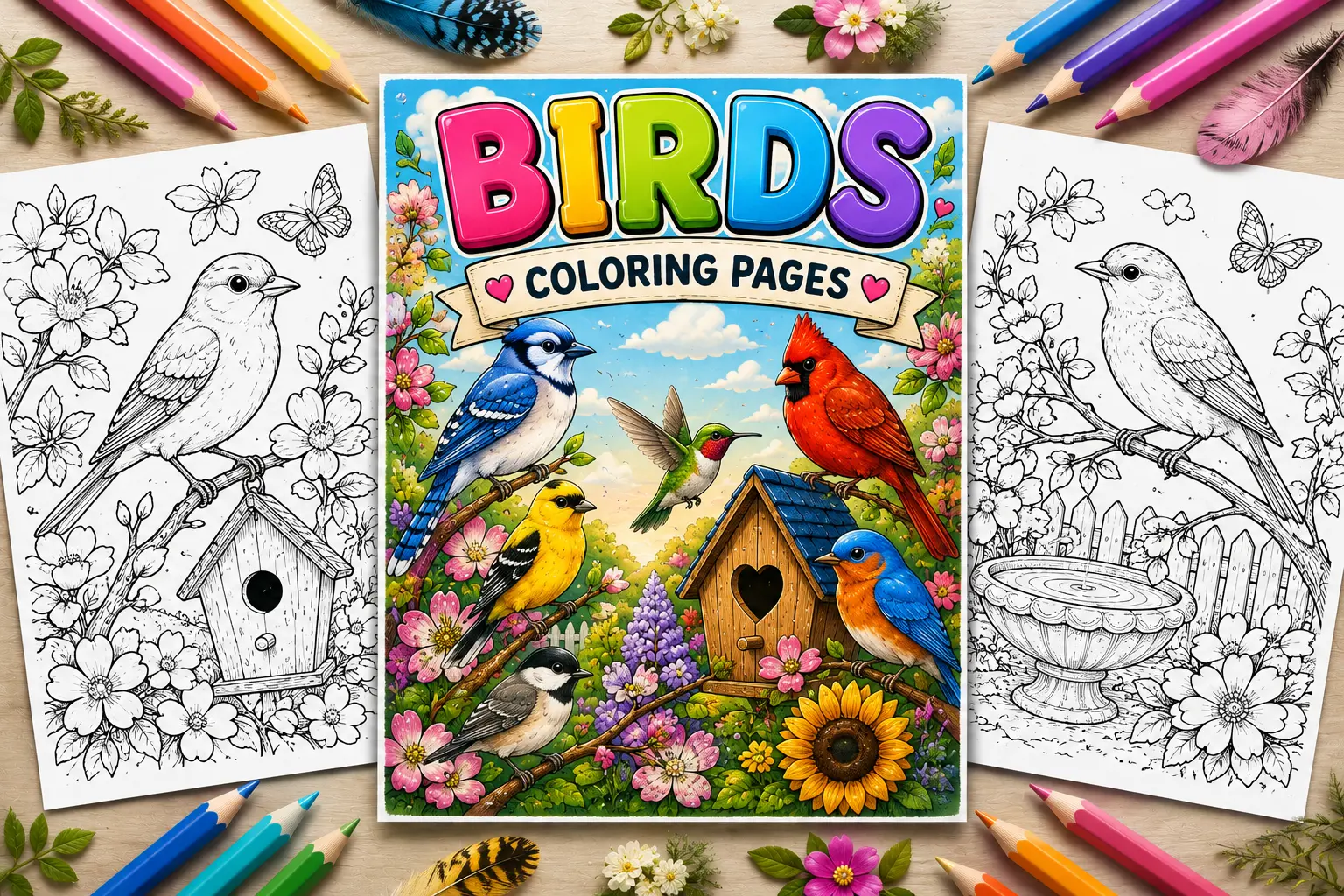
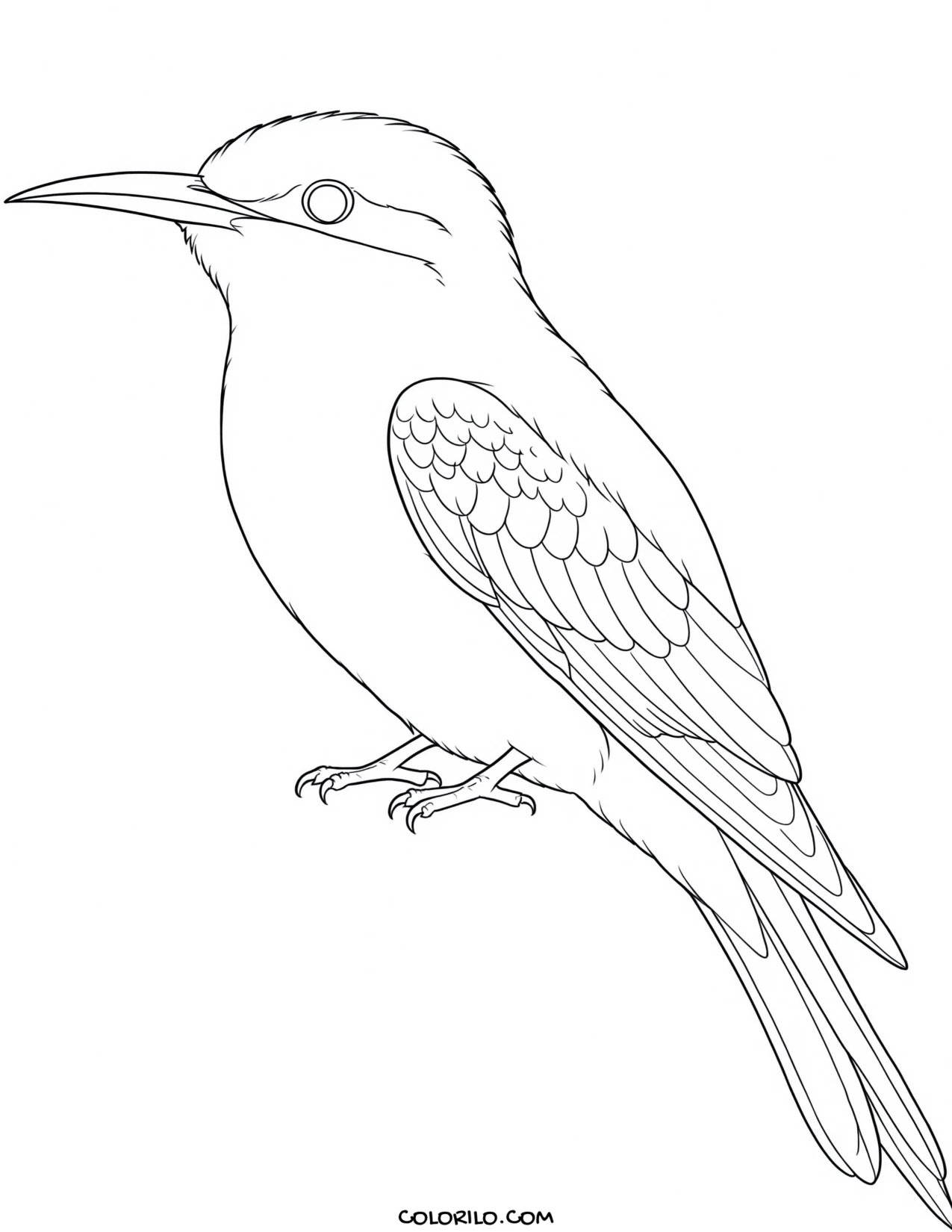
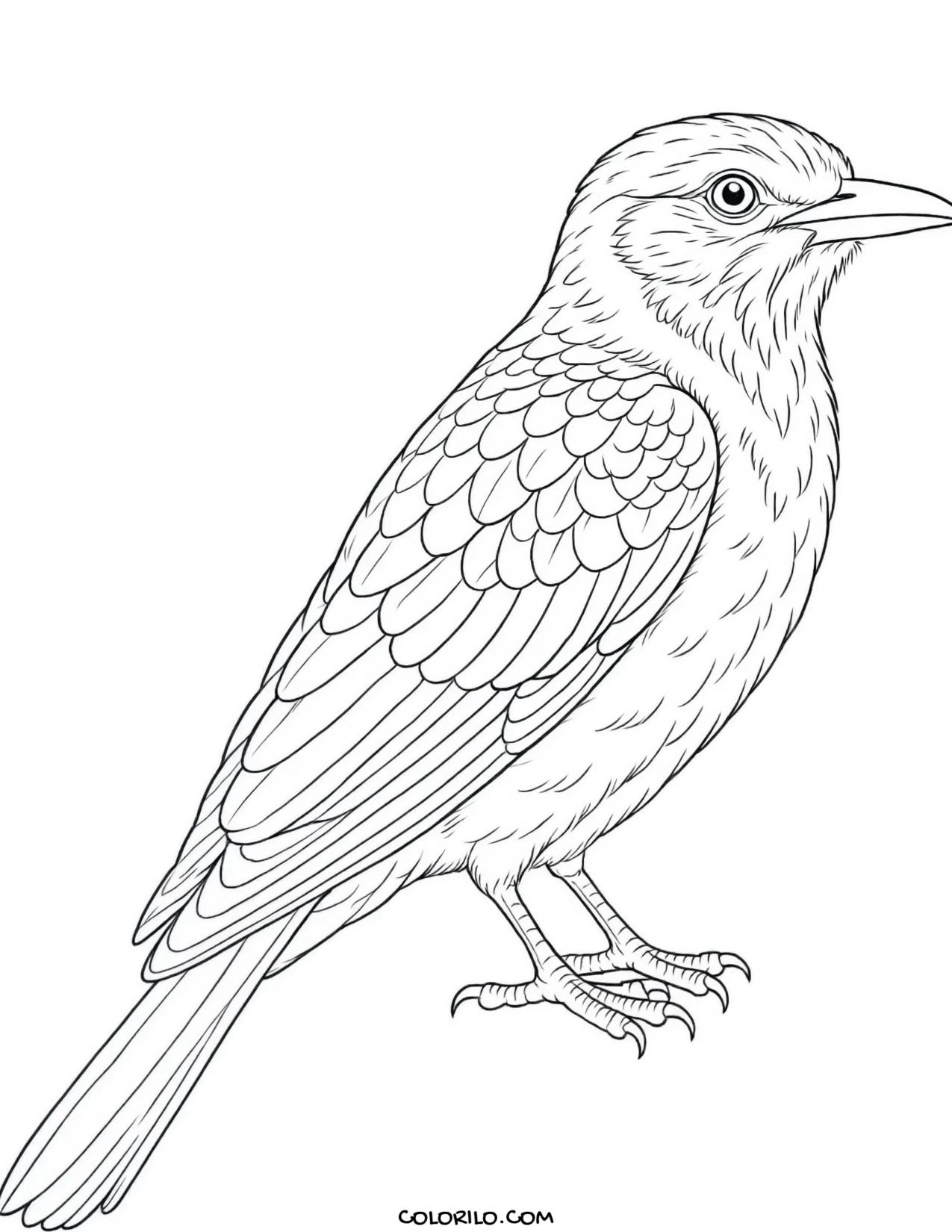
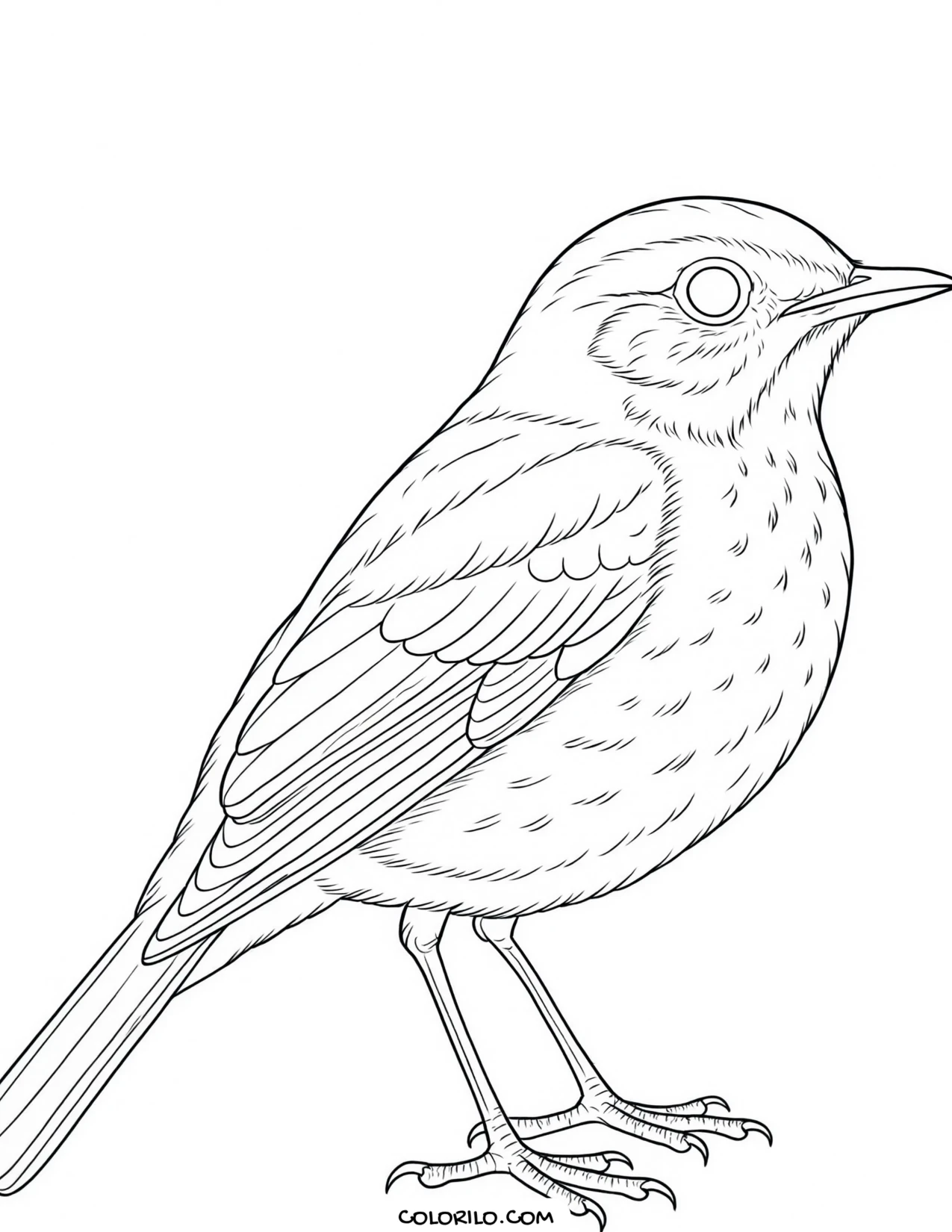
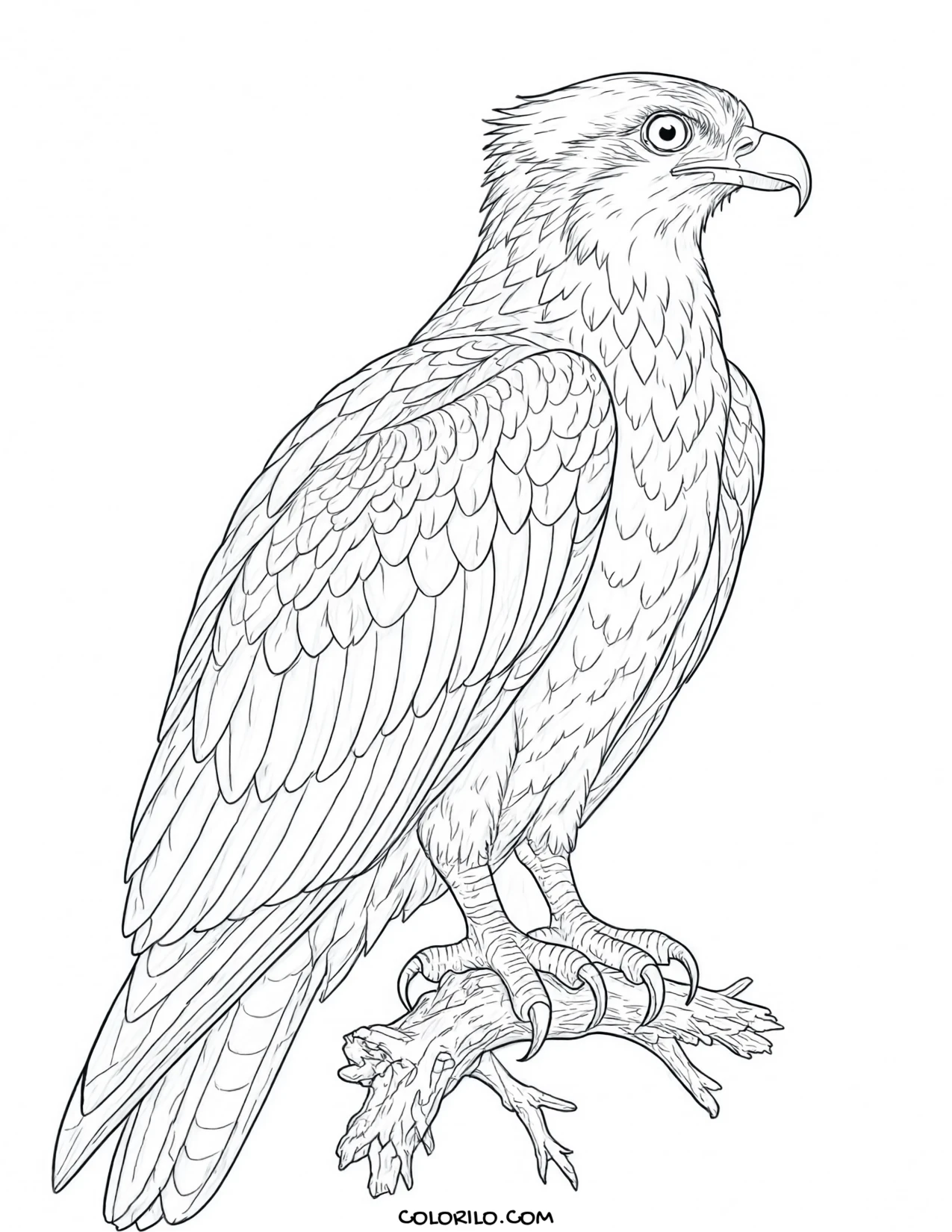
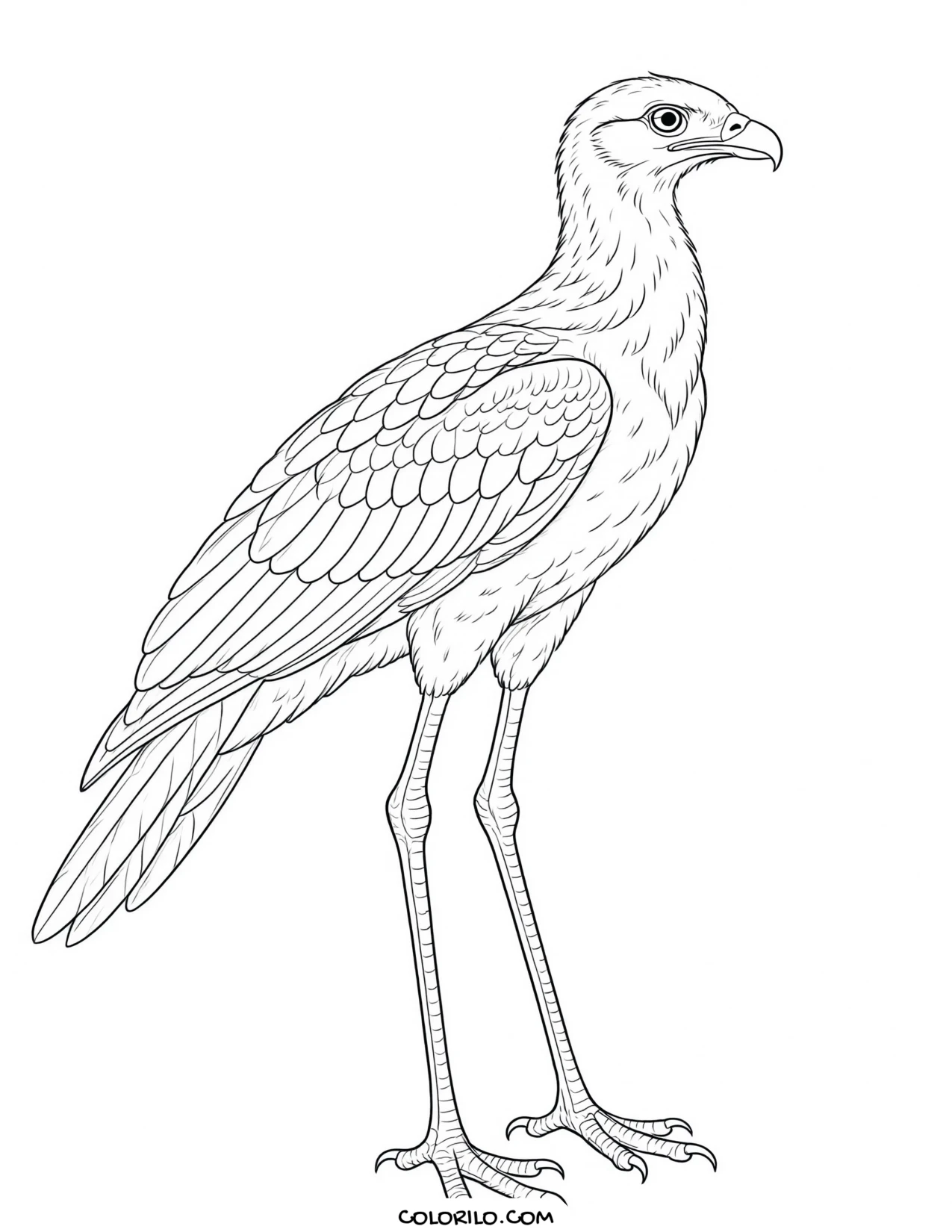
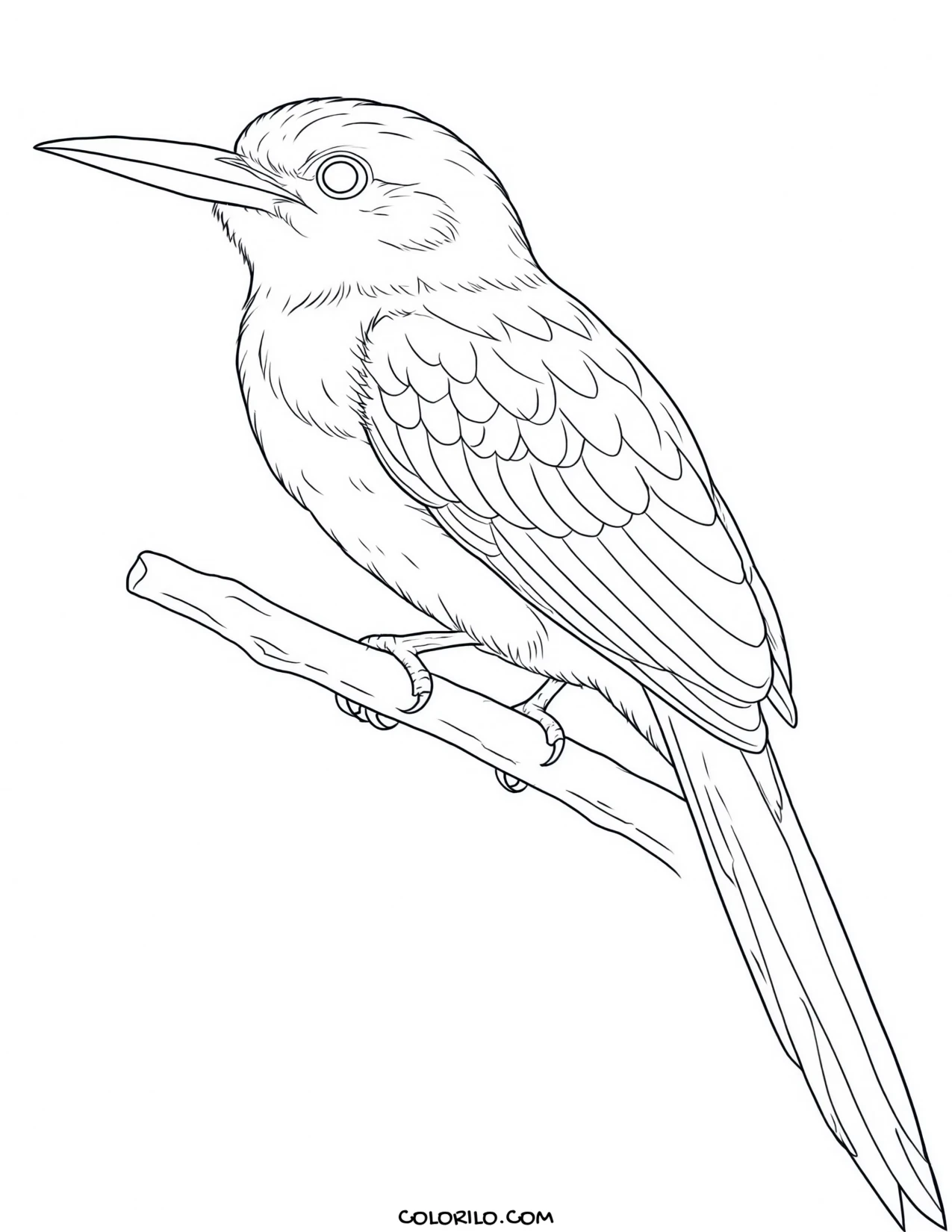
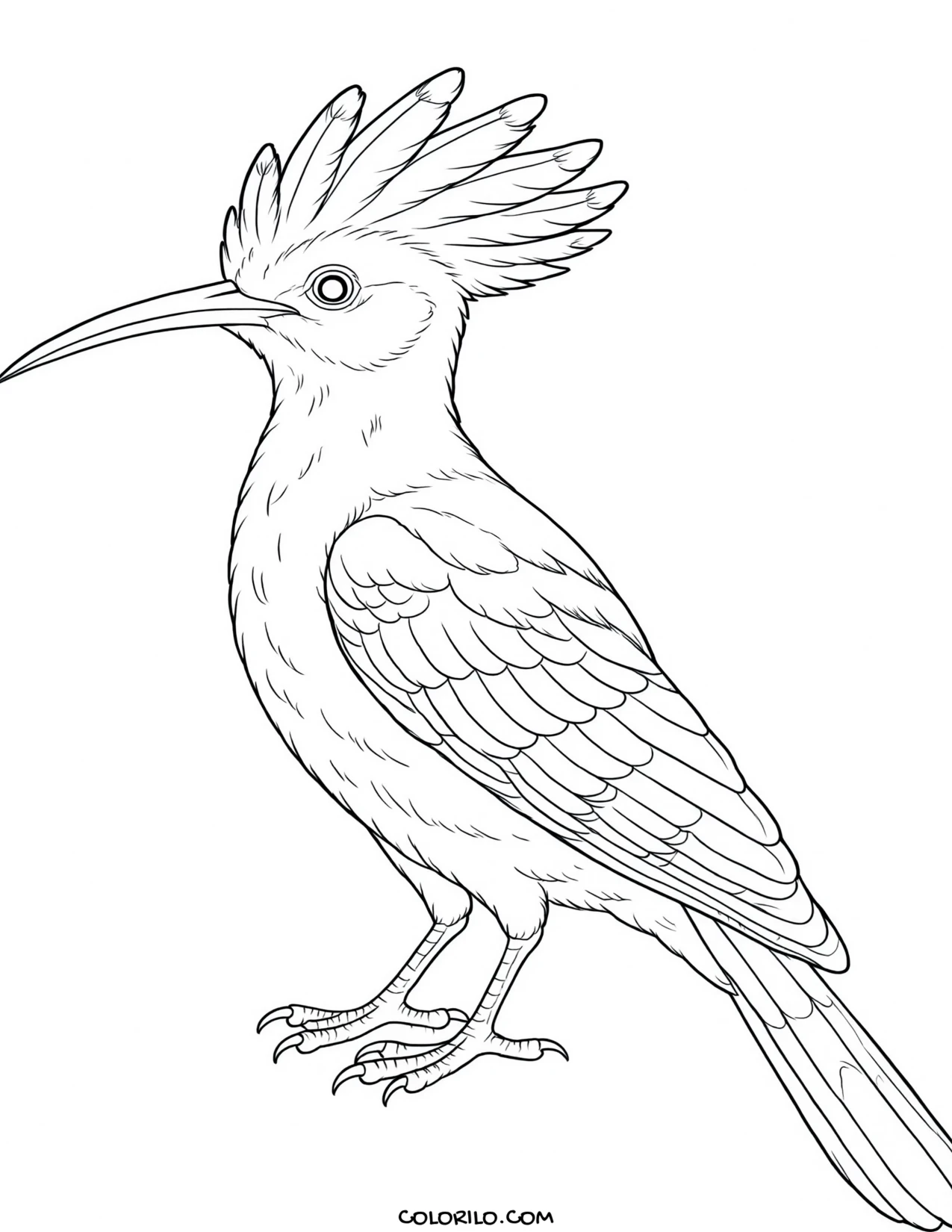
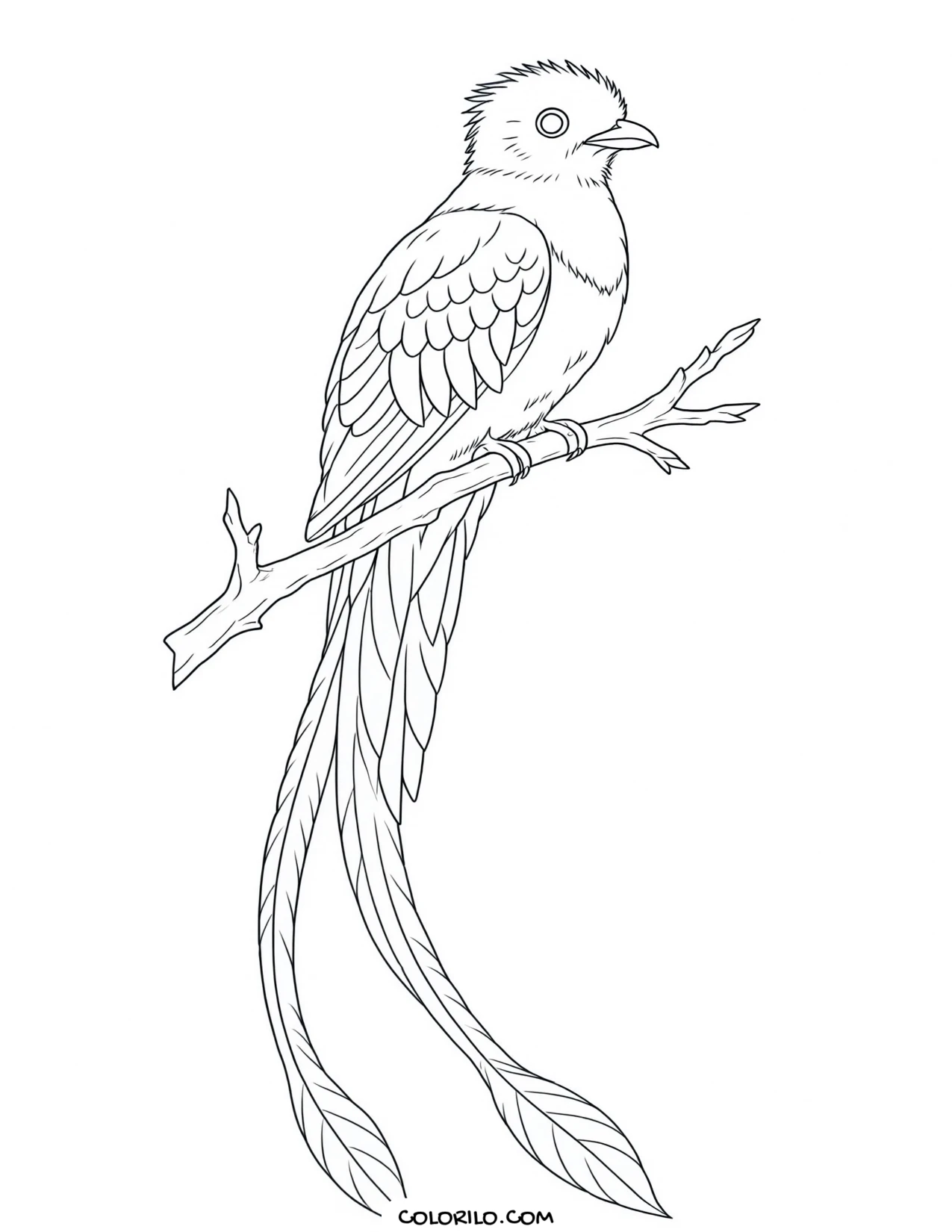
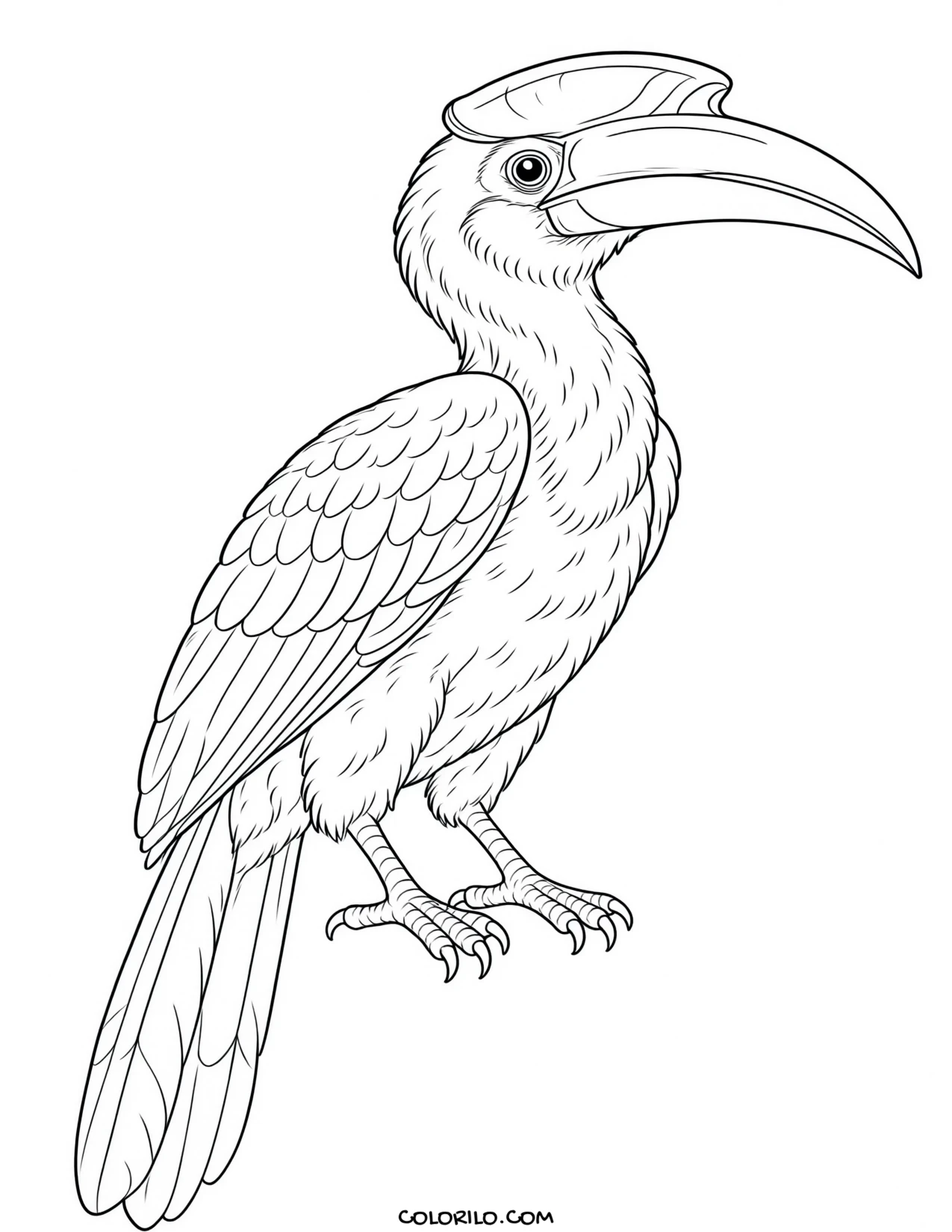
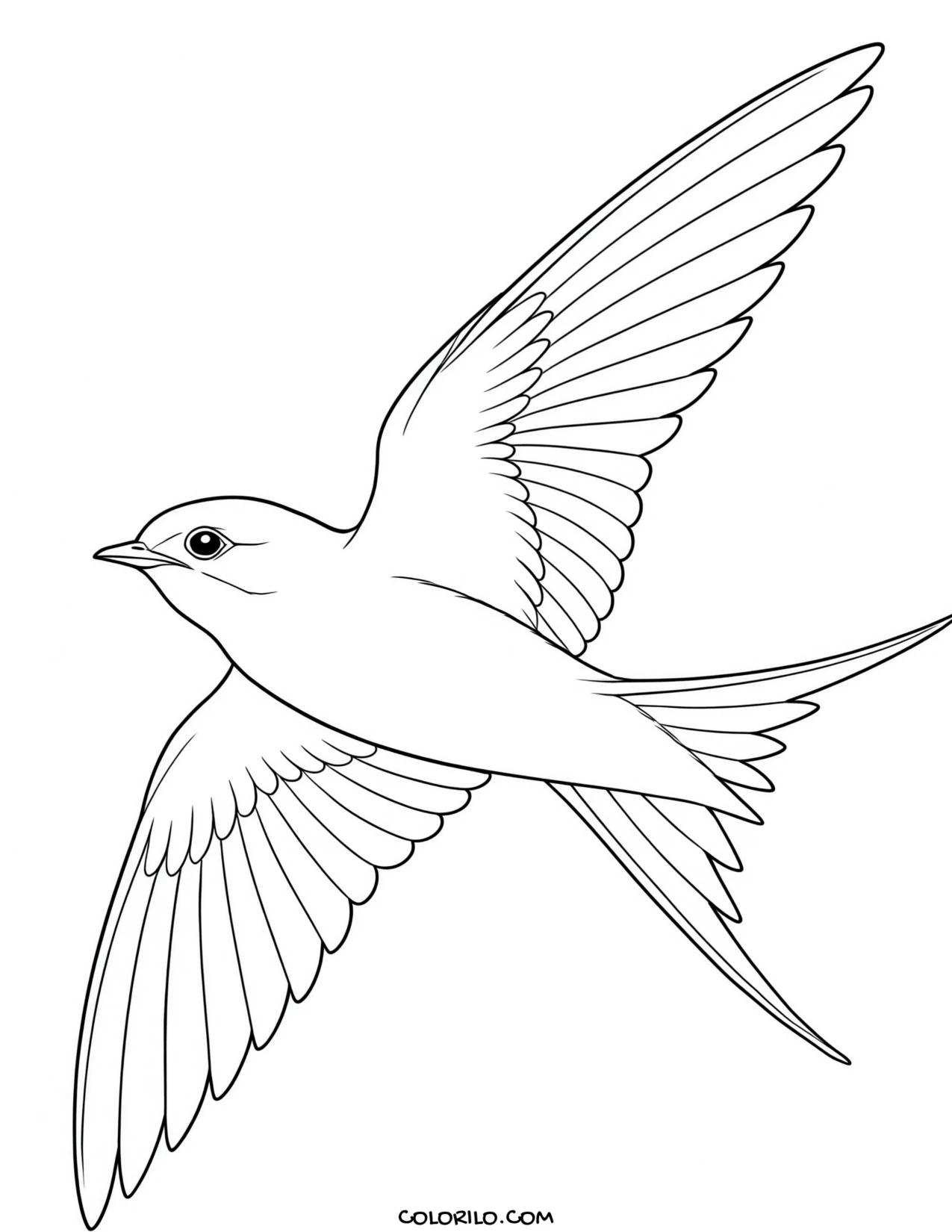
Every one of these bird coloring pages is a named species. Not a generic bird on a branch, an American goldfinch, a belted kingfisher, a roseate spoonbill, a sulphur-crested cockatoo. There are 80 designs and 80 different birds, which makes this closer to a field guide you can colour than a set of pretty outlines.
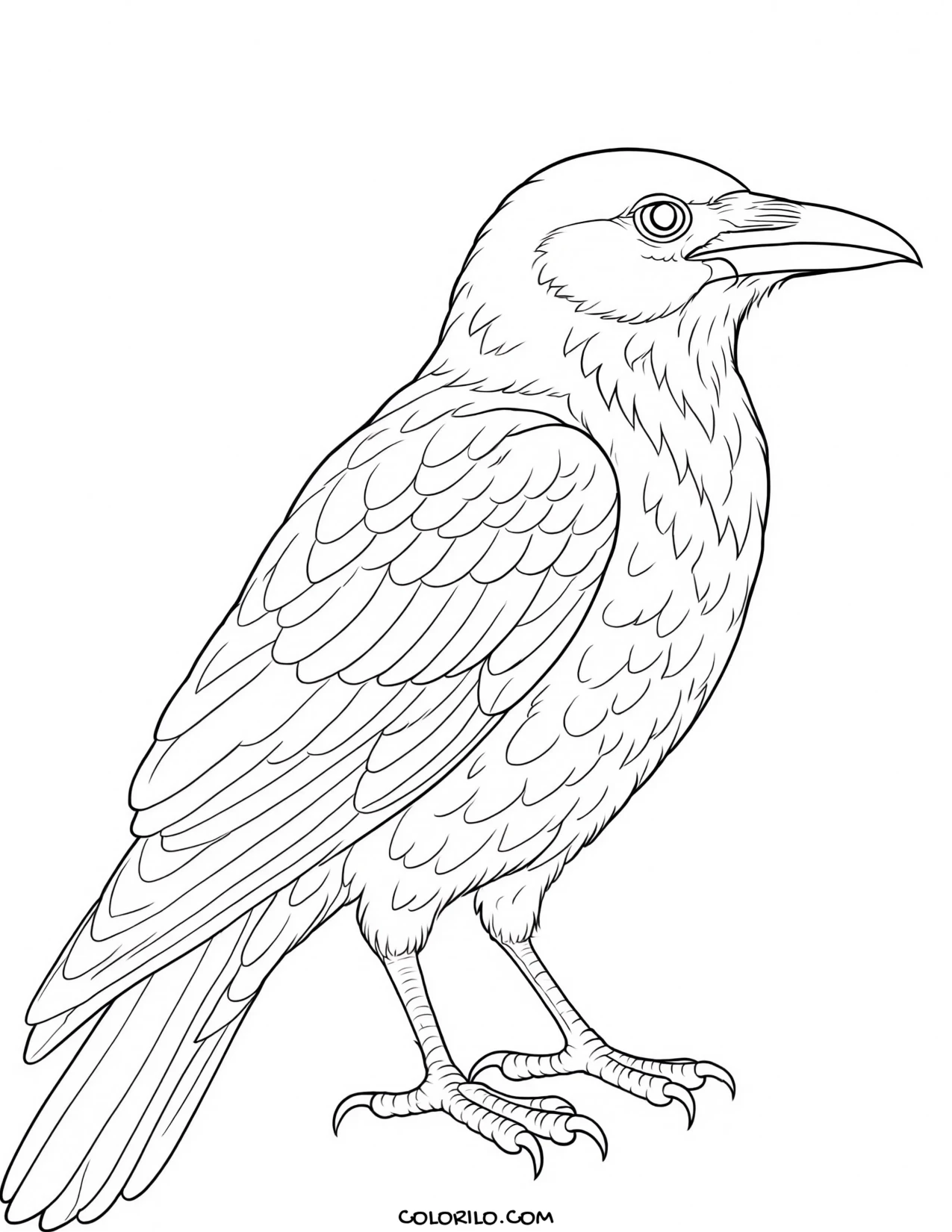
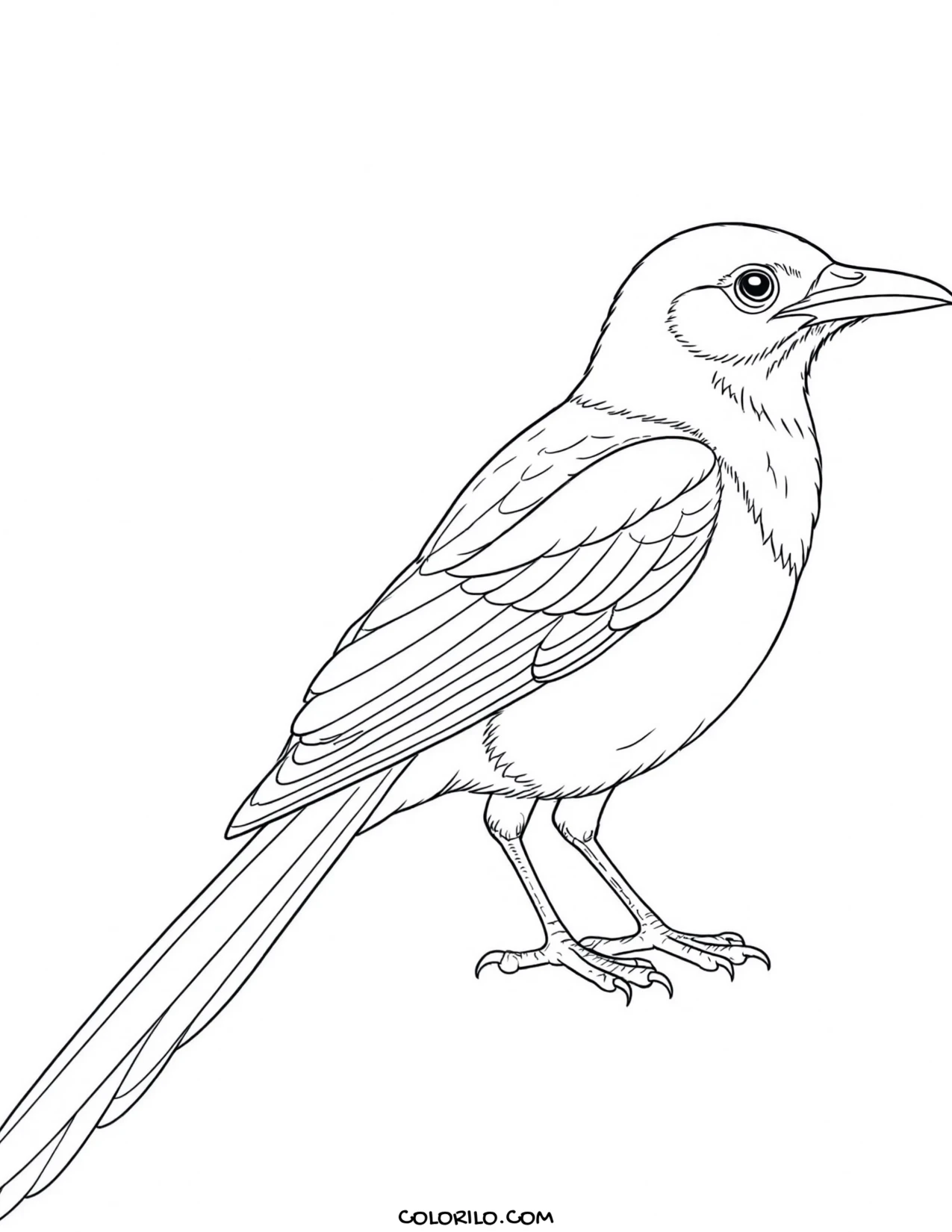
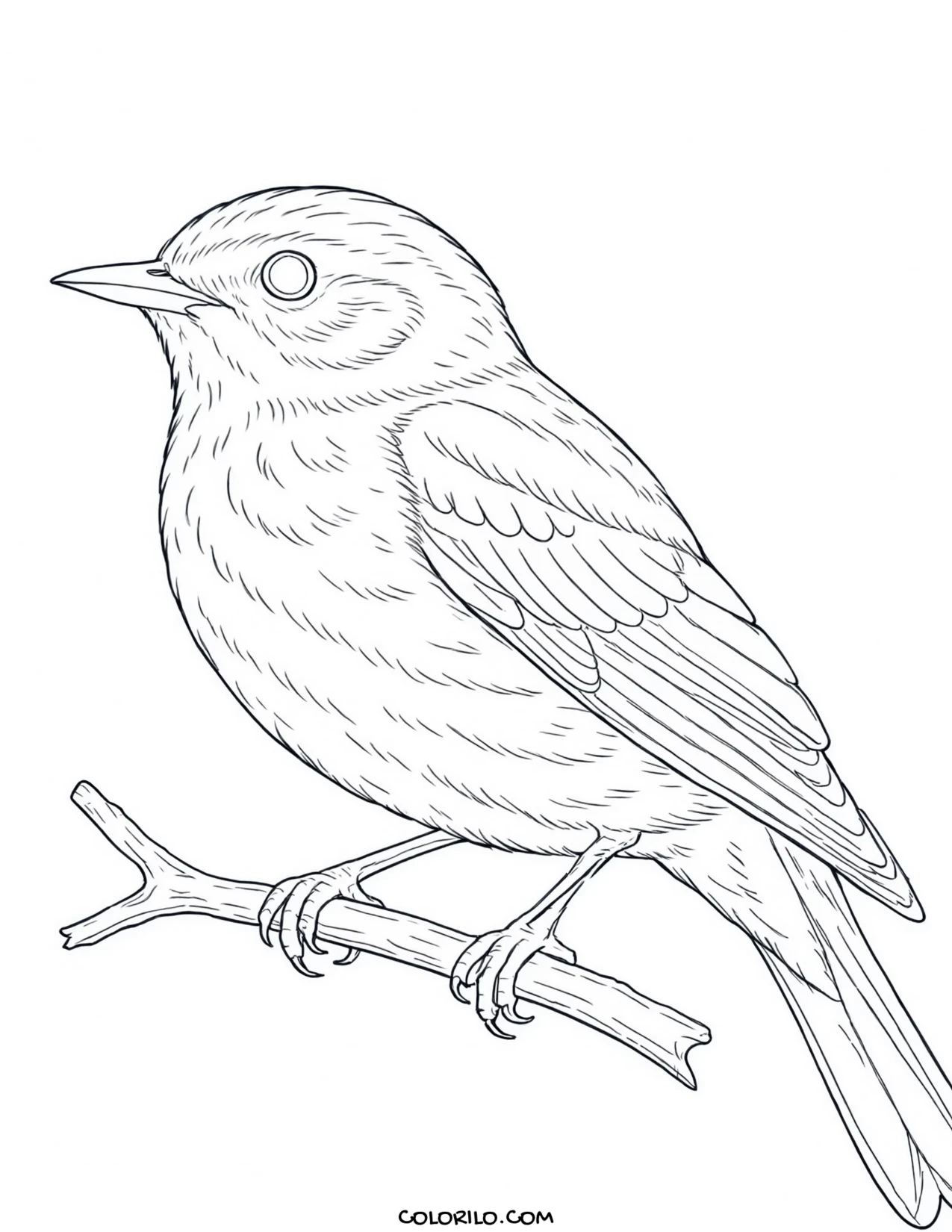
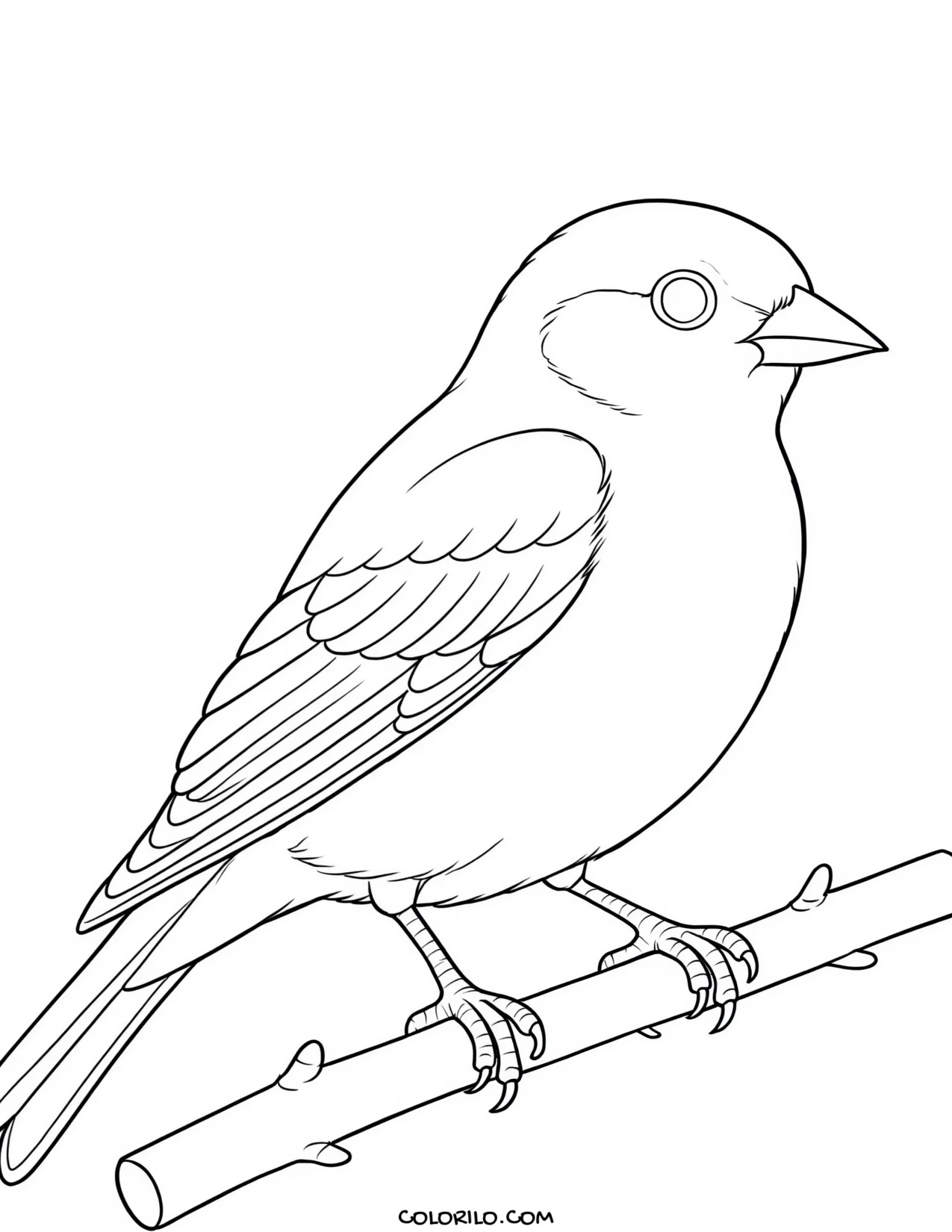
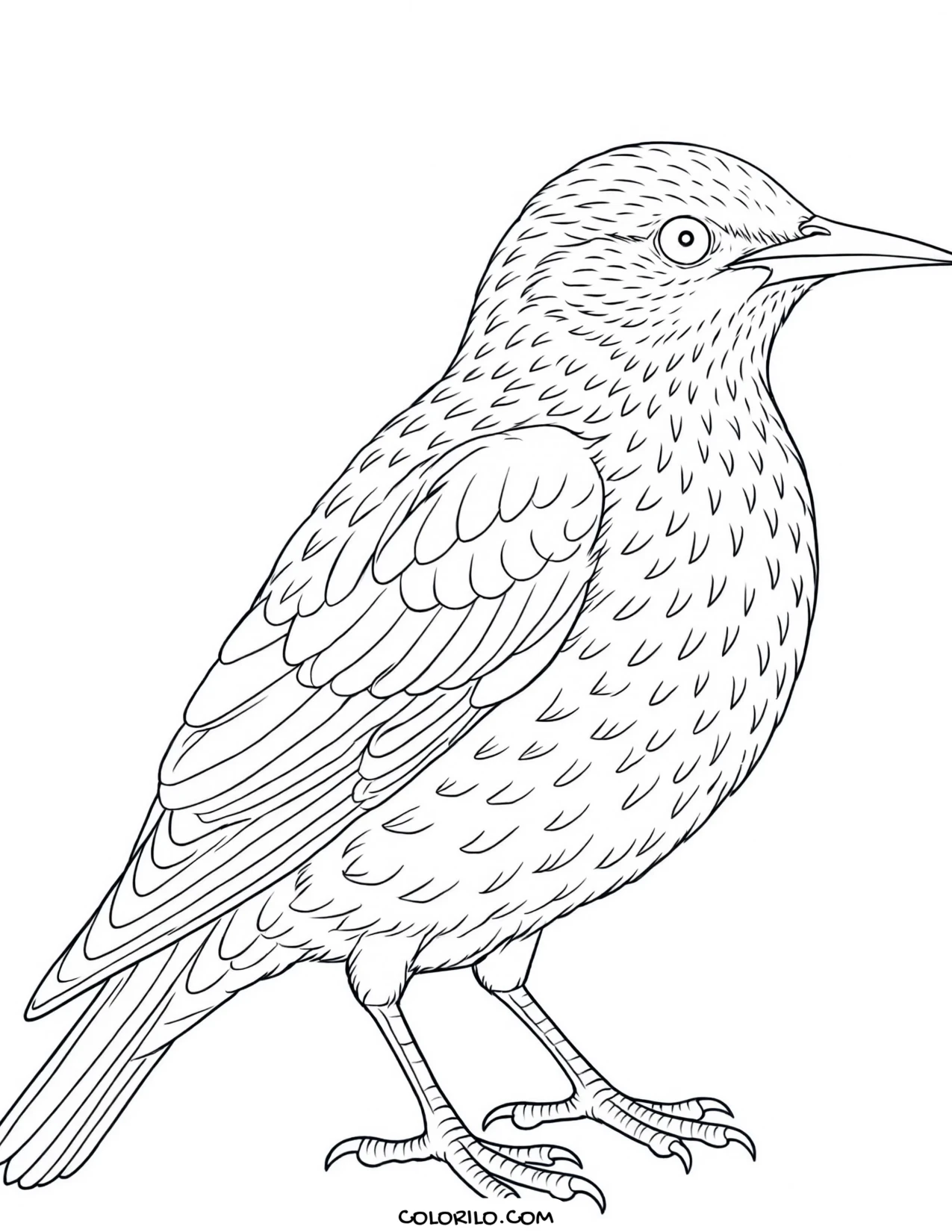
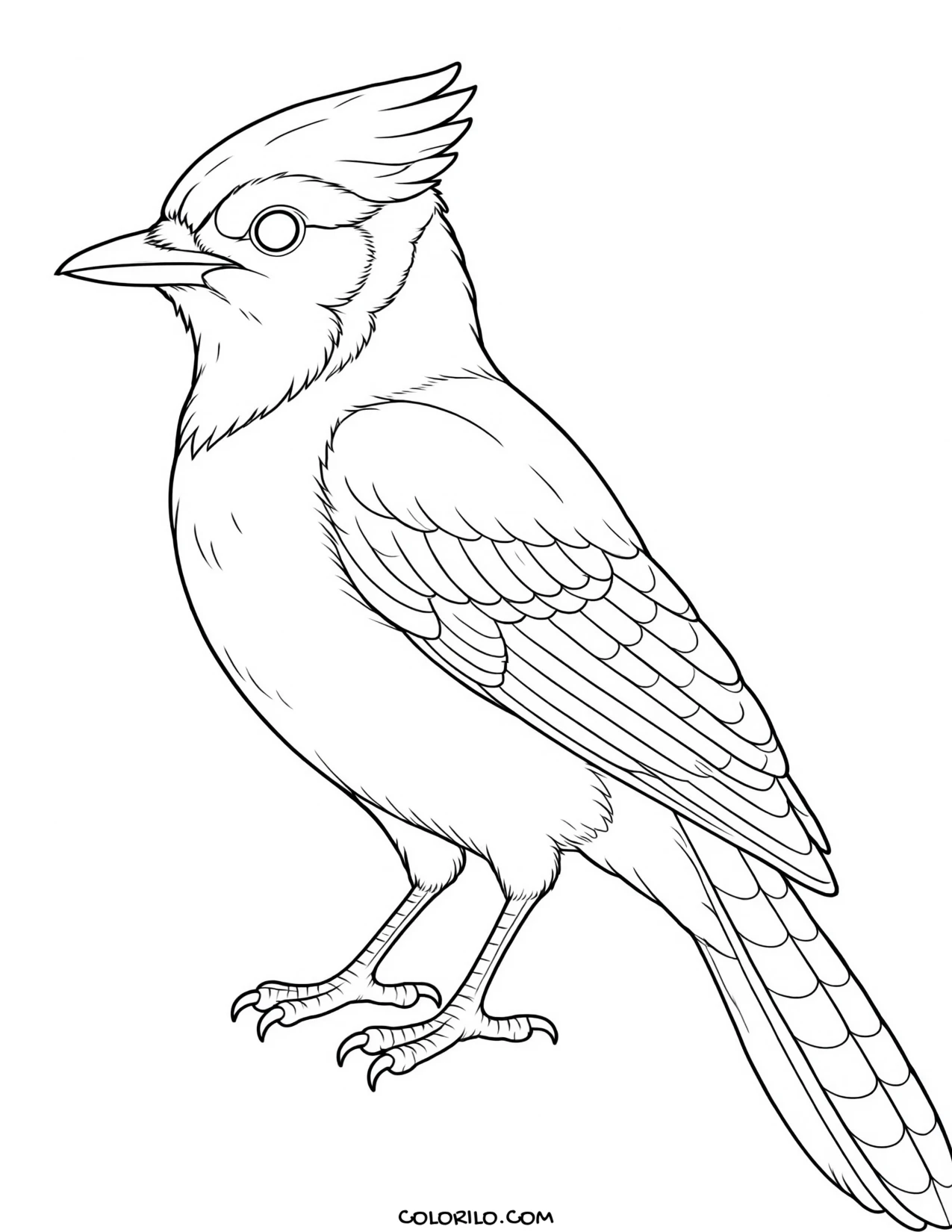
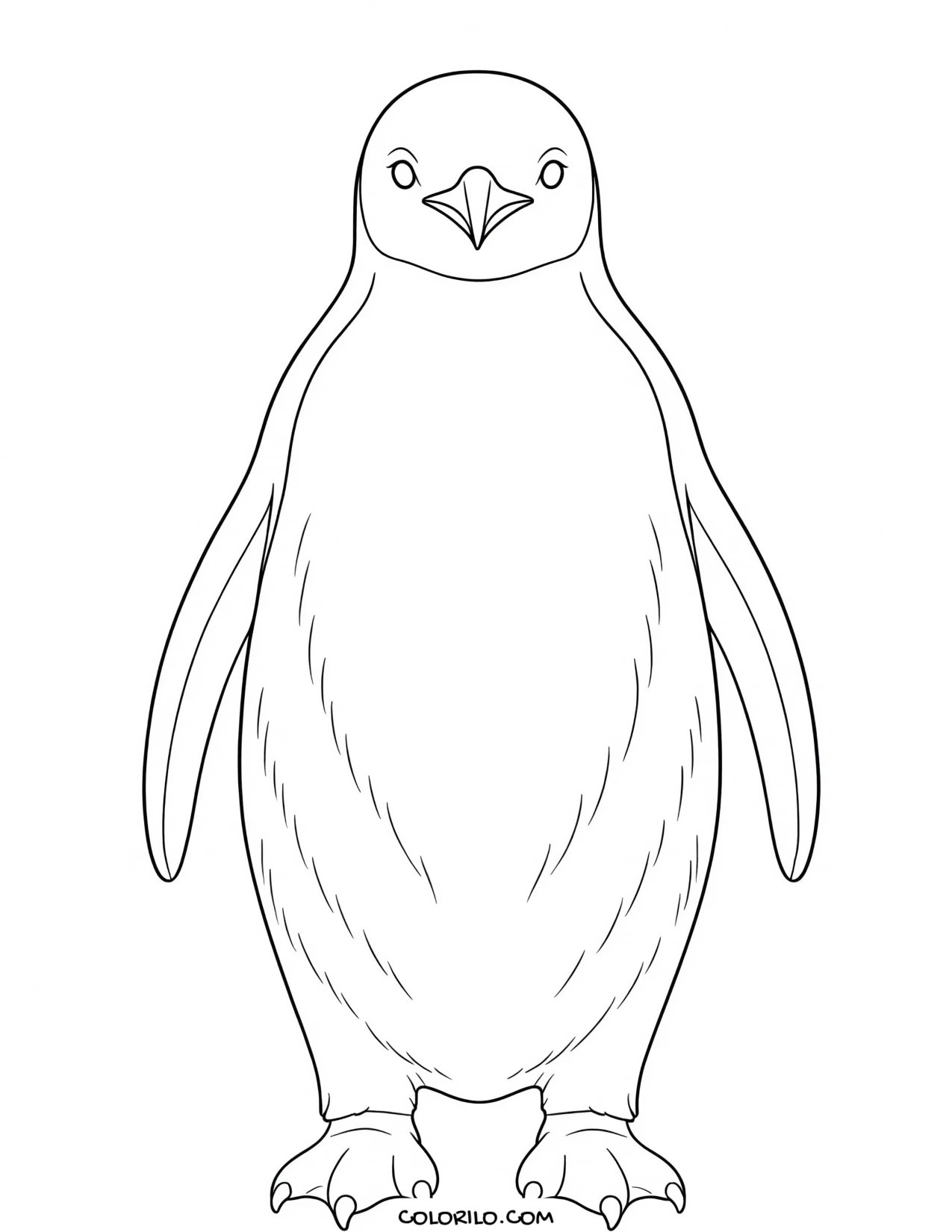
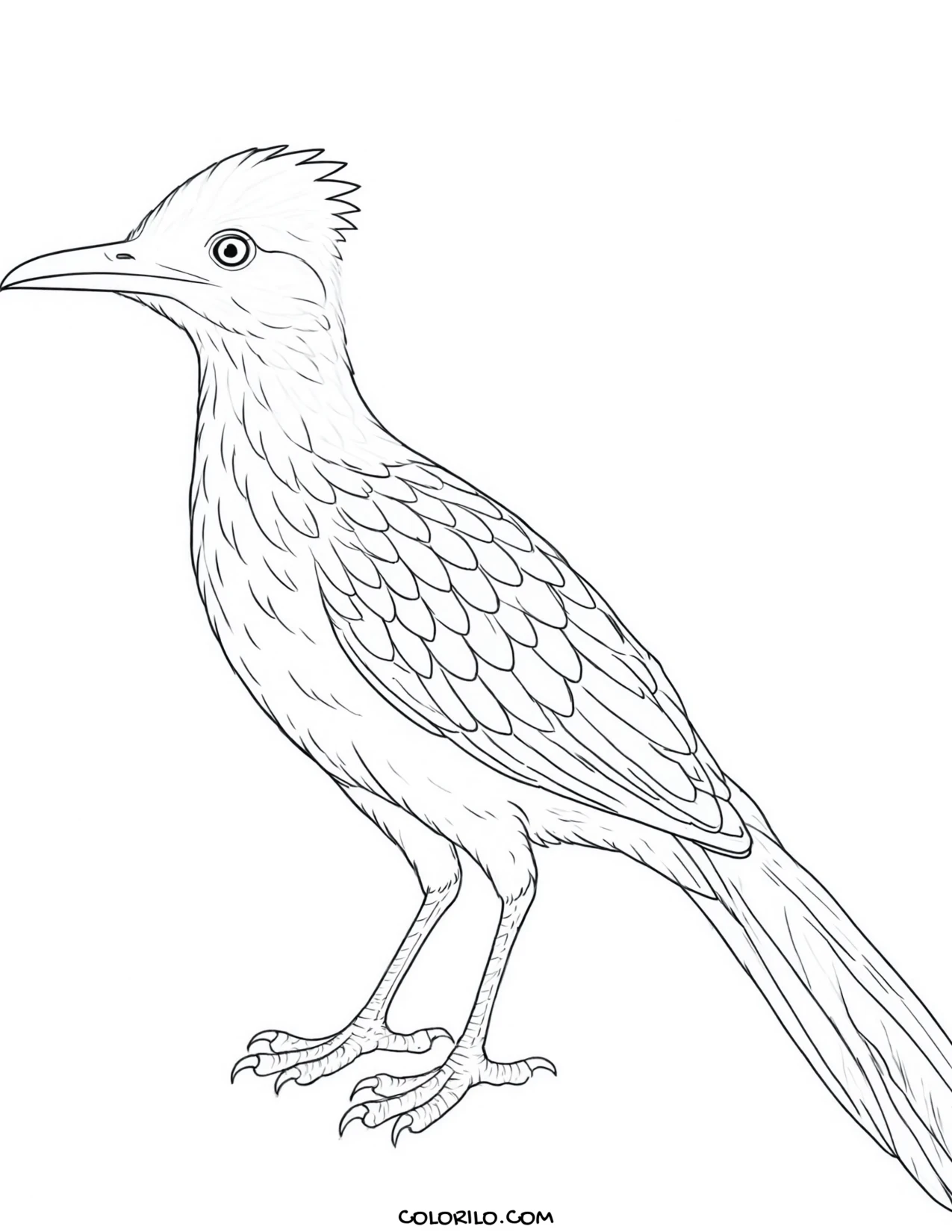
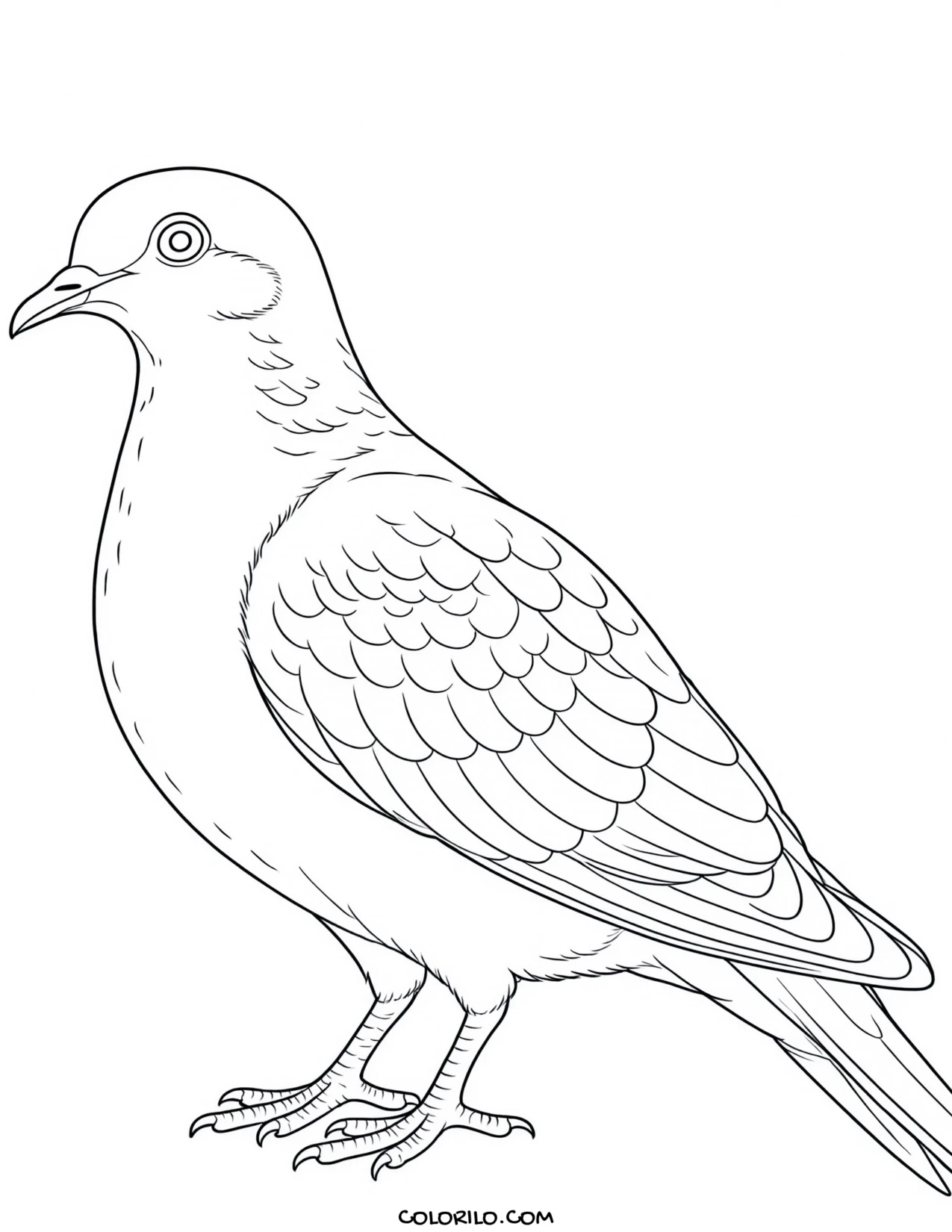
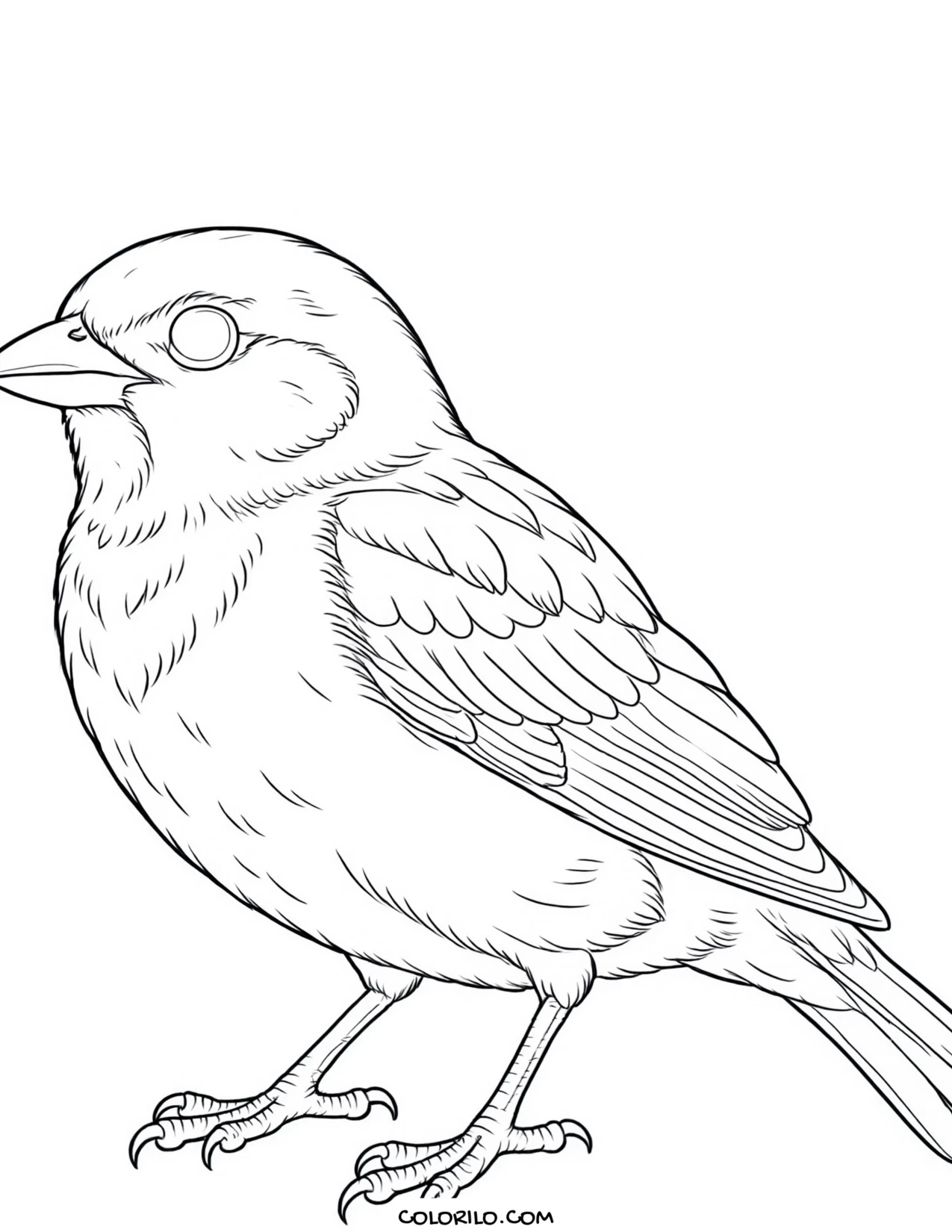
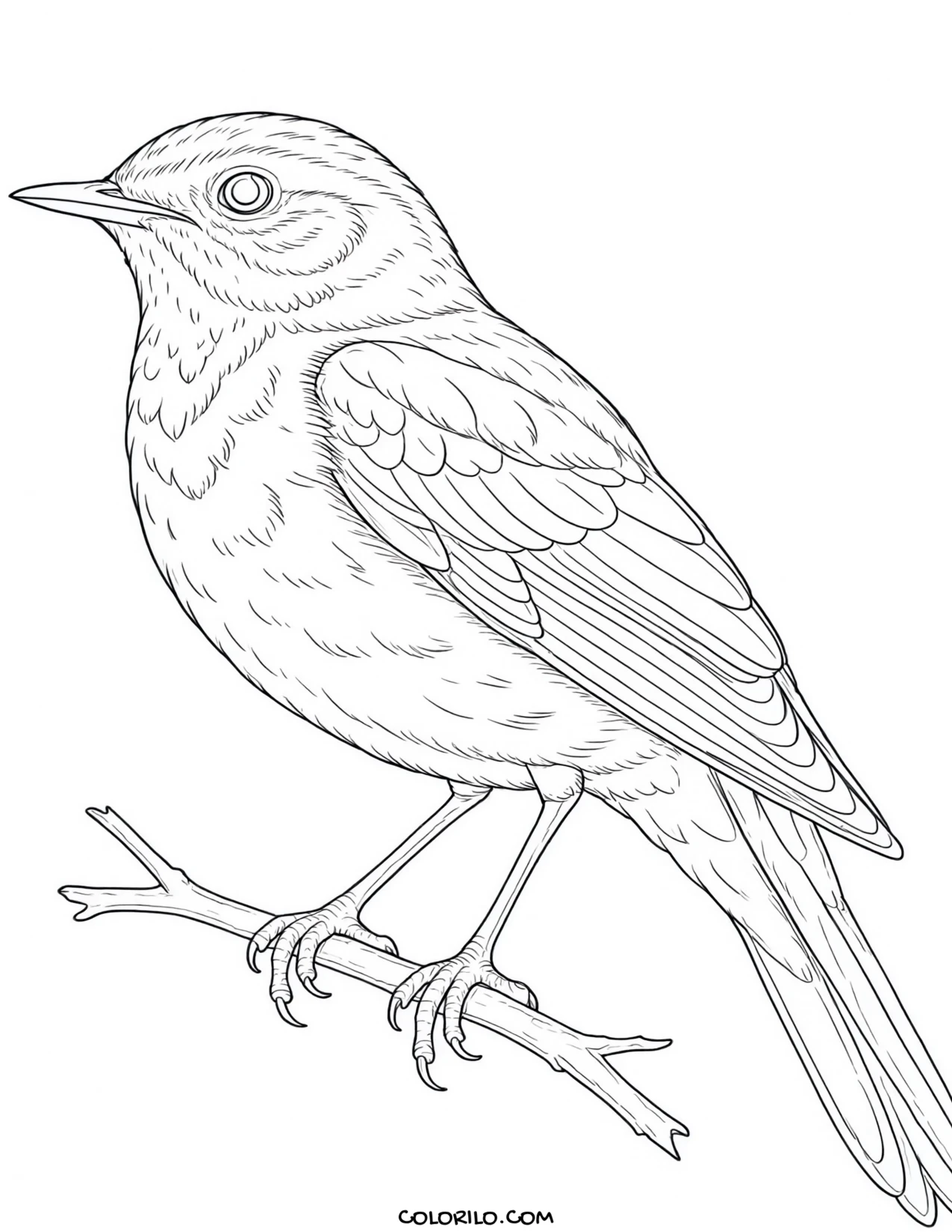
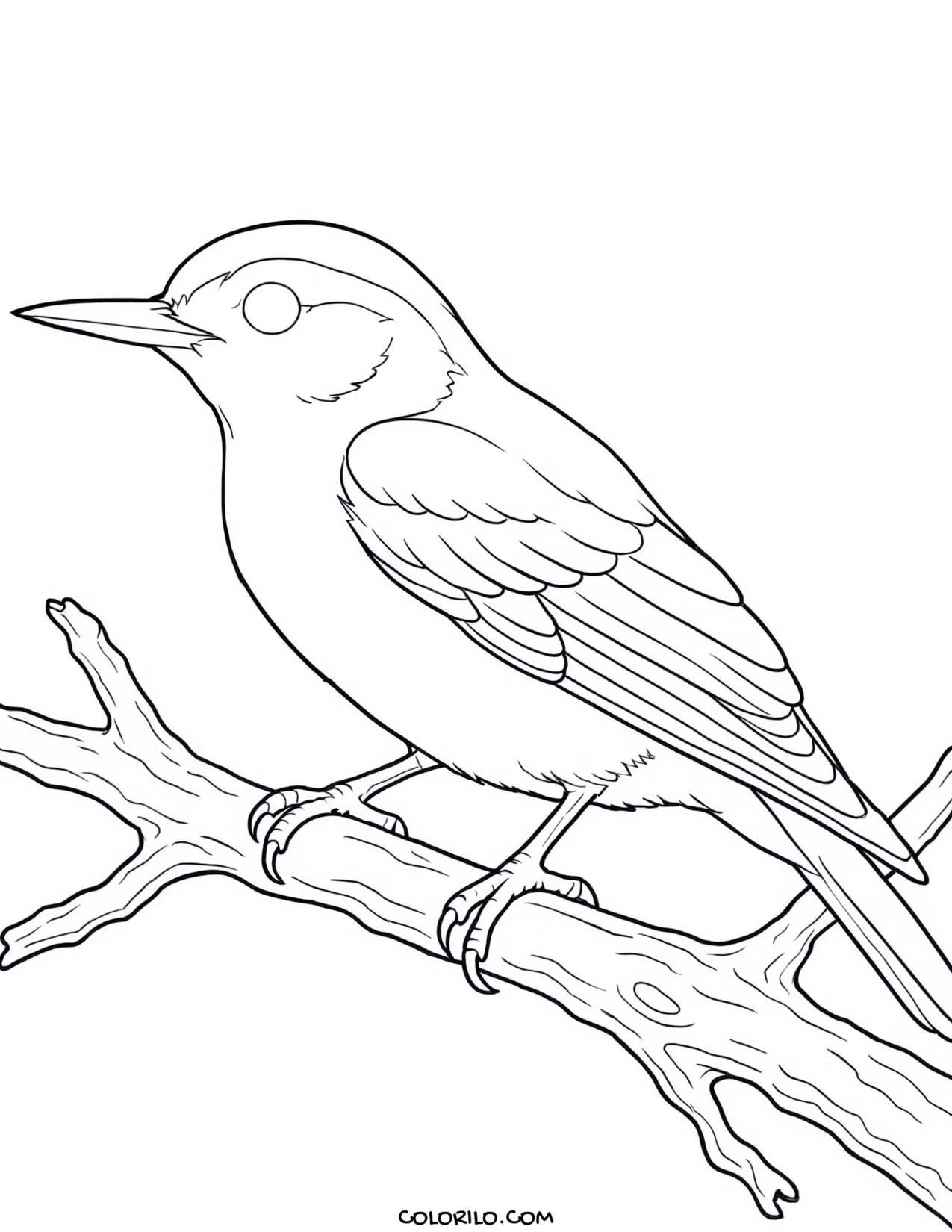
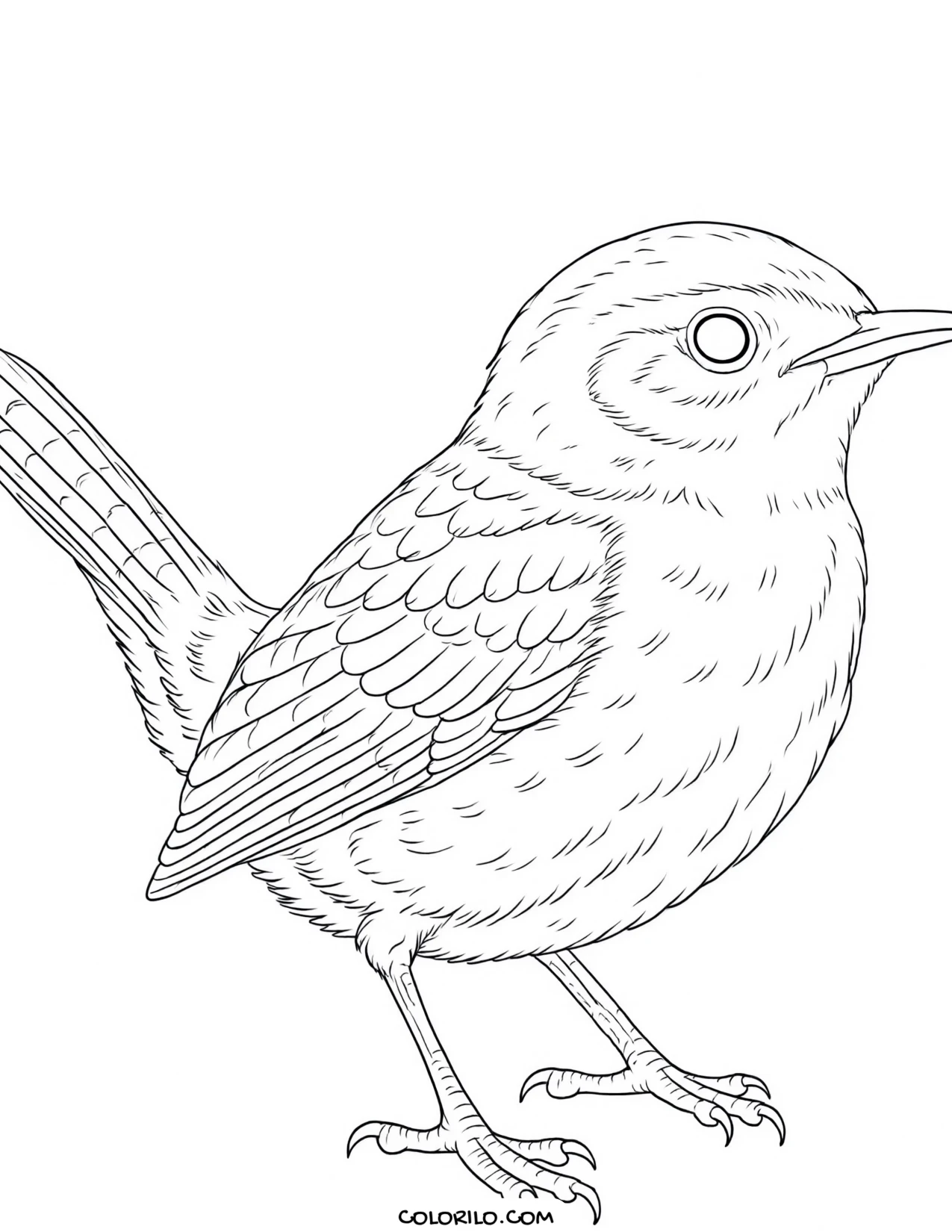
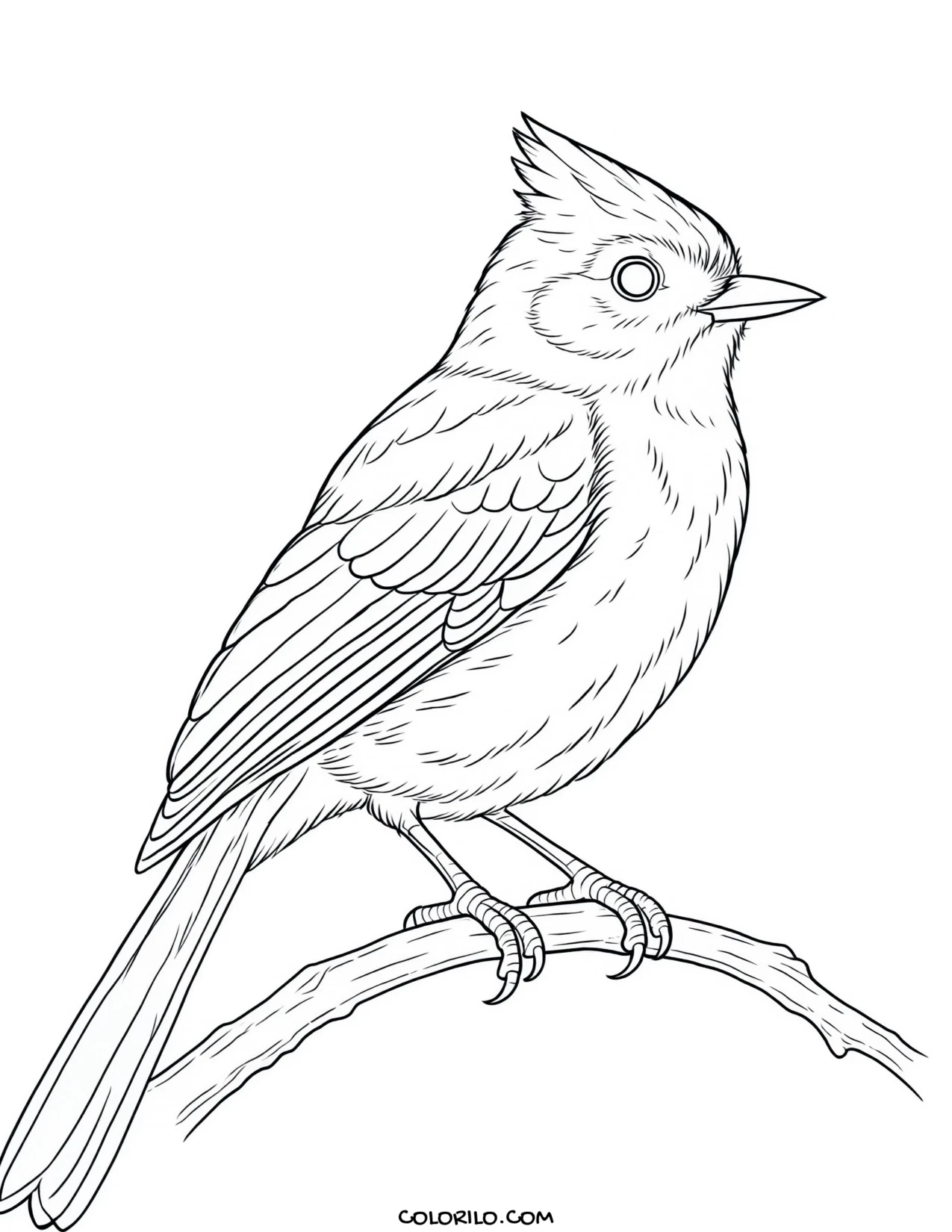
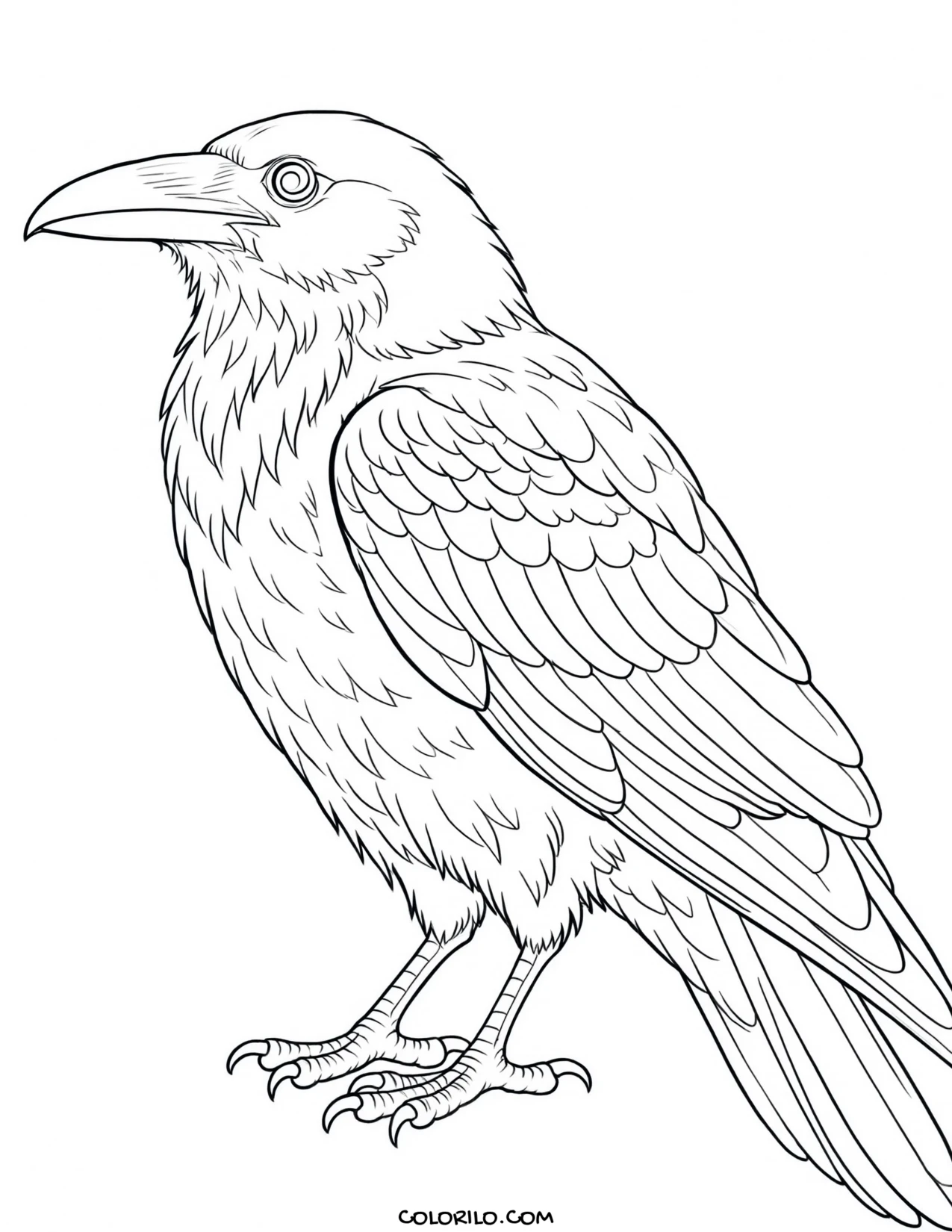
The garden birds are the ones most people will recognise from a window. American robin, house sparrow, blue jay, northern cardinal, black-capped chickadee, American goldfinch, house wren, white-breasted nuthatch, eastern bluebird, mourning dove, European starling and the American crow.
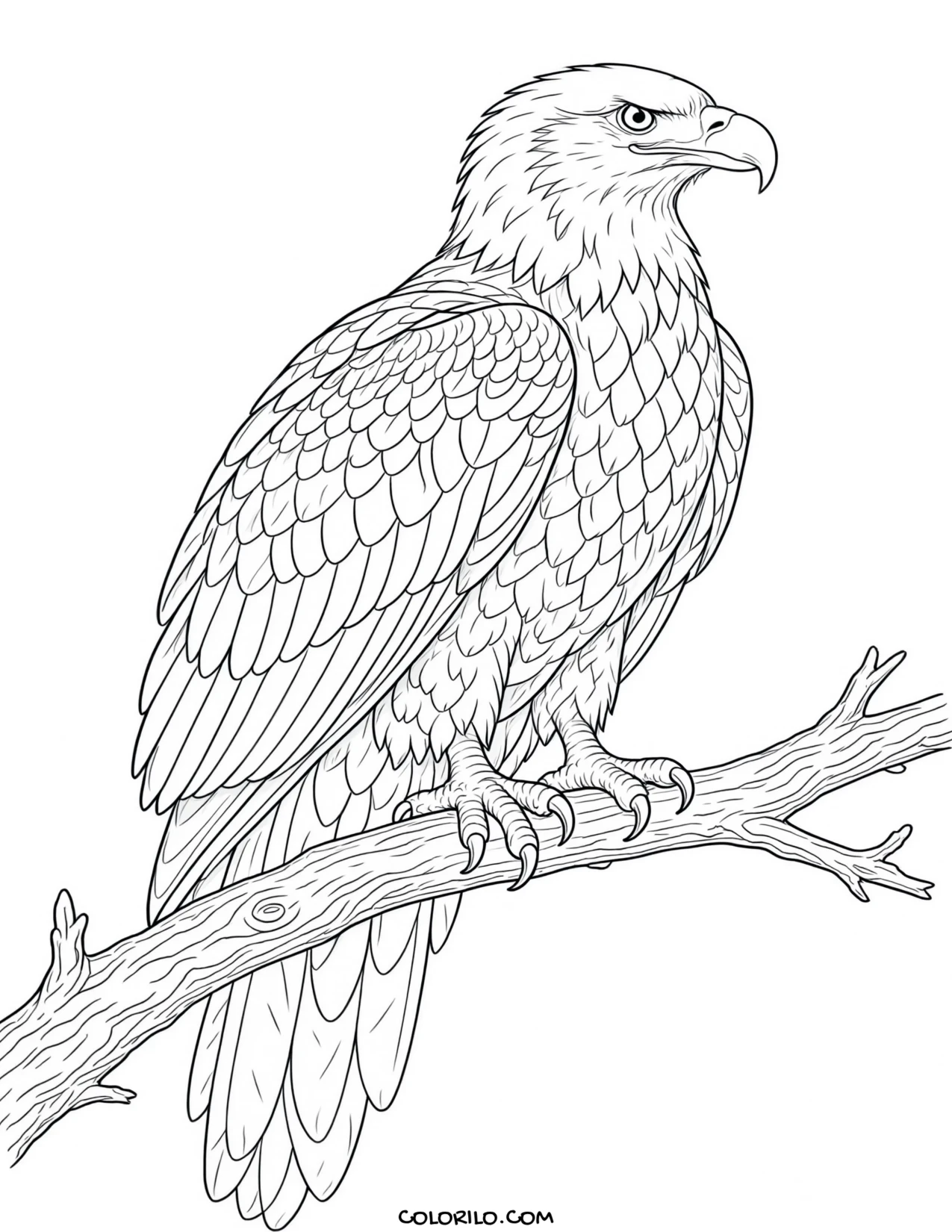
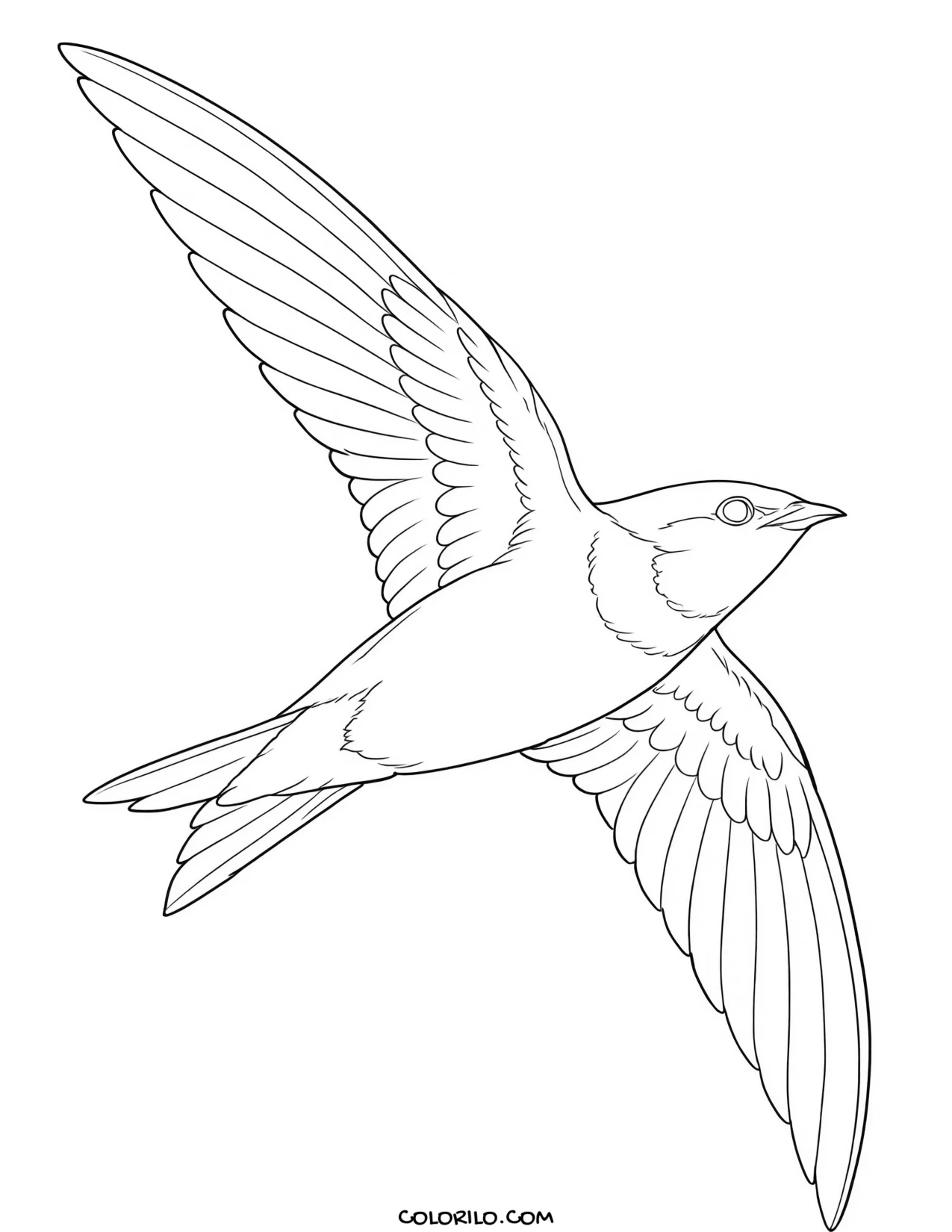
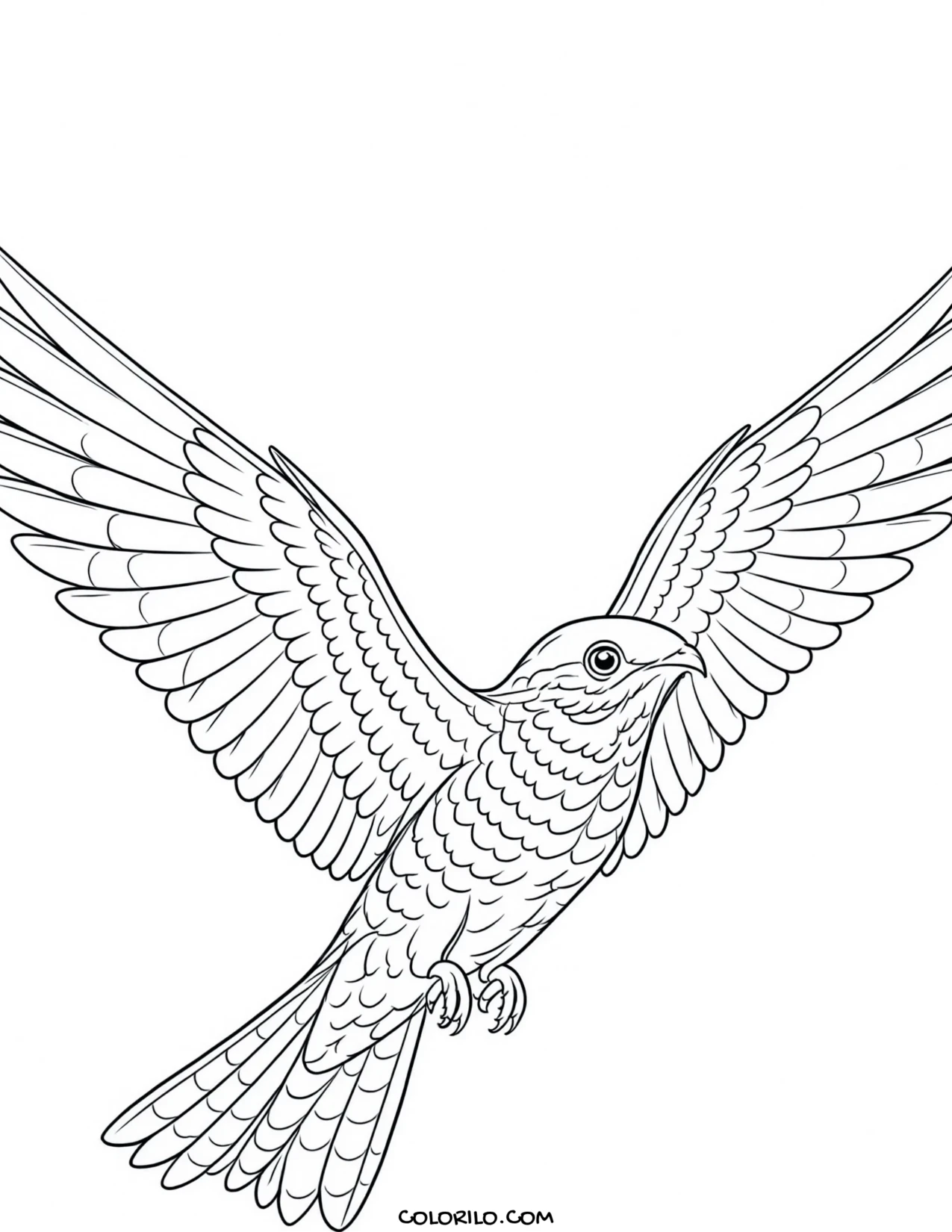
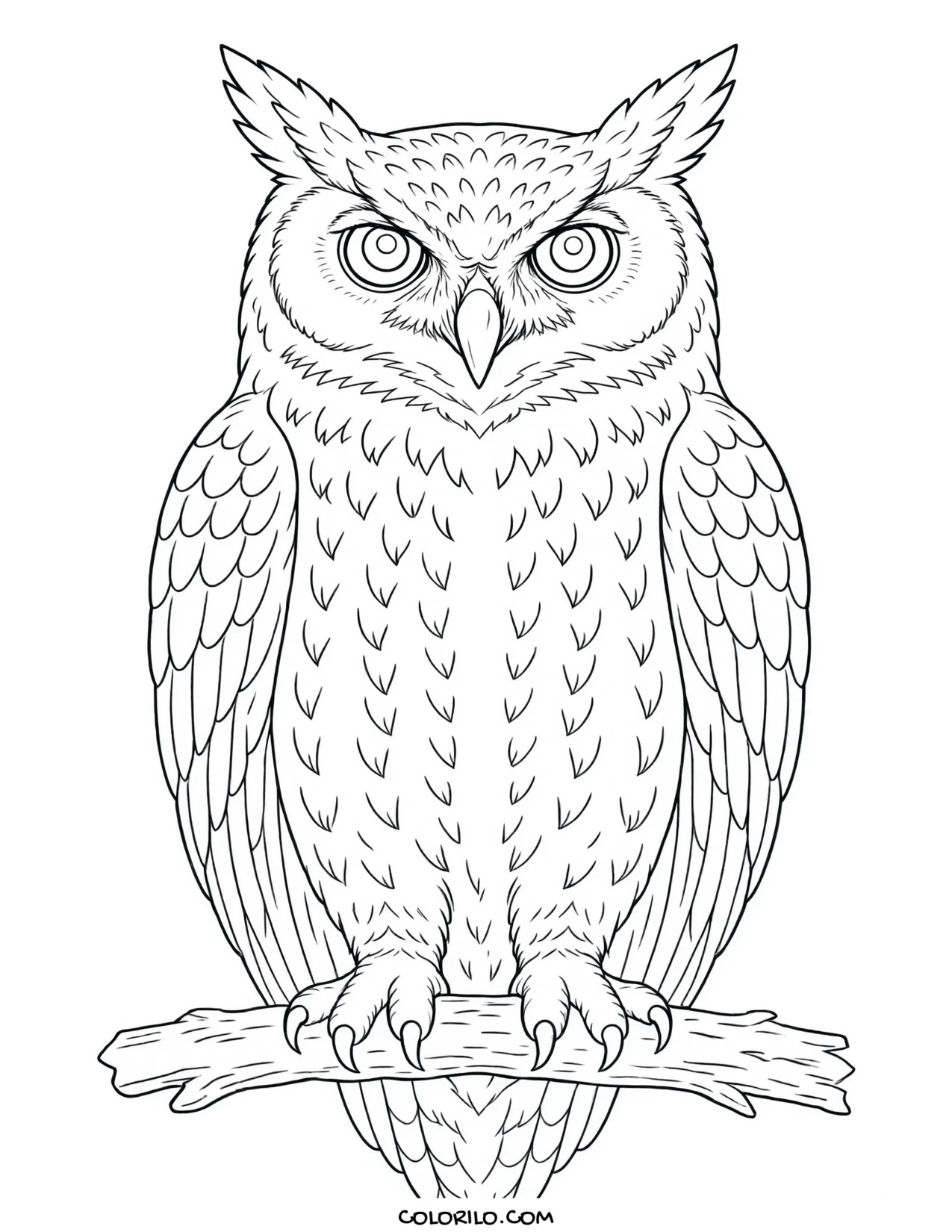
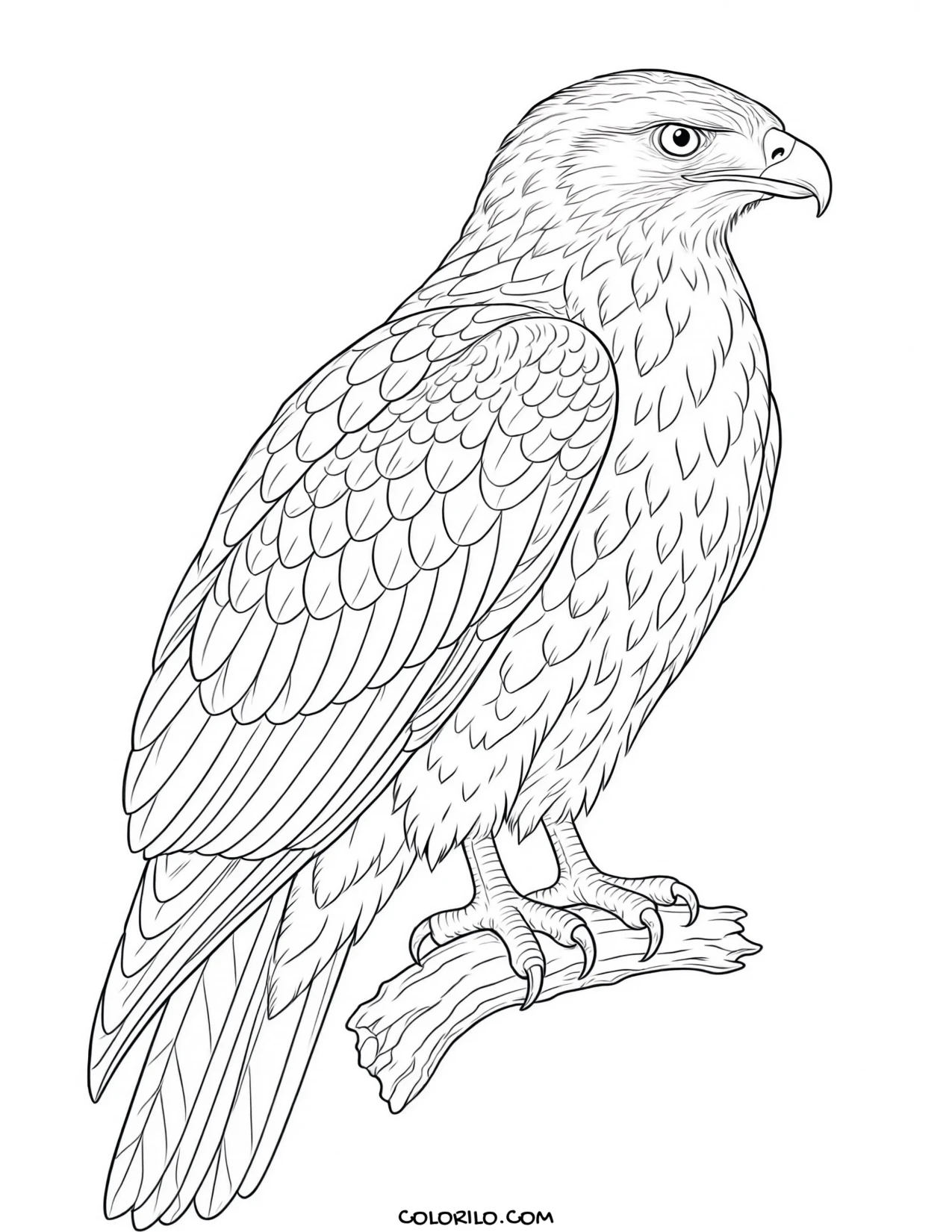
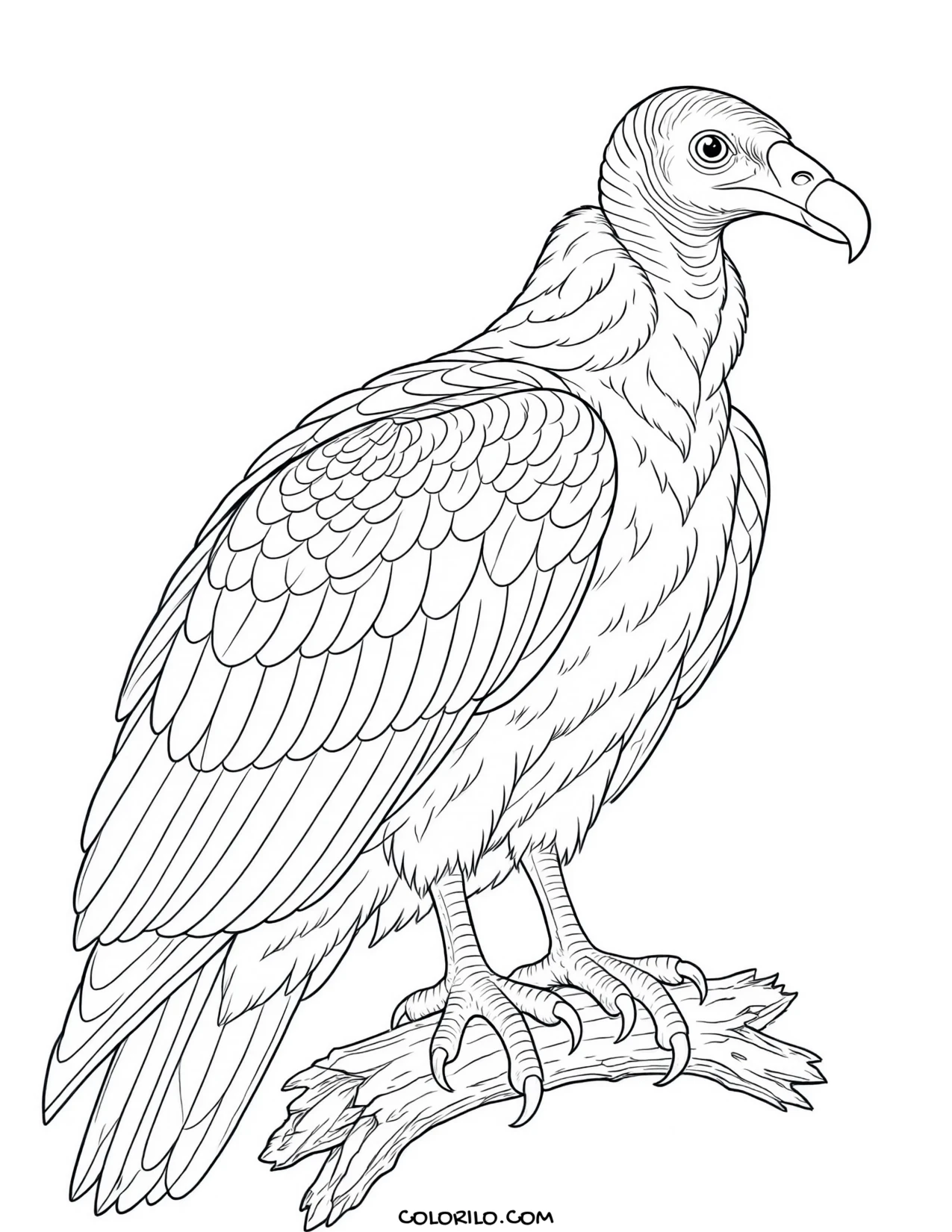
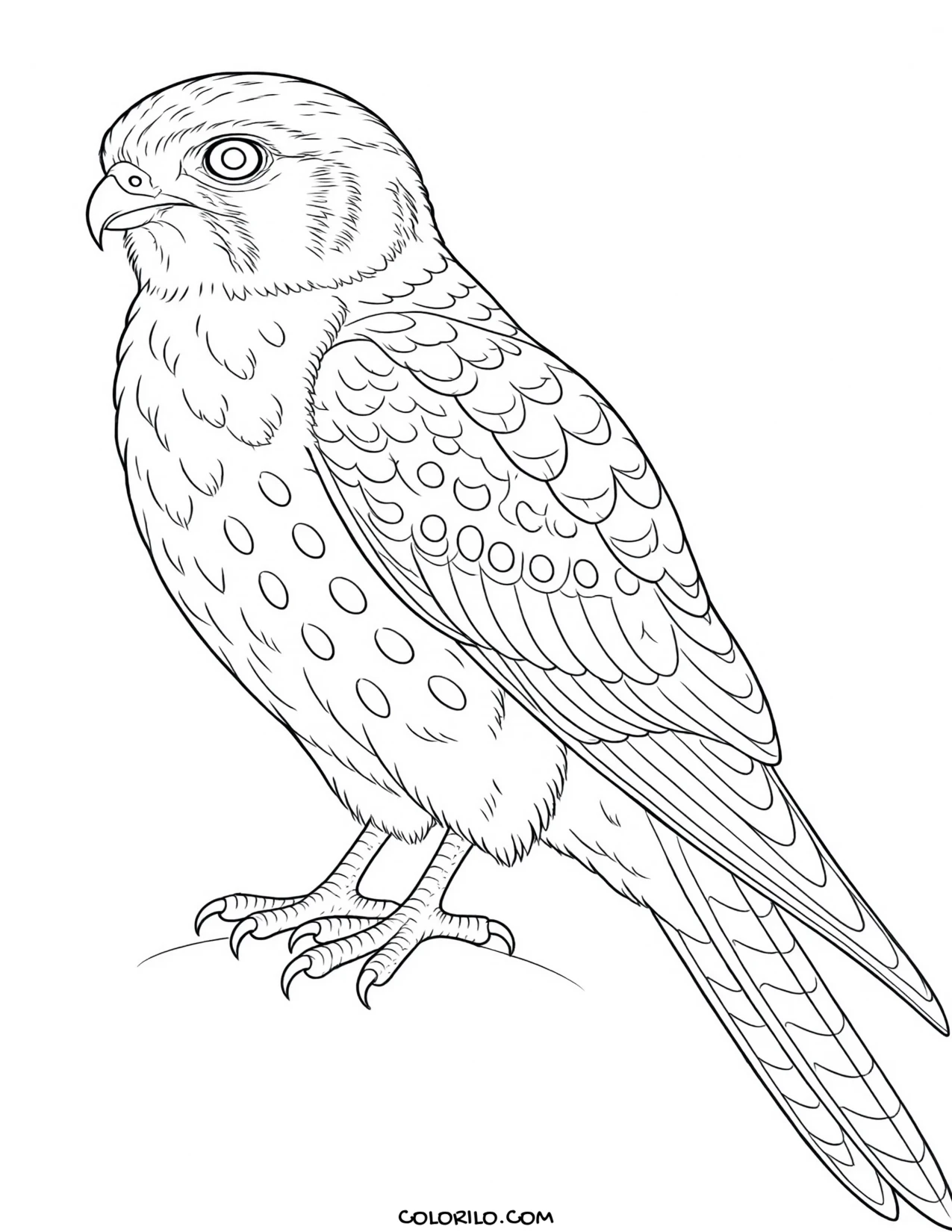
The birds of prey make up a strong group: bald eagle, red-tailed hawk, Cooper’s hawk, American kestrel, peregrine falcon, swallow-tailed kite, turkey vulture, California condor, barn owl and great horned owl. The peregrine is the fastest animal alive, reaching over 200 miles an hour in a stoop.
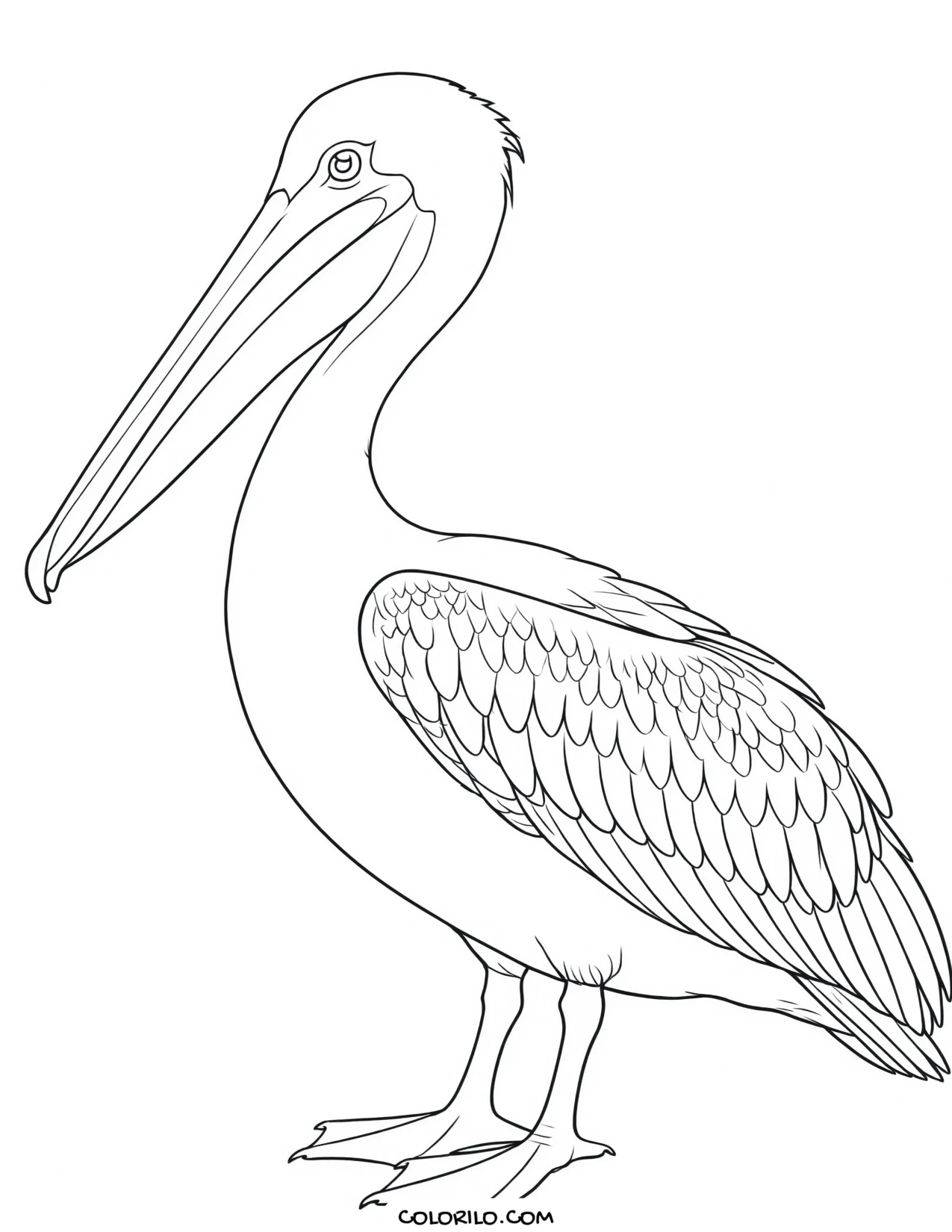
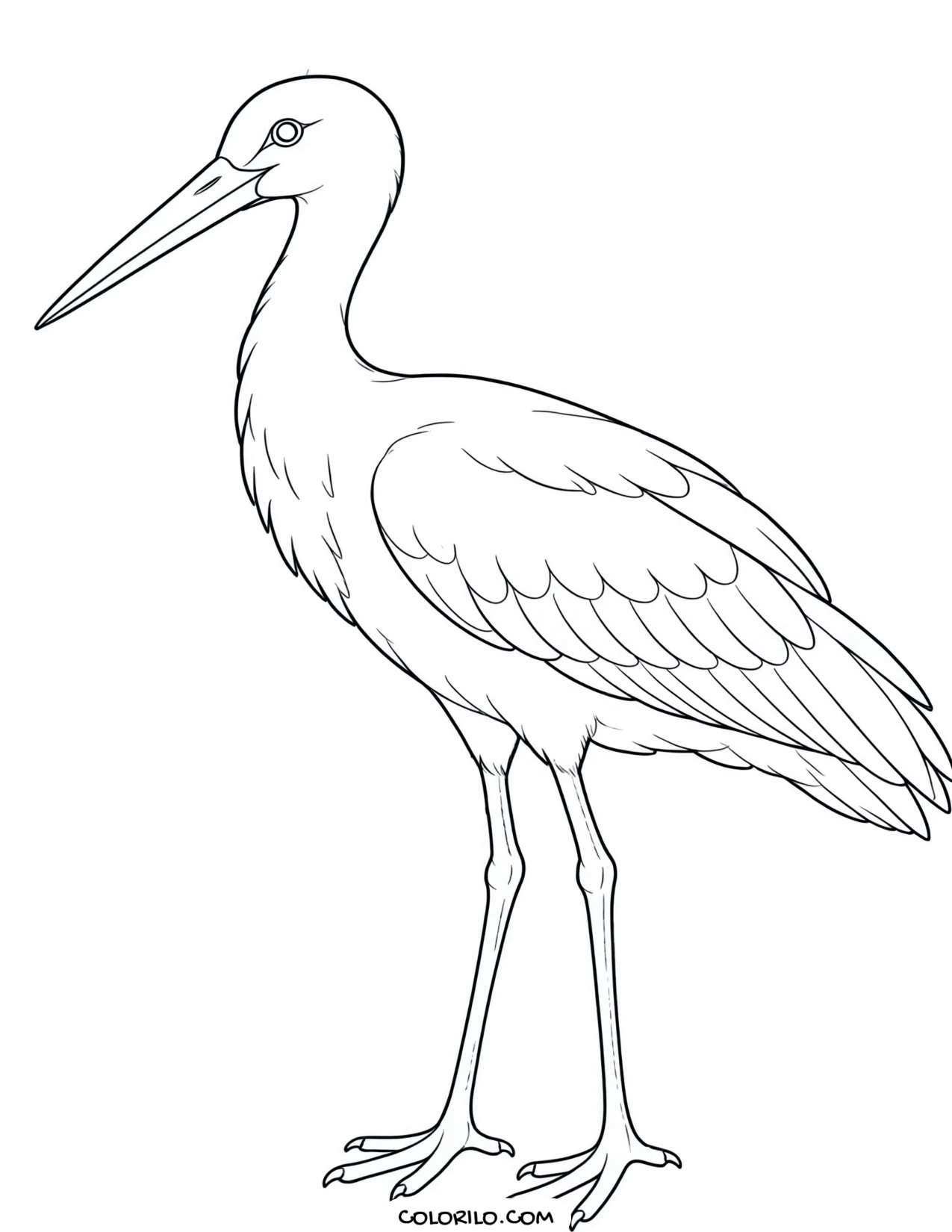
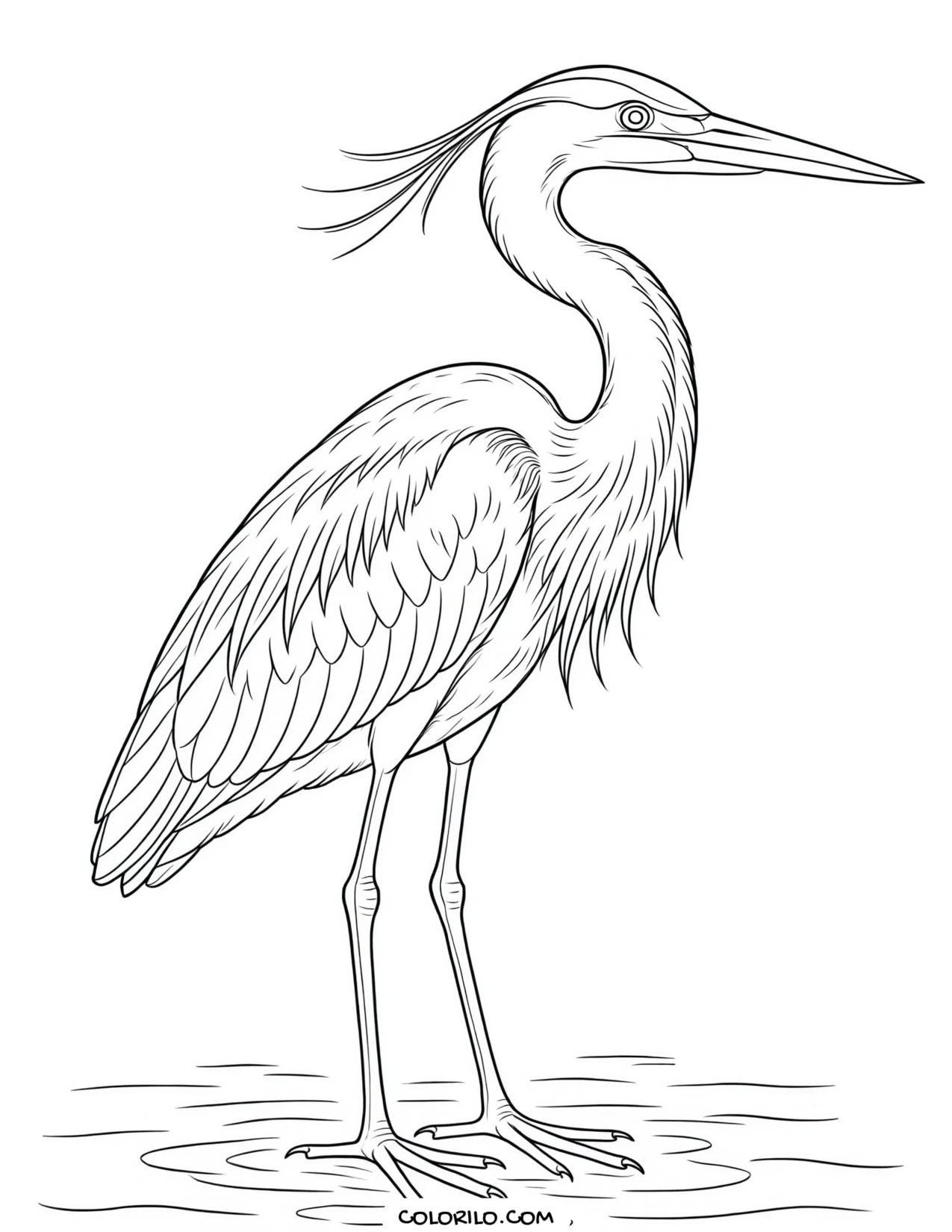
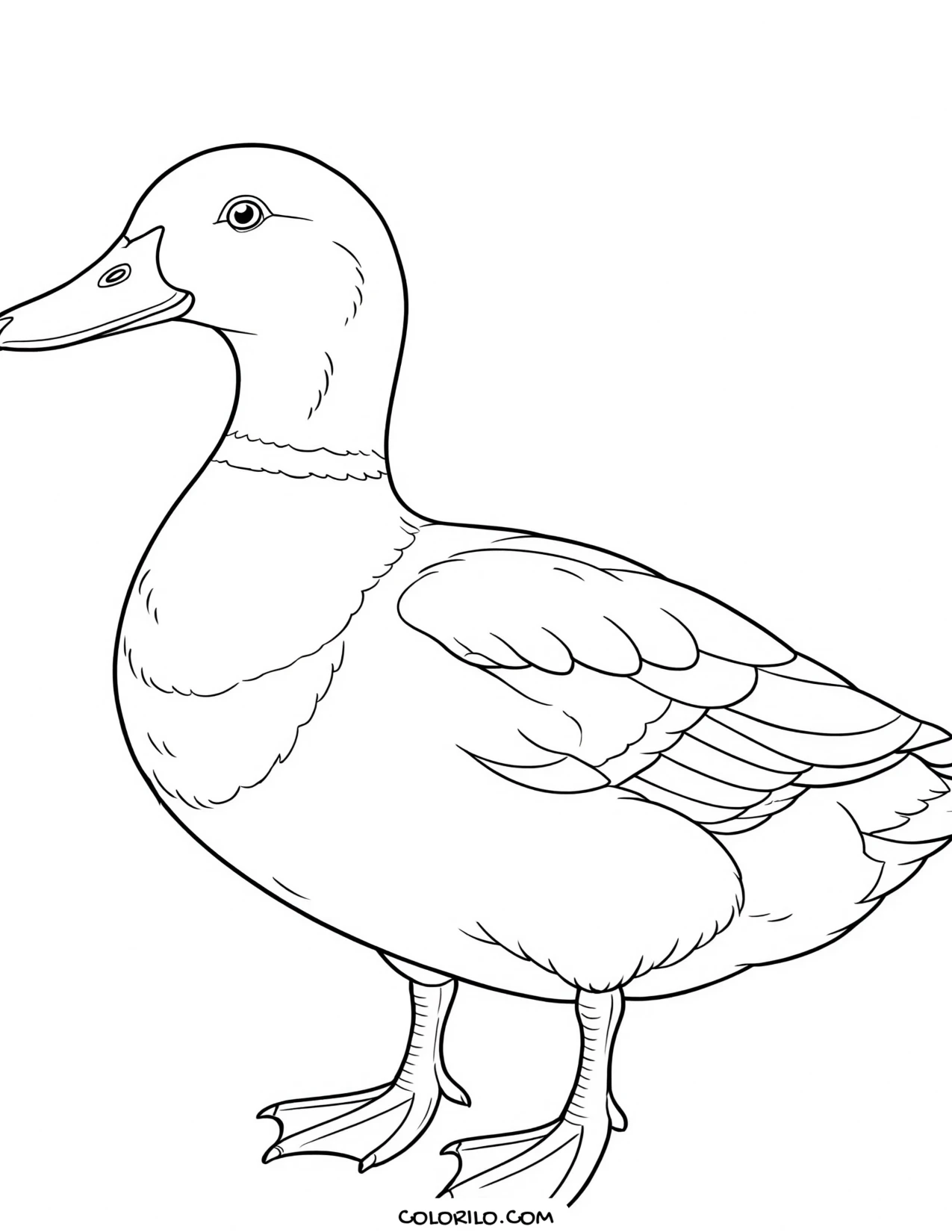
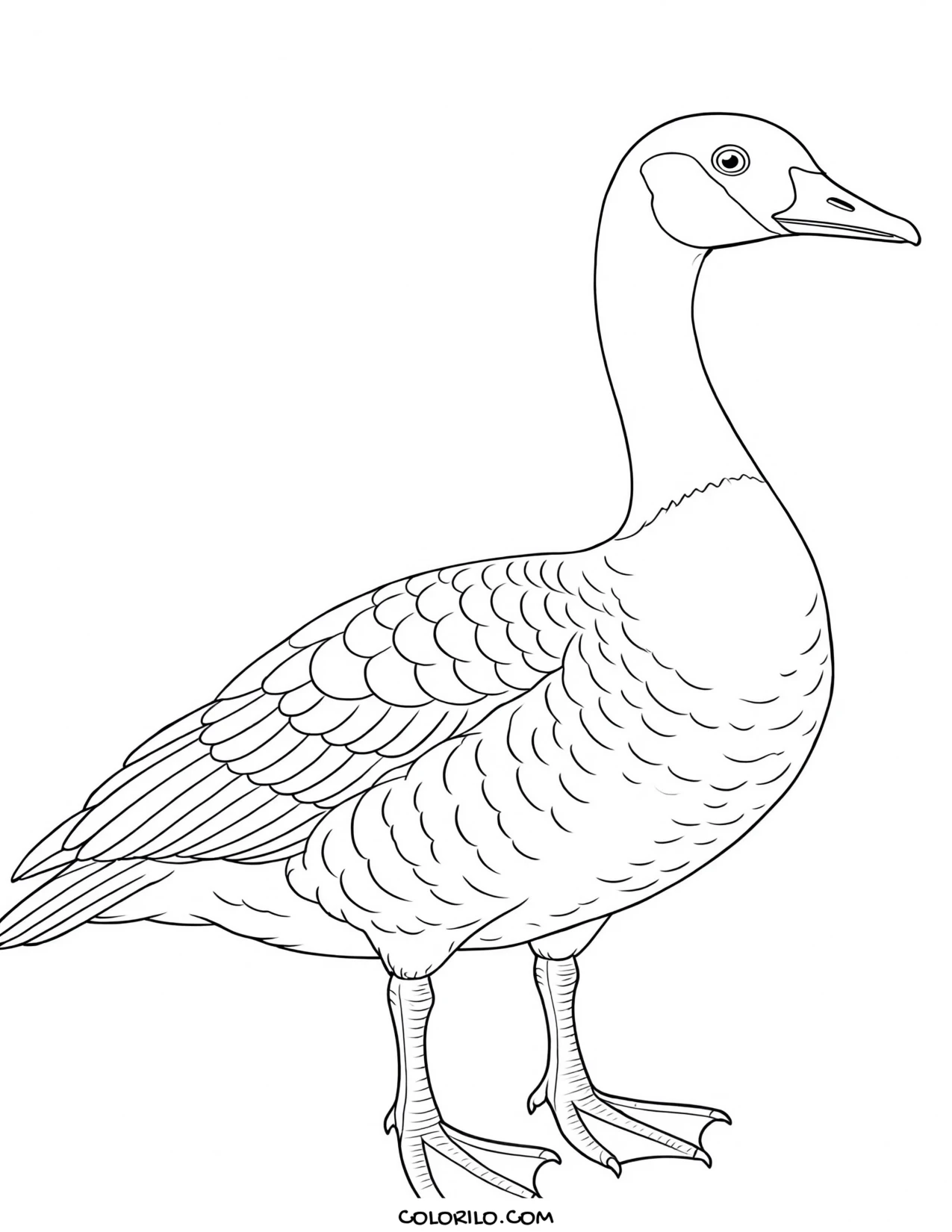
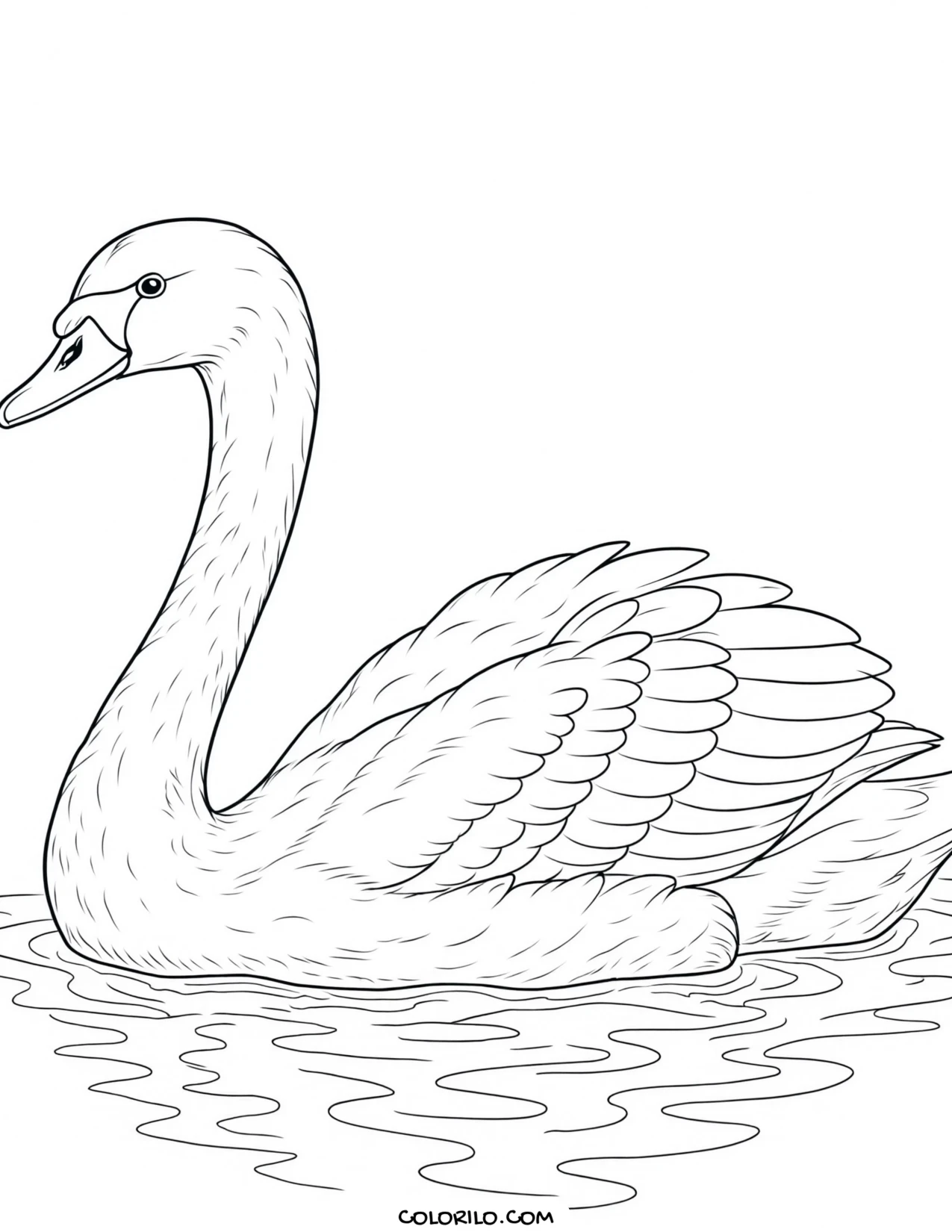
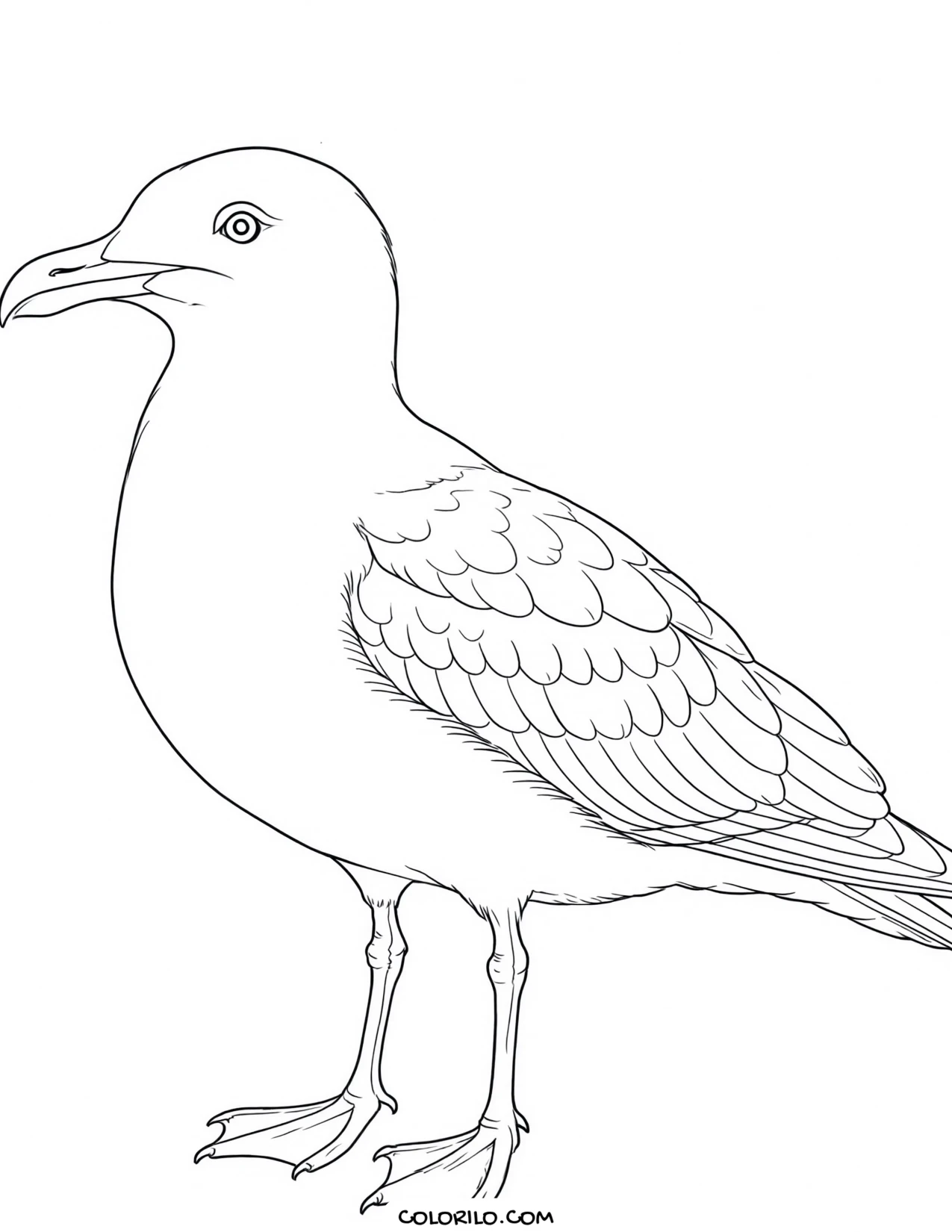
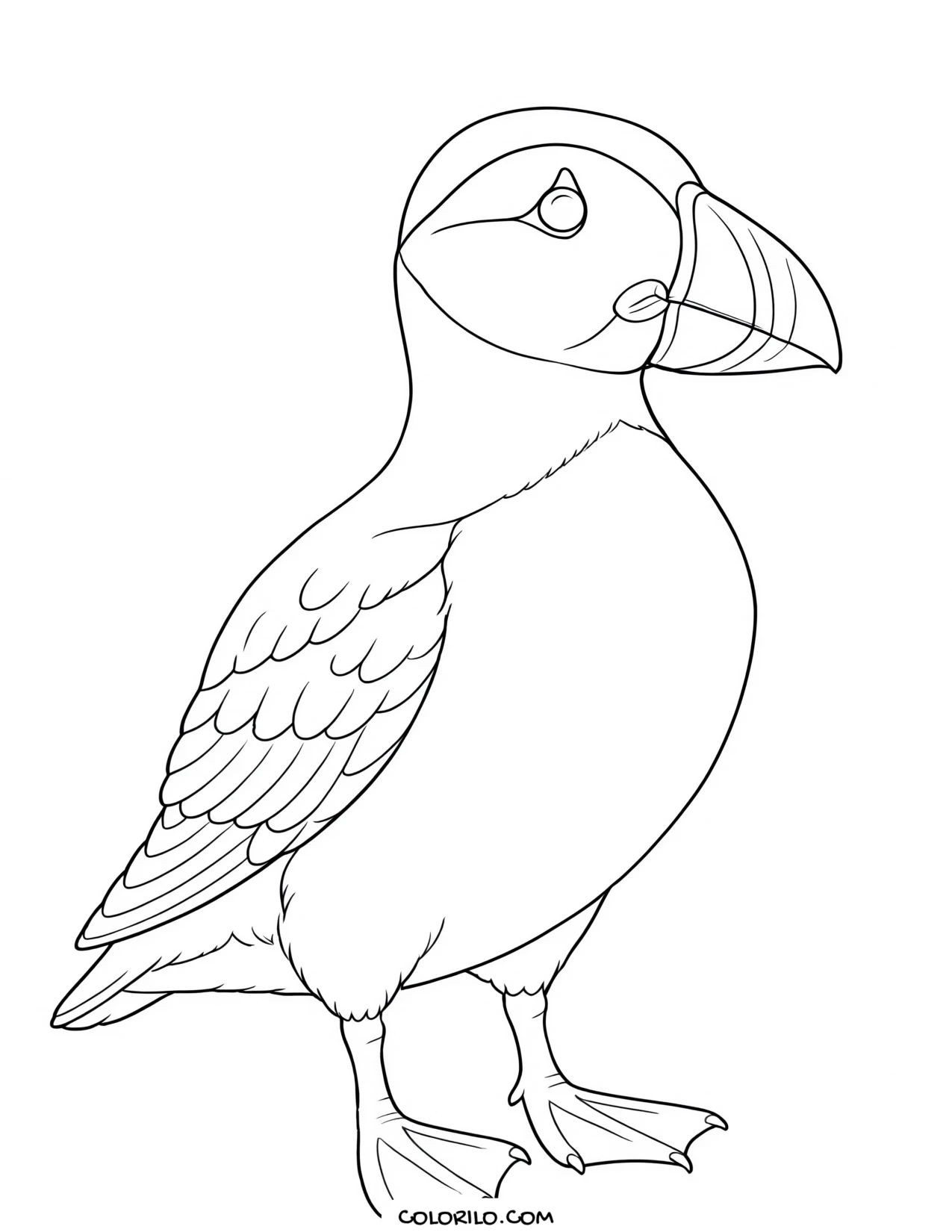
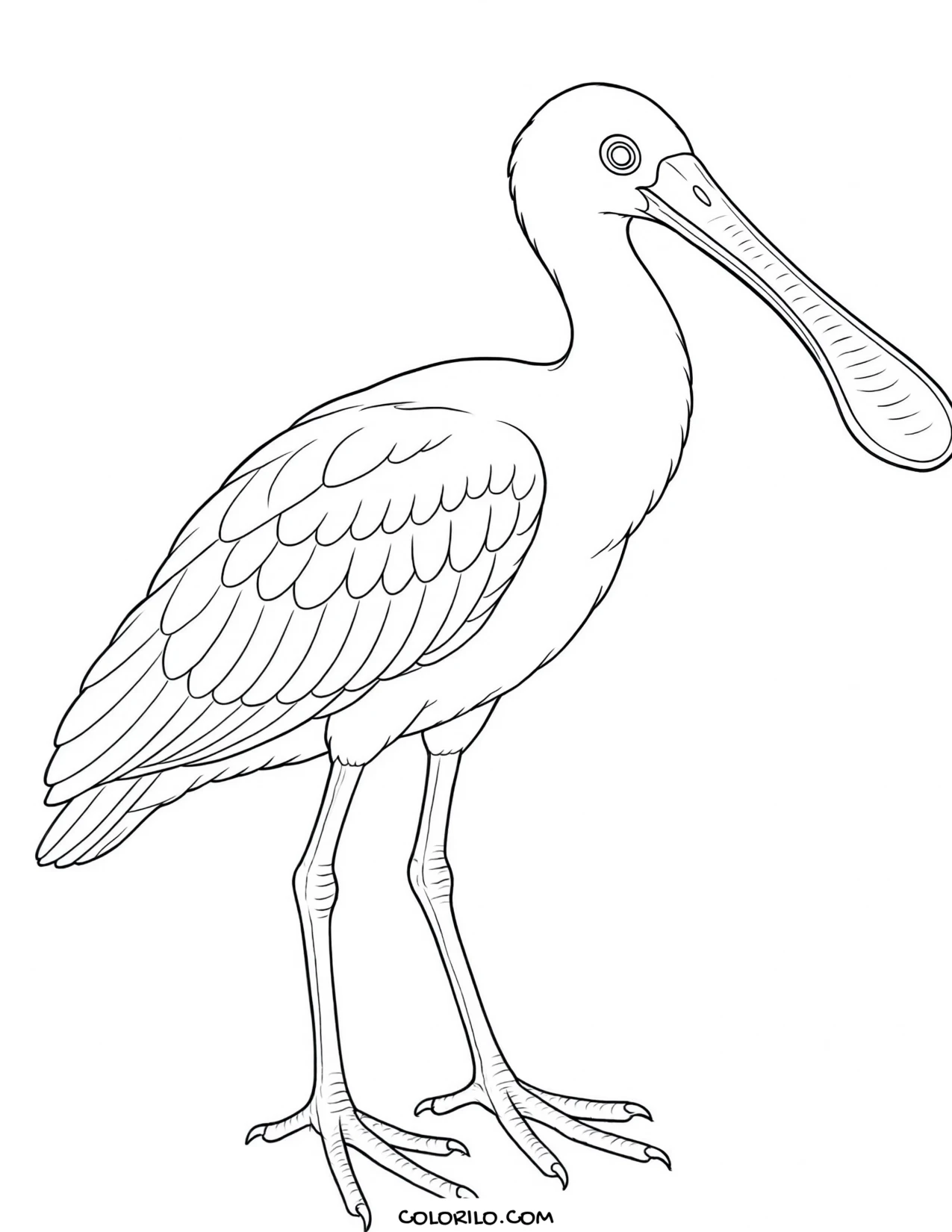
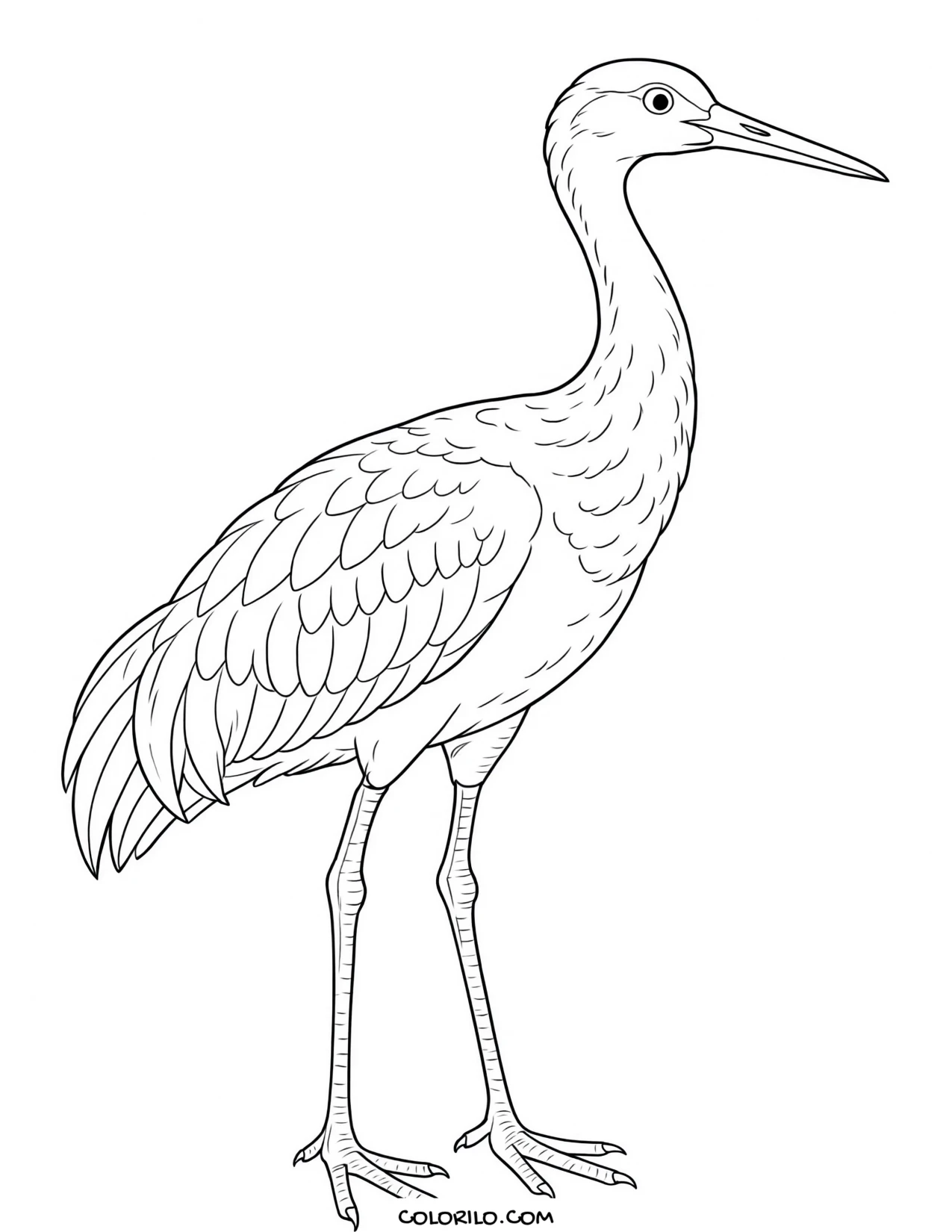
Water and wading birds run from the familiar to the striking. Mallard, wood duck, Canada goose, snow goose, mute swan, trumpeter swan, great blue heron, snowy egret, sandhill crane, white stork, roseate spoonbill, scarlet ibis, herring gull, common tern, American white pelican and two puffins.
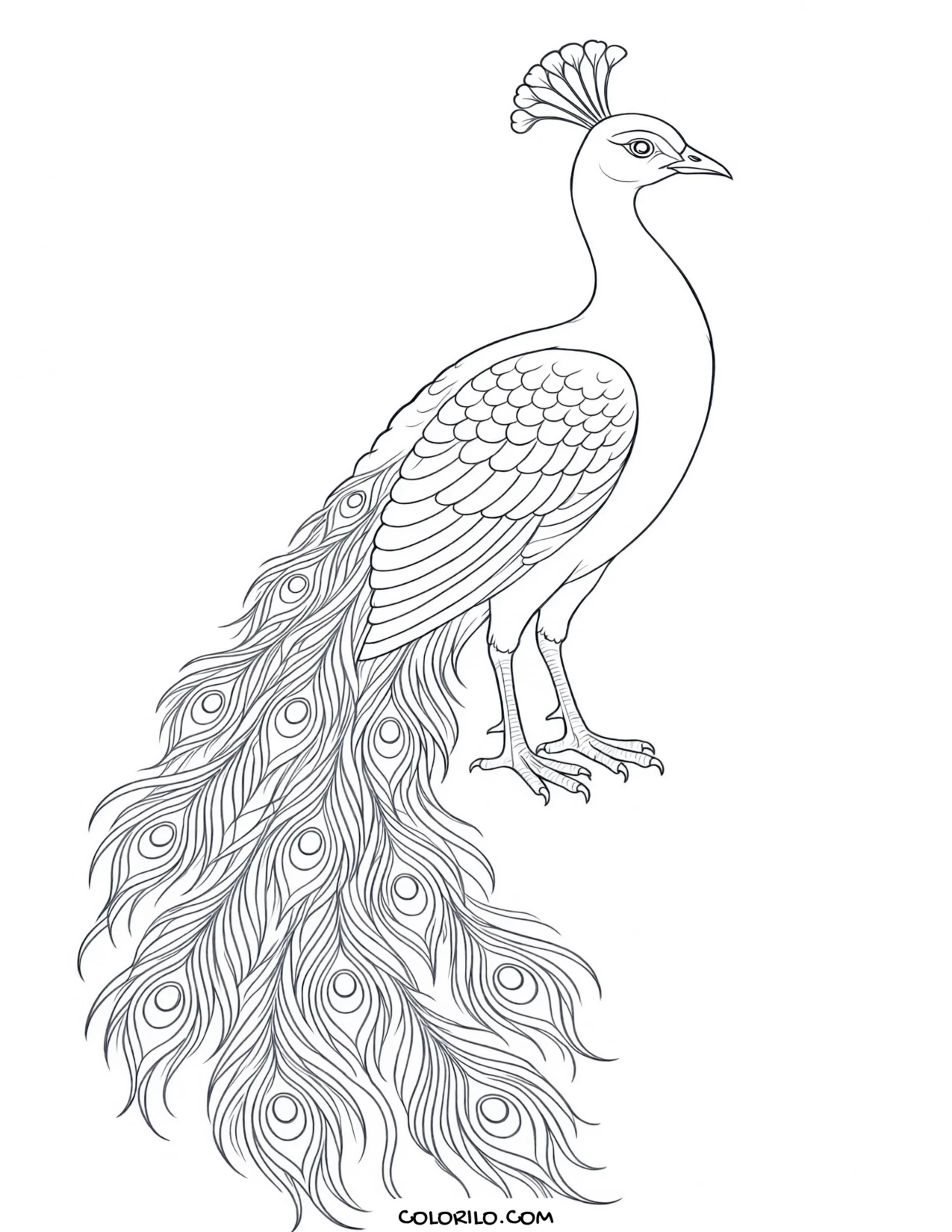
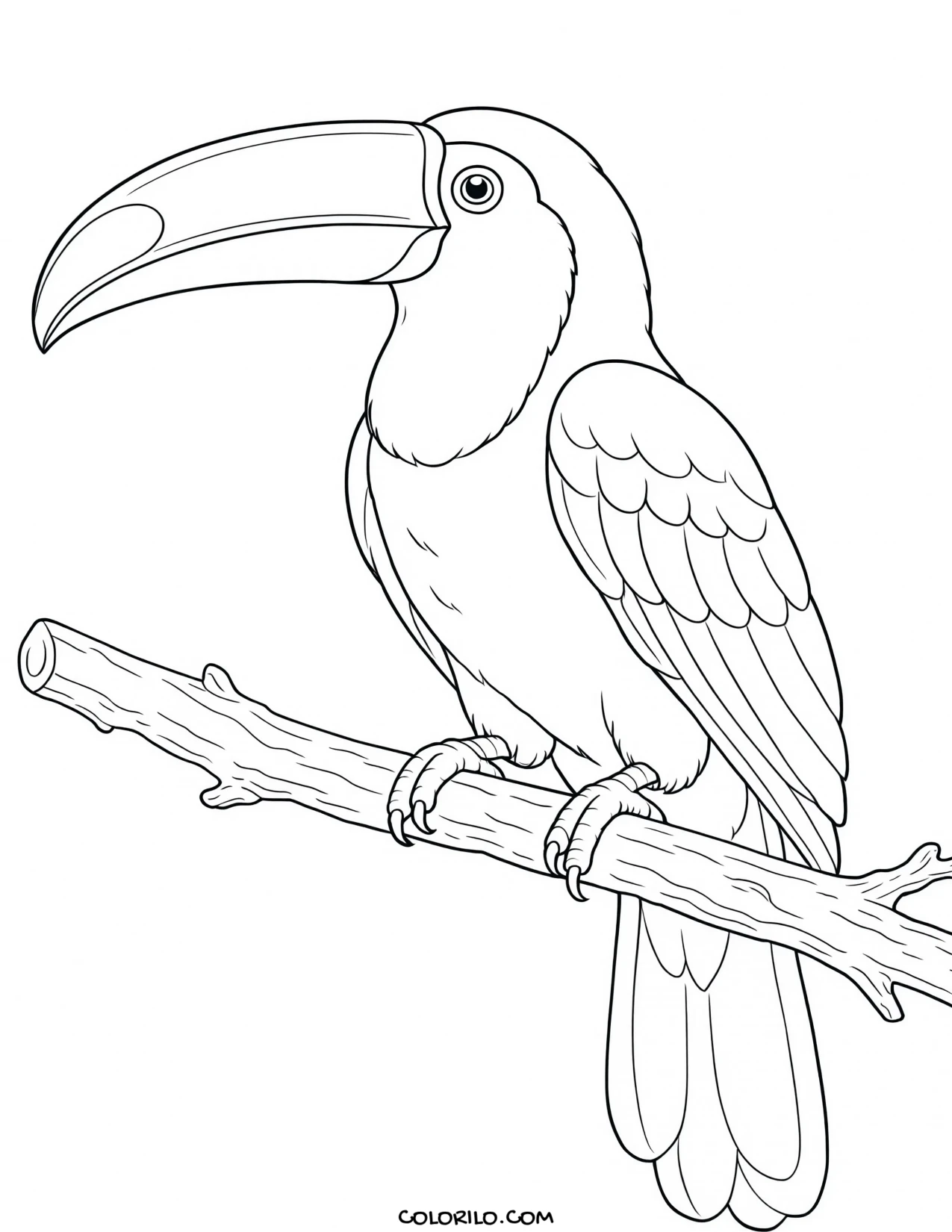
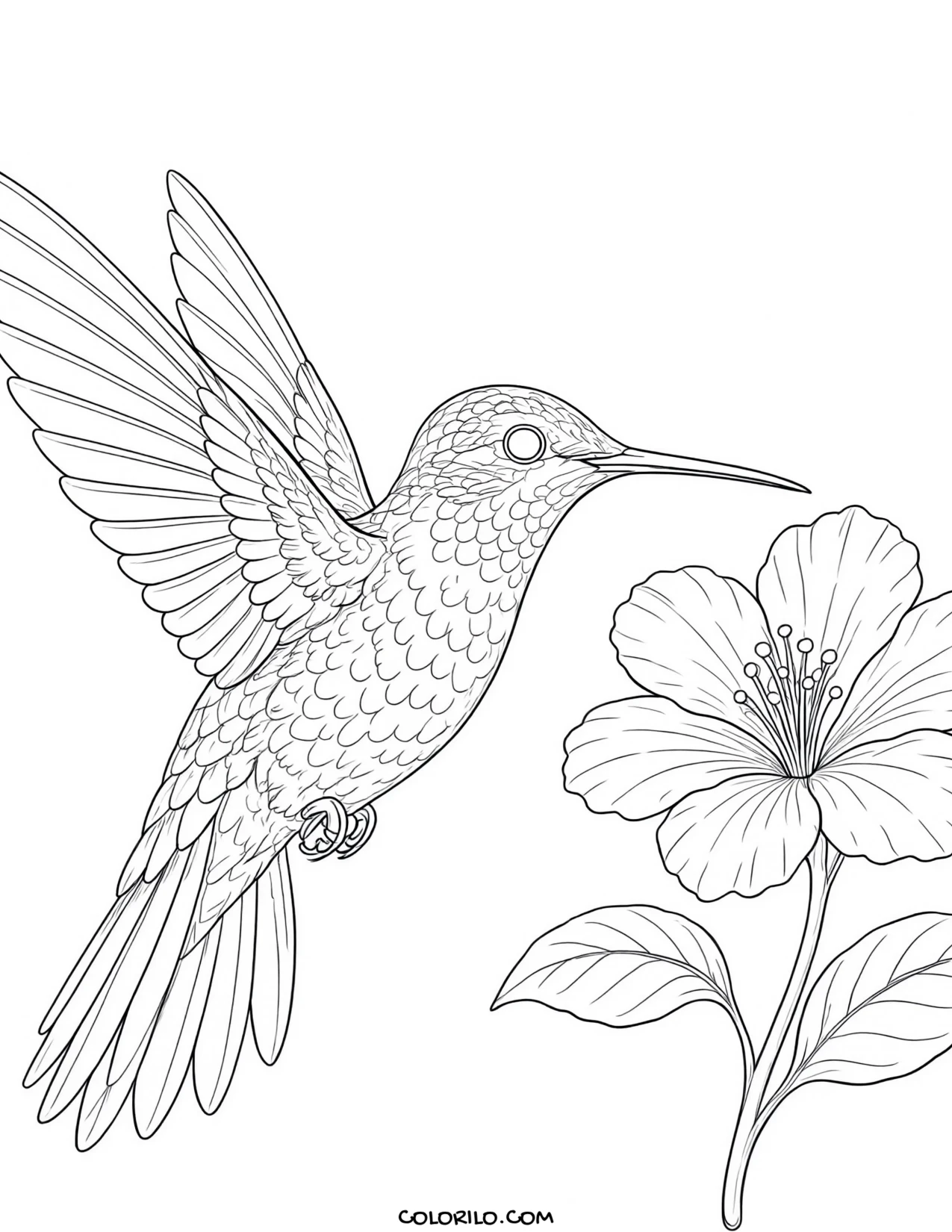
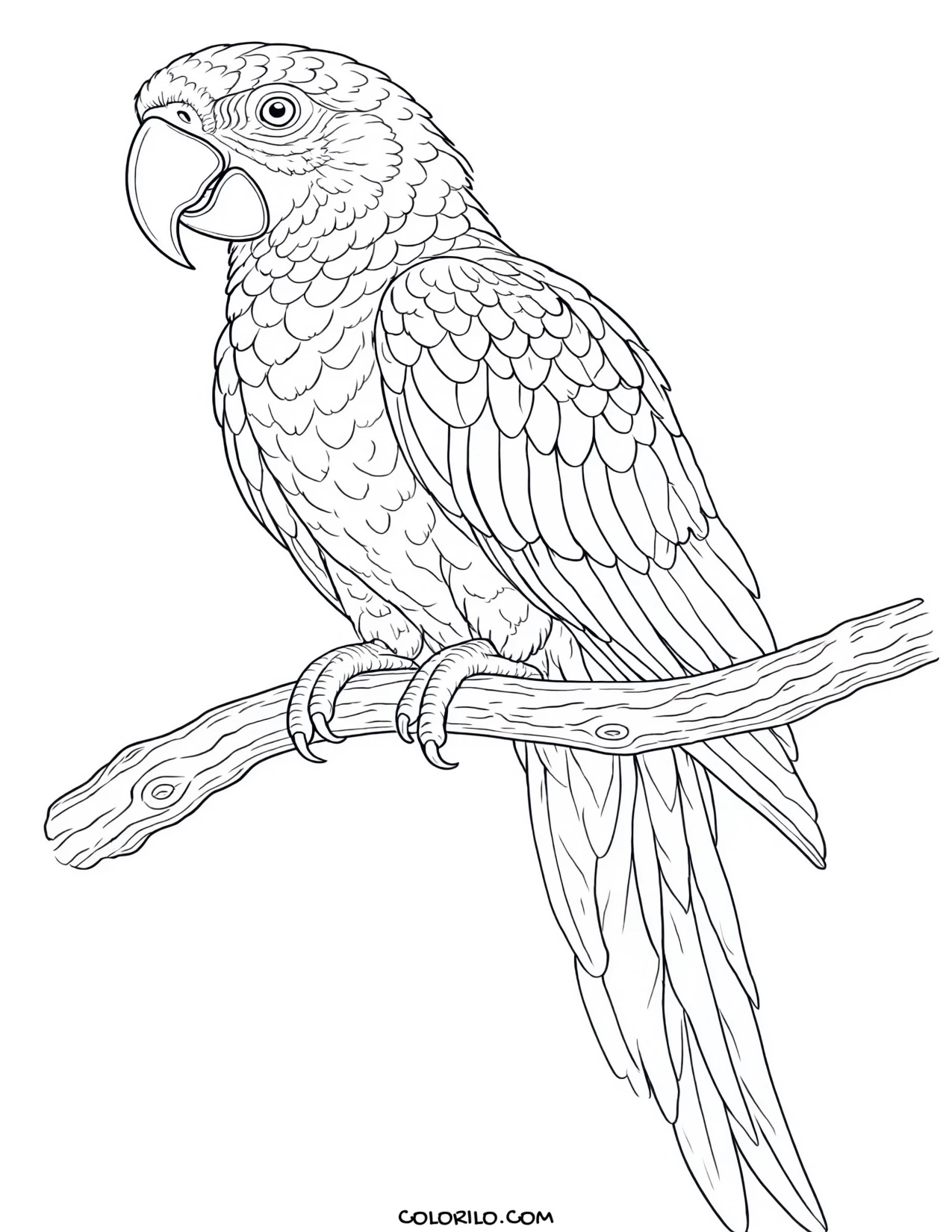
The tropical and pet birds are where the colour would be if there were any: scarlet macaw, keel-billed toucan, African grey parrot, sulphur-crested cockatoo, peach-faced lovebird, budgerigar, canary, zebra finch and the Indian peafowl. Alongside them sit the ruby-throated hummingbird and the indigo bunting.
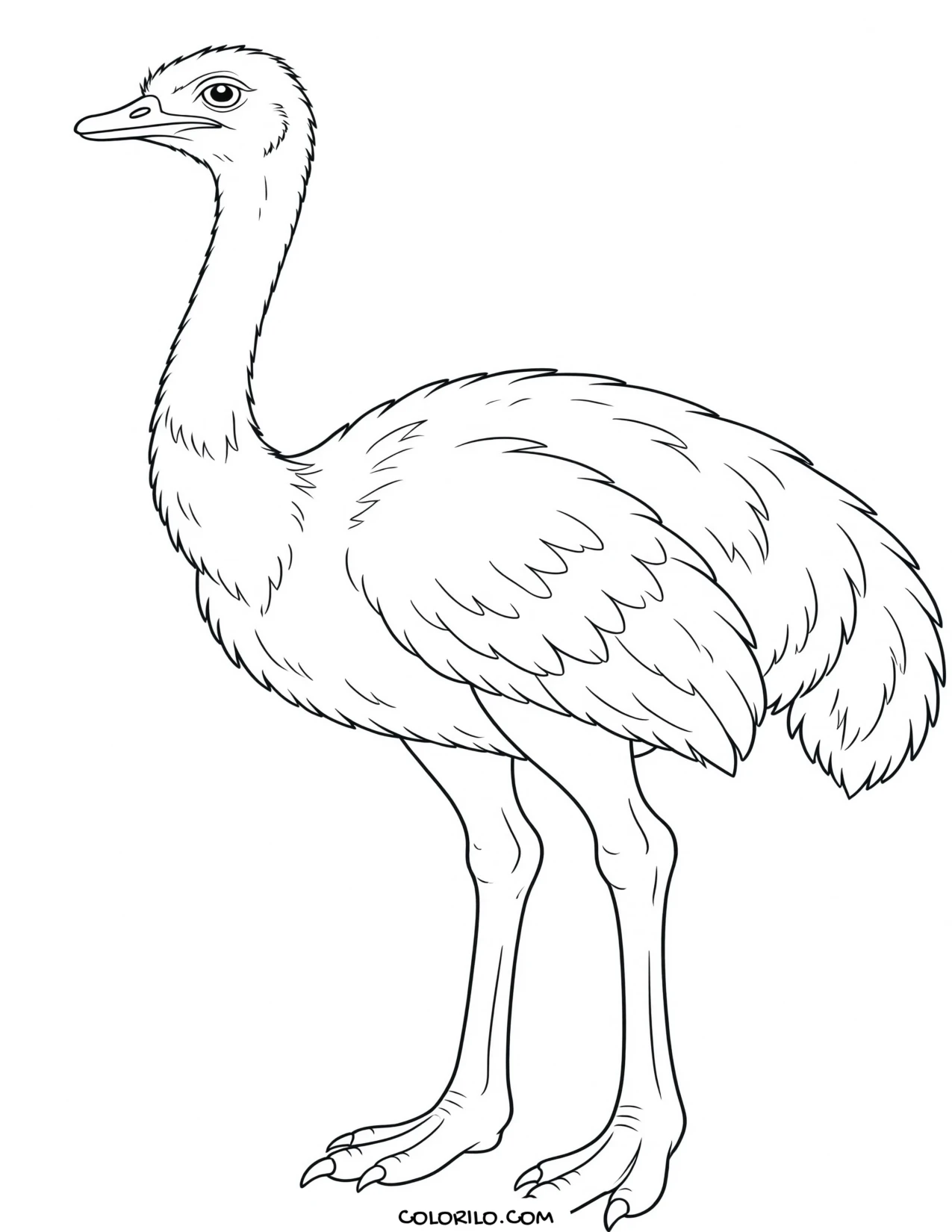
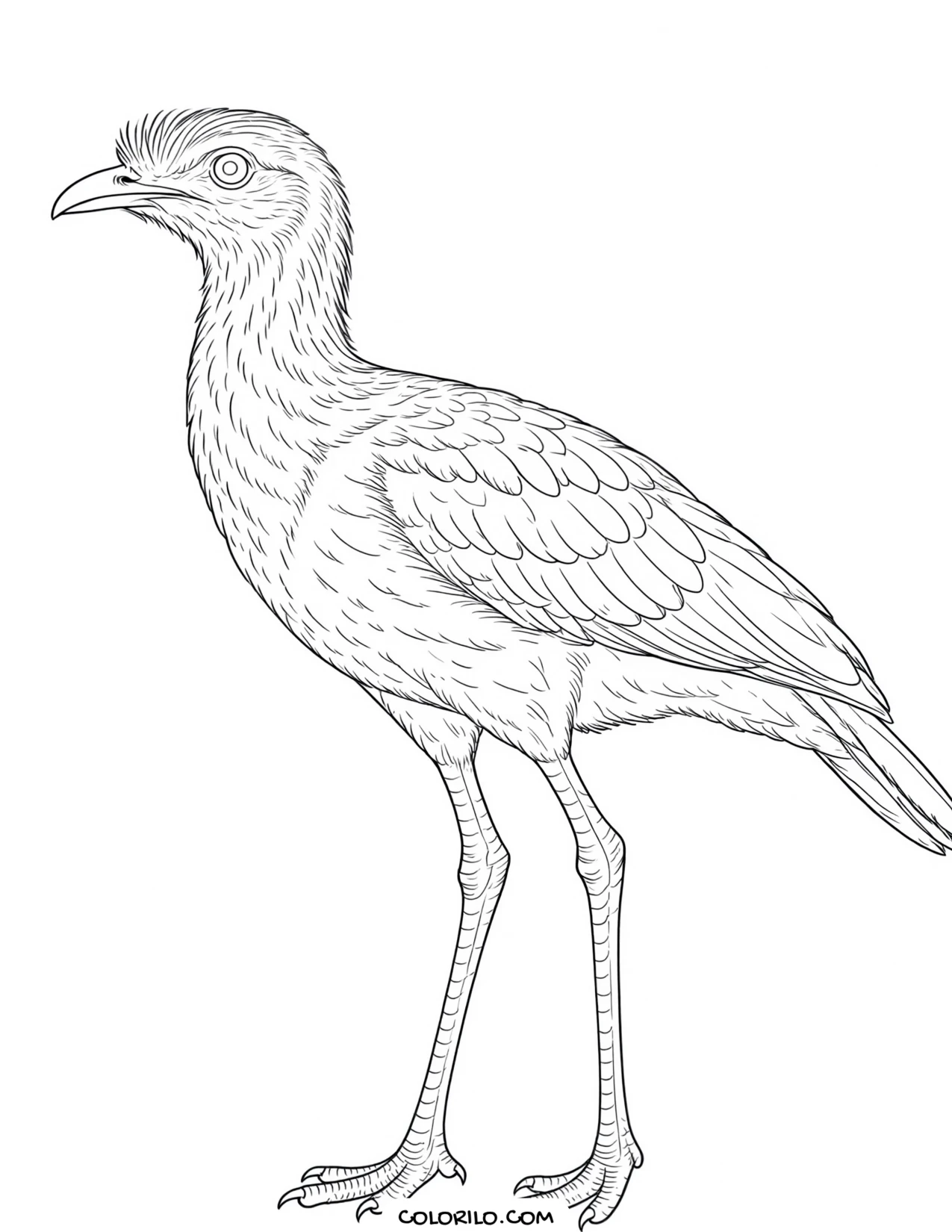
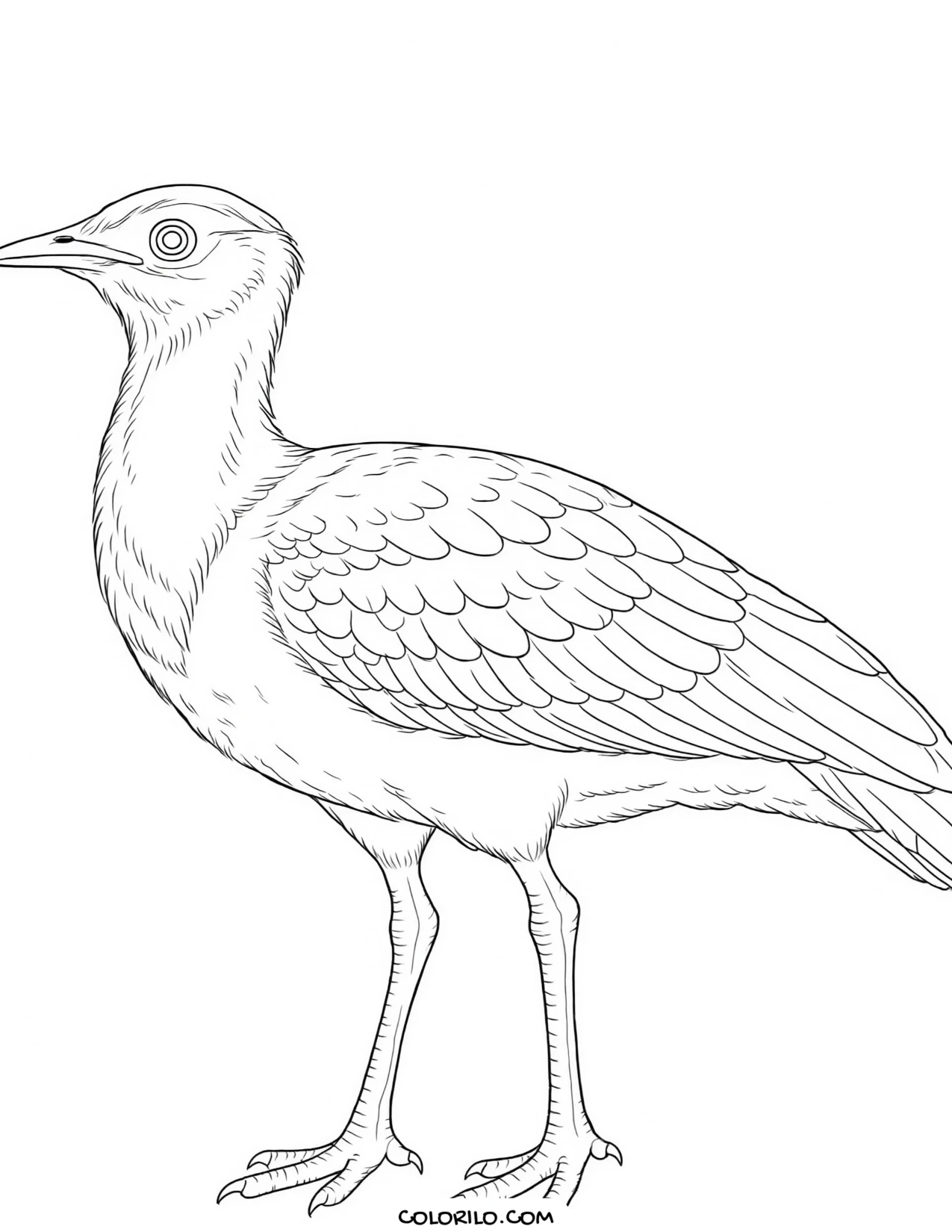
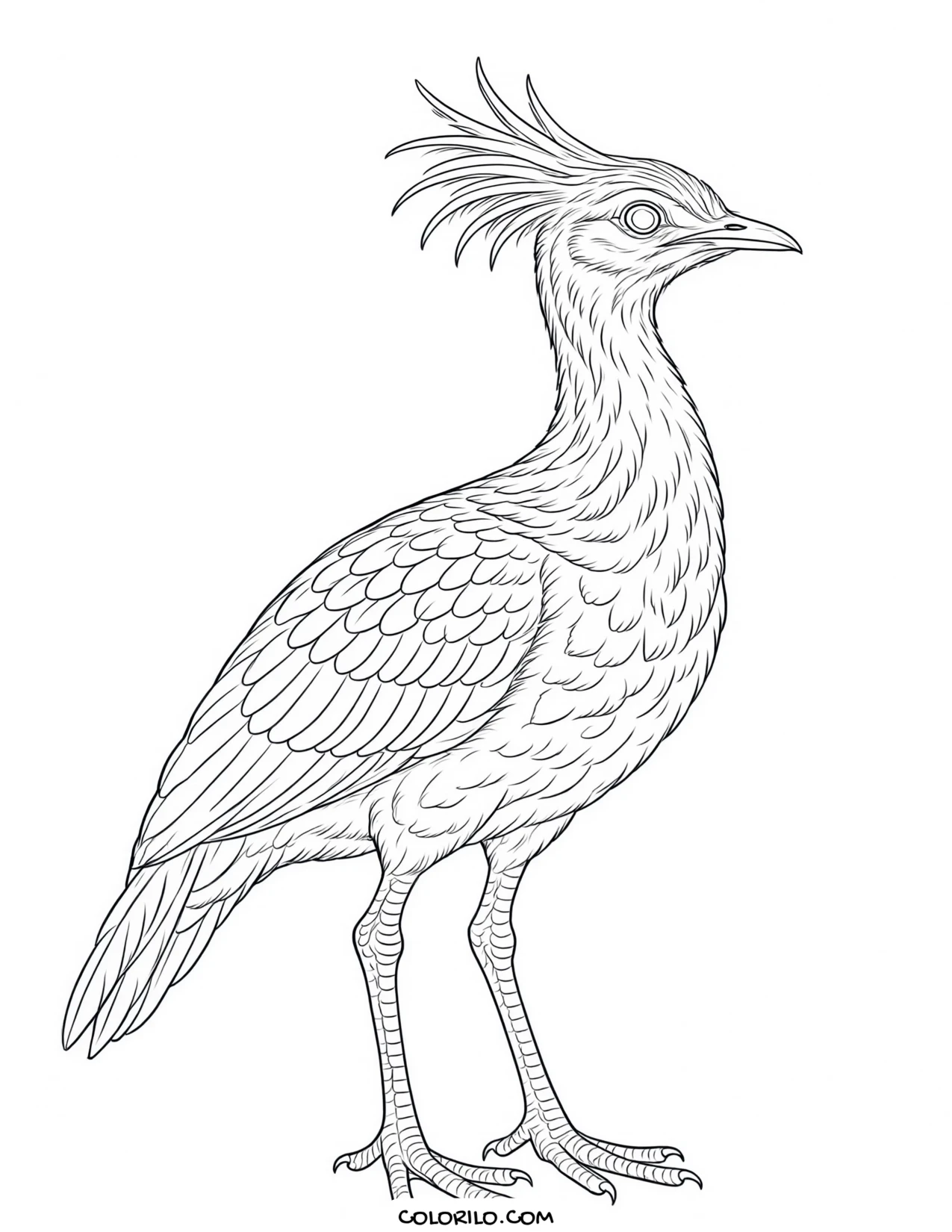
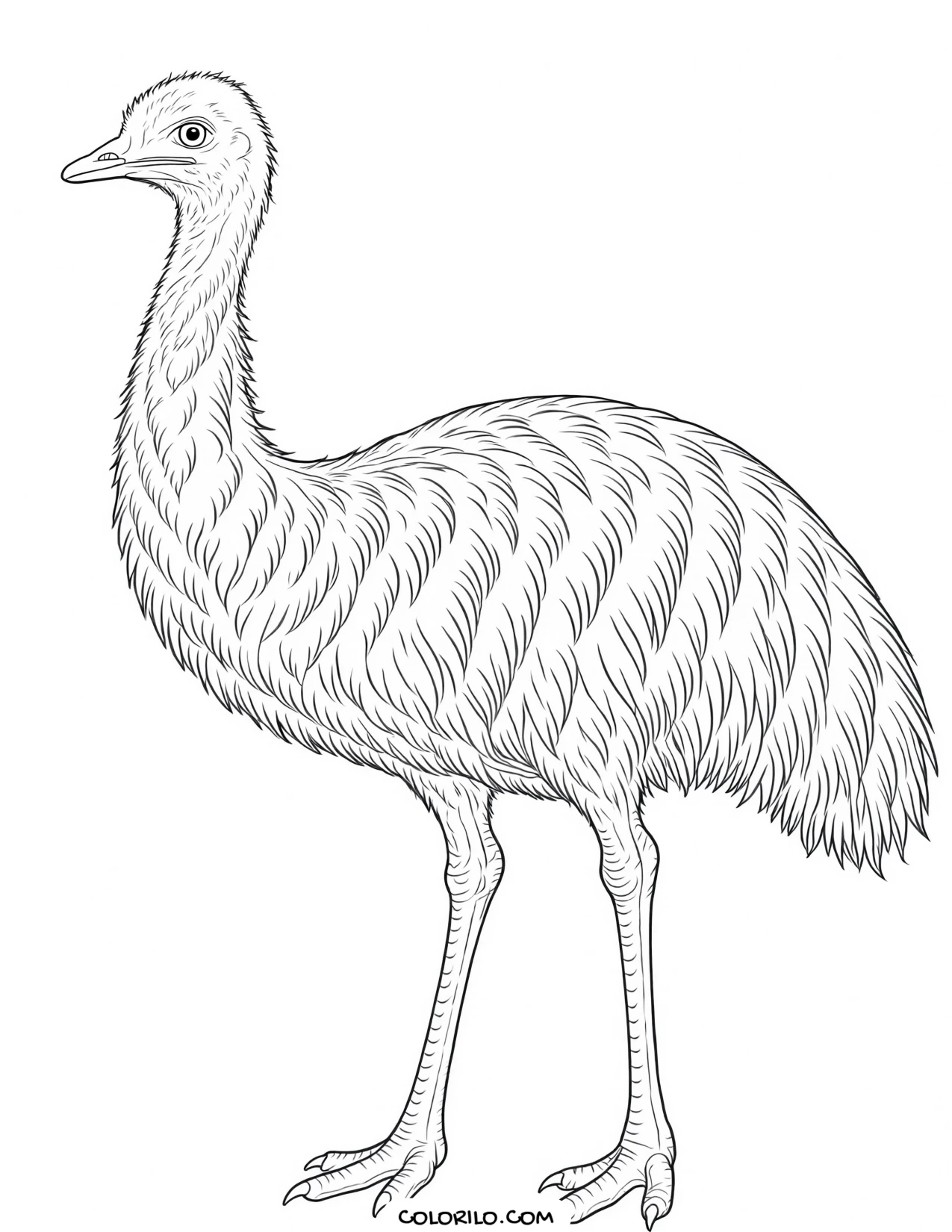
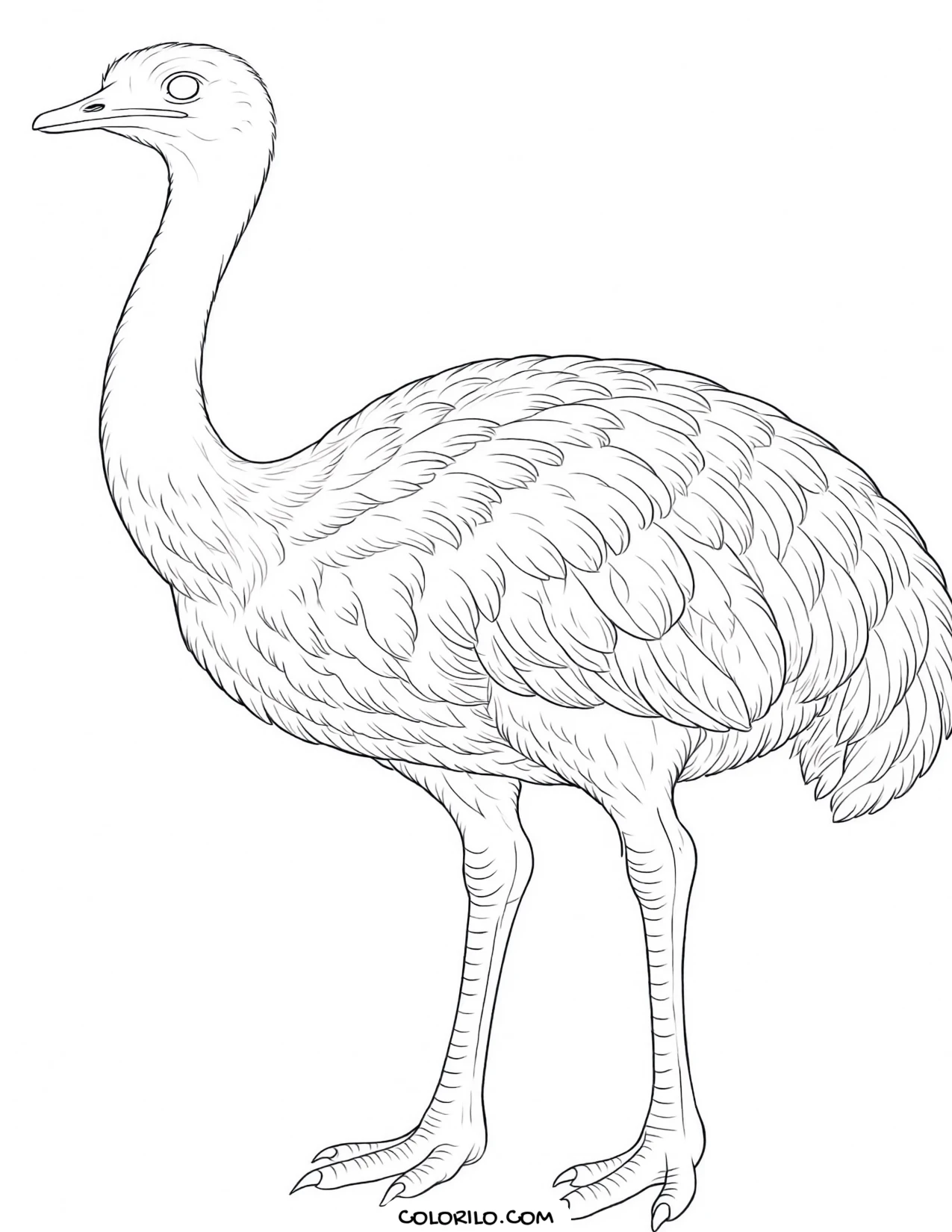
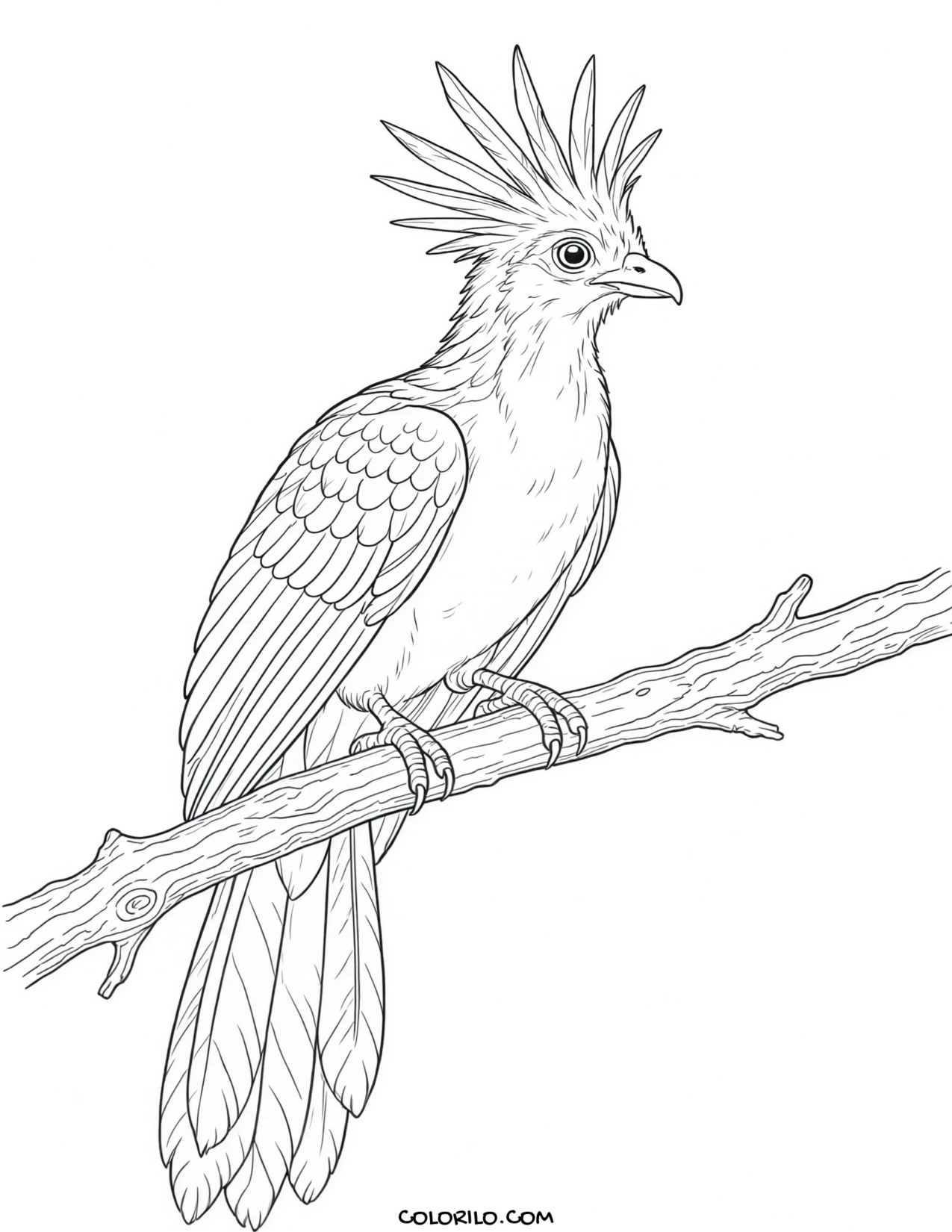
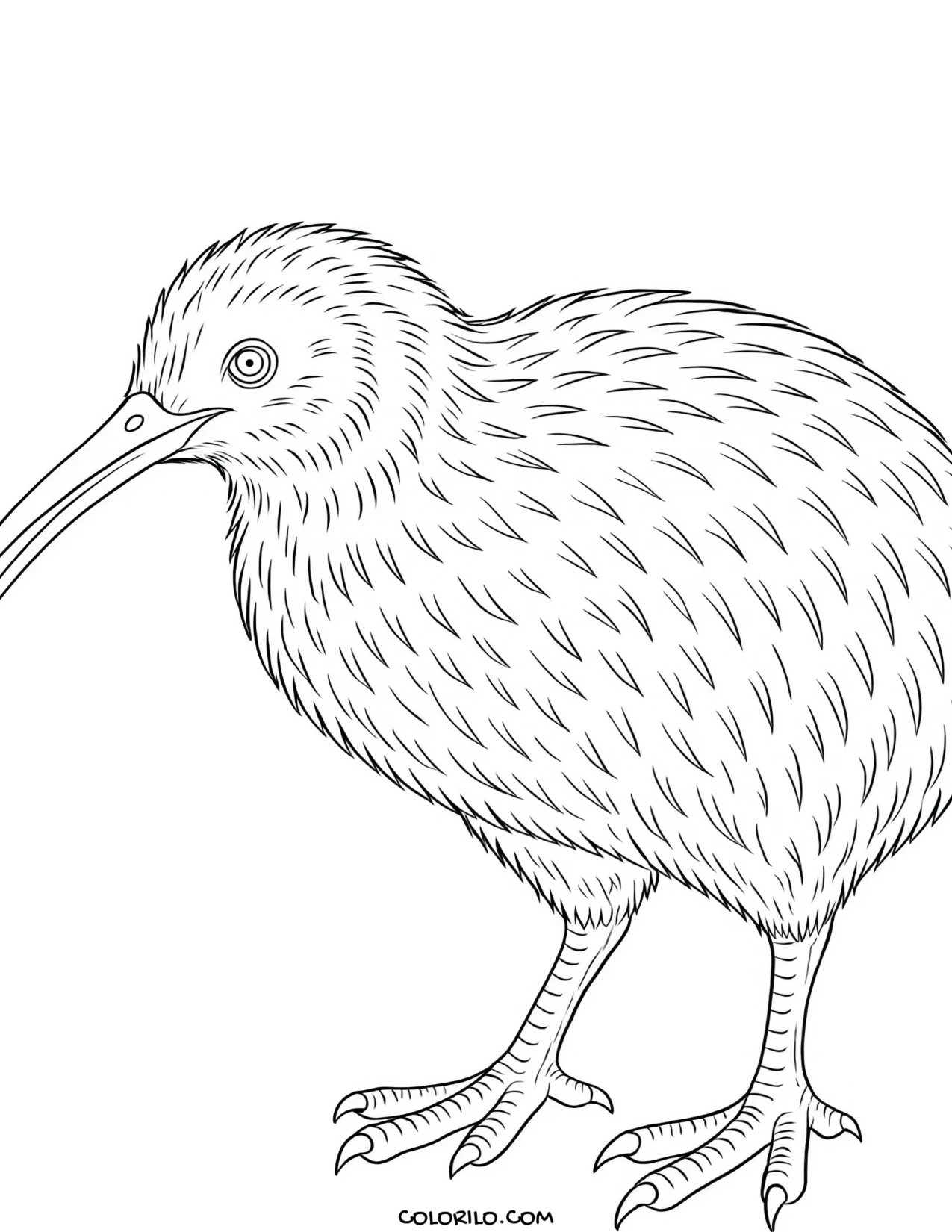
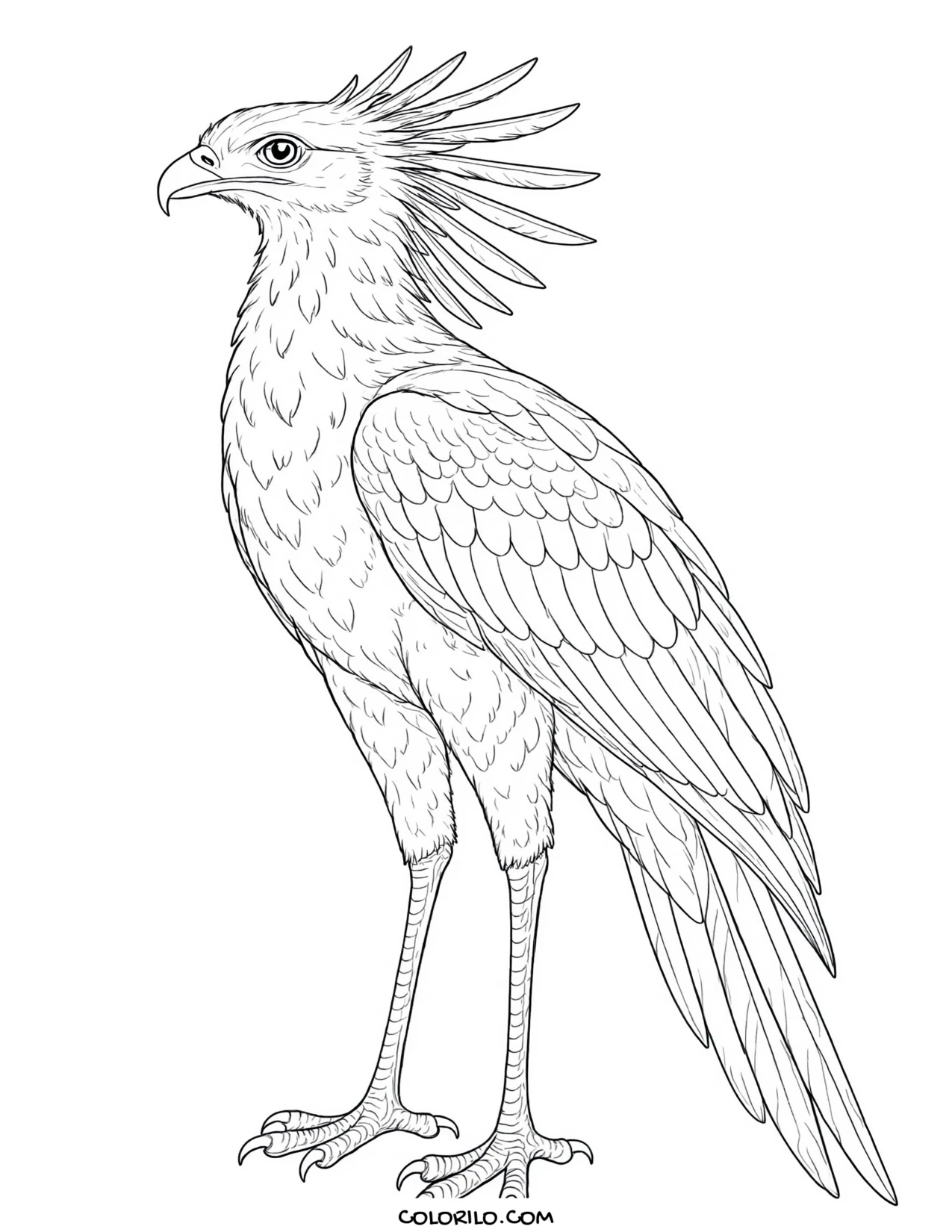
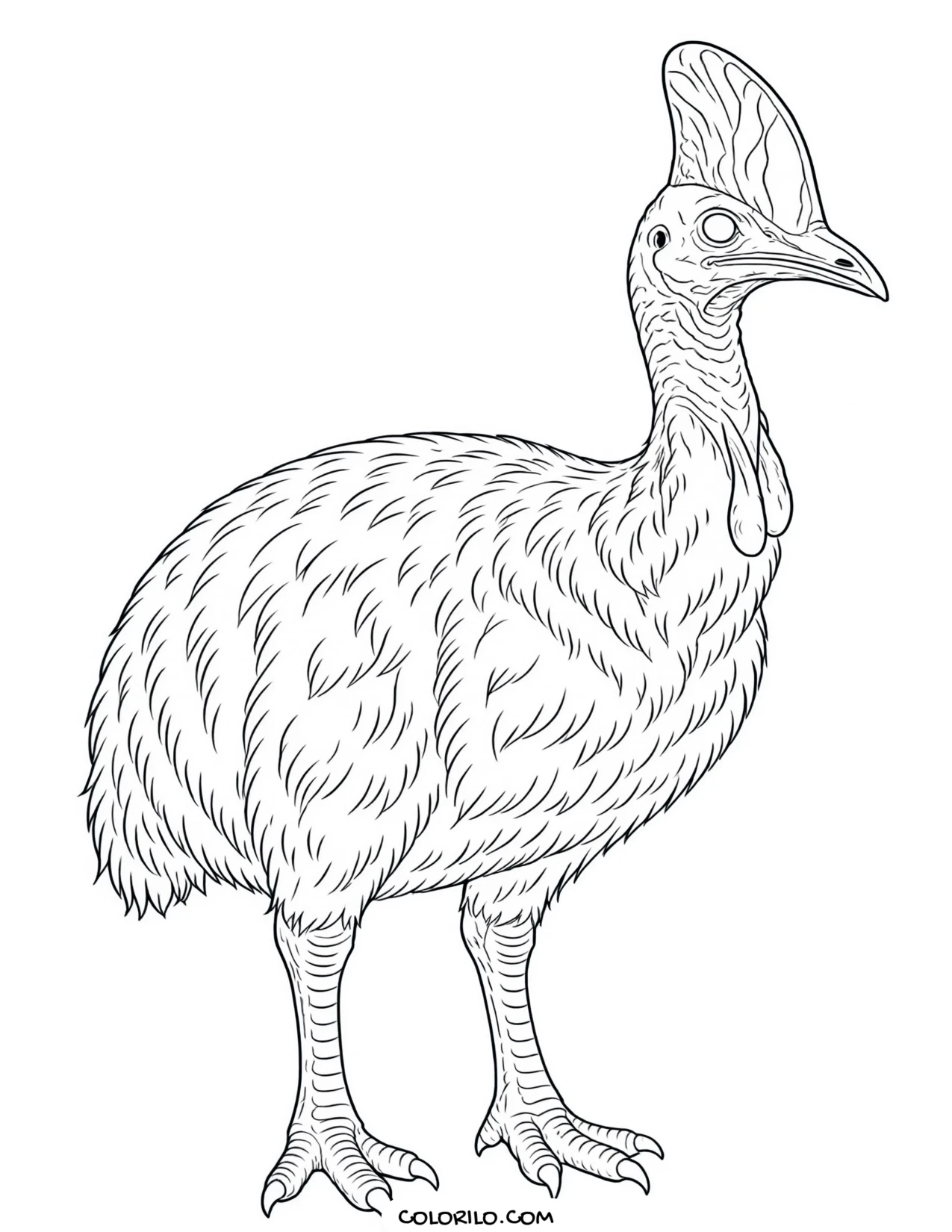
There is also a run of large flightless and unusual birds, ostrich, emu, greater rhea, southern cassowary, North Island kiwi, secretary bird, hoatzin and elegant crested tinamou, which are the ones most likely to be new even to someone who watches birds.
Every one of these bird coloring pages is free, prints on standard US letter paper, and needs no sign-up. Click any design below to open the full-size PDF.
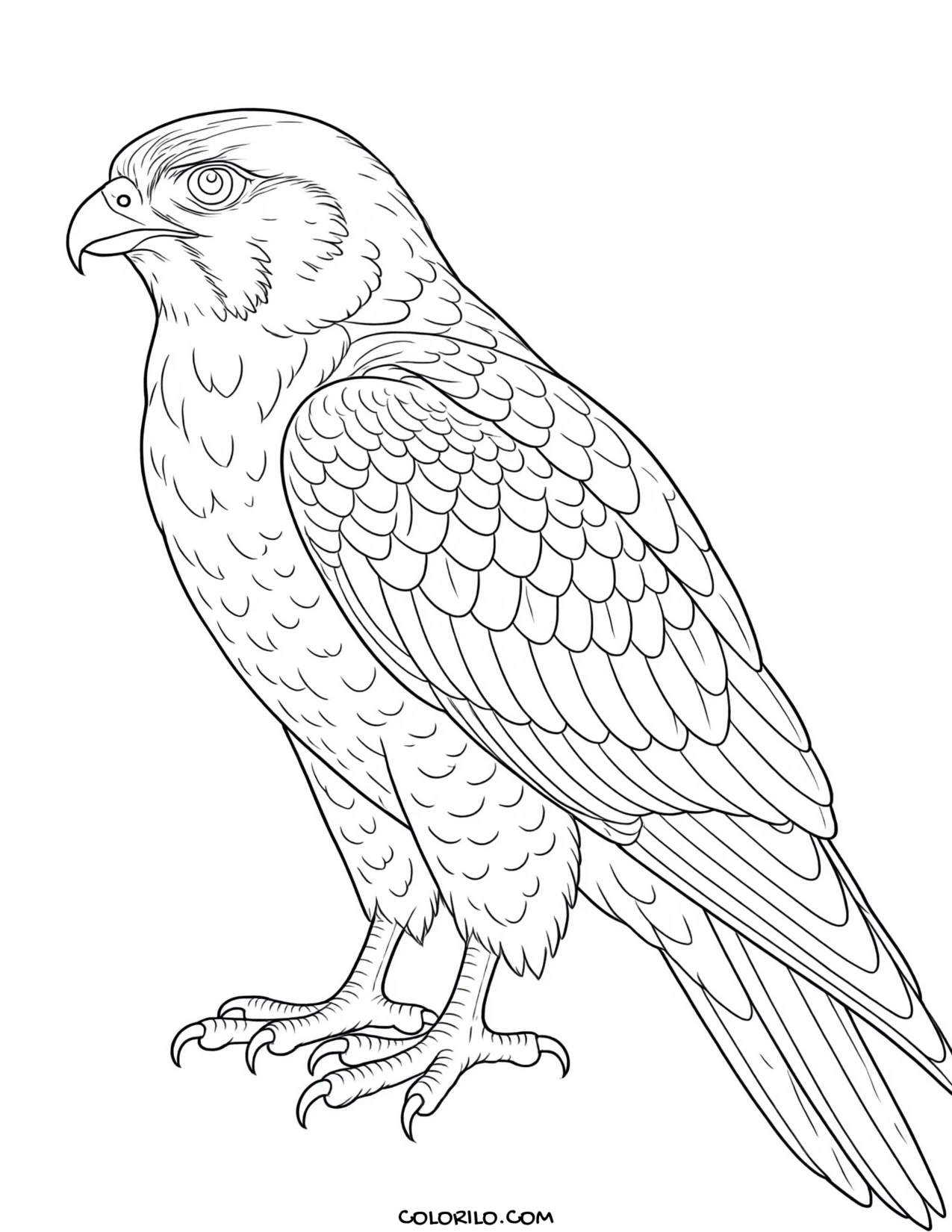
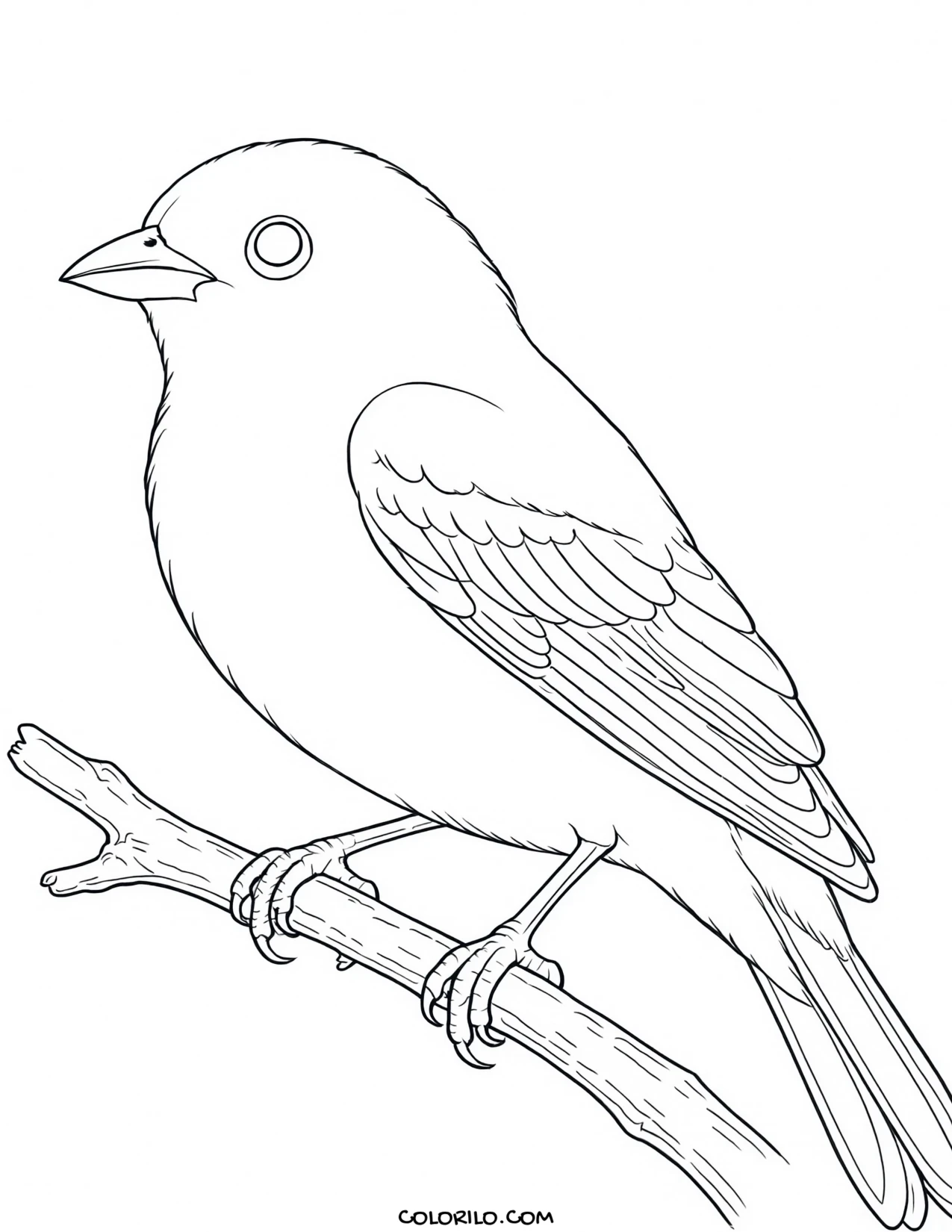
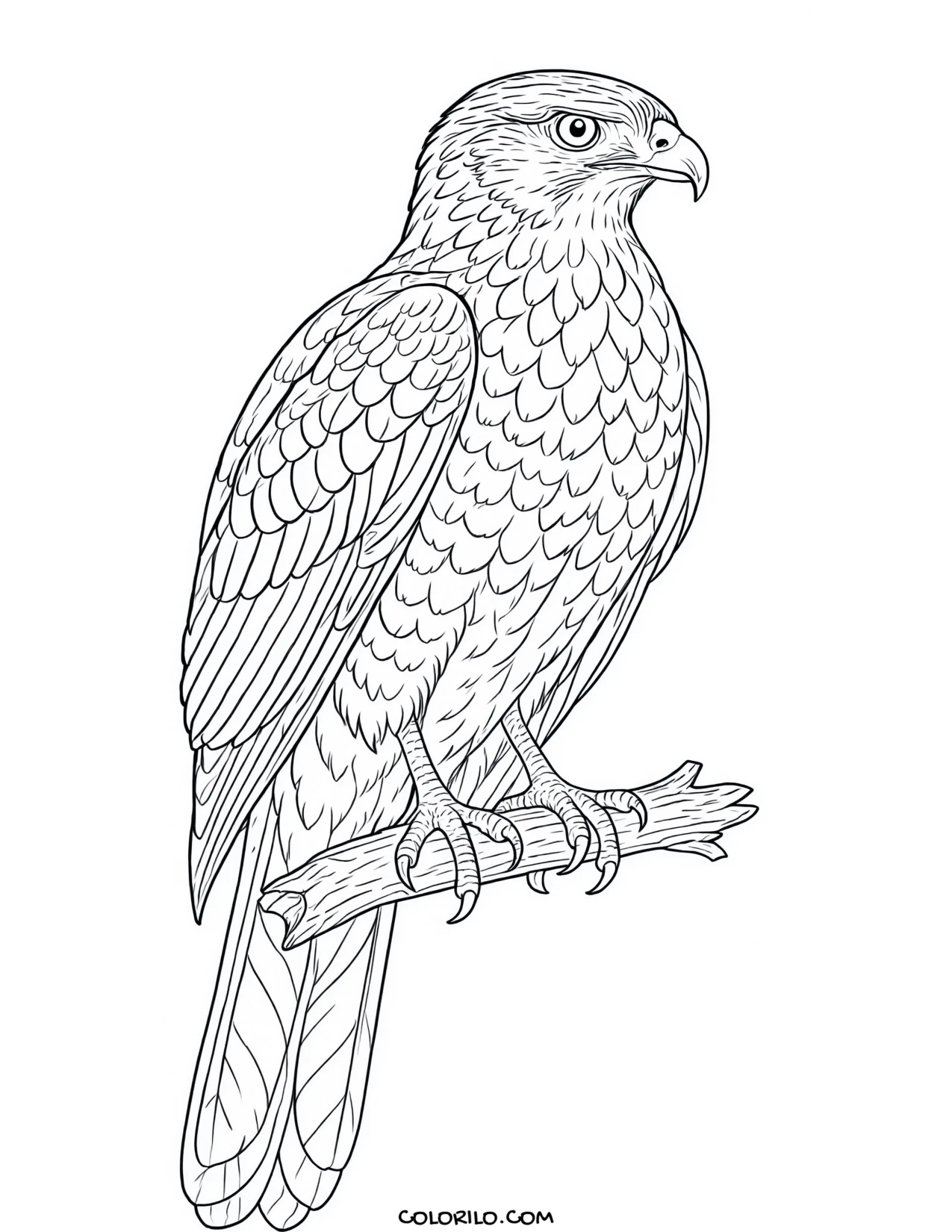
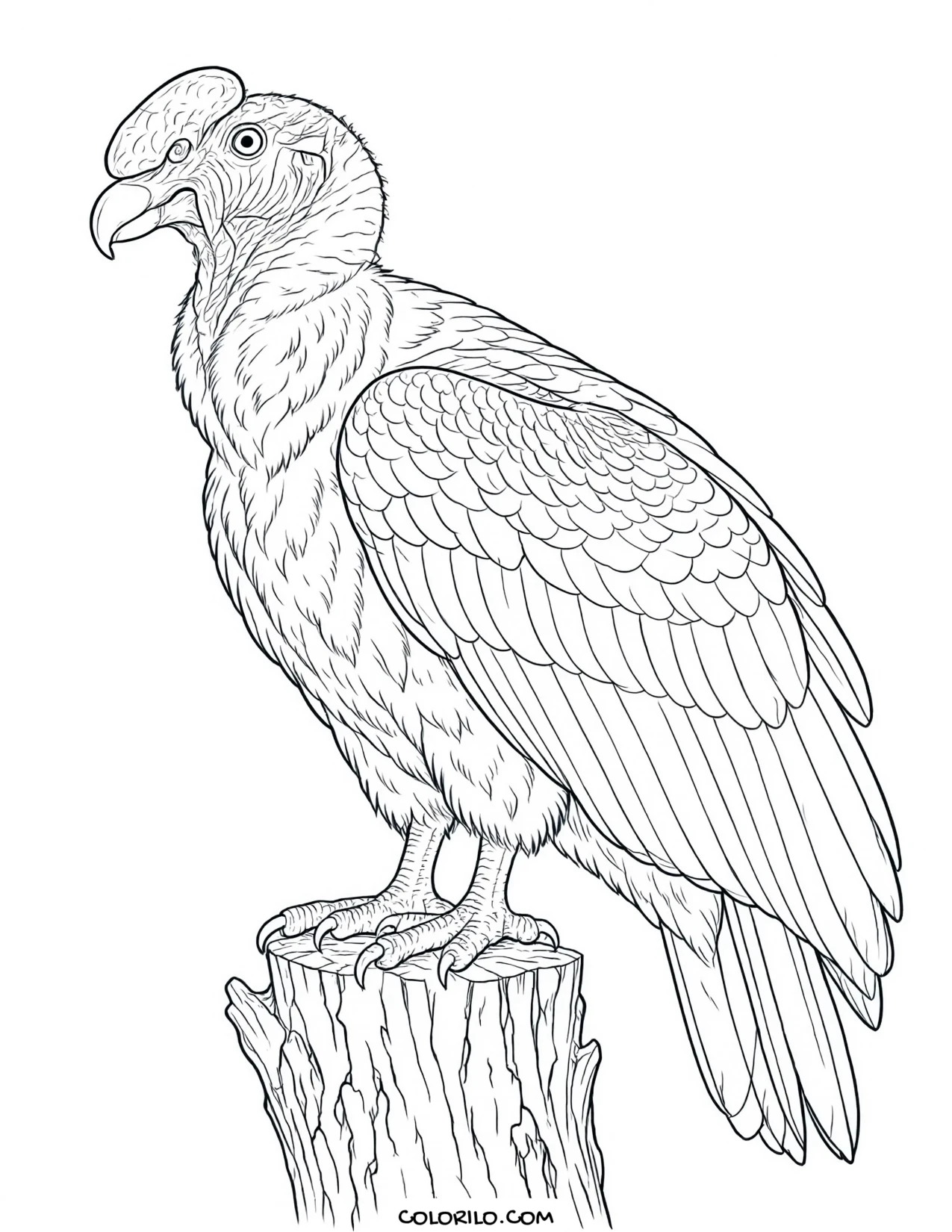
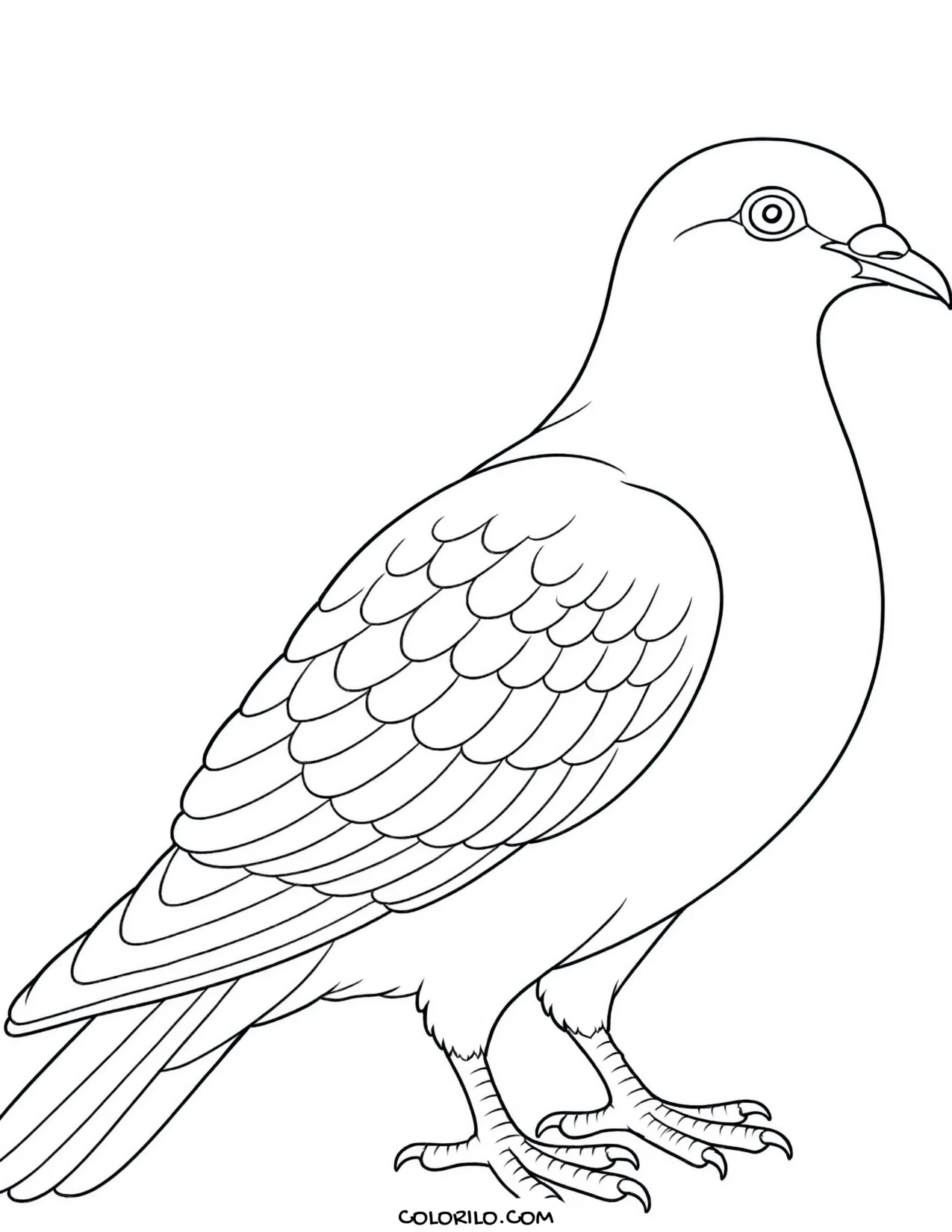
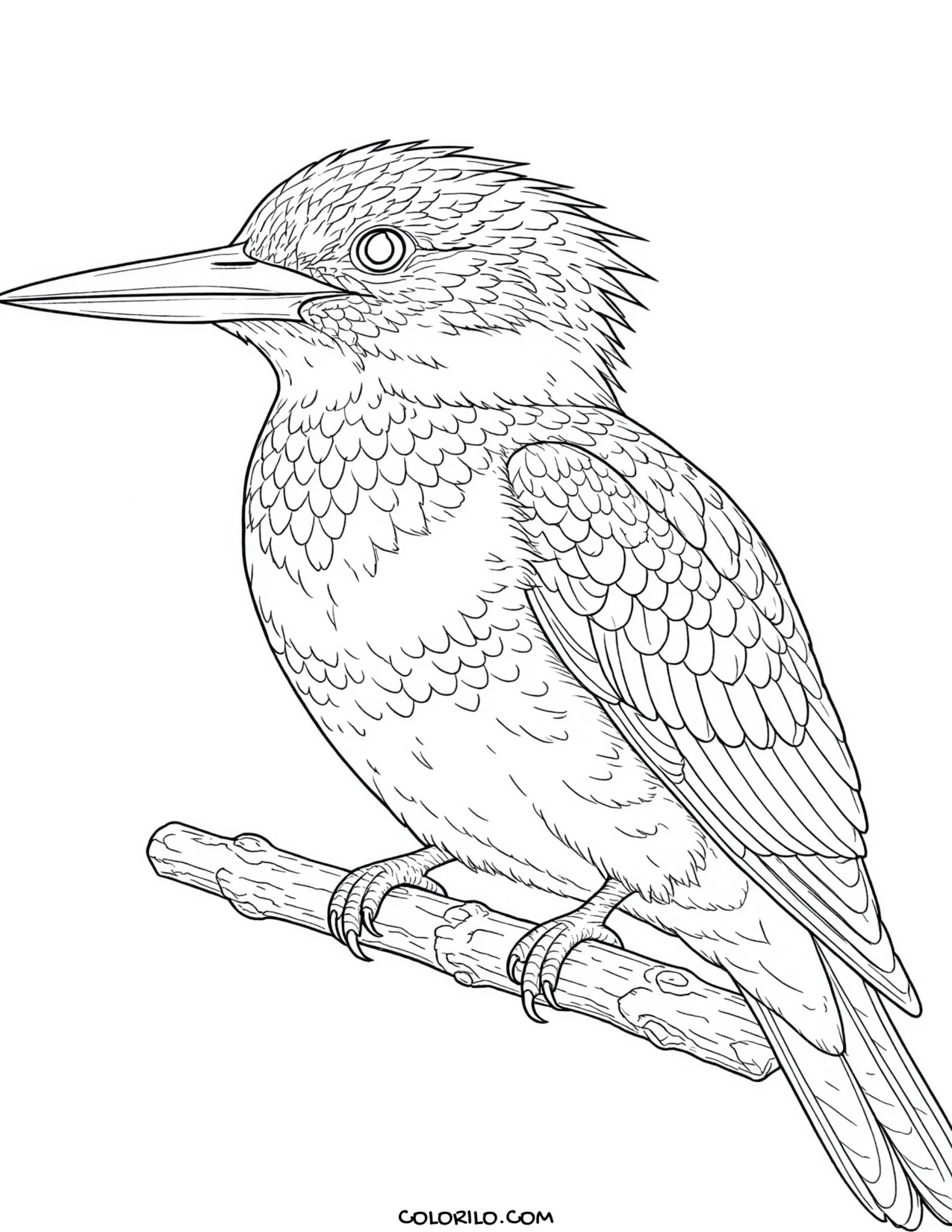
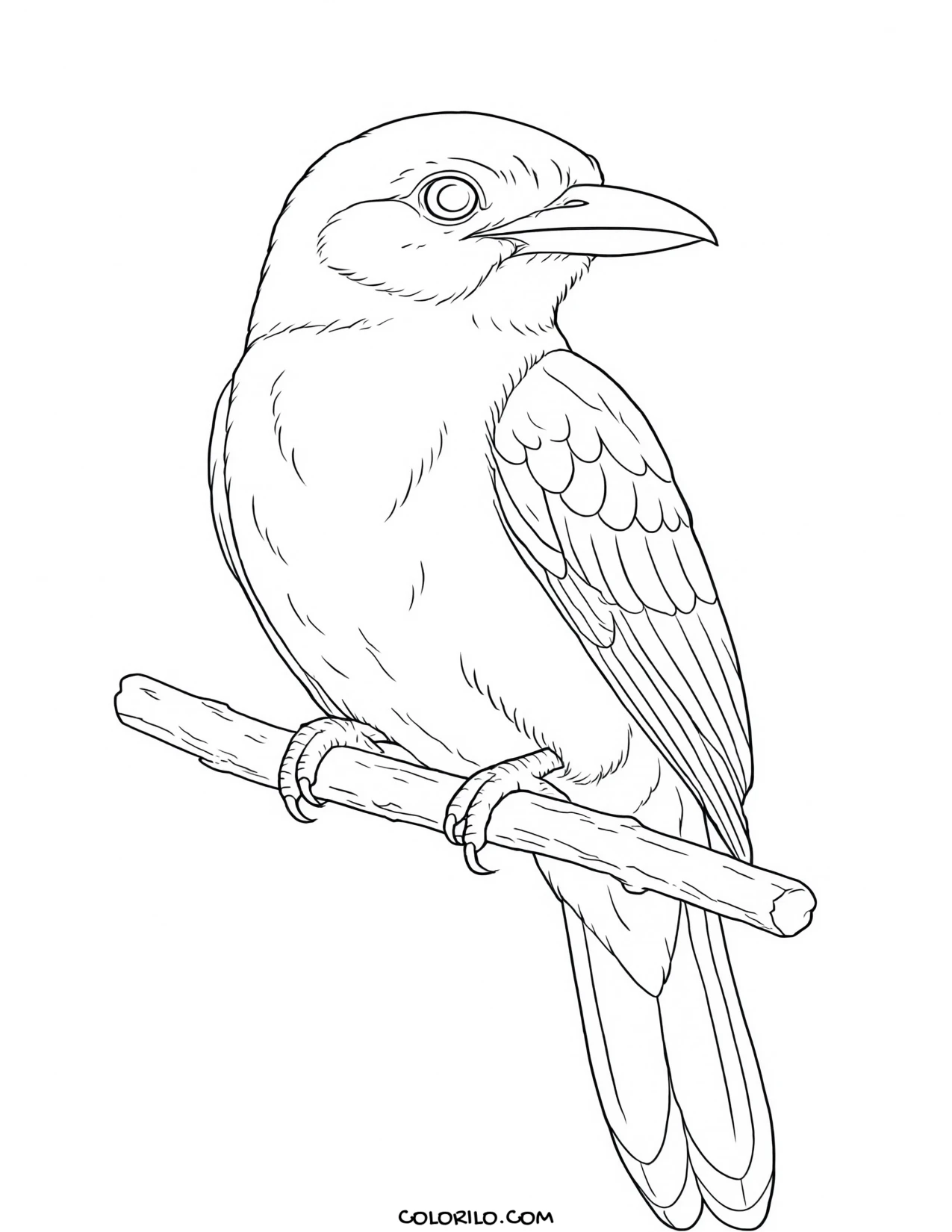
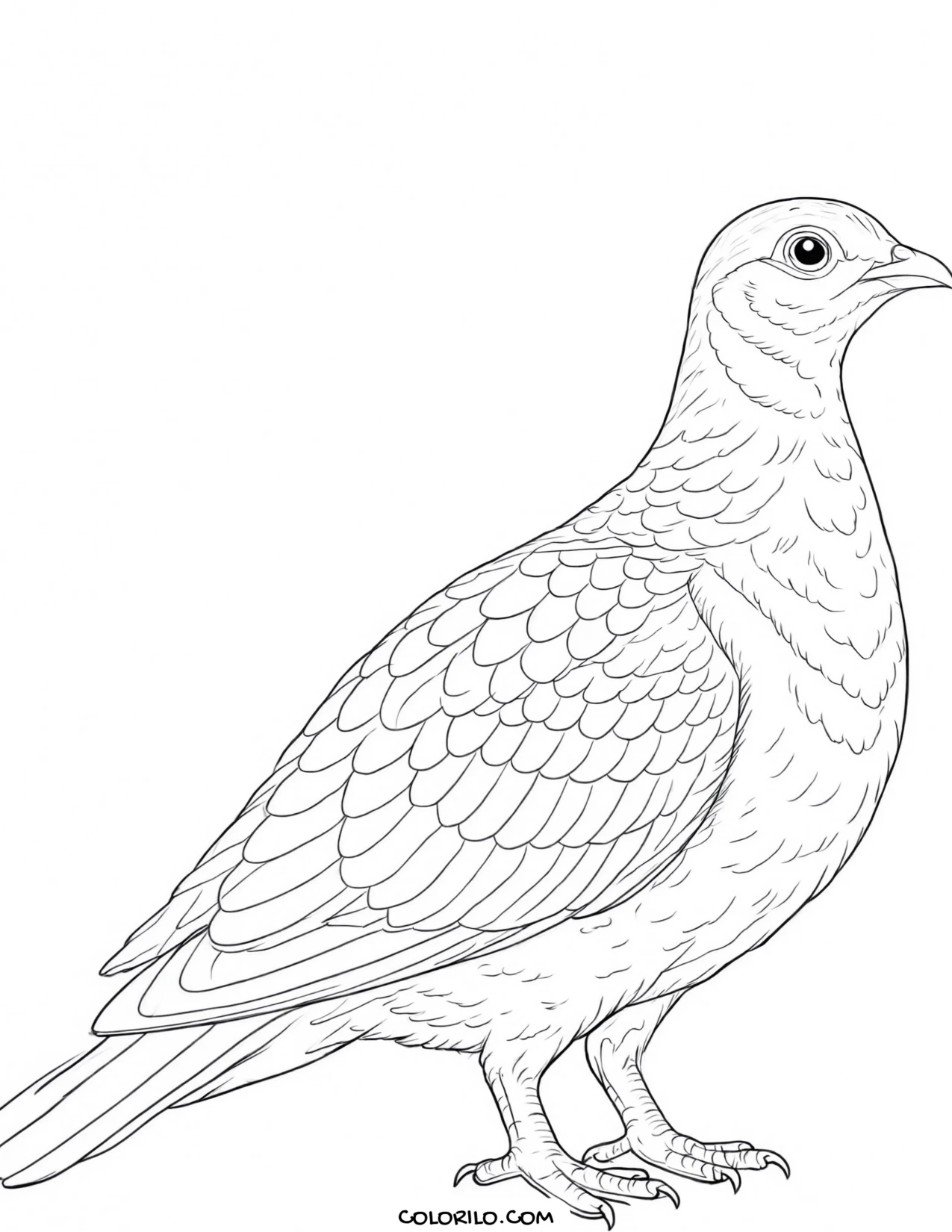
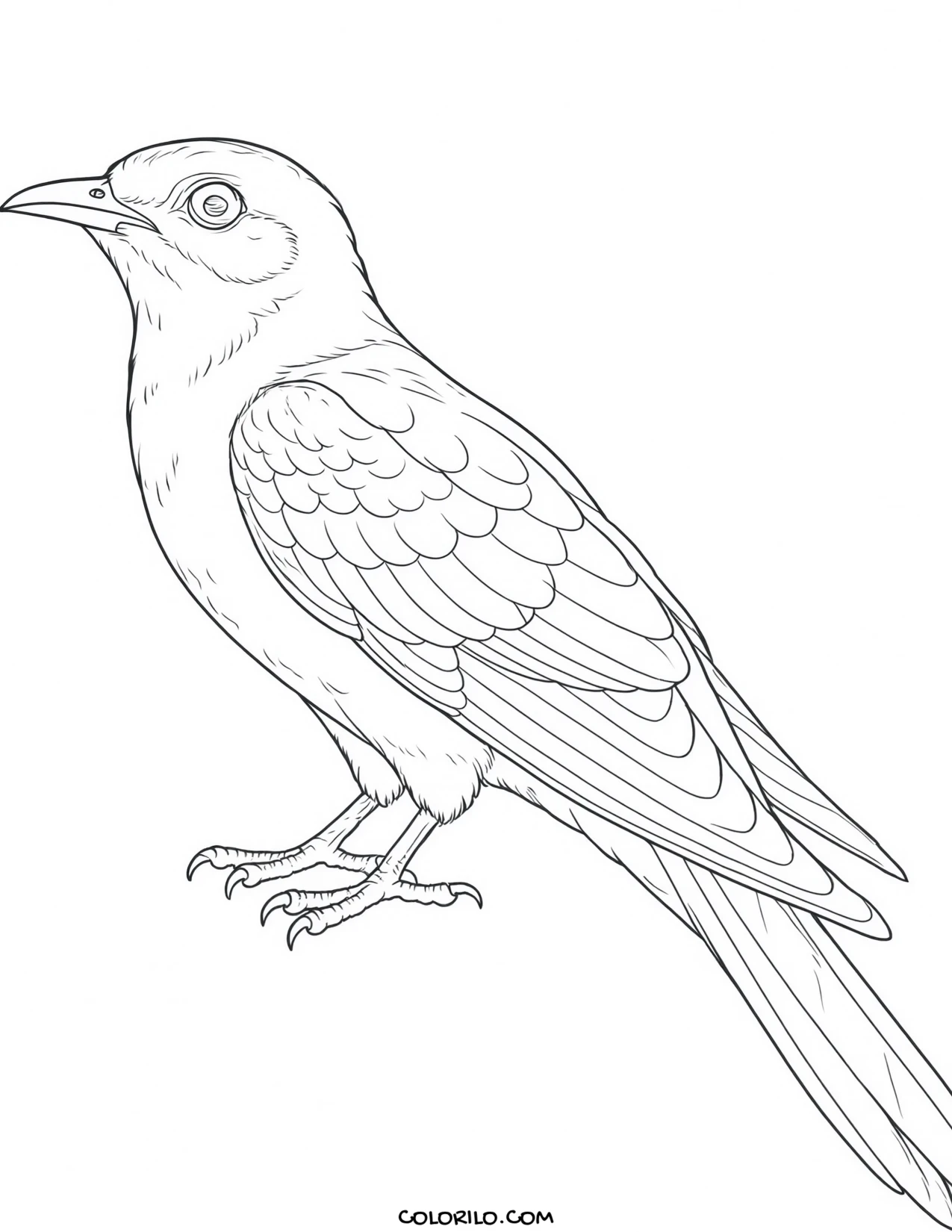
The Birds in This Collection
Garden birds
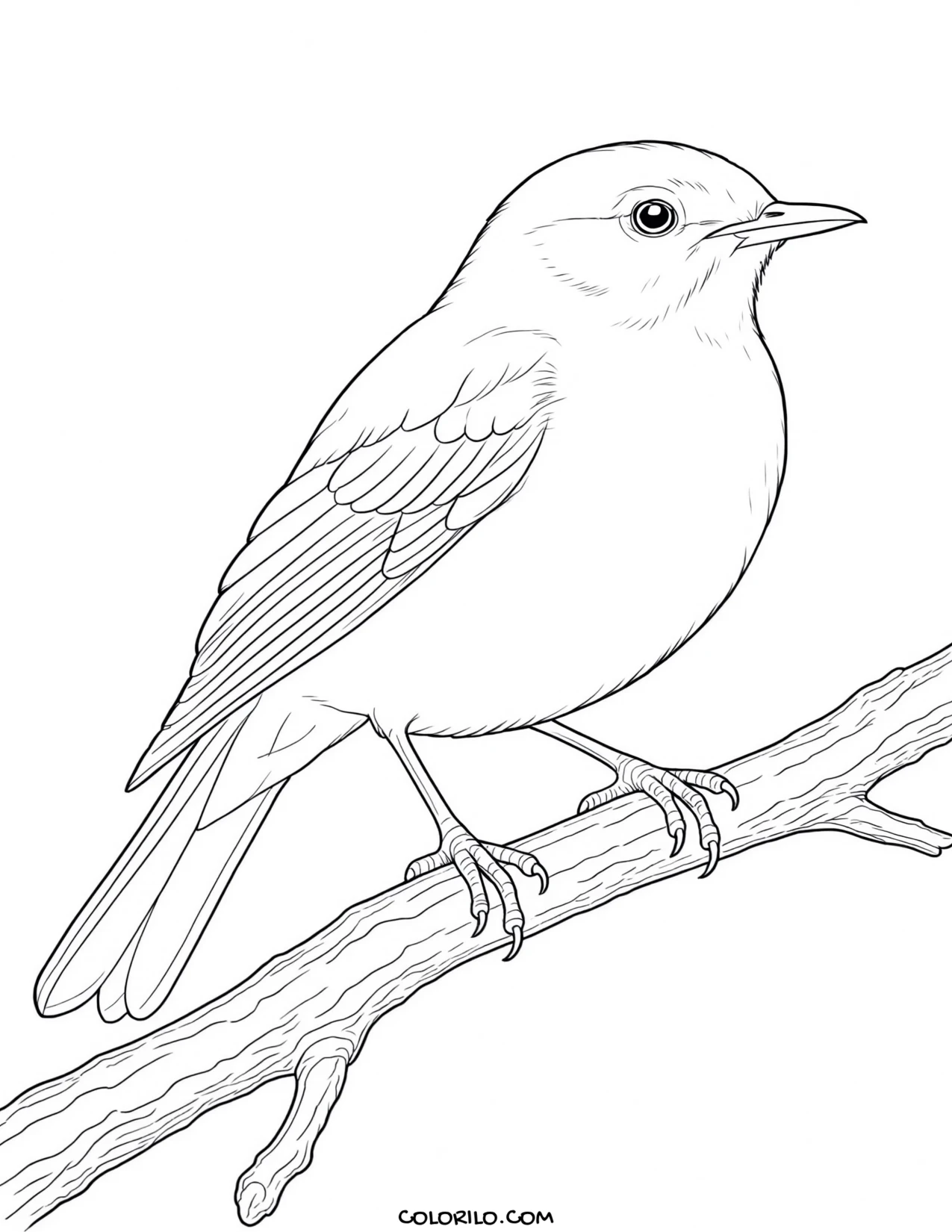
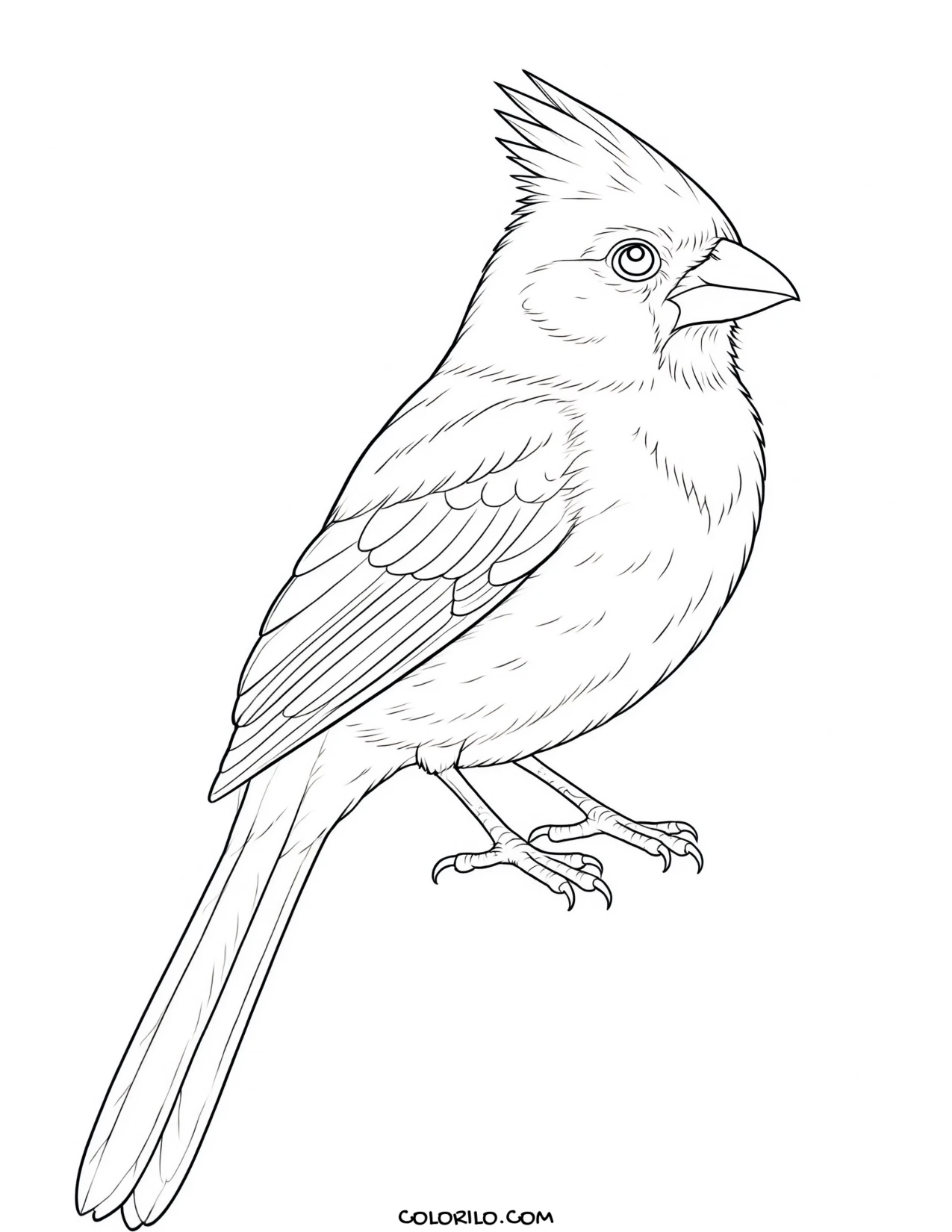
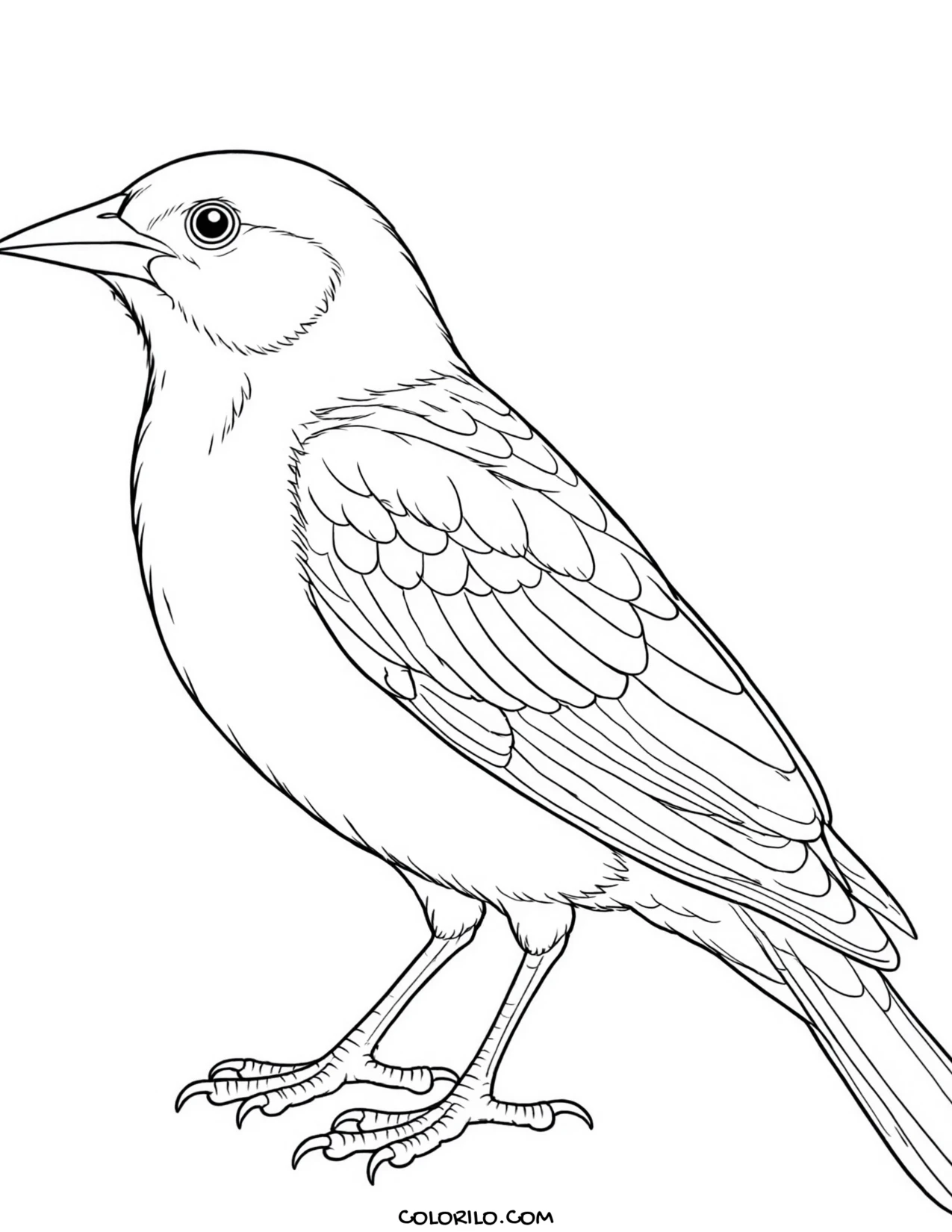
Around a dozen designs of the birds people actually see: robin, house sparrow, blue jay, northern cardinal, chickadee, goldfinch, wren, nuthatch, bluebird, mourning dove, starling and crow. The male northern cardinal is the bright red one; the female is a soft brown with red edges, and both are worth colouring.
Birds of prey
Bald eagle, red-tailed hawk, Cooper’s hawk, American kestrel, peregrine falcon, swallow-tailed kite, turkey vulture and California condor. The condor is the largest flying bird in North America with a wingspan close to three metres, and it came within 22 surviving individuals of extinction in the 1980s.
Owls
Barn owl and great horned owl. Owls fly almost silently because the leading edge of their flight feathers is fringed rather than smooth, which breaks up the air instead of letting it rush.
Water birds
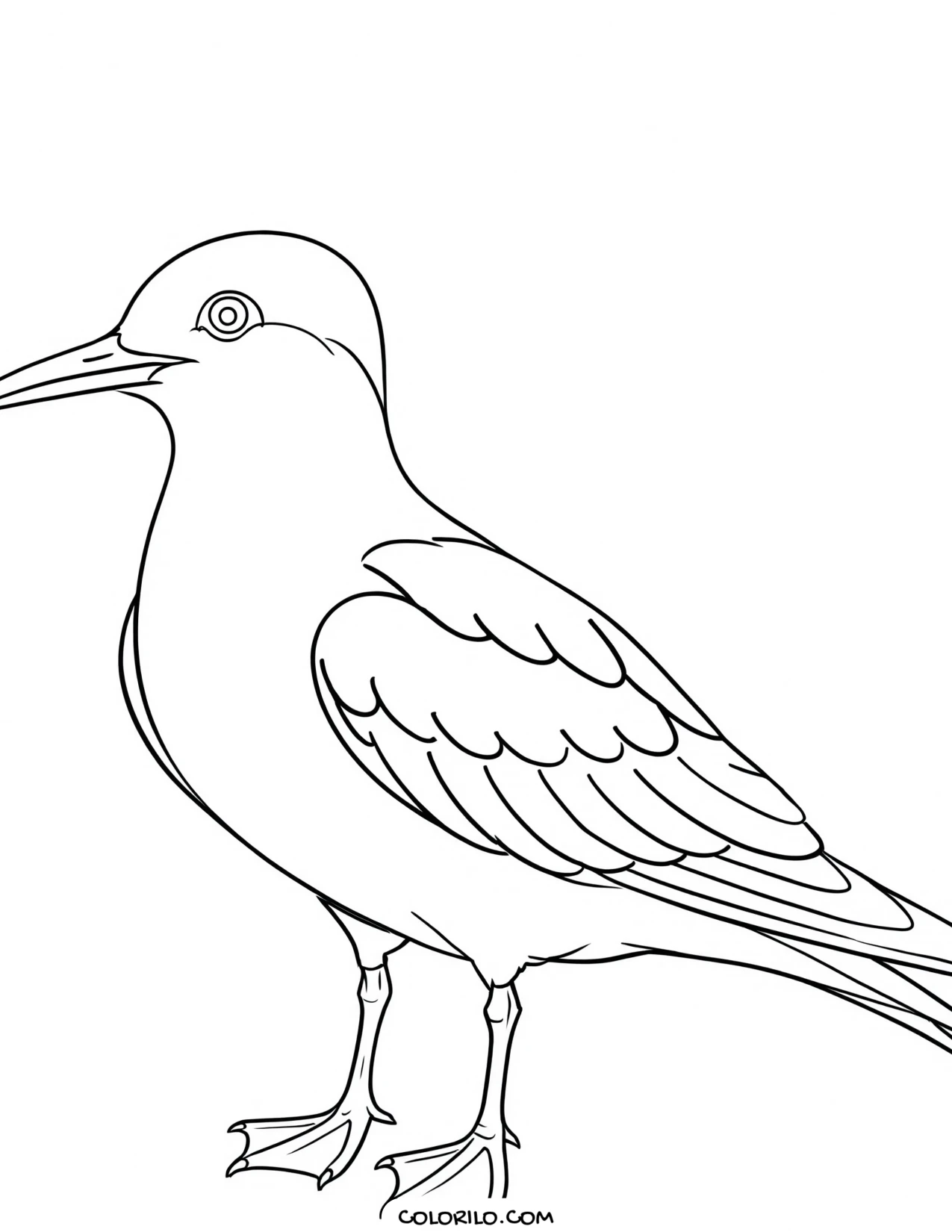
Mallard, wood duck, Canada goose, snow goose, mute swan, trumpeter swan, herring gull, common tern and American white pelican. The wood duck is among the most ornately marked birds in North America and rewards a careful hand.
Waders and long-legged birds
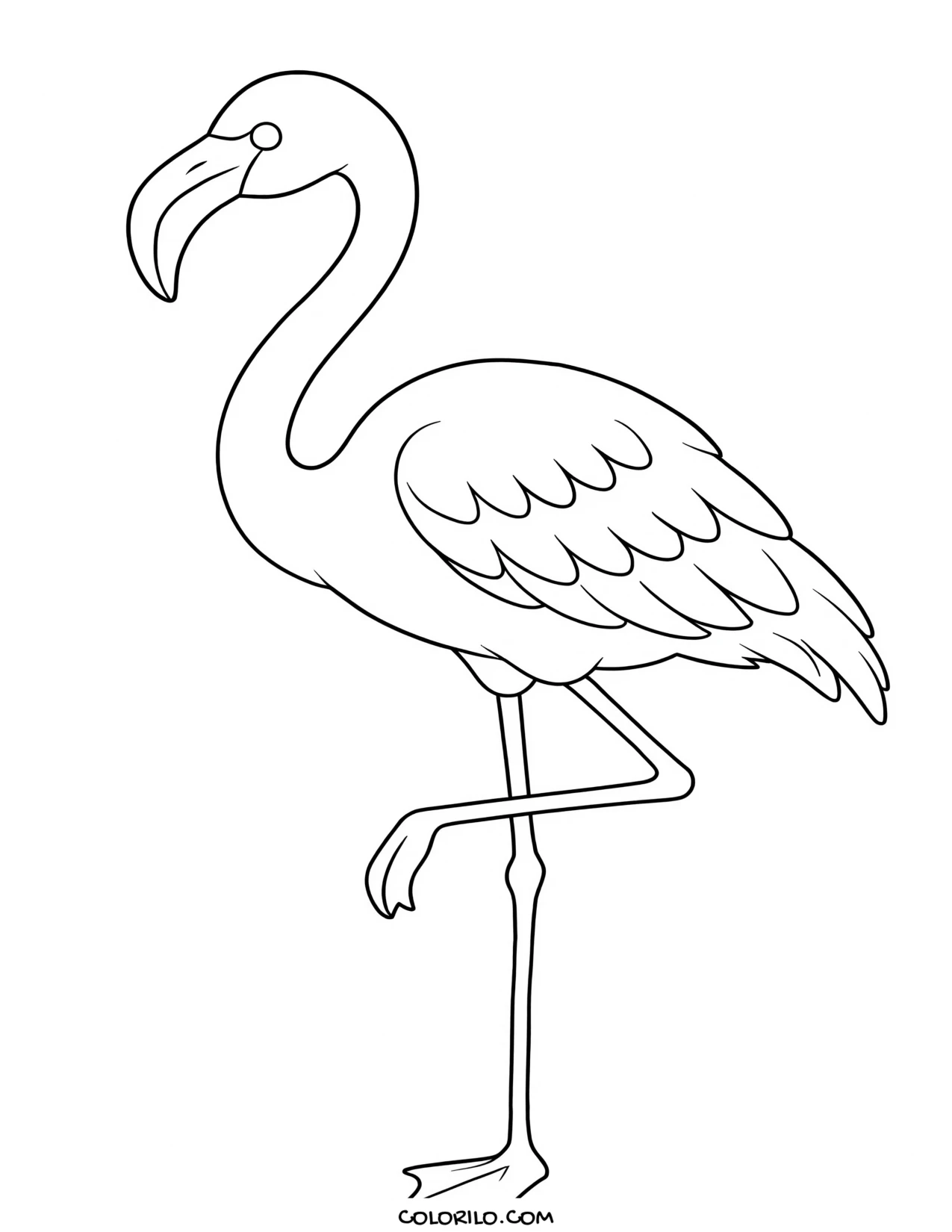
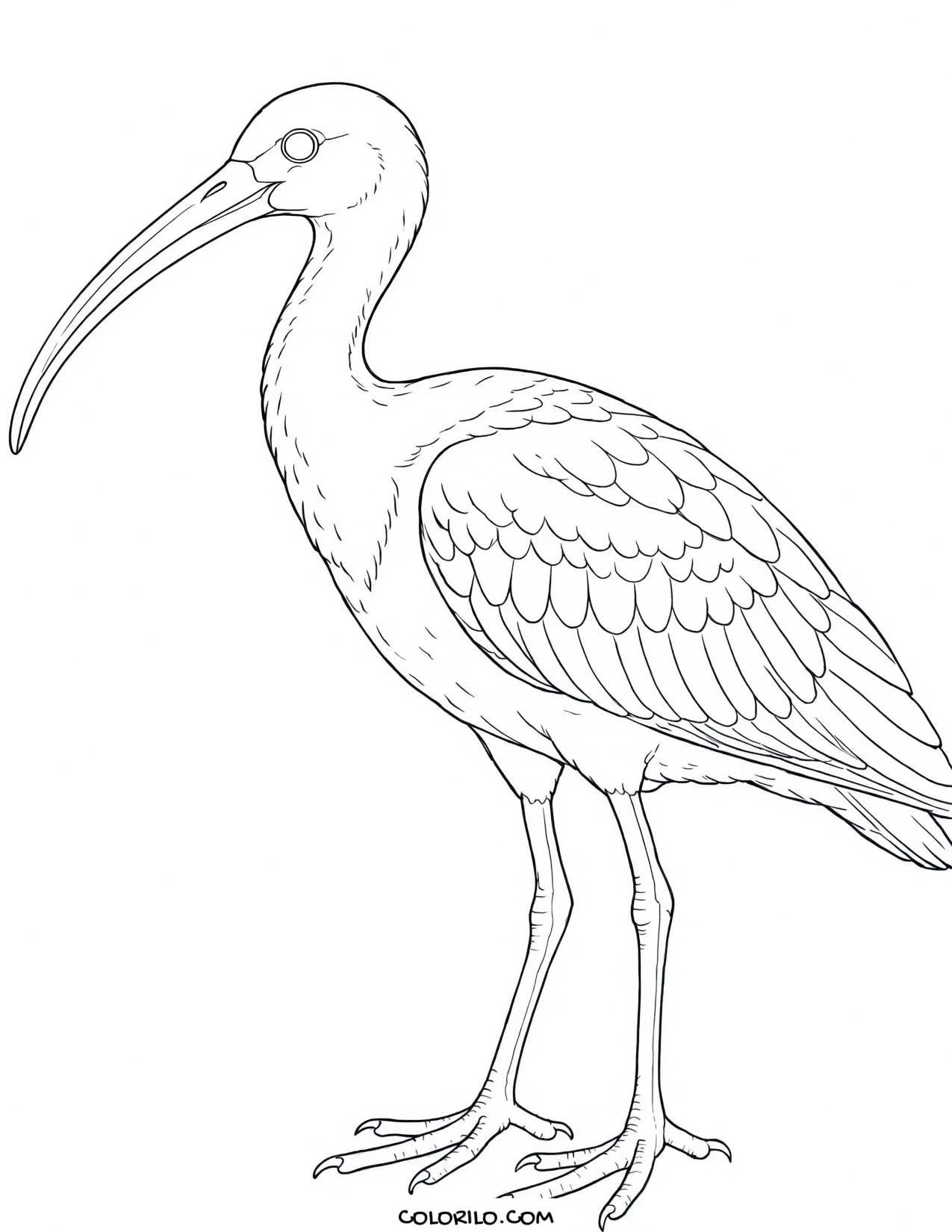
Great blue heron, snowy egret, sandhill crane, white stork, roseate spoonbill and scarlet ibis. The spoonbill and the ibis get their pink and red from what they eat, exactly as flamingos do, a chick of either is grey.
Tropical and pet birds
Scarlet macaw, keel-billed toucan, African grey parrot, sulphur-crested cockatoo, peach-faced lovebird, budgerigar, canary and zebra finch. The African grey is generally reckoned the most capable talker of any bird, and some have vocabularies of several hundred words.
Hummingbird, peafowl and the small brilliant ones
Ruby-throated hummingbird, indigo bunting, Baltimore oriole, scarlet tanager, yellow warbler and the Indian peafowl. A hummingbird’s wings beat around 50 times a second, and it is the only bird that can fly backwards.
Flightless and unusual birds
Ostrich, emu, greater rhea, southern cassowary, North Island kiwi, secretary bird, hoatzin and elegant crested tinamou. The cassowary has a helmet of hard keratin on its head and is often called the most dangerous bird in the world; the kiwi lays an egg about a fifth of its own body weight.
Game and ground birds
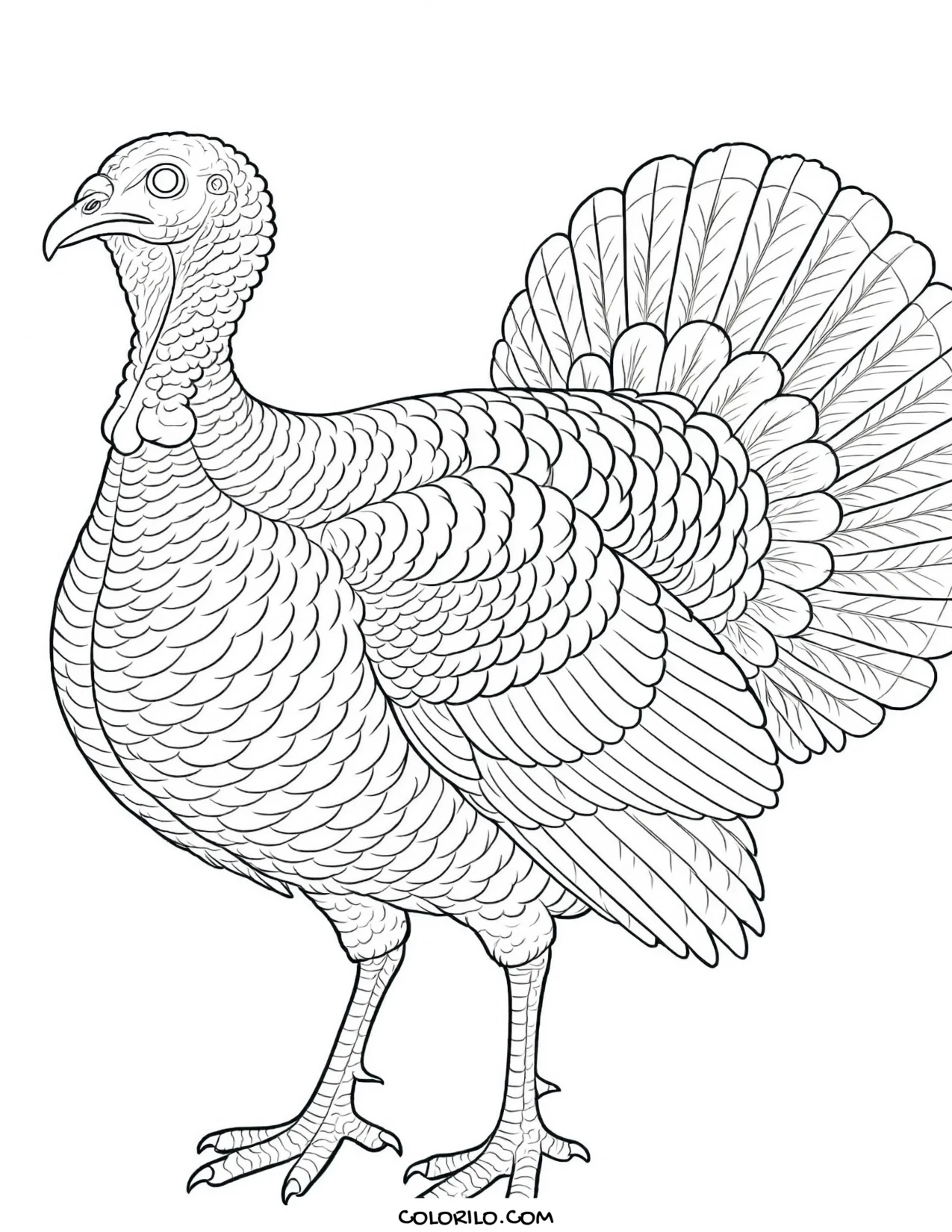
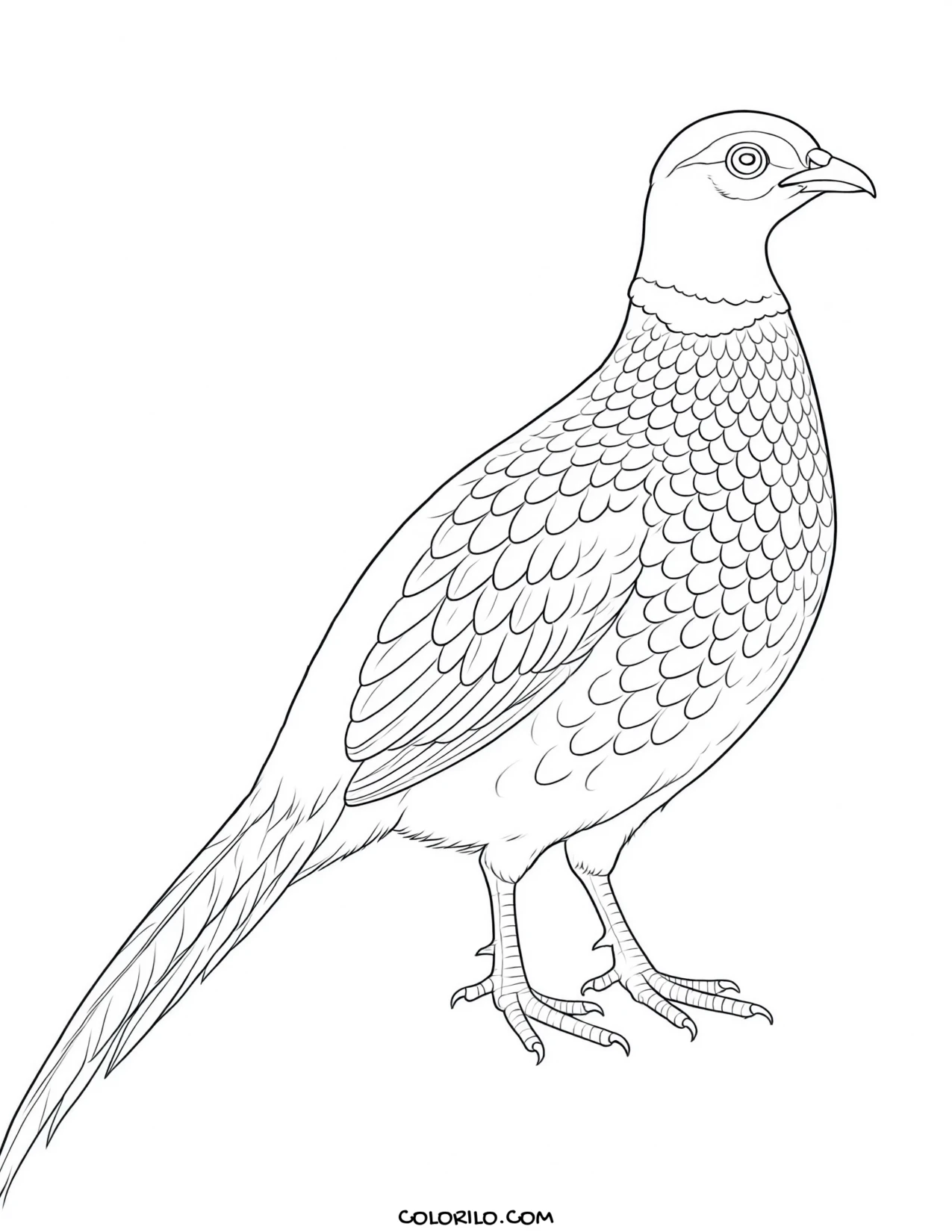
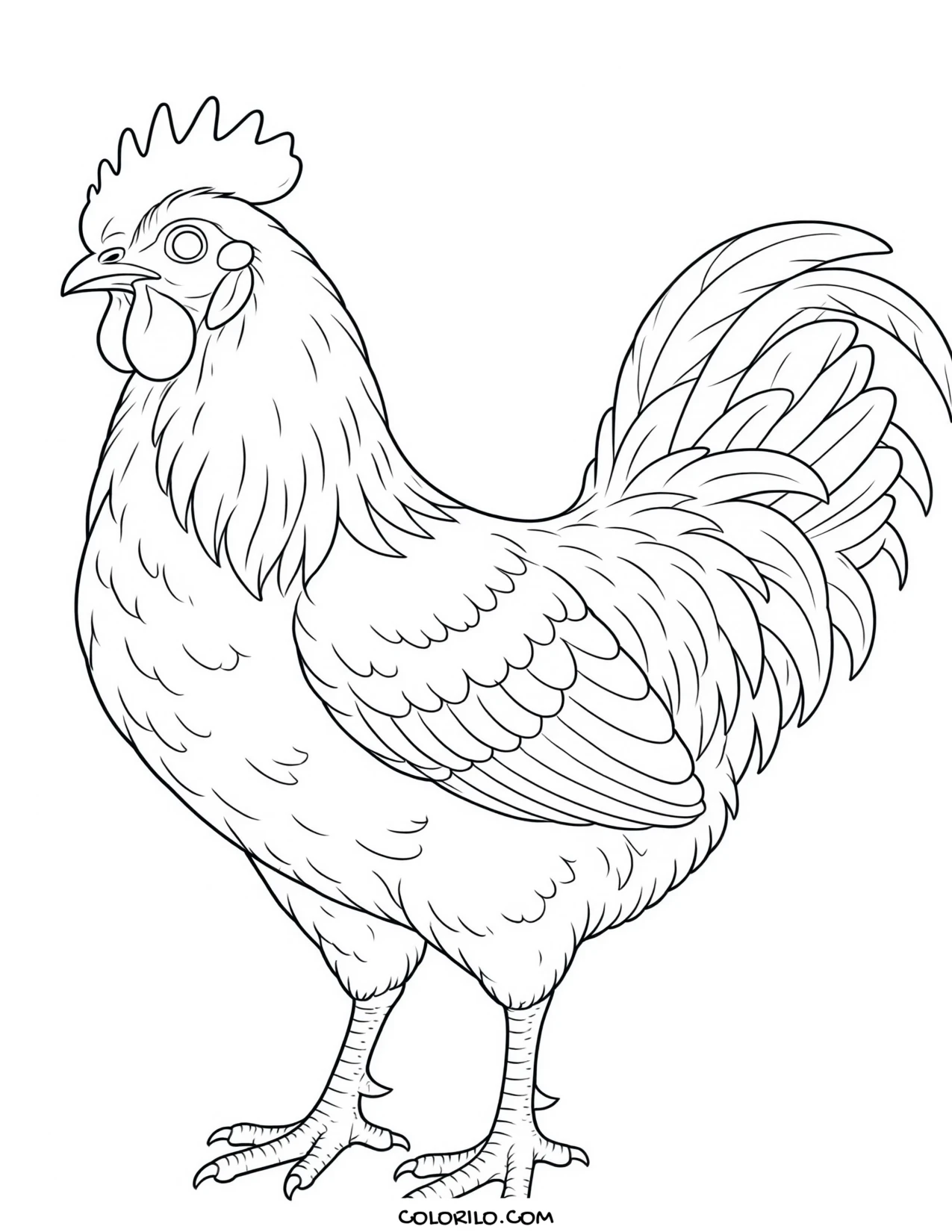
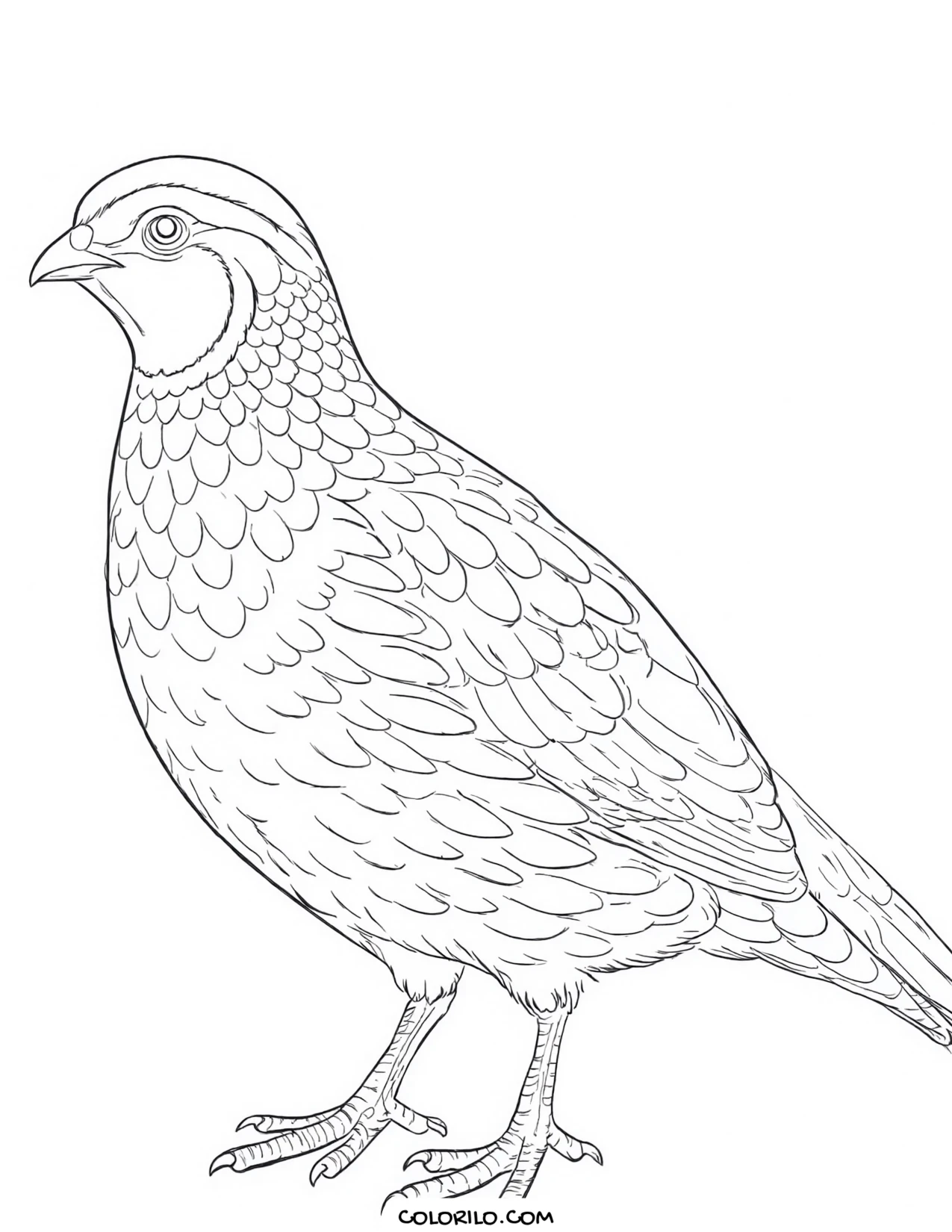
Ring-necked pheasant, ruffed grouse, California quail, grey partridge, wild turkey, chicken and rooster. The California quail’s head plume looks like a single feather and is actually six overlapping ones.
Coloring Tips
Look the bird up before you start. Every page here is a real species, so there is a right answer available. A northern cardinal is scarlet with a black face; a blue jay is blue, white and black with a barred tail. Getting one right is more satisfying than inventing ten.
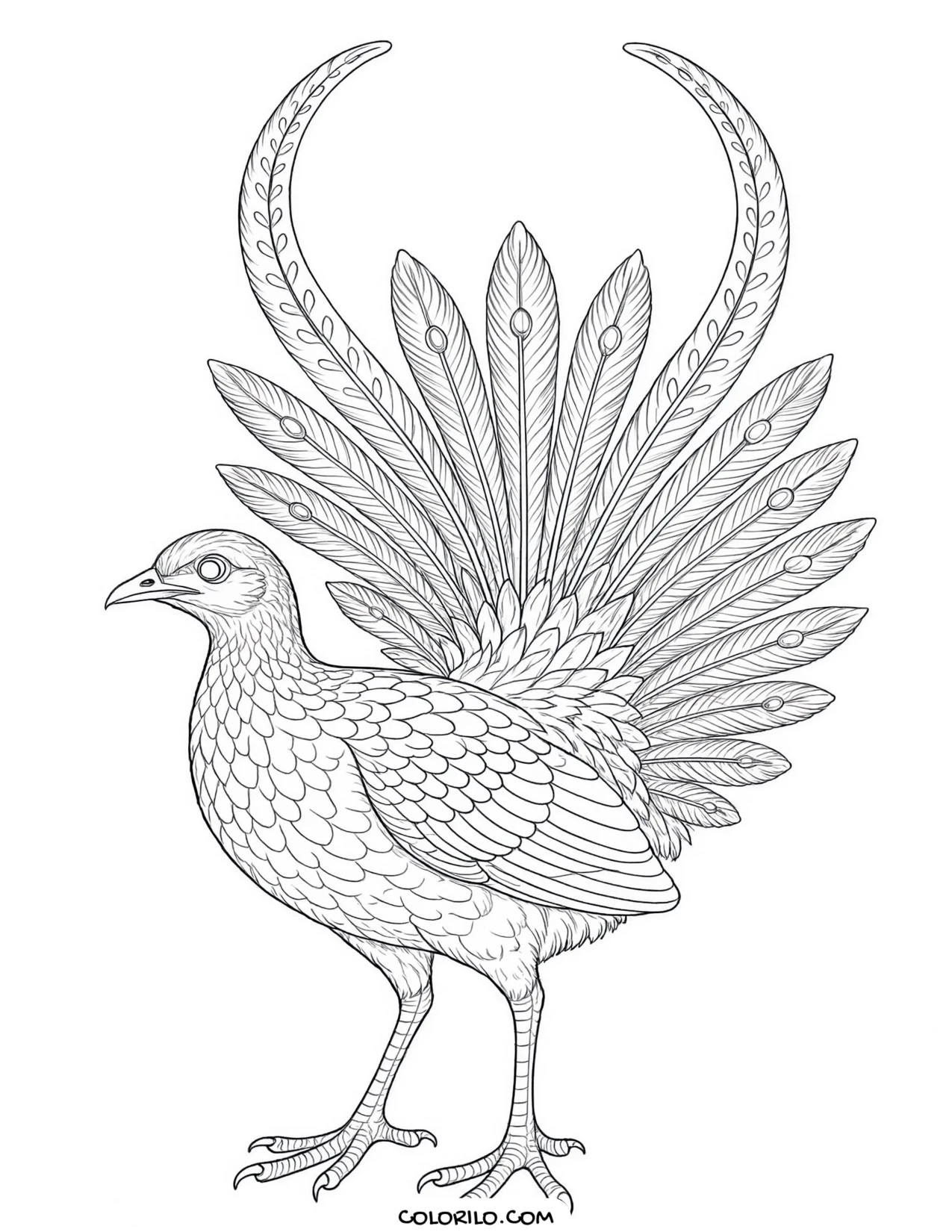
Feathers need direction. Short strokes following the way the plumage lies, back along the wing, down the breast, read as feathers. Strokes across them read as scratches. It matters most on the eagle, the owls and the peacock.
Beaks and legs are rarely the same colour as the bird. Yellow on the bald eagle, black on the swan, bright orange on the puffin, blue-grey on the heron. Leaving them for last and colouring them deliberately is what makes a bird look finished.
Leave a highlight in the eye. A small unfilled white dot. Every bird page in this set improves with it, and it takes a second.
The white birds are not white. The snowy egret, the mute swan and the snow goose all look better with pale grey or blue in the shadowed parts and clean white left where the light falls. Filling them entirely white leaves the page looking unstarted.
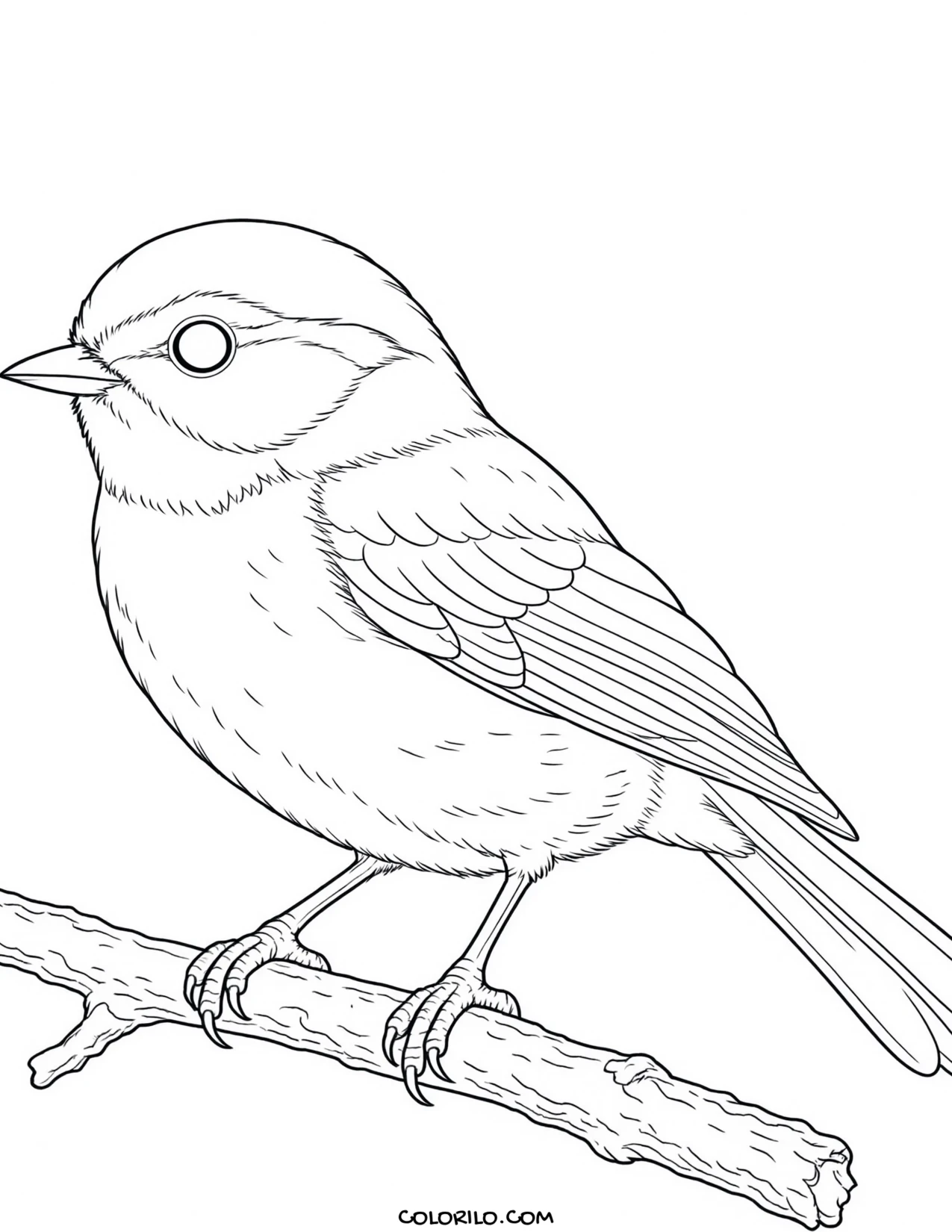
Start young children on the round ones. The chickadee, the robin, the canary, the budgerigar and the zebra finch are small, simple shapes with few internal lines. Save the peacock, the macaw and the condor for someone older.
Frequently Asked Questions
Are these bird coloring pages really free?
Yes, all 80 are free to download and print. Click any design to open the PDF. No account, no email, no payment.
What age are these bird coloring pages for?
The whole range. The small garden birds and pet birds have simple round shapes that suit children from around four. The waders, ducks and birds of prey work through primary school. The peacock, the macaw and the more heavily feathered birds have enough detail for older children and adults.
Which birds are included?
Eighty named species, including the American robin, blue jay, northern cardinal, bald eagle, barn owl, great horned owl, peregrine falcon, mallard, mute swan, great blue heron, flamingo, scarlet macaw, toucan, African grey parrot, hummingbird, peacock, ostrich, emu, cassowary and kiwi.
Is every page a real species?
Yes. There are no generic birds in this set, each design is a specific, identifiable species, which means you can look up its real colours and get the page right if you want to.
Can I use these in a classroom?
Yes. They suit topics on habitats, migration, adaptation or local wildlife, and are free for personal, educational, and classroom use. Several are common enough to spot from a school window.
Can I print more than one copy?
As many as you need.
How many kinds of bird are there?
Somewhere around 11,000 living species, and the number keeps shifting as genetic work splits some apart and merges others. They are also the only dinosaurs left, birds descend directly from small feathered theropods, which is why an ostrich foot and a Velociraptor foot look so alike. The eighty in this collection are a very small sample of what is out there.



Leave a Reply