
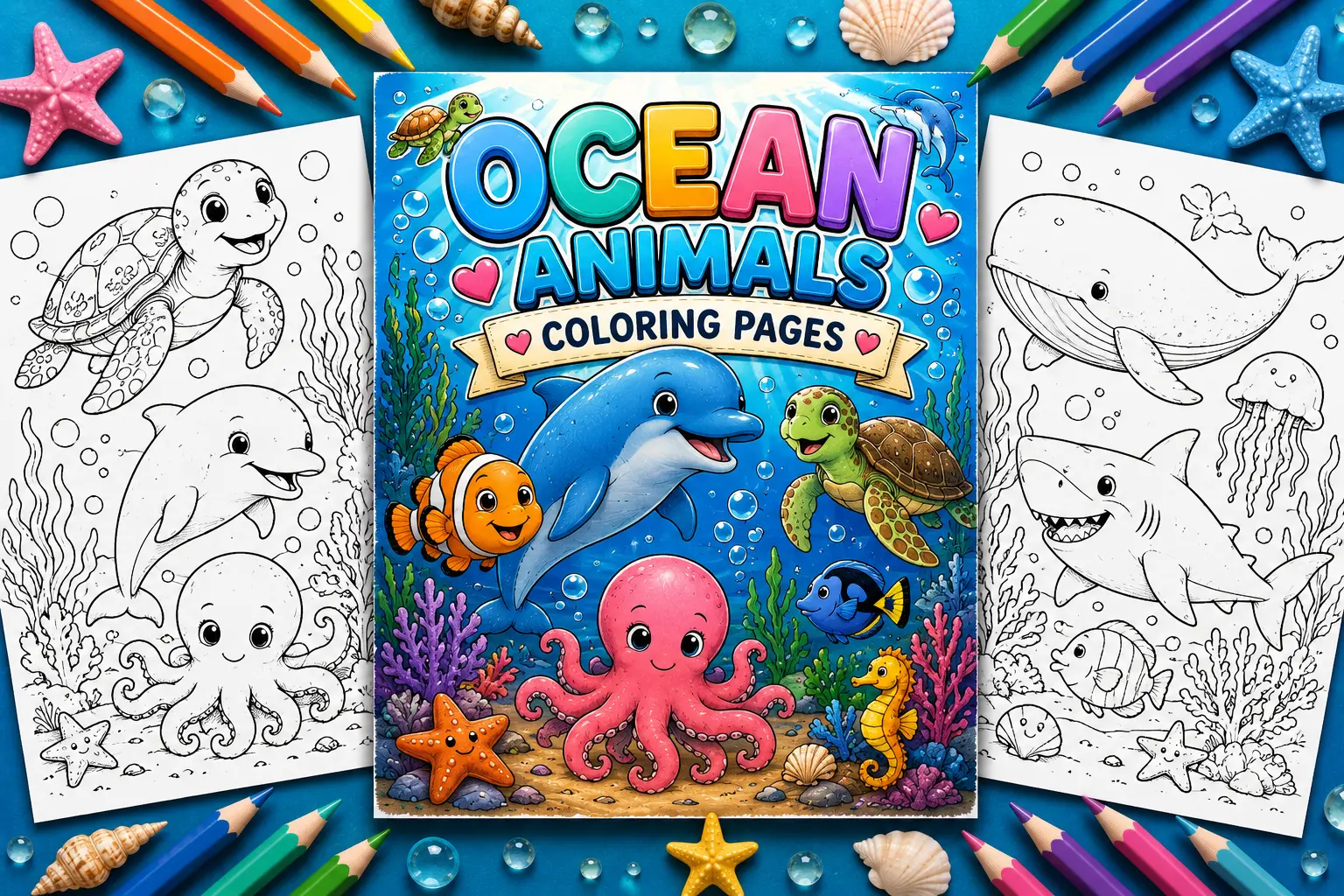
Table of Contents
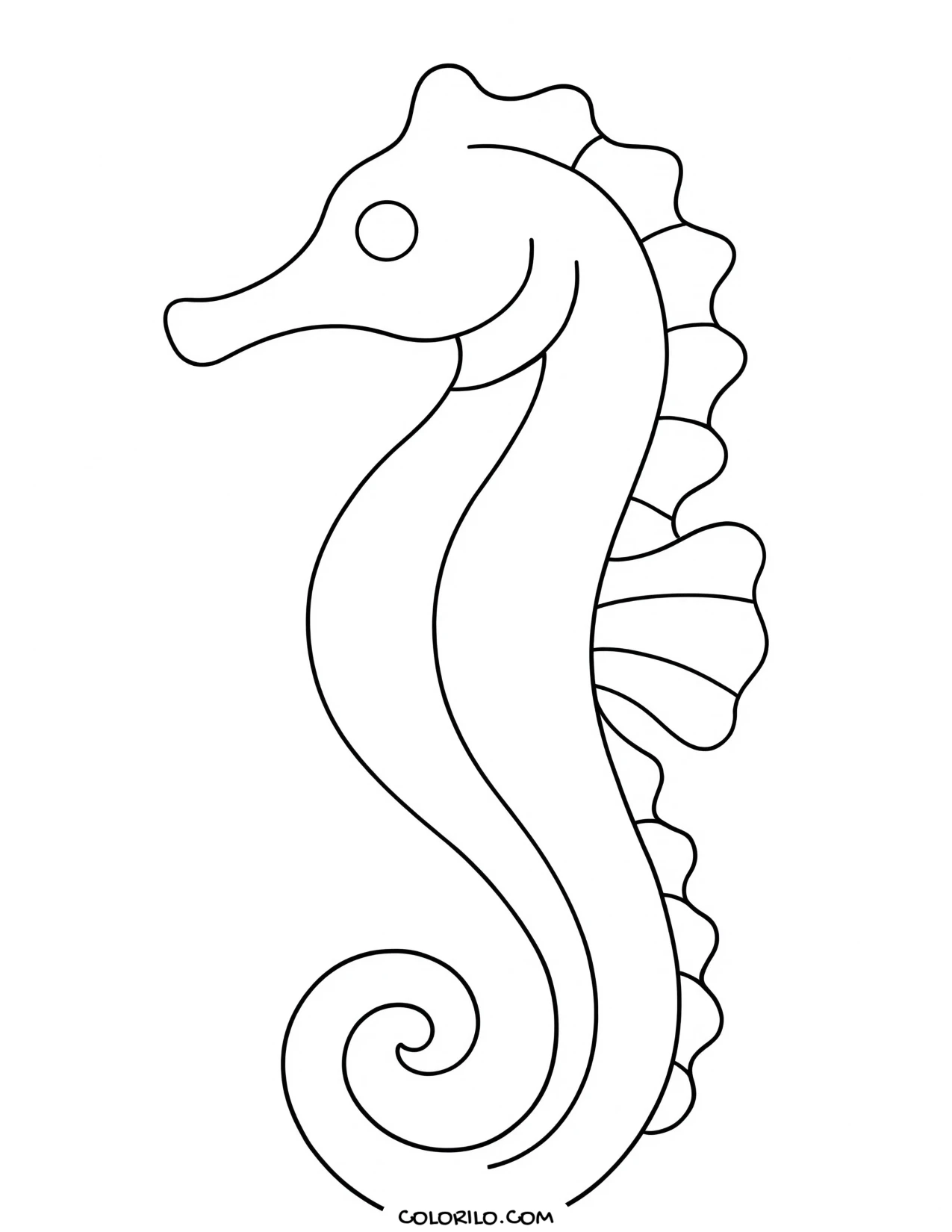
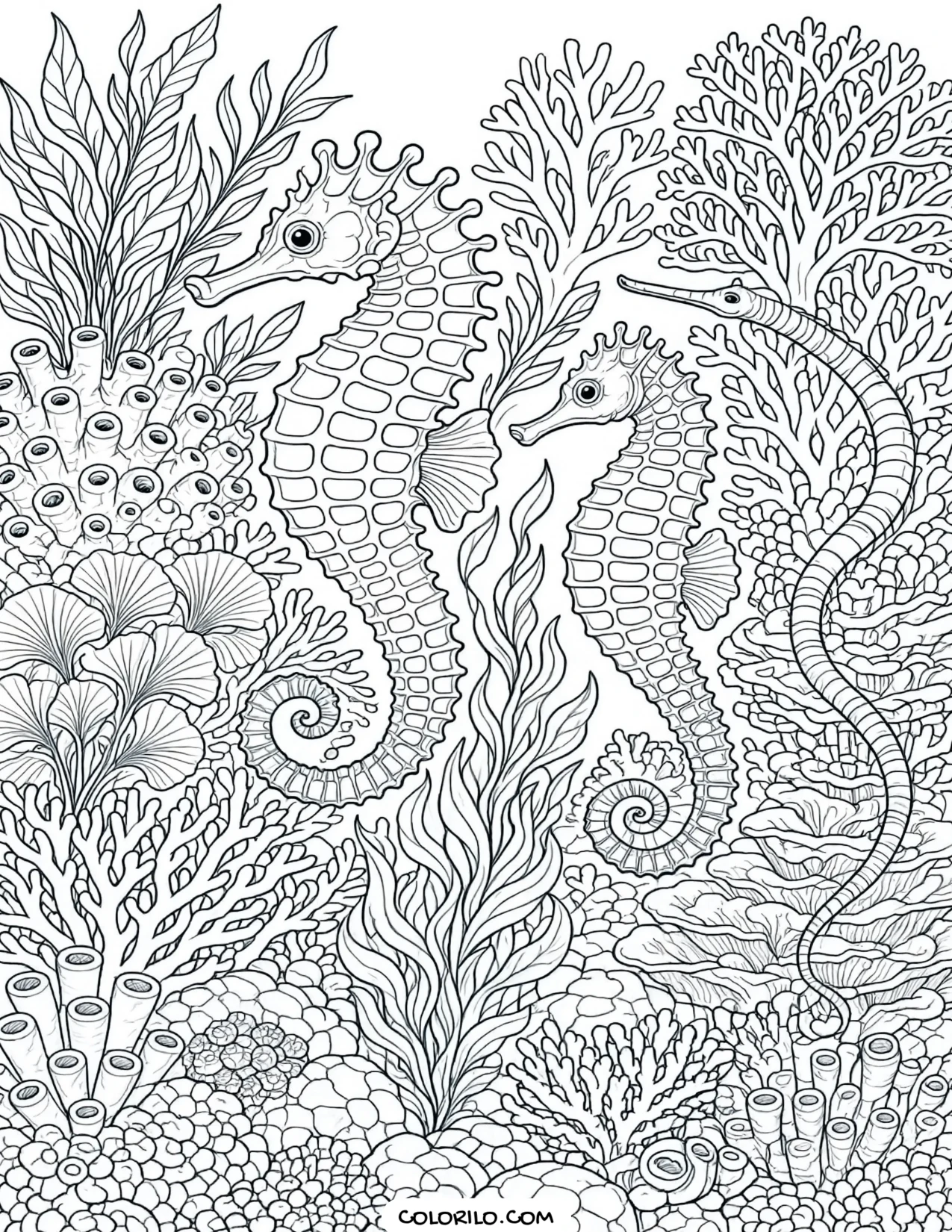
Most ocean animals coloring pages give you a generic fish. This set names the species. A lined seahorse, a stoplight parrotfish, a chambered nautilus, a raccoon butterflyfish, a Pacific viperfish, around sixty of the seventy-five designs are a specific, identifiable animal rather than a cartoon of one.
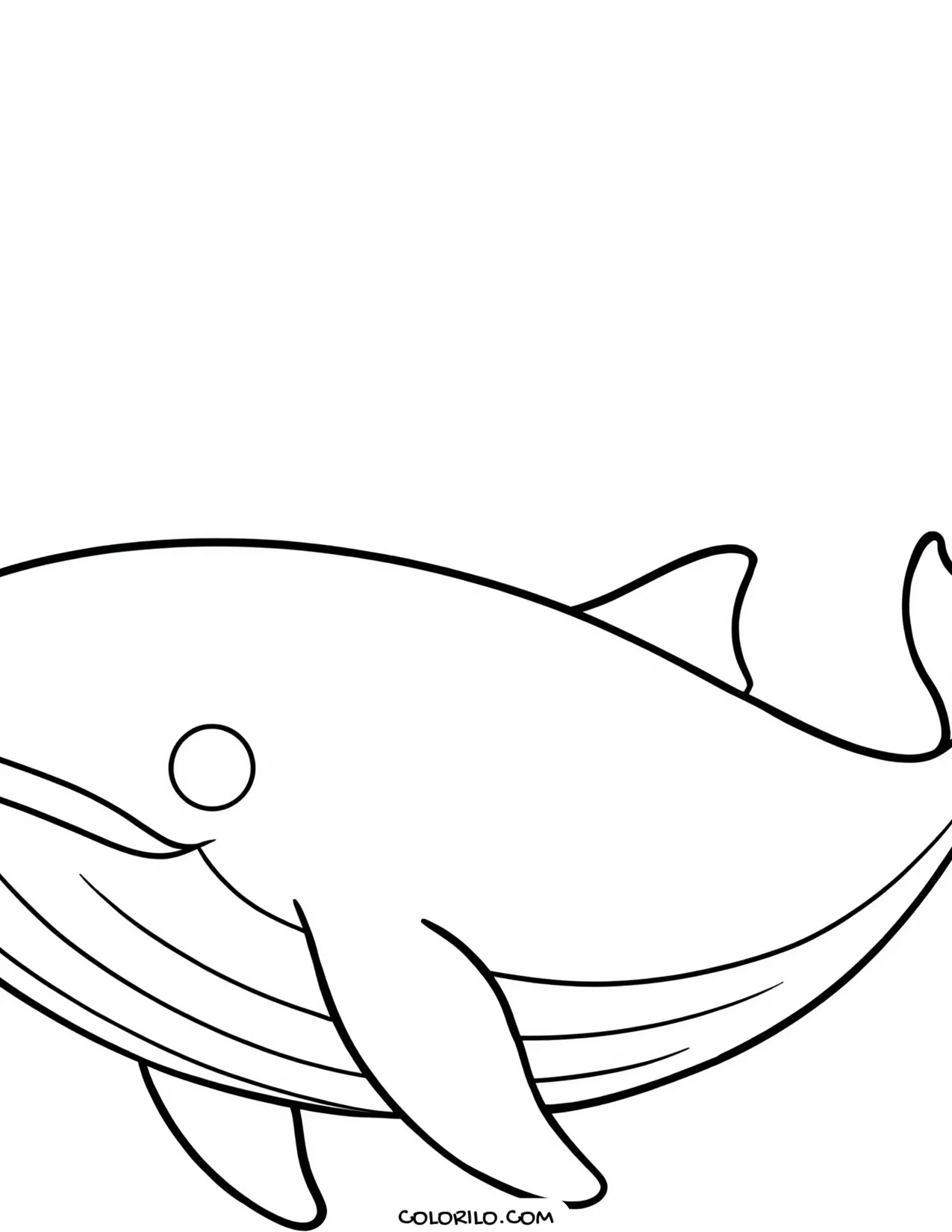
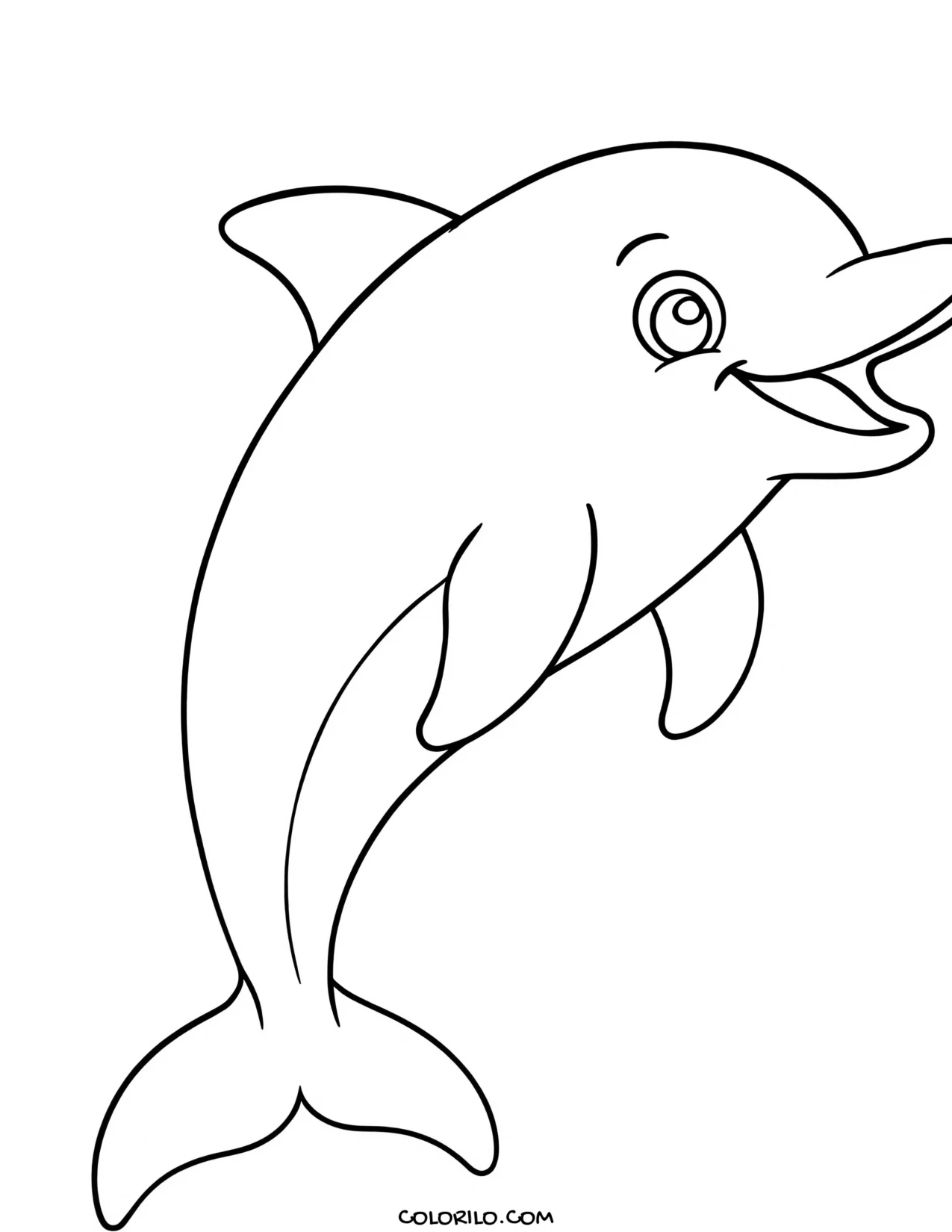
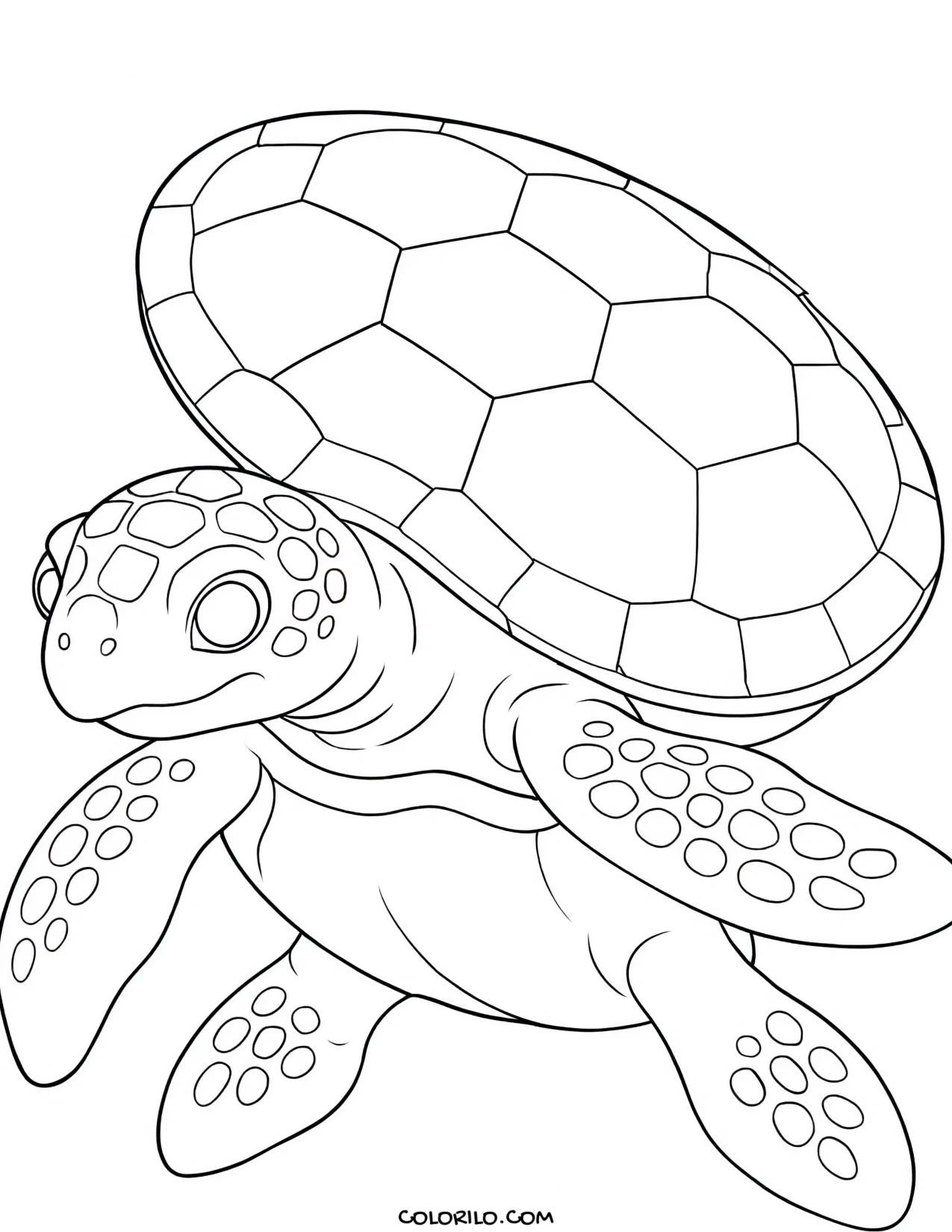
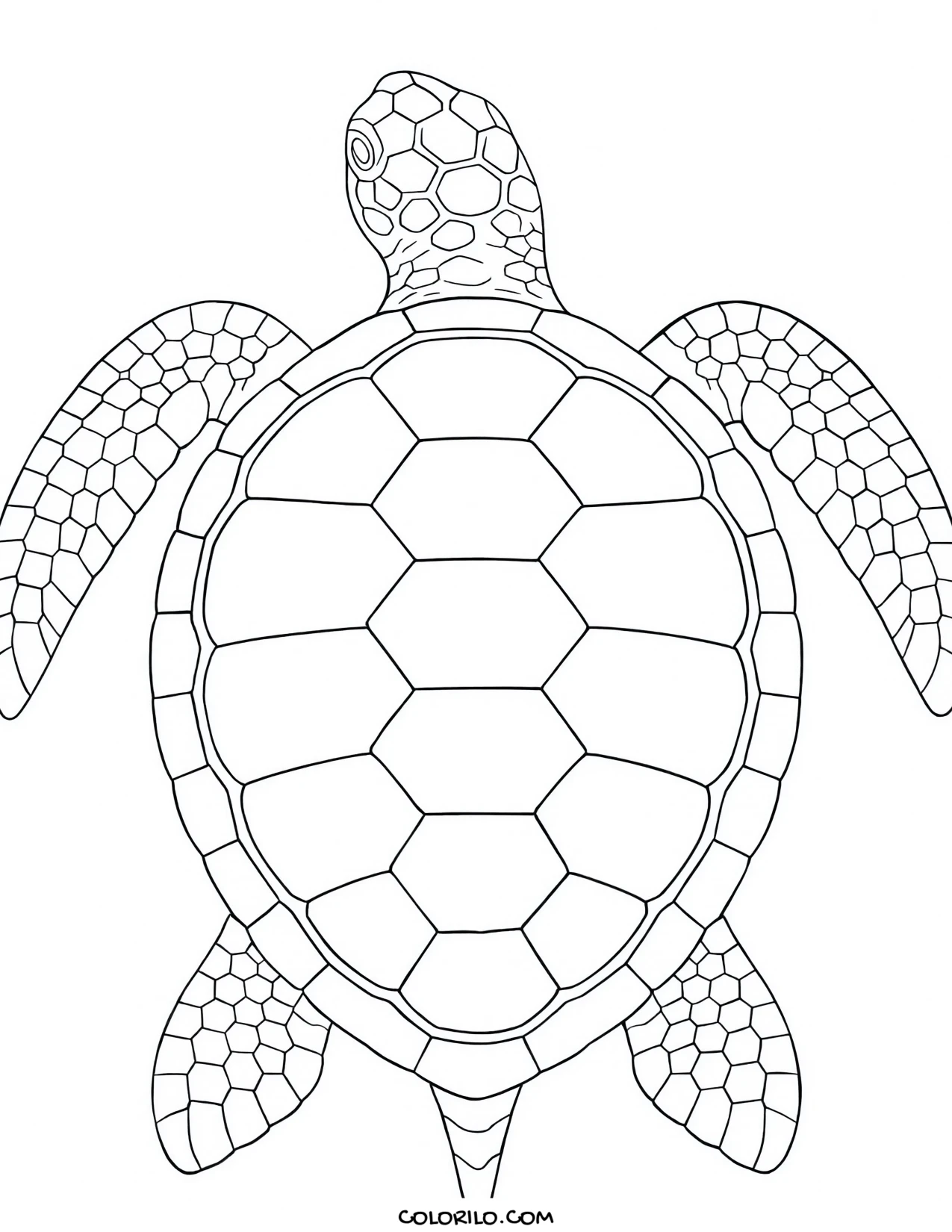
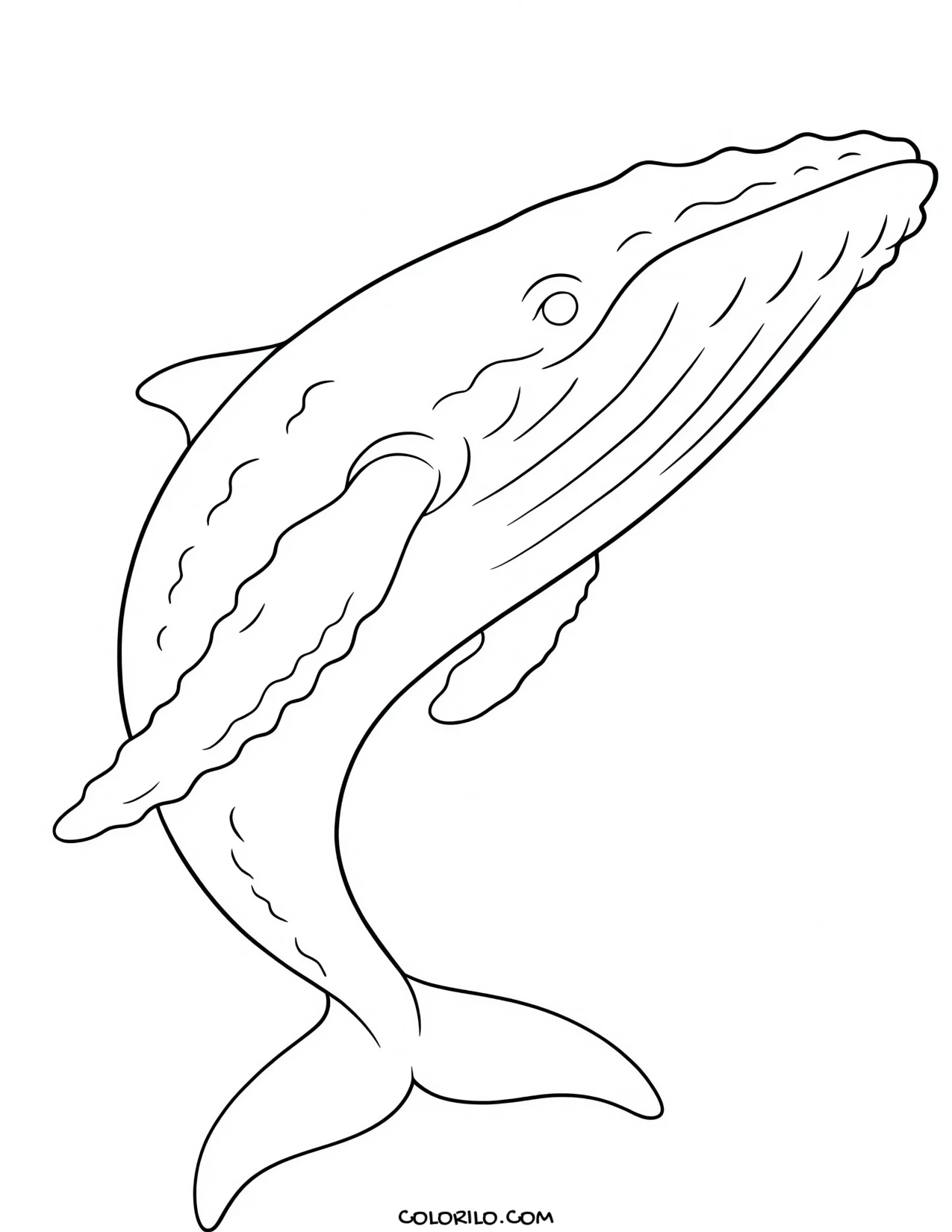
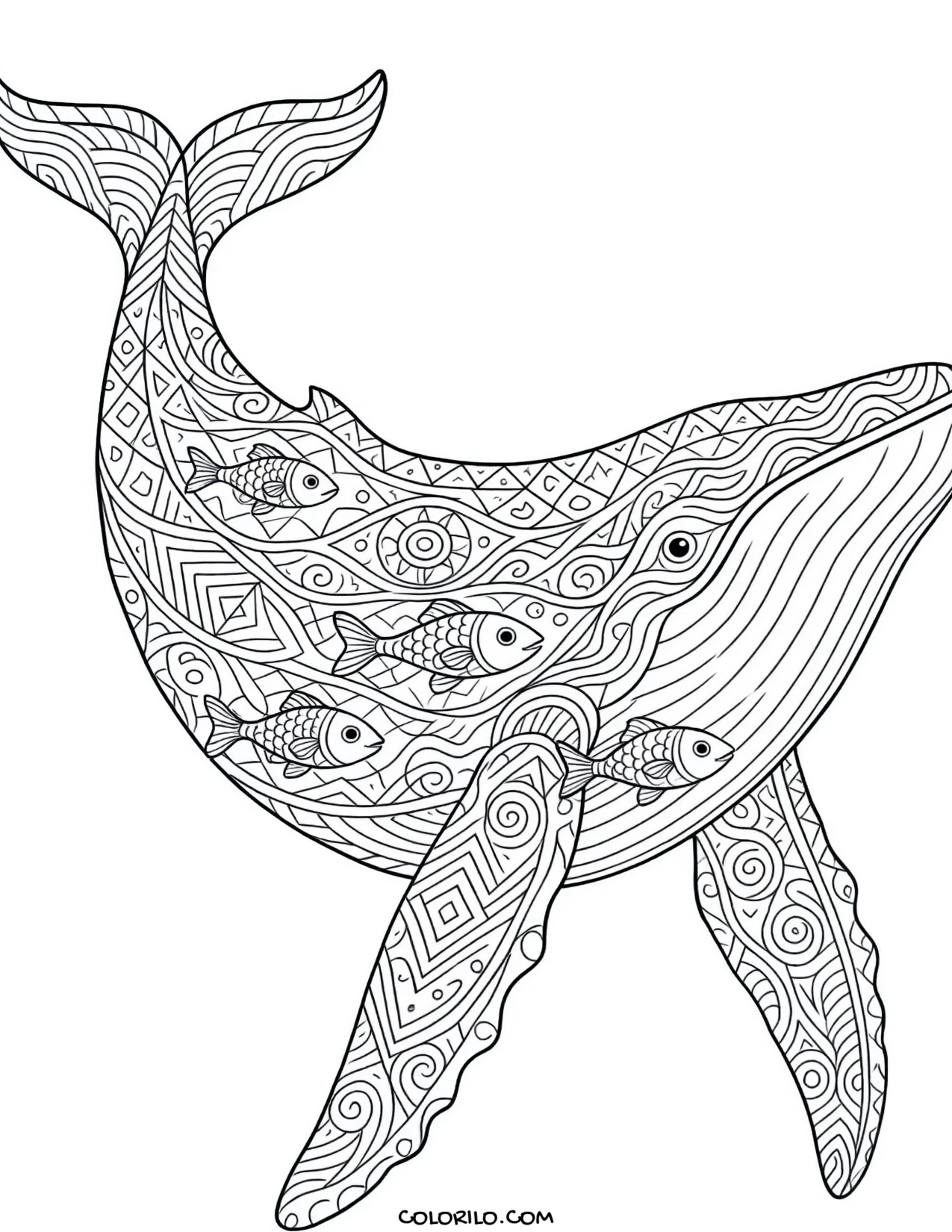
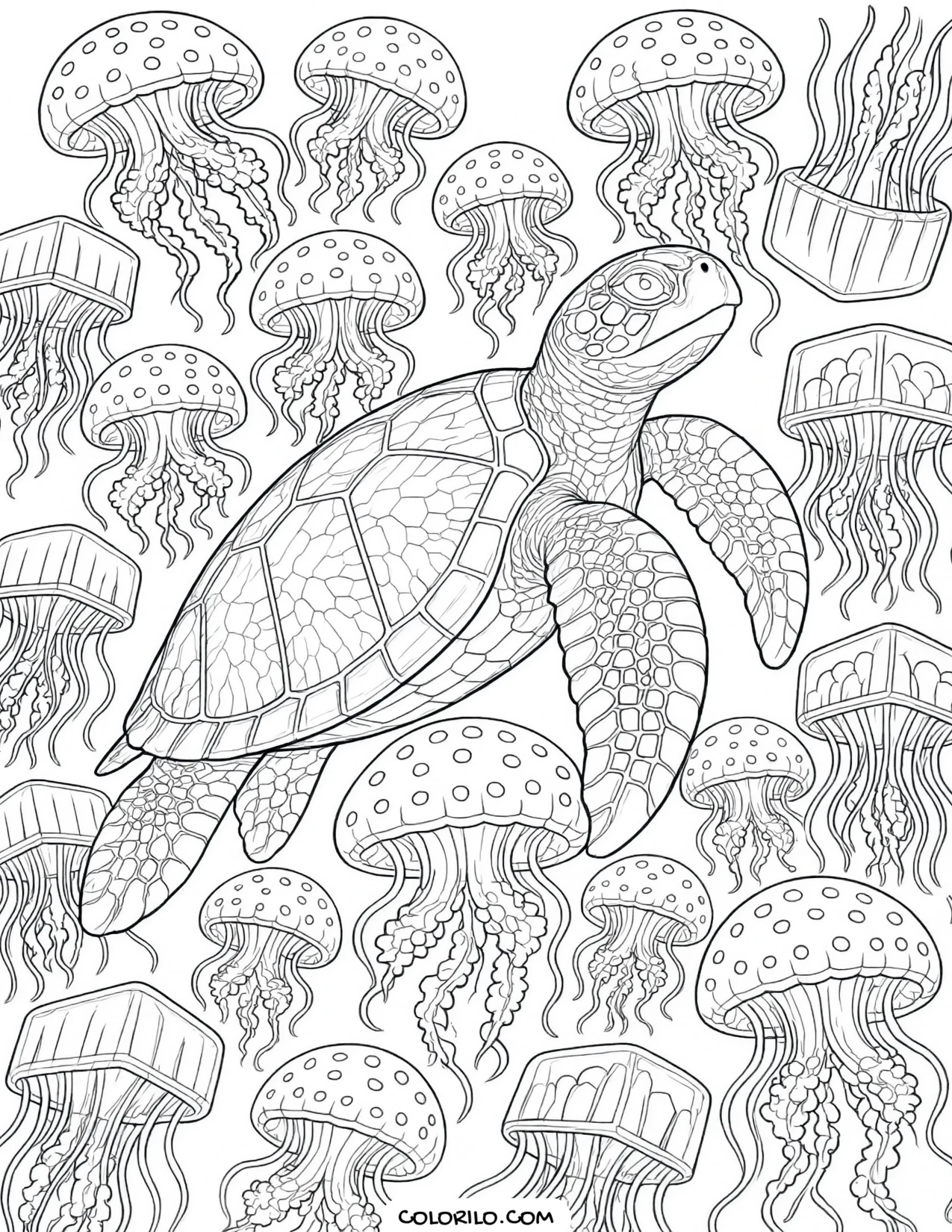
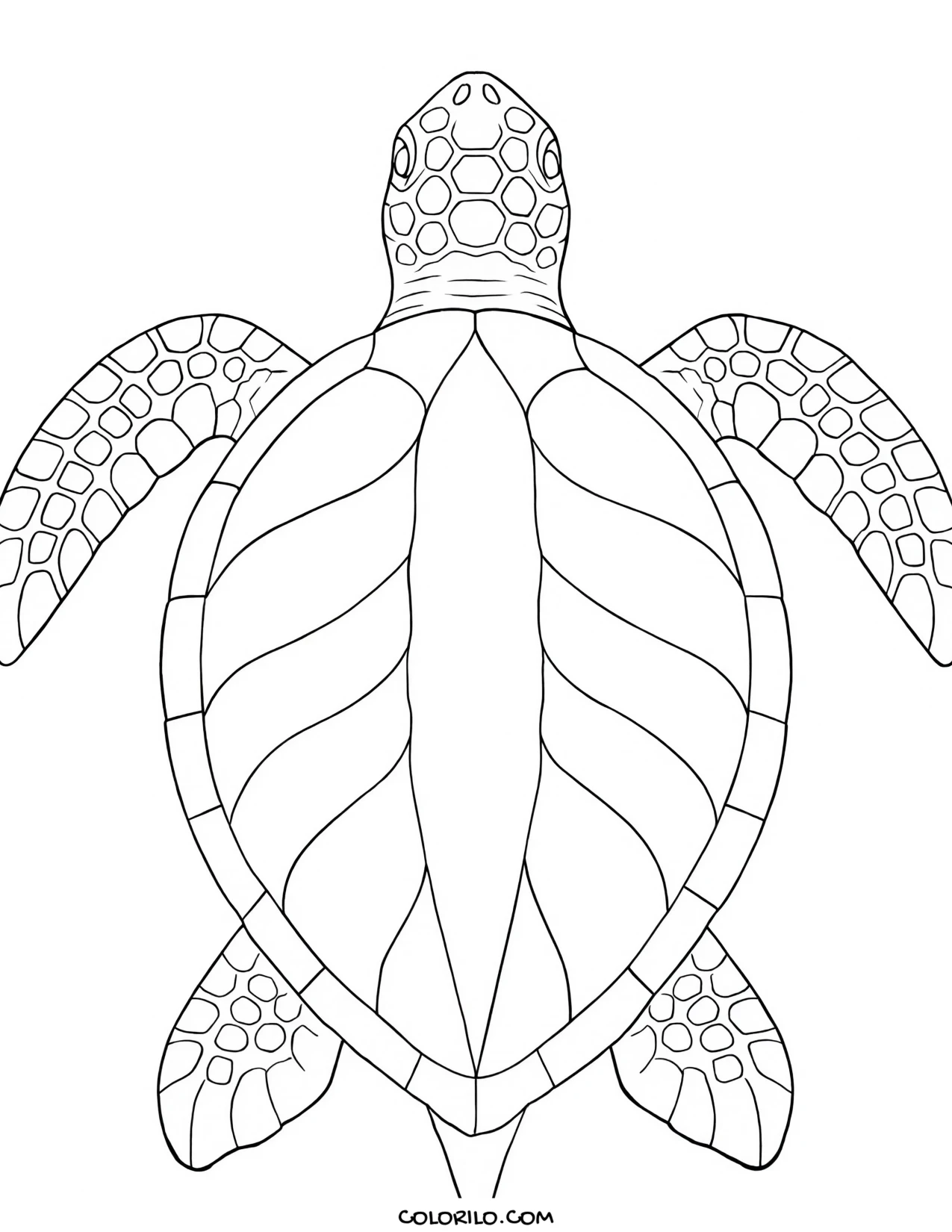
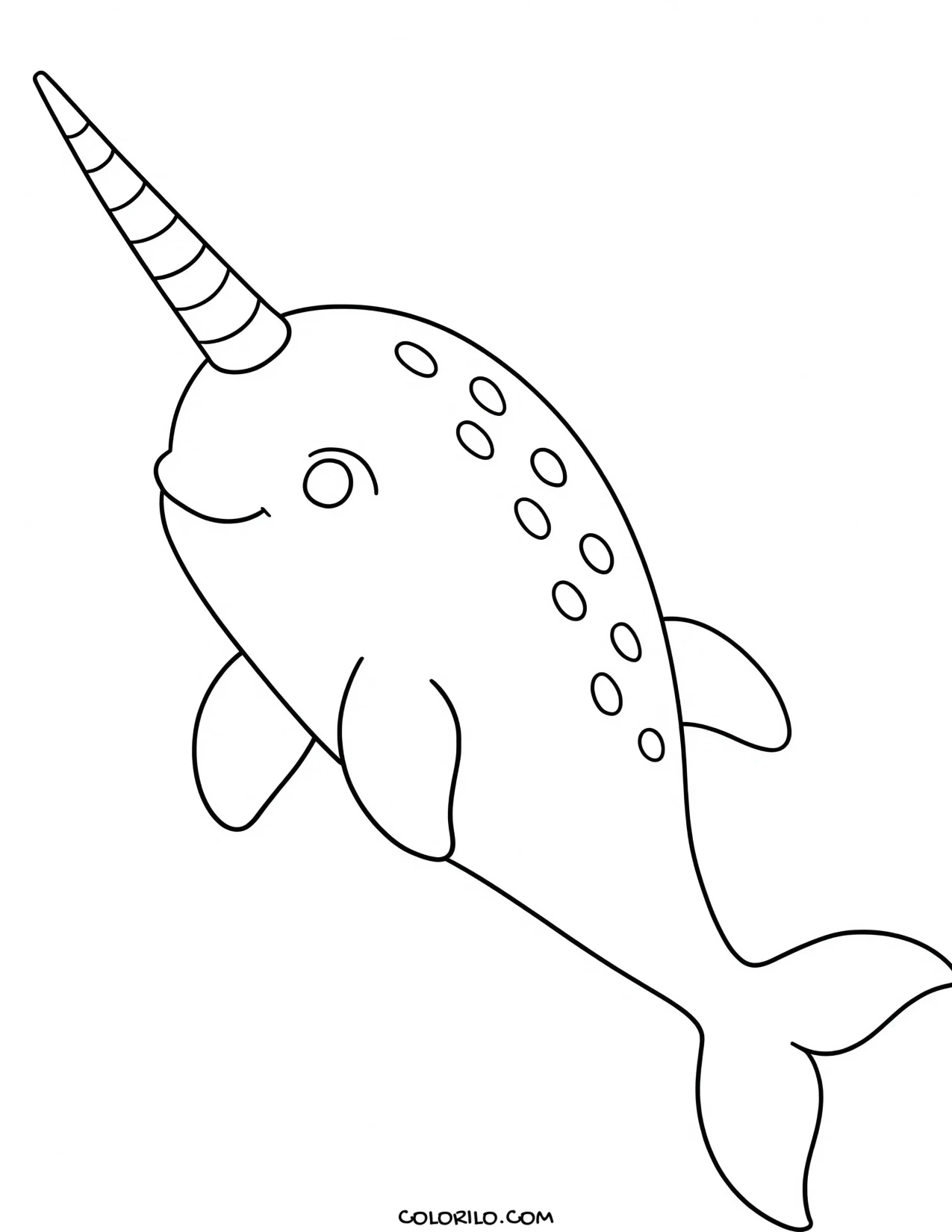
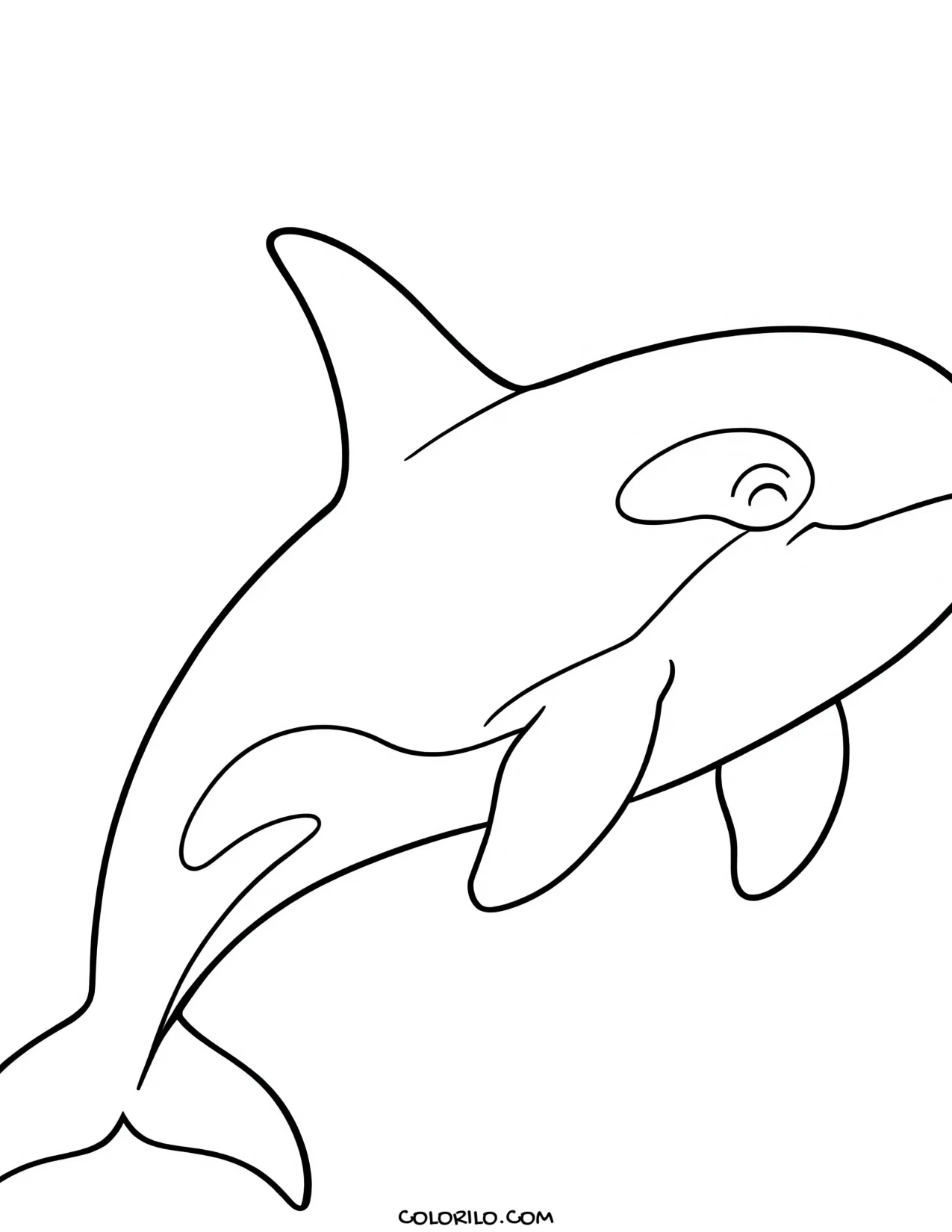
The whales and dolphins run deep: blue whale, humpback, sperm whale, orca, beluga, narwhal with its spiral tusk, and a bottlenose dolphin mid-leap. Four sea turtles are here too, green, hawksbill and two leatherbacks, one of them among a bloom of jellyfish, which is what leatherbacks actually eat.
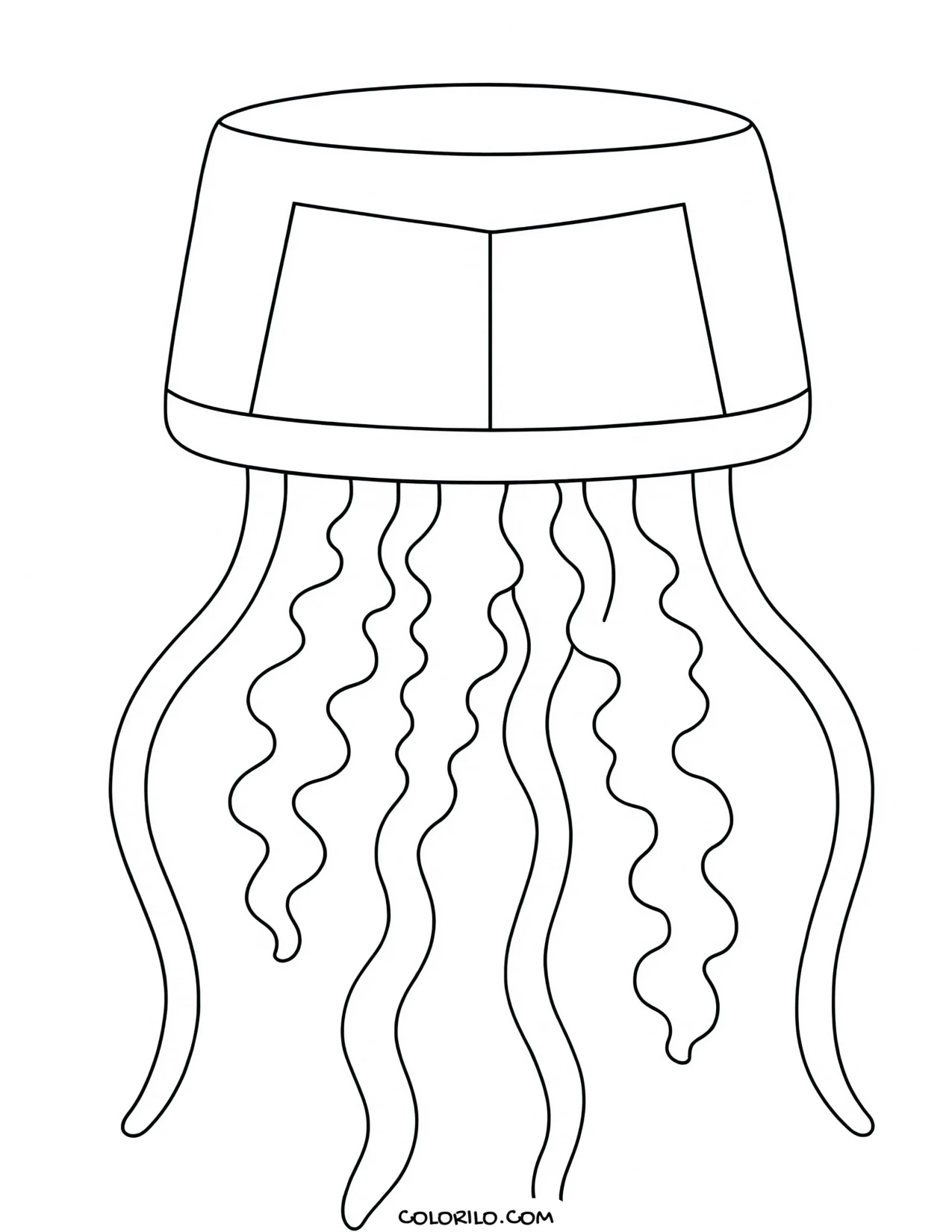
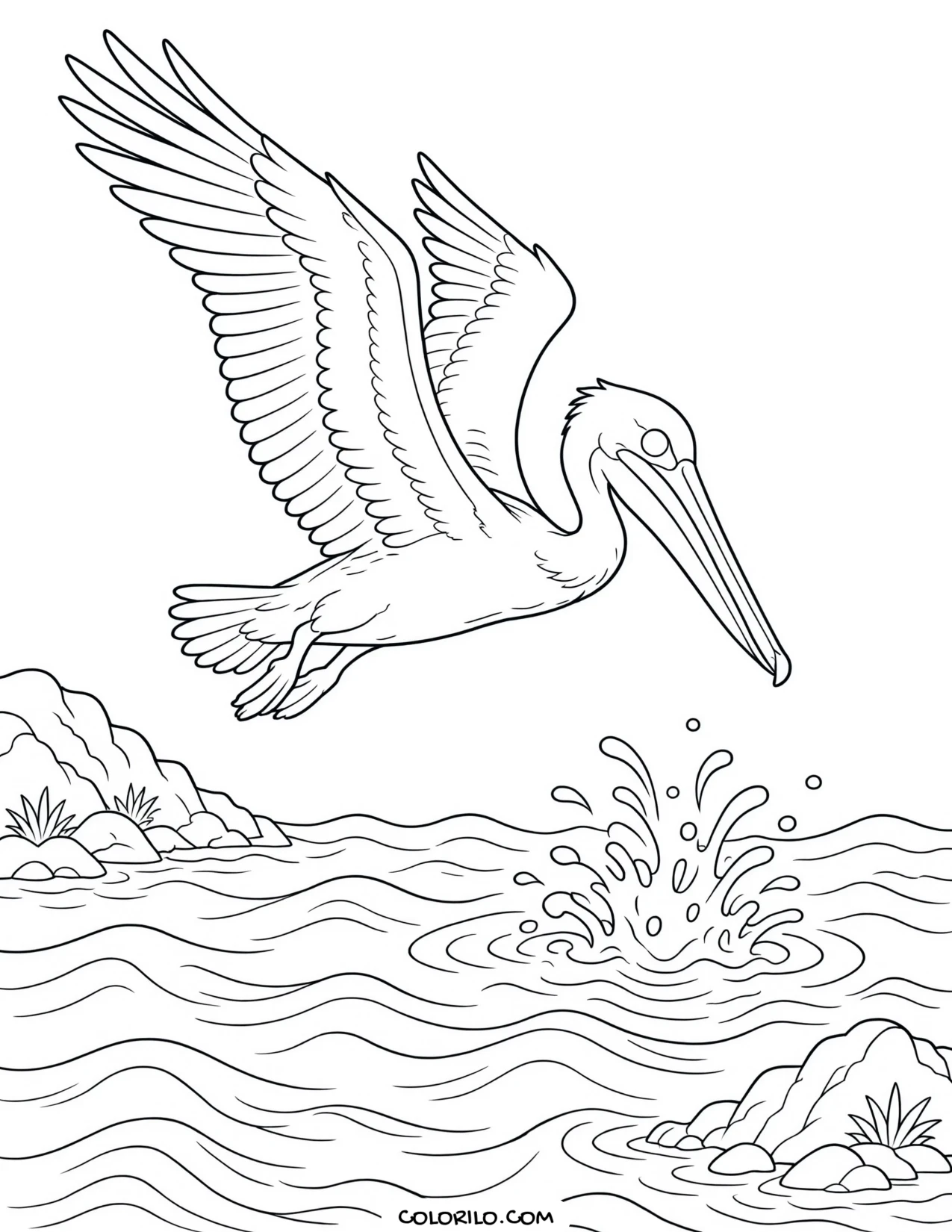
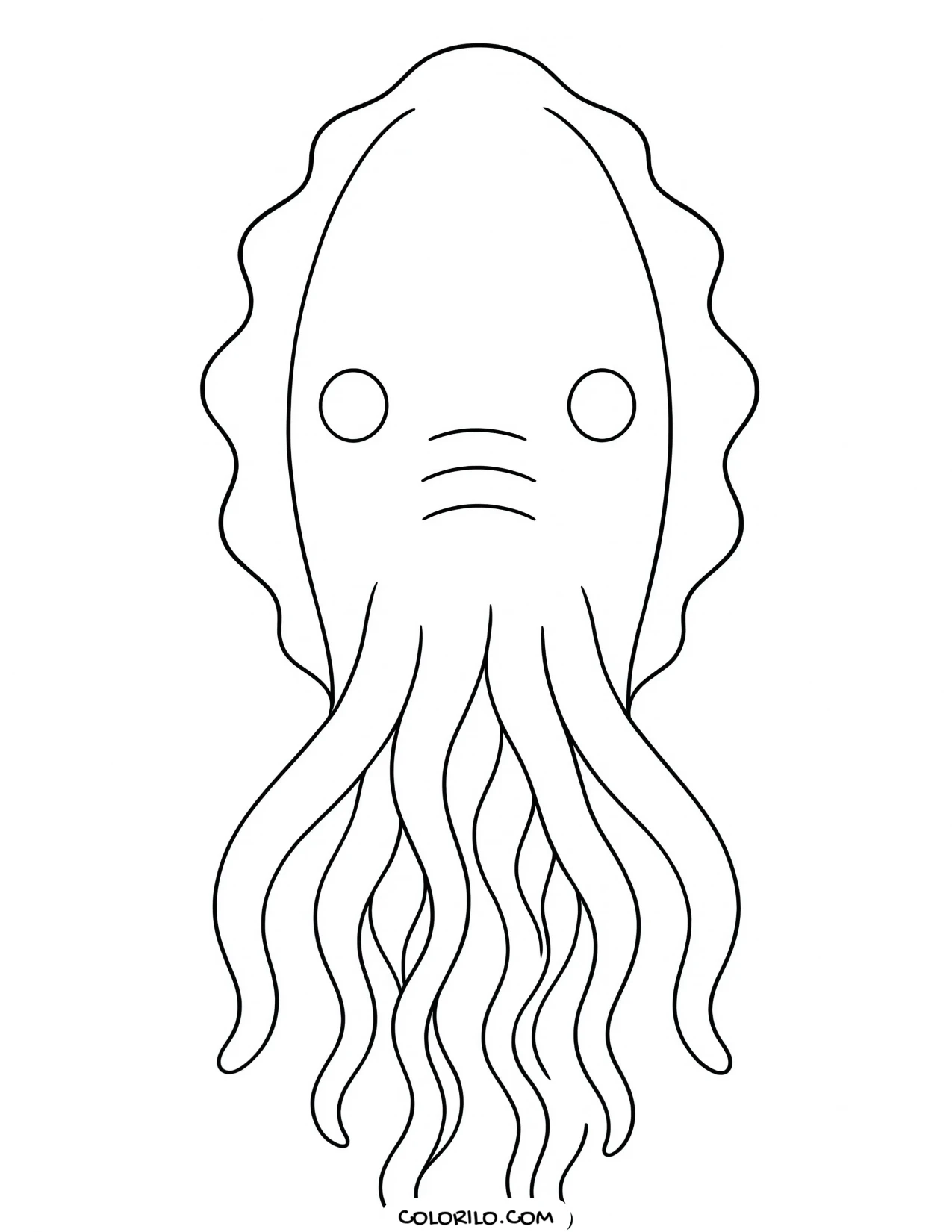
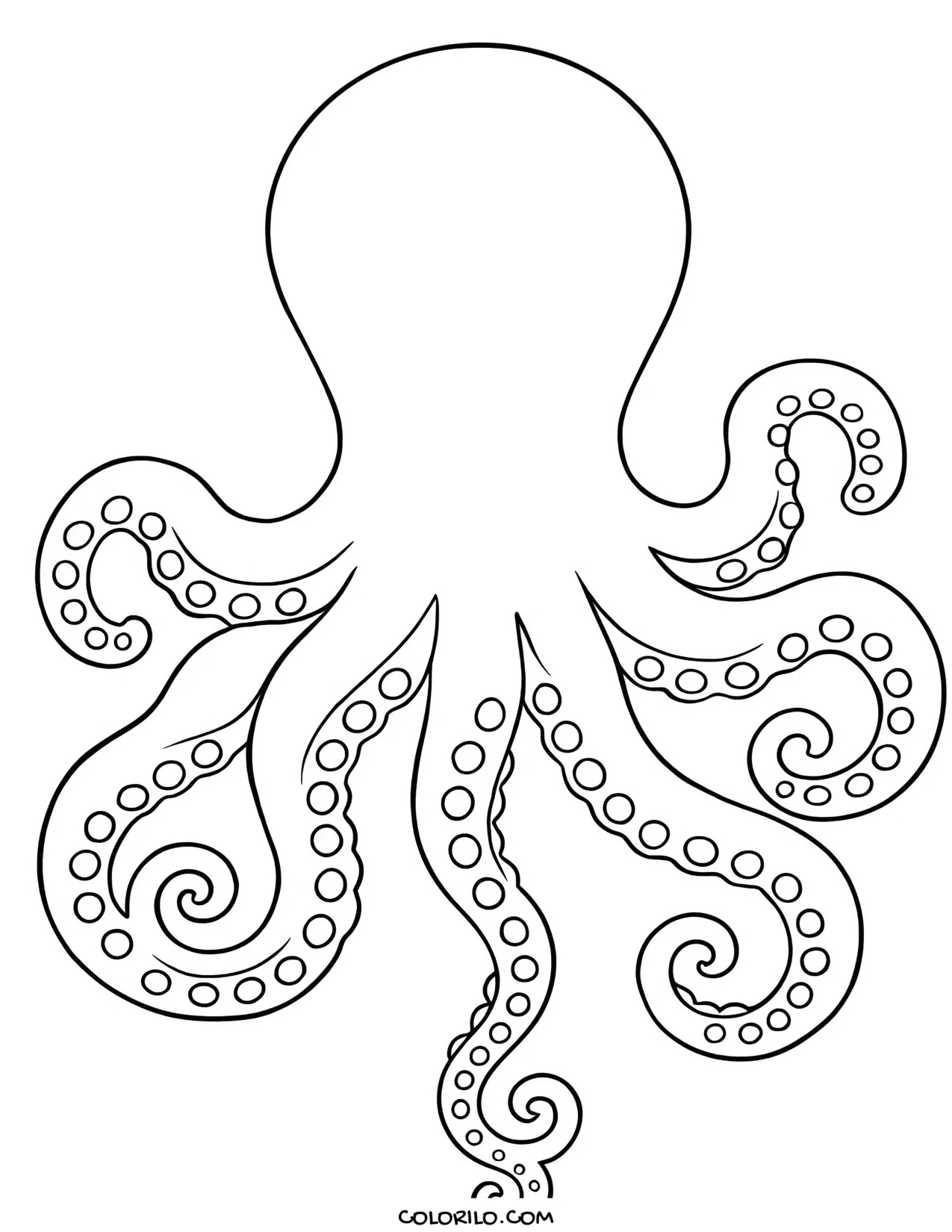
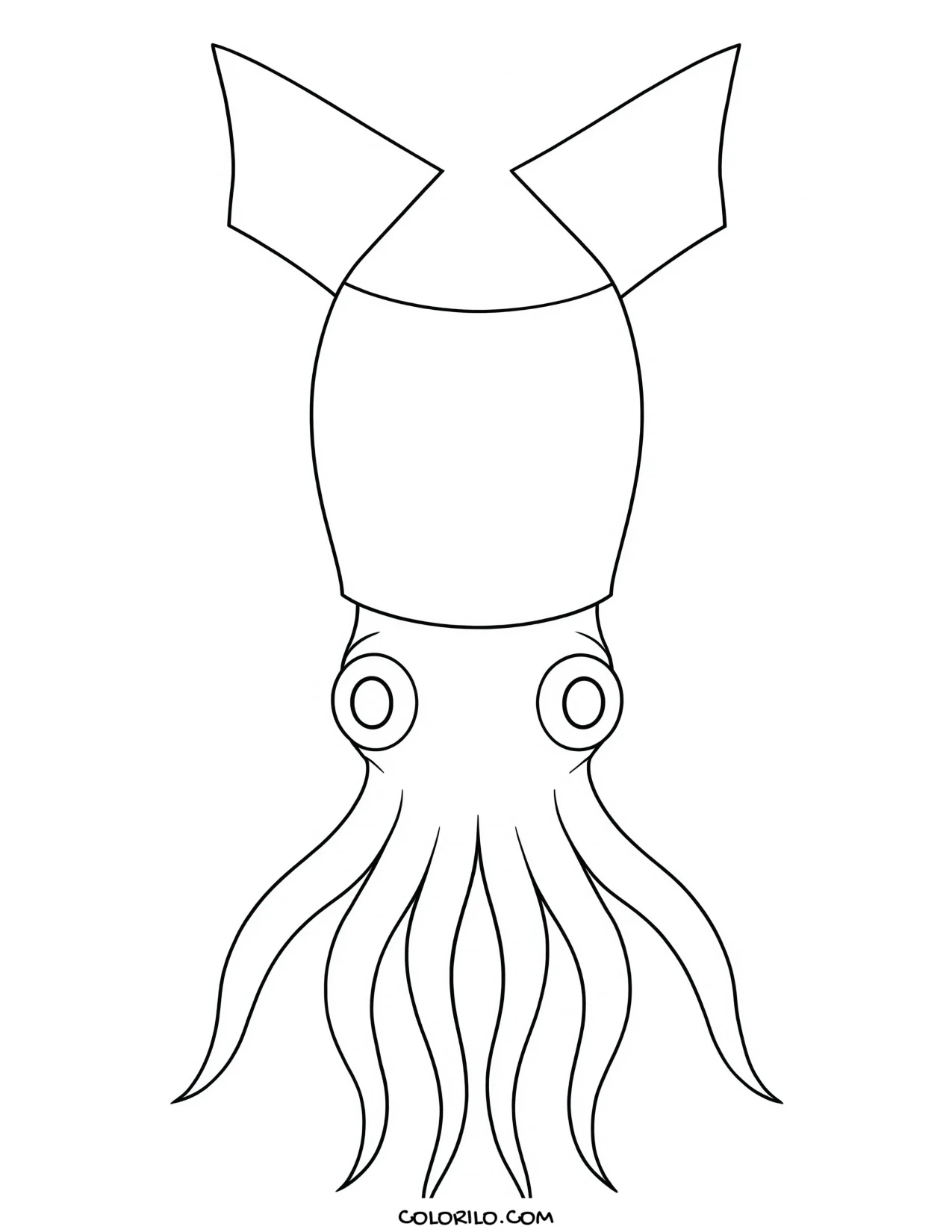
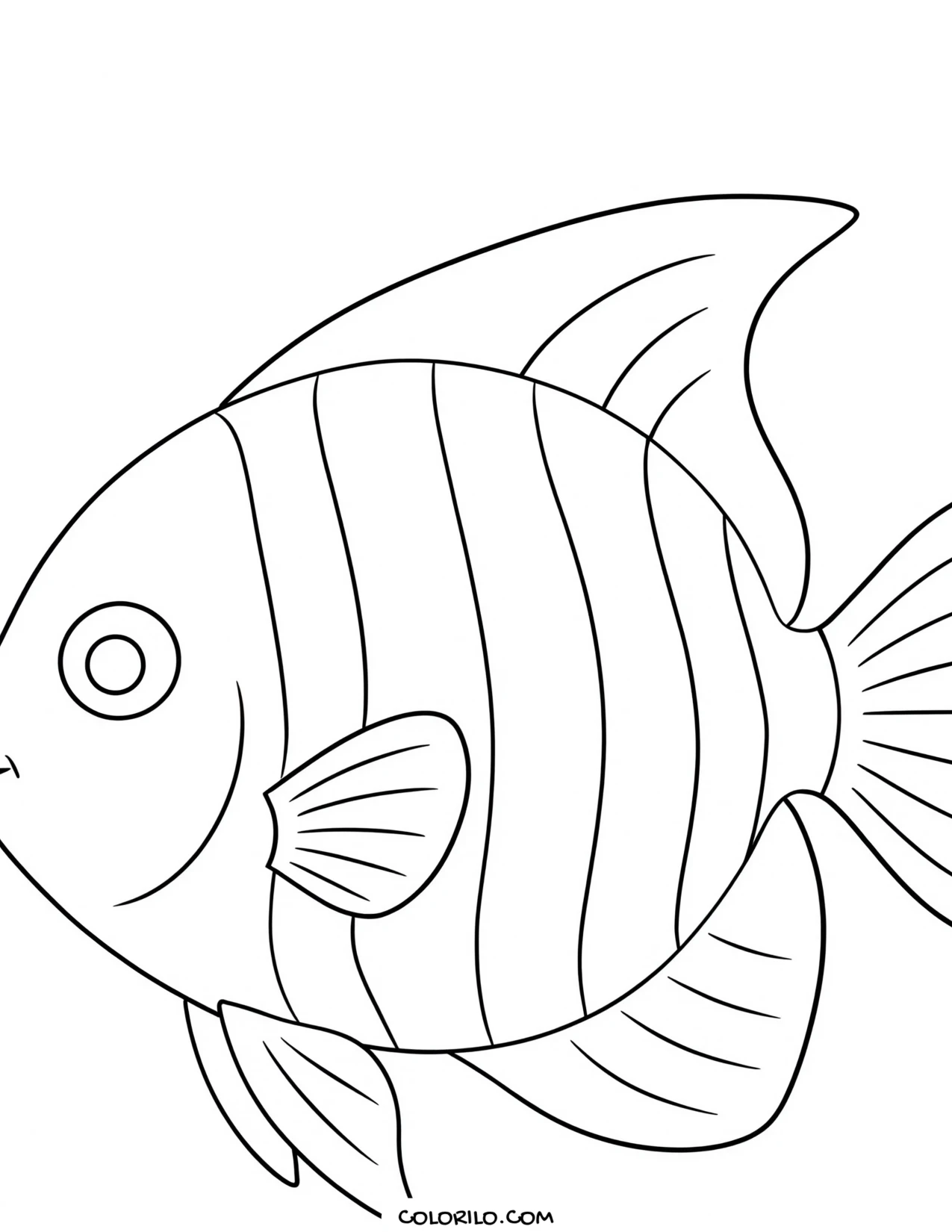
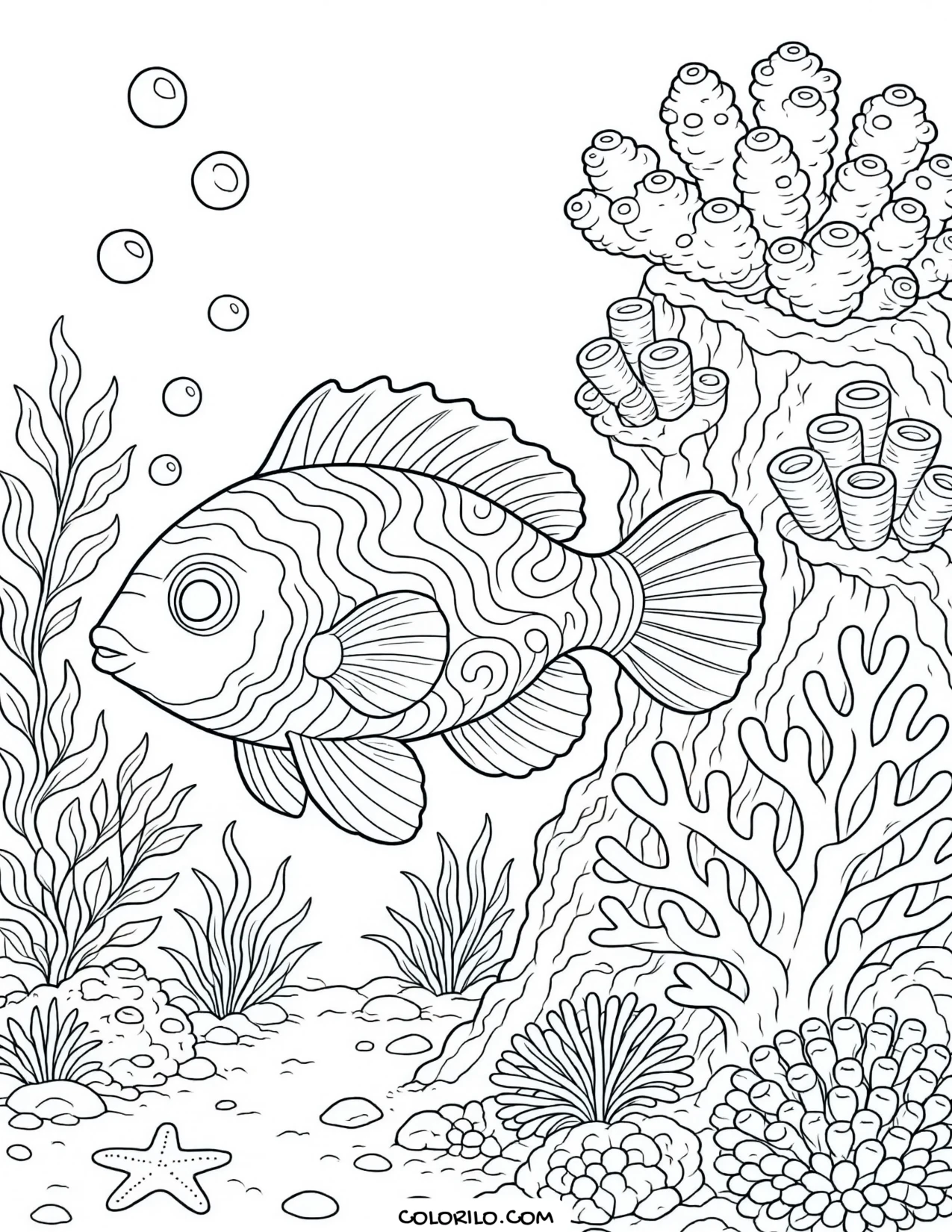
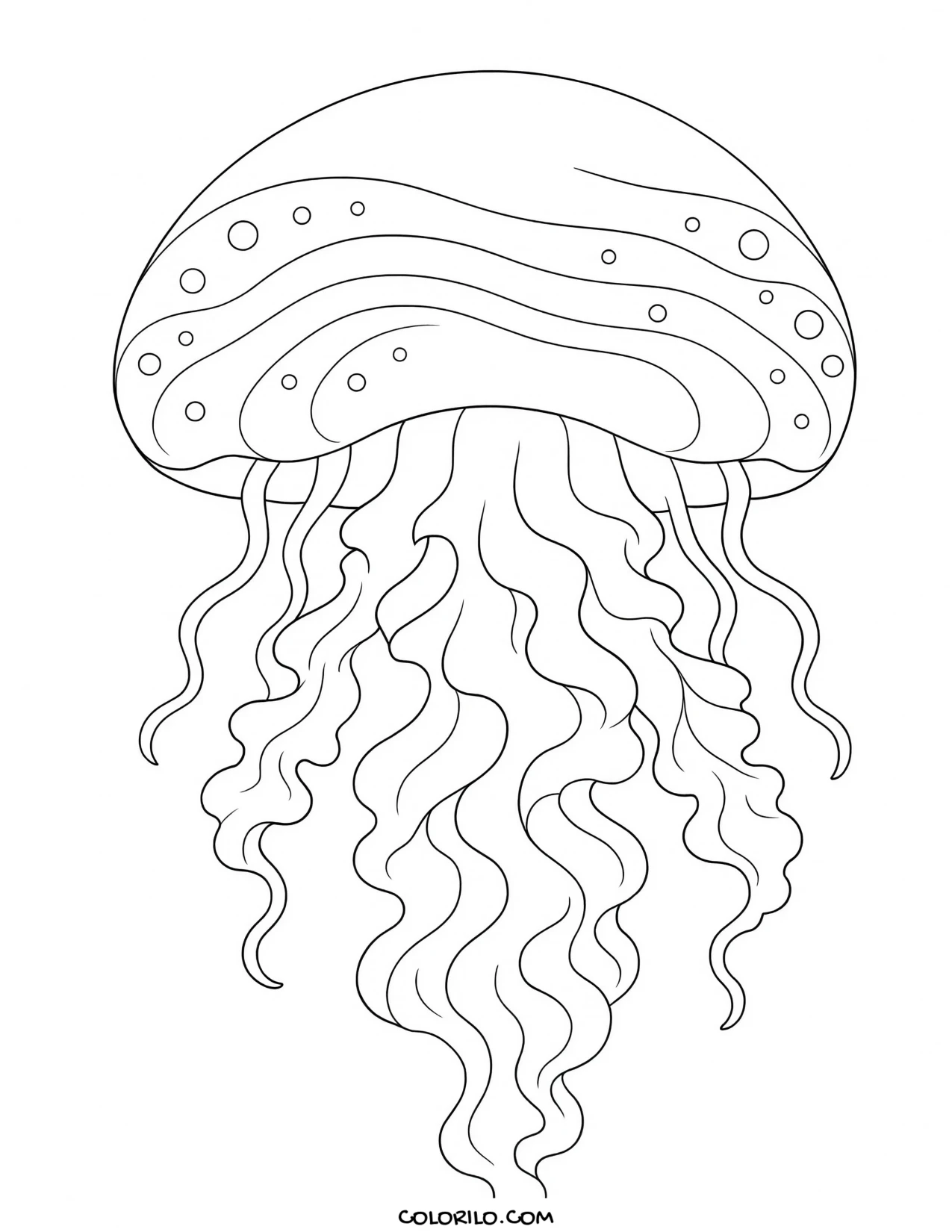
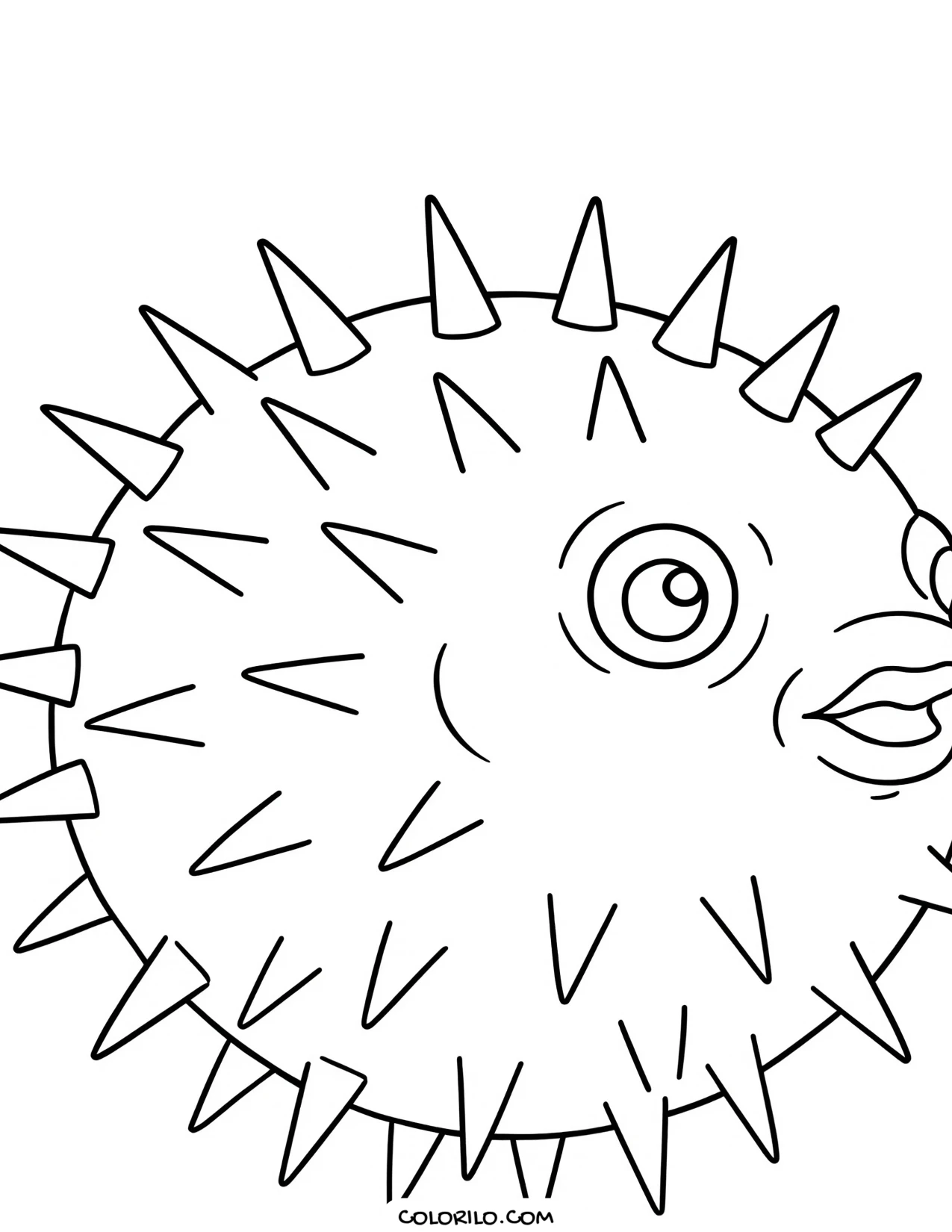
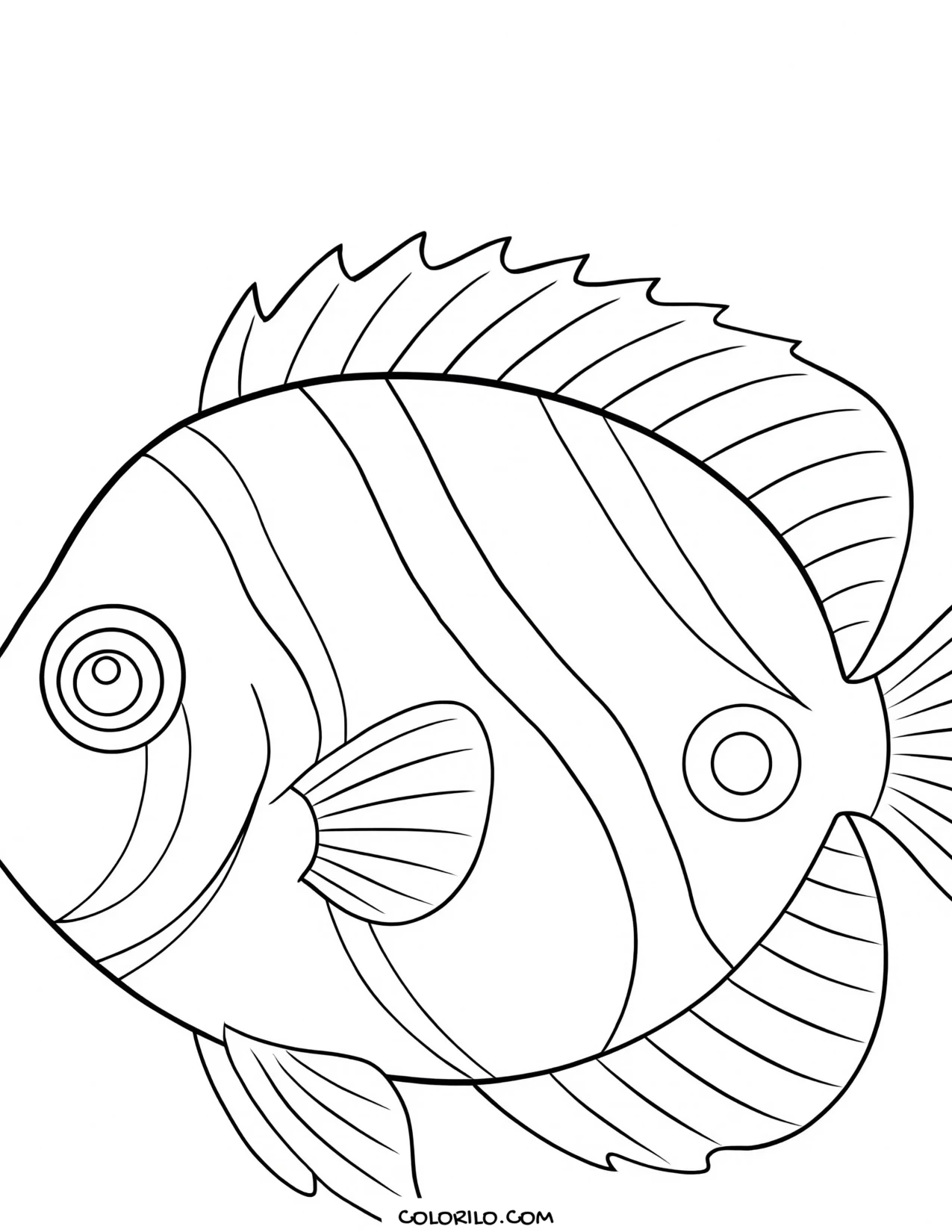
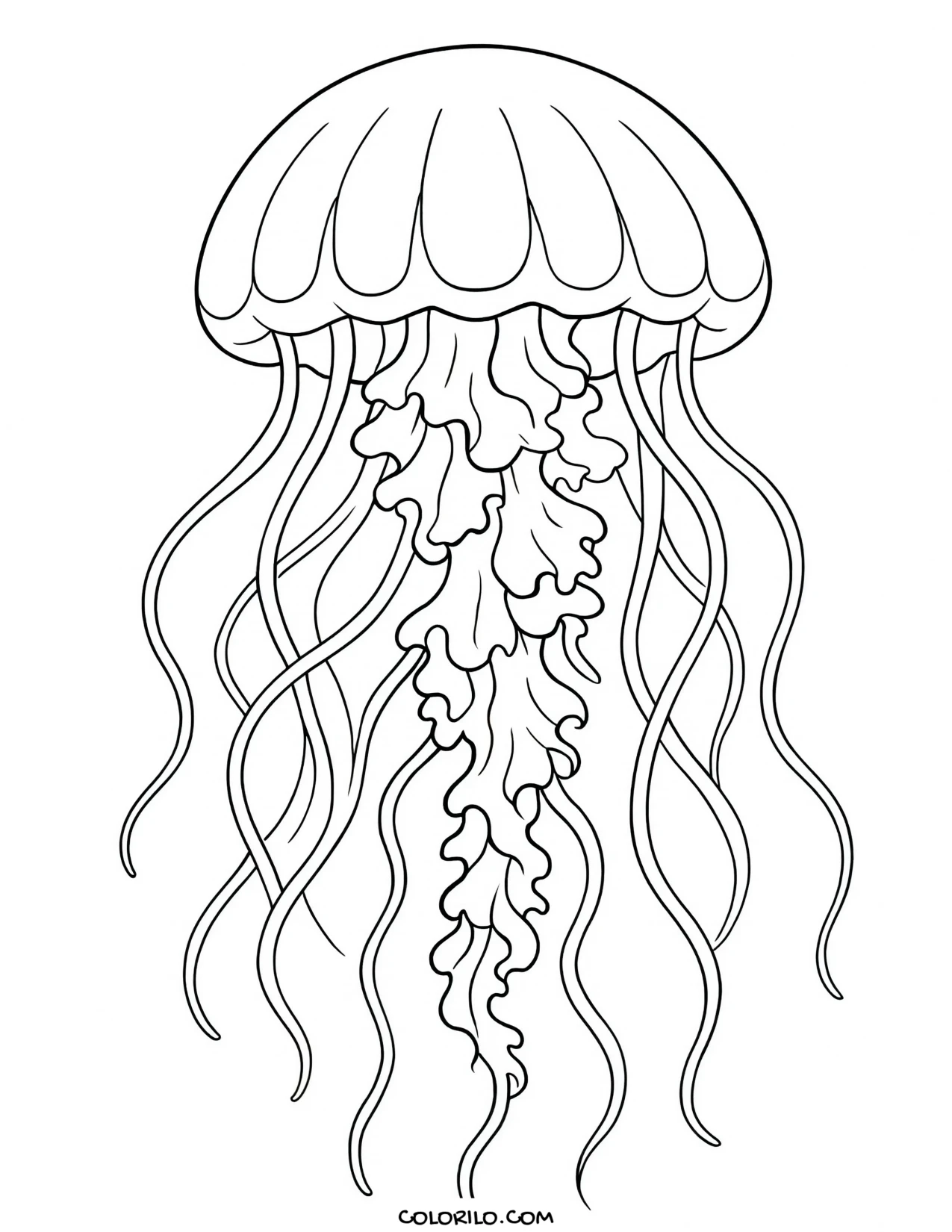
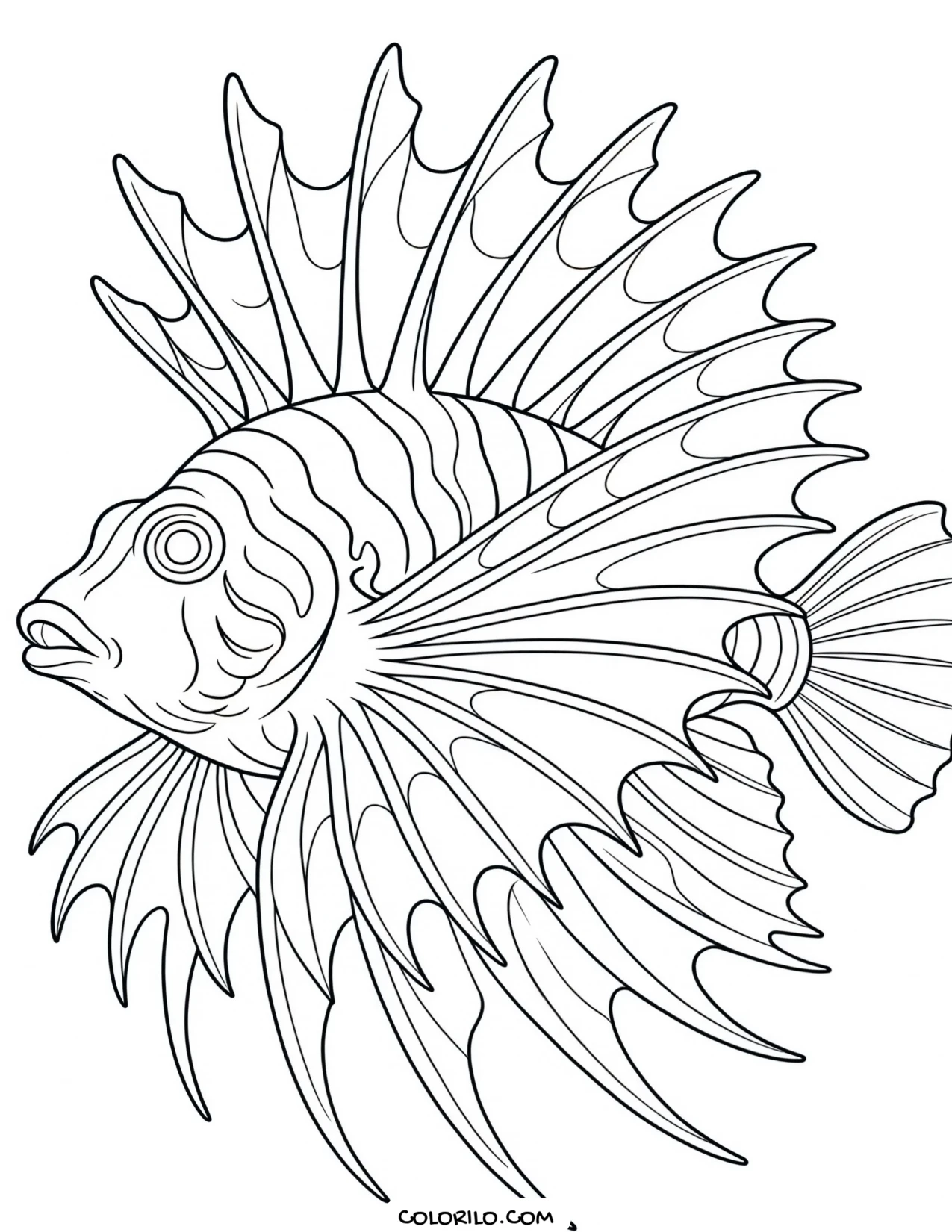
The reef fish are the colourful half of the set even in black and white: clownfish, blue tang, French angelfish, mandarin fish, parrotfish, lionfish drawn twice, a porcupine pufferfish fully inflated. Alongside them sit the animals that do not look like fish at all, octopus, cuttlefish, squid, nautilus, moon jelly, sea nettle, box jellyfish.
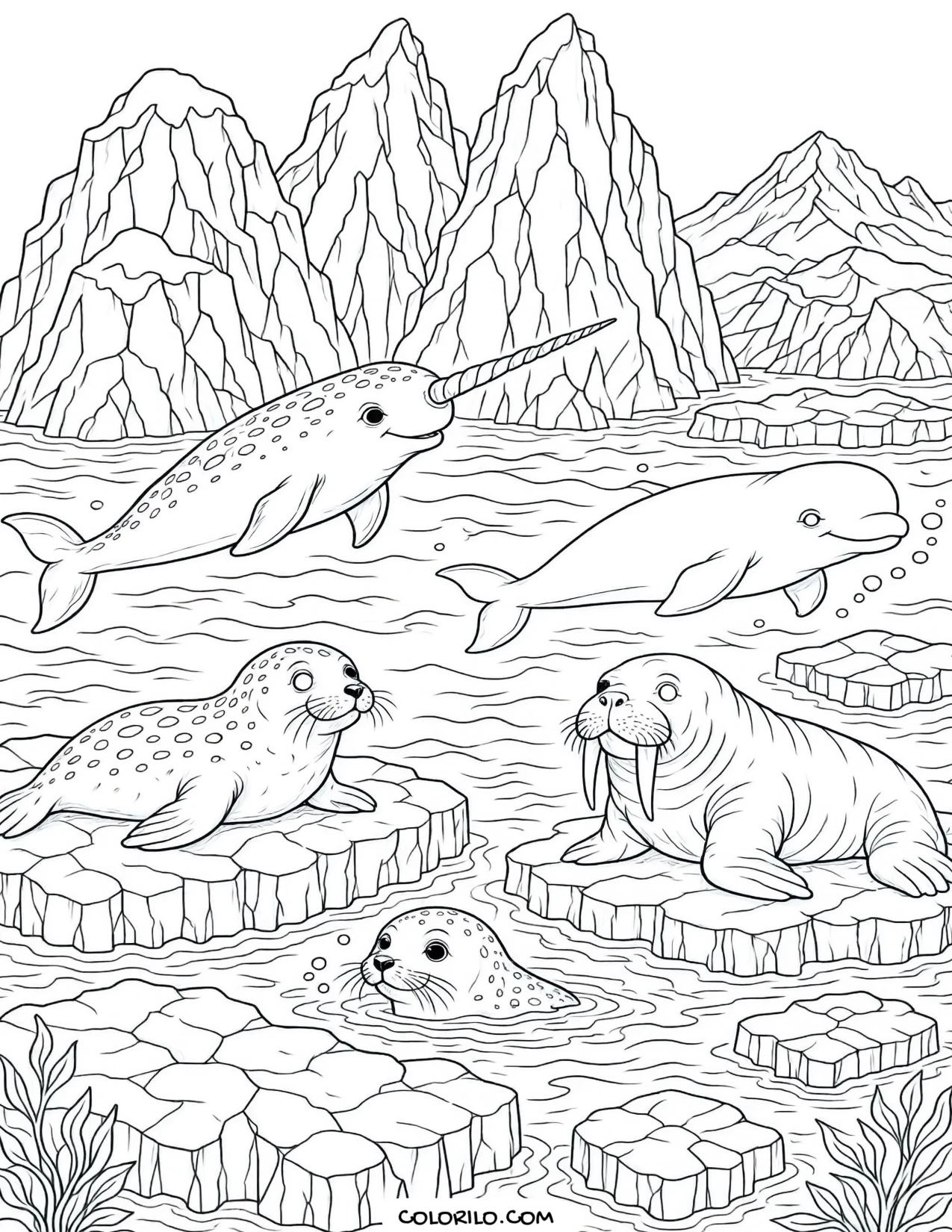
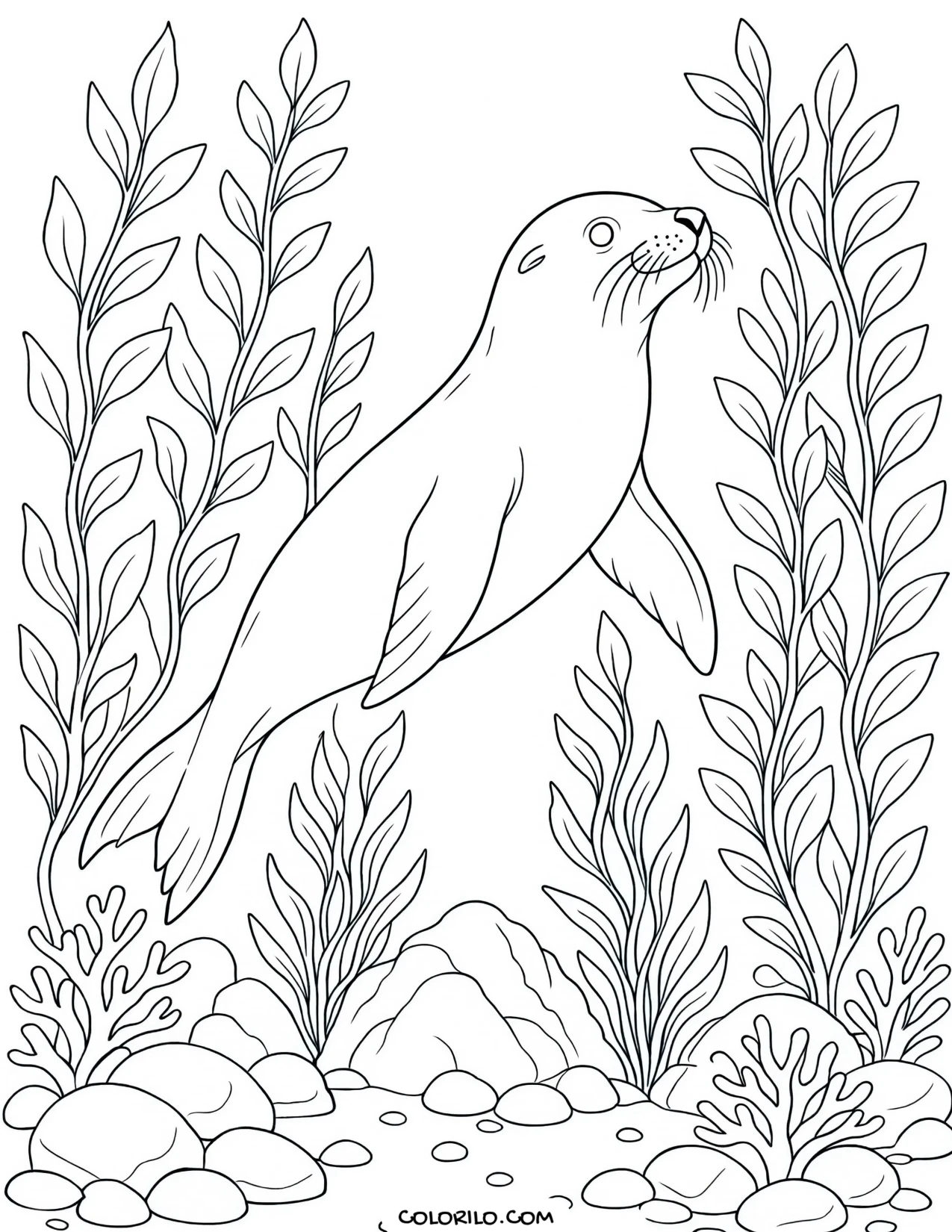
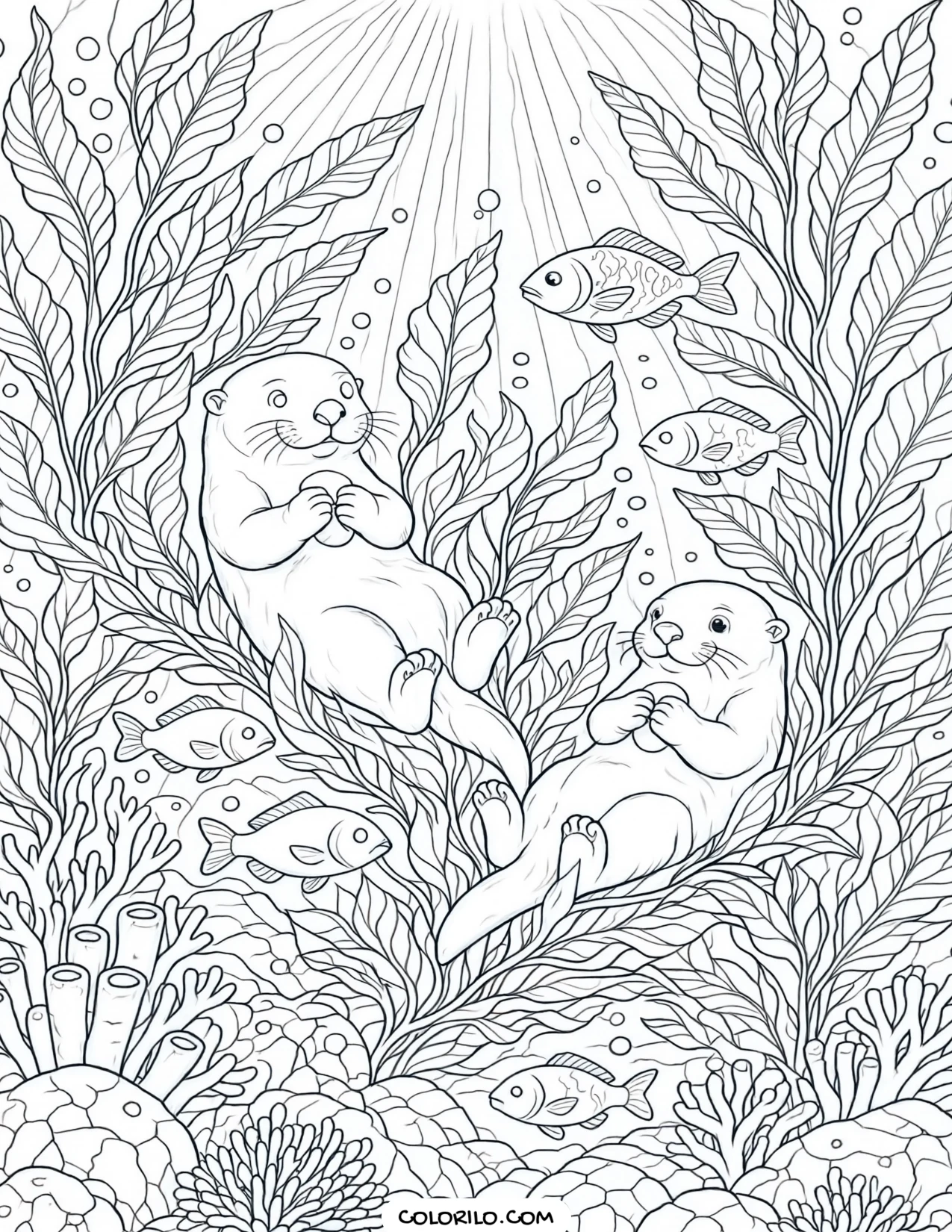
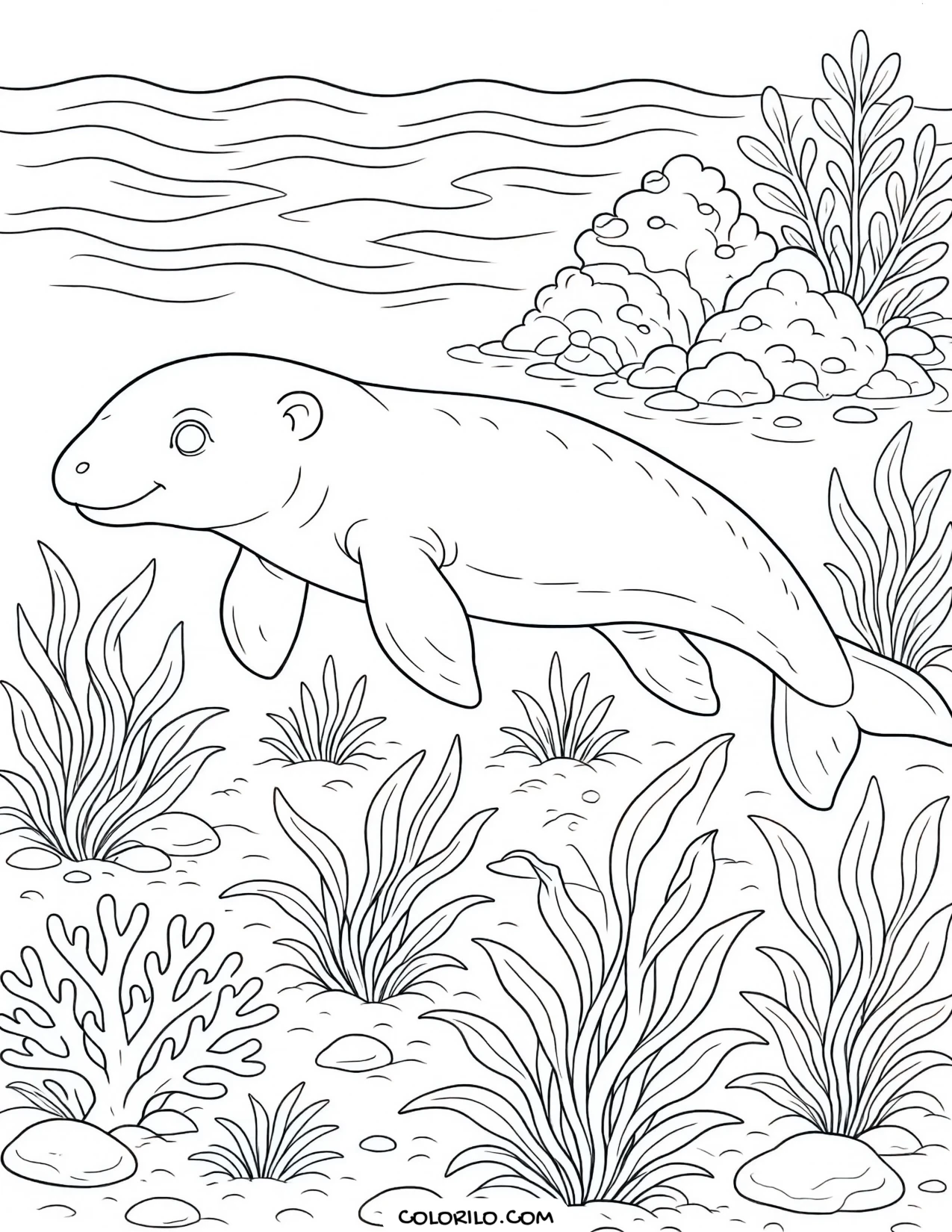
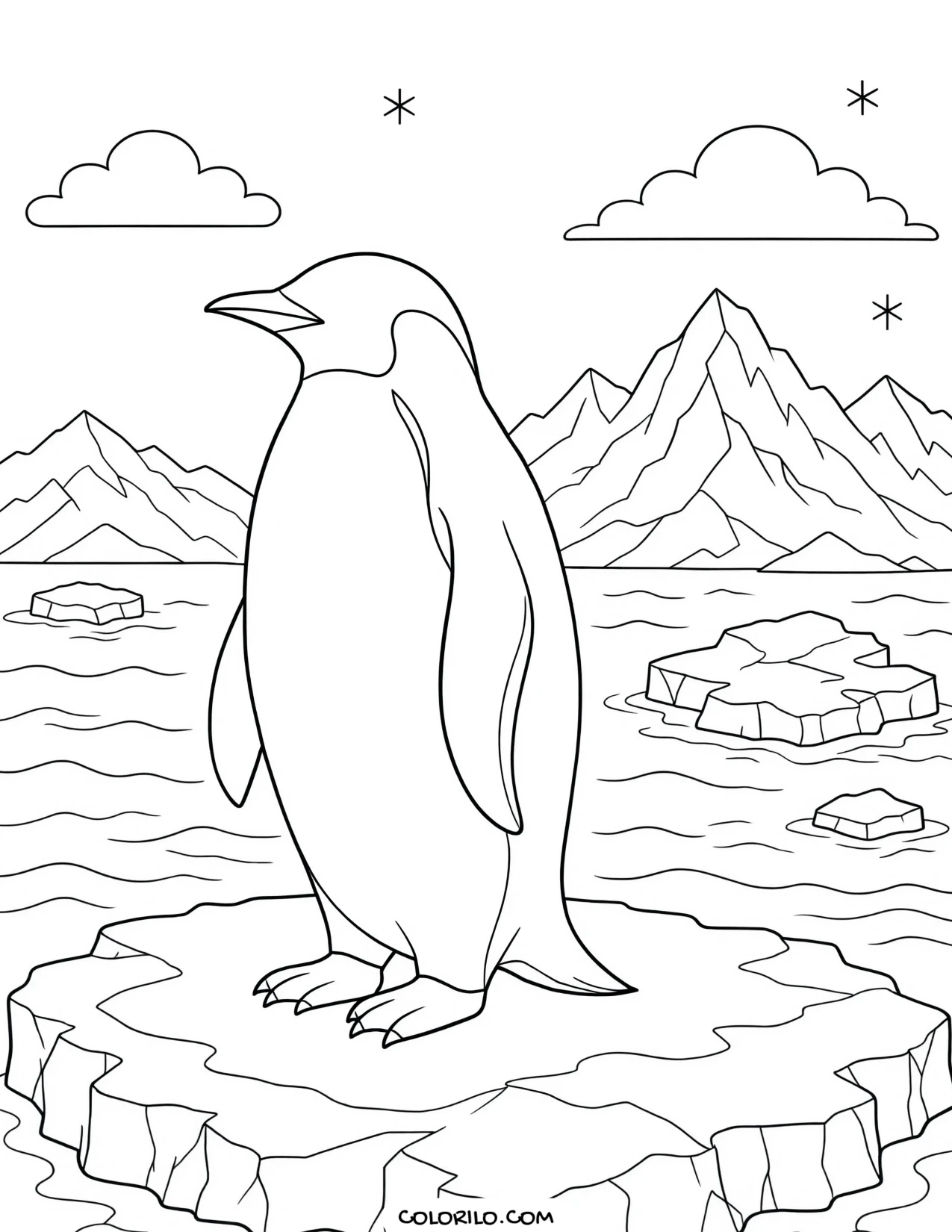
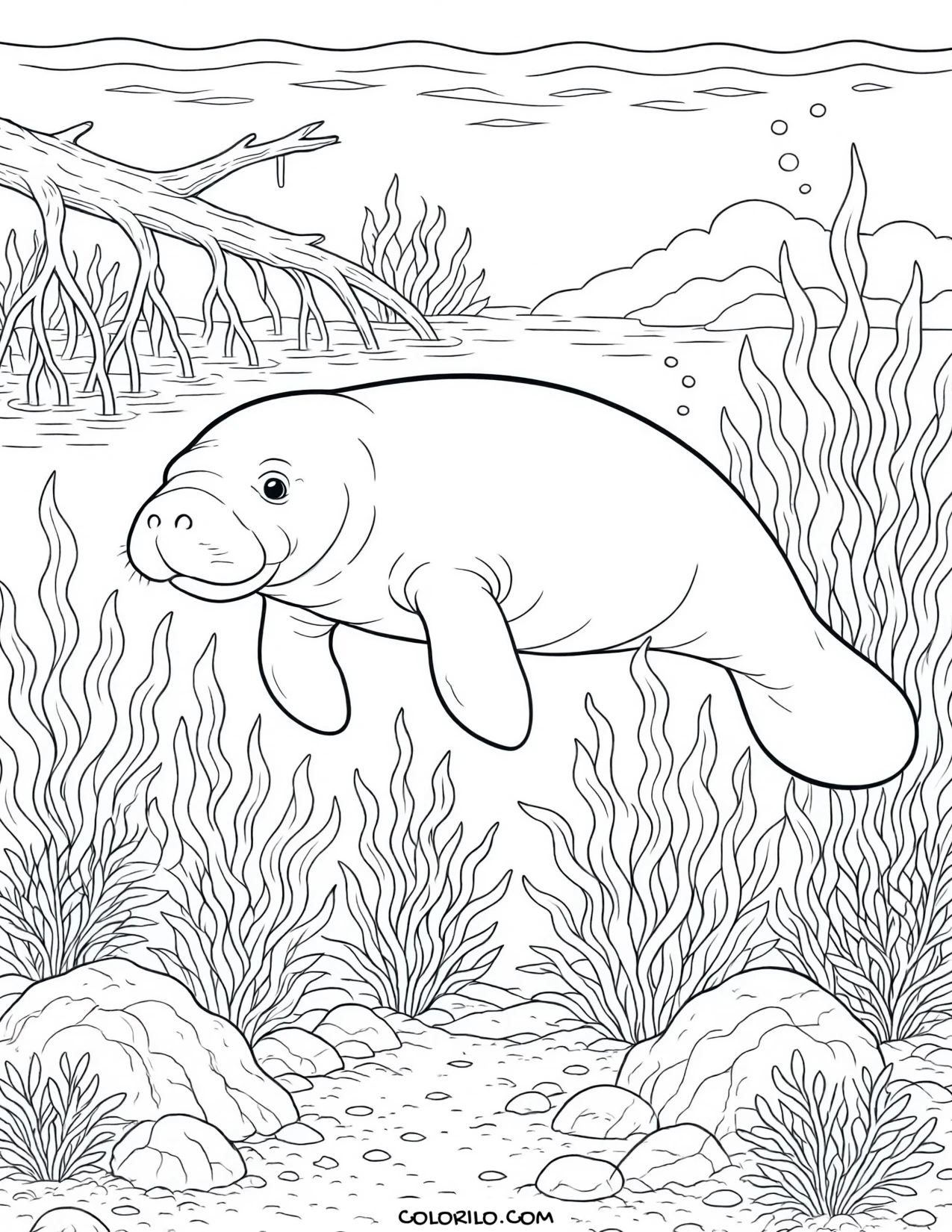
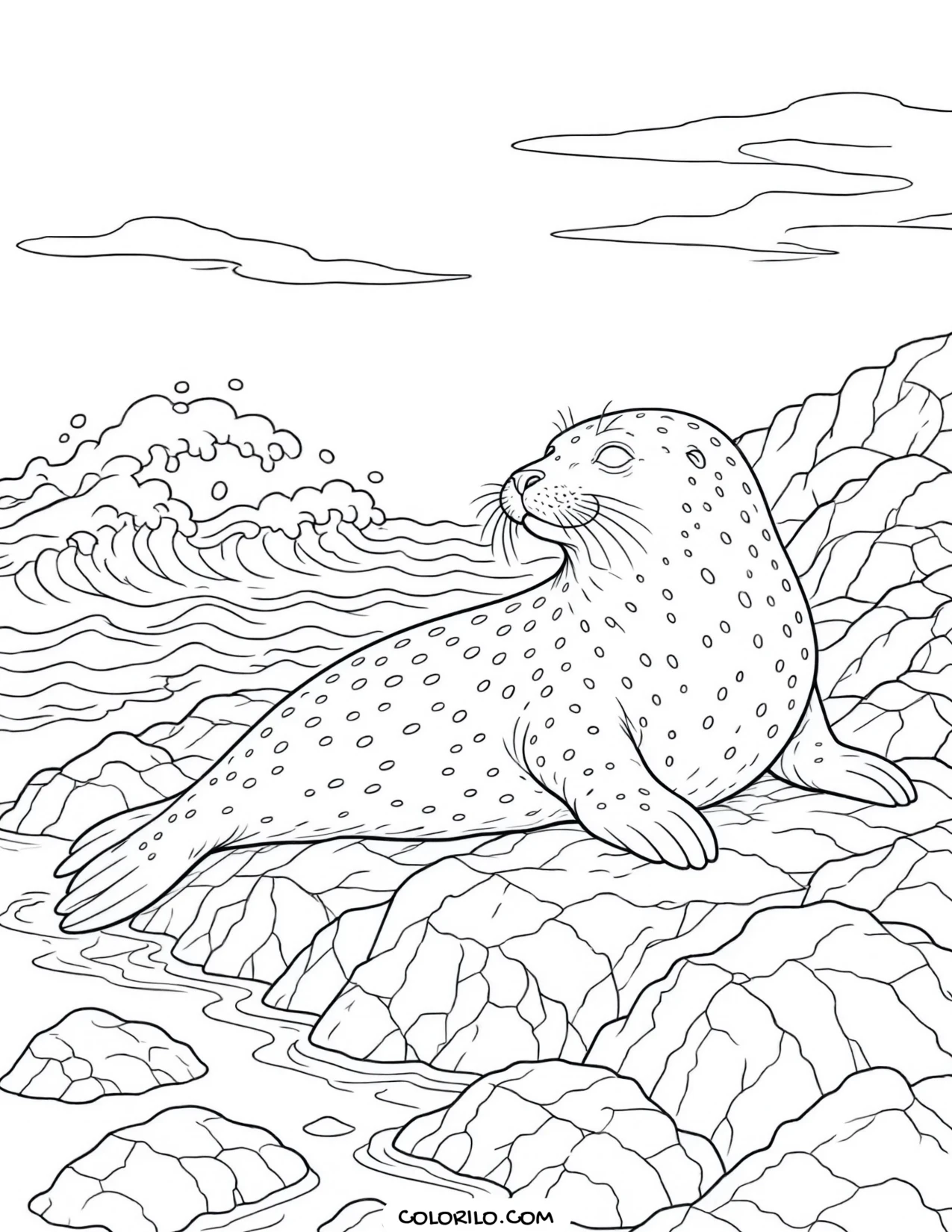
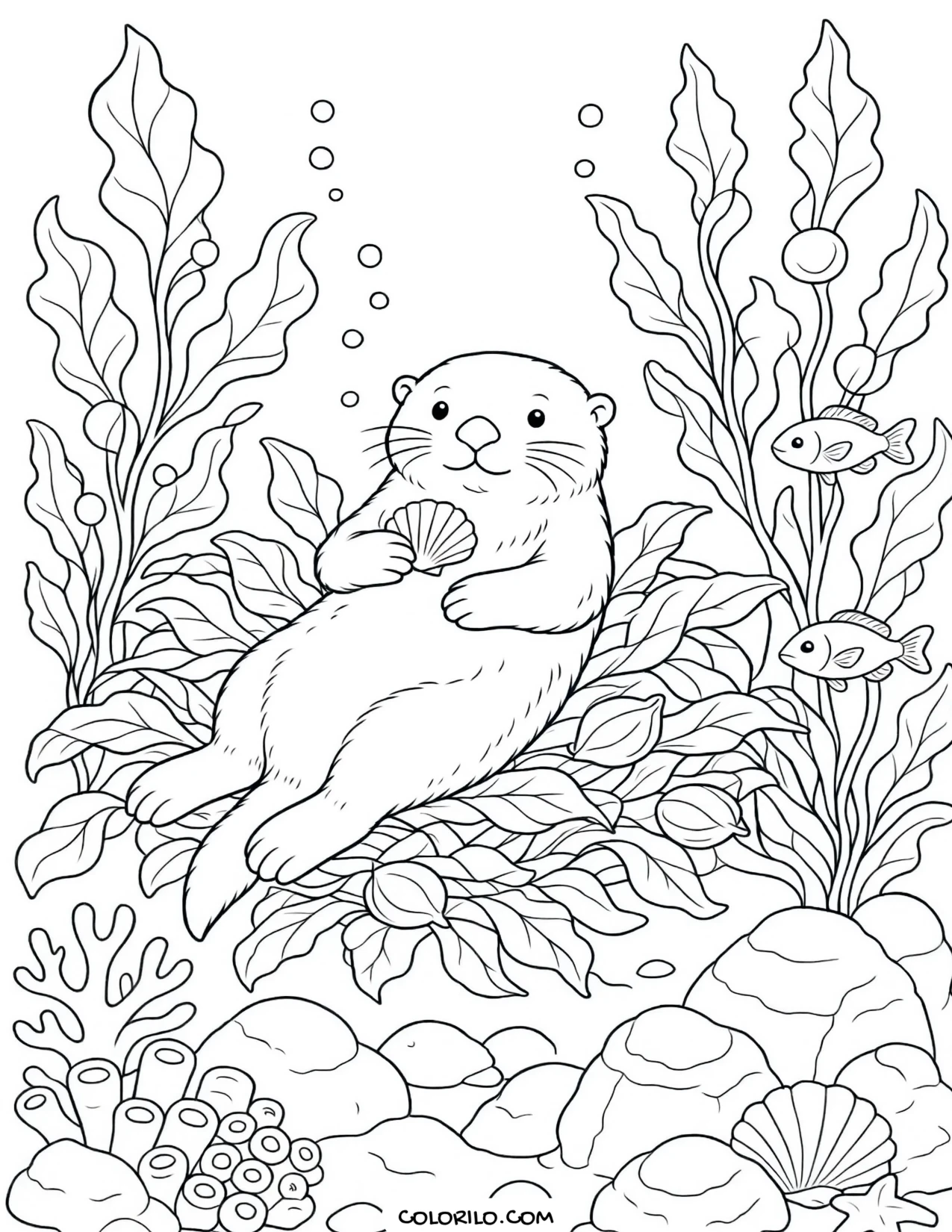
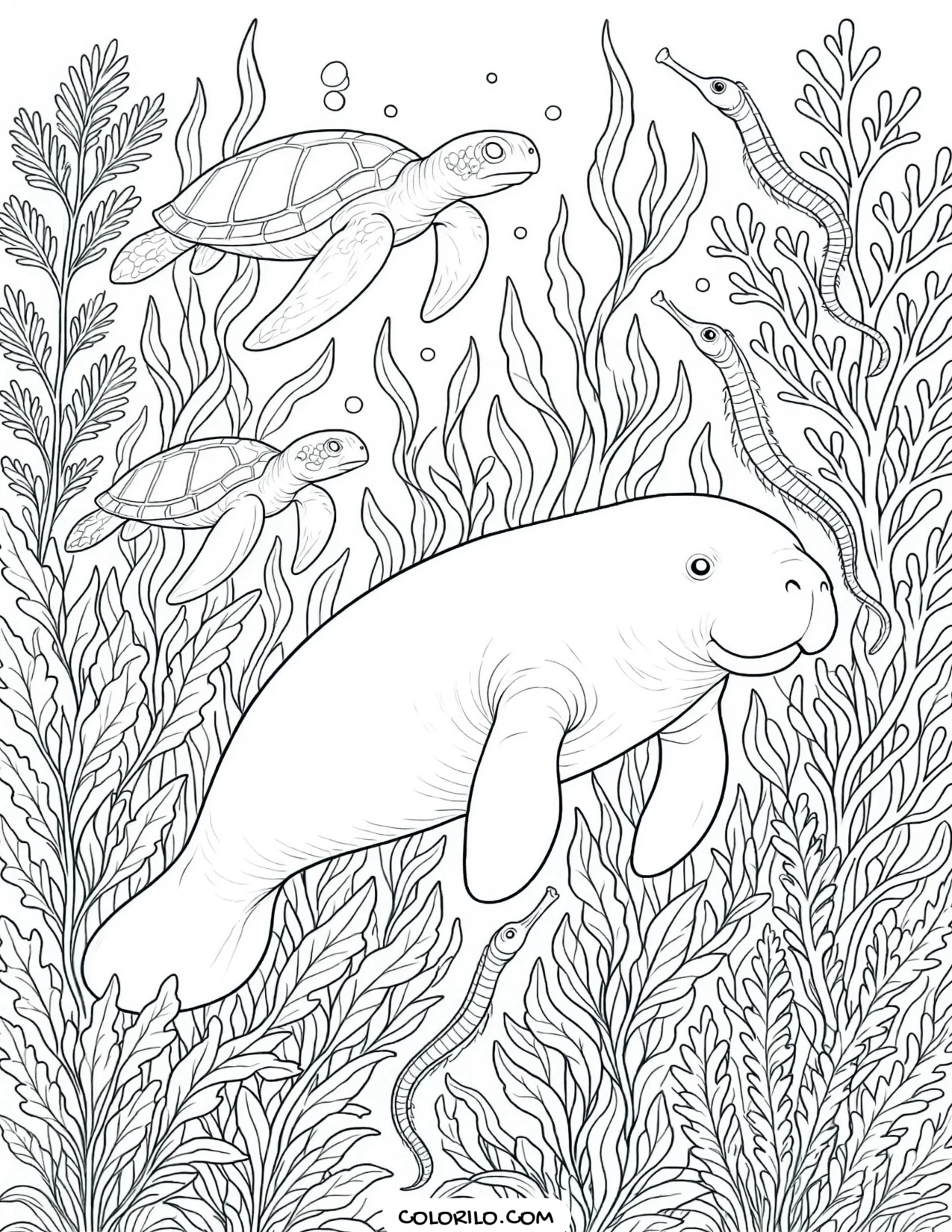
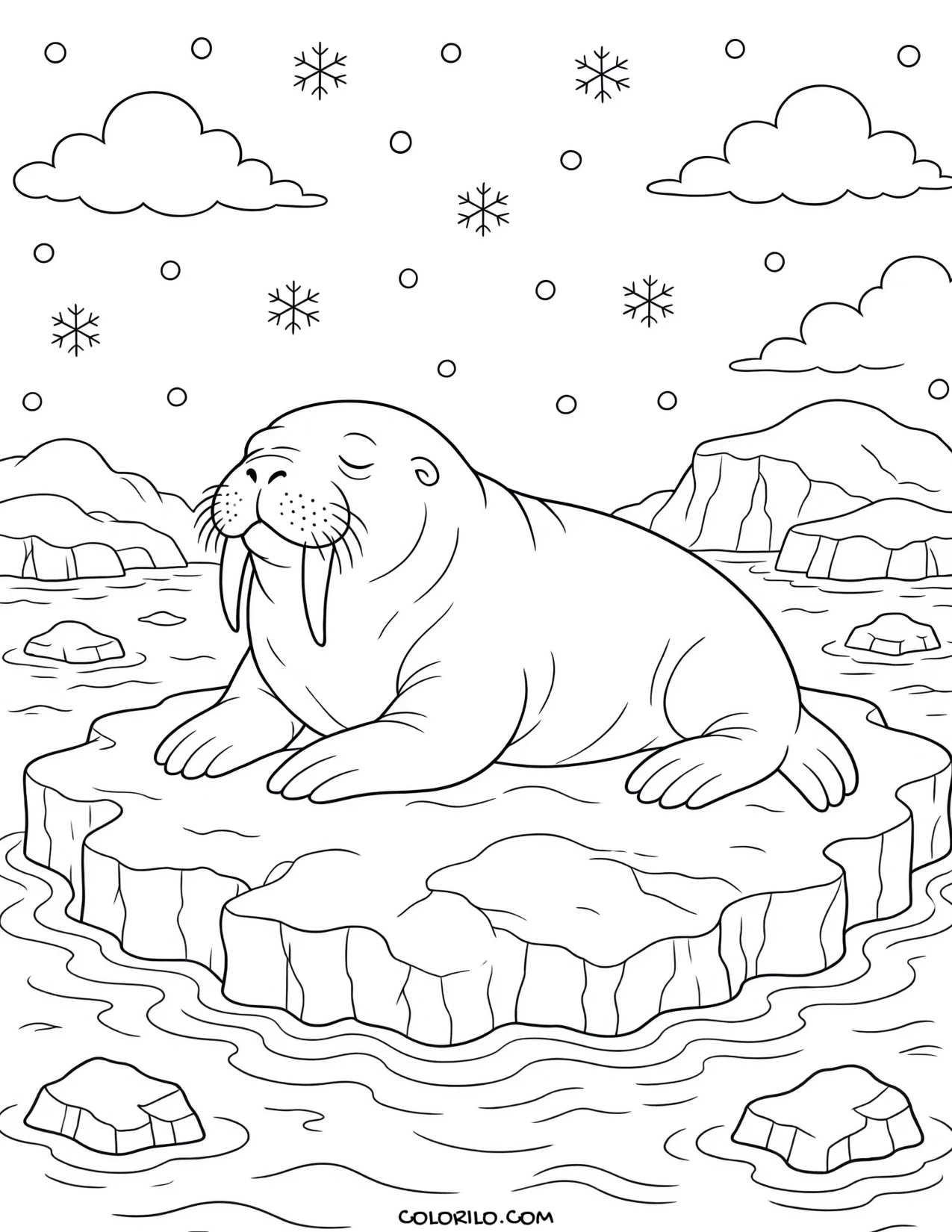
The cold water gets its own group. Emperor penguin on Antarctic ice, walrus resting, harbor seal, California sea lion, sea otter floating in a kelp raft, and an Arctic scene with narwhals and walruses together. Warm shallows bring the manatee, the dugong, and a seagrass meadow with both.
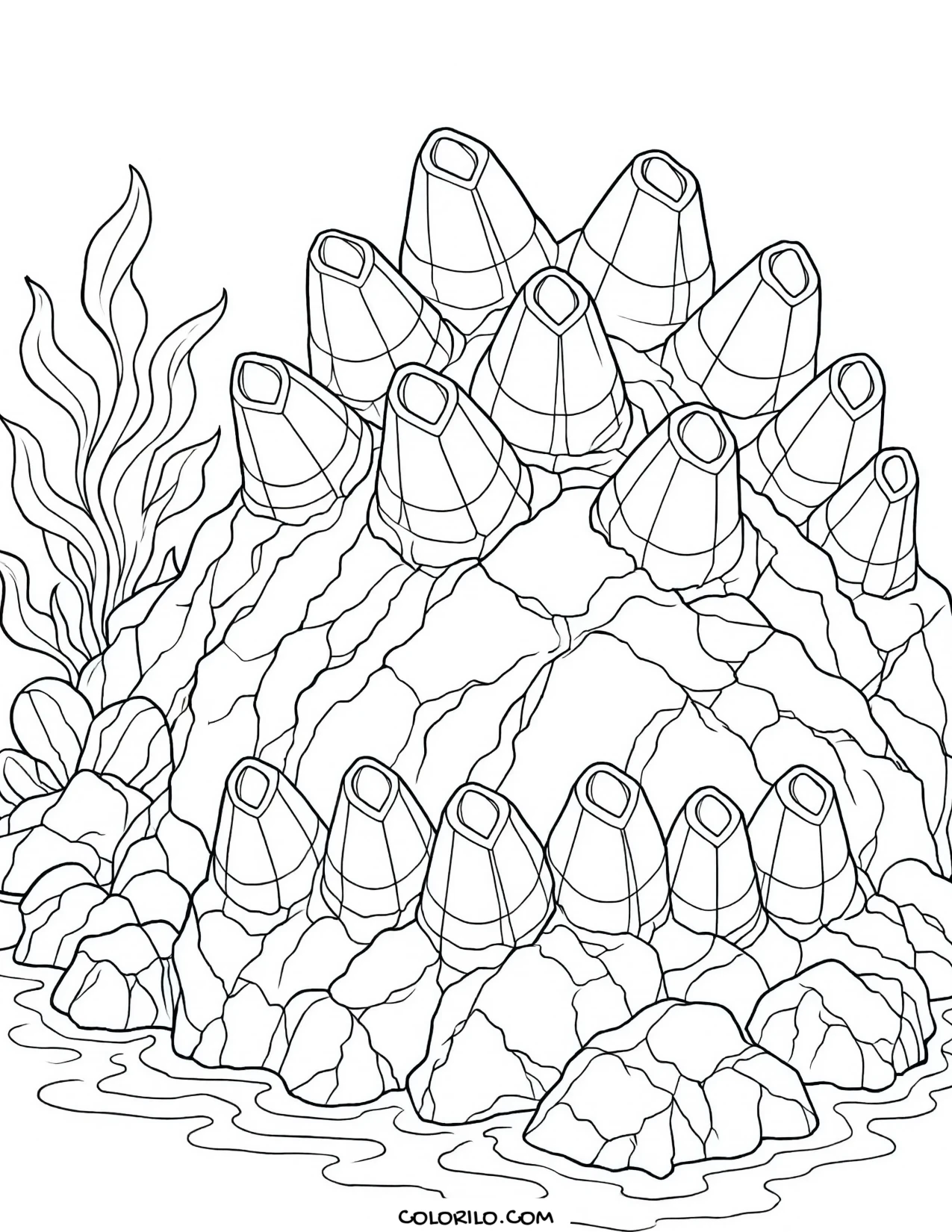
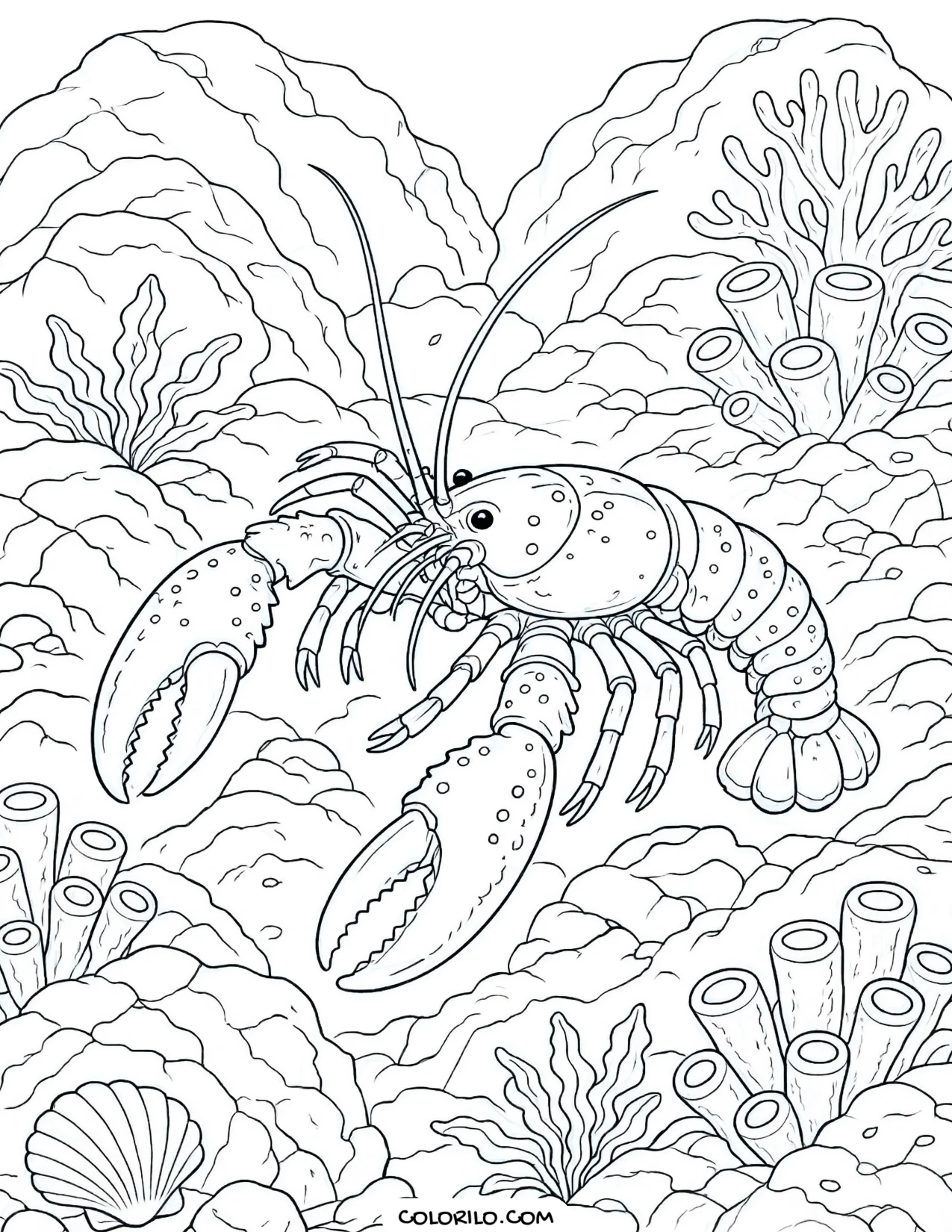
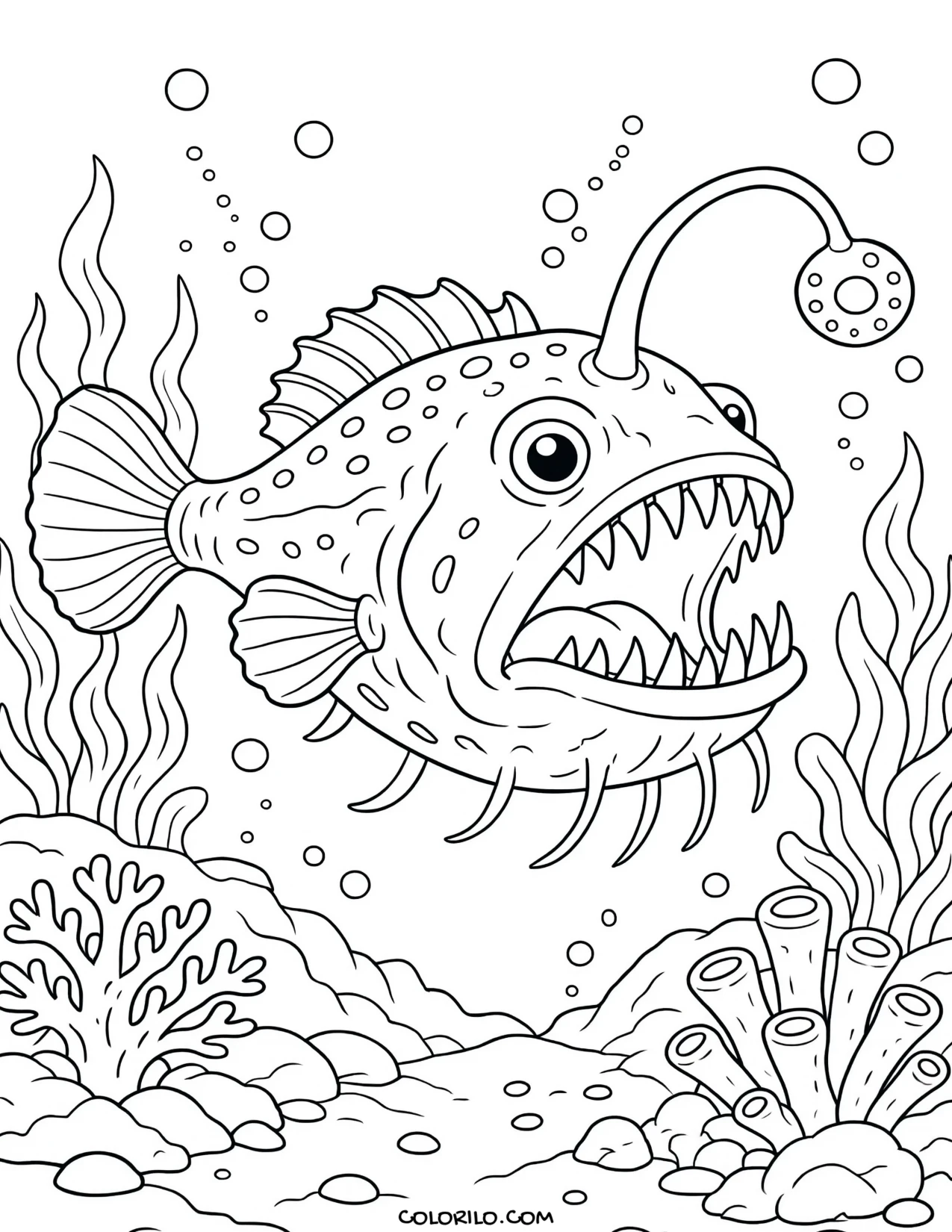
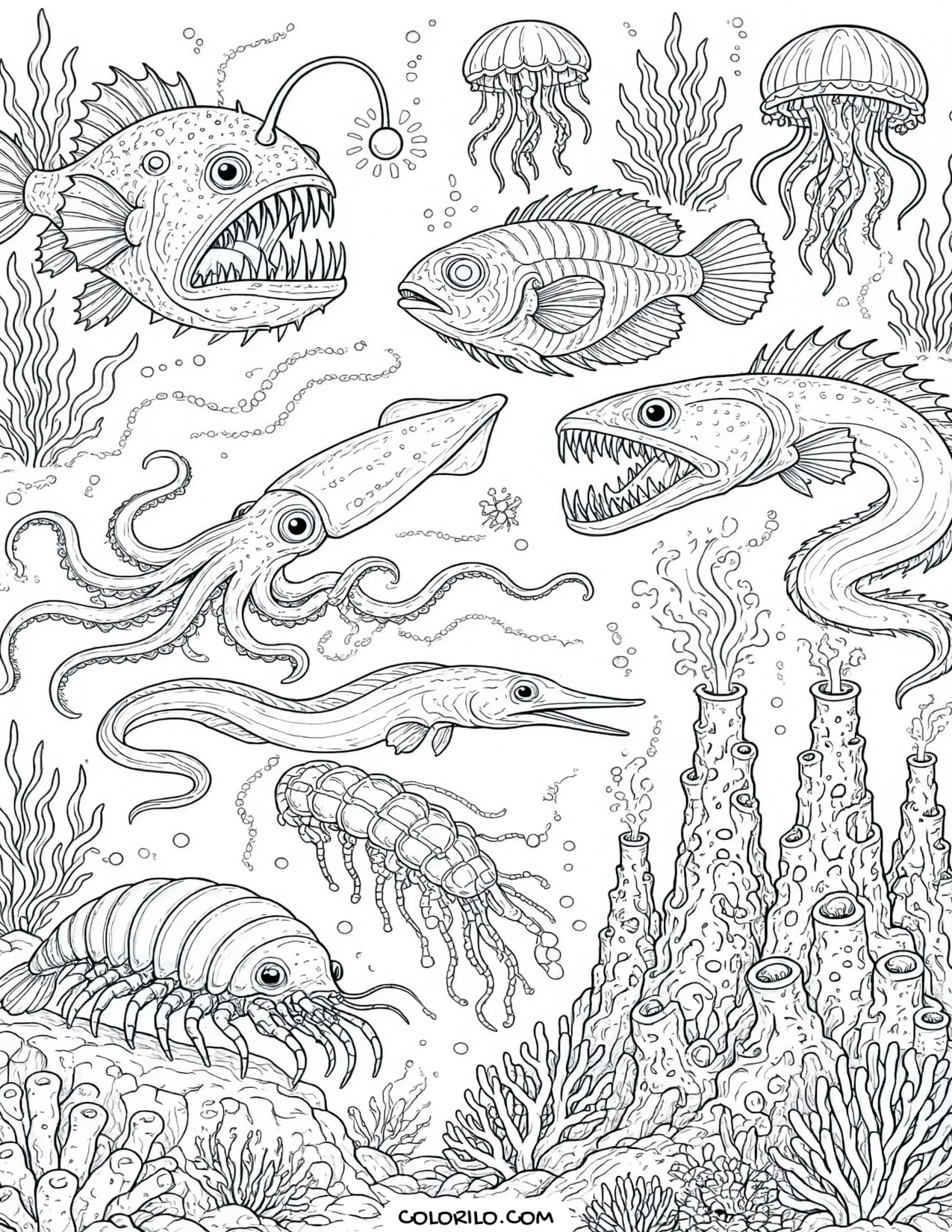
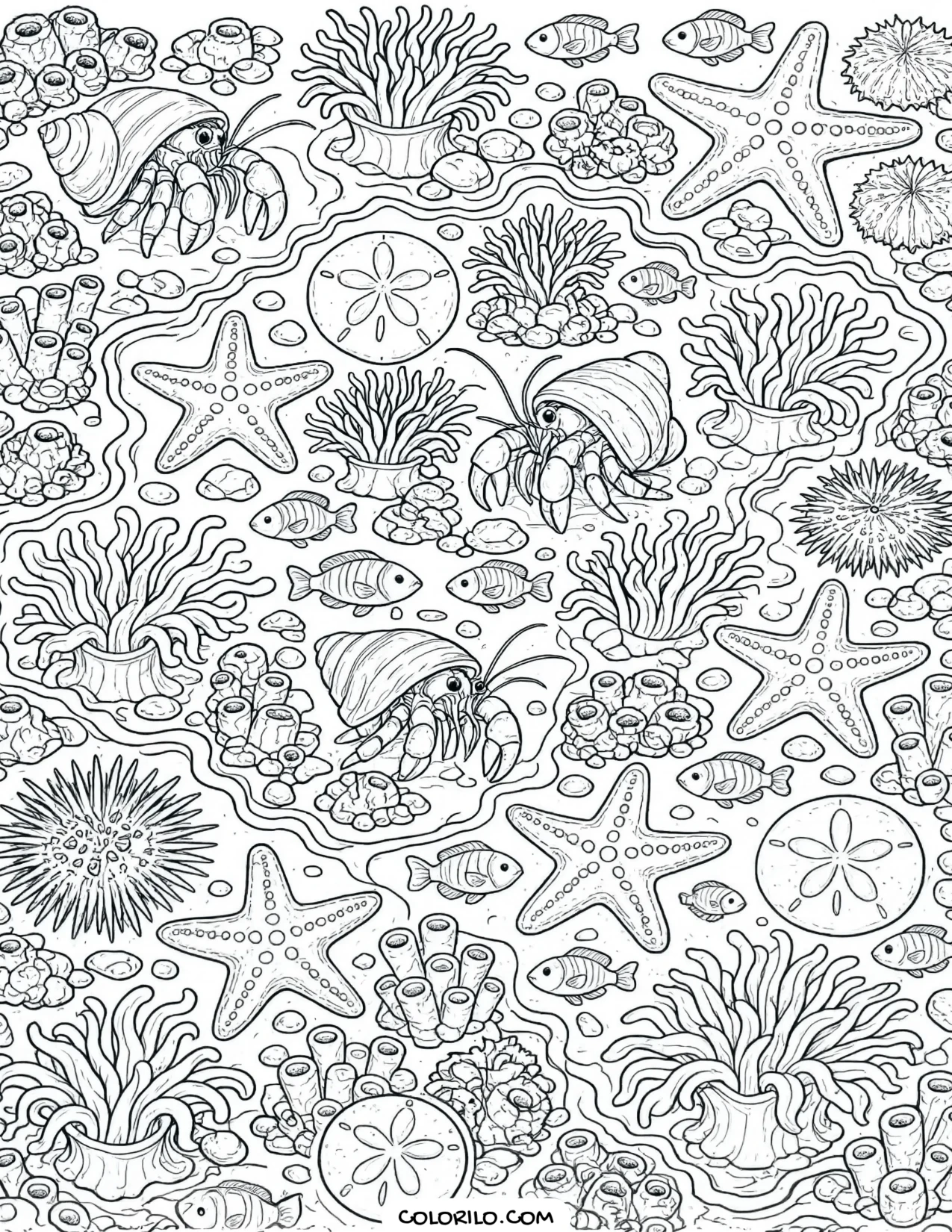
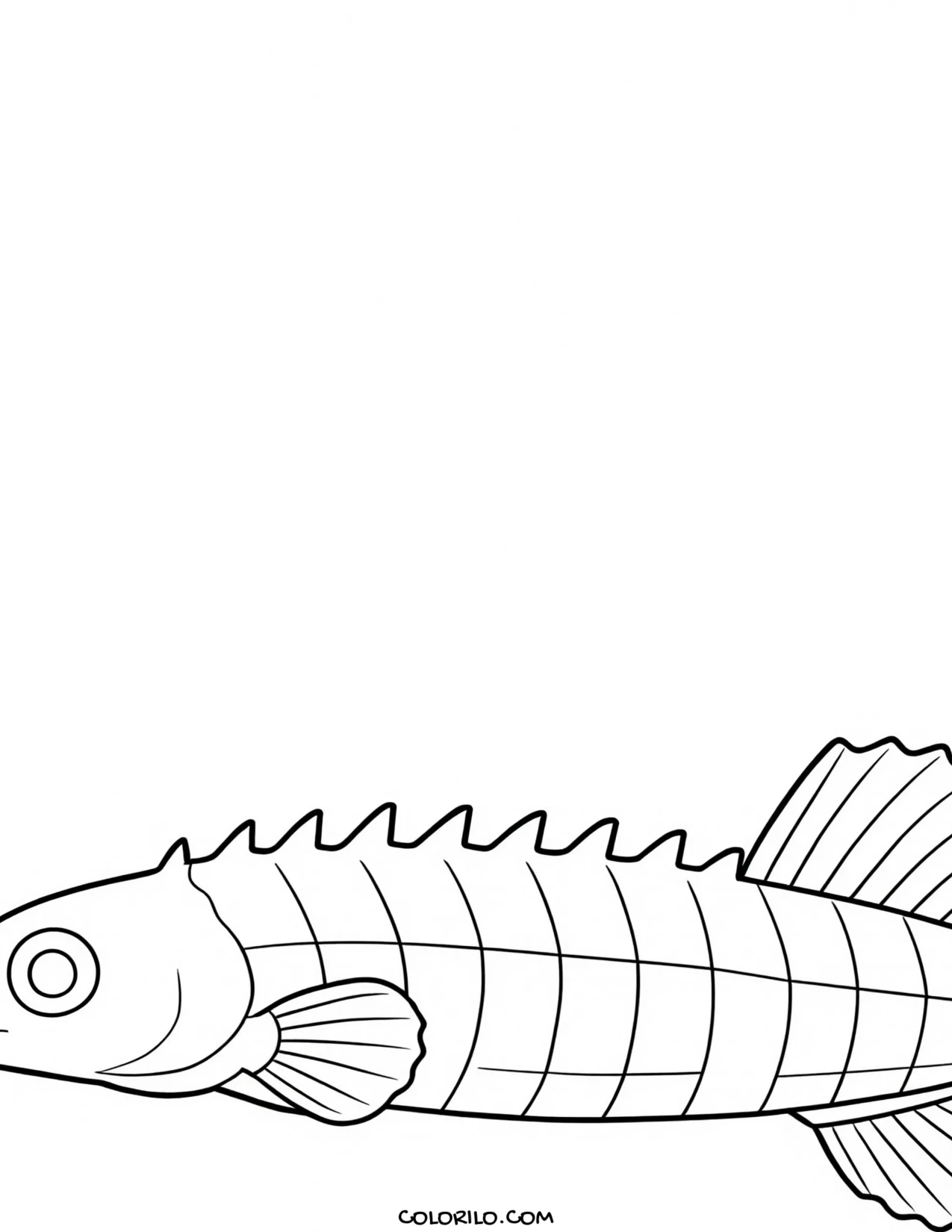
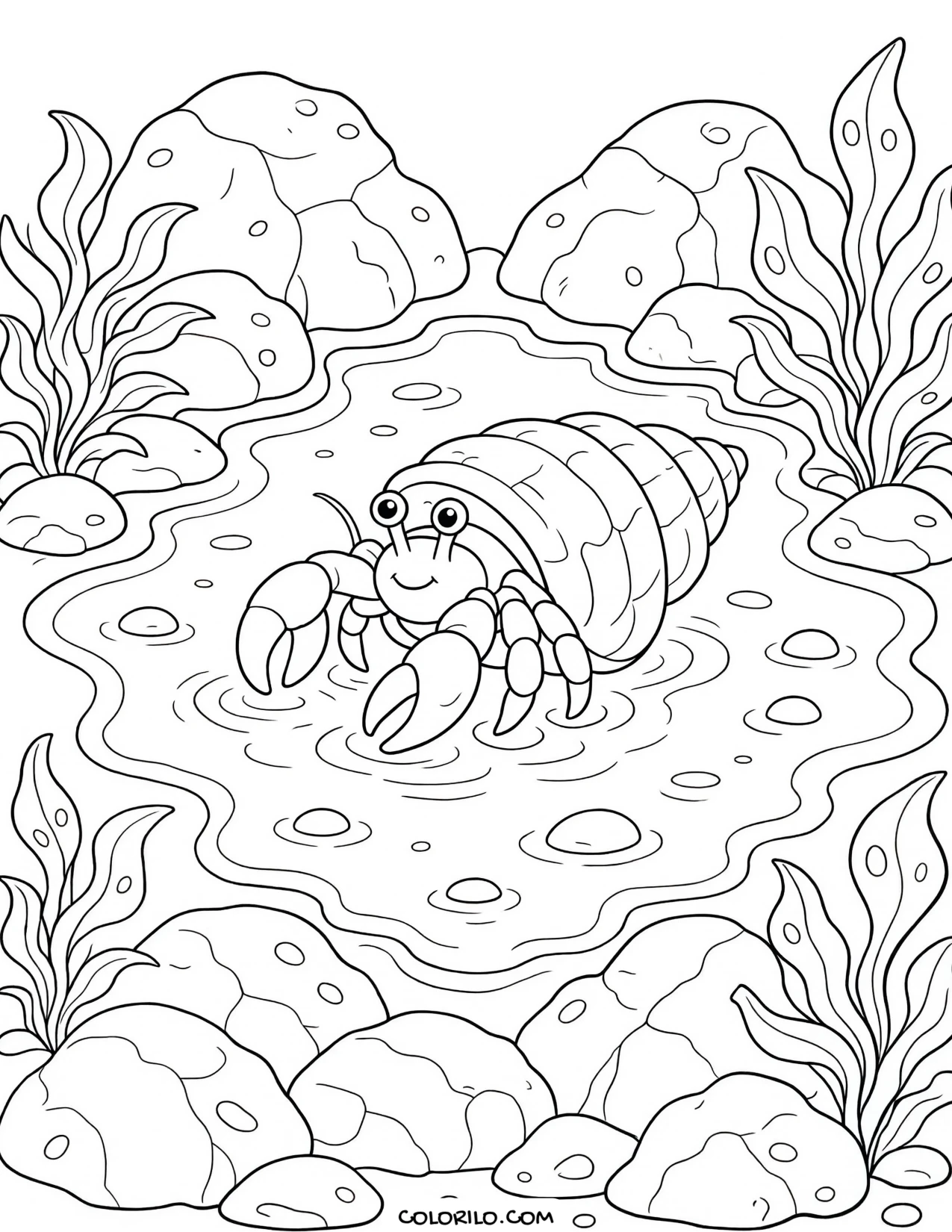
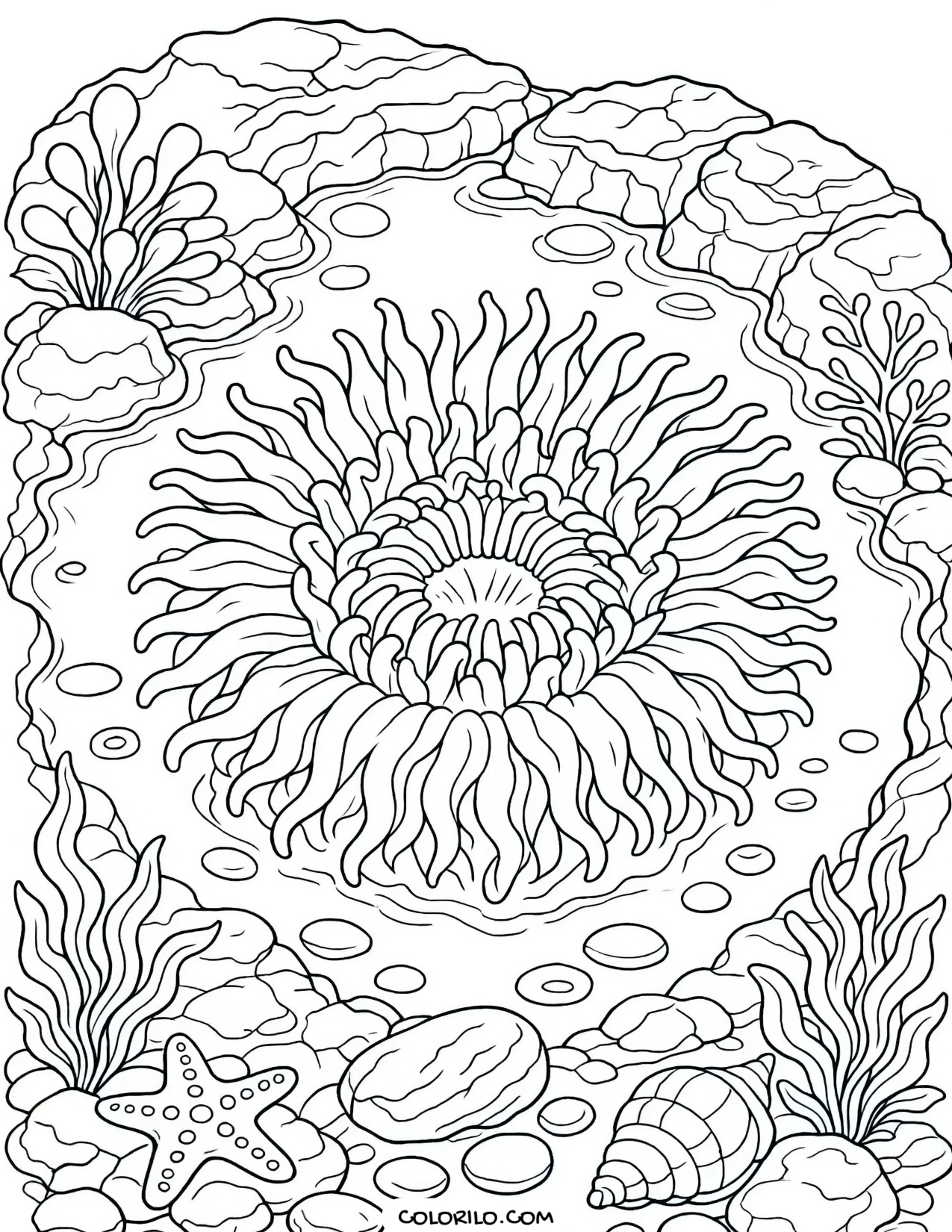
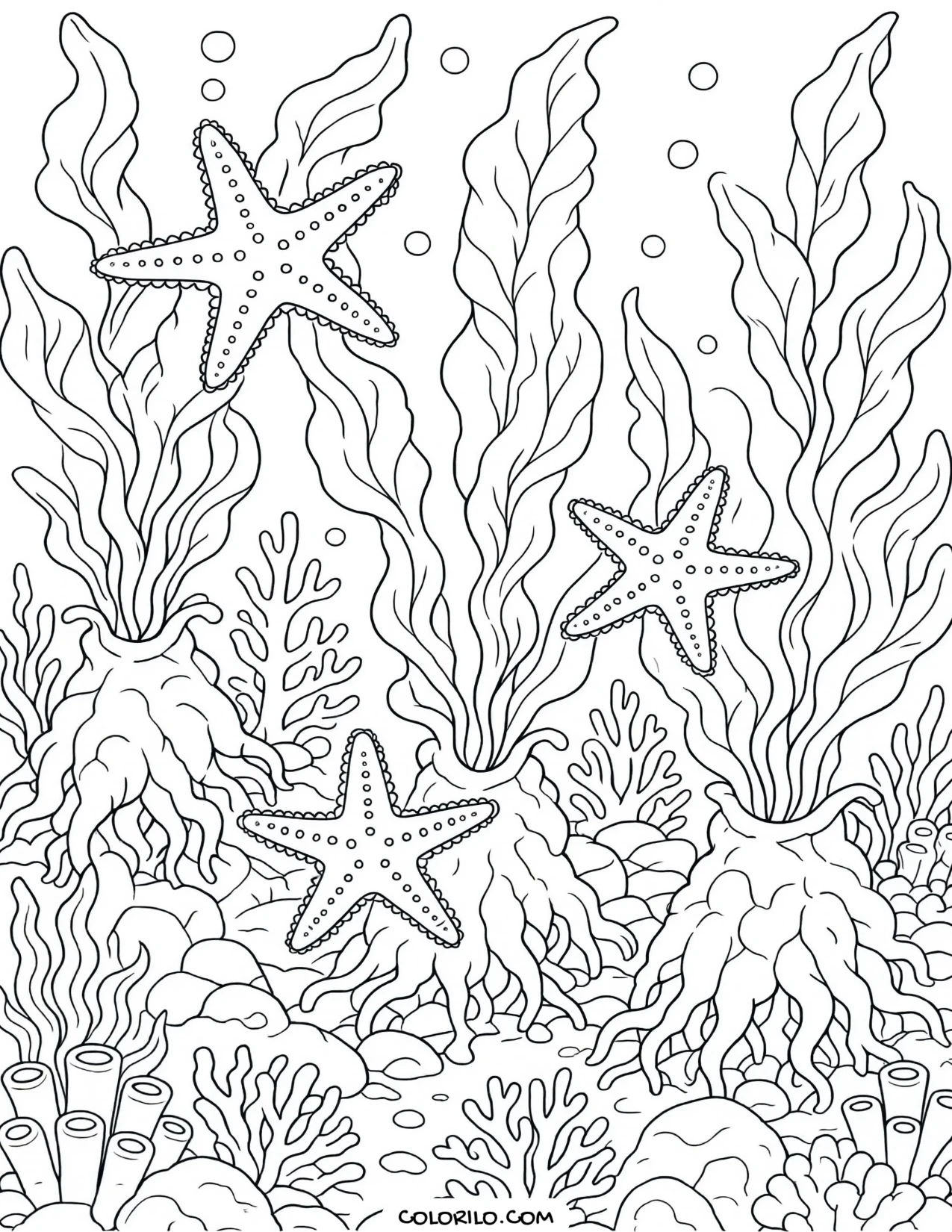
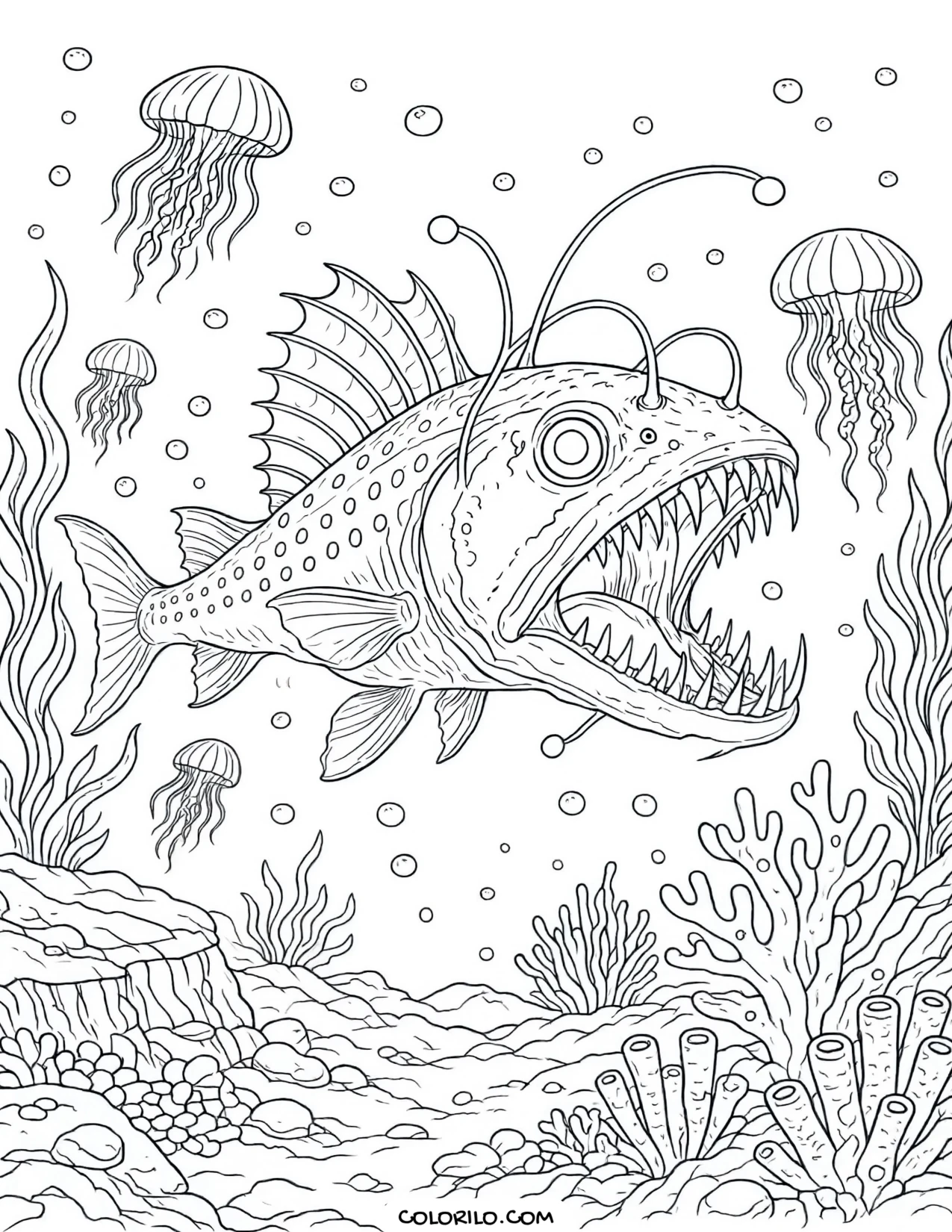
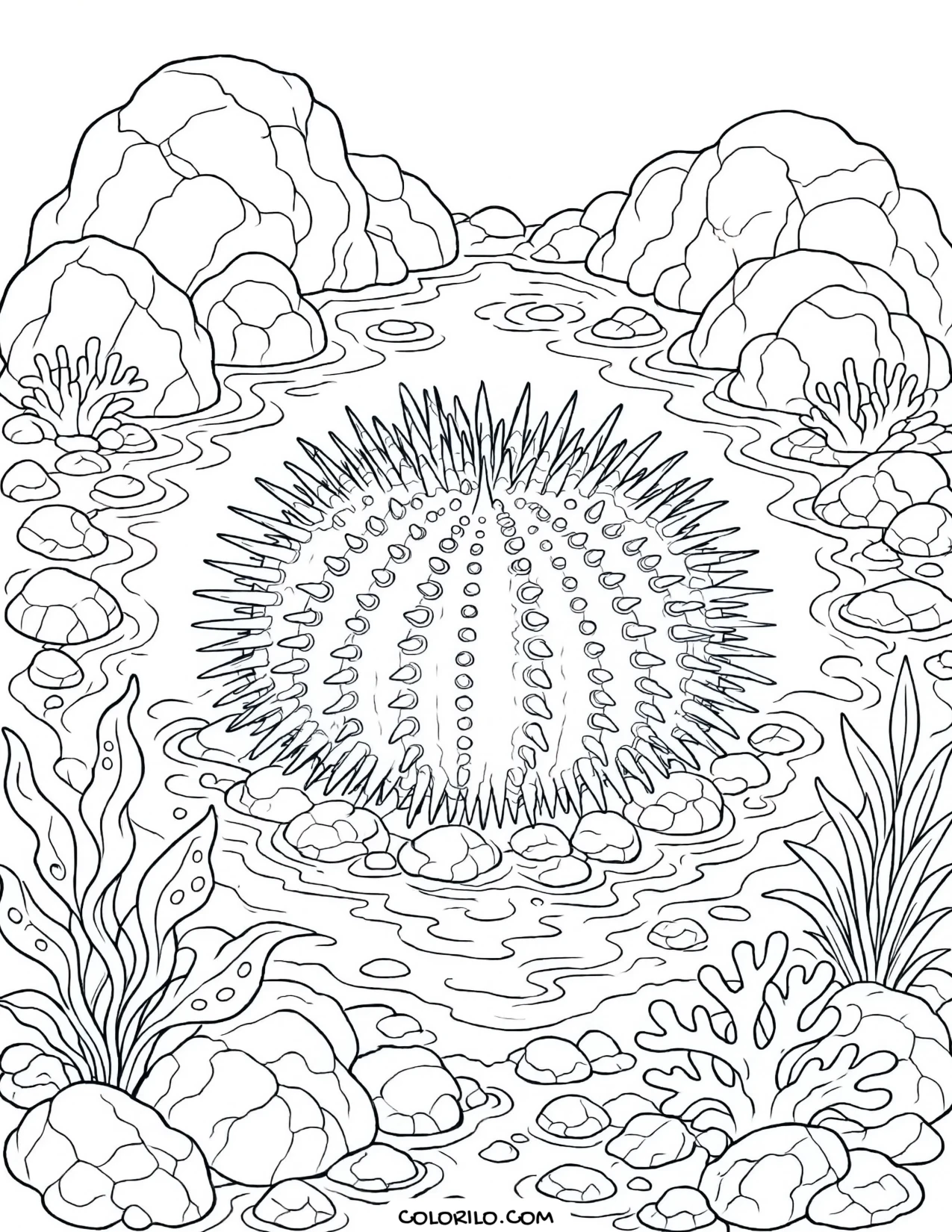
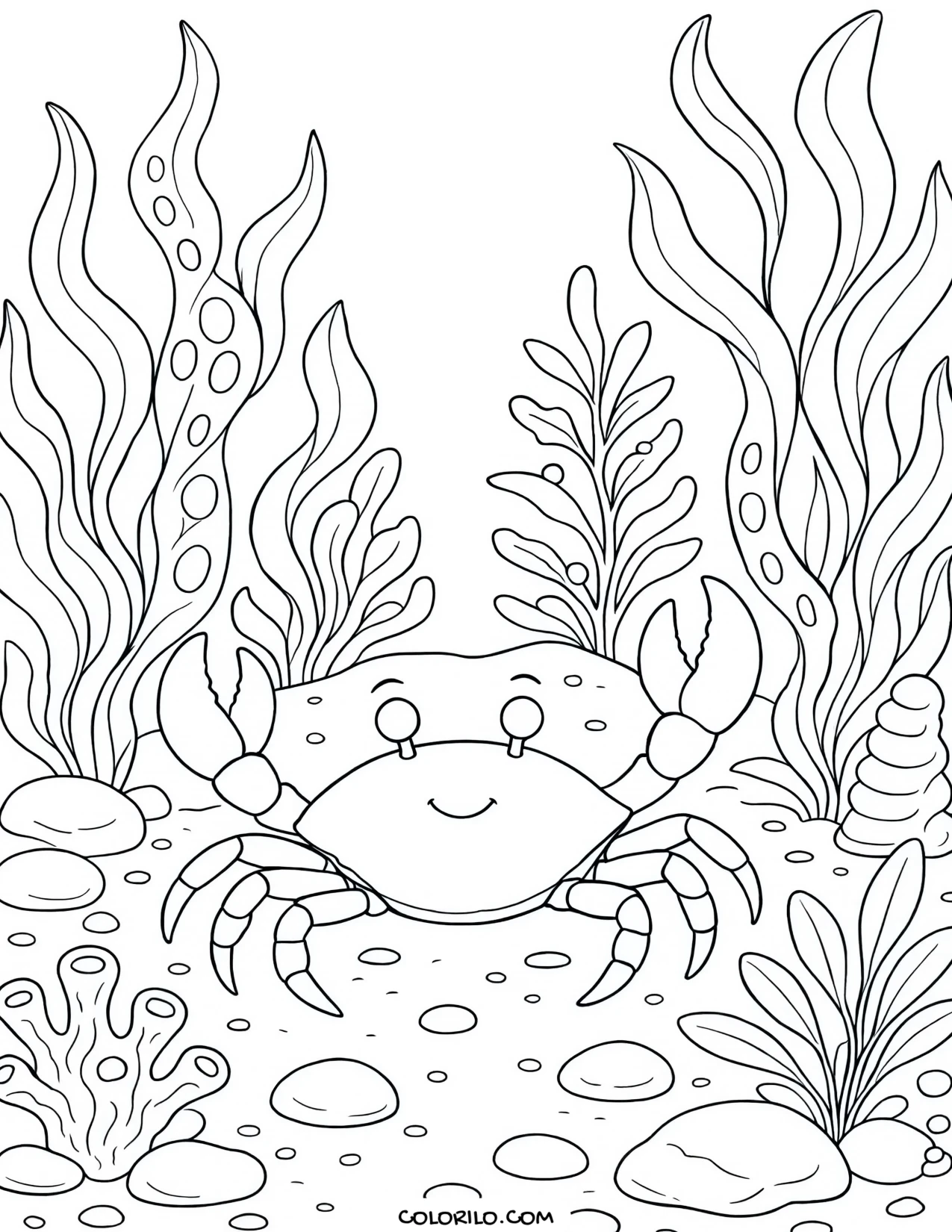
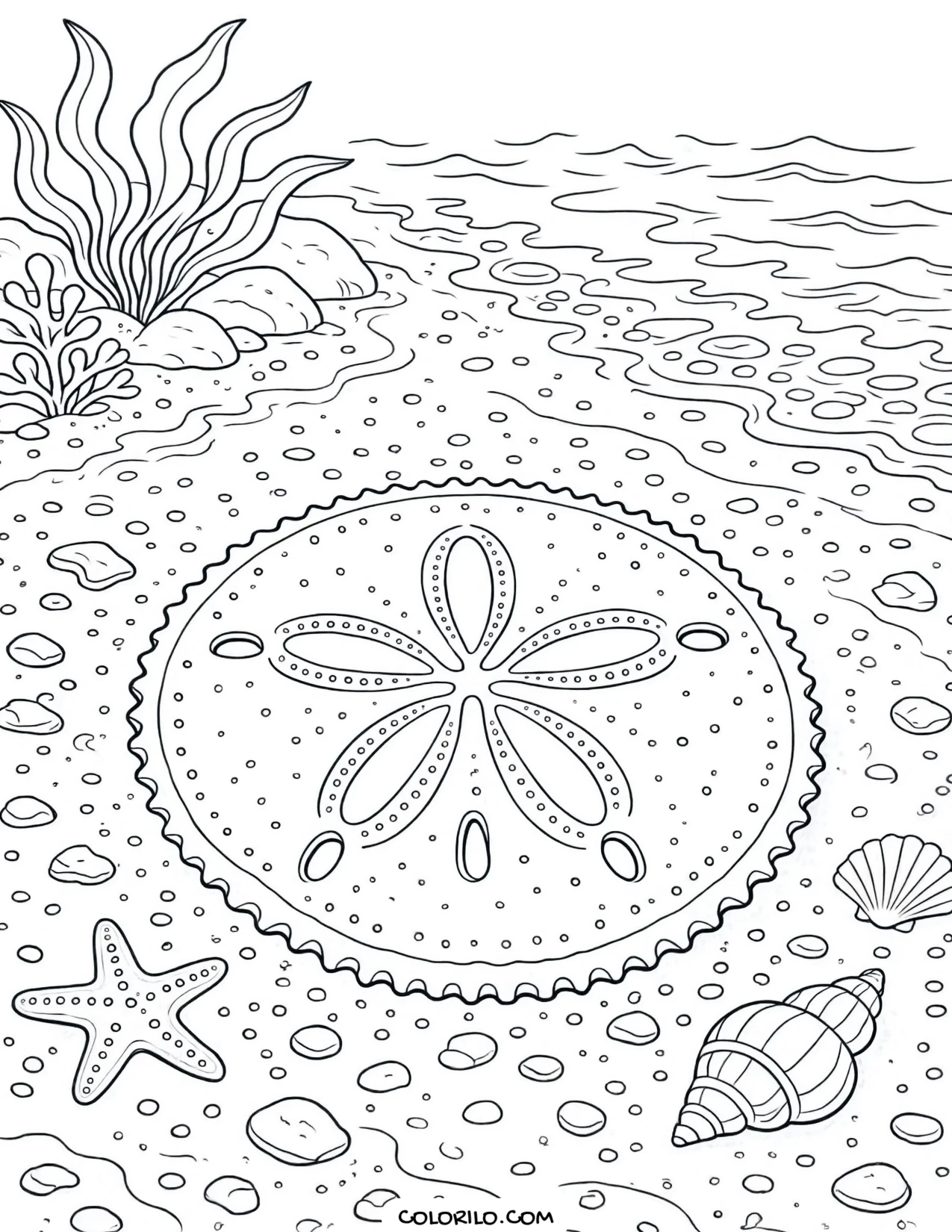
Rock pools and the sea floor are covered by hermit crabs, red crabs, American lobster, cleaner shrimp, acorn barnacles, purple sea urchin, ochre starfish, sand dollar and sea anemone. Then the deep sea: anglerfish, viperfish, hatchetfish, and a panorama of bioluminescent creatures.
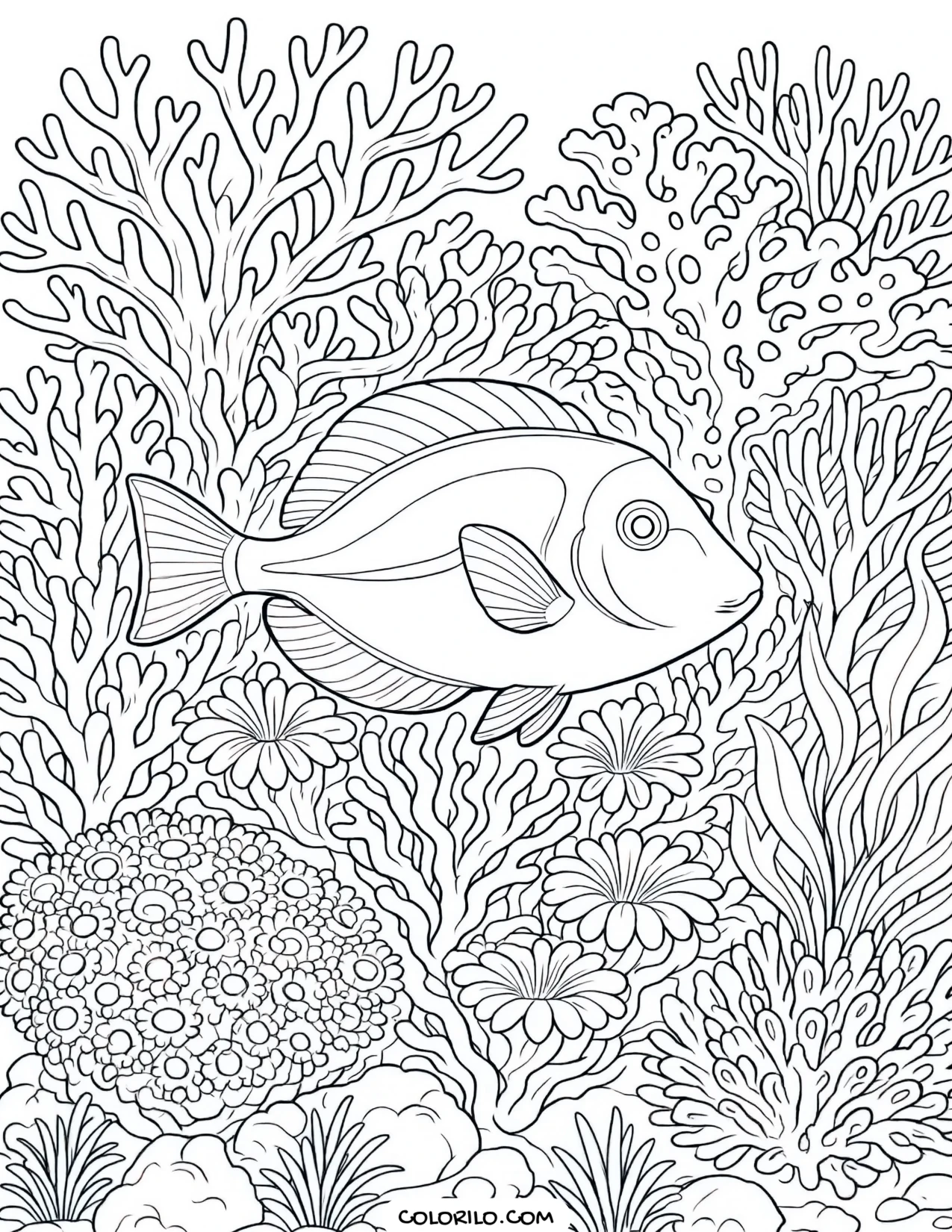
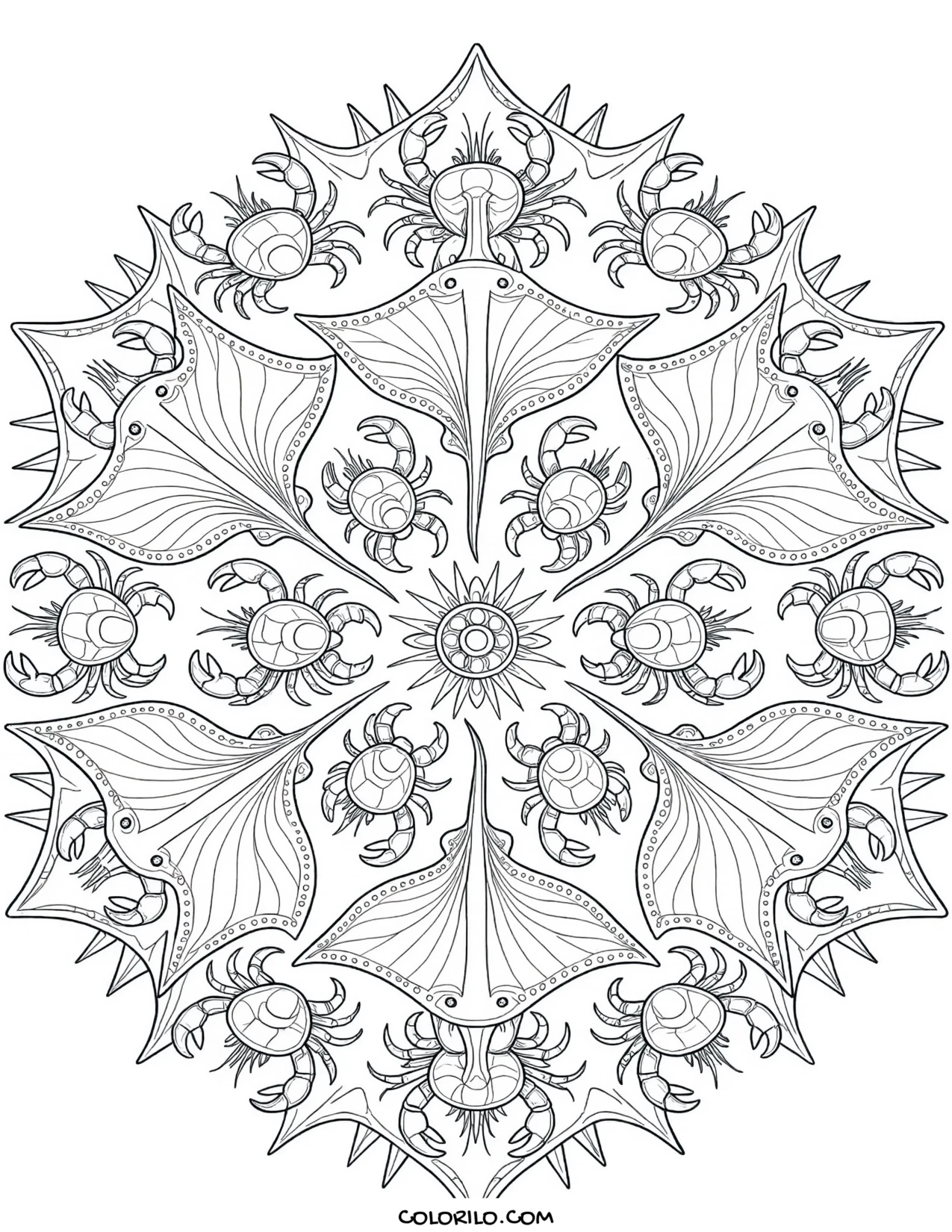
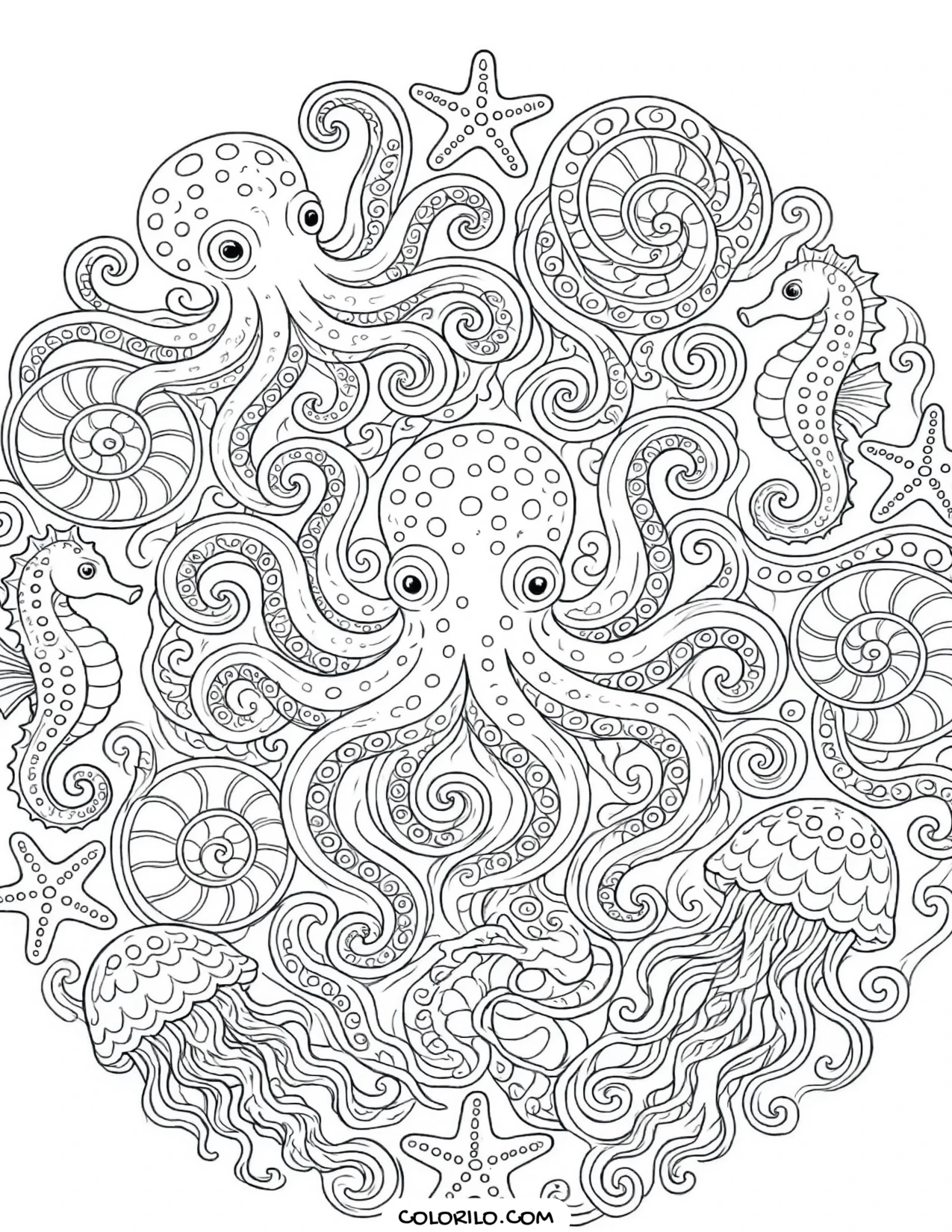
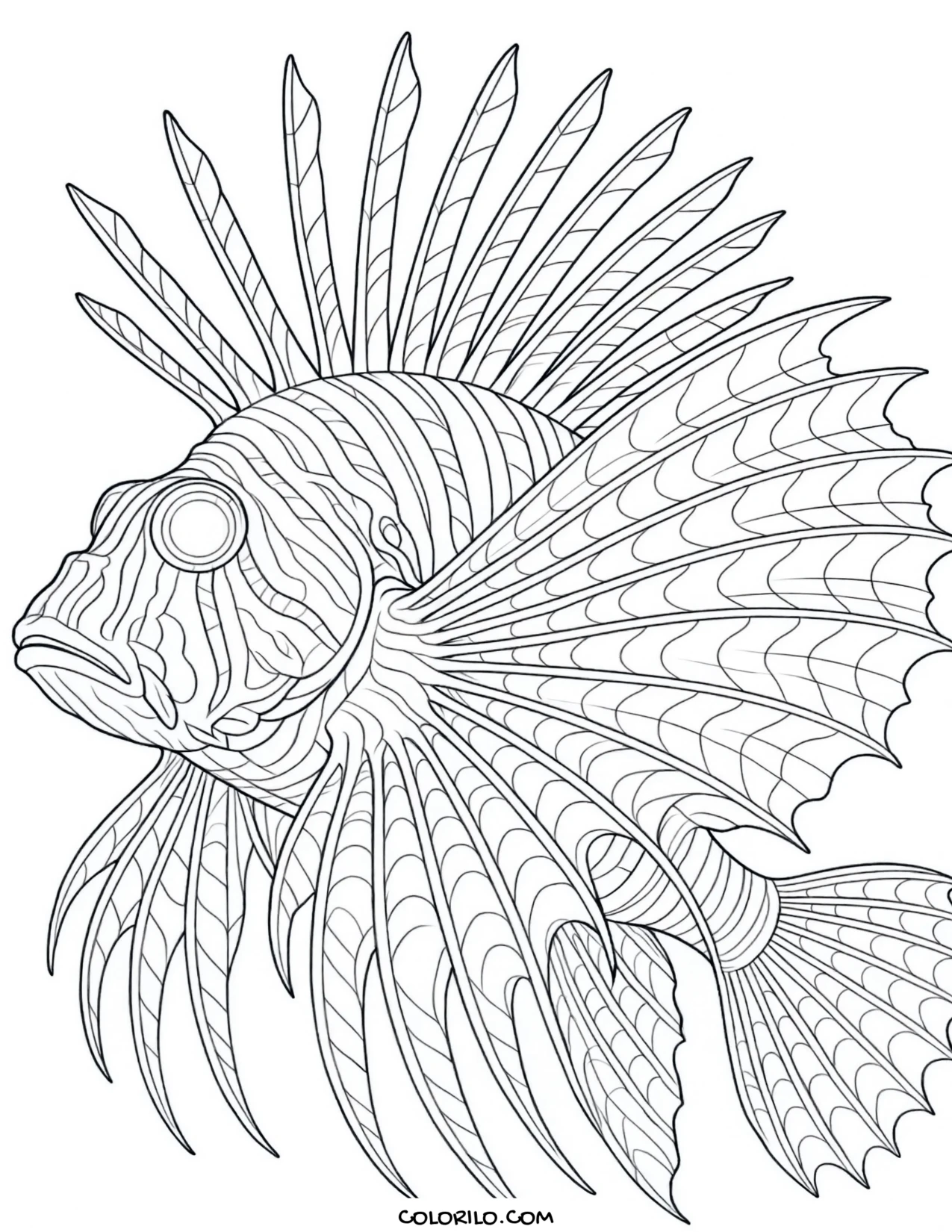
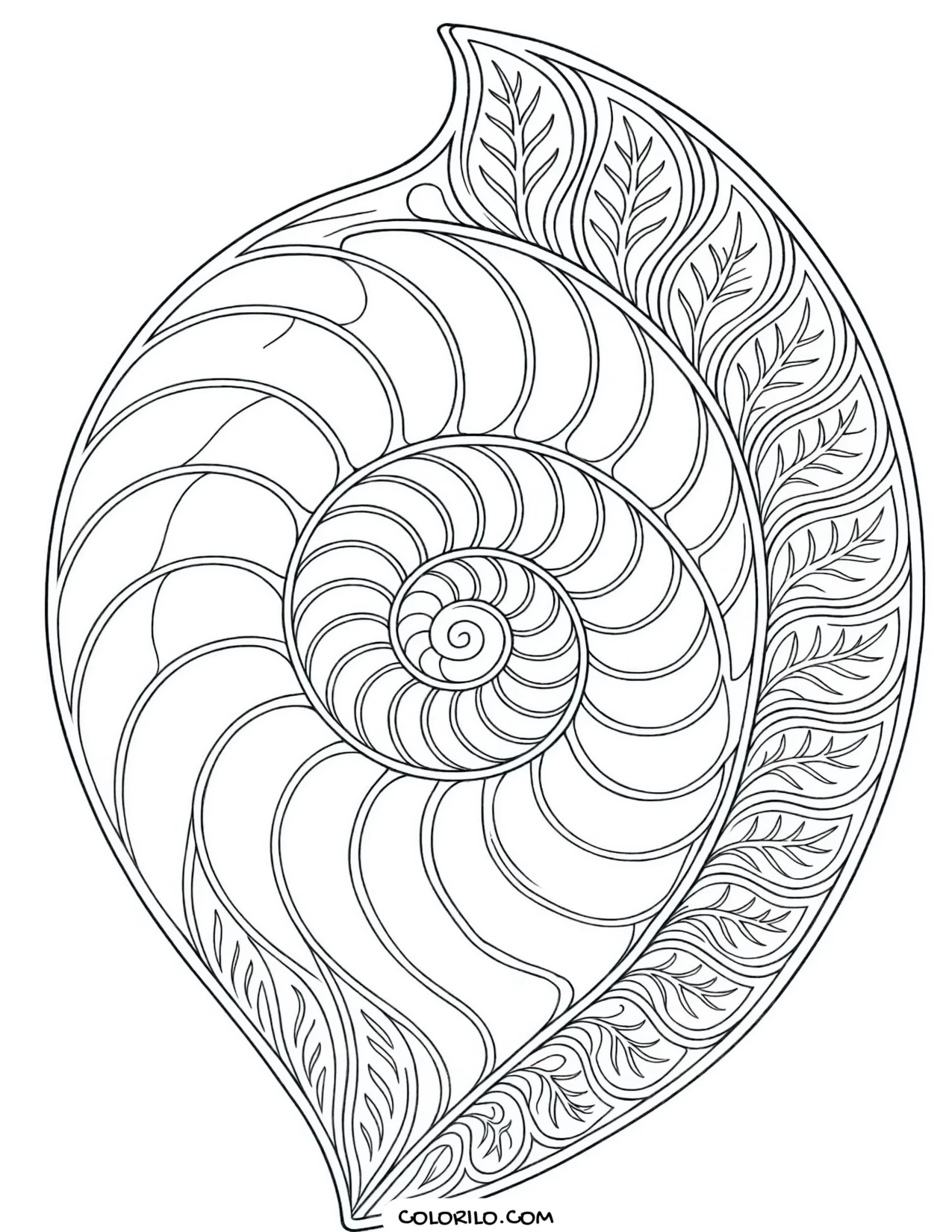
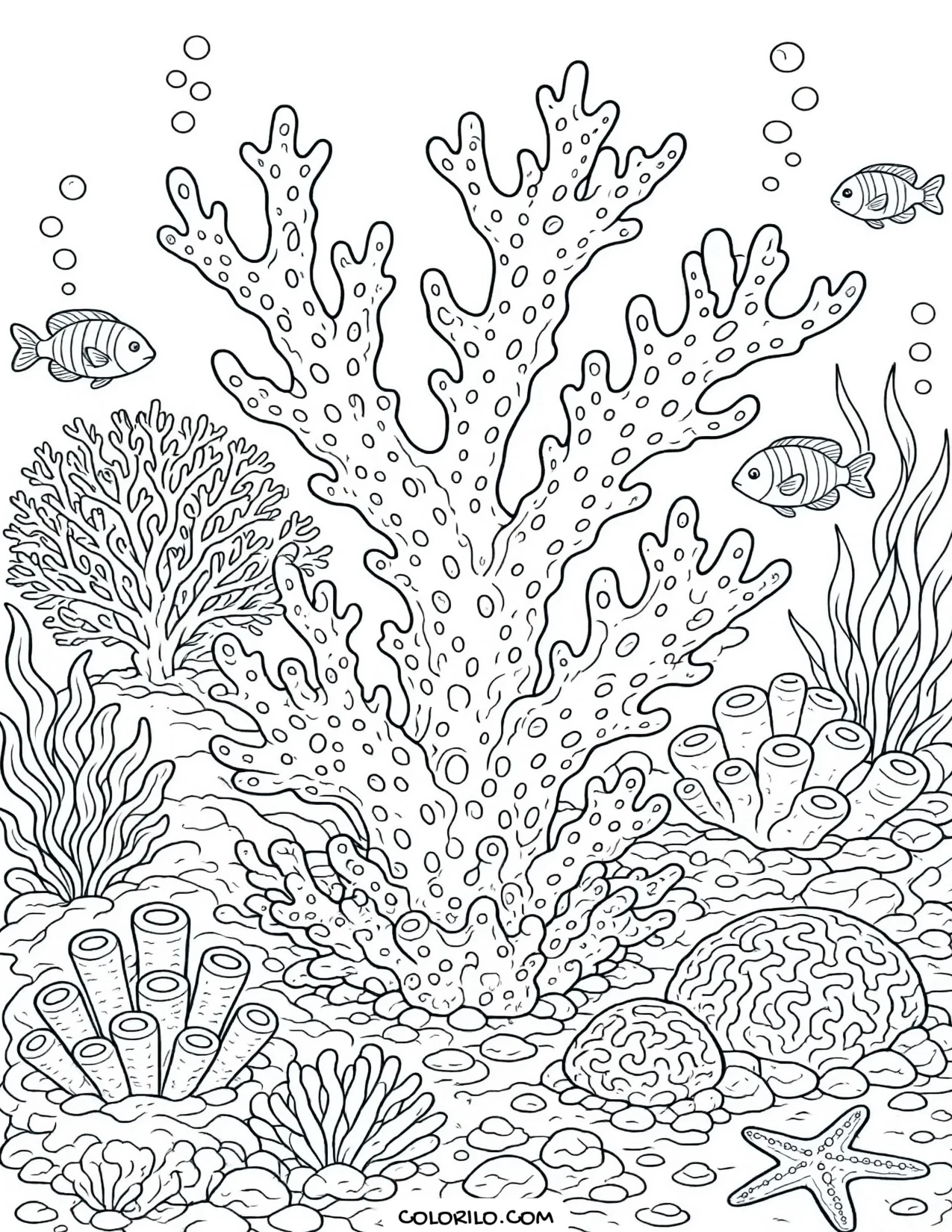
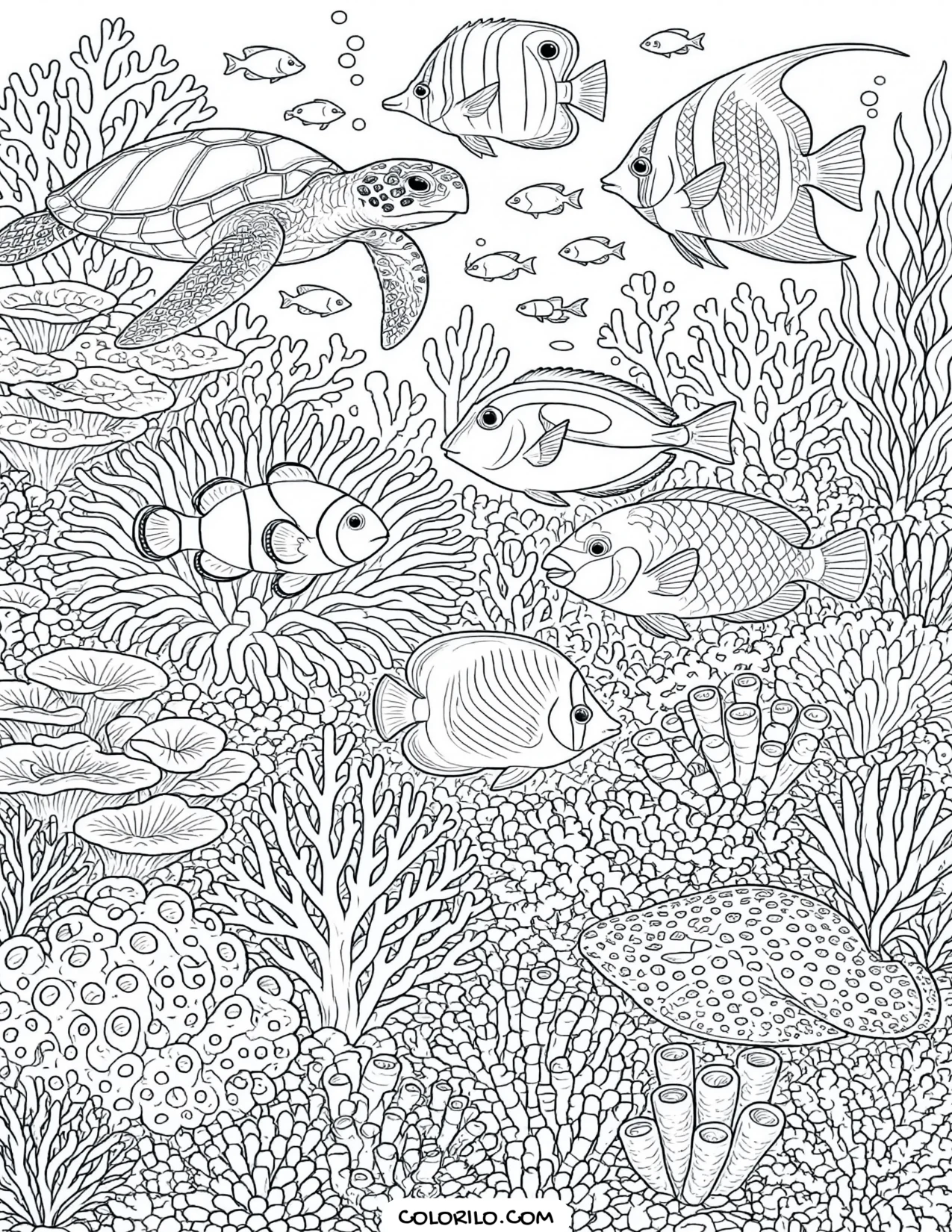
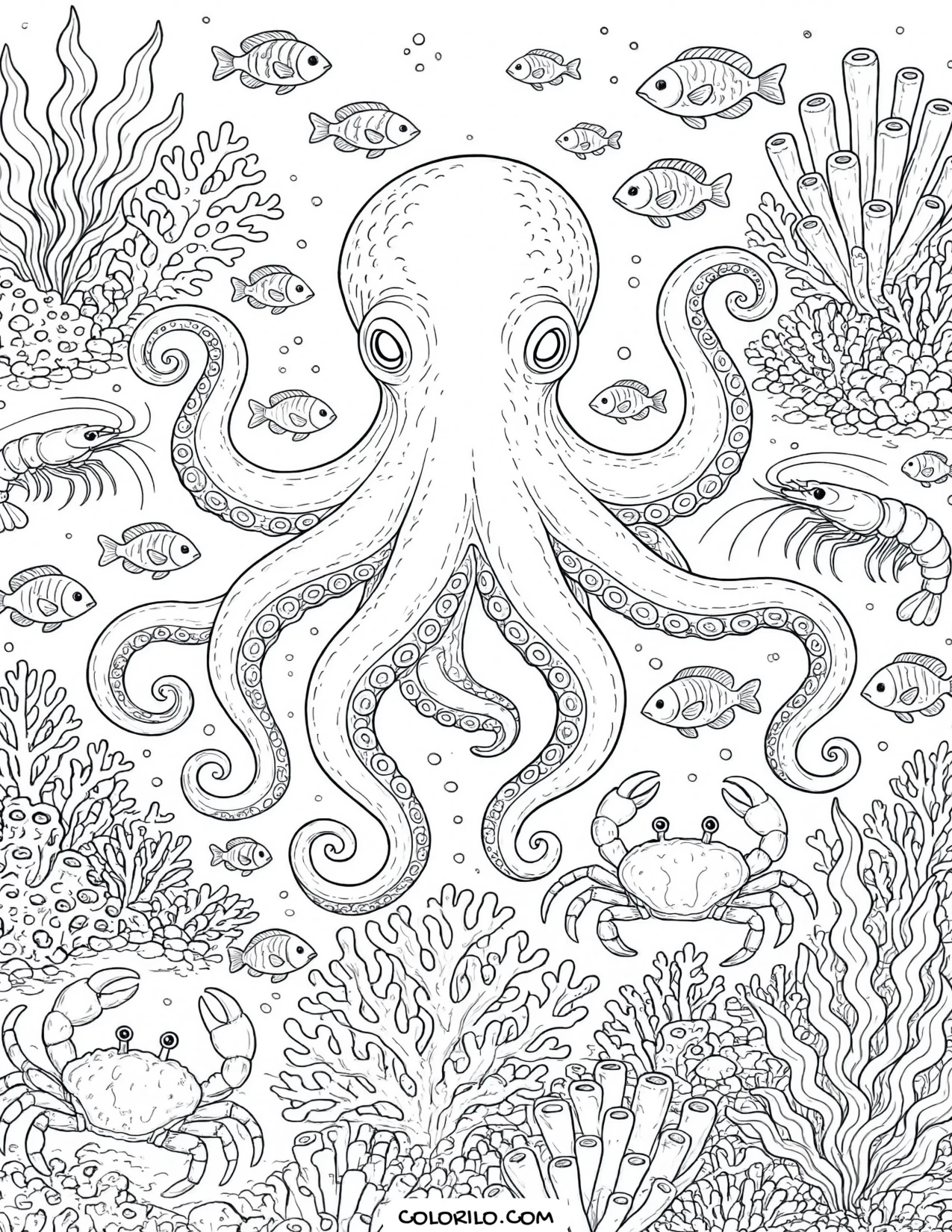
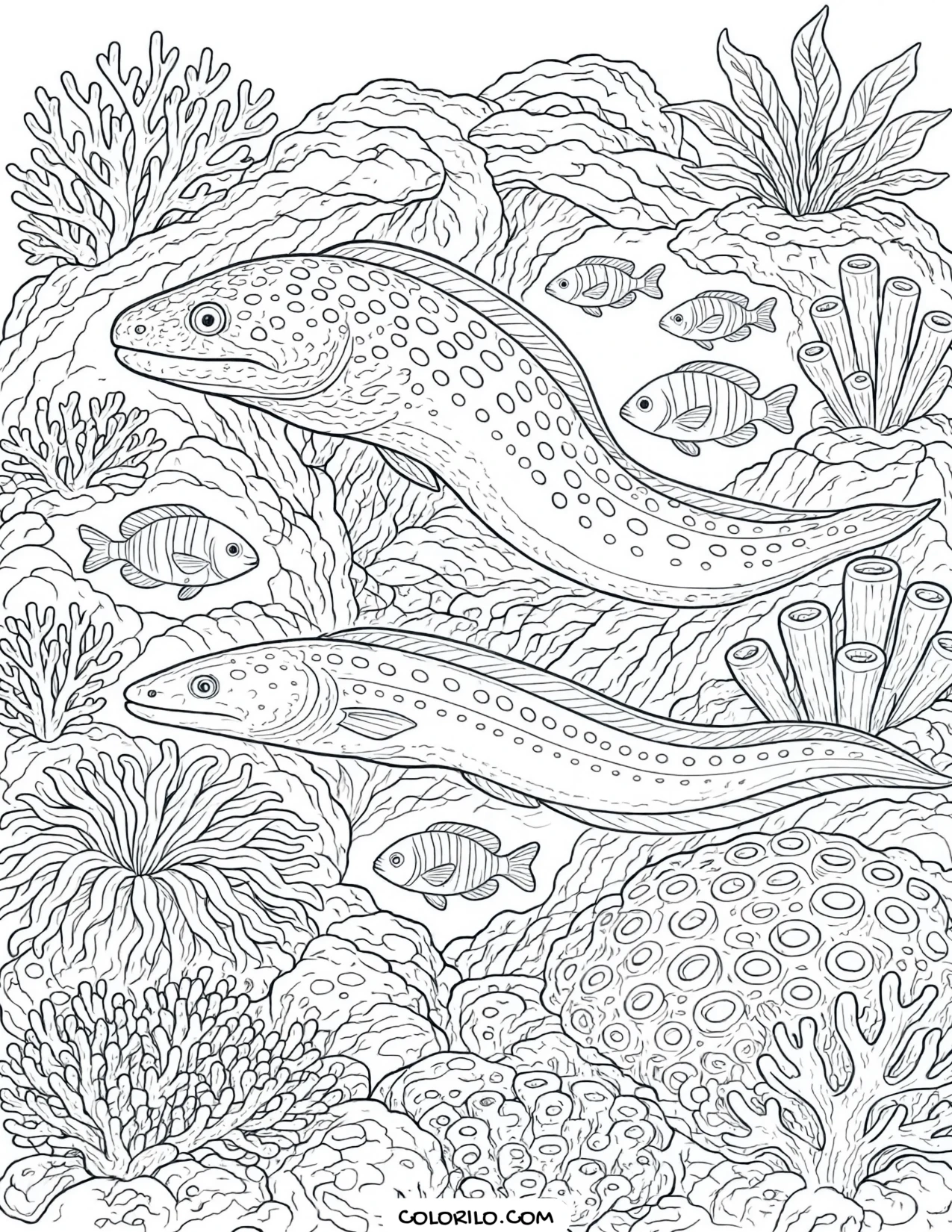
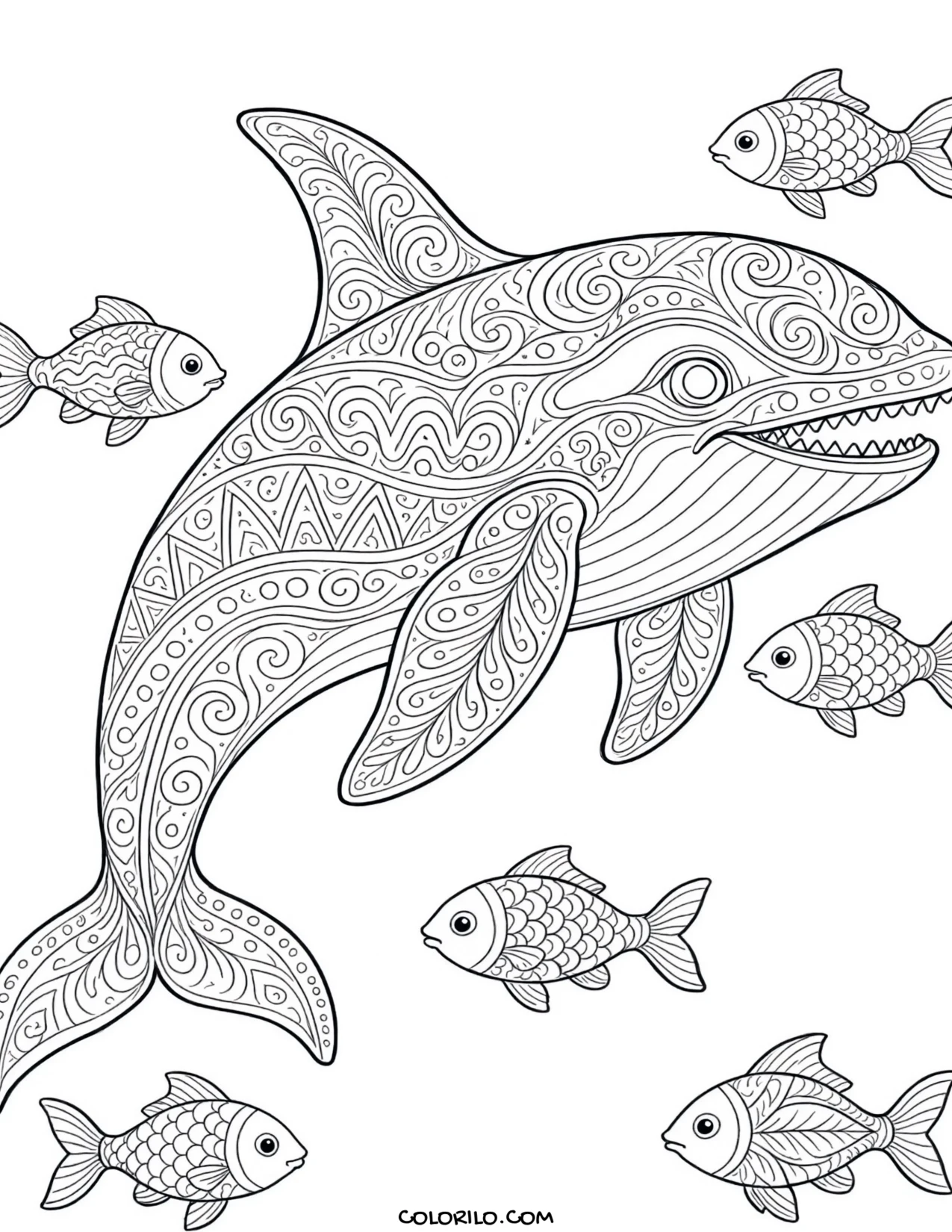
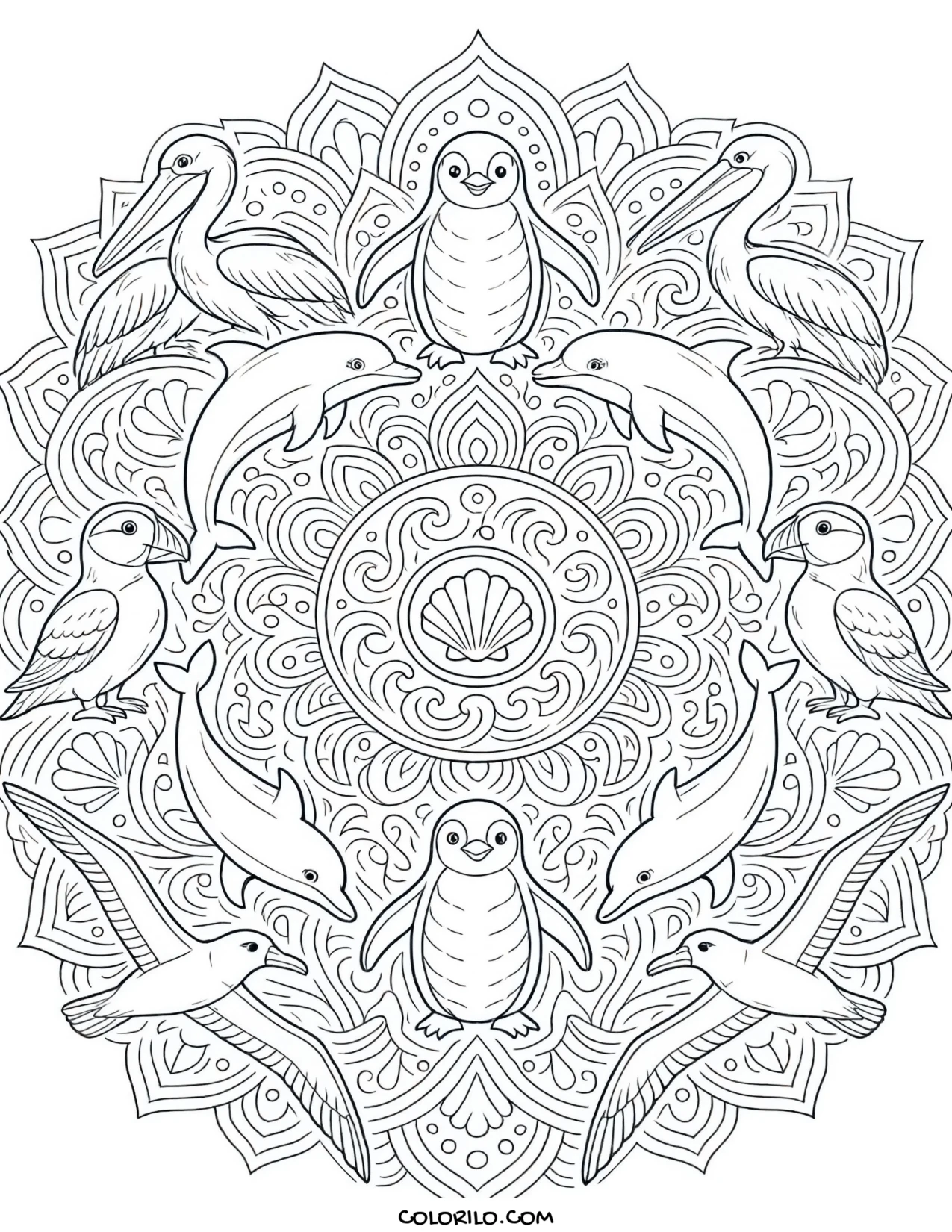
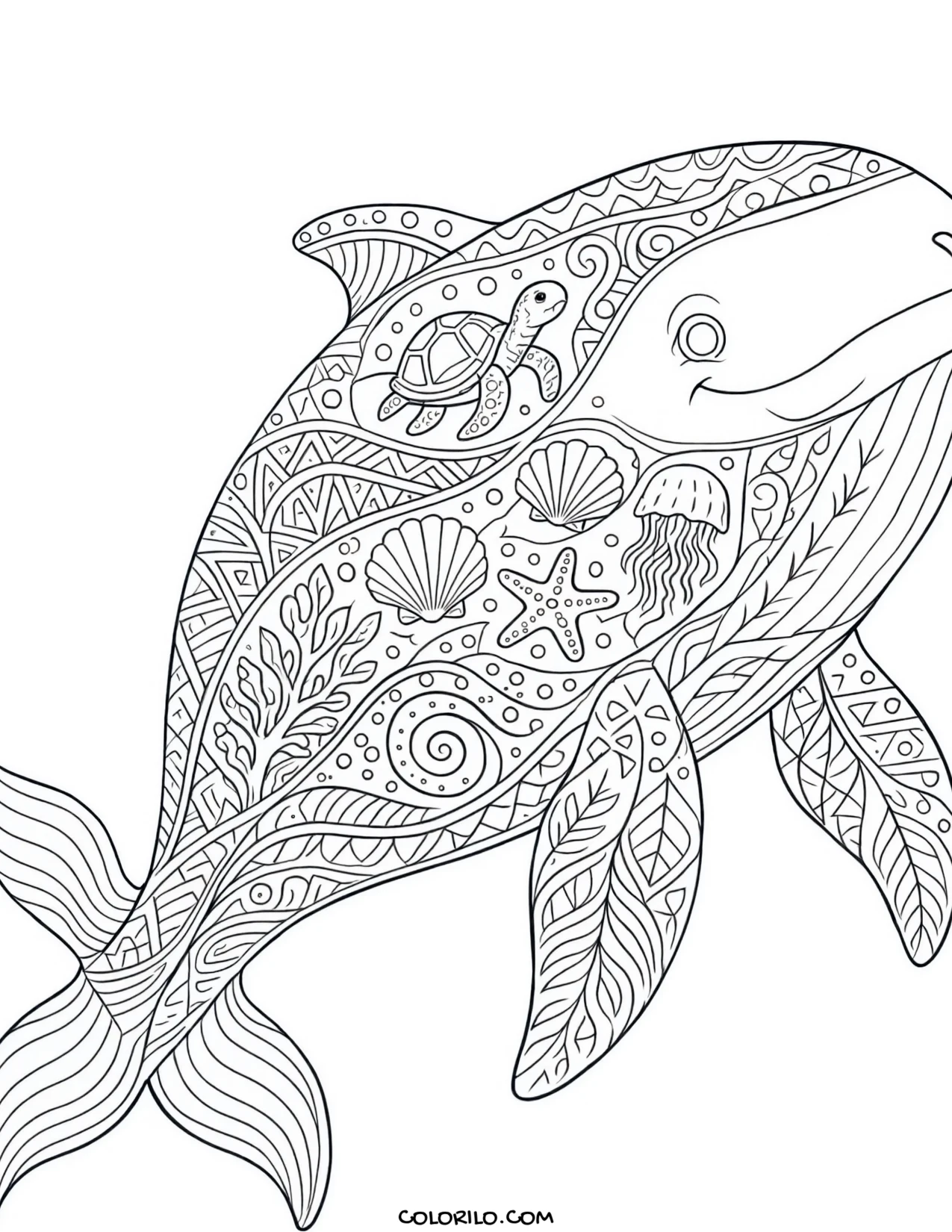
Around fifteen designs are made for adults rather than children, an expansive coral reef with dozens of species, a dense kelp forest, a crowded tide pool, three sea creature mandalas, a detailed nautilus shell study, a close study of lionfish spines, and three whales filled with zentangle pattern.
Every one of these ocean animals coloring pages is free, prints on standard US letter paper, and needs no sign-up. Click any design below to open the full-size PDF.
The Animals in This Collection
Whales and dolphins
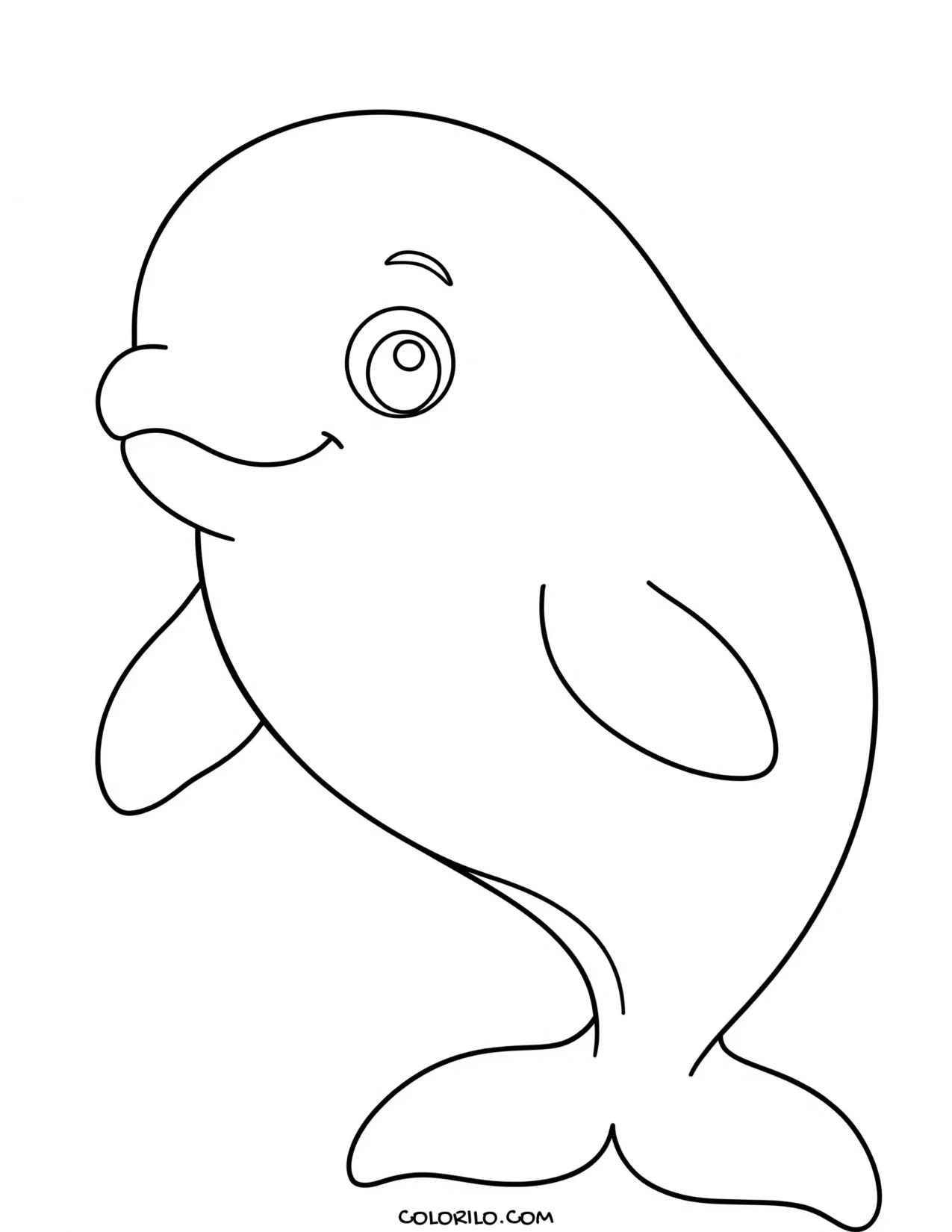
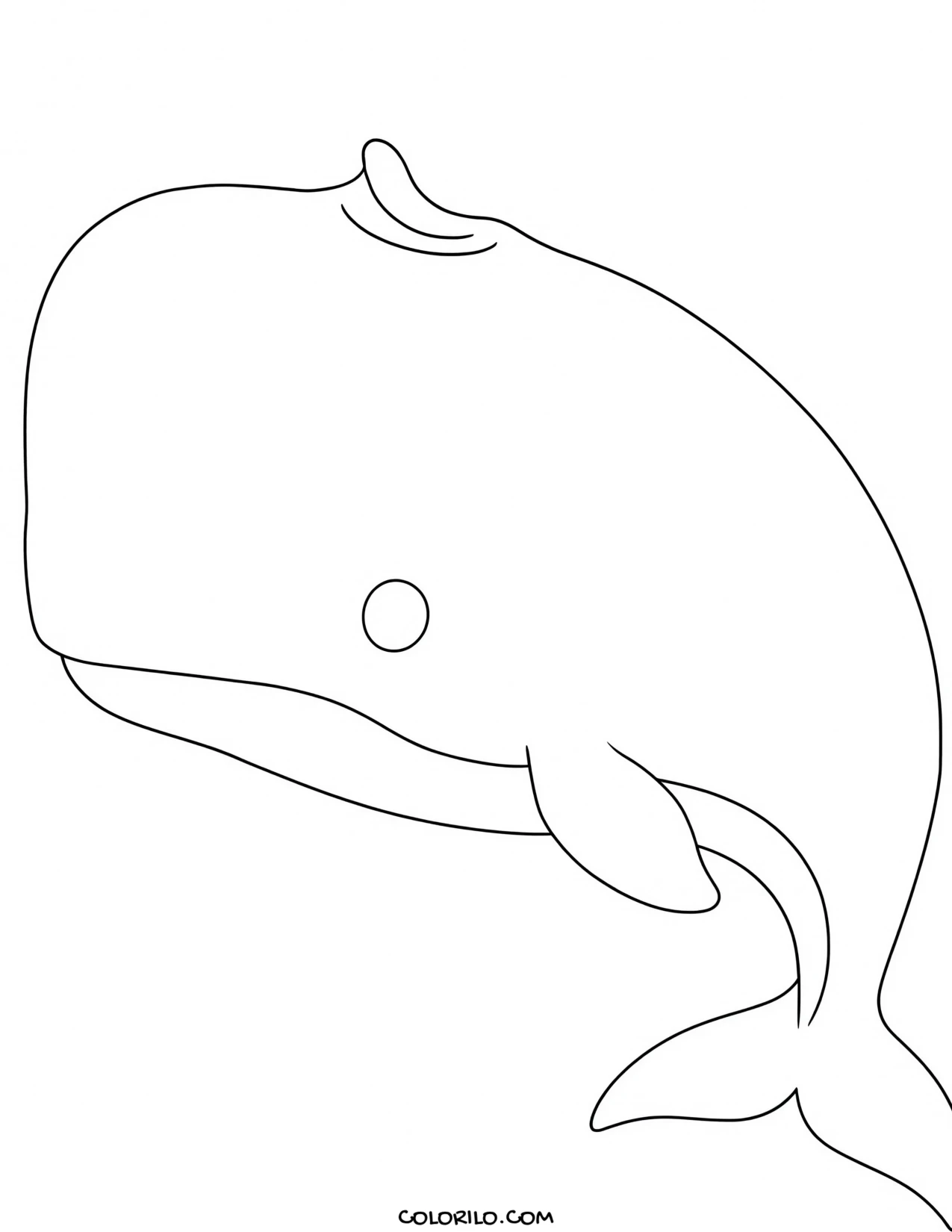
Blue whale, humpback, sperm whale, orca, beluga, narwhal and bottlenose dolphin. The blue whale is the largest animal that has ever lived, larger than any dinosaur, and its tongue alone weighs about as much as an elephant.
Sea turtles
Green, hawksbill and leatherback. The leatherback is the odd one out: no hard shell, just a ridged leathery back, and it eats almost nothing but jellyfish, which is what one of these pages shows.
Reef fish
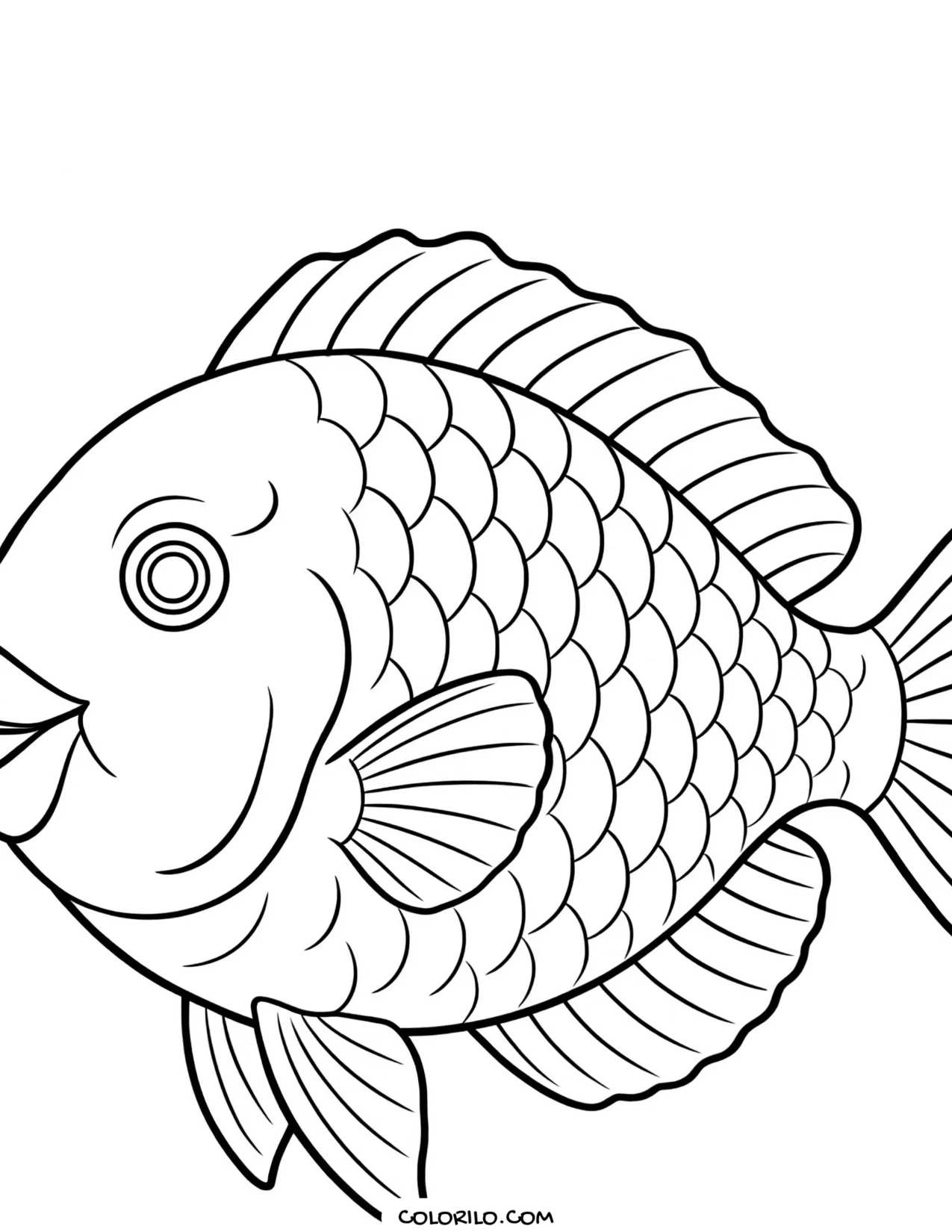
Clownfish, blue tang, French angelfish, mandarin fish, stoplight parrotfish, raccoon butterflyfish, lionfish and porcupine pufferfish. The parrotfish is worth mentioning to a child: it bites coral, digests the algae, and the sand it excretes is a good share of what tropical beaches are made of.
Octopus, squid and jellyfish
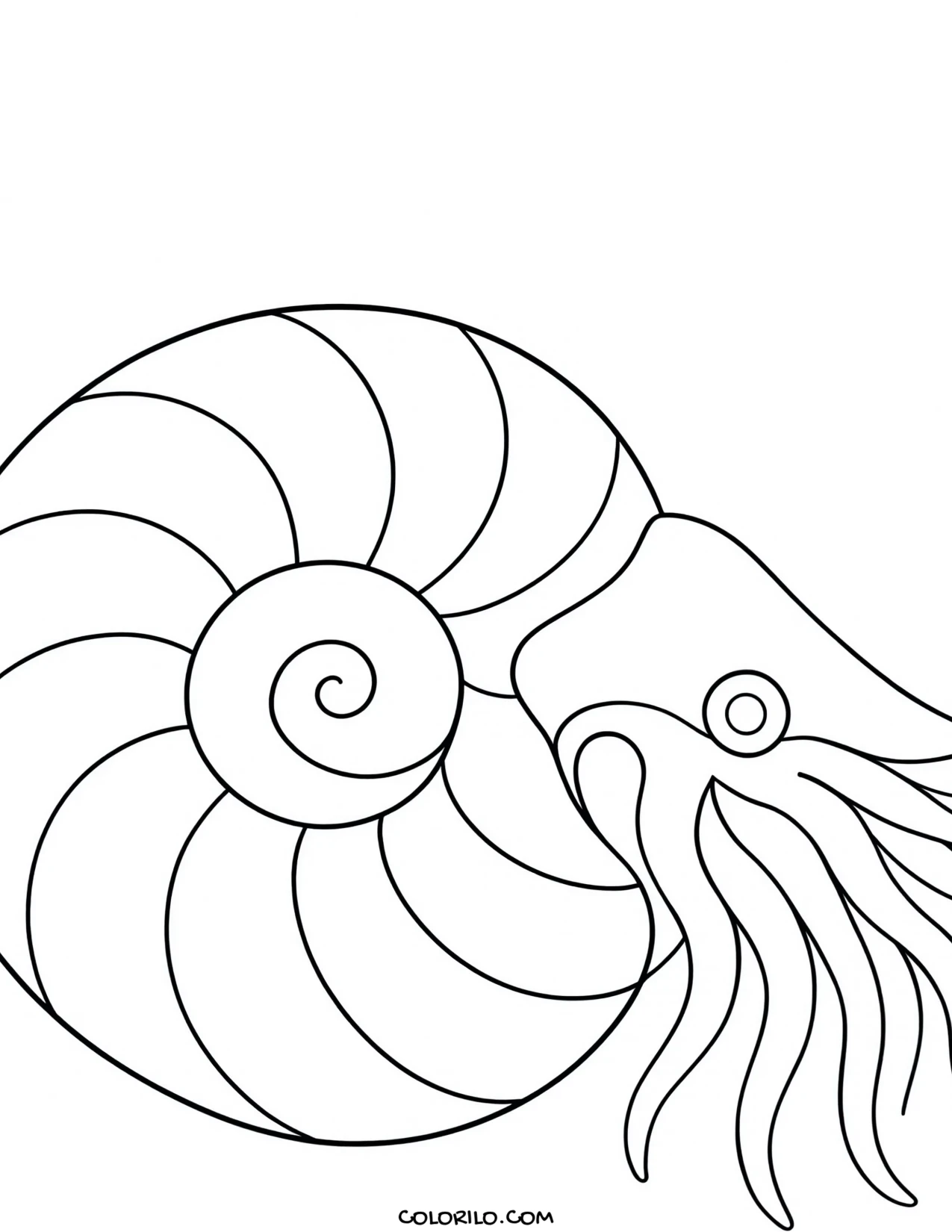
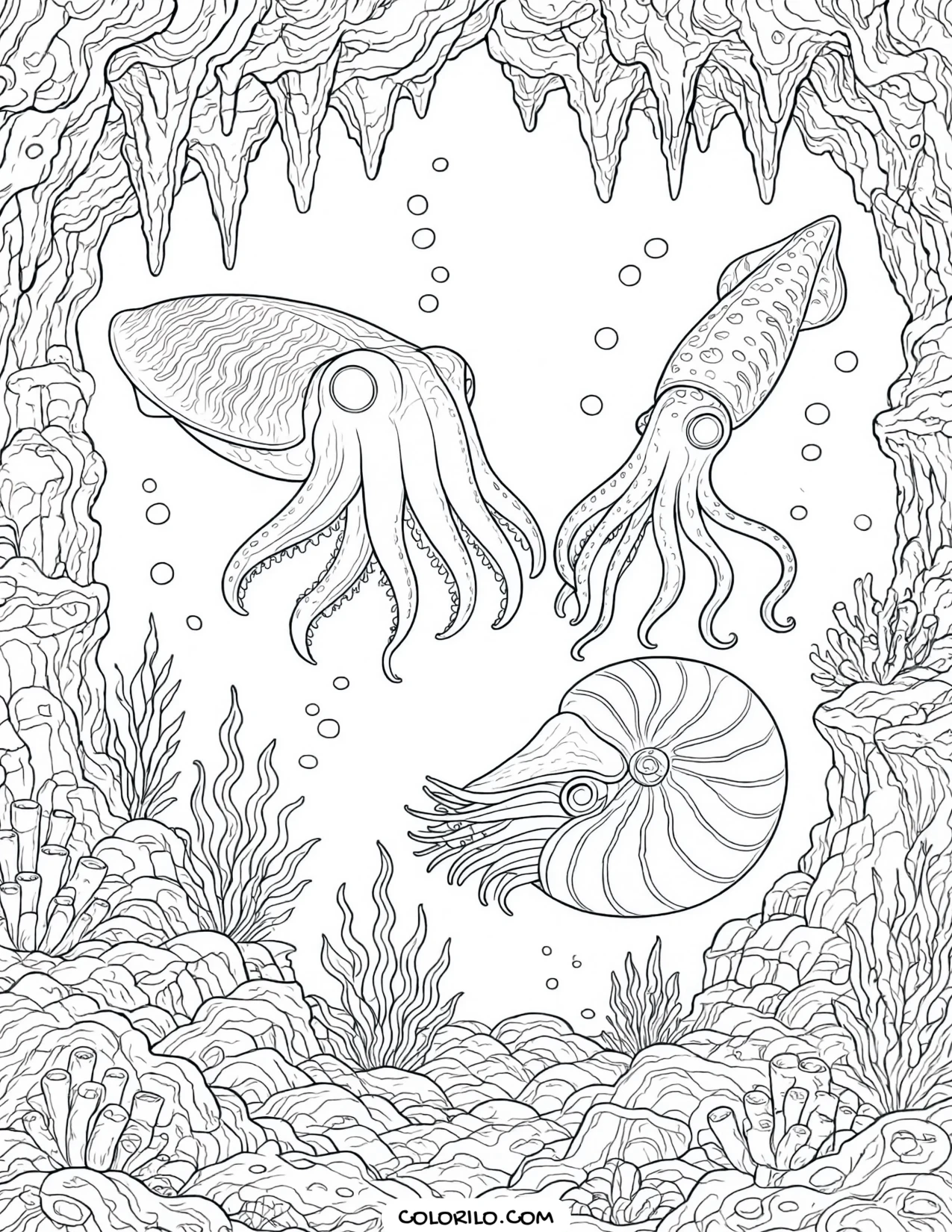
Common octopus, giant octopus, cuttlefish, European squid, chambered nautilus, moon jelly, sea nettle and box jellyfish. The octopus has three hearts and blue blood, and can change both colour and skin texture in under a second.
Cold water animals
Emperor penguin, walrus, harbor seal, California sea lion, sea otter and an Arctic scene. Sea otters hold hands while sleeping so they do not drift apart, and they wrap themselves in kelp for the same reason, which is what the kelp raft page shows.
Warm shallows
Florida manatee, dugong and a seagrass meadow with both. They are the only fully vegetarian sea mammals, and they are the likeliest source of the mermaid stories sailors brought home.
Rock pools and the sea floor
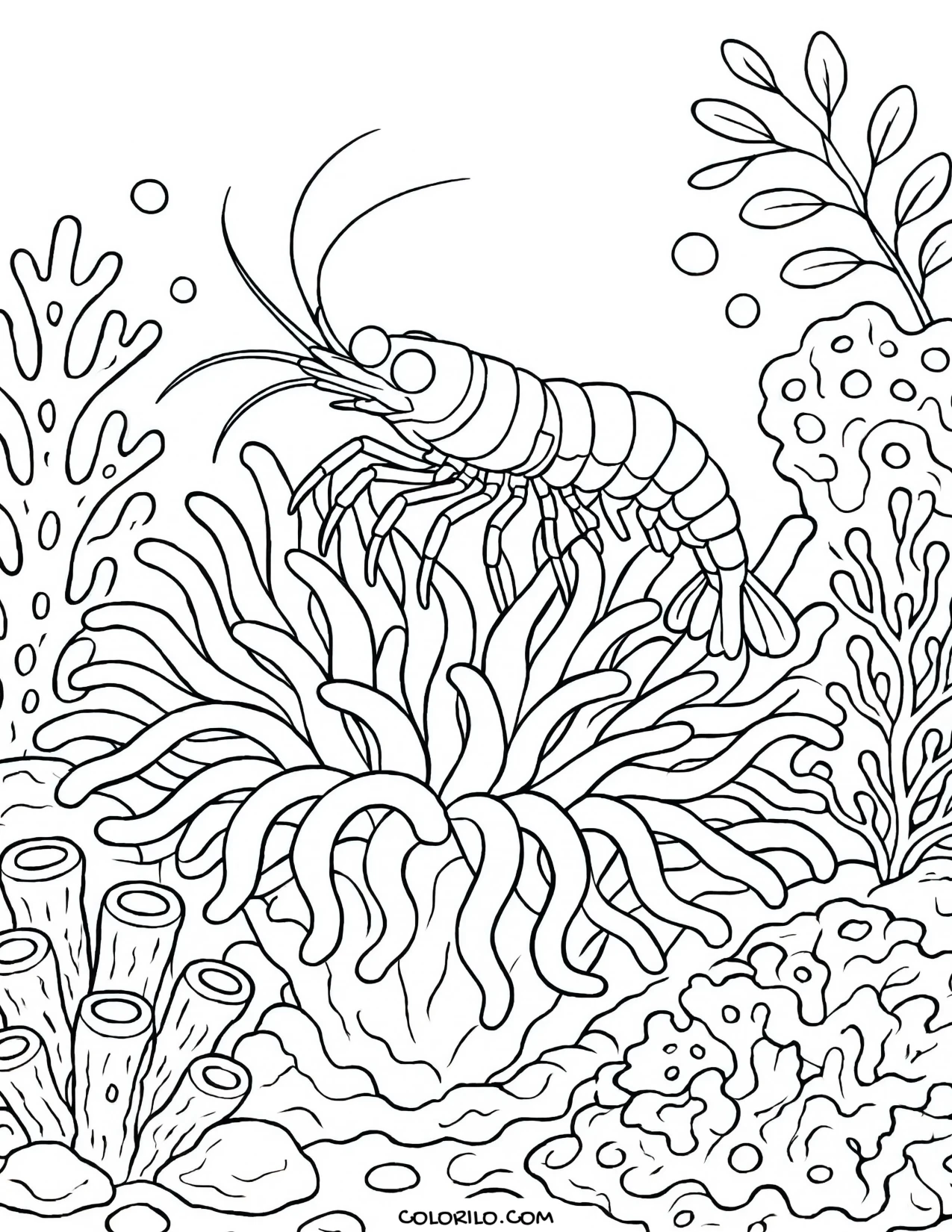
Hermit crab, red crab, American lobster, cleaner shrimp, acorn barnacles, purple sea urchin, ochre starfish, sand dollar and sea anemone. The cleaner shrimp page shows a real arrangement: fish queue up to be cleaned and the shrimp is left unharmed.
The deep sea
Anglerfish, Pacific viperfish, silver hatchetfish and a bioluminescent panorama. Below about a thousand metres no sunlight reaches at all, and most of the animals there make their own light.
Rays and open ocean fish
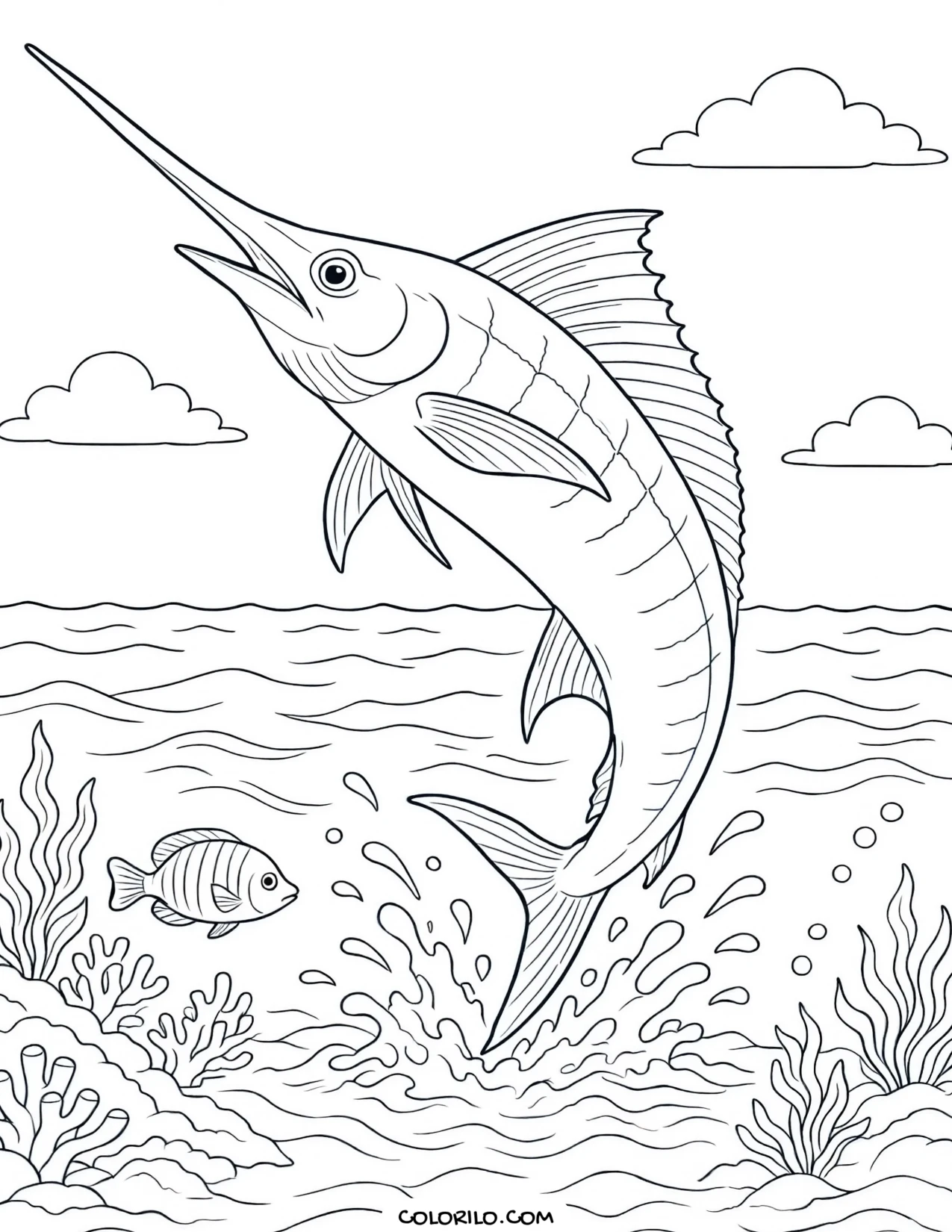
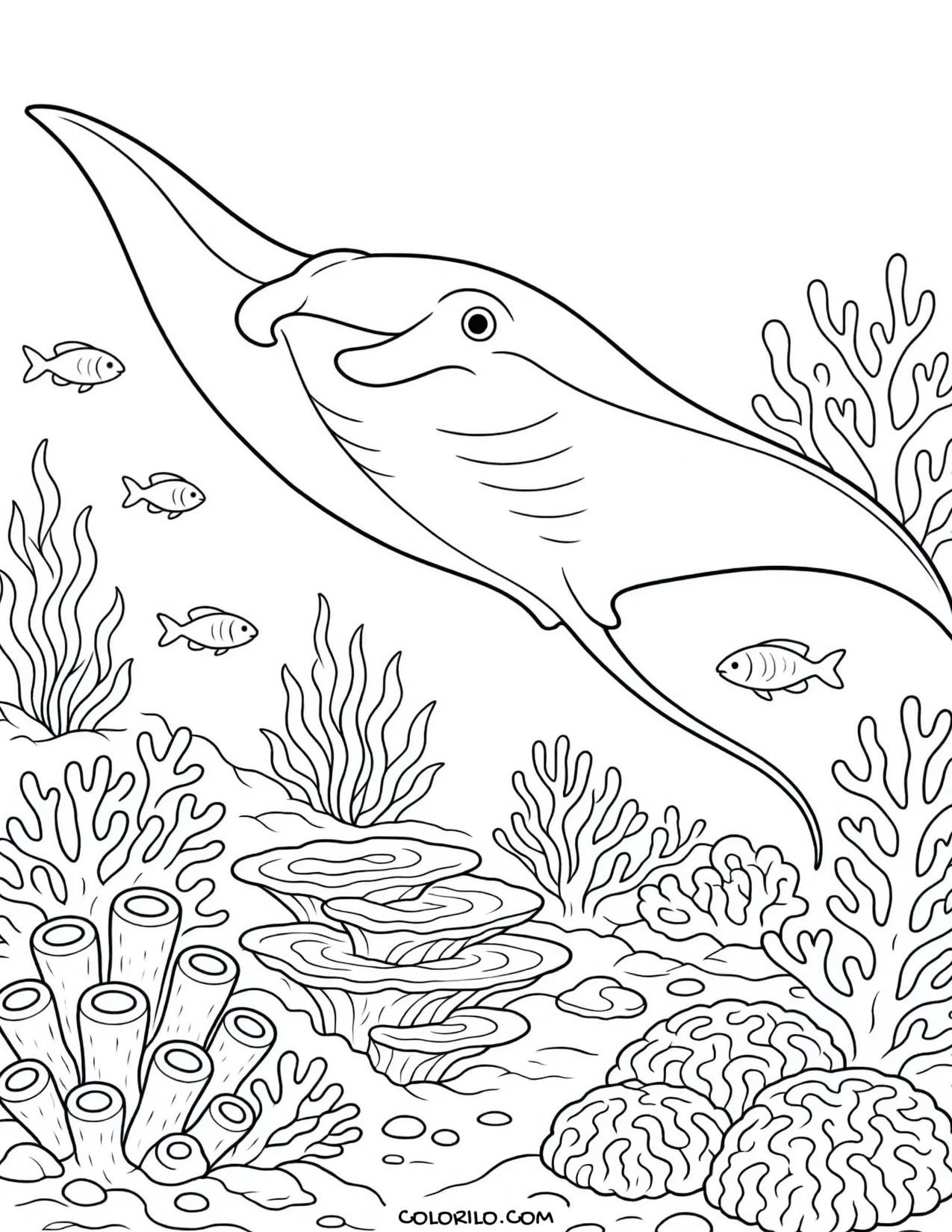
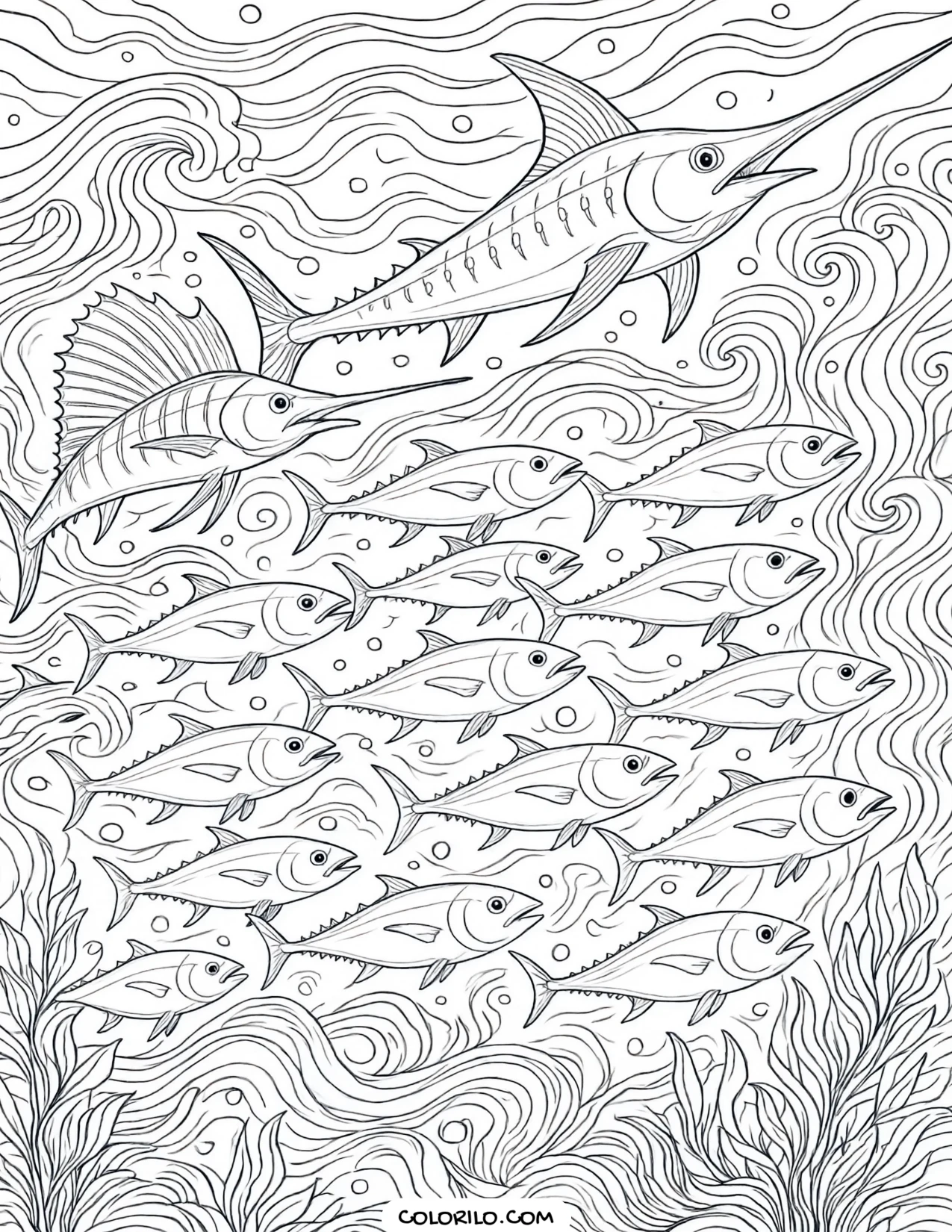
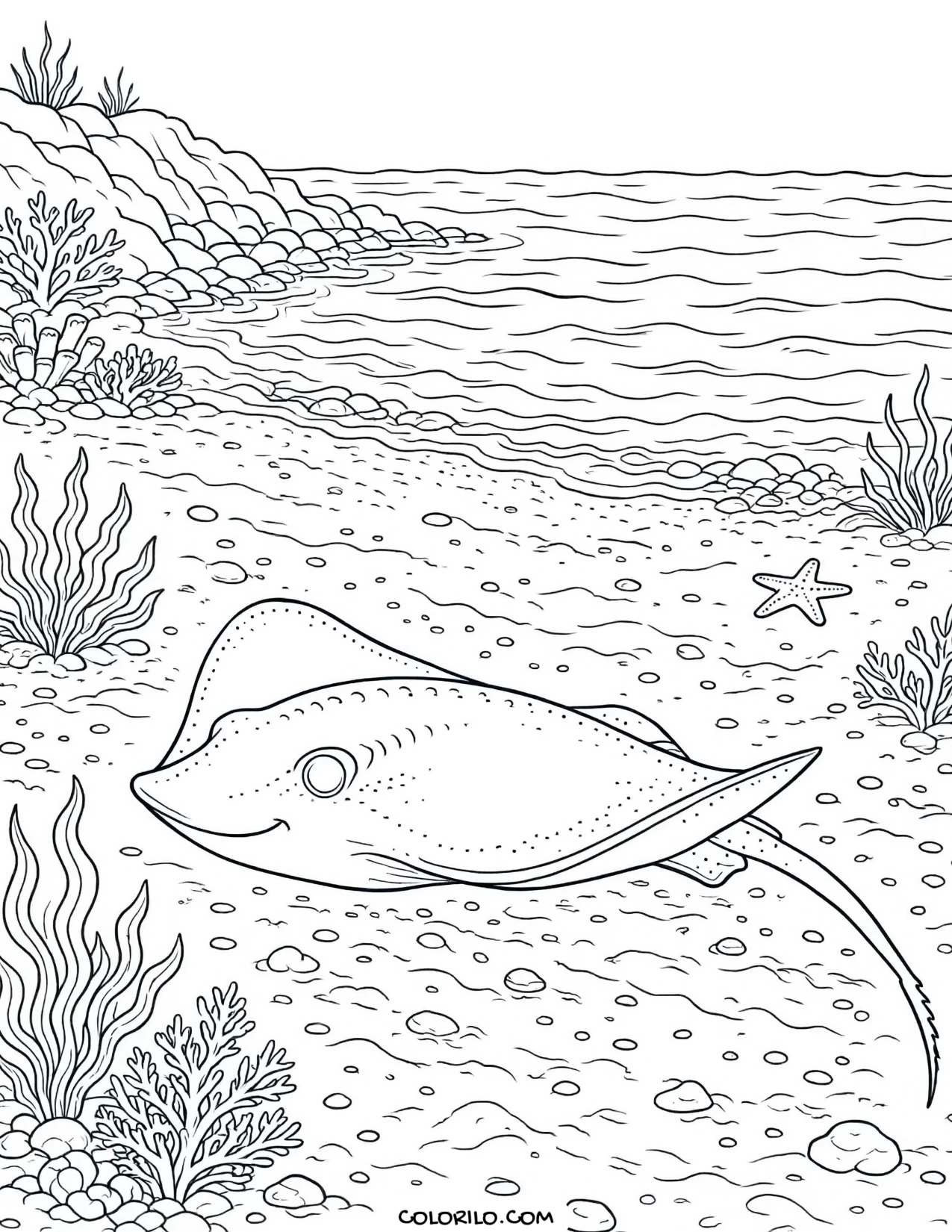
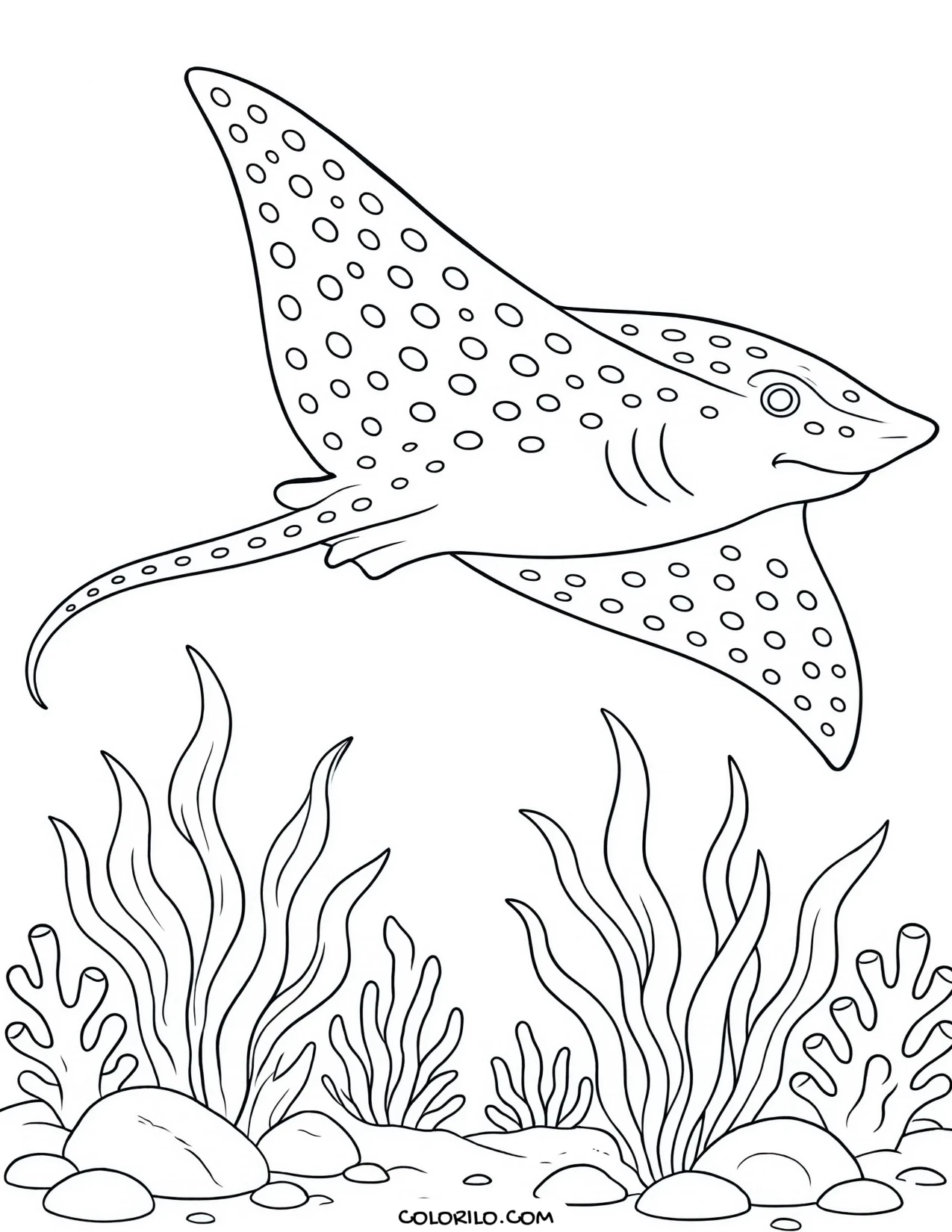
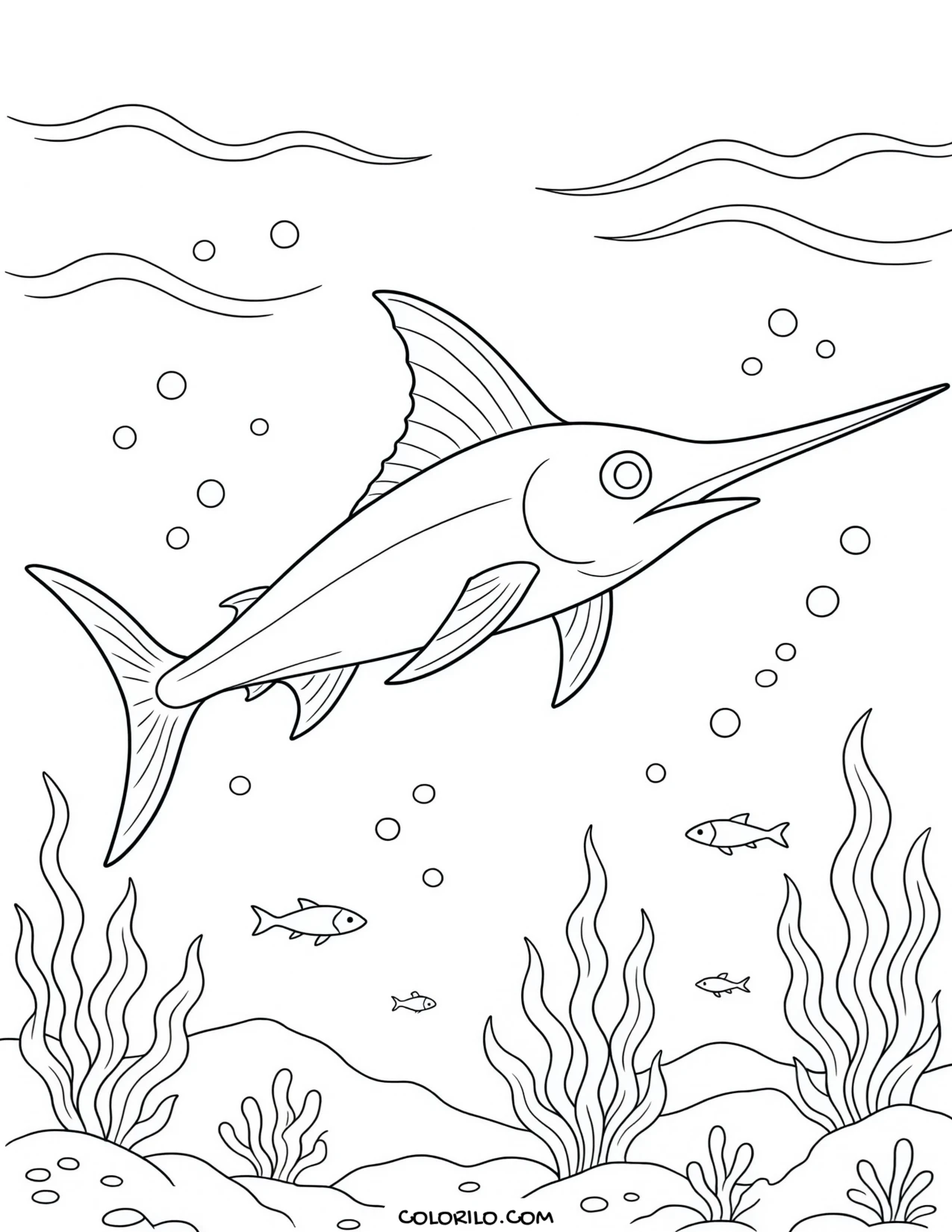
Reef manta ray, southern stingray, spotted eagle ray, swordfish, blue marlin and yellowfin tuna. Manta rays have the largest brain of any fish and appear to recognise themselves in a mirror.
Detailed pages for adults
The coral reef, the kelp forest, the tide pool, three mandalas, the nautilus shell study, the lionfish close study and three zentangle-patterned whales. These are the pages that take an evening.
Coloring Tips
Water is the background, not the subject. Leaving most of the water white and using a light blue only in the corners or behind the animal keeps the creature readable. Filling the whole page blue swallows everything in it.
Reef fish are the one place to use everything. Mandarin fish, parrotfish and lionfish are genuinely that bright in life. These are the pages to hand a child who wants to use every pencil in the tin.
Give the whales counter-shading. Nearly every whale and dolphin is dark on top and pale beneath, with a clear line where the two meet. It takes two colours and makes the animal look real rather than flat.
Leave the light sources white. The anglerfish lure, the bioluminescent panorama and the hatchetfish all depend on something glowing. Colour around them and leave the light itself nearly white.
Coral is not one colour. The reef pages have dozens of separate shapes. Picking four or five colours and repeating them across the whole reef reads far better than giving every piece its own.
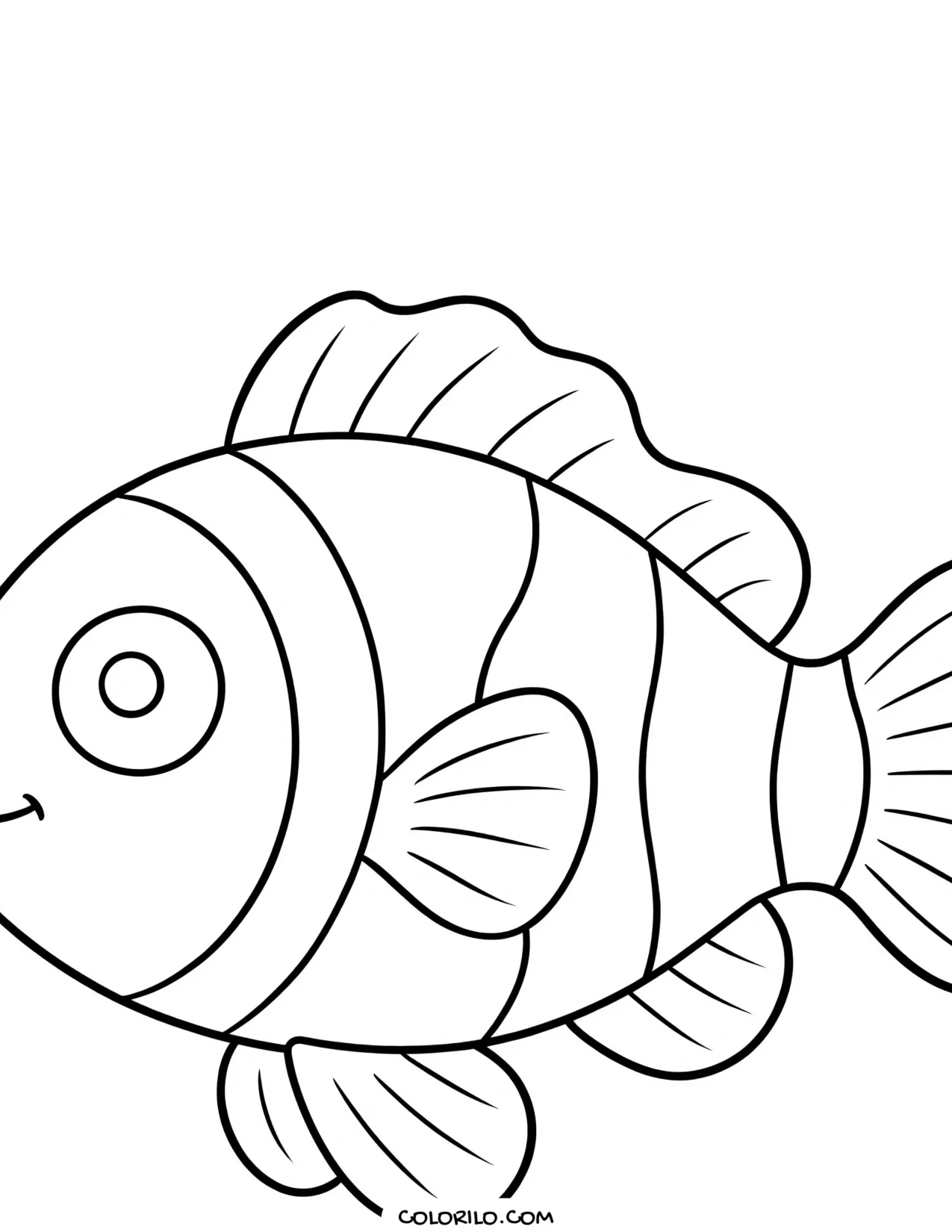
Start young children on the single animals. The clownfish, the seahorse, the starfish, the sand dollar and the moon jelly have the fewest lines in the set. Save the coral reef and the kelp forest for someone older.
Frequently Asked Questions
Are these ocean animals coloring pages really free?
Yes, all 75 are free to download and print. Click any design to open the PDF. No account, no email, no payment.
What age are these ocean animals coloring pages for?
The whole range. Single animals like the clownfish, seahorse and starfish suit children from around four. The habitat scenes work through primary school. The coral reef, kelp forest, mandalas and zentangle whales are detailed enough for adults.
Which sea animals are included?
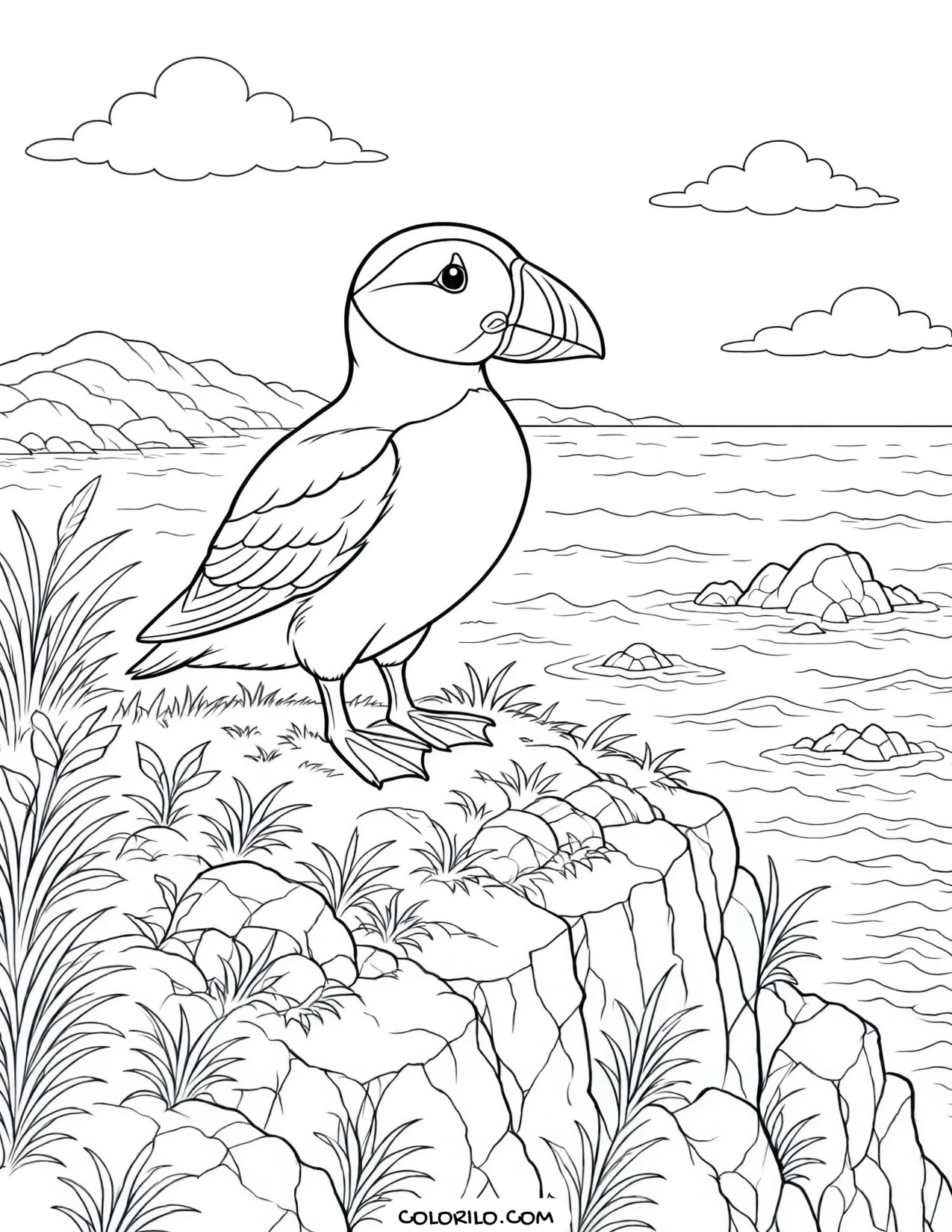
Around sixty named species, whales, dolphins, orcas, narwhals, sea turtles, octopus, squid, cuttlefish, nautilus, jellyfish, seahorses, clownfish, angelfish, parrotfish, lionfish, pufferfish, manta rays, stingrays, crabs, lobster, shrimp, starfish, sea urchins, penguins, puffins, seals, sea lions, walruses, otters, manatees, dugongs, and deep sea fish including the anglerfish and viperfish.
Are there sharks in this set?
No, sharks have a collection of their own, with hammerheads, whale sharks, tiger sharks and a great white among 57 designs.
Can I use these in a classroom?
Yes. They pair well with topics on ocean habitats, food chains, adaptation or conservation, and are free for personal, educational, and classroom use.
Can I print more than one copy?
As many as you need.
How much of the ocean have we actually explored?
Less than a third of the sea floor has been mapped in any detail, and the figure people quote for how much has been seen directly is far smaller still. New species are described constantly, several thousand a year. The deep sea pages in this collection show animals that were unknown a century ago, and there is every reason to think the strangest ones have not been found yet.

One response to “75 Ocean Animals Coloring Pages (Free PDF Printables)”
-
[…] BirthdayFlowerKpop Demon HuntersOcean Animals […]
Leave a Reply