
Table of Contents
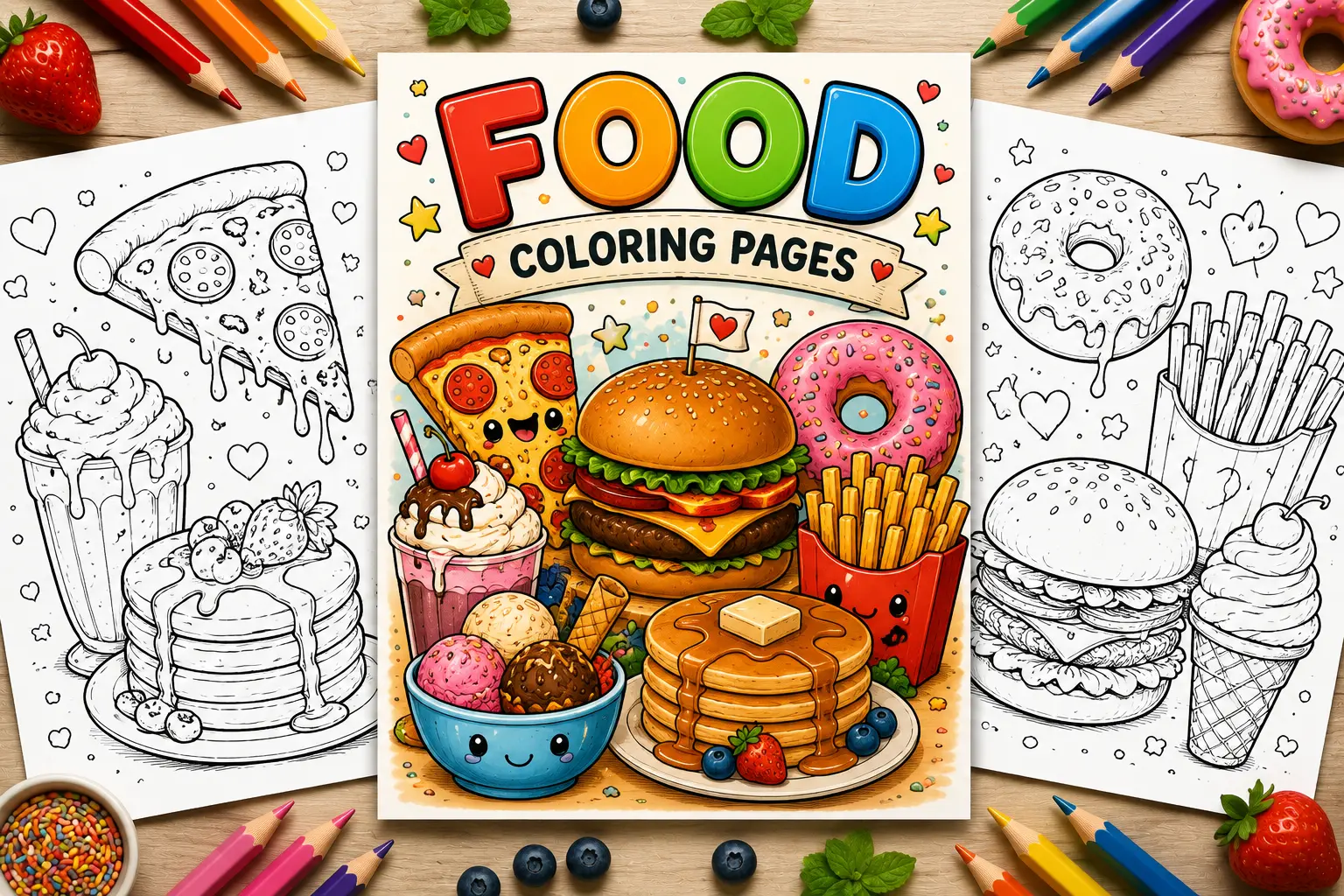
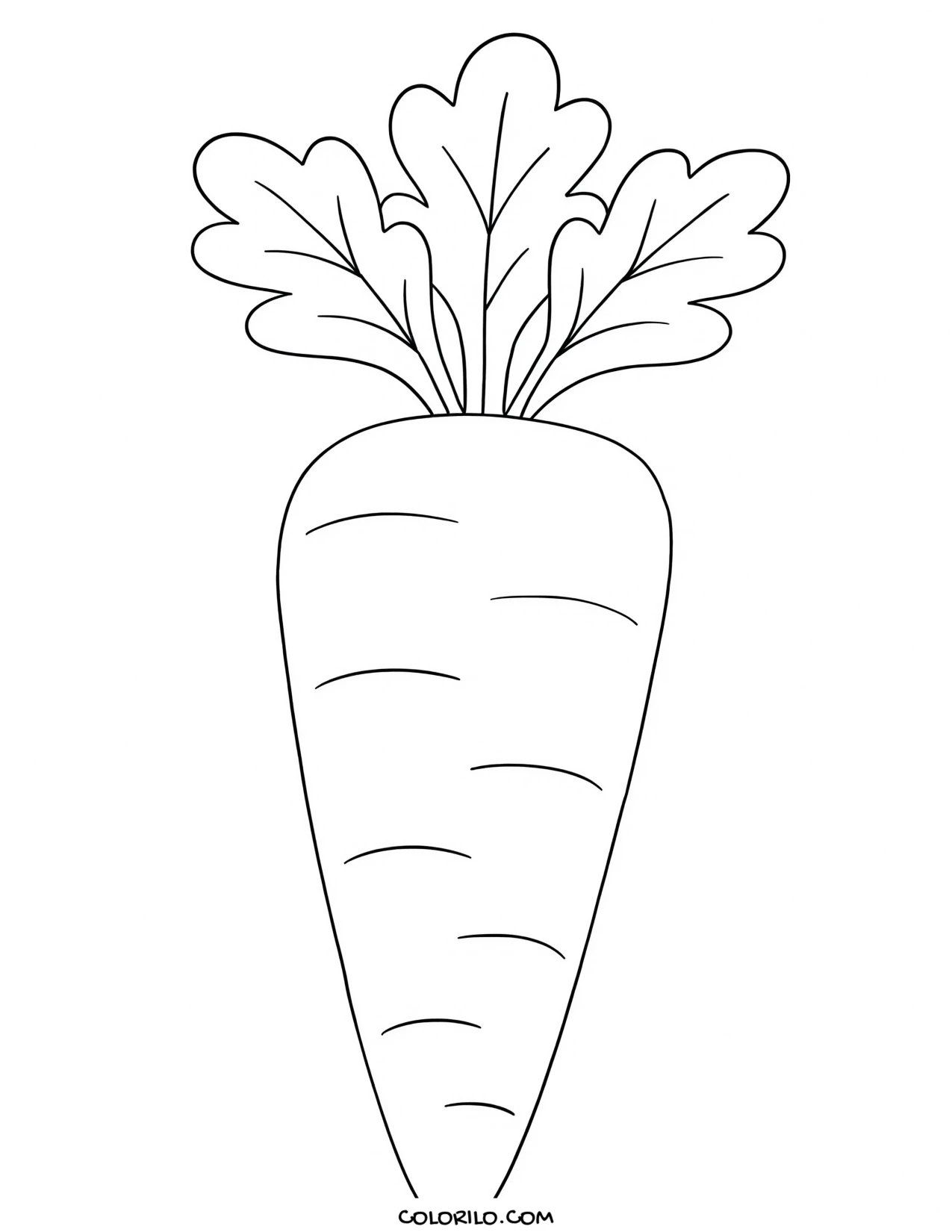
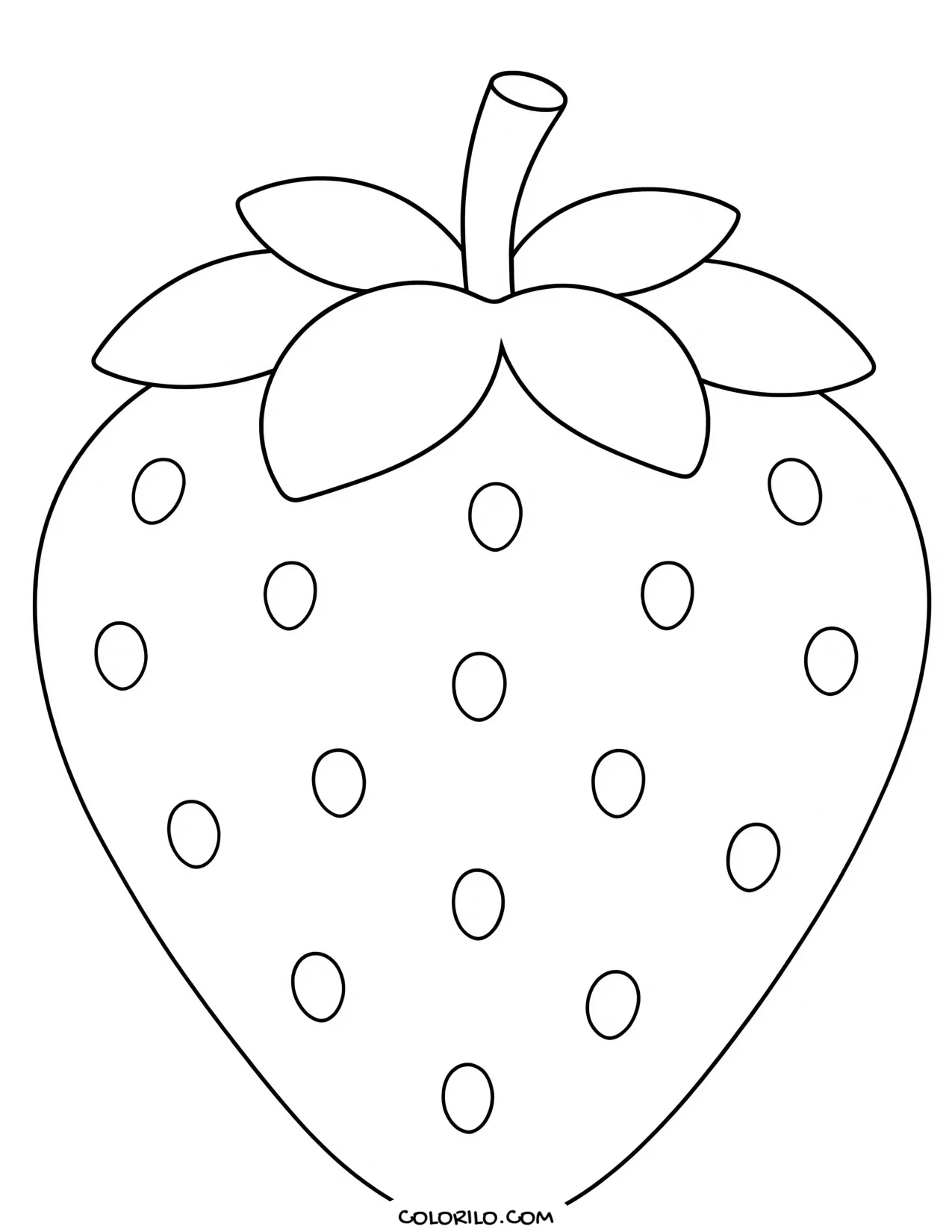
Food is one of the easiest things a young child can colour well, because everyone already knows what colour it should be. A banana is yellow. A carrot is orange. A strawberry is red with green on top. That certainty is why food coloring pages work so well for a four-year-old who is still deciding whether they are any good at this.
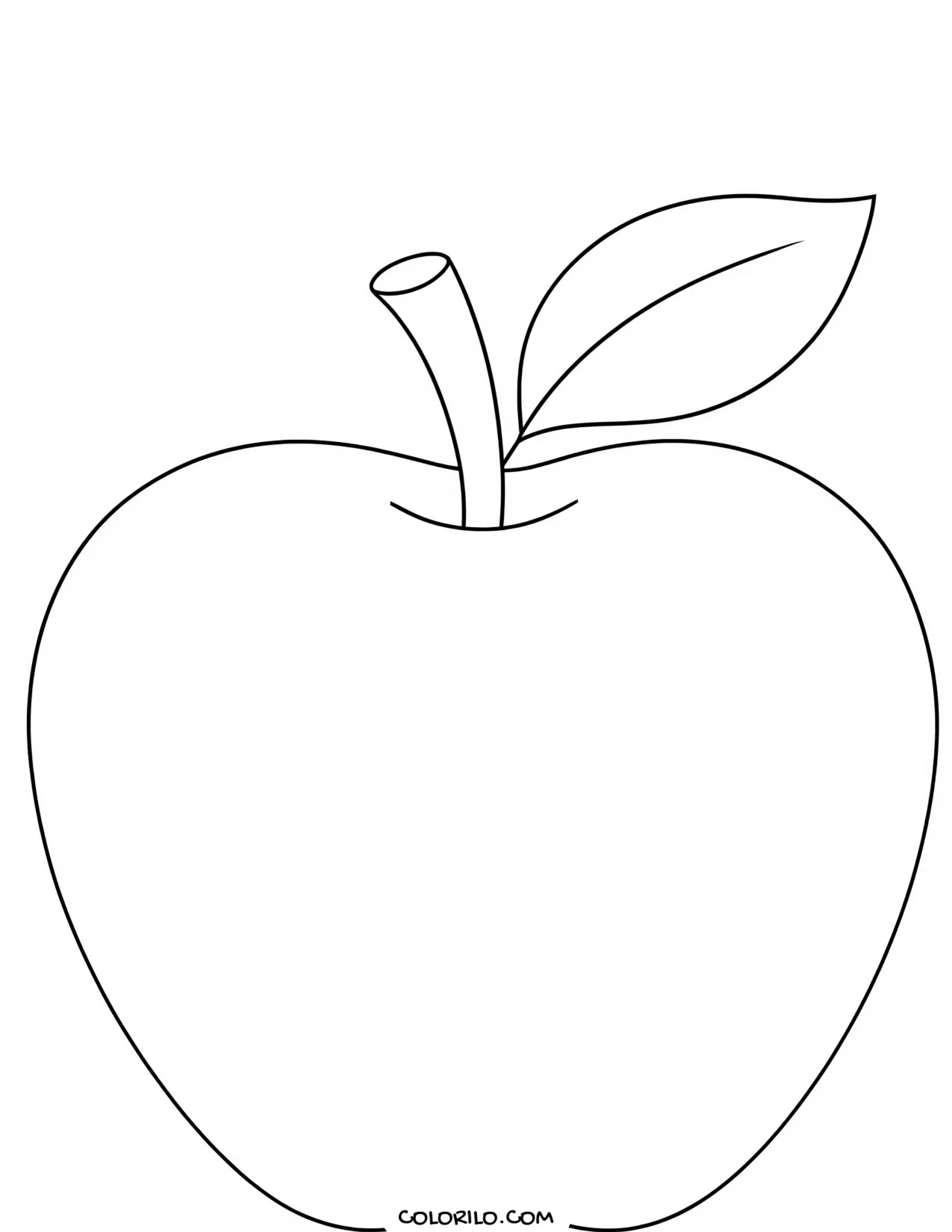
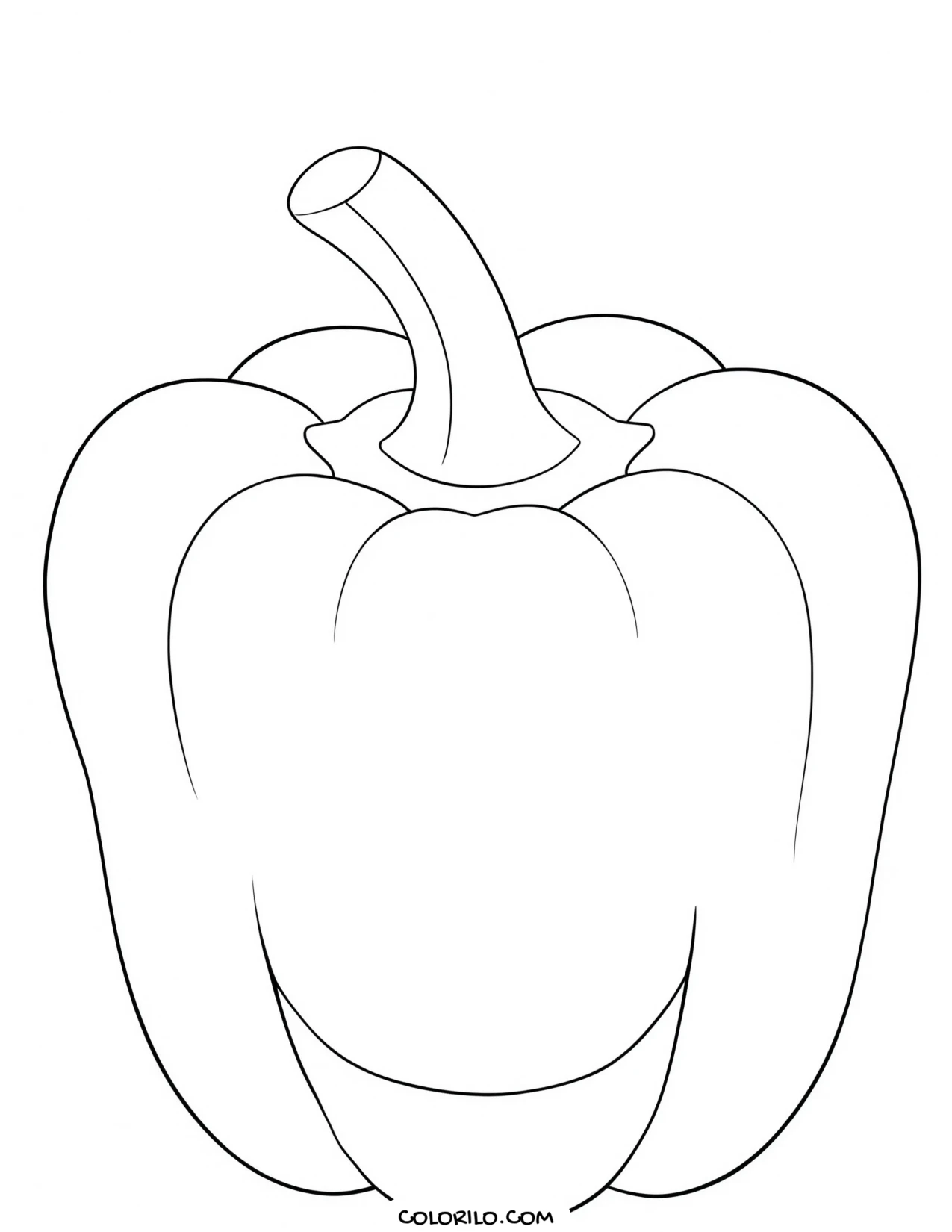
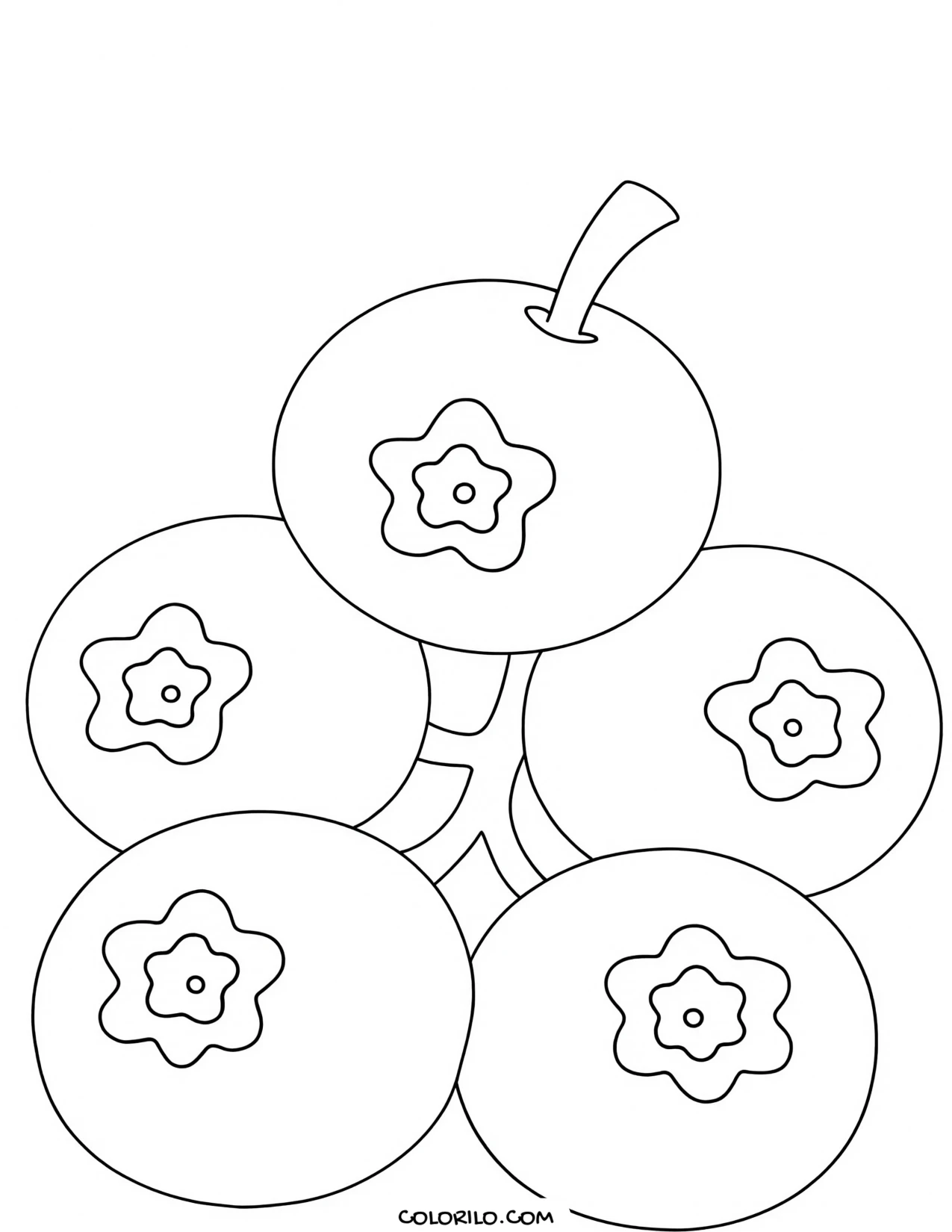
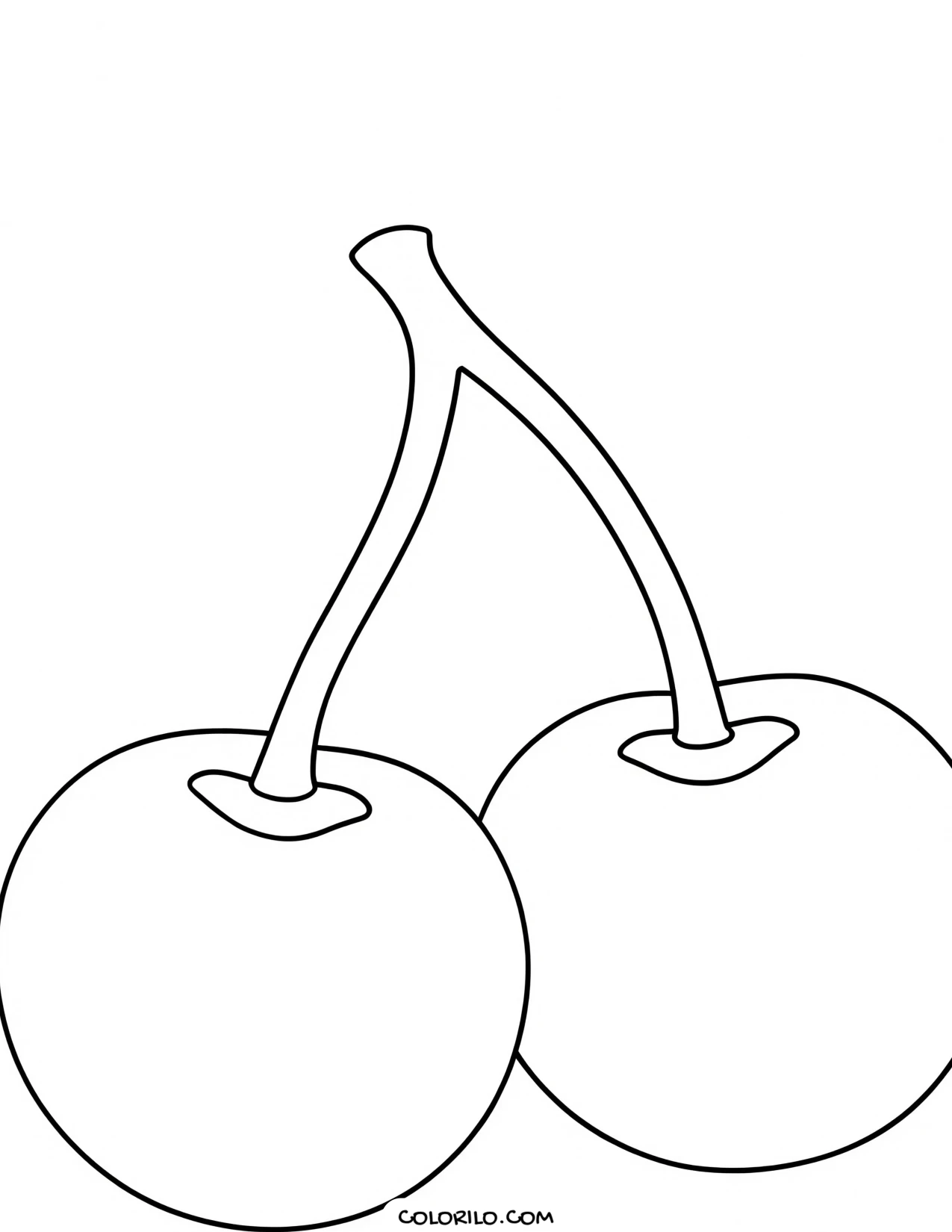
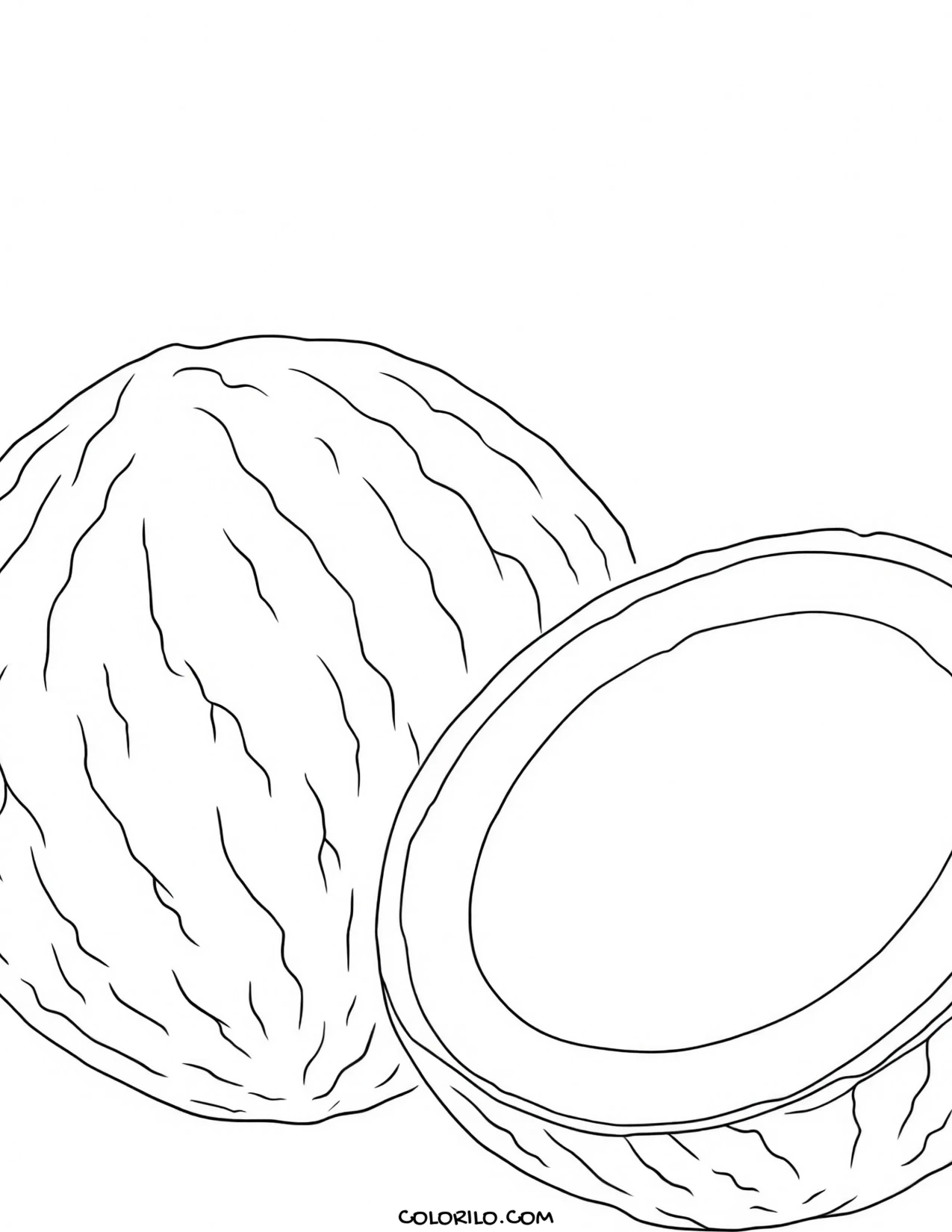
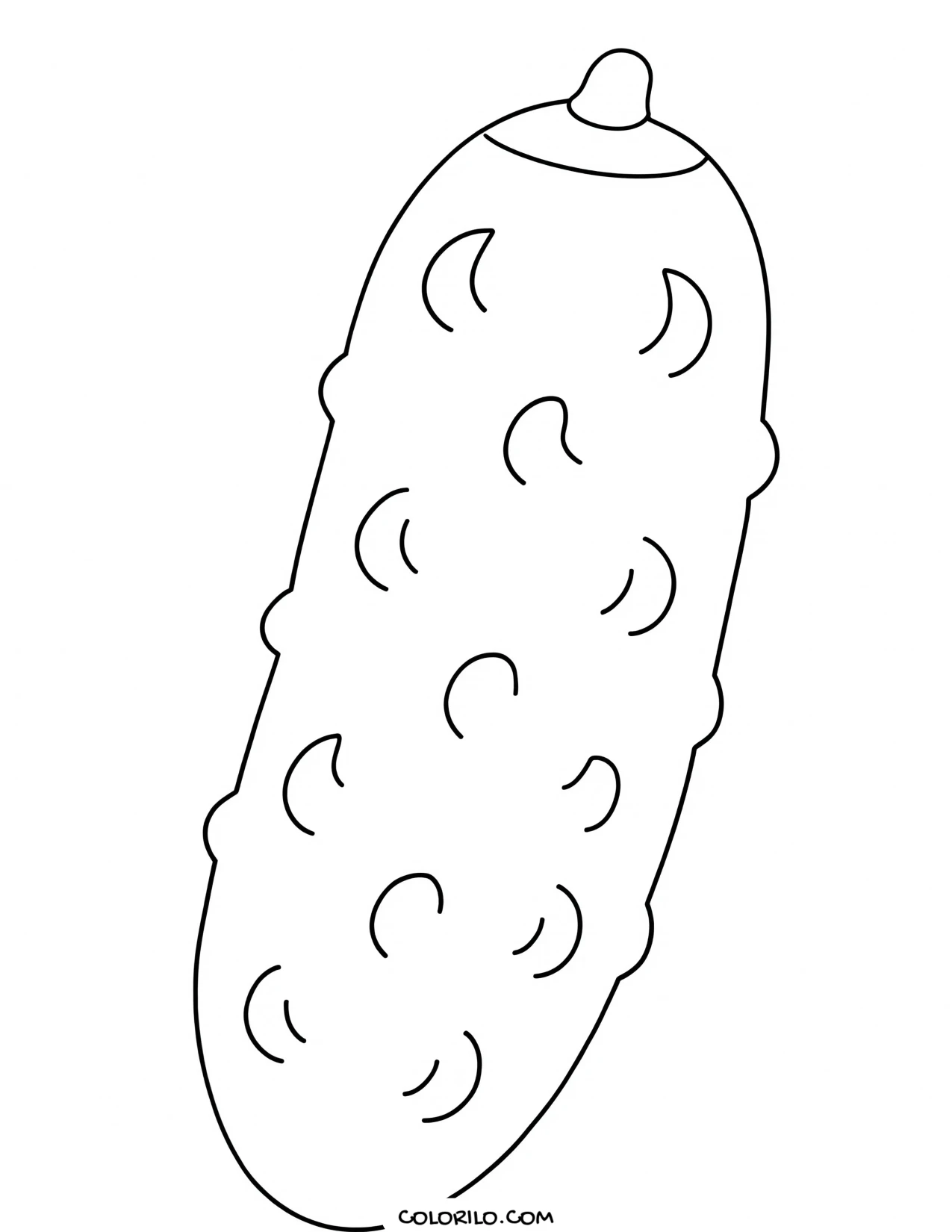
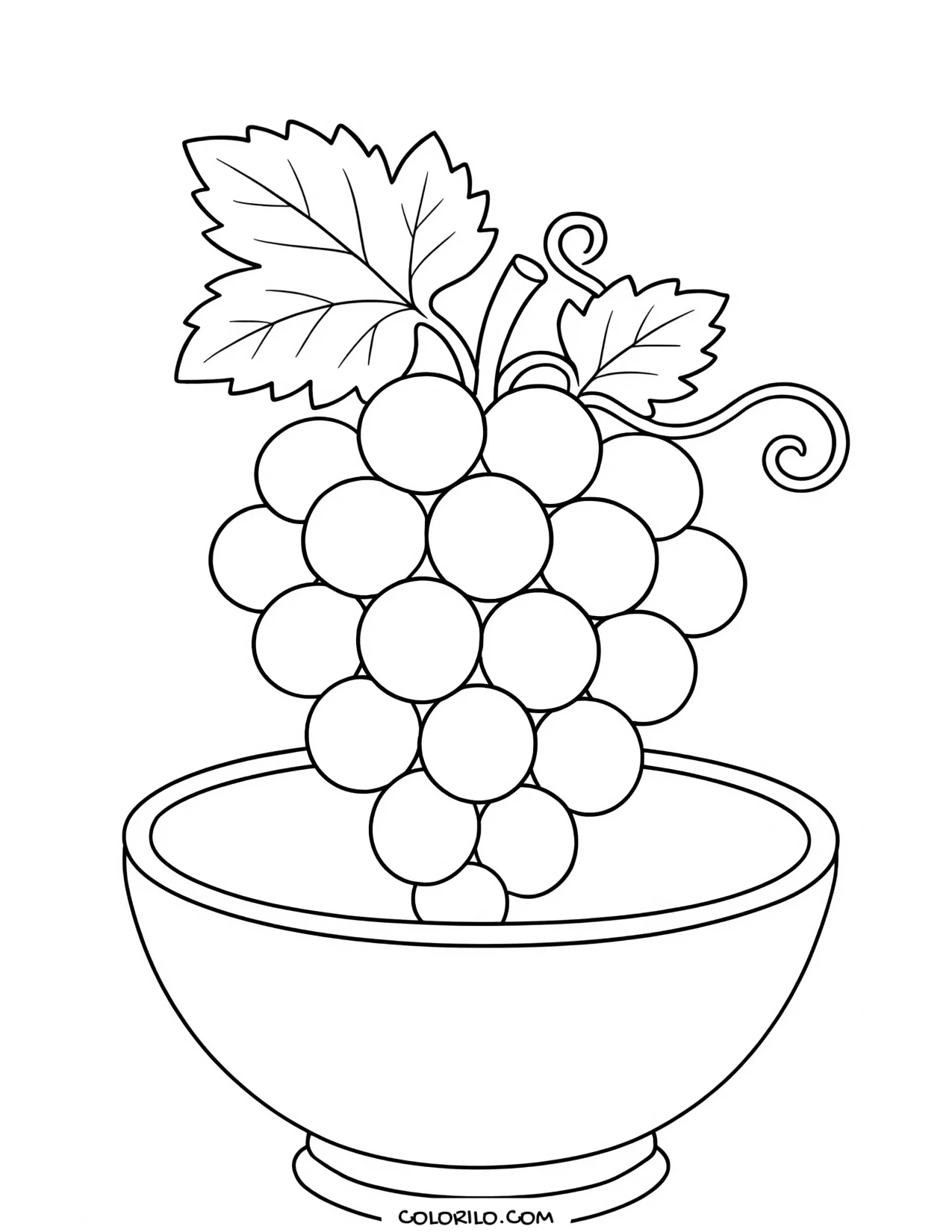
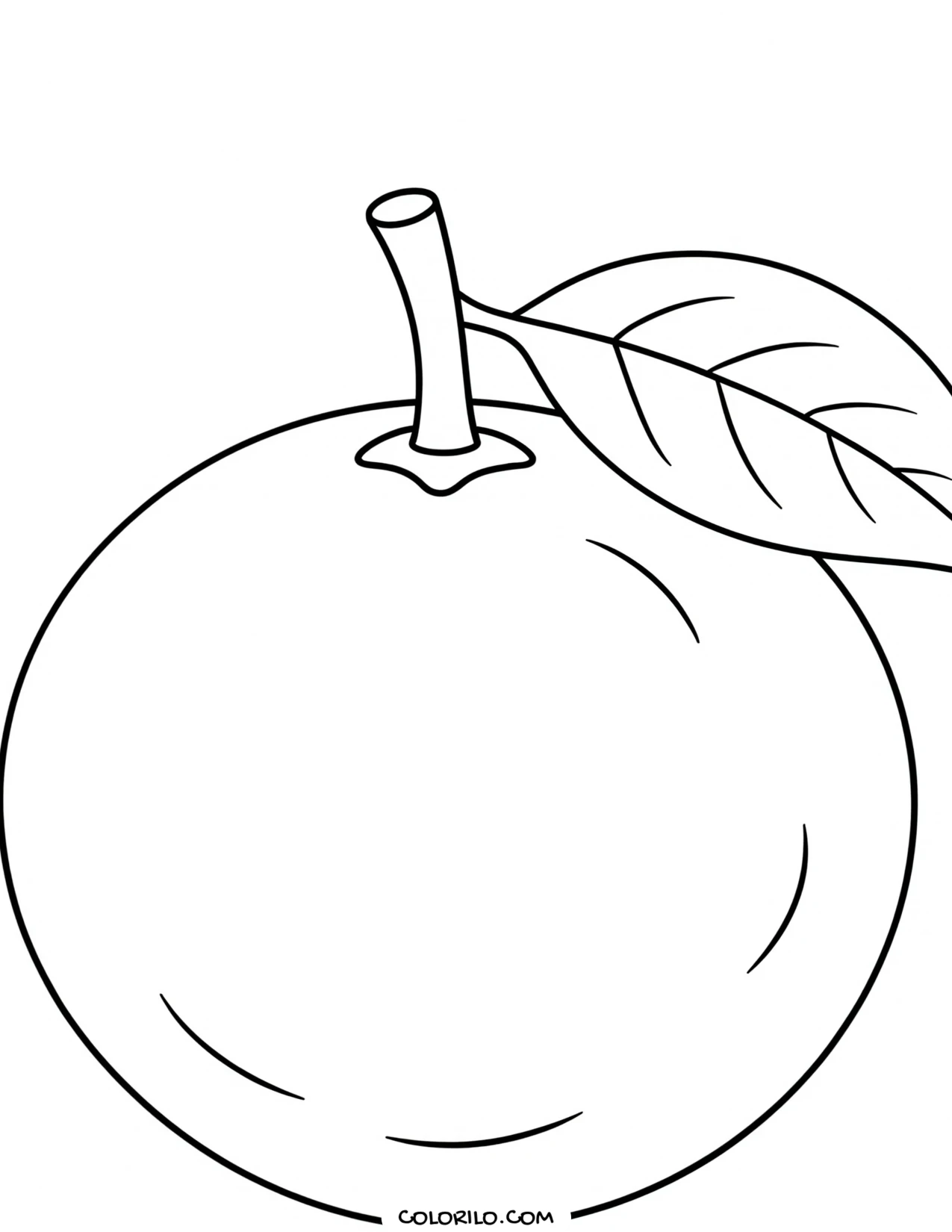
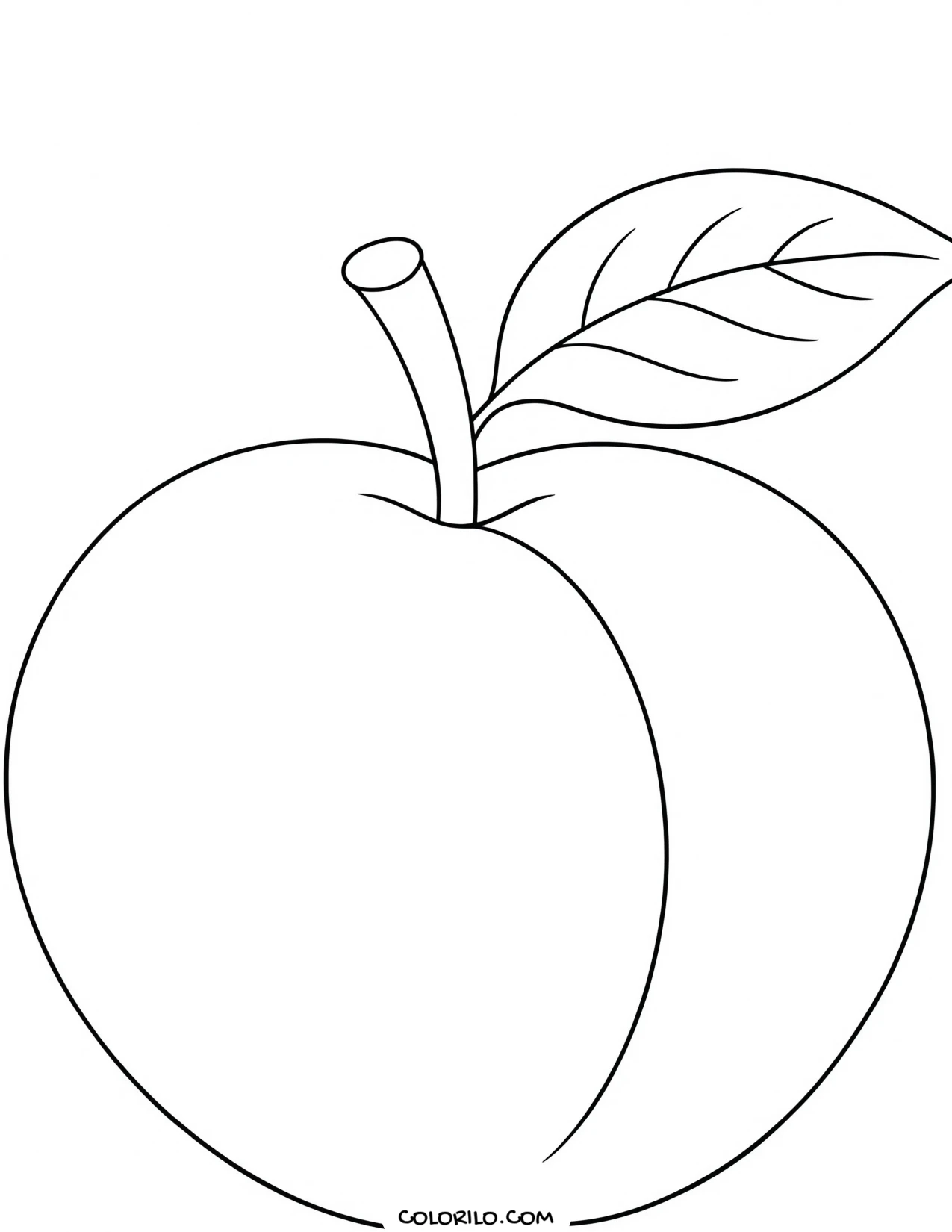
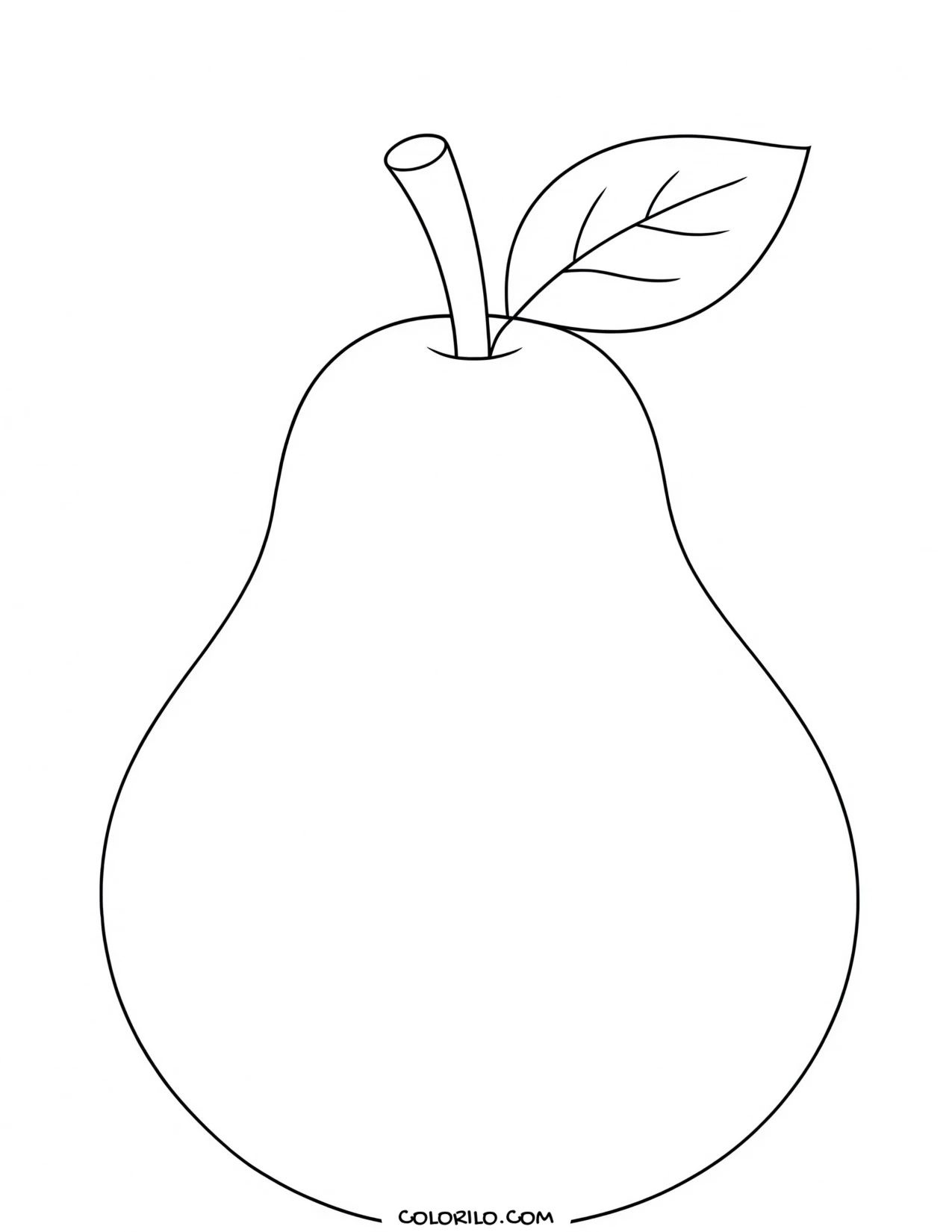
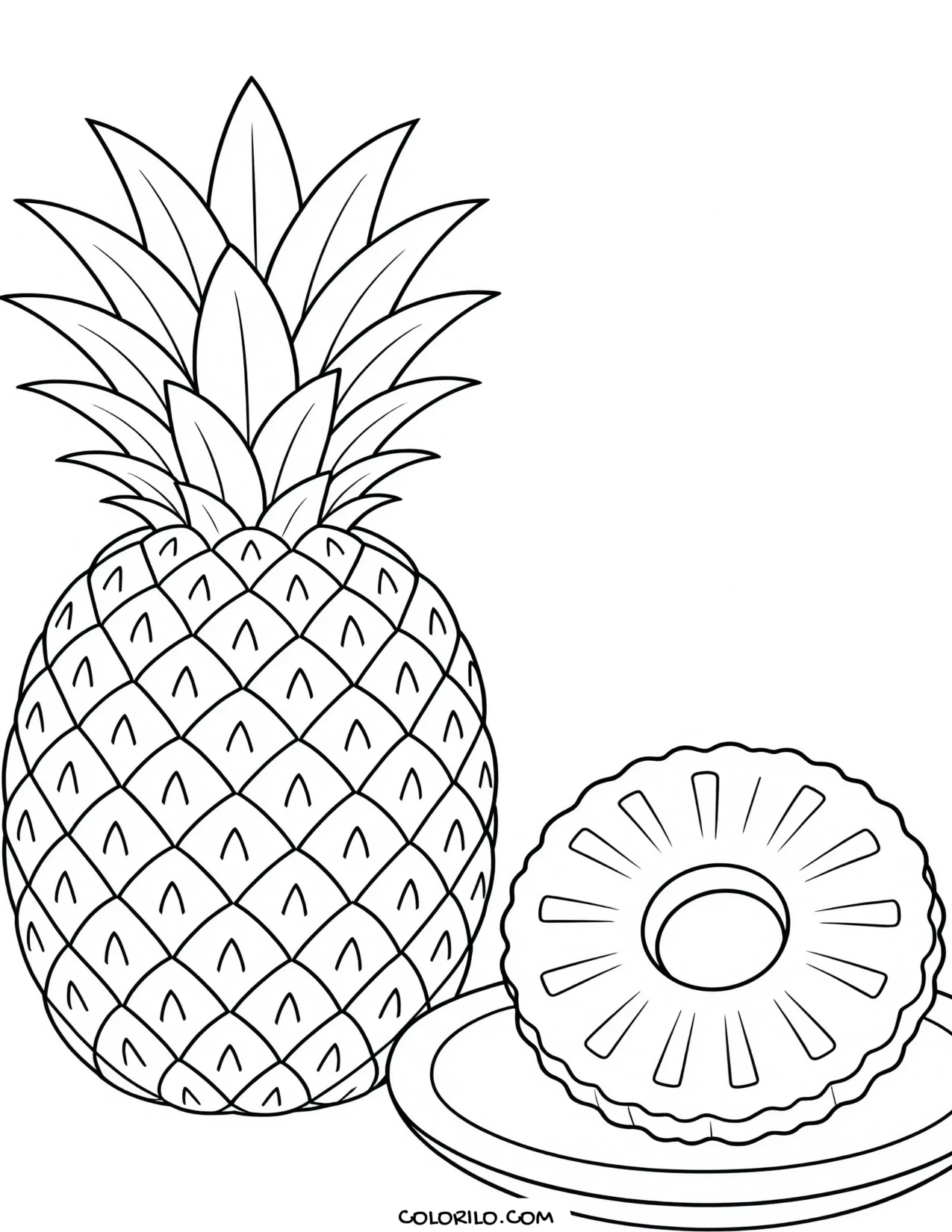
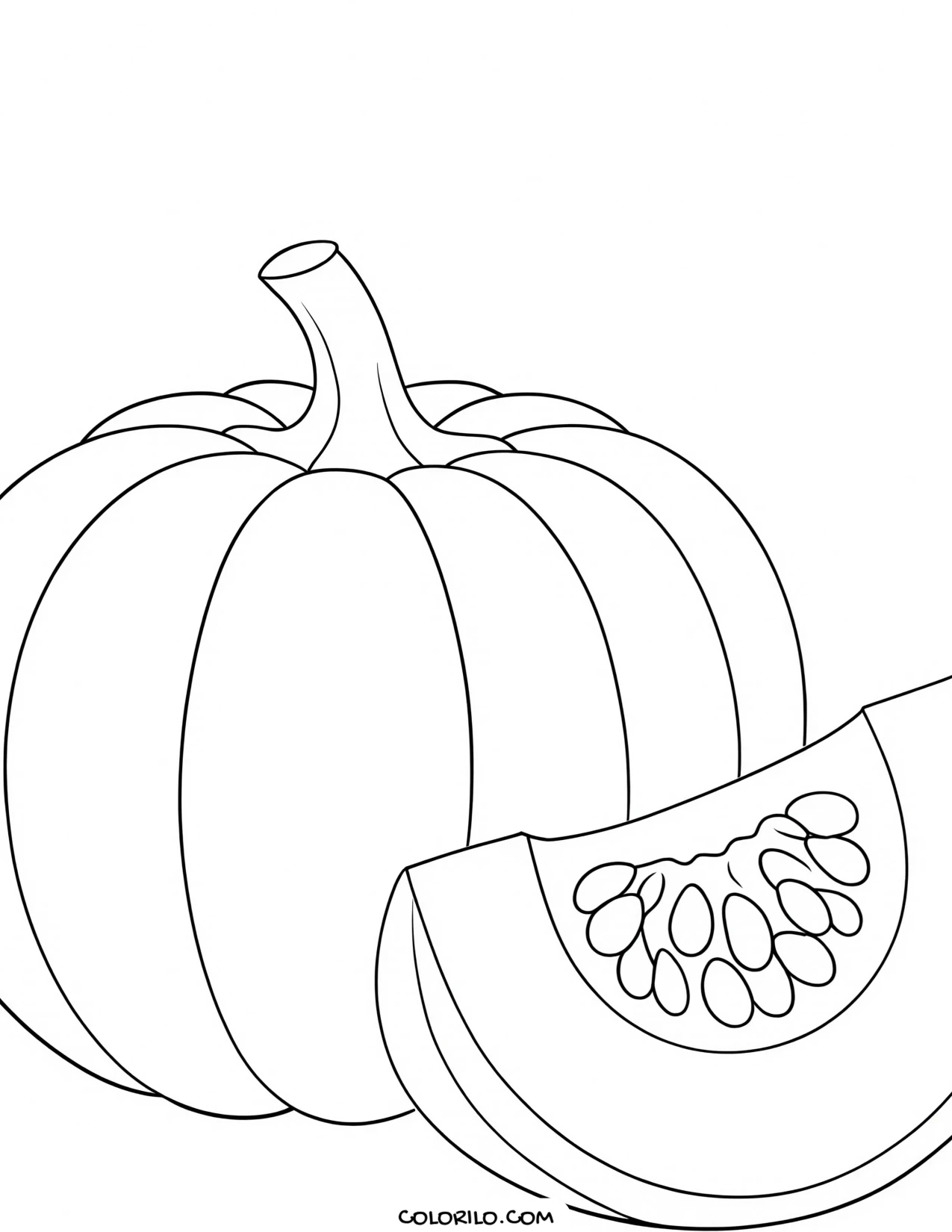
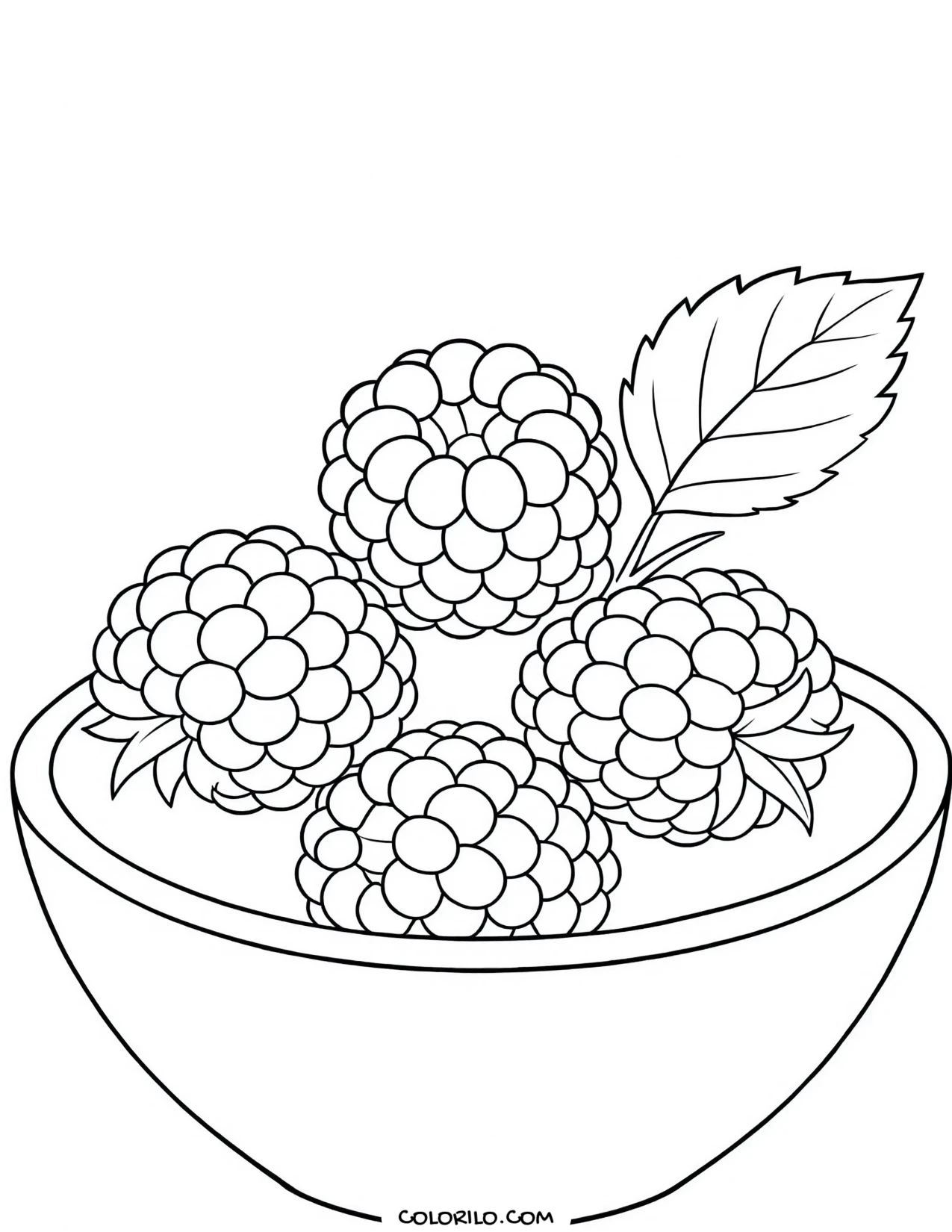
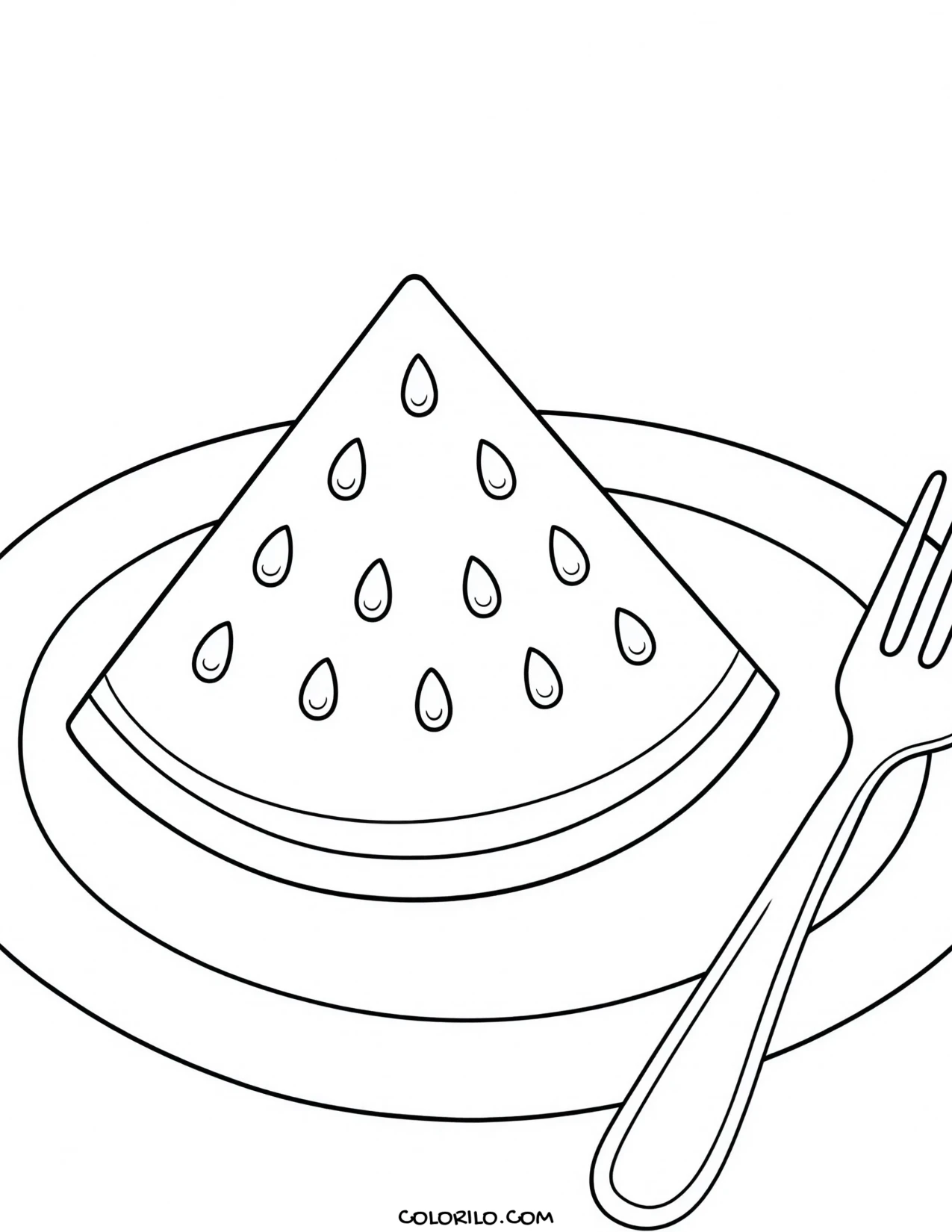
There are 75 free designs here, and every one names a specific food rather than drawing something vaguely edible. Eighteen fruits, apple, banana, strawberry, watermelon, pineapple, grapes, orange, cherry, peach, mango, kiwi, pear, lemon, avocado, blueberry, raspberry, coconut and fig. Twelve vegetables, from carrot and broccoli to aubergine, pea pods and sweetcorn.
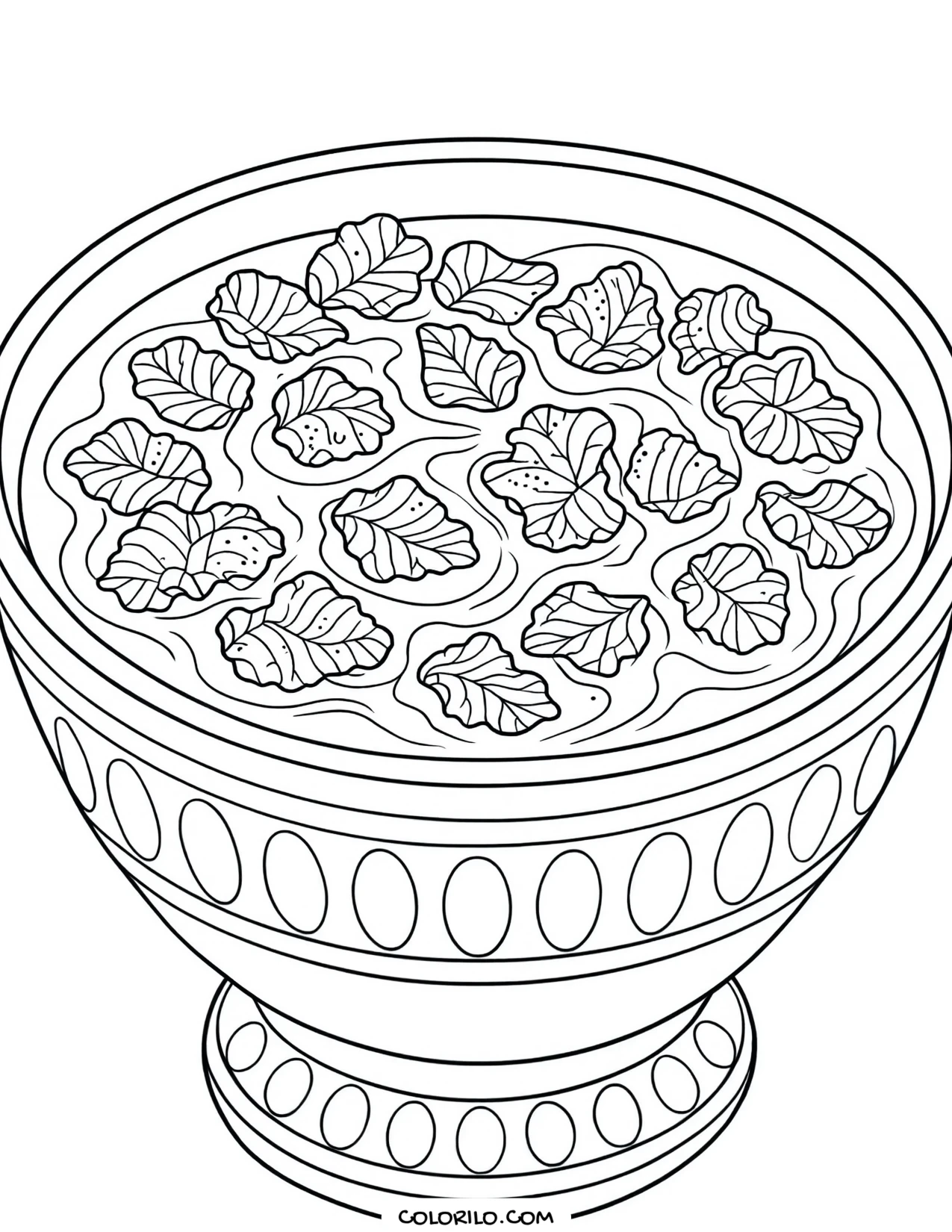
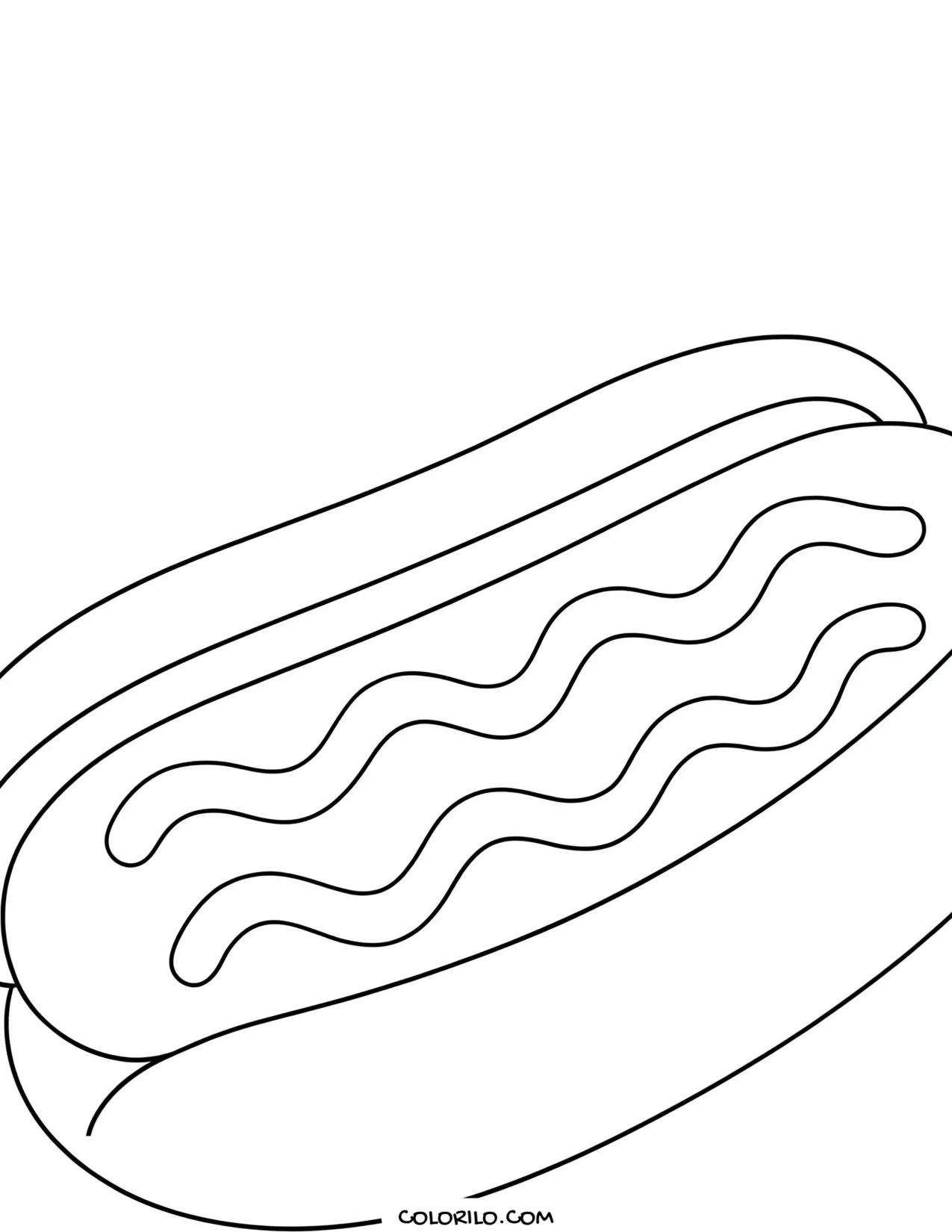
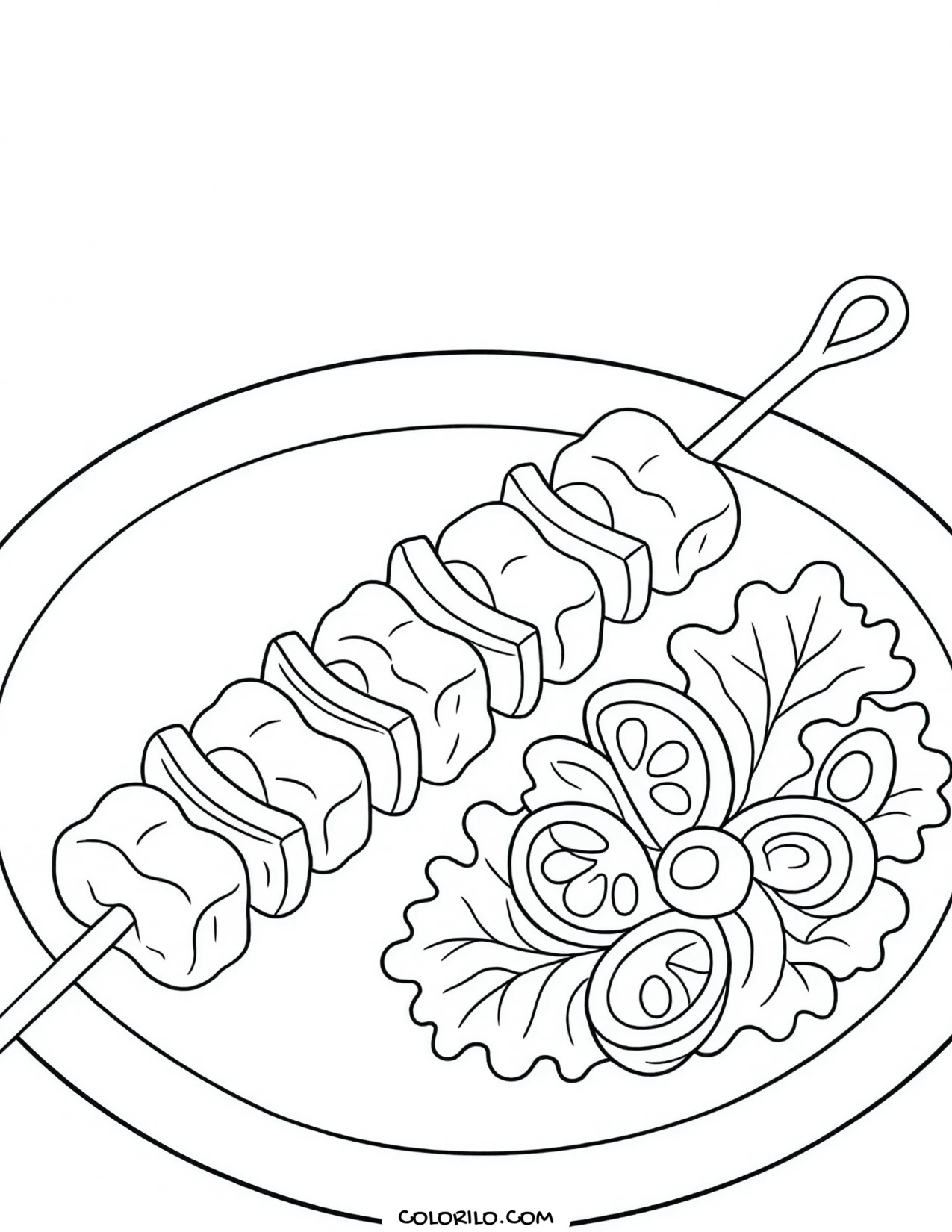
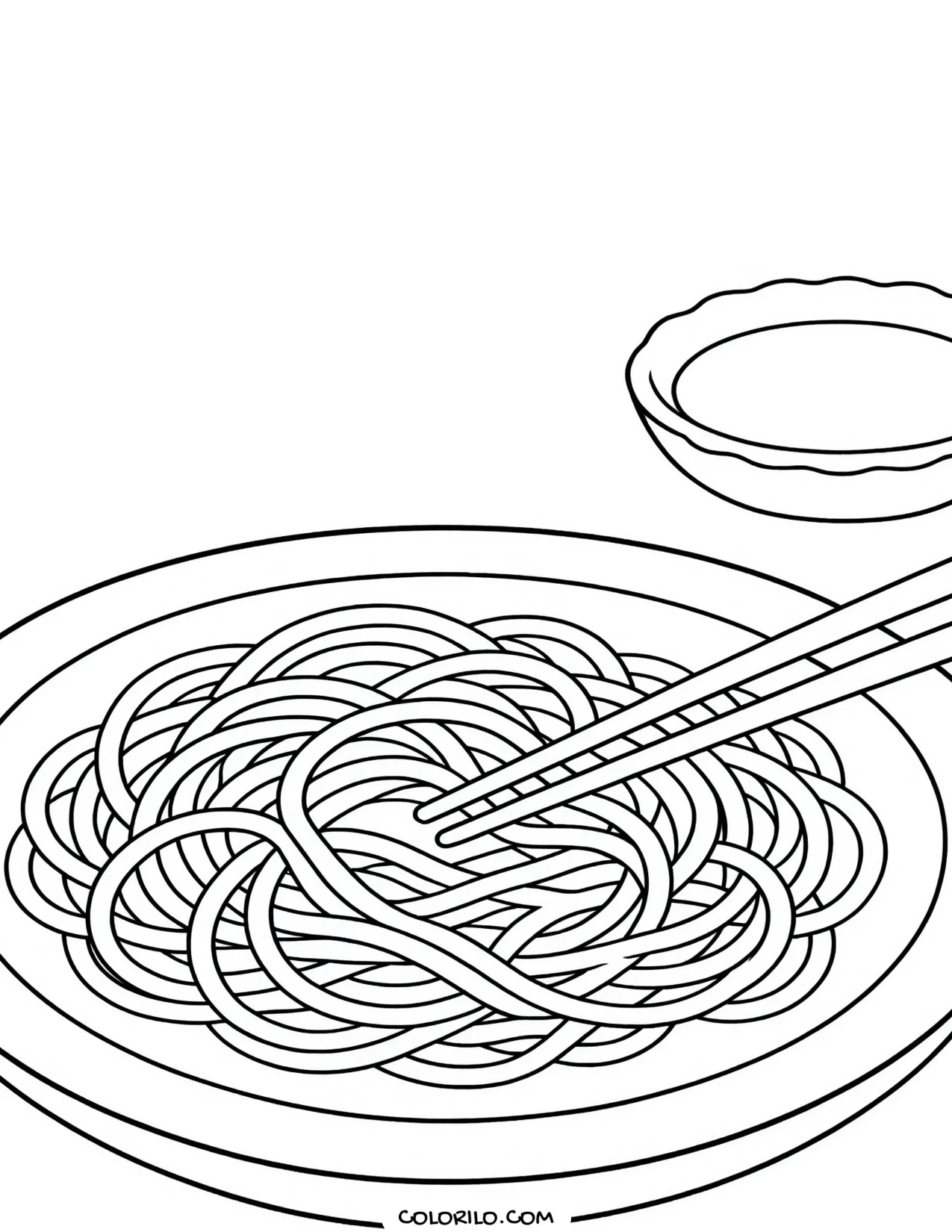
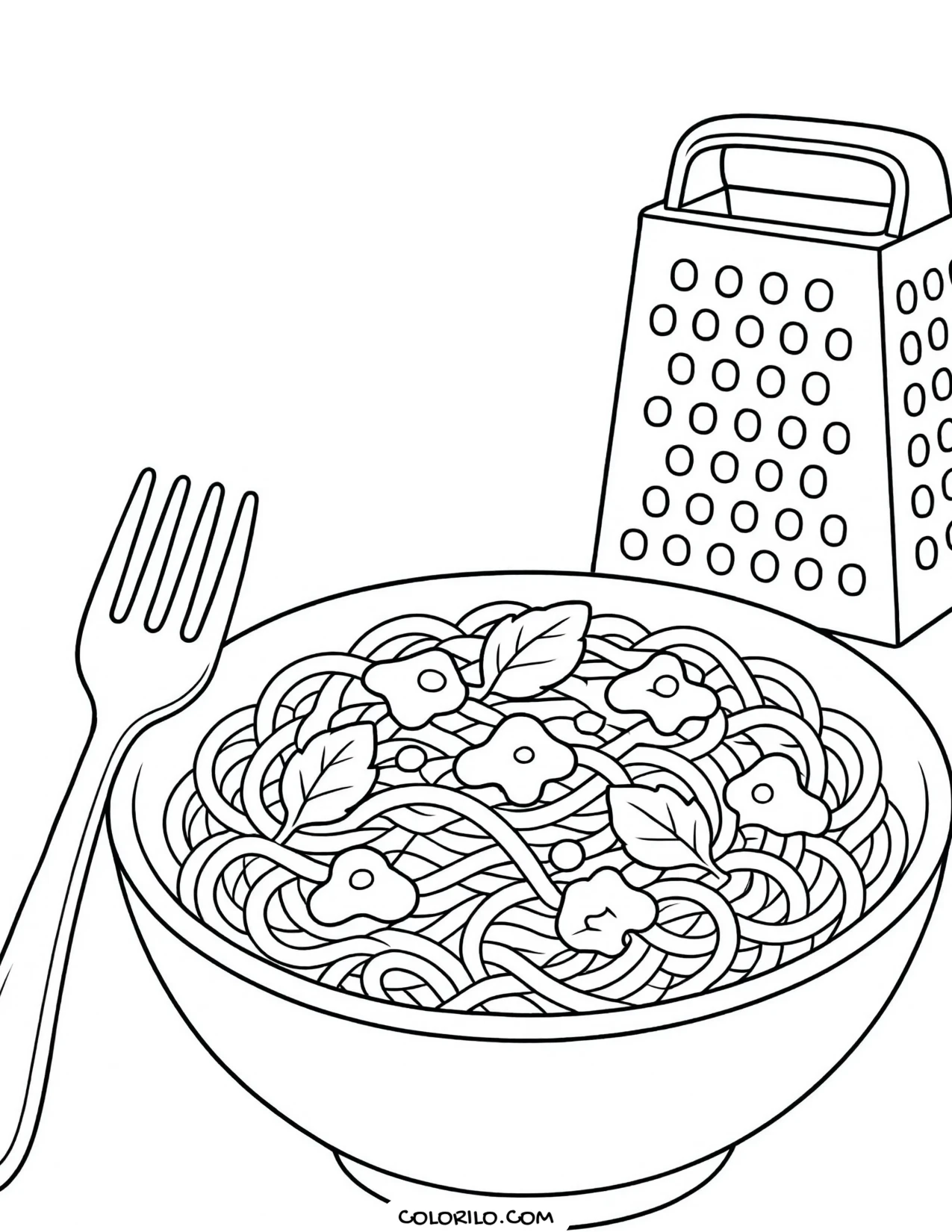
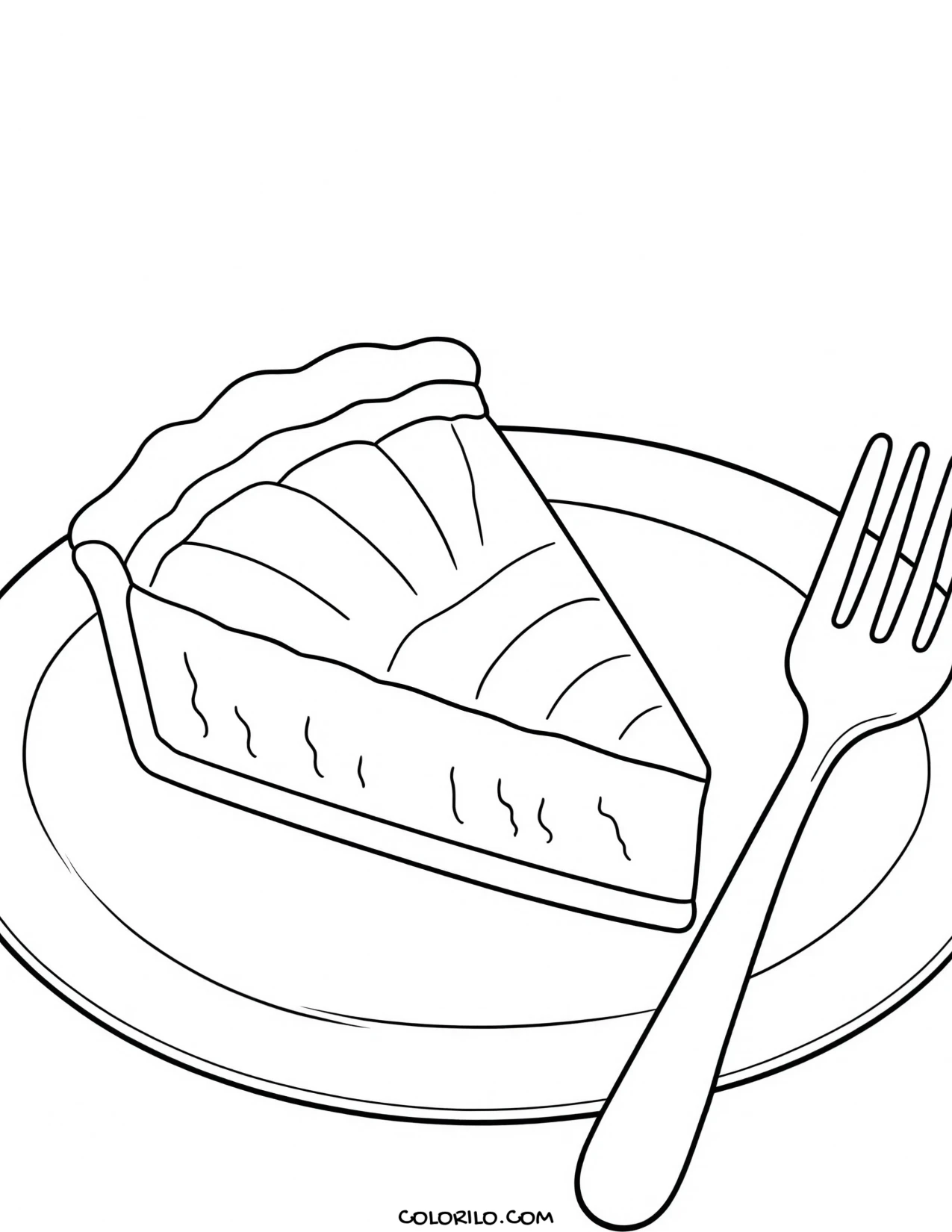
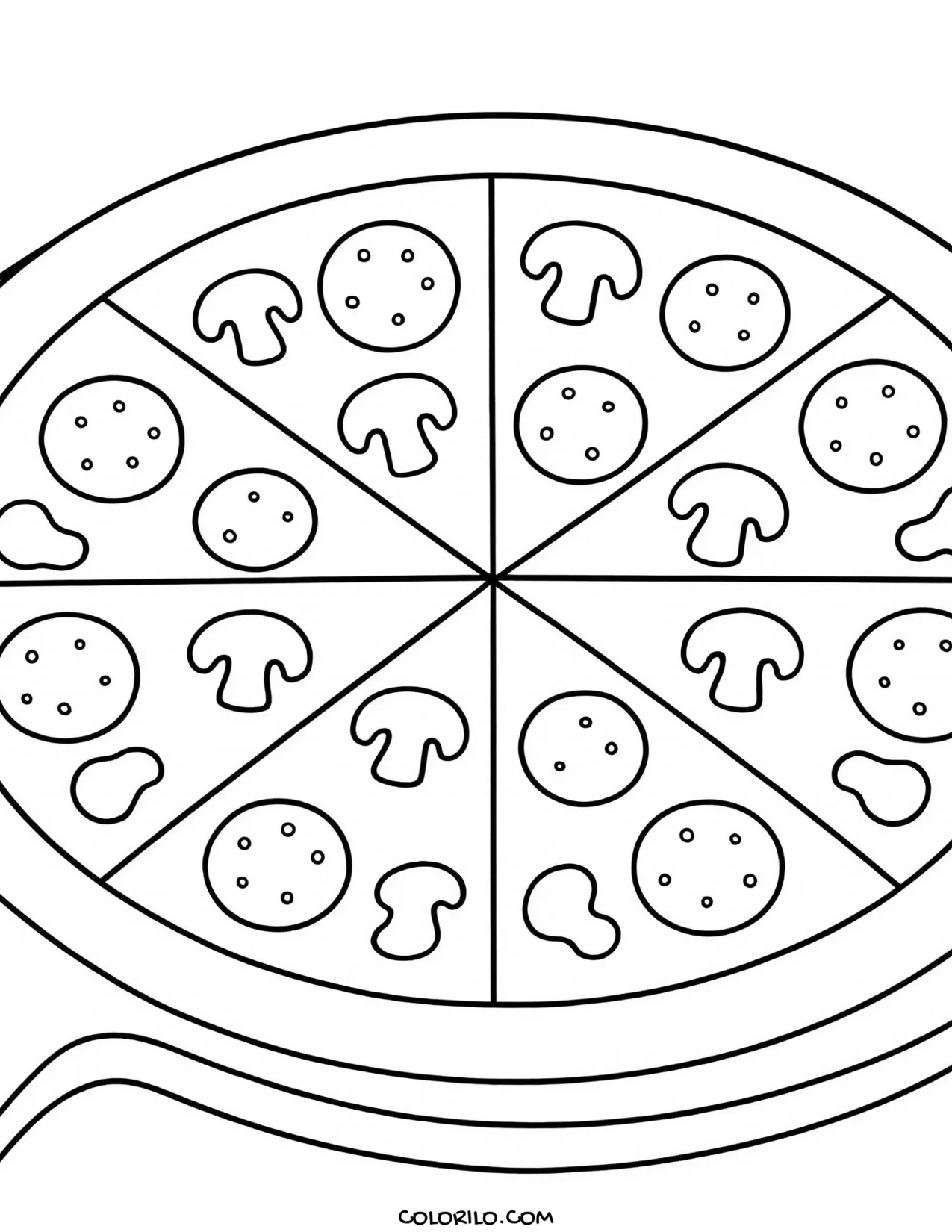
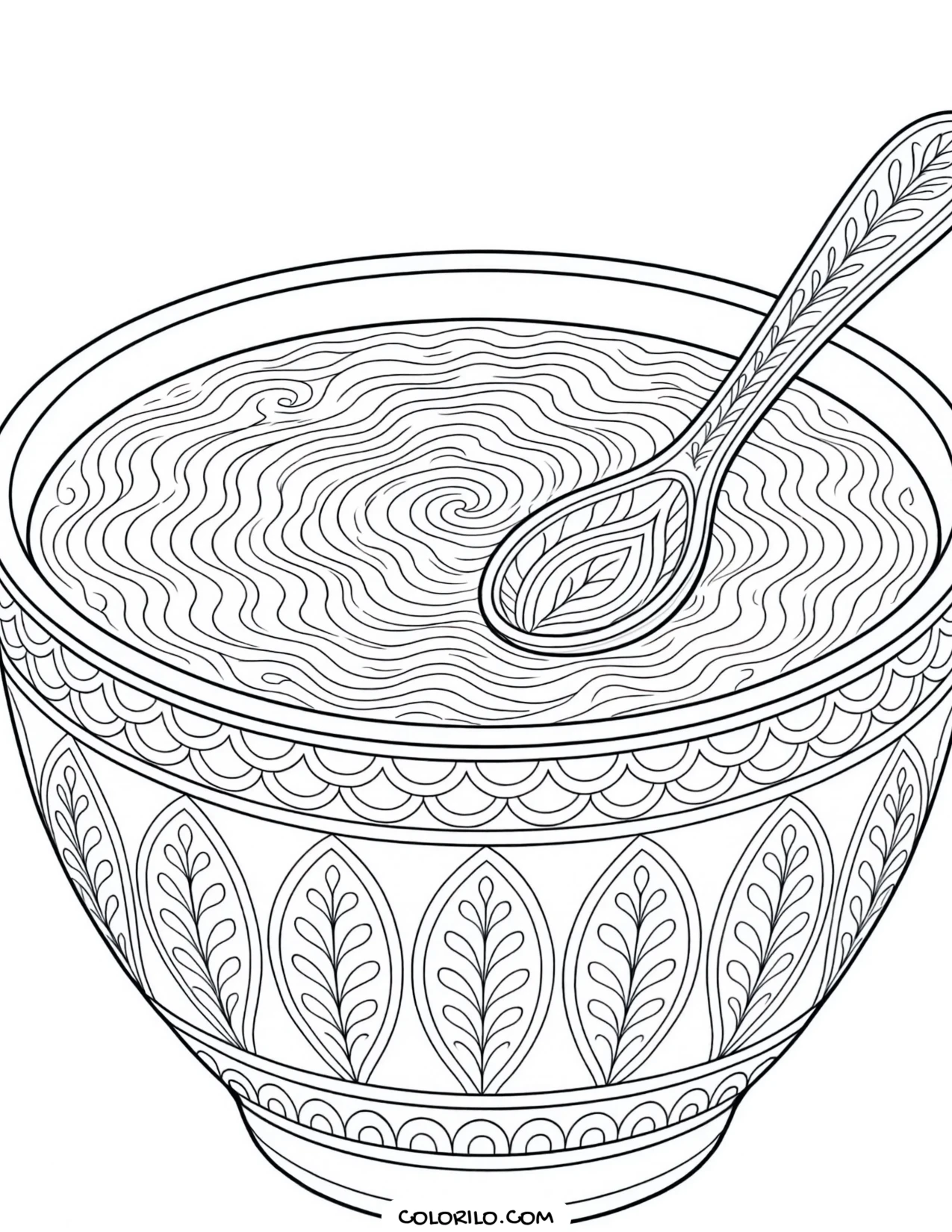
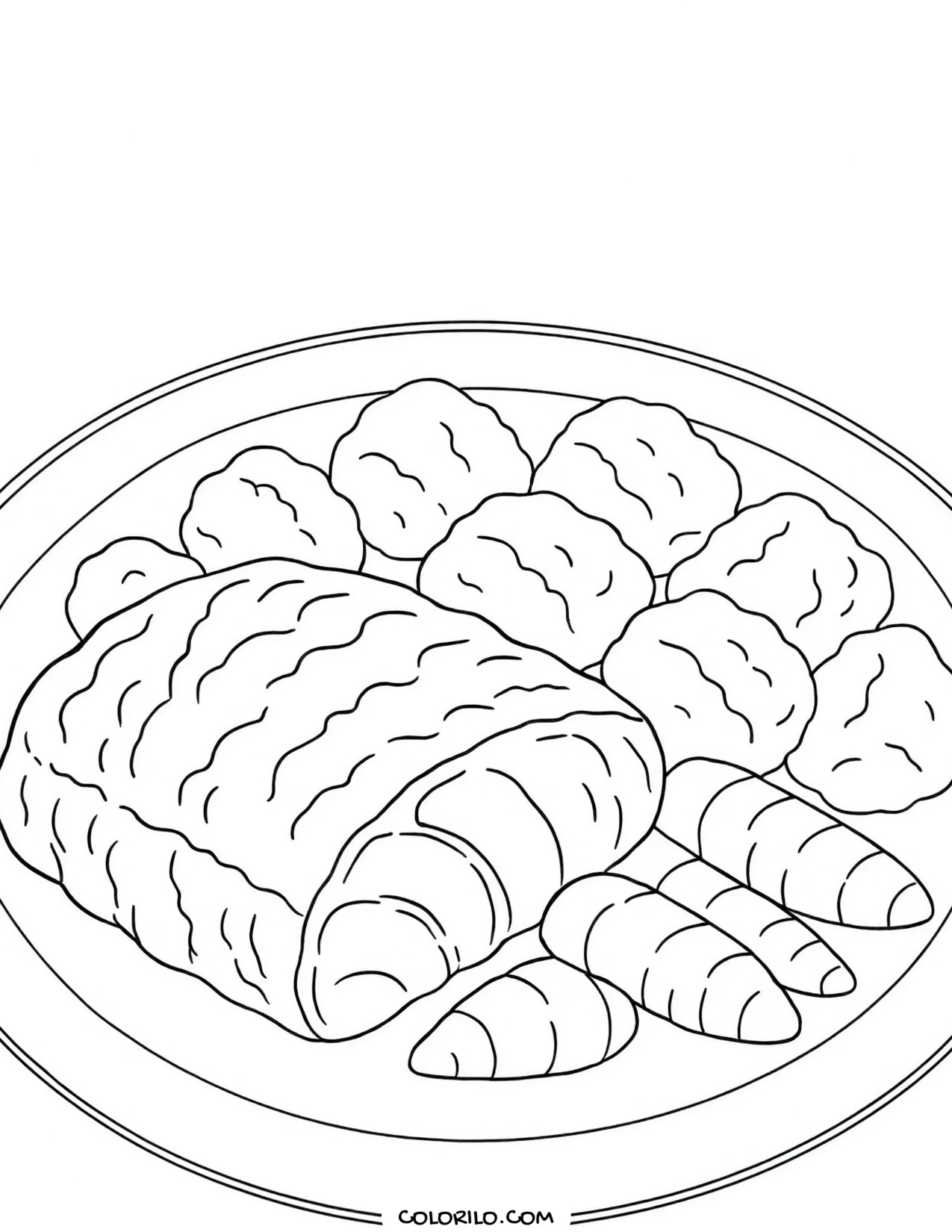
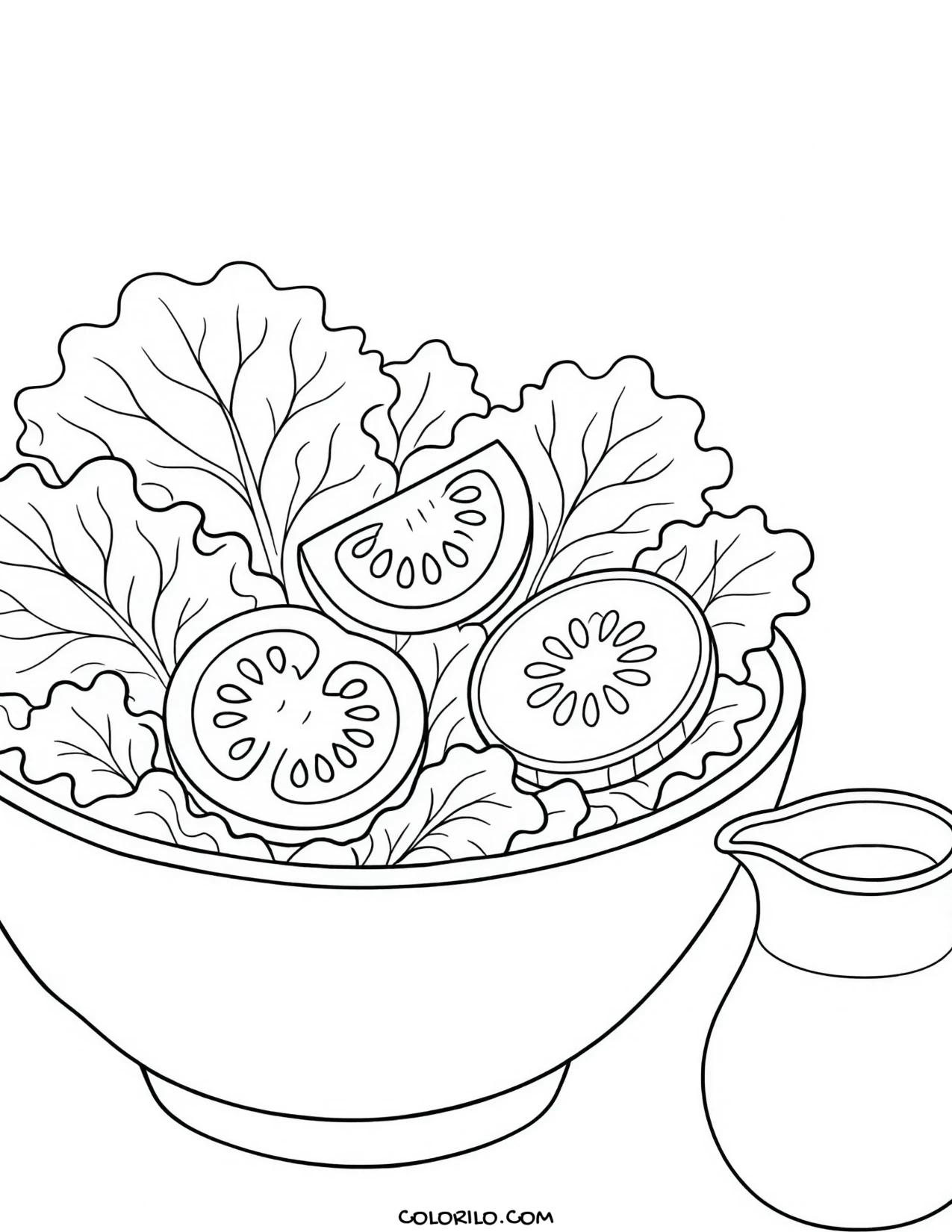
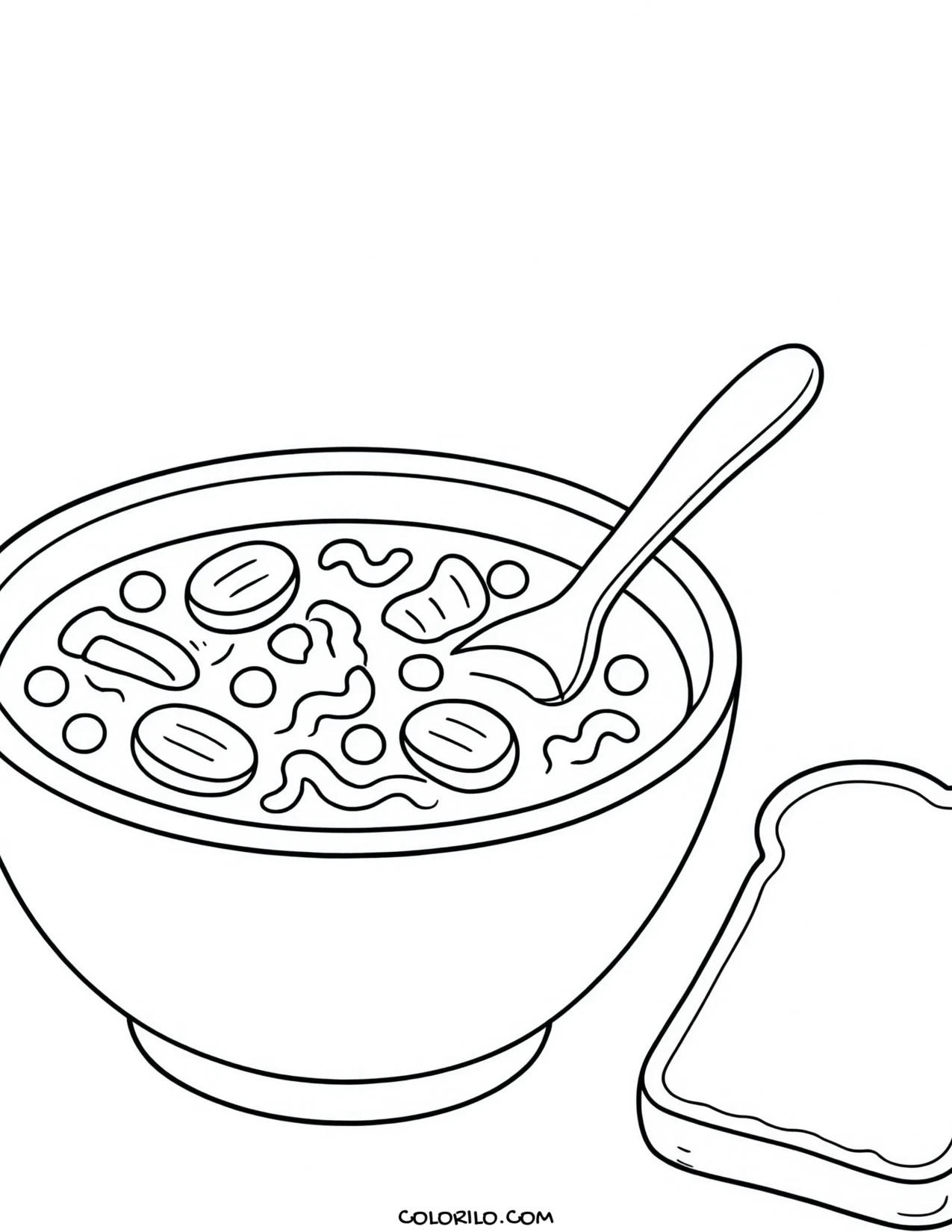
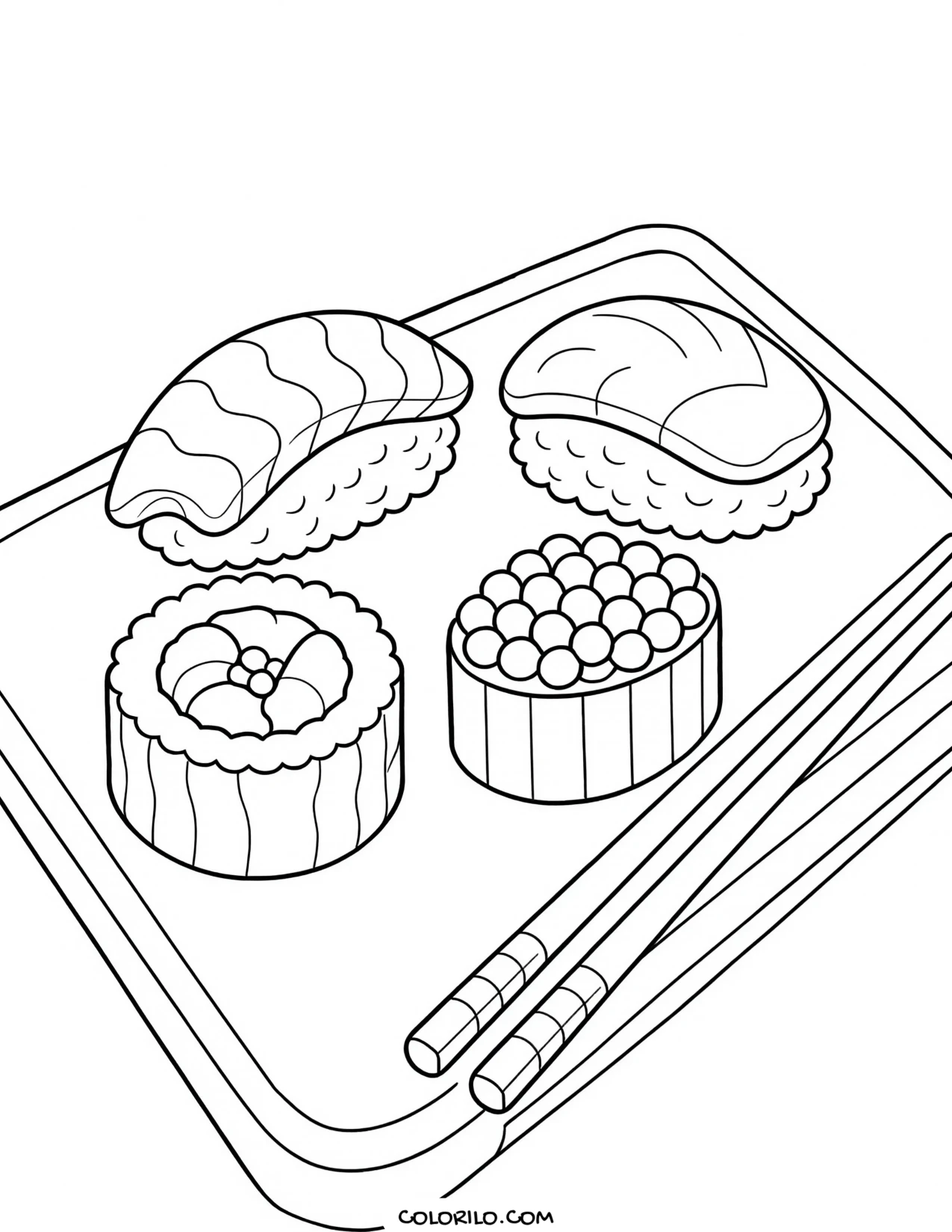
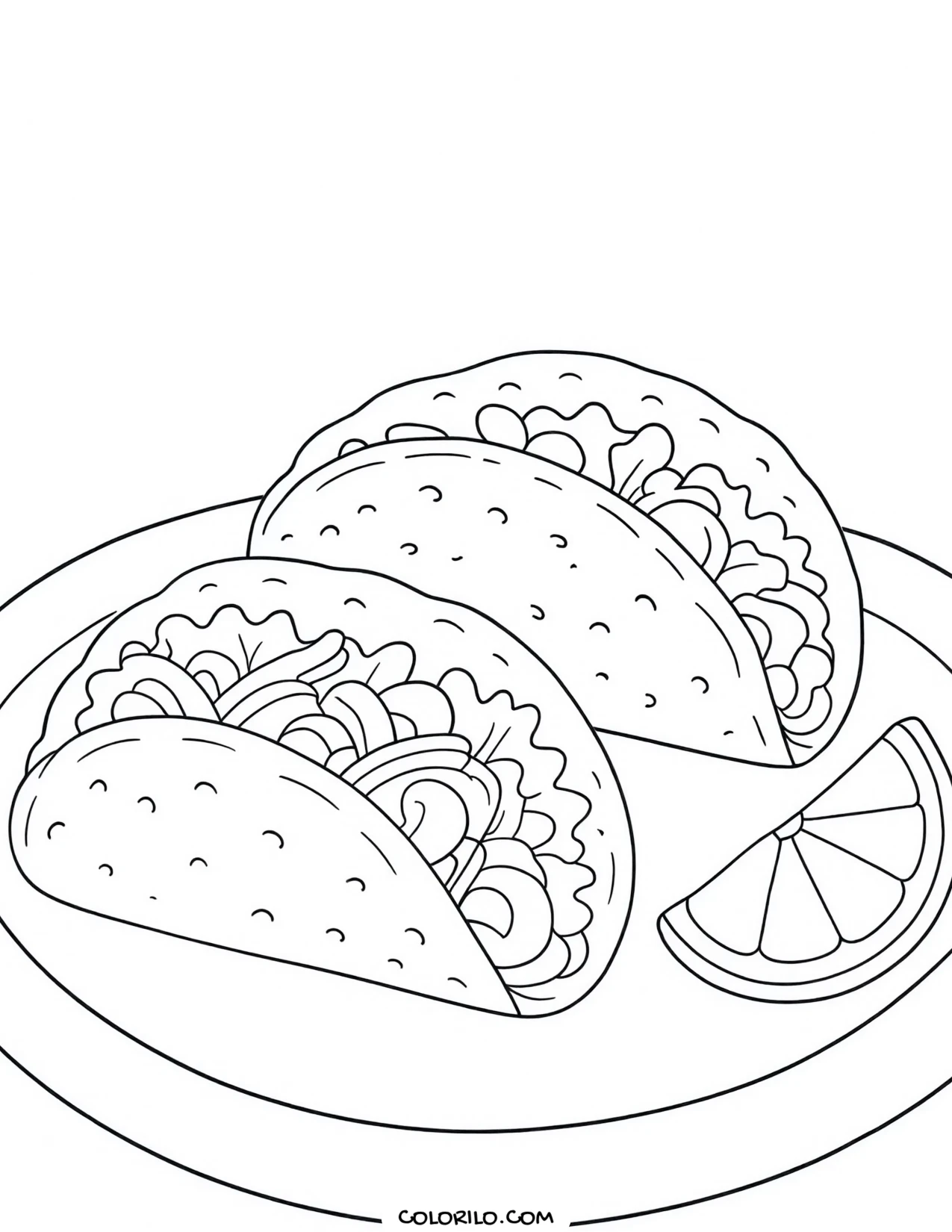
The meals cover most of what children actually ask for: pizza, burger, hot dog, tacos, sushi, pasta, noodles, fried rice, sandwich, kebab, soup, salad, a slice of pie and a roast dinner. Each is drawn as a small scene, a plate, a fork, a board, rather than the food floating alone.
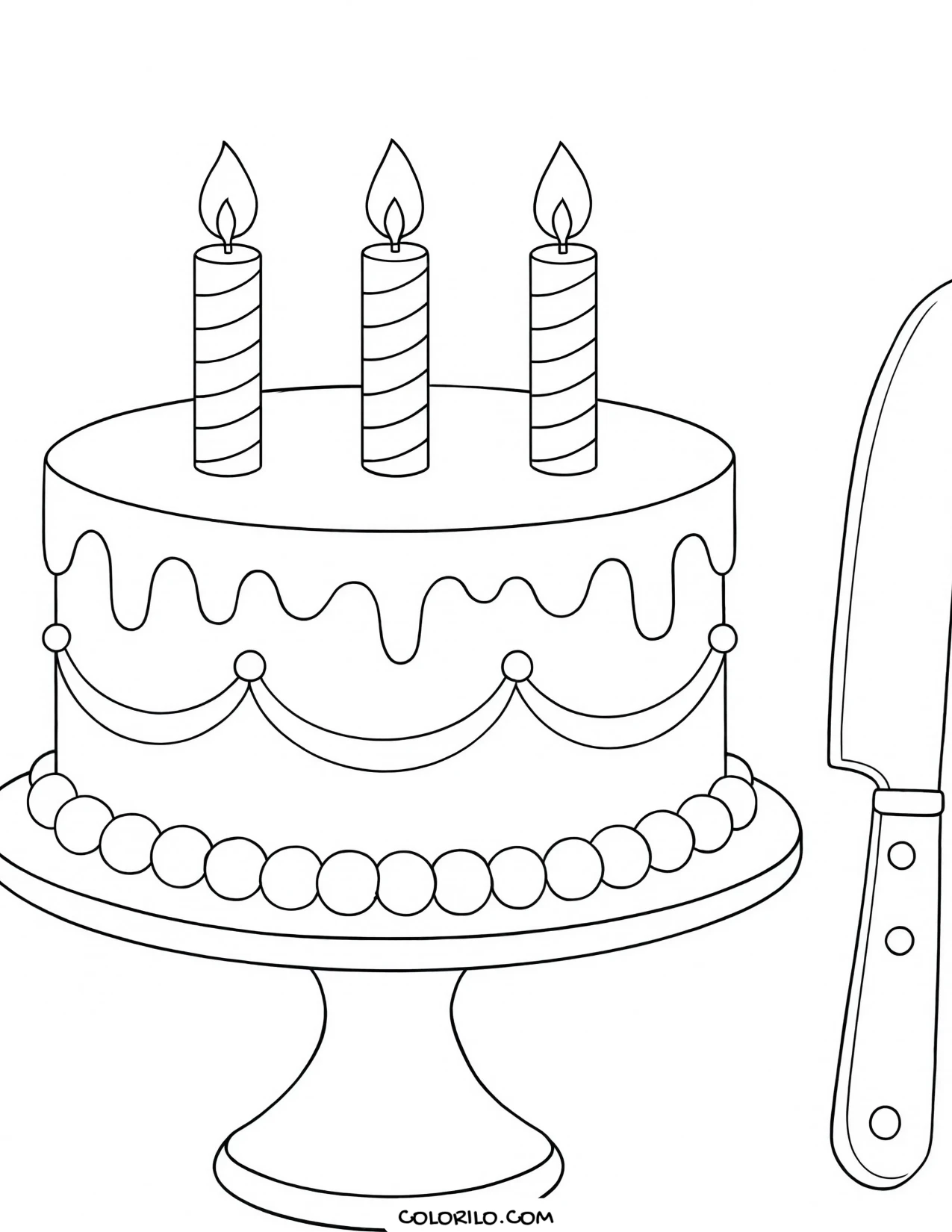
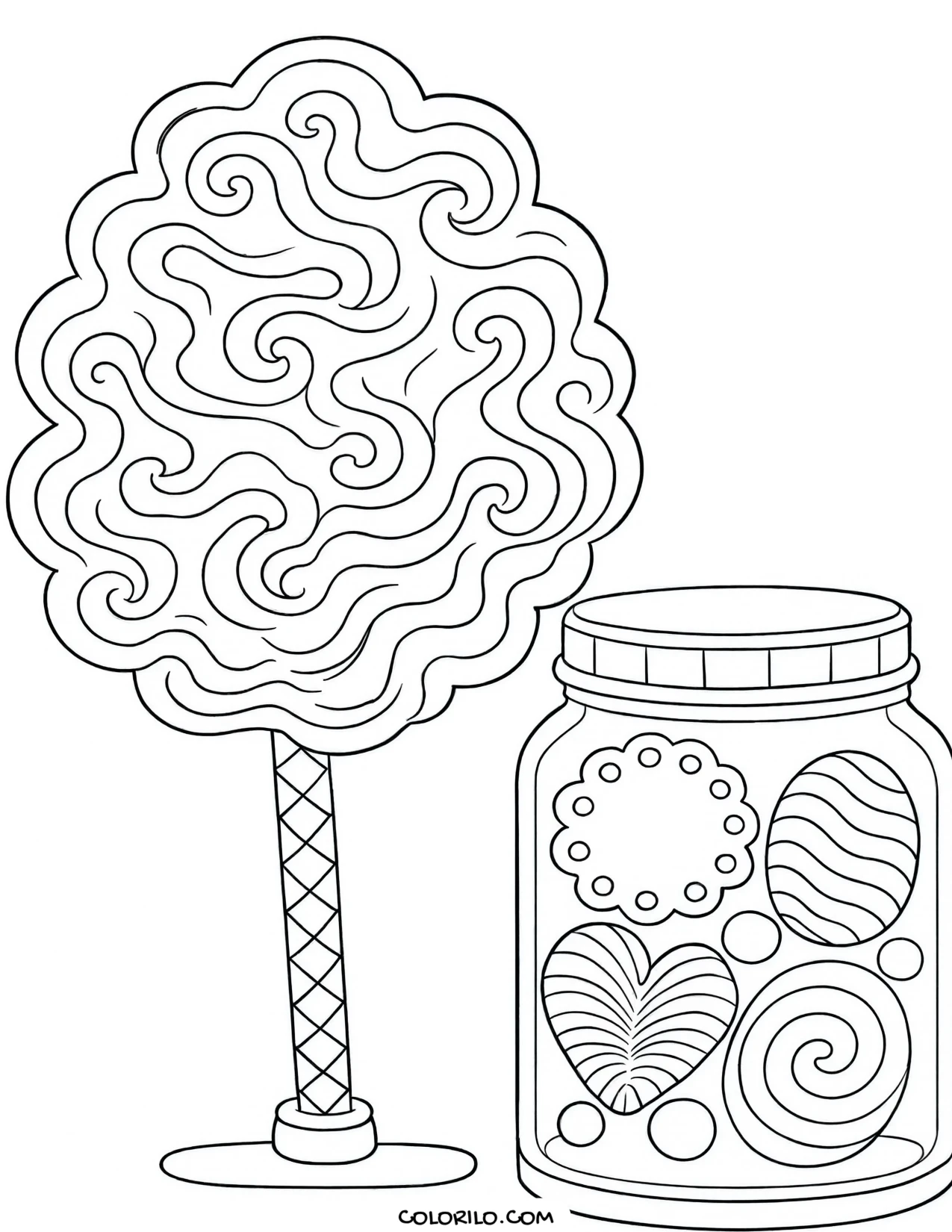
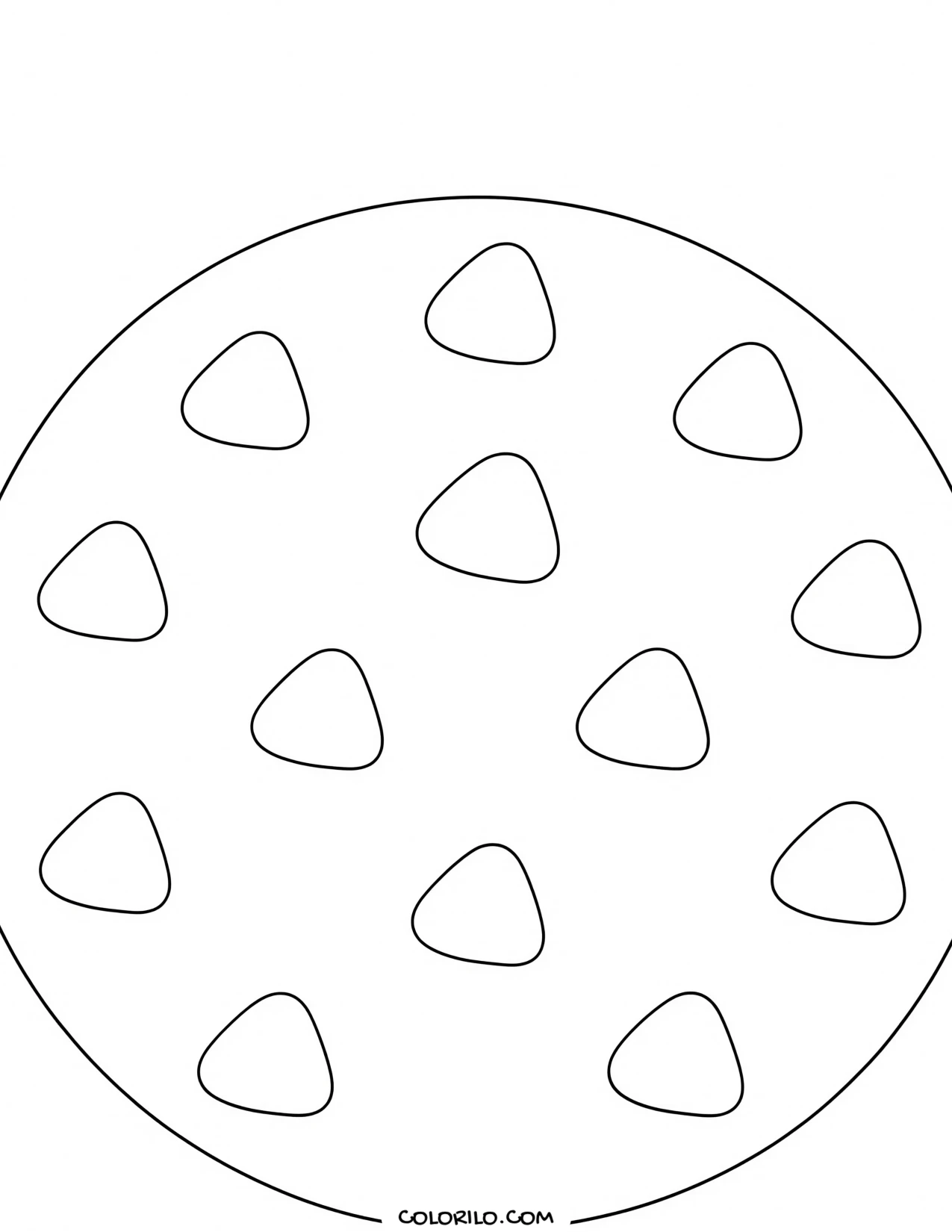
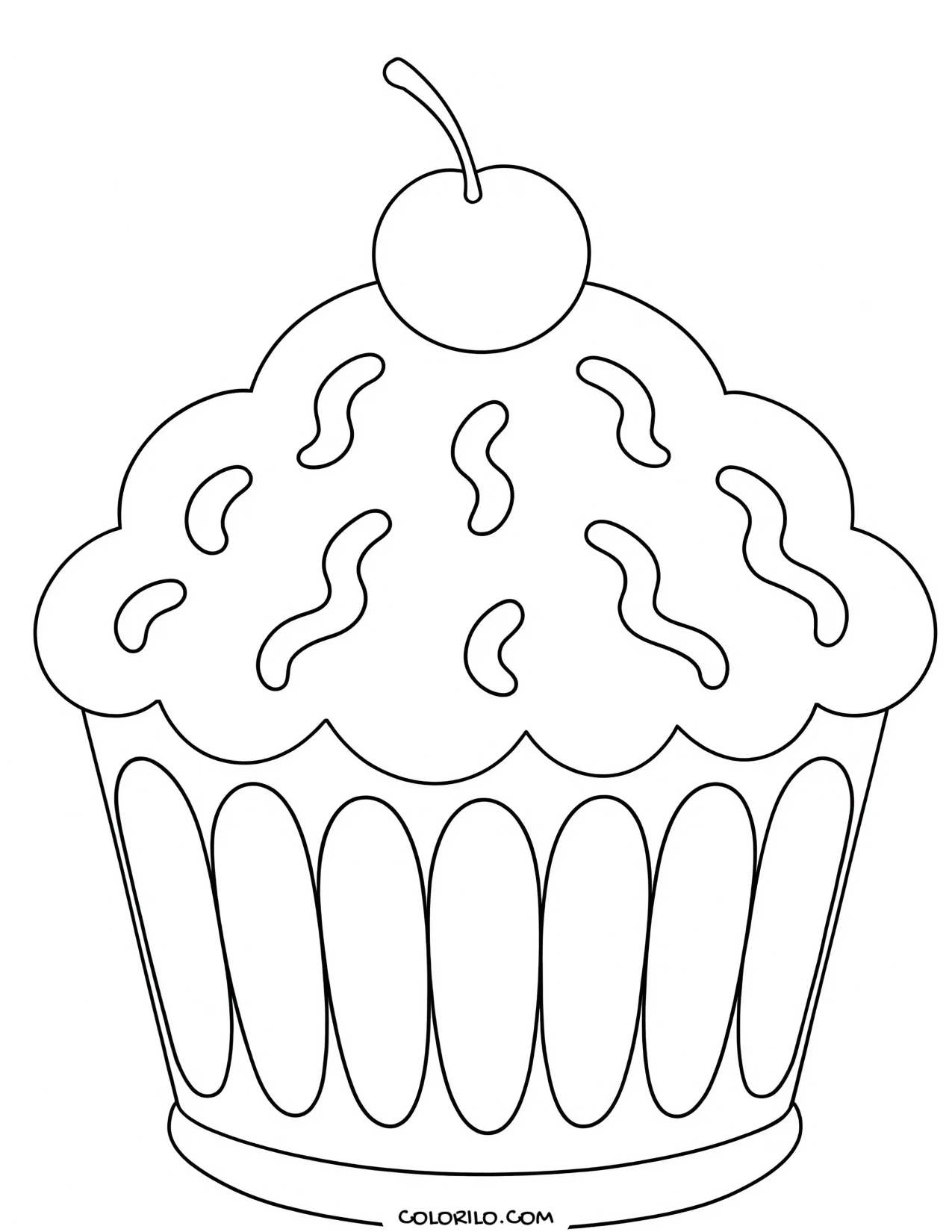
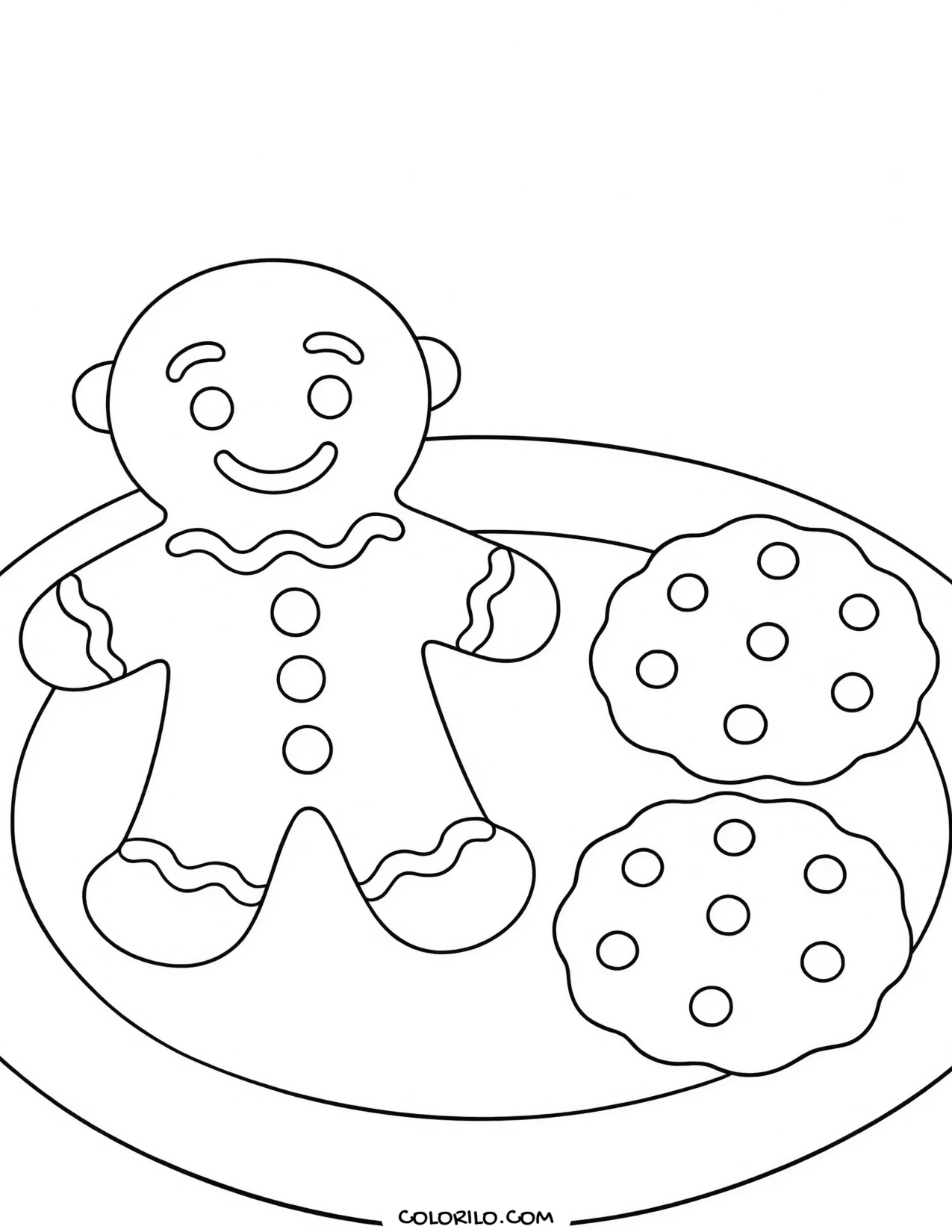
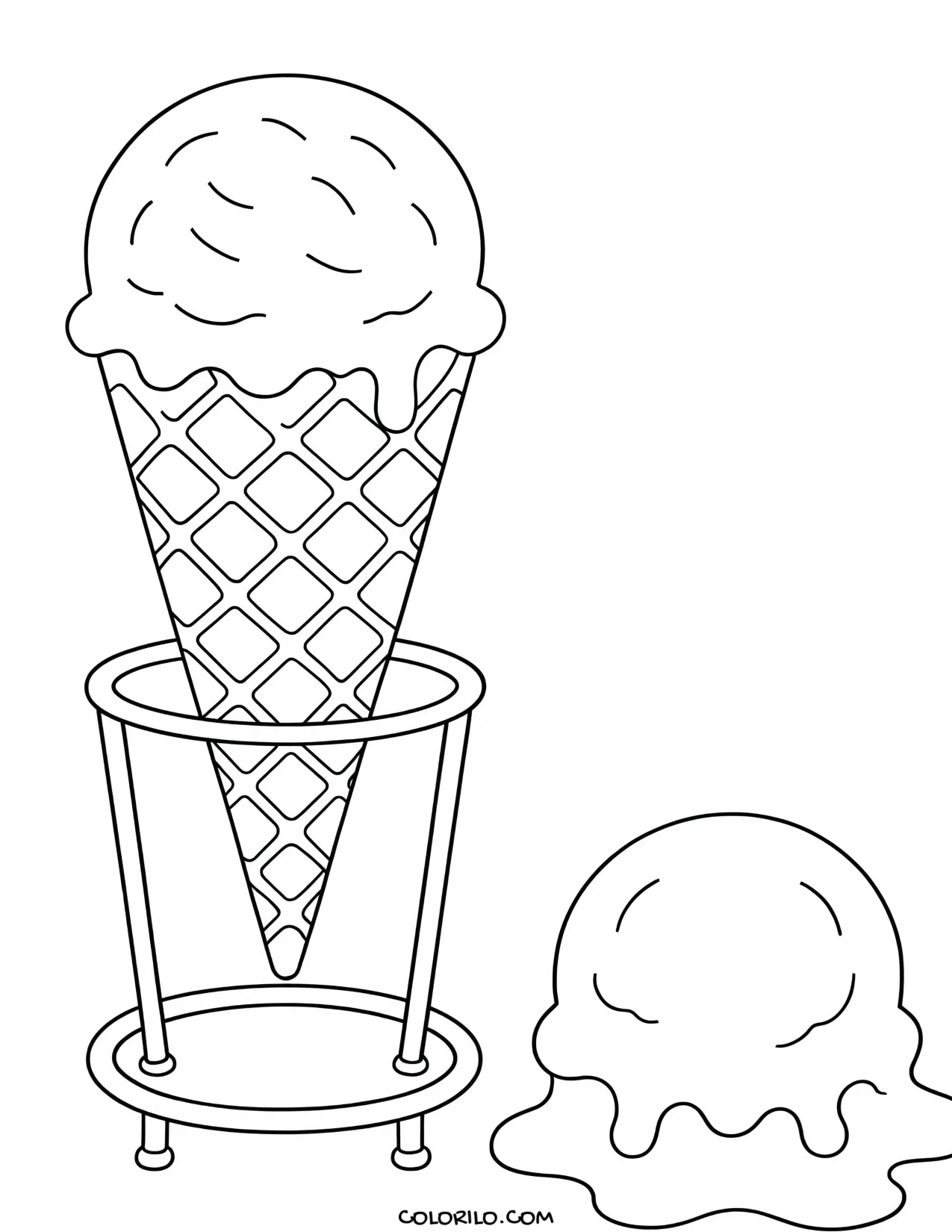
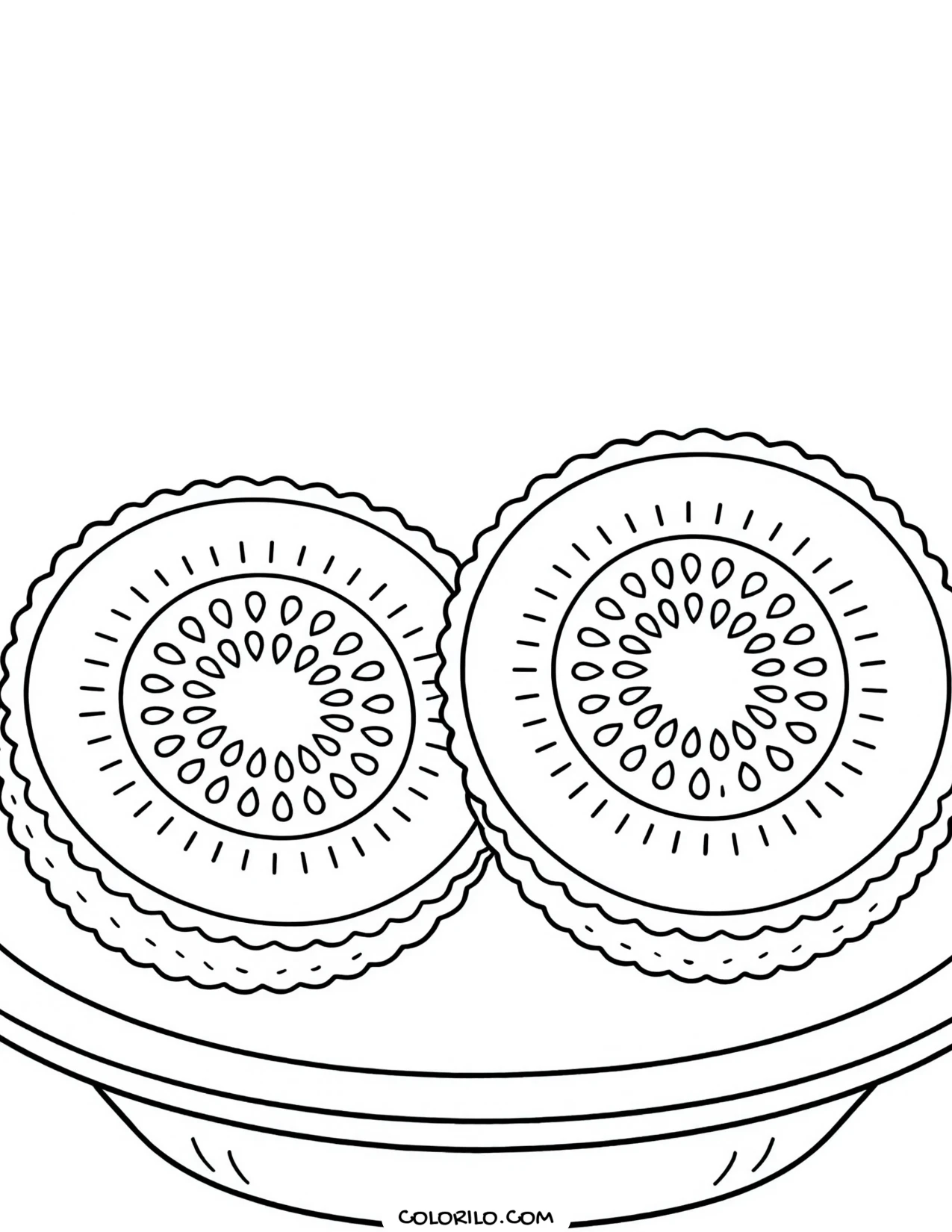
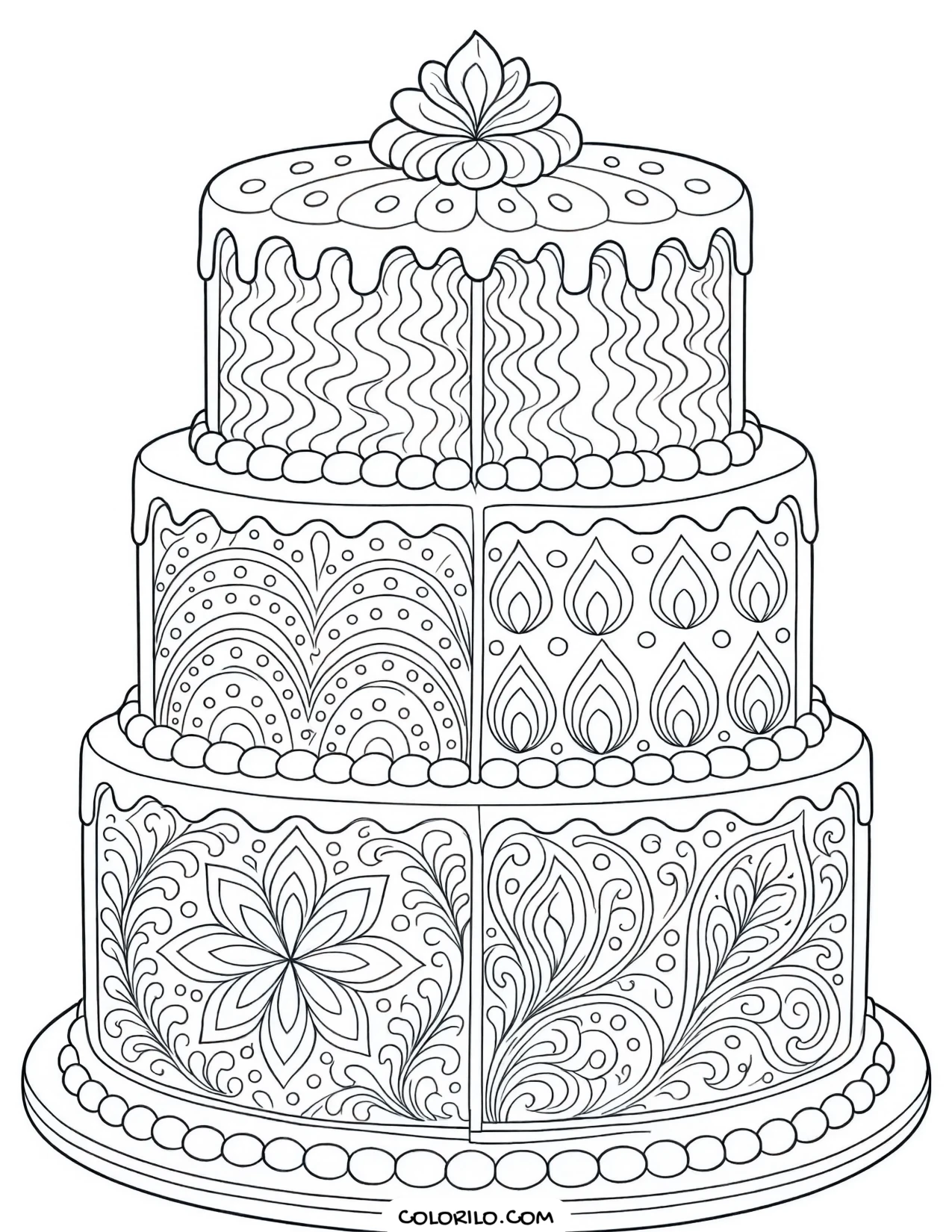
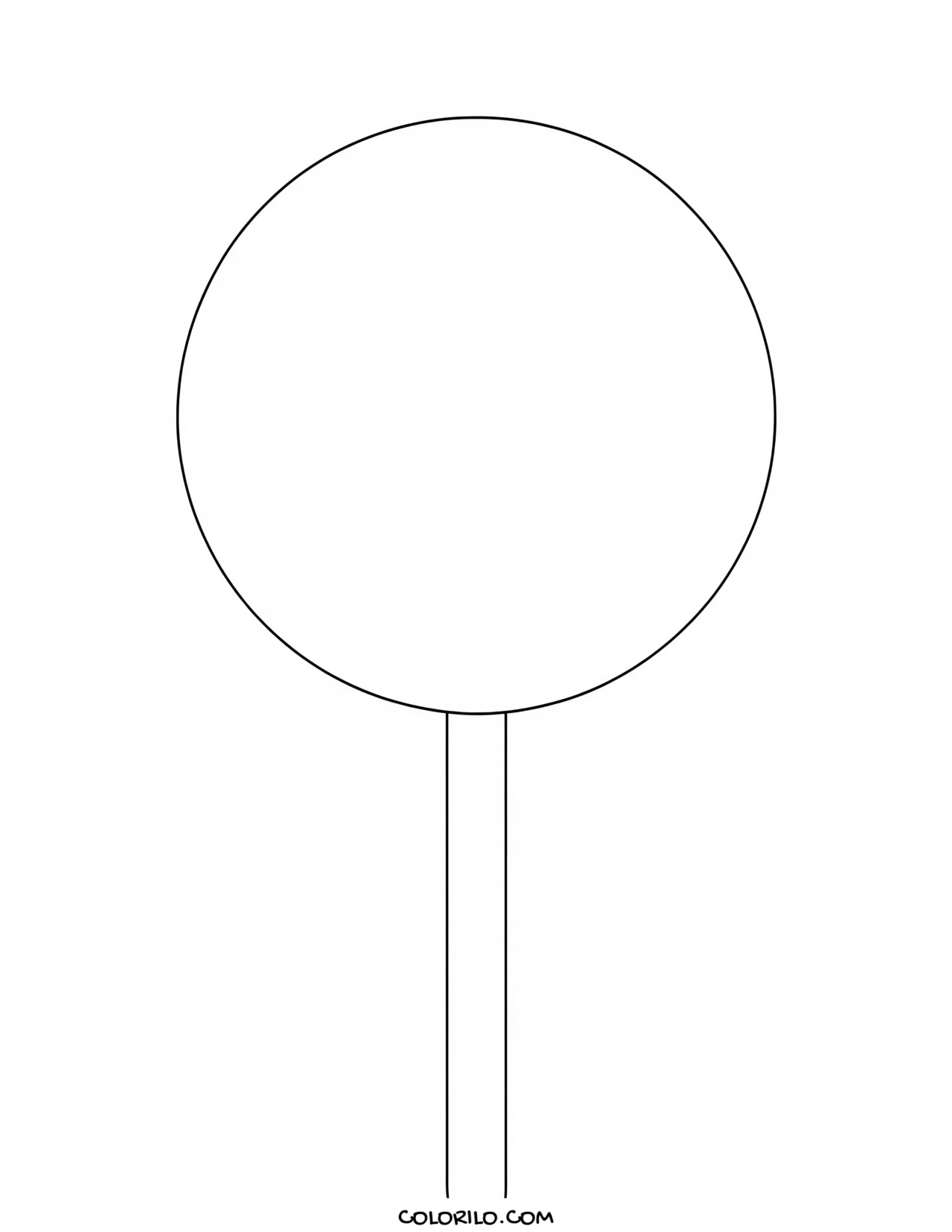
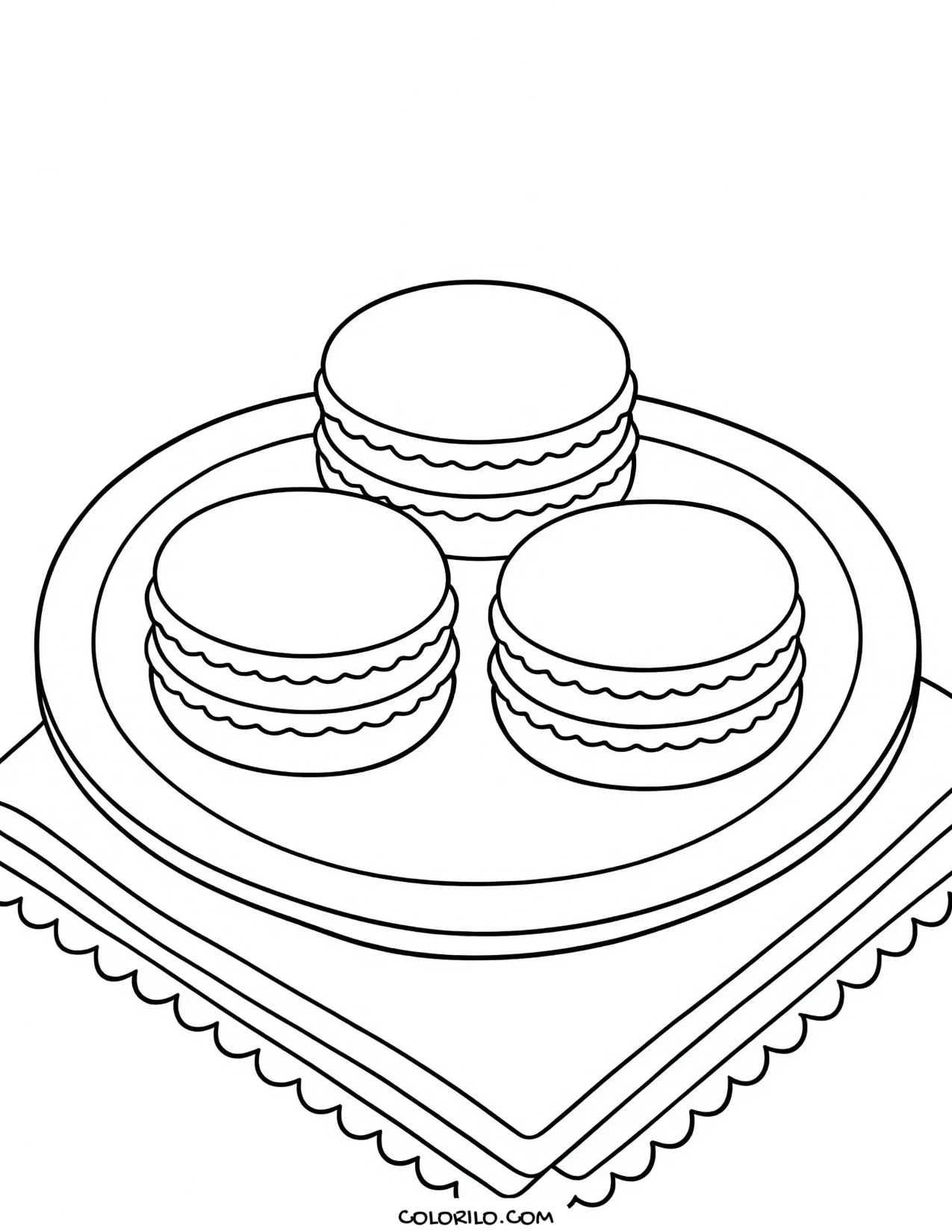
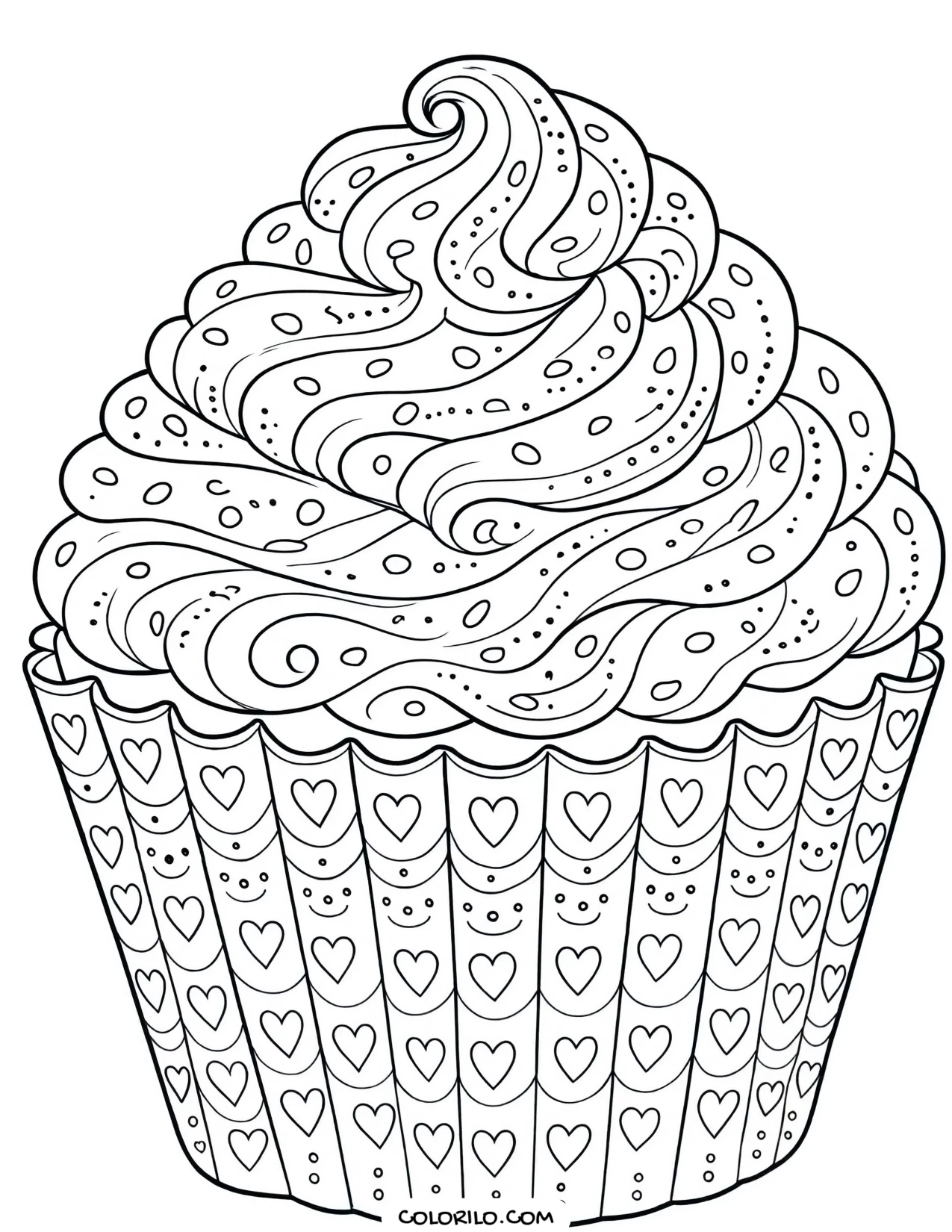
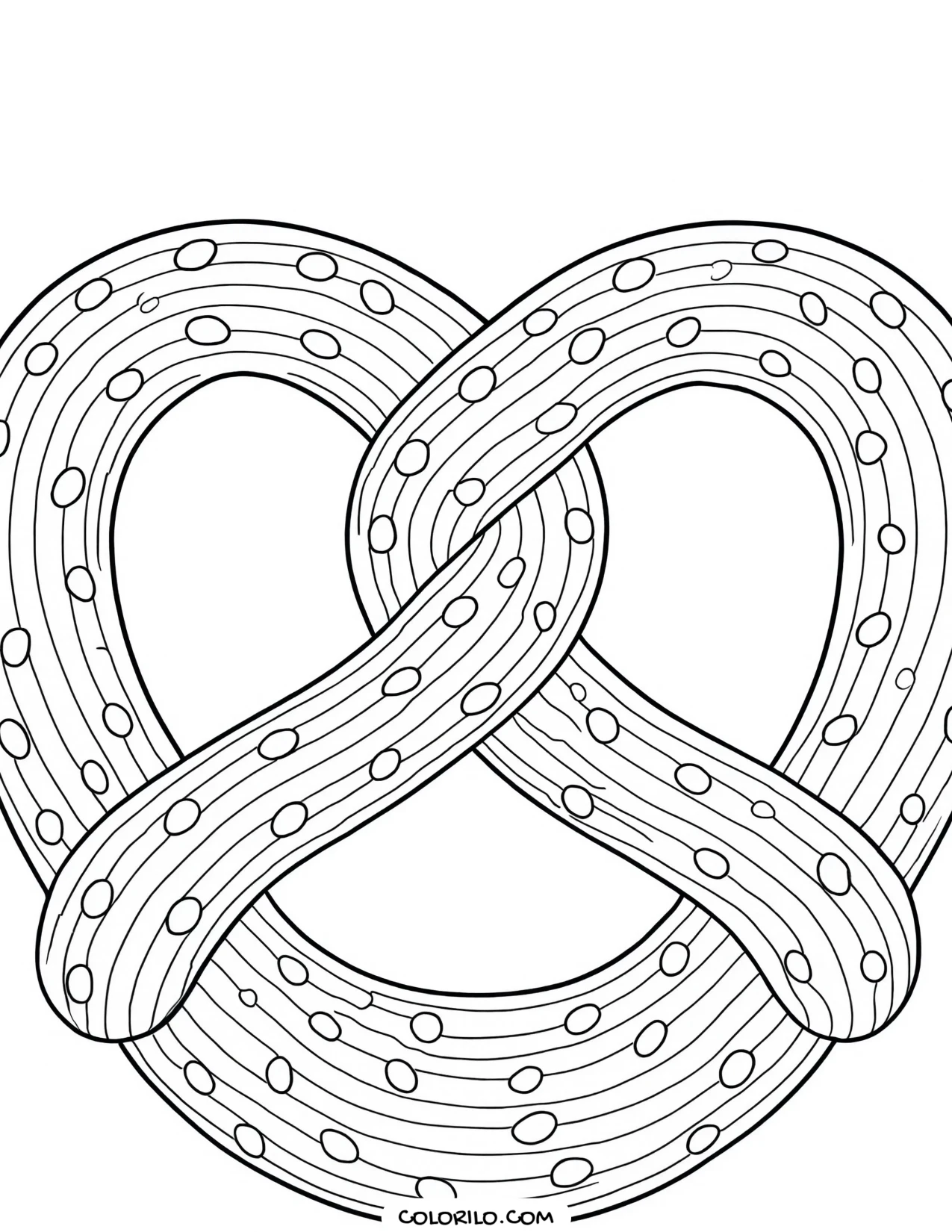
Sweets and baking get a group of their own. A frosted cupcake, a birthday cake on a stand, a doughnut, an ice cream cone, a lollipop, macarons, a chocolate chip cookie, gingerbread men, a brownie, a pretzel, and candy floss beside a jar of sweets.
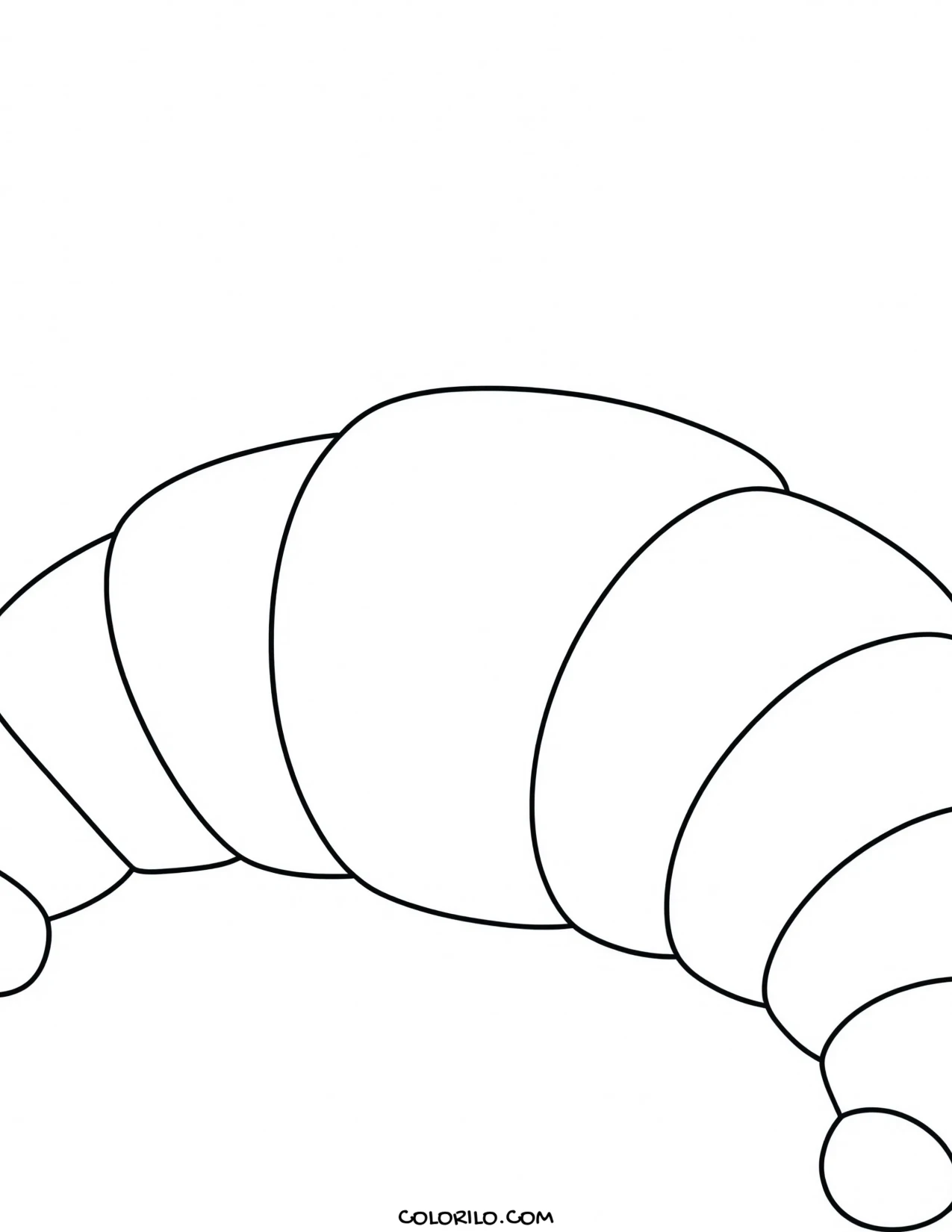
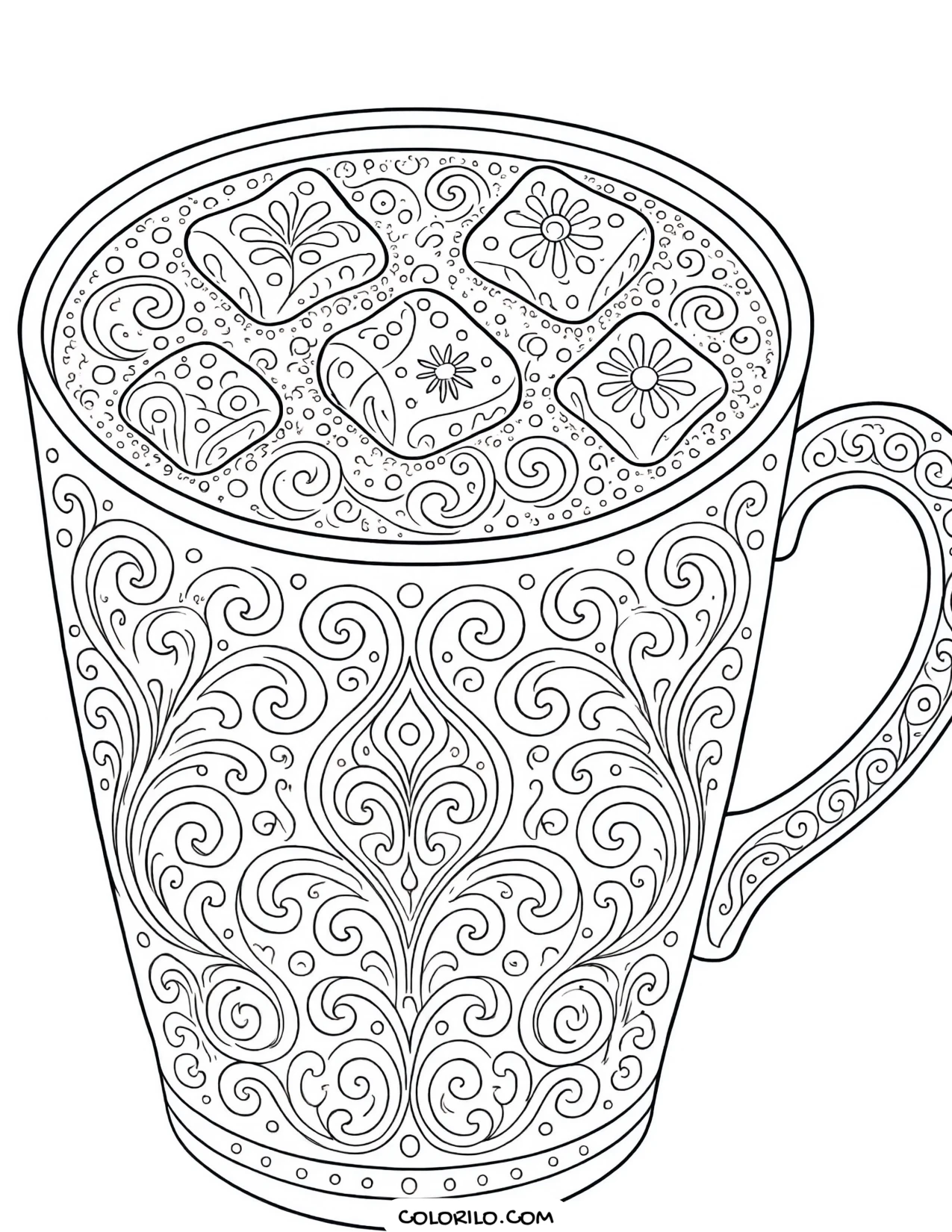
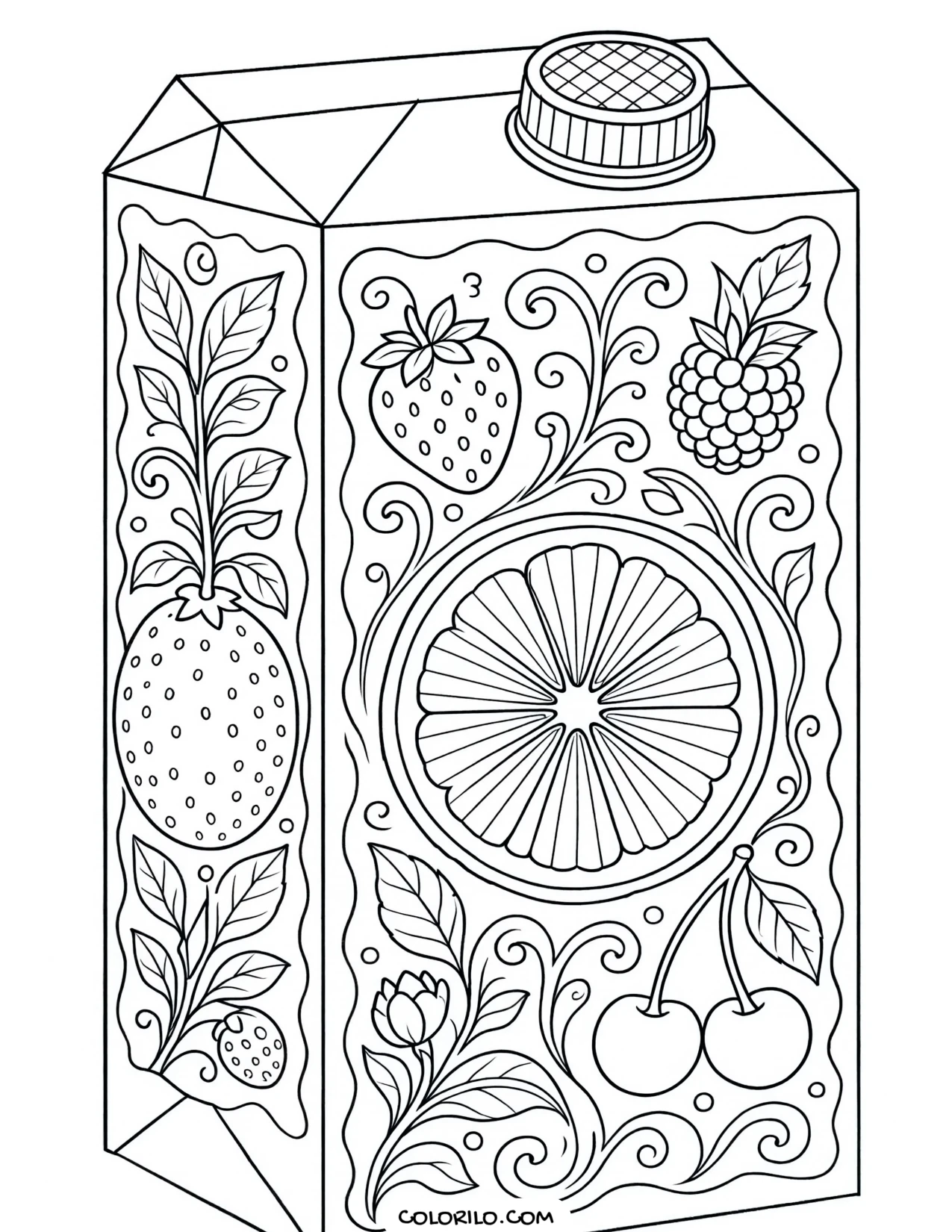
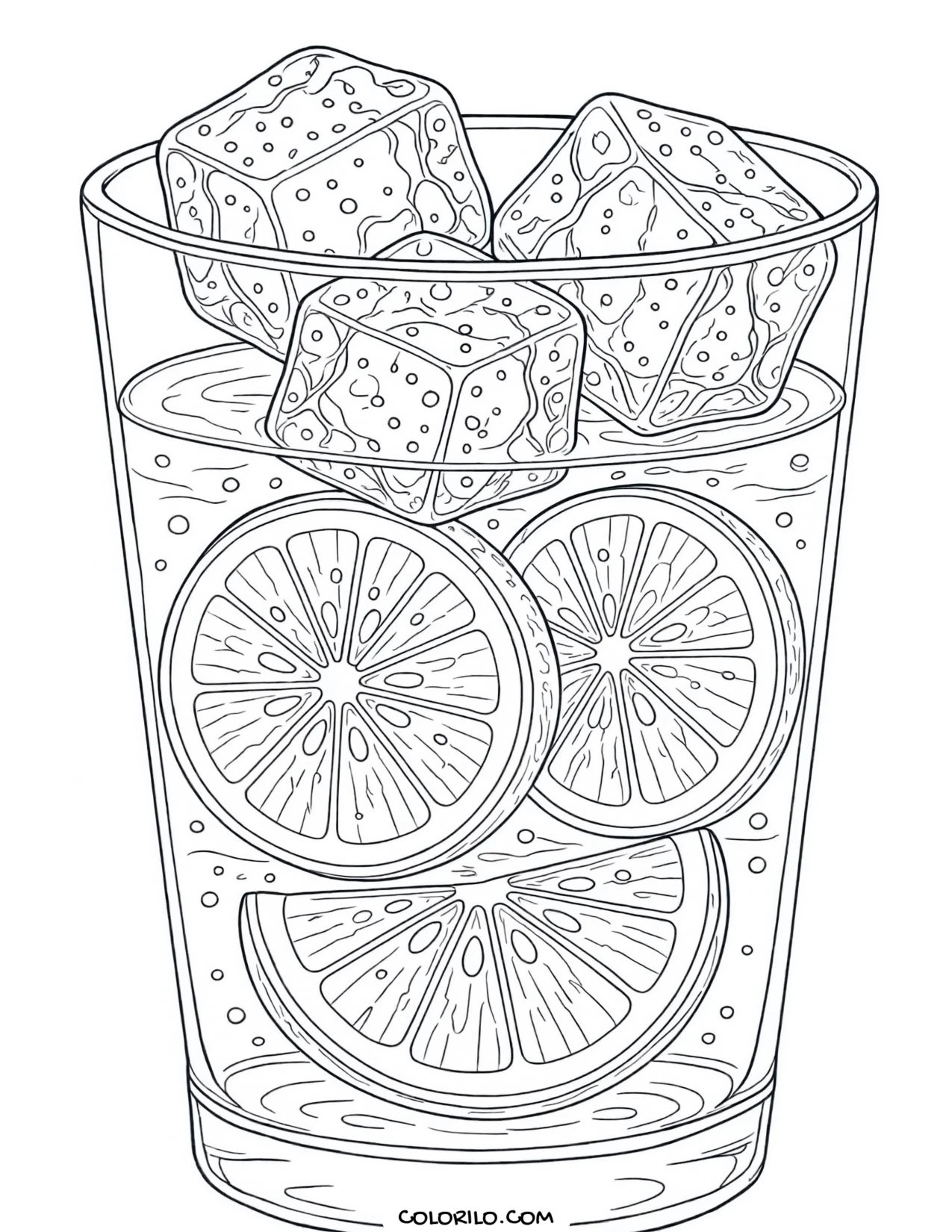
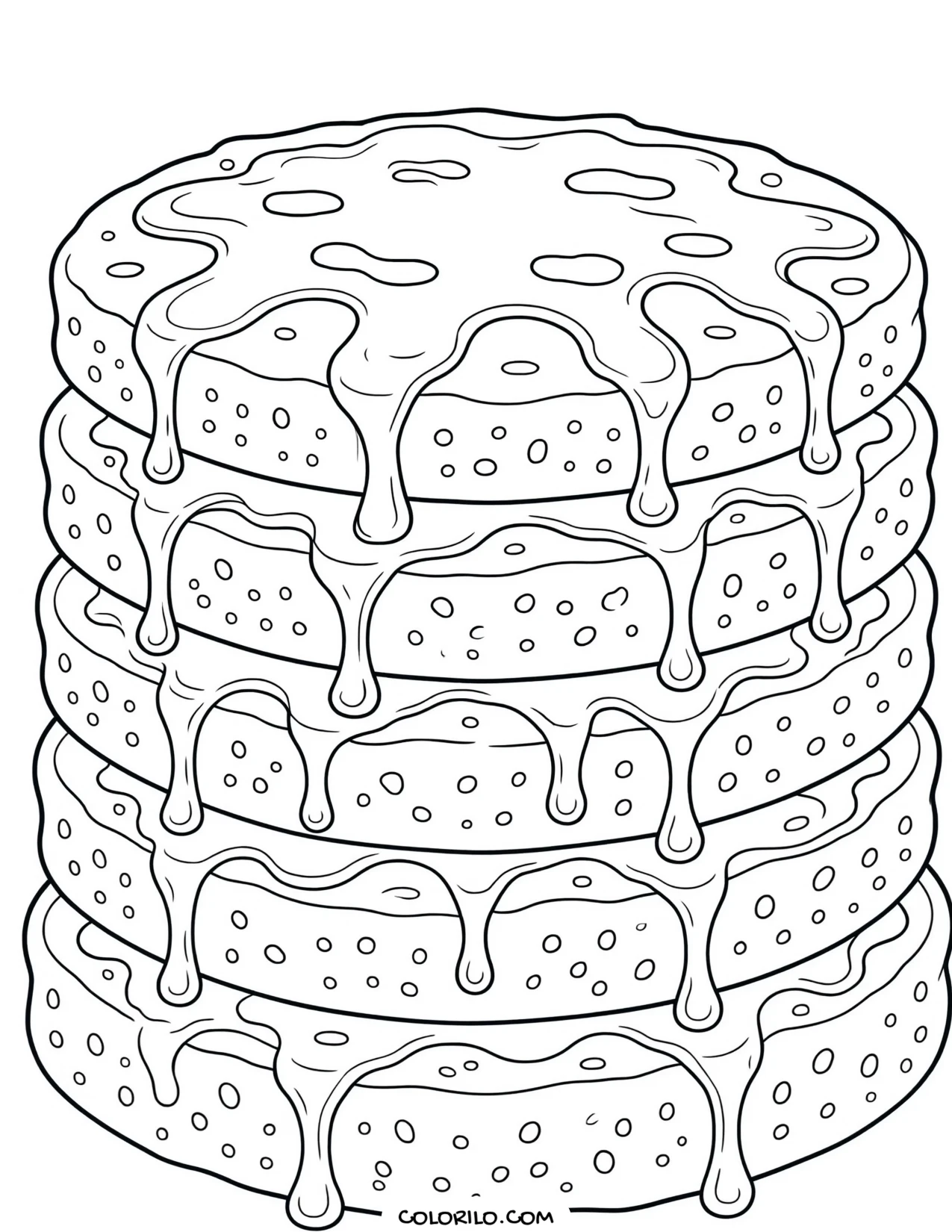
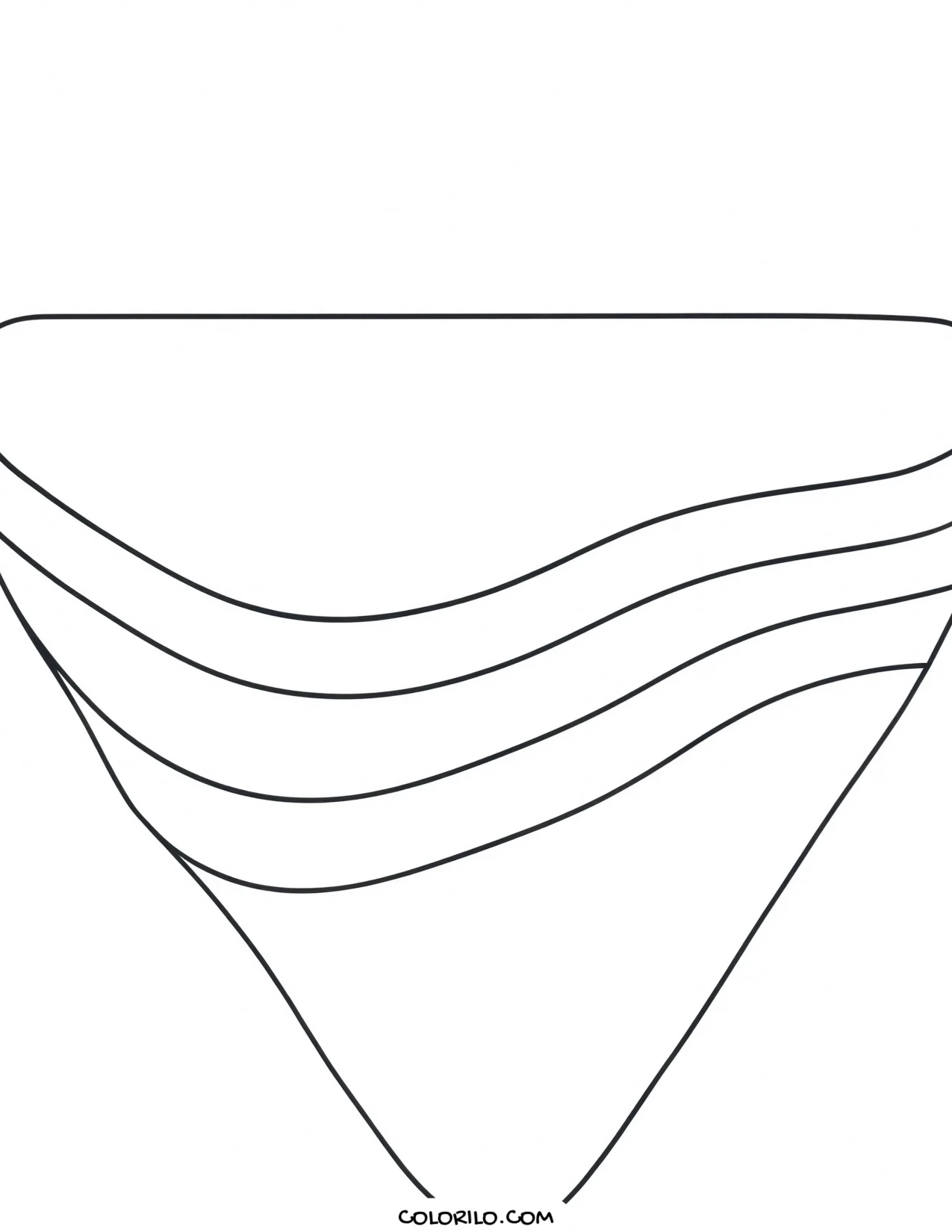
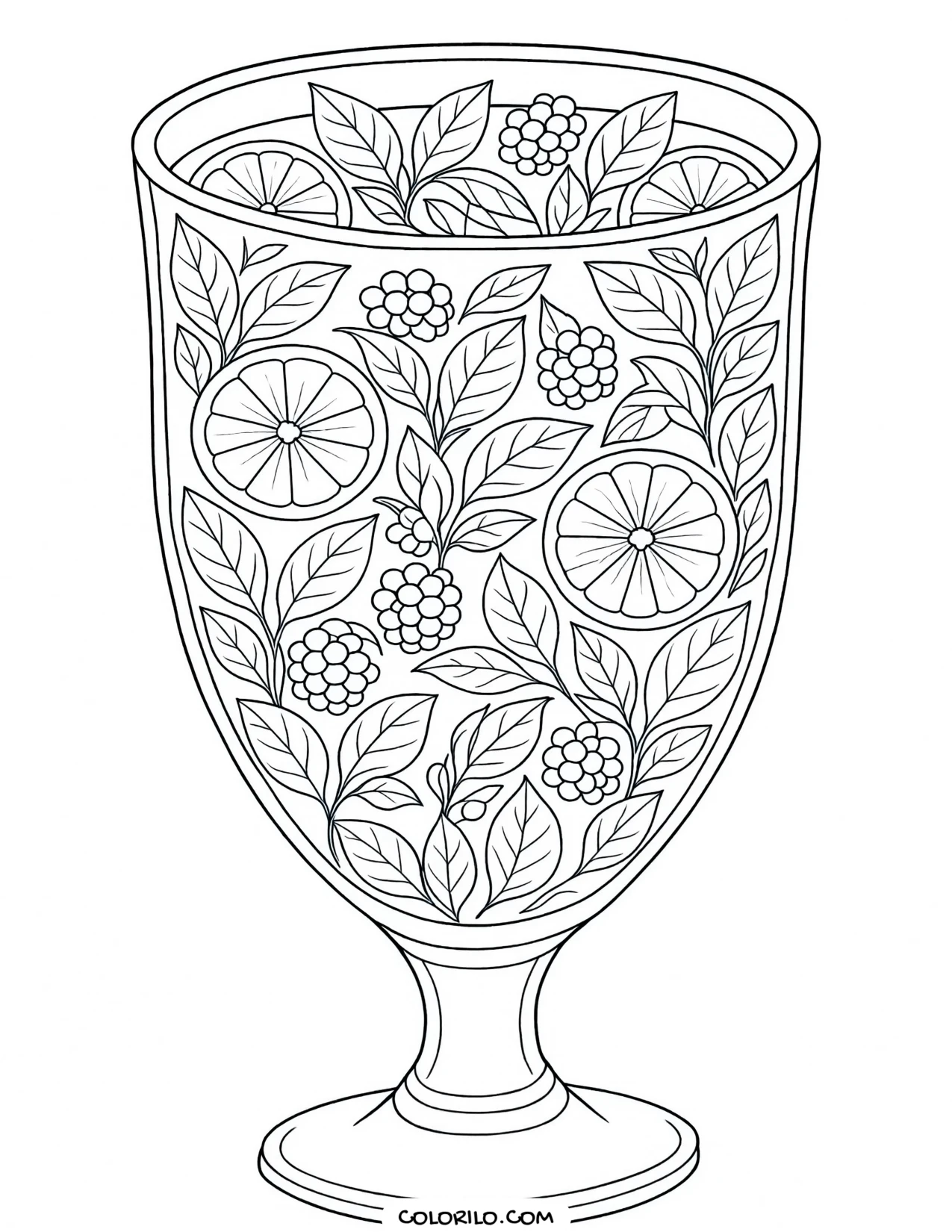
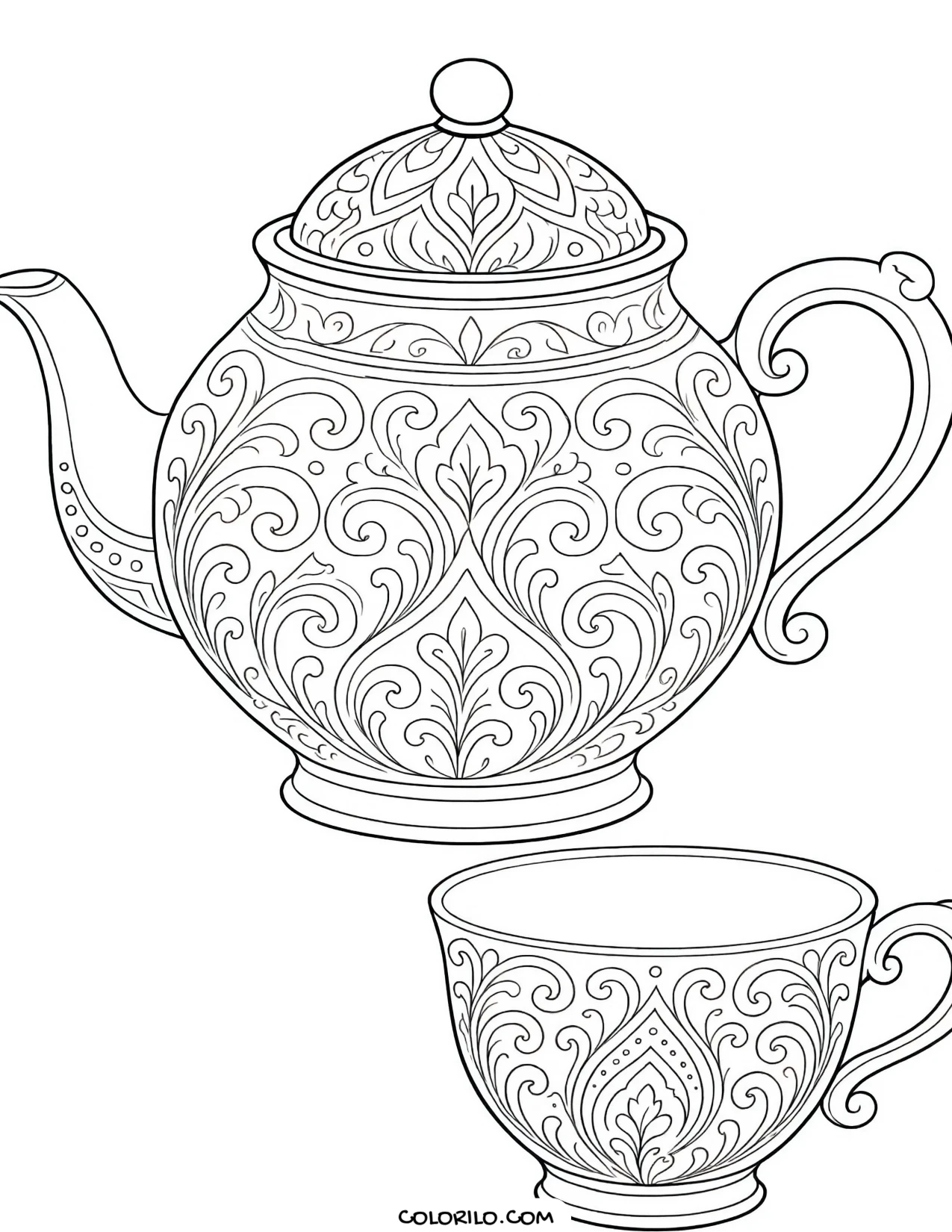
Breakfast is here too, a stack of pancakes, a waffle, fried eggs, toast, cereal, porridge, a croissant, along with seven drinks: milkshake, smoothie, hot chocolate, lemonade, bubble tea, a juice carton and a teapot with its cup.
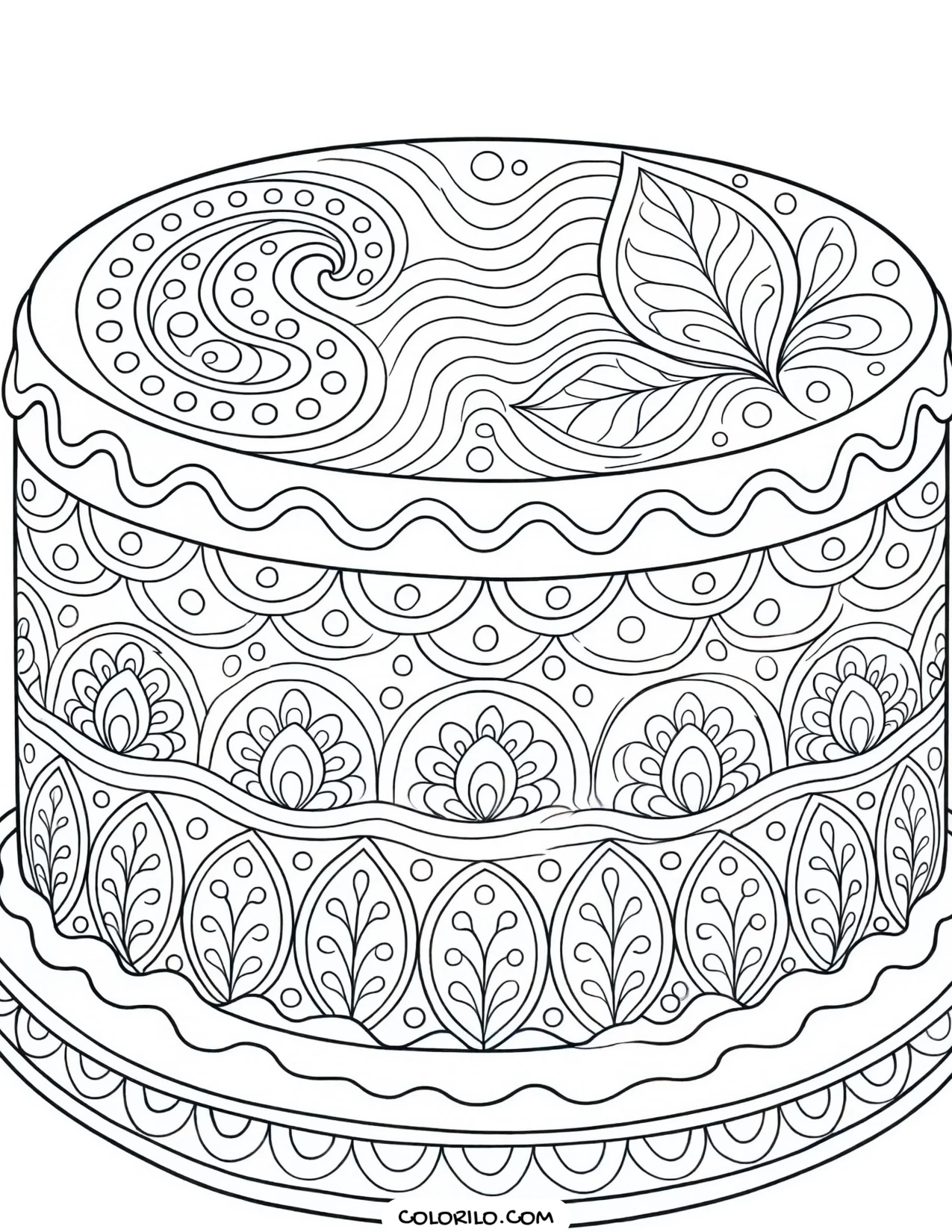
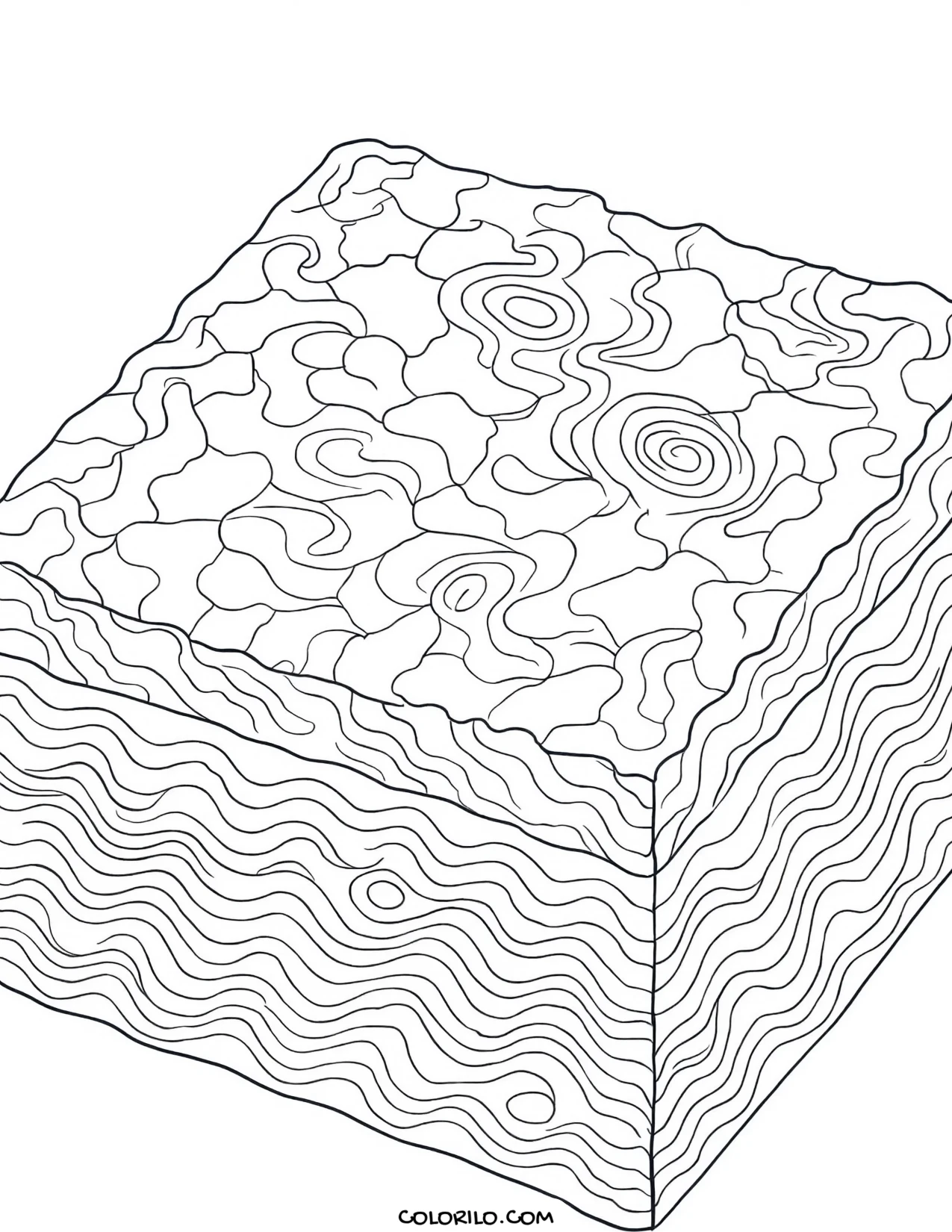
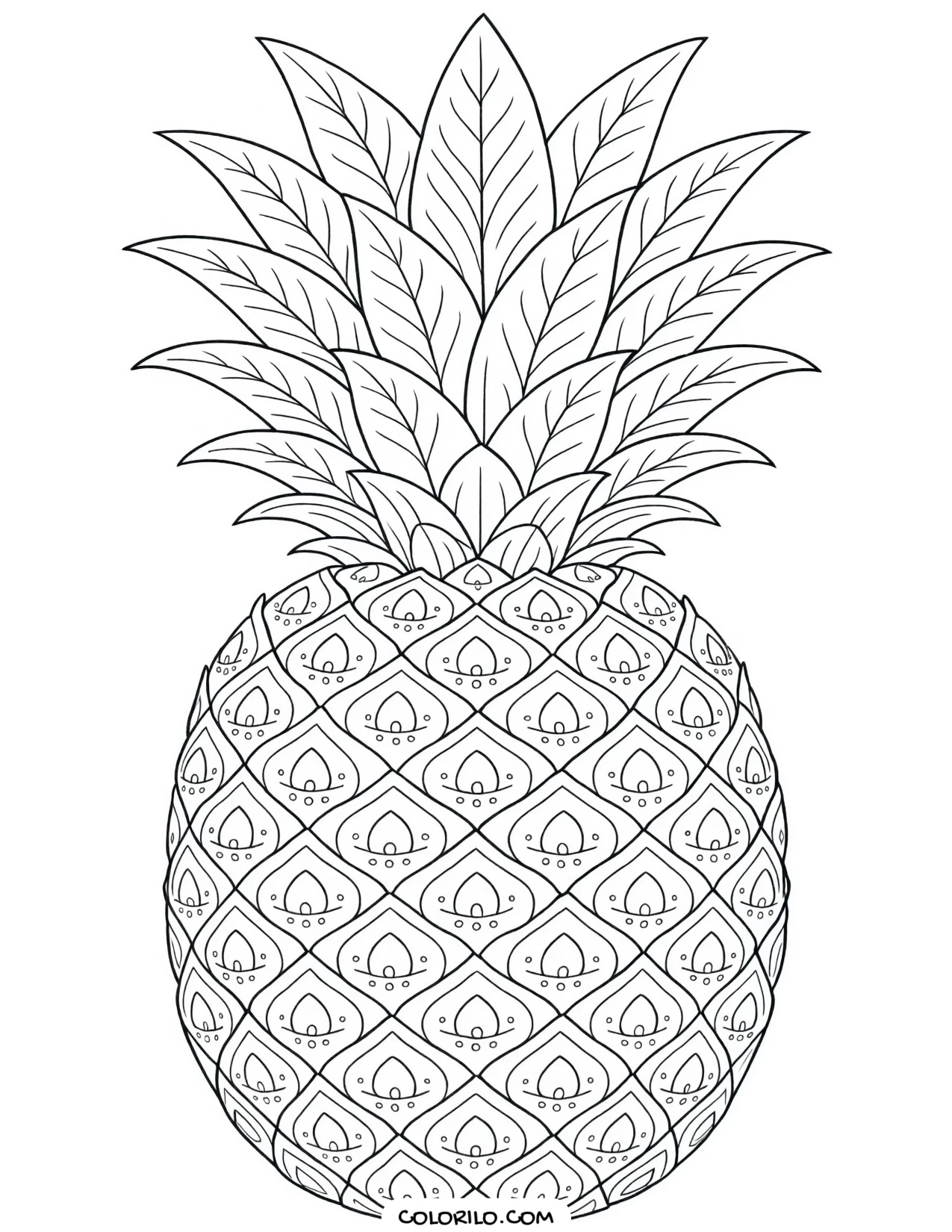
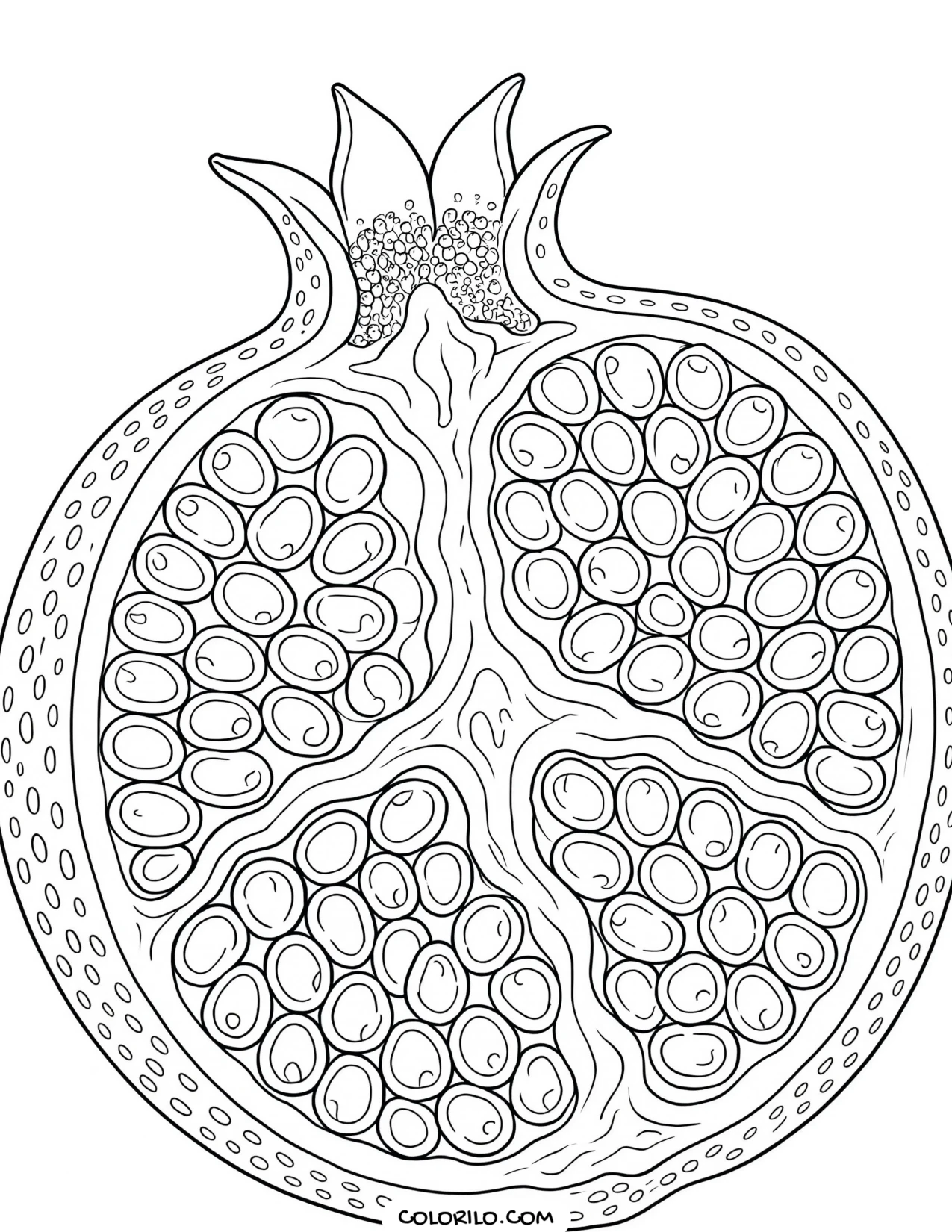
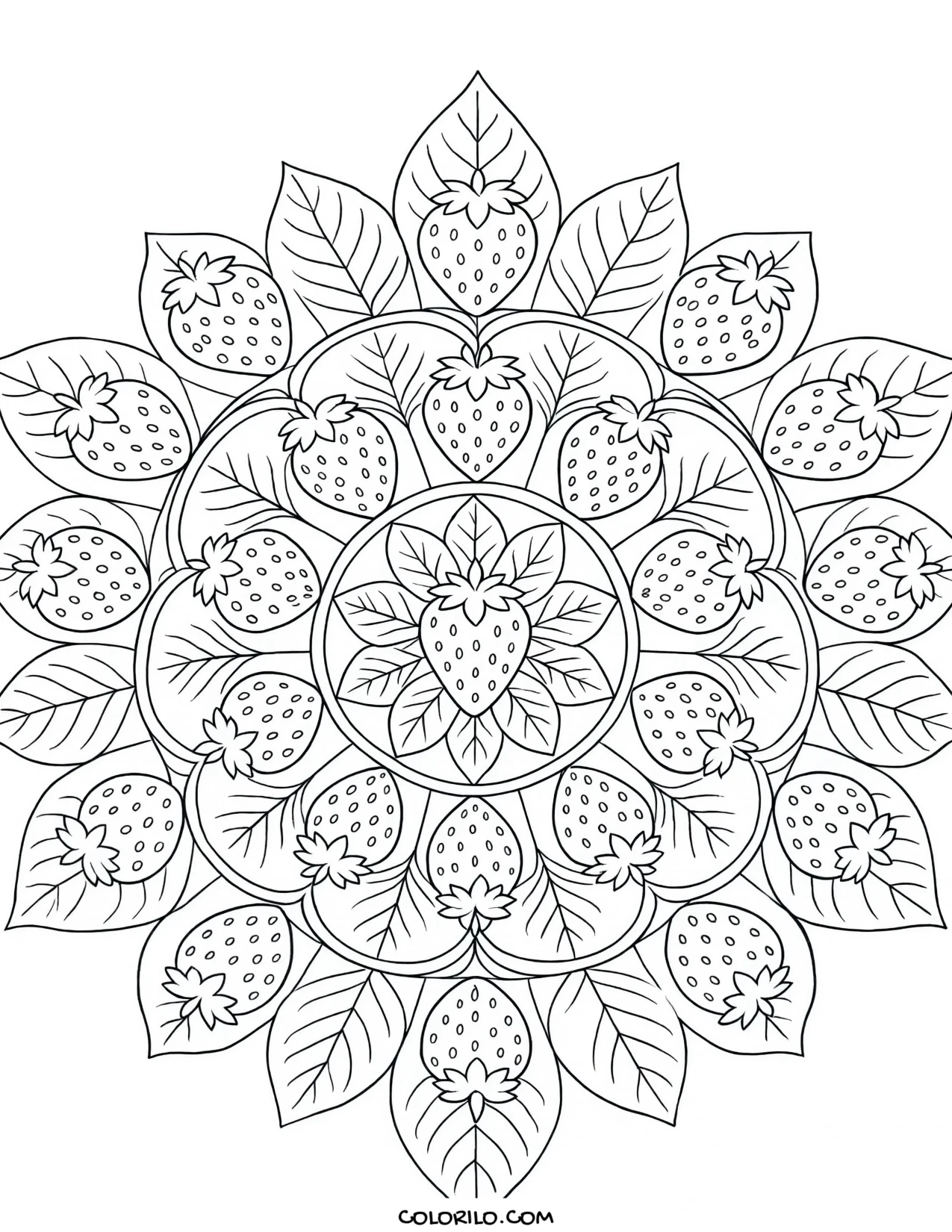
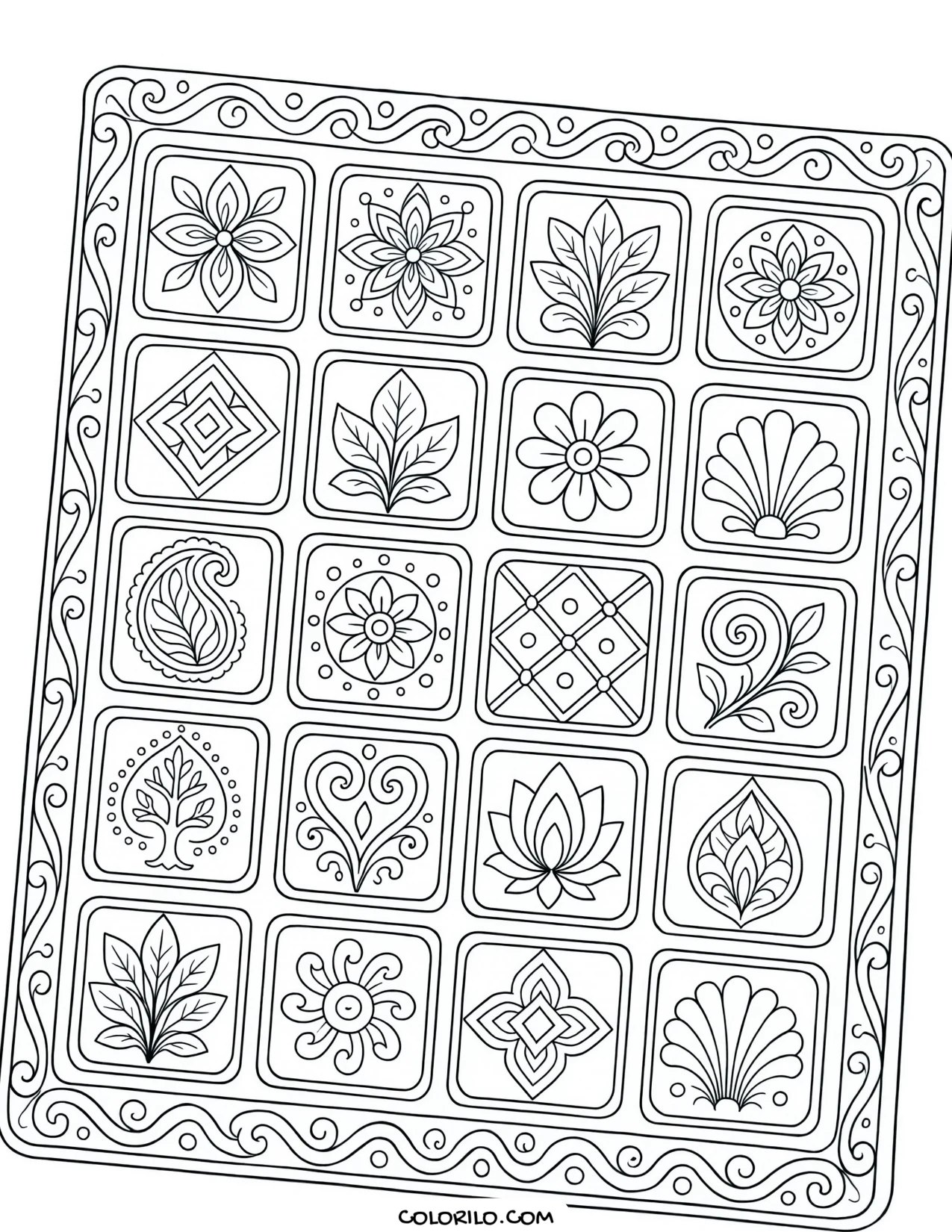
Around ten designs are meant for adults rather than children. A strawberry mandala, a pineapple with every scale drawn, a birthday cake filled with zentangle pattern, an oversized cupcake with detailed icing, a cross-section through a layered cake, a cut pomegranate with its seeds picked out, and a patterned teapot. All of them keep the shapes large, intricate to look at, still comfortable to colour.
Every one of these food coloring pages is free, prints on standard US letter paper, and needs no sign-up. Click any design below to open the full-size PDF.


What’s in This Collection
Fruit
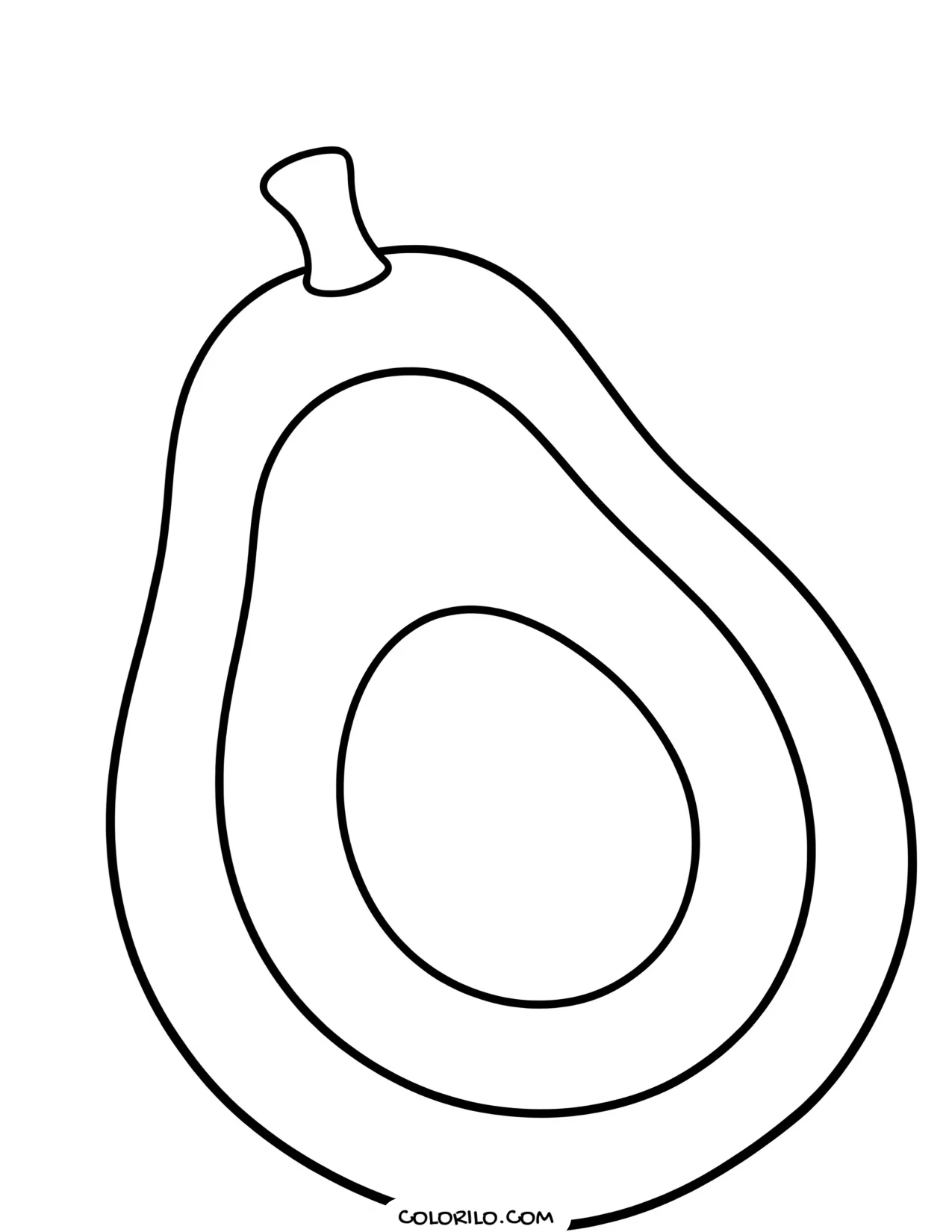
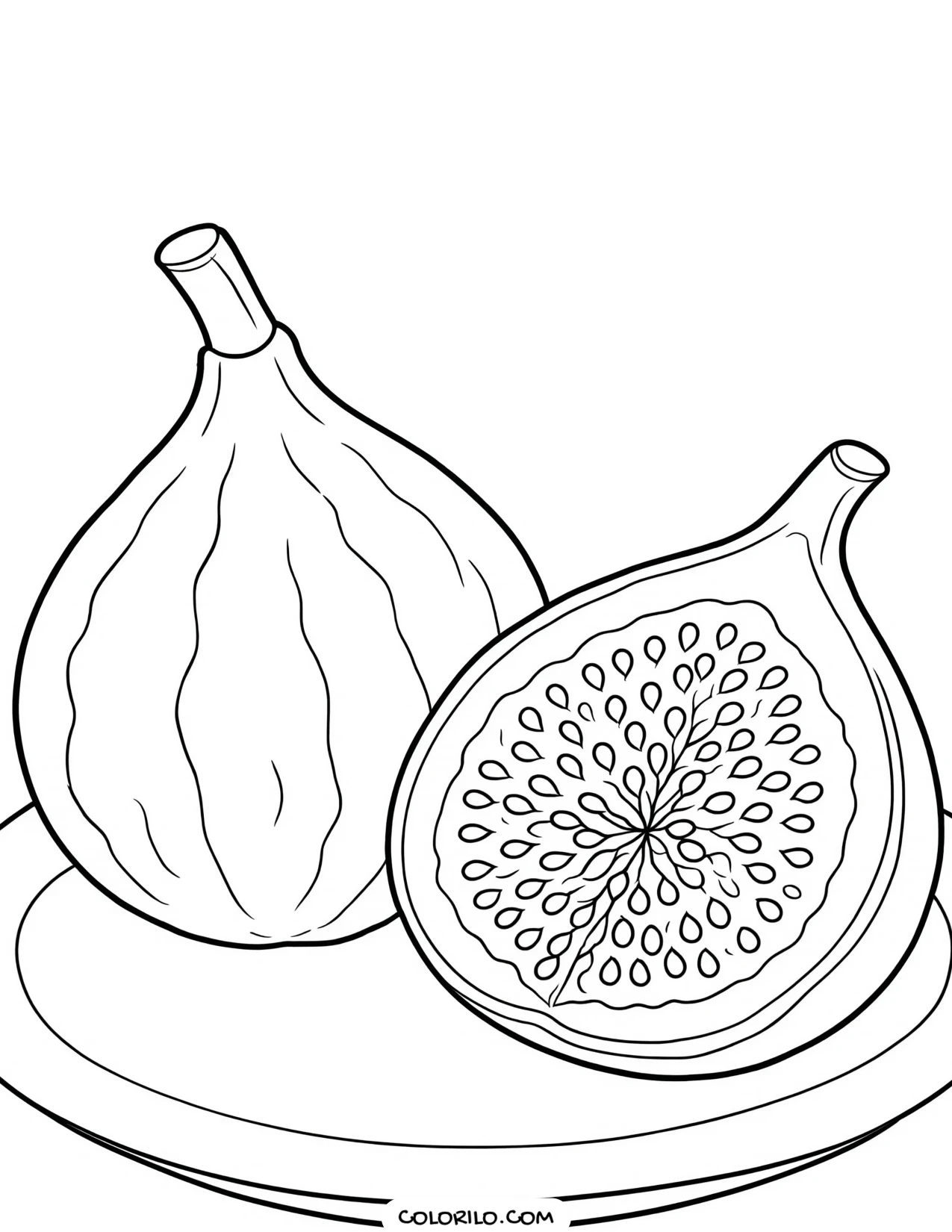
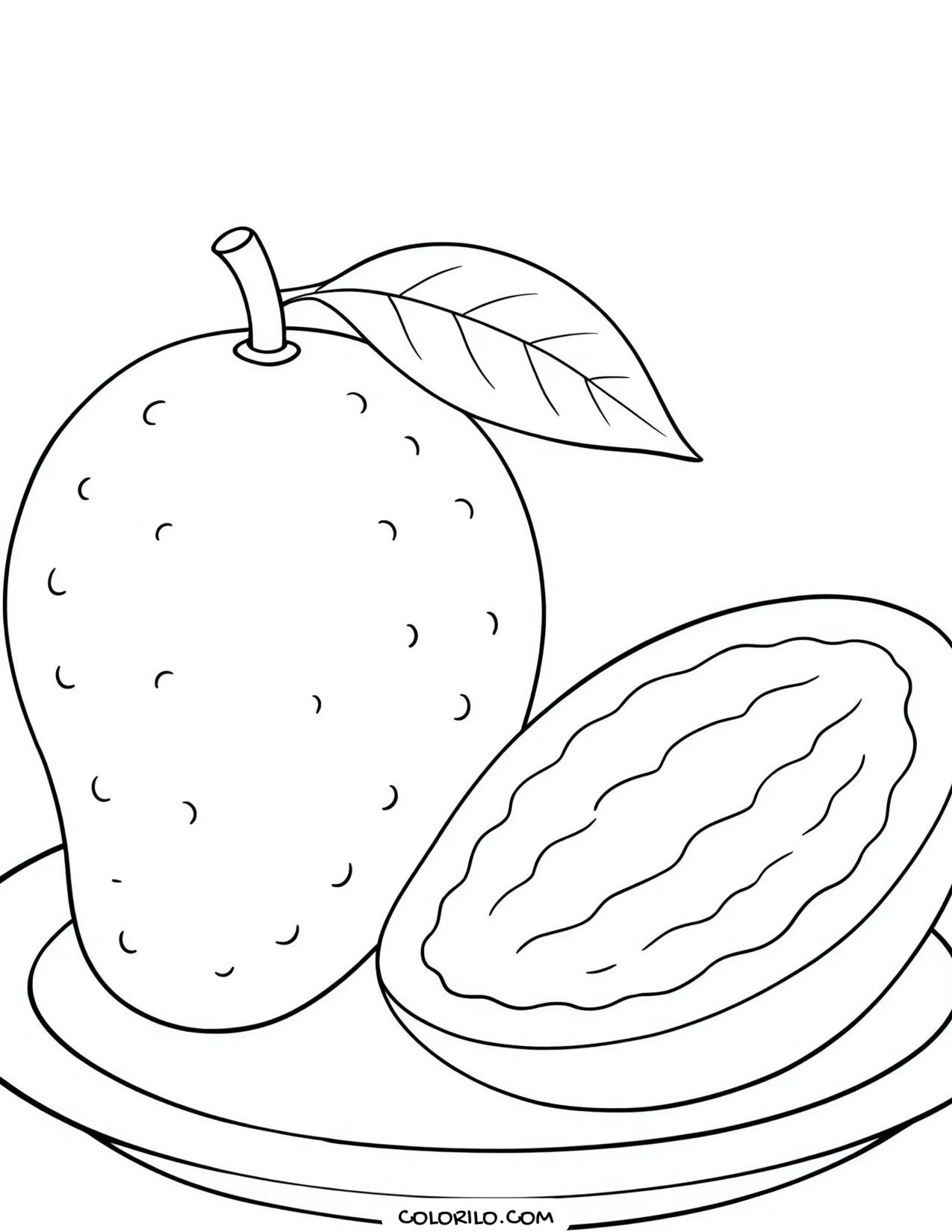
Eighteen designs, and the simplest pages in the set. Several show a whole fruit beside a cut one, the mango, the kiwi, the coconut, the fig, which is more interesting to colour than the outside alone, and a reasonable way to show a child what is inside something they have only ever eaten in slices.
Vegetables
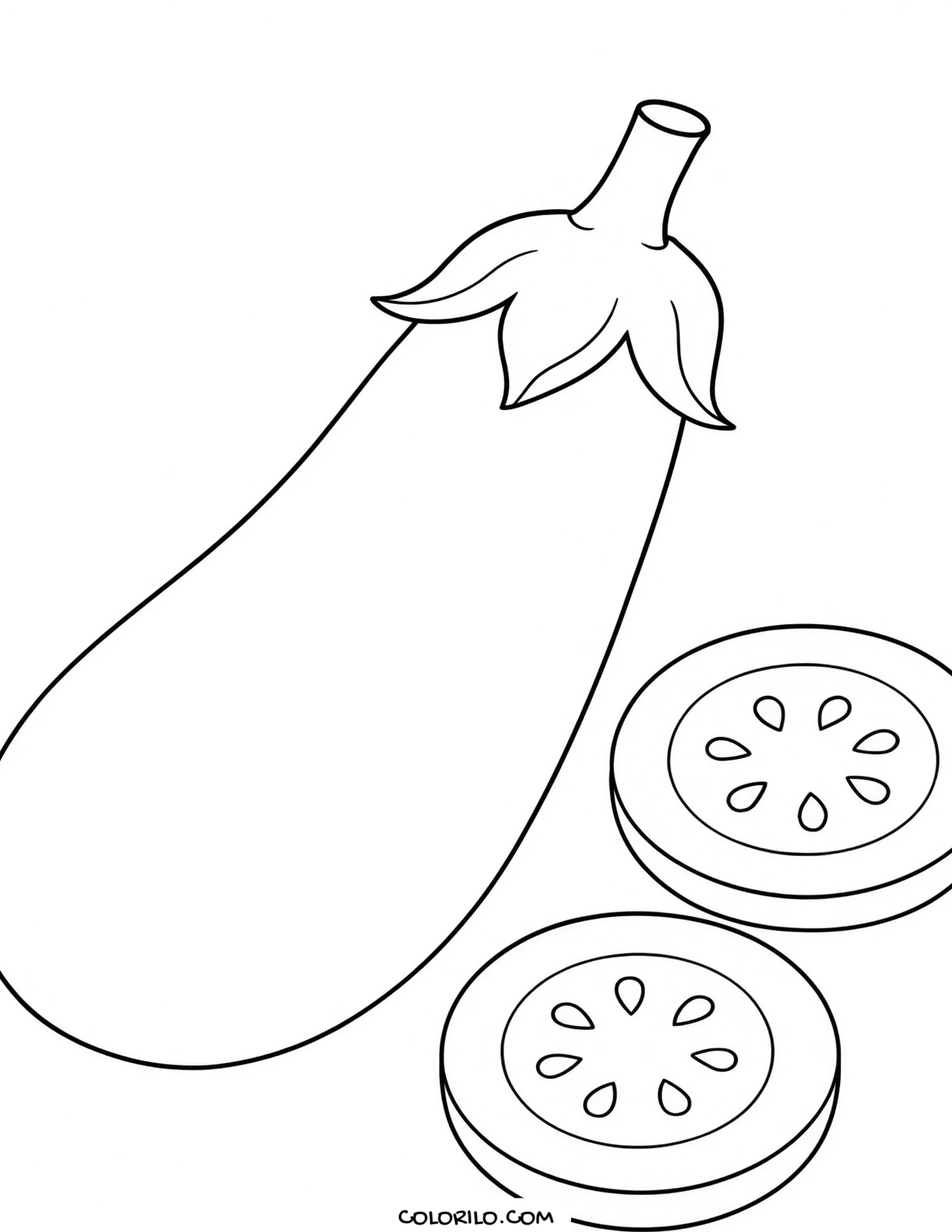
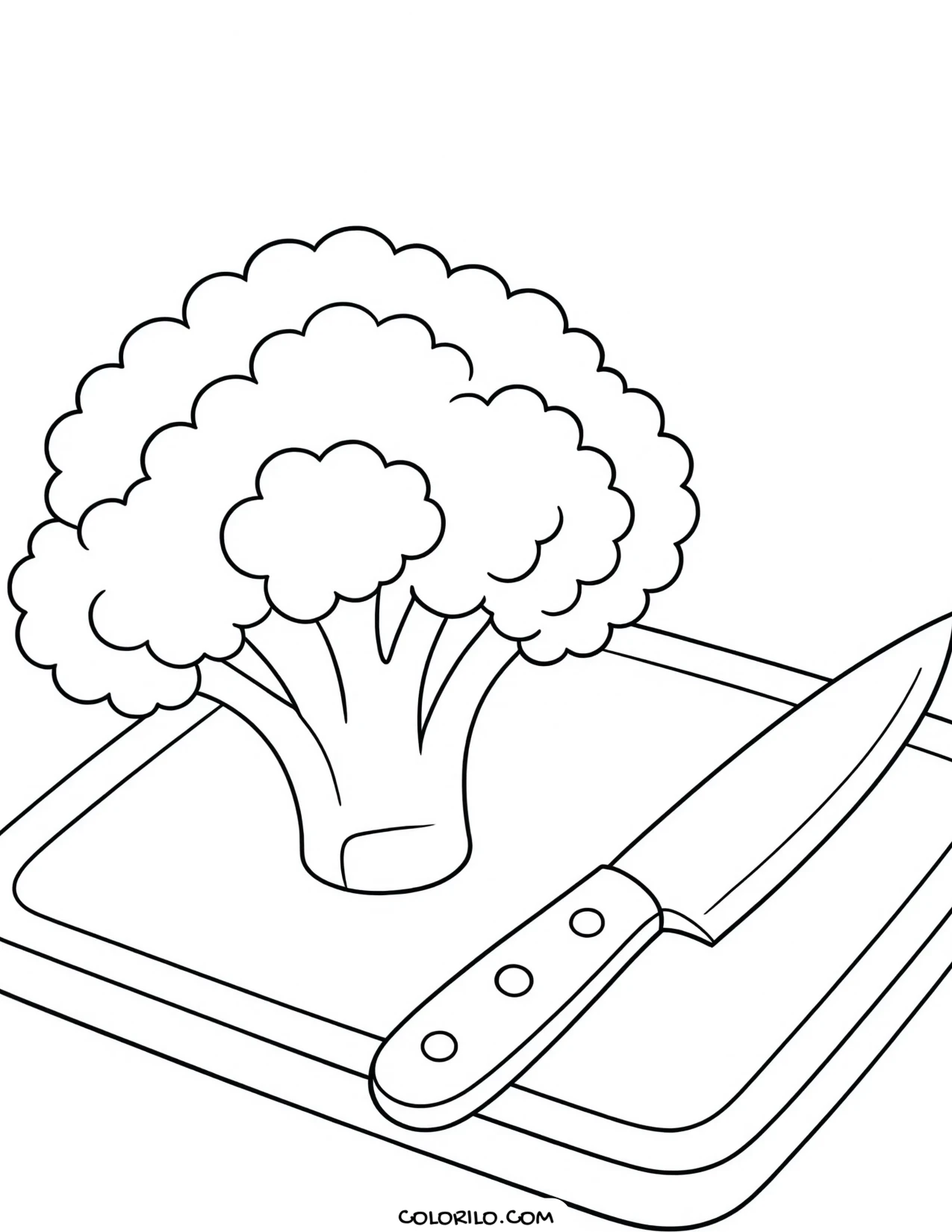
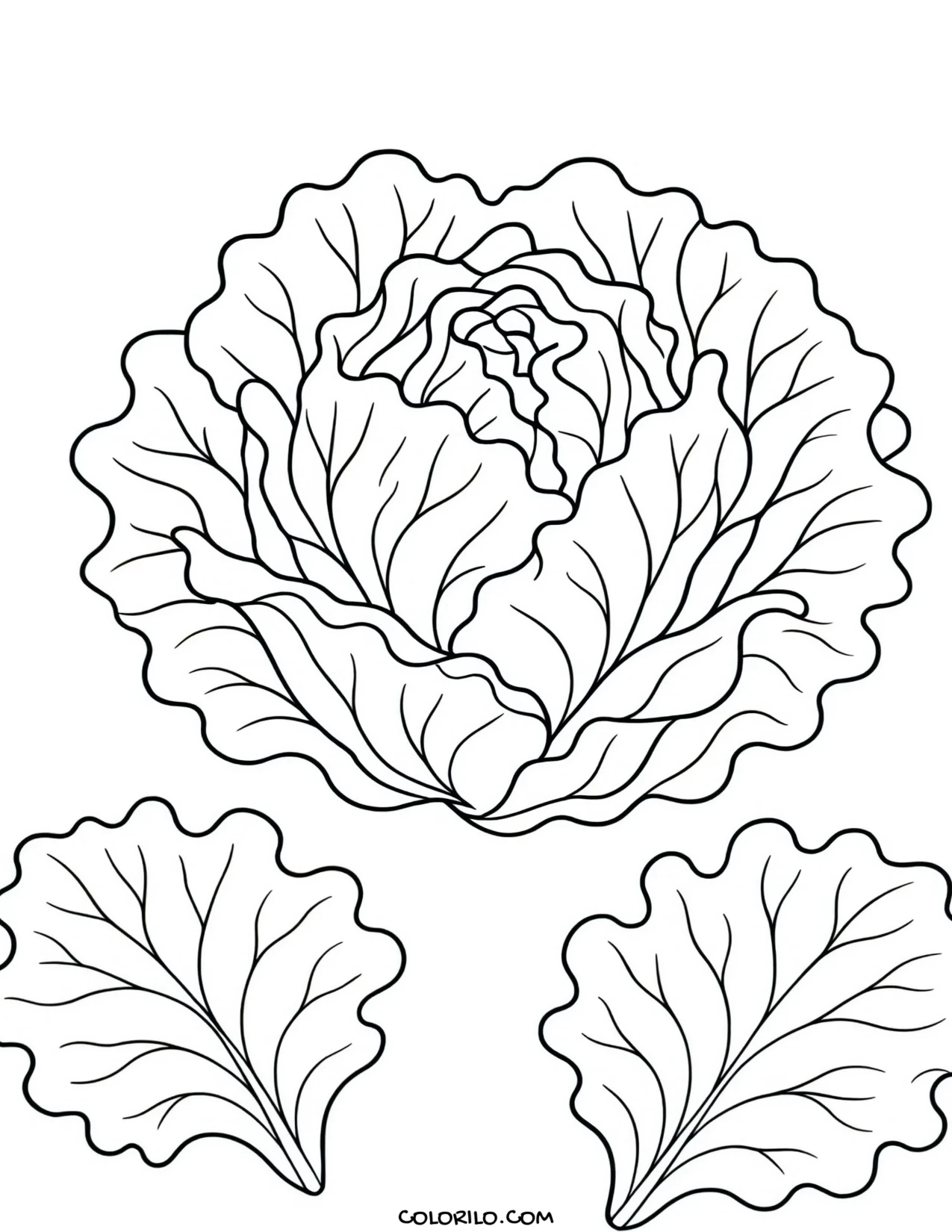
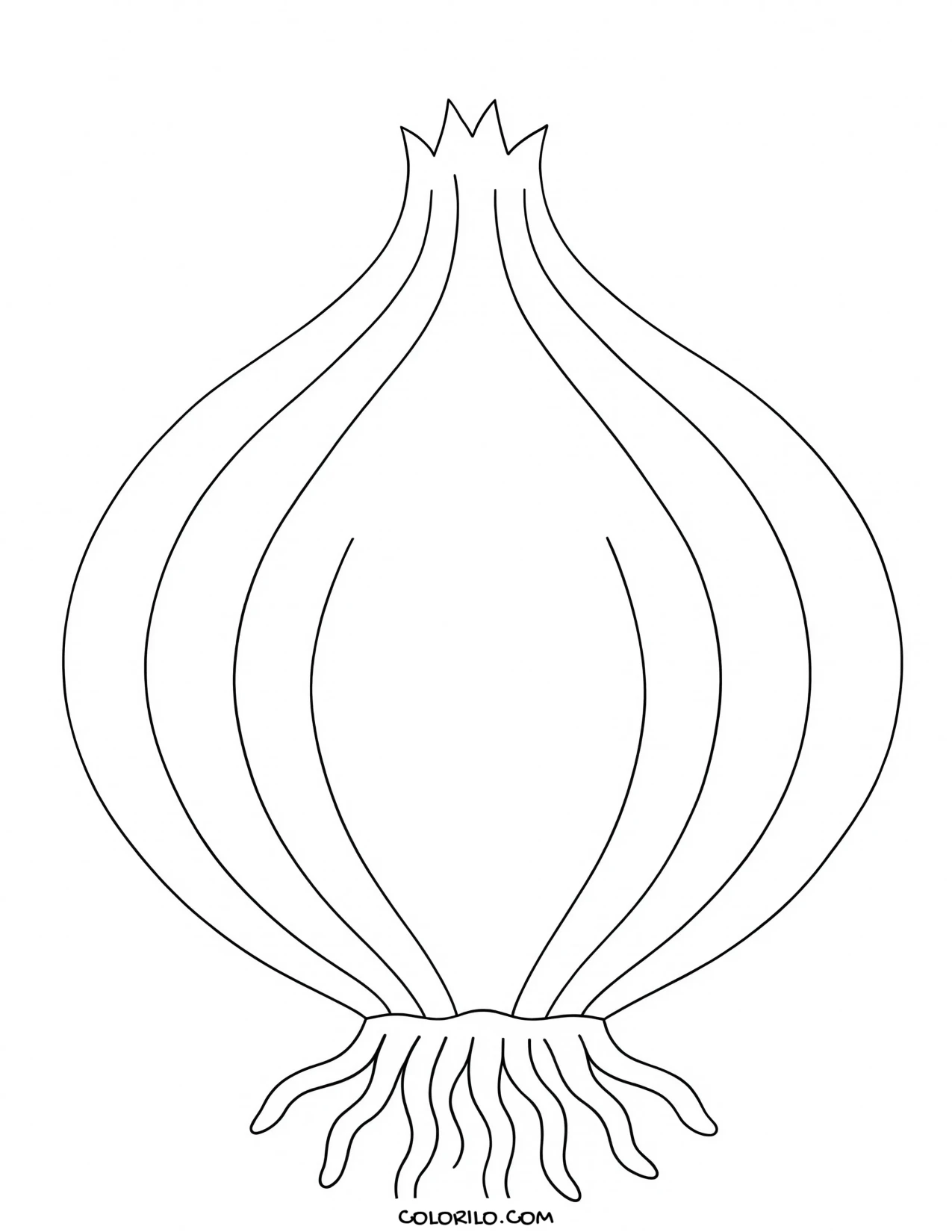
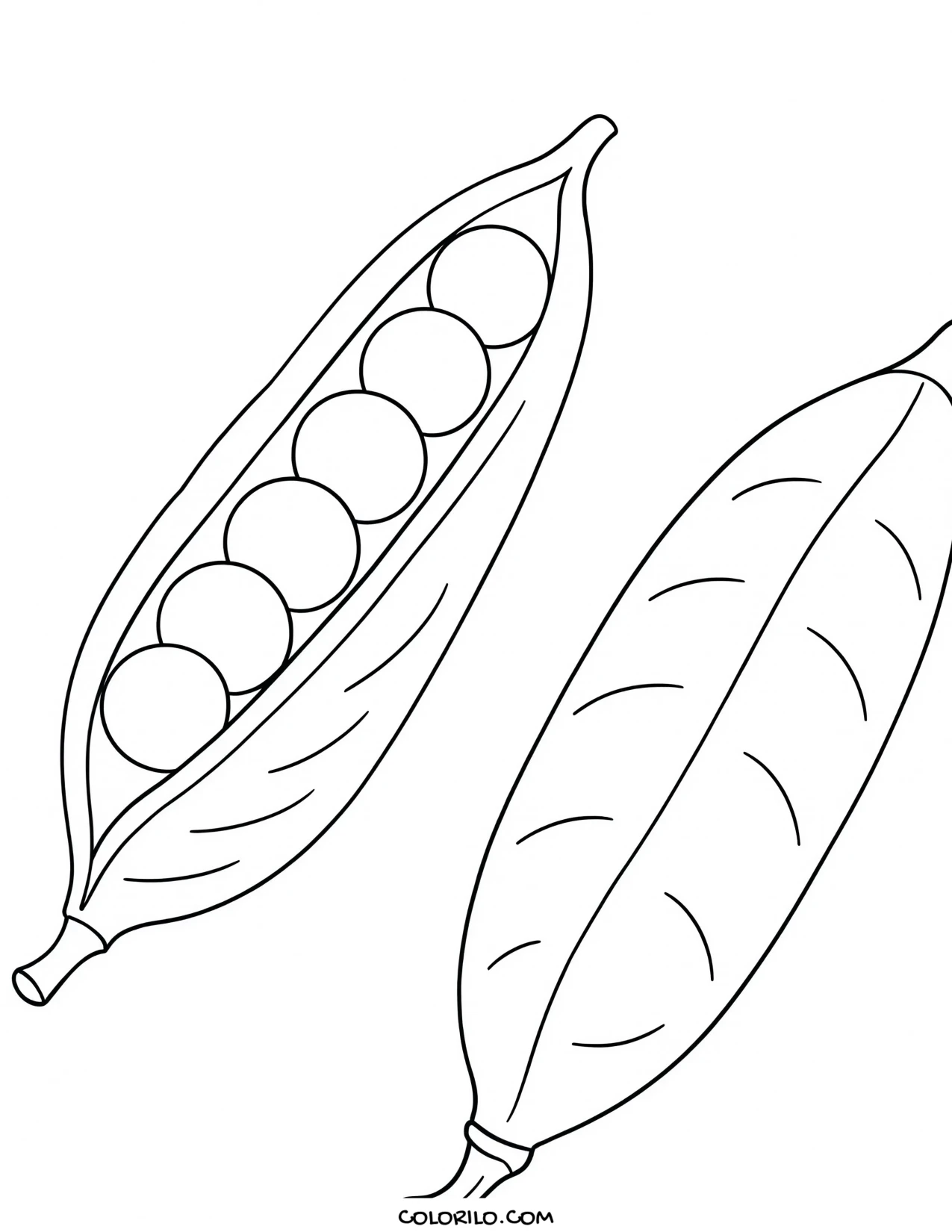
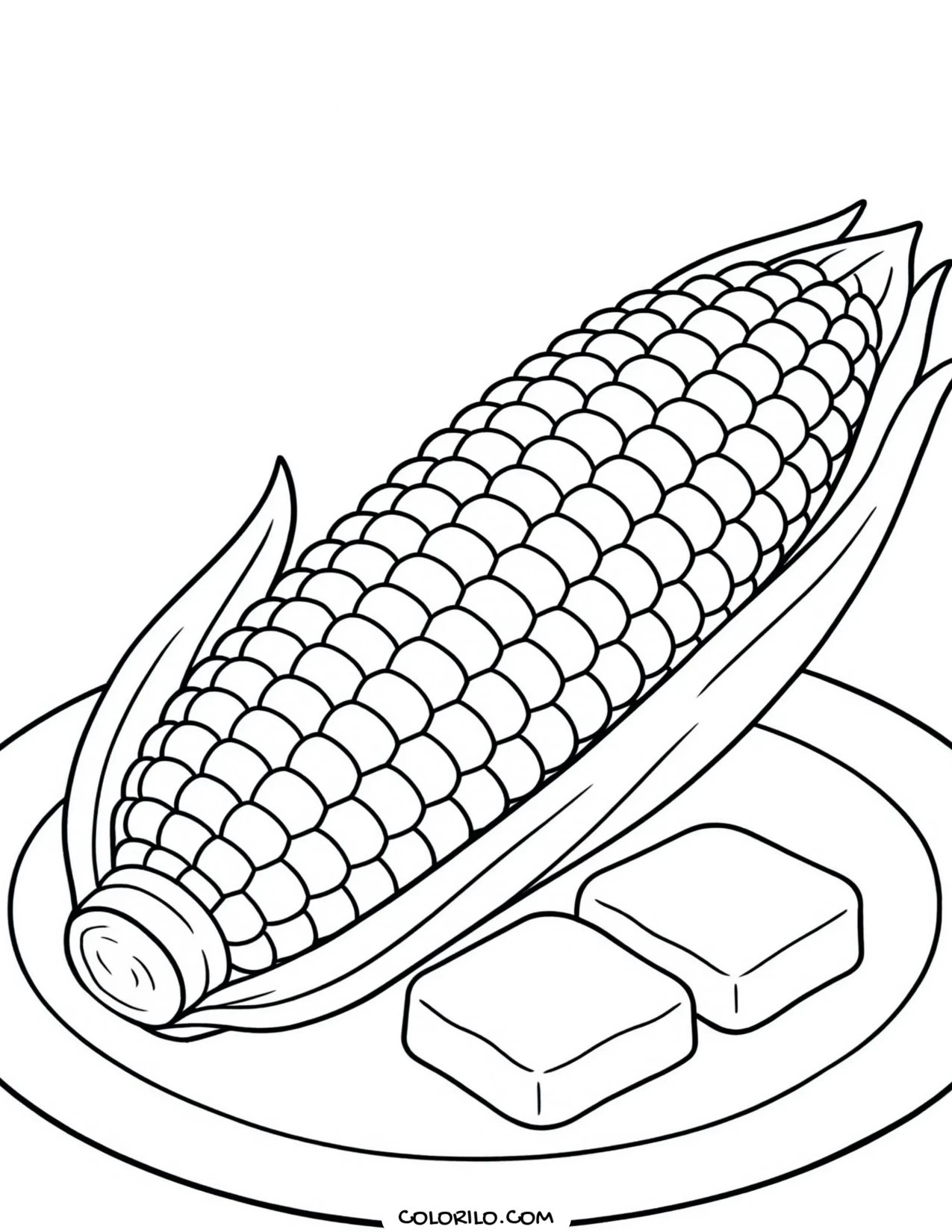
Twelve designs, including a few that are rarely drawn: aubergine, pea pods open and closed, a whole onion with its root tips, a head of lettuce. Sweetcorn with butter and broccoli on a cutting board are the two set as small scenes rather than single objects.
Meals
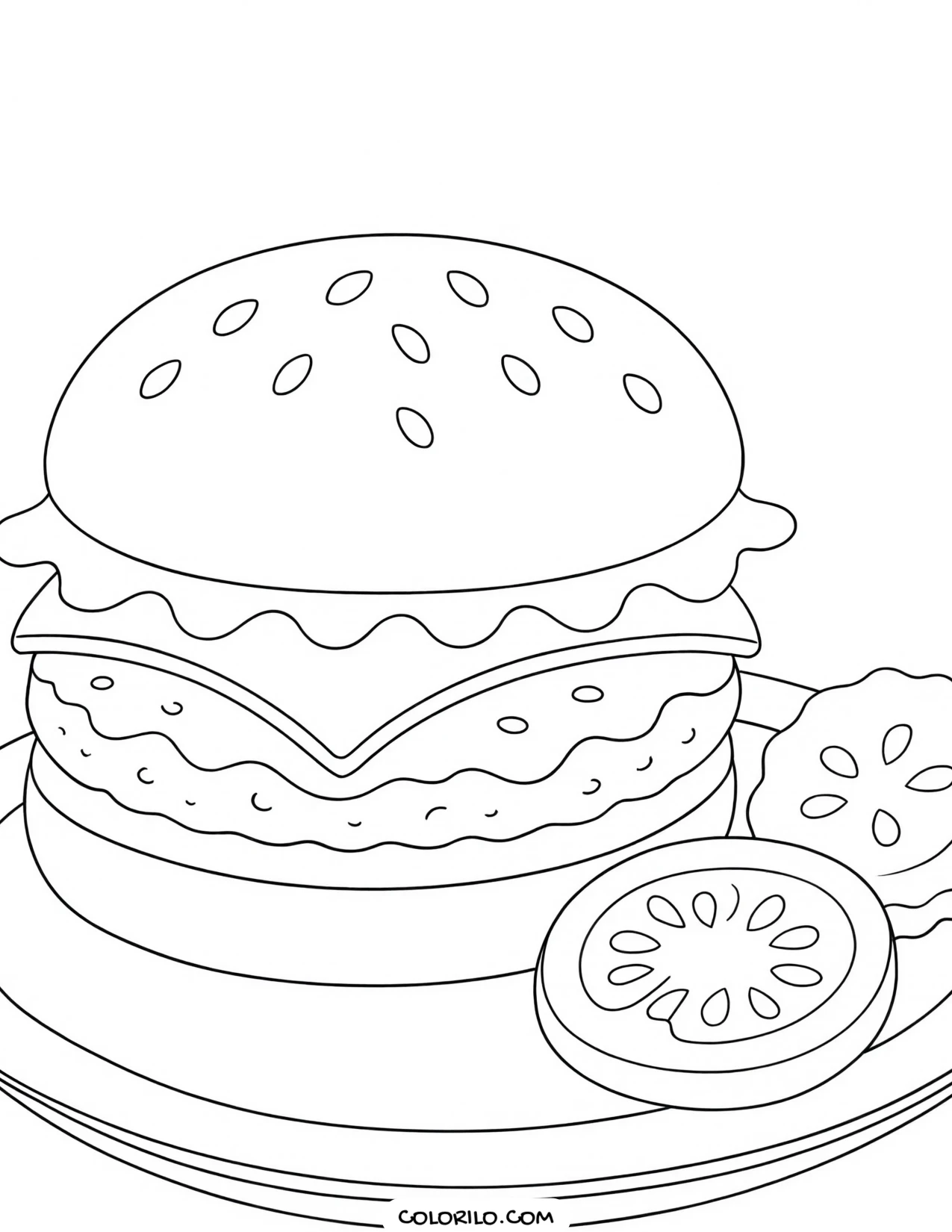
Fourteen designs covering pizza, burgers, hot dogs, tacos, sushi, pasta, noodles, fried rice, sandwiches, kebabs, soup, salad, pie and a roast dinner. Each comes with the plate and cutlery around it, which gives a child more to fill in than the food would alone.
Sweets and baking
Eleven designs. The cupcake, the doughnut and the lollipop have the largest open areas here and are among the best starting points for a very young child. The gingerbread men and macarons have more small parts.
Breakfast
Seven designs, pancakes, waffle, fried eggs, toast, cereal, porridge and a croissant. The pancake stack and the waffle both come with pattern already drawn in, so they sit slightly above the simplest pages.
Drinks
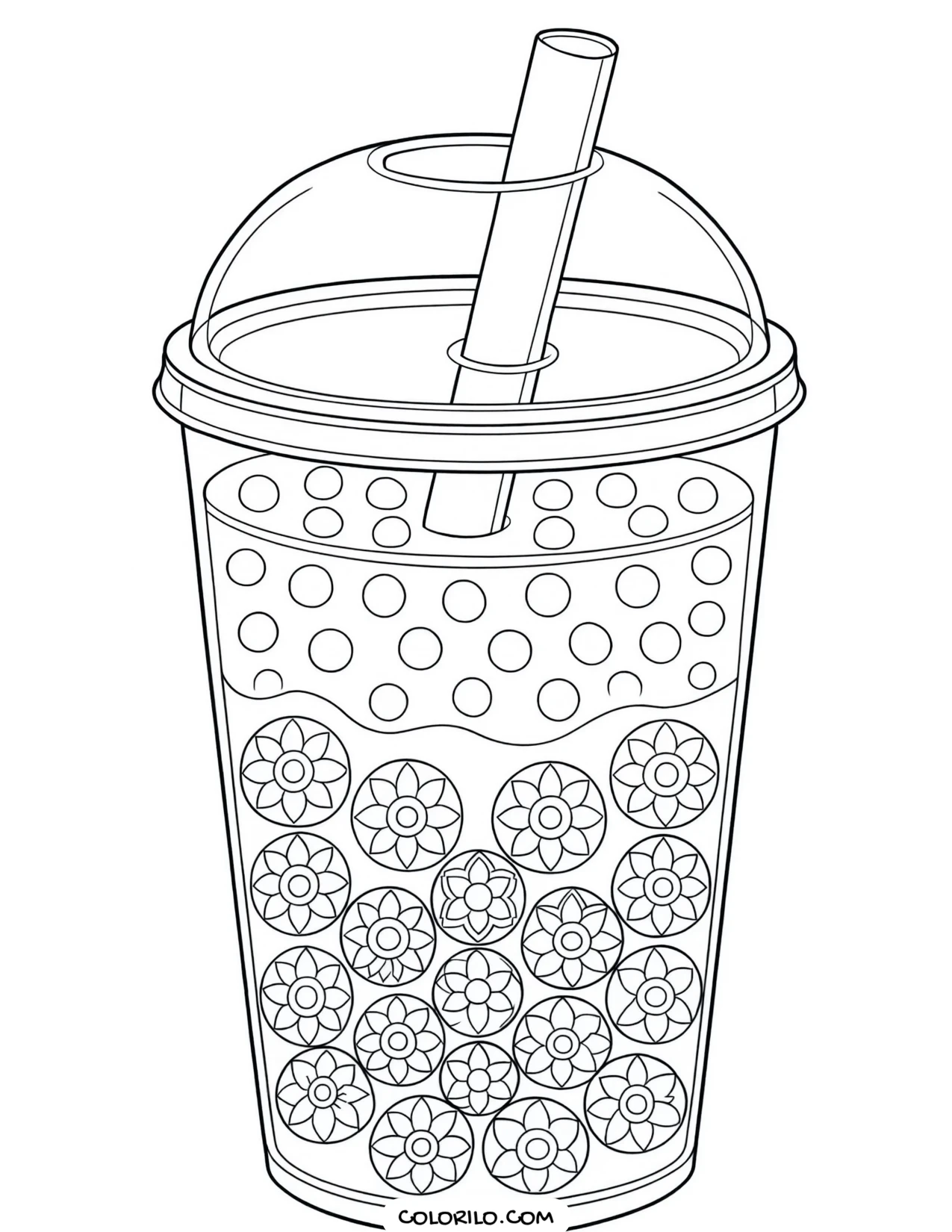
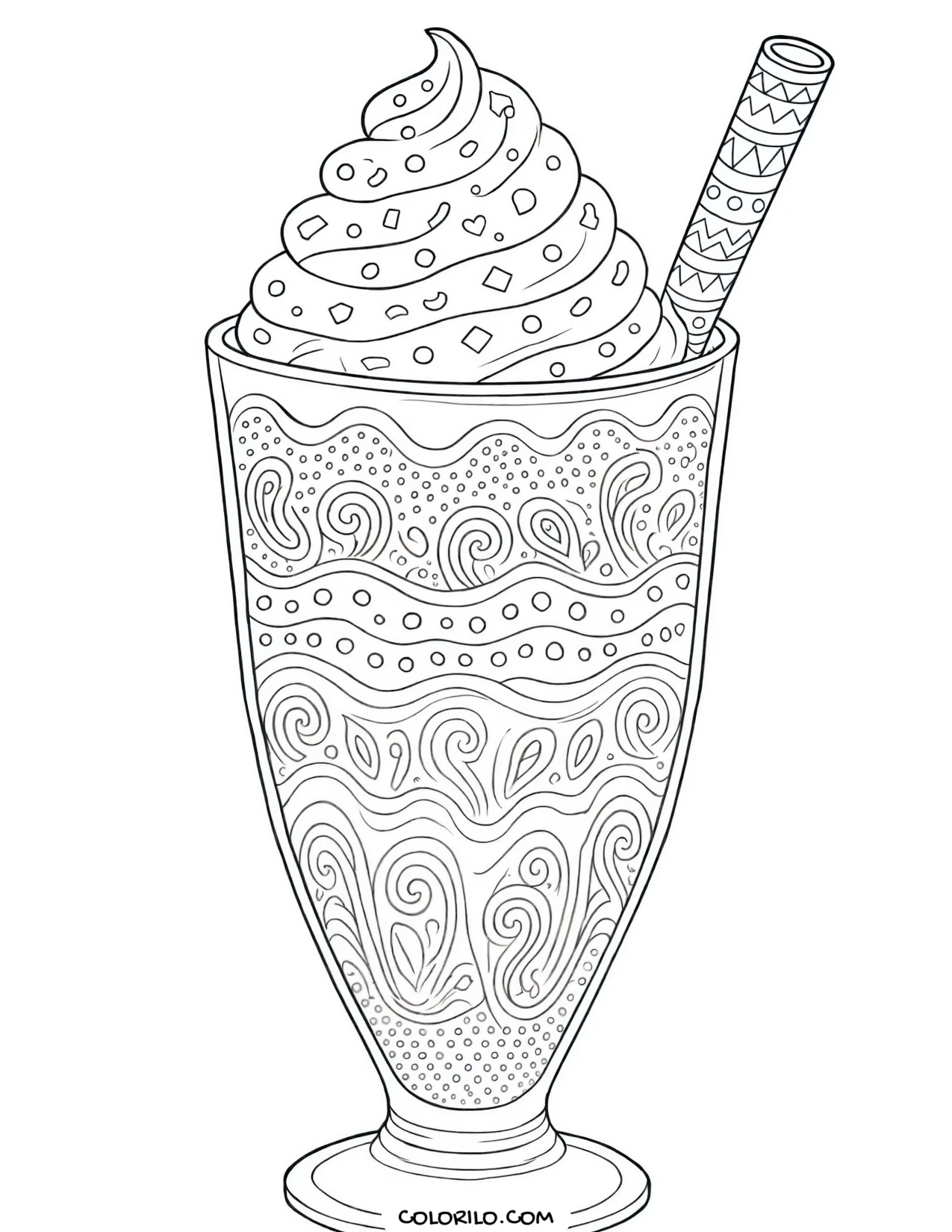
Seven designs, and most of them are patterned rather than plain: a milkshake in layers, a smoothie with fruit shapes through the glass, hot chocolate with patterned foam, bubble tea, a decorated juice carton and a swirled teapot.
Detailed pages for adults
The strawberry mandala, the patterned pineapple, the zentangle birthday cake, the giant cupcake, the layered cake cross-section, the cut pomegranate and the patterned teapot. Fine linework inside large shapes, so they take an evening without becoming fiddly.
Coloring Tips
Food is the one subject where the colours are already decided. That sounds like a limit and is actually the appeal. A child who is unsure what to do with a dragon knows exactly what to do with a banana, and finishing a page confidently is worth more at that age than being inventive.
Then break it on the sweets. The cupcake, the doughnut, the lollipop, the macarons and the ice cream have no correct colour at all. Those are the pages to hand over once the fruit has built some confidence.
Leave a highlight on anything round. Apples, oranges, tomatoes, lollipops and scoops of ice cream all look better with a small unfilled patch where the light would fall. It is the quickest way to stop a round thing looking flat.
Cut fruit wants two tones. The mango, kiwi, coconut, fig and pomegranate all show an inside and an outside. Making the cut face paler than the skin is what makes it read as cut rather than painted.
Plates and bowls should stay quiet. On the meal pages, the food is the subject. Leaving the plate white or very pale keeps it that way, colouring the plate as strongly as the pizza flattens the whole page.
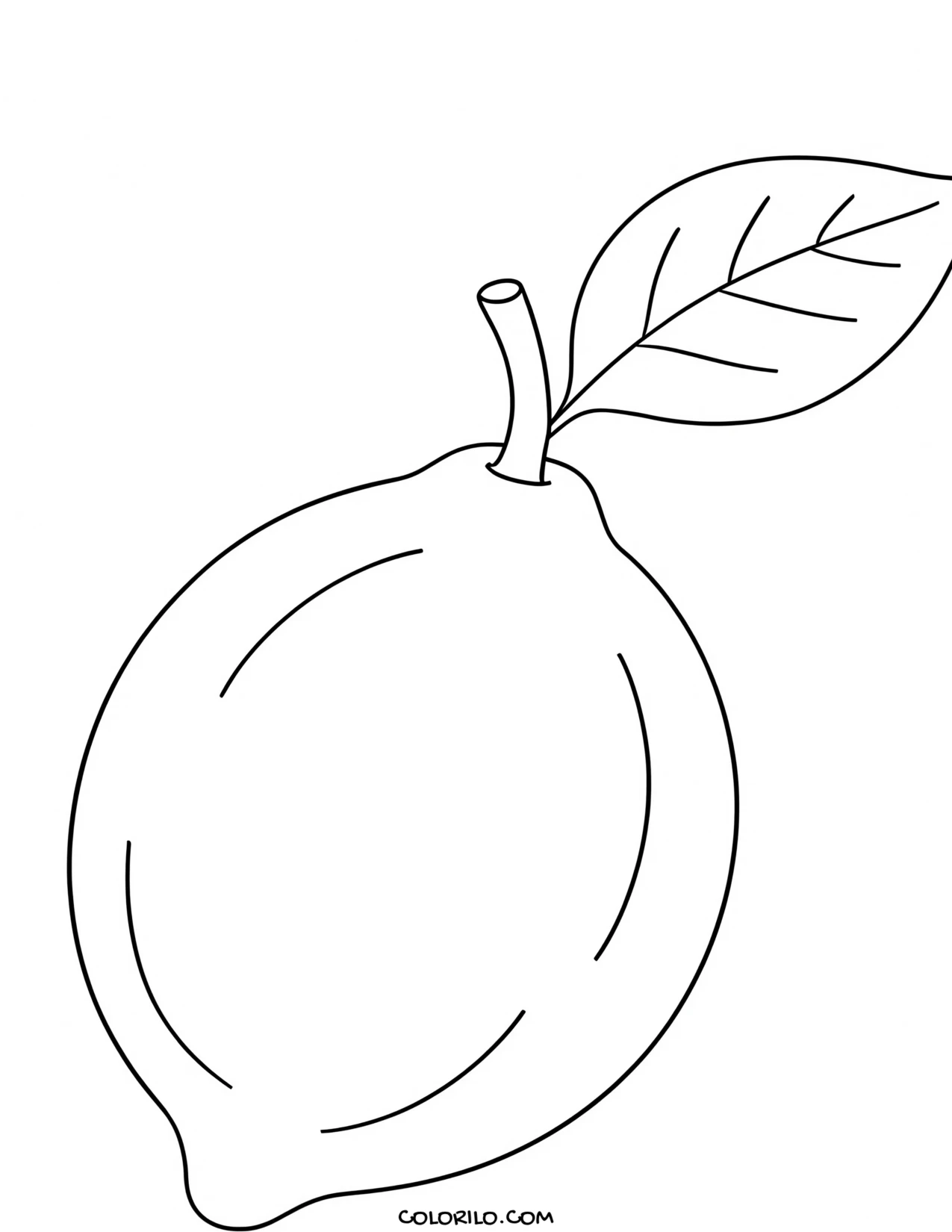
Start young children on the single fruits. The apple, banana, pear, lemon and carrot have the fewest lines here by a wide margin. Save the roast dinner and the sushi board for someone with more patience.
Frequently Asked Questions
Are these food coloring pages really free?
Yes, all 75 are free to download and print. Click any design to open the PDF. No account, no email, no payment.
What age are these food coloring pages for?
The whole range, and this set skews younger than most. The single fruits and vegetables suit children from around three or four. The meals and breakfast scenes work through primary school. The mandala, the patterned pineapple and the zentangle cake are detailed enough for adults.
What foods are included?
Eighteen fruits, twelve vegetables, fourteen meals, eleven sweets and baked things, seven breakfast items and seven drinks. Everything is a named food rather than a generic shape.
Are there fruit coloring pages in the set?
Eighteen of the seventy-five are fruit: apple, banana, strawberry, watermelon, pineapple, grapes, orange, cherry, peach, mango, kiwi, pear, lemon, avocado, blueberry, raspberry, coconut and fig, several shown whole beside a cut half.
Can I use these in a classroom?
Yes. They pair well with topics on healthy eating, food groups, where food comes from, or a simple vocabulary lesson, and are free for personal, educational, and classroom use.
Can I print more than one copy?
As many as you need.
Why is food such a good subject for young children to colour?
Because the answer is already known. Most colouring asks a child to invent something, which is enjoyable but also a small pressure, a green dog is fine but a child often wants to be told. Food removes that: a banana is yellow, and getting it right feels like getting it right. It is one of the few subjects where a four-year-old can finish a page and be certain they have done it properly, which matters more at that age than most adults remember.
Leave a Reply