
Table of Contents
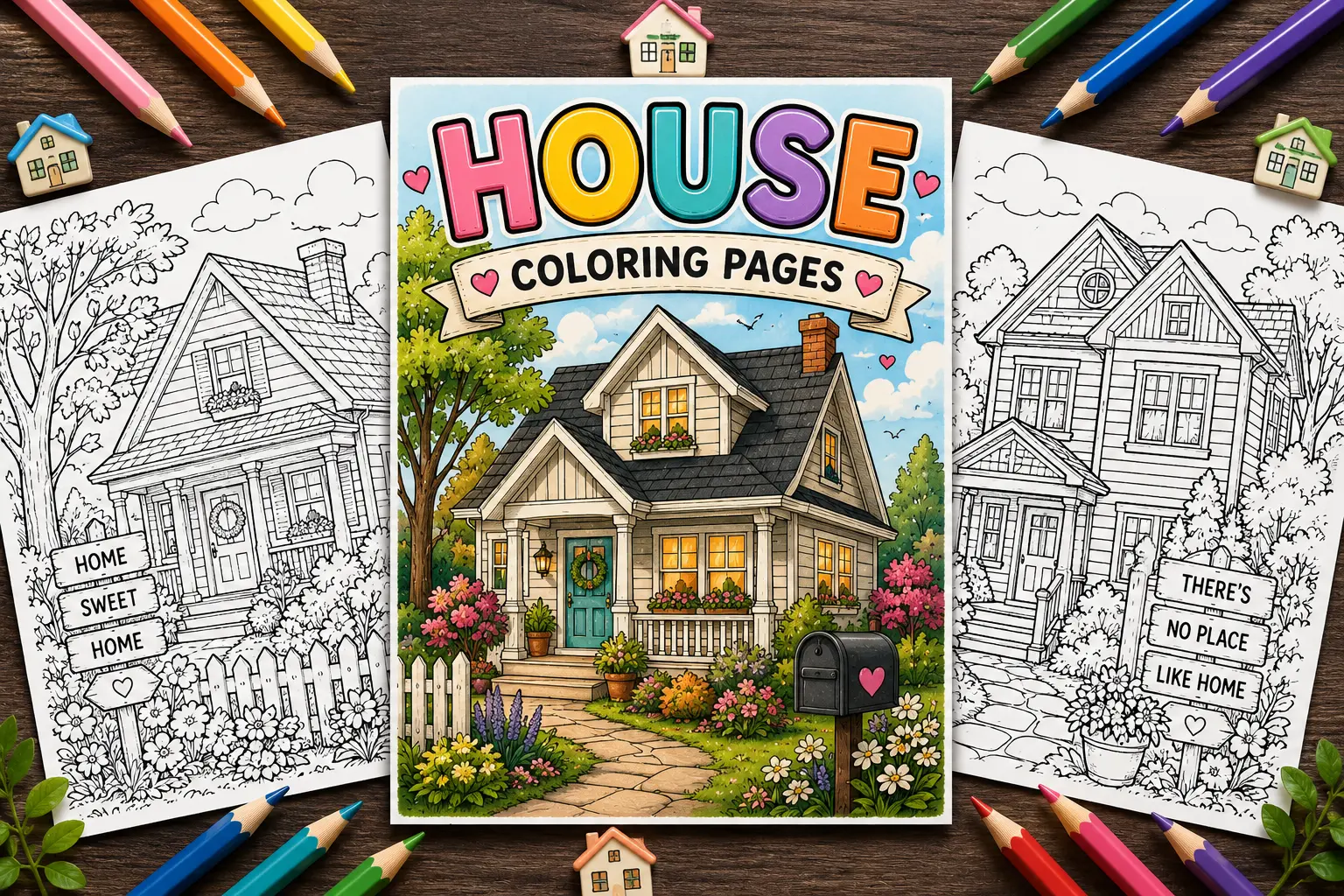
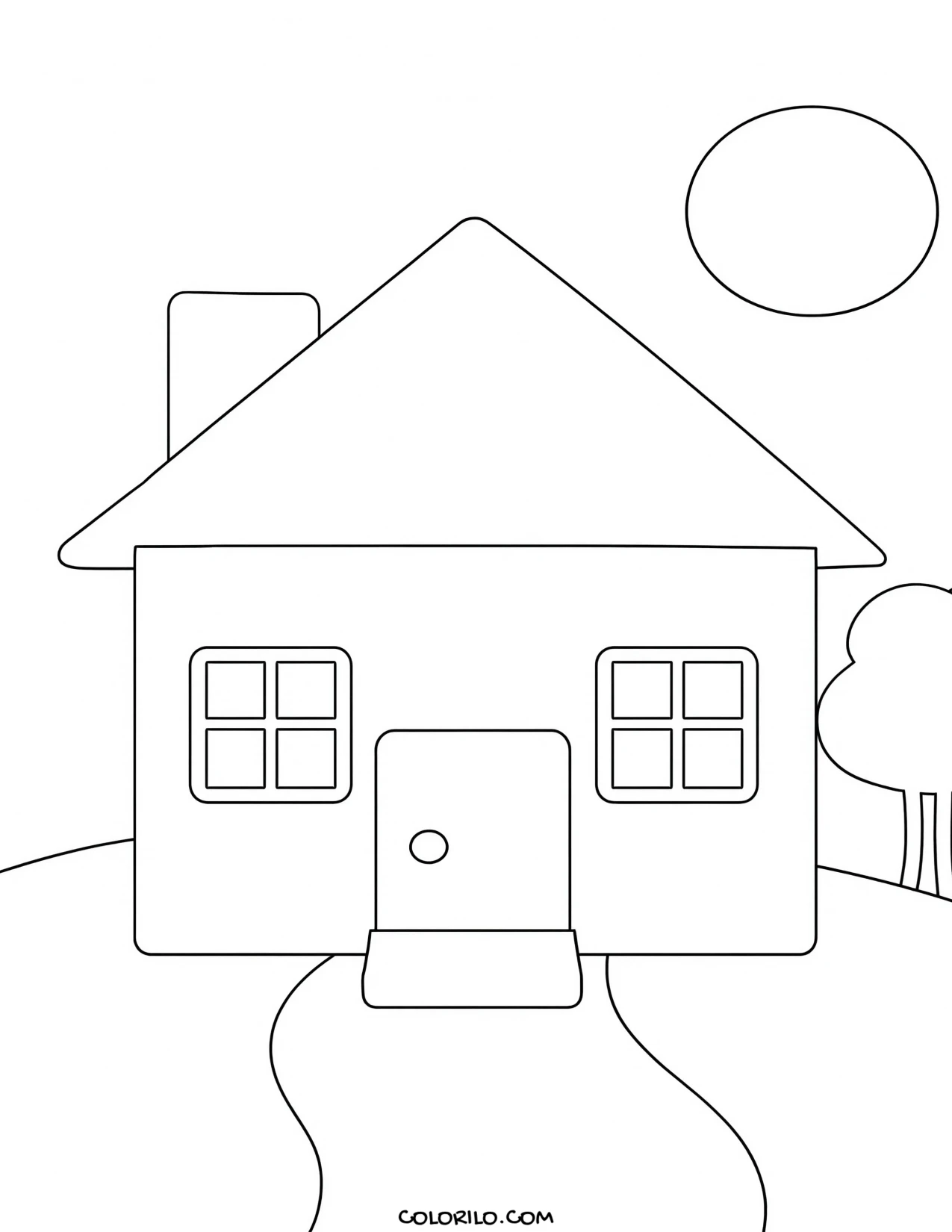
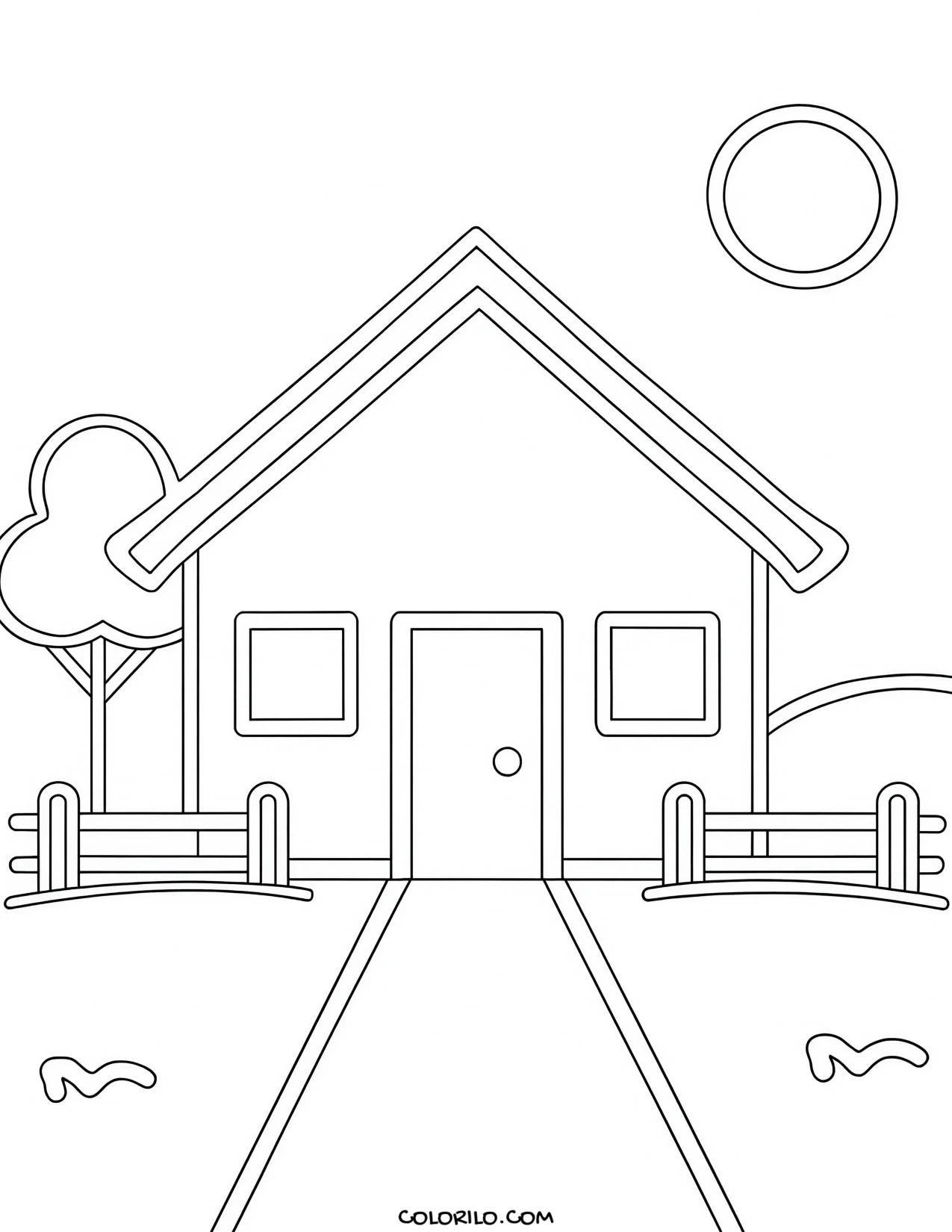
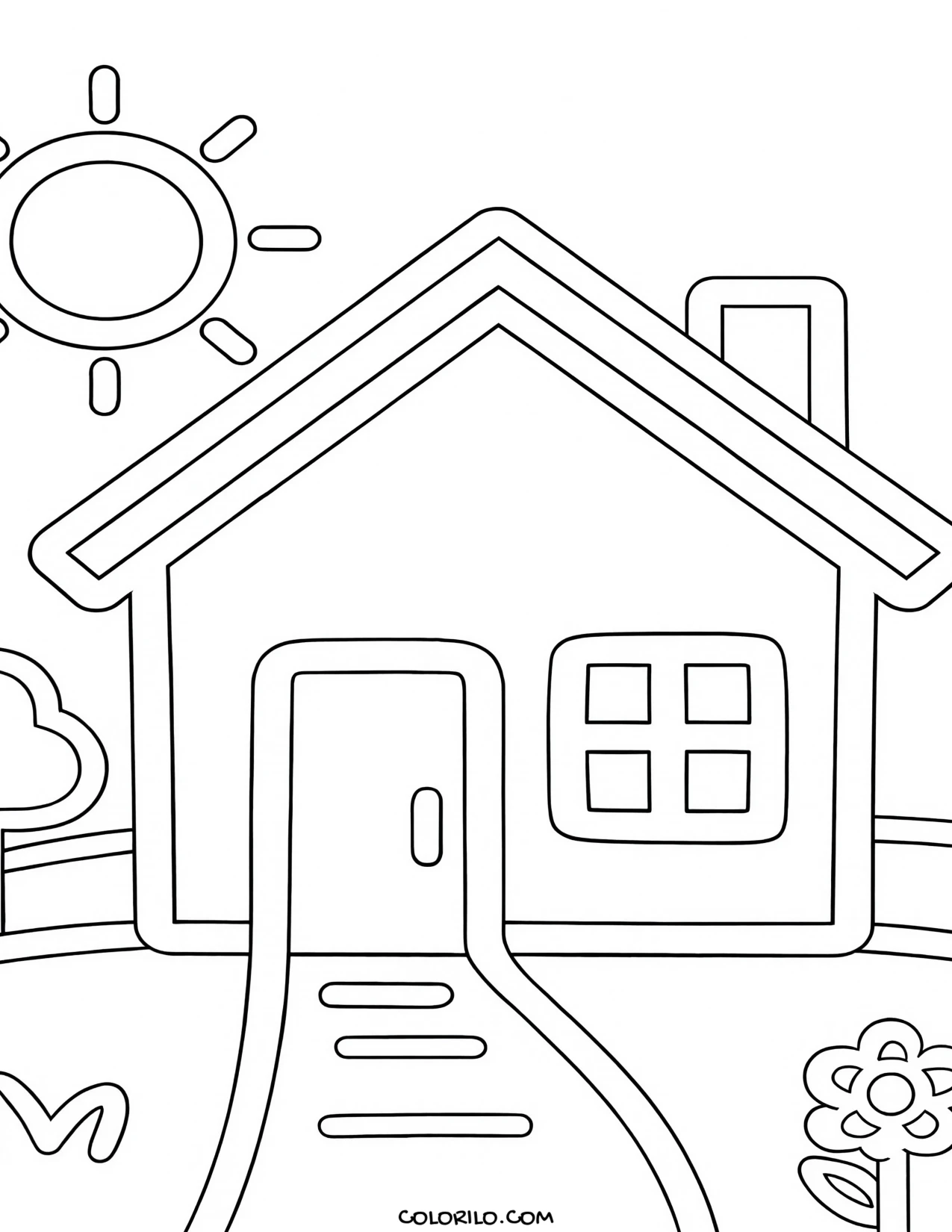
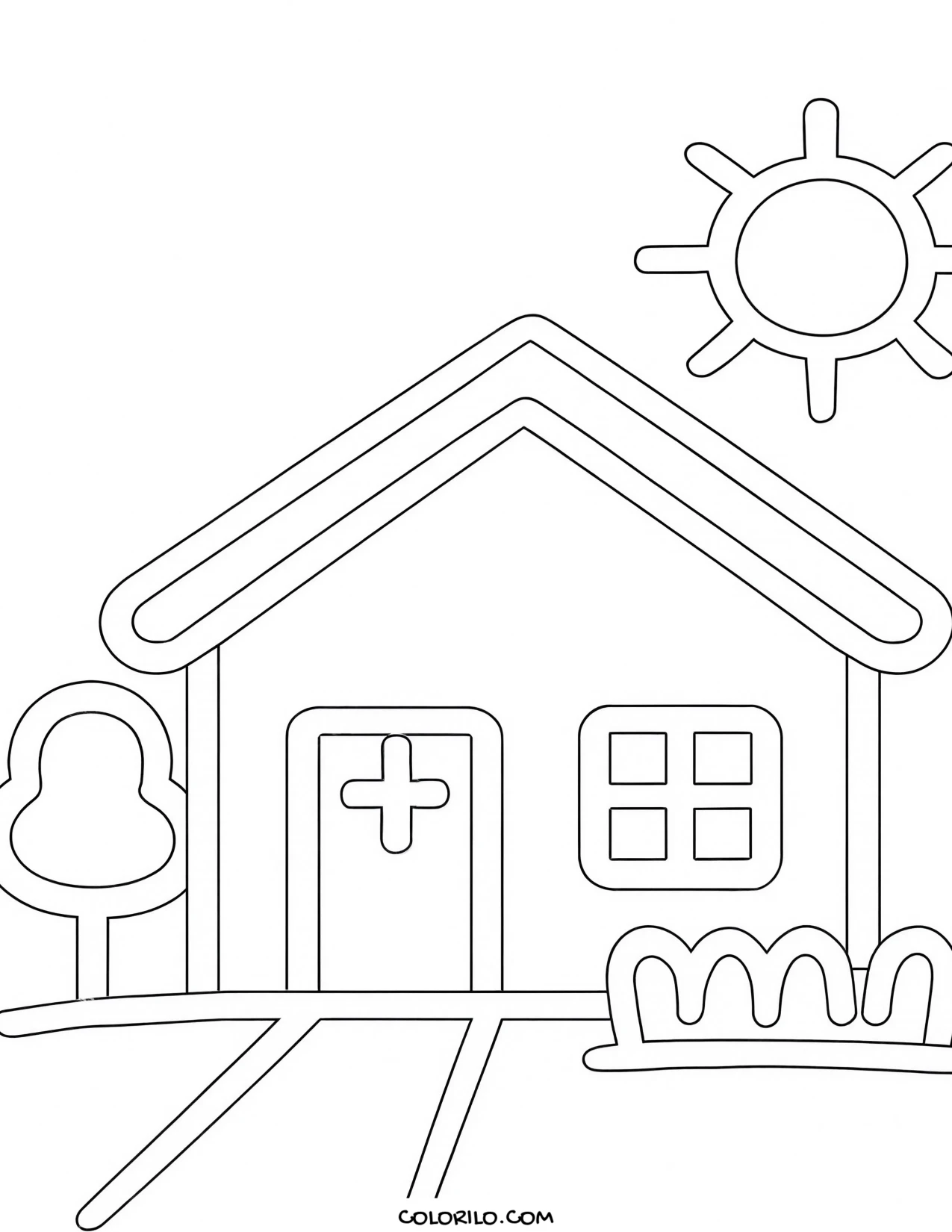
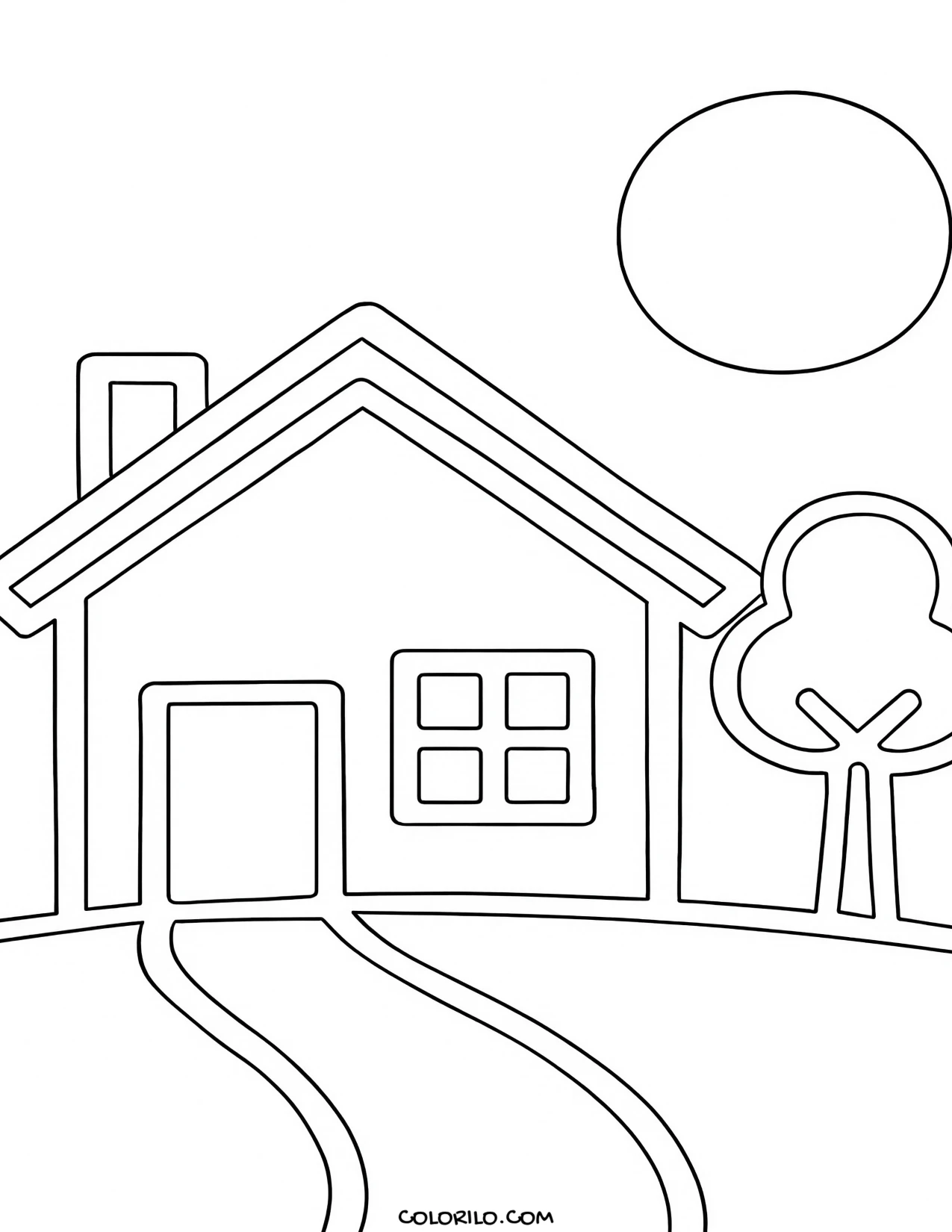
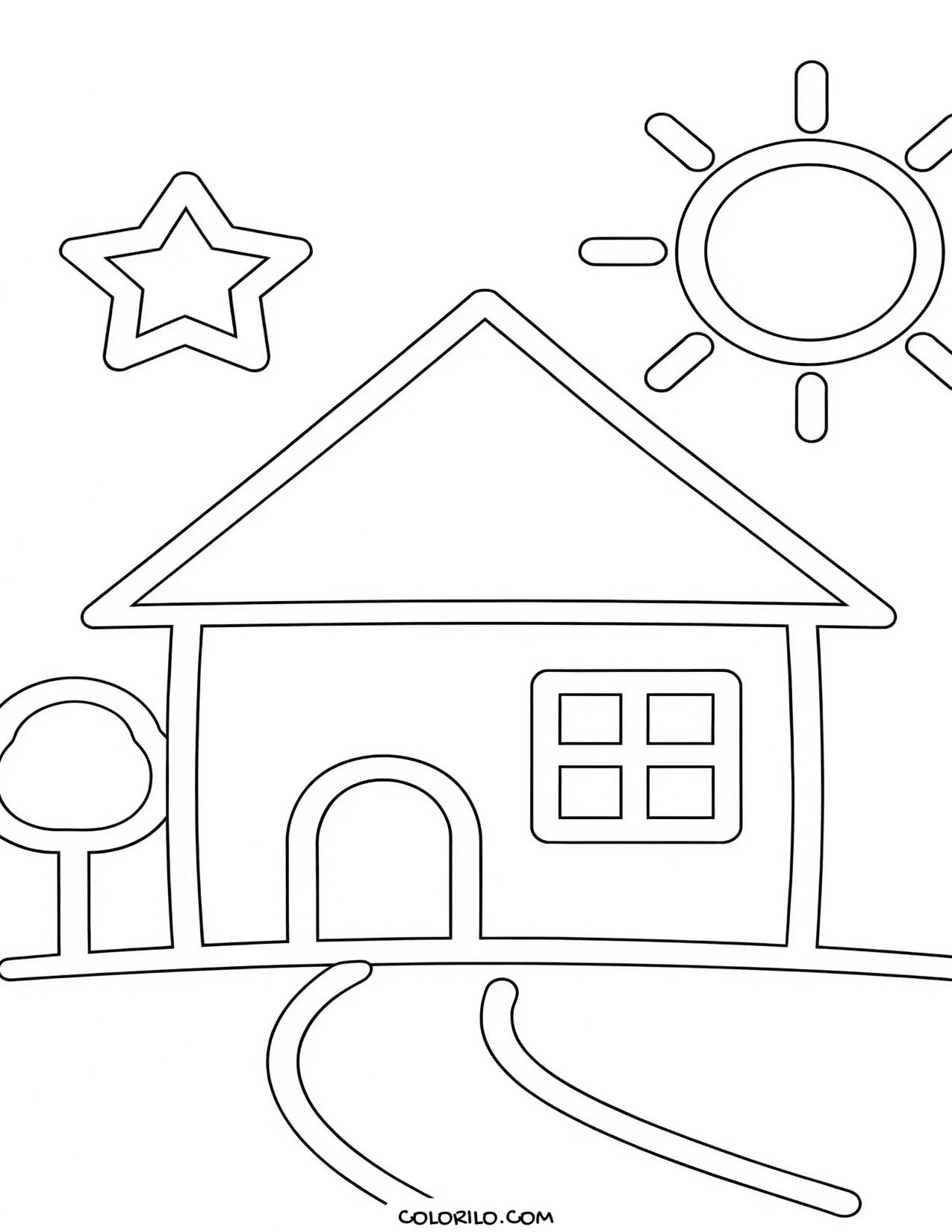
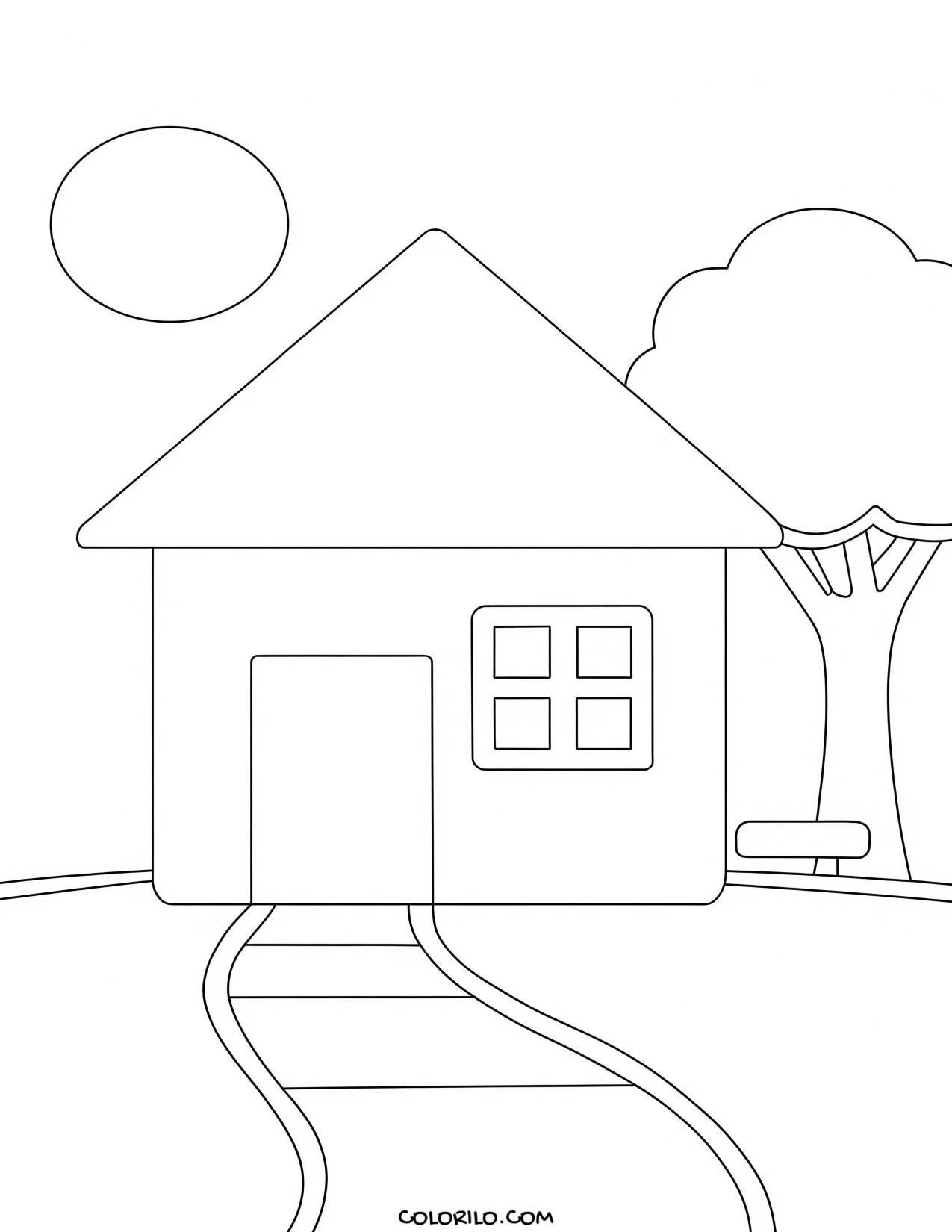
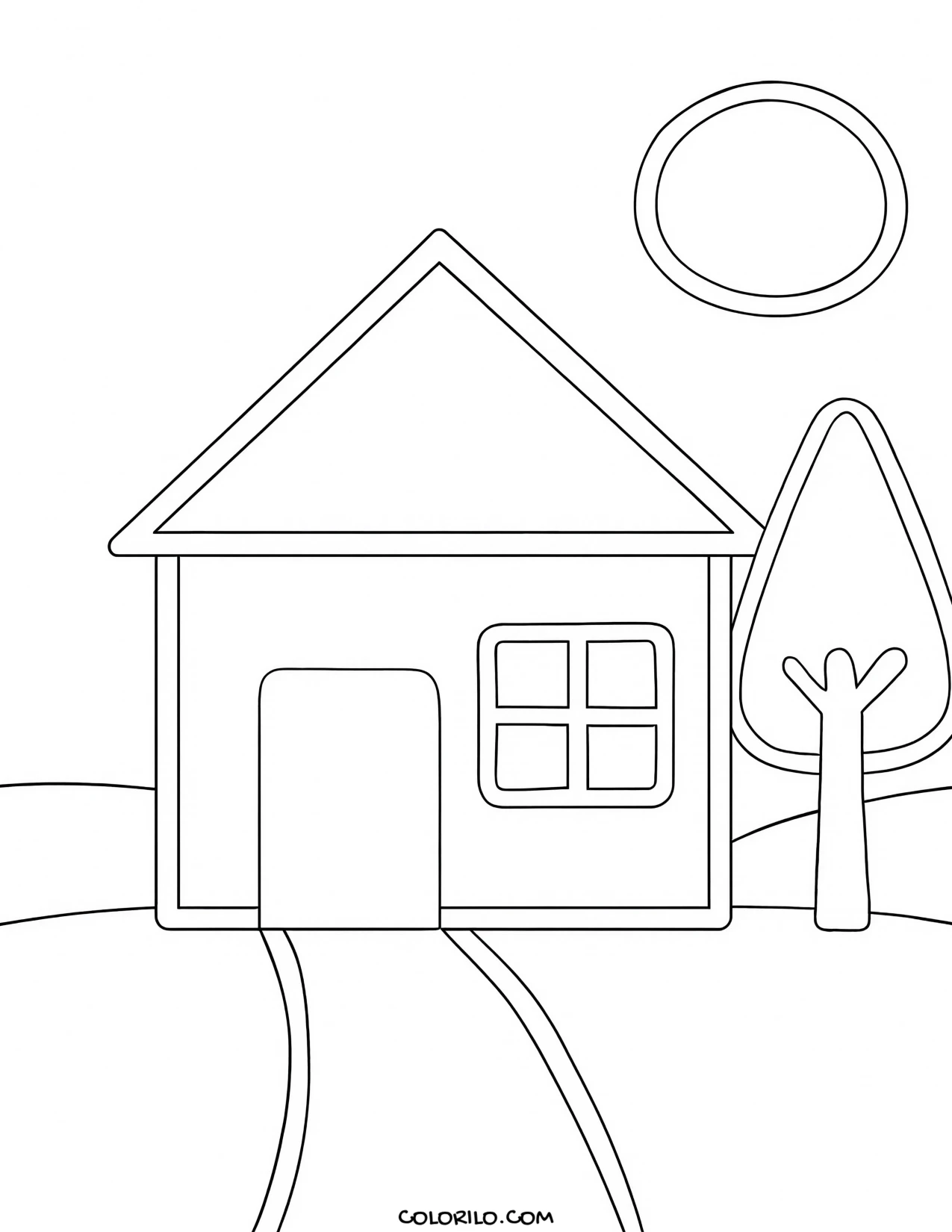
A house is the first building almost every child learns to draw. Square, triangle on top, a door, two windows, a path leading away. It arrives early and it stays, which is why house coloring pages get printed for four-year-olds and for adults, and why this set covers both ends rather than picking one.
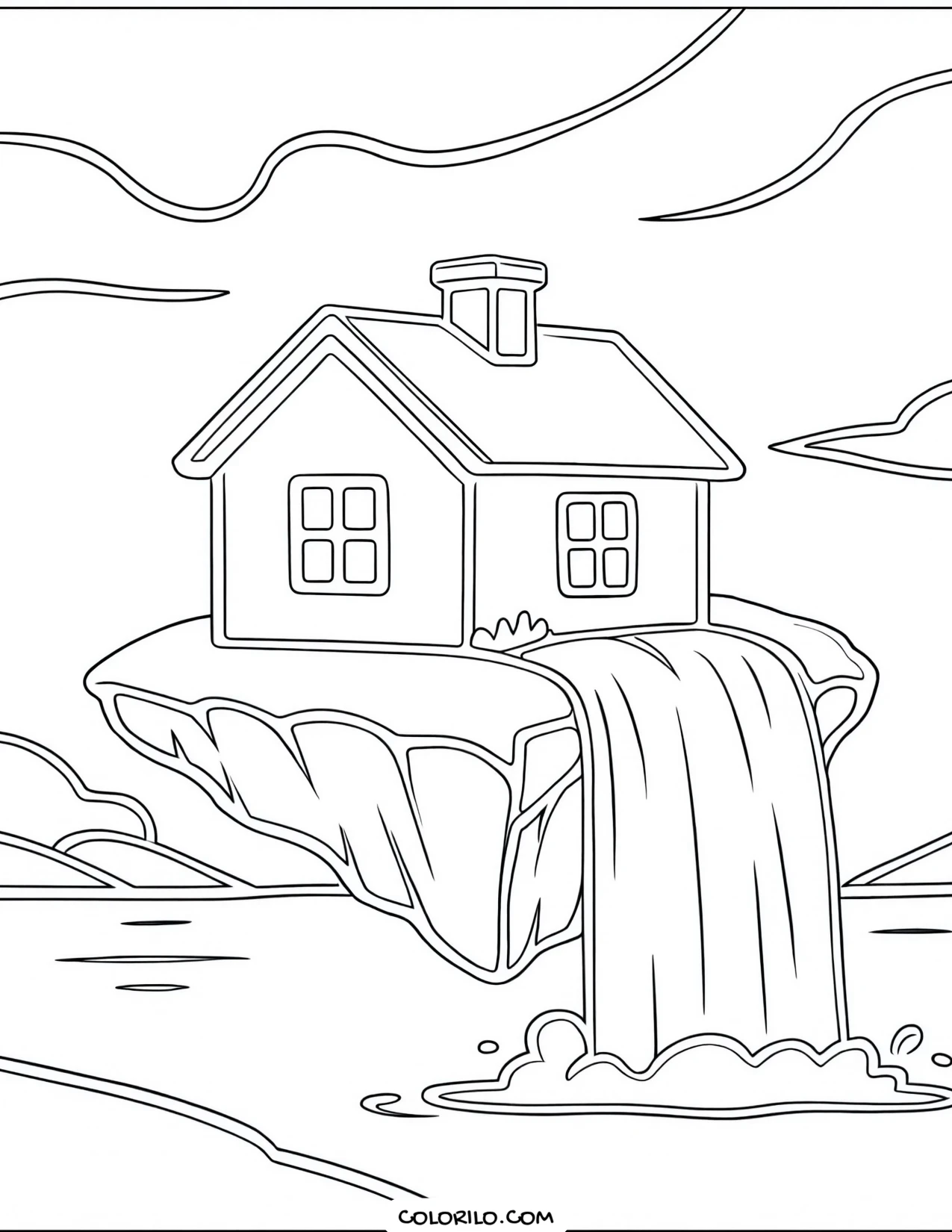
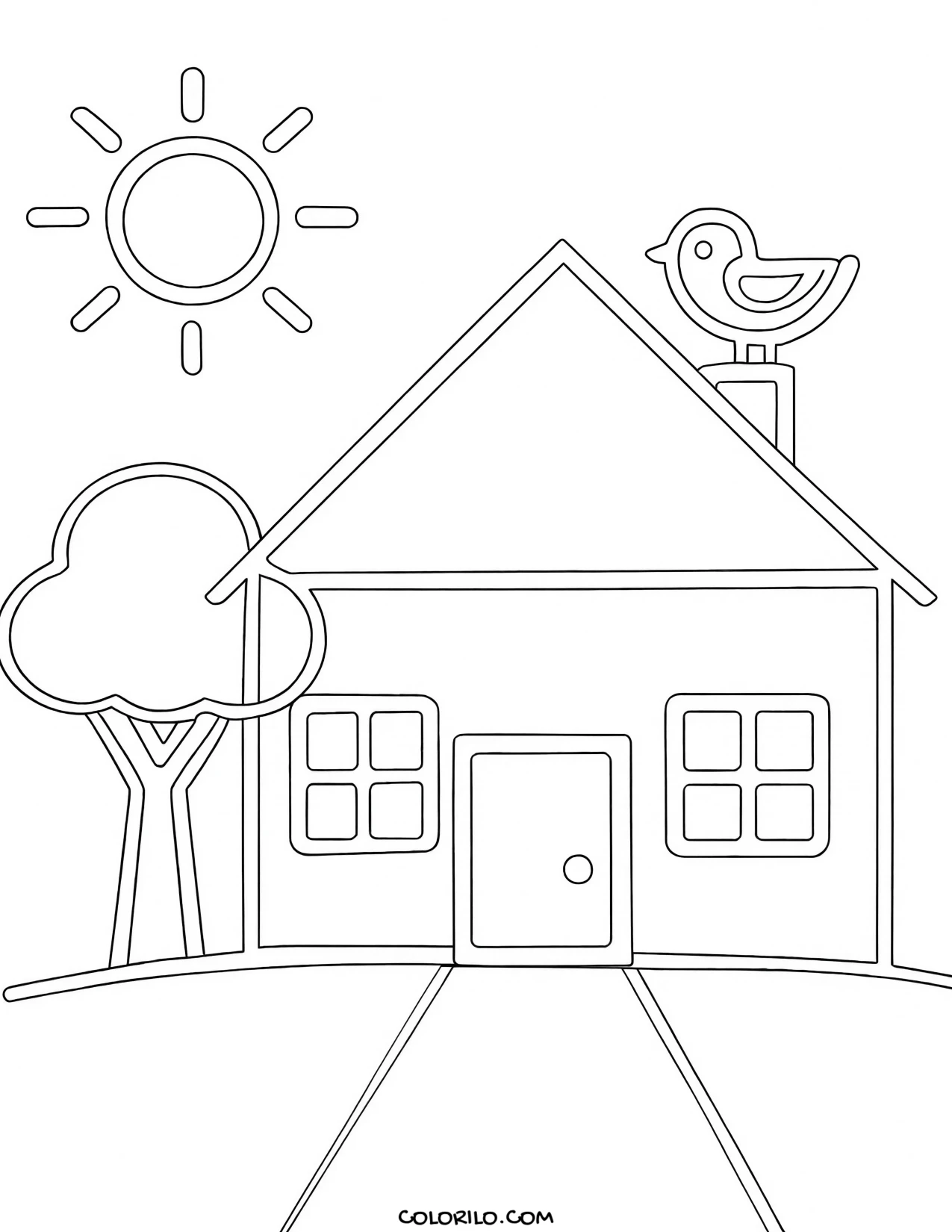
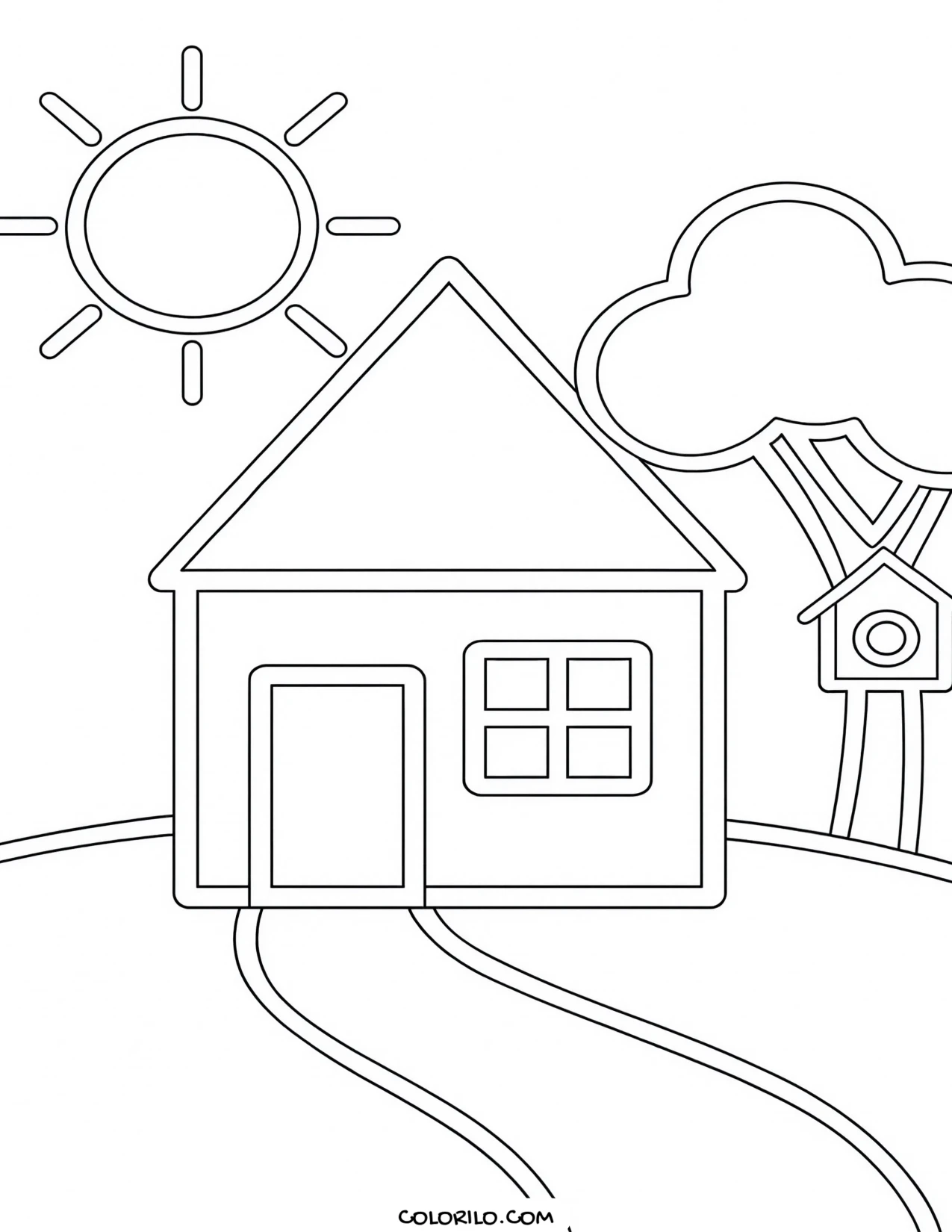
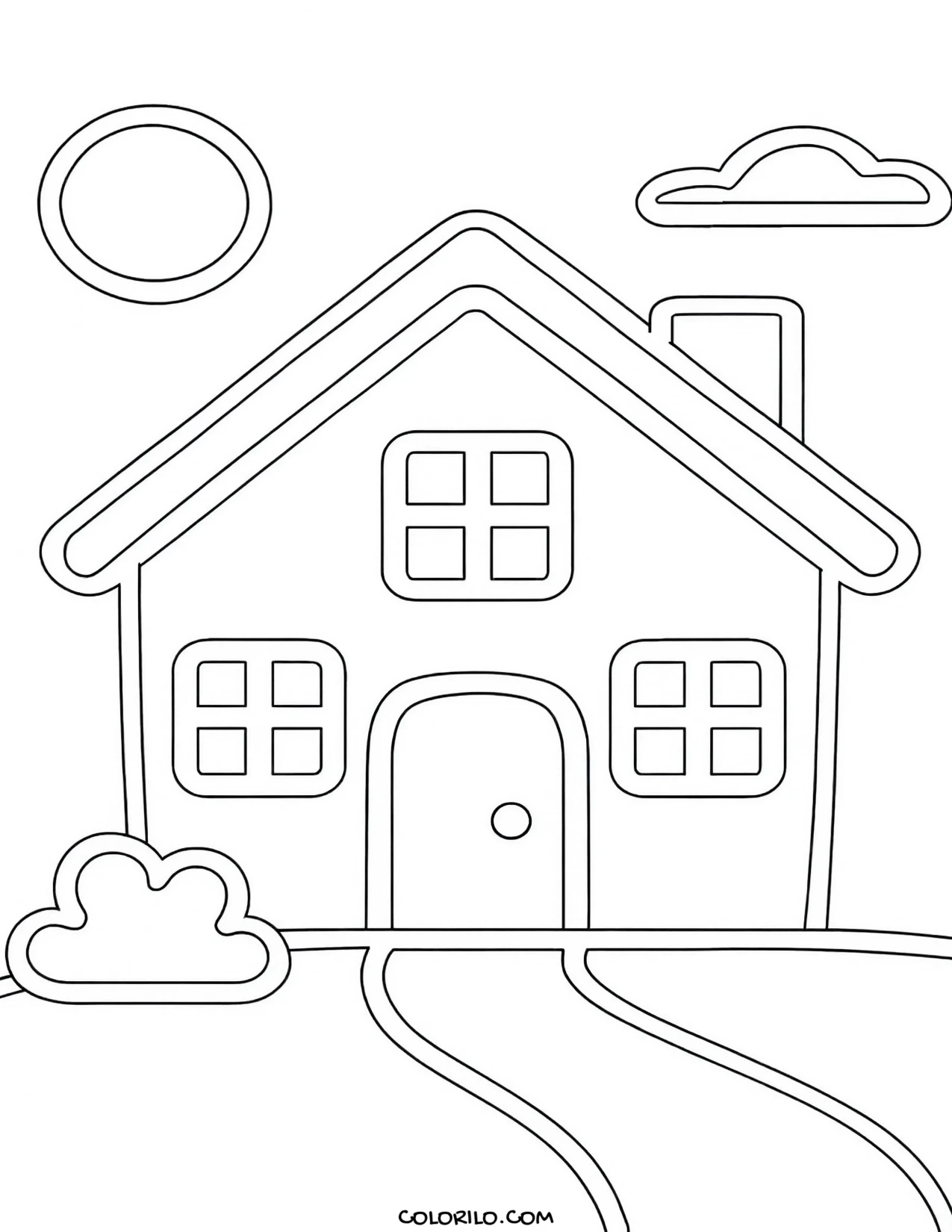
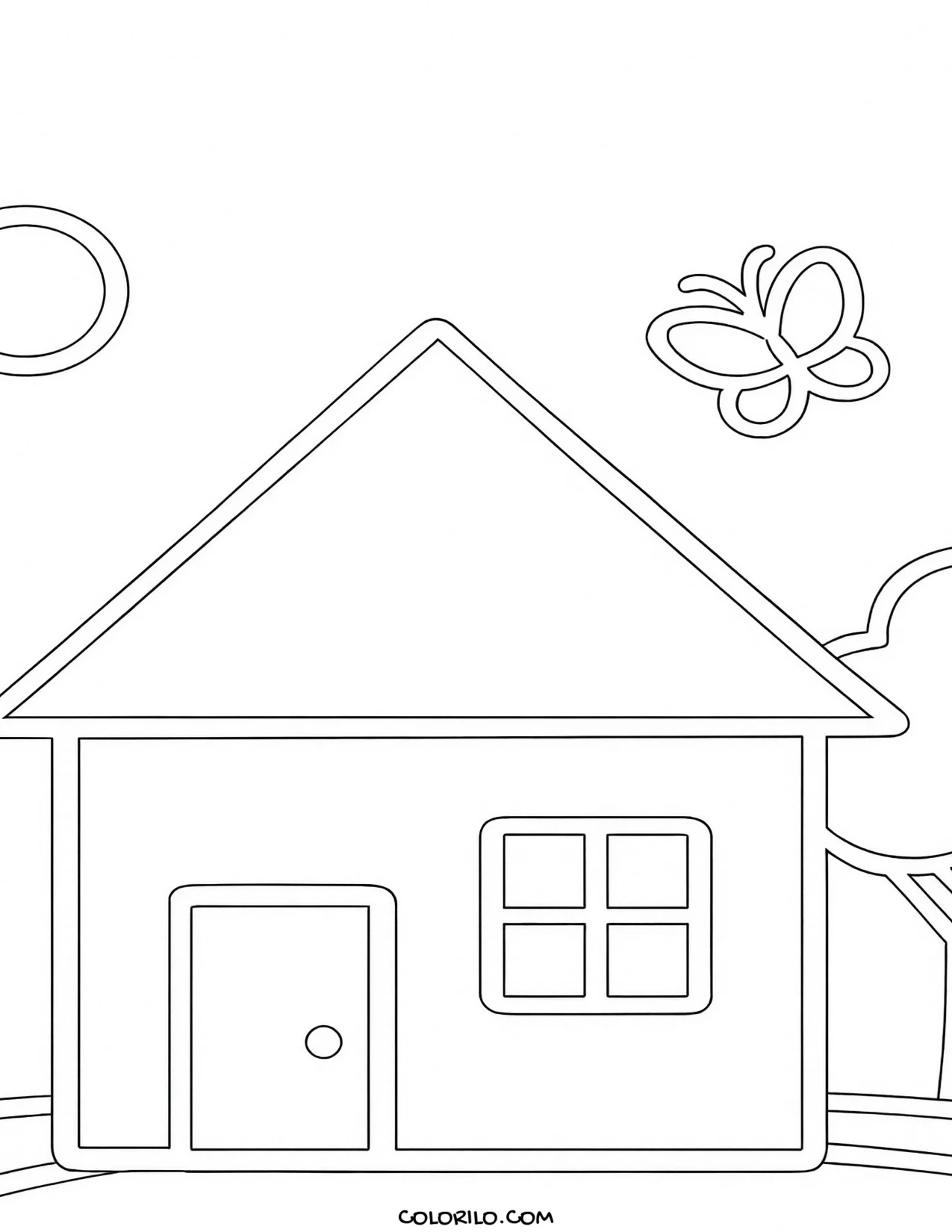
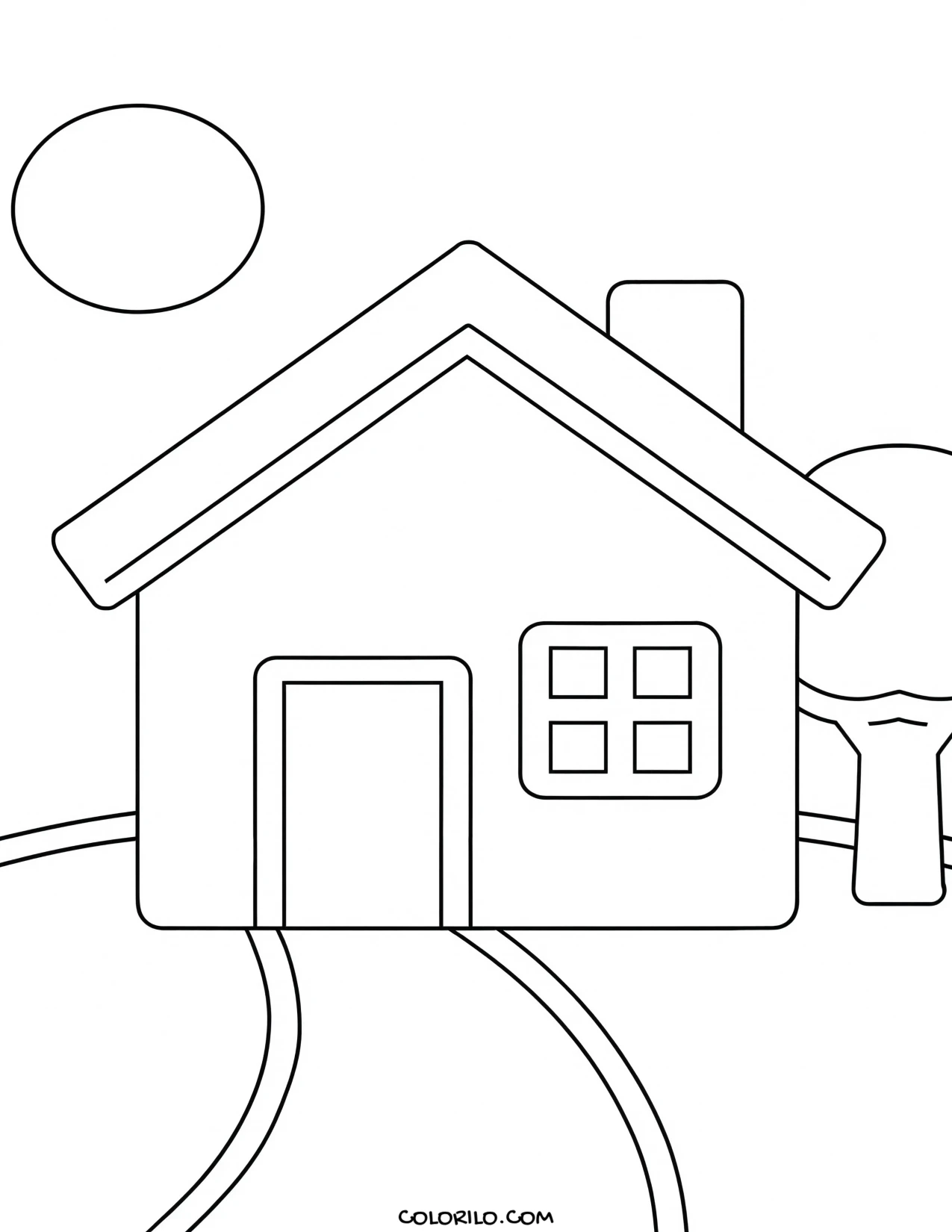
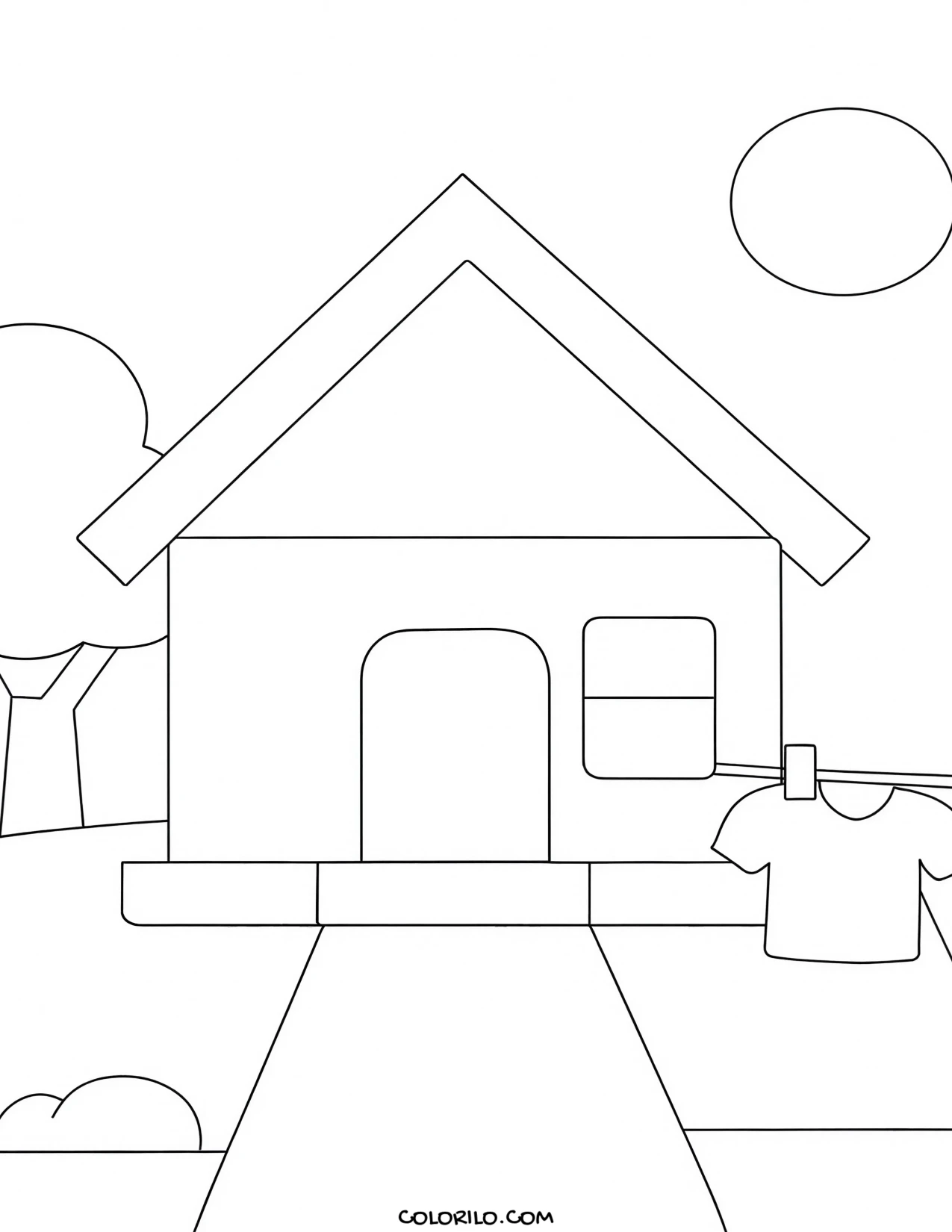
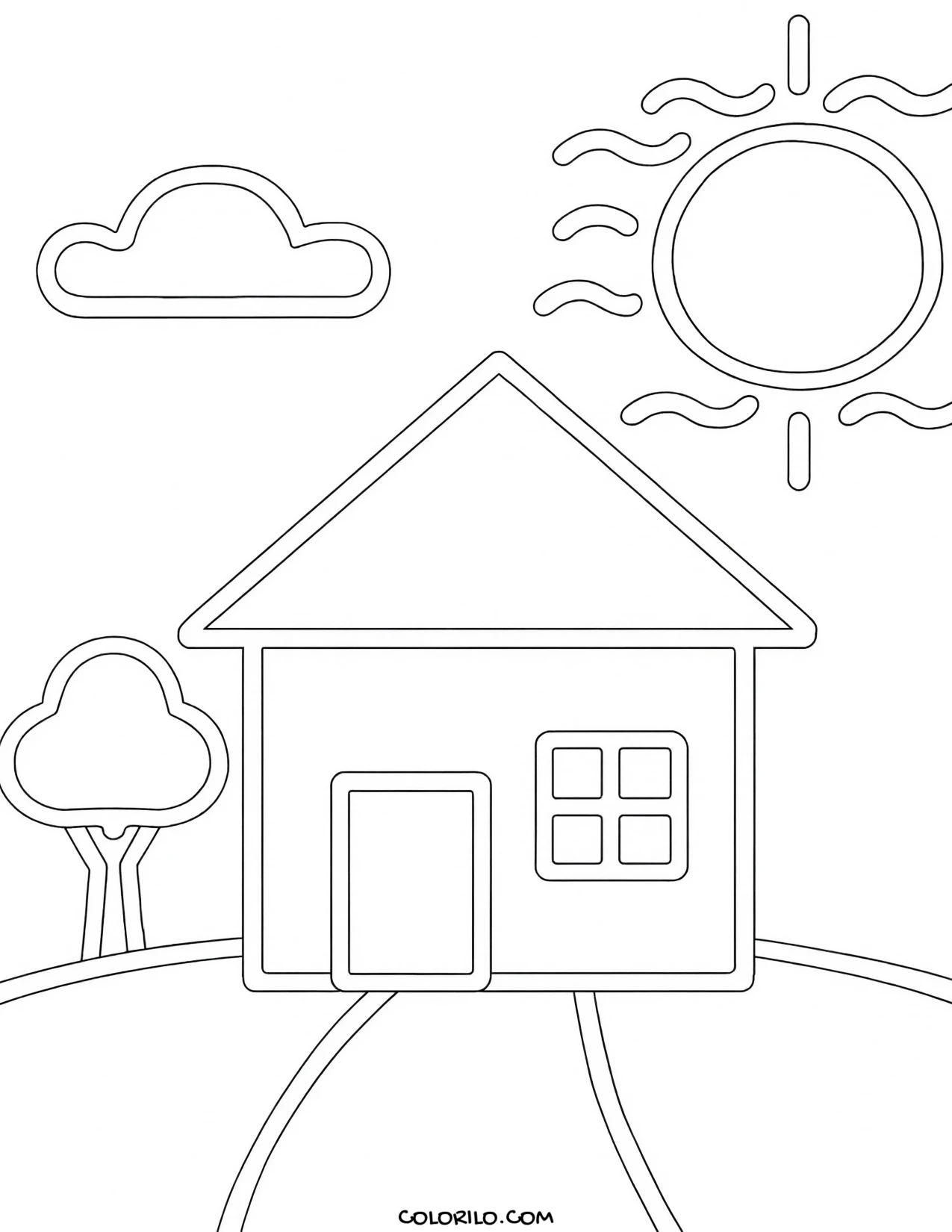
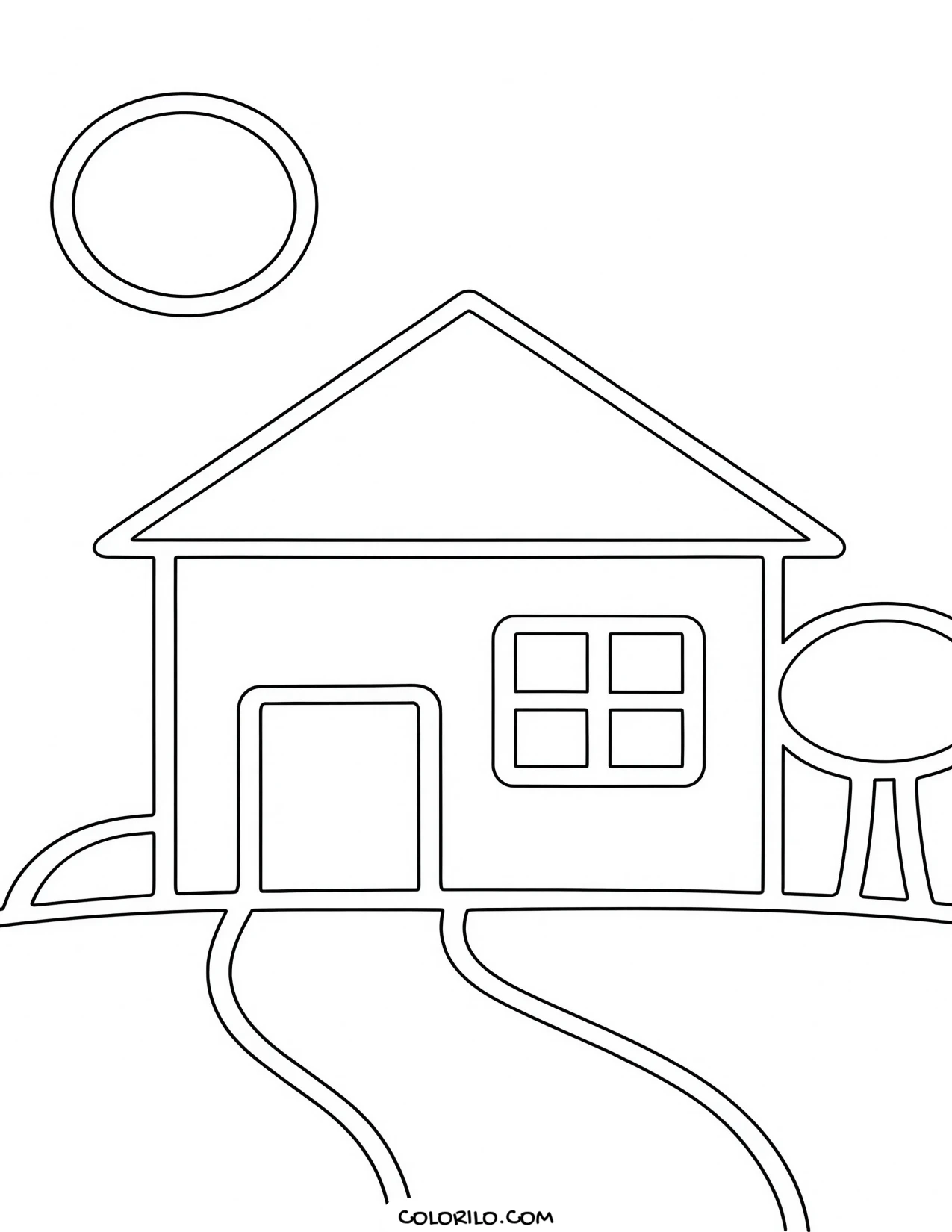
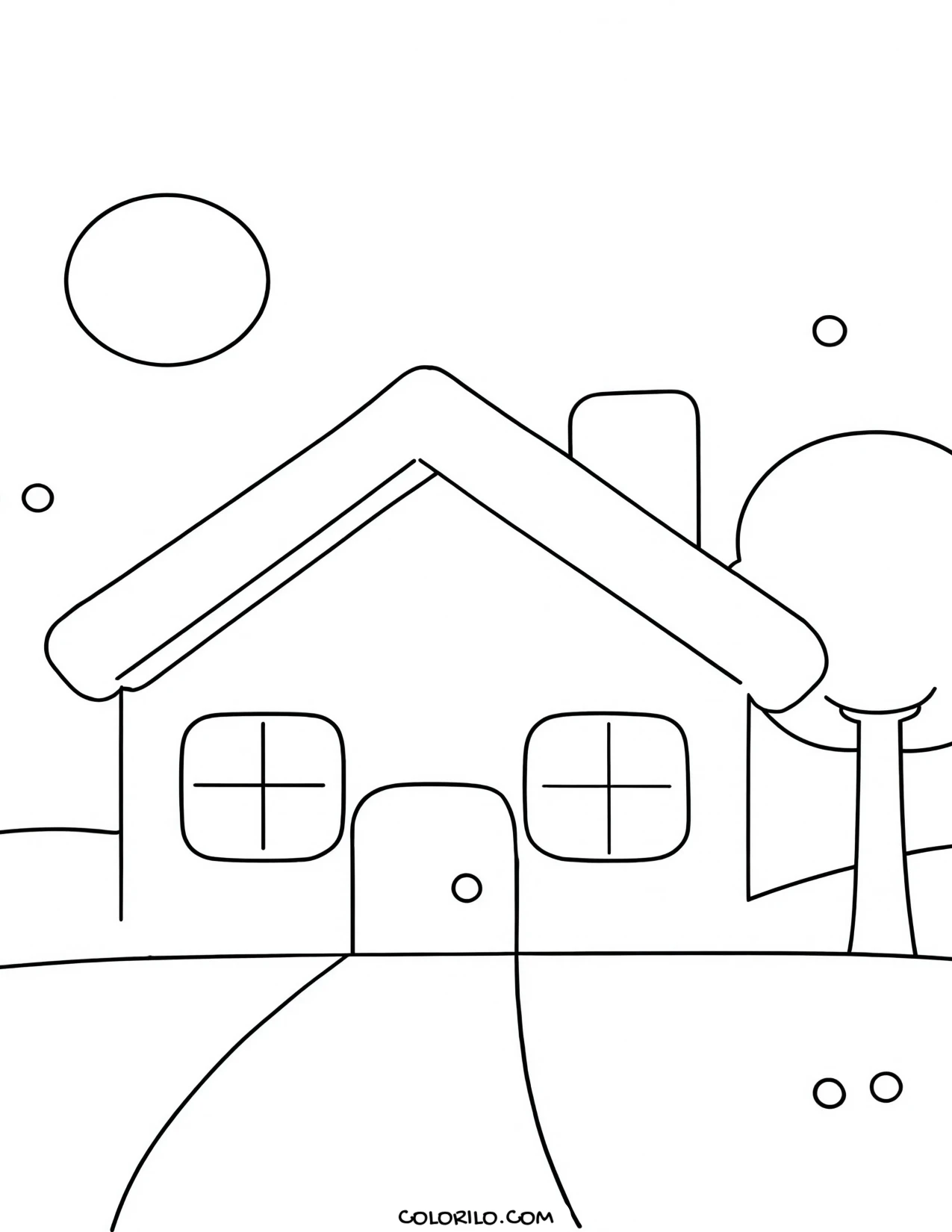
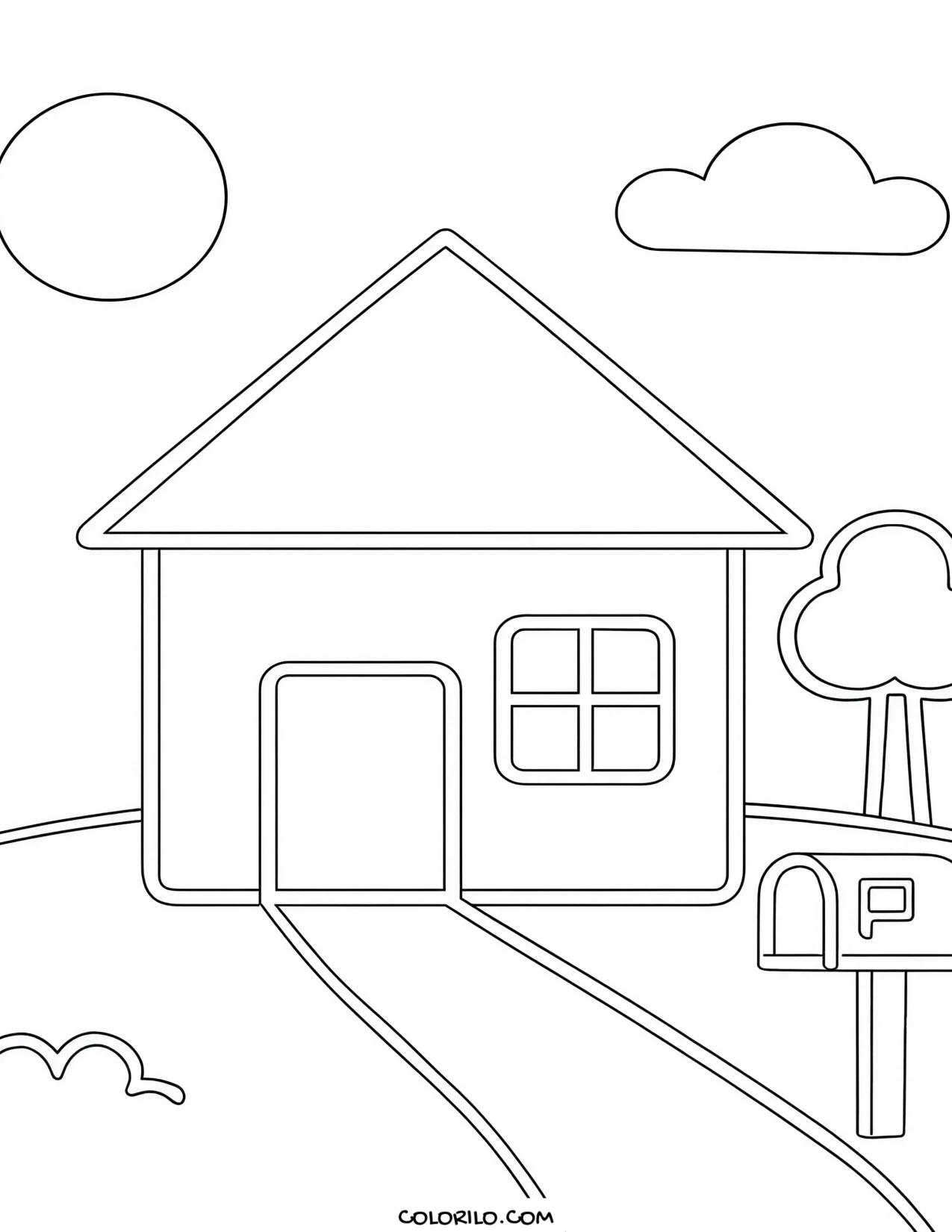
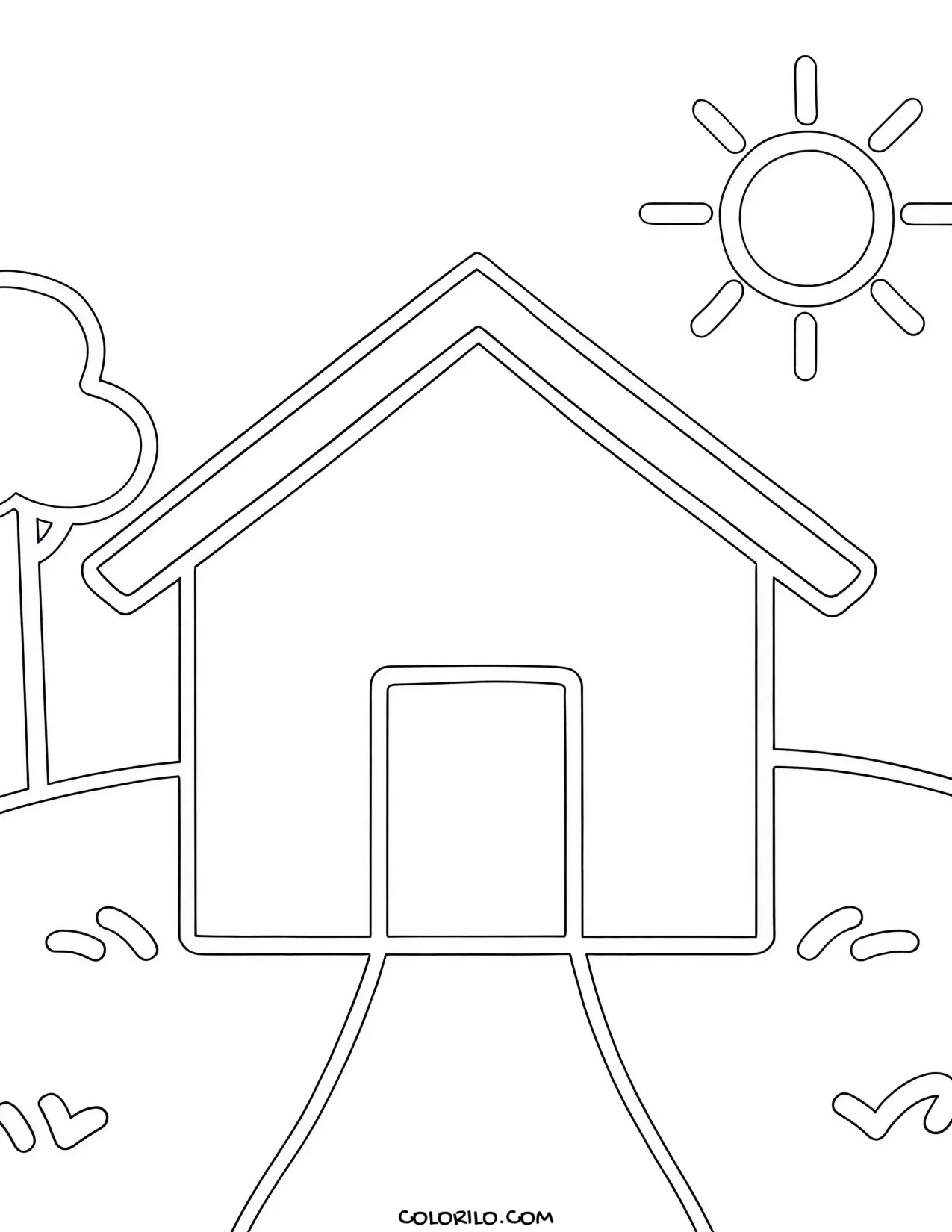
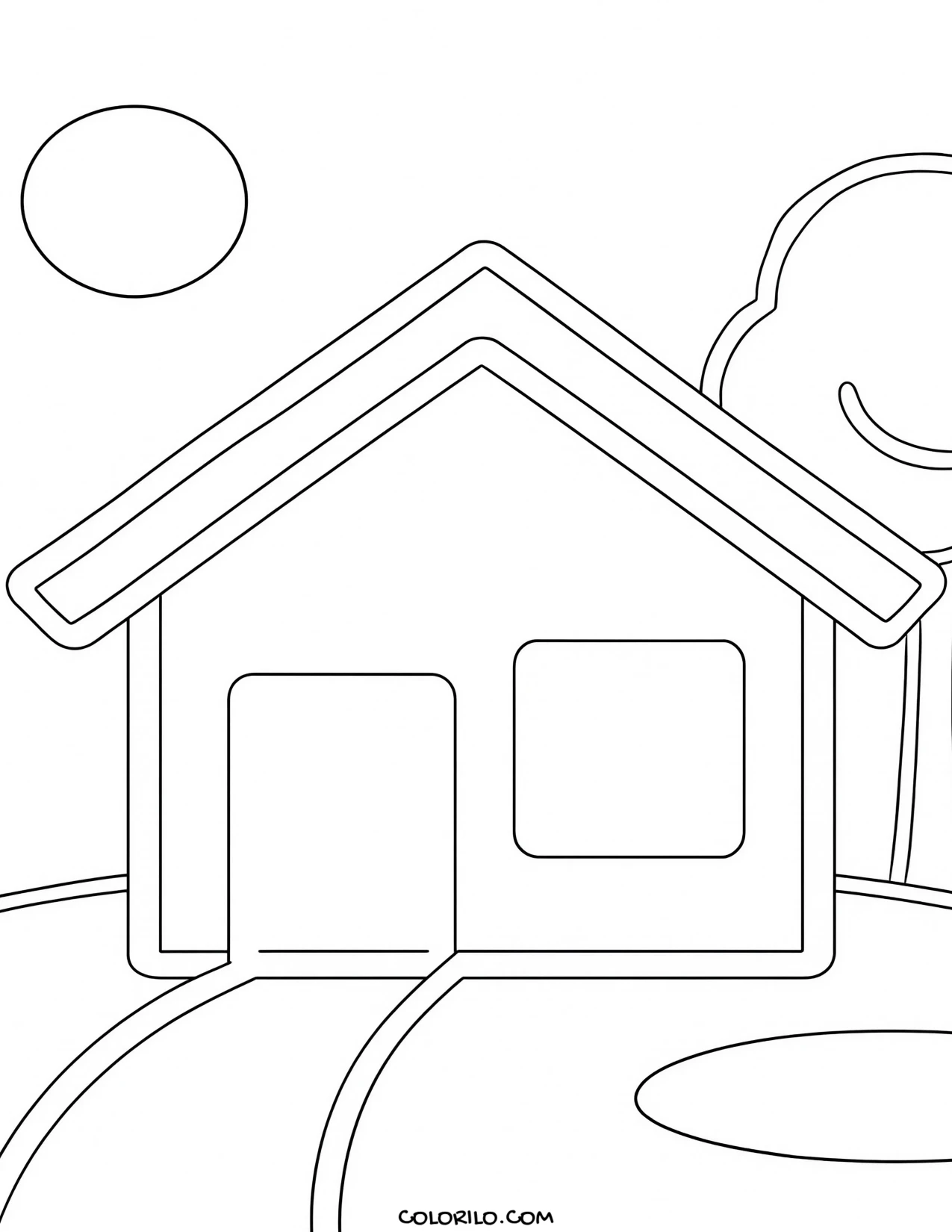
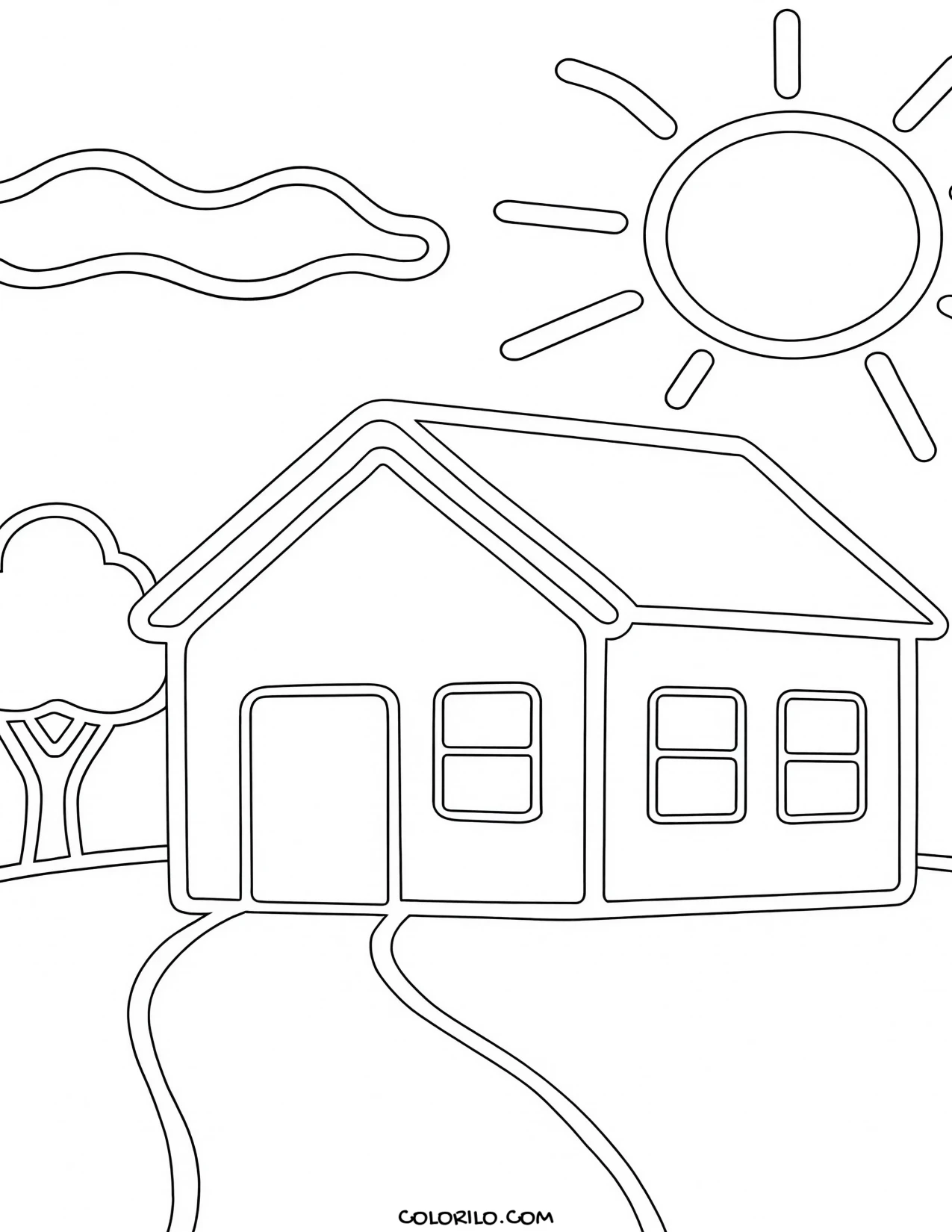
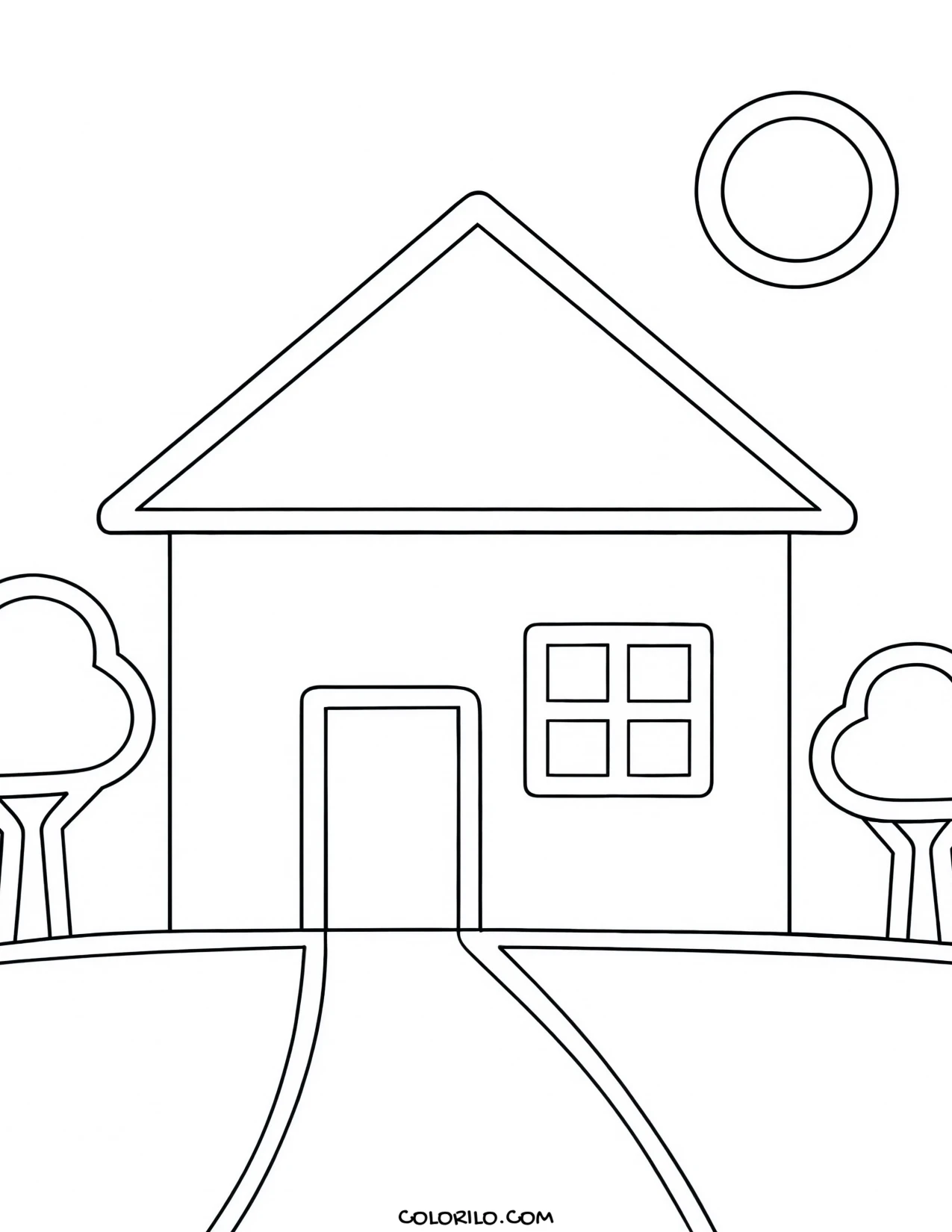
There are 74 free designs. Around twenty are that first house a child draws, kept deliberately simple with thick outlines and large open areas, each with something small to find, a bird on the roof, a swing in the tree, washing on the line, a pond, a mailbox, a winding path.
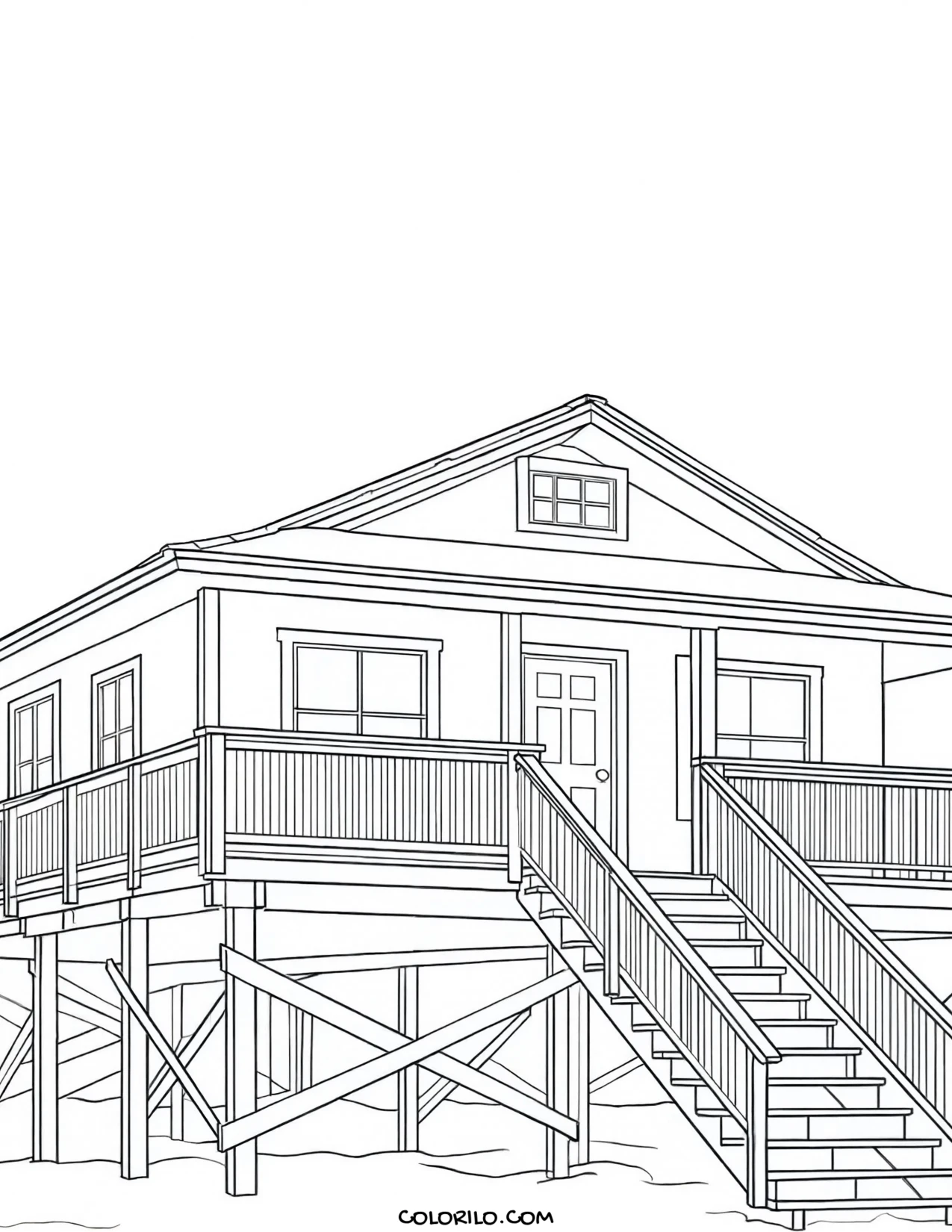
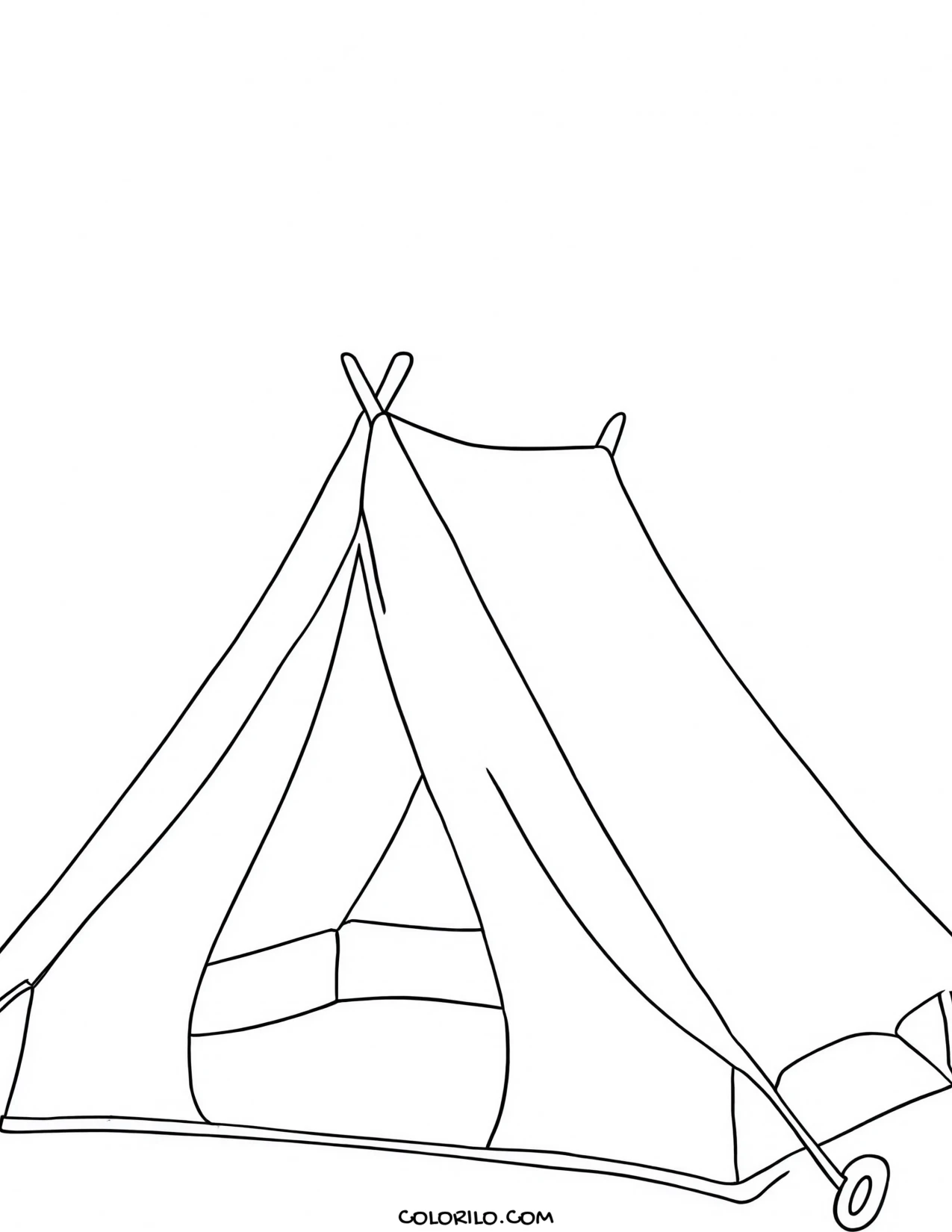
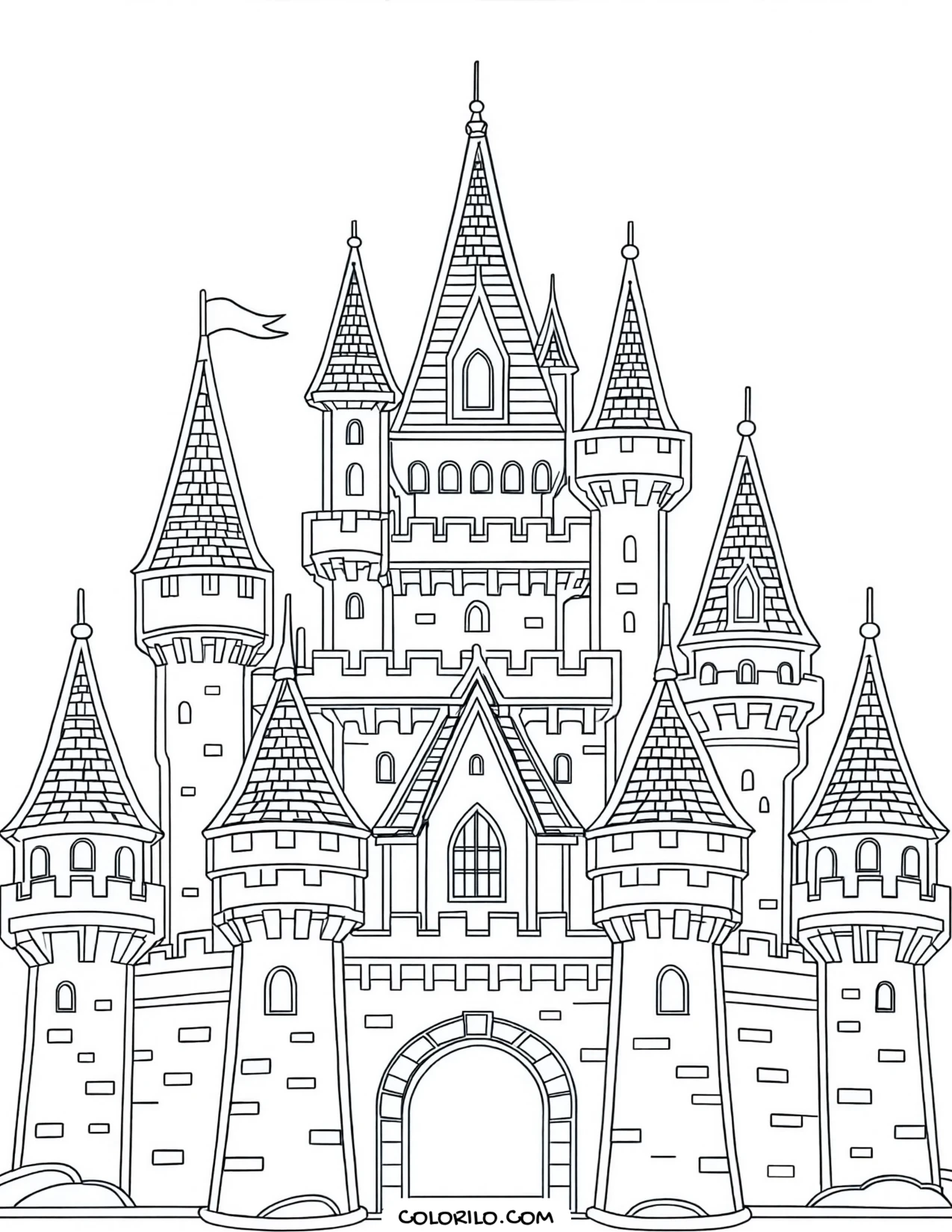
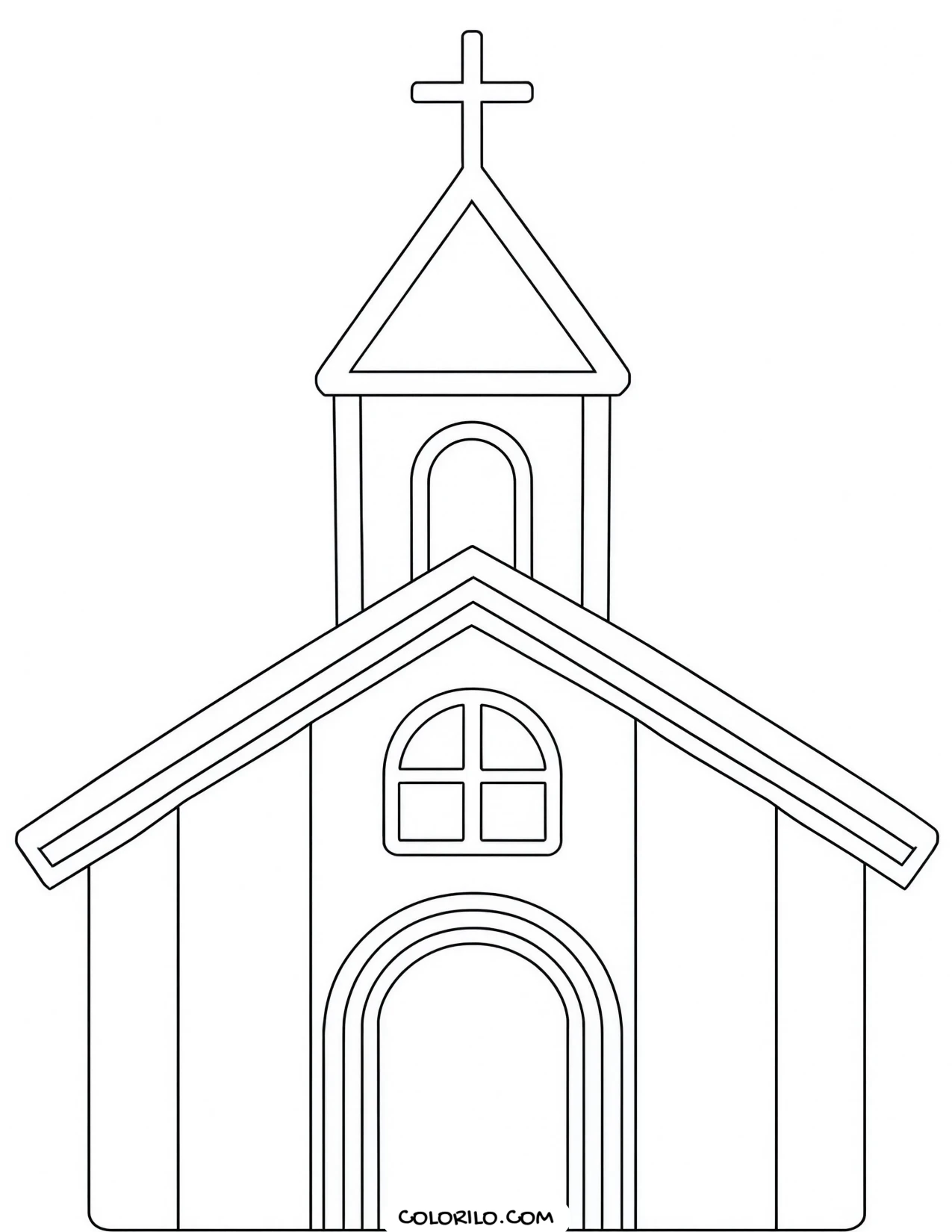
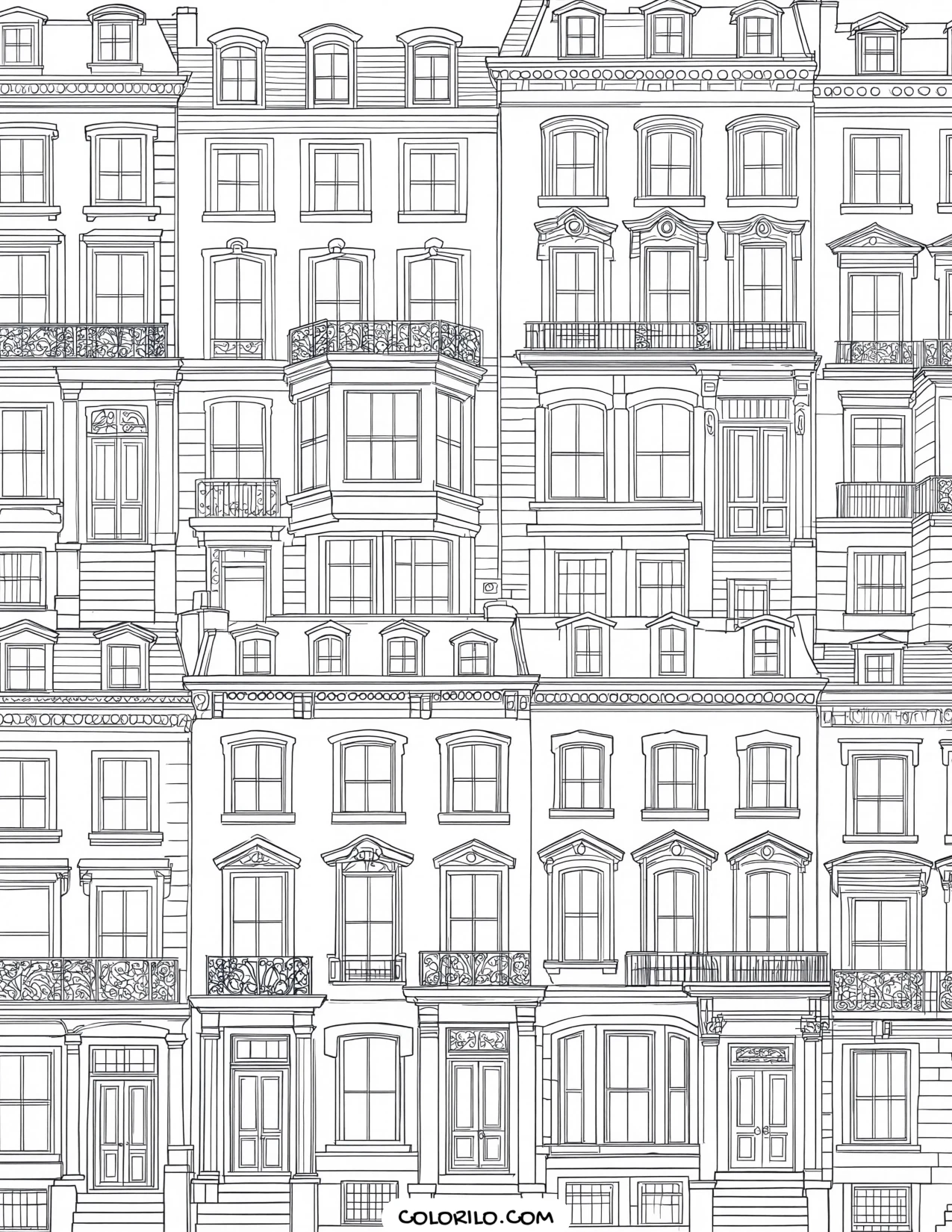
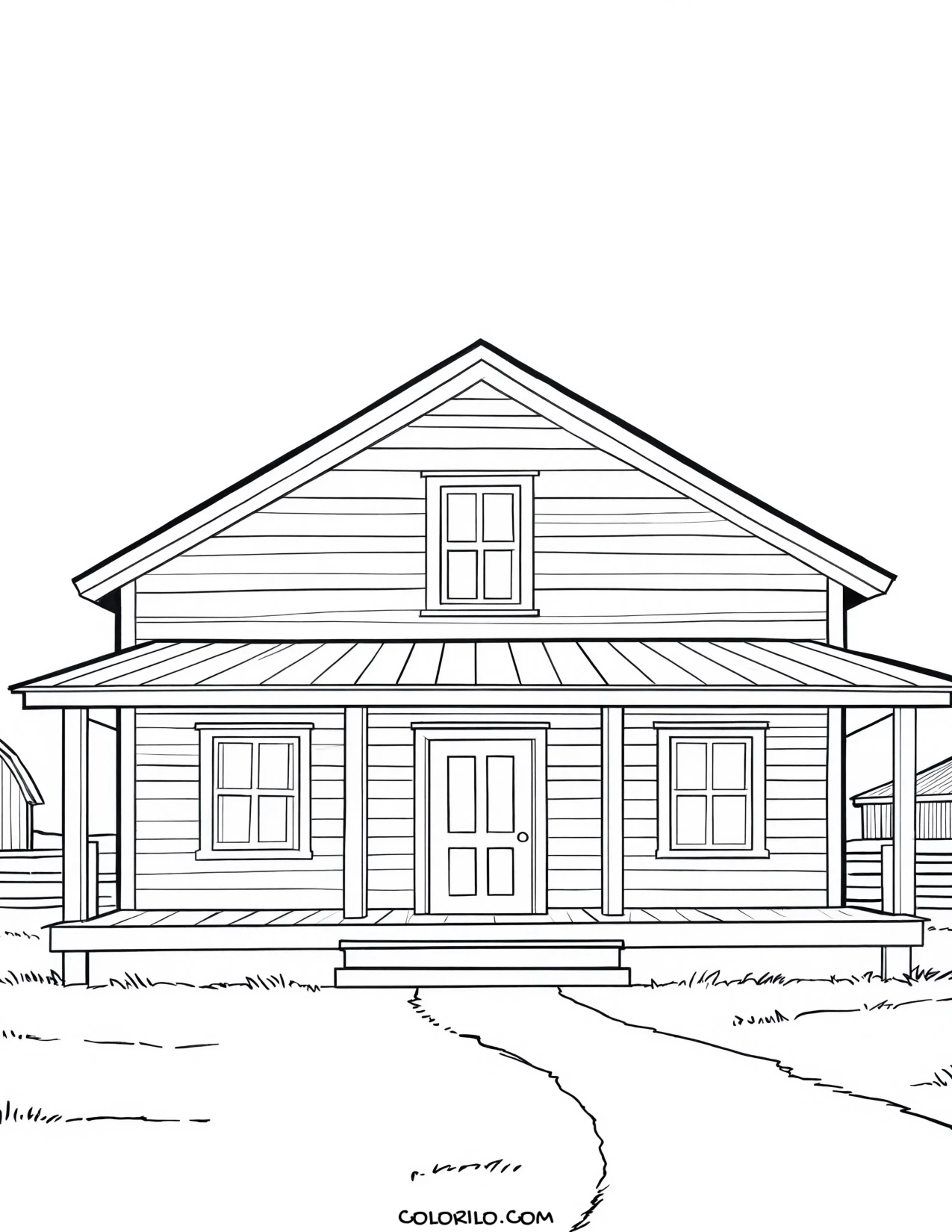
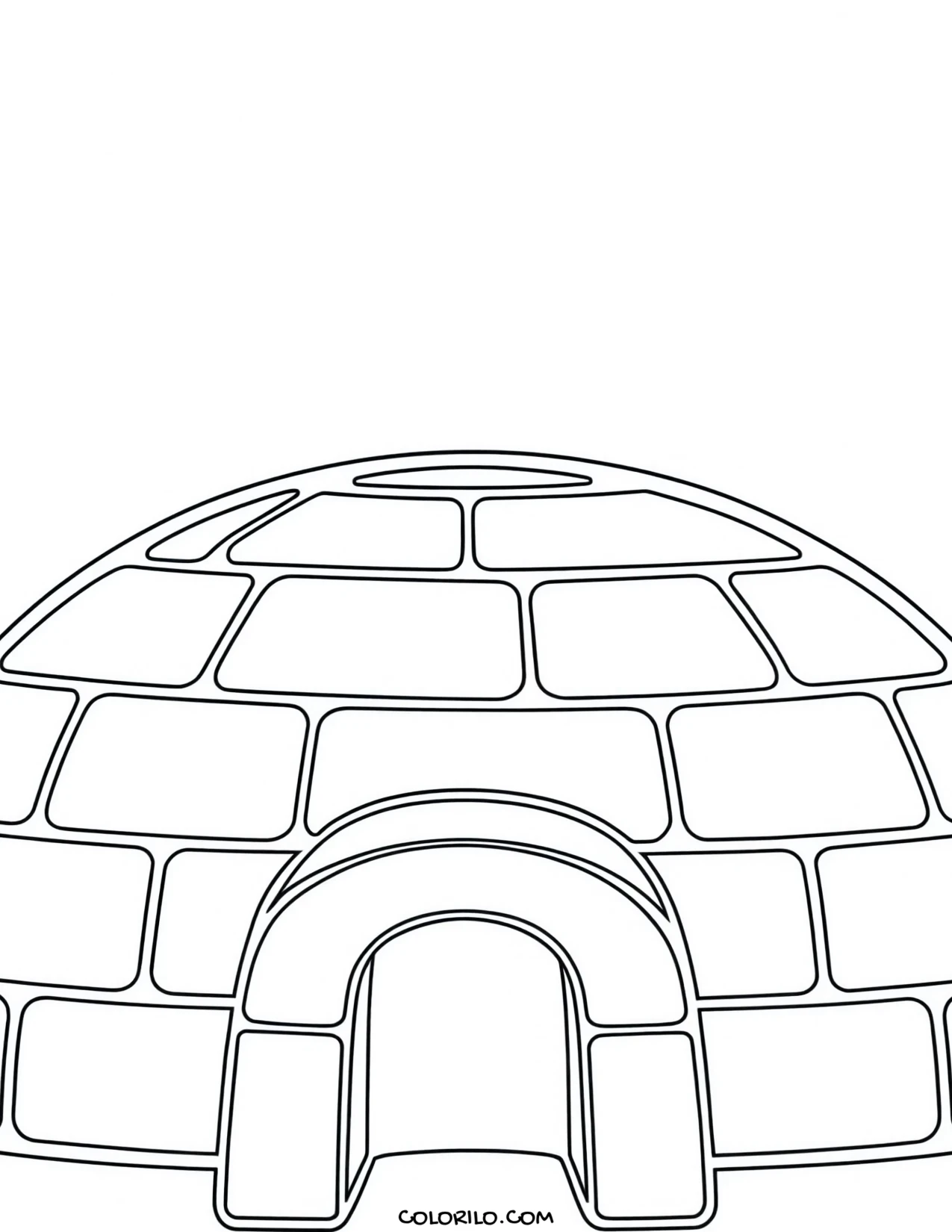
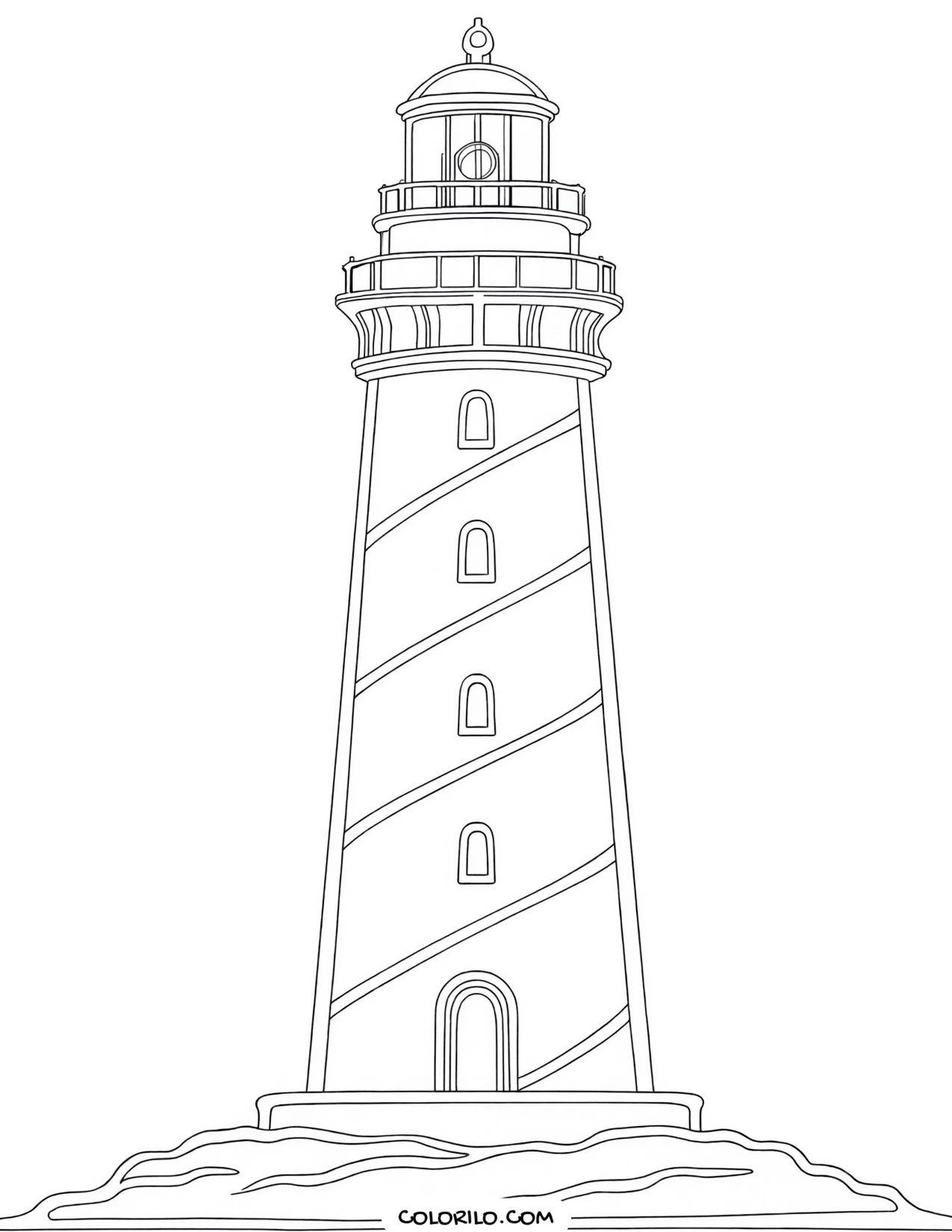
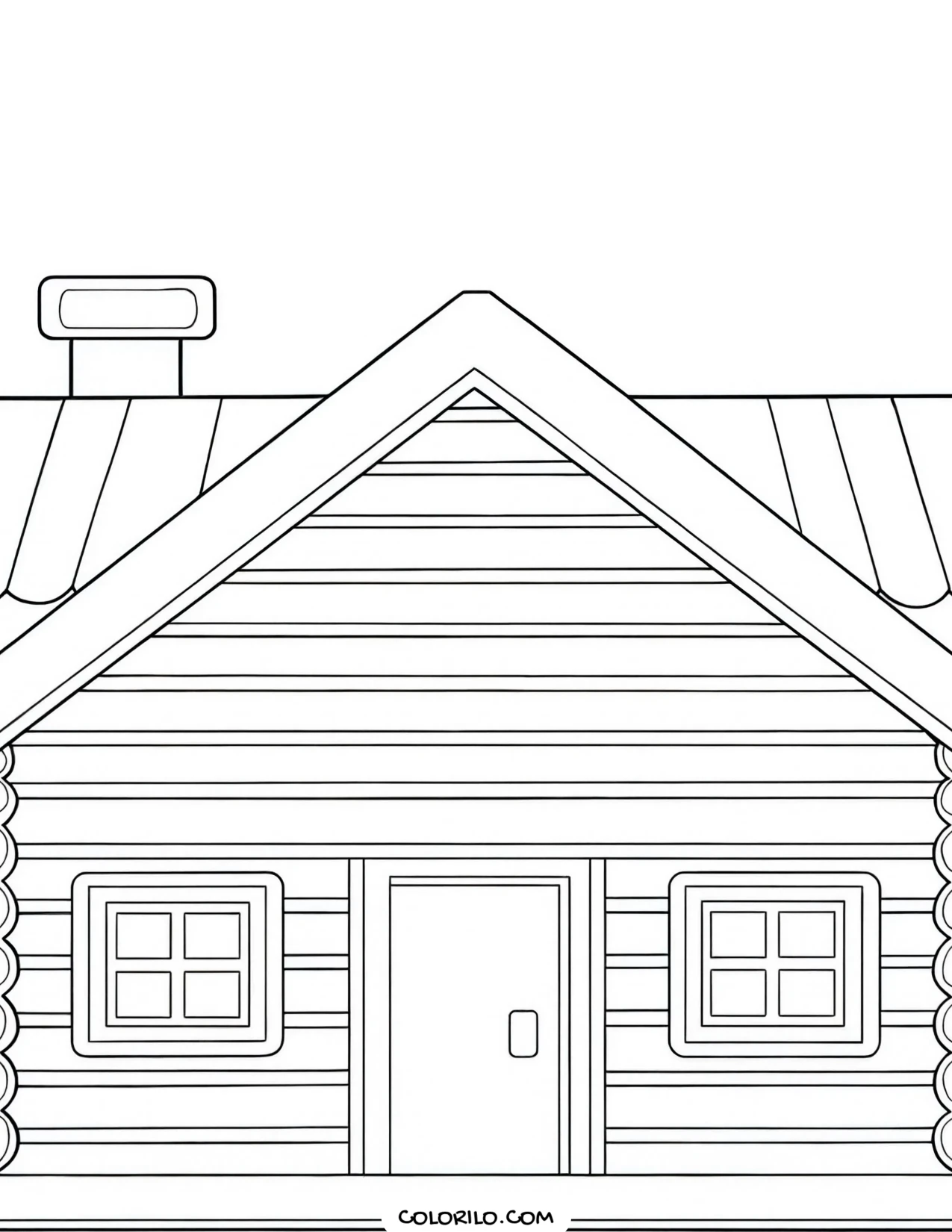
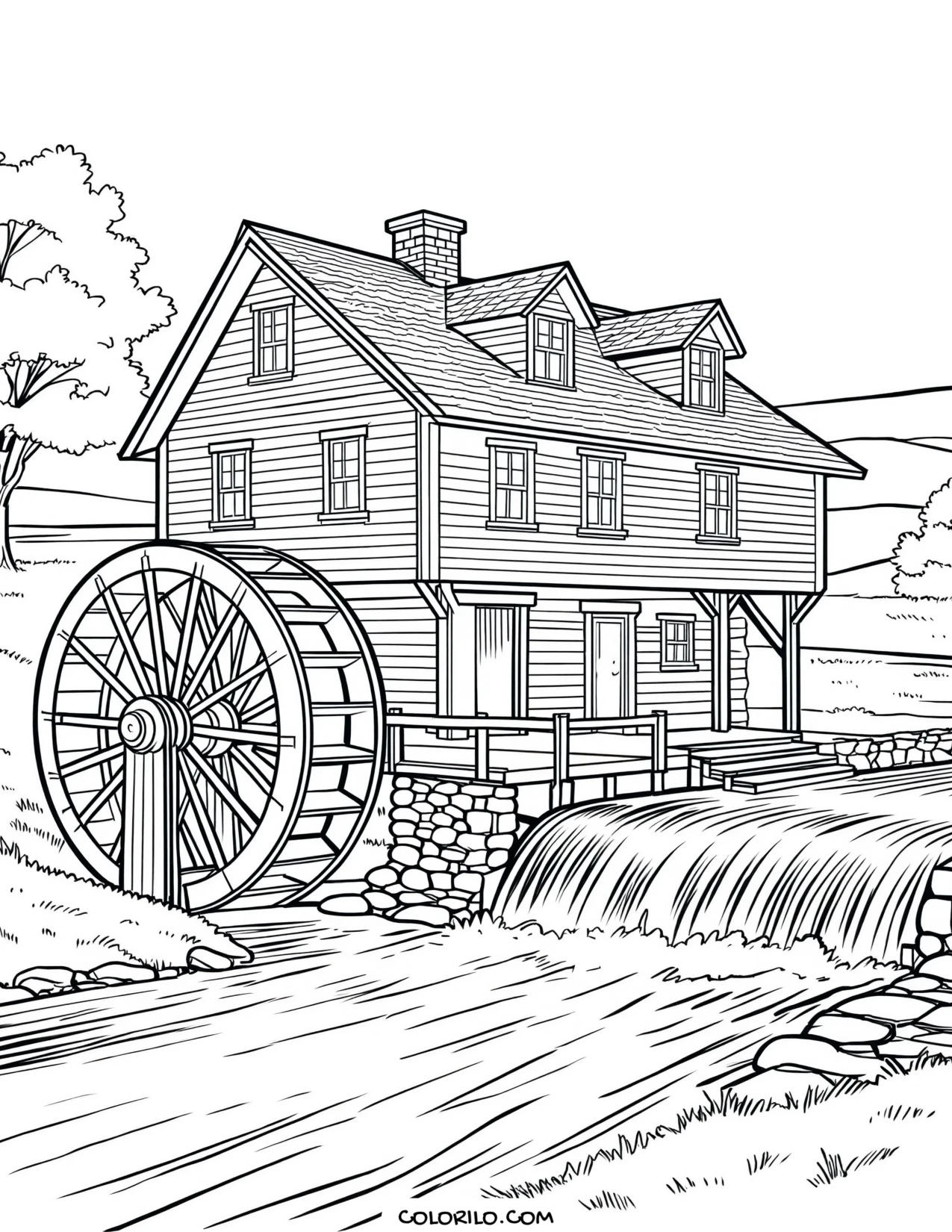
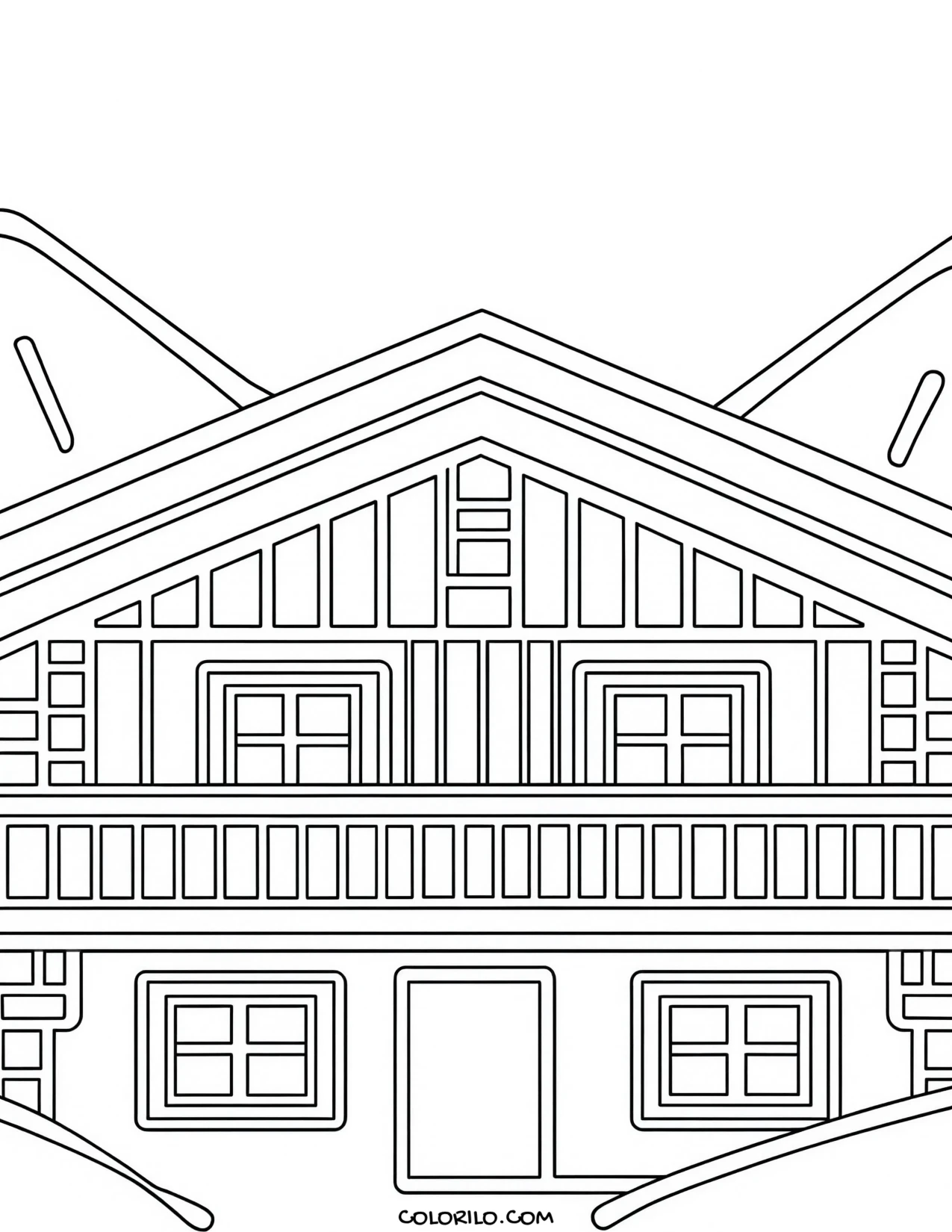
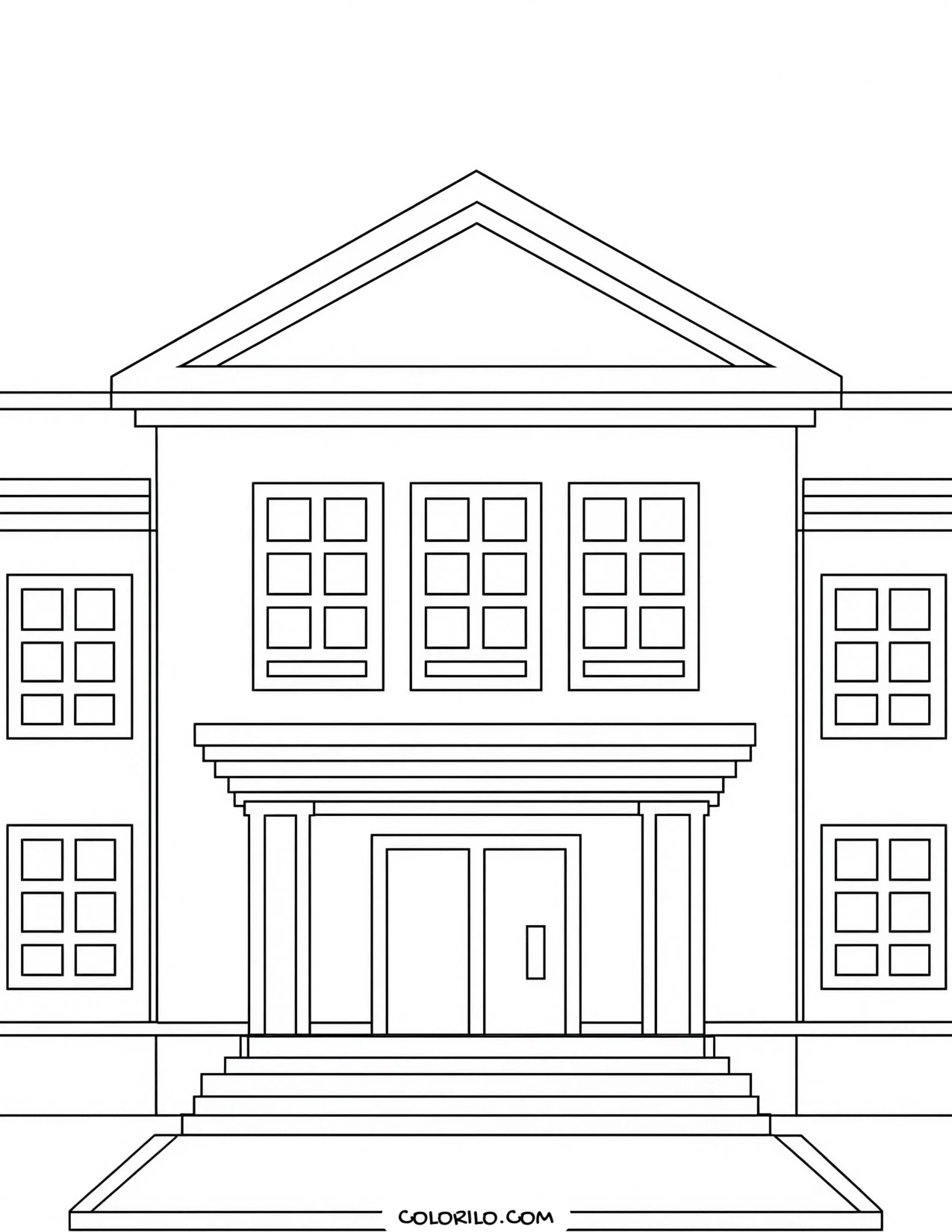
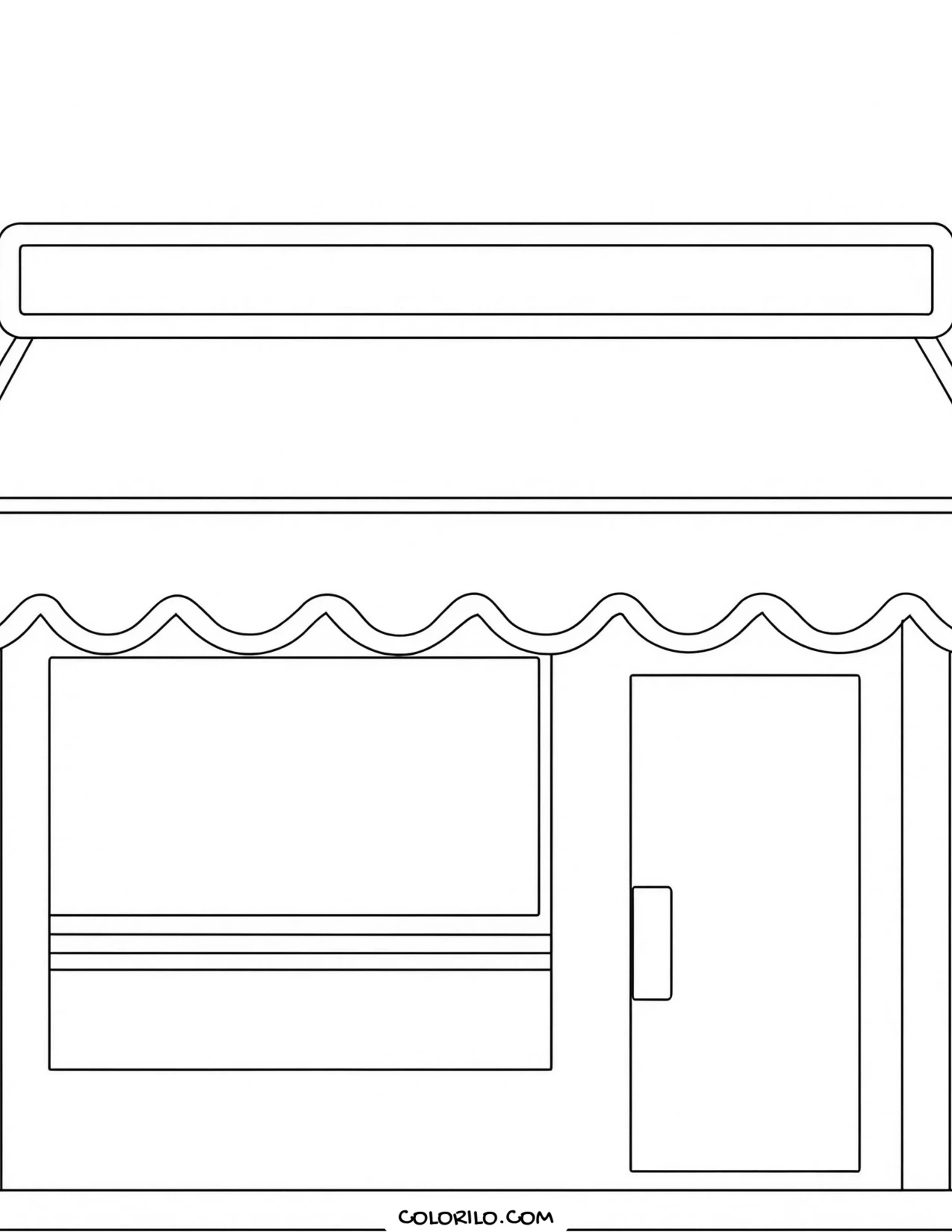
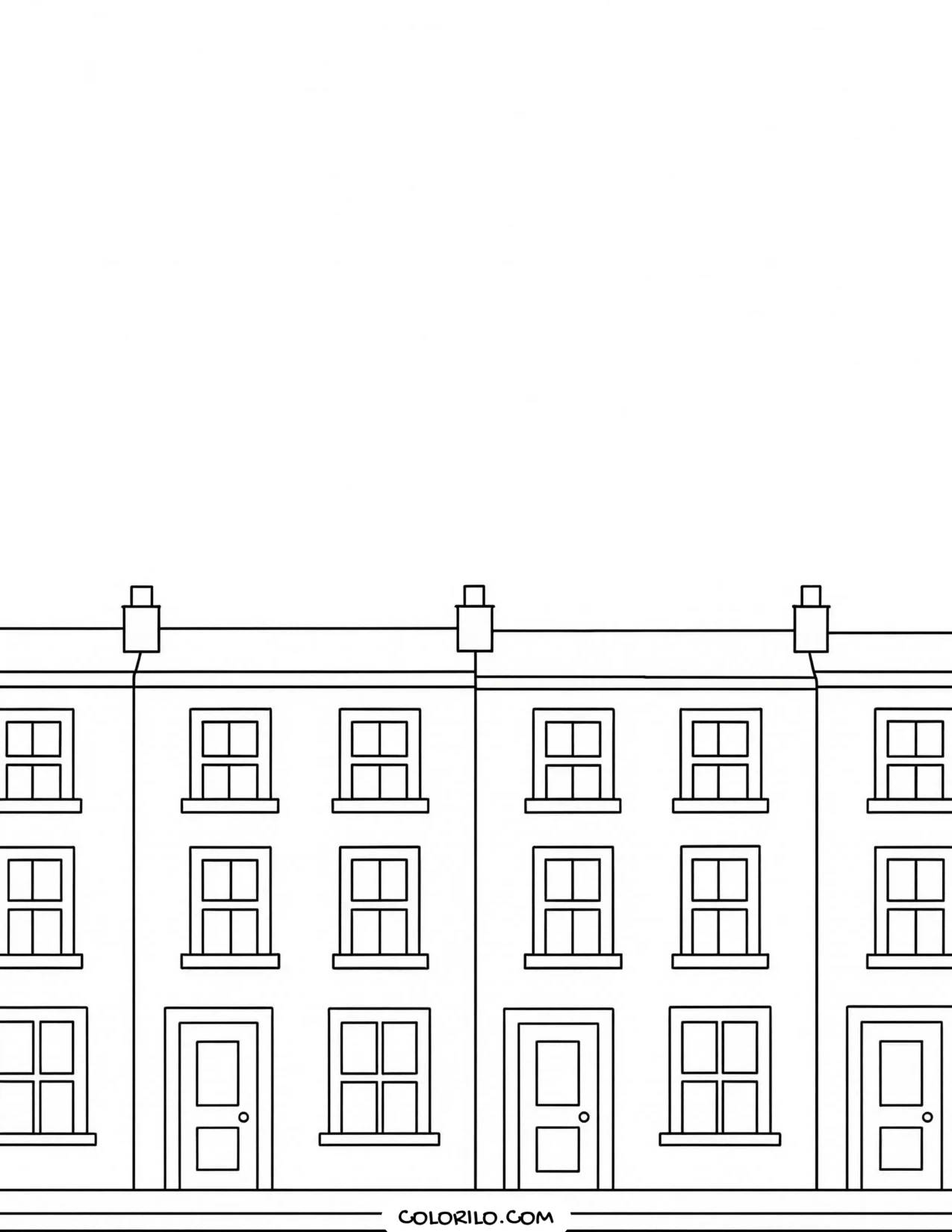
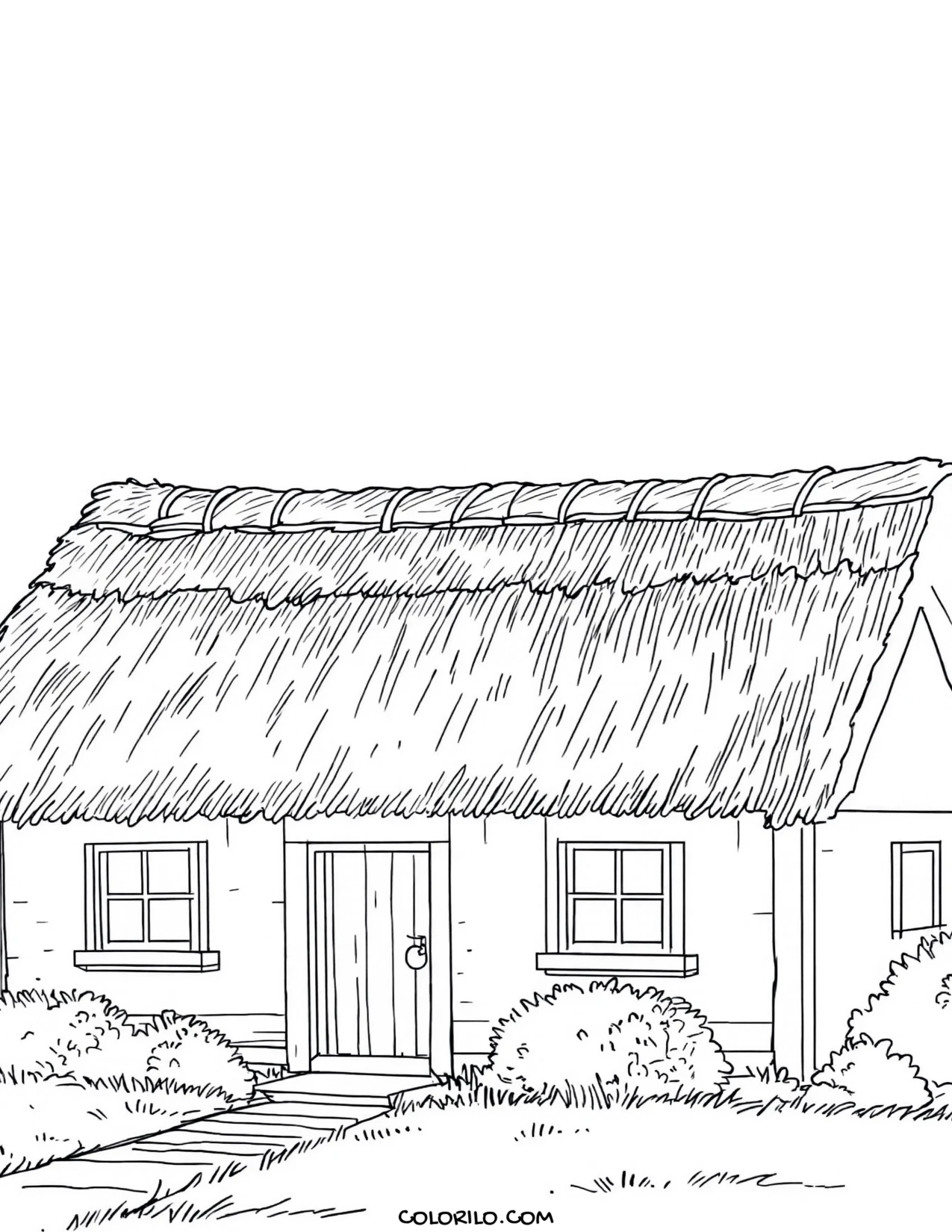
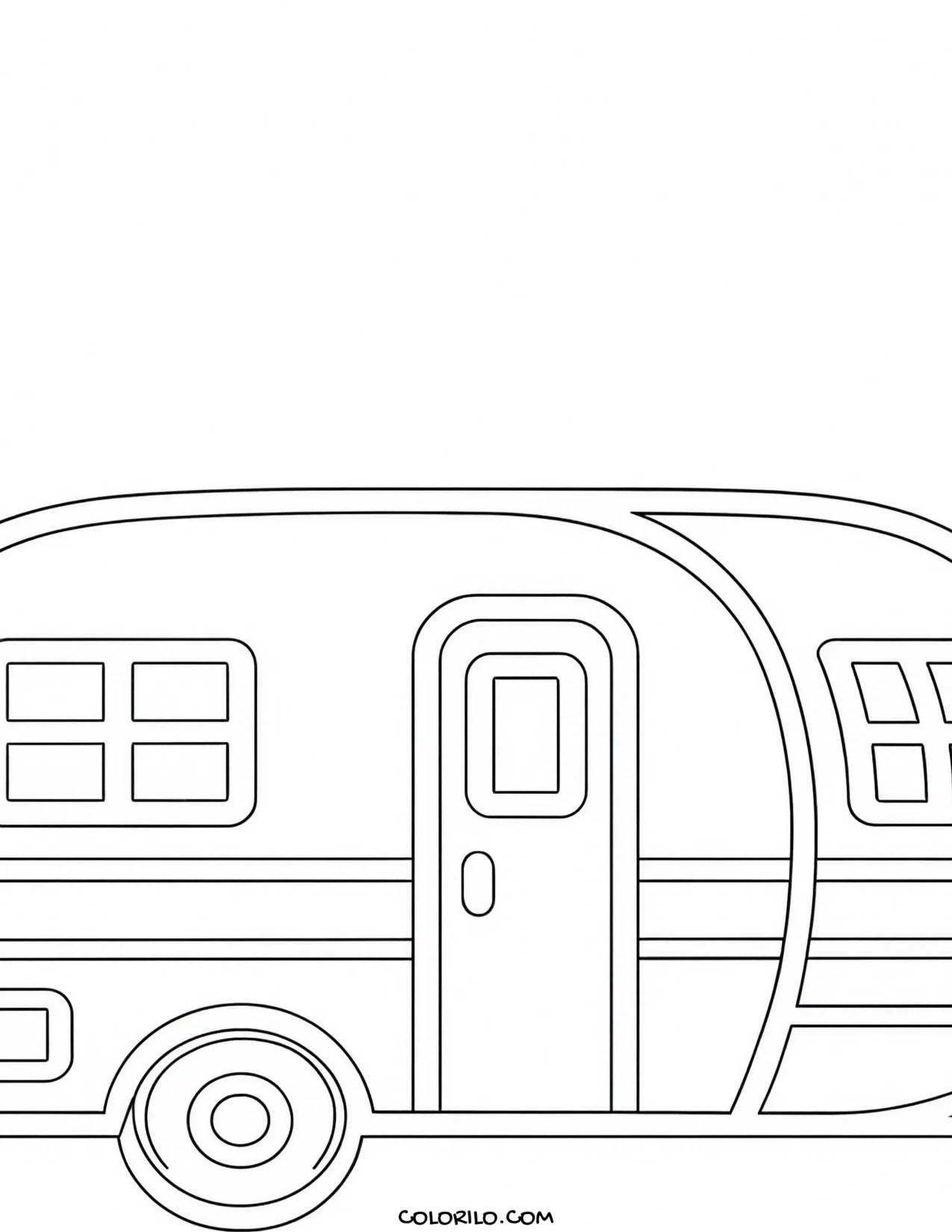
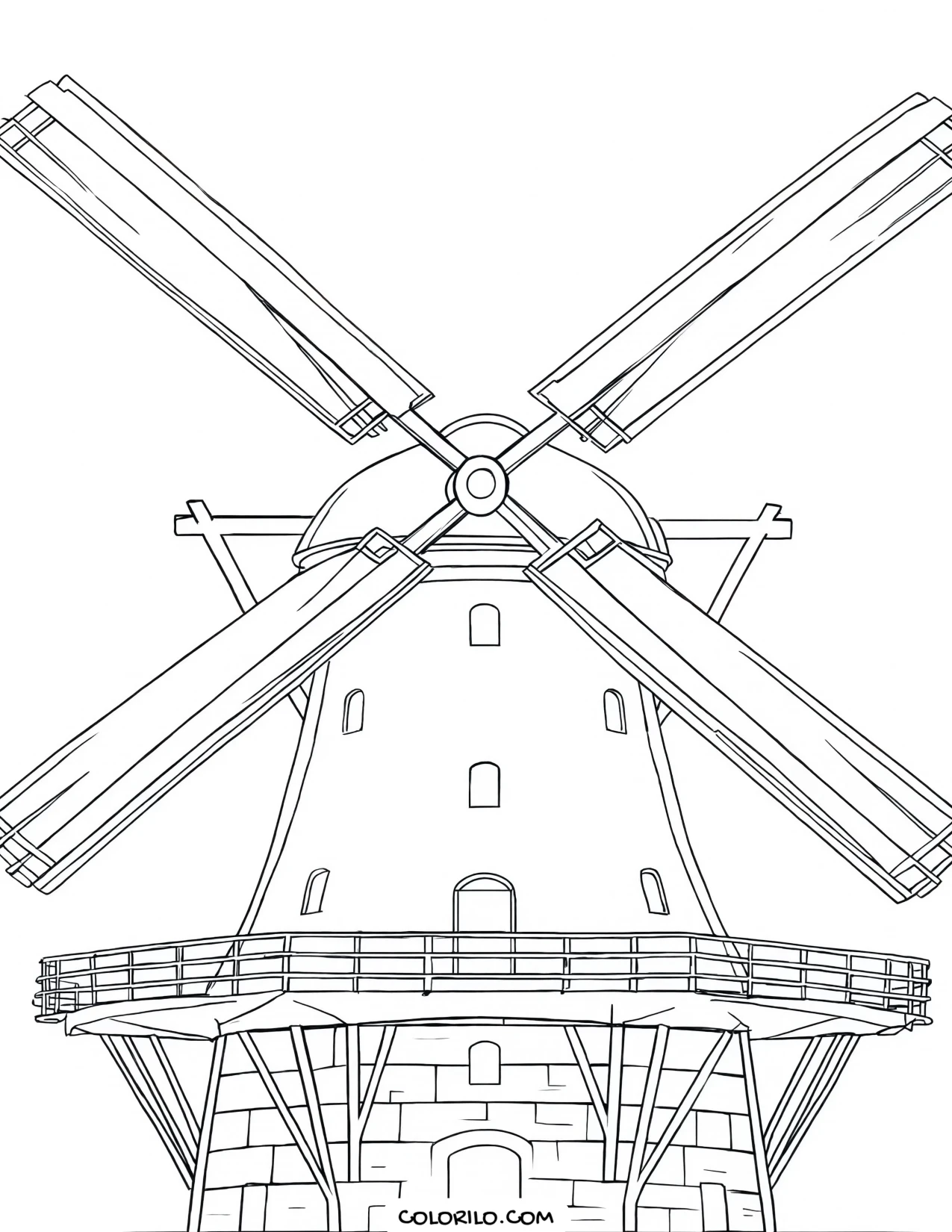
Twenty-two more are real buildings, and they cover a lot of ground: a thatched cottage, a Tudor house with black beams, a row of terraced houses, European townhouses, a lighthouse, a windmill, a watermill, a barn, a castle, a church, a school, a shop front, a log cabin, a mountain chalet, a beach house on stilts, a houseboat, a caravan, a tent and an igloo.
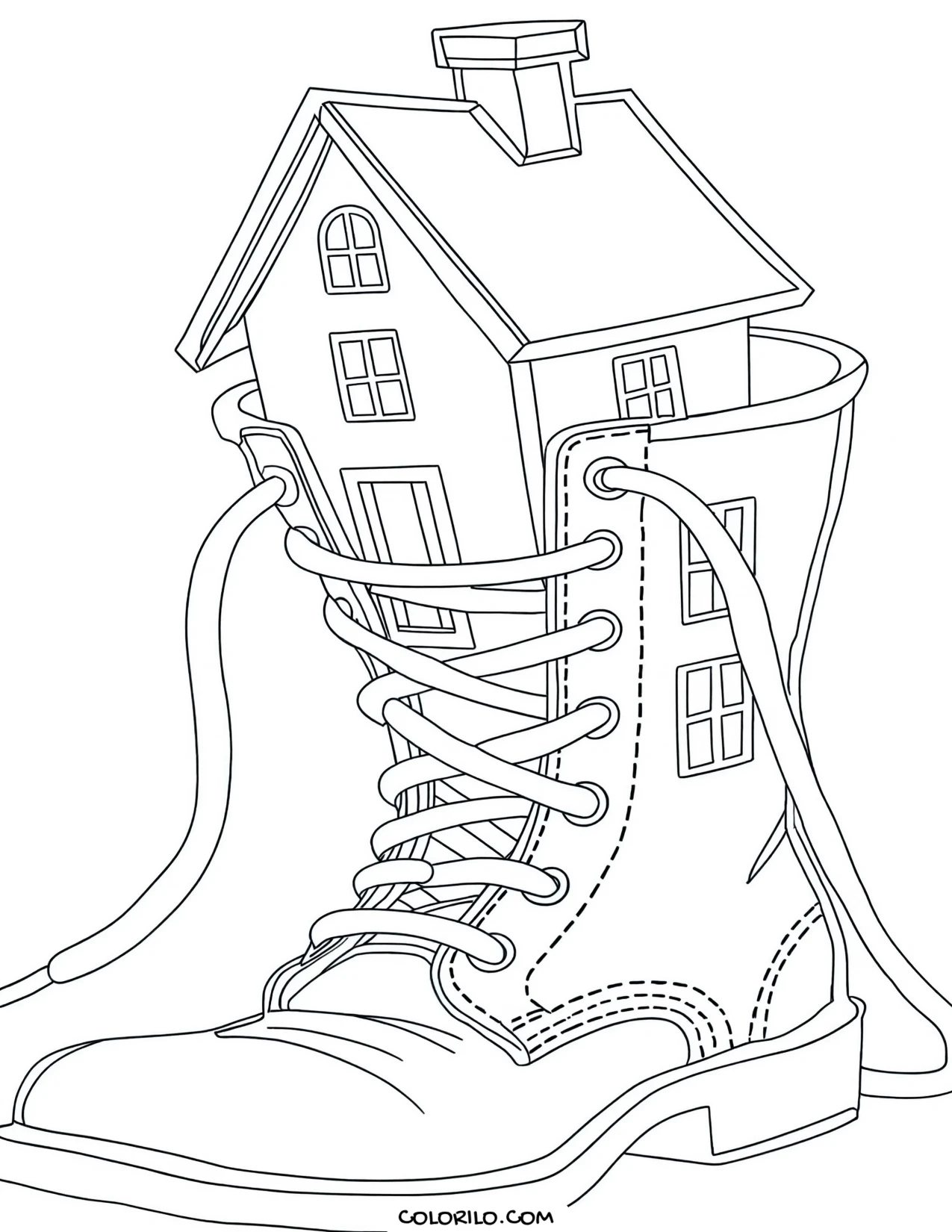
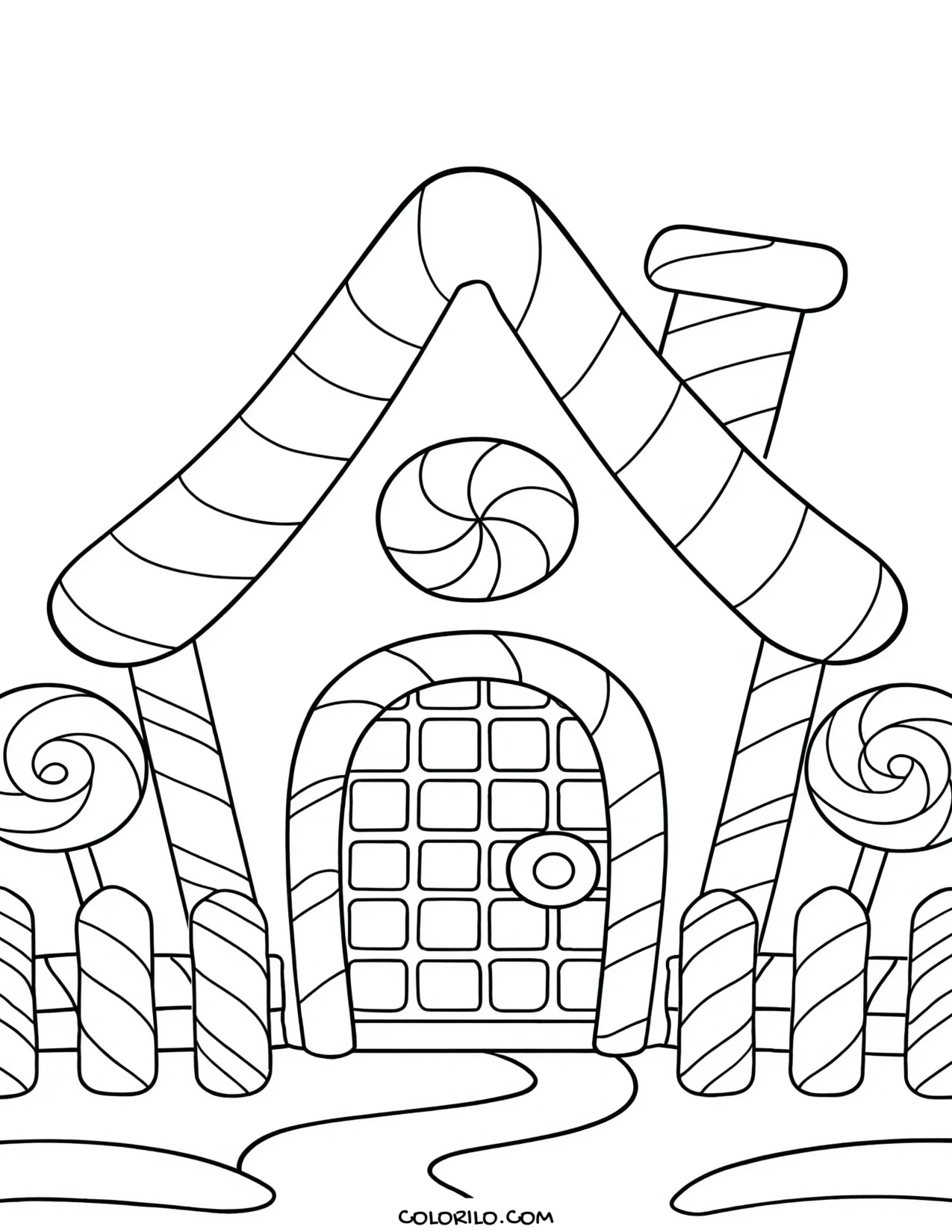
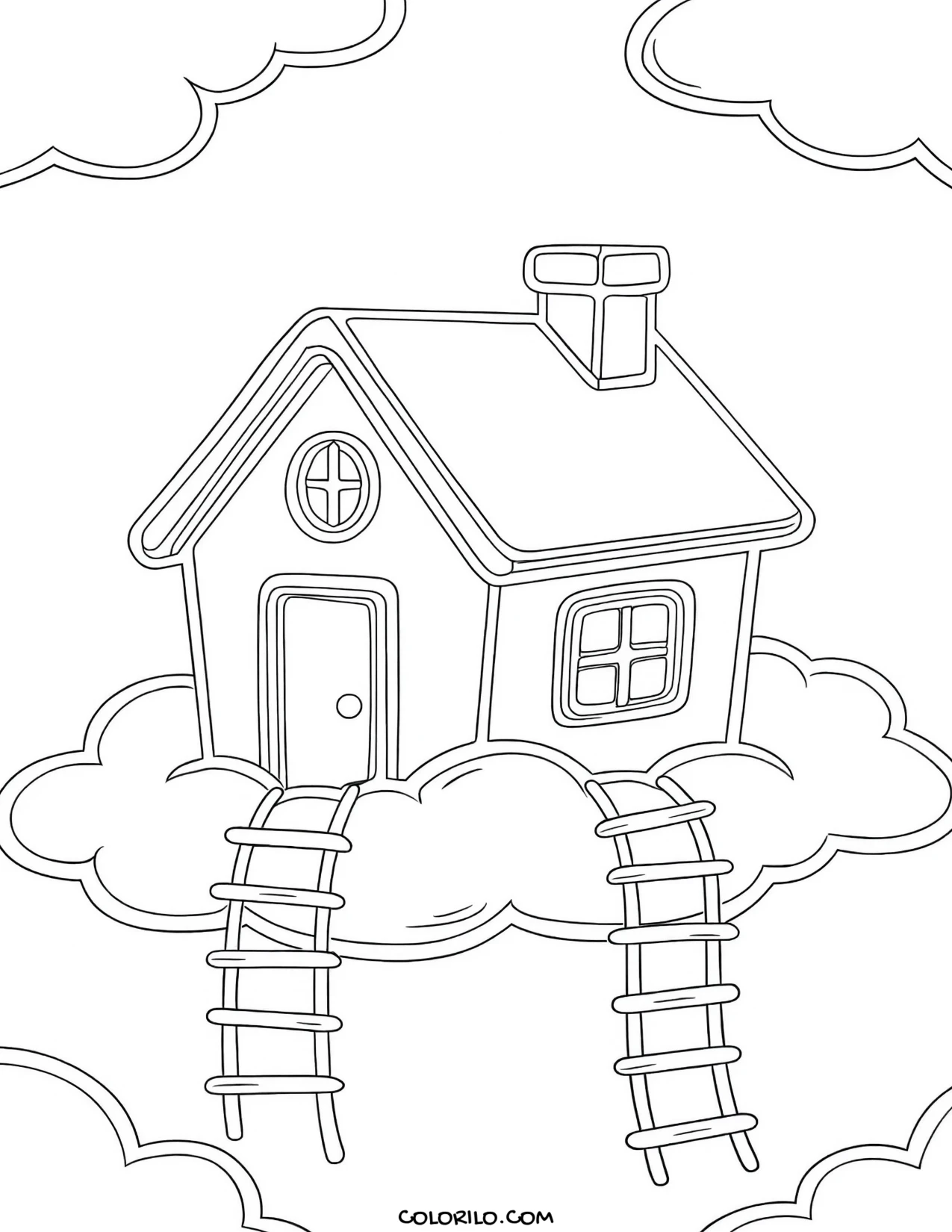
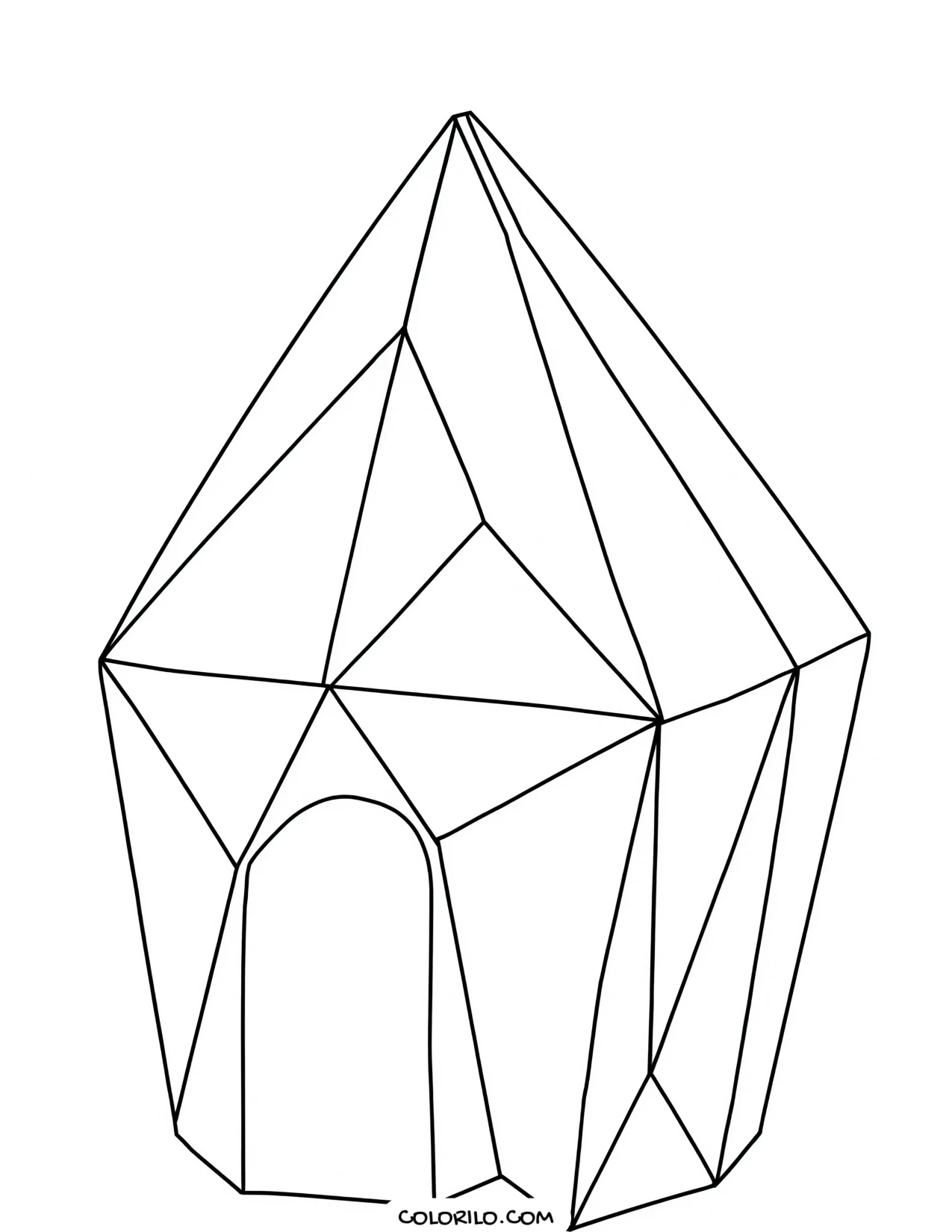
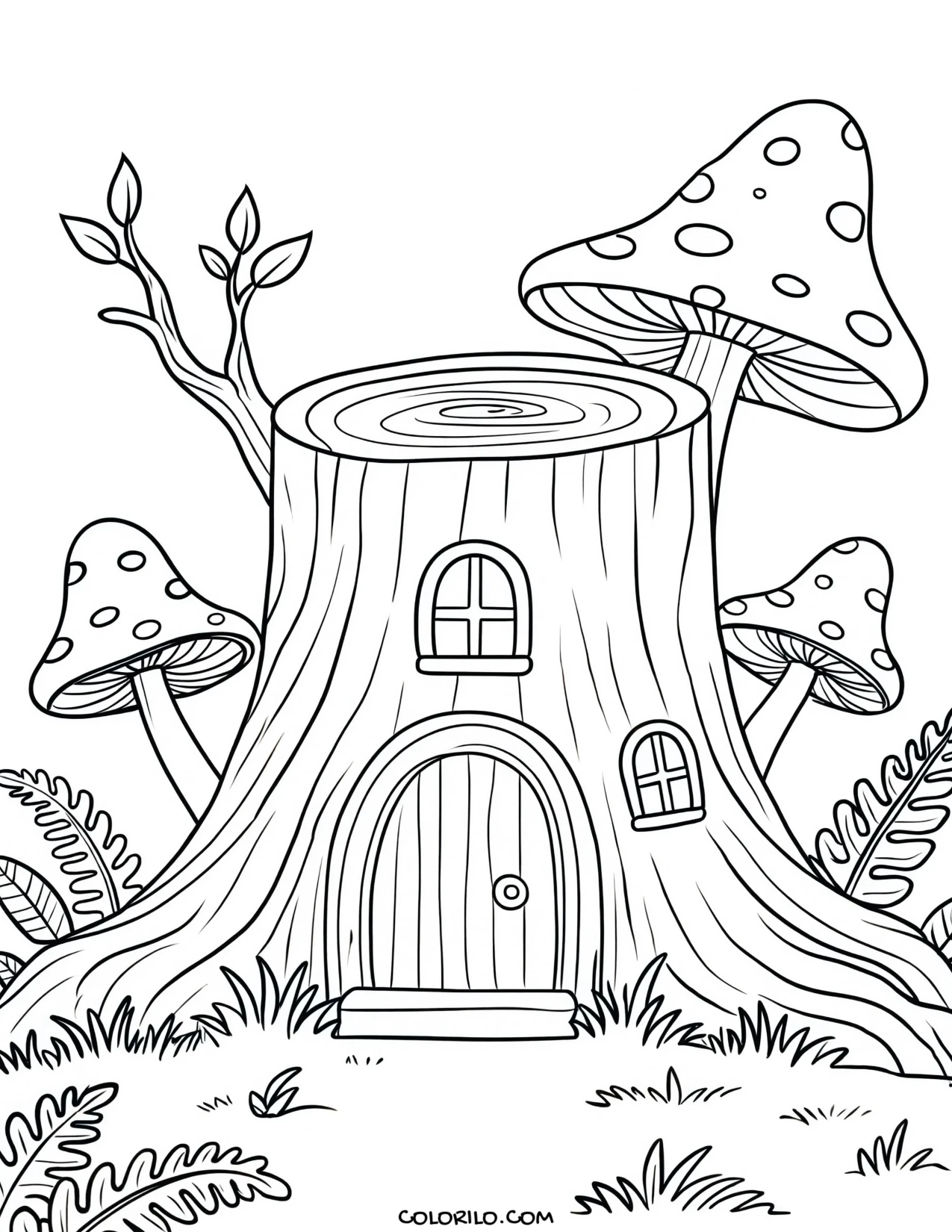
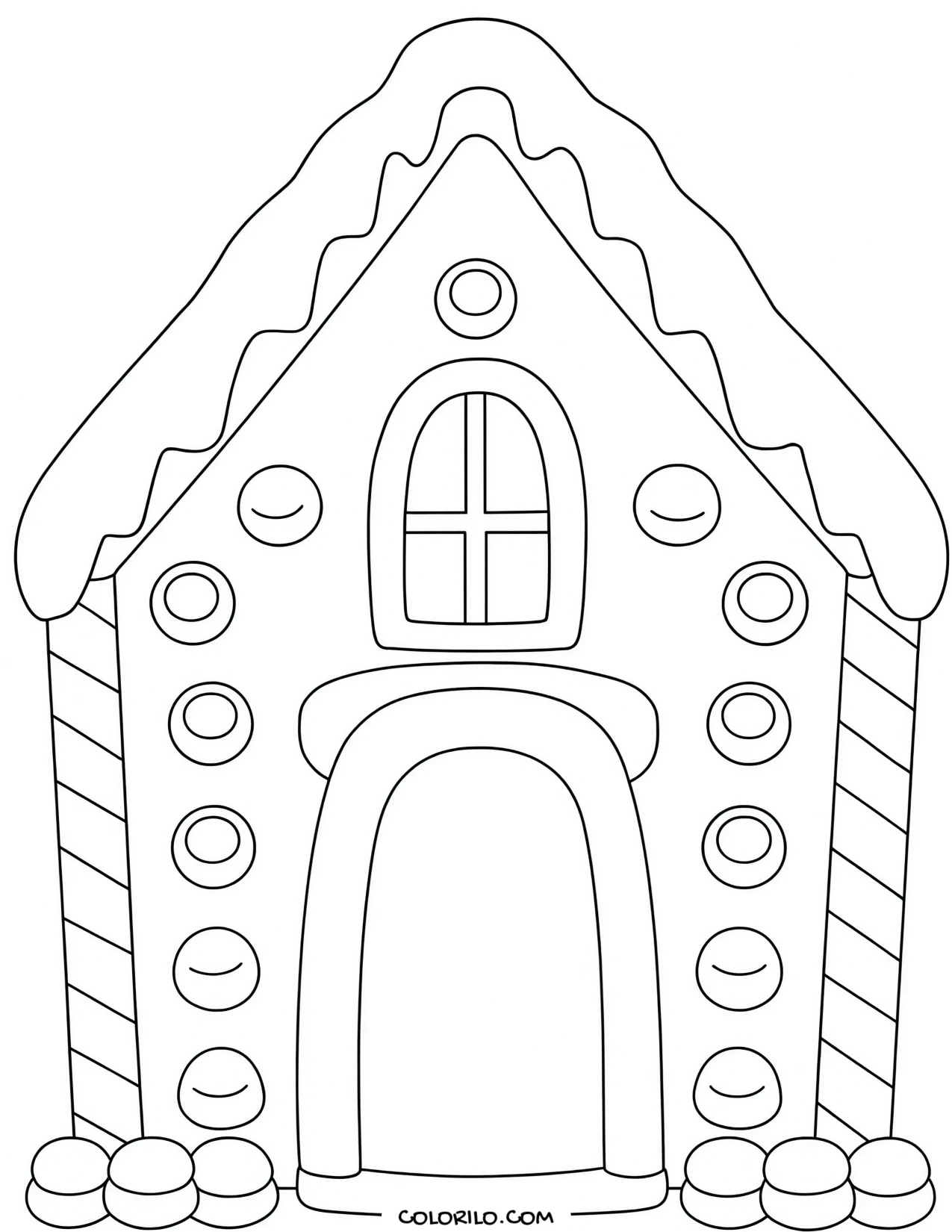
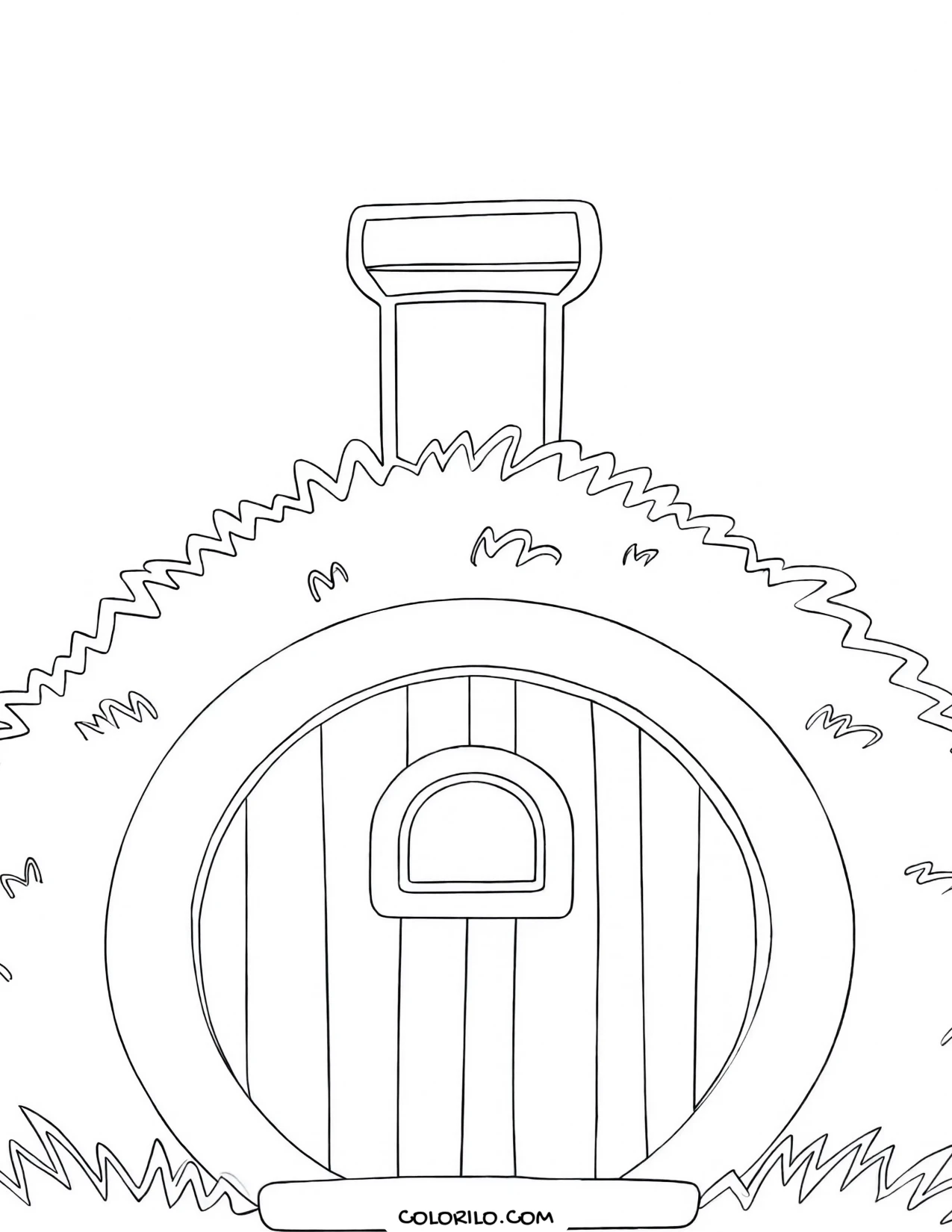
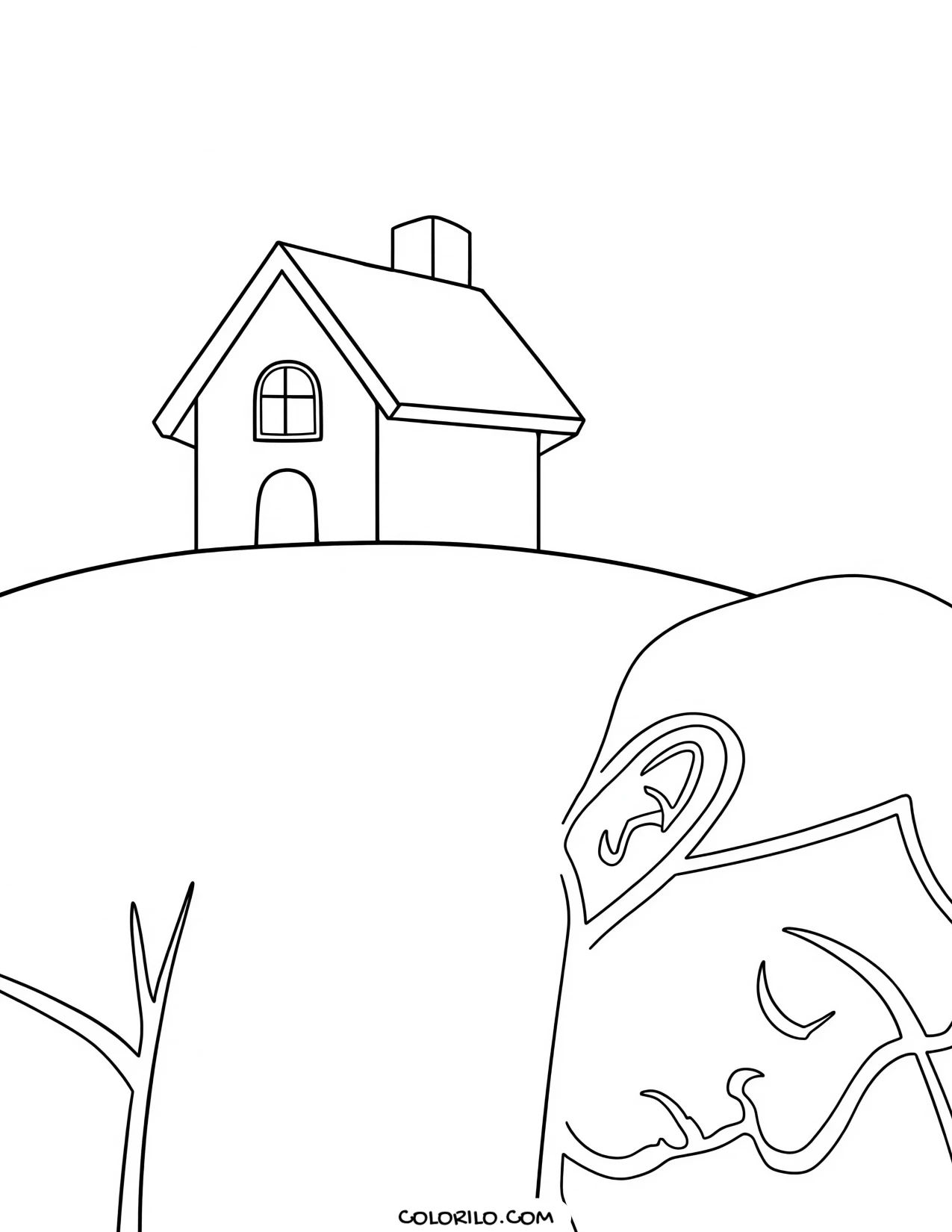
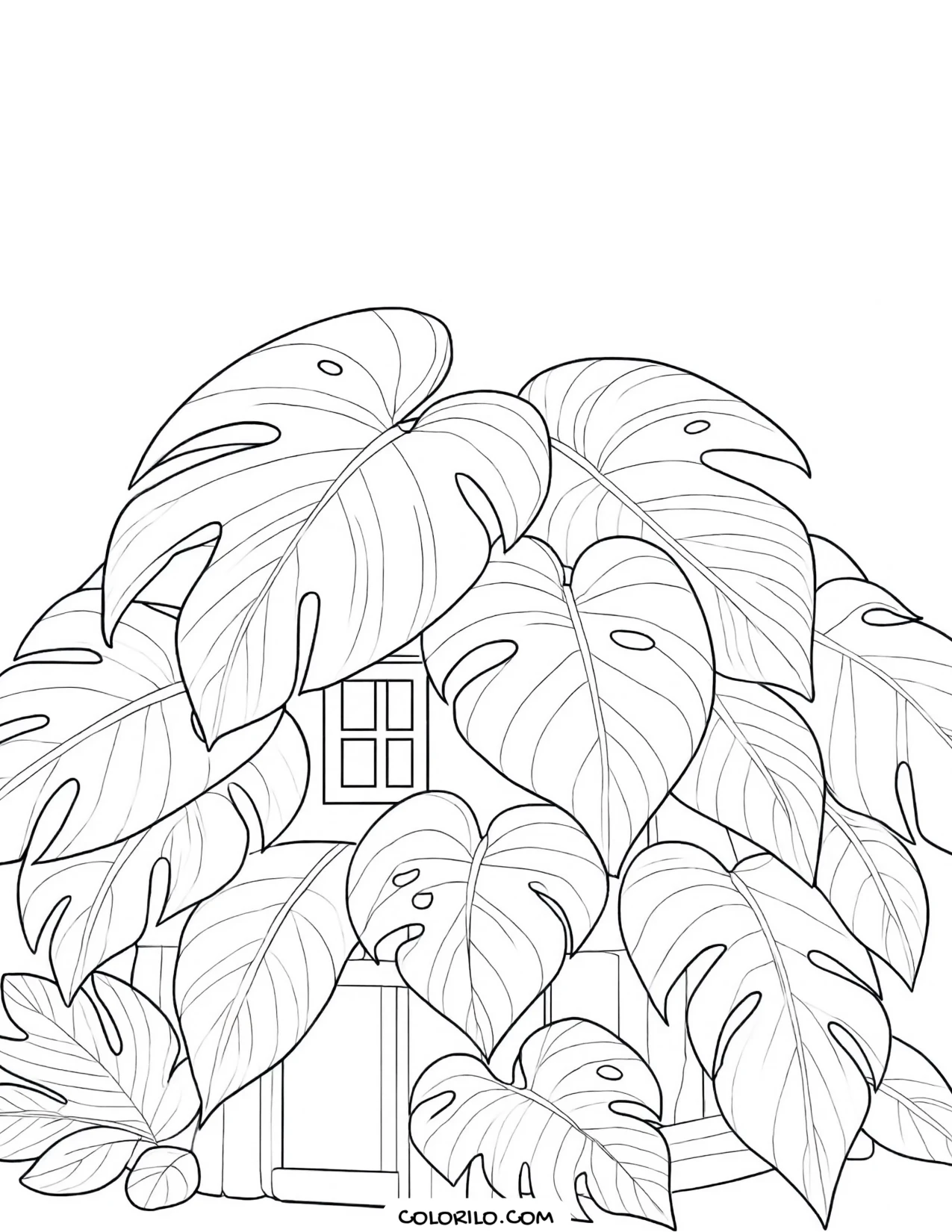
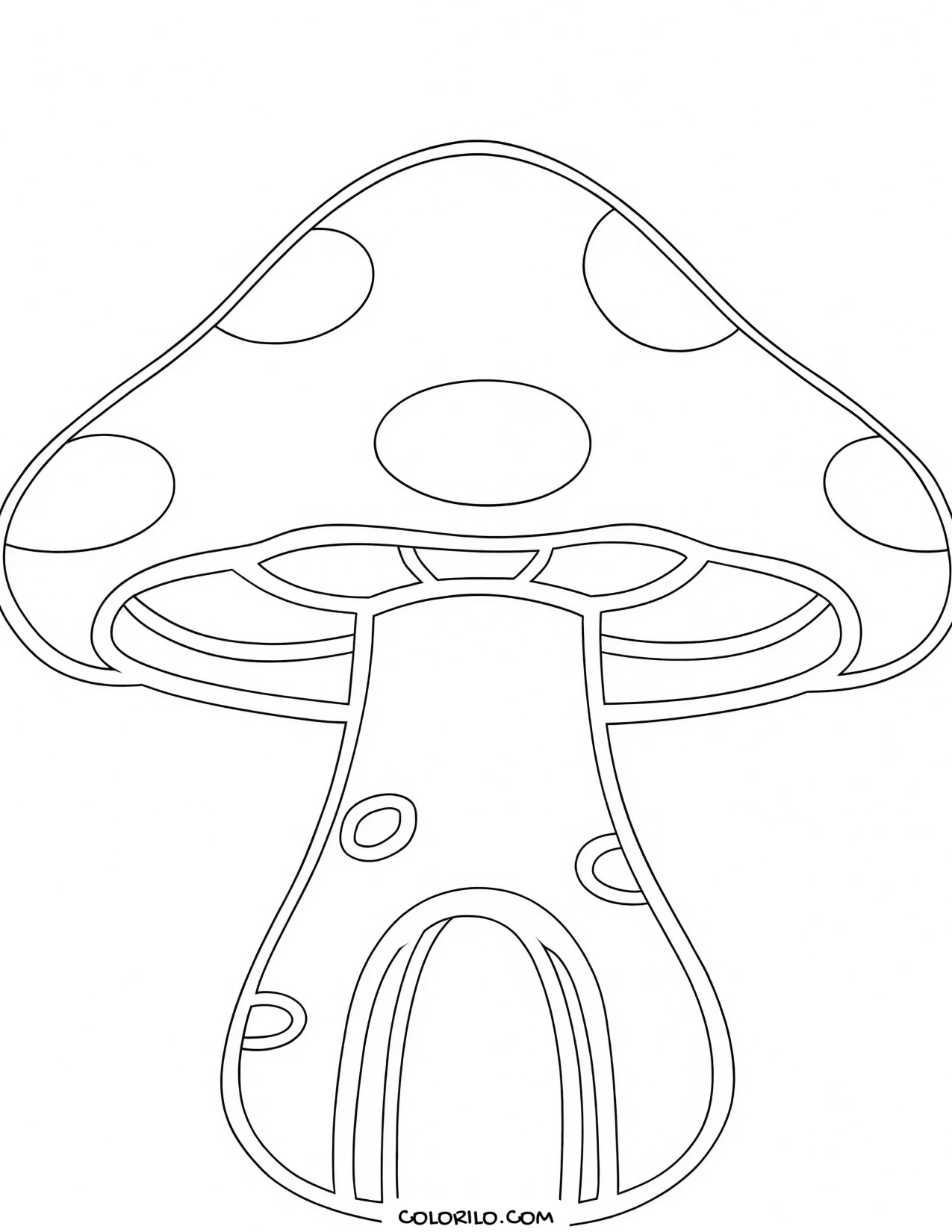
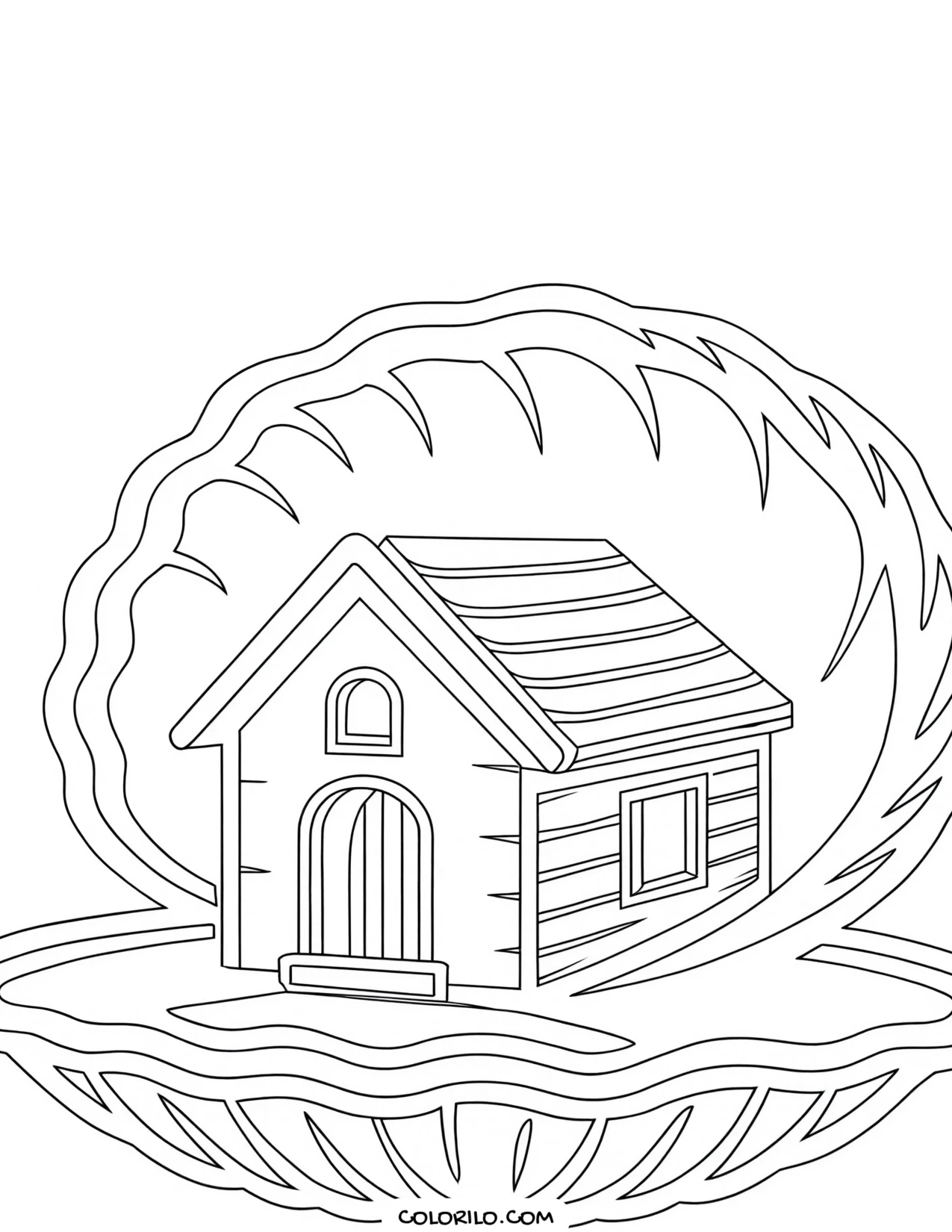
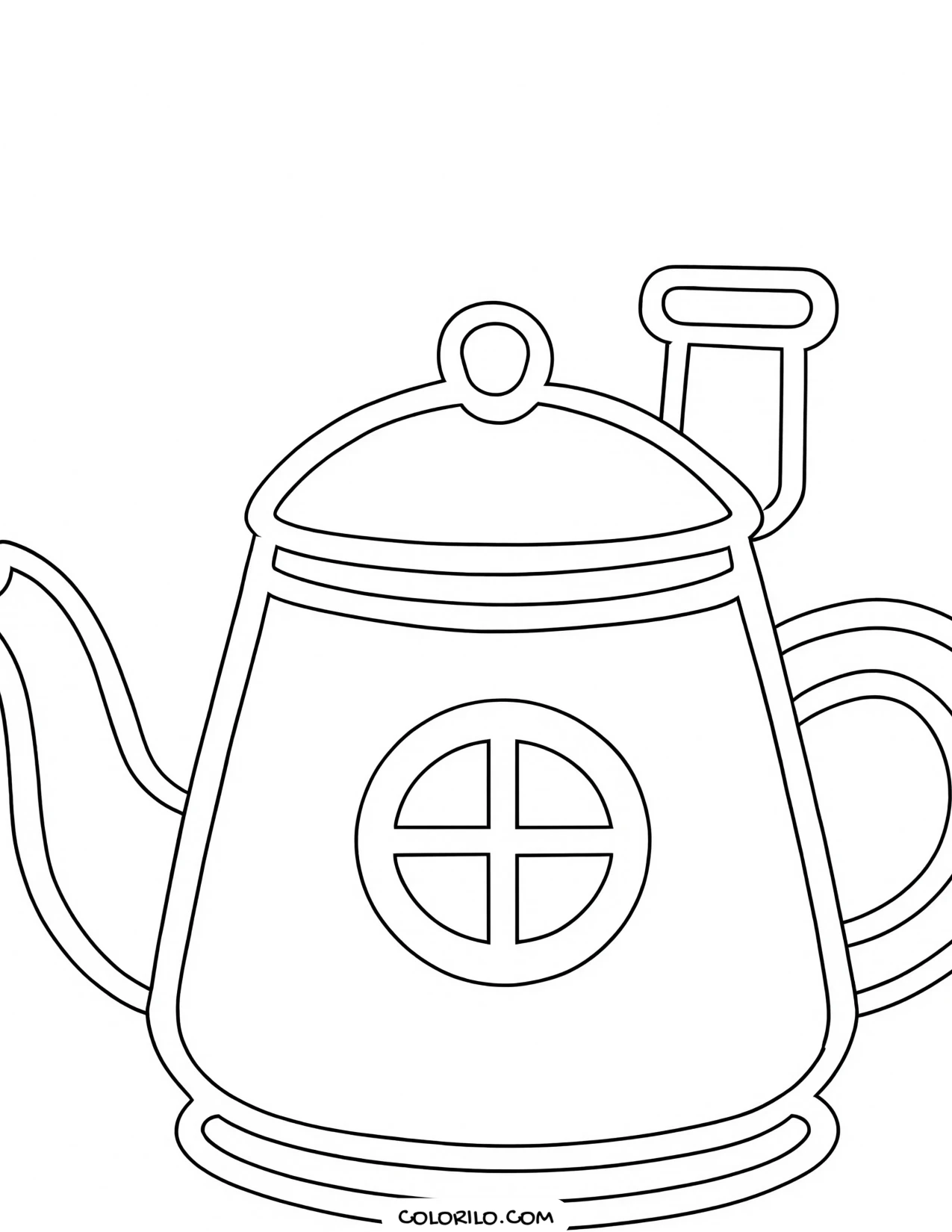
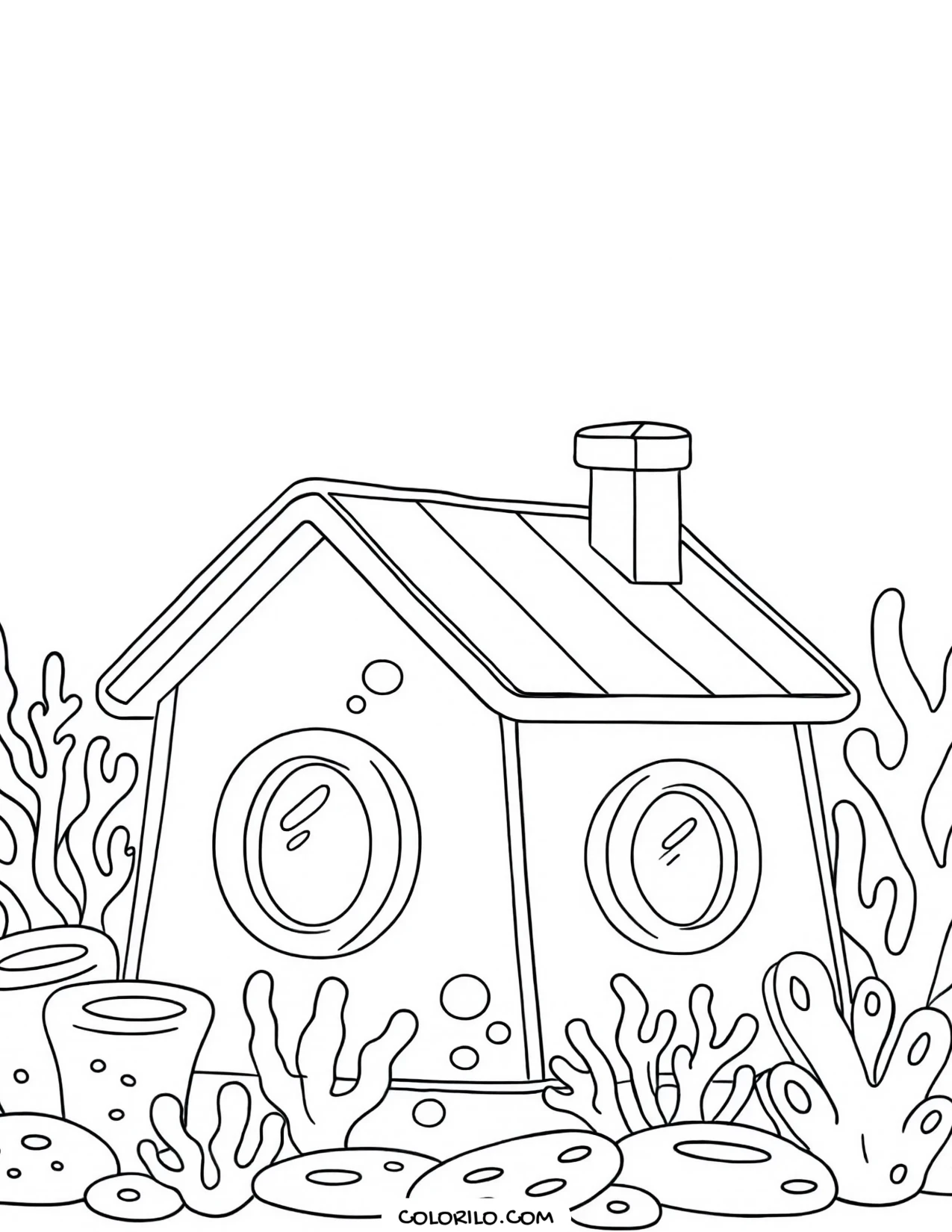
The fantasy houses are the ones children pick first. A gingerbread house, a candy cottage, a mushroom house with a spotted cap, a fairy house in a tree stump, a house built inside an old boot, a round door in a hillside, a house in the clouds, an underwater house with bubble windows, a teapot house, a seashell house, a crystal house, a house on a giant’s back.
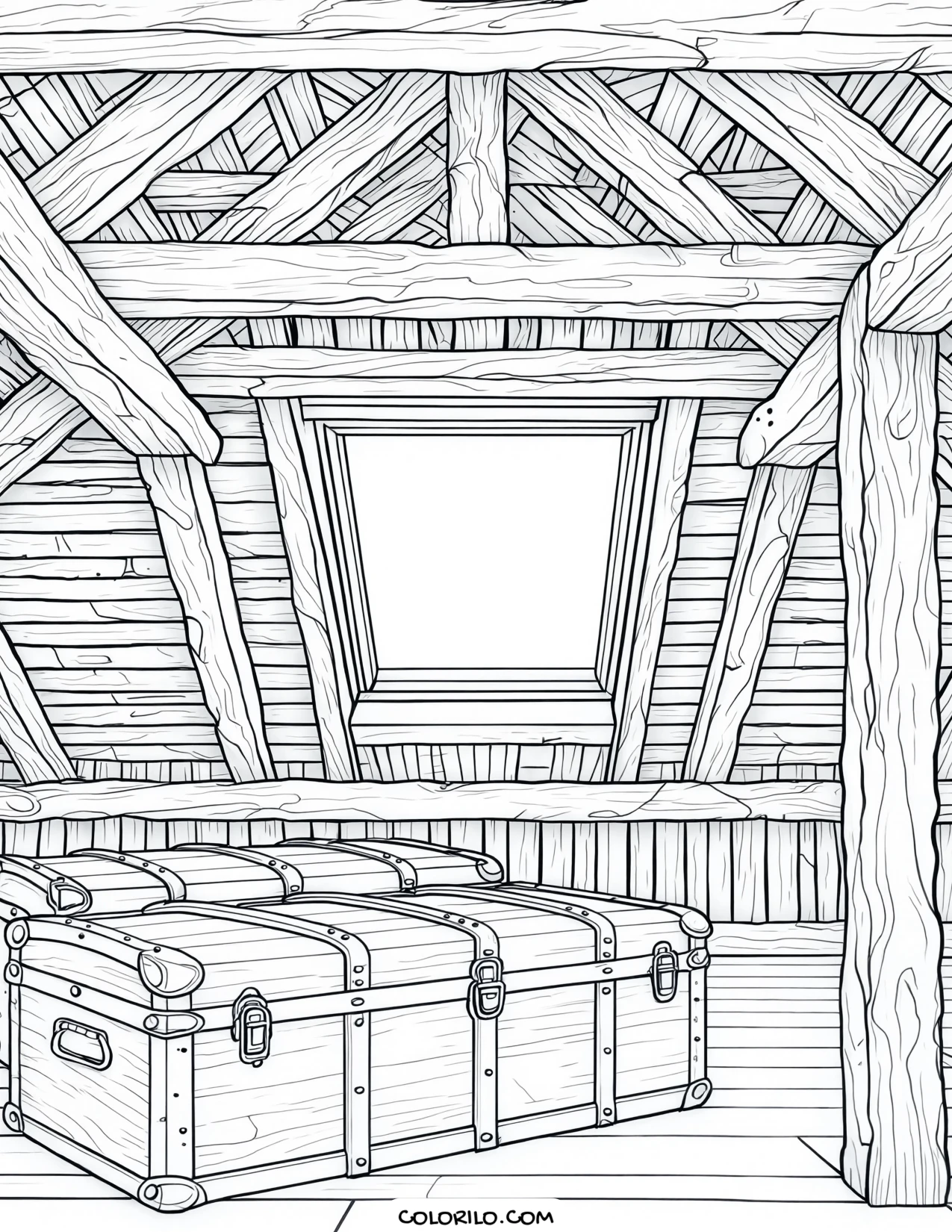
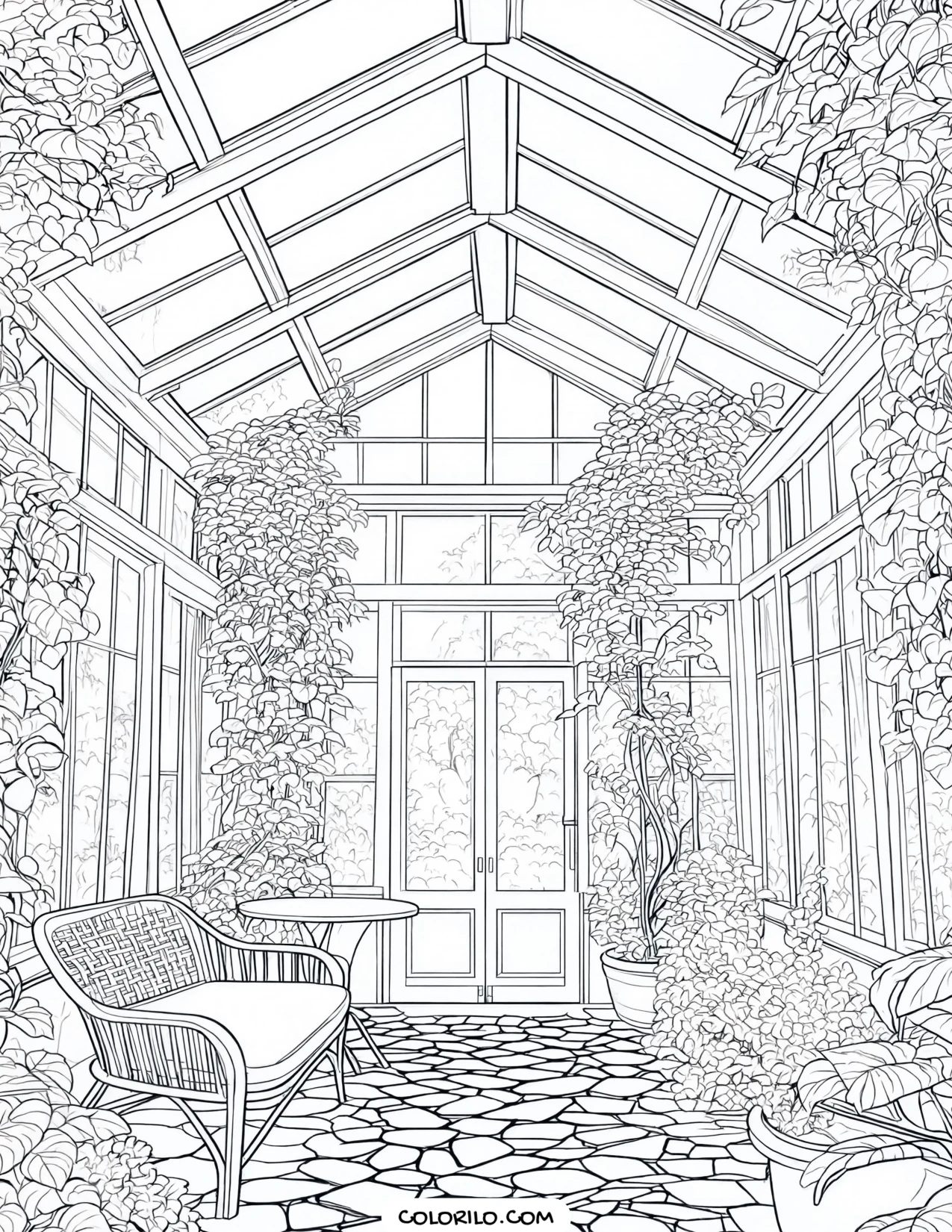
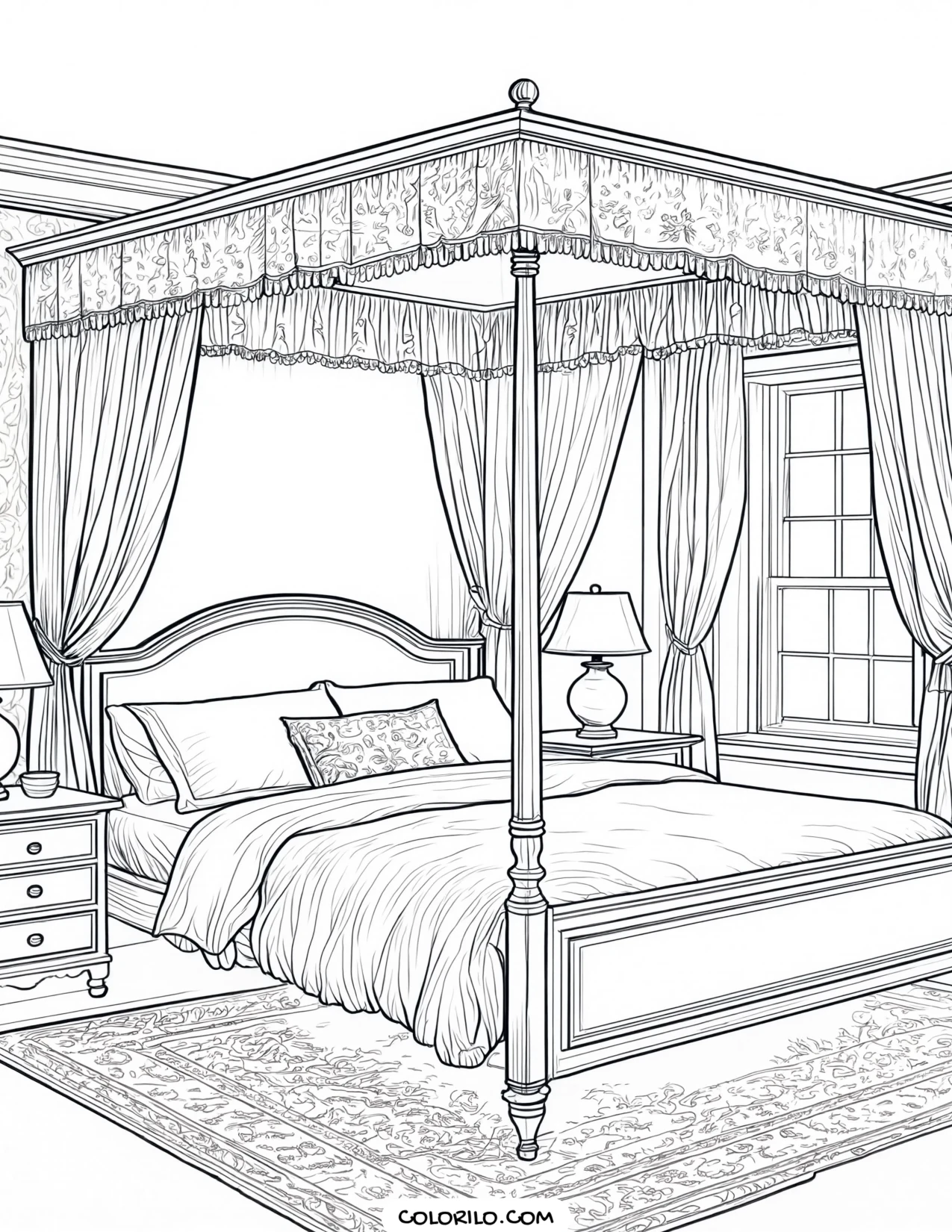
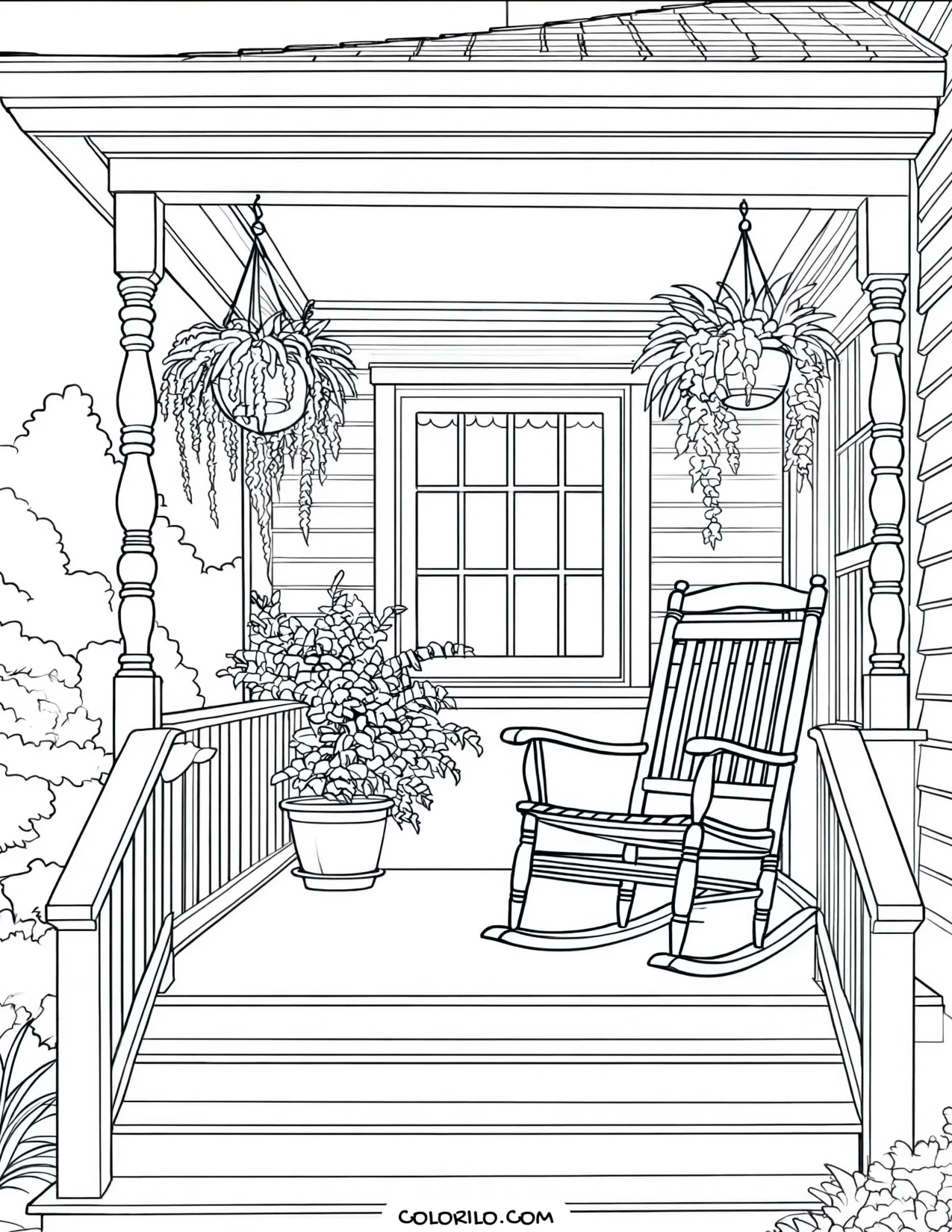
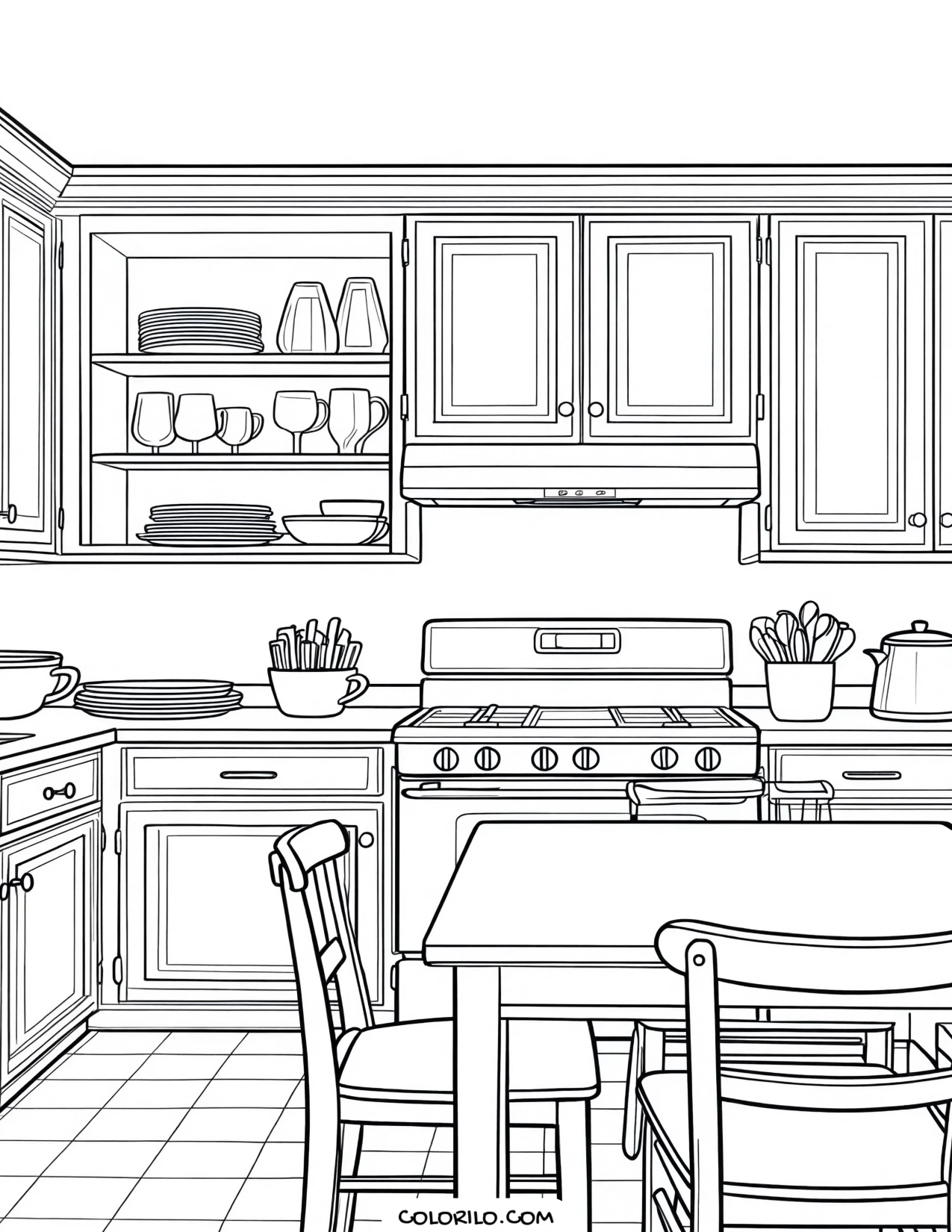
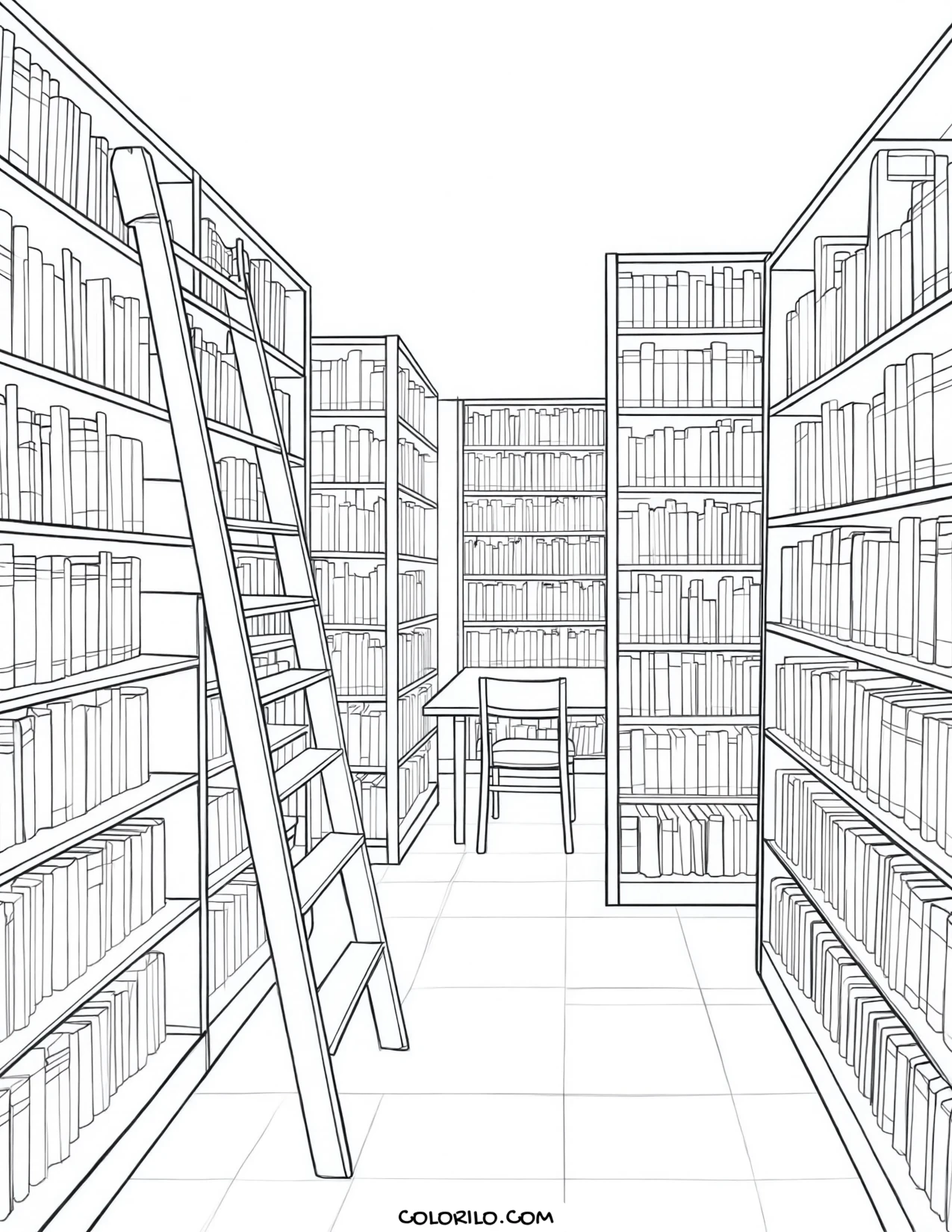
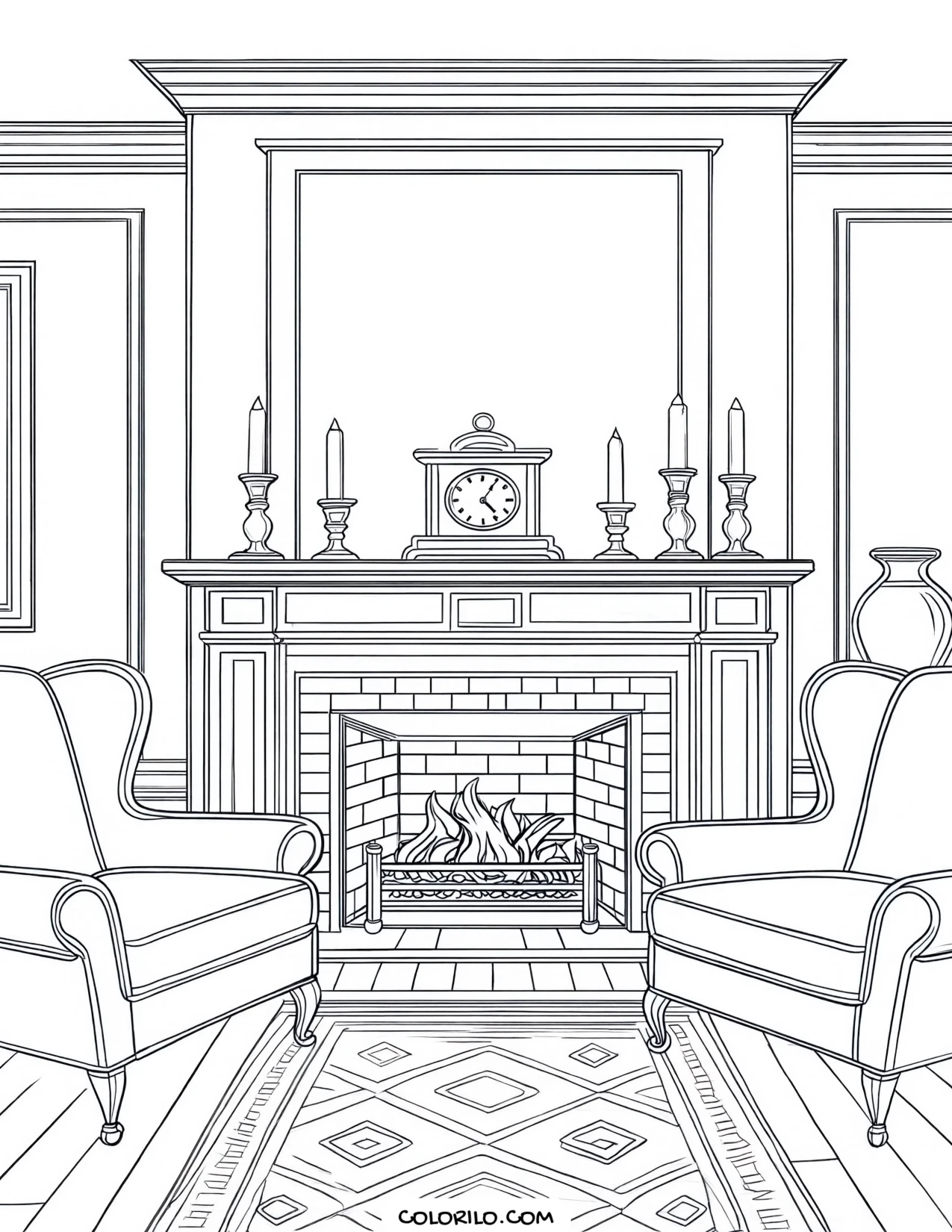
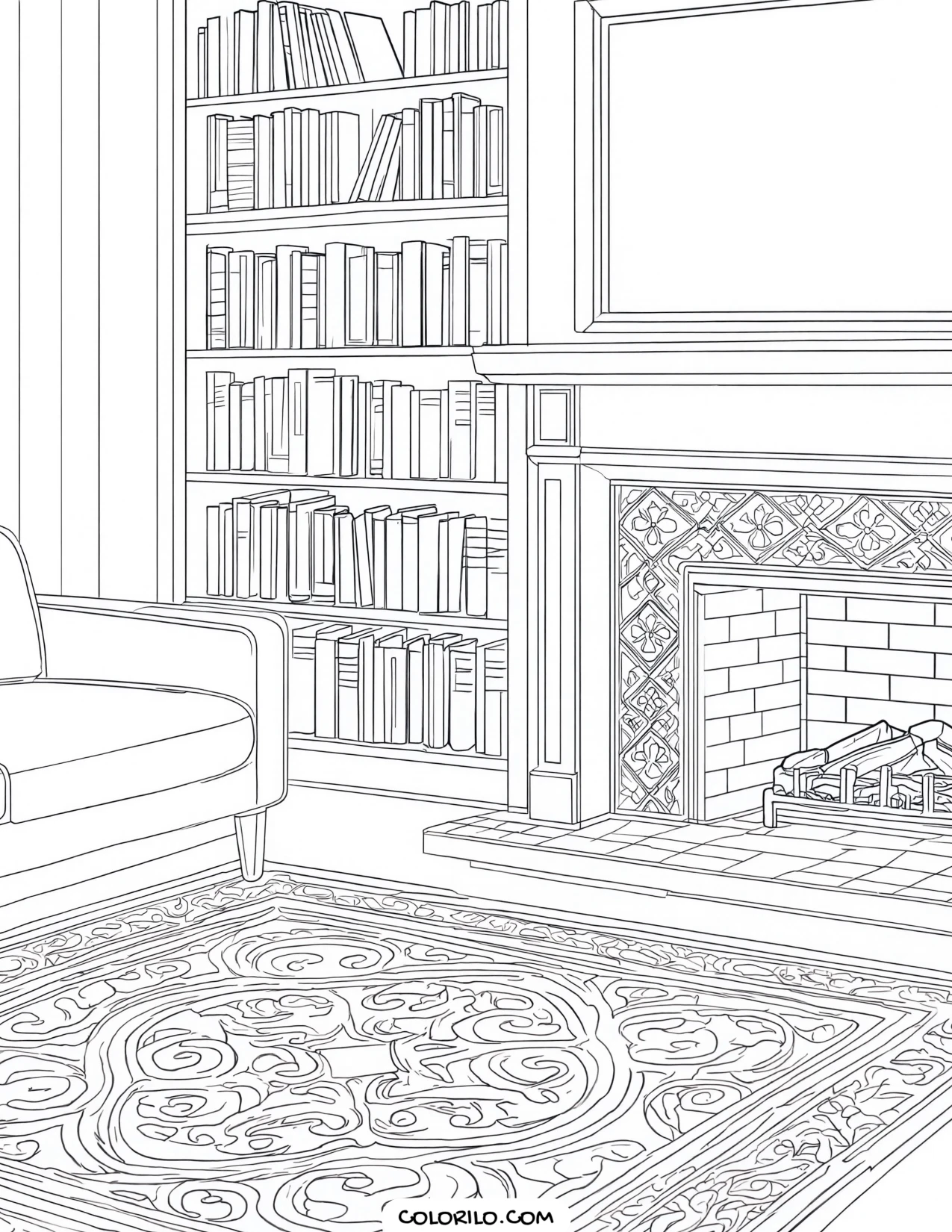
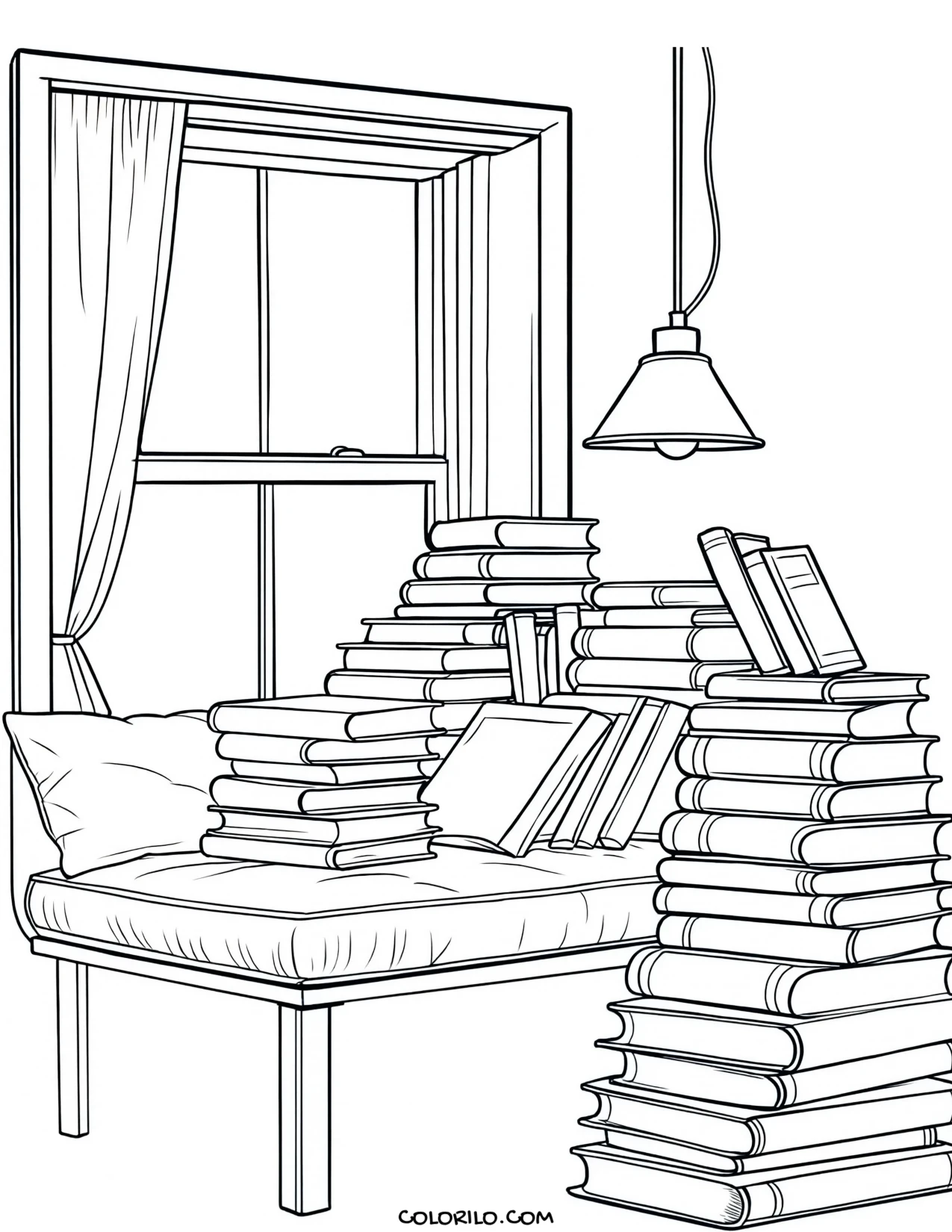
Eight designs are interiors rather than exteriors, a cosy bedroom with a four-poster, a kitchen, two living rooms with fireplaces, a reading nook in a window seat, an attic with beams and trunks, a home library with a ladder, a glass conservatory.
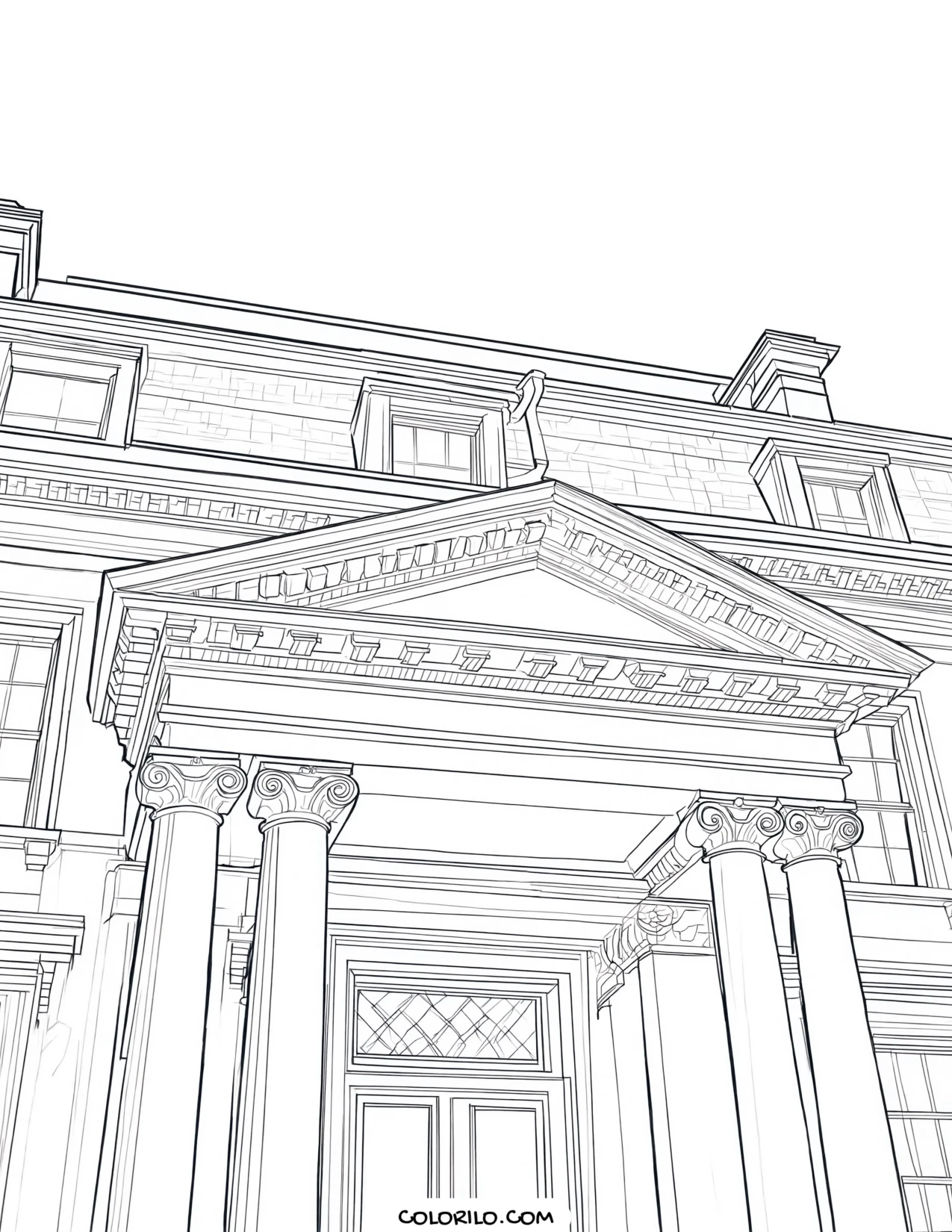
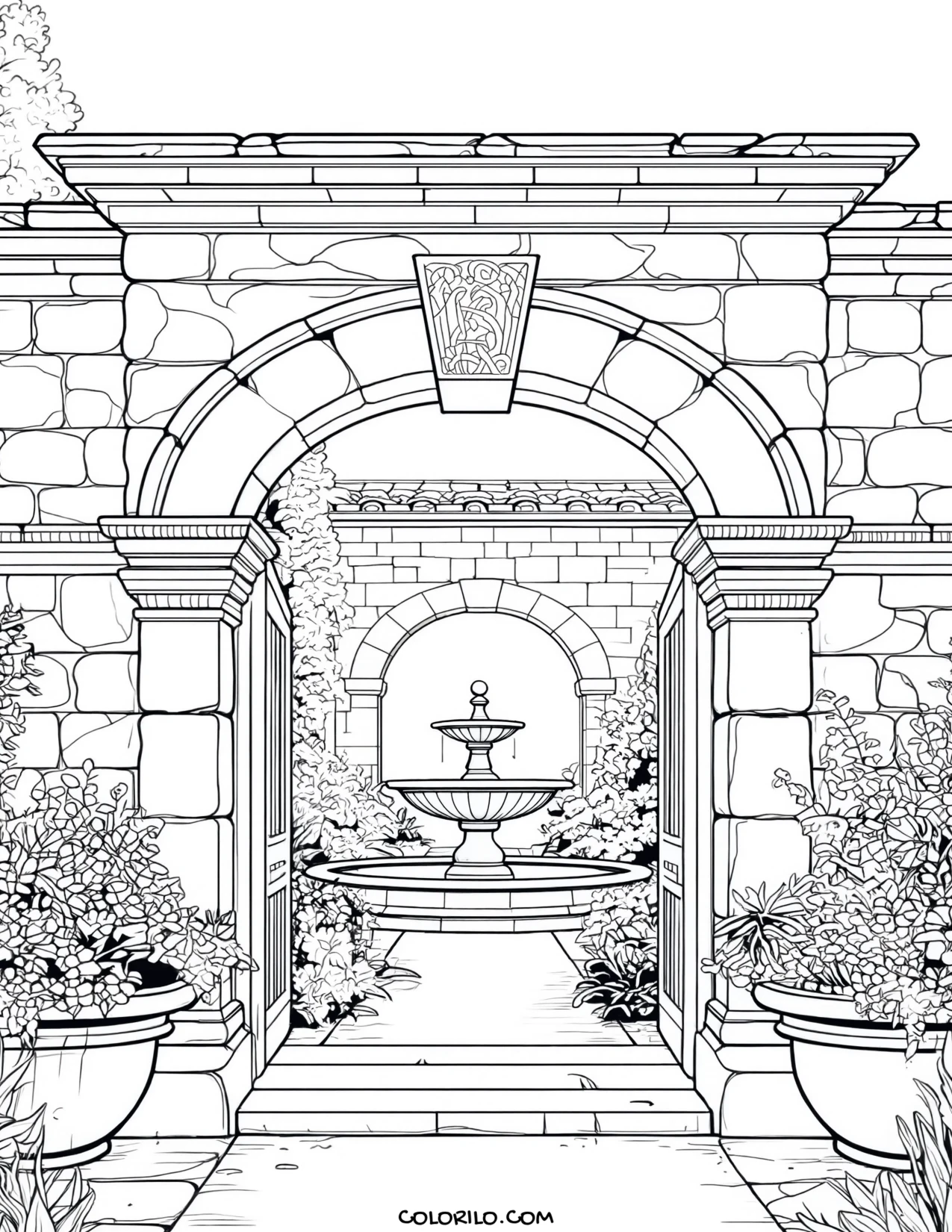
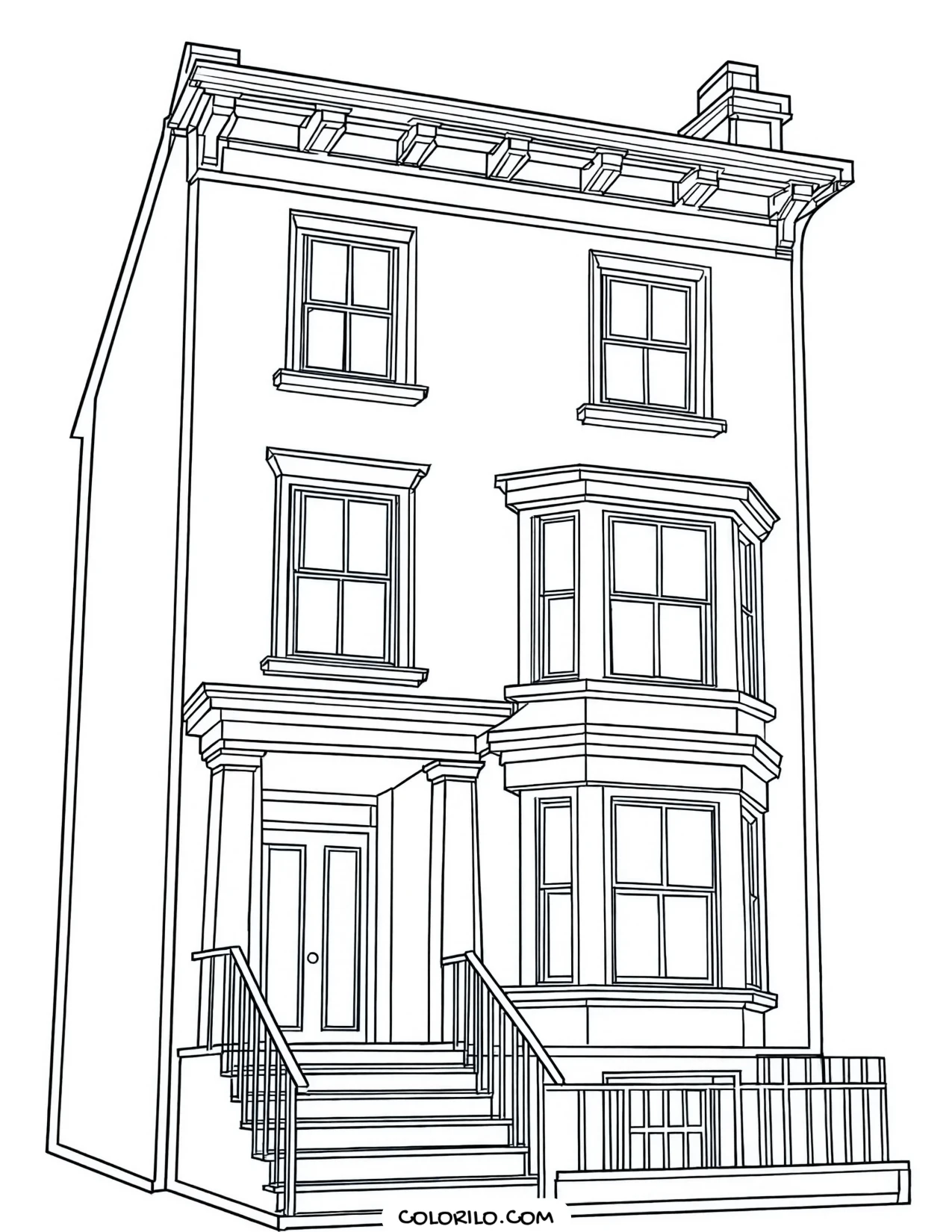
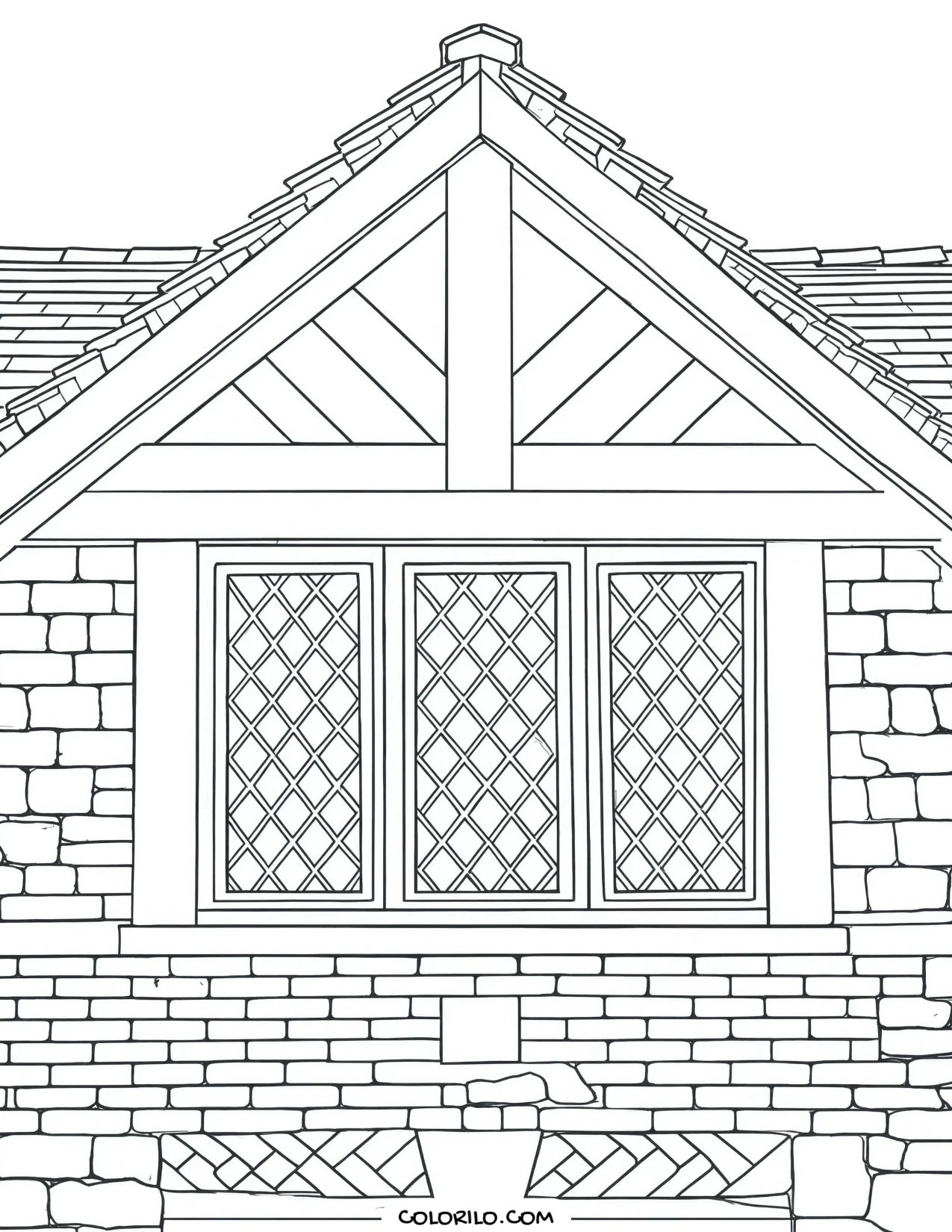
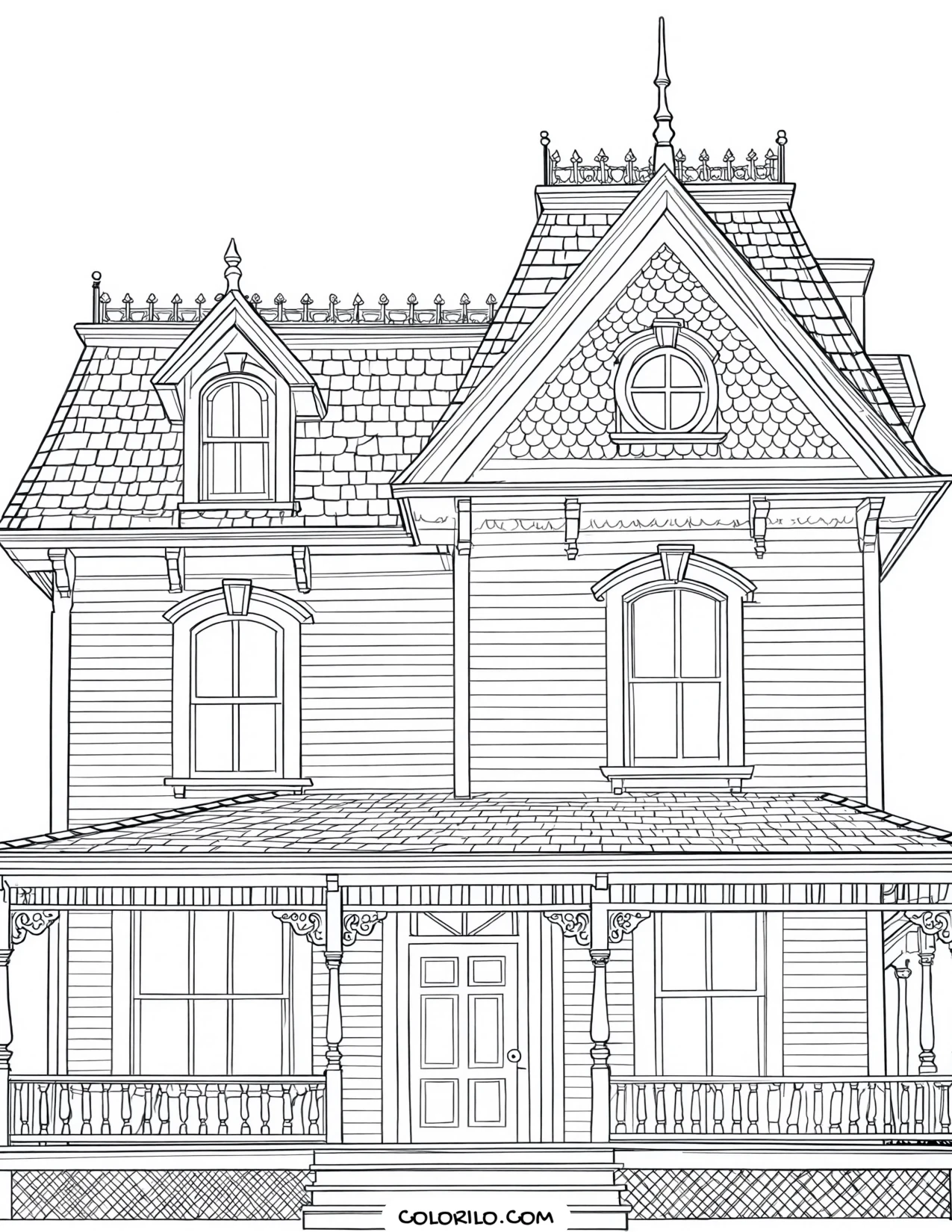
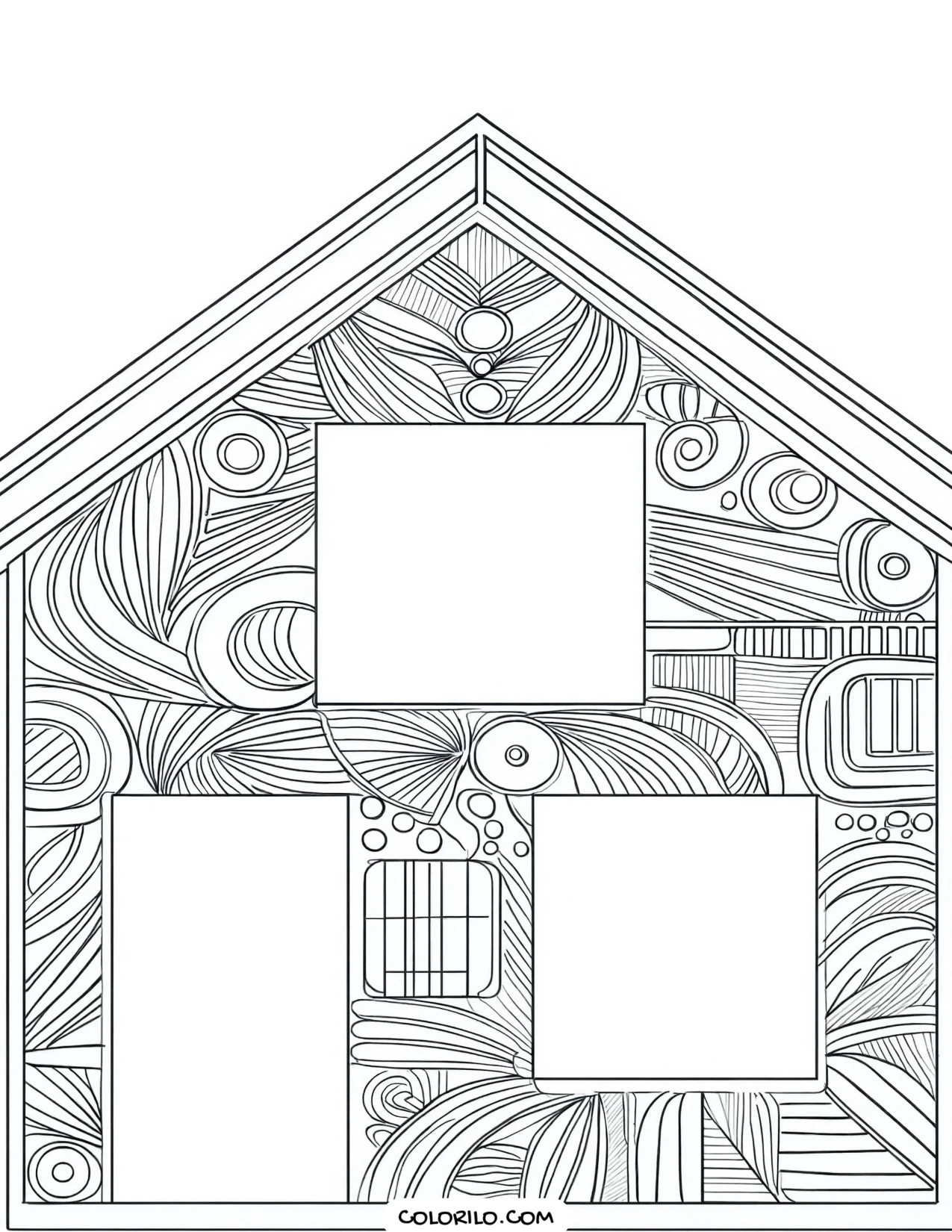
The detailed pages are at the far end: a Victorian house with every shingle and spindle drawn, a Tudor front, the European townhouse row, a courtyard archway with a fountain, and a house covered in zentangle pattern. Those are meant for an adult with an evening rather than a child with ten minutes.
Every one of these house coloring pages is free, prints on standard US letter paper, and needs no sign-up. Click any design below to open the full-size PDF.
What’s in This Collection
The house a child draws
Around twenty simple designs, a square house, a triangle roof, a path and a tree, with one small thing added to each. Thick outlines and big open areas throughout. These are the pages for a four- or five-year-old, and the small differences give a child something to spot.
Real houses
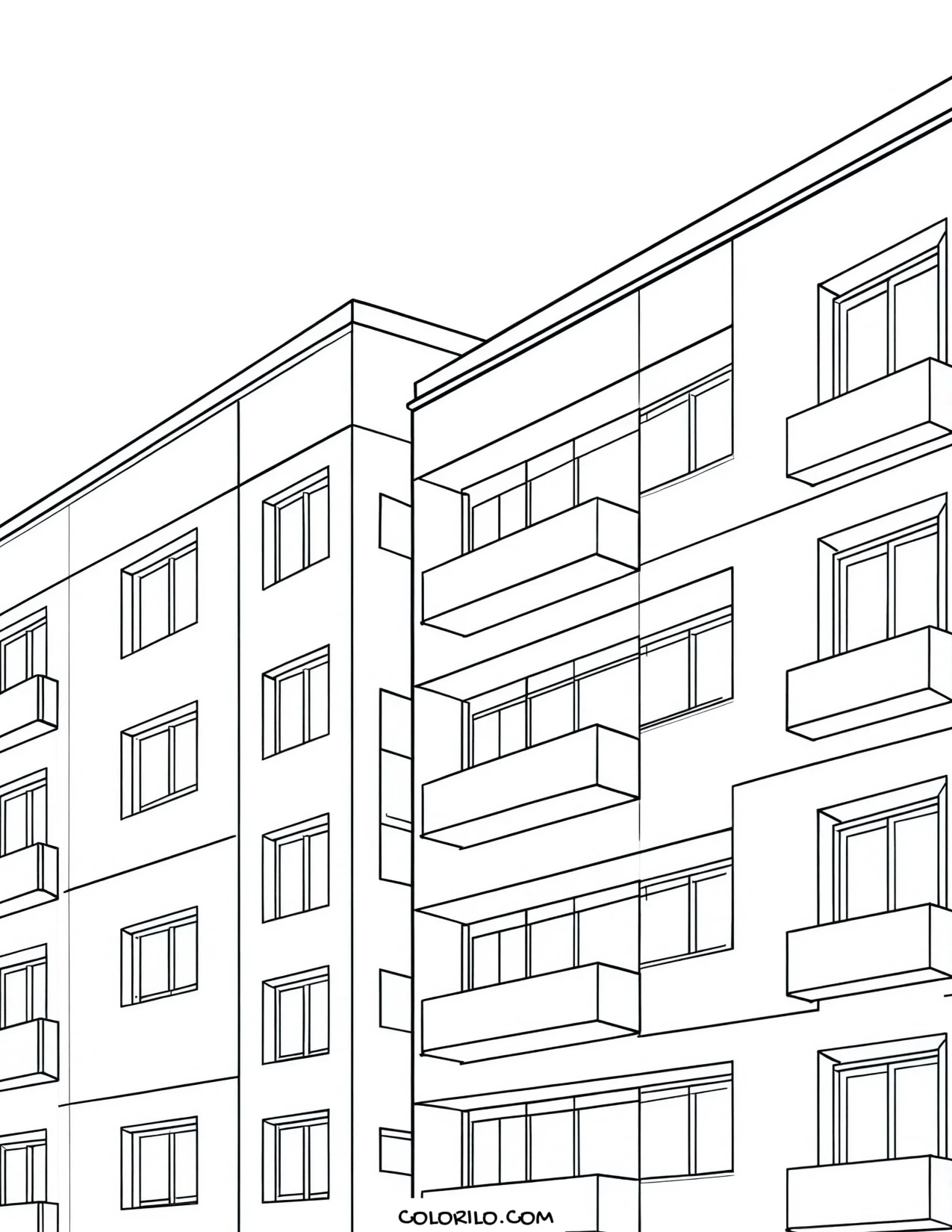
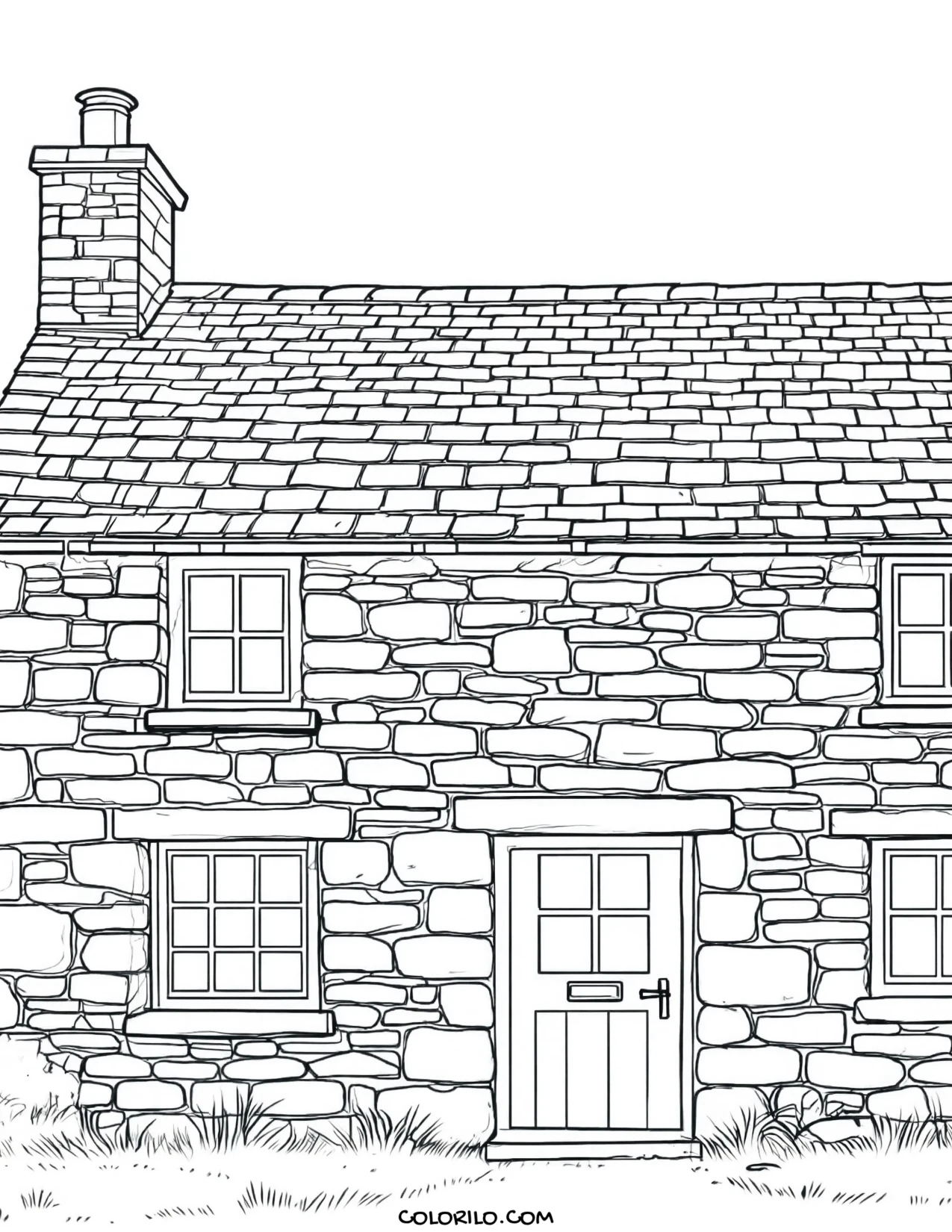
Thatched cottage, stone cottage, farmhouse, log cabin, Tudor house, Victorian house, mansion, narrow townhouse, terraced street, European townhouses, apartment block. Each drawn in the style it actually belongs to, which makes this the group worth pointing at if a child asks why houses look different in different places.
Buildings that are not houses
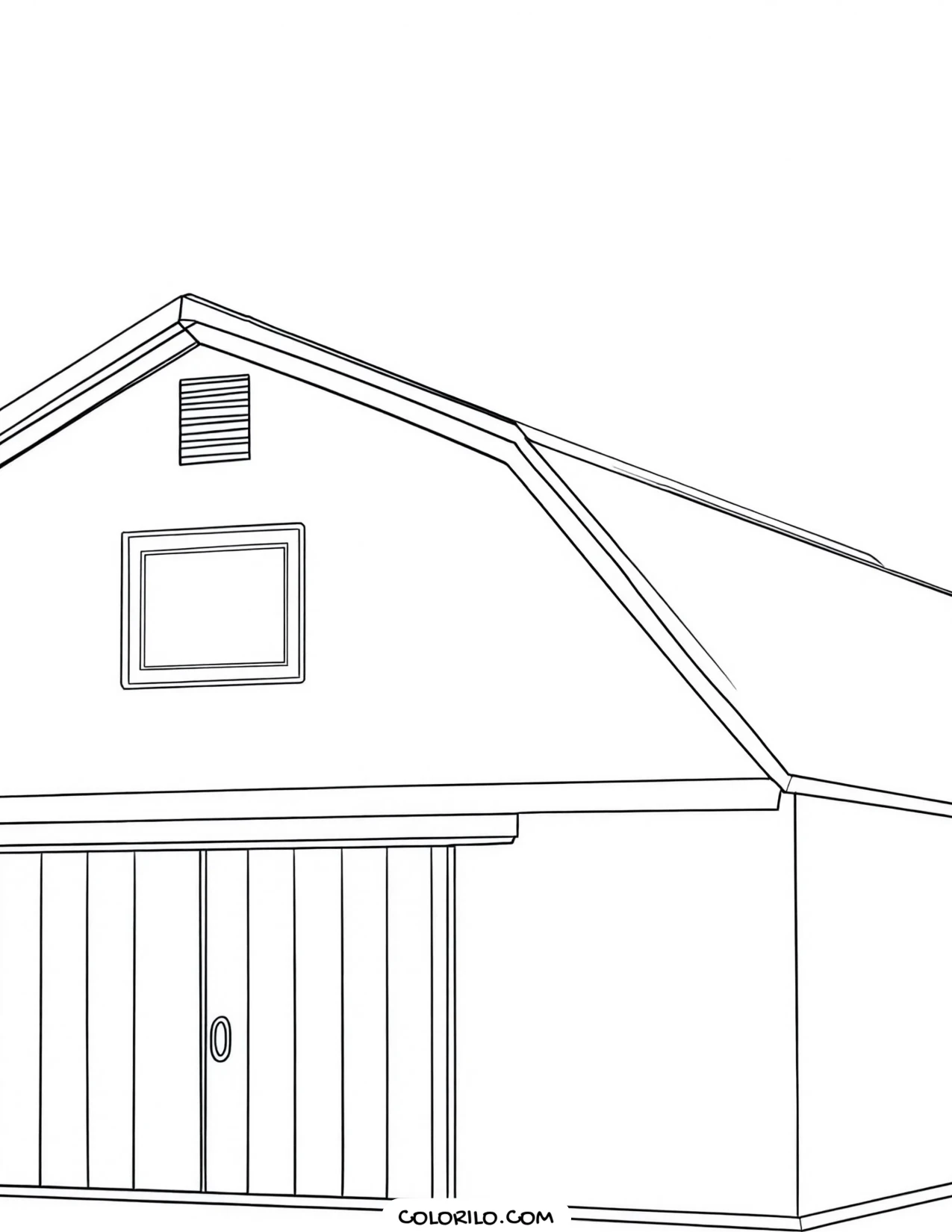
A lighthouse, a windmill, a watermill, a barn, a castle, a church, a school and a shop front. Familiar shapes, and mostly simpler than they look.
Places people live that are not buildings
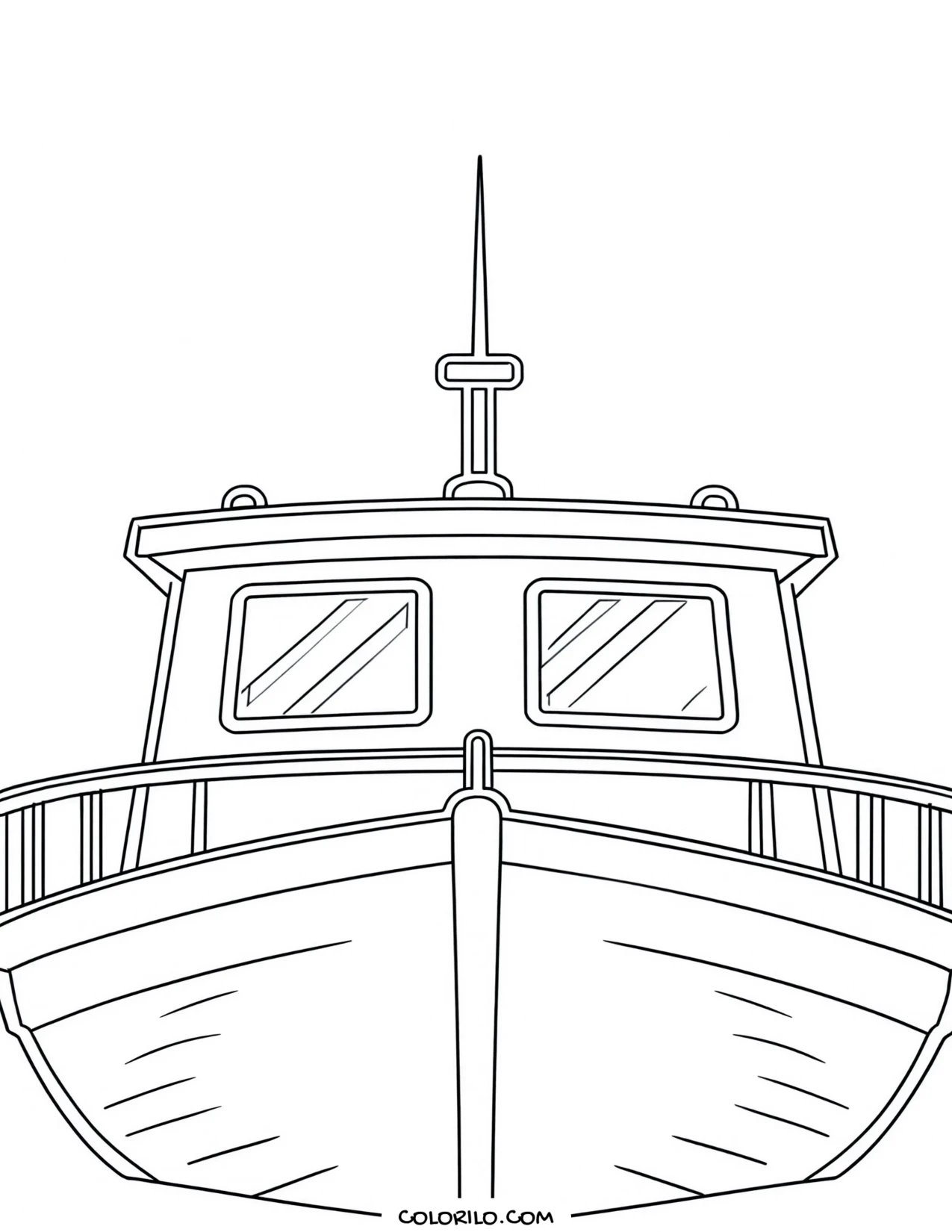
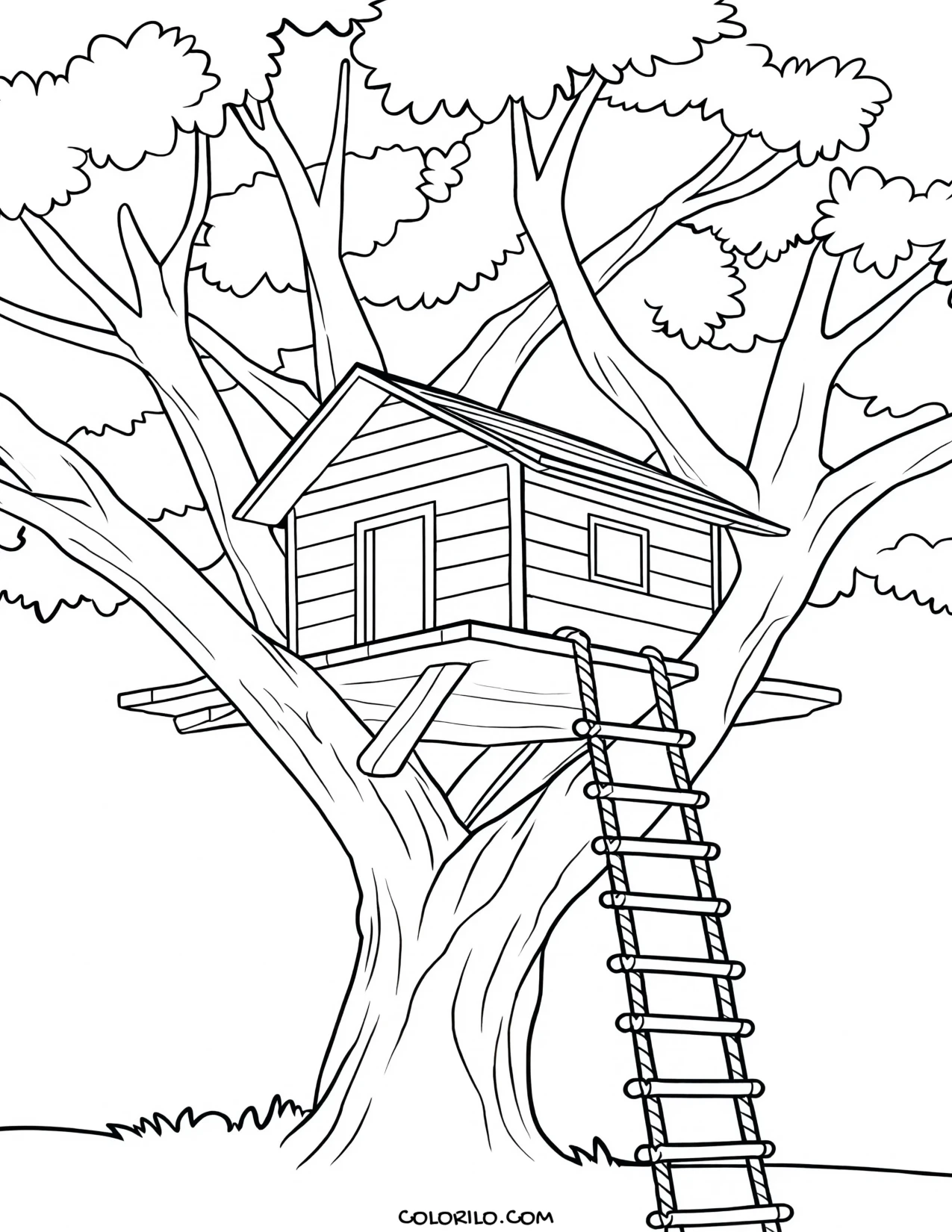
A houseboat, a vintage caravan, a canvas tent, an igloo, a treehouse, a beach house on stilts and a mountain chalet. Worth having, because a house is not the only kind of home.
Fantasy houses
Twelve designs, gingerbread, candy, mushroom, fairy stump, boot, hillside door, cloud, underwater, teapot, seashell, crystal, and a house carried on a giant’s back. These have the most invention in them and are usually the first ones a child chooses.
Rooms inside
Bedroom, kitchen, two living rooms, a reading nook, an attic, a library and a conservatory. No people in any of them, which is part of why they are restful, they are rooms waiting for someone.
Detailed pages for adults
The Victorian house, the Tudor front, the European townhouse row, the courtyard fountain and the zentangle-patterned house carry the finest line work here. The Victorian in particular has enough shingles and spindles to fill an evening.
Coloring Tips
Roofs want a pattern, not a fill. Slate, thatch, shingle and tile all look different, and drawing the individual pieces before colouring makes a house look built rather than drawn. It matters most on the stone cottage, the thatched cottage and the Victorian.
Brick is not one red. Real brick varies wall to wall and even brick to brick. Two or three close reds and browns, with the mortar left pale, does more than any single colour.
Light the windows. Leaving windows white makes a house look empty. A pale yellow in one or two, with the rest left clear, makes it look lived in, and it is the fastest way to give a page a mood.
Fantasy houses have no rules. The gingerbread, candy, mushroom, crystal and cloud houses are the pages to hand a child who wants to use every colour in the box. Nothing there can be wrong.
Interiors work best with a limited palette. The bedroom, the library and the conservatory have a lot of separate objects. Four or five colours used across all of them looks deliberate; twelve looks like a jumble.
Start young children on the simple houses. The twenty square-house designs have the fewest lines in the set by a wide margin. Save the Victorian and the townhouse row for someone with more patience.
Frequently Asked Questions
Are these house coloring pages really free?
Yes, all 74 are free to download and print. Click any design to open the PDF. No account, no email, no payment.
What age are these house coloring pages for?
The whole range. The twenty simple square-house designs suit children from around four. The real buildings and fantasy houses work through primary school. The Victorian house, the Tudor front, the townhouse row and the zentangle house are detailed enough for adults.
Are there fantasy houses as well as real ones?
Twelve of the seventy-four are fantasy, a gingerbread house, a candy cottage, a mushroom house, a fairy house in a tree stump, a house inside a boot, a round door in a hillside, a cloud house, an underwater house, a teapot house, a seashell house, a crystal house and a house on a giant’s back.
Are there rooms as well as buildings?
Eight designs are interiors: a bedroom, a kitchen, two living rooms, a reading nook, an attic, a home library and a conservatory.
Can I use these in a classroom?
Yes. They pair well with topics on homes around the world, buildings and materials, or a simple drawing lesson, and are free for personal, educational, and classroom use.
Can I print more than one copy?
As many as you need.
Why do children always draw houses the same way?
The square with a triangle roof turns up in children’s drawings across the world, including in places where nobody lives in a house that shape. It seems to come from how children draw generally, the simplest set of parts that says what a thing is, rather than what any particular house looks like. The same instinct gives you a sun in the top corner and a path running to the door.
Leave a Reply