
Table of Contents
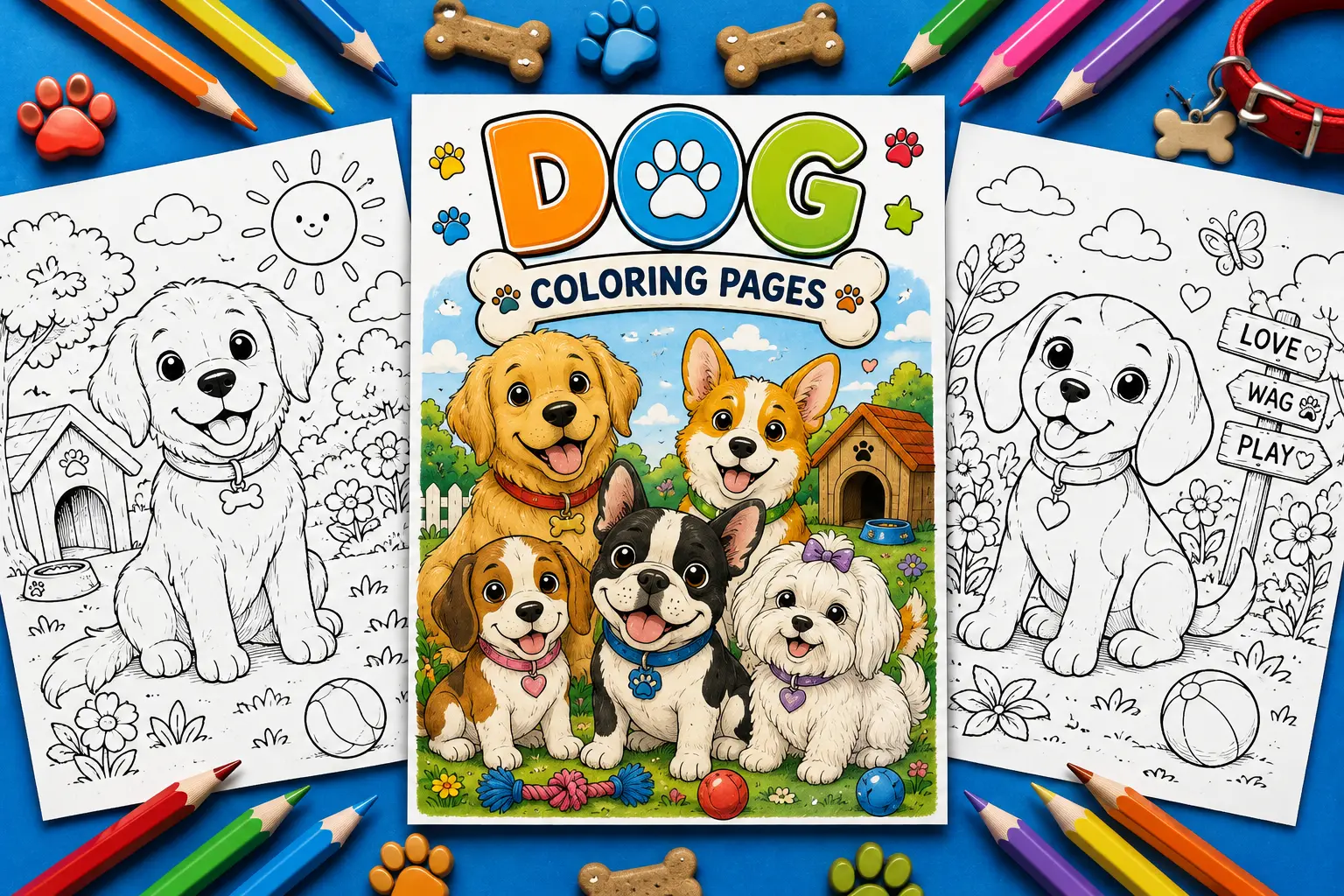
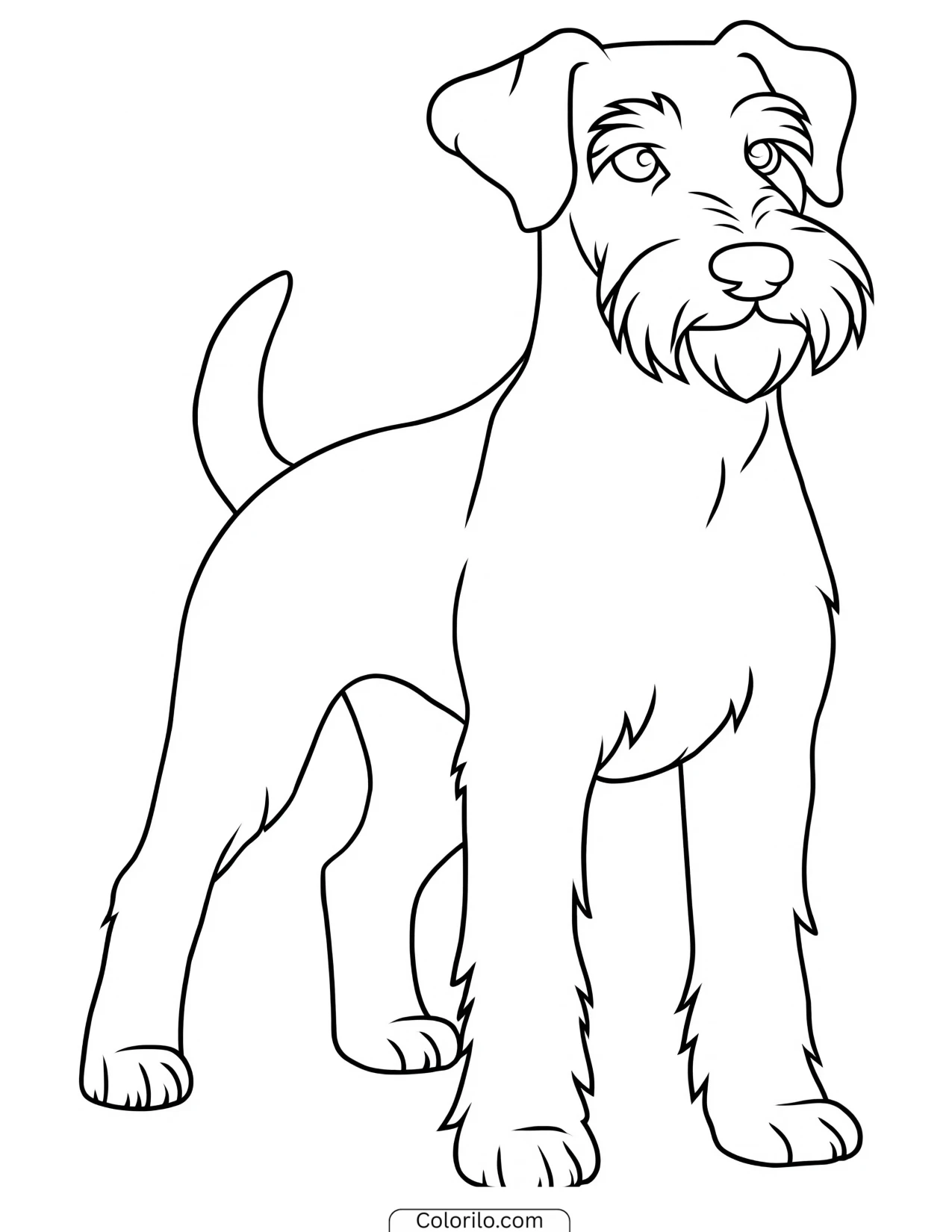
Most dog coloring pages show a generic cartoon dog. This set does something more useful: it names the breed. Fifty-five of the seventy designs are a specific, recognisable dog, a Corgi, a Shiba Inu, a Weimaraner, a Papillon, so if your child has a particular dog in mind, or you have one asleep on the sofa, there is a good chance it is in here.
The breeds run from the very familiar to the less often drawn. Labrador, Golden Retriever, German Shepherd, Beagle, Poodle, Husky, Dalmatian and Pug are all present. So are the Basenji, the Bloodhound, the Newfoundland, the Rhodesian Ridgeback, the Lhasa Apso, the Portuguese Water Dog and the Belgian Malinois.
Ten designs are puppies rather than adult dogs, a Basset Hound with ears too big for it, a Beagle at its bowl, a Dachshund mid-stretch, a Samoyed as a ball of fluff, and a Golden Retriever puppy watching a butterfly. Those have the softest lines in the set and are the ones to give a younger child.
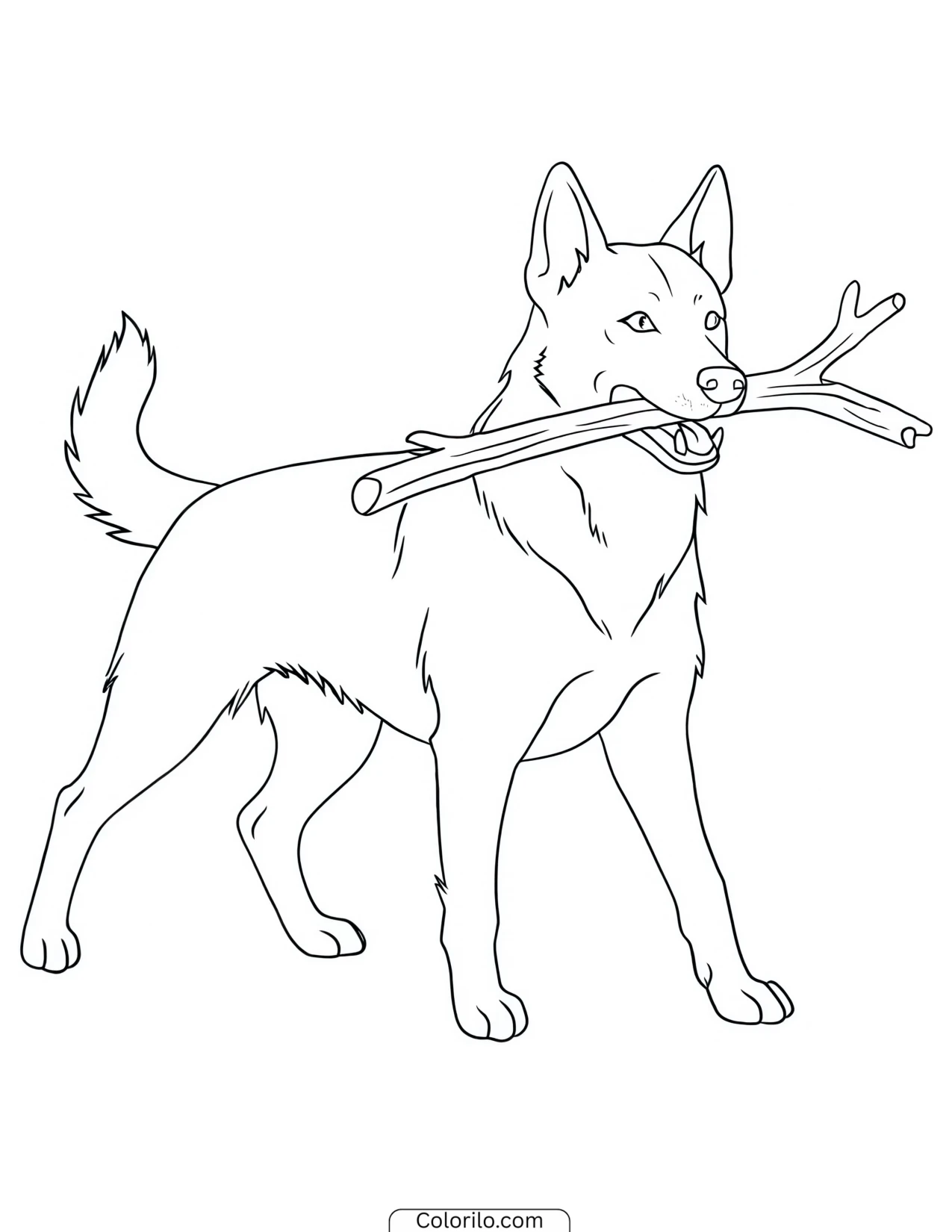
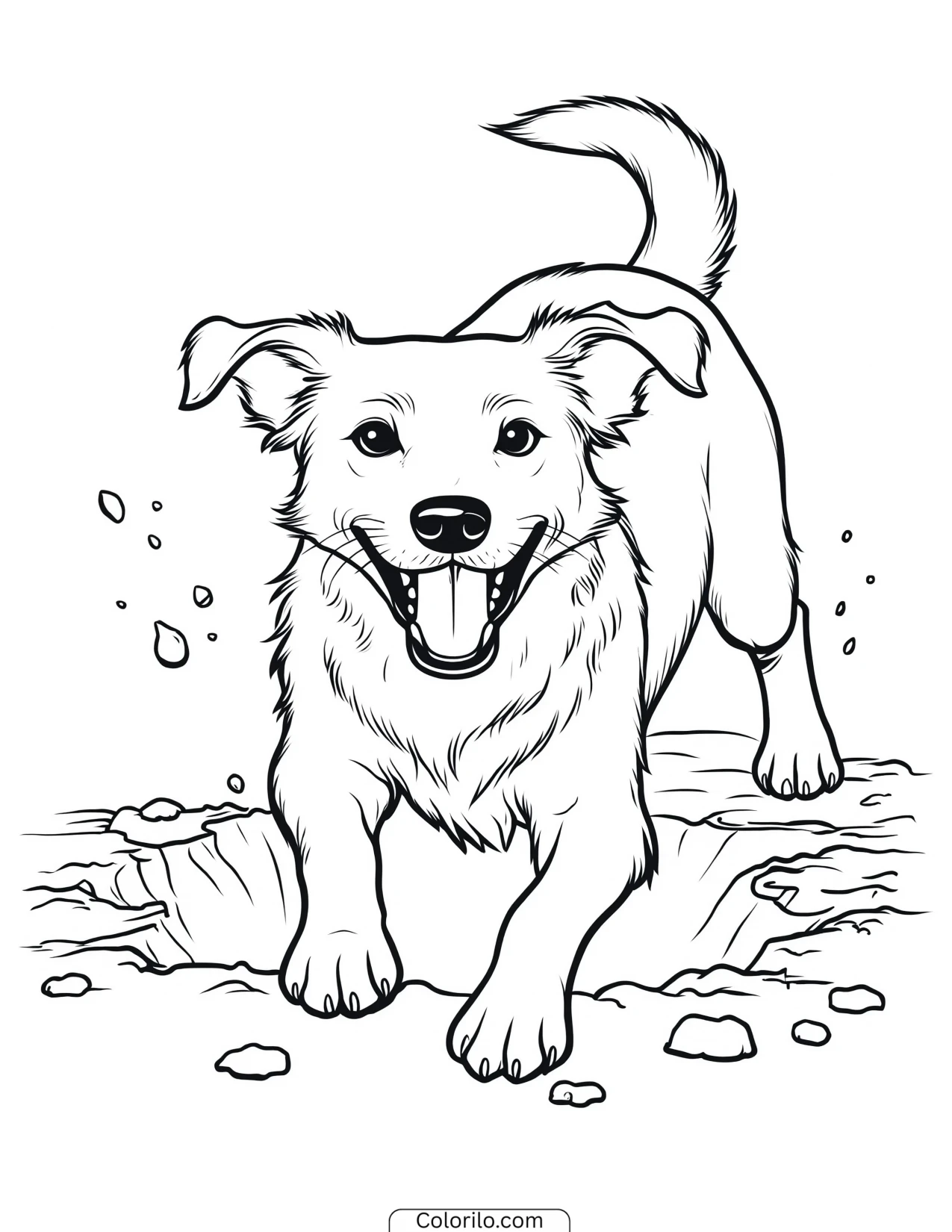
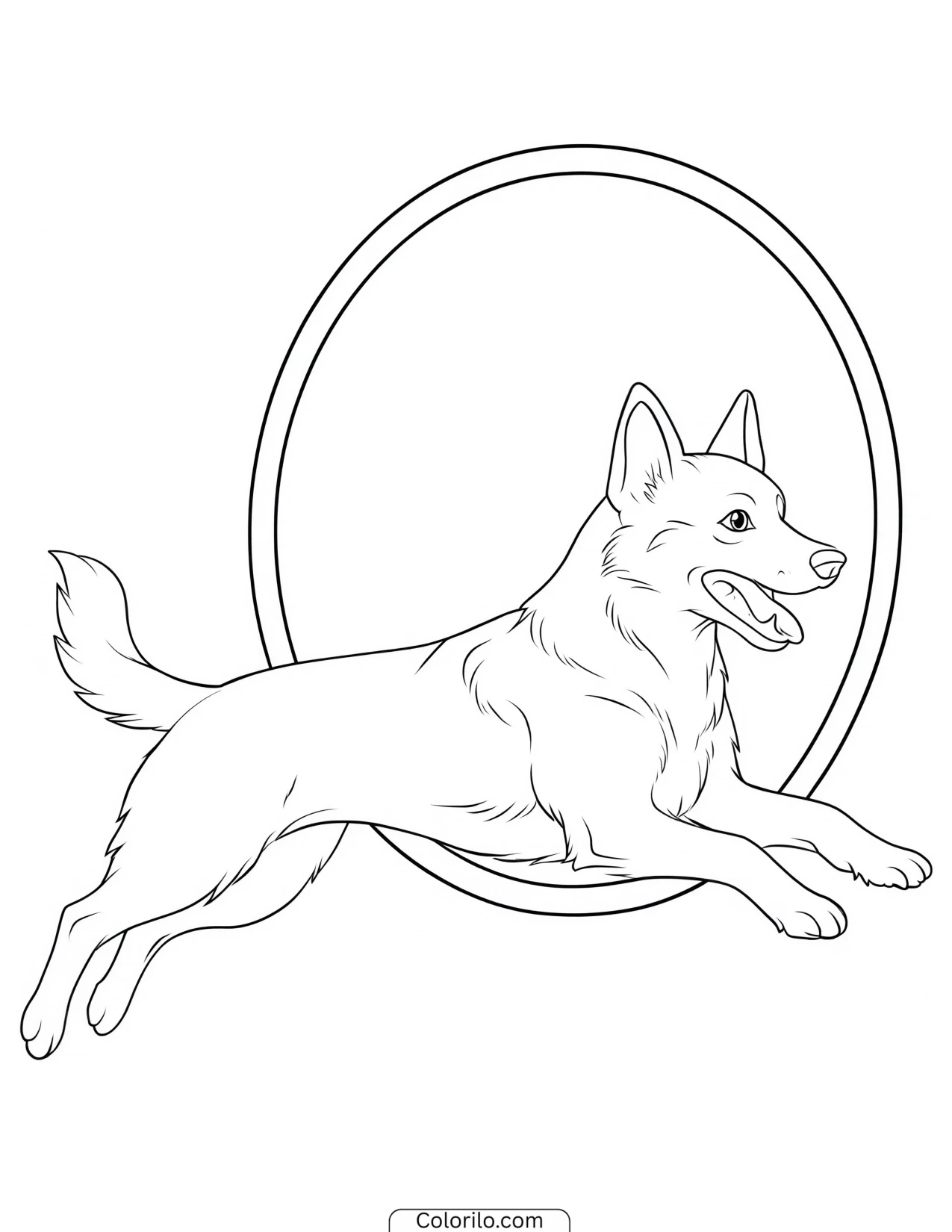
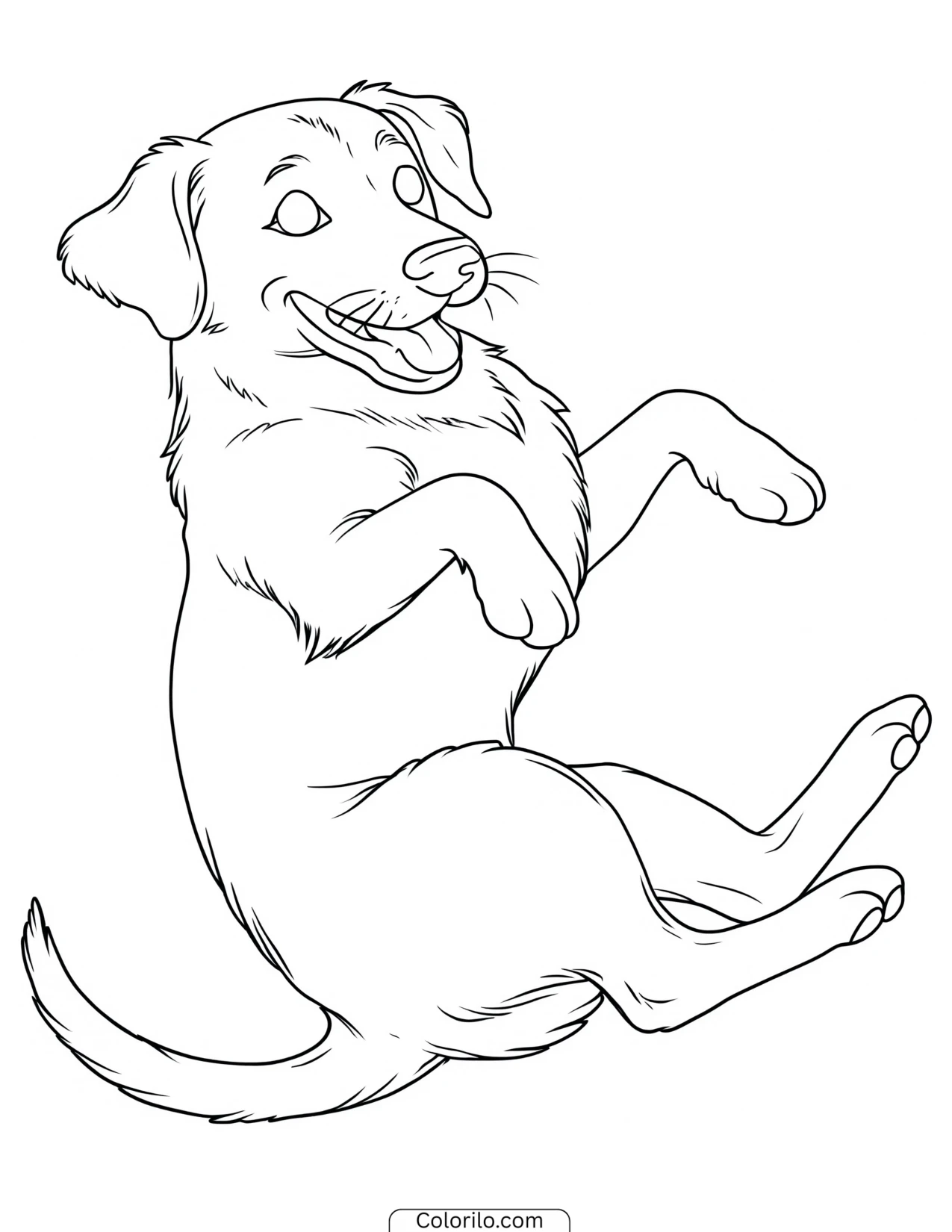
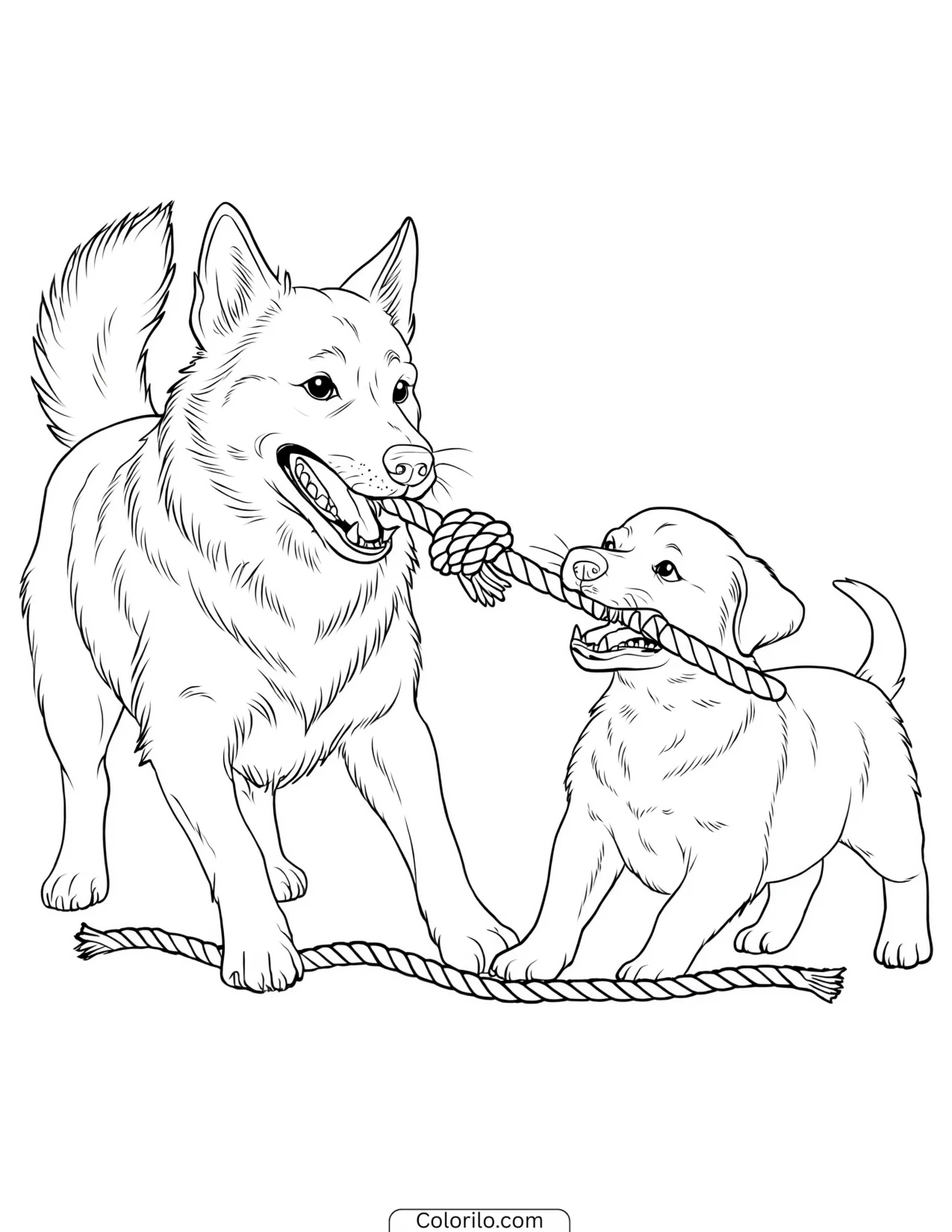
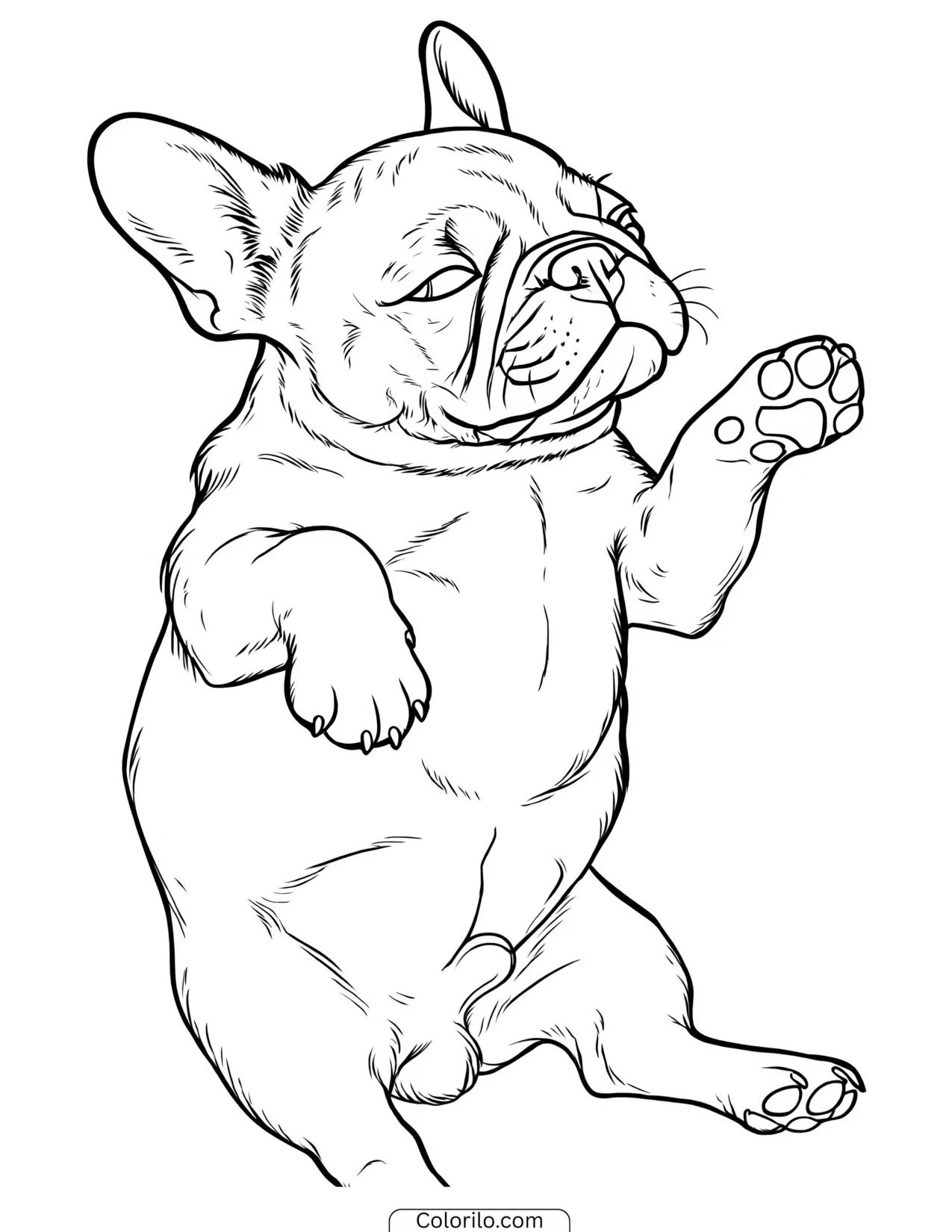
A dozen more show dogs doing what dogs do rather than posing. Carrying a stick, chasing a tail, digging a hole, jumping through a hoop, rolling on its back, two dogs in a play bow, a game of tug of war. Several breeds are shown at what they were actually bred for, a Border Collie herding, a Bloodhound on a scent, a Vizsla pointing, a Saint Bernard with a rescue barrel.
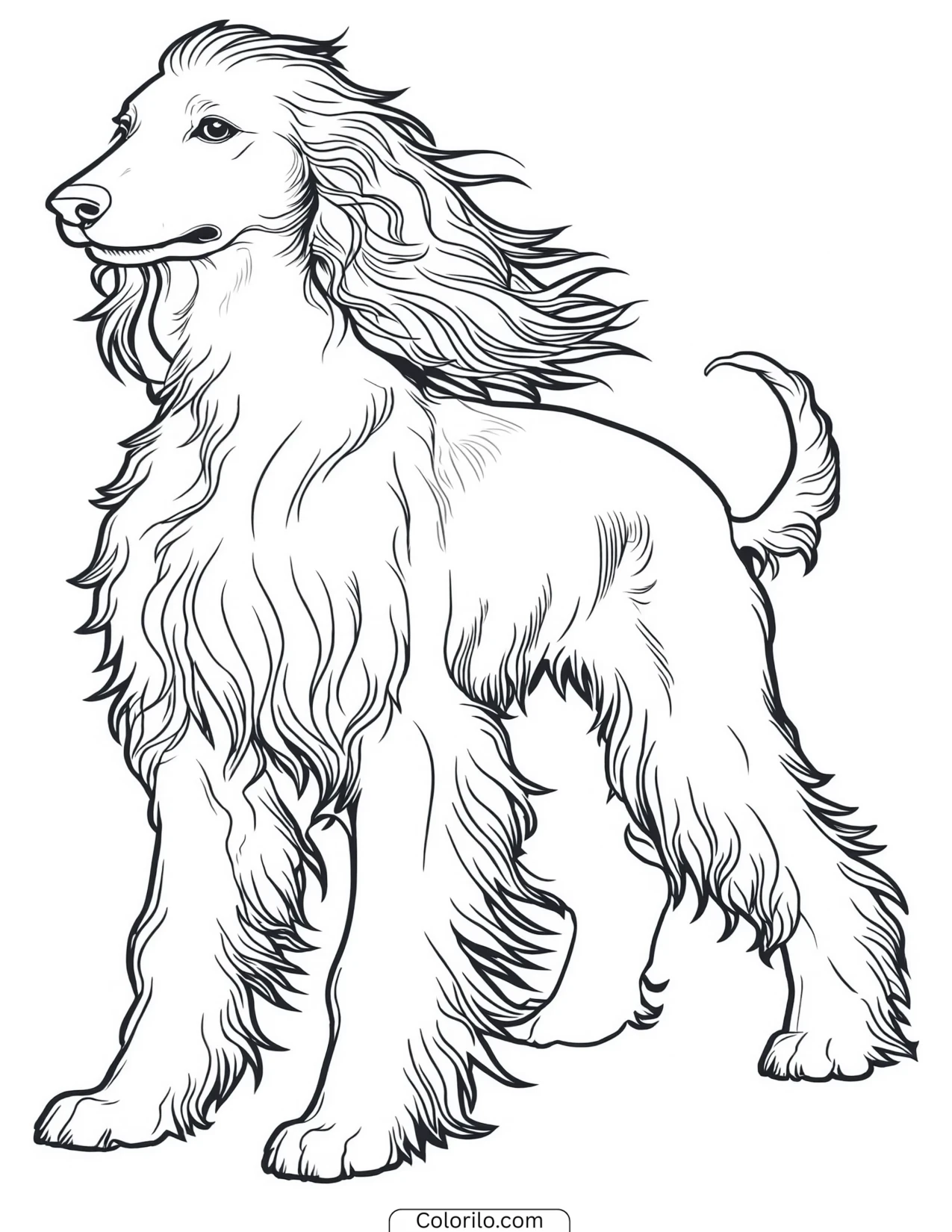
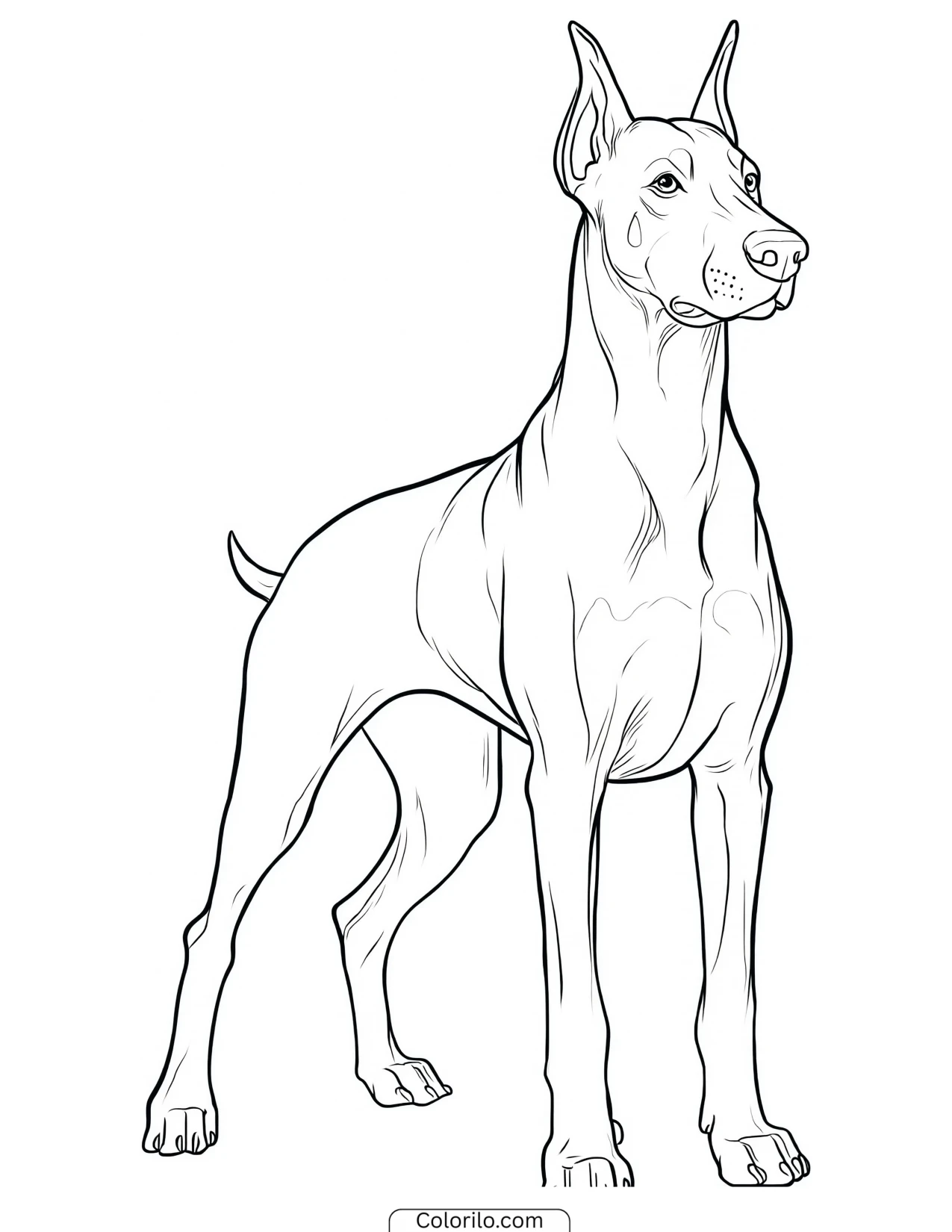
Detail varies with the coat. The short-haired breeds, the Boxer, the Doberman, the Weimaraner, have clean open shapes that fill quickly. The Afghan Hound, the Shih Tzu, the Rough Collie and the Old English coats have long flowing hair with far more line work, and suit an older child or an adult.
Every one of these dog coloring pages is free, prints on standard US letter paper, and needs no sign-up. Click any design below to open the full-size PDF.
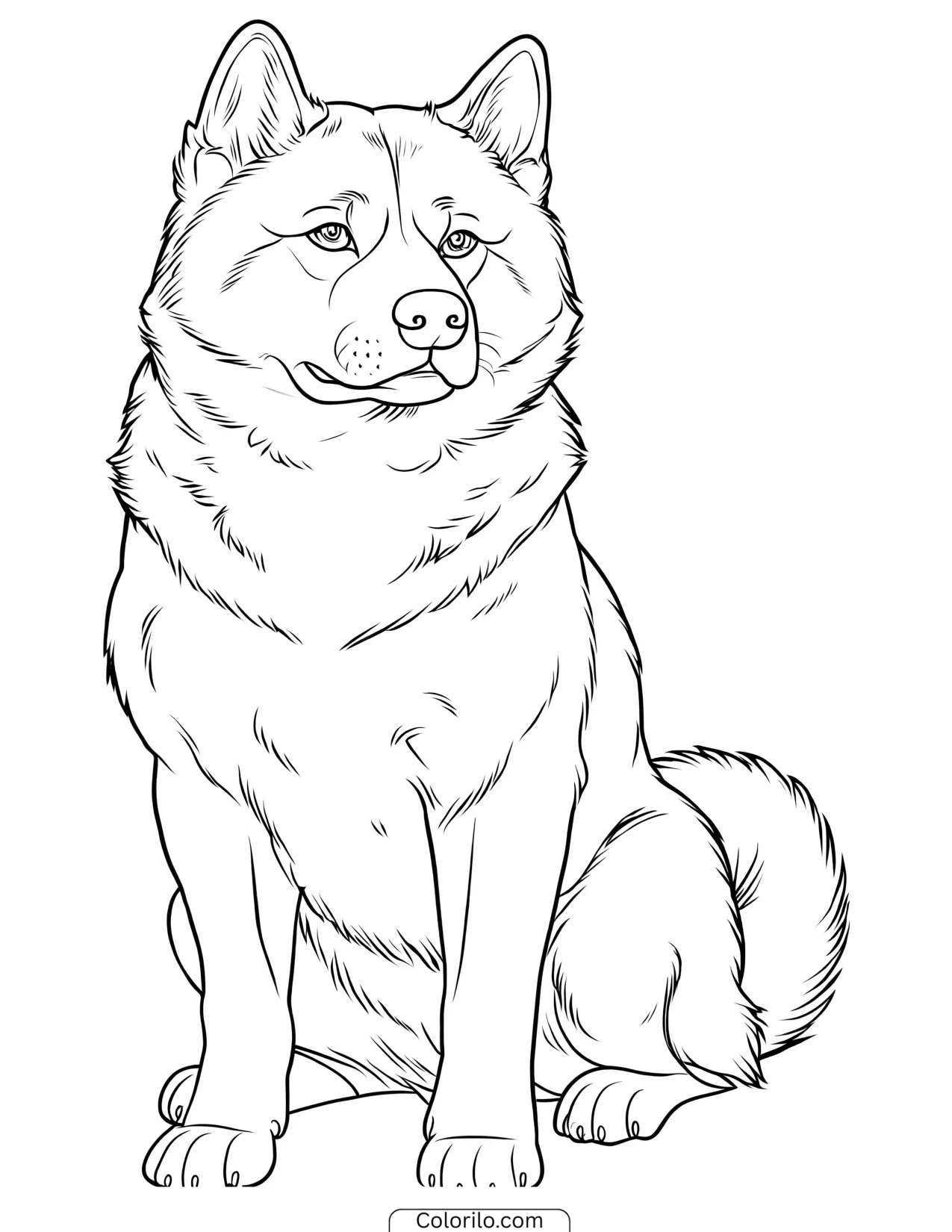
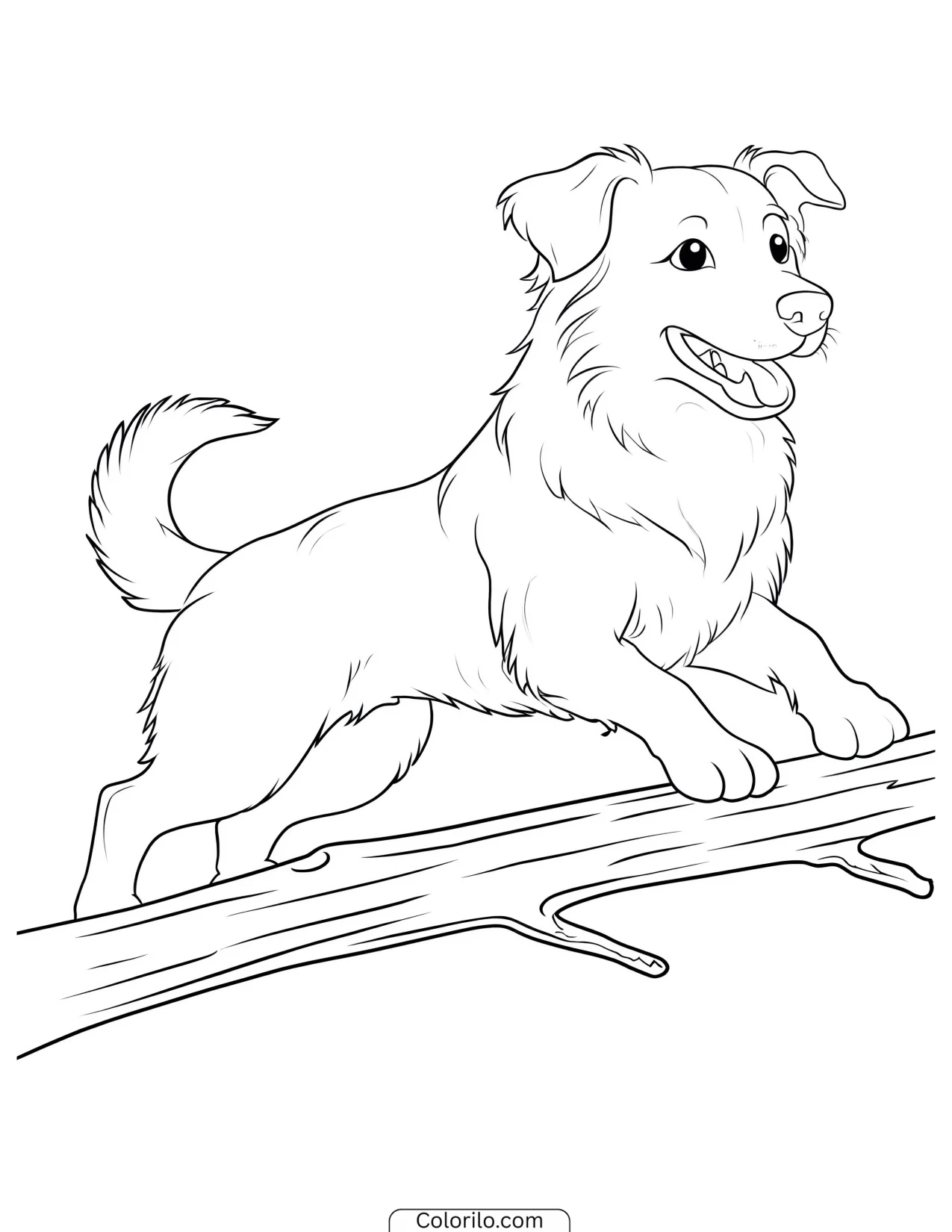
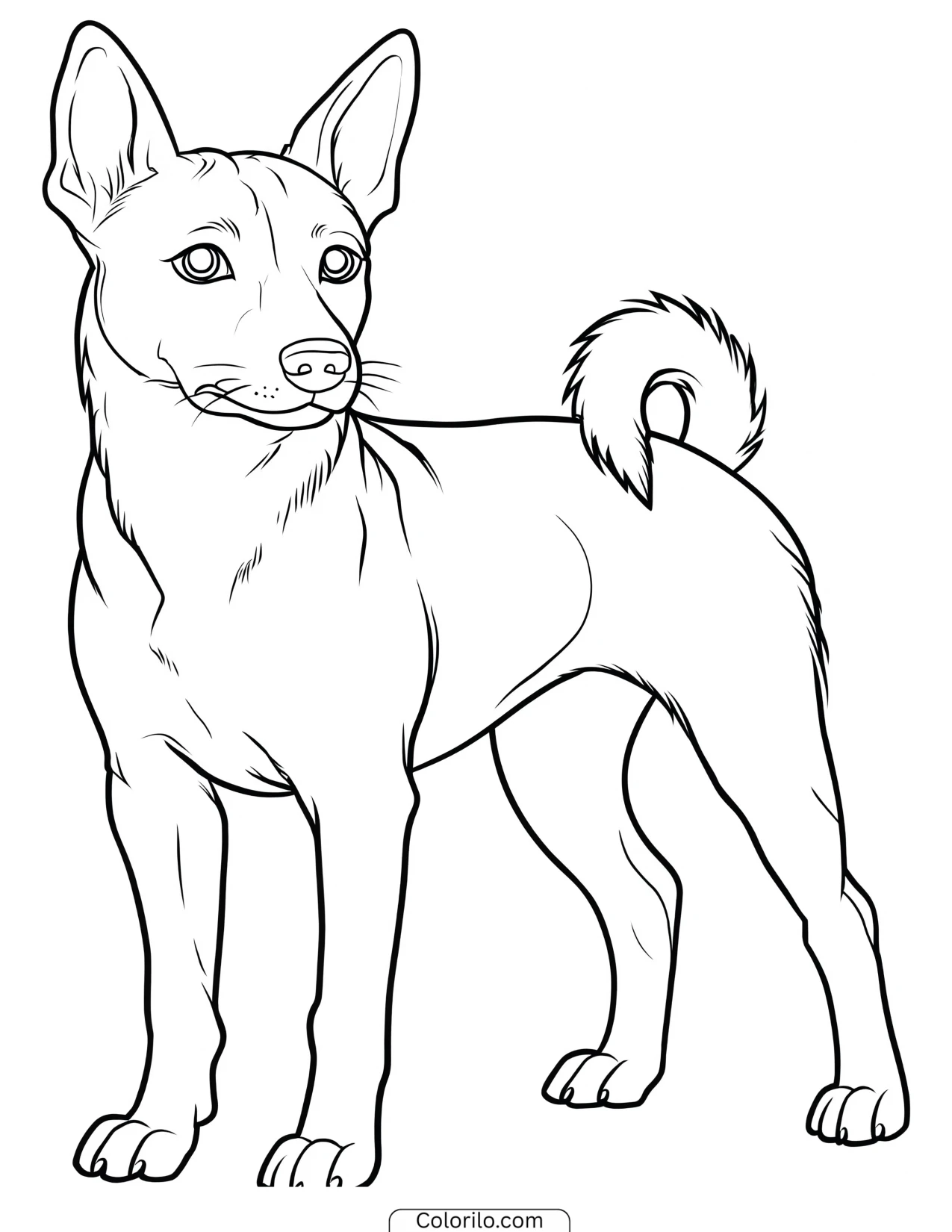
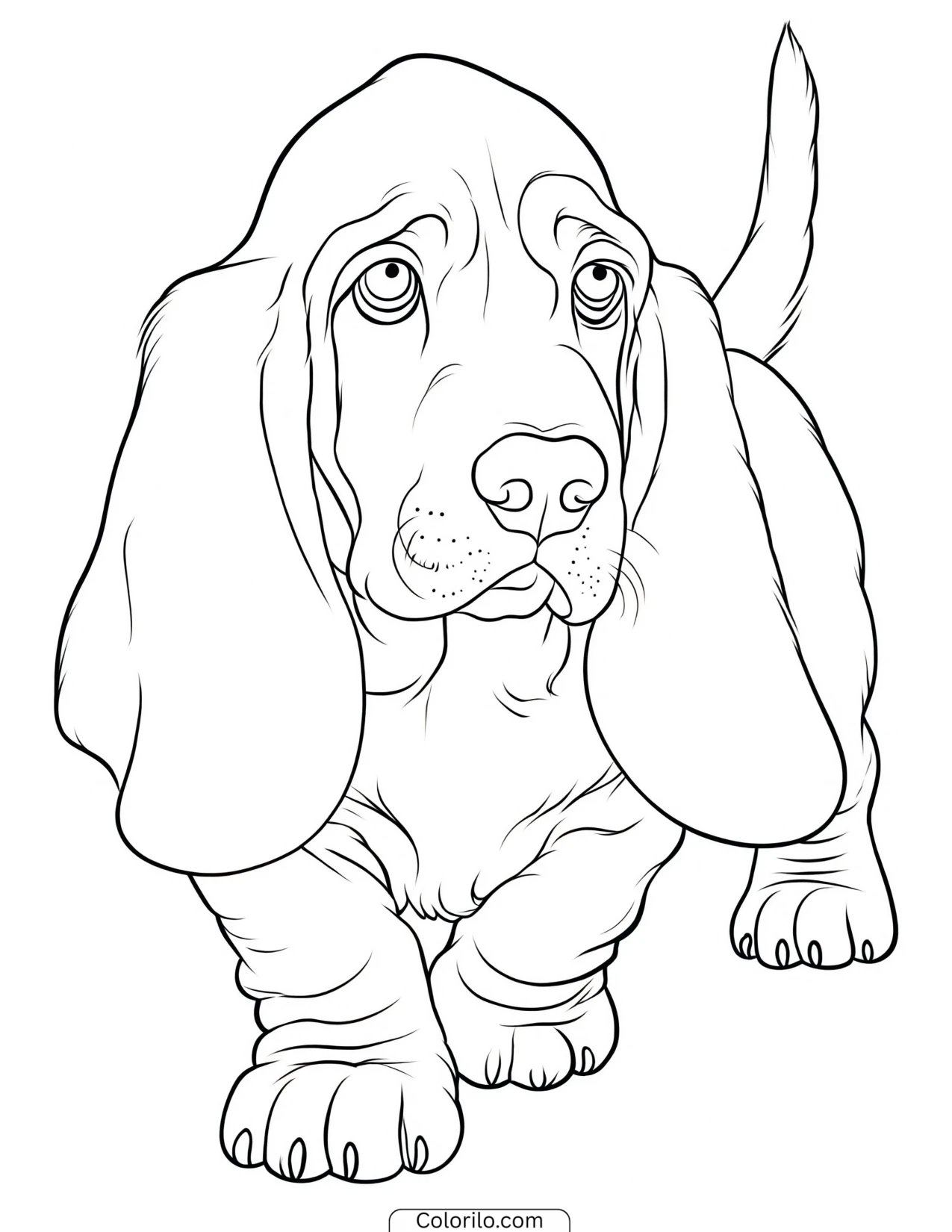
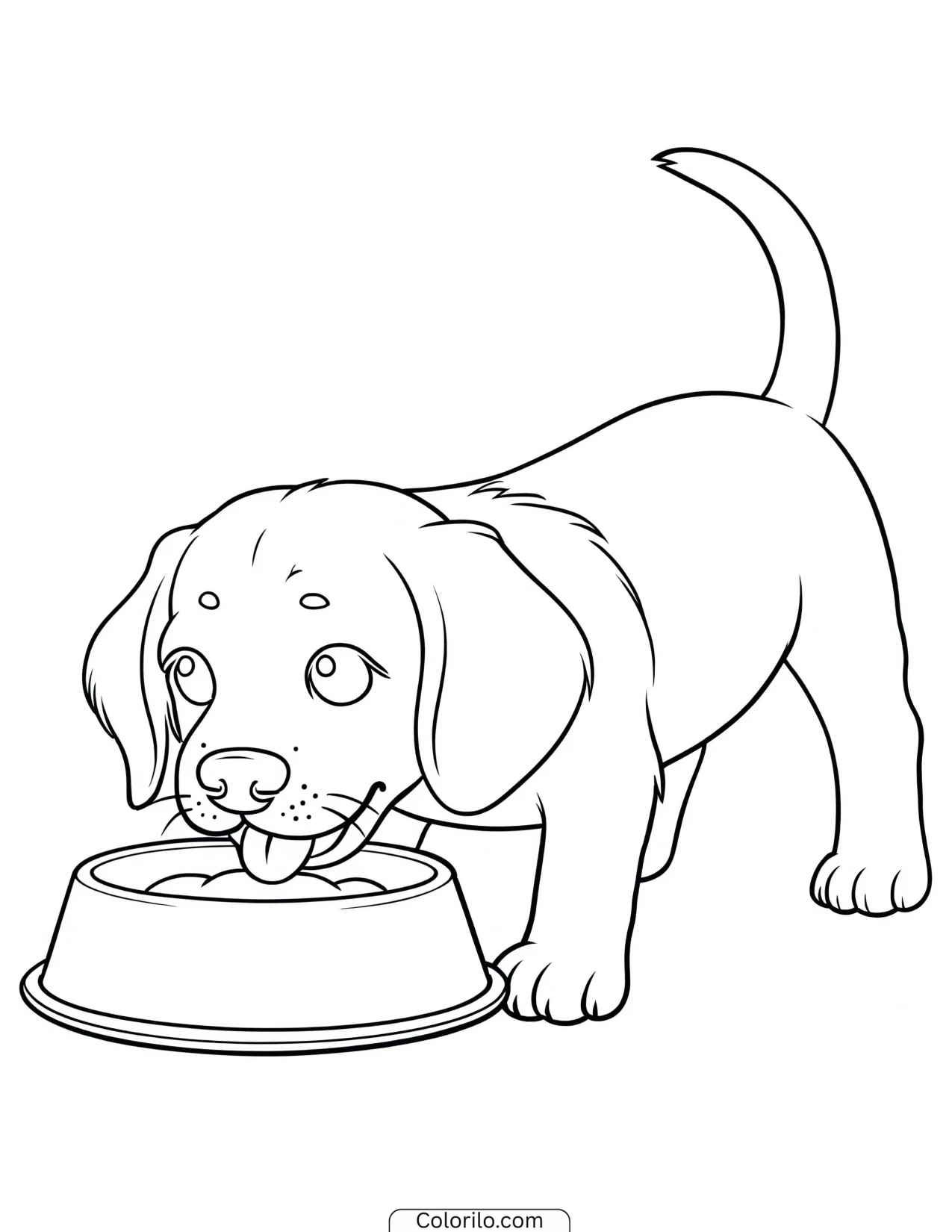
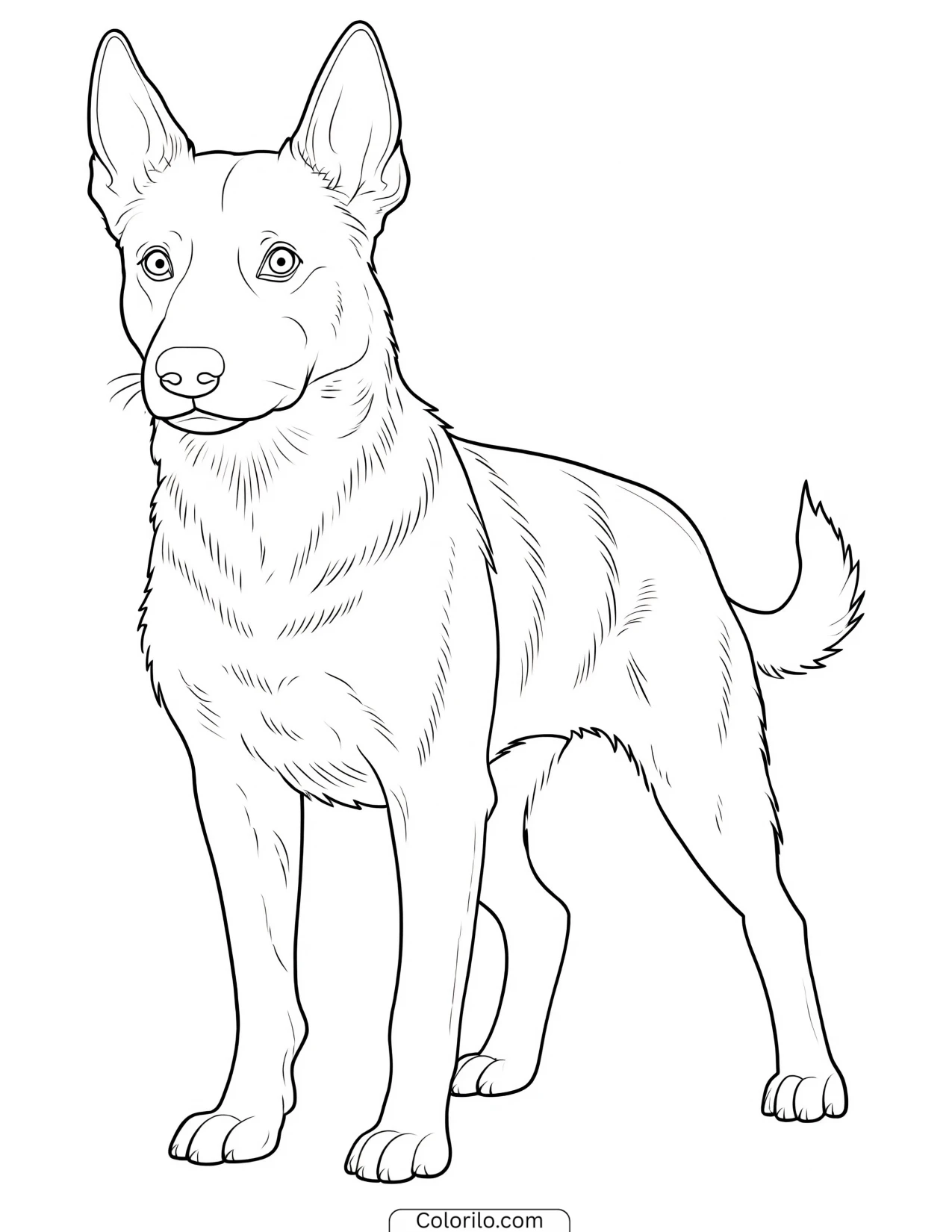
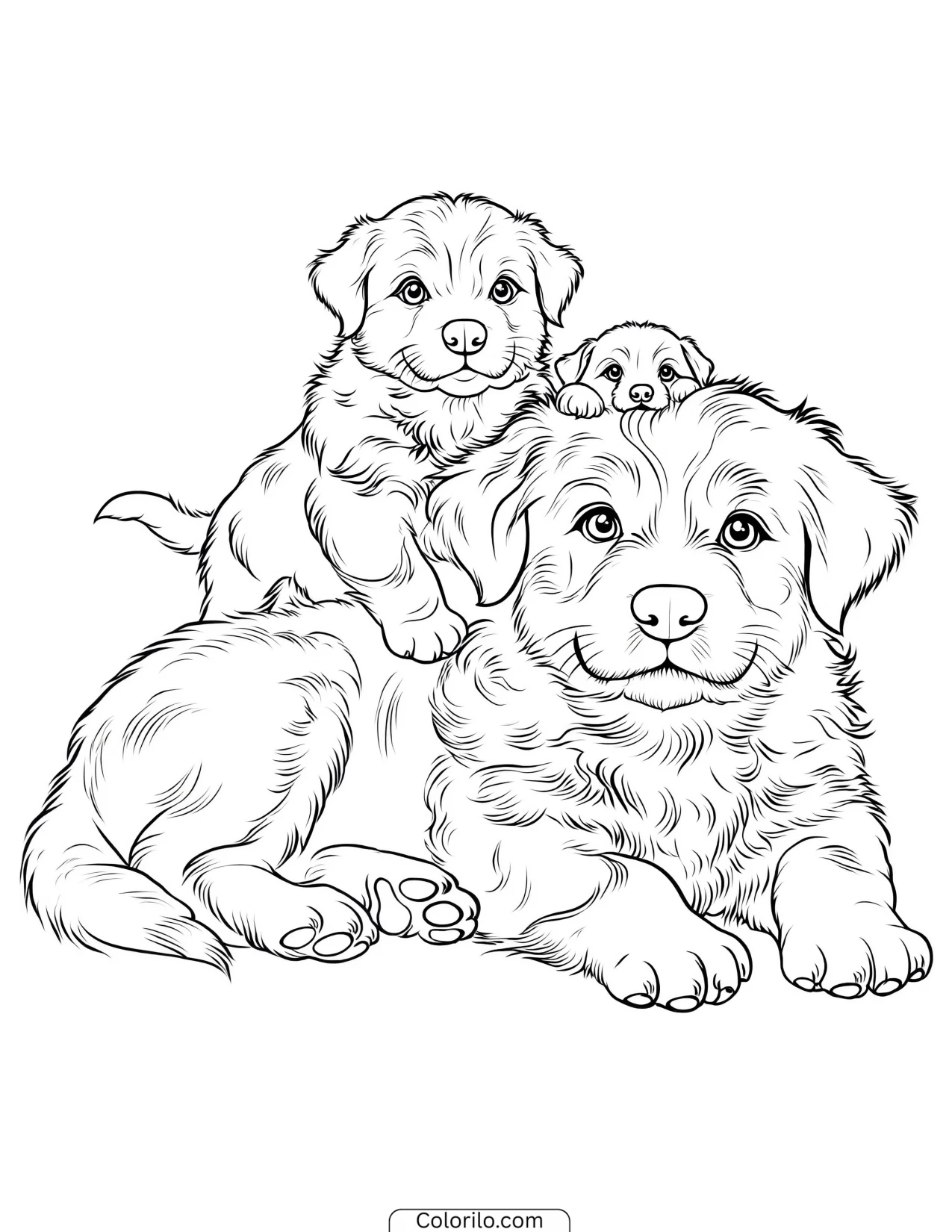
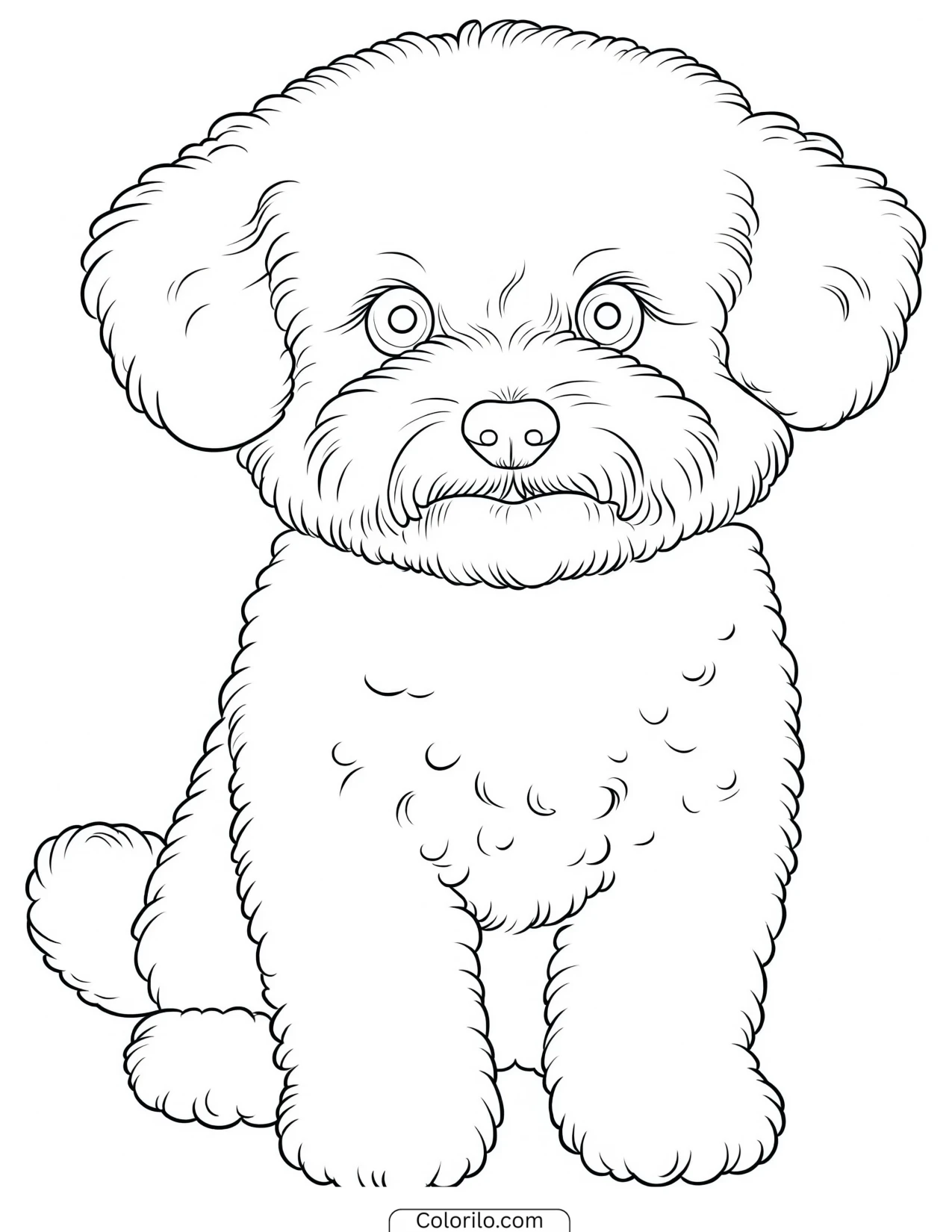
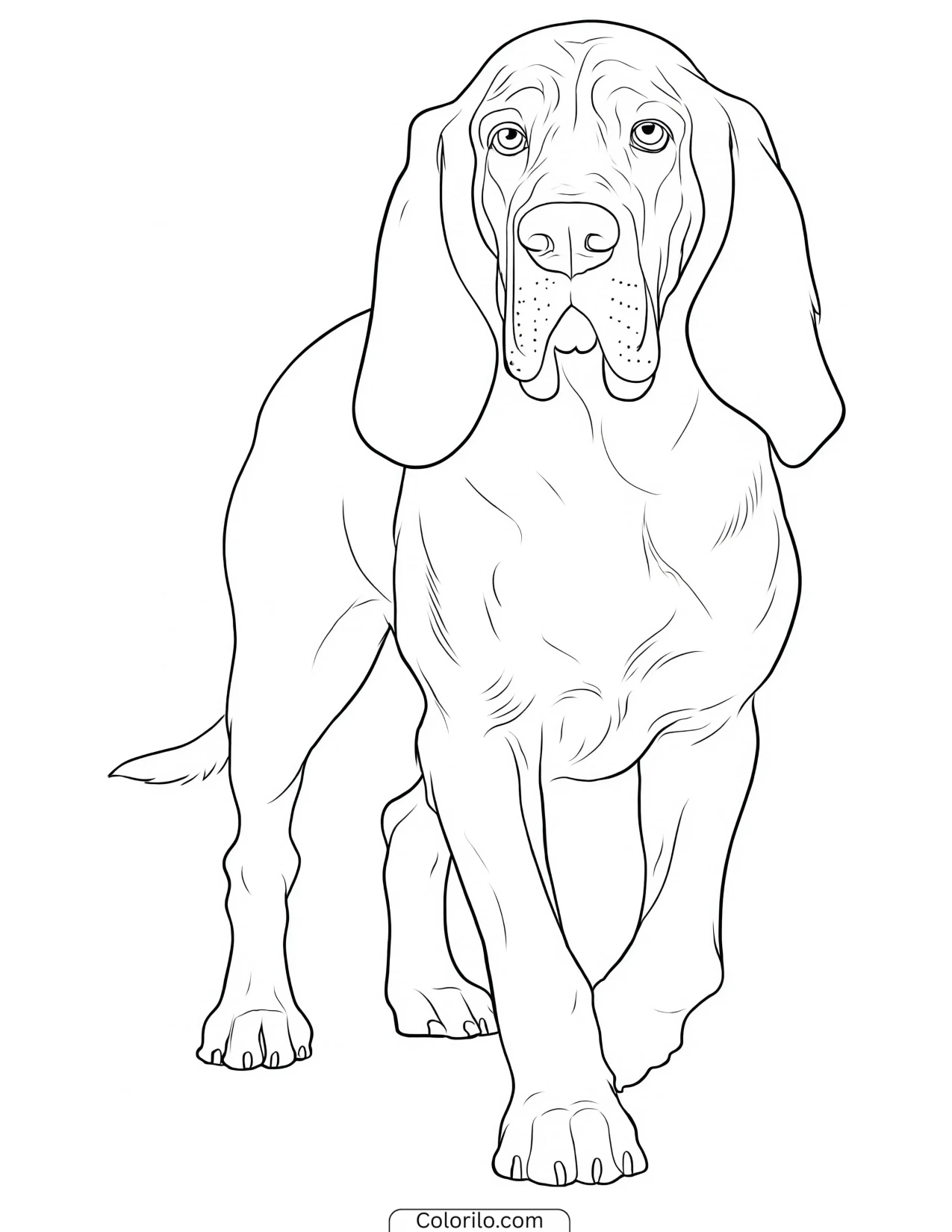
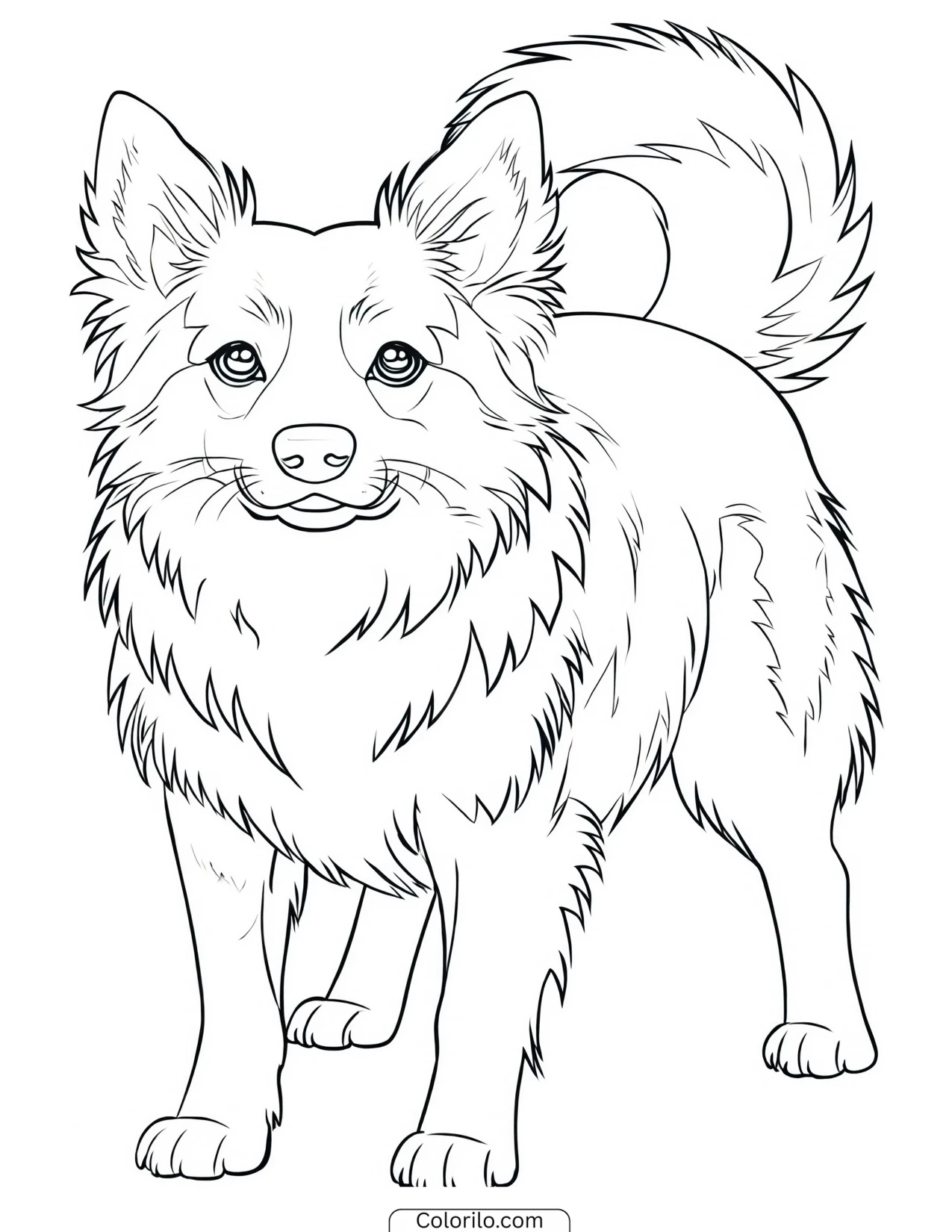
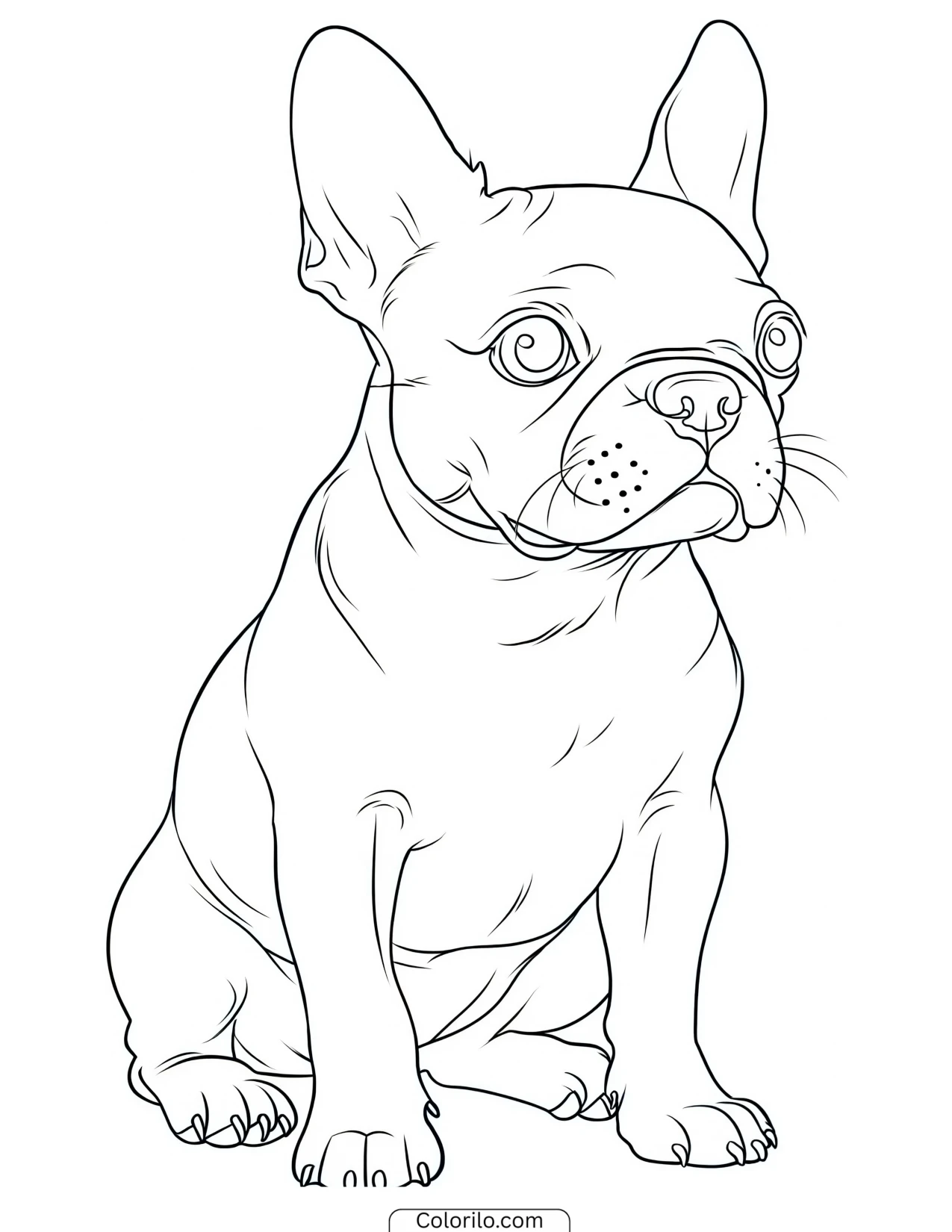
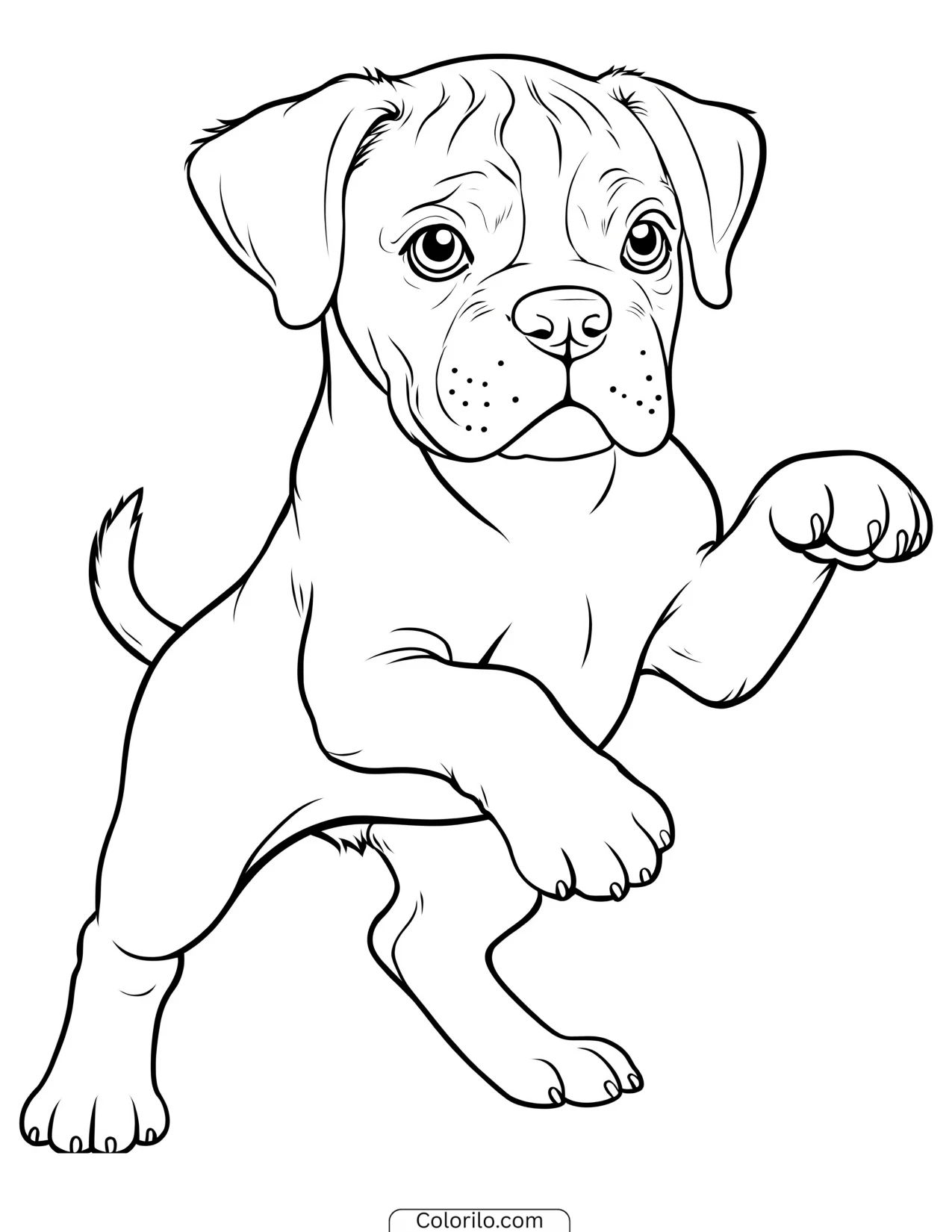
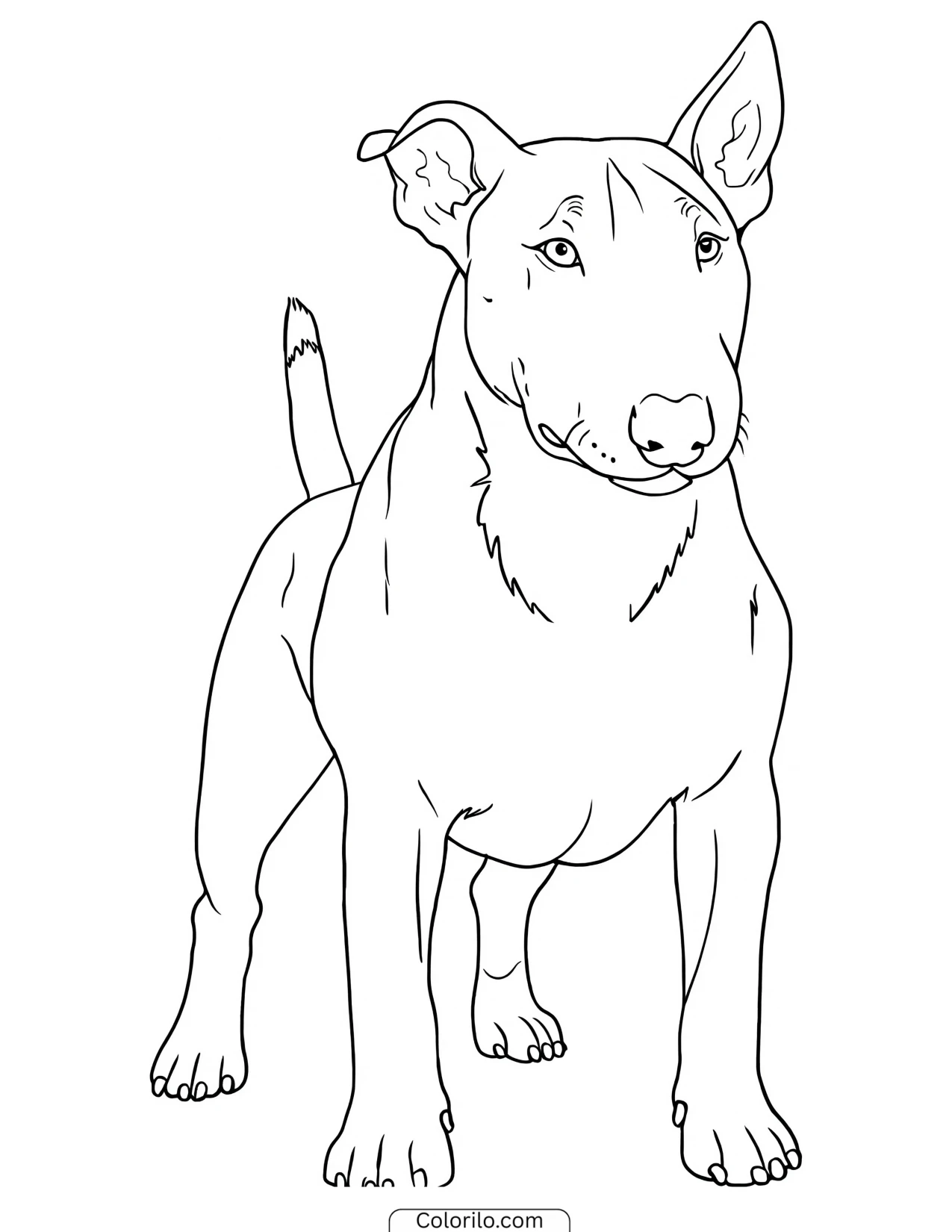
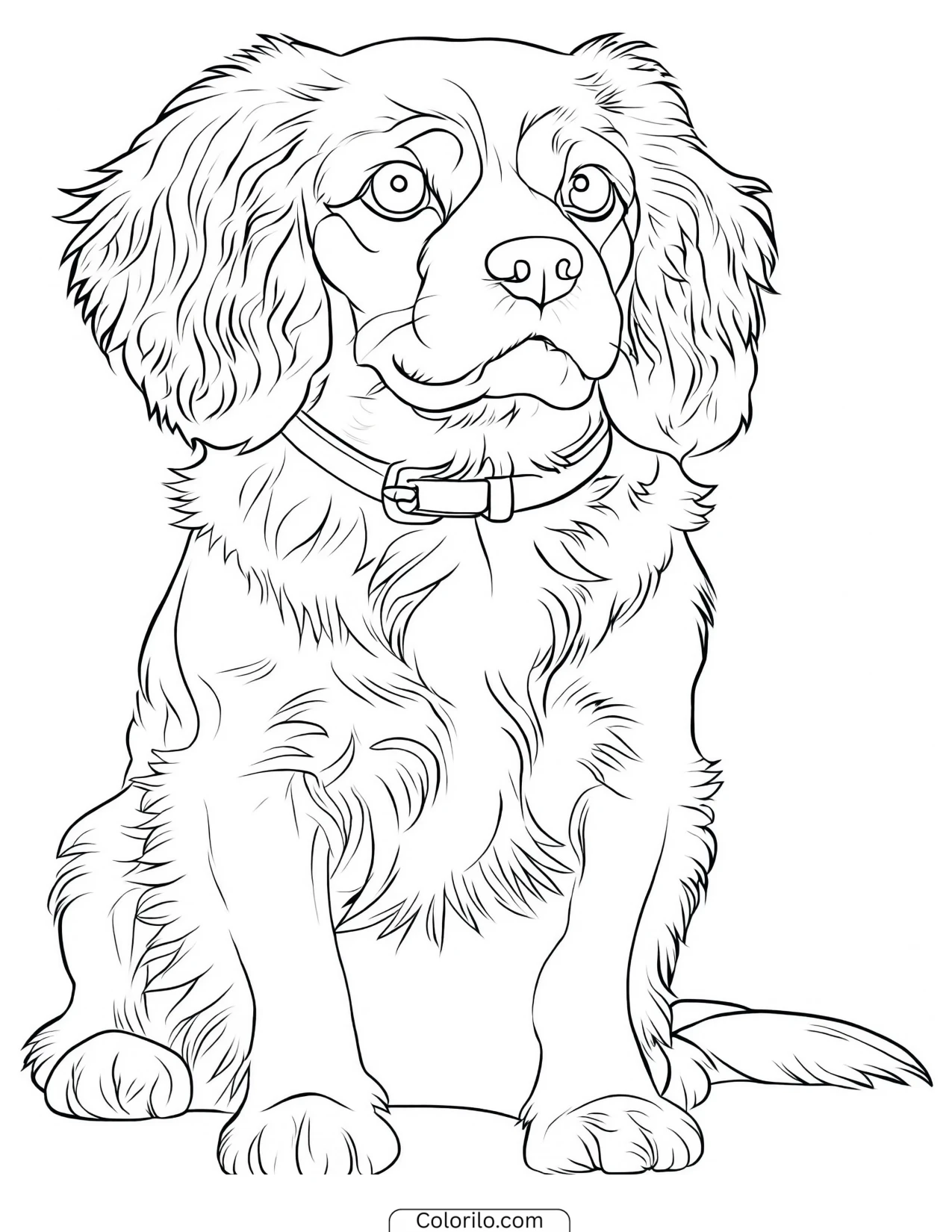
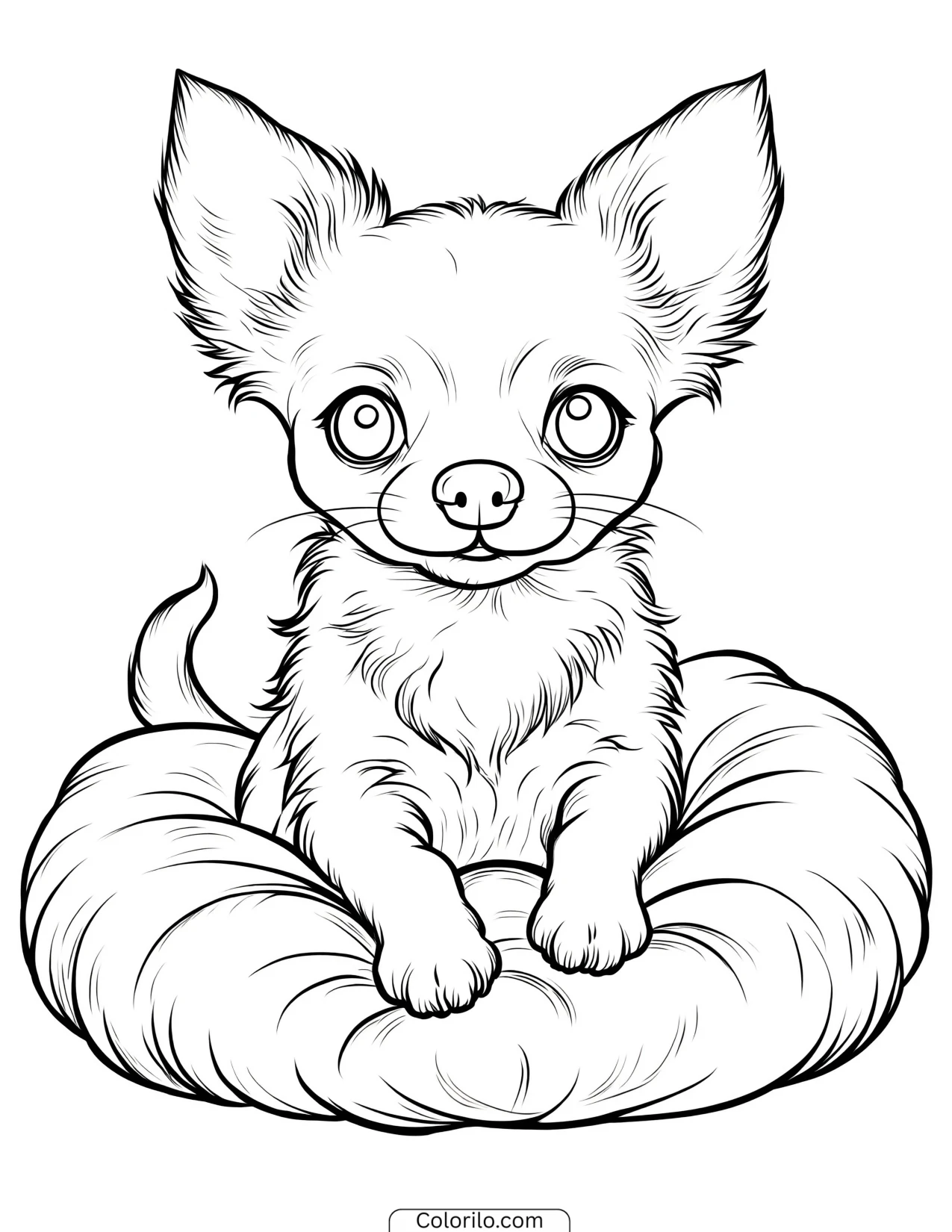
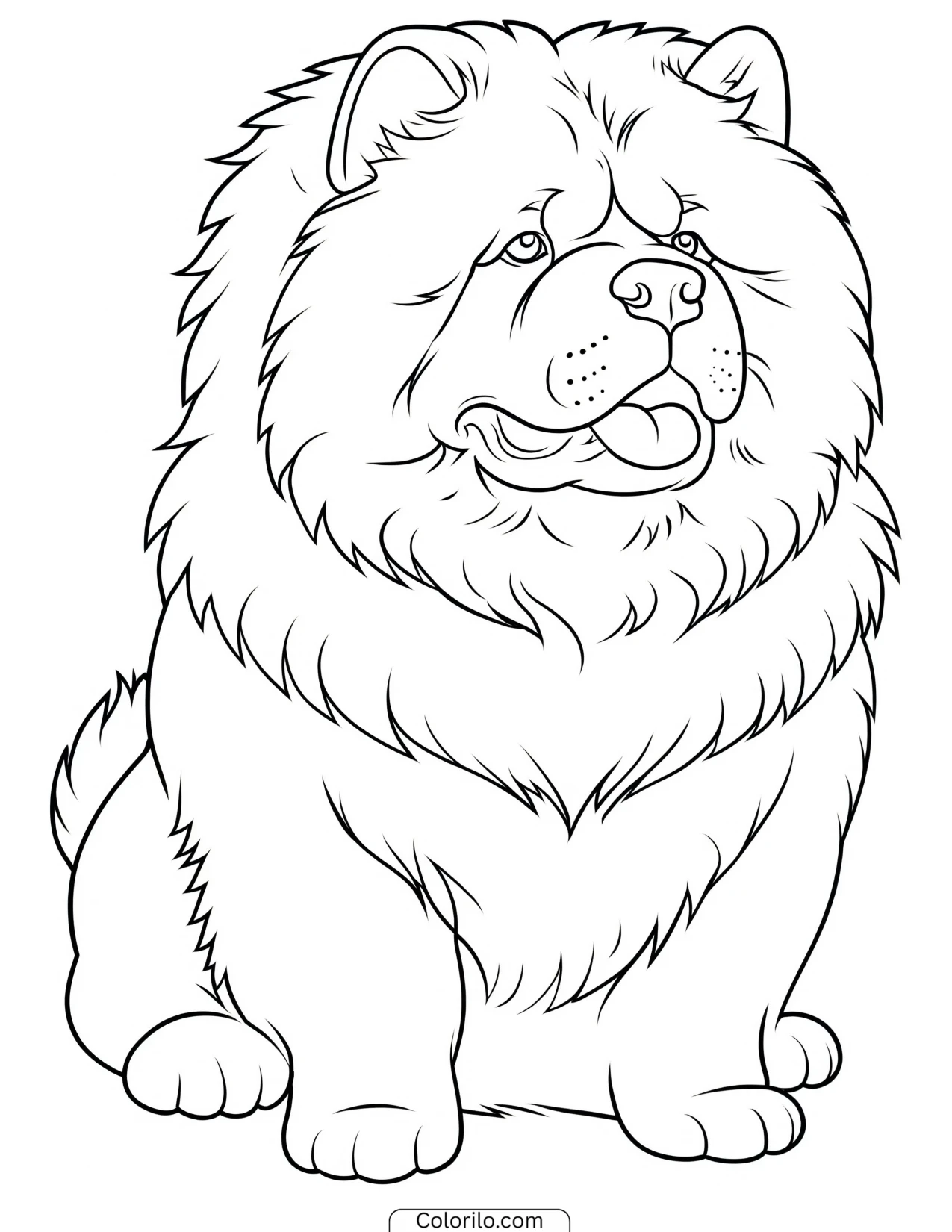
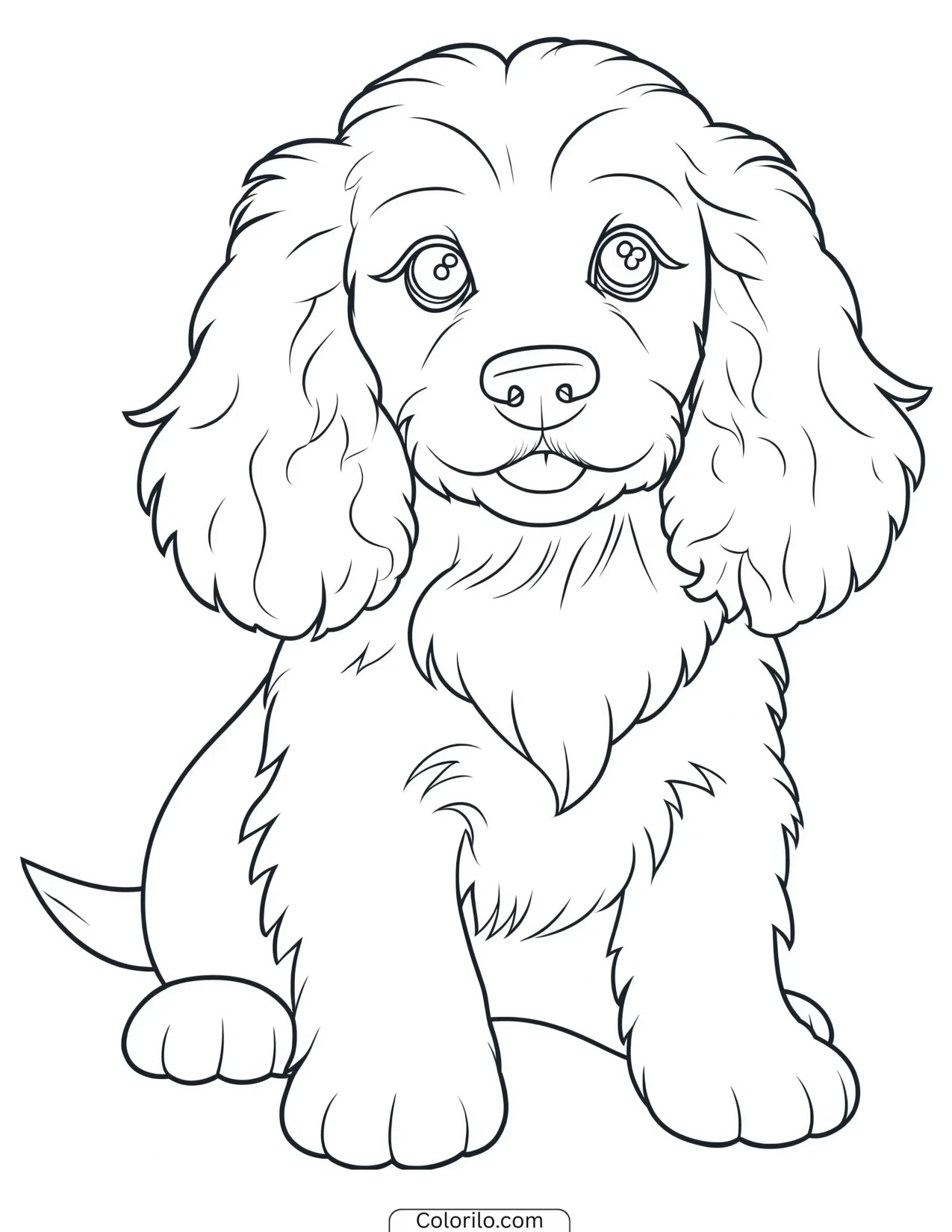
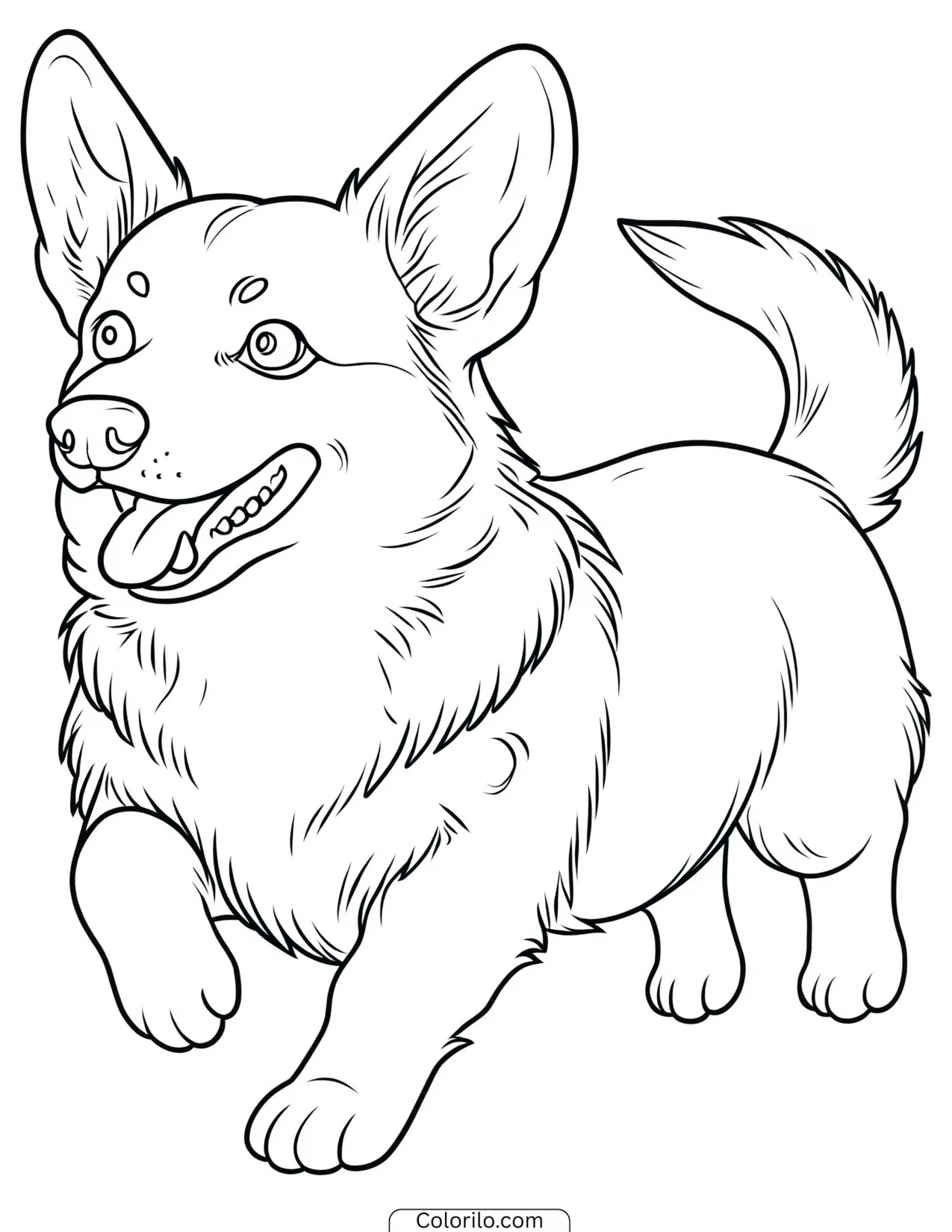
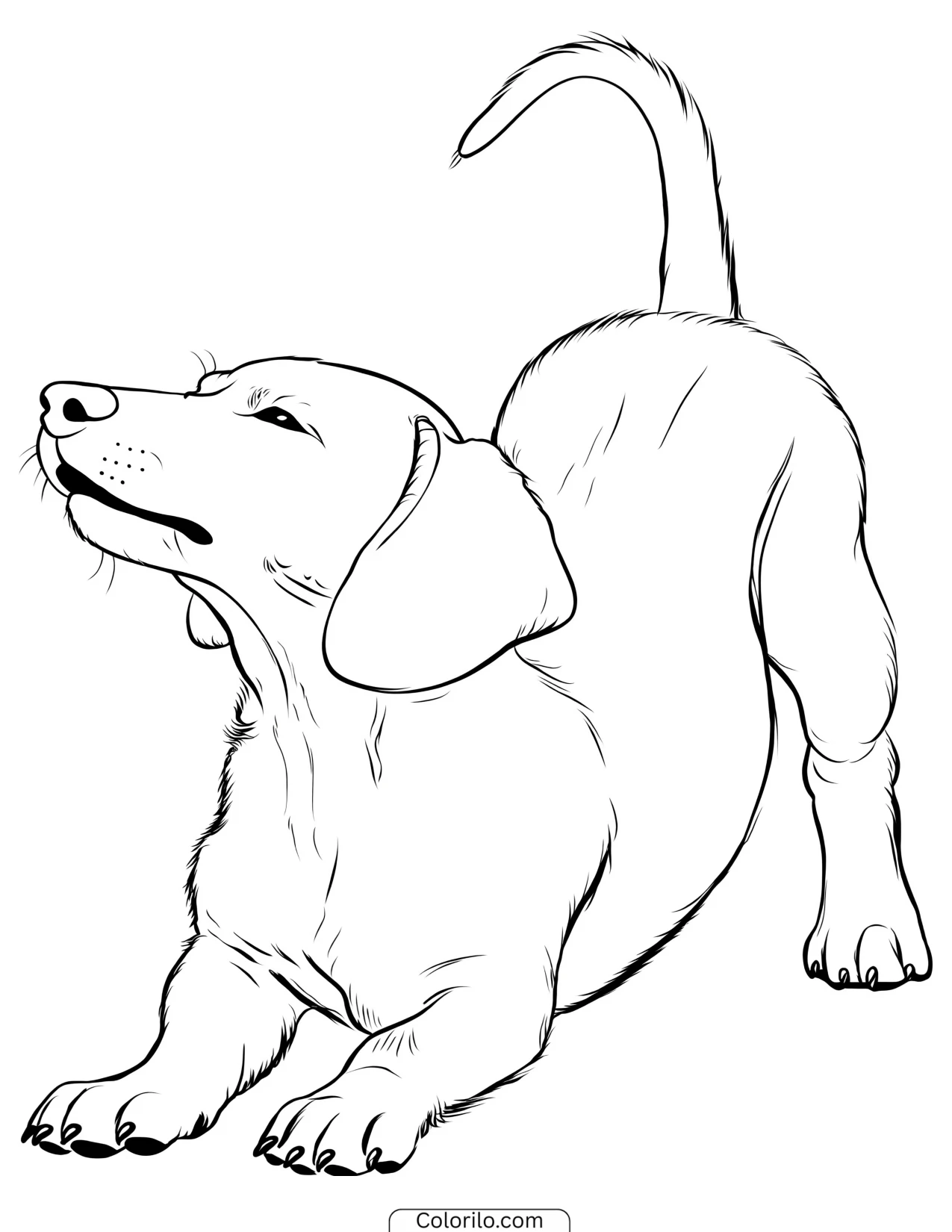
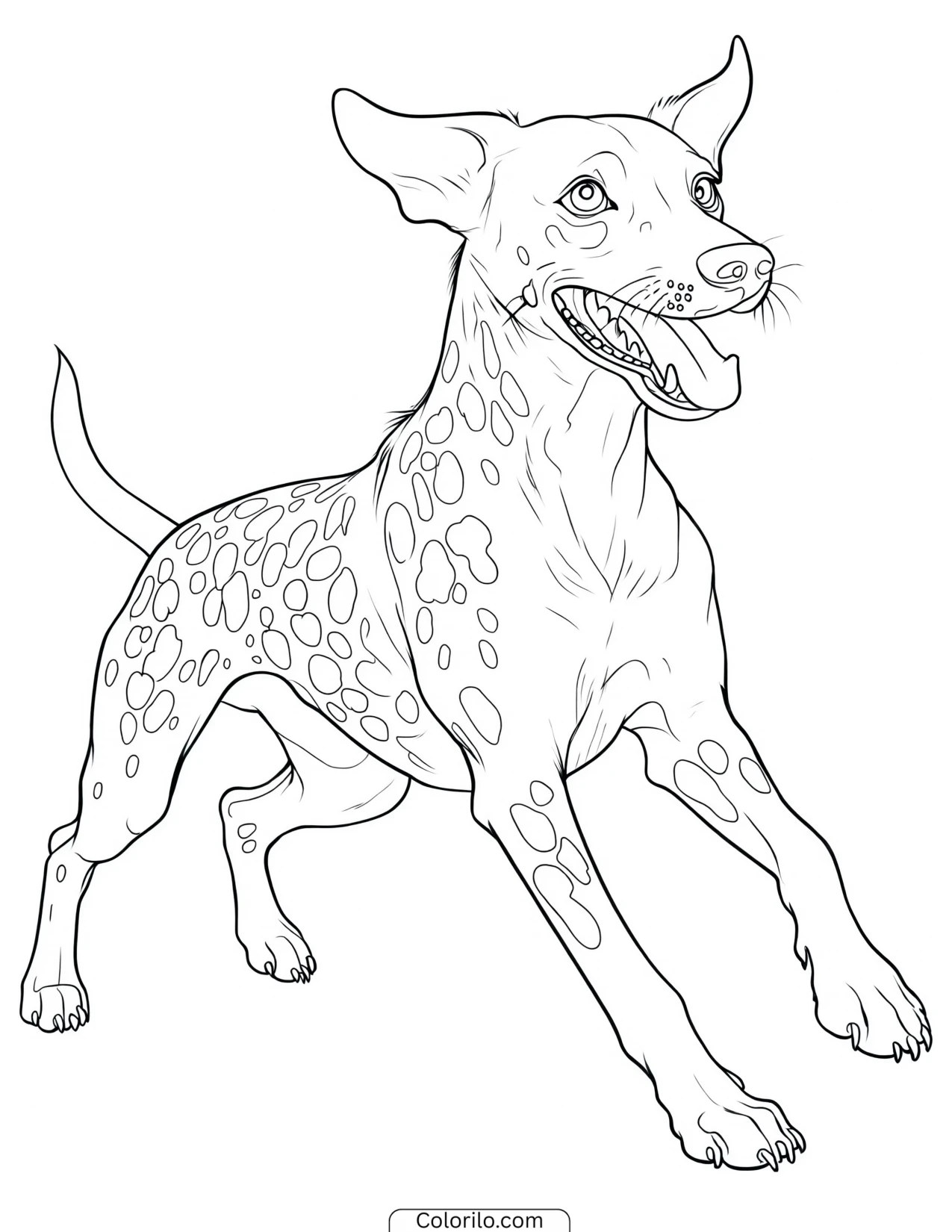
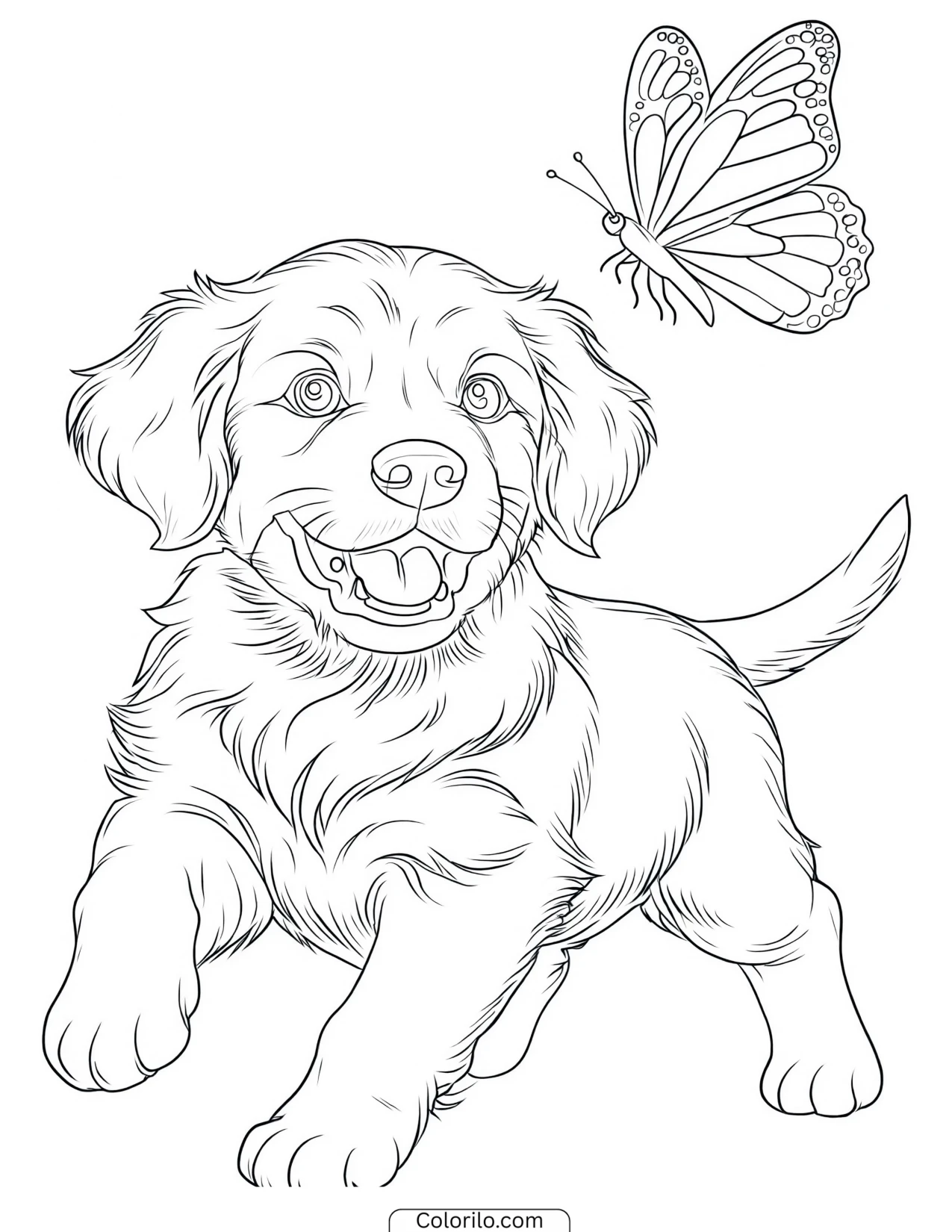
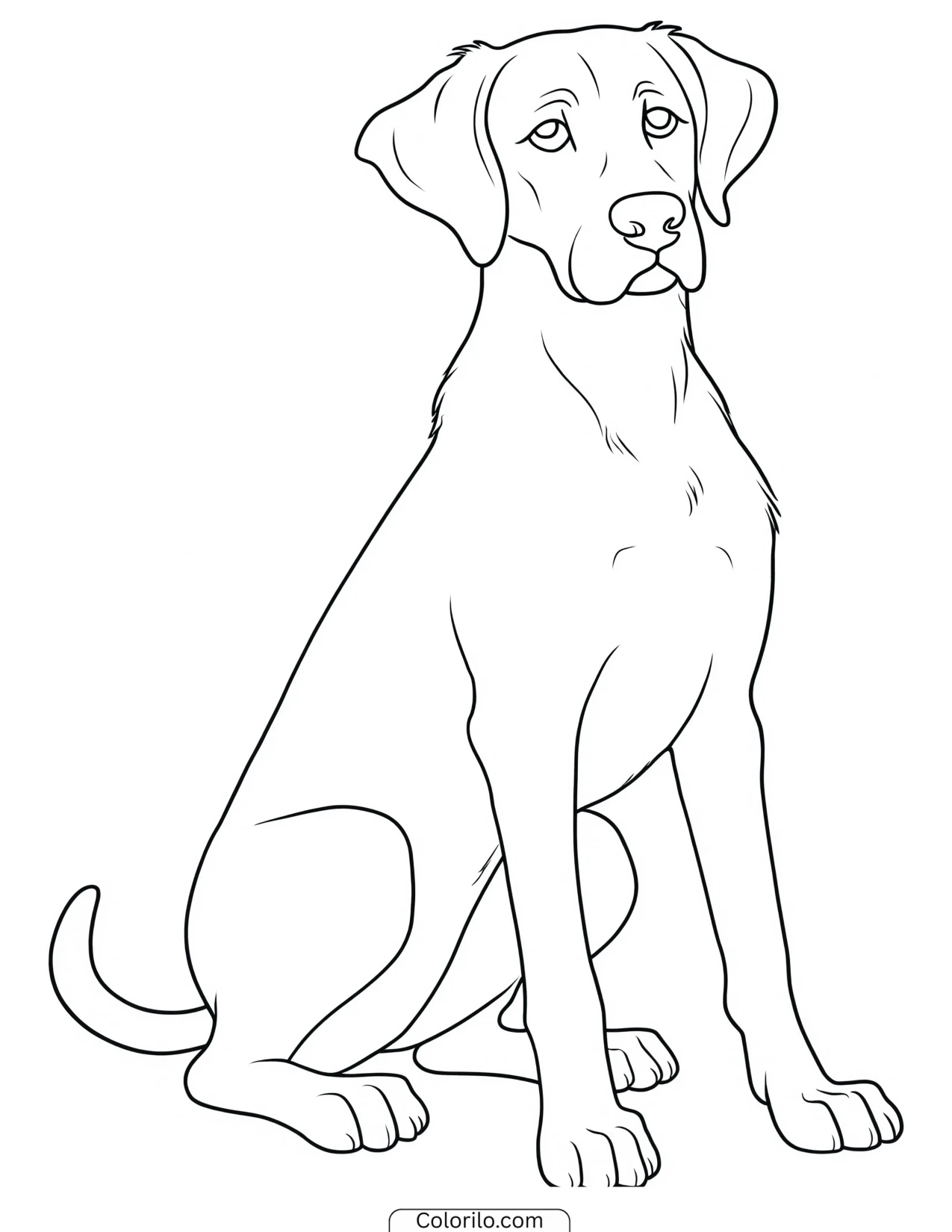
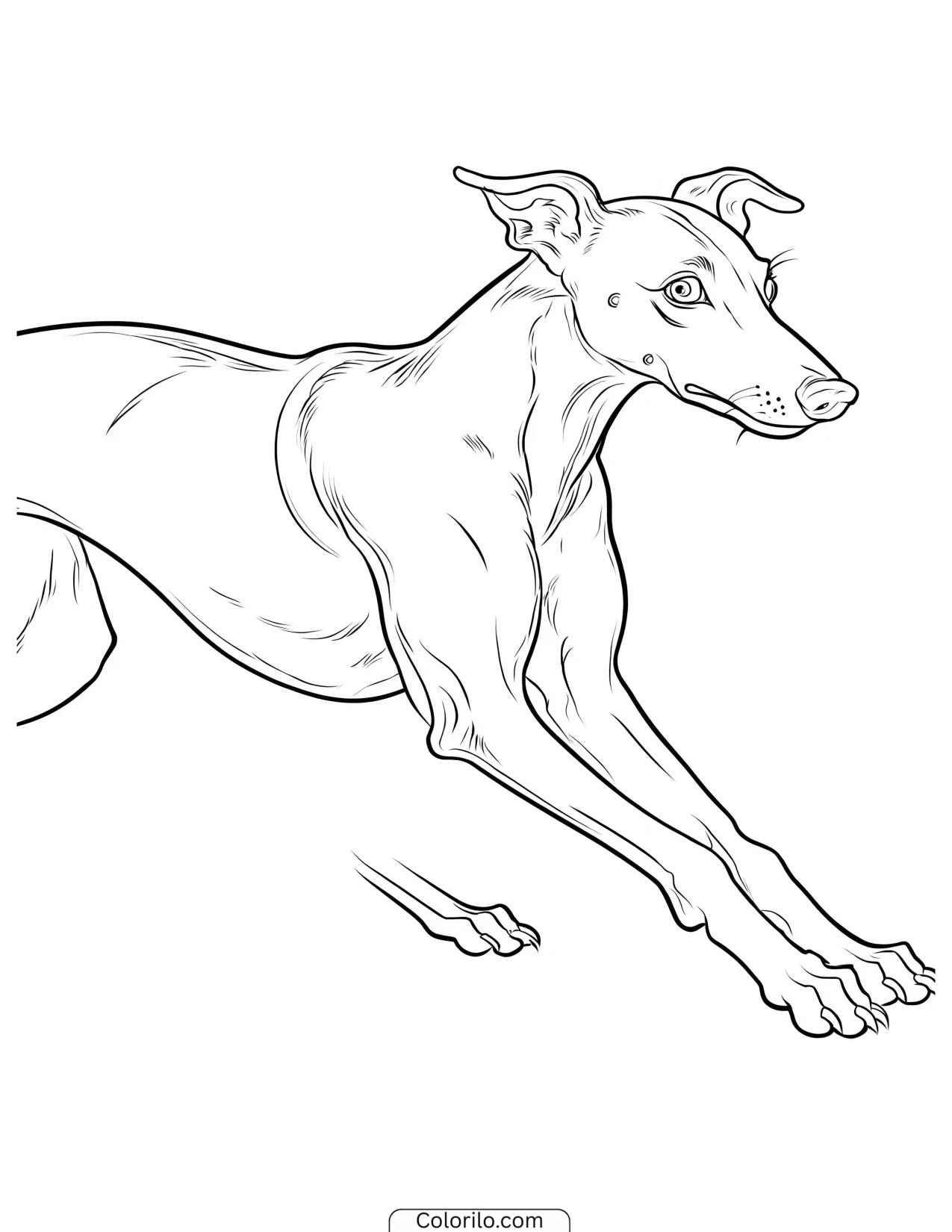
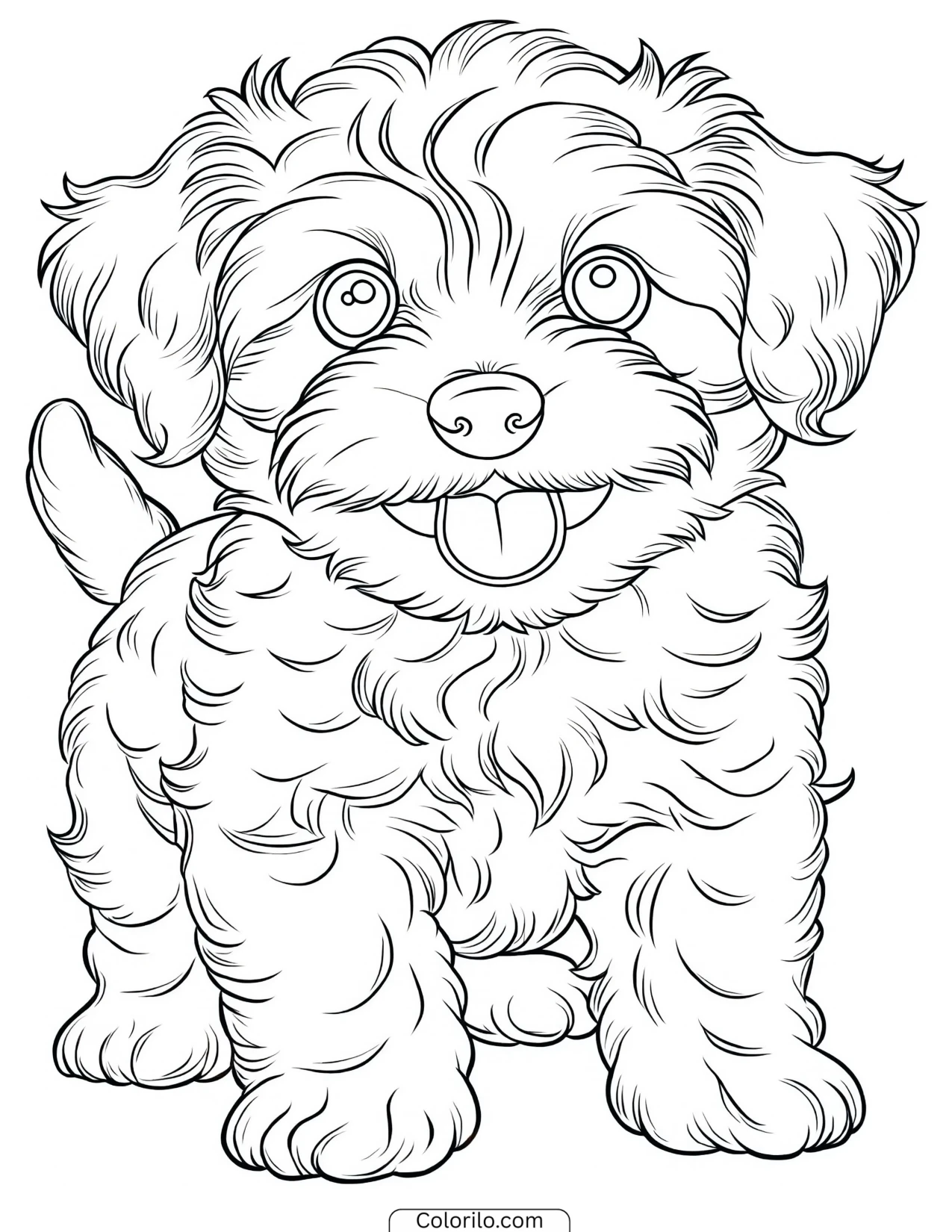
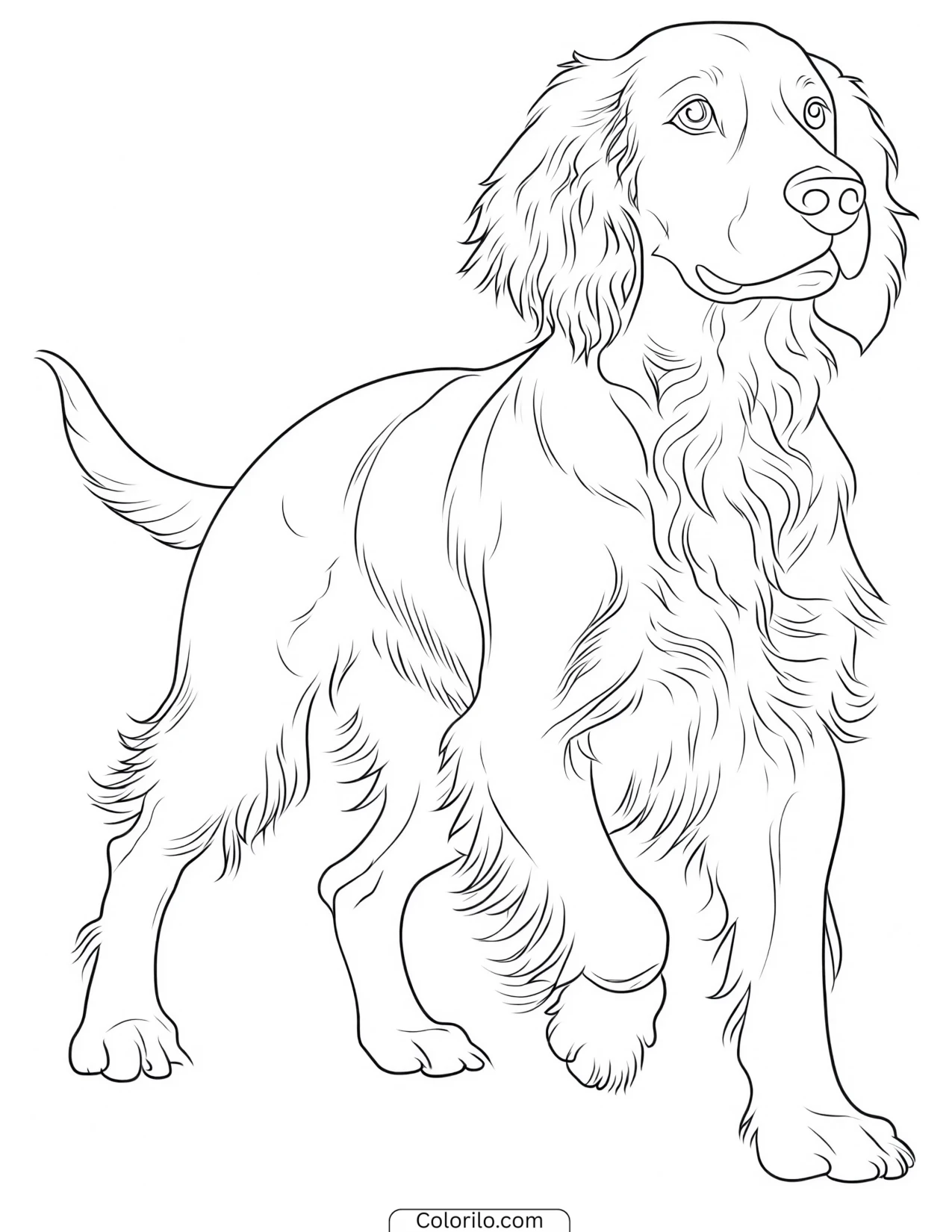
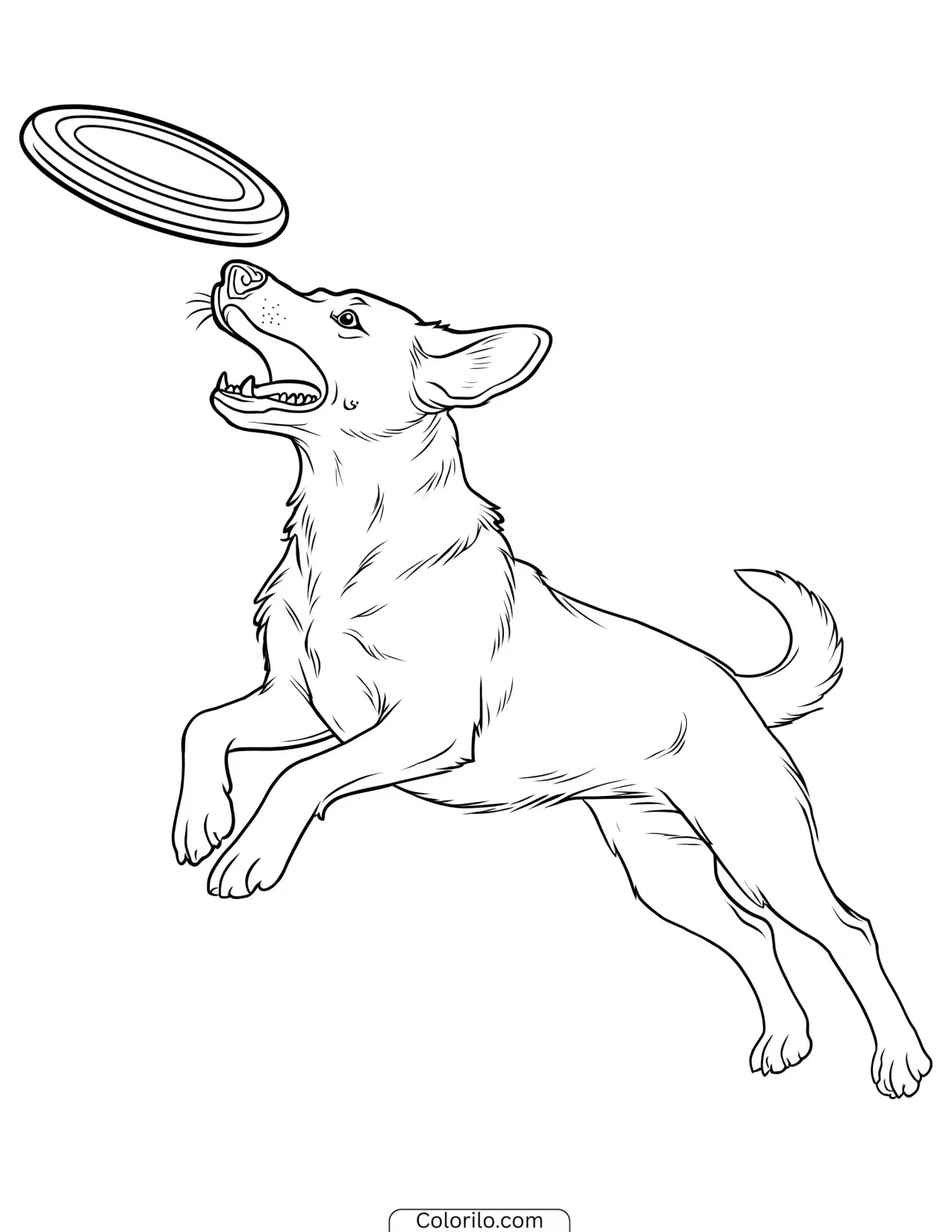
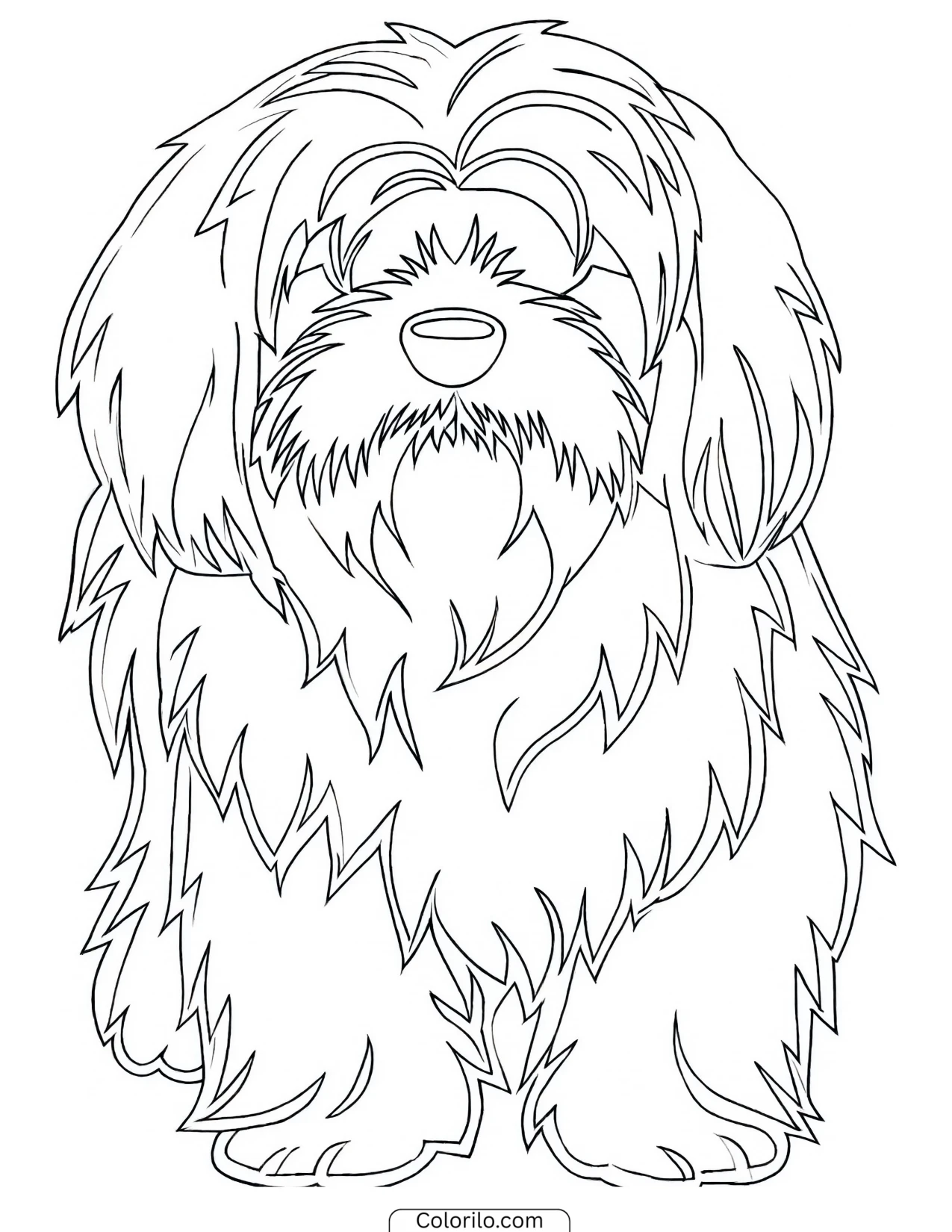
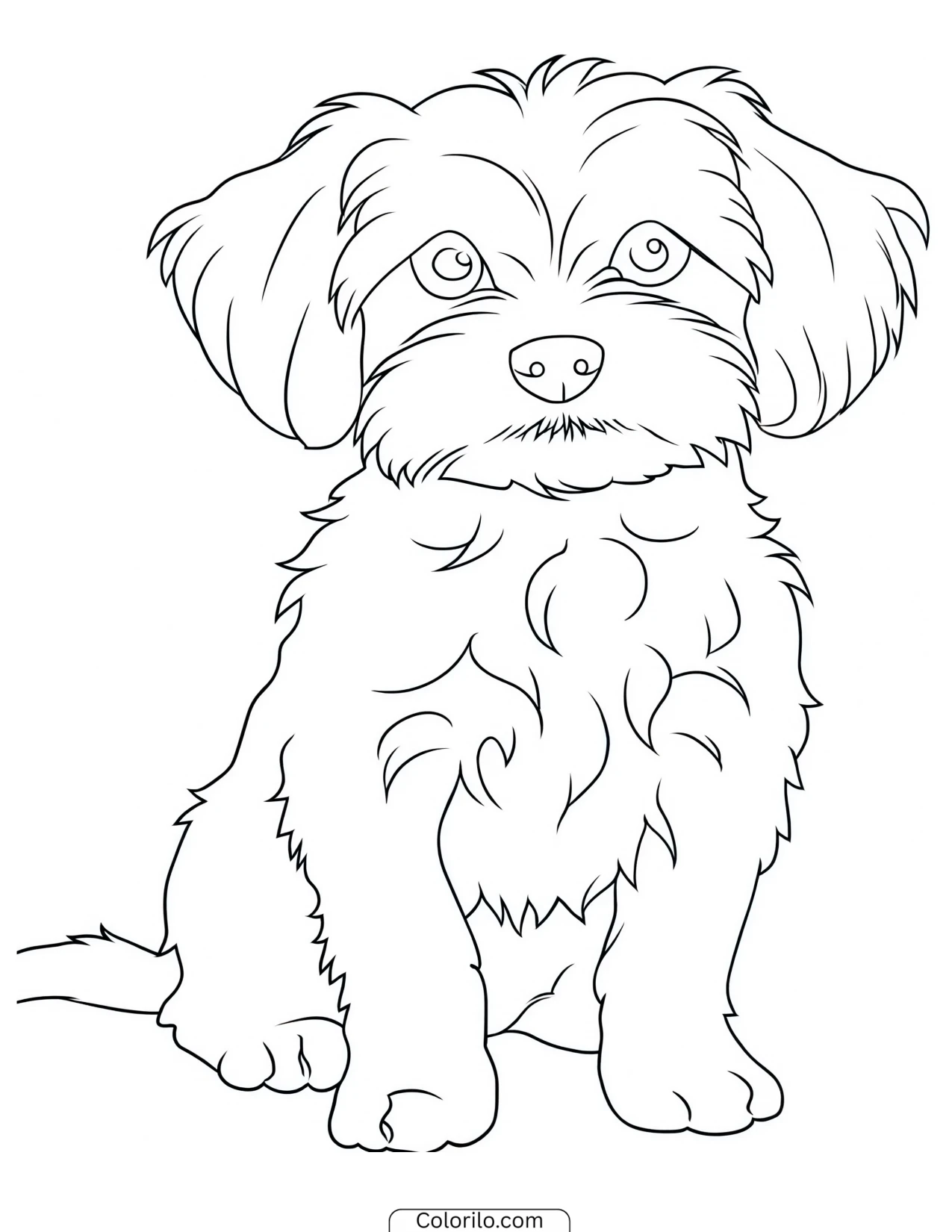
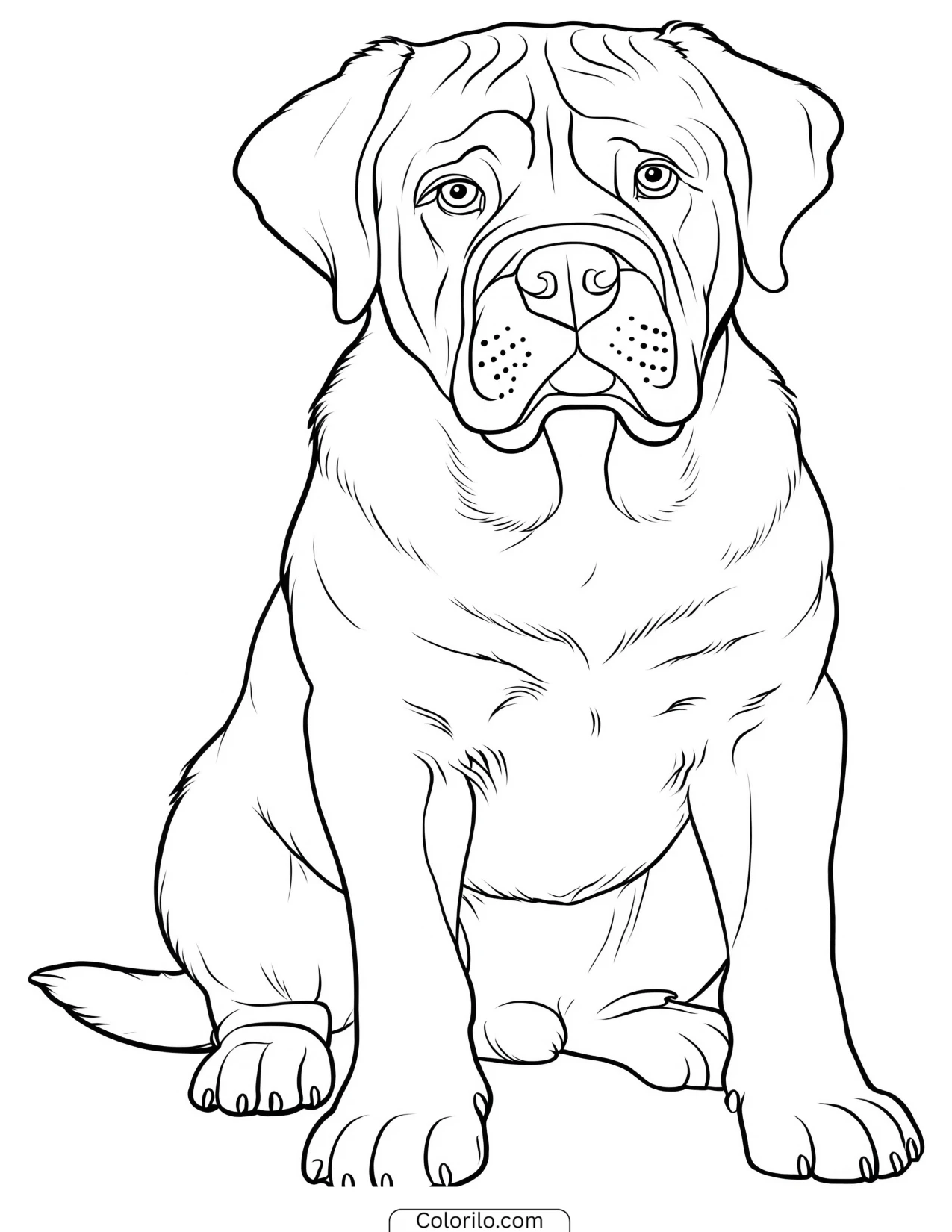
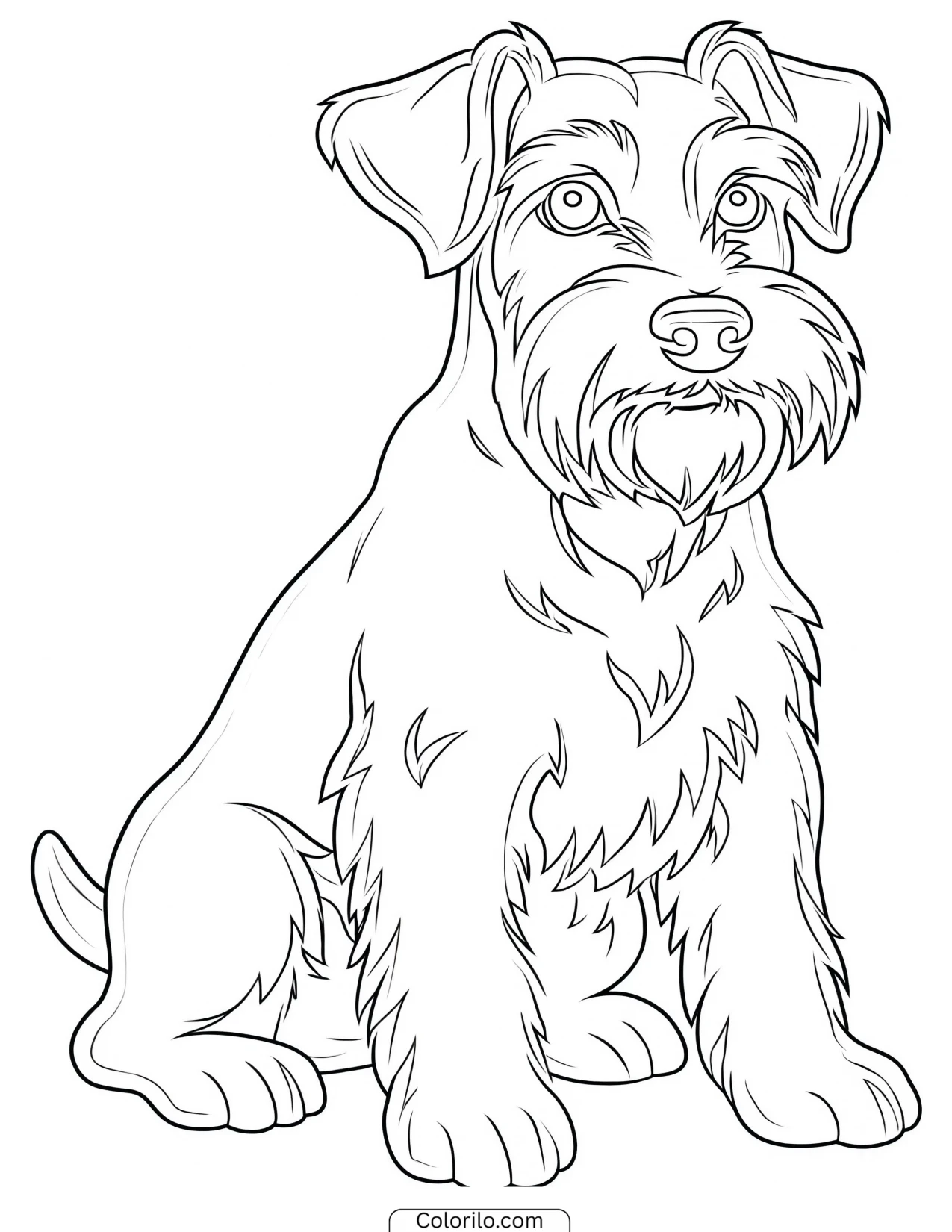
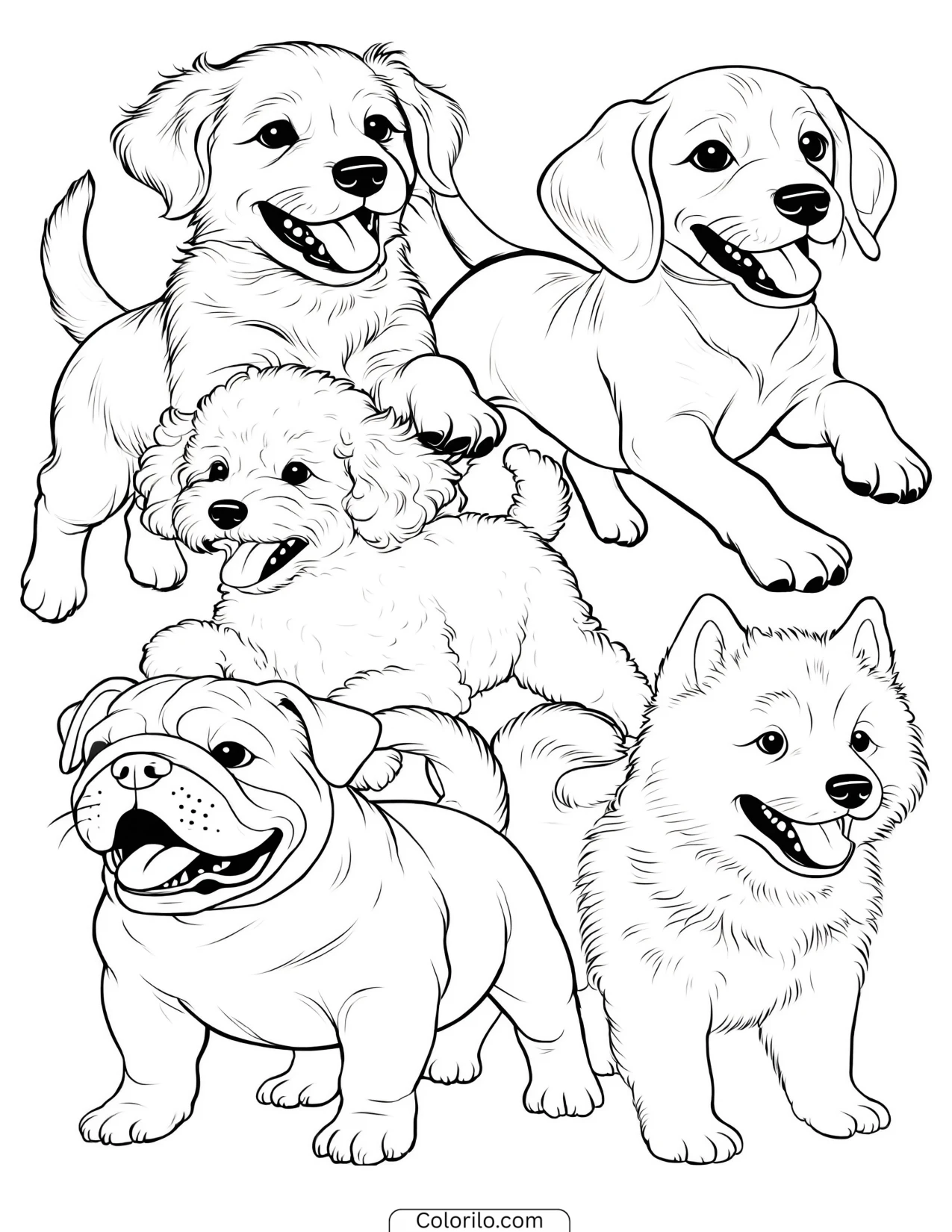
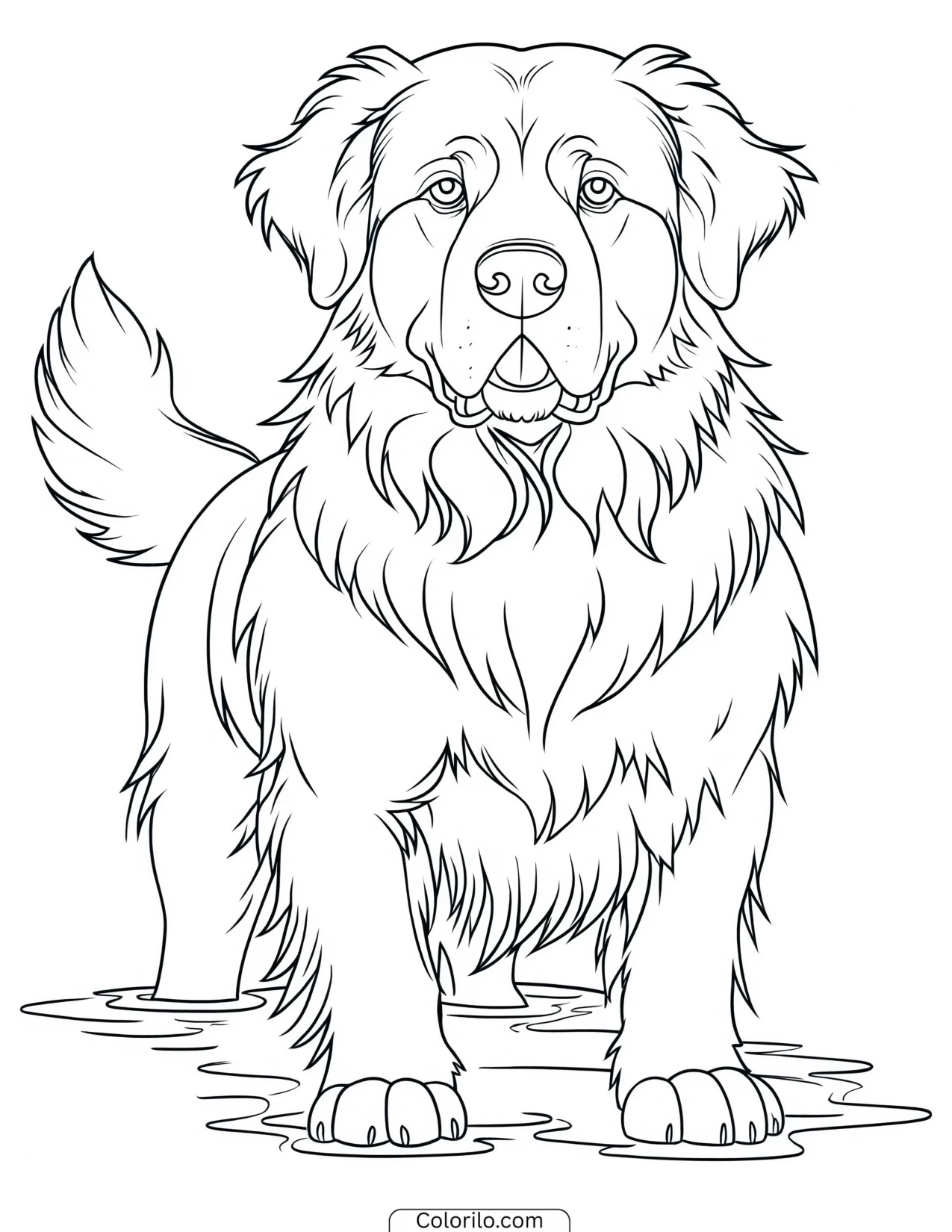
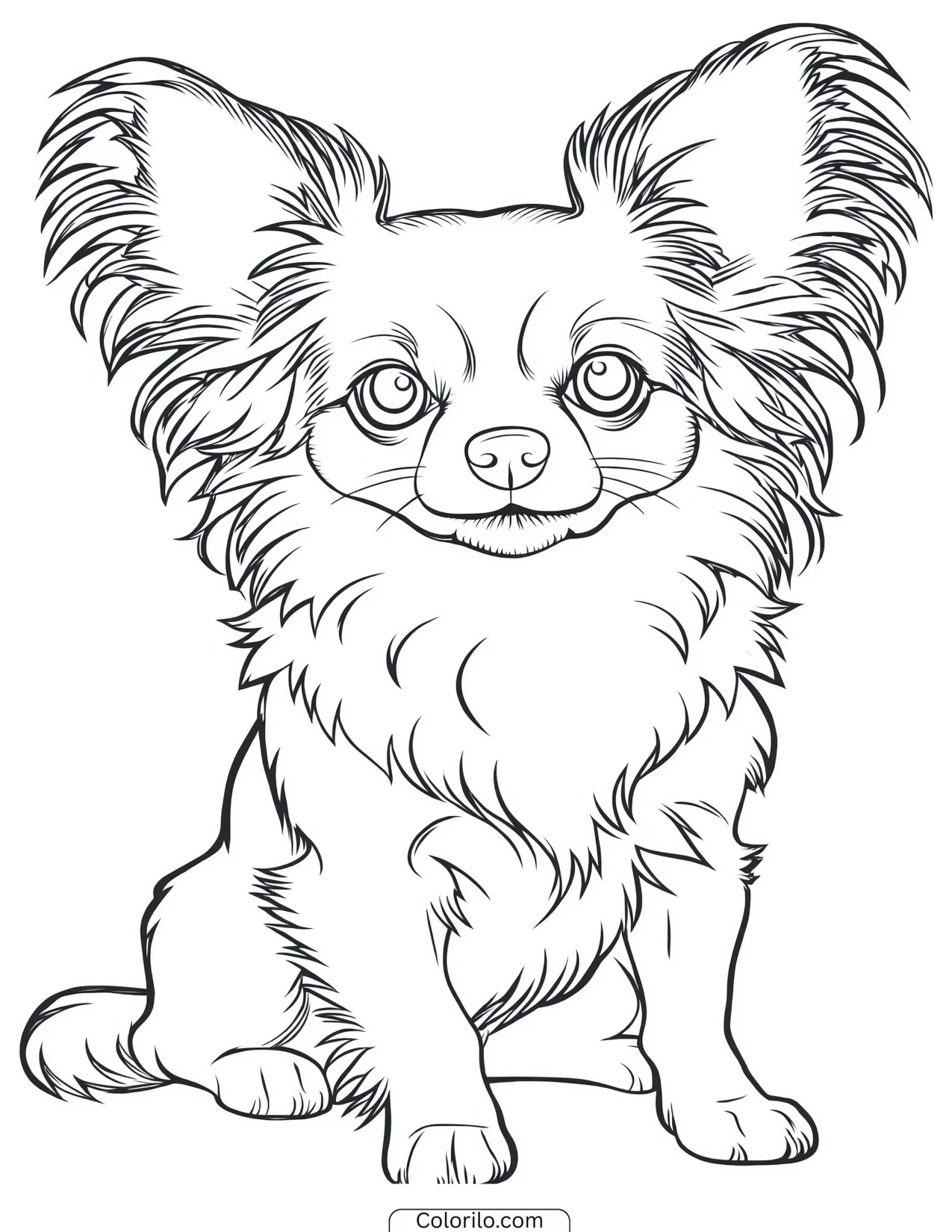
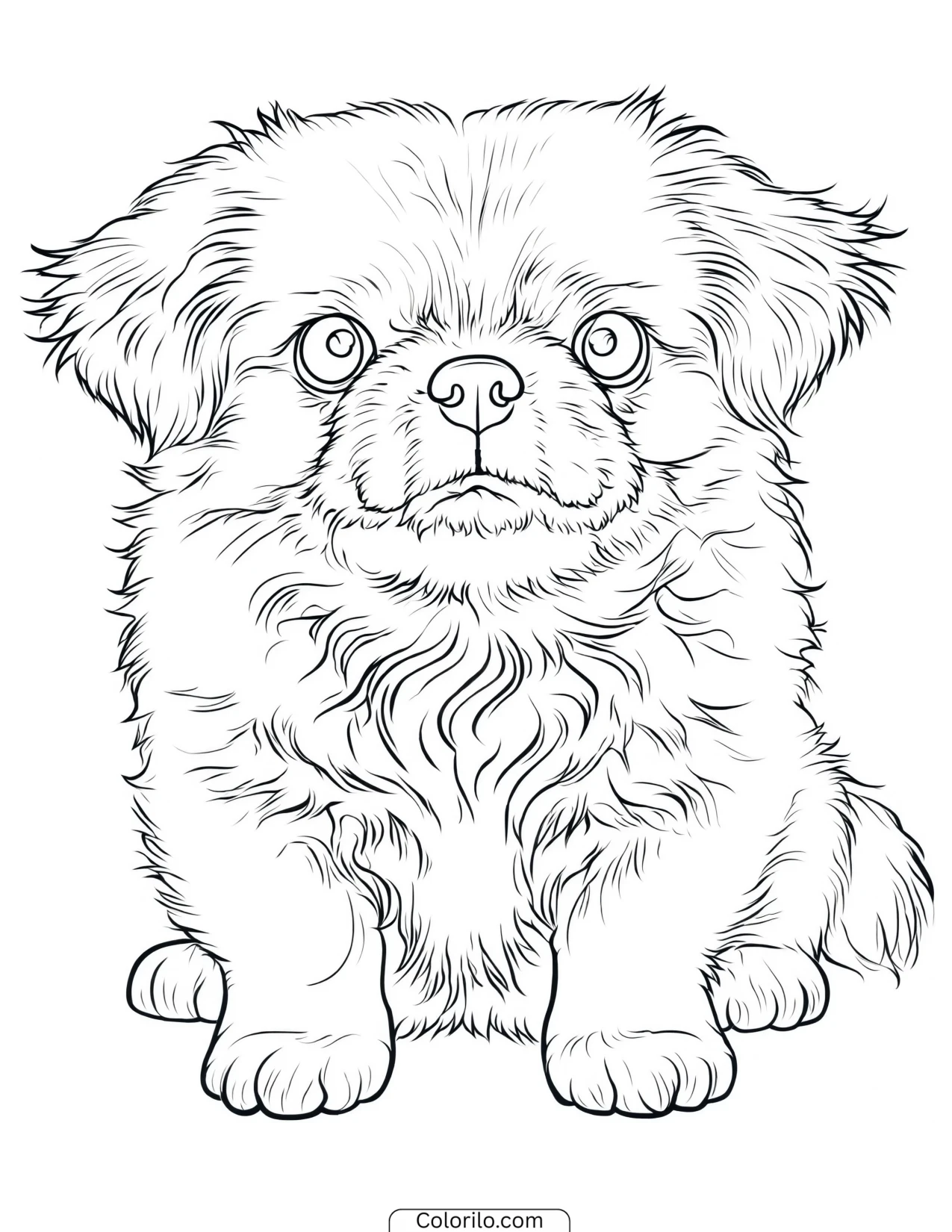
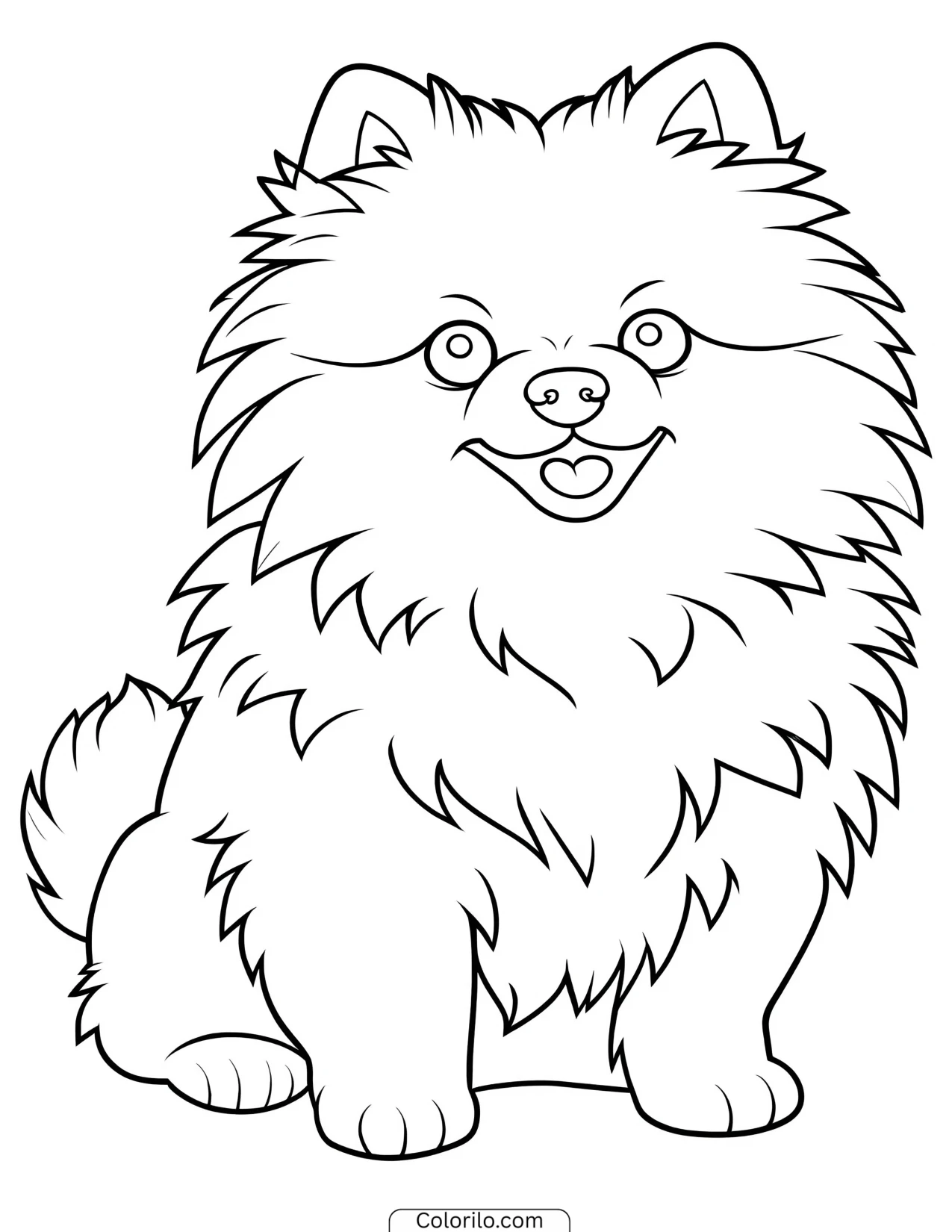
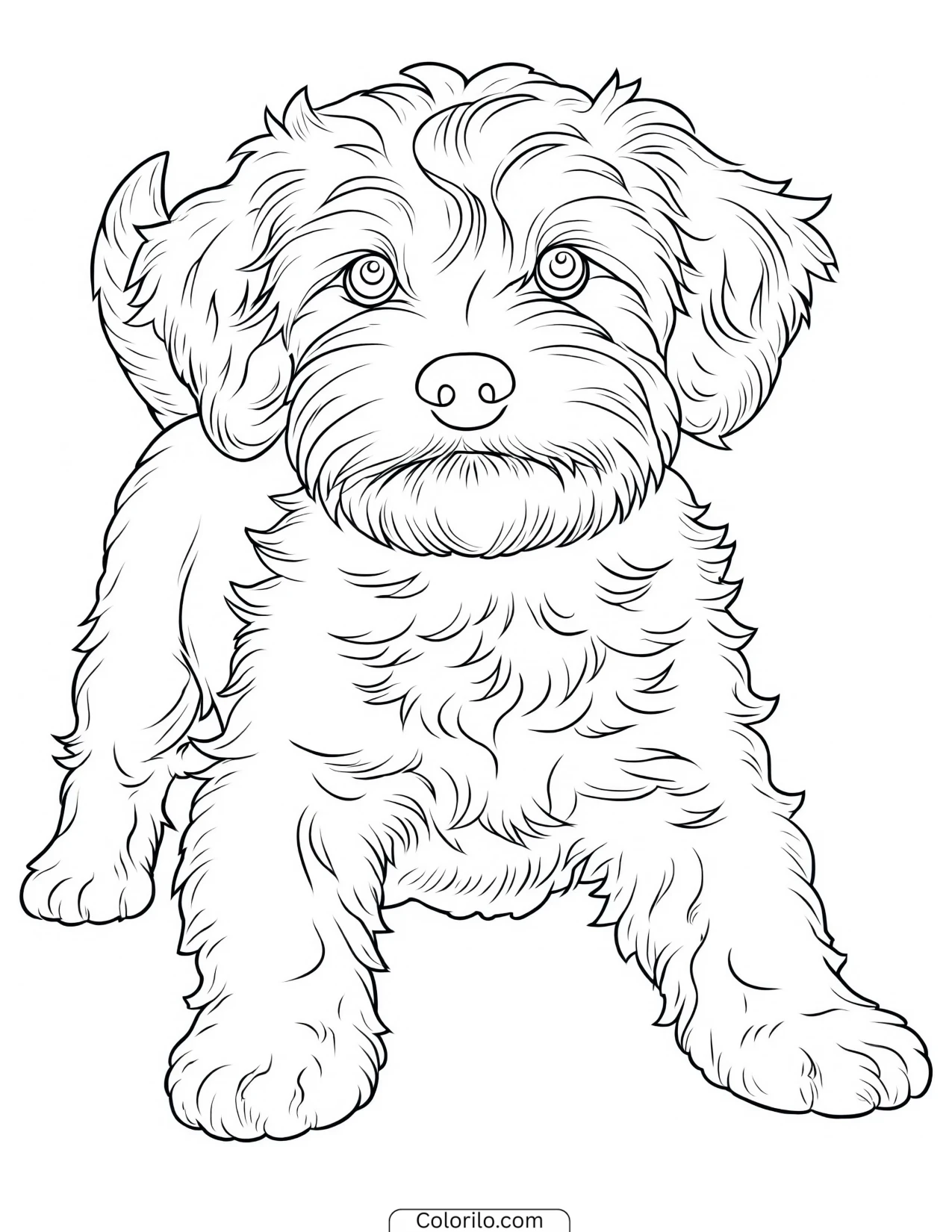
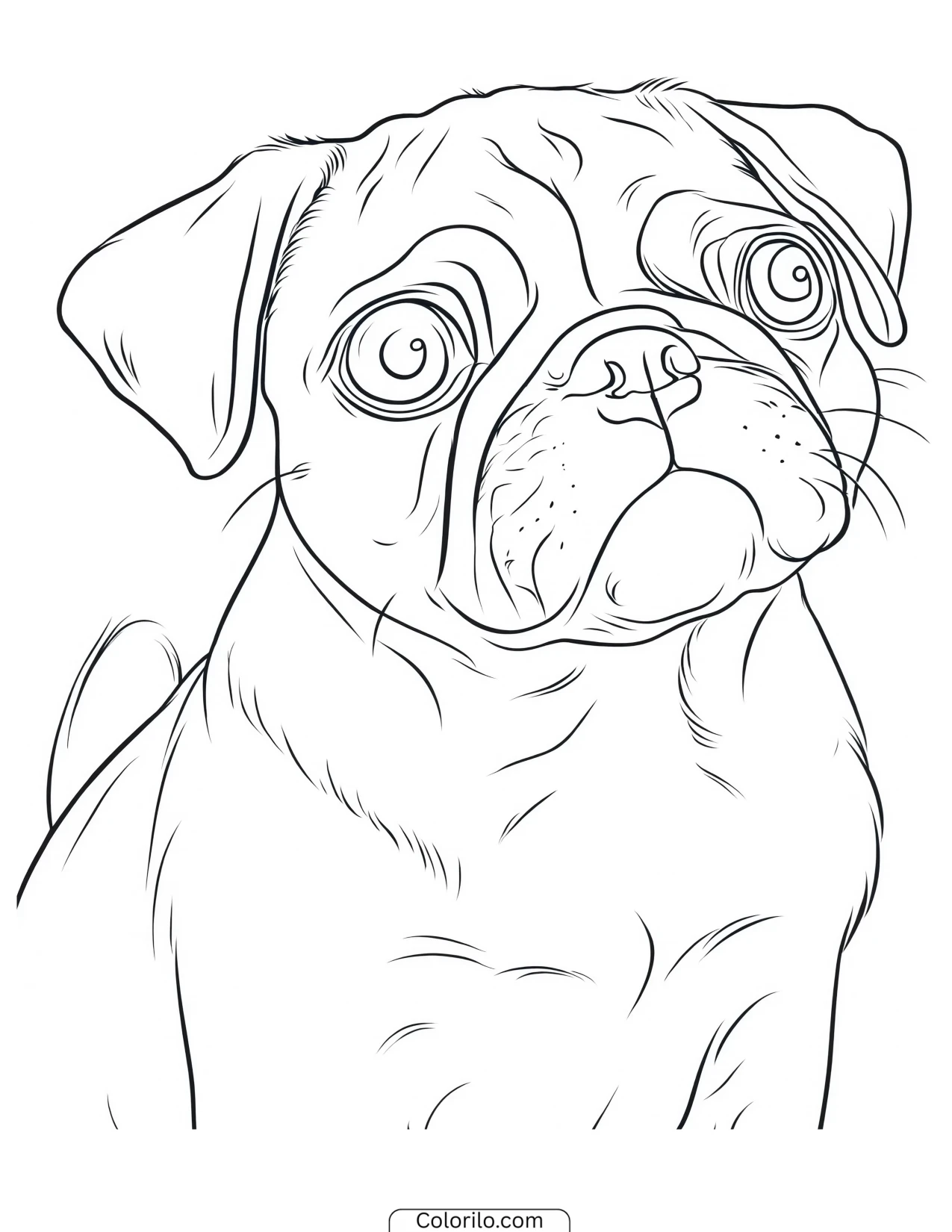
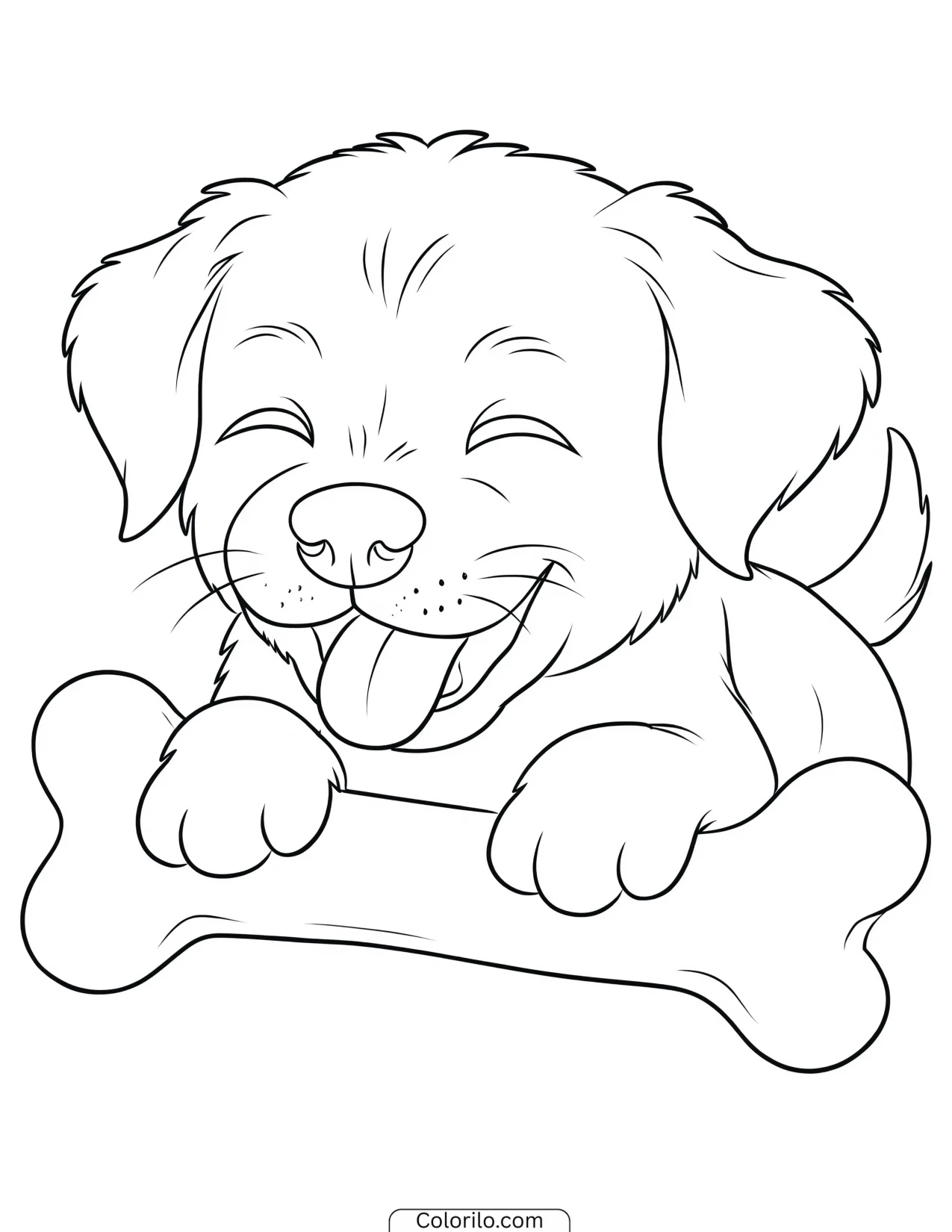
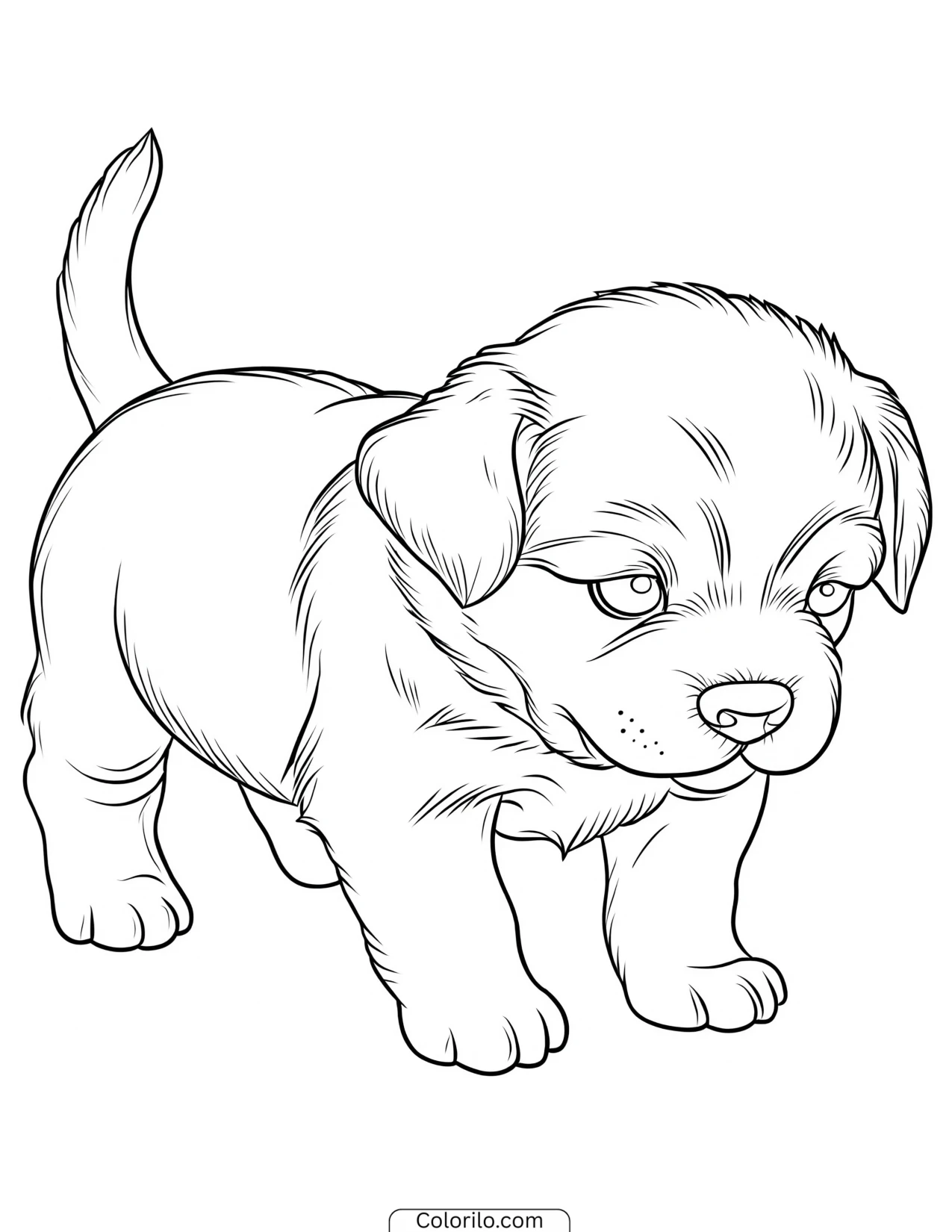
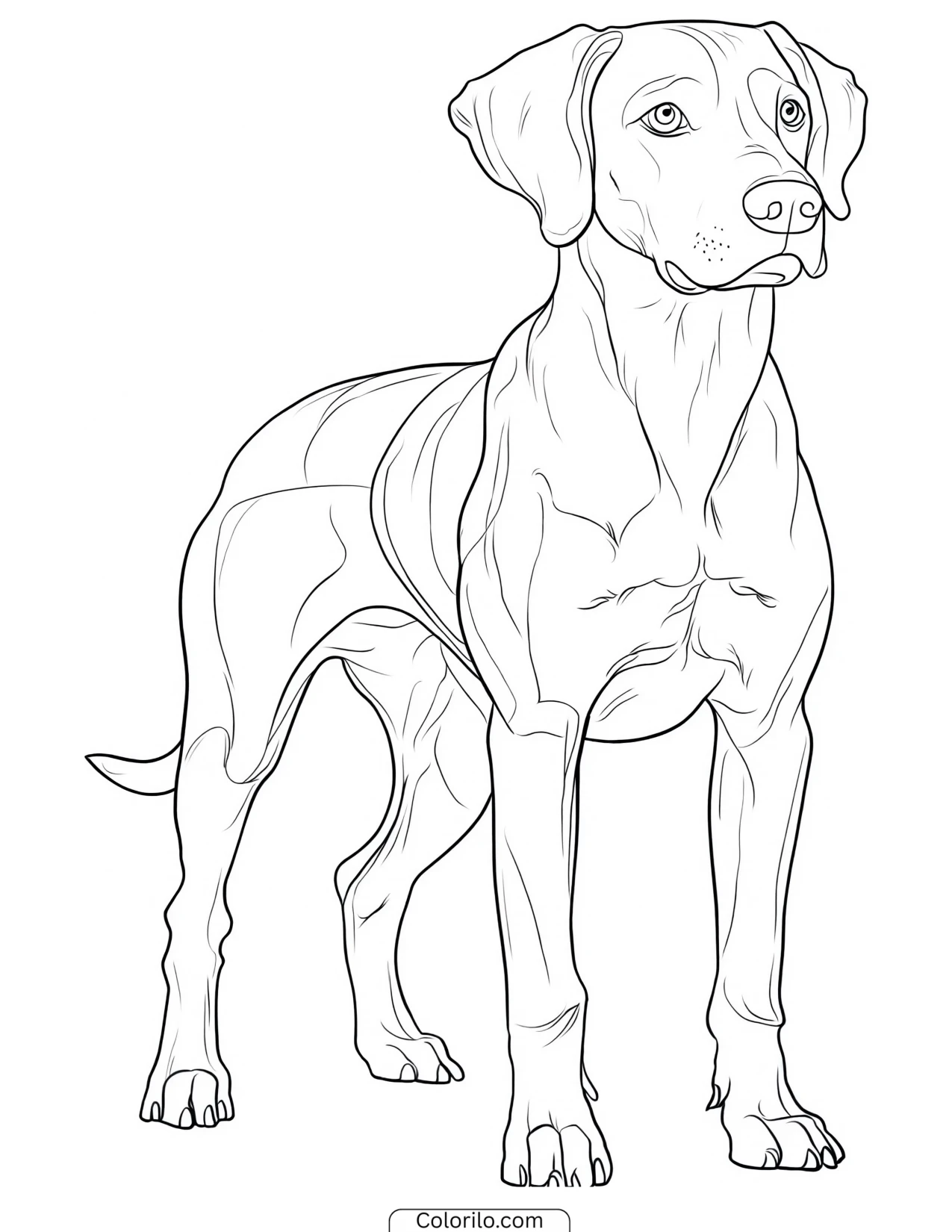
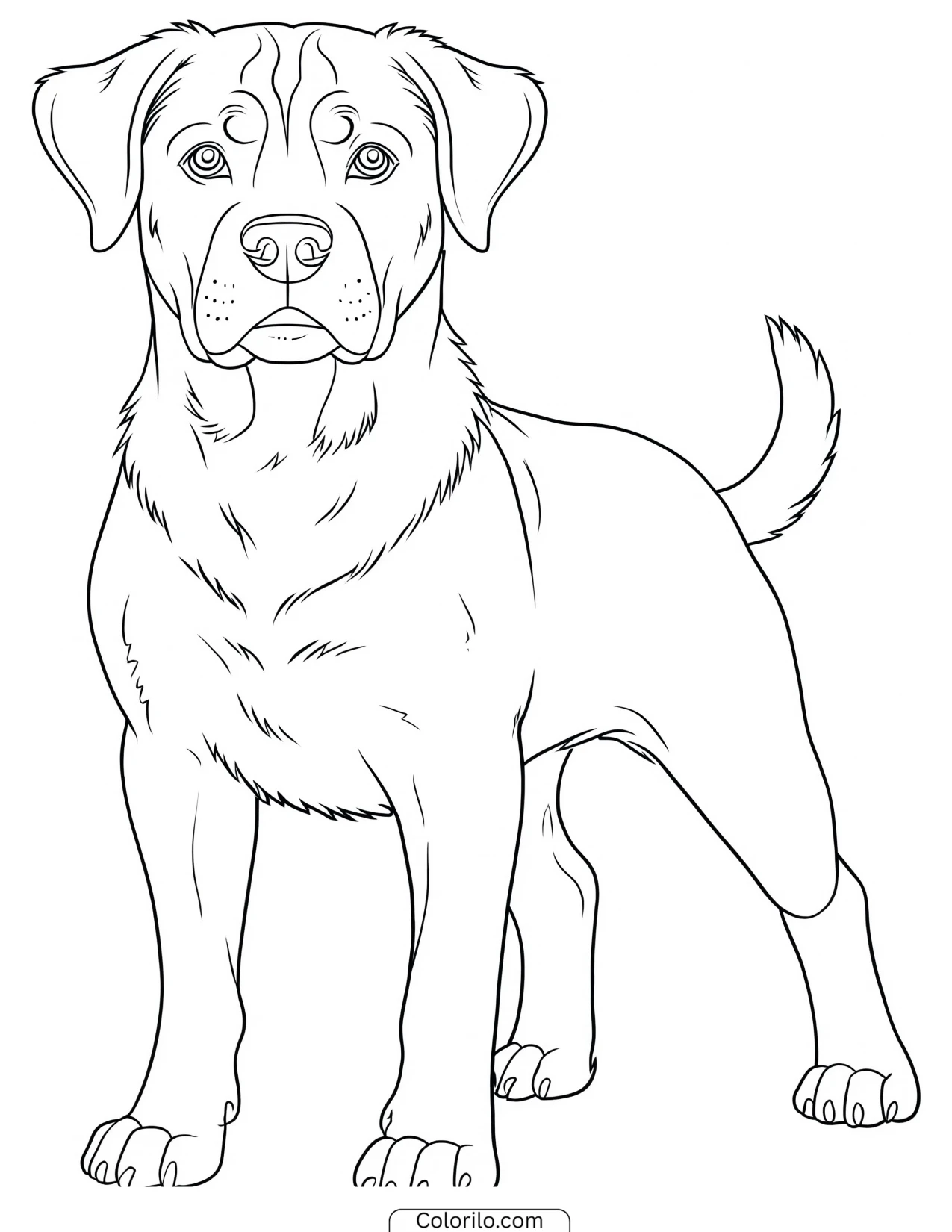
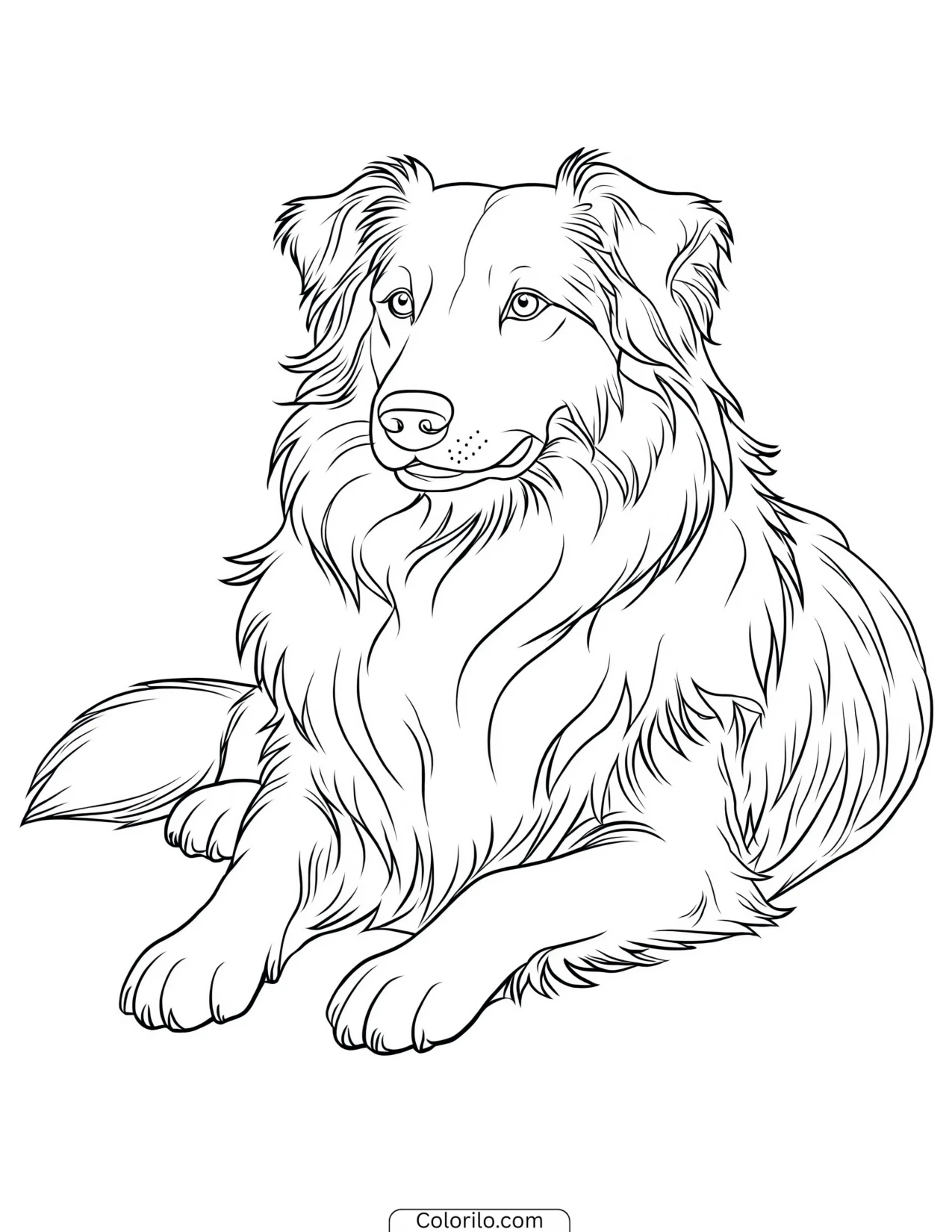
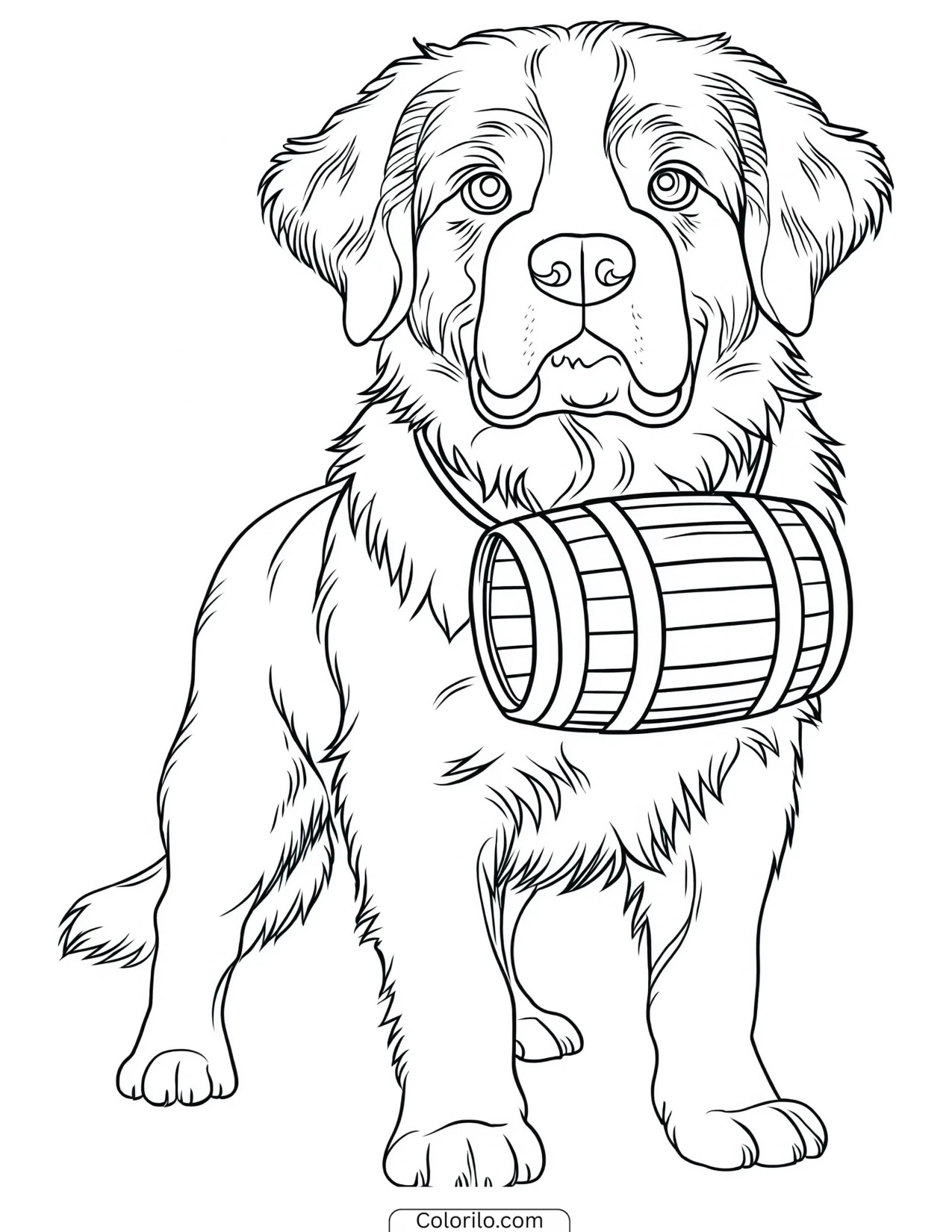
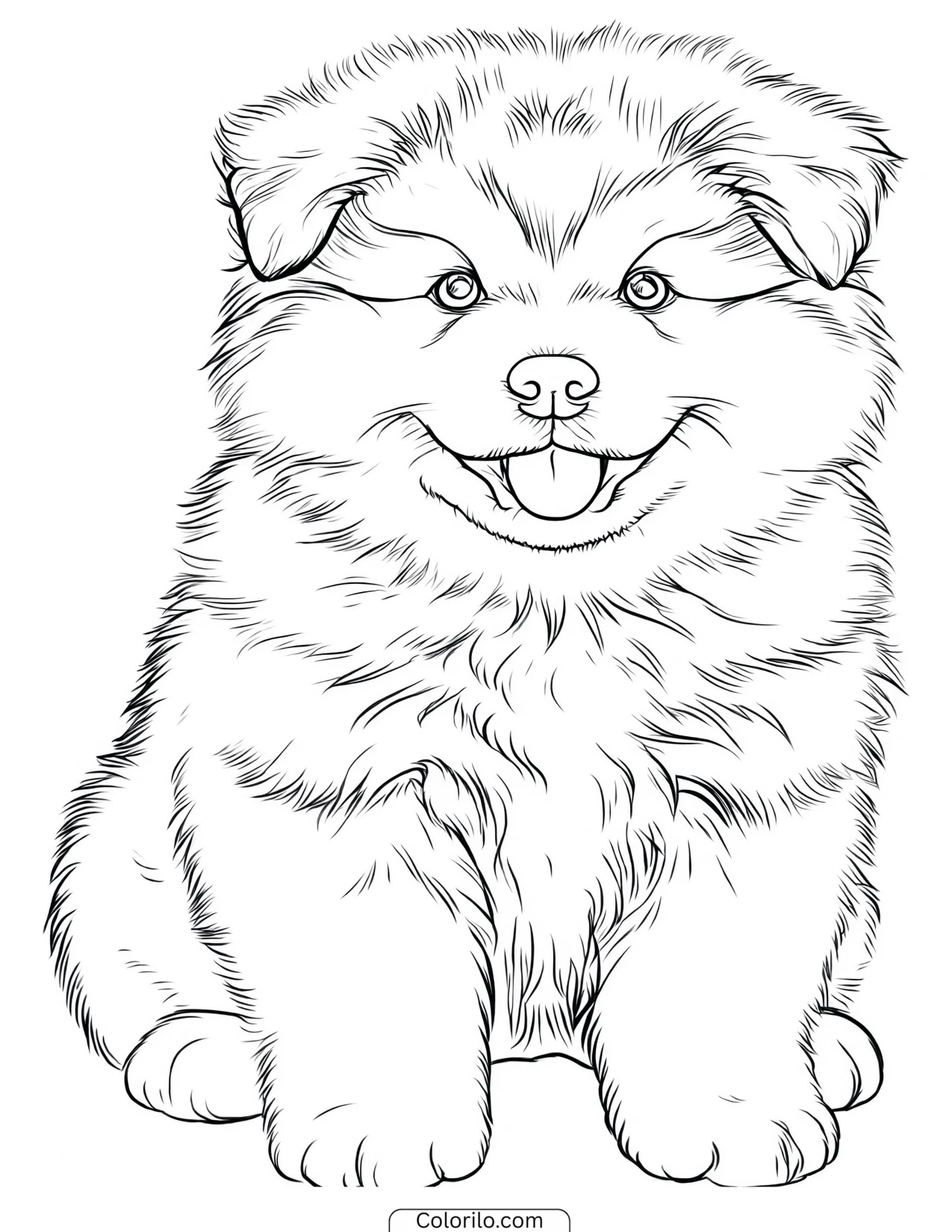
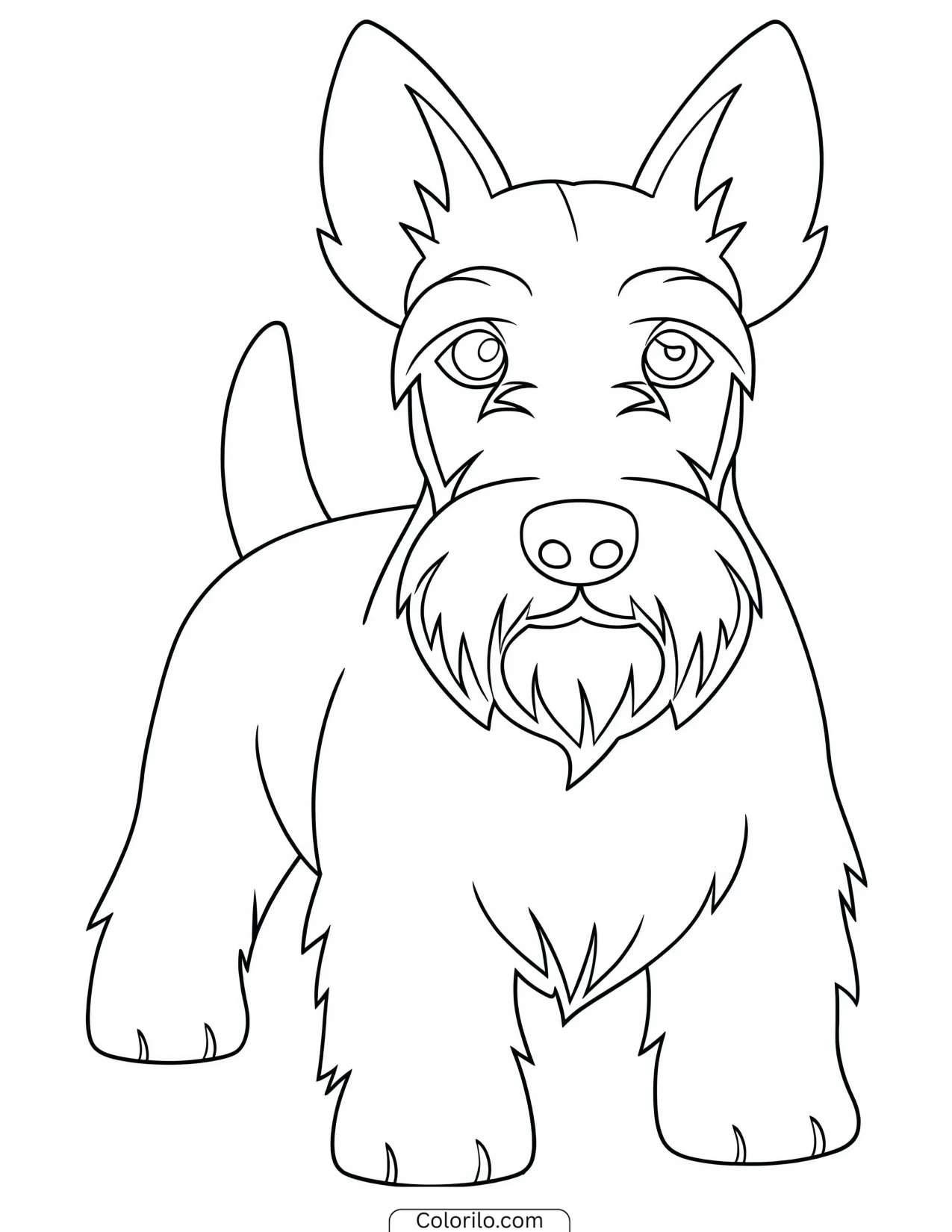
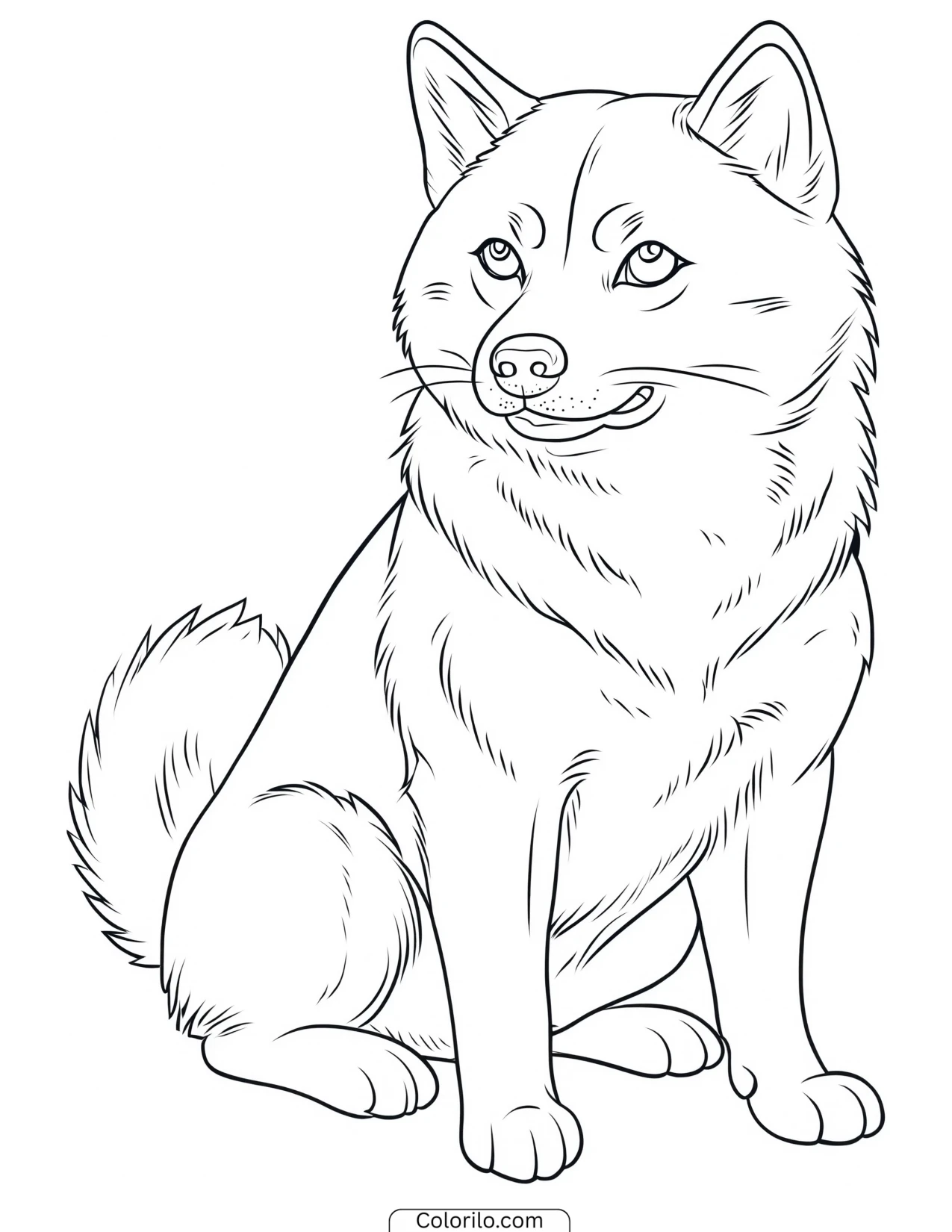
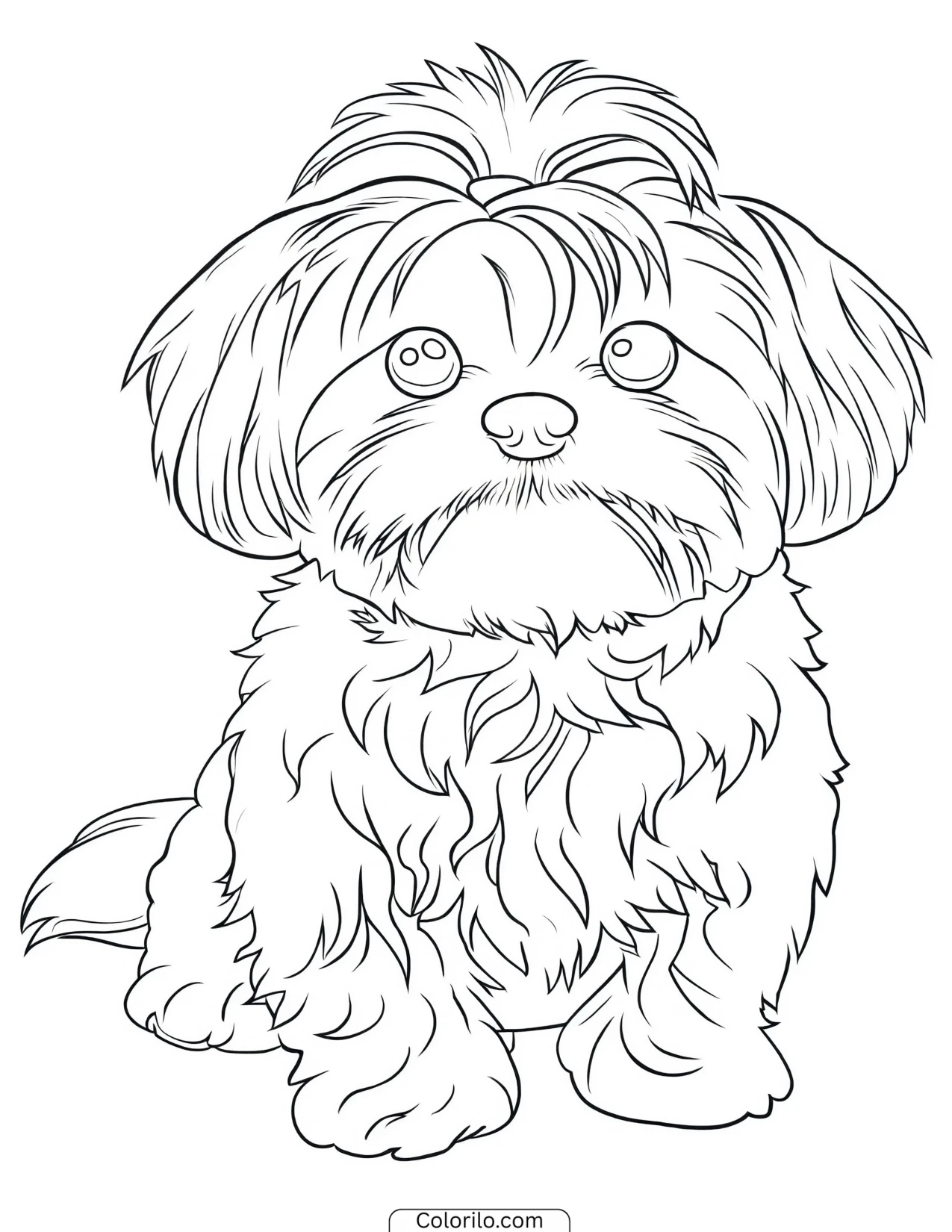
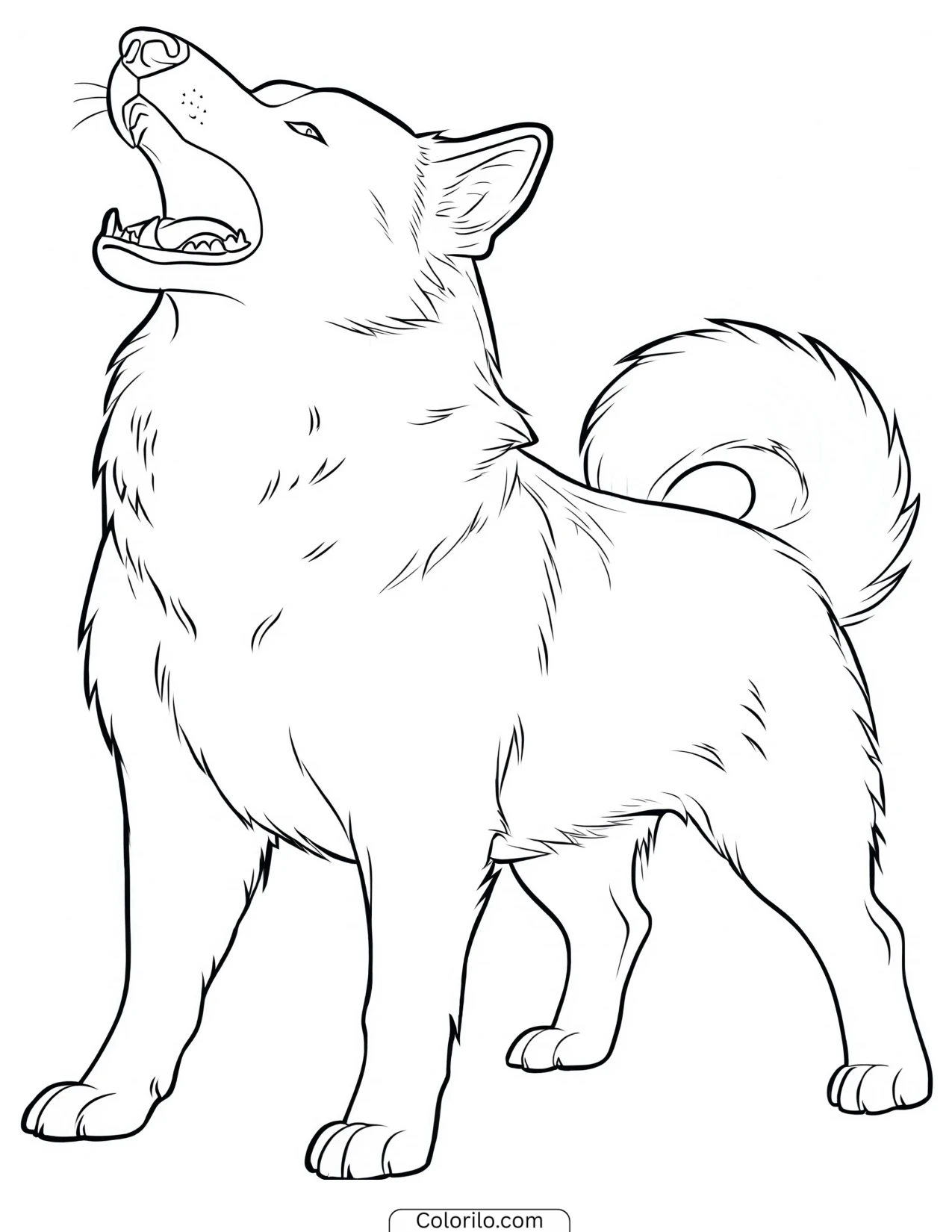
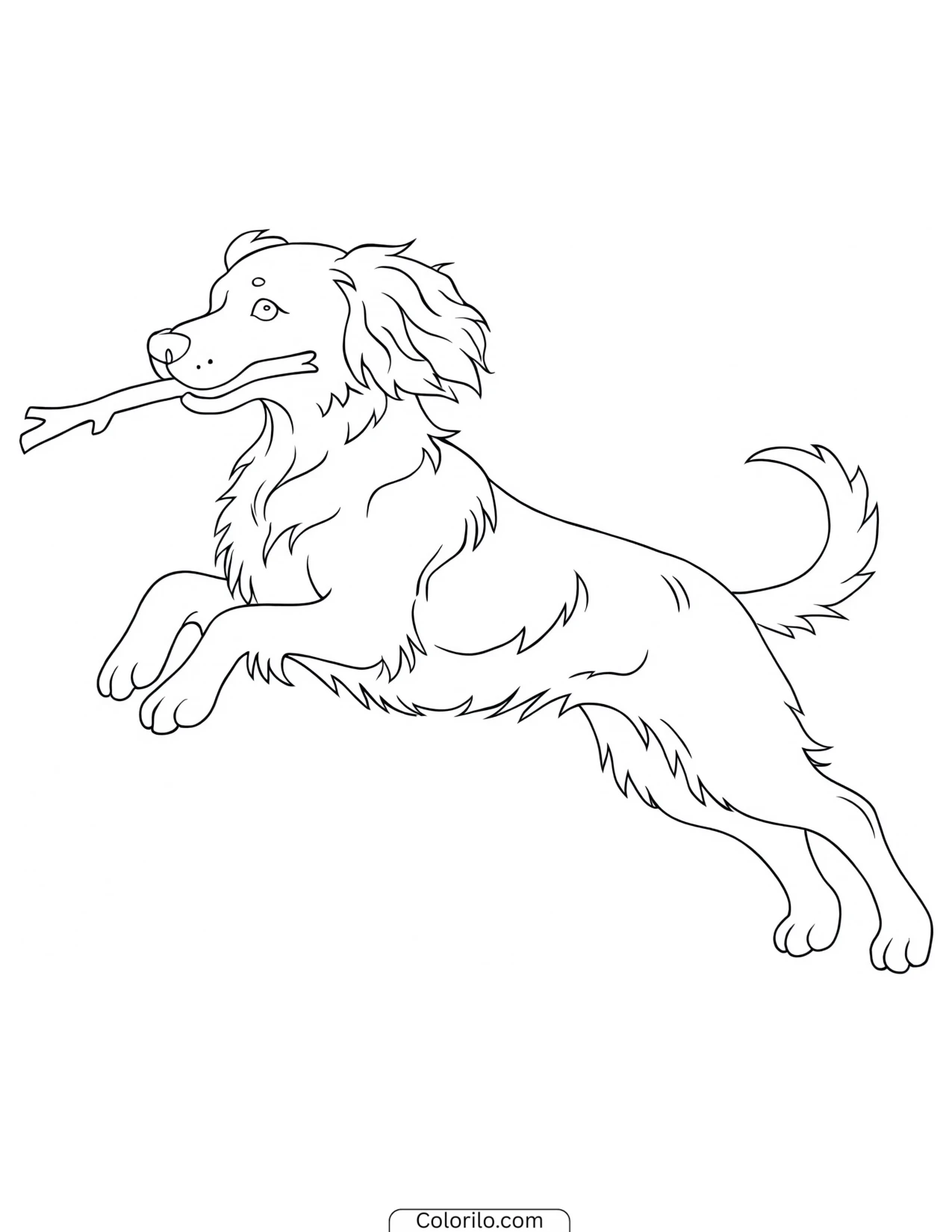
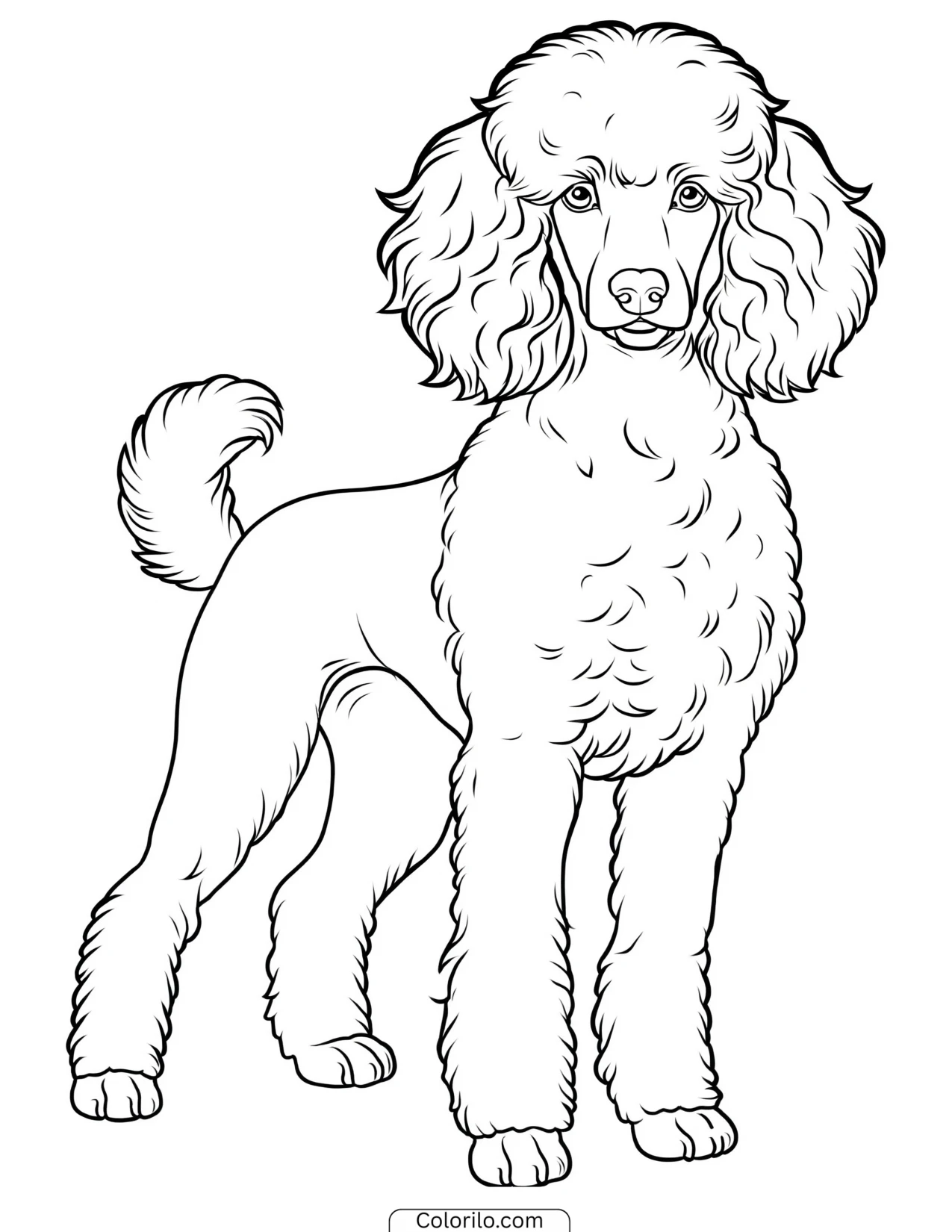
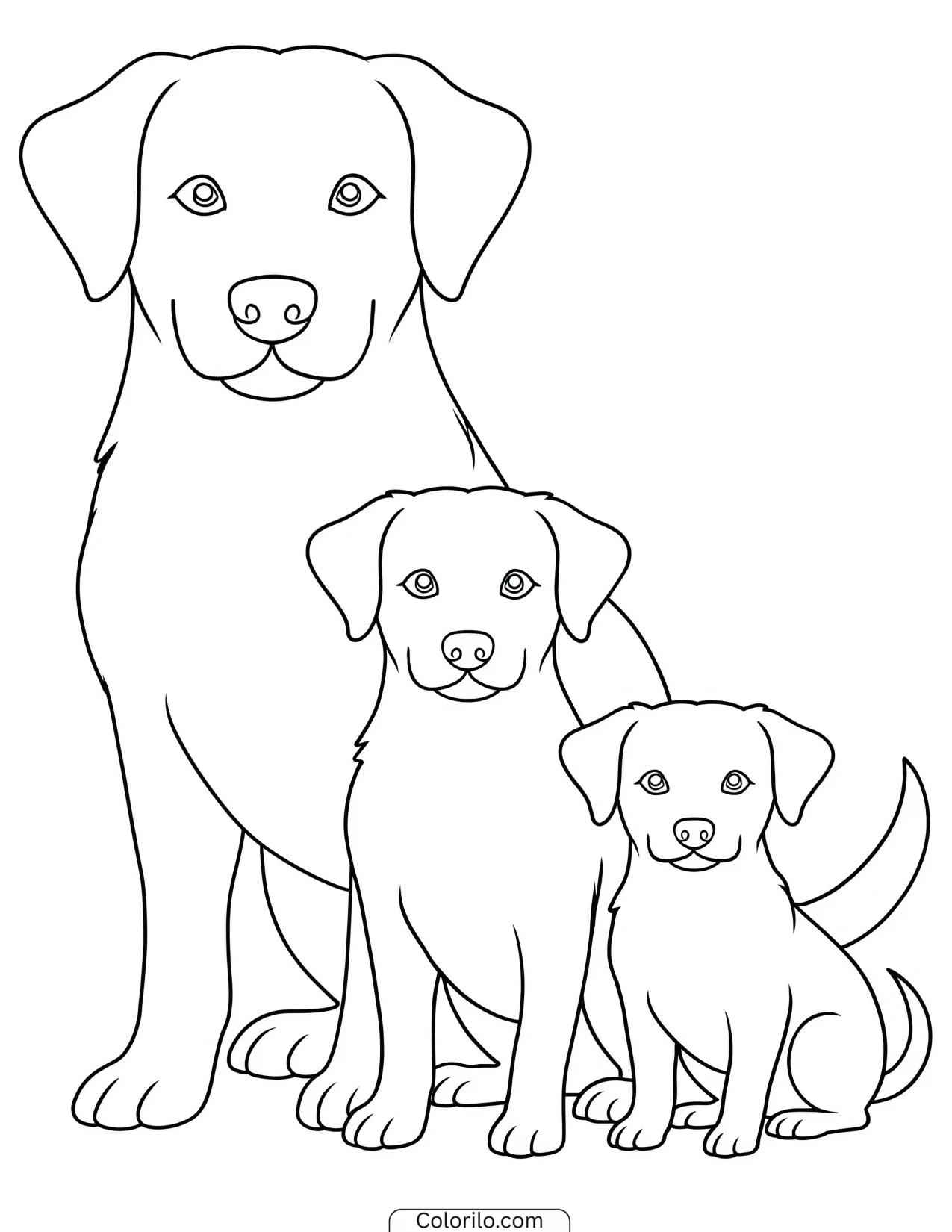
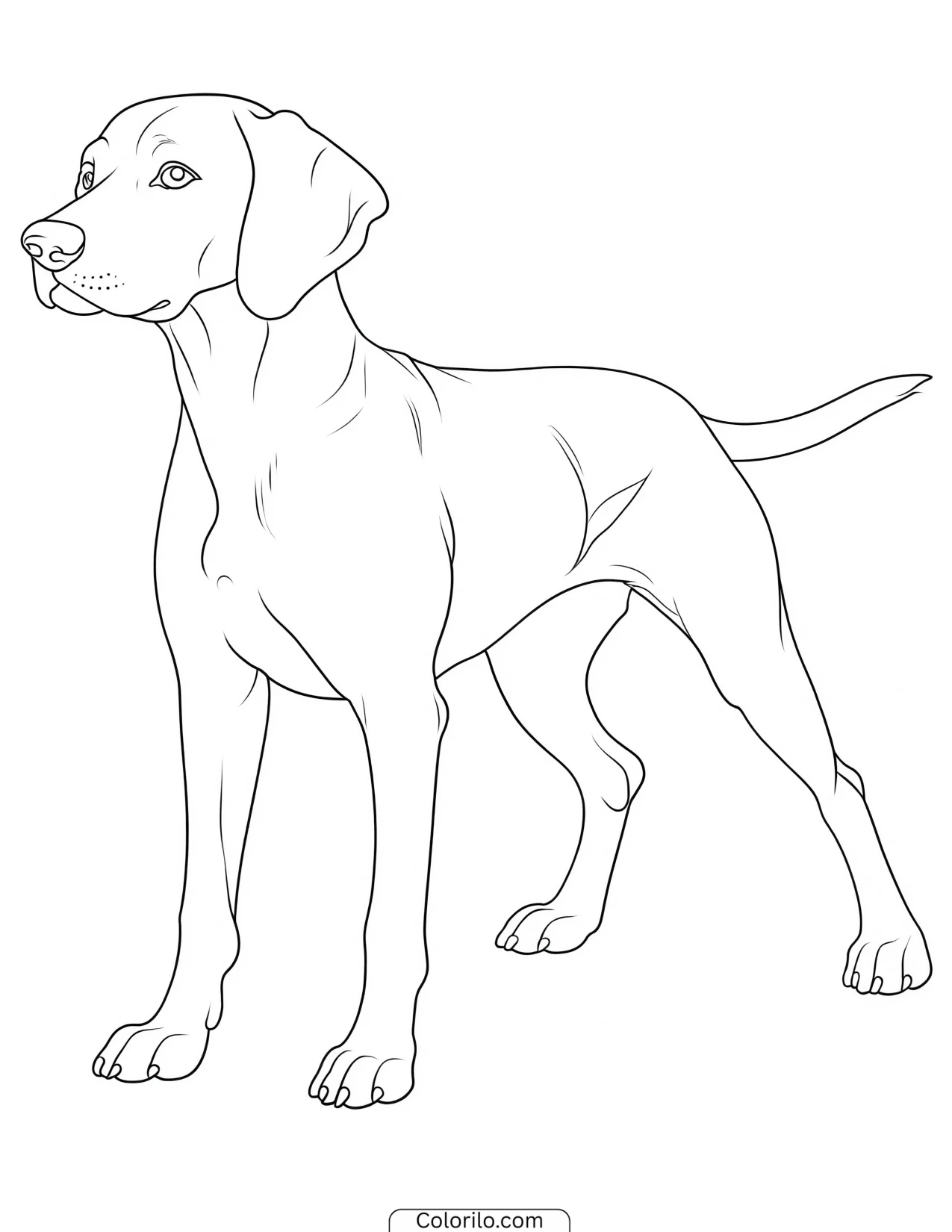
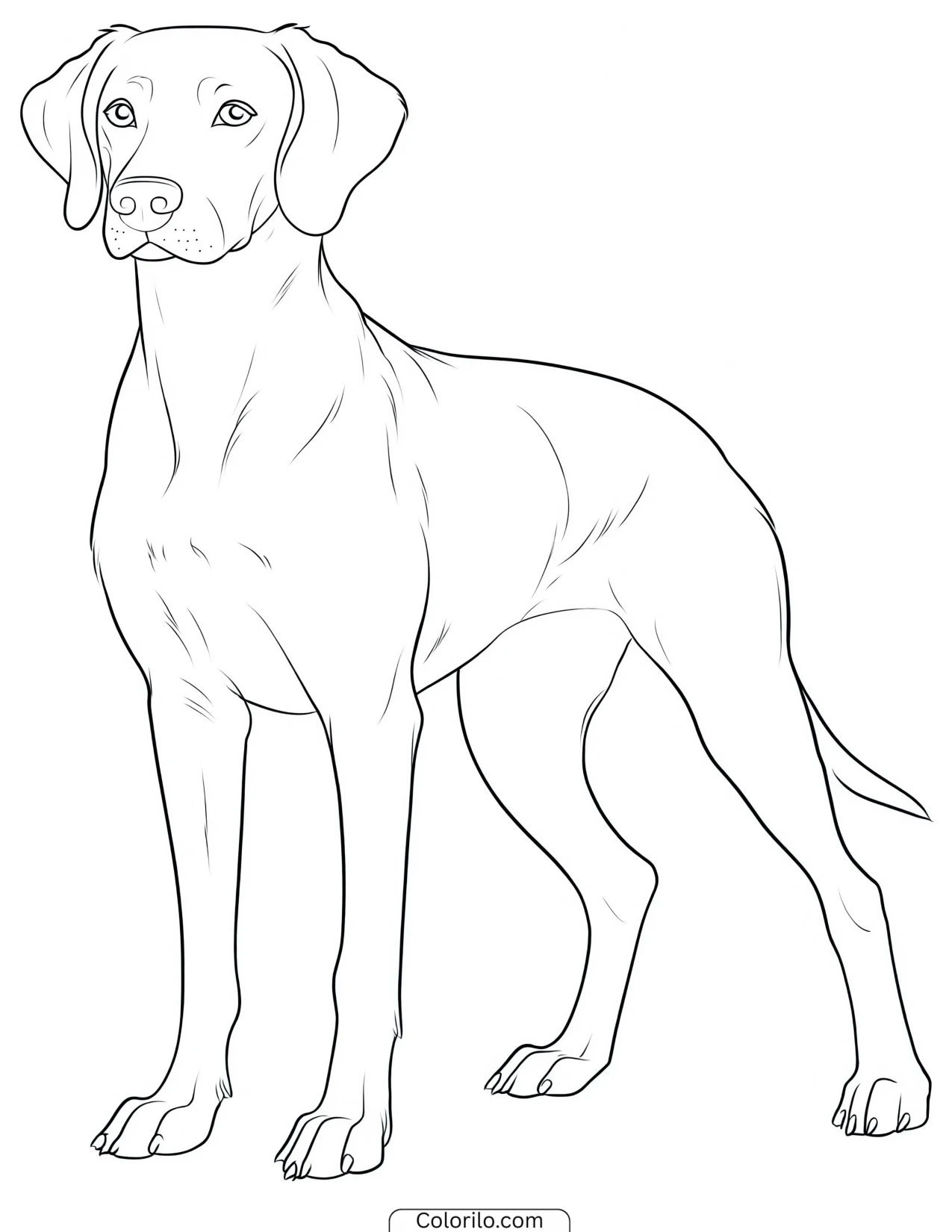
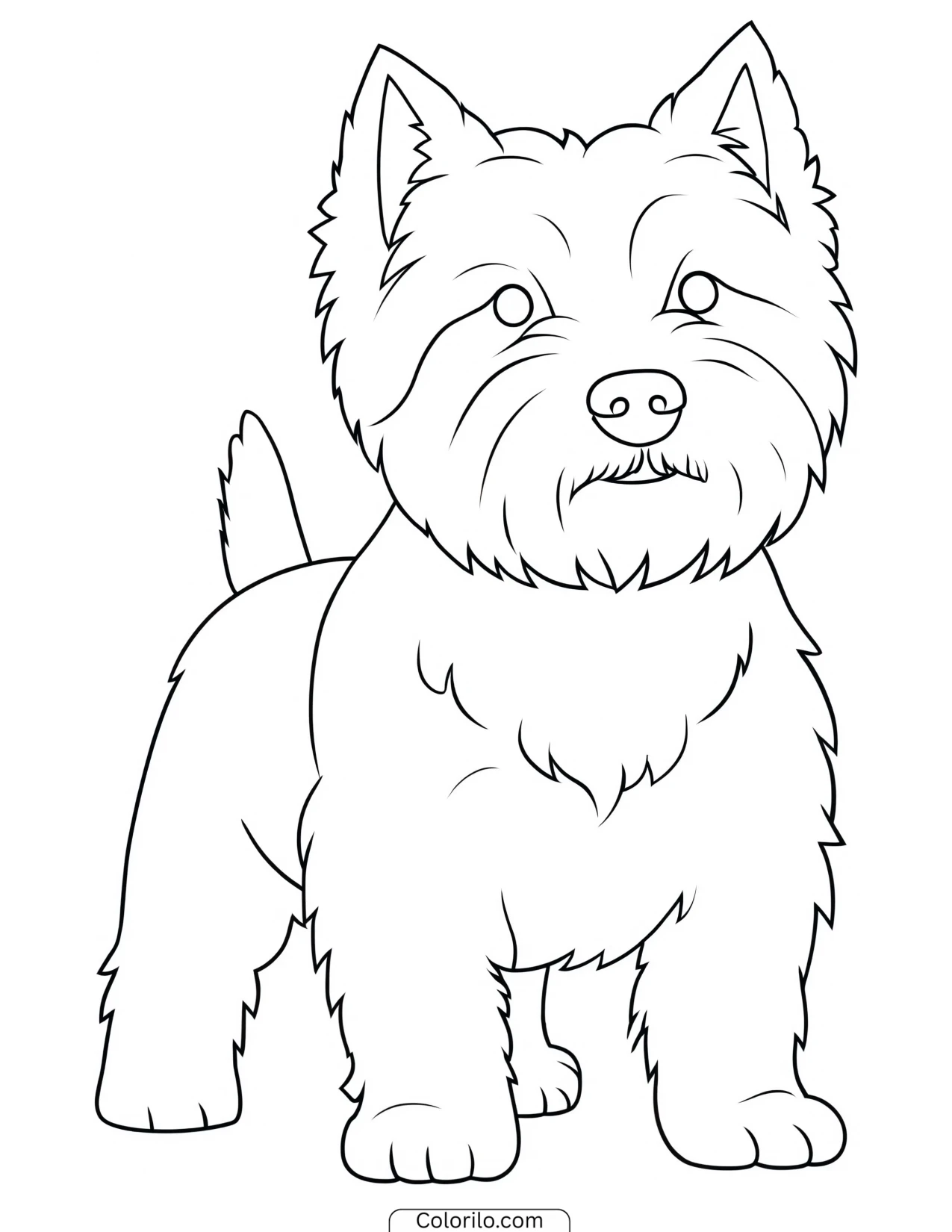
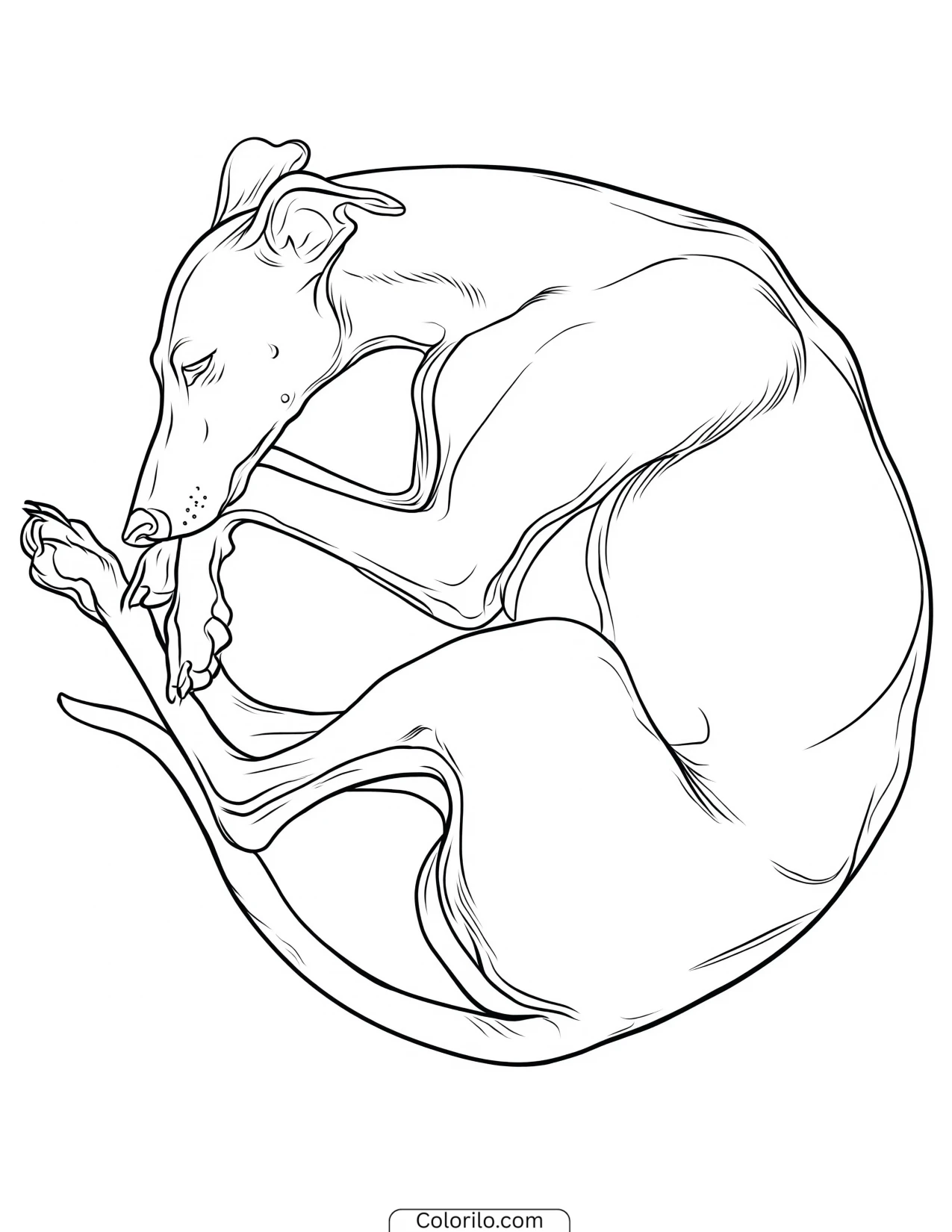
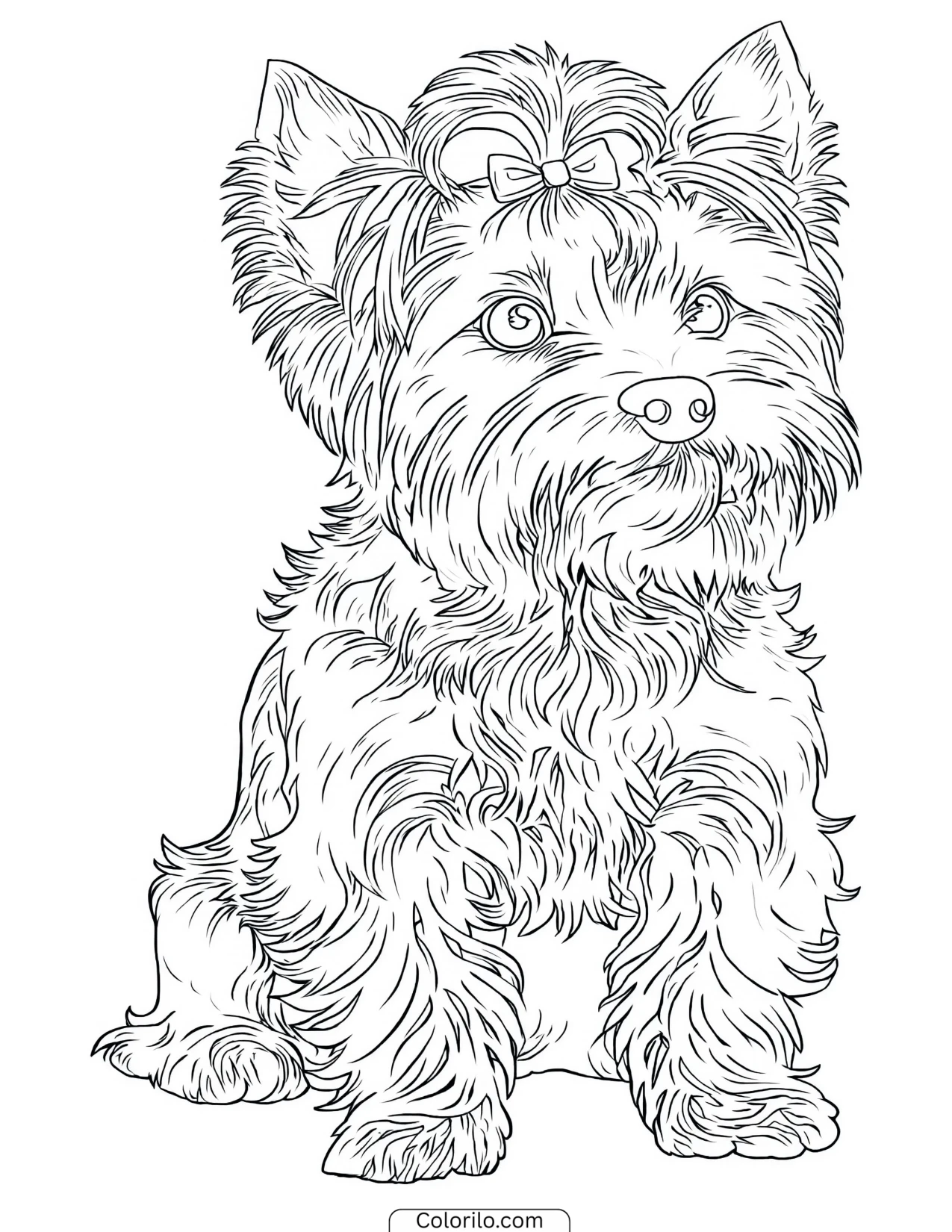
The Breeds in This Collection
The family favourites
Labrador, Golden Retriever, German Shepherd, Beagle, Boxer, Dalmatian, Poodle and Cocker Spaniel. The breeds most children can name on sight, and the ones most often asked for.
Small dogs
Chihuahua, Pug, Pomeranian, Yorkshire Terrier, Maltese, Bichon Frise, Shih Tzu, Havanese, Papillon, Pekingese and Lhasa Apso. Eleven designs, and generally the simplest shapes in the set.
Big dogs
Great Dane, Saint Bernard, Newfoundland, Mastiff, Bernese Mountain Dog and Rottweiler. Large frames with plenty of open space to fill.
Working and herding breeds
Border Collie herding, Bloodhound on a scent, Belgian Malinois at work, Vizsla pointing, Australian Shepherd leaping, Portuguese Water Dog. Each shown doing the job it was bred for, which makes them the most interesting to talk about while colouring.
Fast dogs
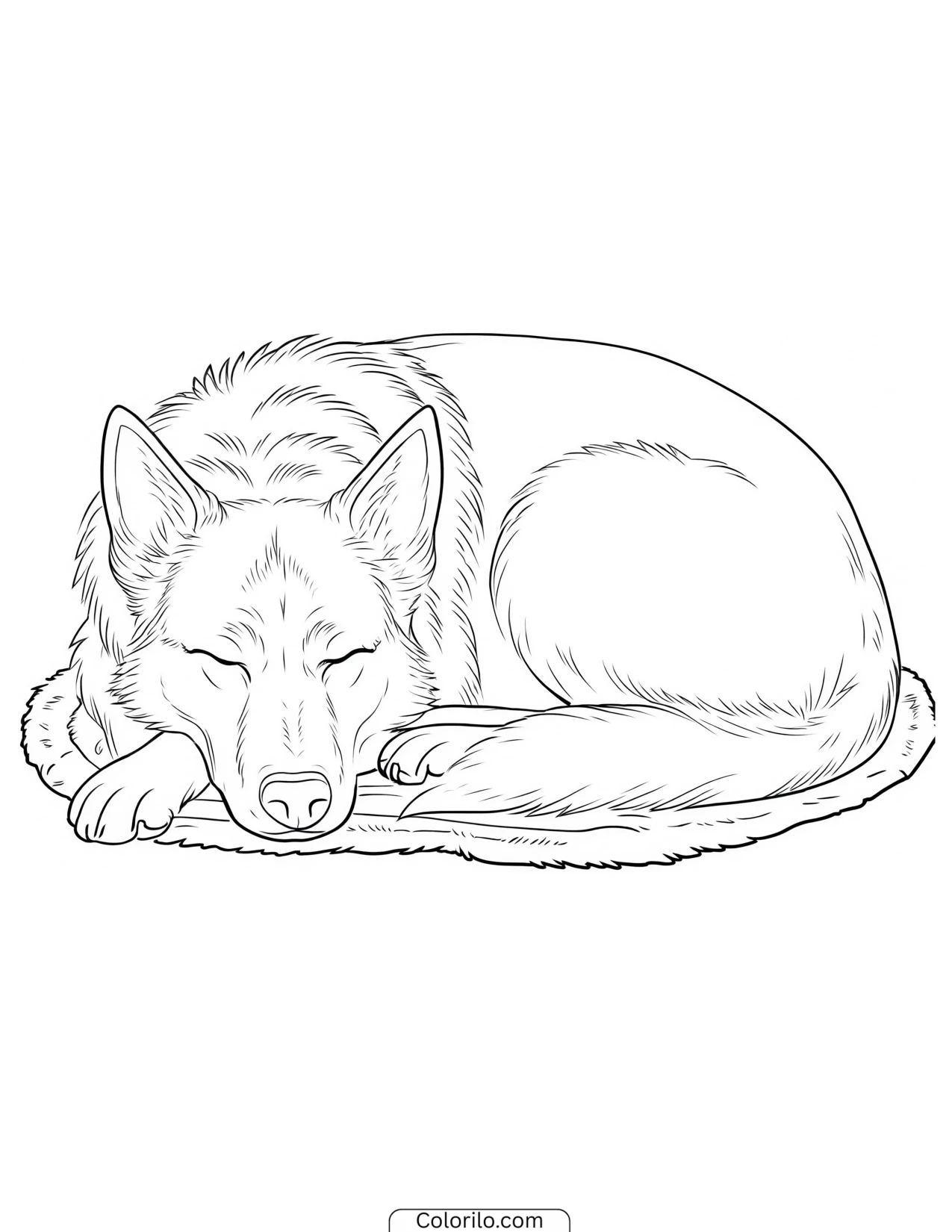
Greyhound at full sprint, Whippet curled asleep, Irish Setter trotting, Springer Spaniel leaping, Corgi running. The Greyhound reaches around 45 miles an hour, faster than any other dog.
Long coats
Afghan Hound, Rough Collie, Shih Tzu, Lhasa Apso, Chow Chow, Samoyed and Bearded breeds. The most detailed pages here, and the ones worth saving for someone who wants an hour rather than ten minutes.
Puppies
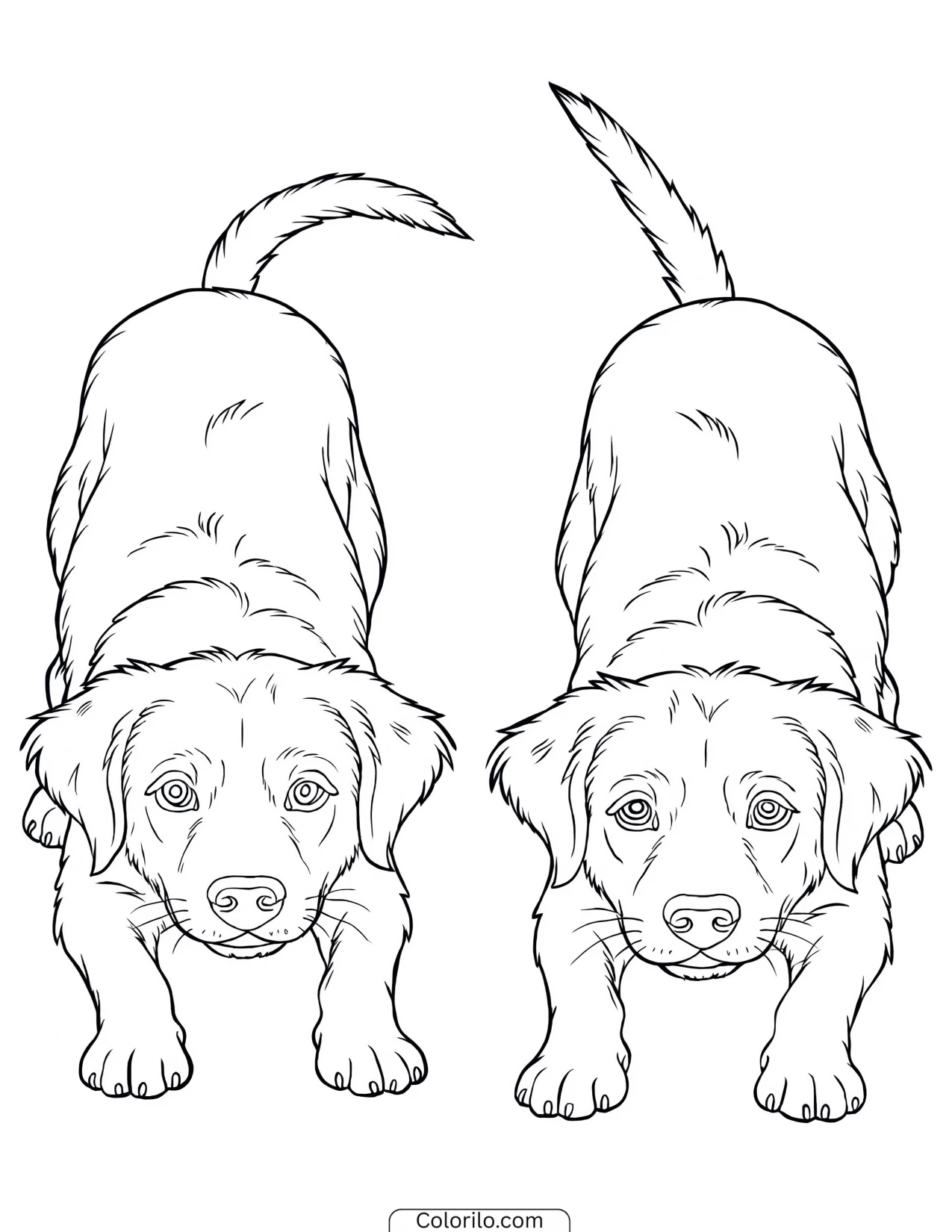
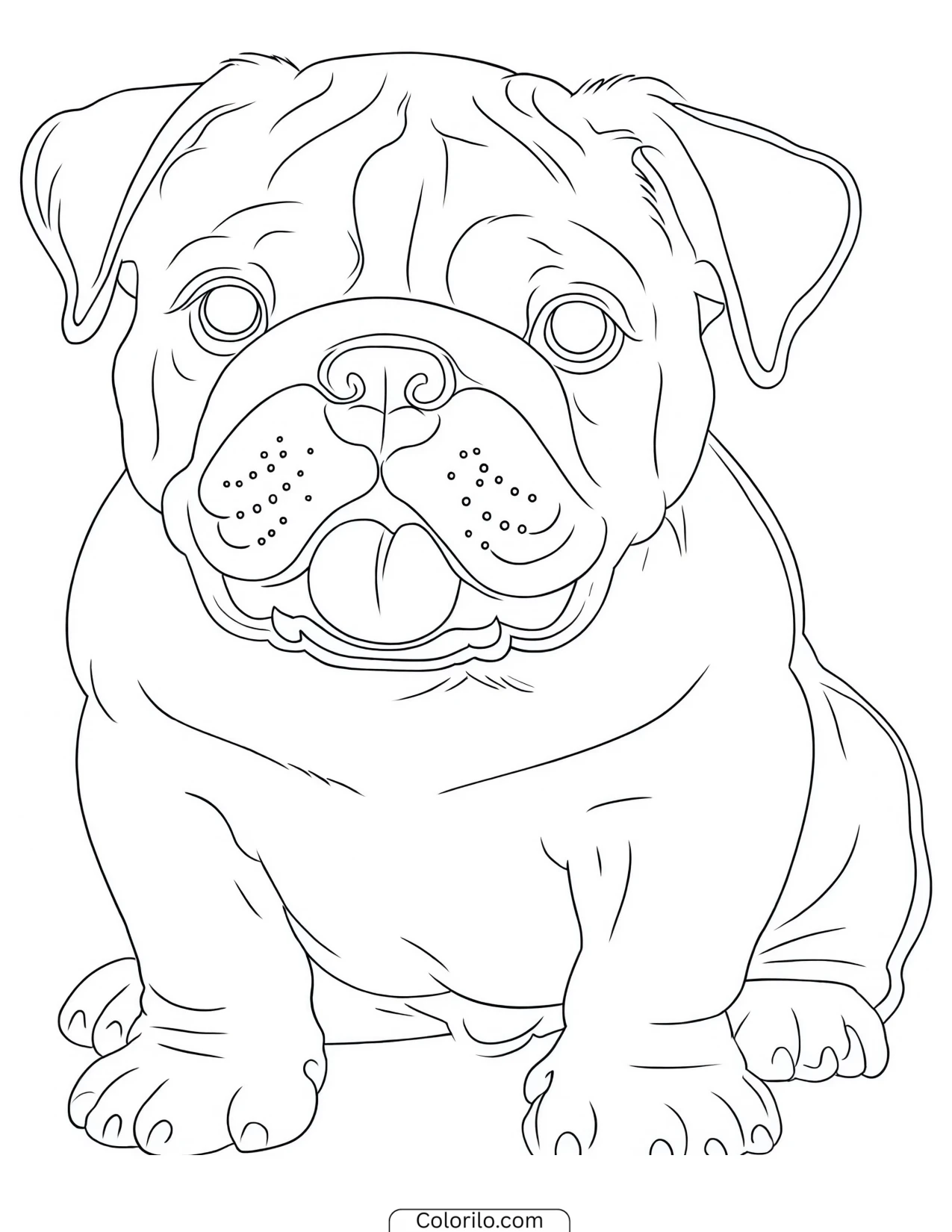
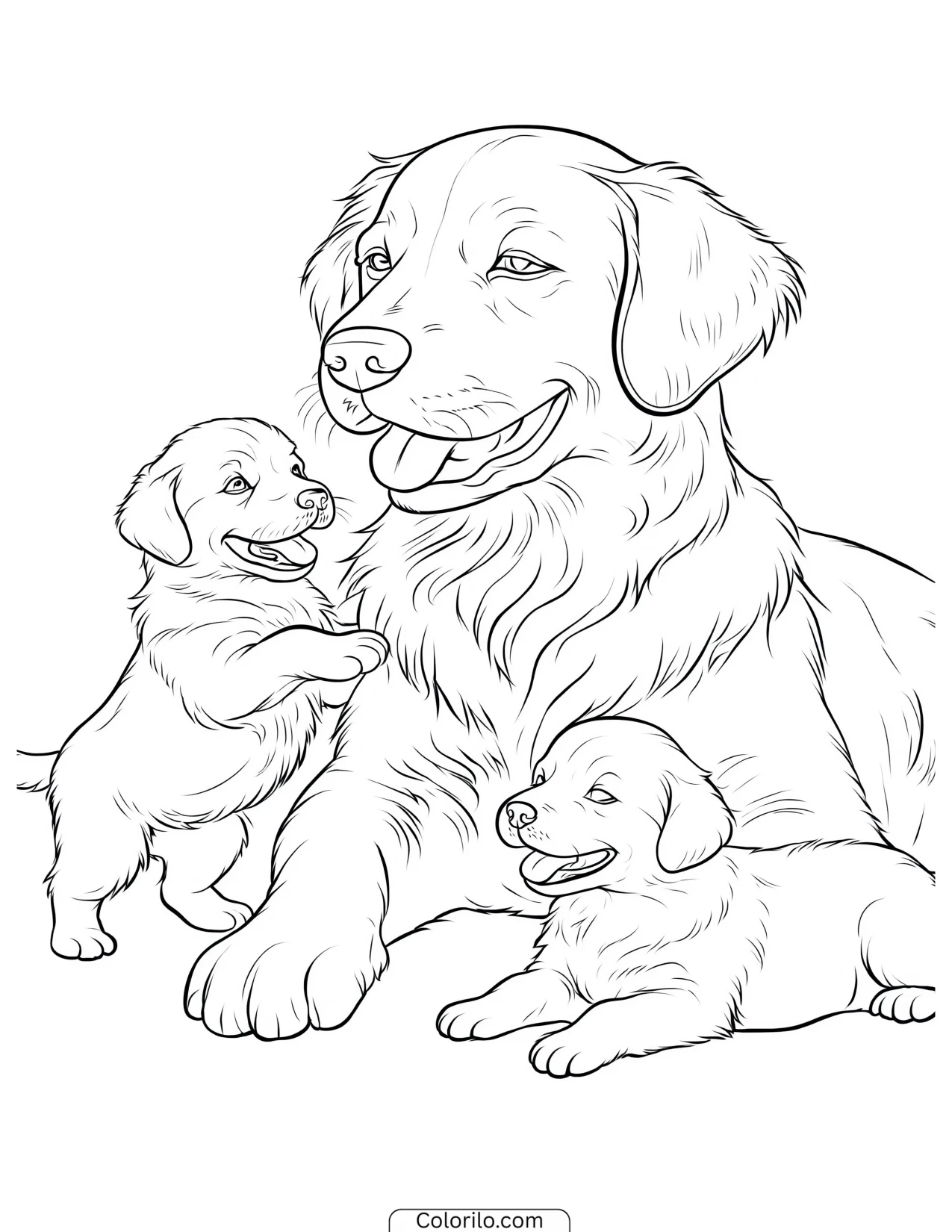
Ten designs, Basset Hound, Beagle, Dachshund, English Bulldog, Golden Retriever, Havanese, Samoyed, a puppy chewing a bone, a puppy taking its first steps, and a group of mixed puppies playing. Softer outlines throughout.
Coloring Tips
Look up your own dog’s colours first. Almost every breed here has a standard coat, a Rottweiler is black and tan, a Weimaraner is grey, a Vizsla is rust. Getting them right turns a page into a portrait, and it is the difference between colouring a dog and colouring your dog.
Fur needs direction, not just colour. Short strokes following the way the coat lies, down the back, out along the legs, in a ruff at the neck, read as fur. Strokes going the other way read as scribble. It matters most on the Afghan, the Collie and the Samoyed.
Leave a highlight in each eye. A small white spot left unfilled is what stops a dog looking flat. Most breeds have brown eyes; Huskies and some Australian Shepherds have blue, and a few have one of each.
Noses and paw pads are worth the extra minute. Black on most breeds, liver brown on others, pink on some pale dogs. Easy to forget and one of the fastest things to make a page feel finished.
Spots and markings take planning. The Dalmatian, the Bernese and the Border Collie all have patterns rather than a single colour. Sketching where the markings go before filling anything in saves redoing the page.
Start young children on the puppies and the small breeds. The Pug, the Pomeranian, the Chihuahua and the ten puppy pages have the fewest lines. Save the Afghan Hound and the Rough Collie for someone older.
Frequently Asked Questions
Are these dog coloring pages really free?
Yes, all 70 are free to download and print. Click any design to open the PDF. No account, no email, no payment.
What age are these dog coloring pages for?
The puppies and the small breeds suit children from around four. Most of the set works through primary school. The long-coated breeds, Afghan Hound, Rough Collie, Shih Tzu, have detailed fur that suits older children and adults.
Which dog breeds are included?
Fifty-five named breeds, from the familiar Labrador, Golden Retriever, German Shepherd, Beagle, Pug and Husky to the less commonly drawn Basenji, Bloodhound, Newfoundland, Rhodesian Ridgeback, Portuguese Water Dog and Belgian Malinois.
Are there puppy coloring pages in the set?
Ten of the seventy are puppies rather than adult dogs, including a Basset Hound, a Beagle, a Dachshund, an English Bulldog, a Samoyed and a group of mixed puppies playing together.
Can I use these in a classroom?
Yes. They pair well with lessons on animals, pets and responsibility, and are free for personal, educational, and classroom use.
Can I print more than one copy?
As many as you need.
How many dog breeds are there altogether?
It depends who is counting. The American Kennel Club recognises around 200; the Fédération Cynologique Internationale lists closer to 360. All of them descend from the grey wolf, domesticated somewhere between 15,000 and 30,000 years ago, which makes the dog the oldest domesticated animal there is, and explains how one species can contain both a Chihuahua and a Great Dane.


Leave a Reply