
Table of Contents
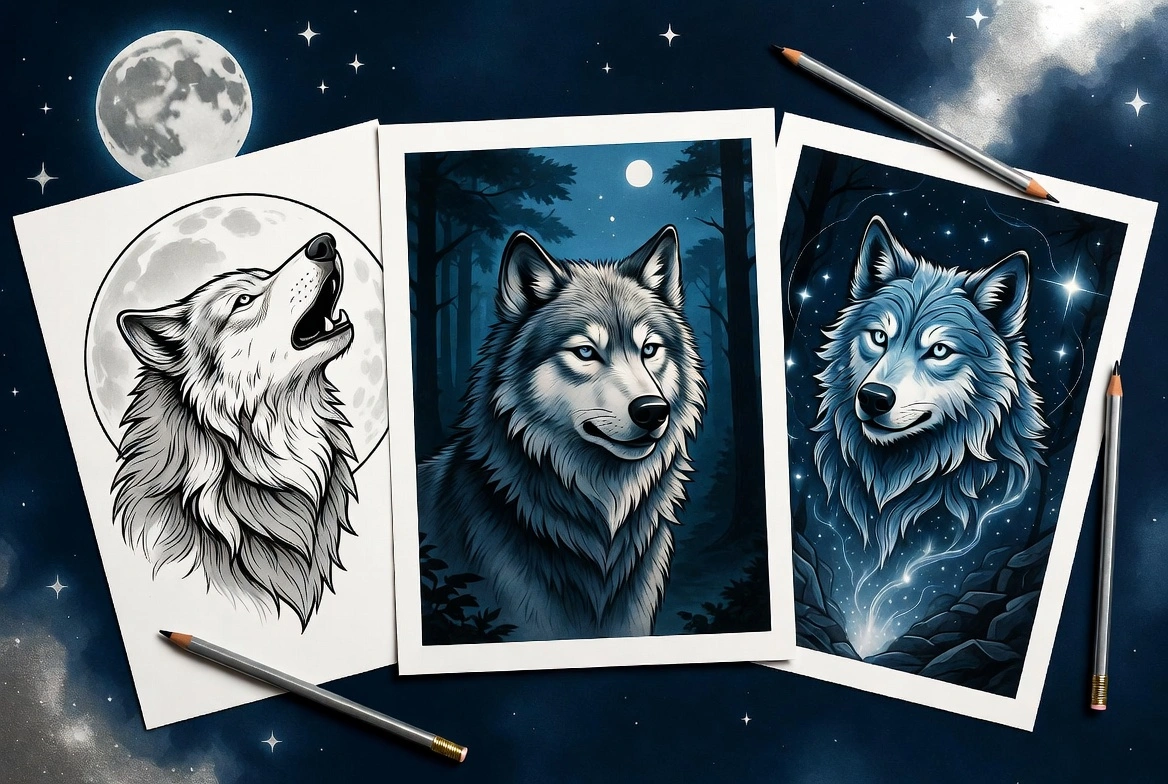
Wolves are the animal most weighed down by their own mythology. Centuries of fairy tales made them the thing waiting in the forest, and it took until fairly recently for the more interesting reality to reach general knowledge, that a pack is a family, that howling is long-distance conversation, and that a wolf will go to real lengths to avoid meeting a person. Both versions turn up in these wolf coloring pages.
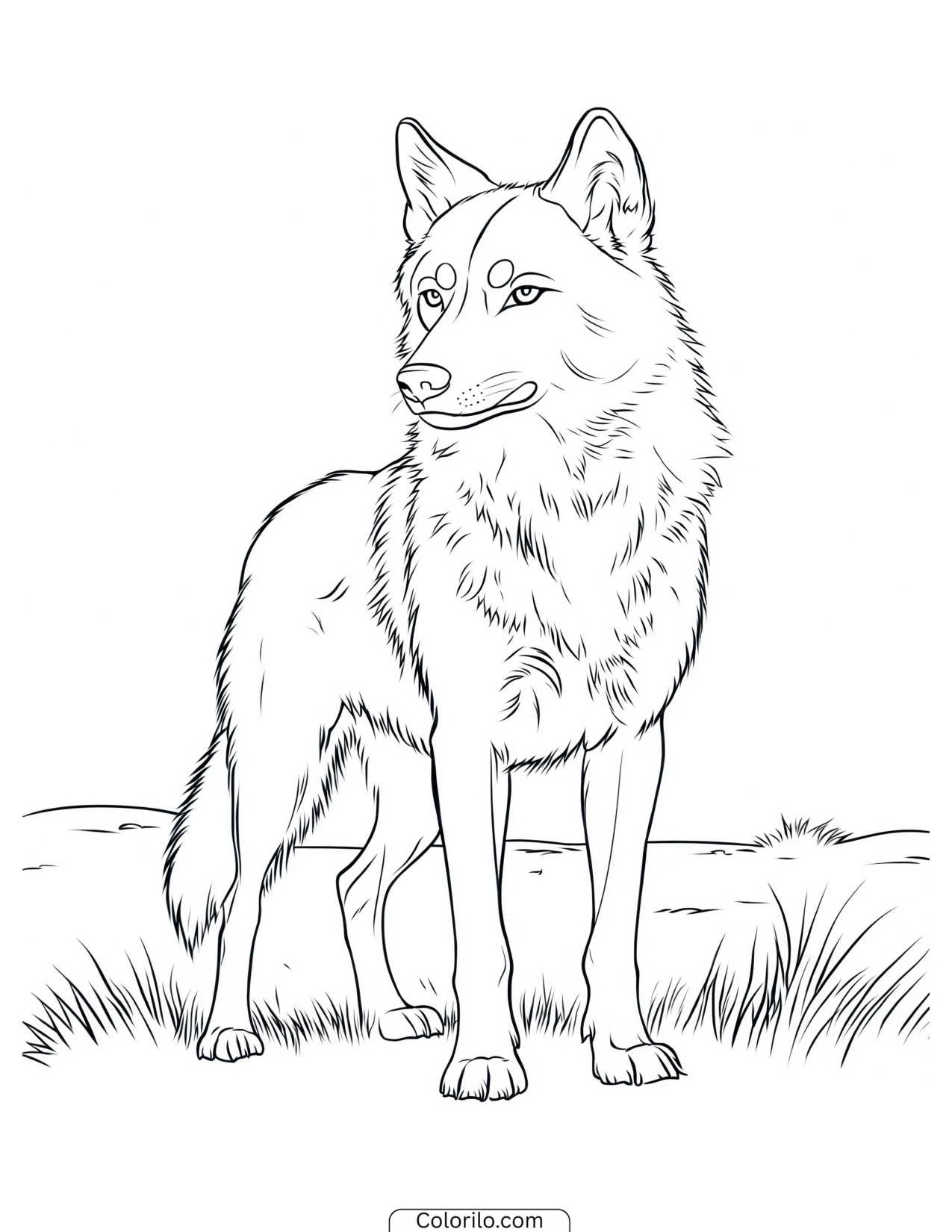
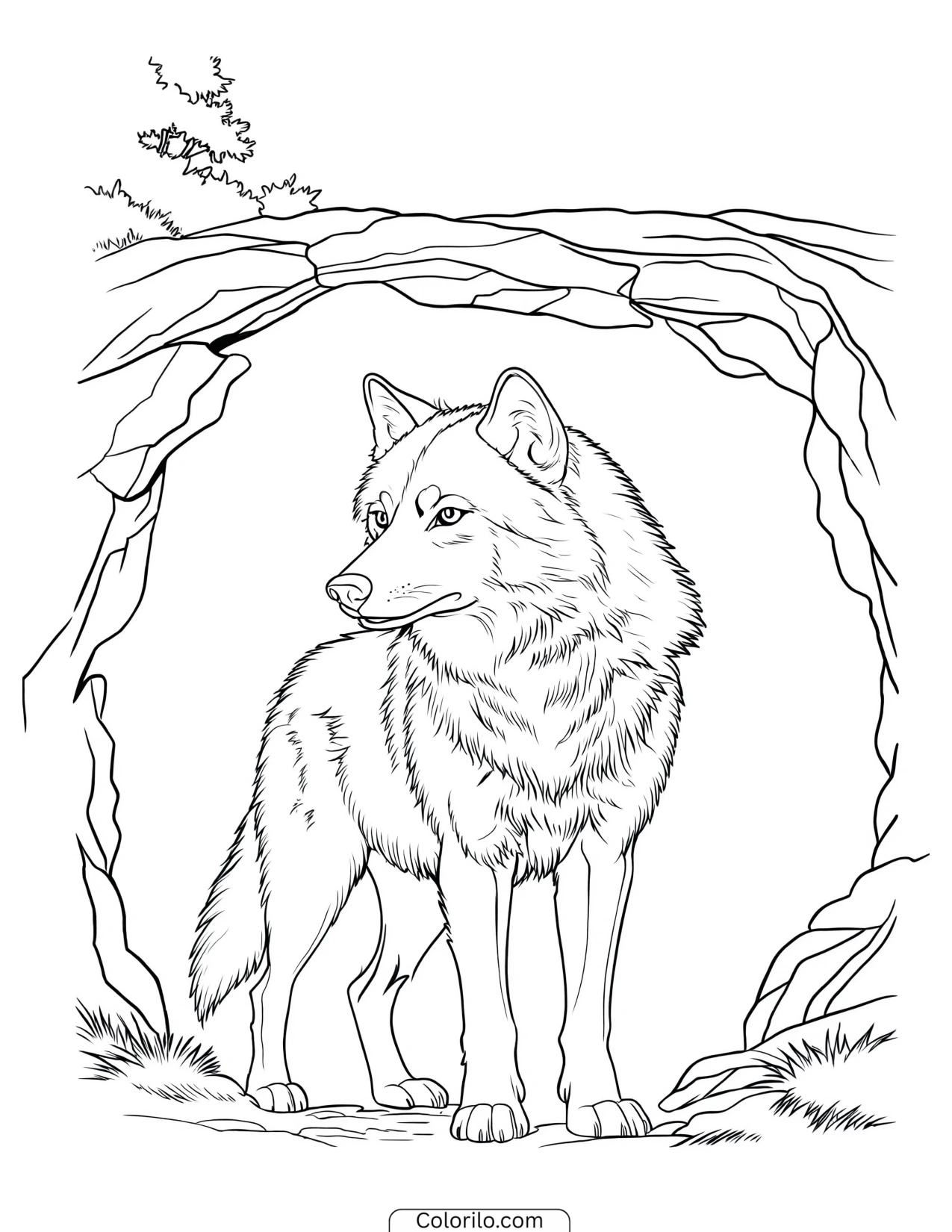
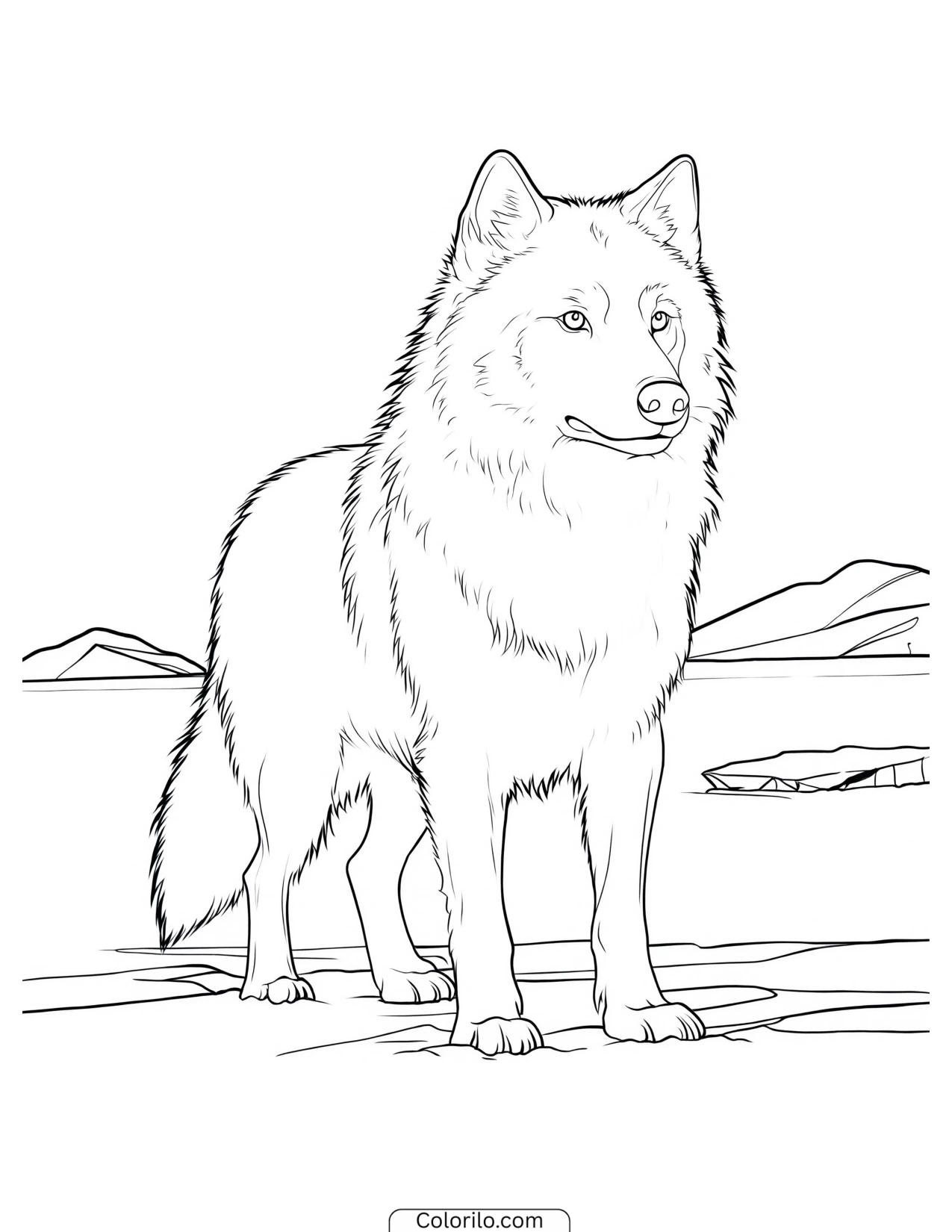
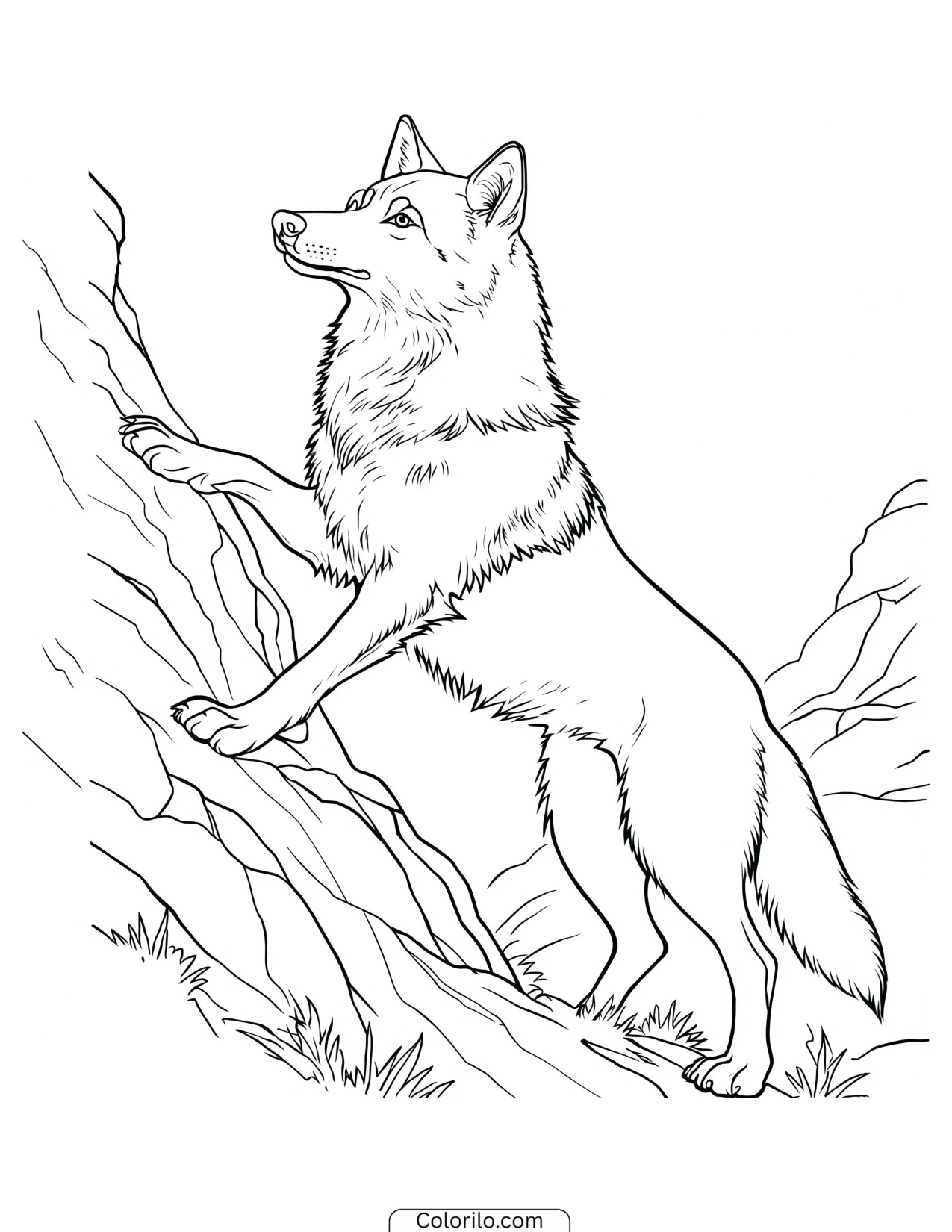
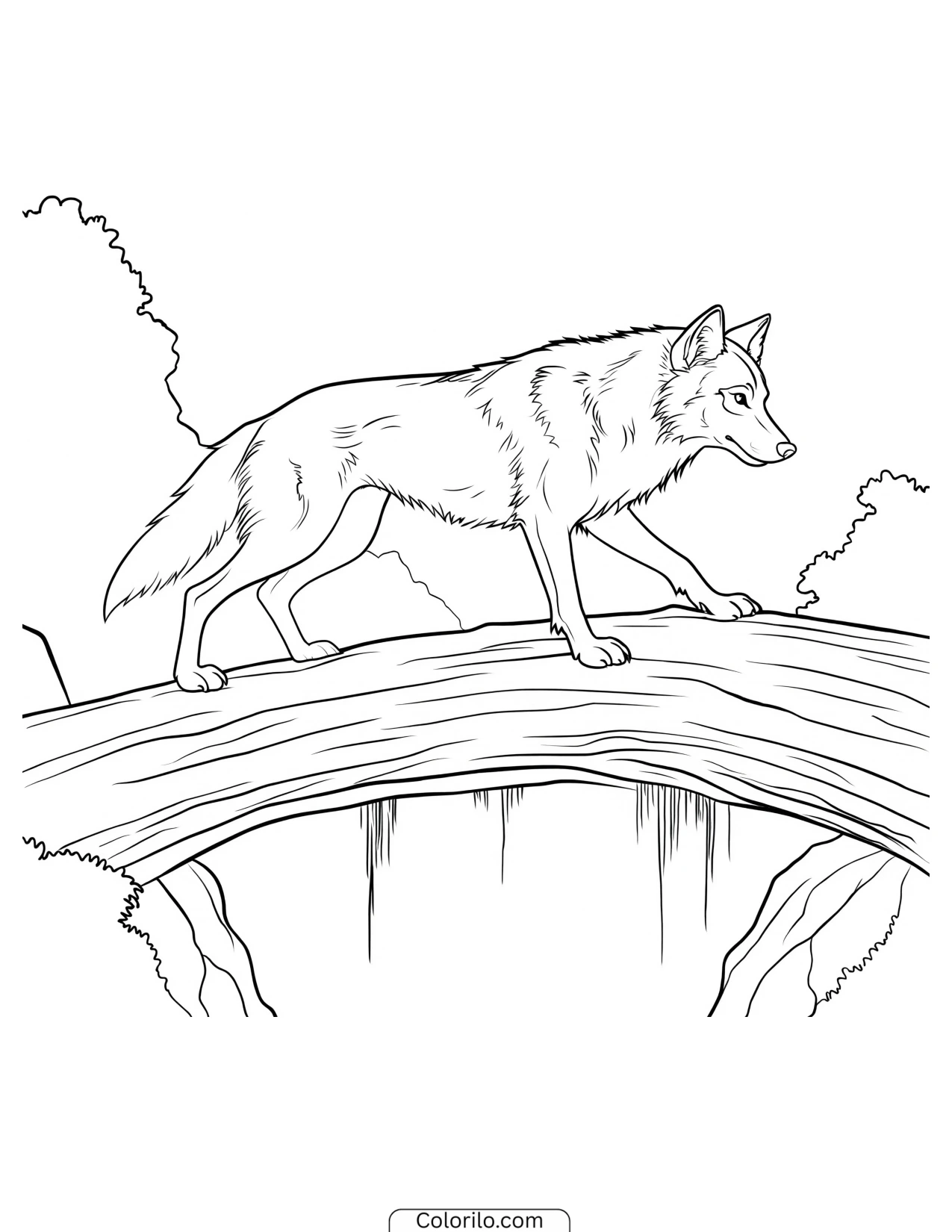
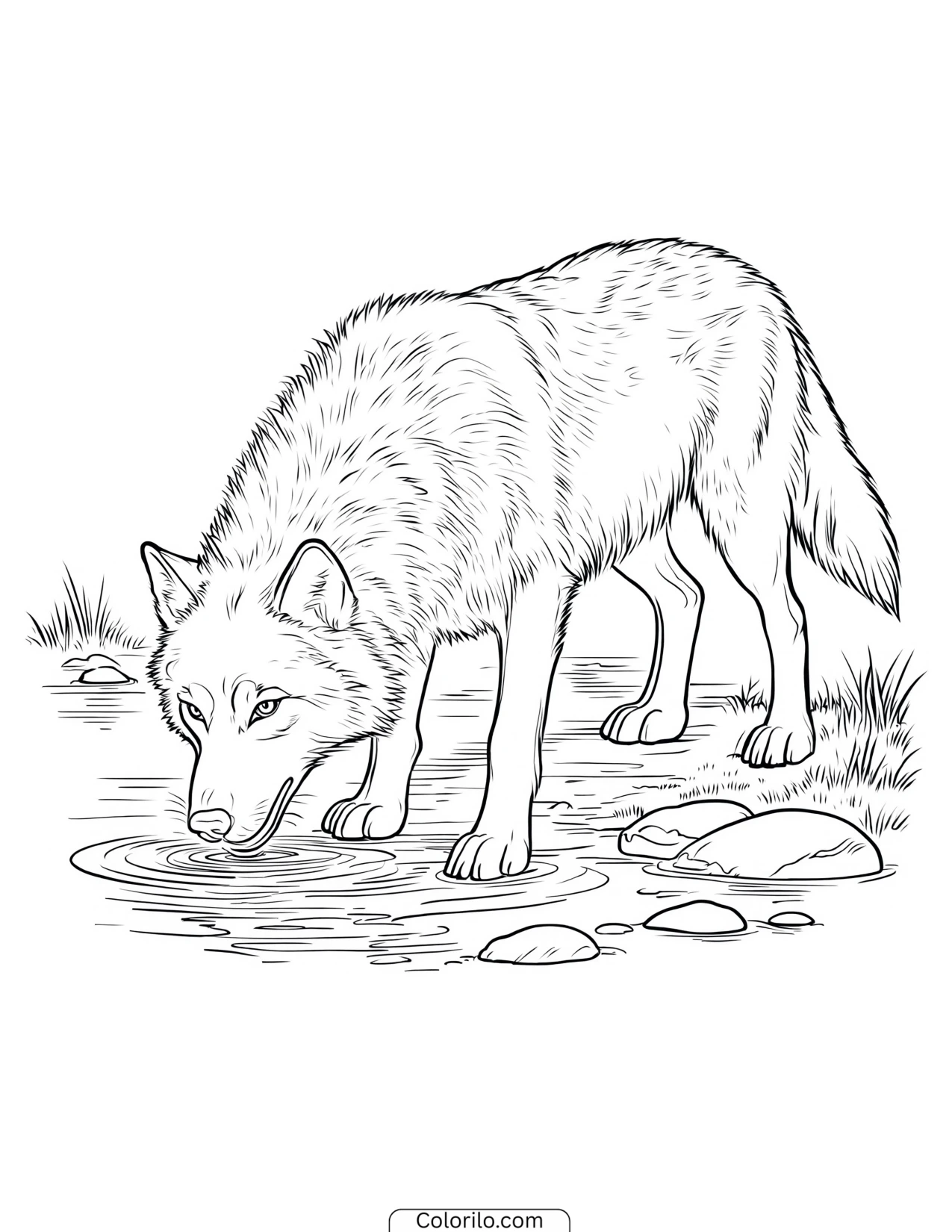
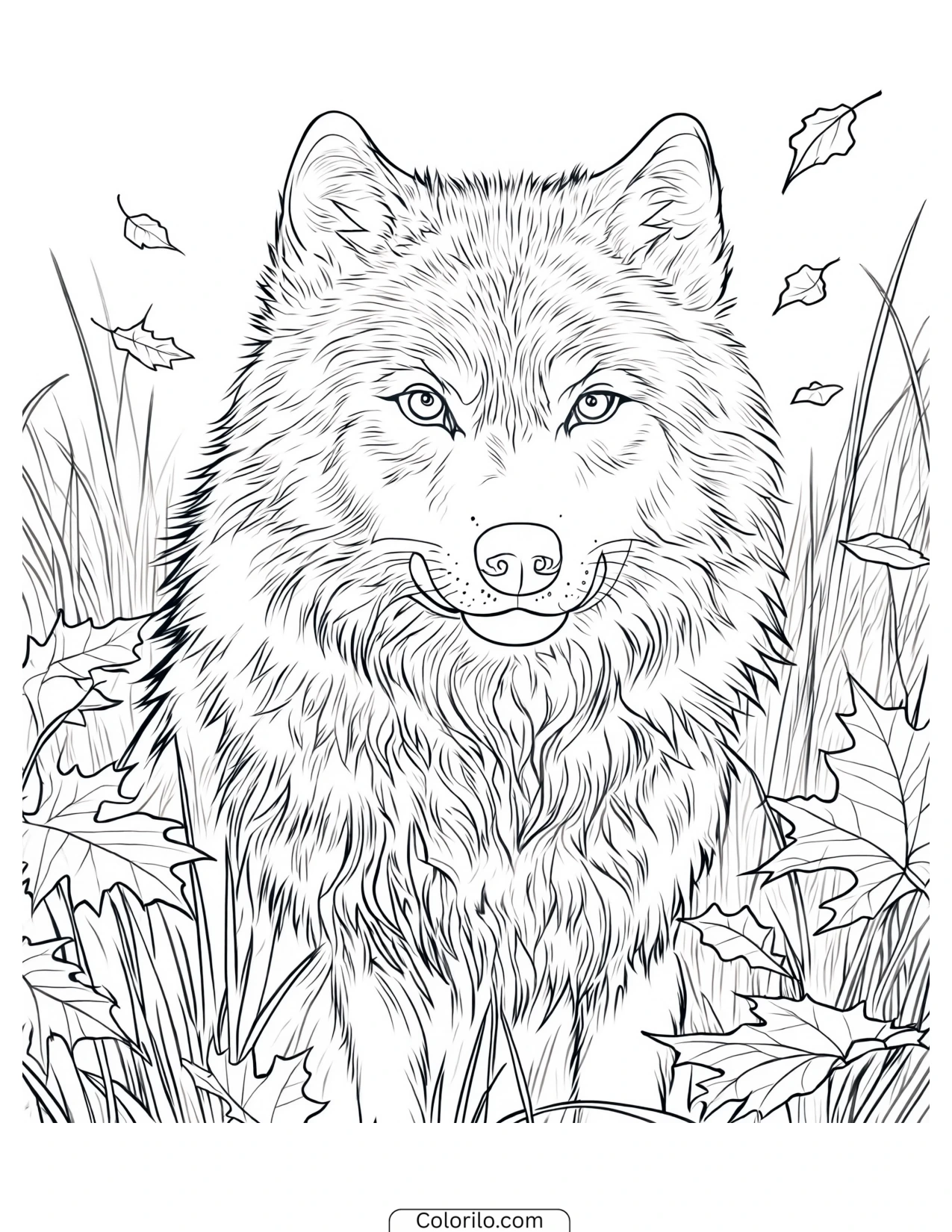
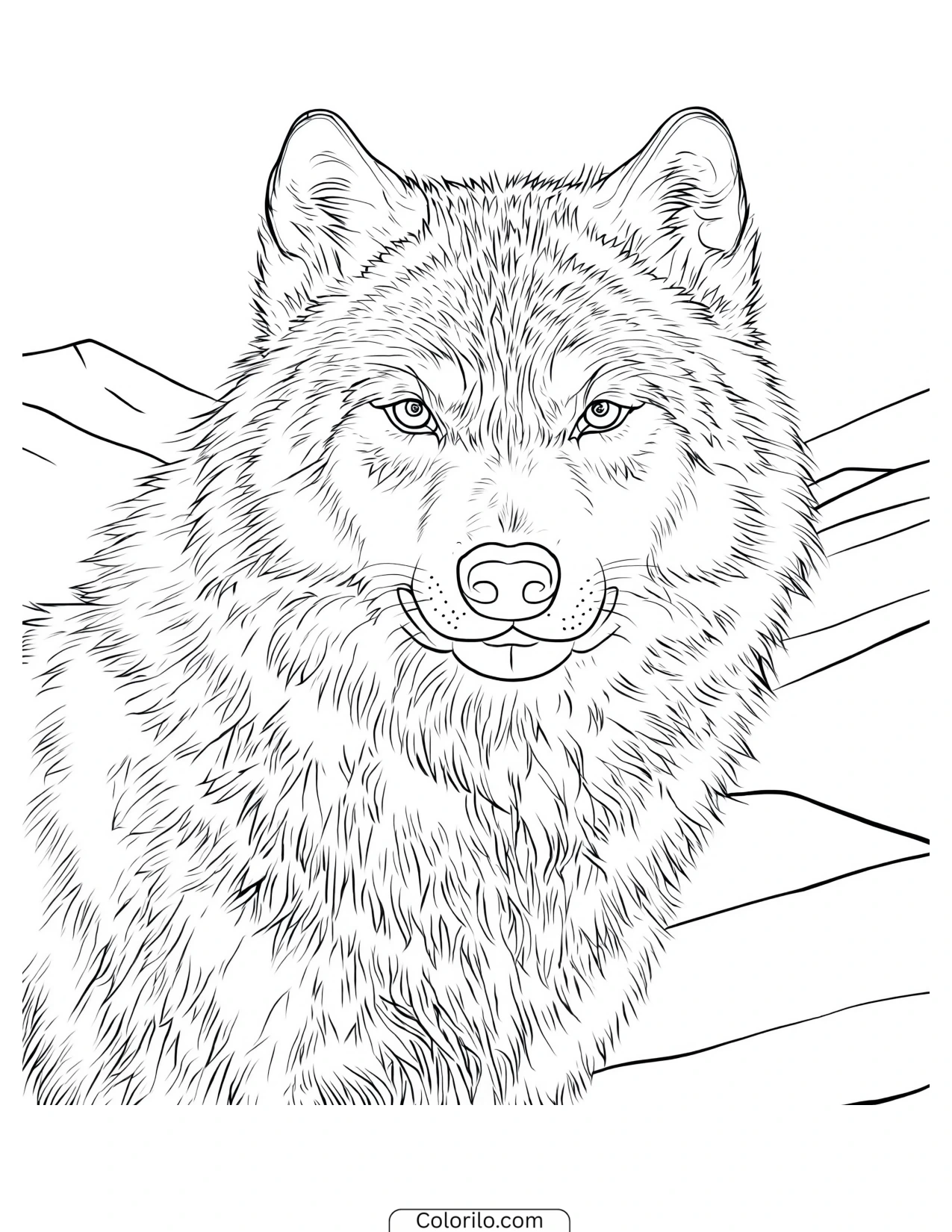
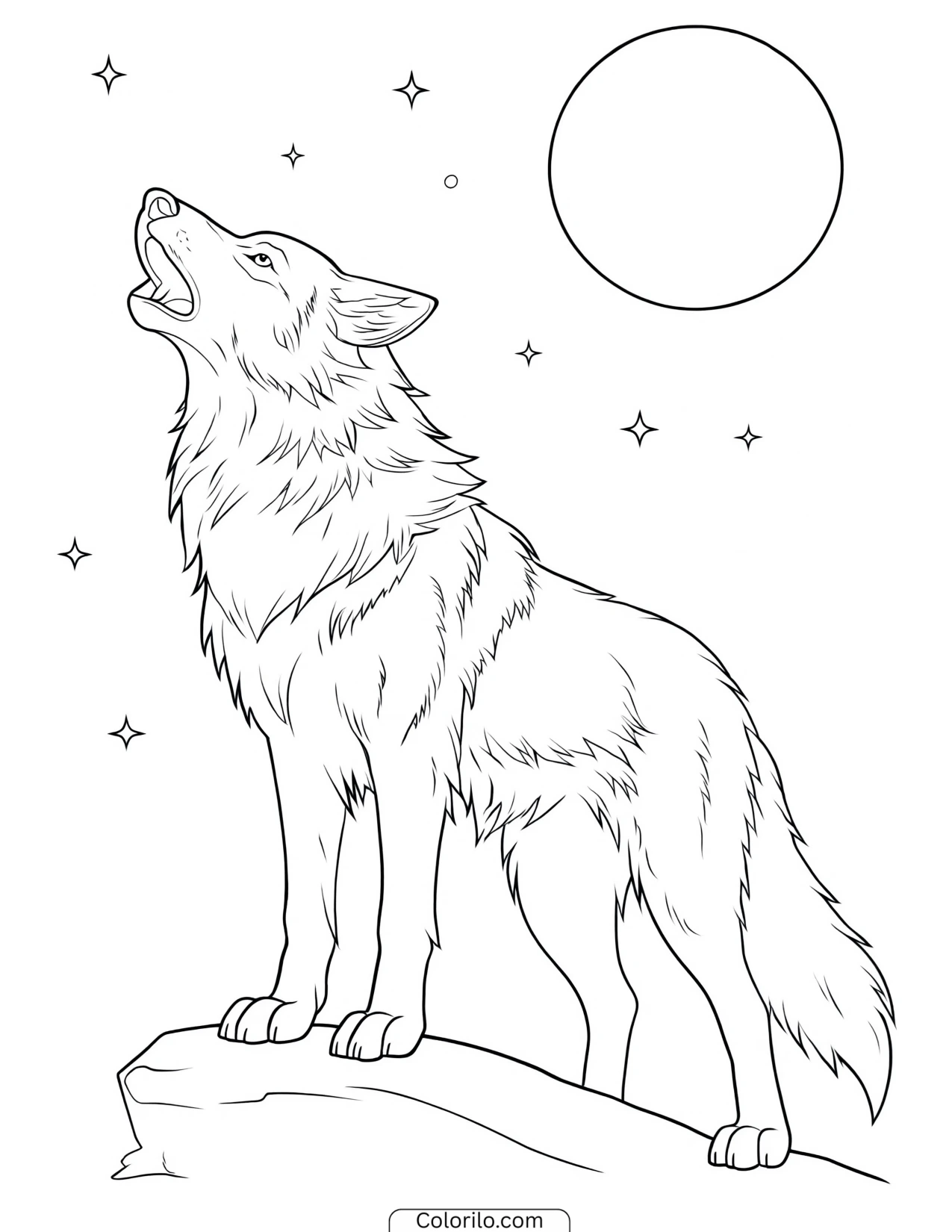
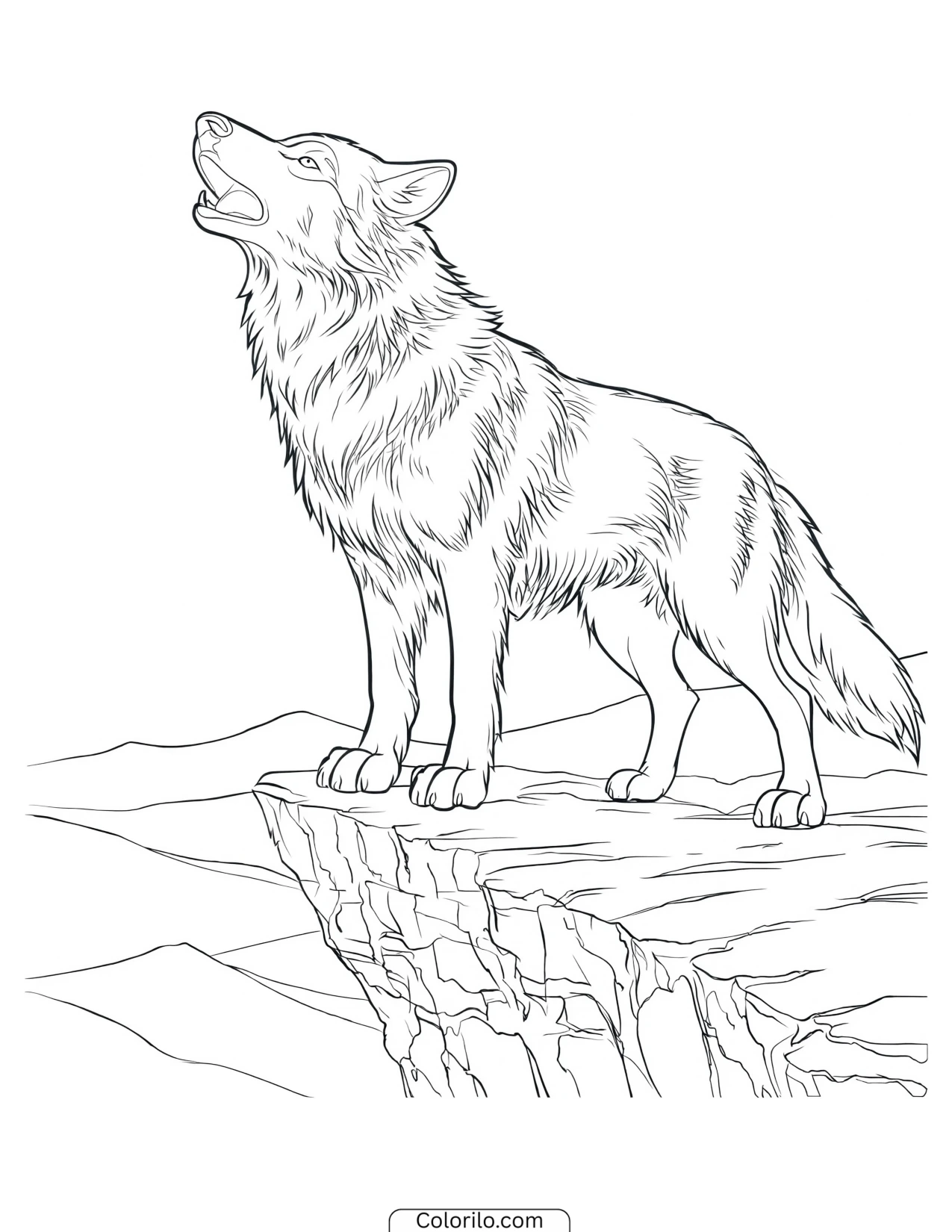
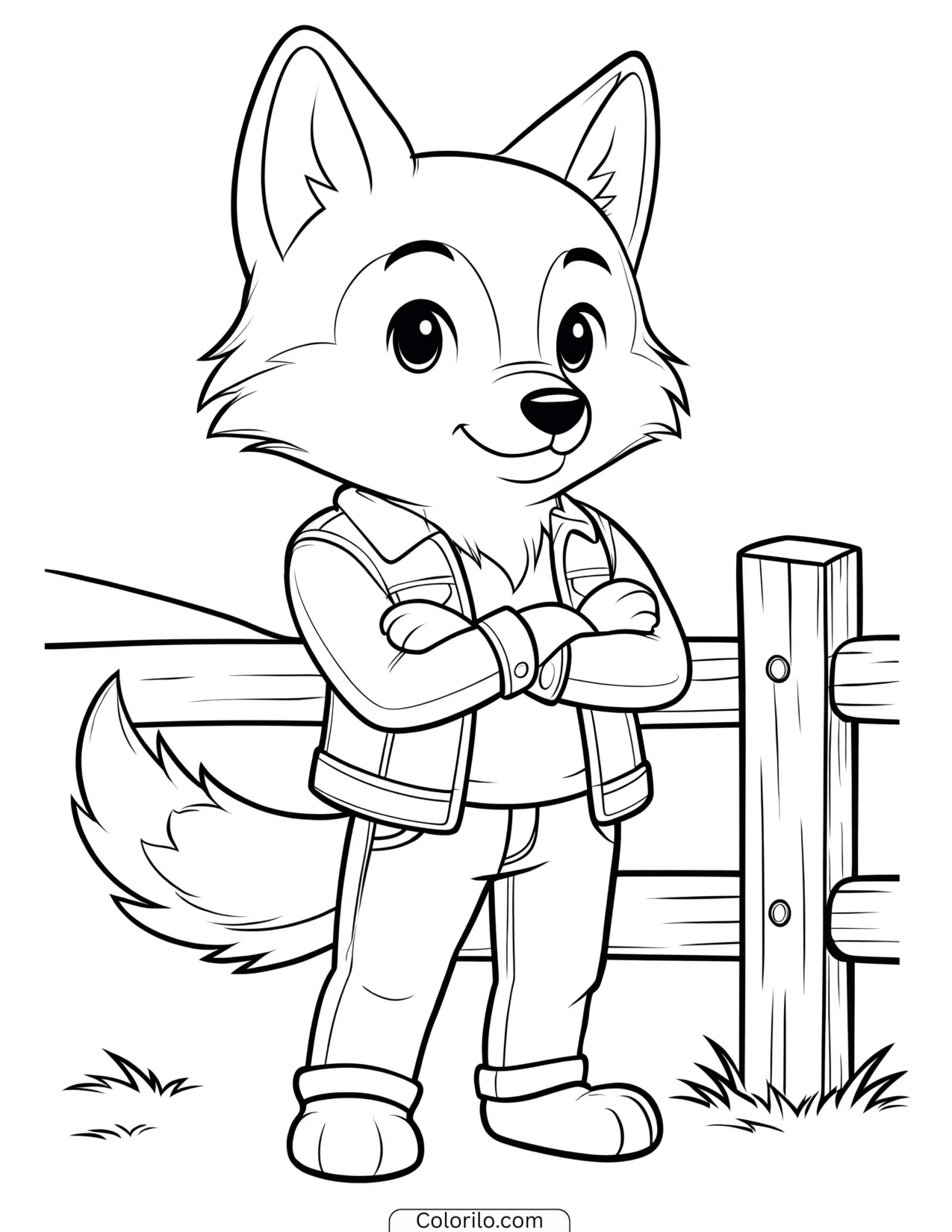
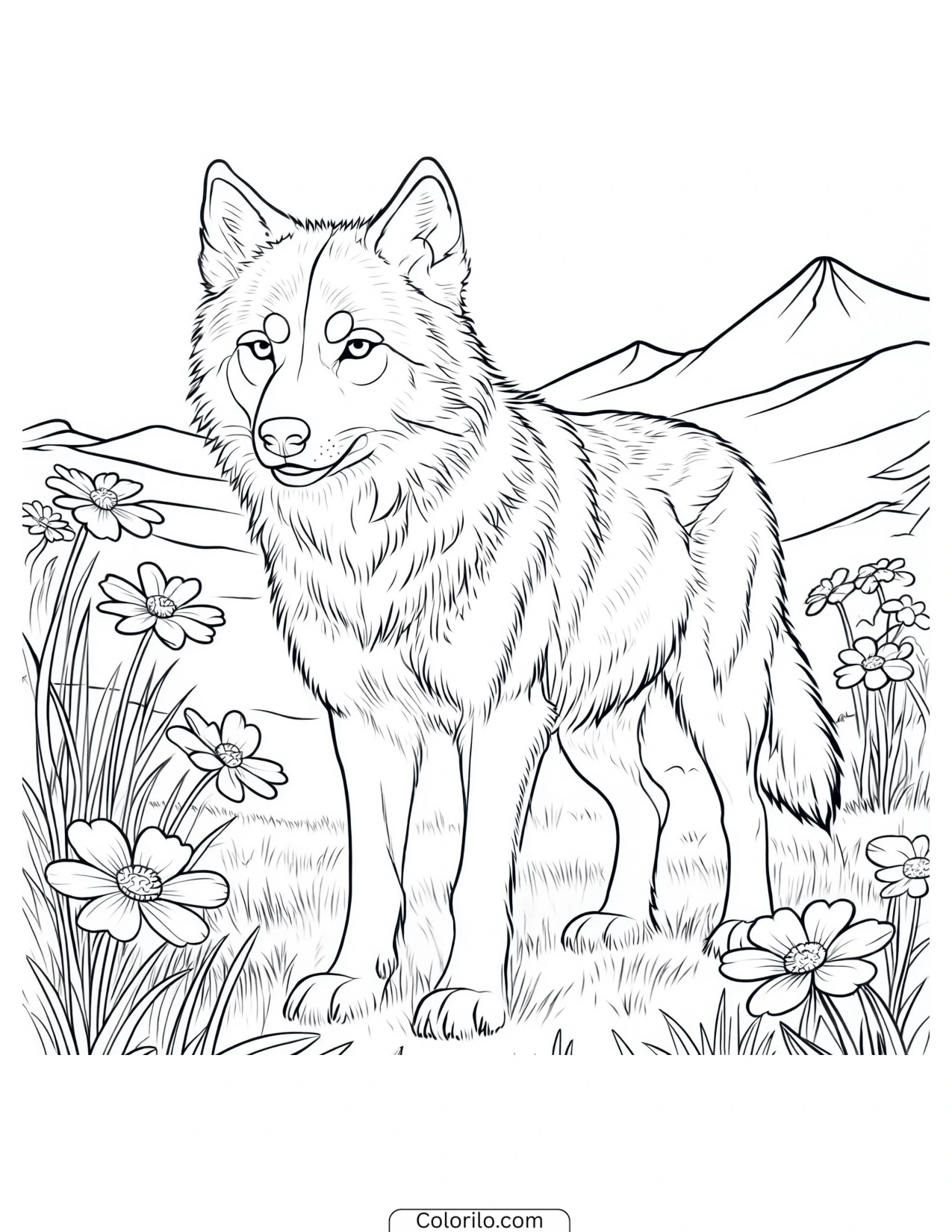
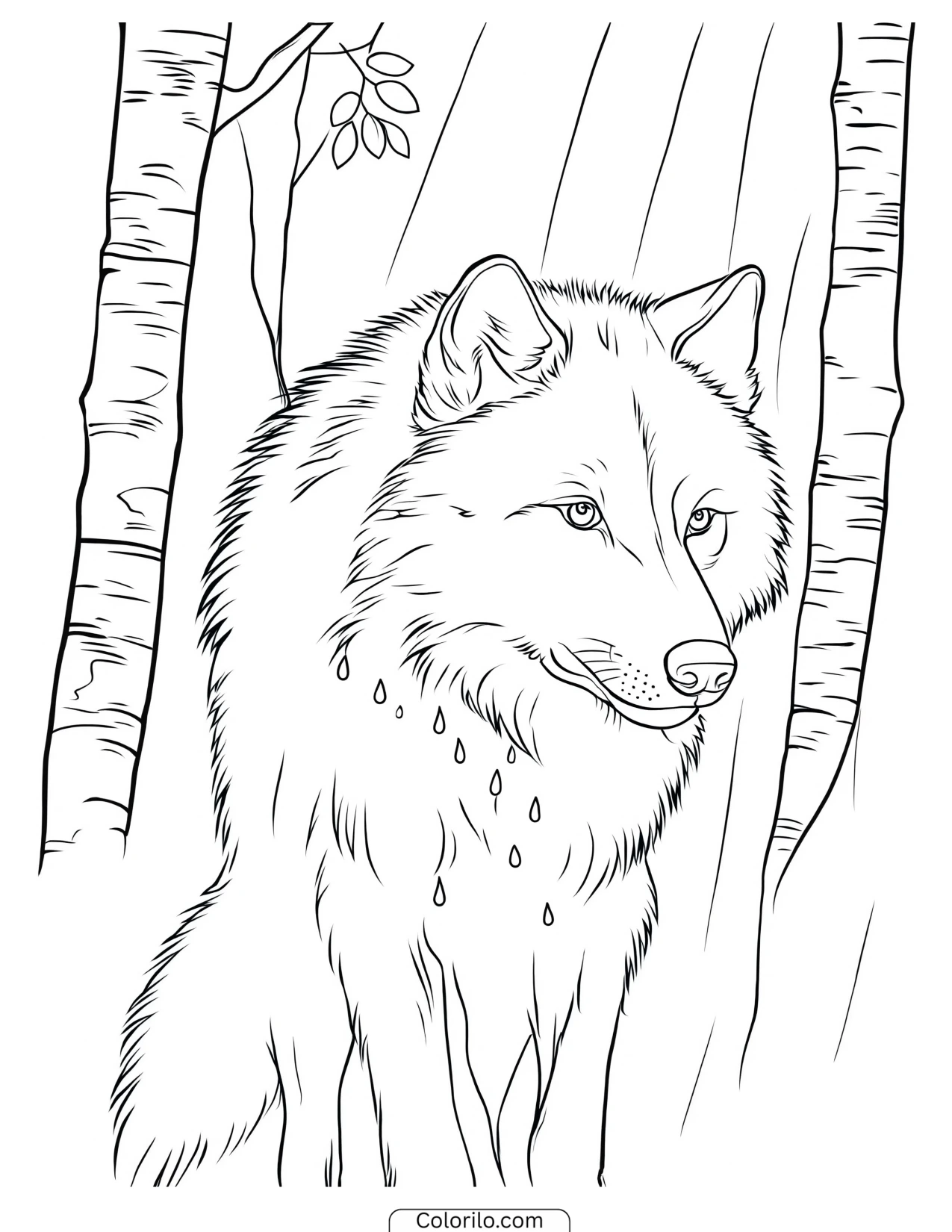
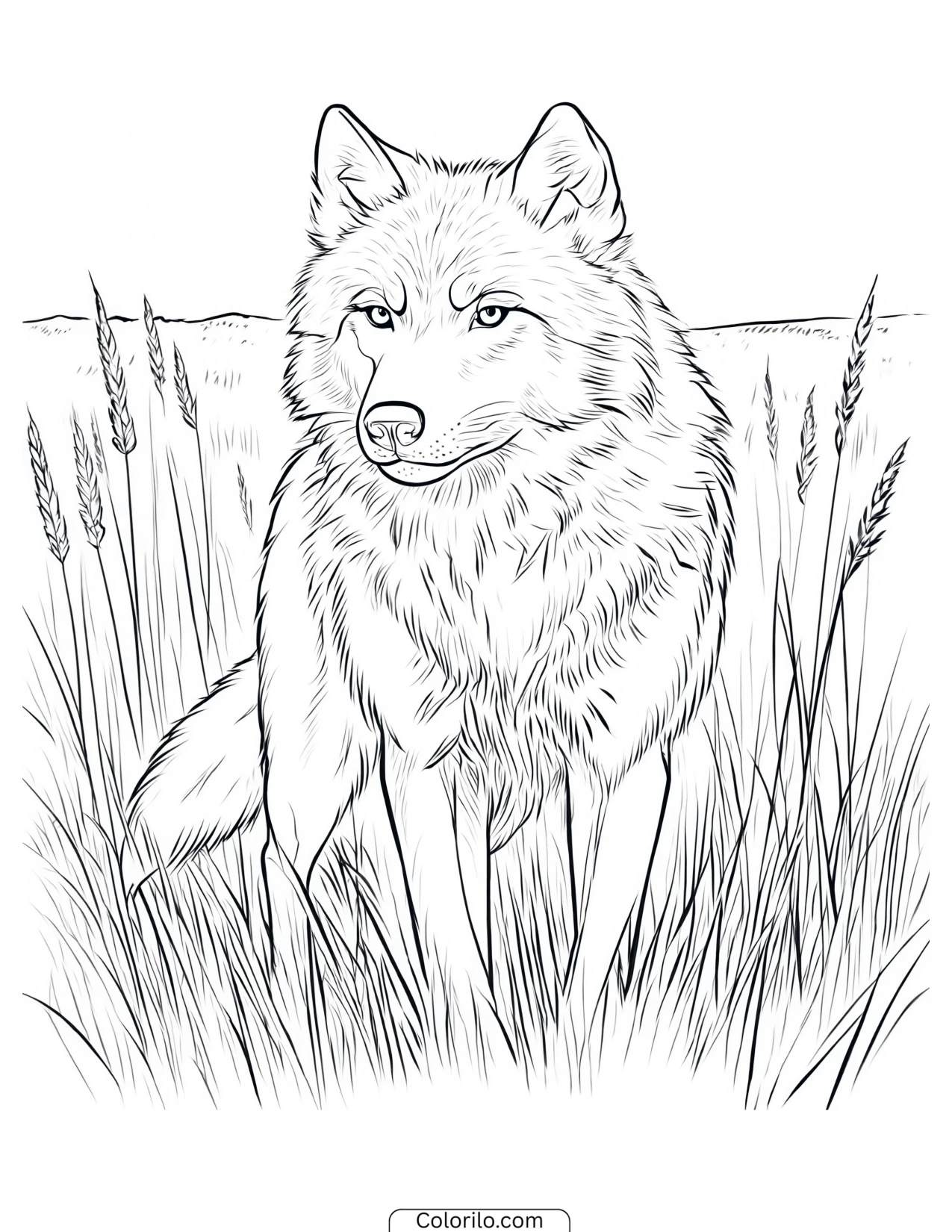
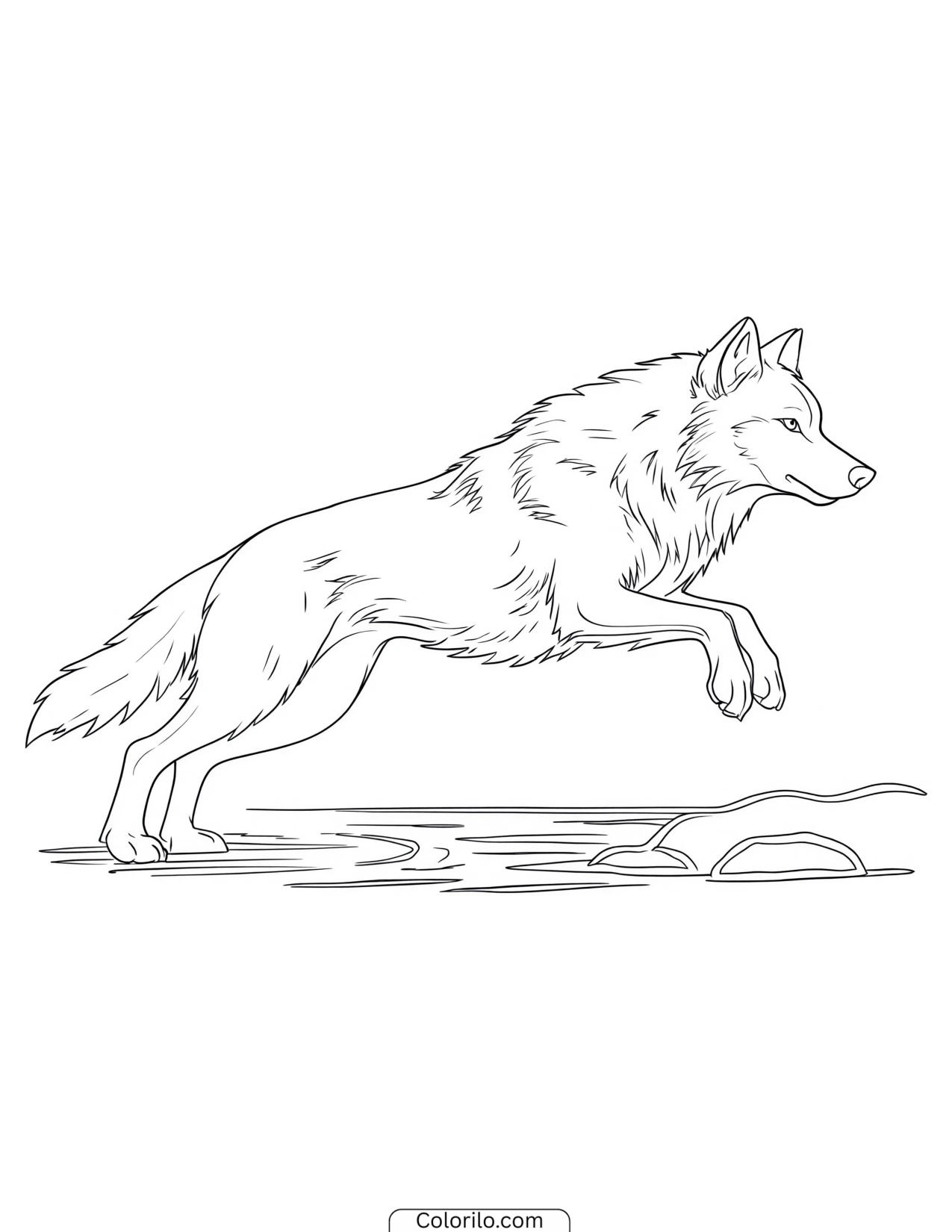
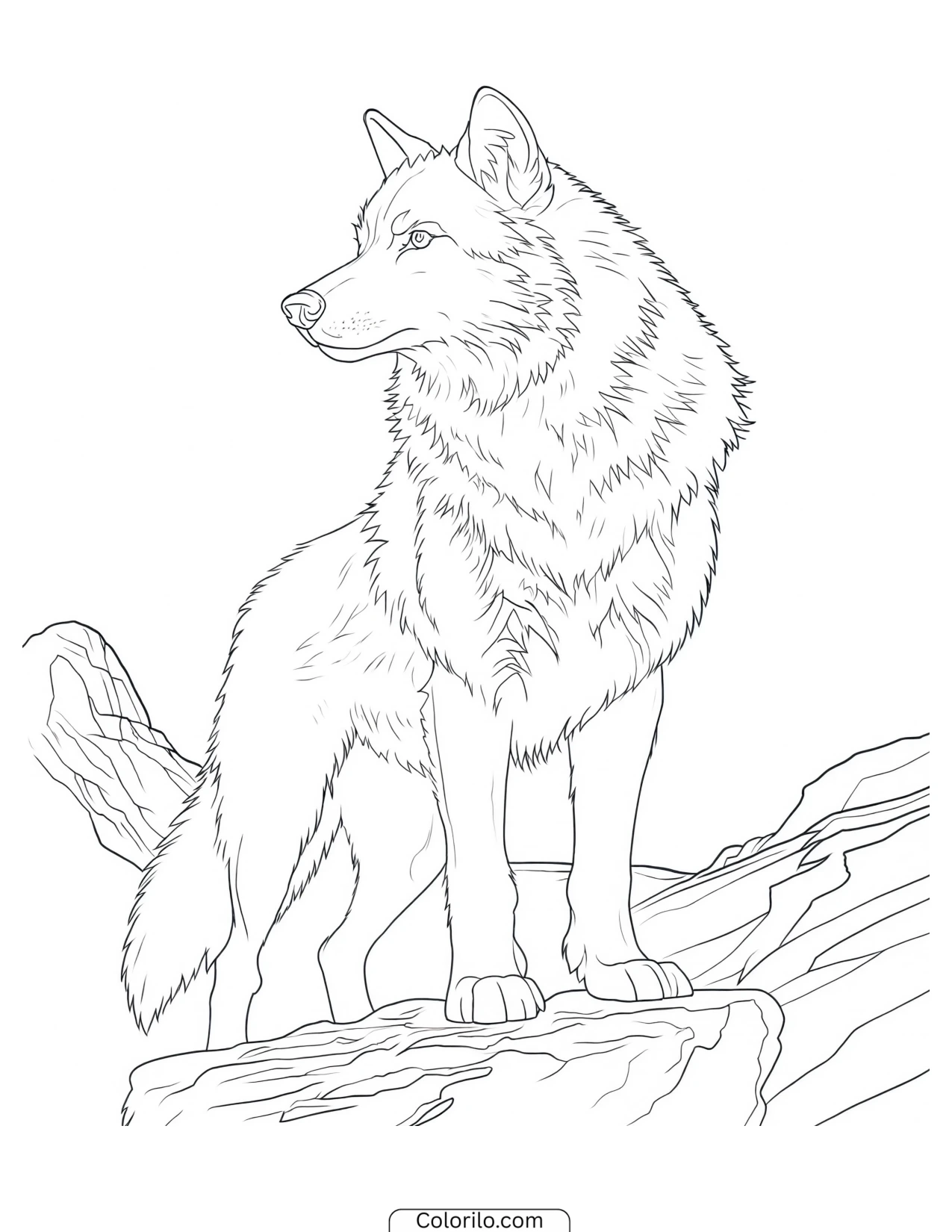
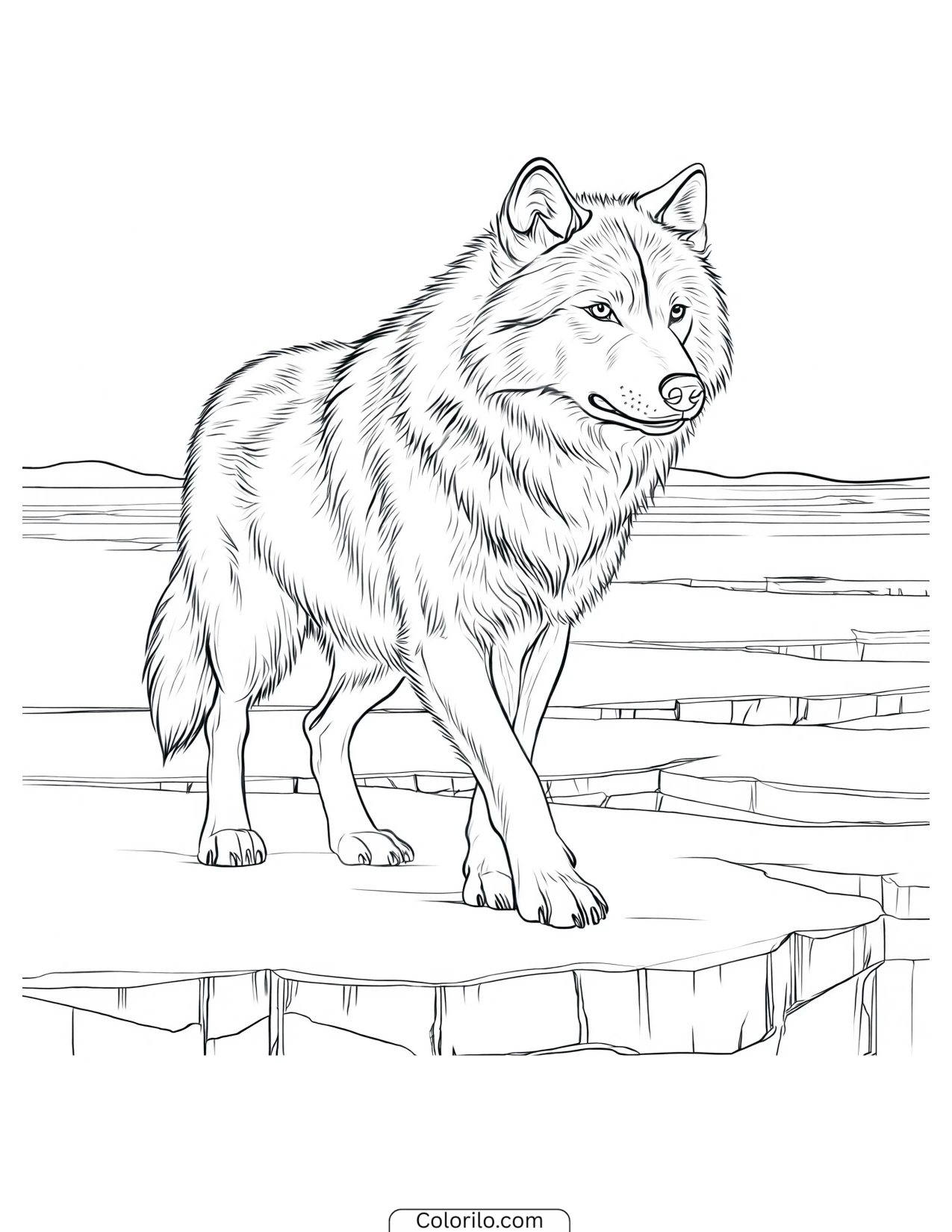
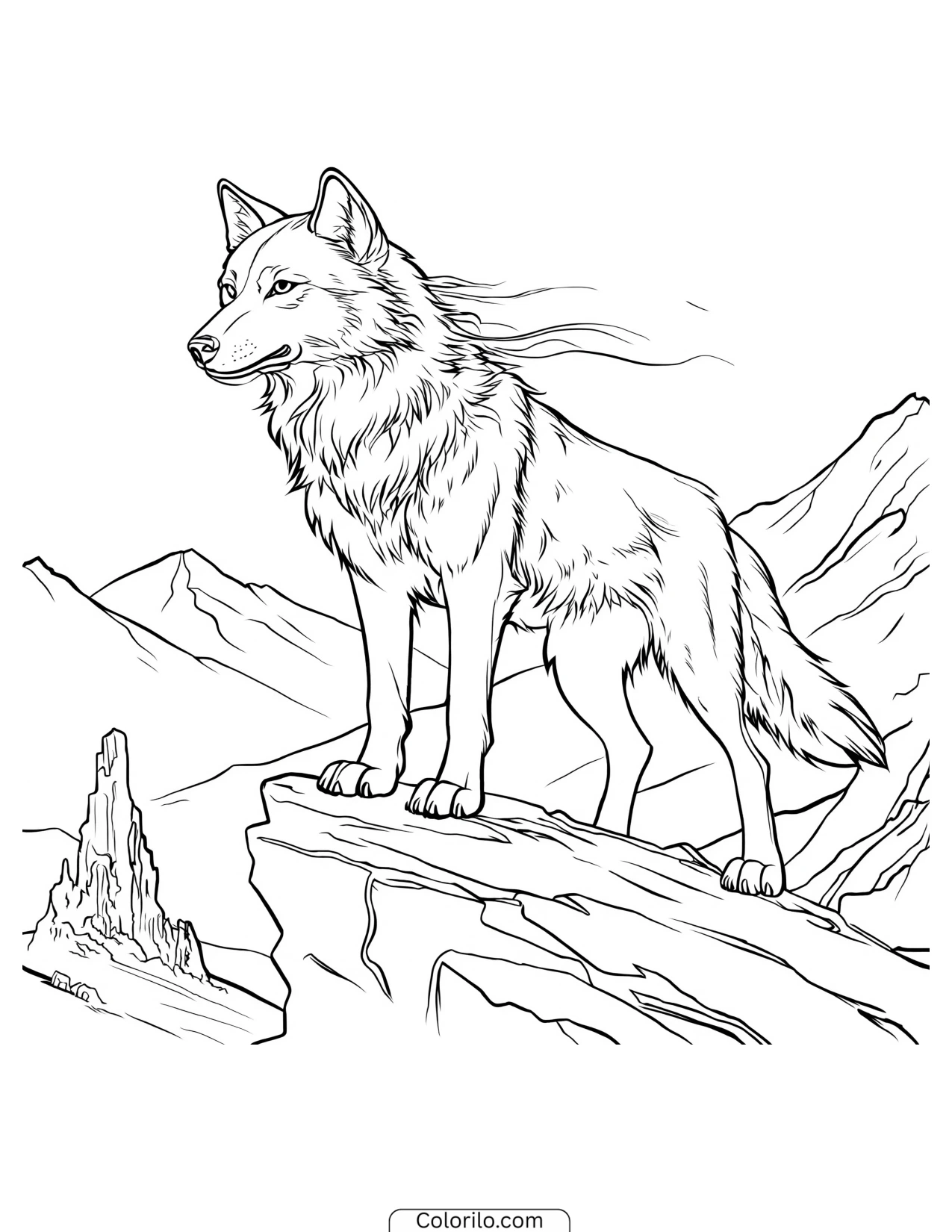
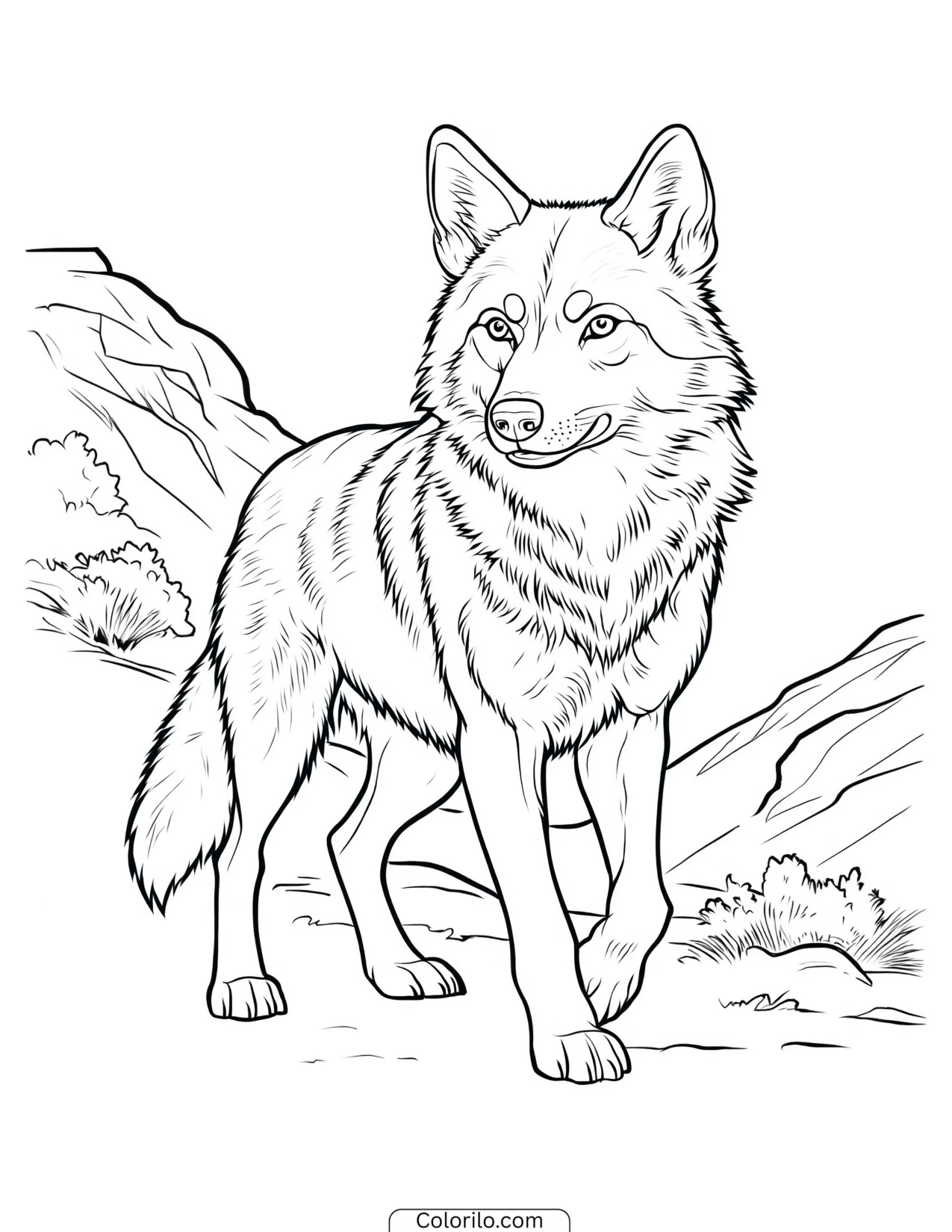
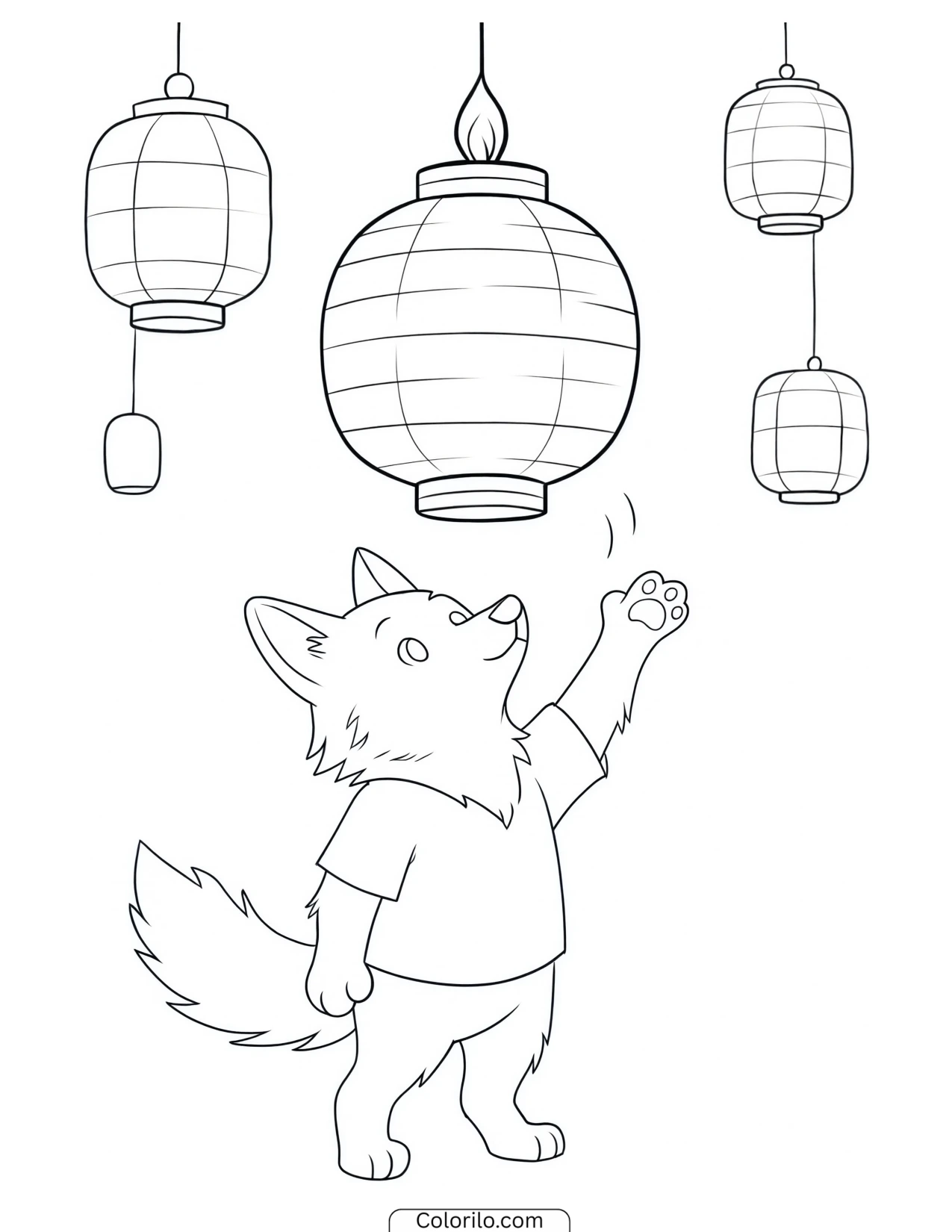
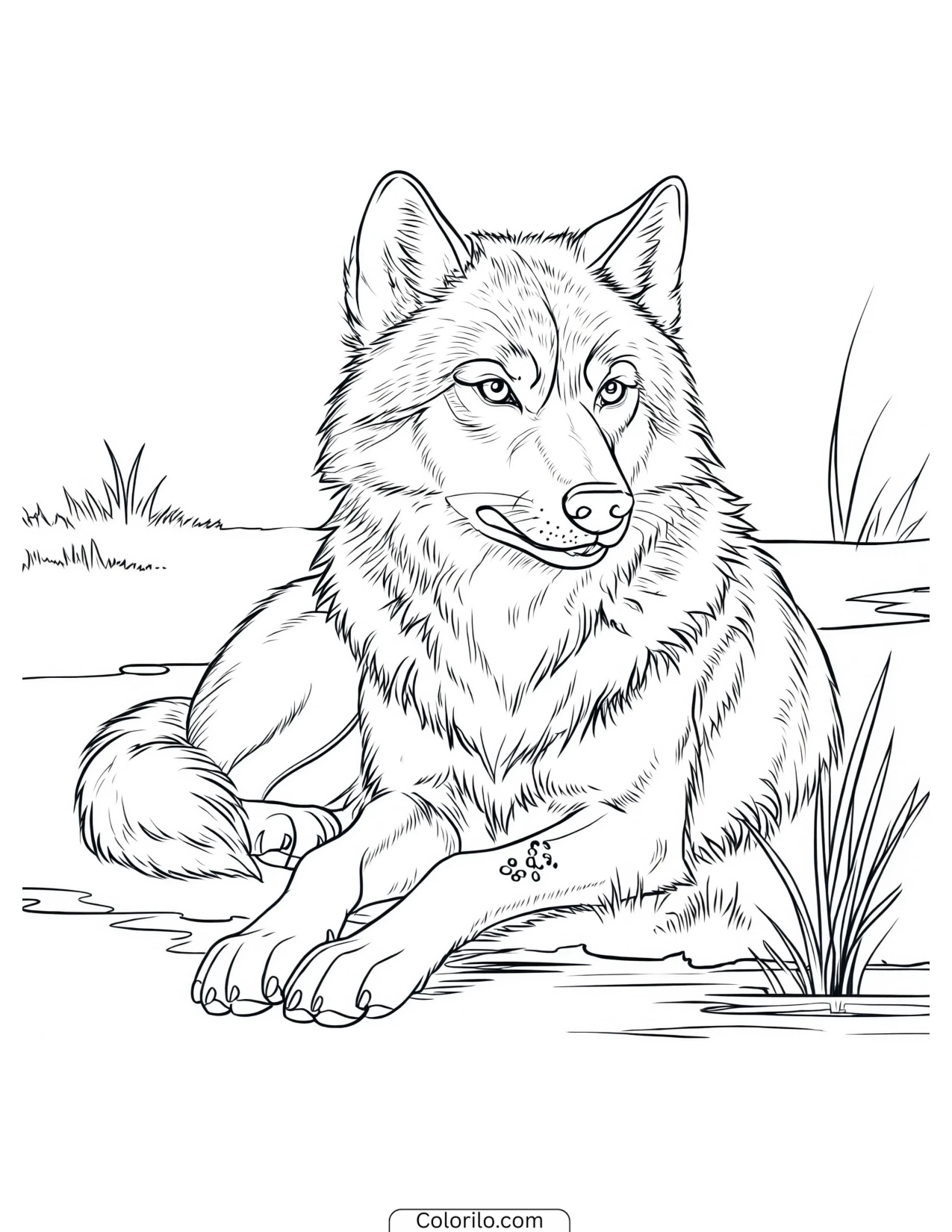
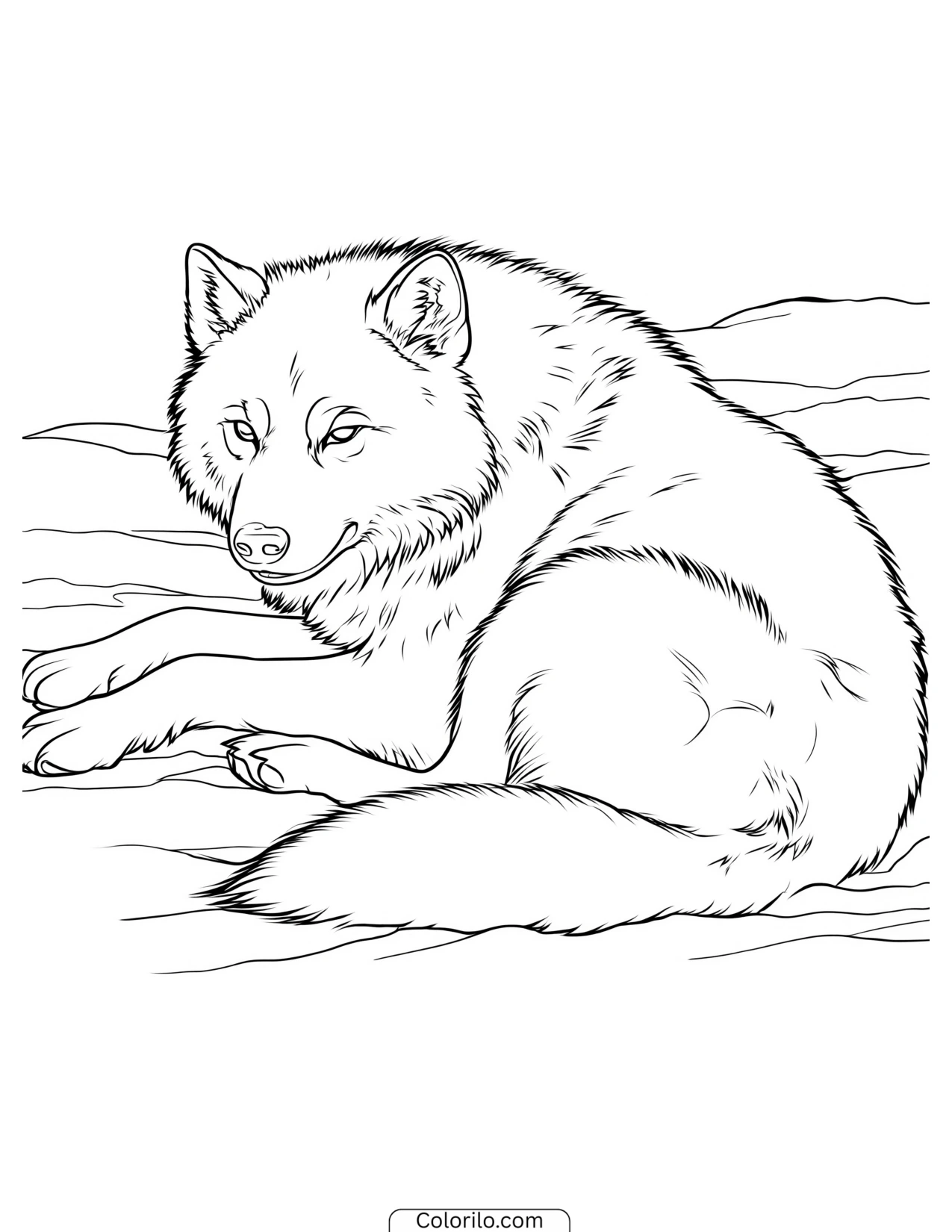
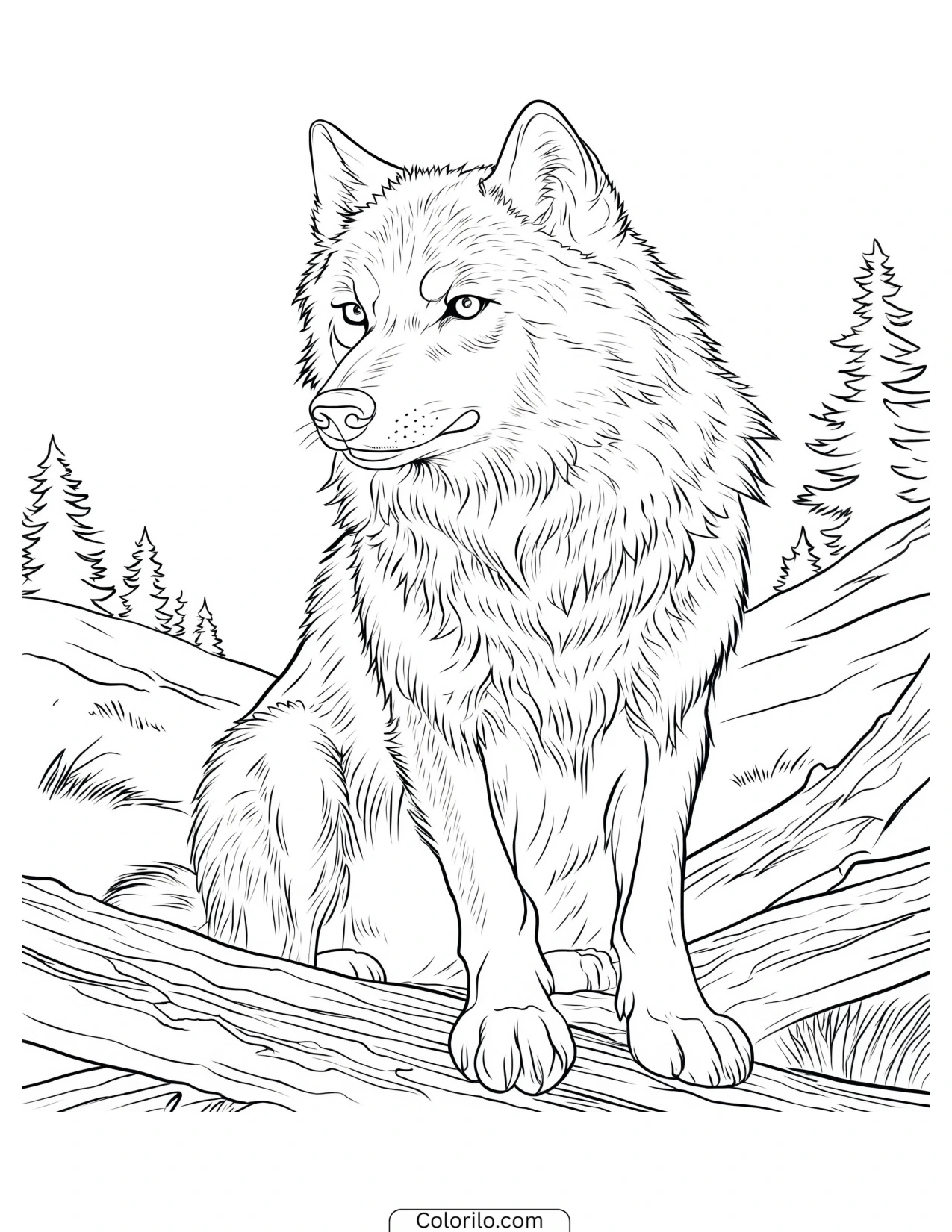
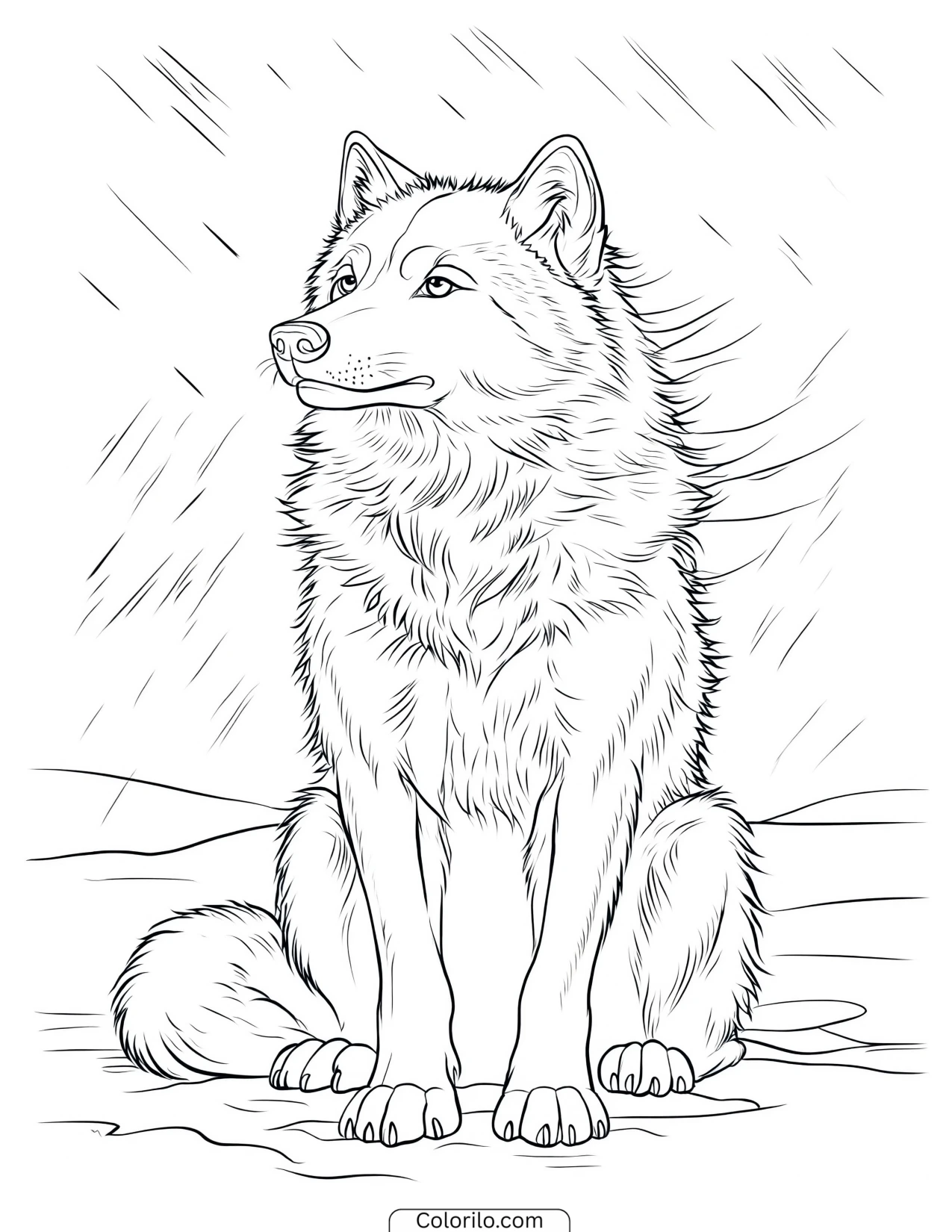
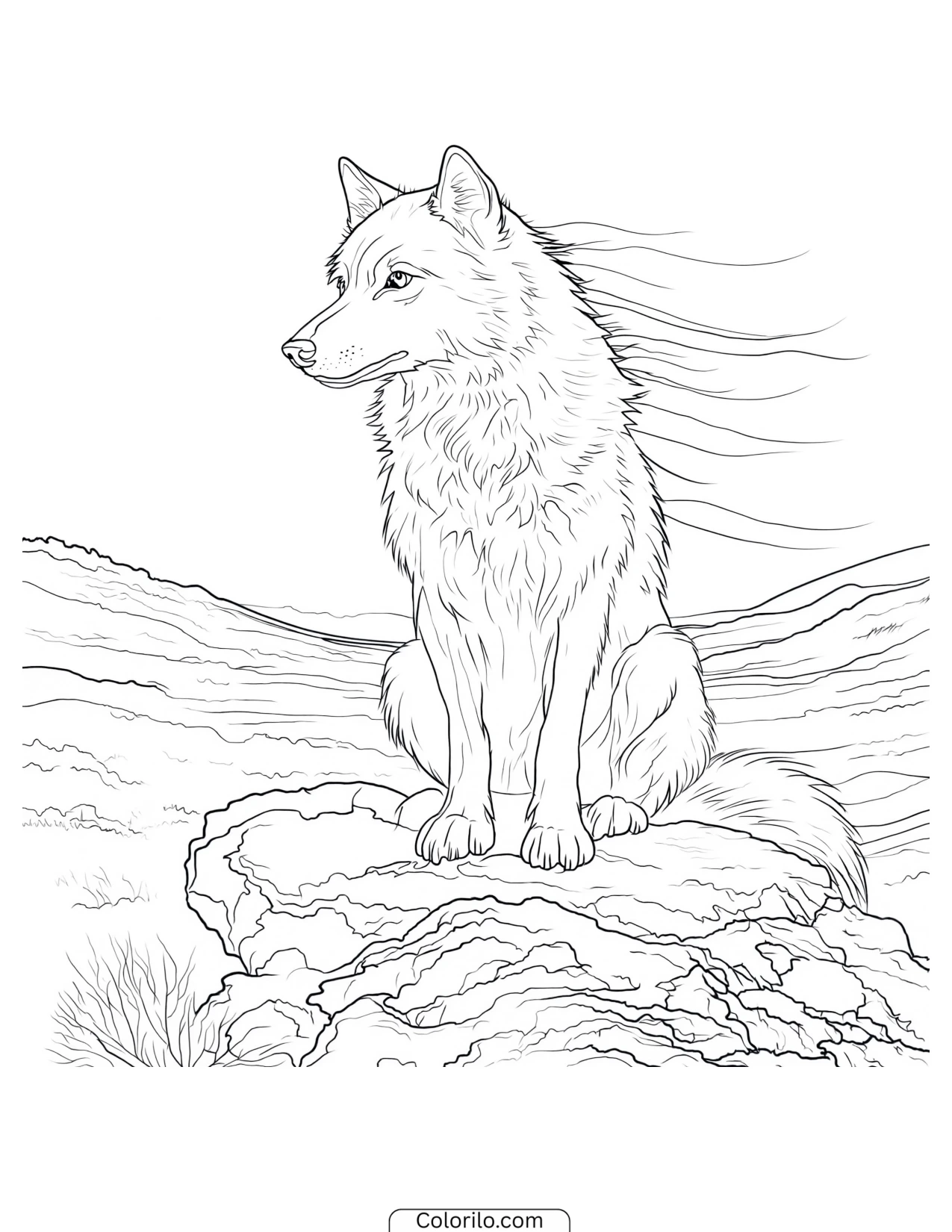
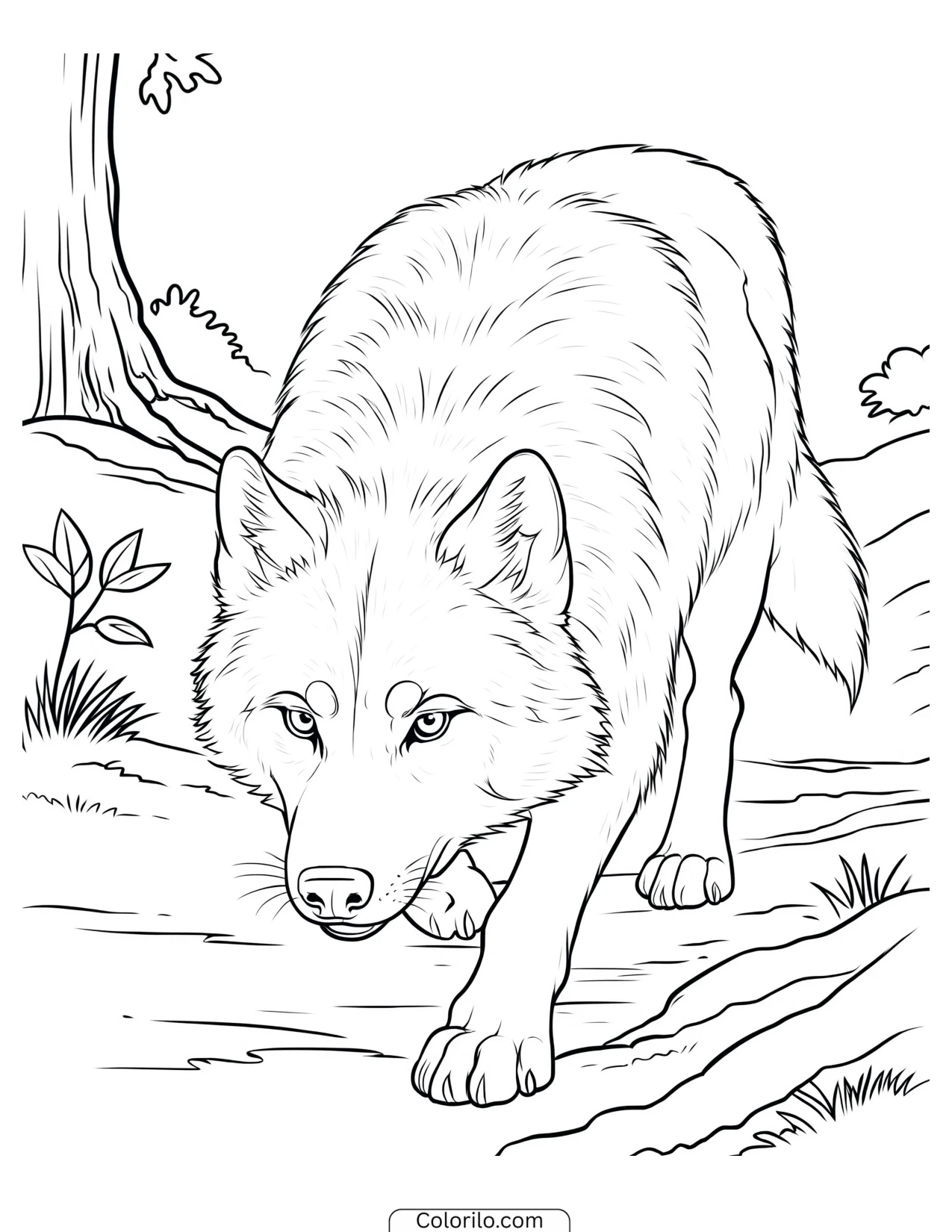
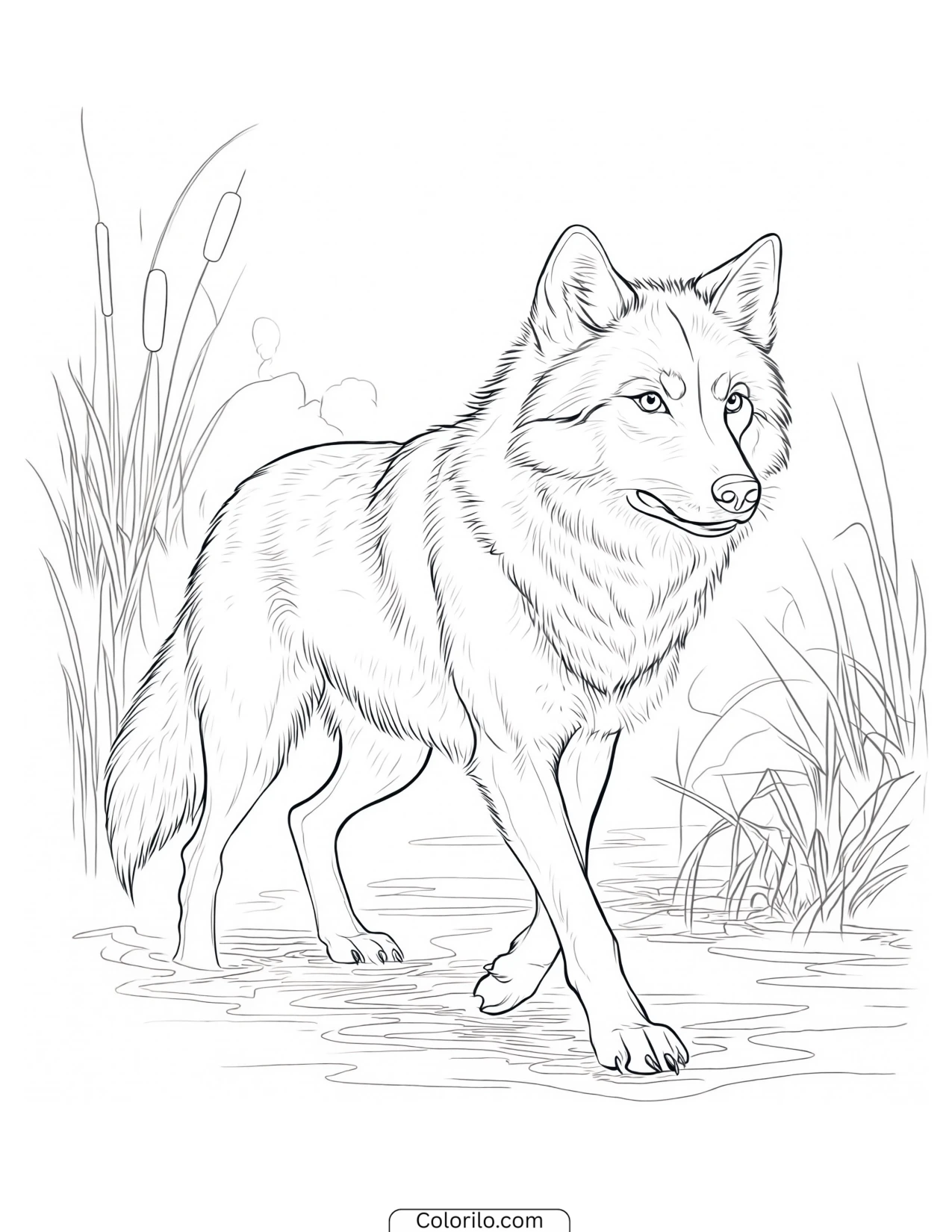
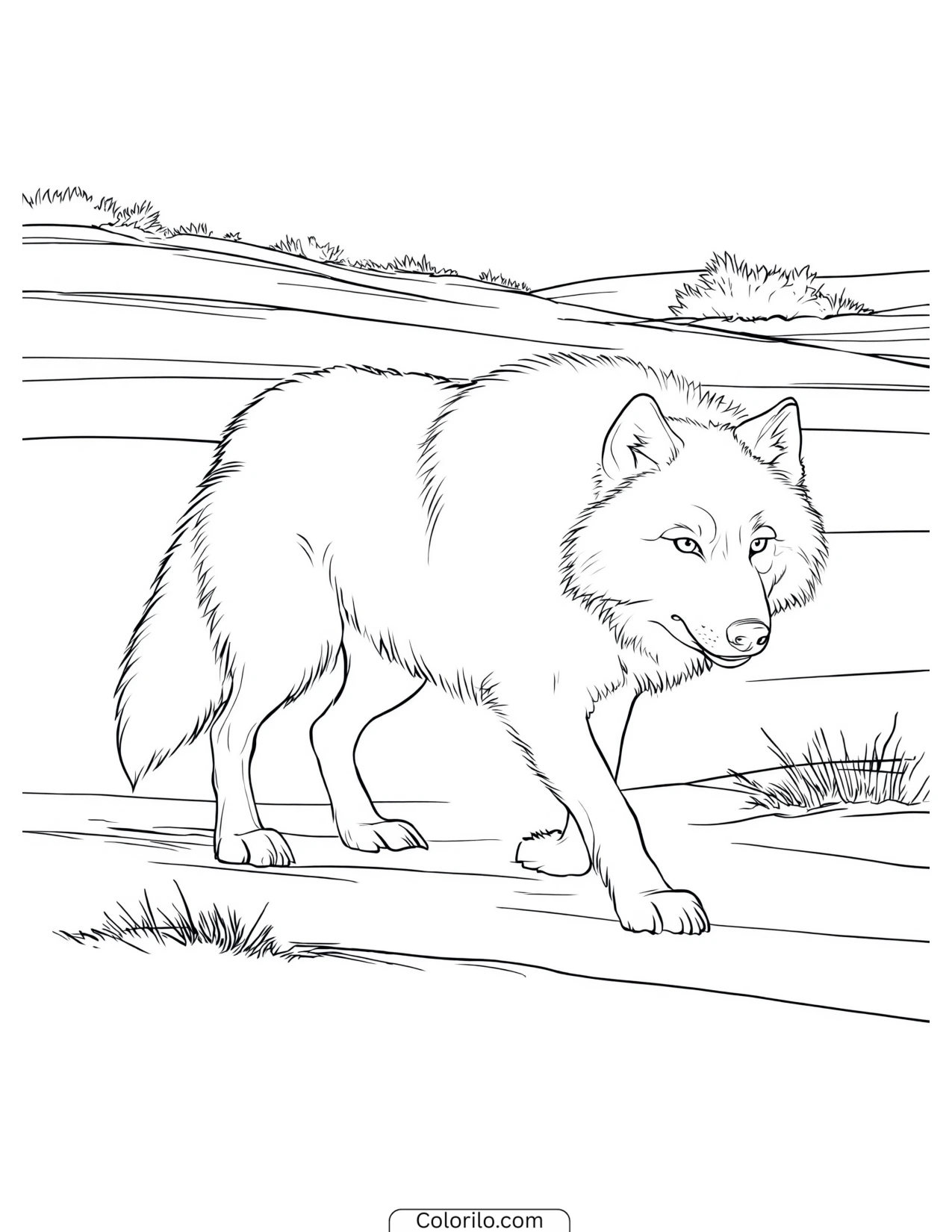
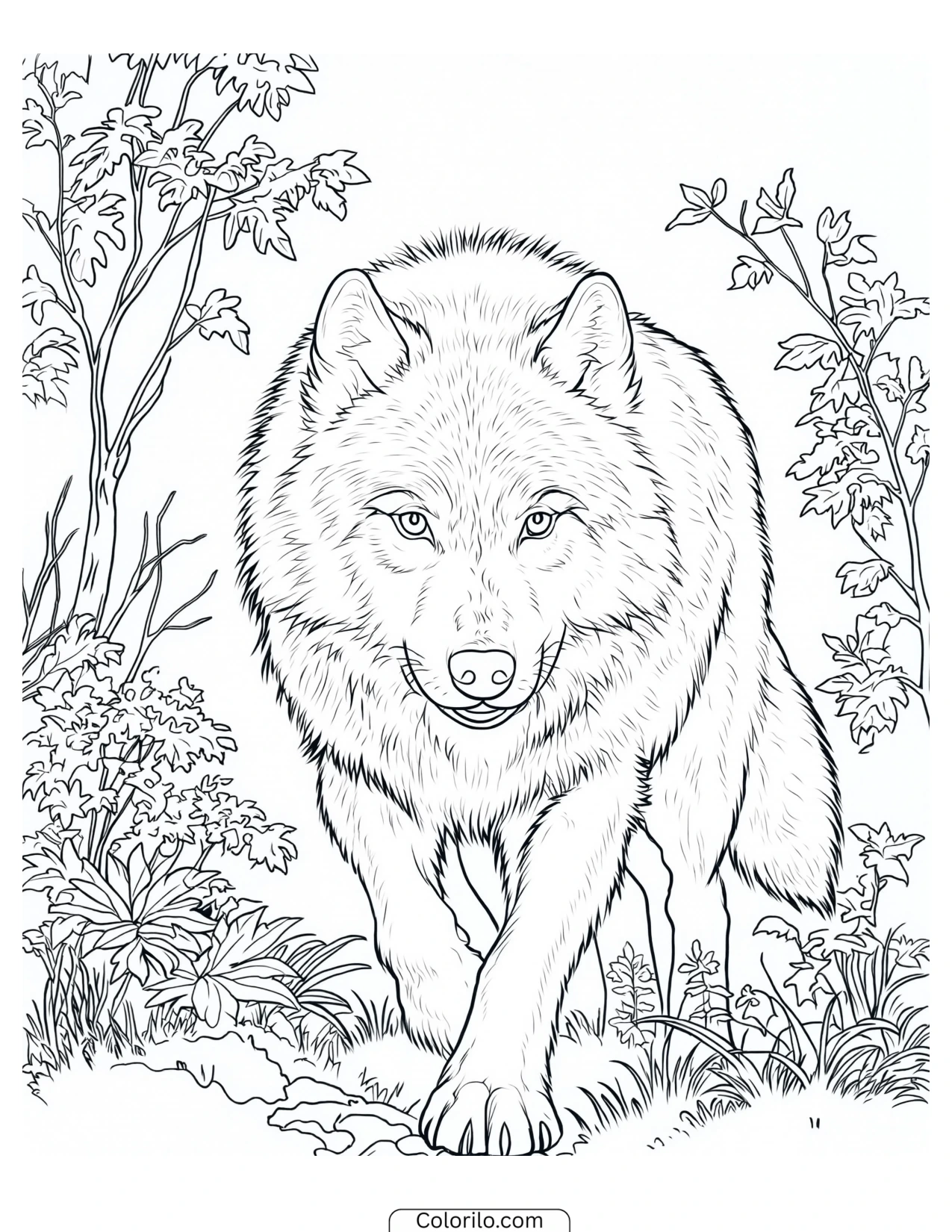
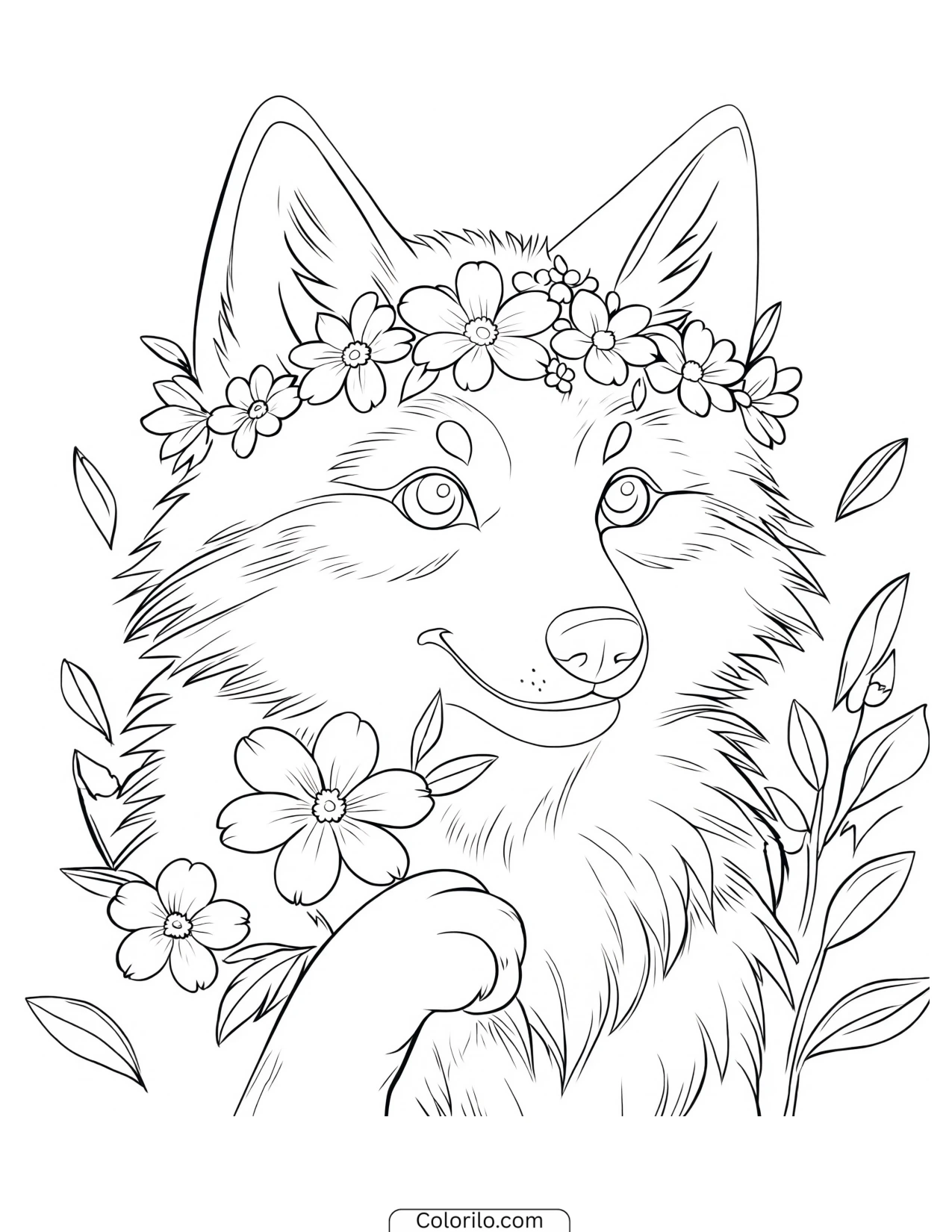
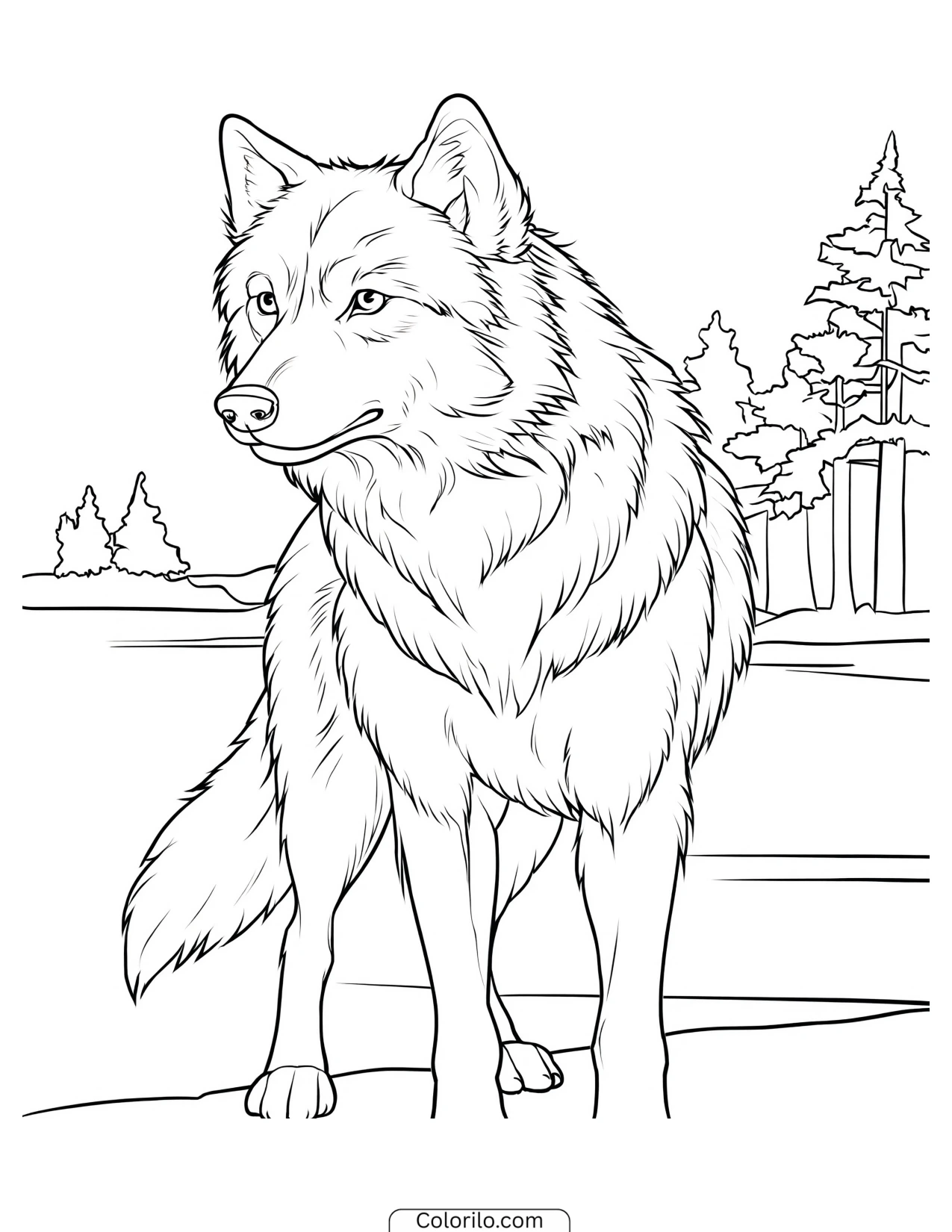
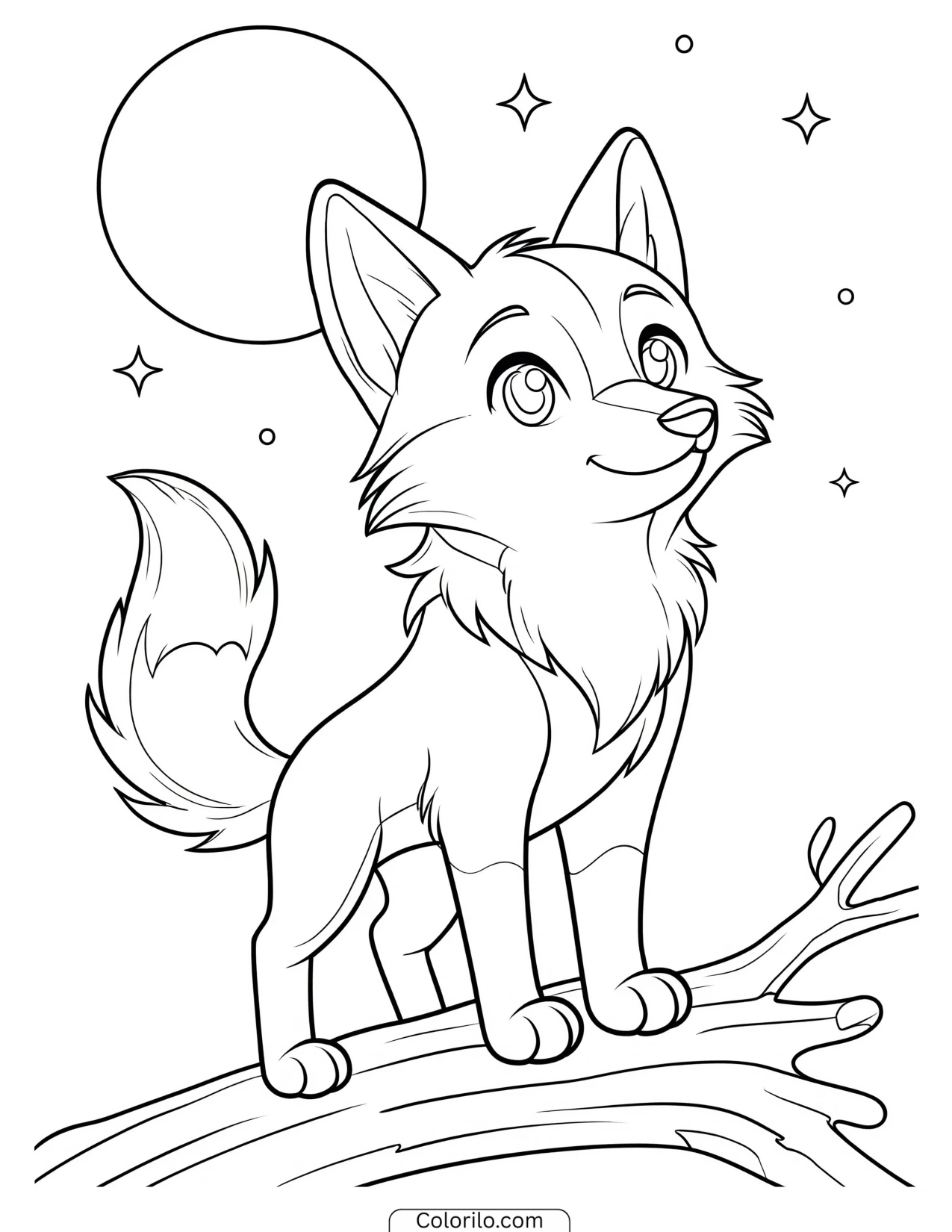
Forty-one of the 63 designs here are wolves, mostly in real terrain rather than posed portraits. Two howling pages, one at a full moon, one from a cliff edge, cover the image everyone pictures. Past that the settings carry it: a birch forest in the rain, cracked ice, desert scrub with cacti, marshland, autumn leaves mid-jump, a flower meadow, mountain outcrops and boulders. Several show ordinary behaviour that rarely makes it into wolf art, drinking from a pool, crossing a fallen log, sitting still in wind, resting and glancing back. A handful break from realism completely: a wolf in a denim jacket, one wearing a crown of flowers, one reaching for a lantern, one writing at a desk.
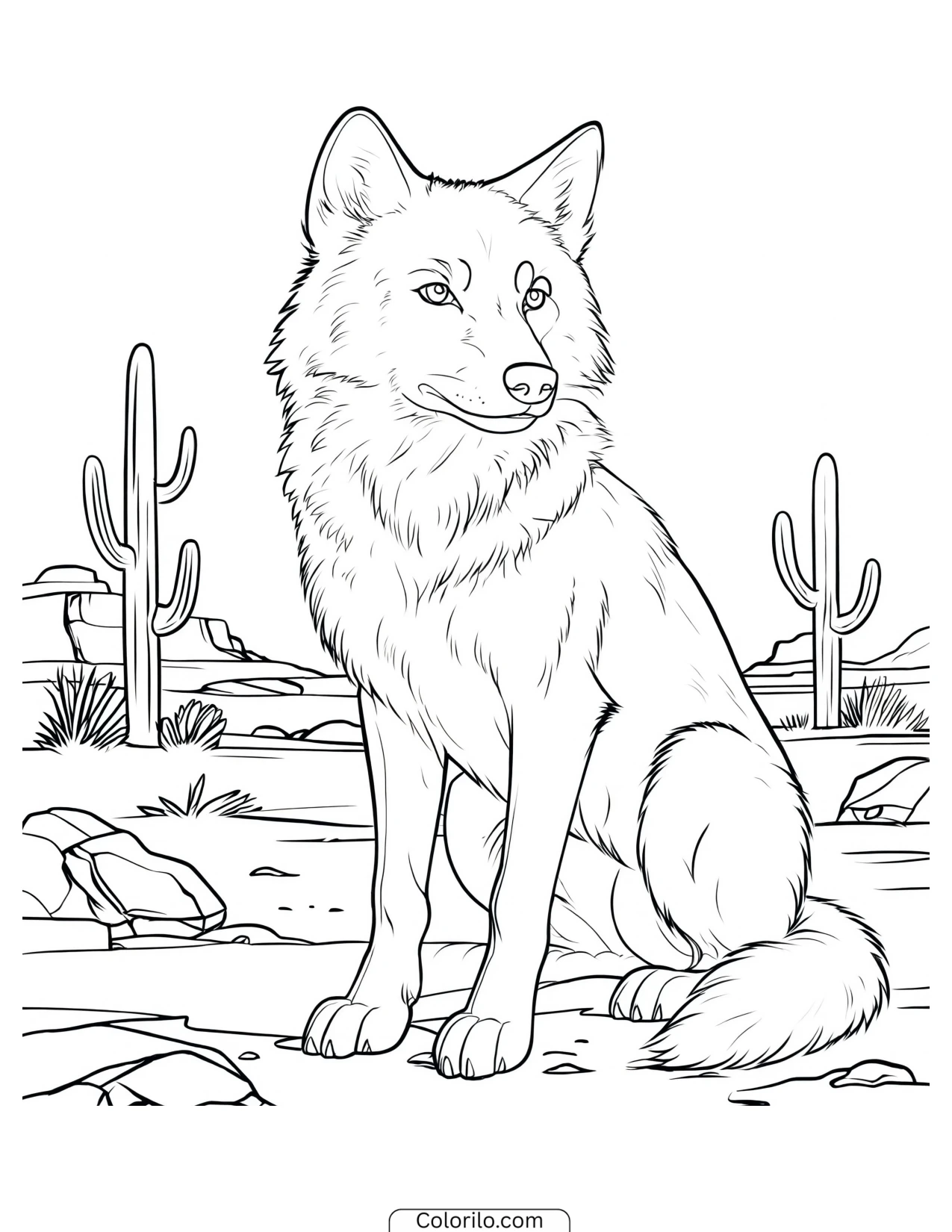
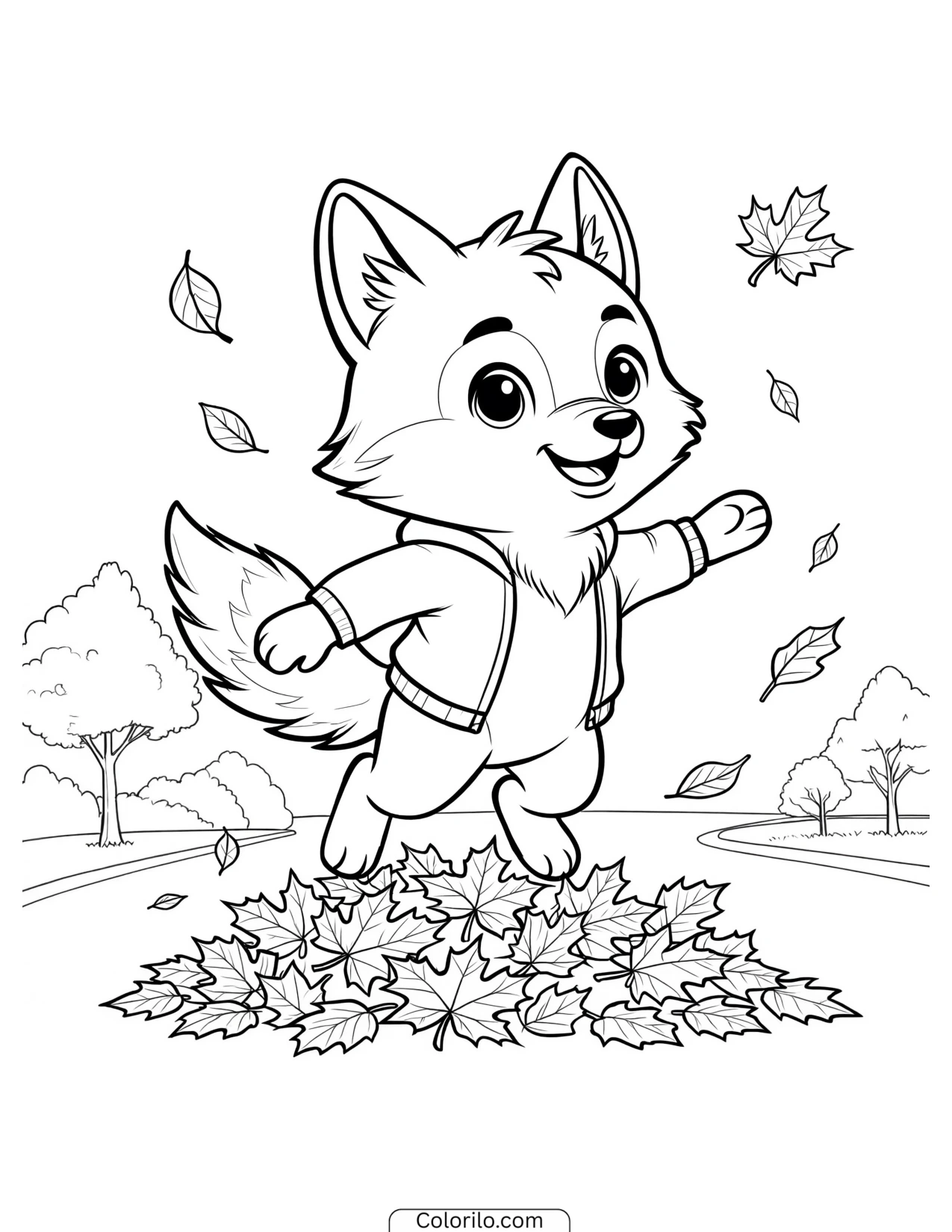
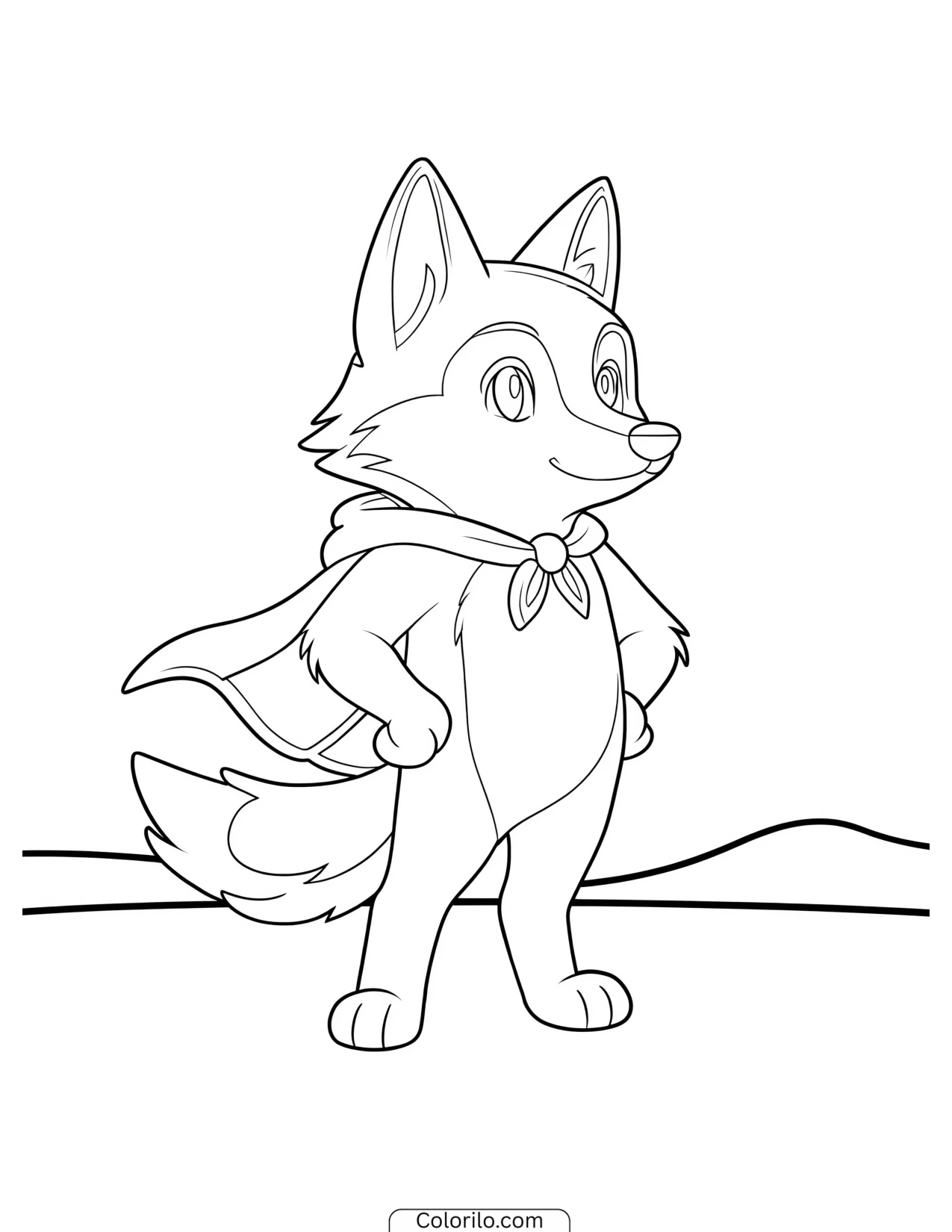
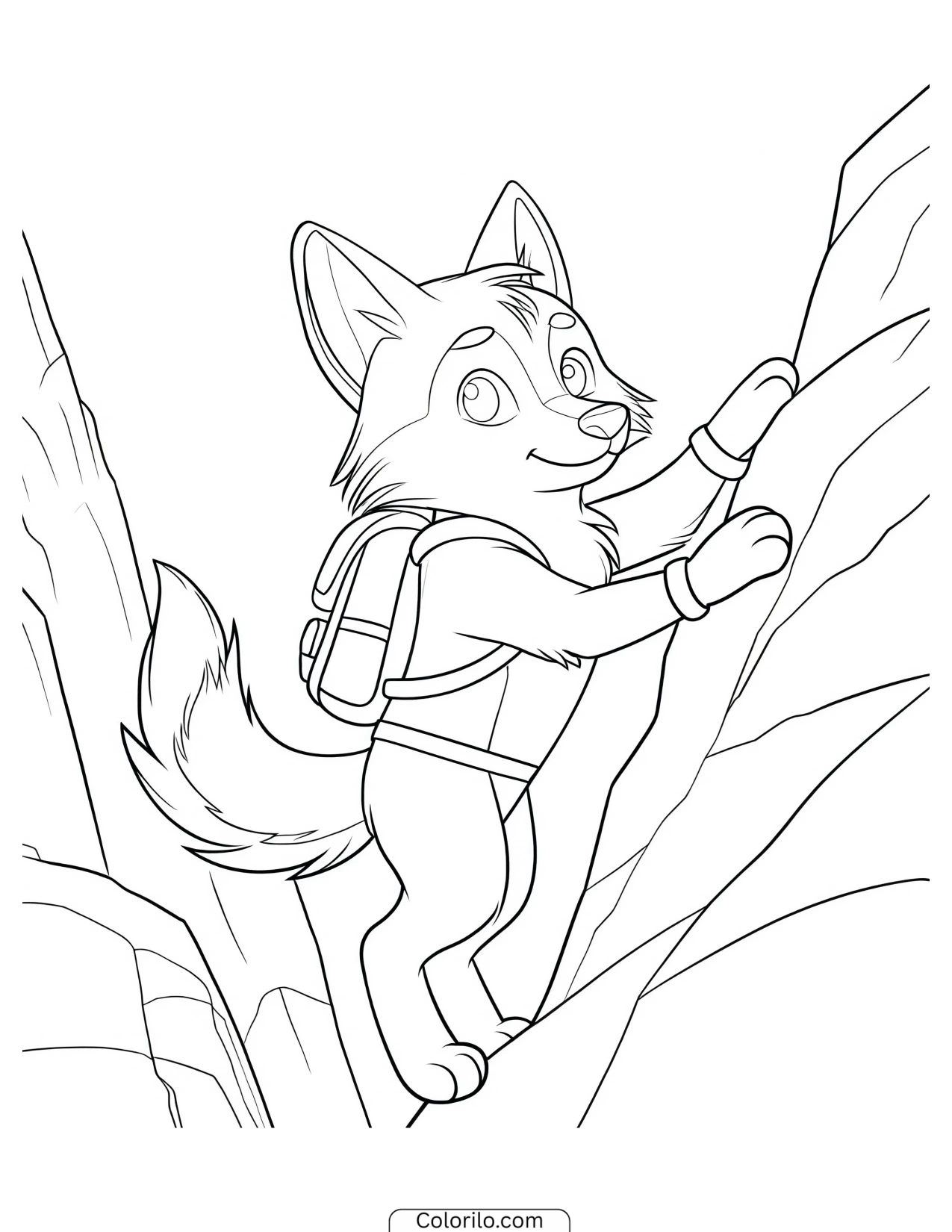
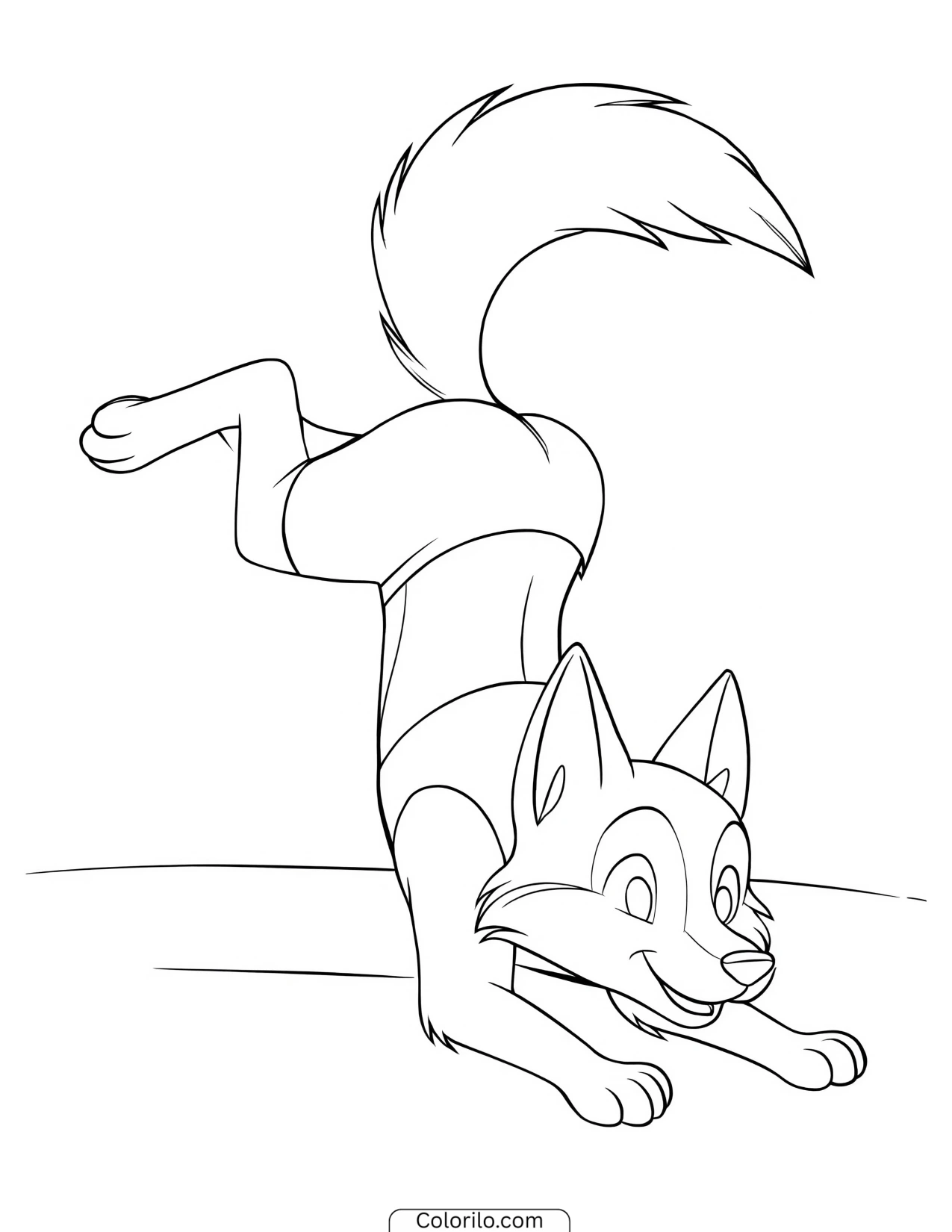
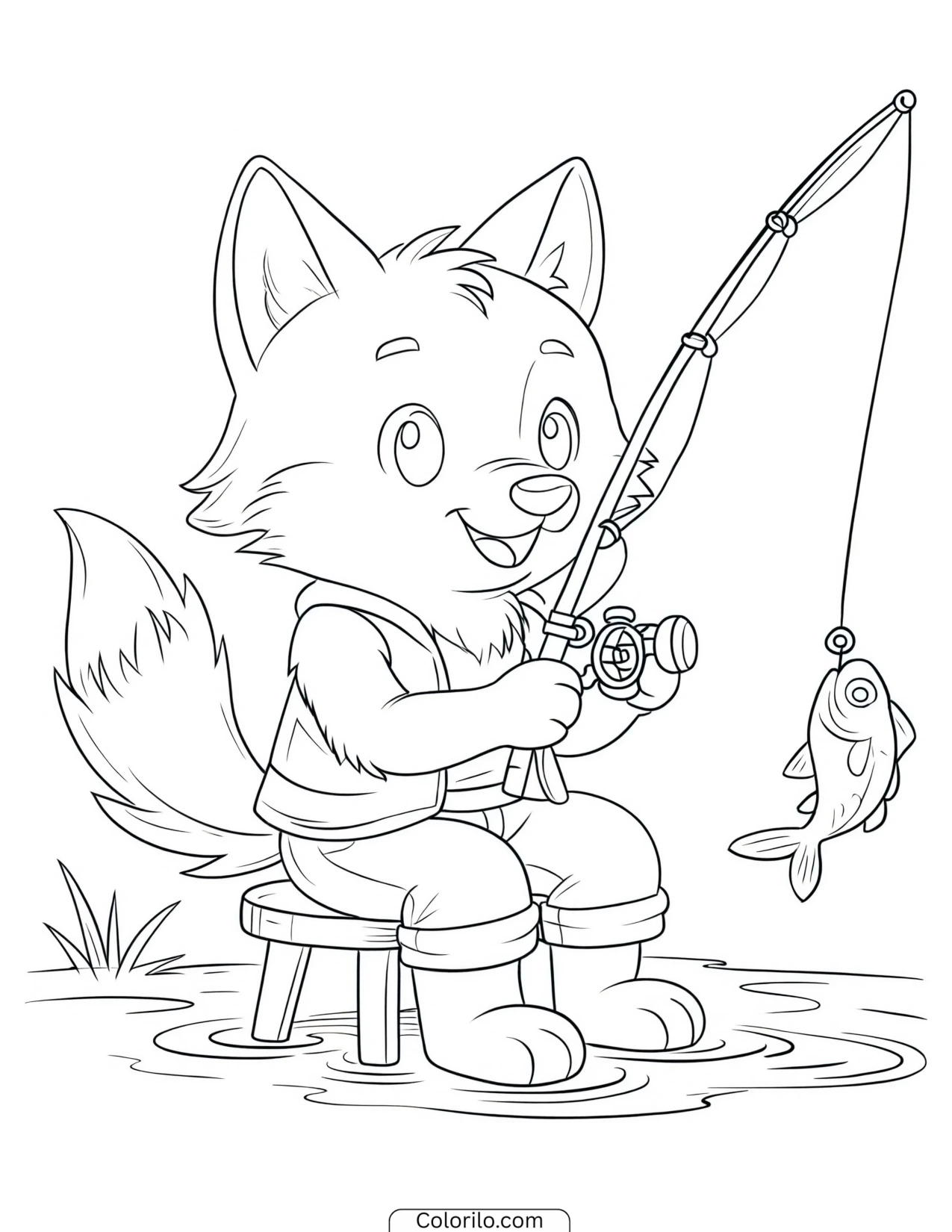
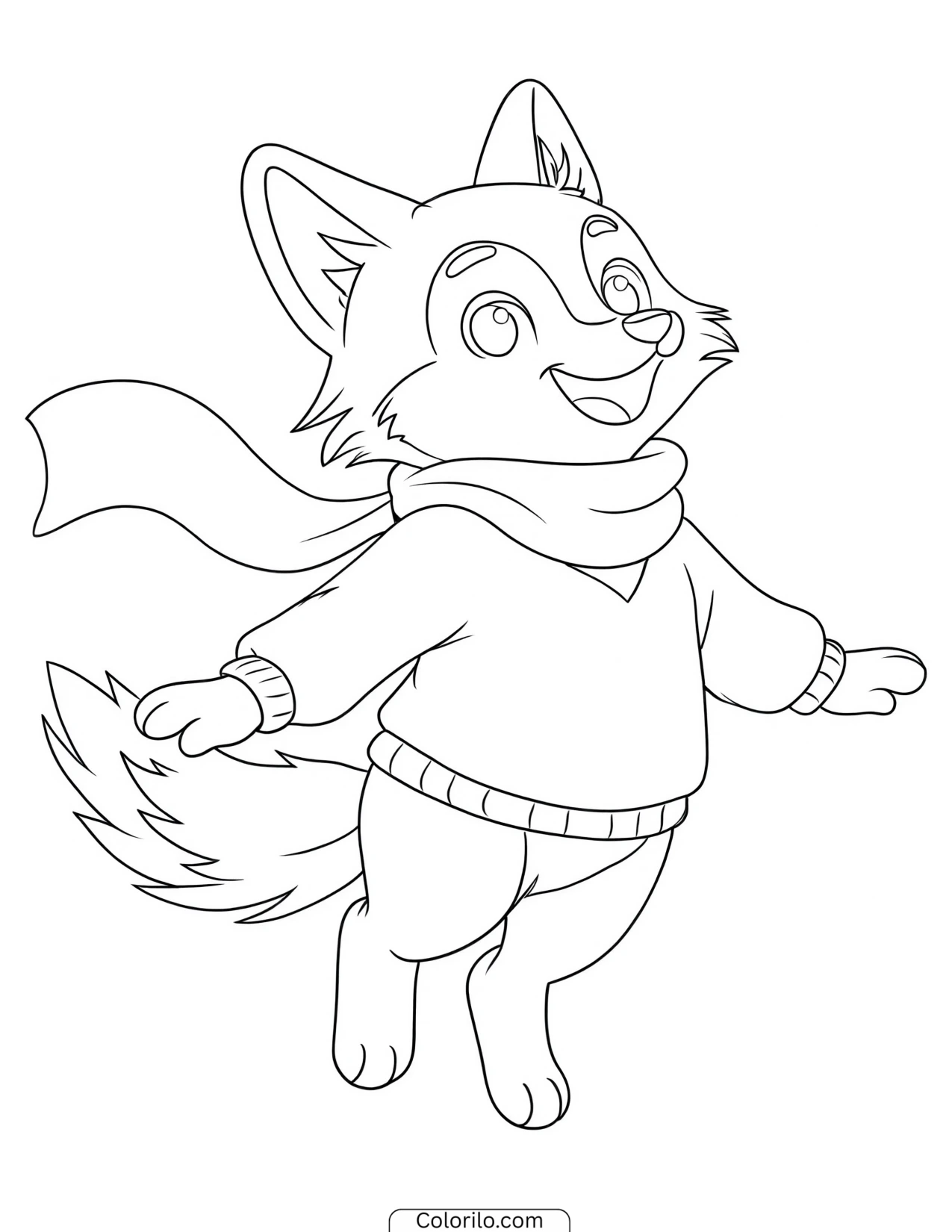
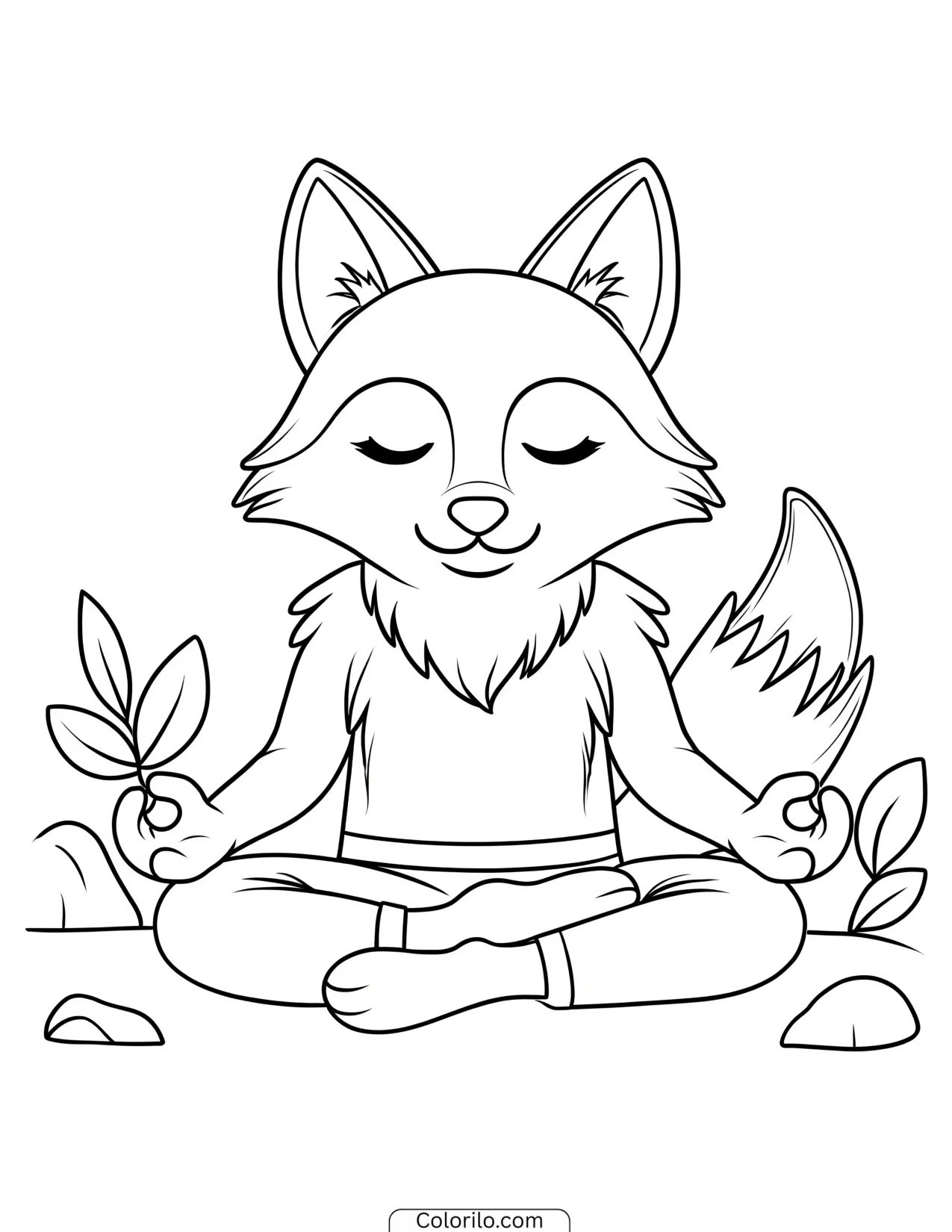
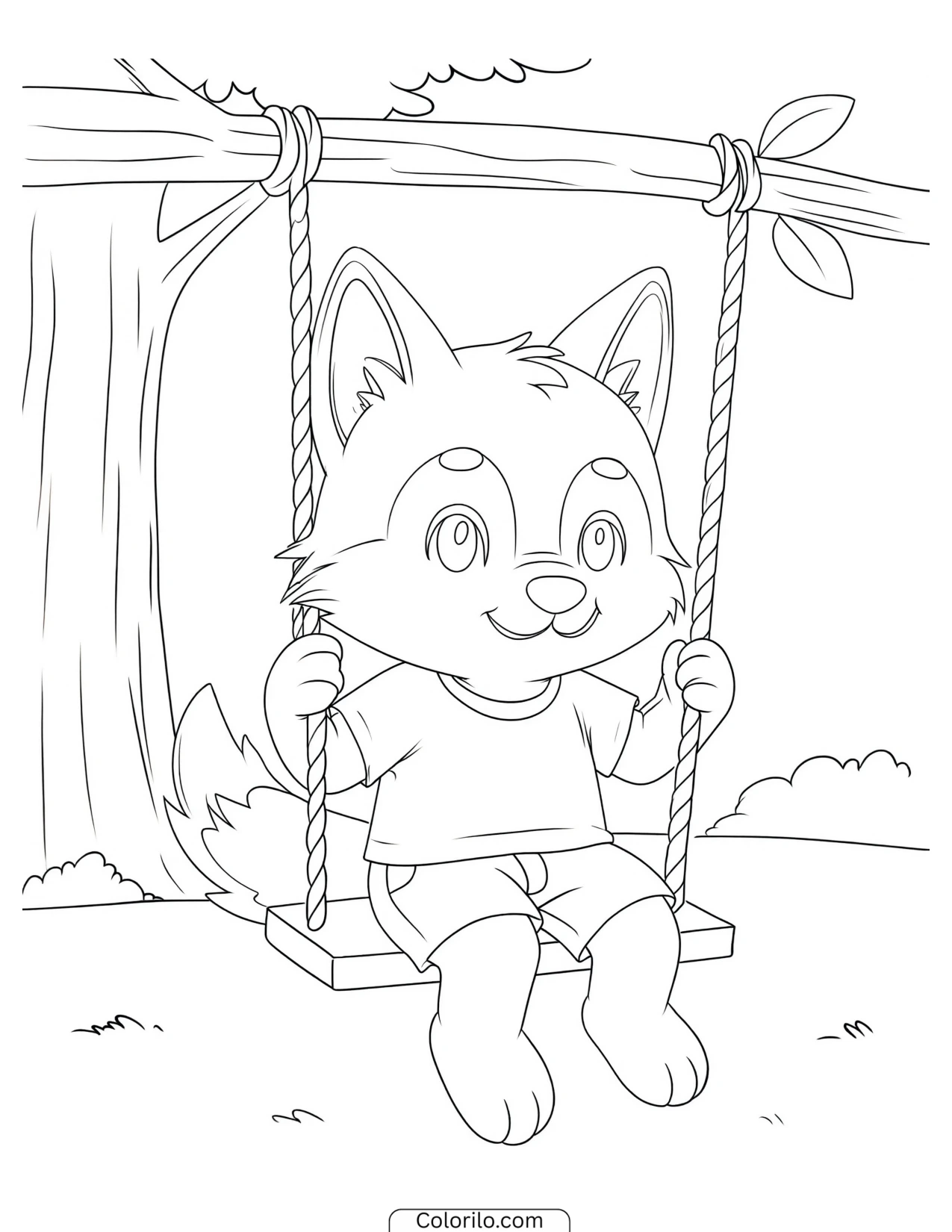
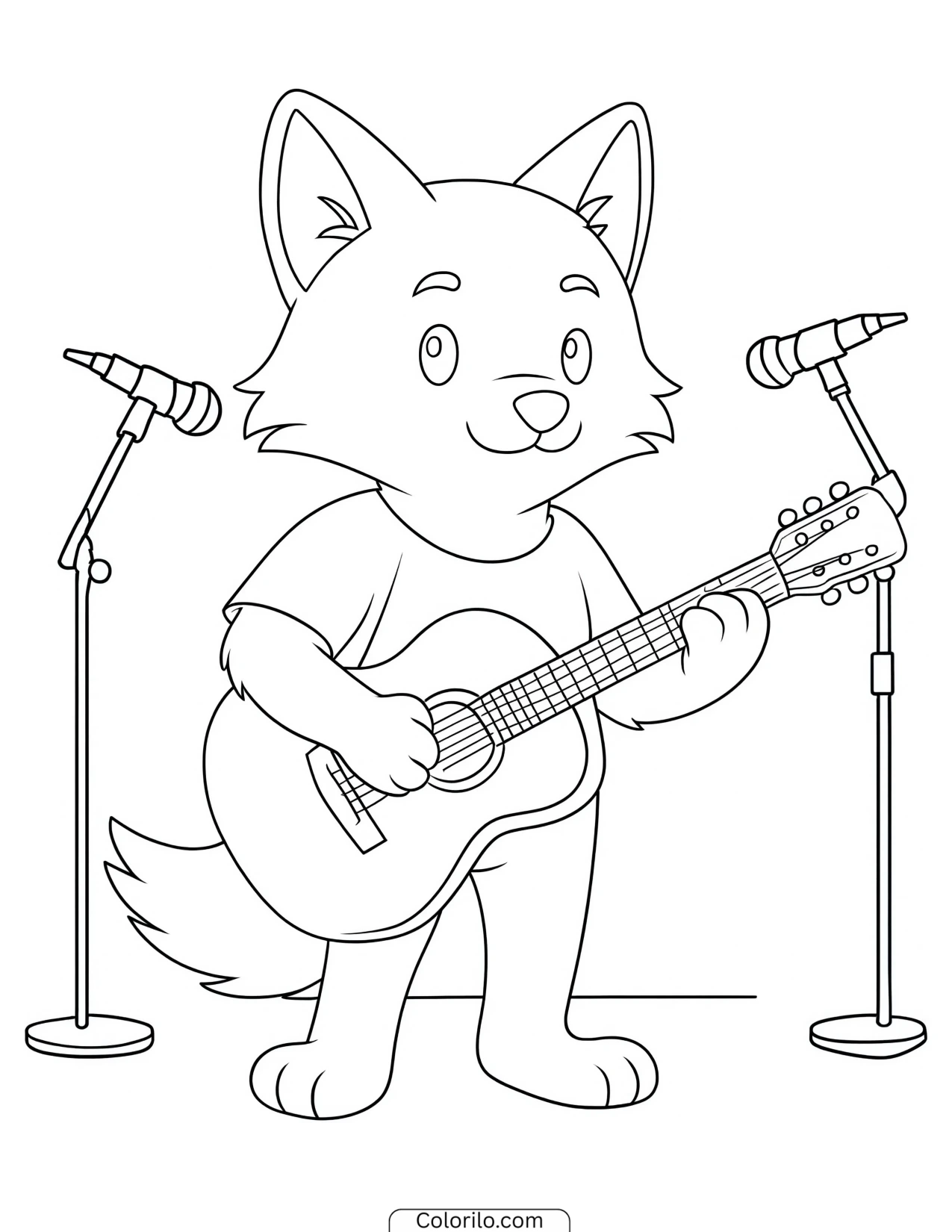
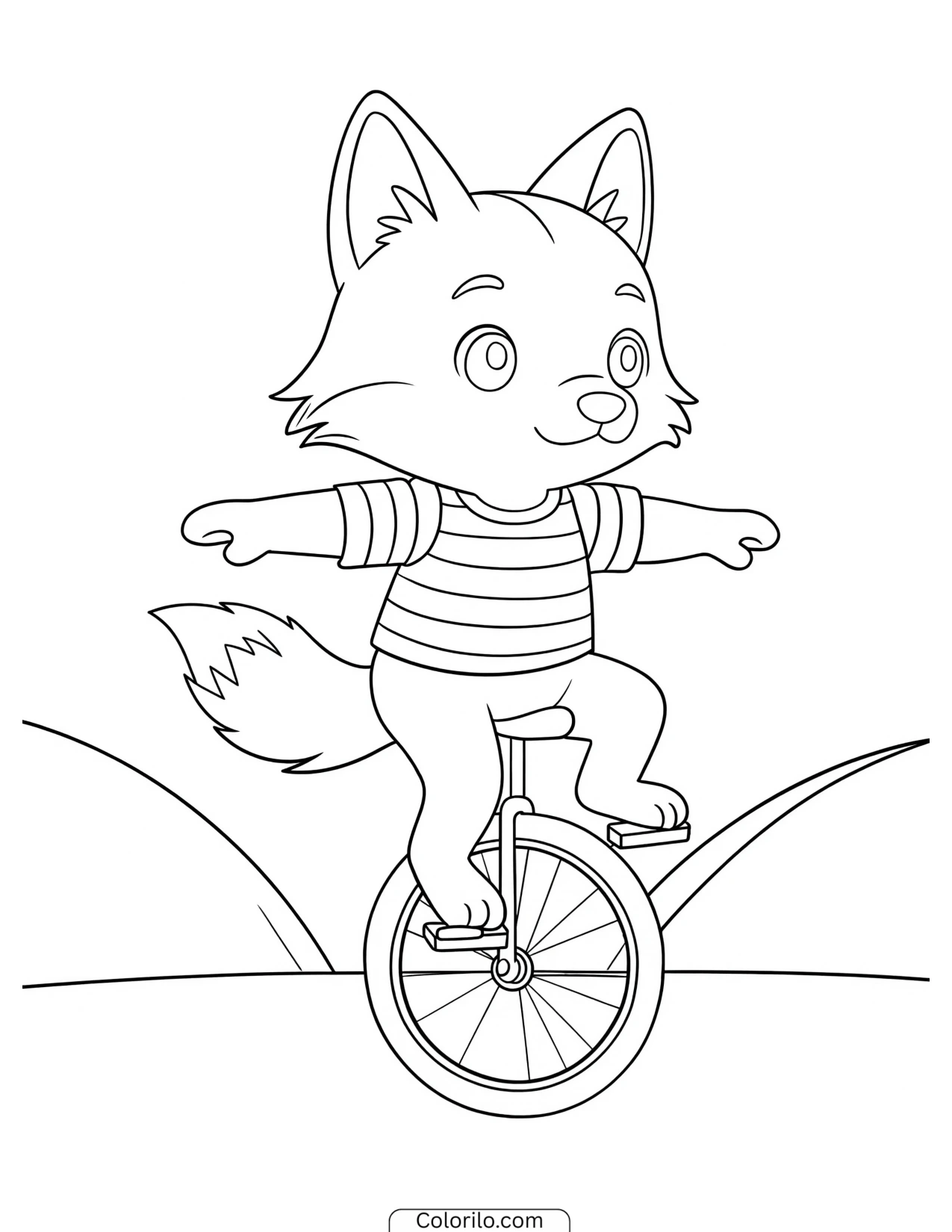
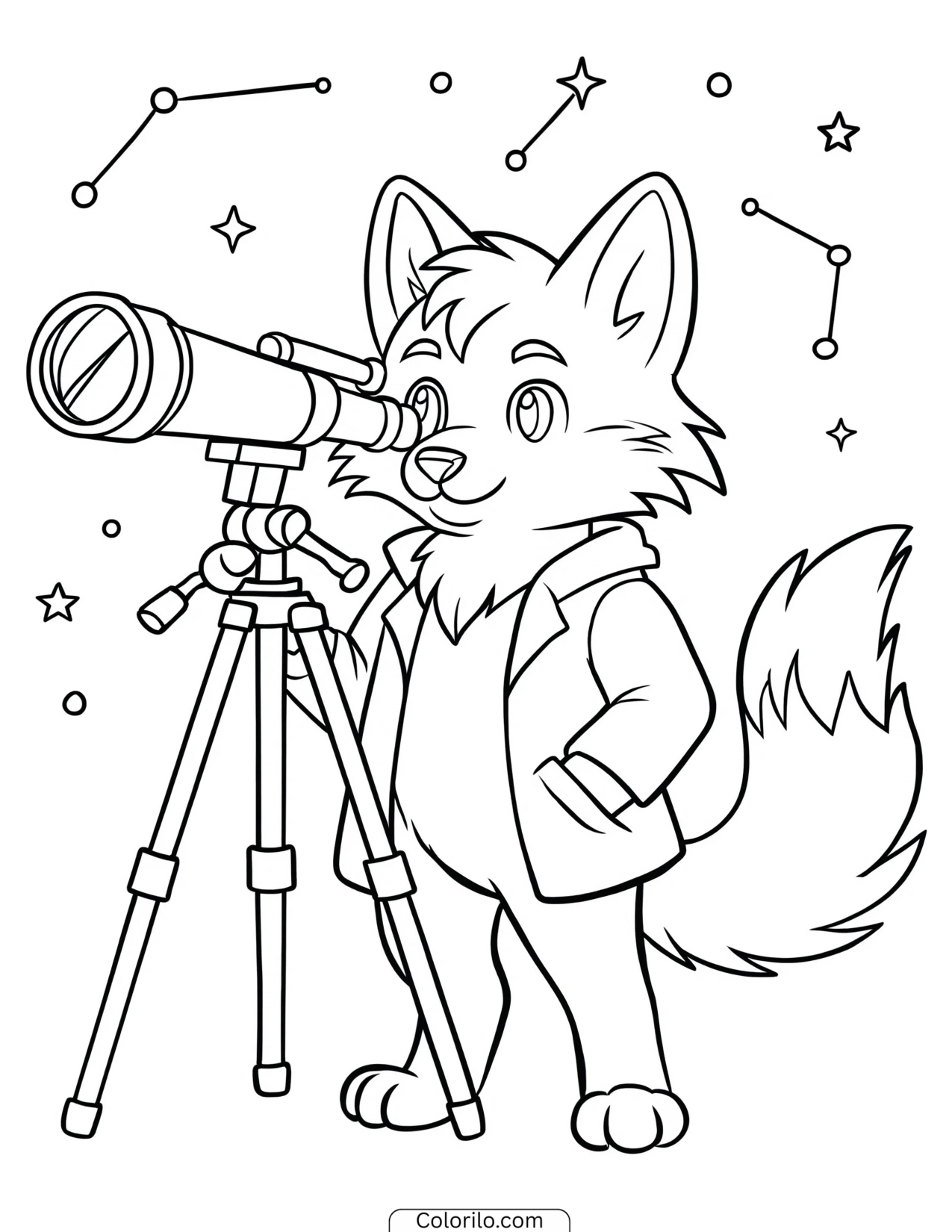
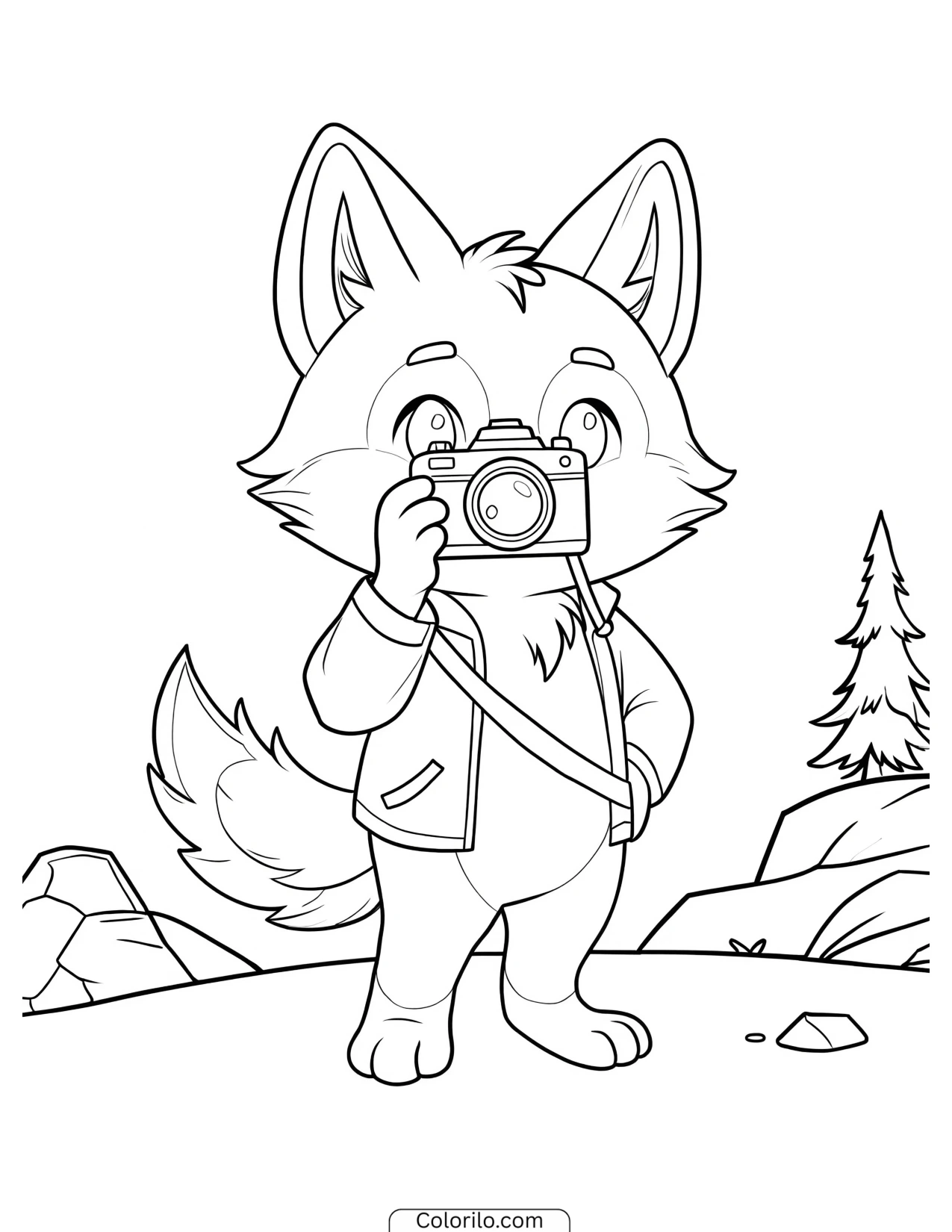
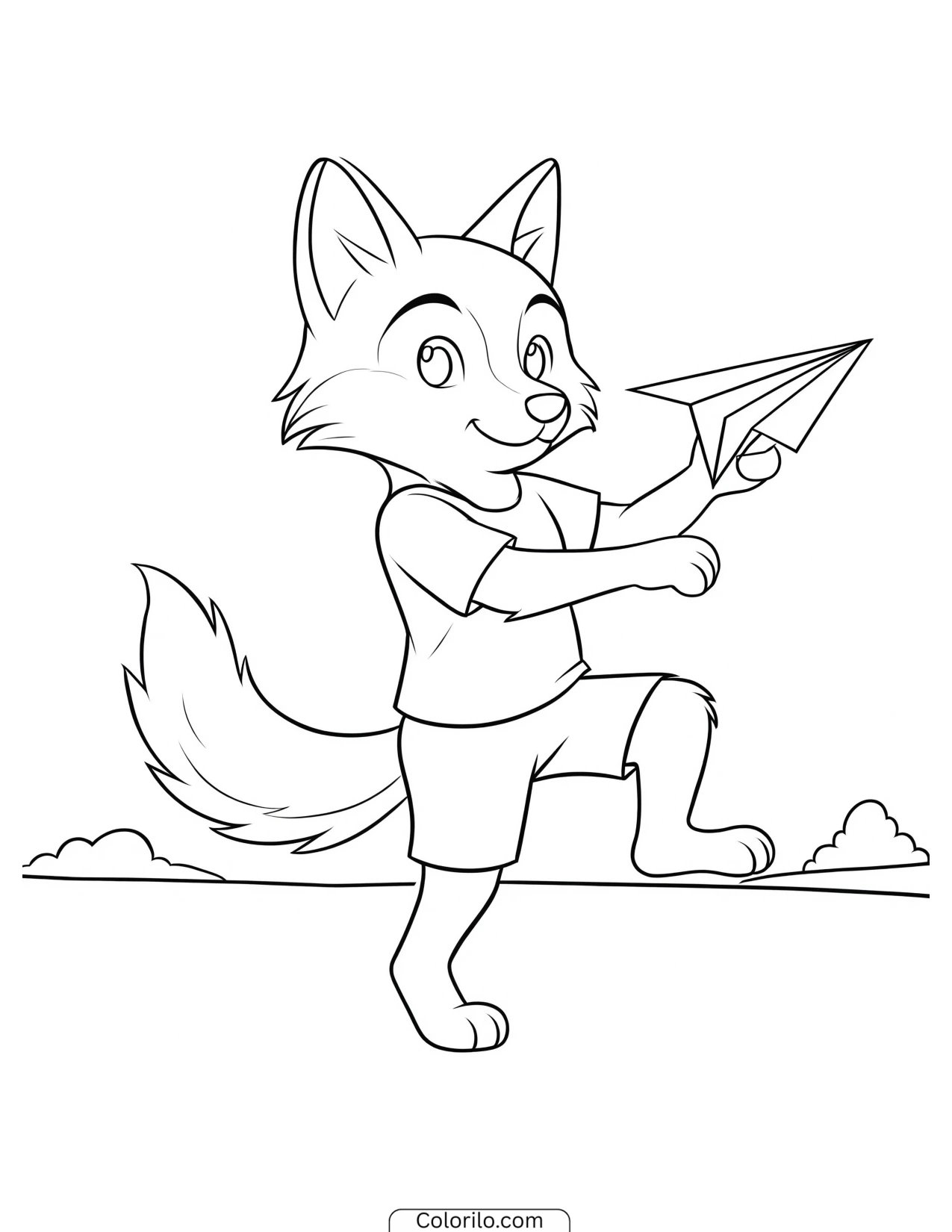
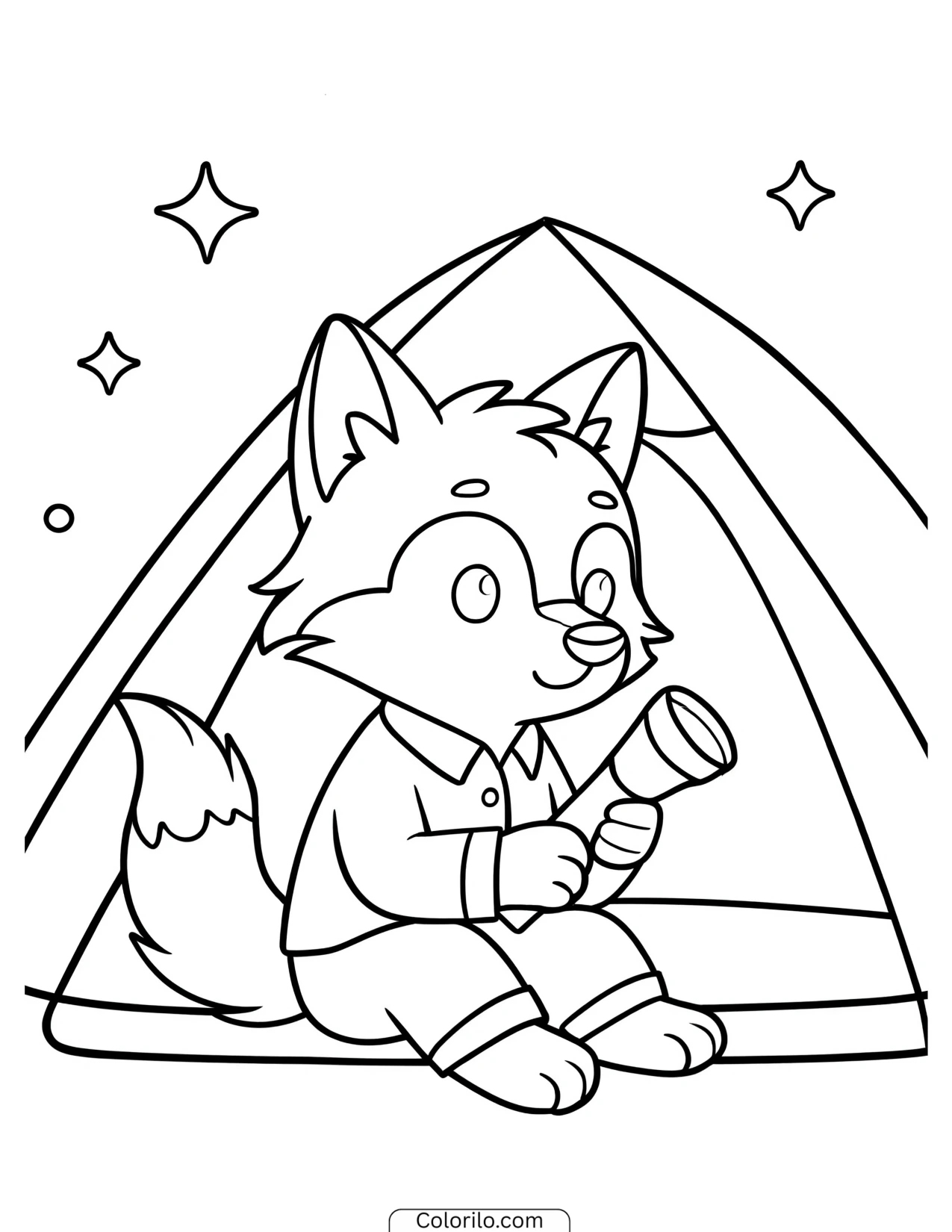
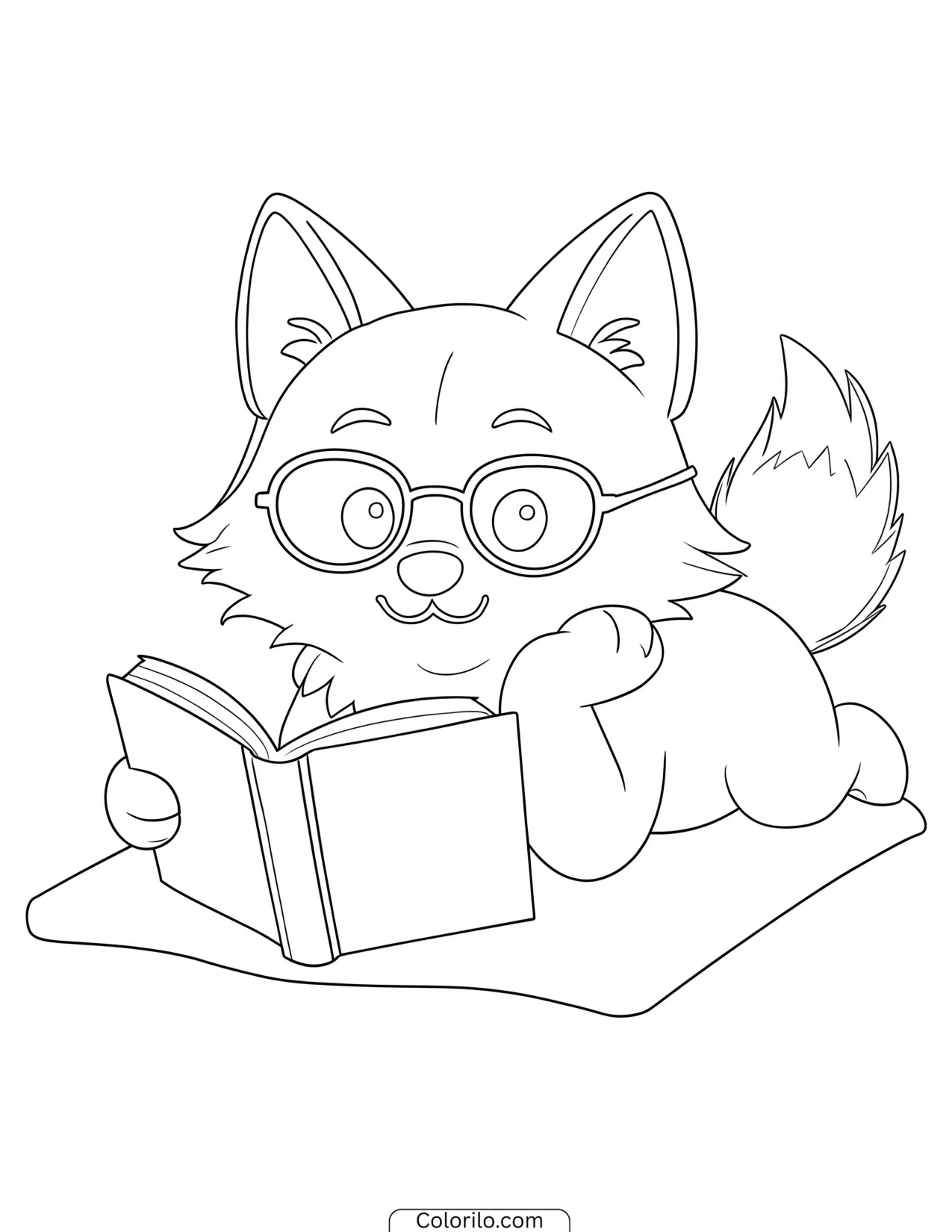
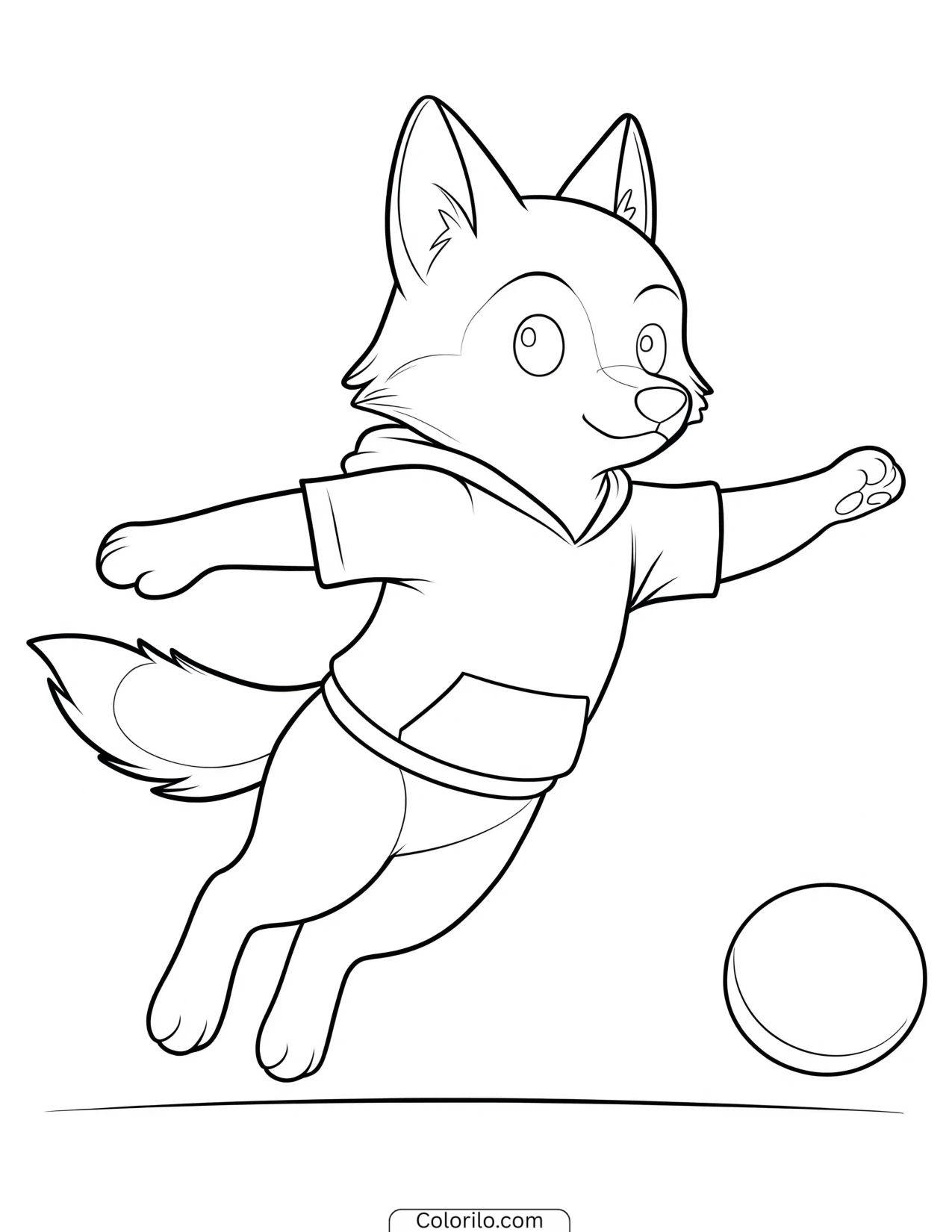
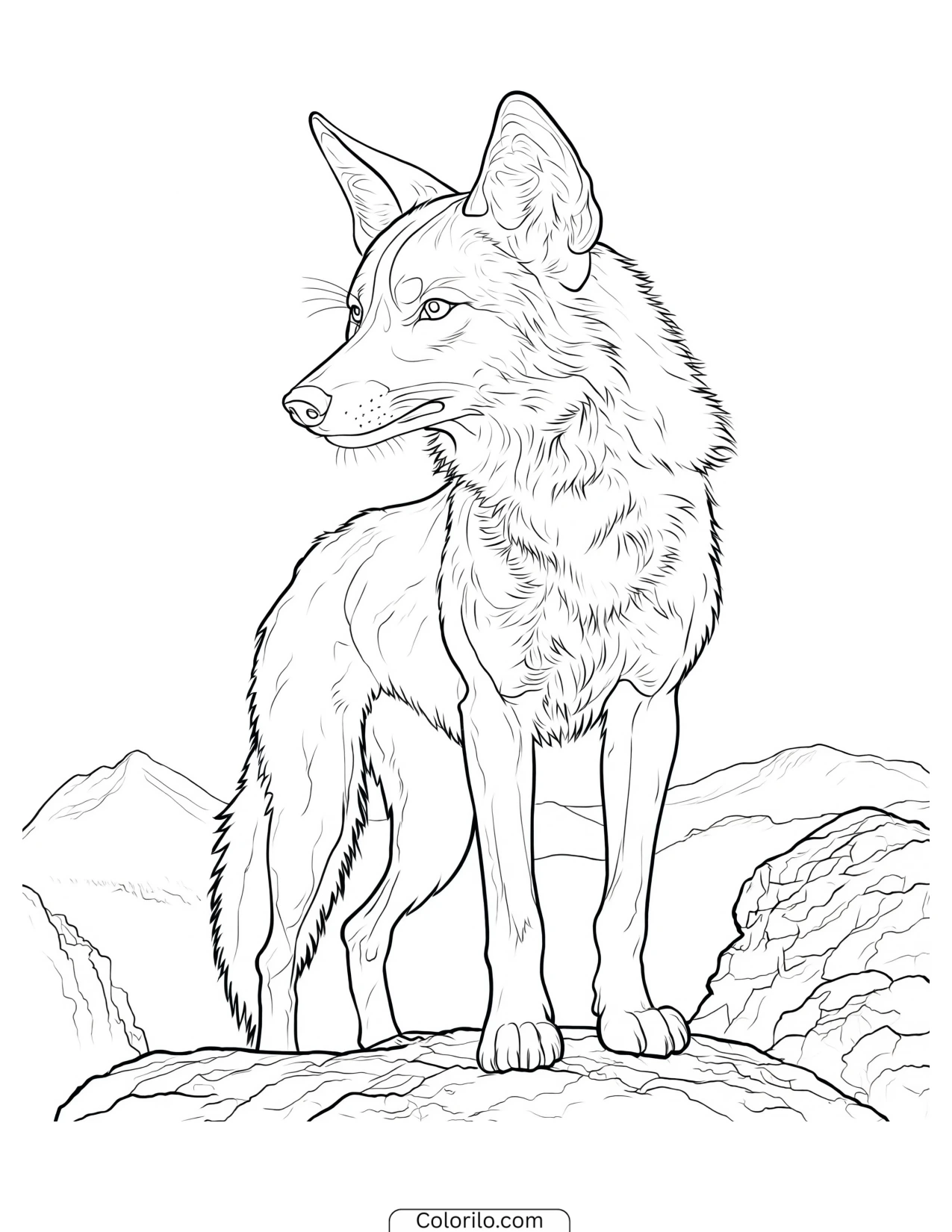
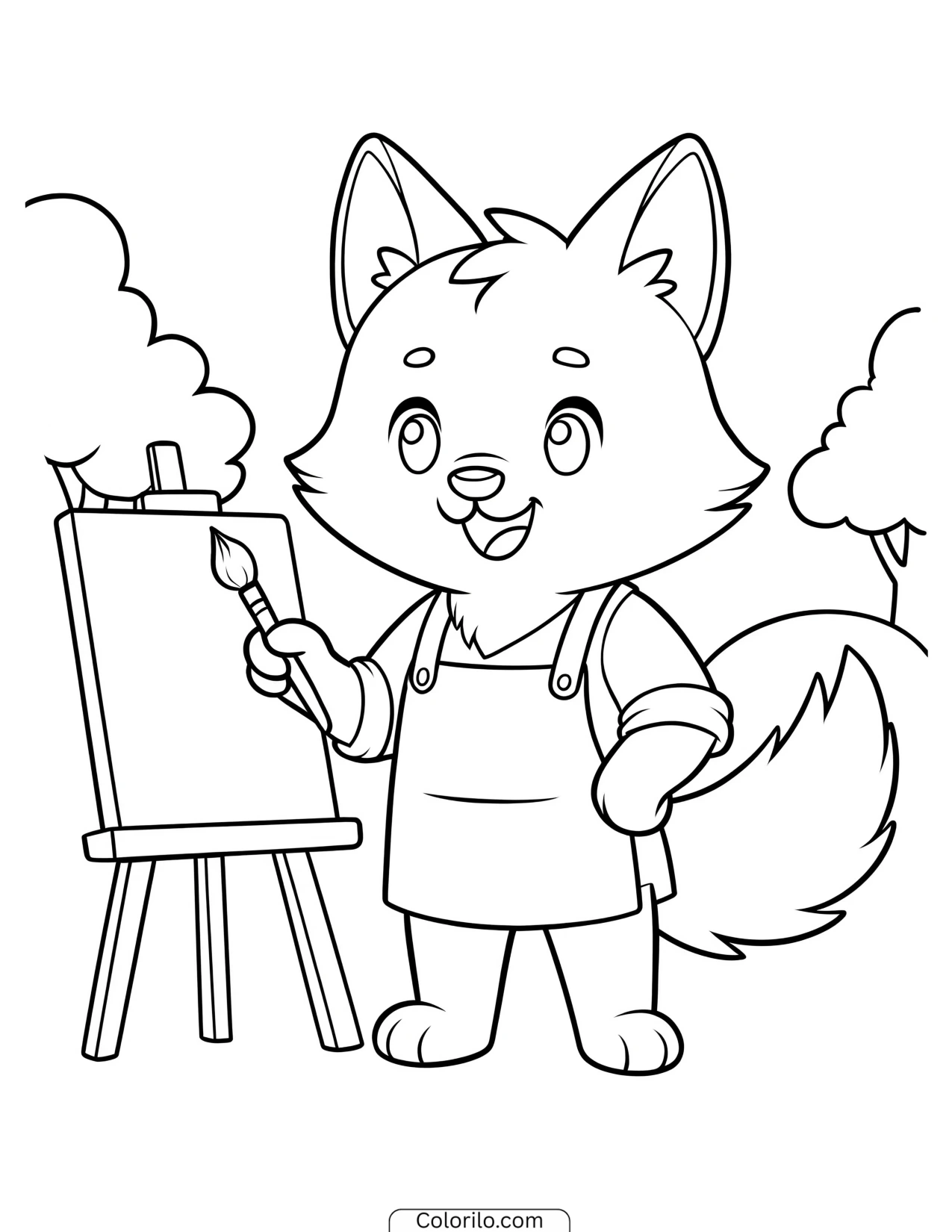
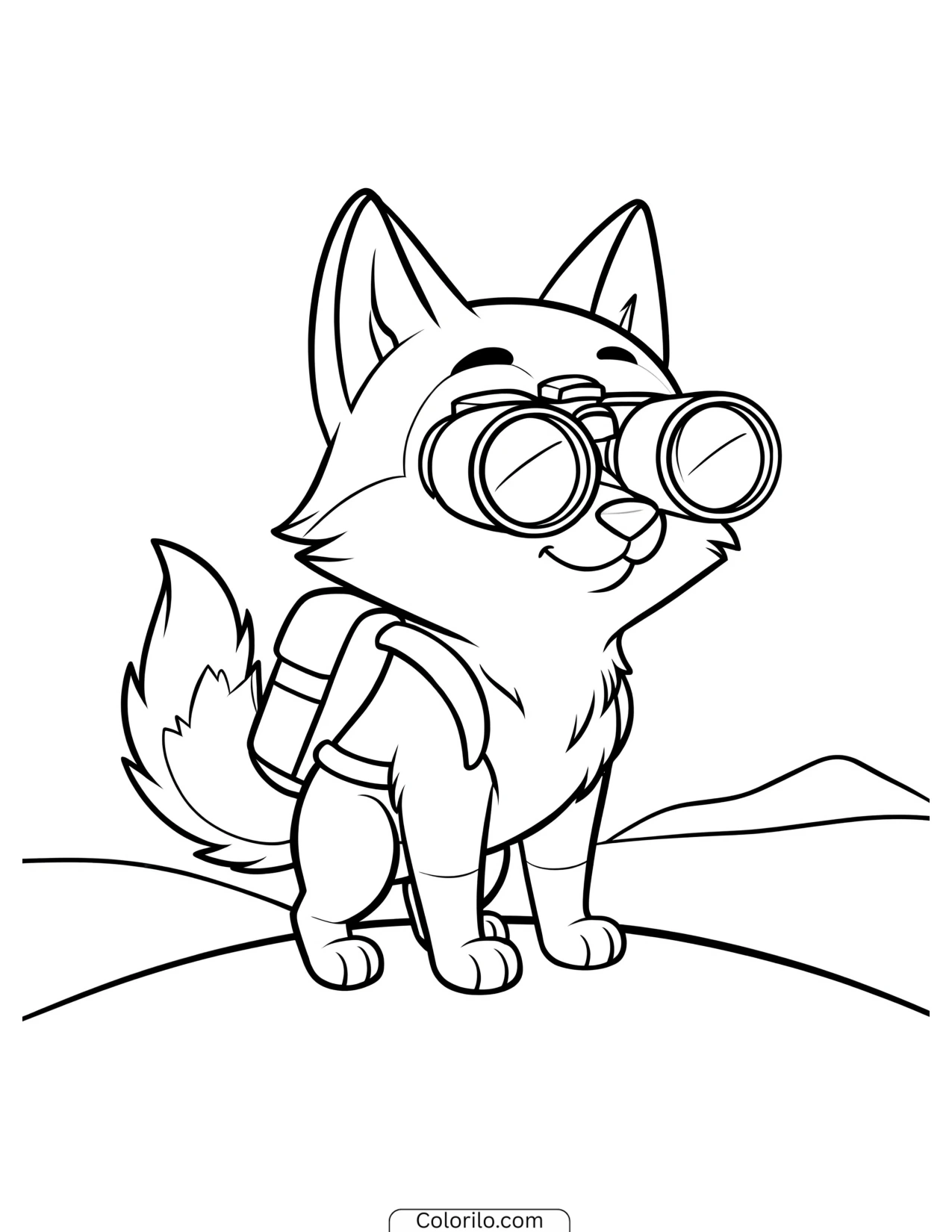
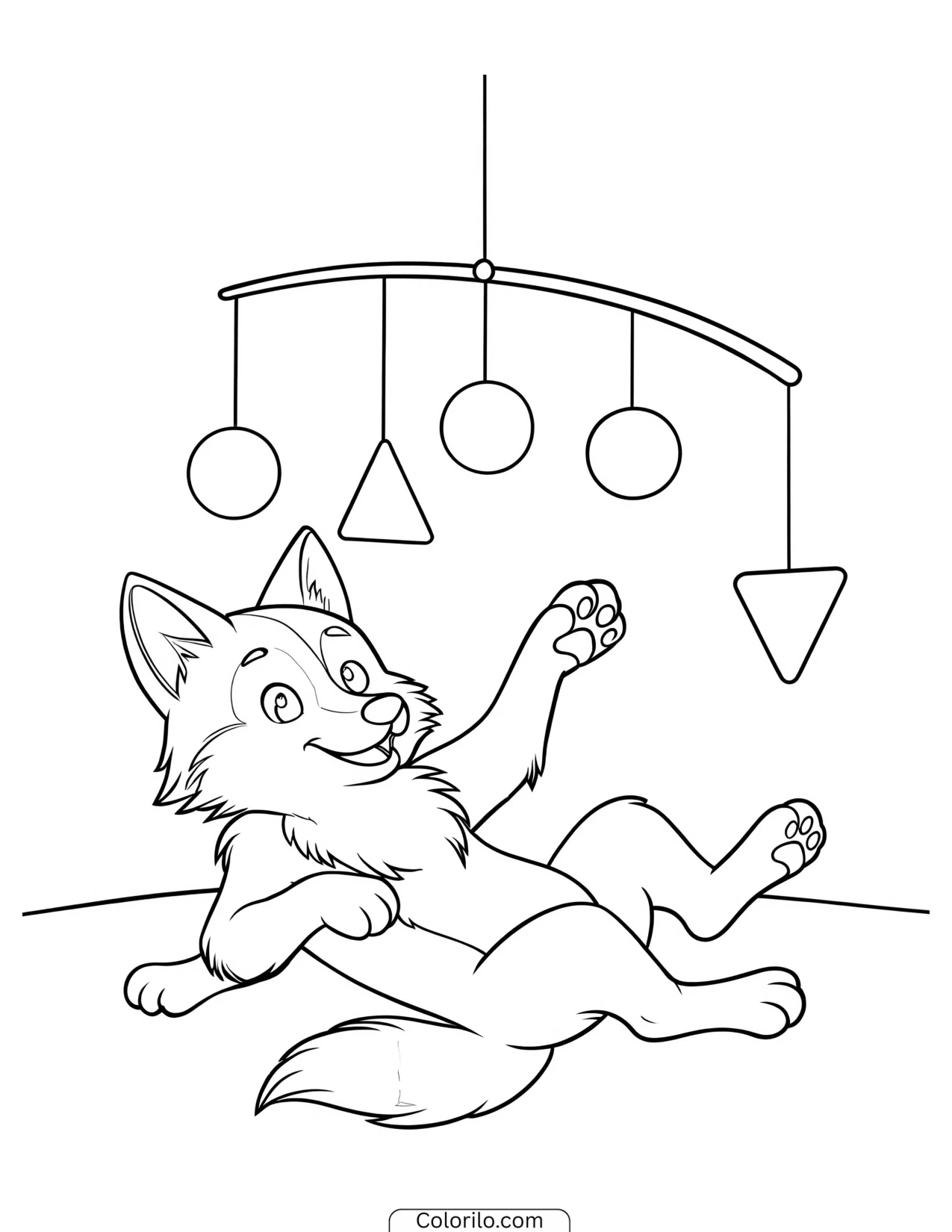
The remaining 22 designs are wolves’ close relatives, drawn in a different register entirely. Seventeen foxes appear in whimsical scenes, playing guitar on stage, riding a unicycle, meditating, stargazing through a telescope, reading in glasses, camping with a flashlight, diving for a ball. There’s a coyote on a rocky ledge, two huskies including one pup painting at an easel, and two puppies. Where the wolf pages lean toward wildlife illustration, these lean toward storybook, and they’re the ones younger children reach for first.
Detail spans a wide range. The fox and pup scenes are cleaner and simpler. The rainy birch forest, the desert, and the close fur portraits have full backgrounds and texture that will take considerably longer.
Every one of these 63 pages is free, prints on standard US letter paper, and needs no sign-up. Click any design below to open the full-size PDF.
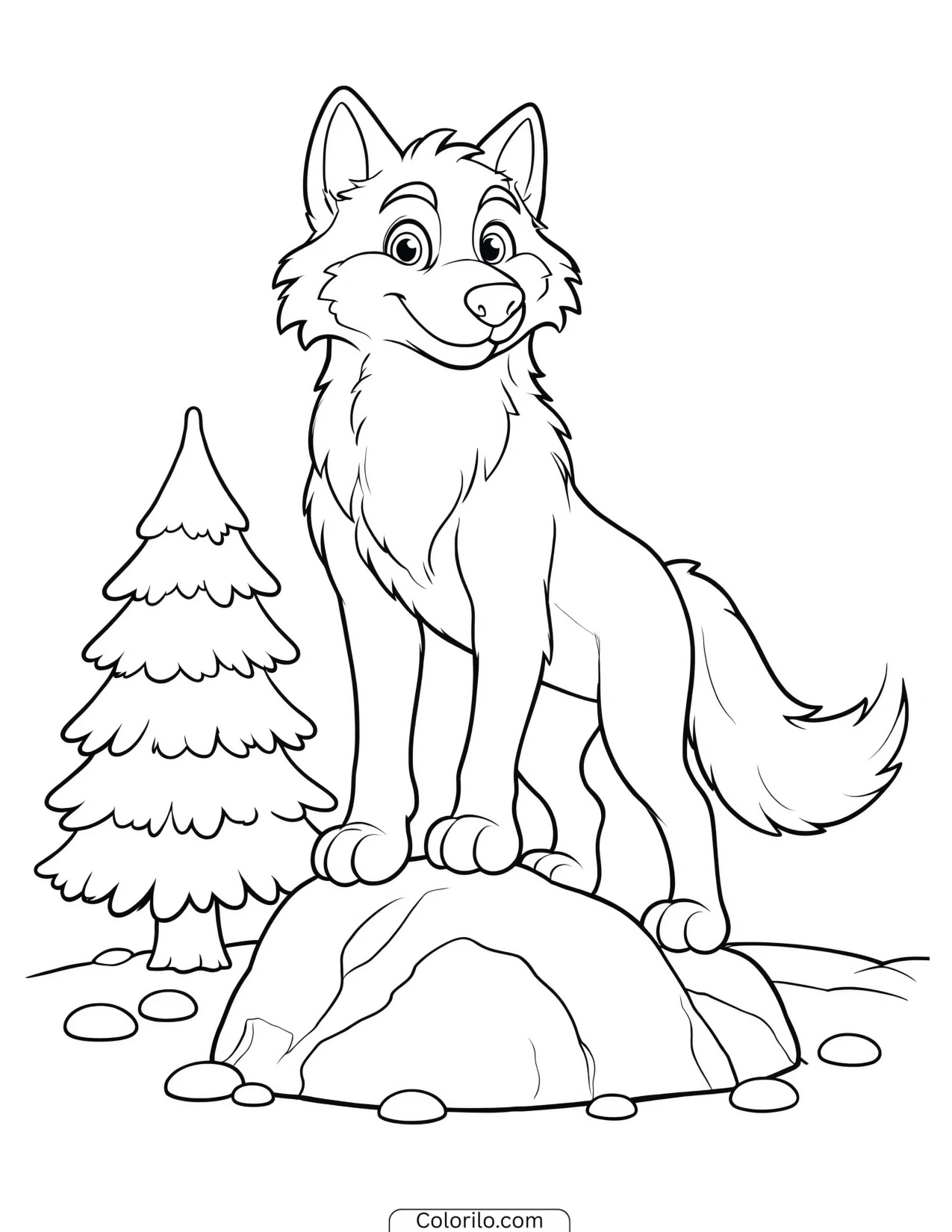
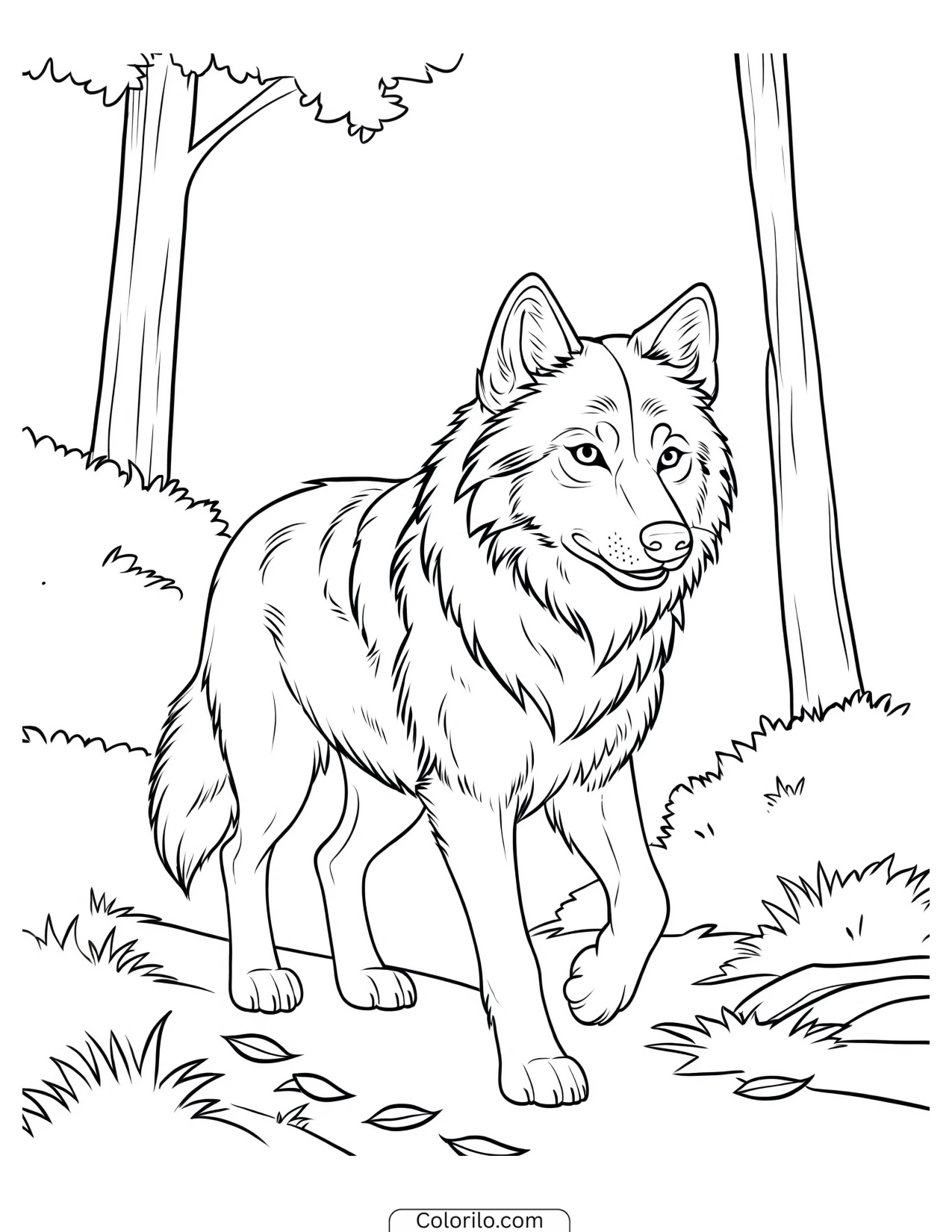
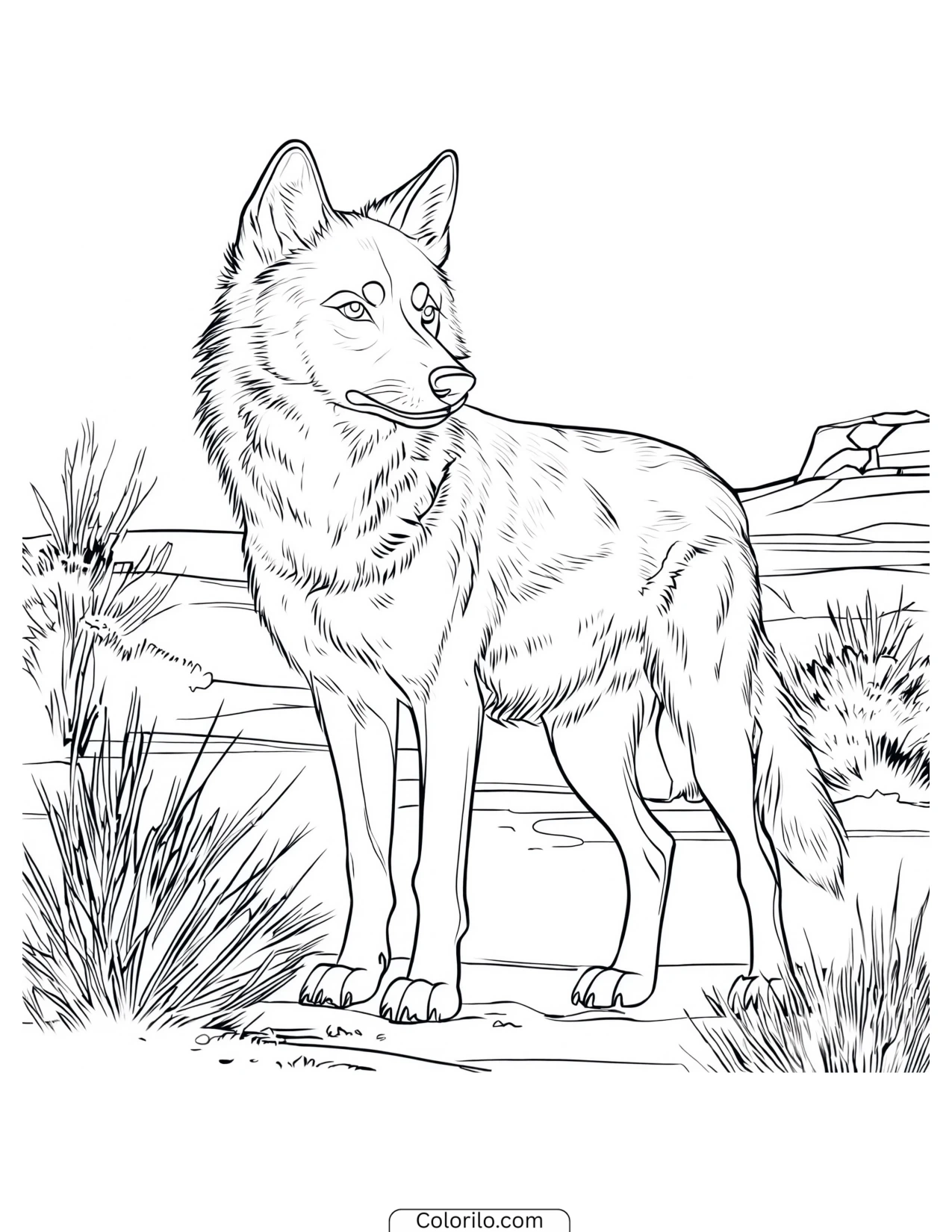
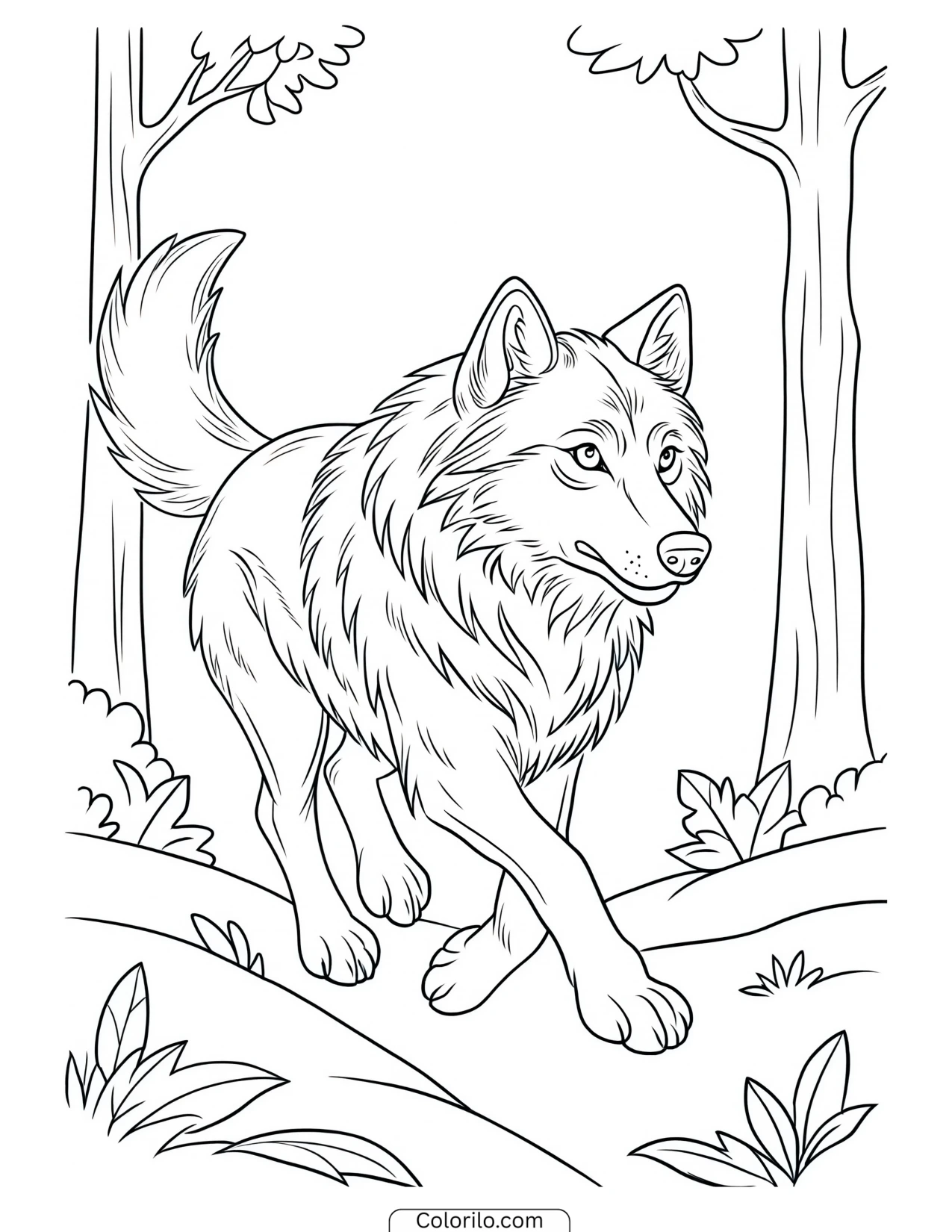
The Animals in This Collection
Wolves
Forty-one pages. Grey wolves once ranged across nearly the whole northern hemisphere, which is why every setting here is plausible: forest, tundra, mountain, marsh and desert are all genuine wolf habitat. Mexican wolves live in exactly the kind of desert scrub one of these pages shows.
The howling pages
Wolves don’t howl at the moon. They howl because it carries: a howl travels up to 10 kilometres in open terrain, and packs use it to locate each other, mark territory, and regroup after hunting. Individual wolves have recognisably different voices.
Wolf pups
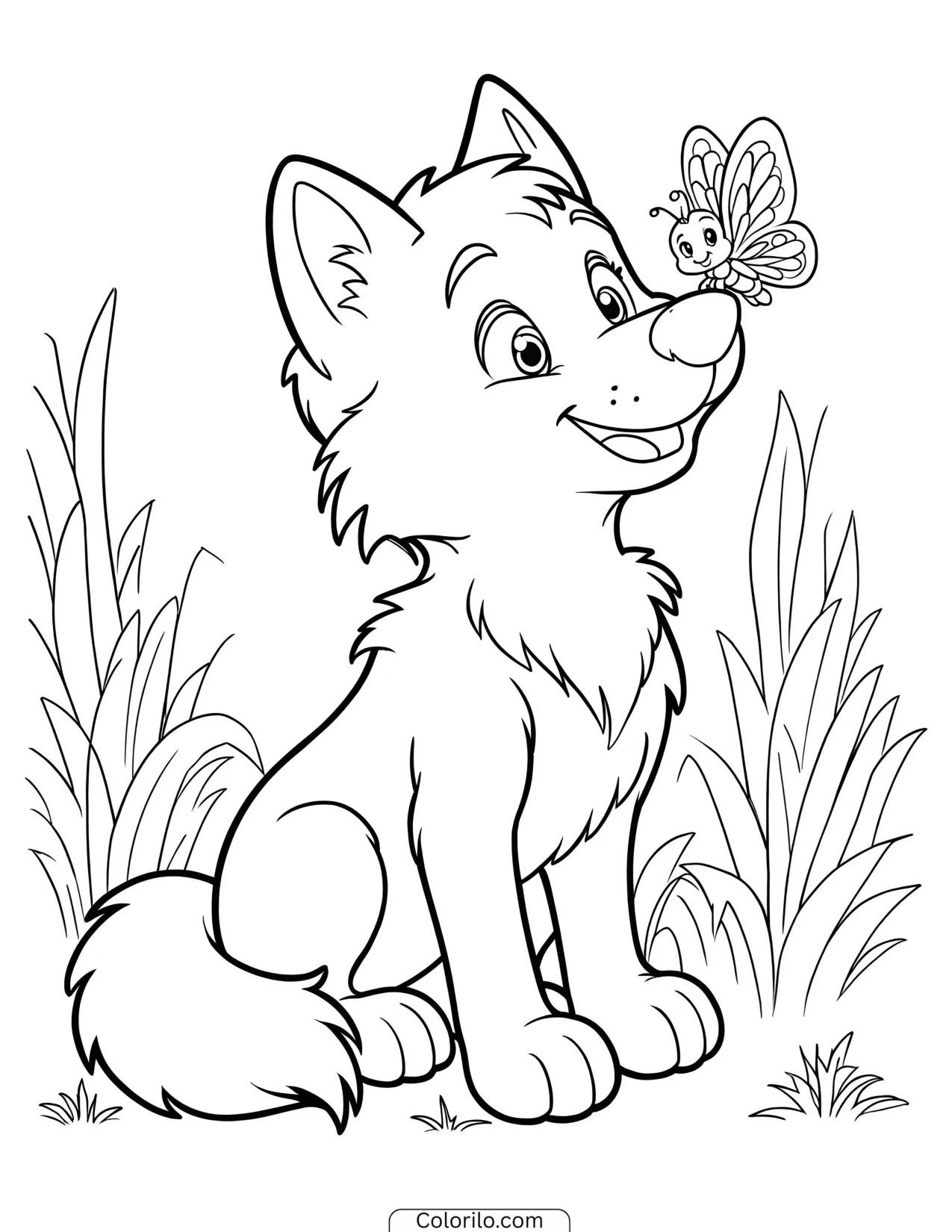
Born deaf and blind in a den, and raised by the whole family rather than the mother alone. Older siblings bring food and babysit. The pup watching a butterfly is the simplest wolf design in the set.
The play bow
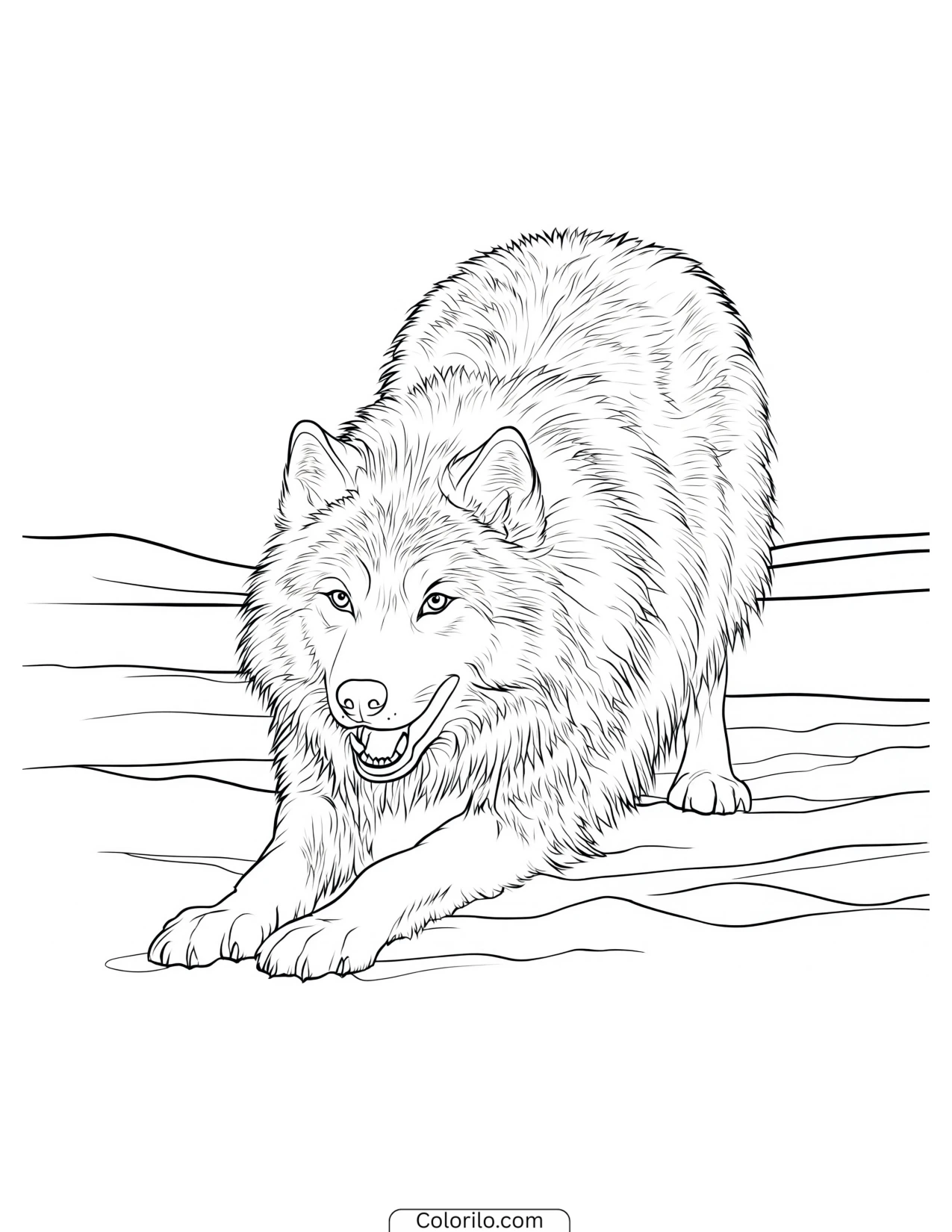
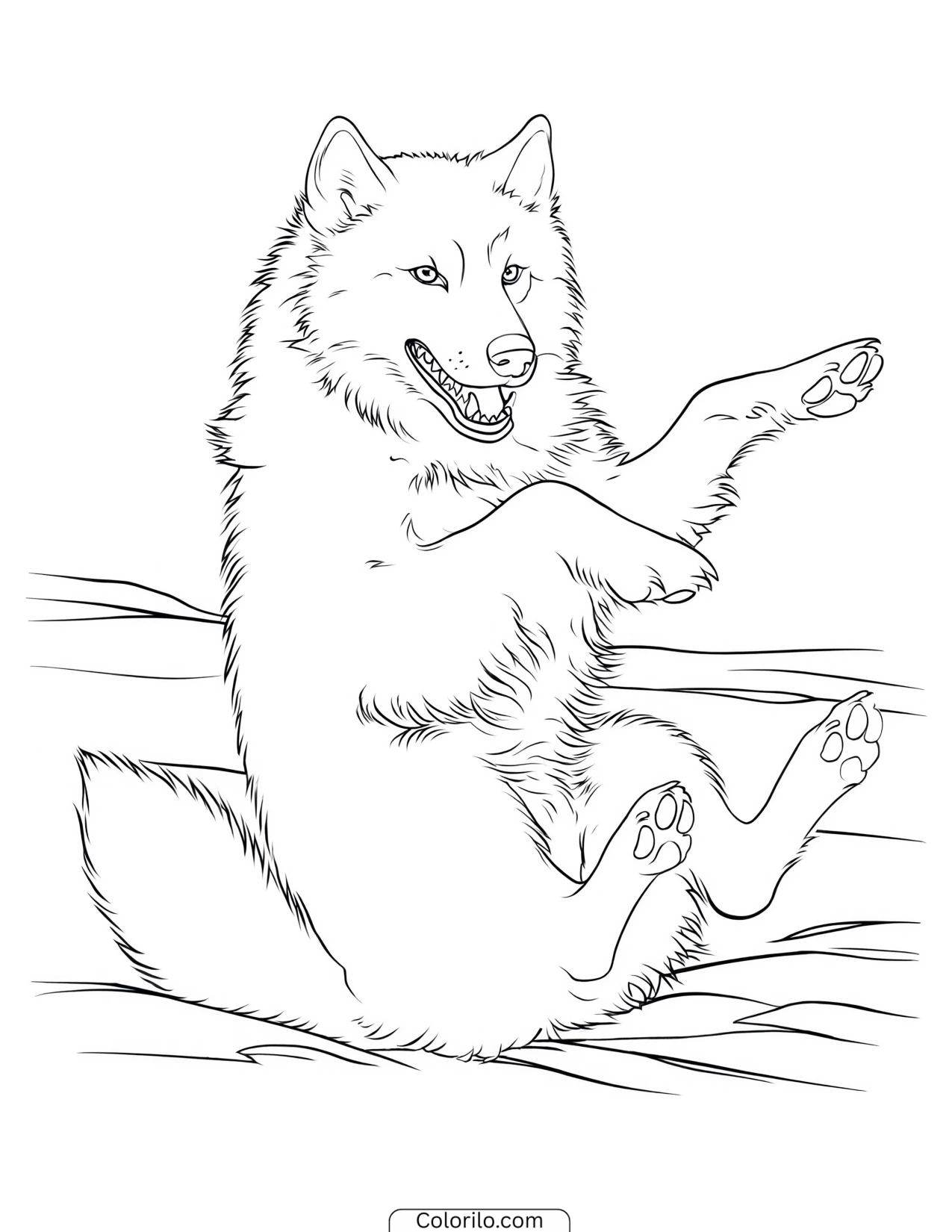
The crouched posture in one design is a real signal, used by wolves and dogs alike to mark whatever follows as play rather than a fight. Wolves play throughout their lives, not only as pups.
Red foxes
Seventeen pages. Foxes are canids like wolves but far smaller and solitary rather than pack-living, hunting alone for rodents and insects. They’re also strikingly adaptable, more foxes now live in cities than most people realise. The scenes here are pure invention, but the fox’s reputation for cleverness across folklore worldwide is why they suit that treatment so well.
Coyote
One page. Native to North America, smaller than a wolf and larger than a fox, and one of very few large predators whose range has expanded rather than shrunk as human settlement spread.
Huskies and puppies
Four pages. Every domestic dog descends from grey wolves, domesticated somewhere between 15,000 and 30,000 years ago. Huskies are among the breeds closest to that origin, bred for endurance hauling in the Arctic, which makes them a fitting bridge between the wolf pages and the puppy ones.
Coloring Tips
Wolves are not one grey. A single coat runs from near-black along the spine through browns and buff on the flanks to cream or white at the chest, throat and belly. Using three tones instead of one is the biggest single improvement available on these pages.
Follow the fur direction. Pencil strokes that run the way the coat lies, down the back, out along the legs, in a ruff at the neck, read as fur. Strokes cutting across it read as scribble. Matters most on the close portraits.
Wolf eyes are amber, not blue. Leaving a small white highlight unfilled in each eye is what makes the animal look alive rather than flat. Huskies are the exception, blue eyes are common in the breed.
Foxes want warmth. Rust orange over the back and flanks, white at the throat and tail tip, black on the legs and ear edges. That contrast is what makes a fox read as a fox rather than a small wolf.
Let backgrounds set the mood. The same wolf reads completely differently against a cold blue-grey rainy forest than against warm autumn oranges. Choose the habitat page for the atmosphere you want.
Start young children on the fox scenes. The unicycle, the swing, the paper airplane, and the husky pup painting have the simplest linework and friendliest subjects in the collection.
Frequently Asked Questions
Are these wolf coloring pages really free?
Yes, all 63 are free to download and print. Click any design to open the PDF. No account, no email, no payment.
What’s actually included?
Forty-one wolf designs, plus 22 pages of related animals: seventeen foxes in playful scenes, a coyote, two huskies, and two puppies.
What age are these suitable for?
The fox scenes, the wolf pup, the play bow, and the husky pup pages suit children from around four or five. Most standing and walking wolf poses work through primary school. The detailed habitat scenes and close fur portraits are better for eight and up.
Are the wolves frightening?
Not particularly. There’s a stalking pose and a few alert stances, but no bared teeth, snarling, or hunting scenes anywhere in the set. Closer to wildlife illustration than fairy tale.
Can I use these in a classroom?
Yes. They pair well with units on food chains, apex predators, habitats, or wolf reintroduction, and are free for personal, educational, and classroom use.
Can I print more than one copy?
As many as you need.
Do wolves really howl at the moon?
No, one of the most durable pieces of animal misinformation there is. Wolves howl at night because that’s when they’re active and when sound carries furthest through cool still air, and they tip their heads back to project the sound outward rather than into the ground. The moon is incidental.
What’s the difference between a wolf, a coyote, and a fox?
Size and social life, mostly. Grey wolves reach 40 to 60 kilos and live in family packs. Coyotes are roughly a third that, more flexible about group living. Red foxes weigh under 10 kilos and hunt alone. All three are canids, and all three appear in this collection.





Leave a Reply