Table of Contents
Halloween coloring pages are one of the few printables with a hard deadline attached, which is part of their appeal, there’s a reason to make them, and a date by which they’re finished and stuck to a window.
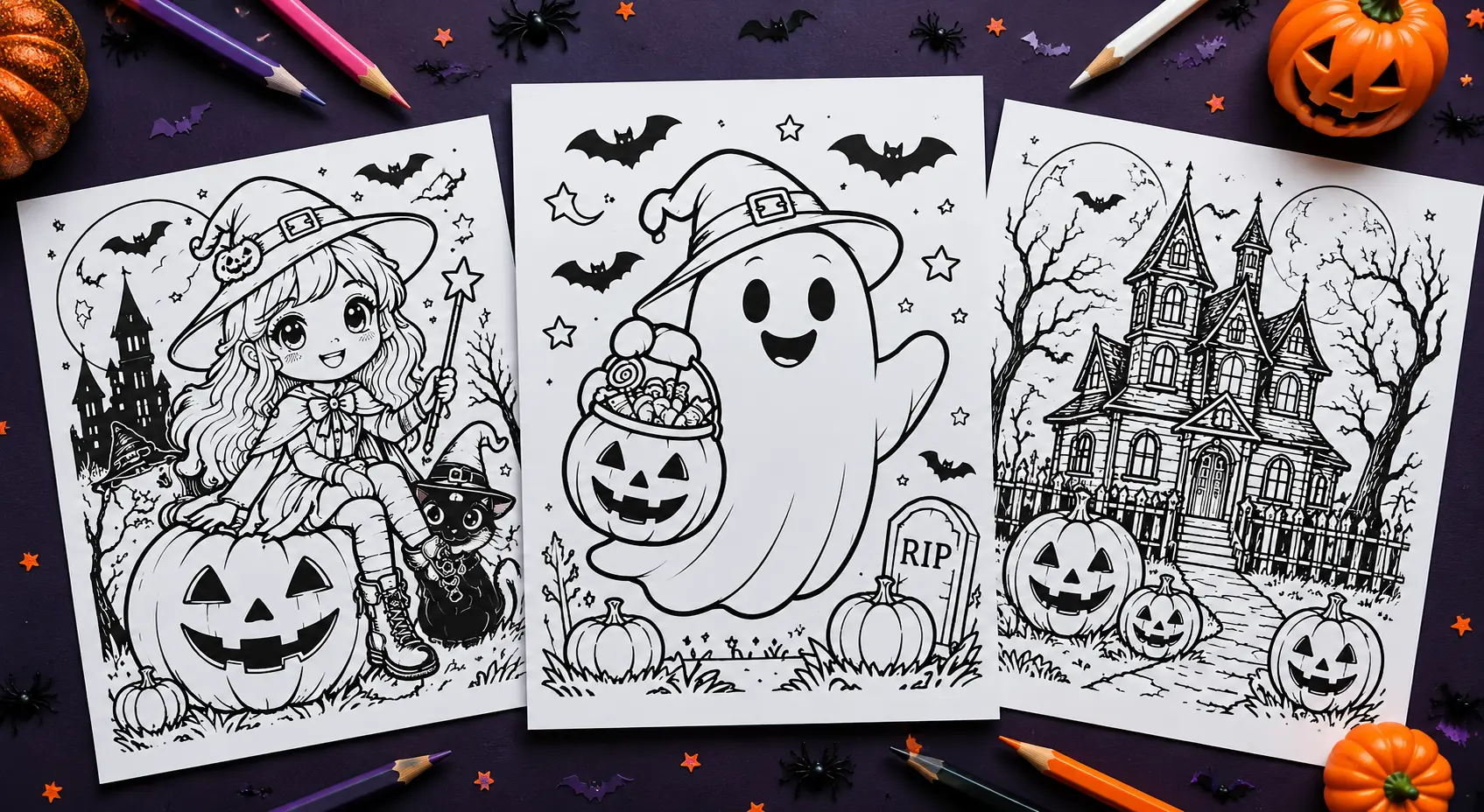
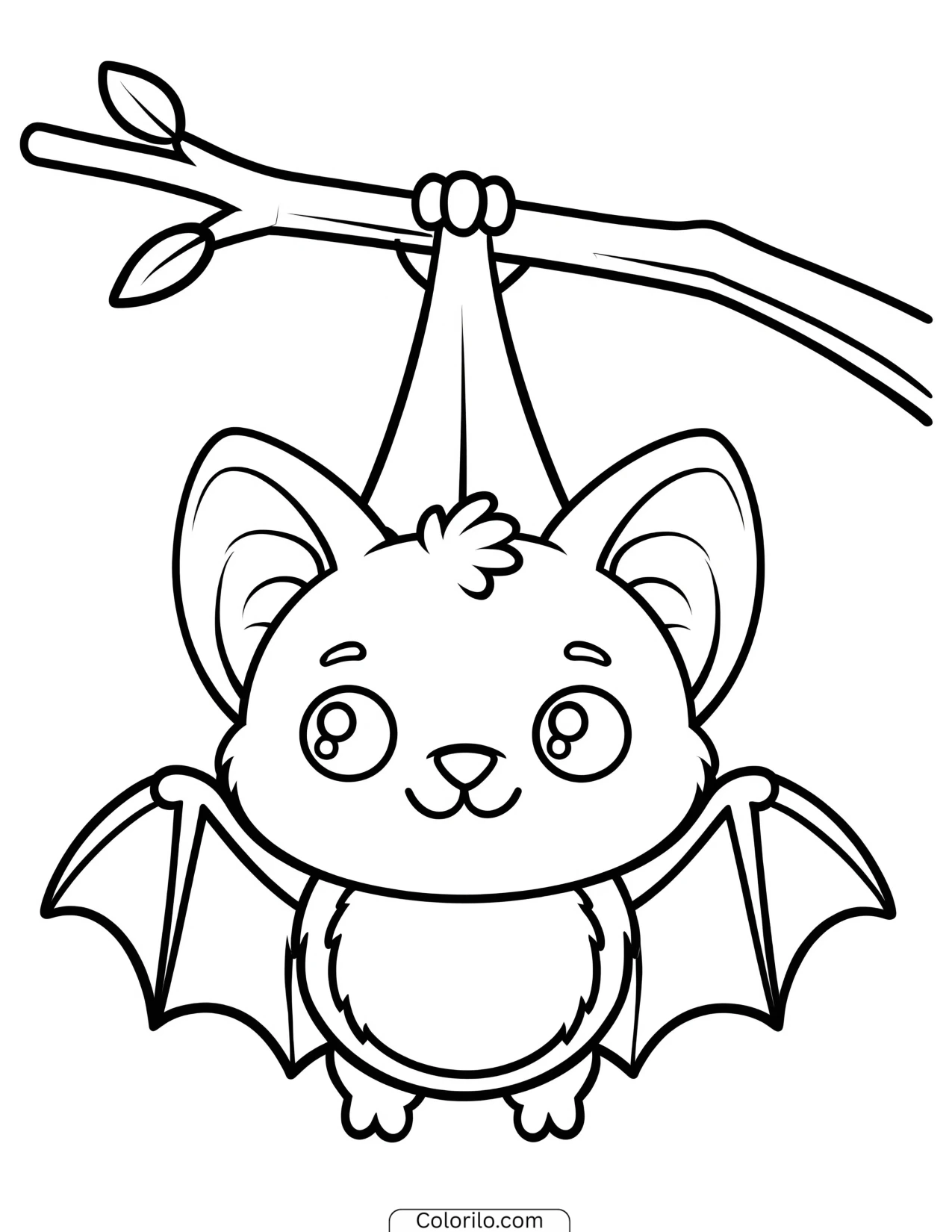
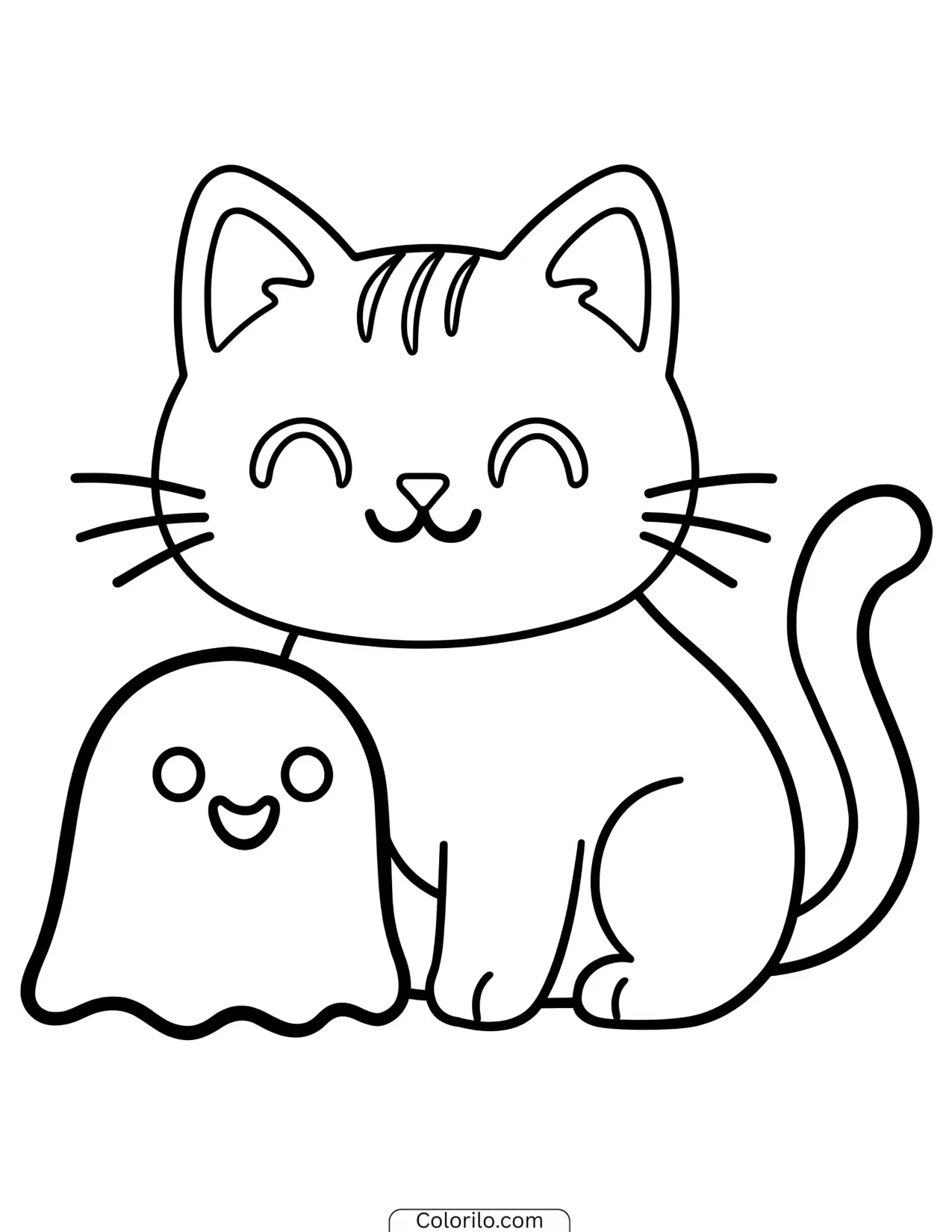
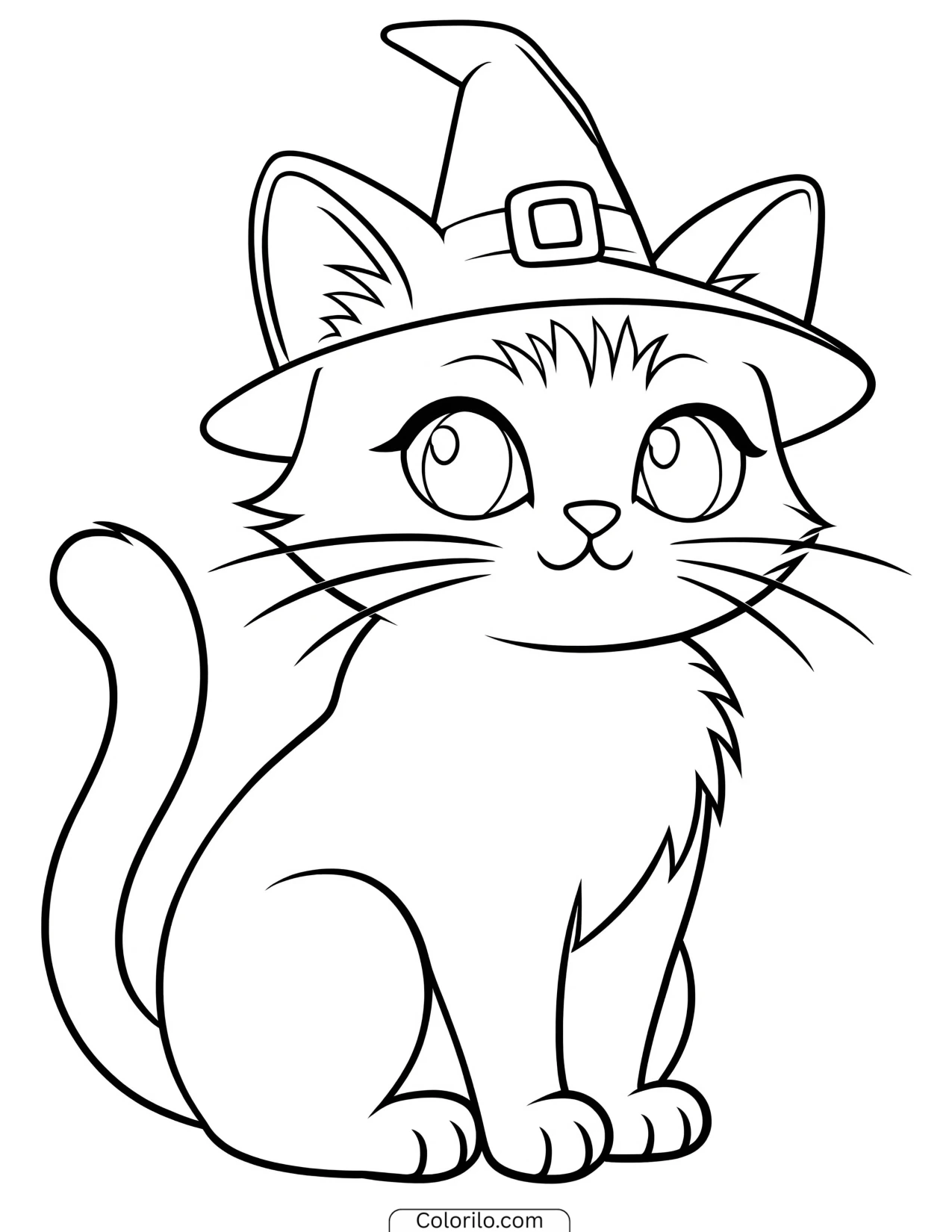
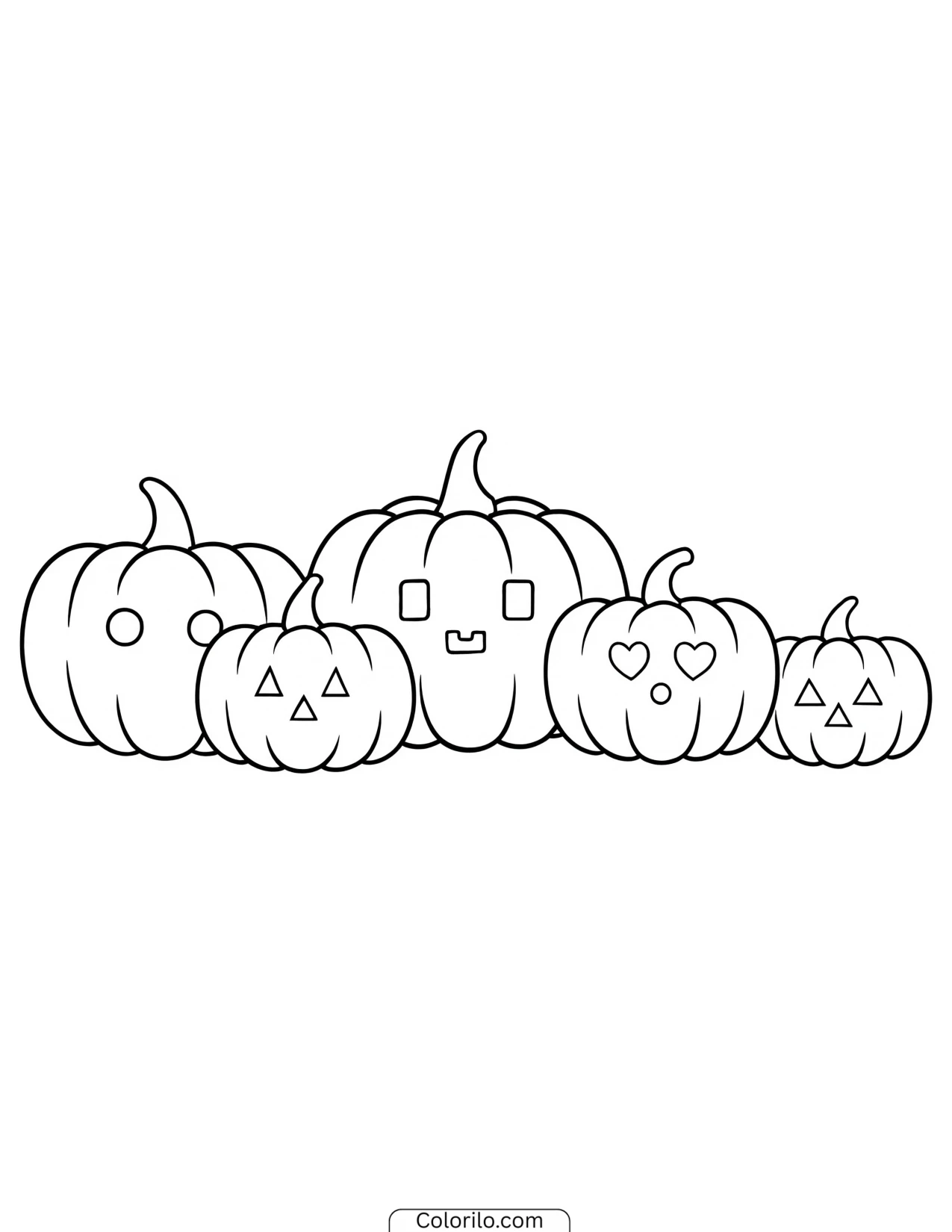
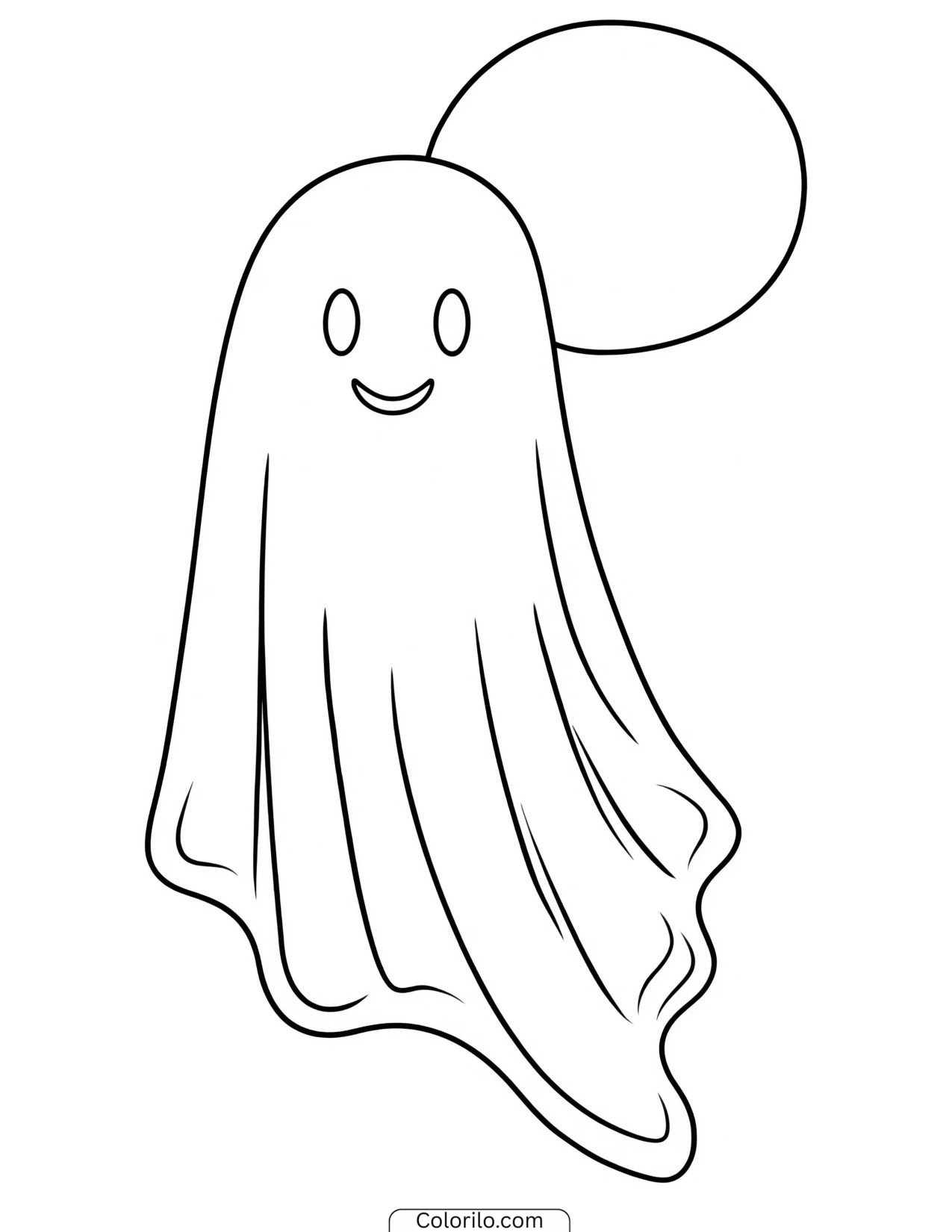
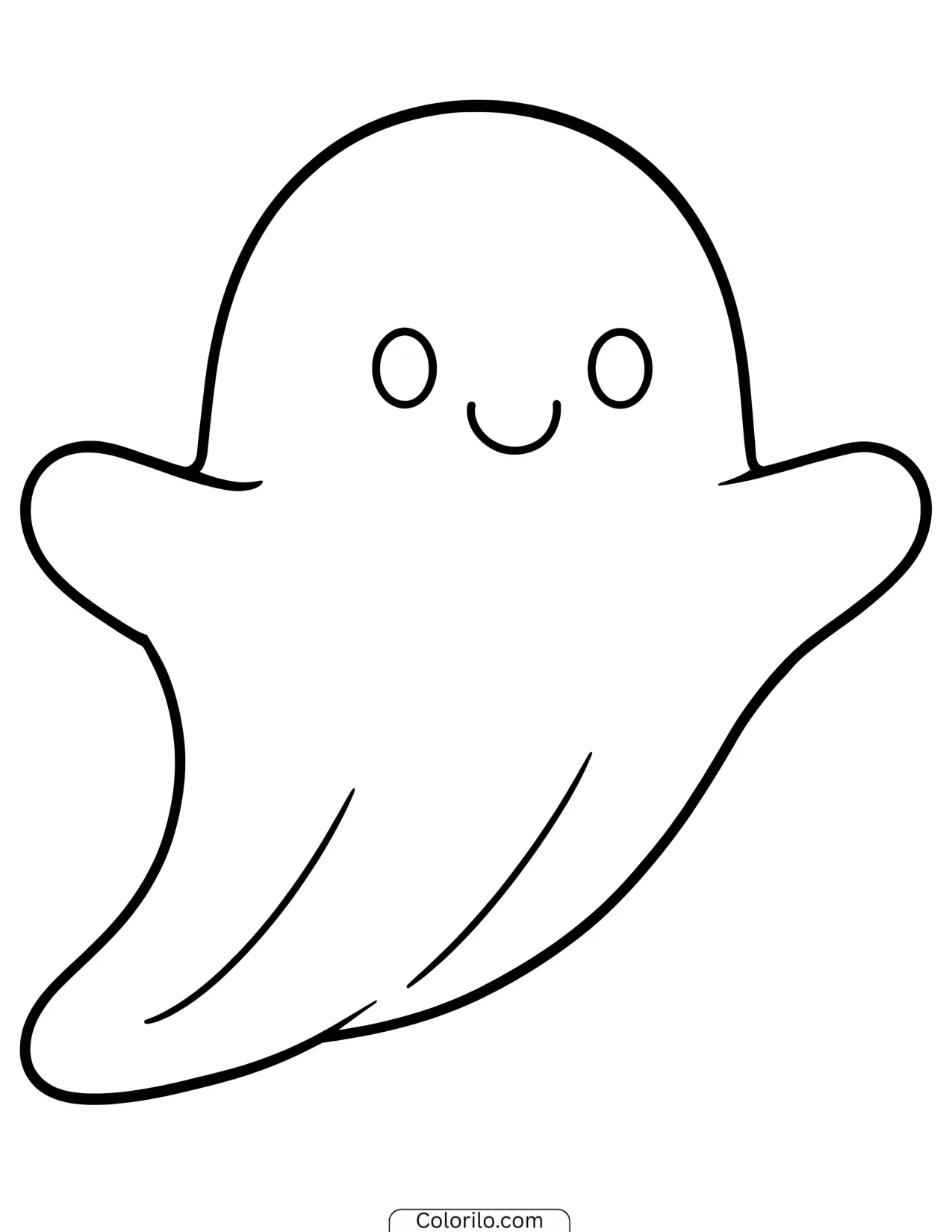
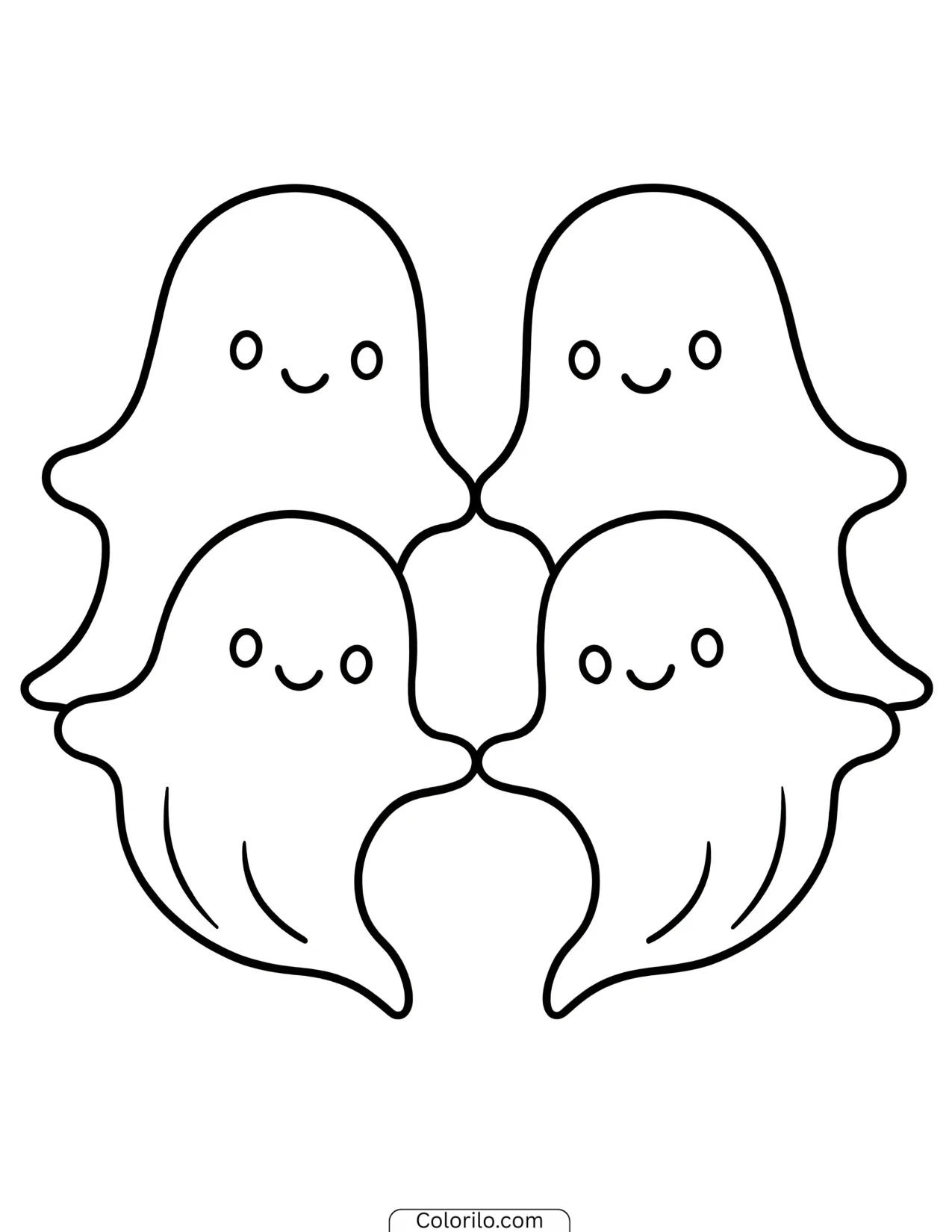
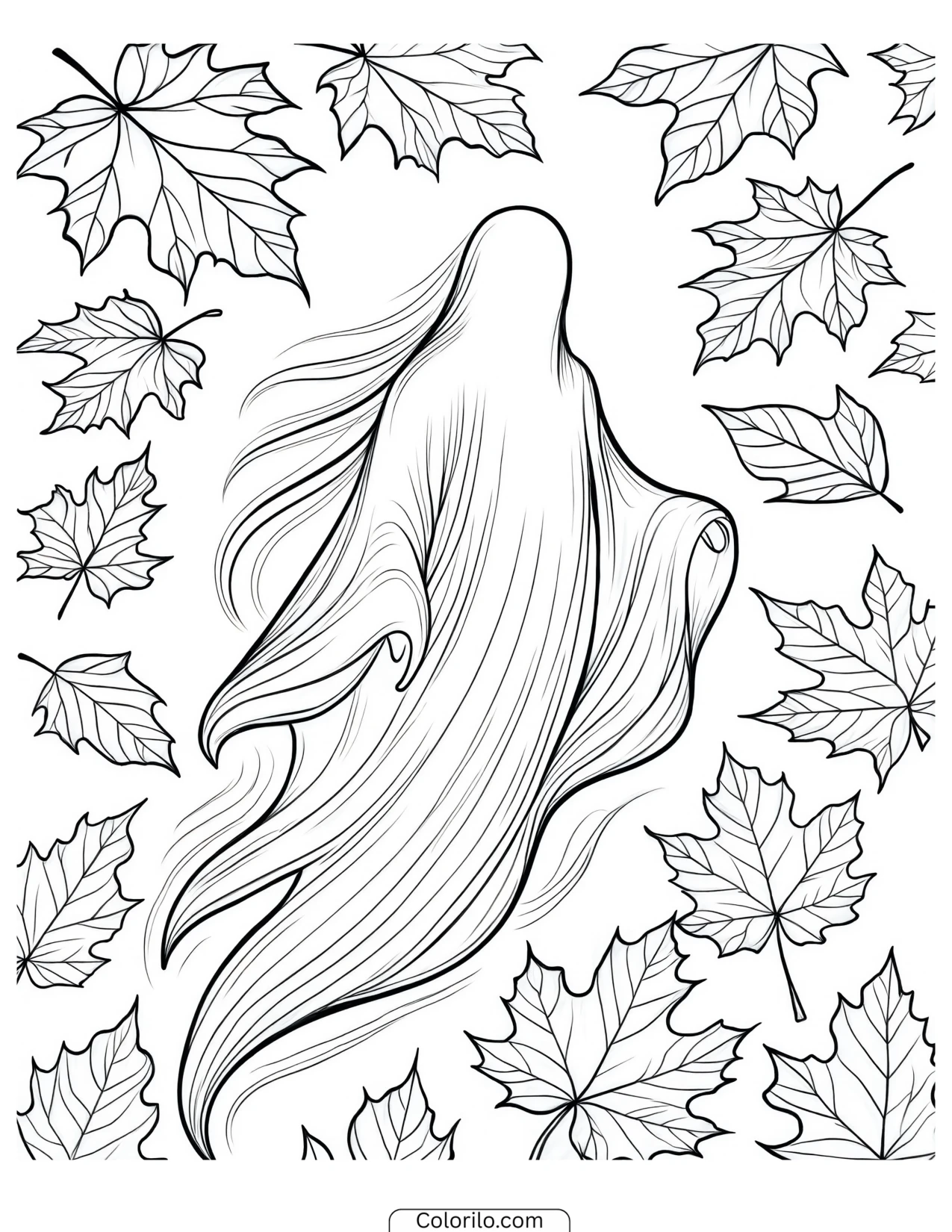
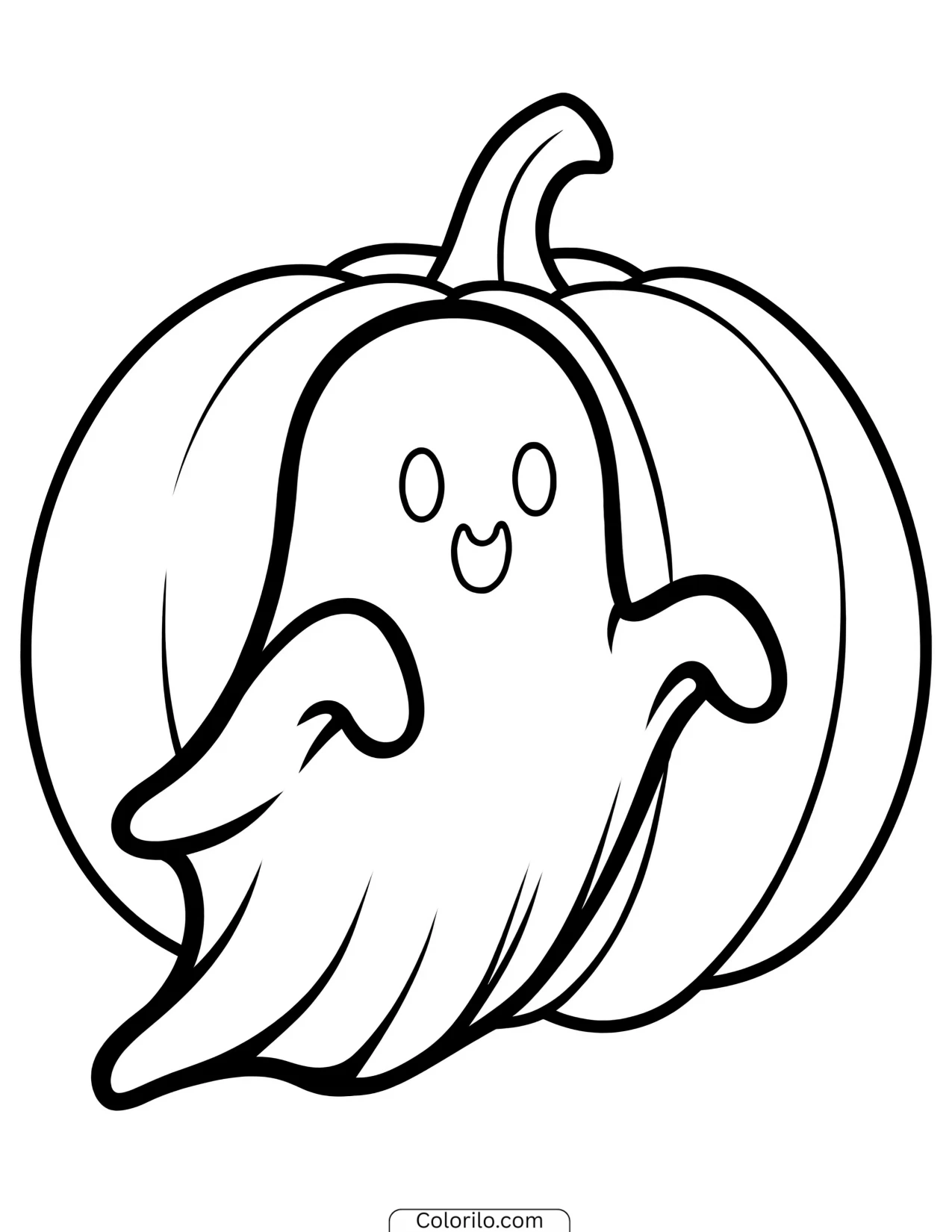
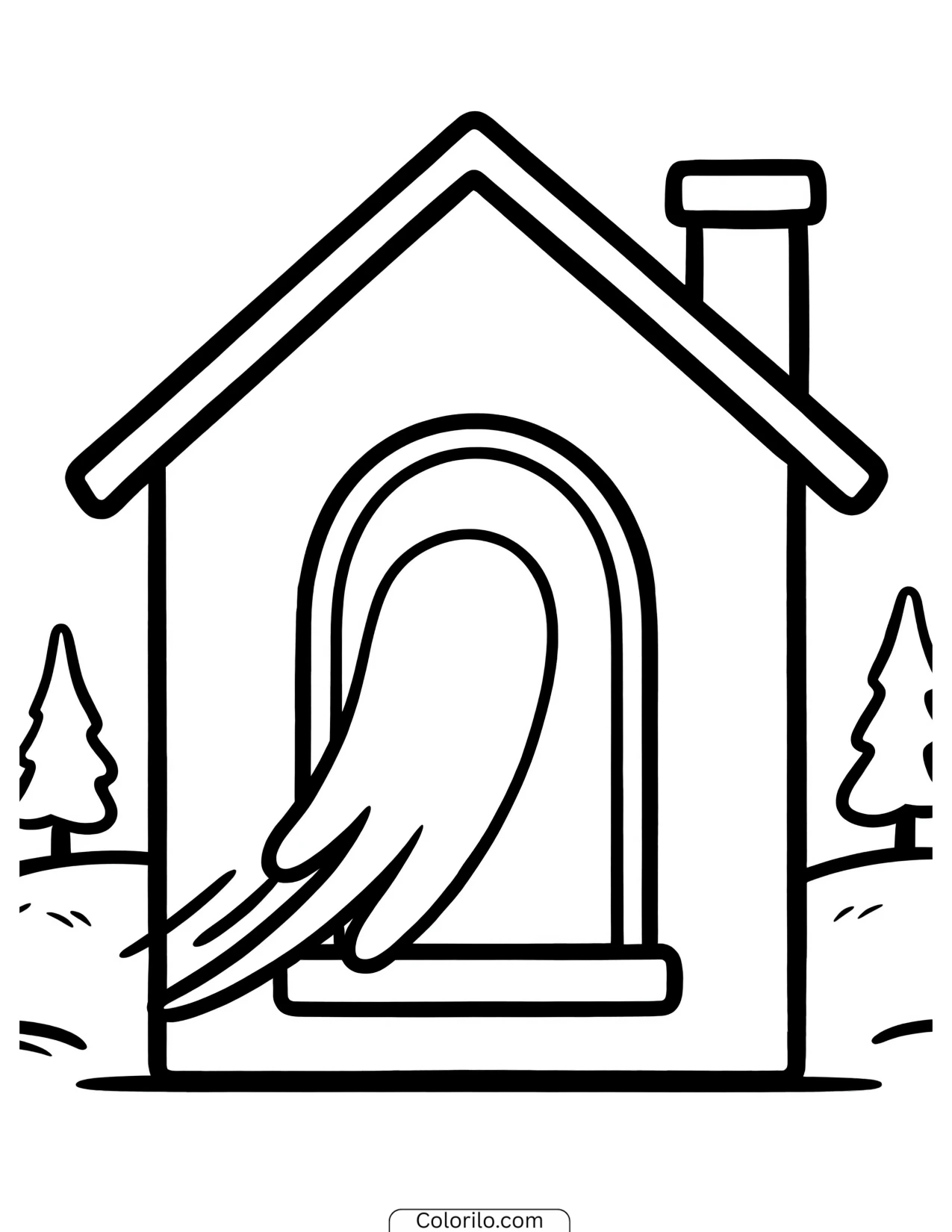
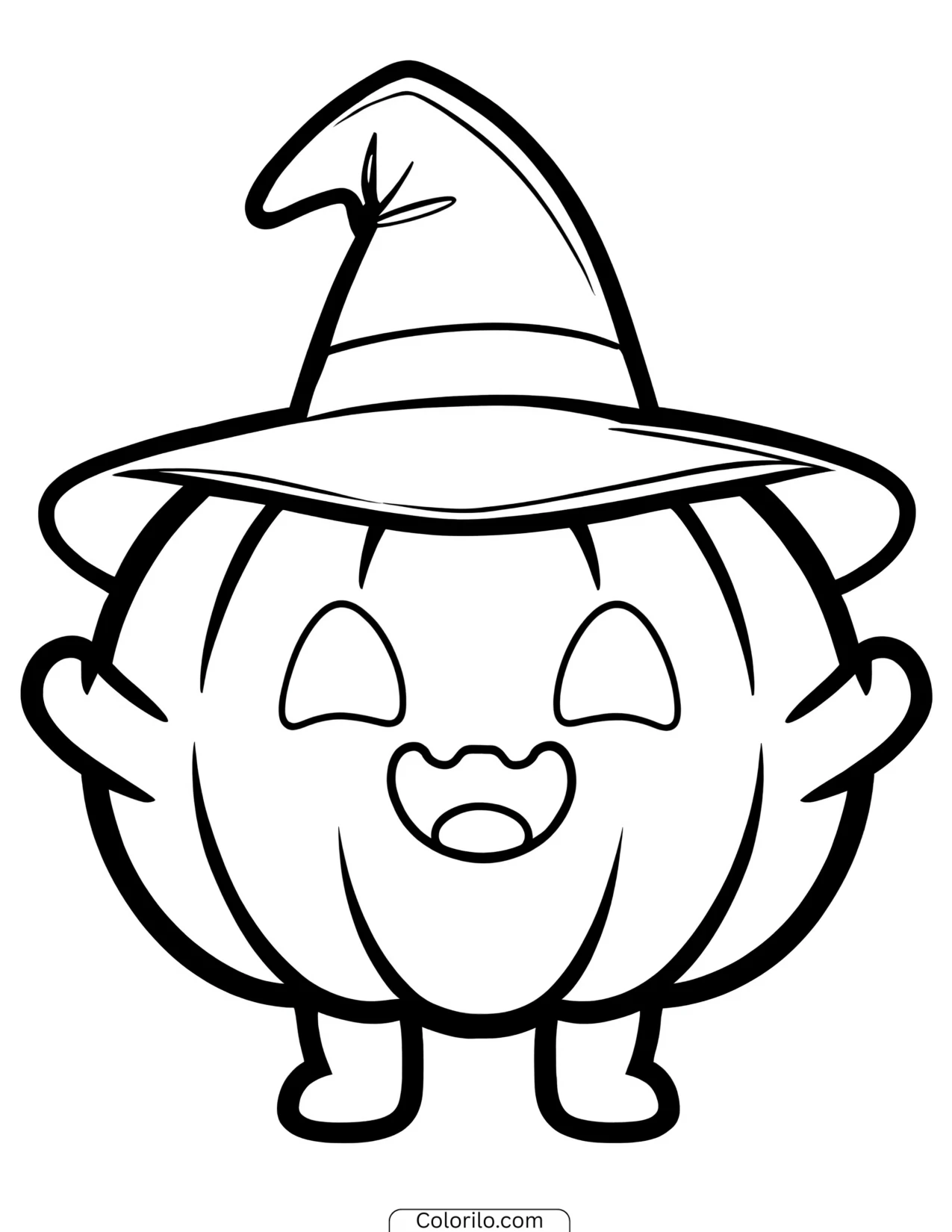
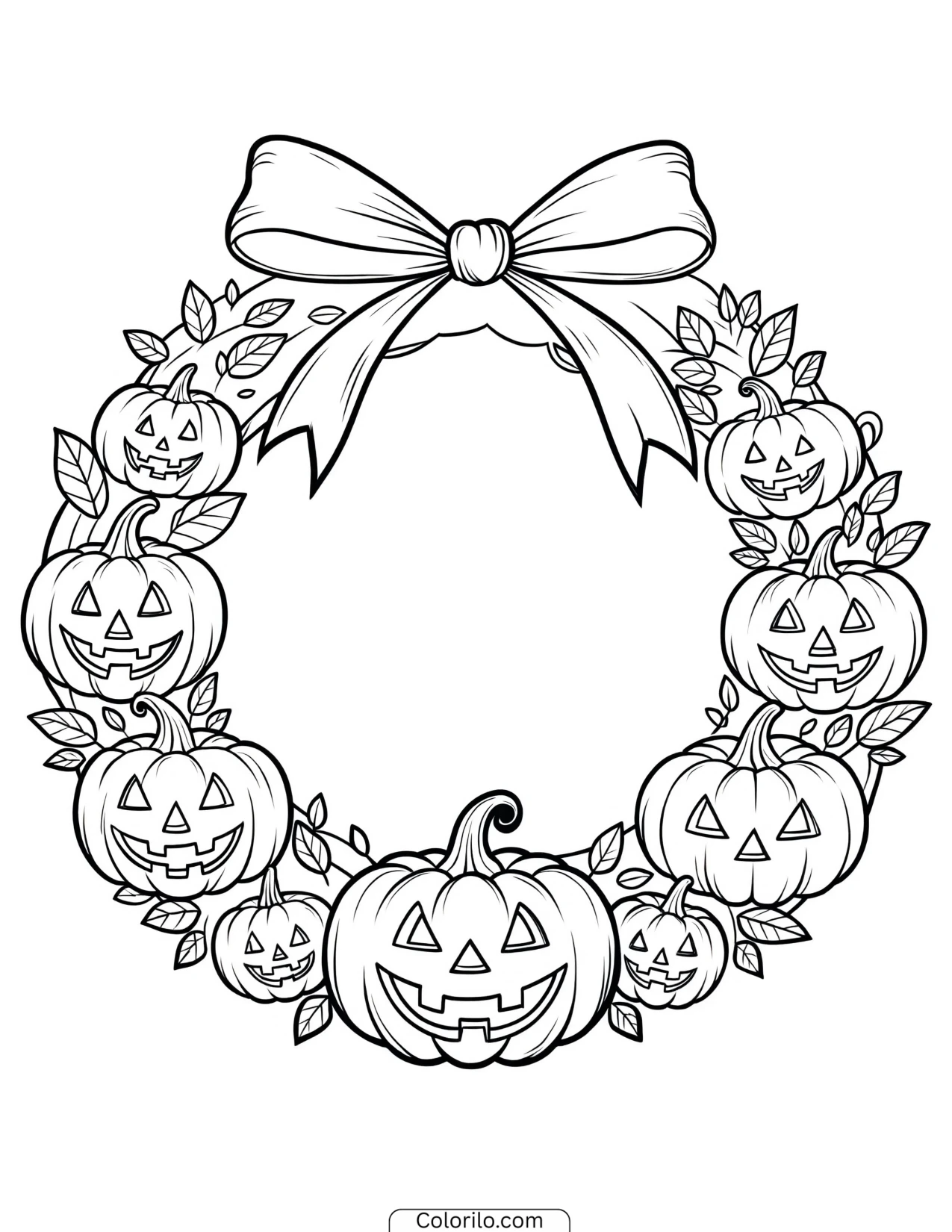
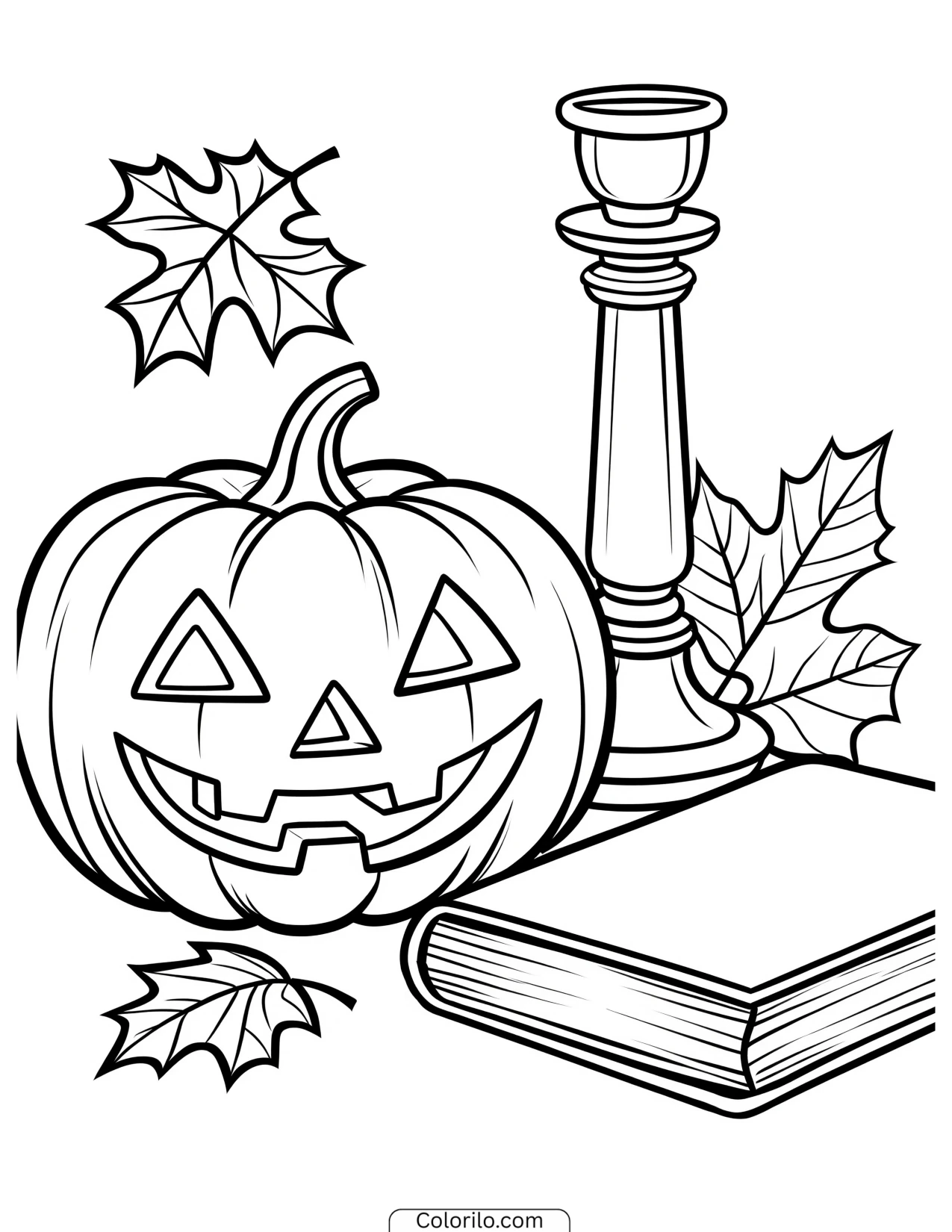
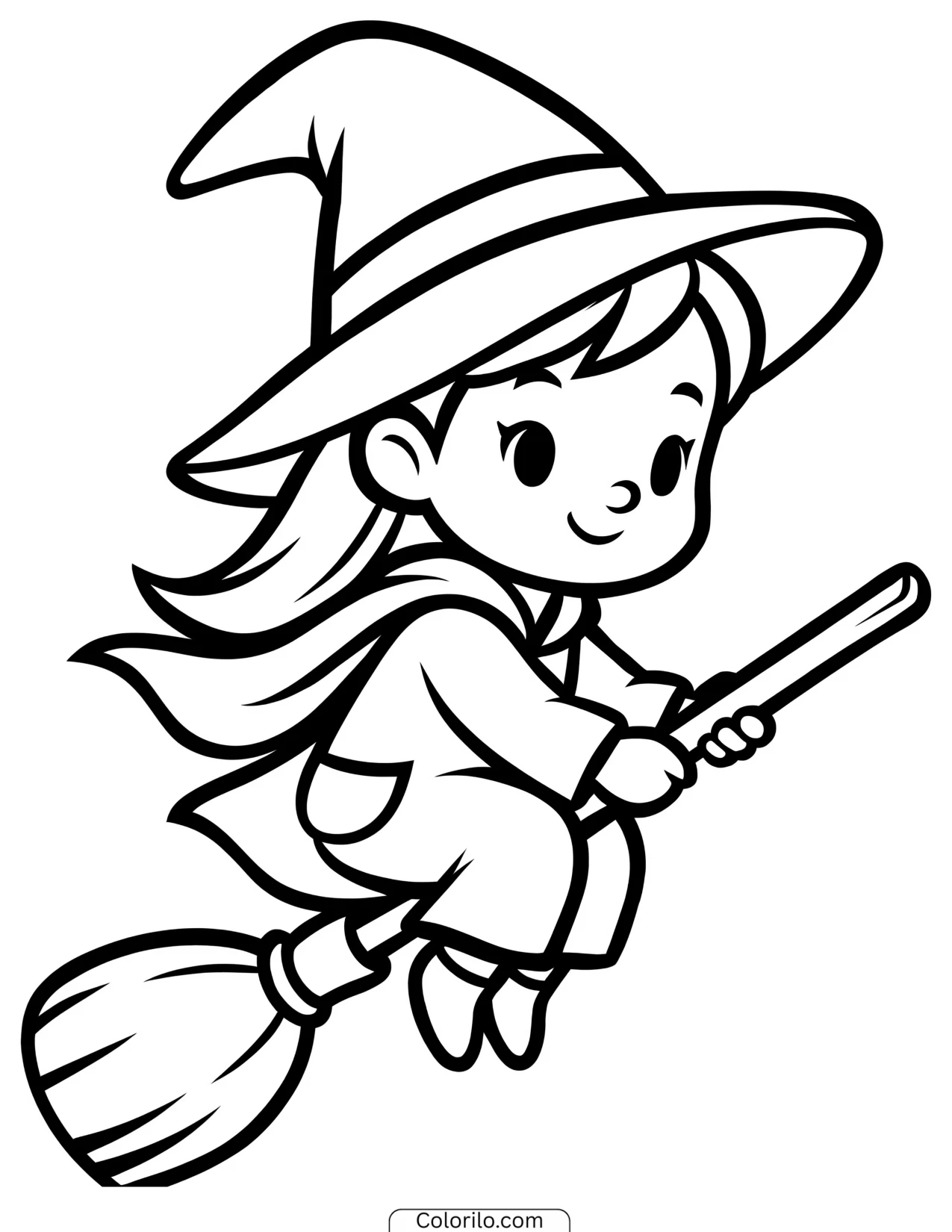
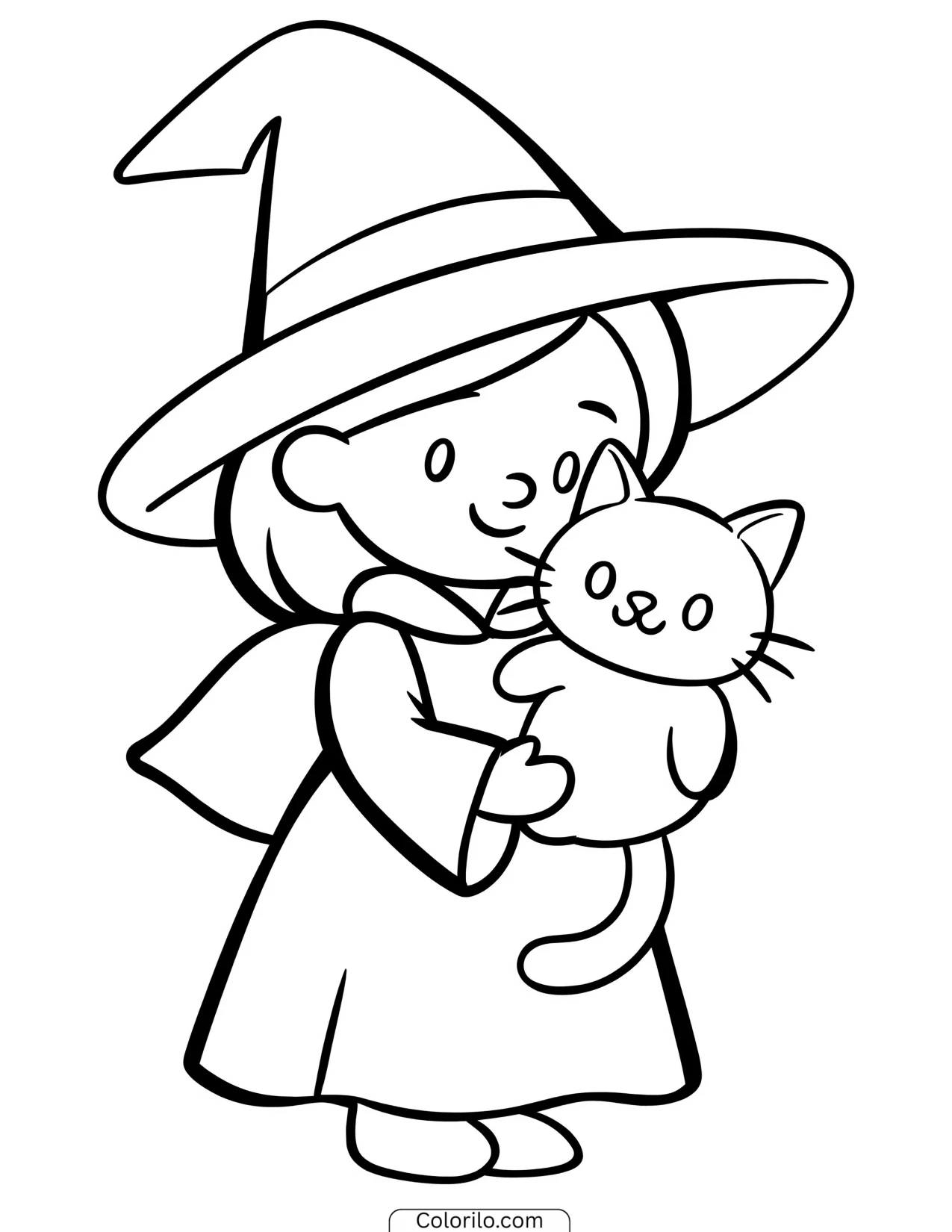
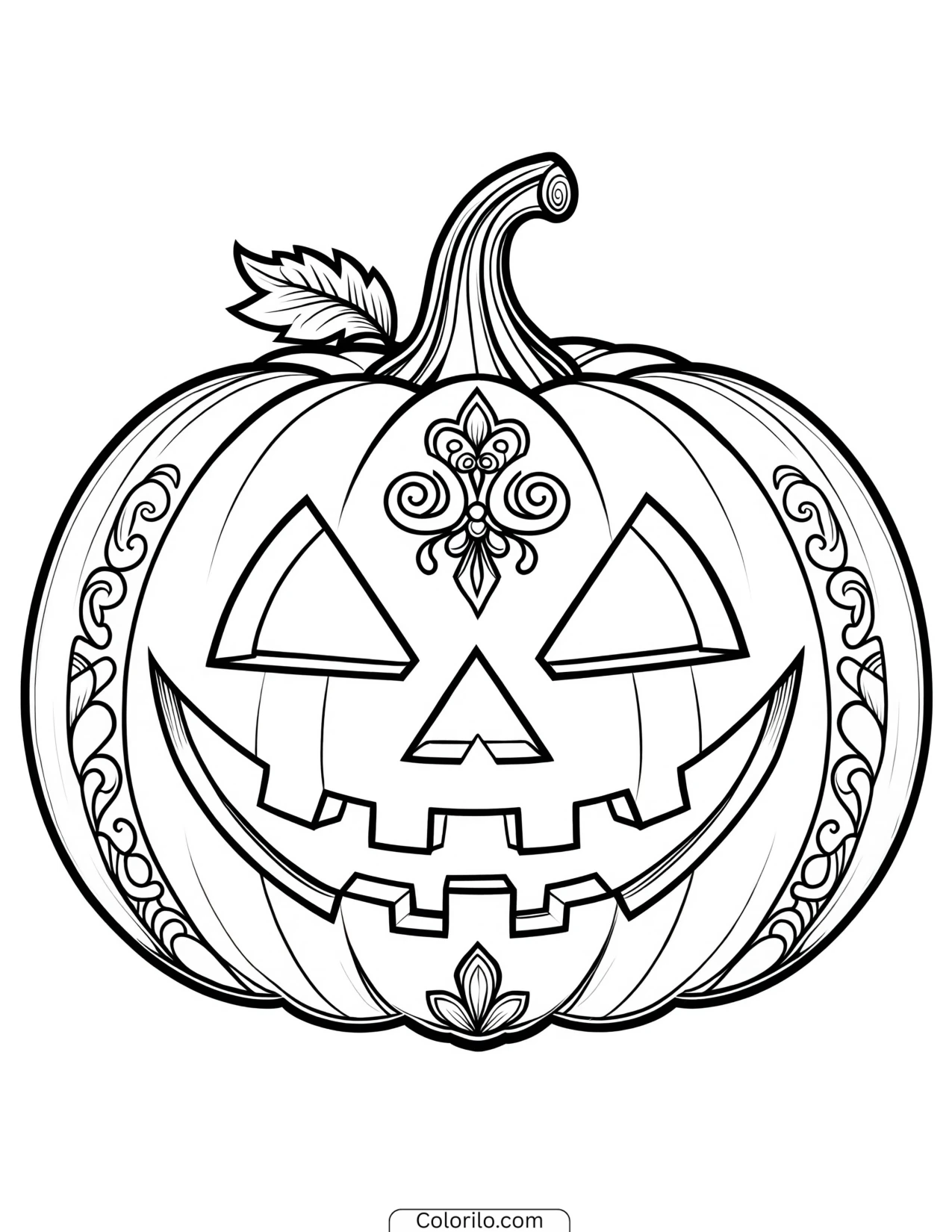
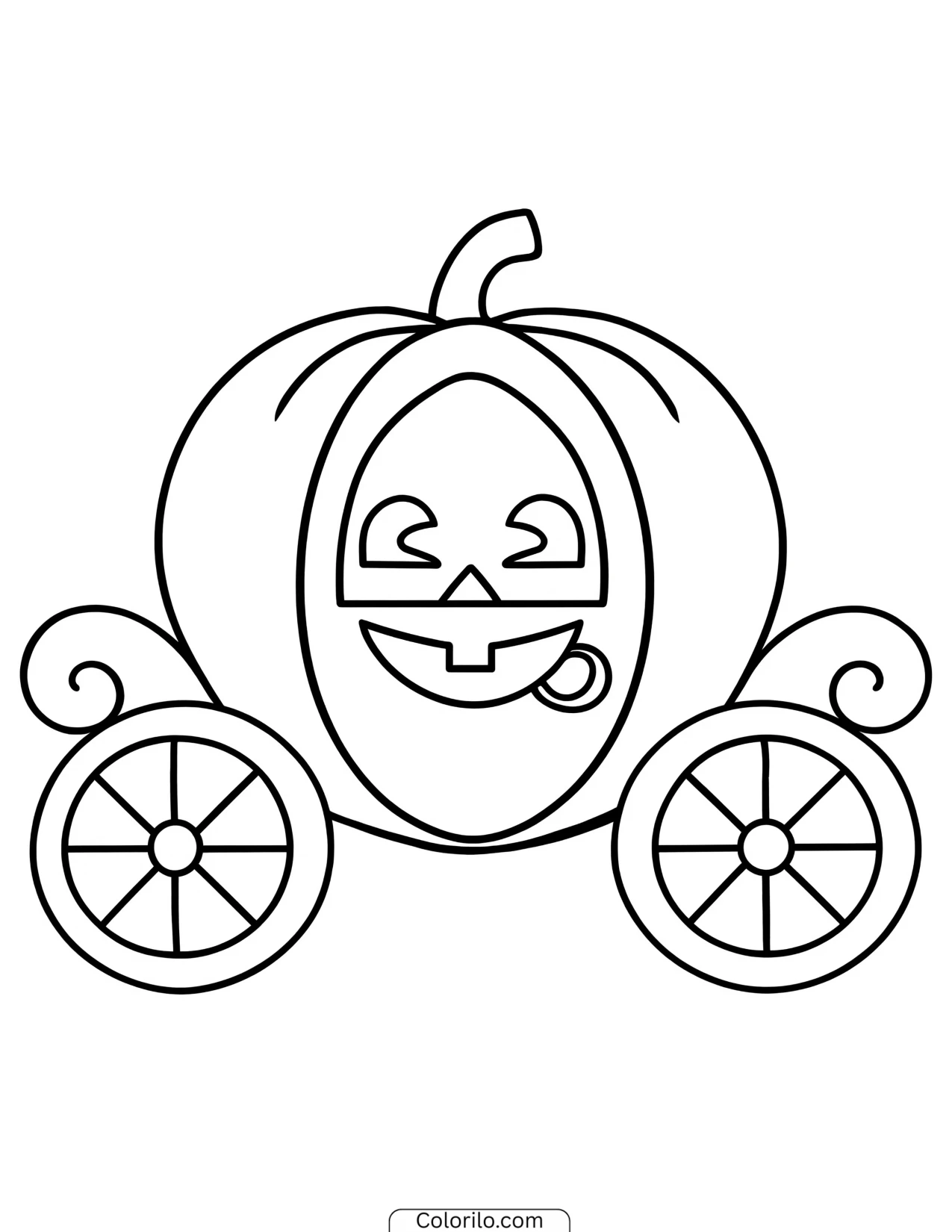
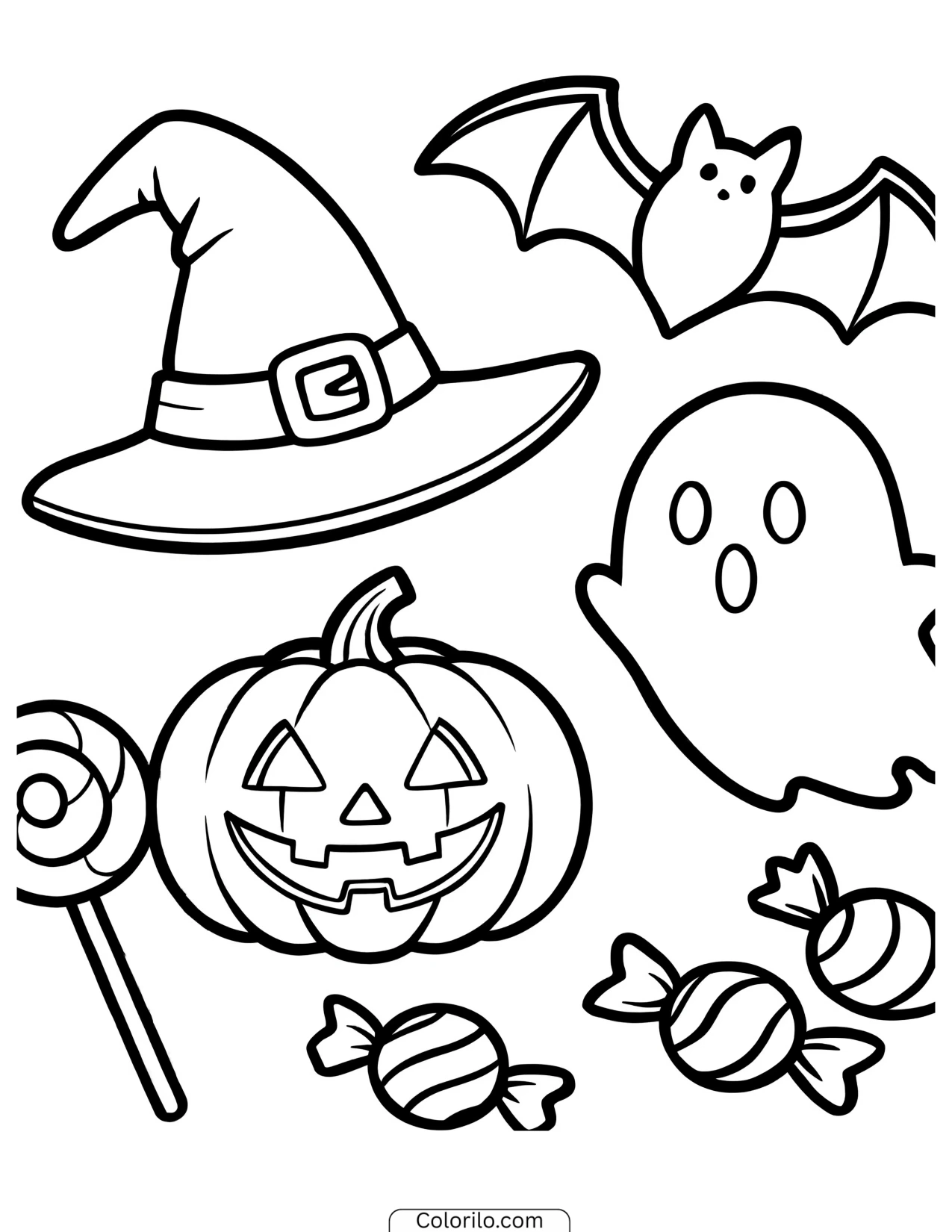
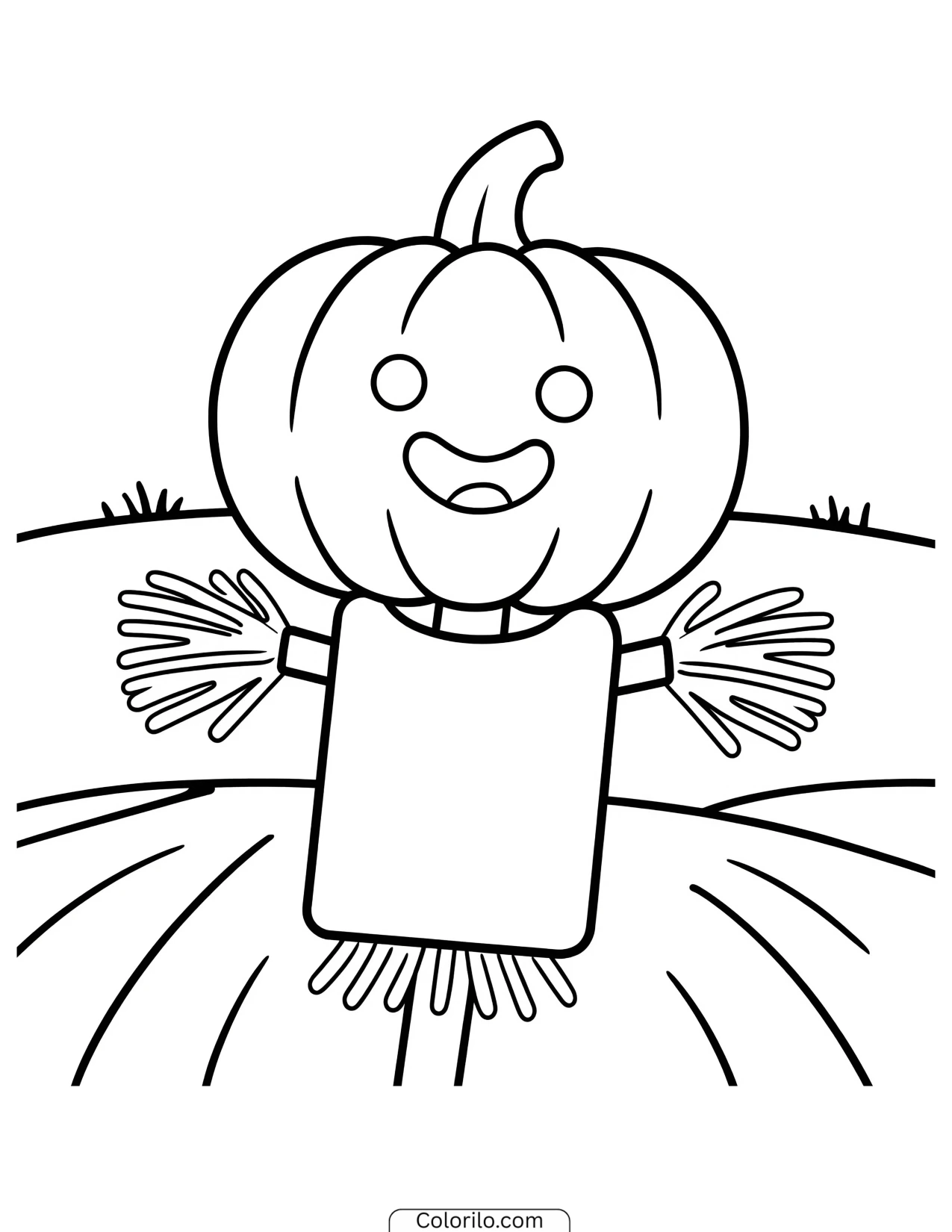
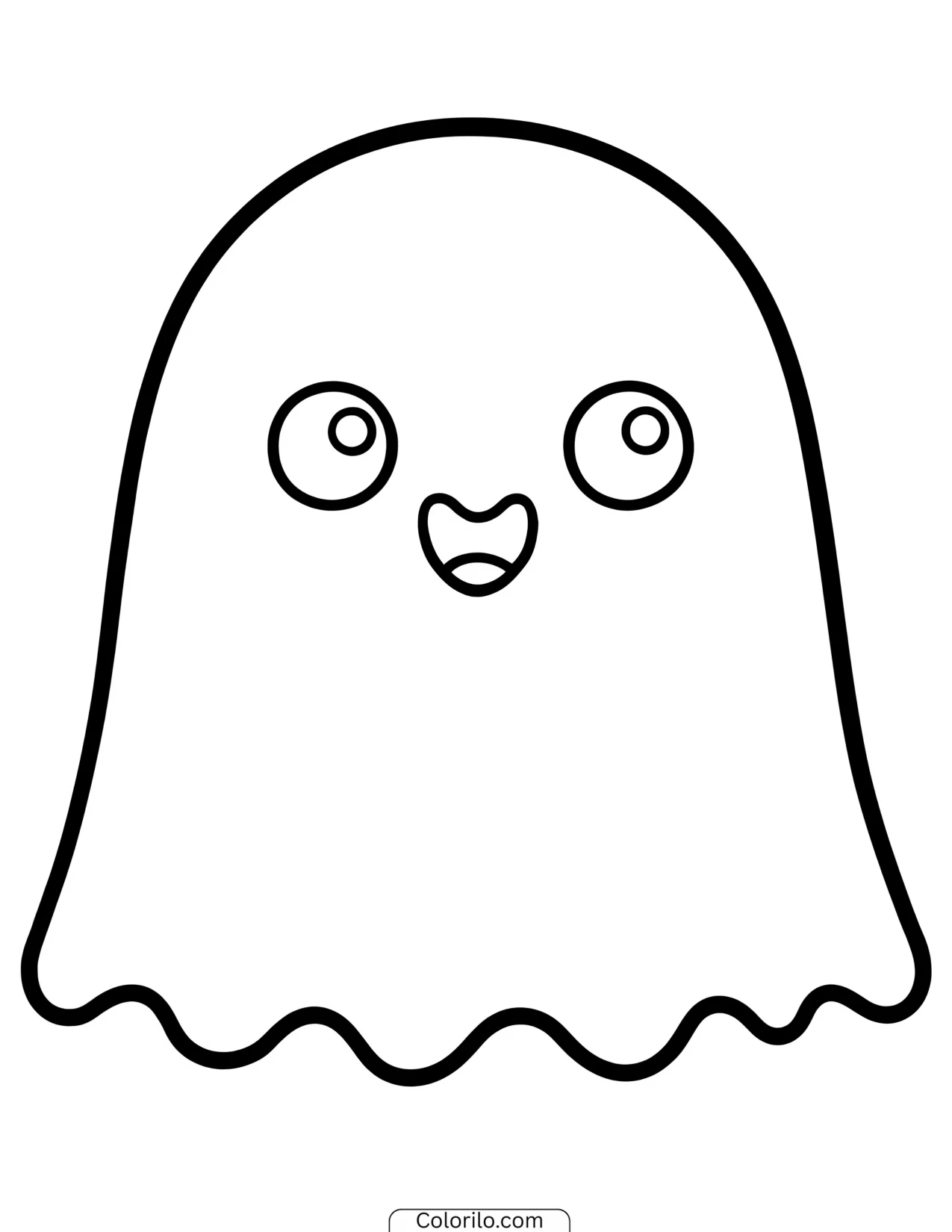
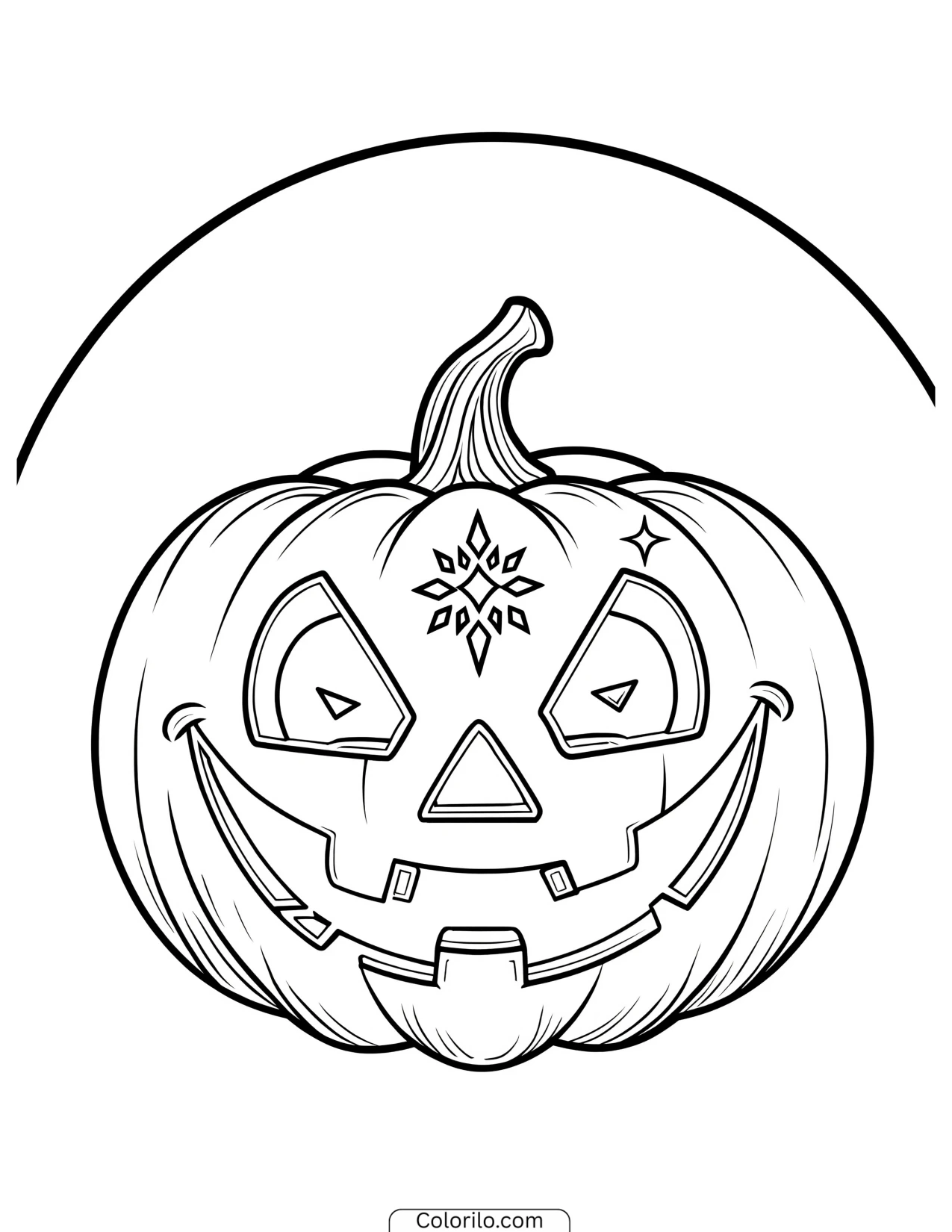
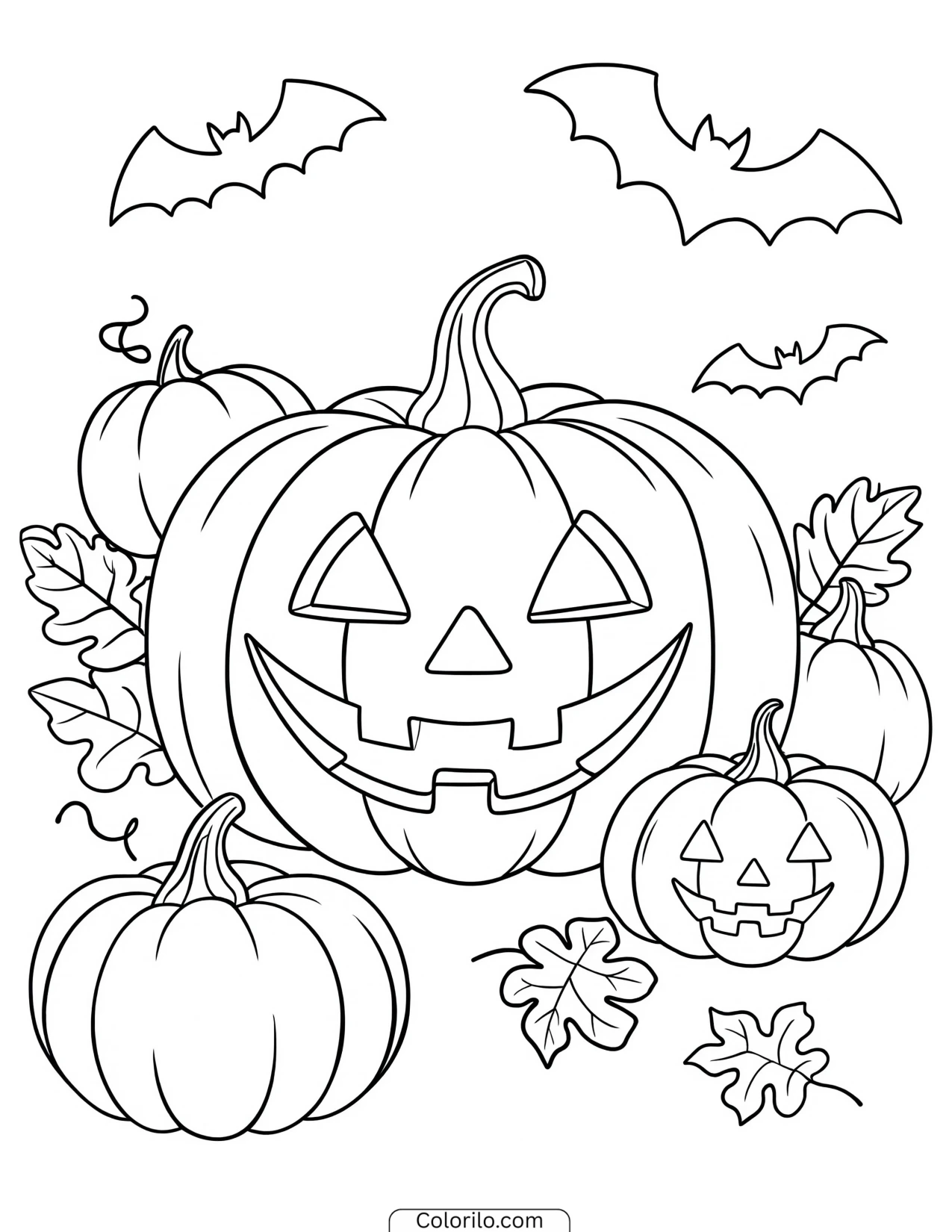
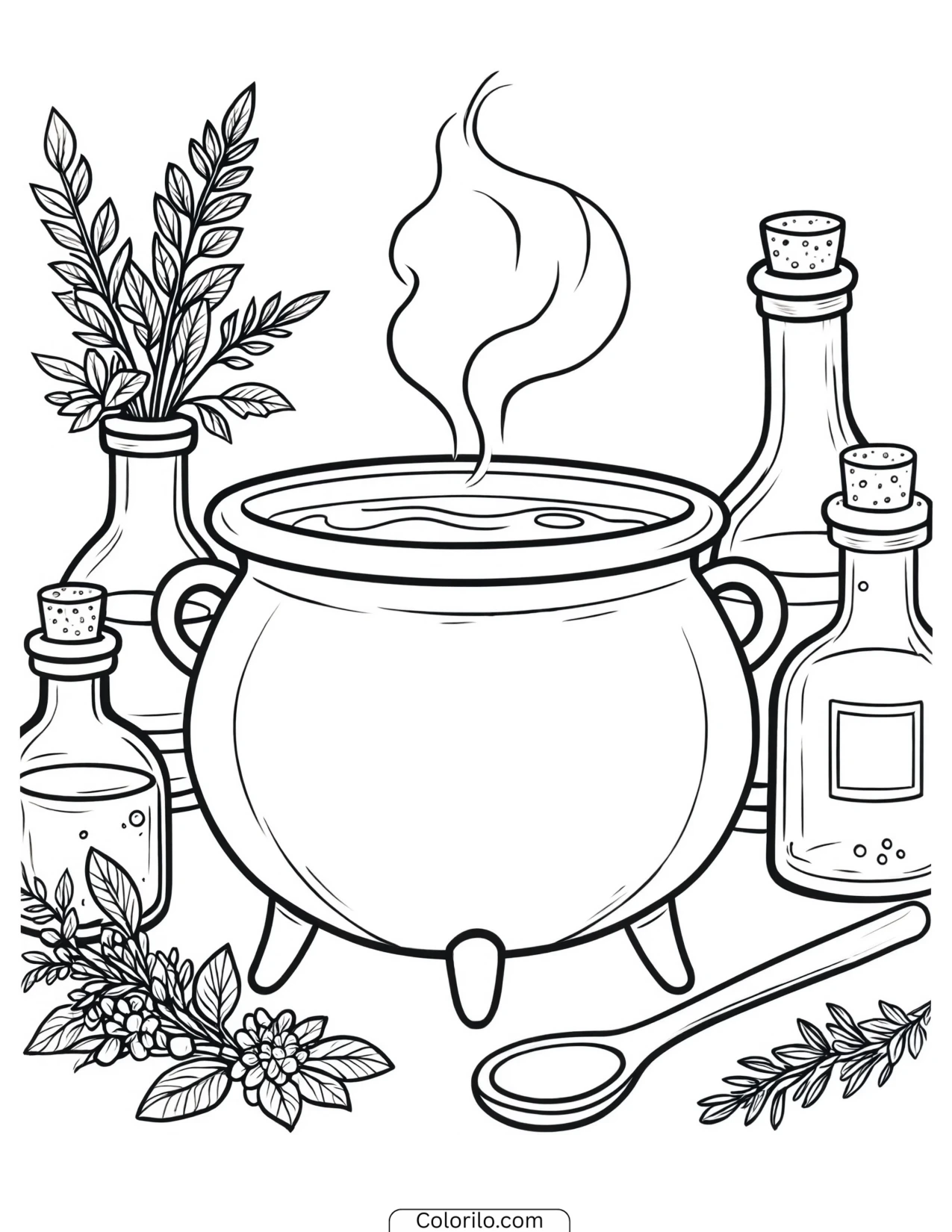
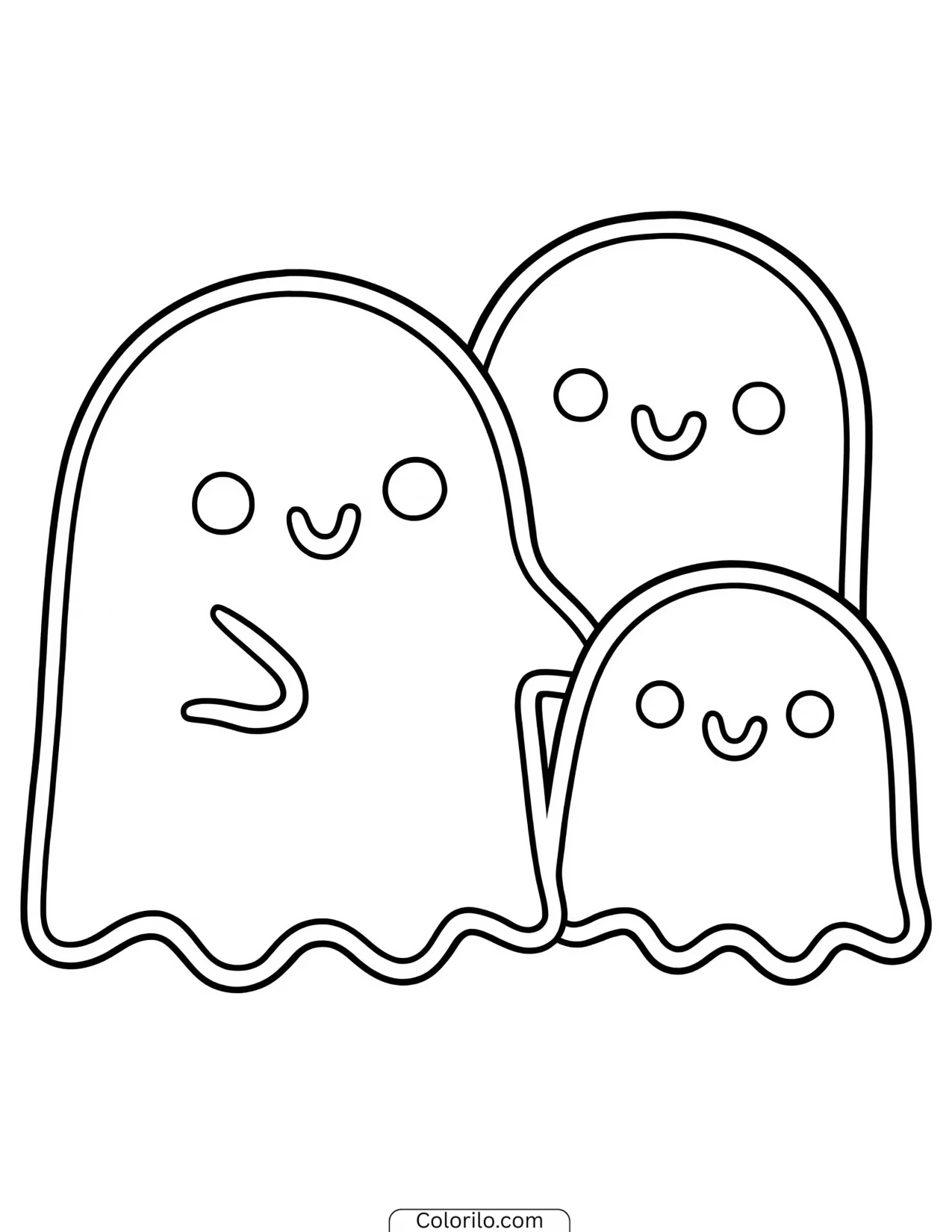
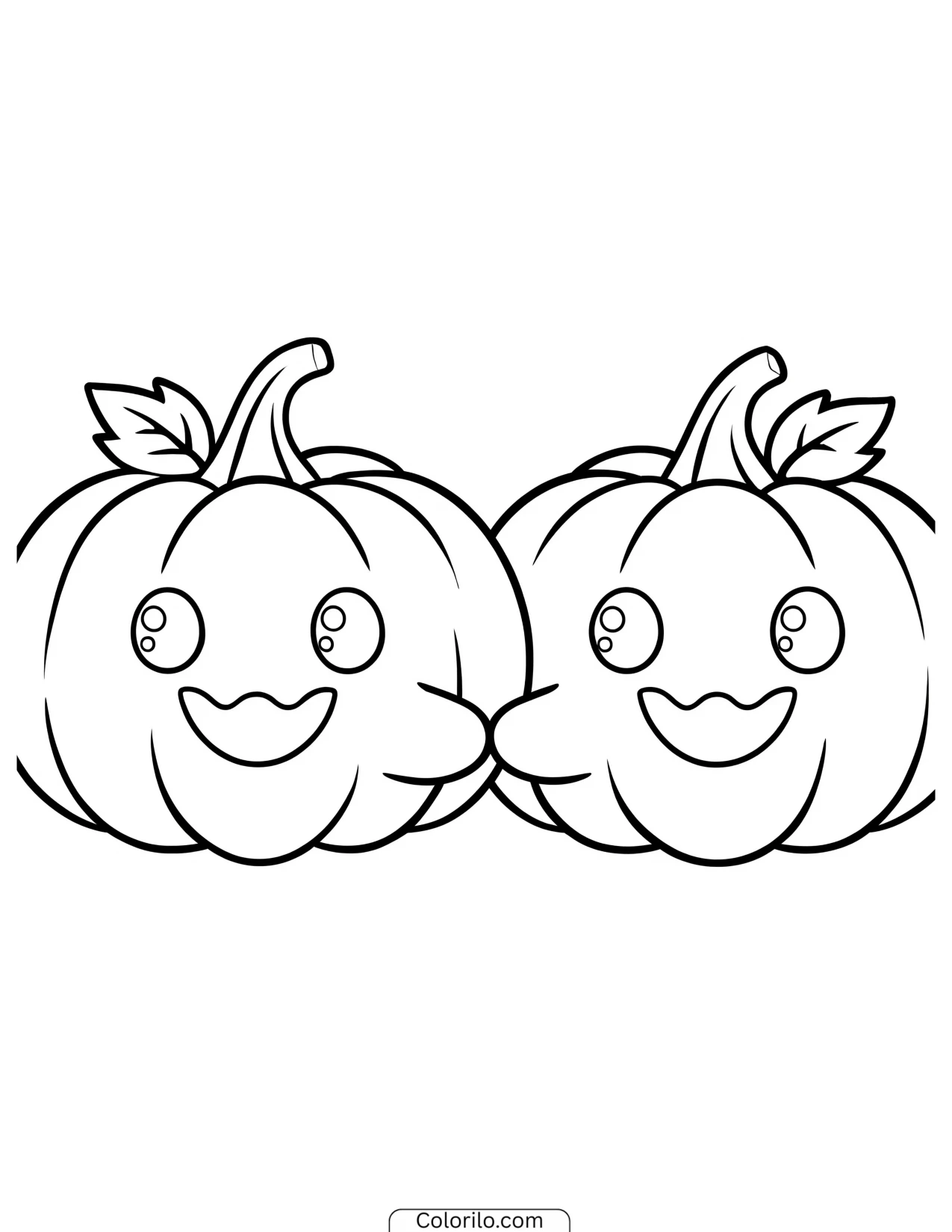
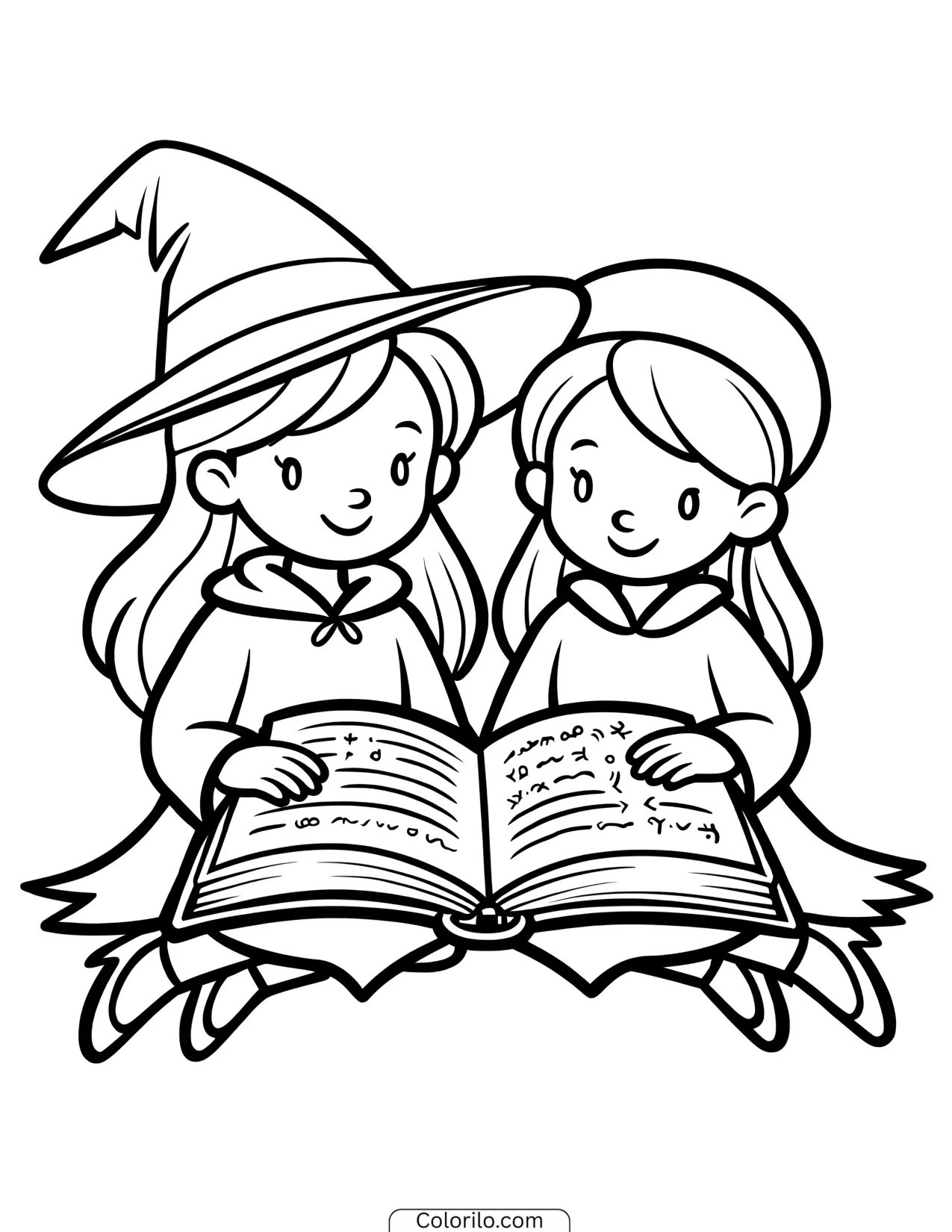
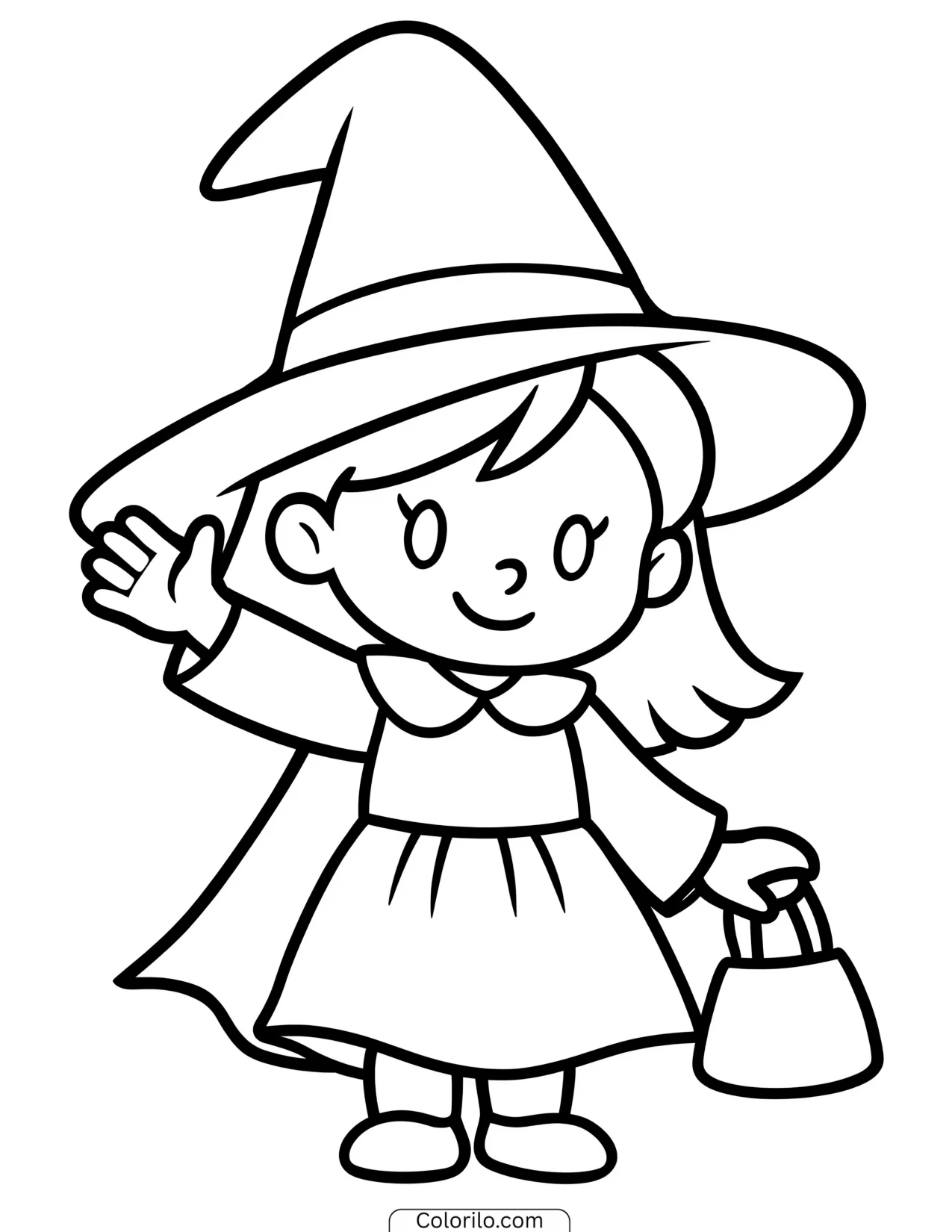
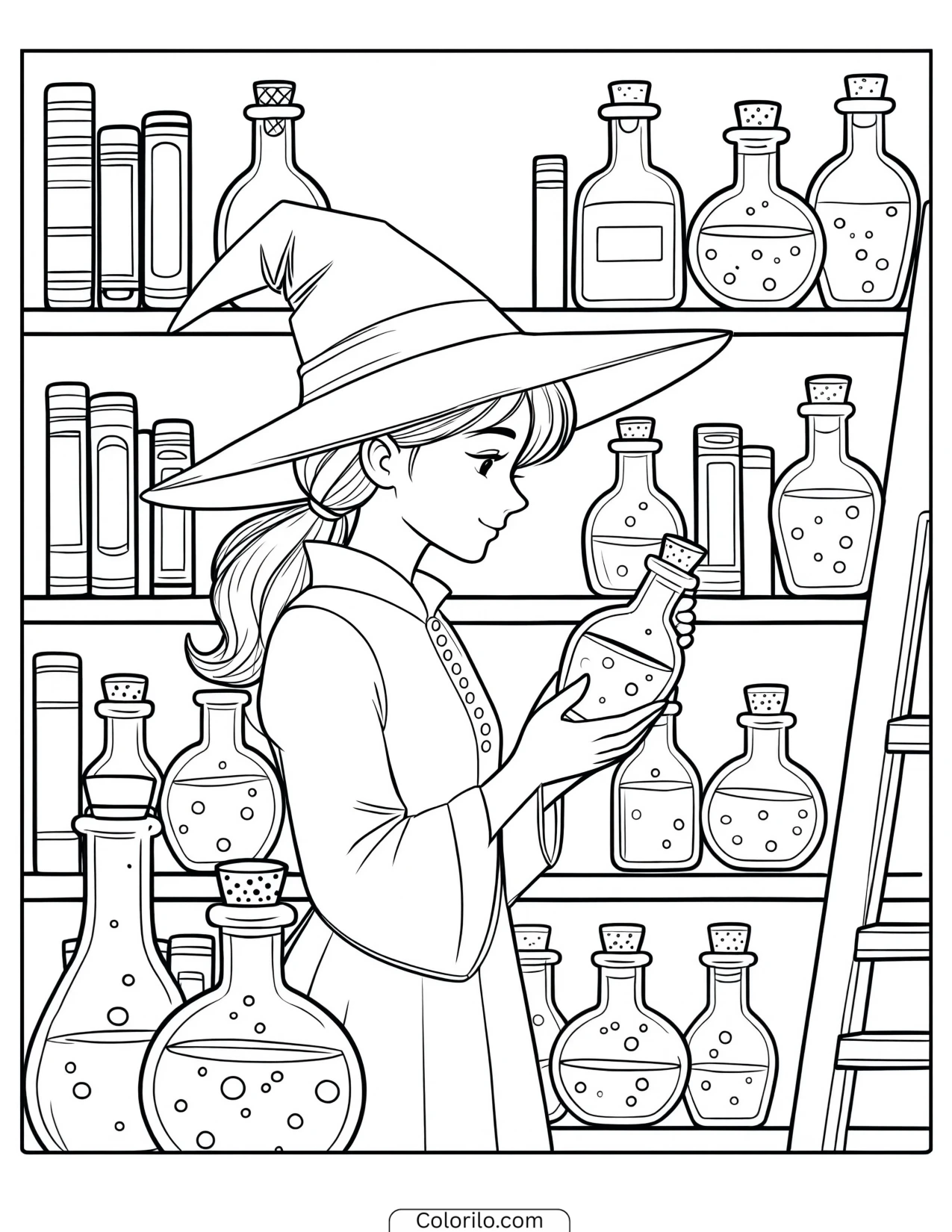
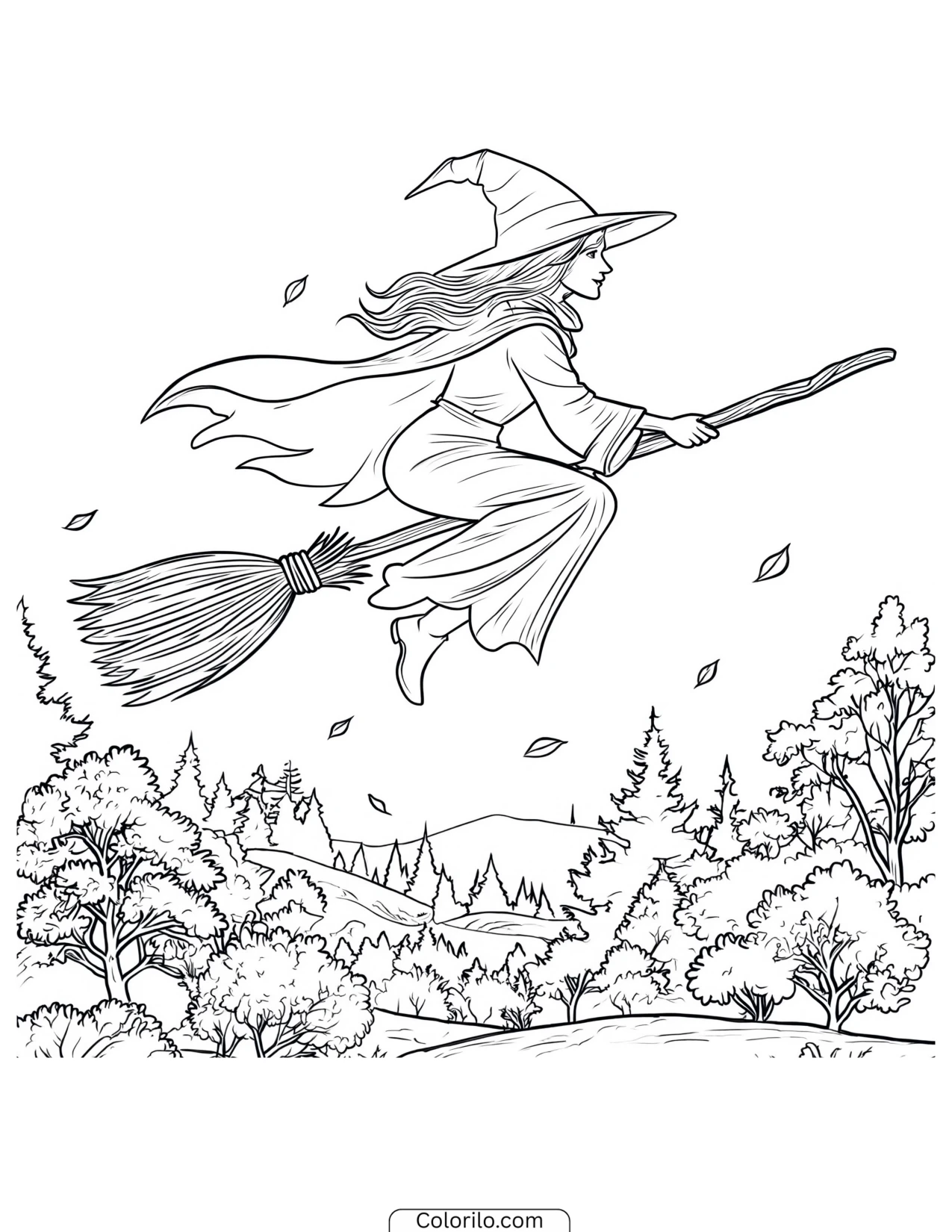
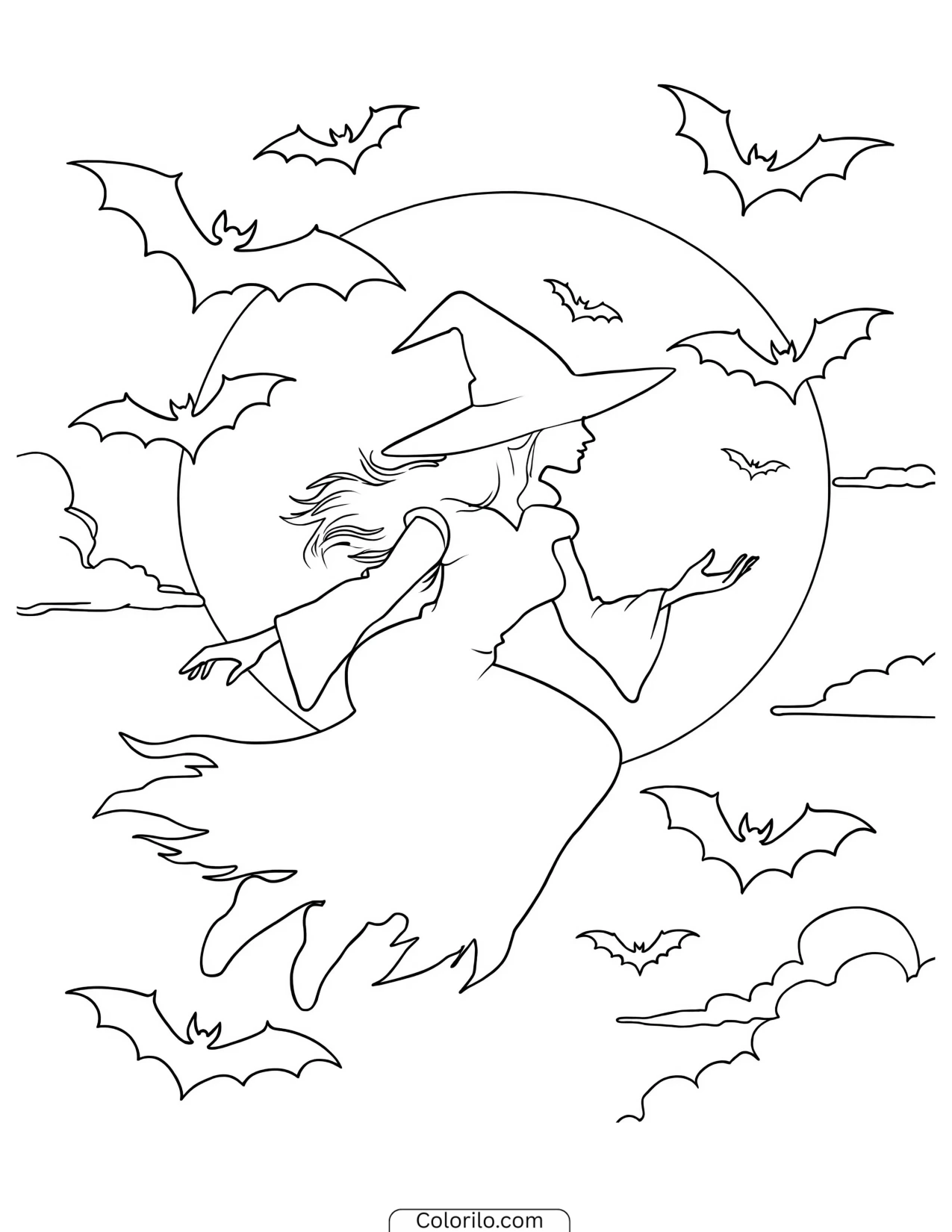
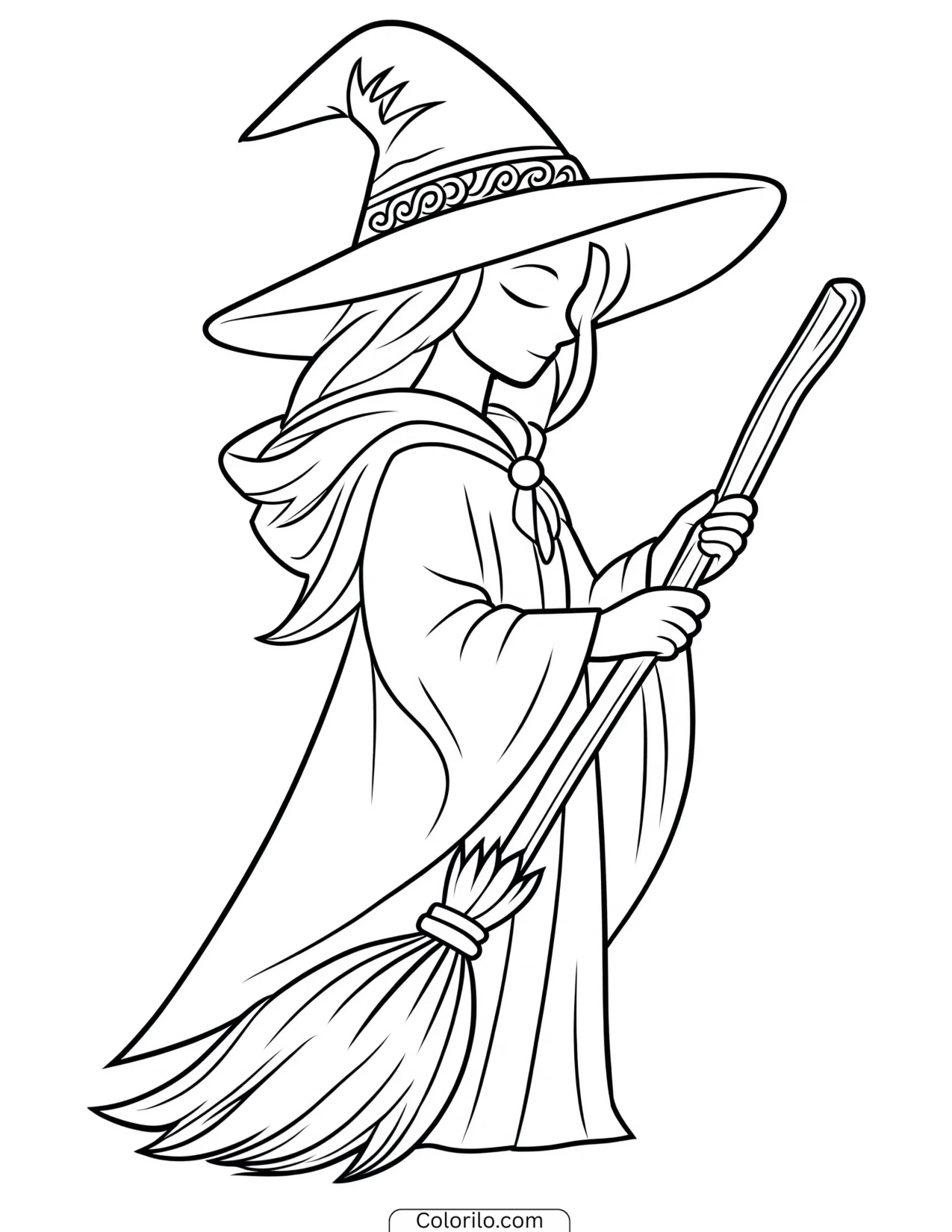
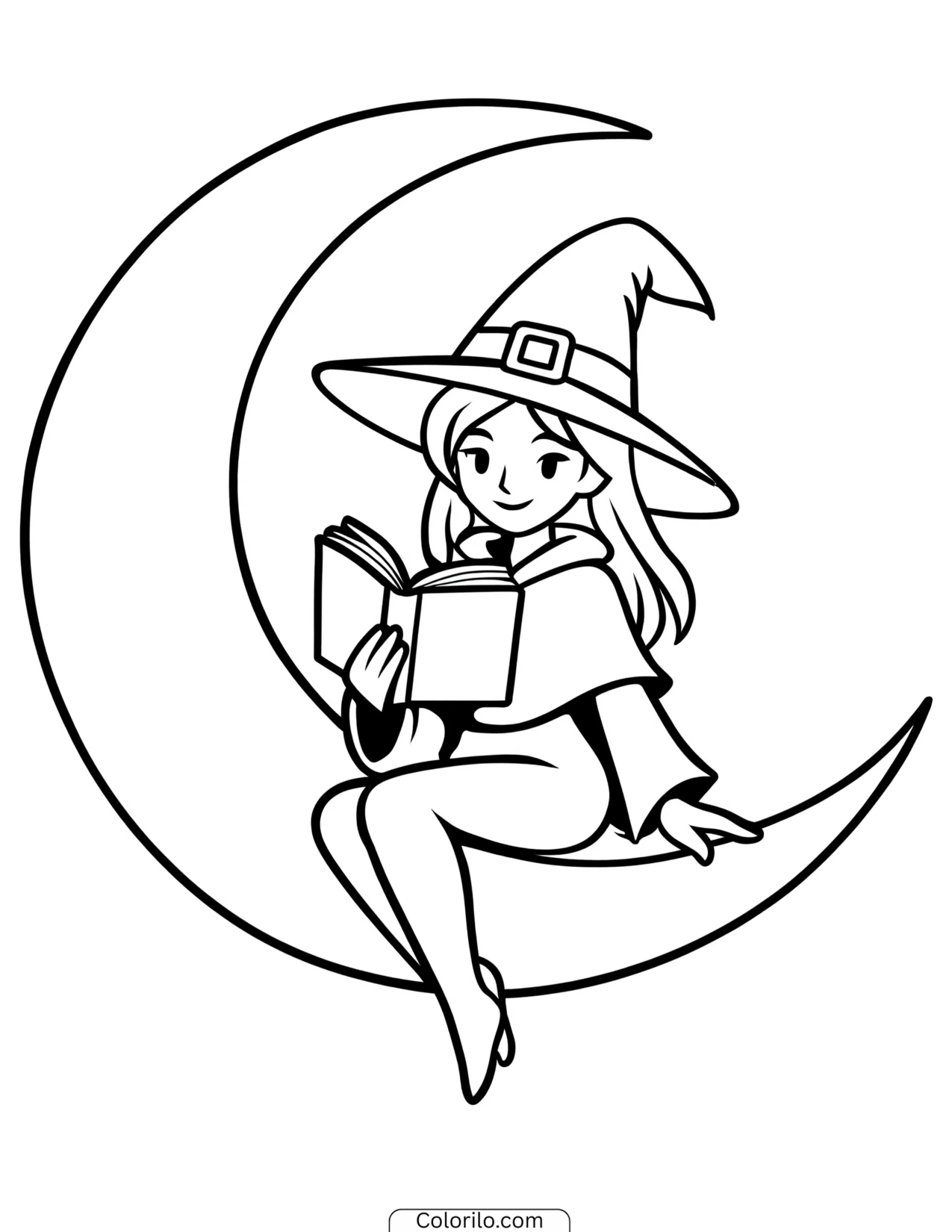
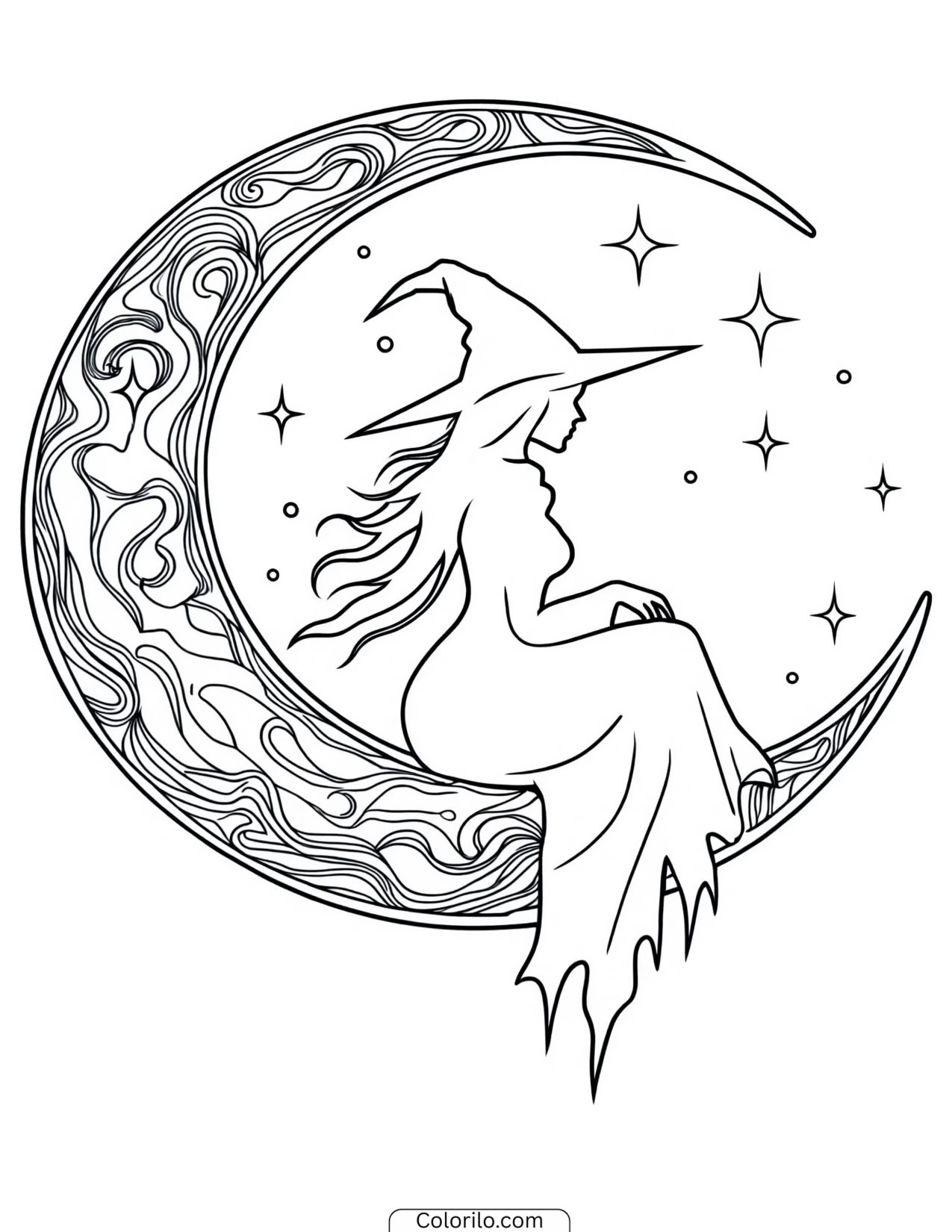
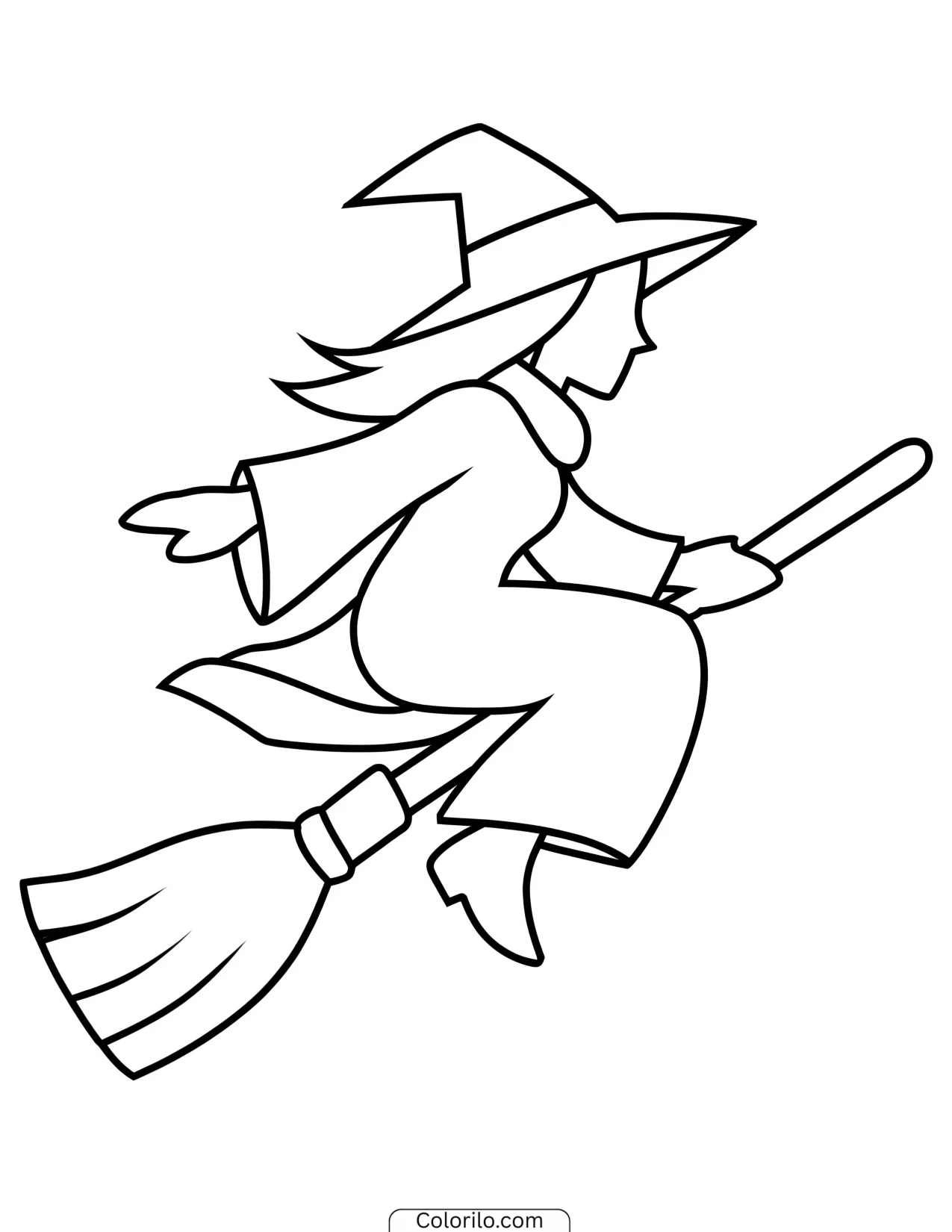
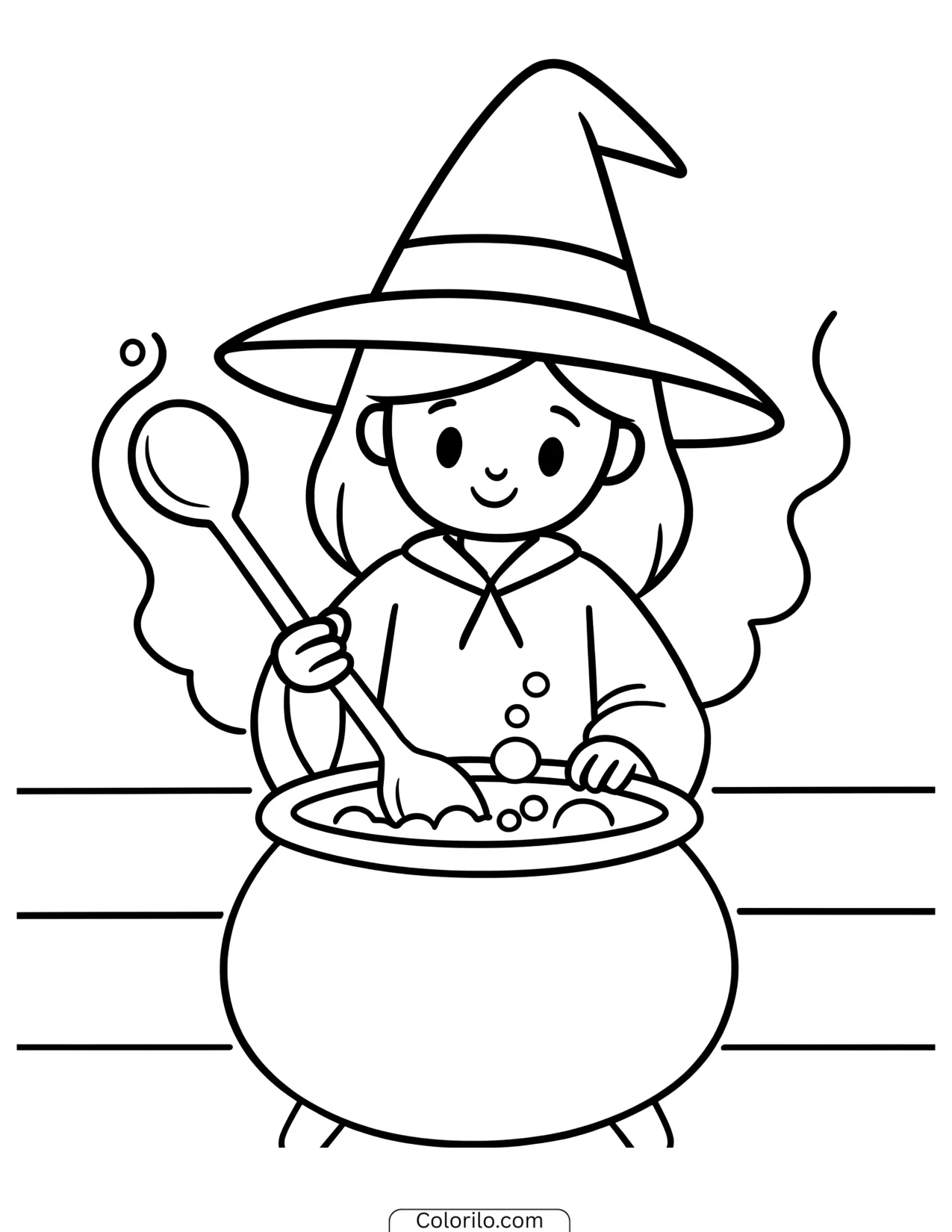
This collection has 70 free designs, and it’s weighted toward the friendly end. Sixteen ghosts, most of them smiling: floating alone, reading a book, carrying a candy bucket, wearing a witch hat, drifting through autumn leaves, and one flying out of a house. Fourteen witches, including several on broomsticks, two reading together from a spellbook, one stirring a cauldron, one examining a potion bottle, and two sitting on a crescent moon. Ten jack-o’-lanterns, from a simple smiling face to an ornate detailed drawing, a wreath, a pumpkin carriage, a pumpkin-head scarecrow, and two pumpkins holding hands.
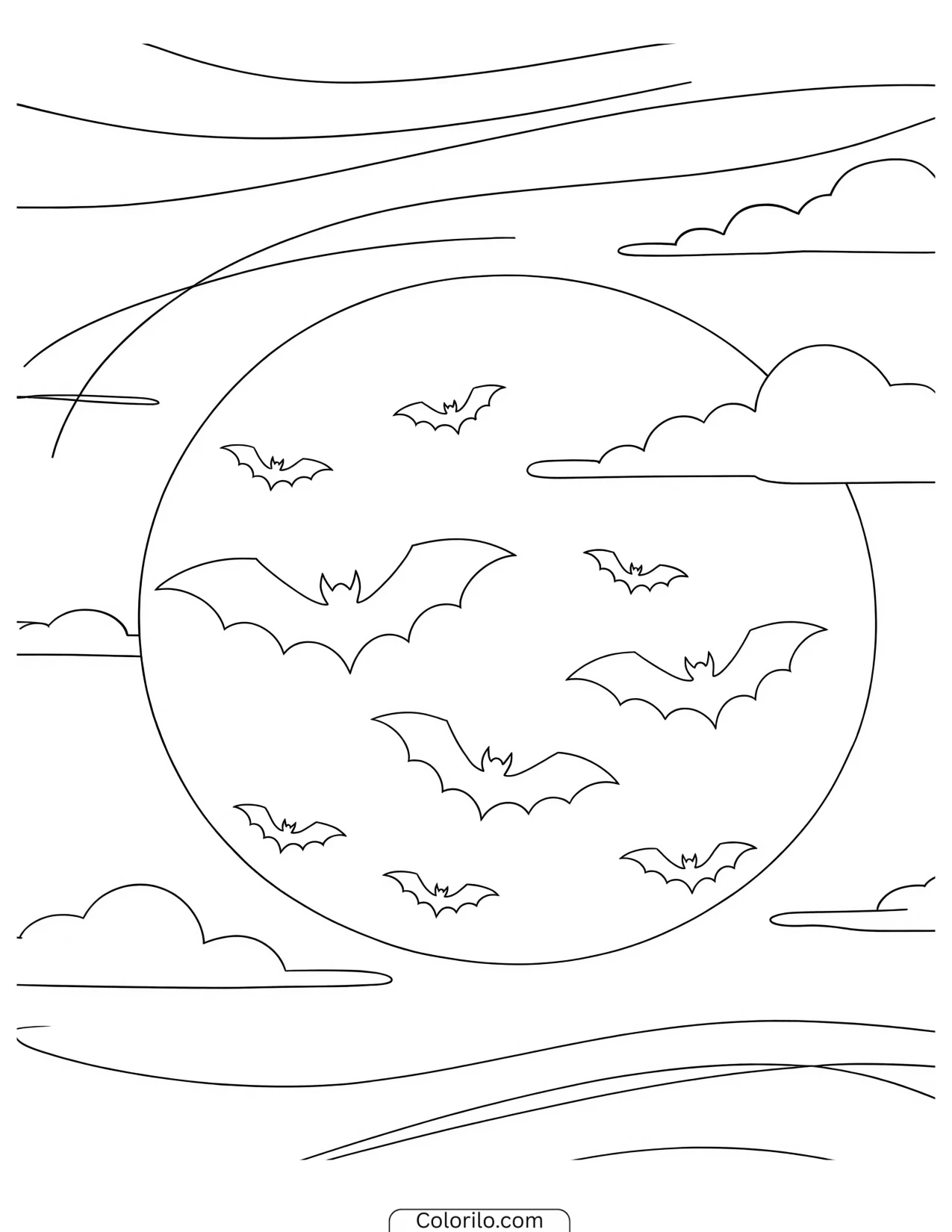
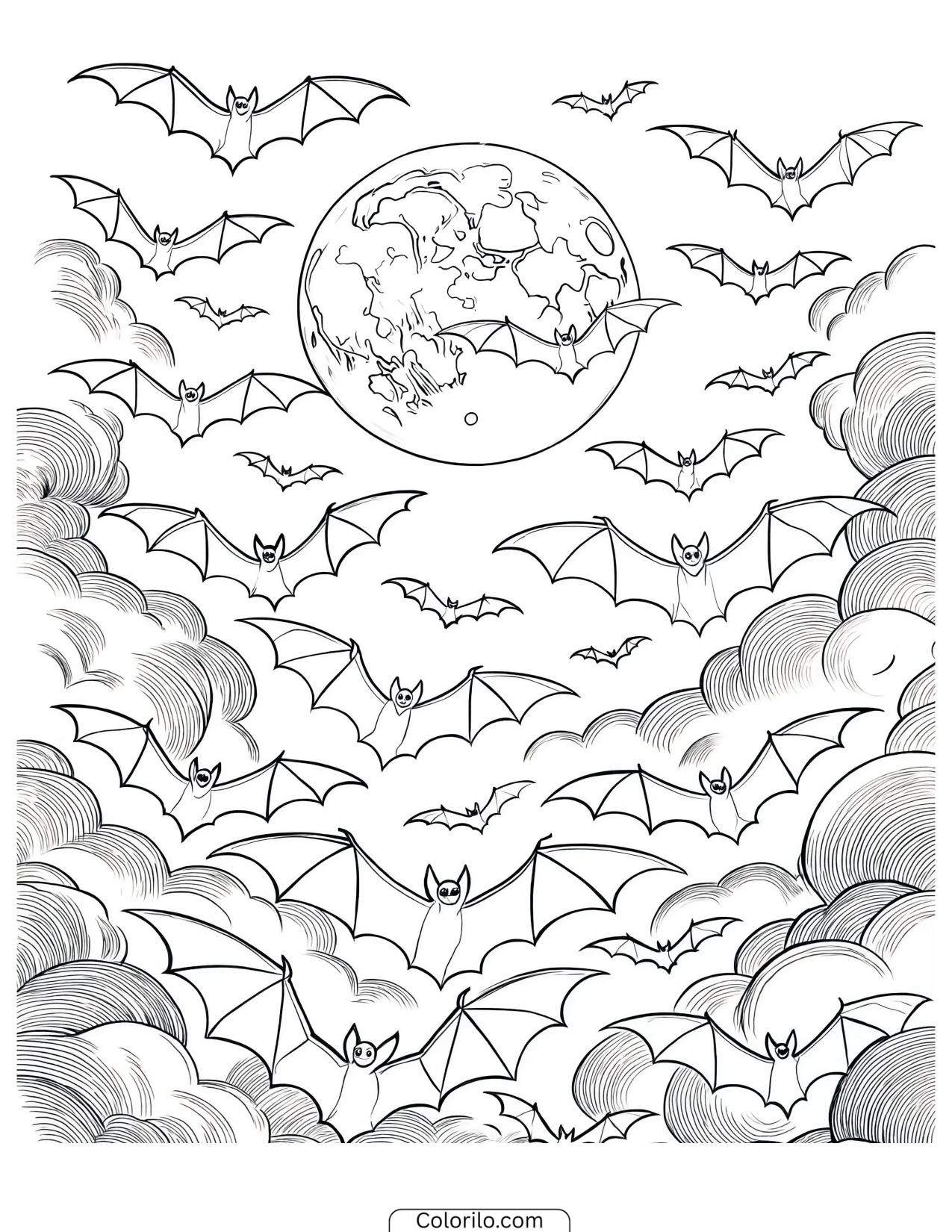
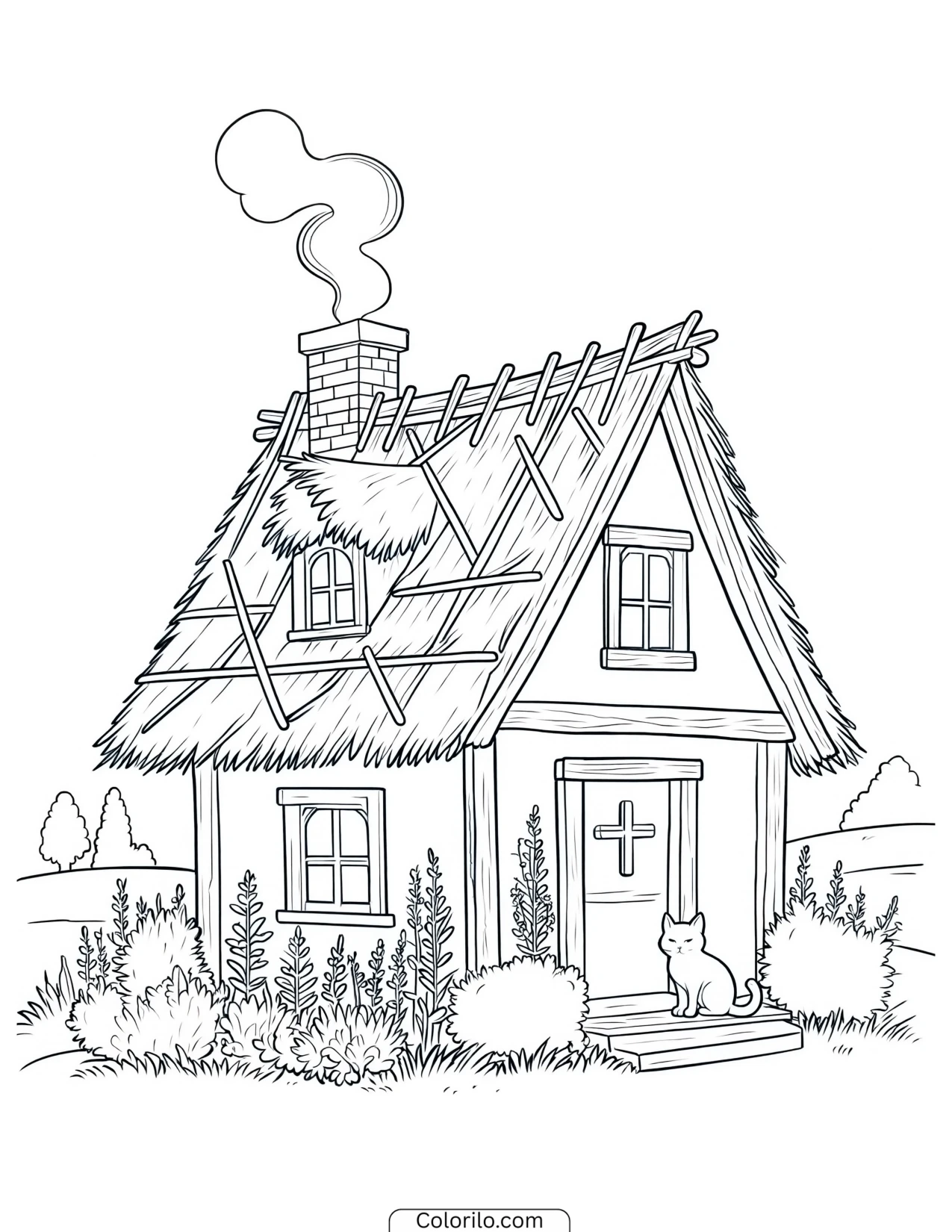
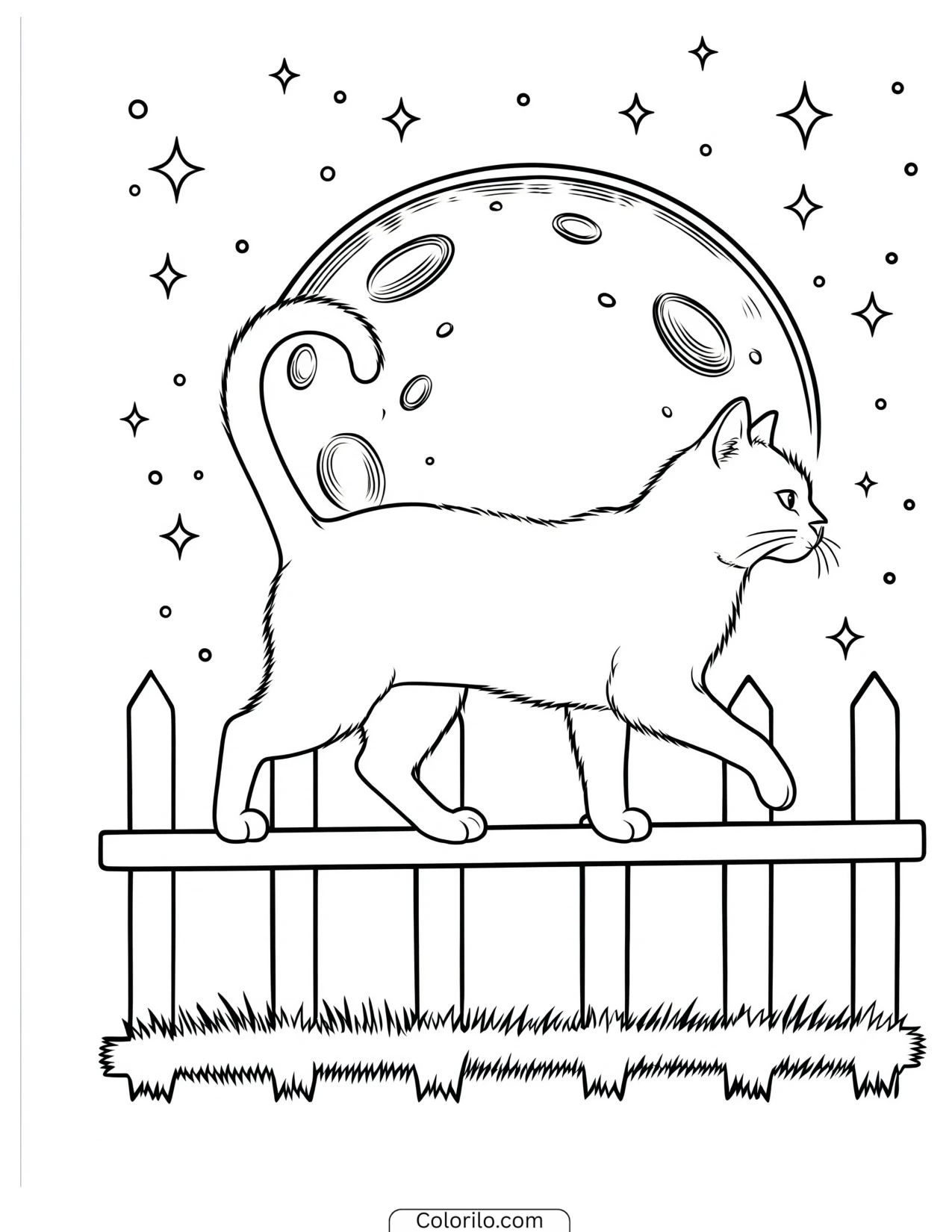
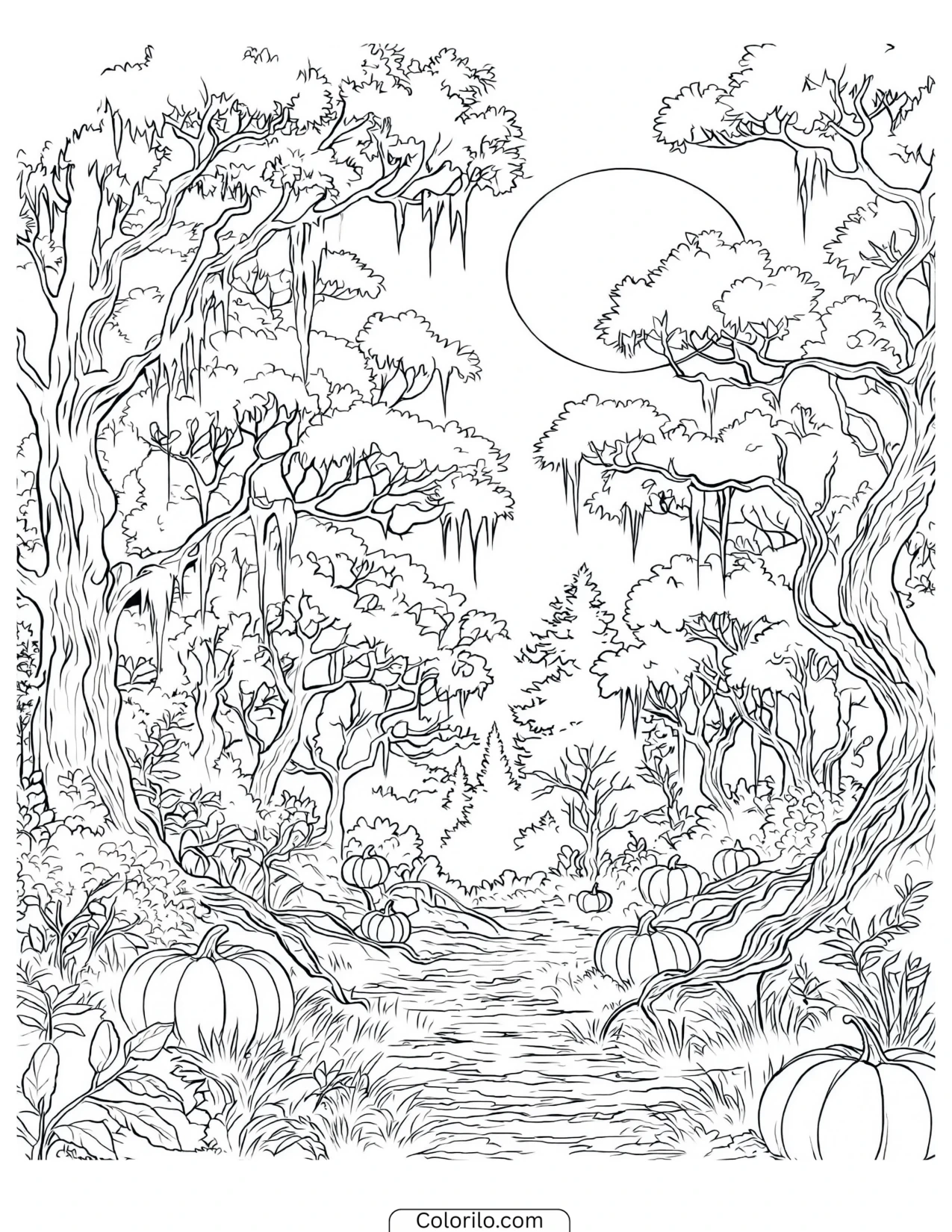
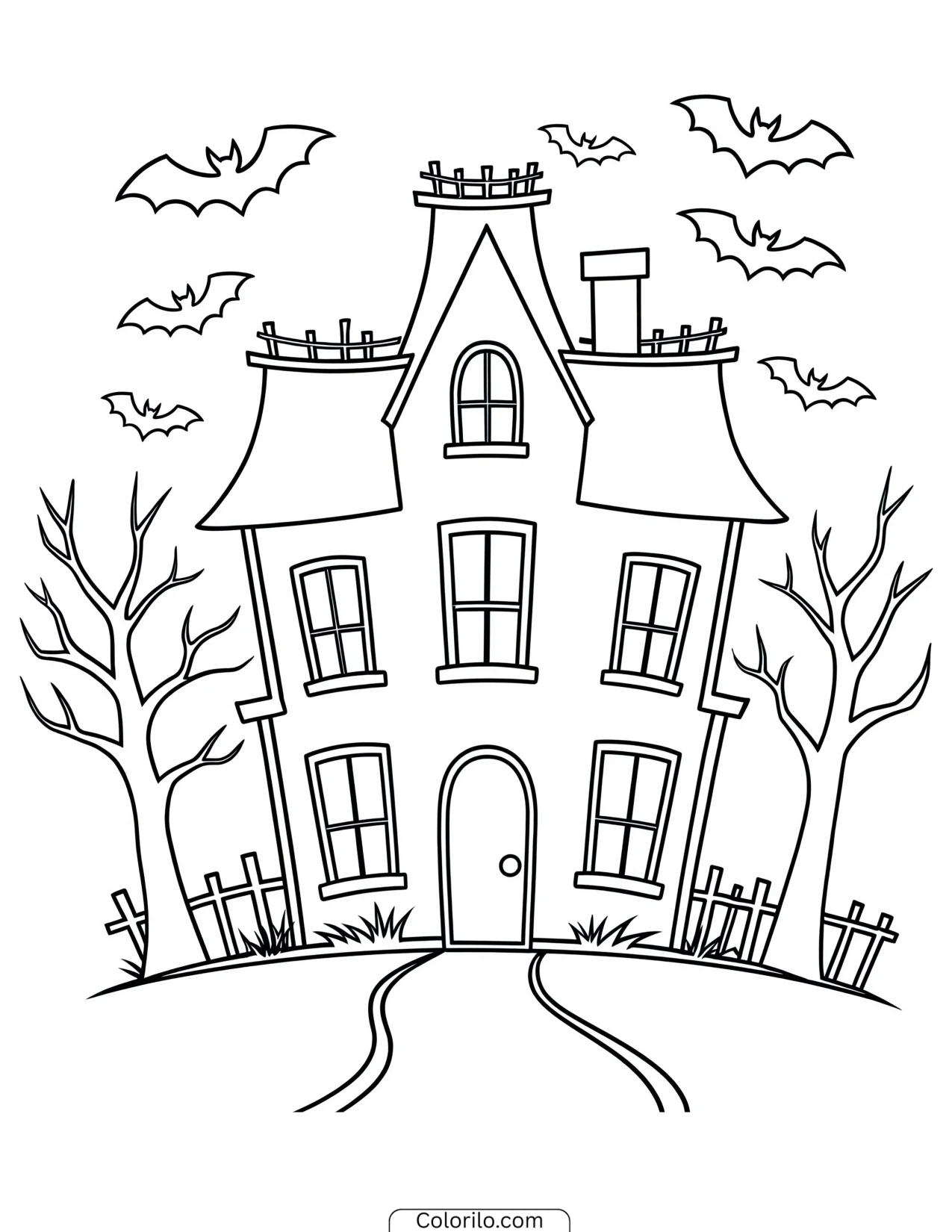
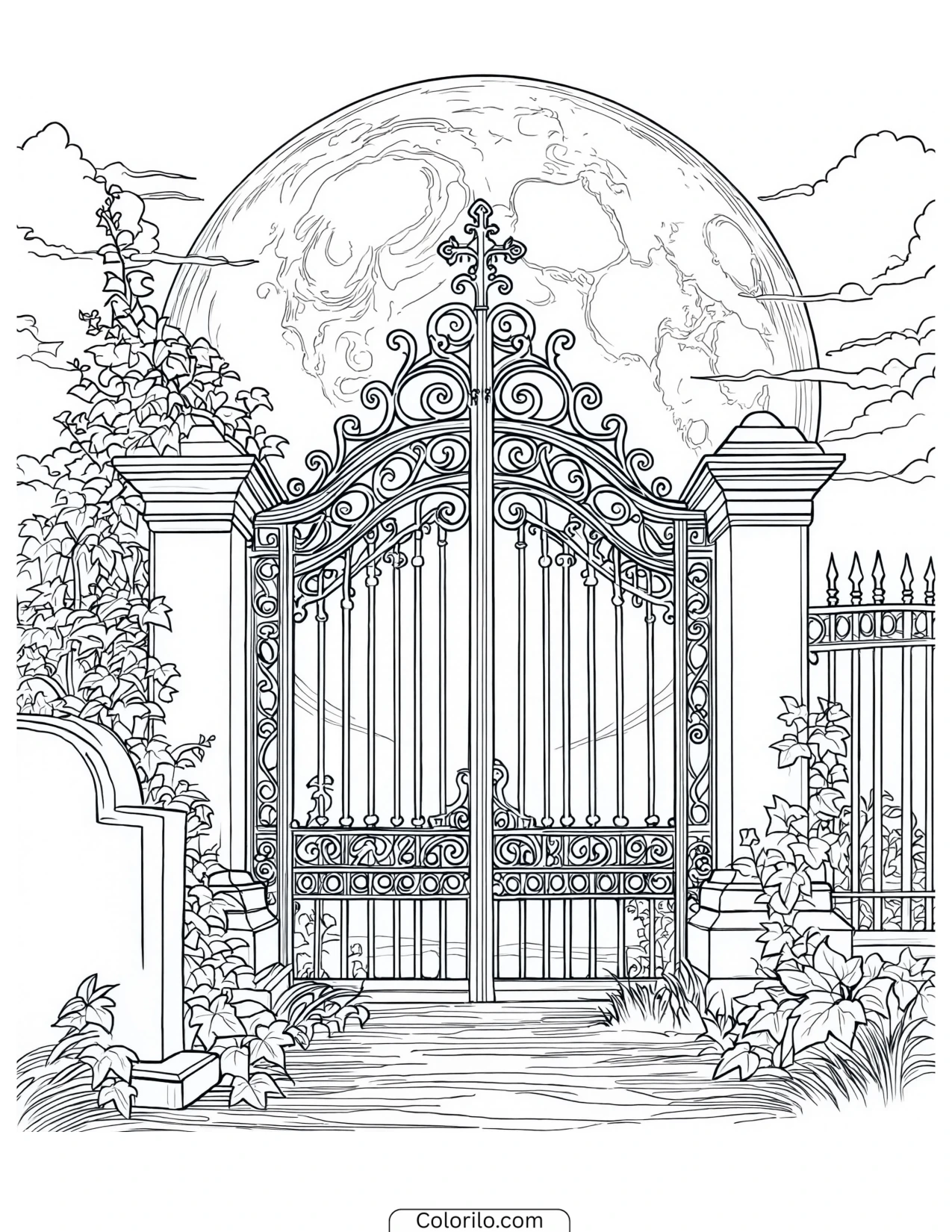
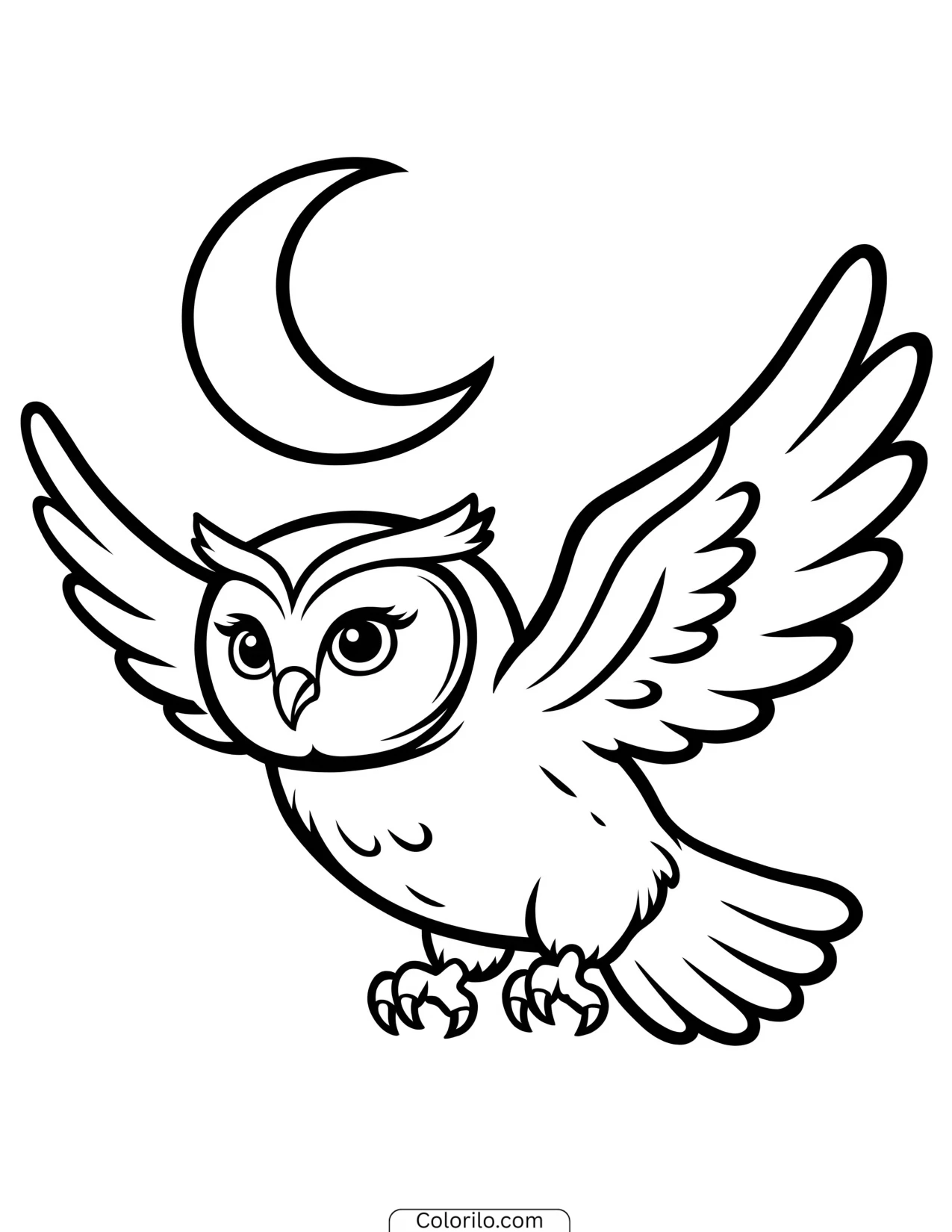
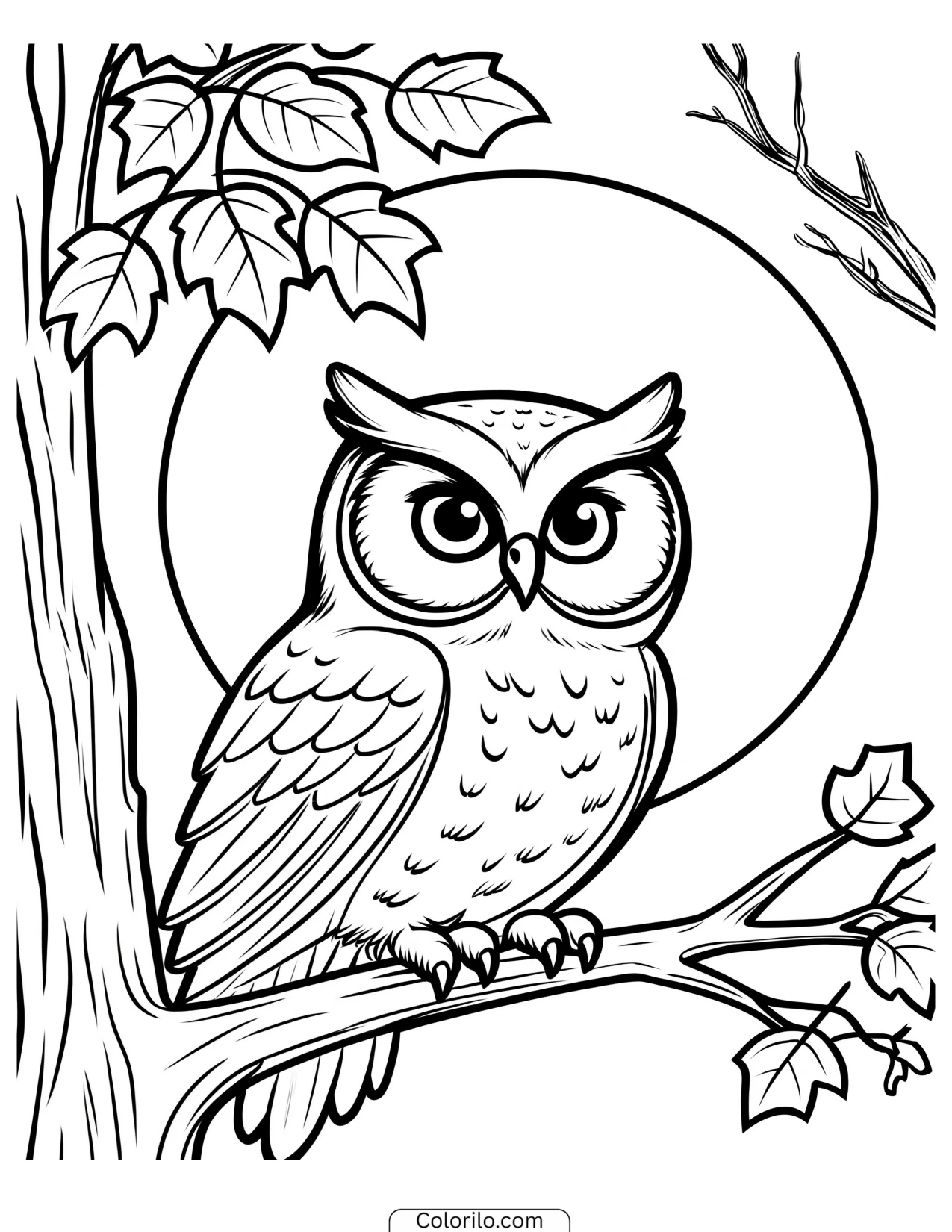
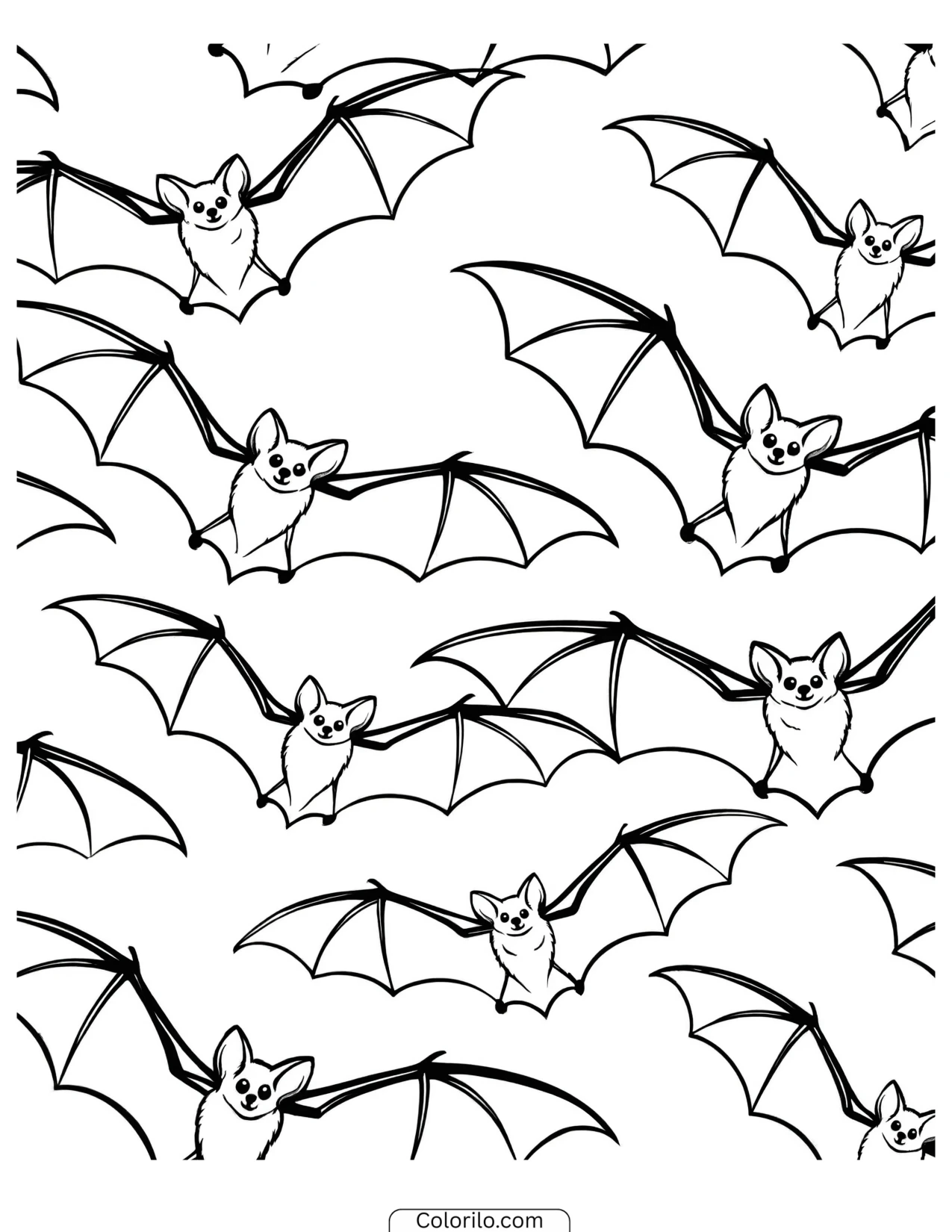
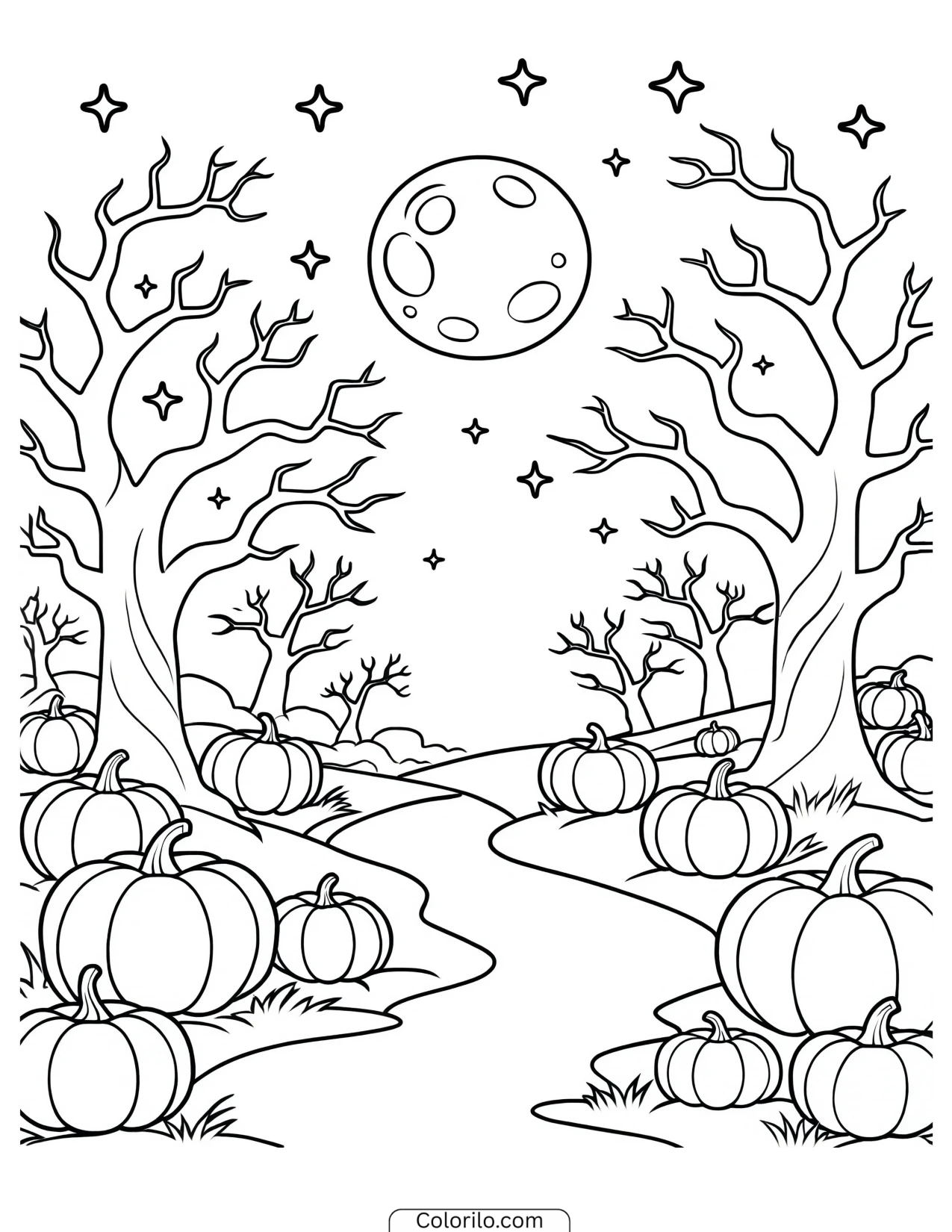
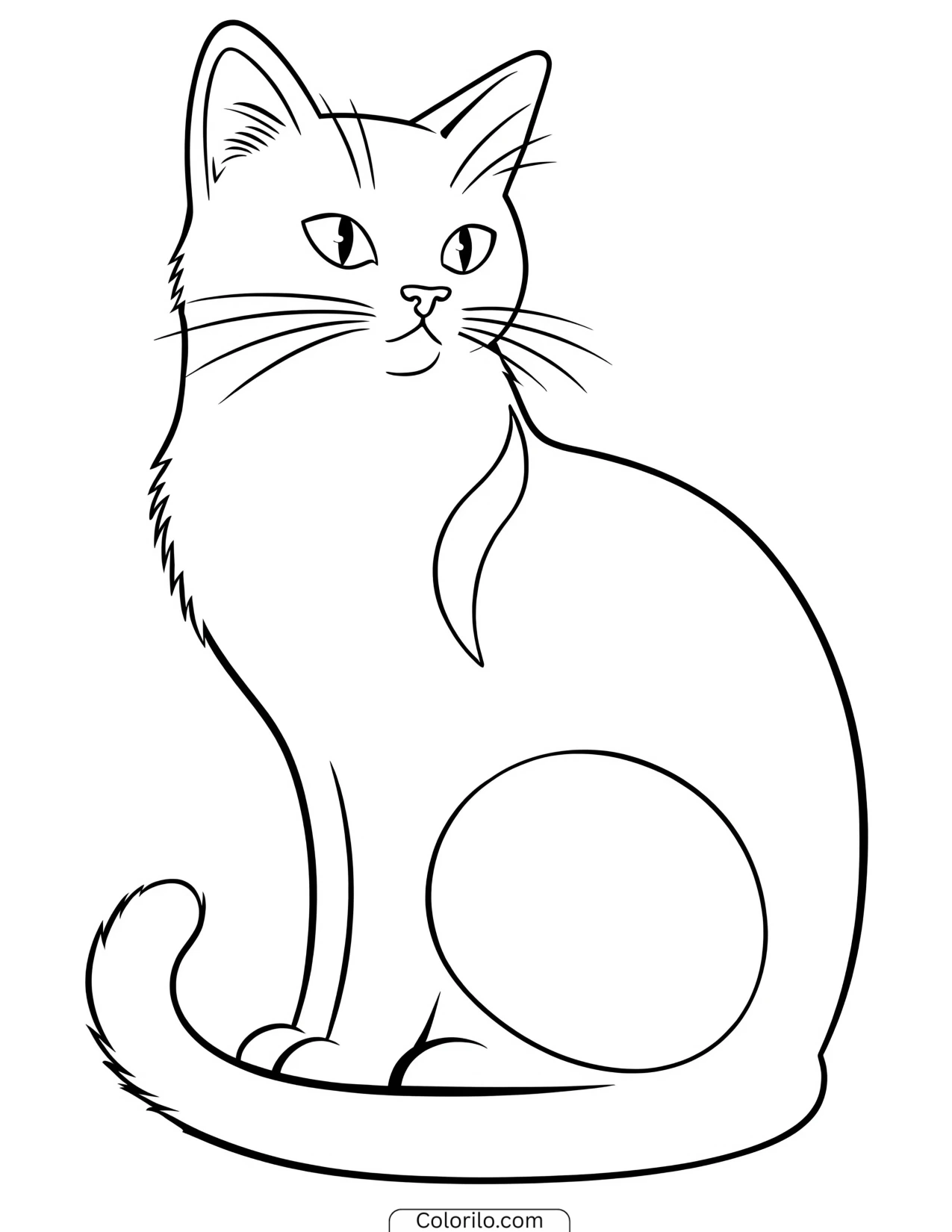
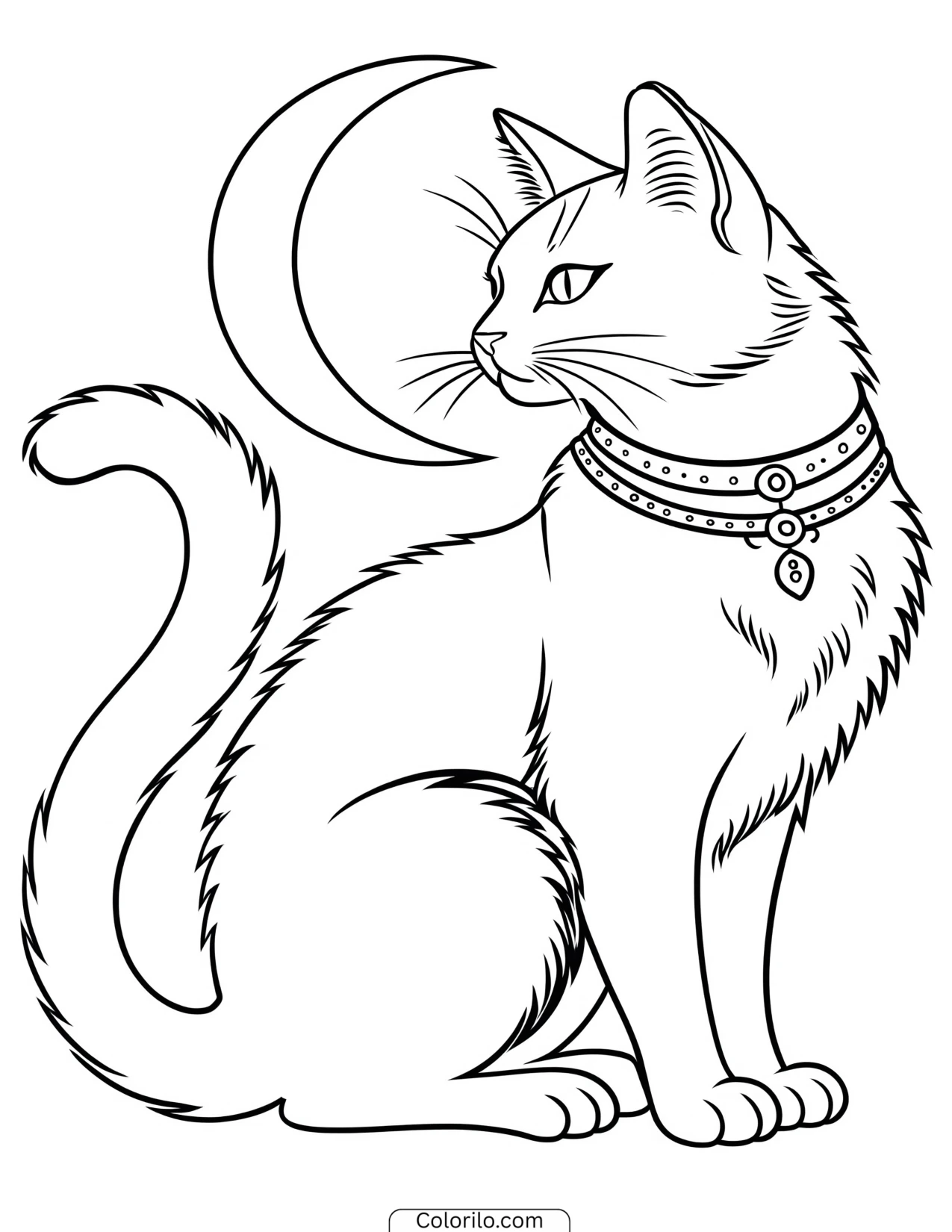
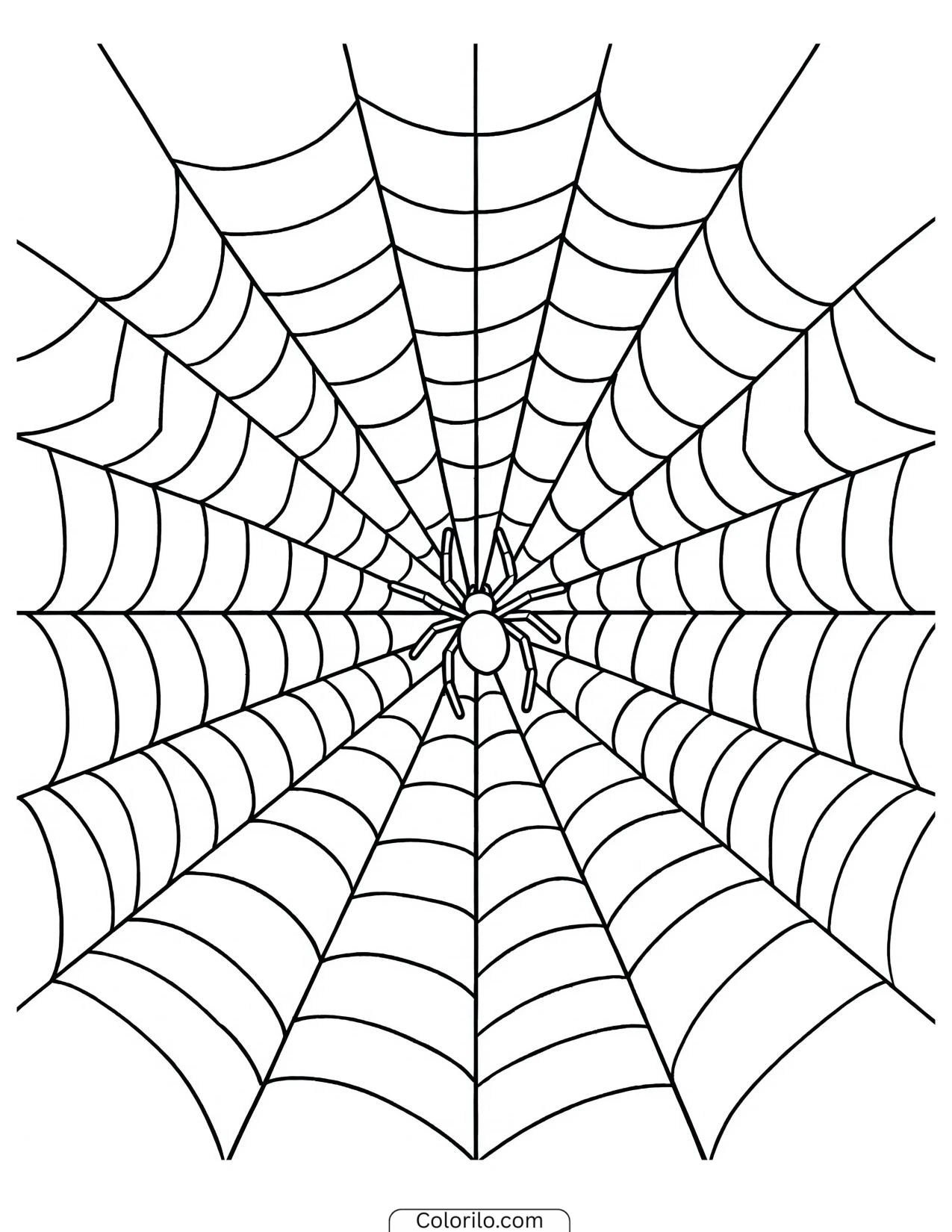
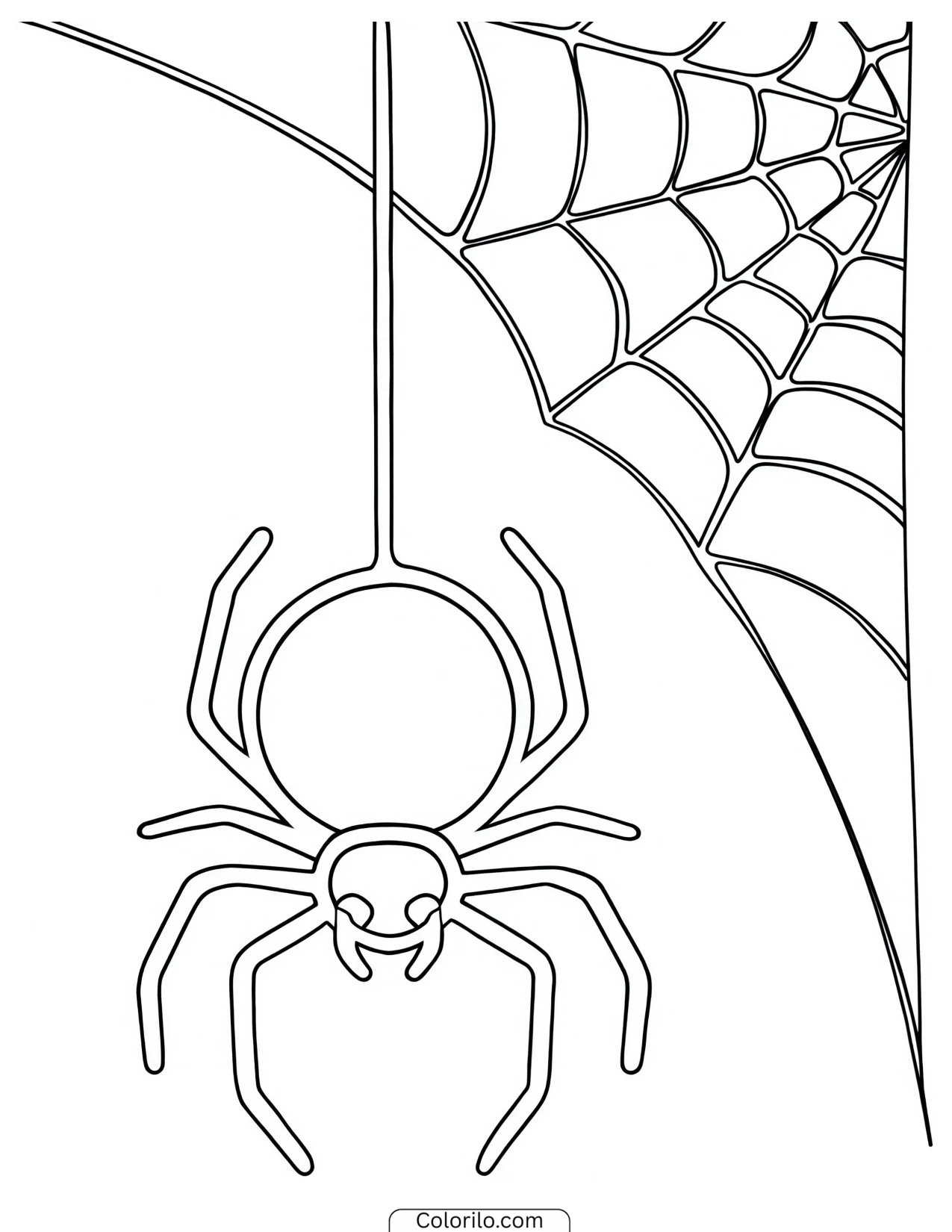
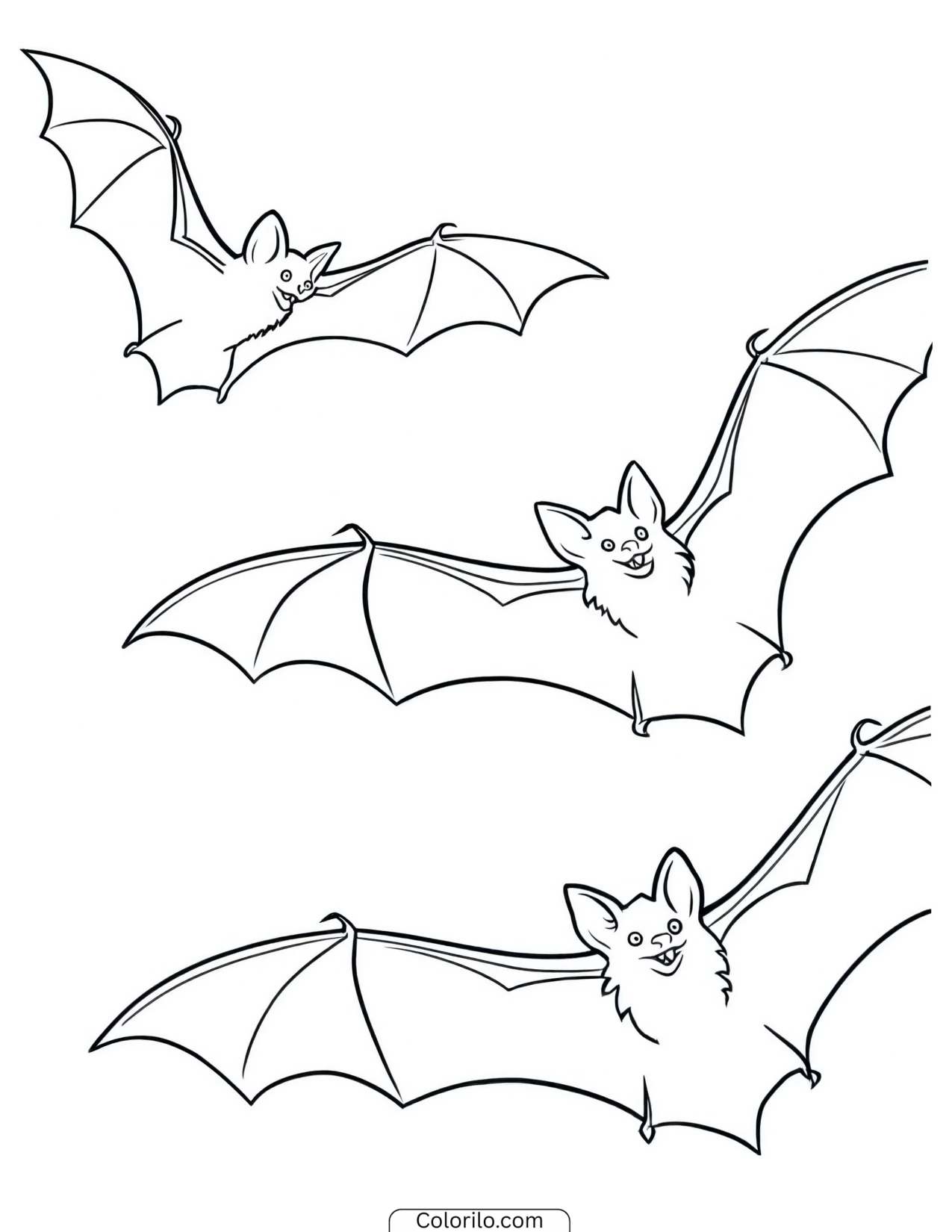
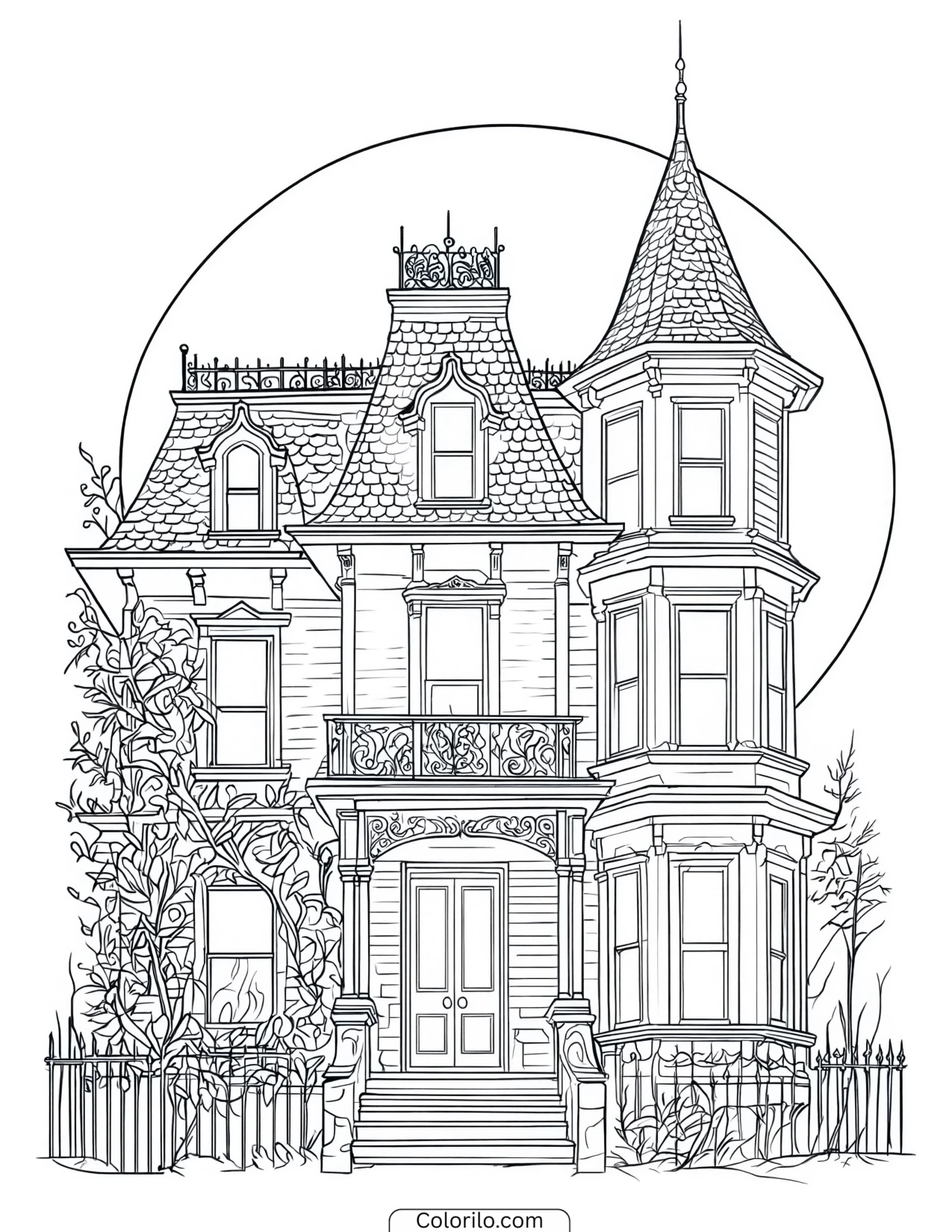
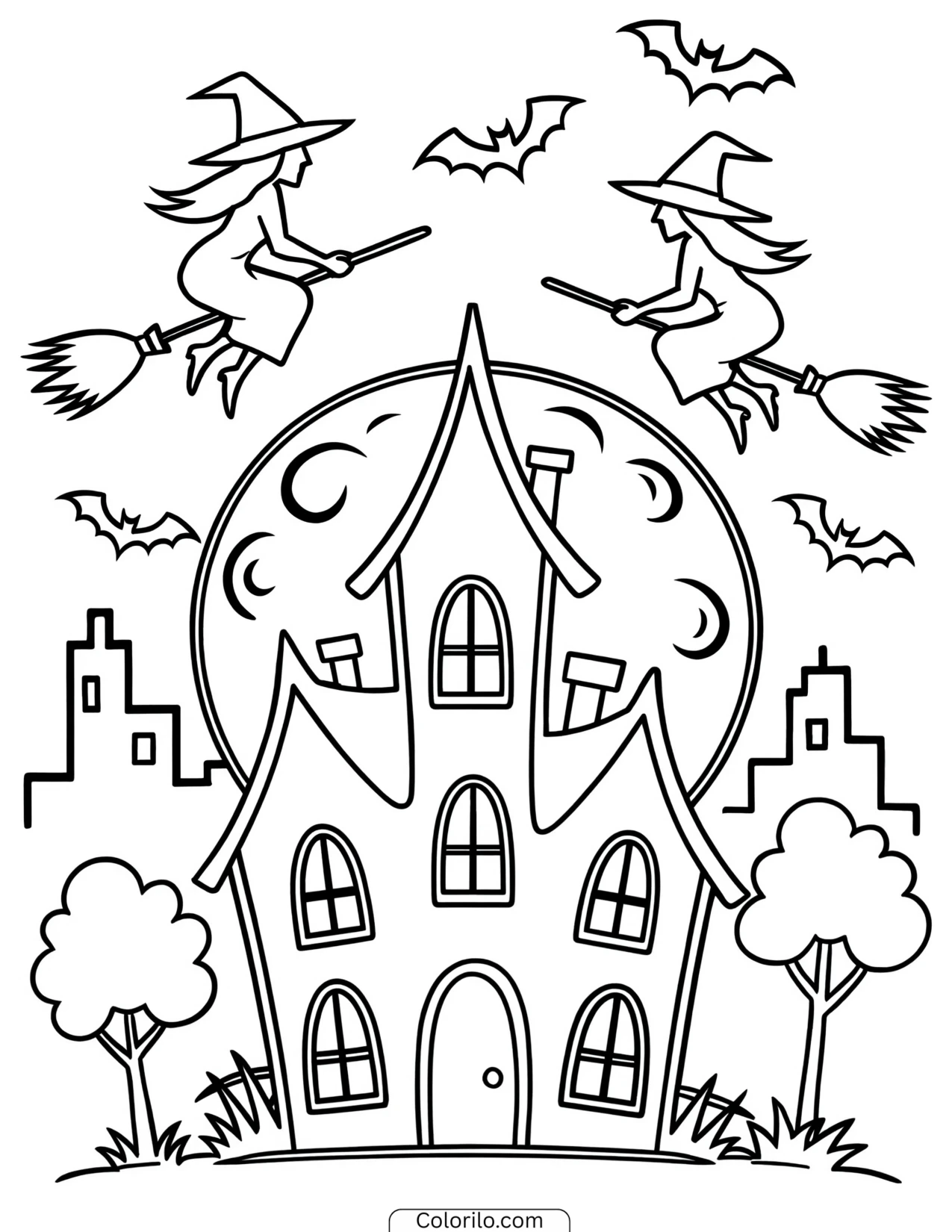
The nocturnal animals form their own group: seven bats, four black cats, two owls, and two spiders in webs. There are two haunted houses, one Victorian, one with bats circling, plus a forest path lined with pumpkins, a pumpkin patch under a full moon, and an iron gate at midnight.
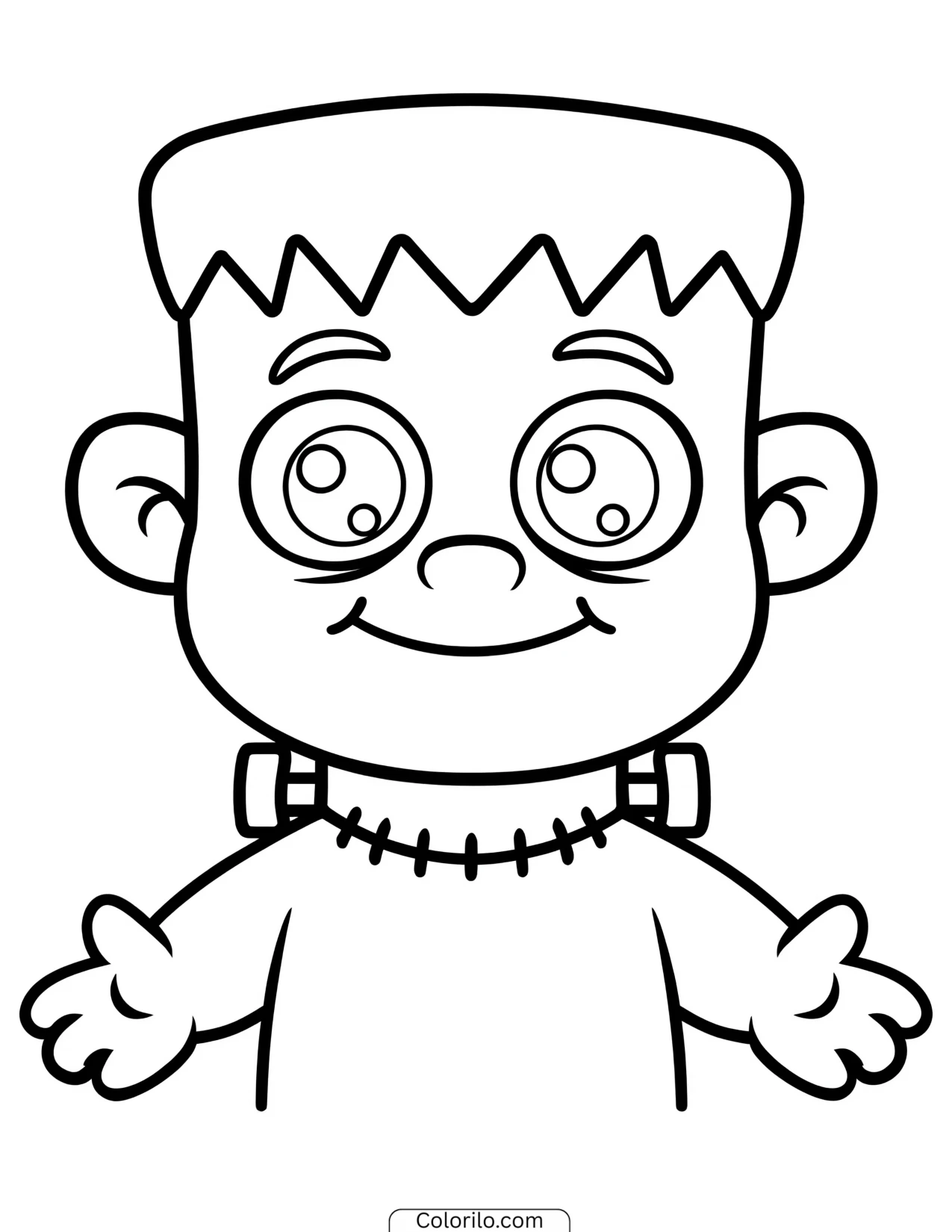
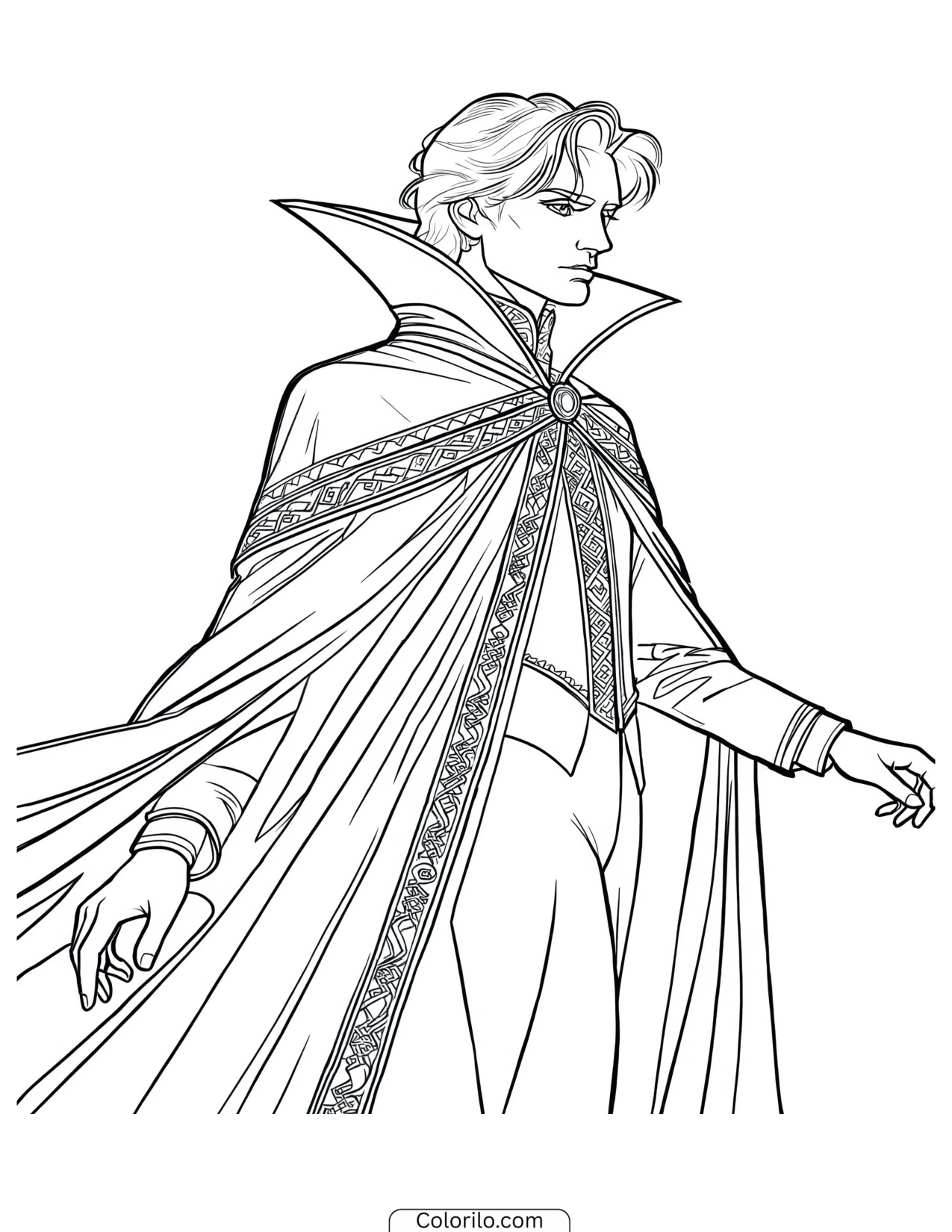
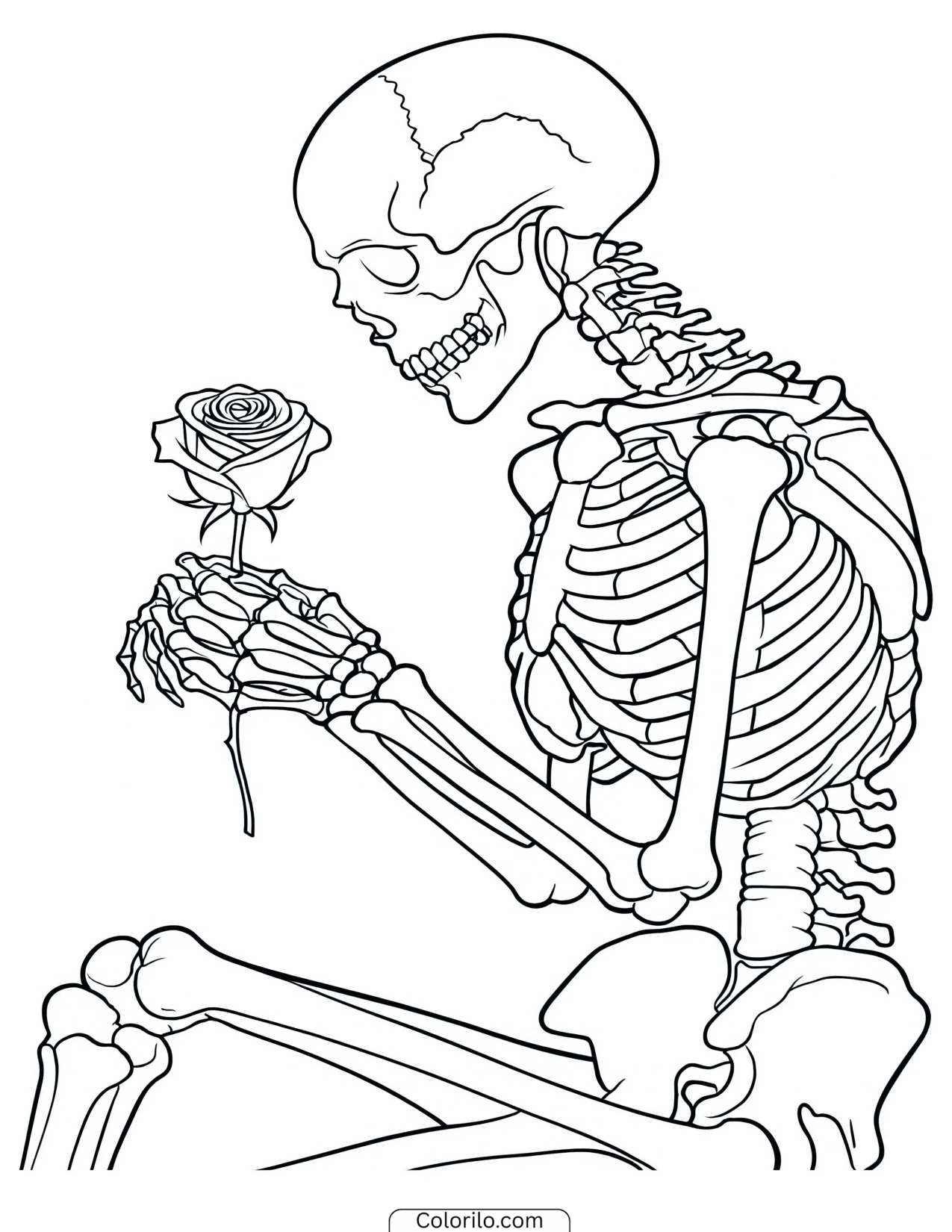
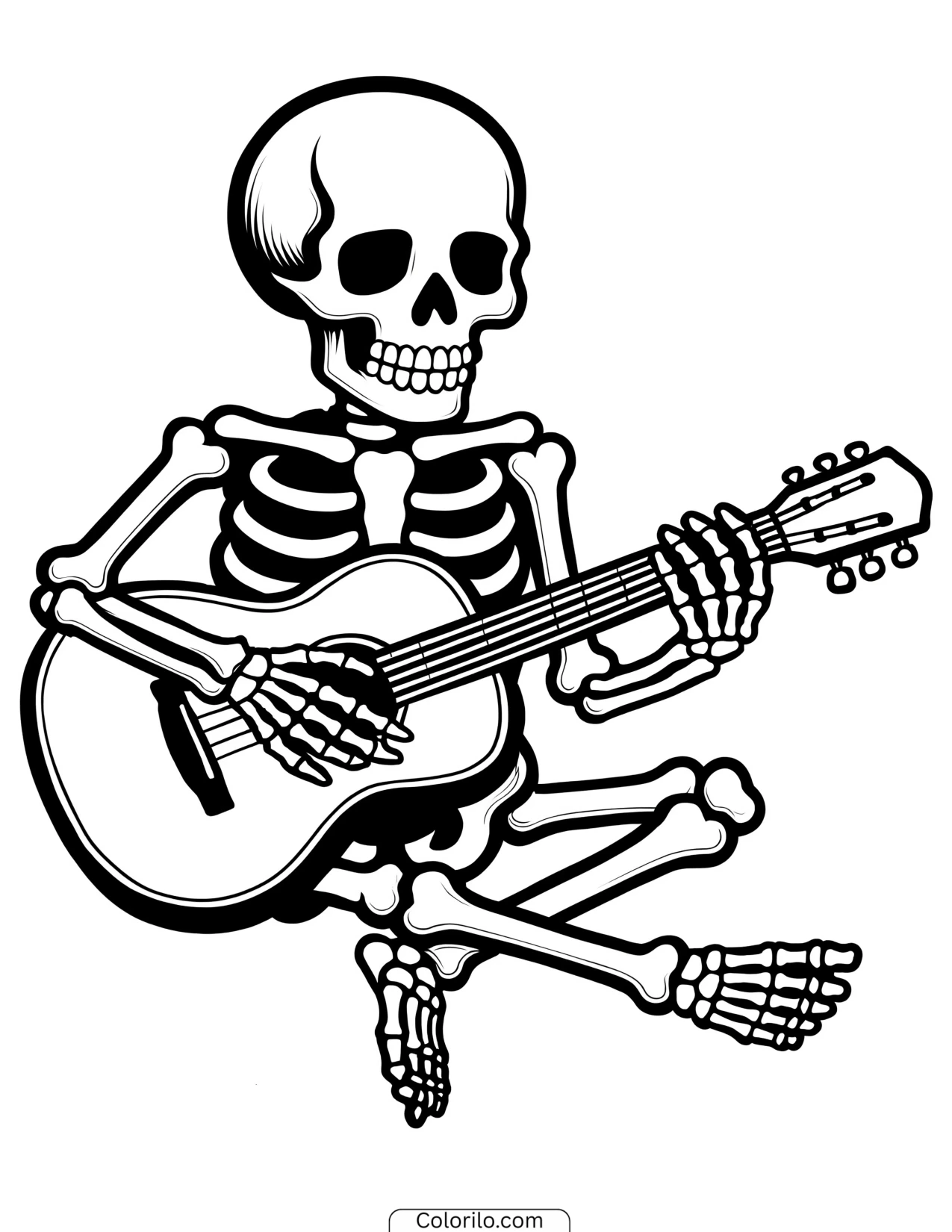
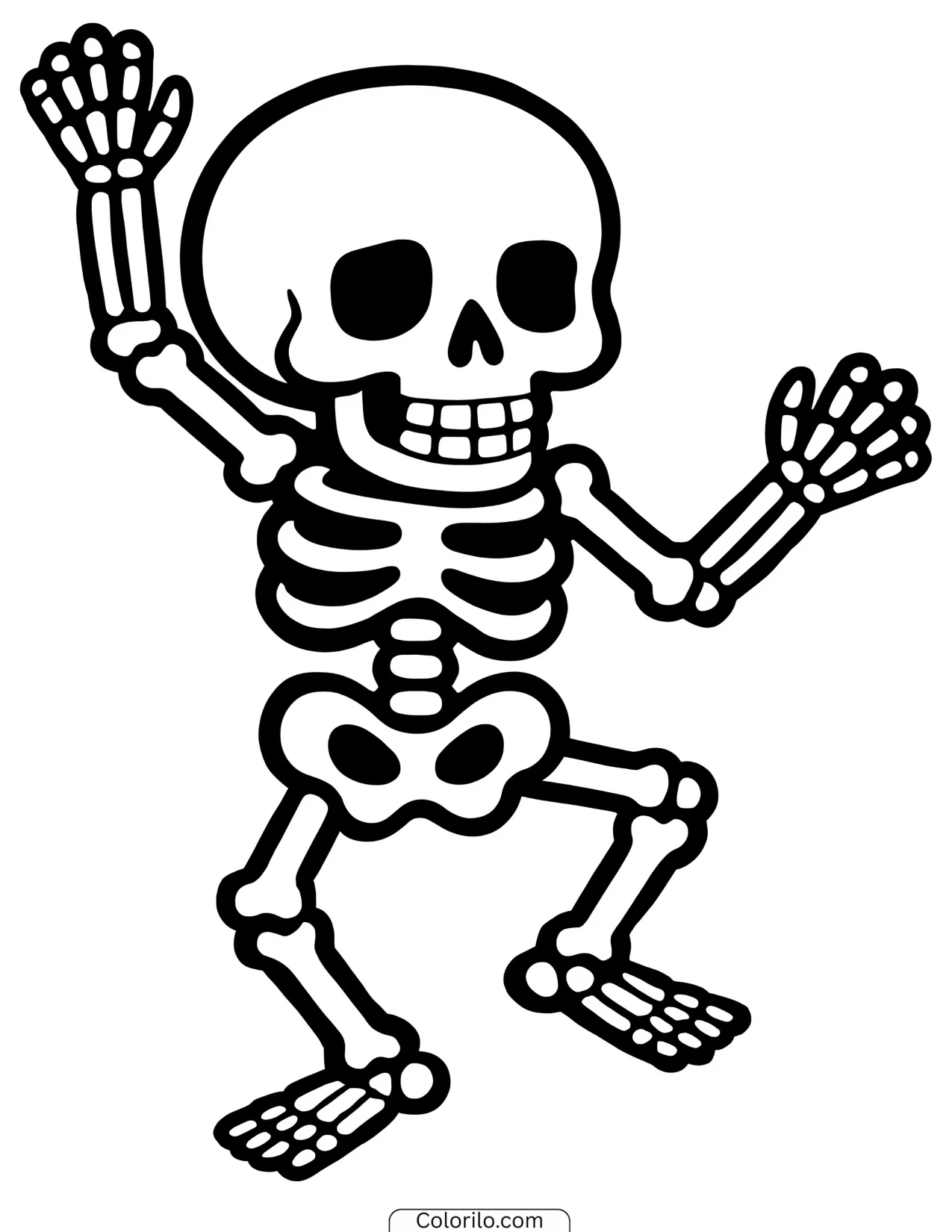
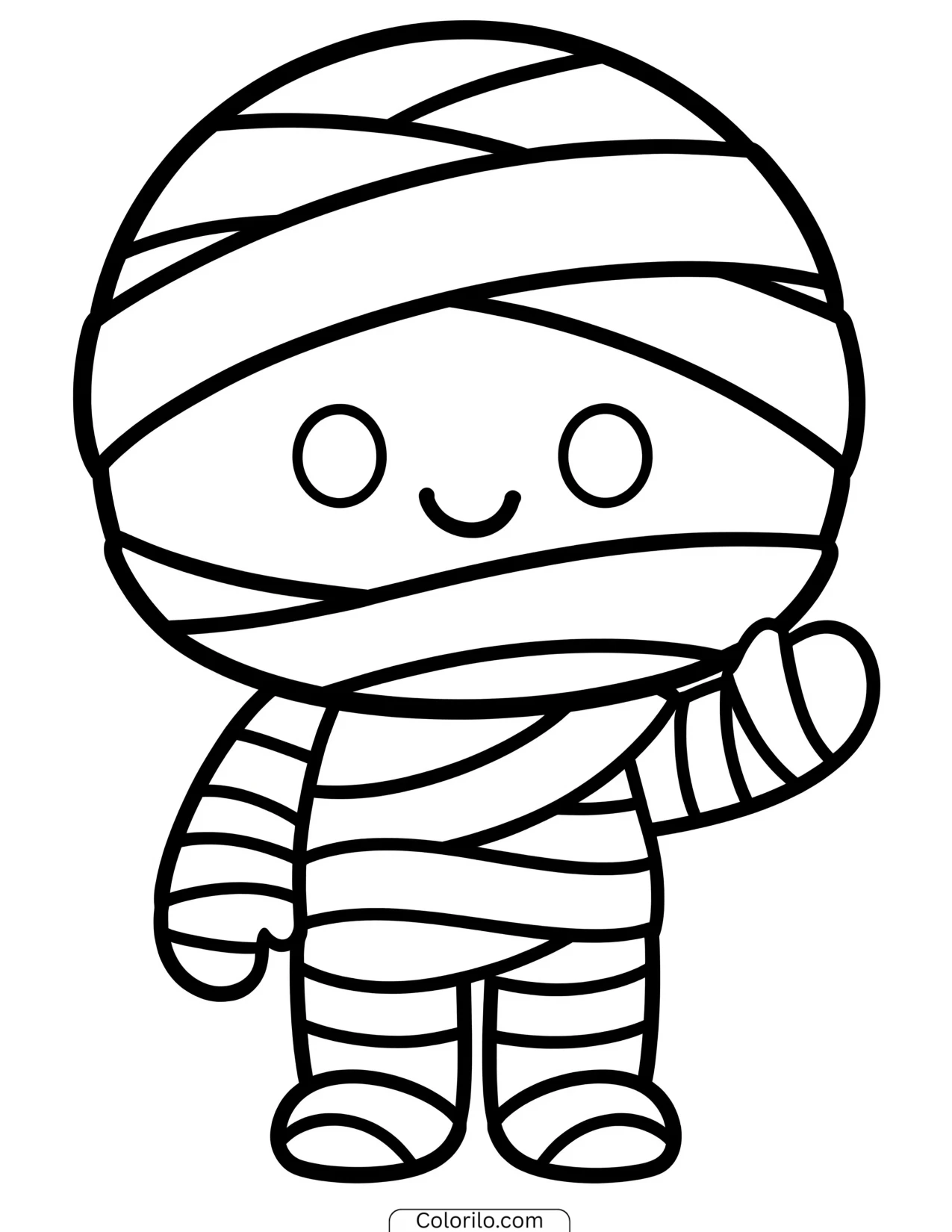
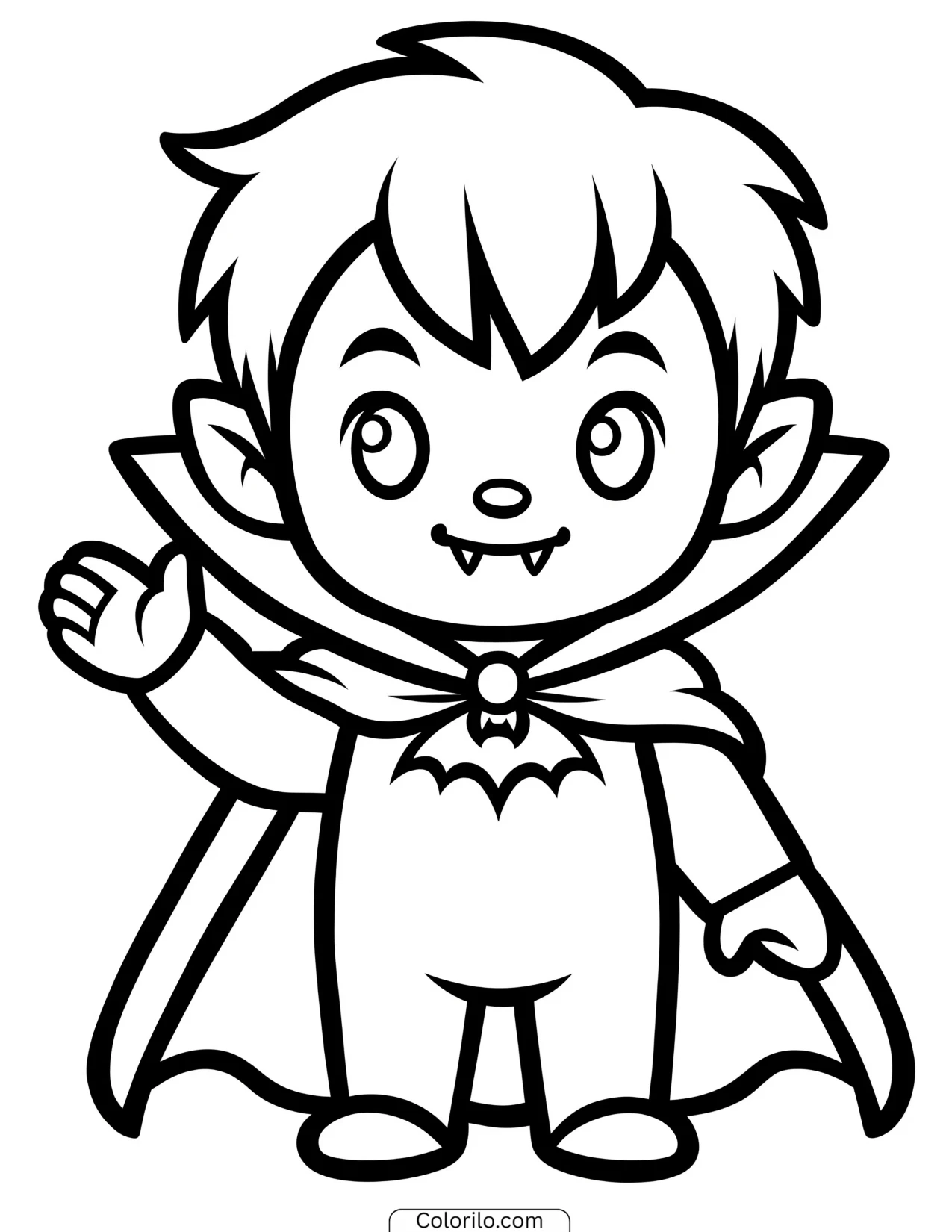
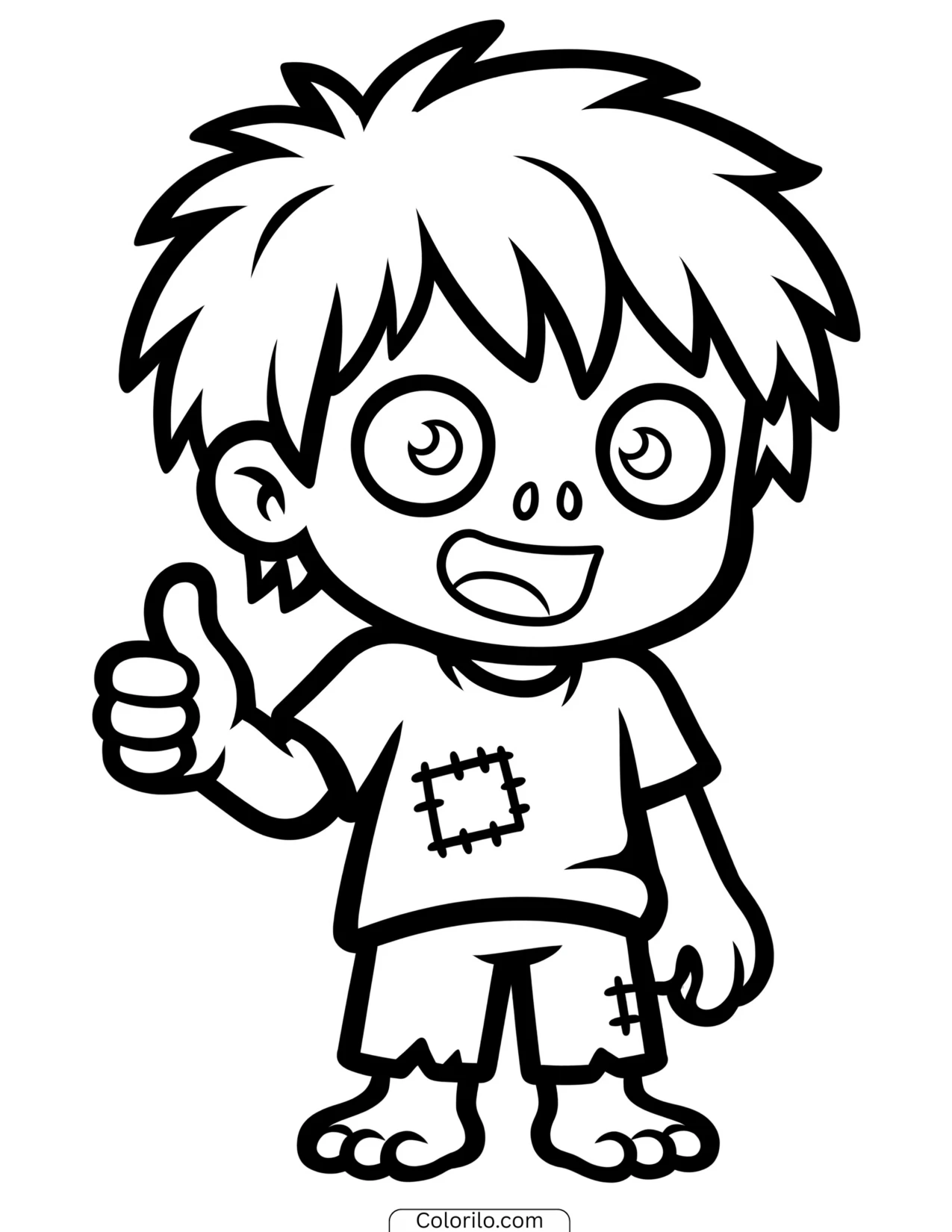
The monsters are all gentle. A waving cartoon mummy, a chibi vampire, a zombie boy giving a thumbs up, Frankenstein’s monster with his arms out, three skeletons, one playing guitar, one dancing, one holding a rose. Nothing here is genuinely frightening, which makes the set usable with young children.
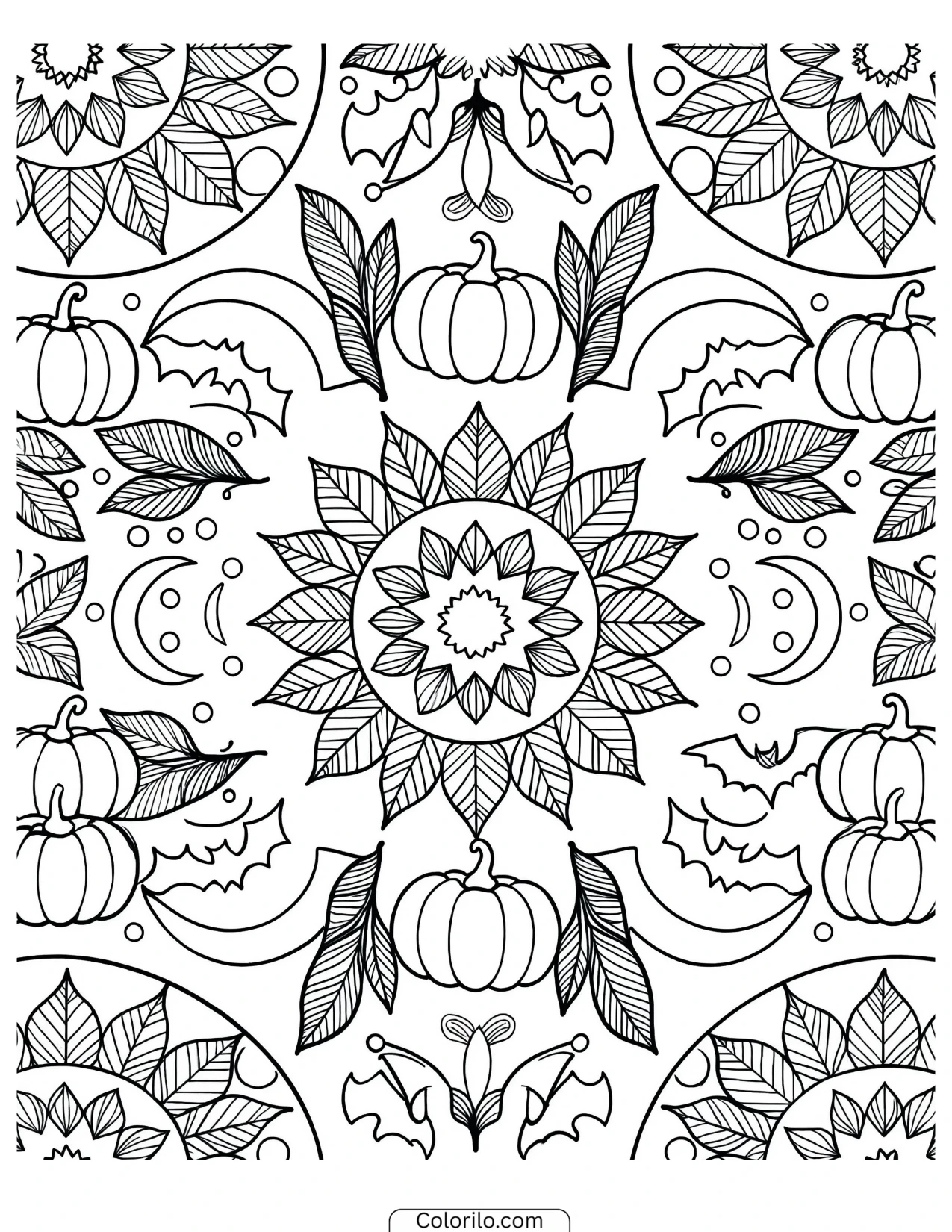
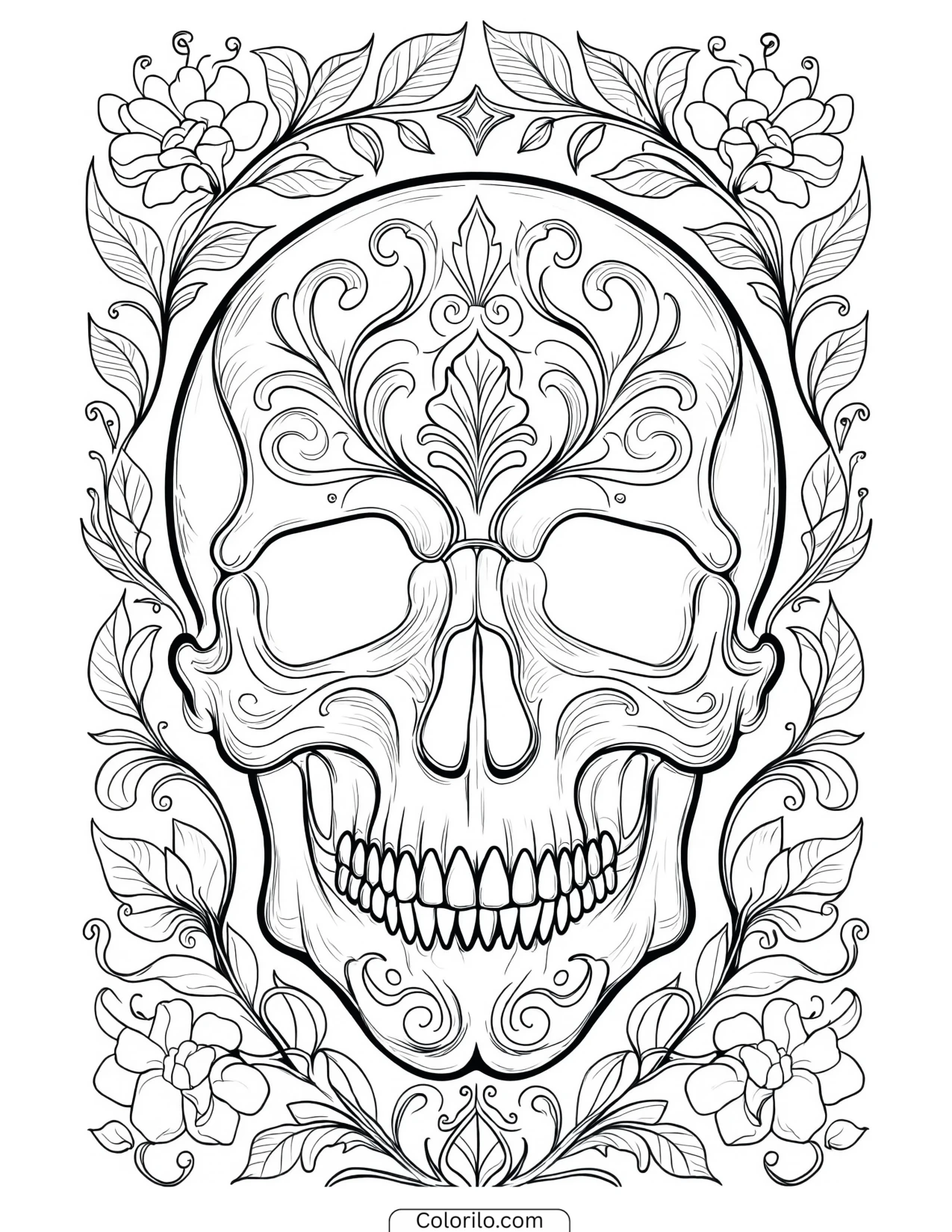
Two designs sit apart from the rest: a pumpkin mandala and an ornate skull with a floral border. Both have considerably more line work than anything else here and are aimed at older colorists.
Every one of these Halloween coloring pages is free, prints on standard US letter paper, and needs no sign-up. Click any design below to open the full-size PDF.
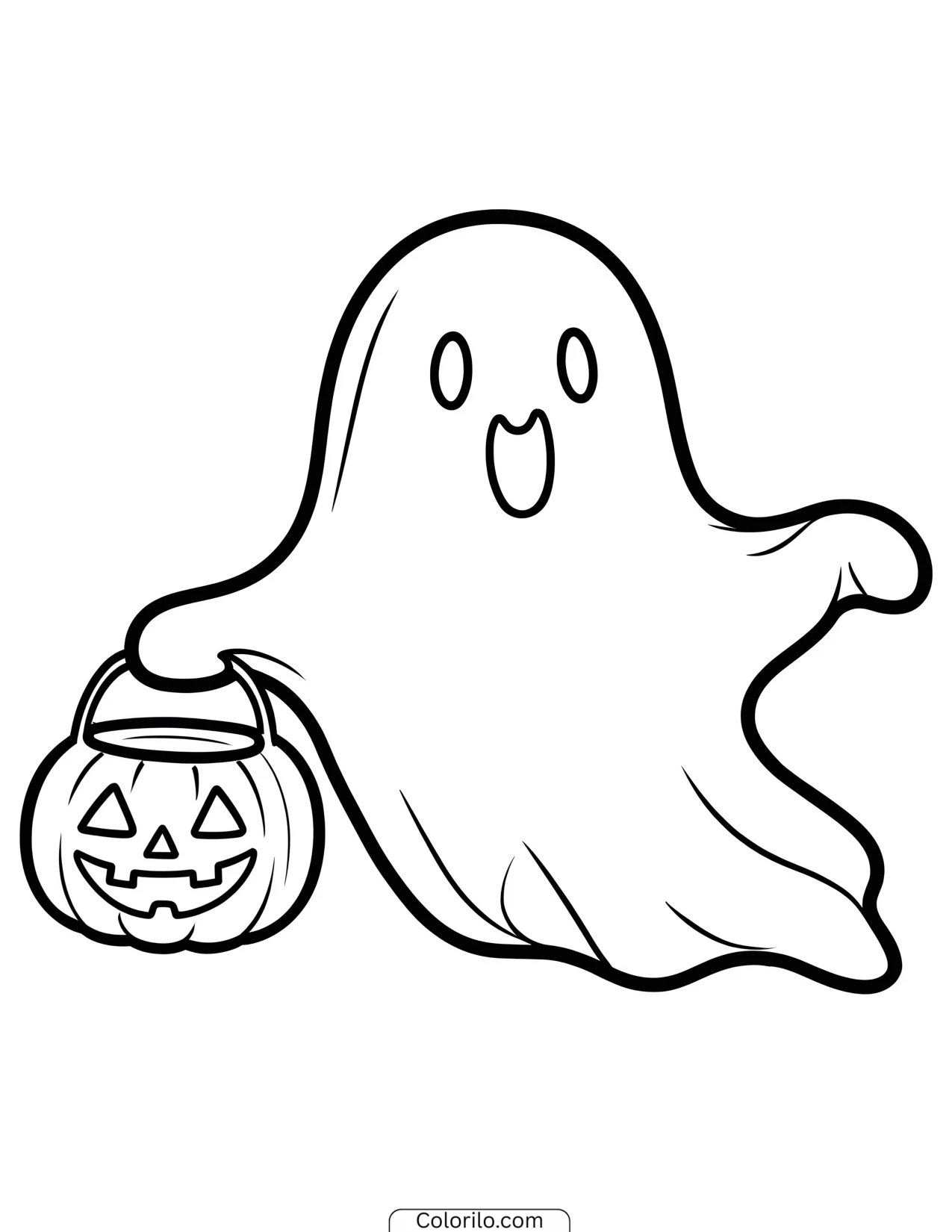
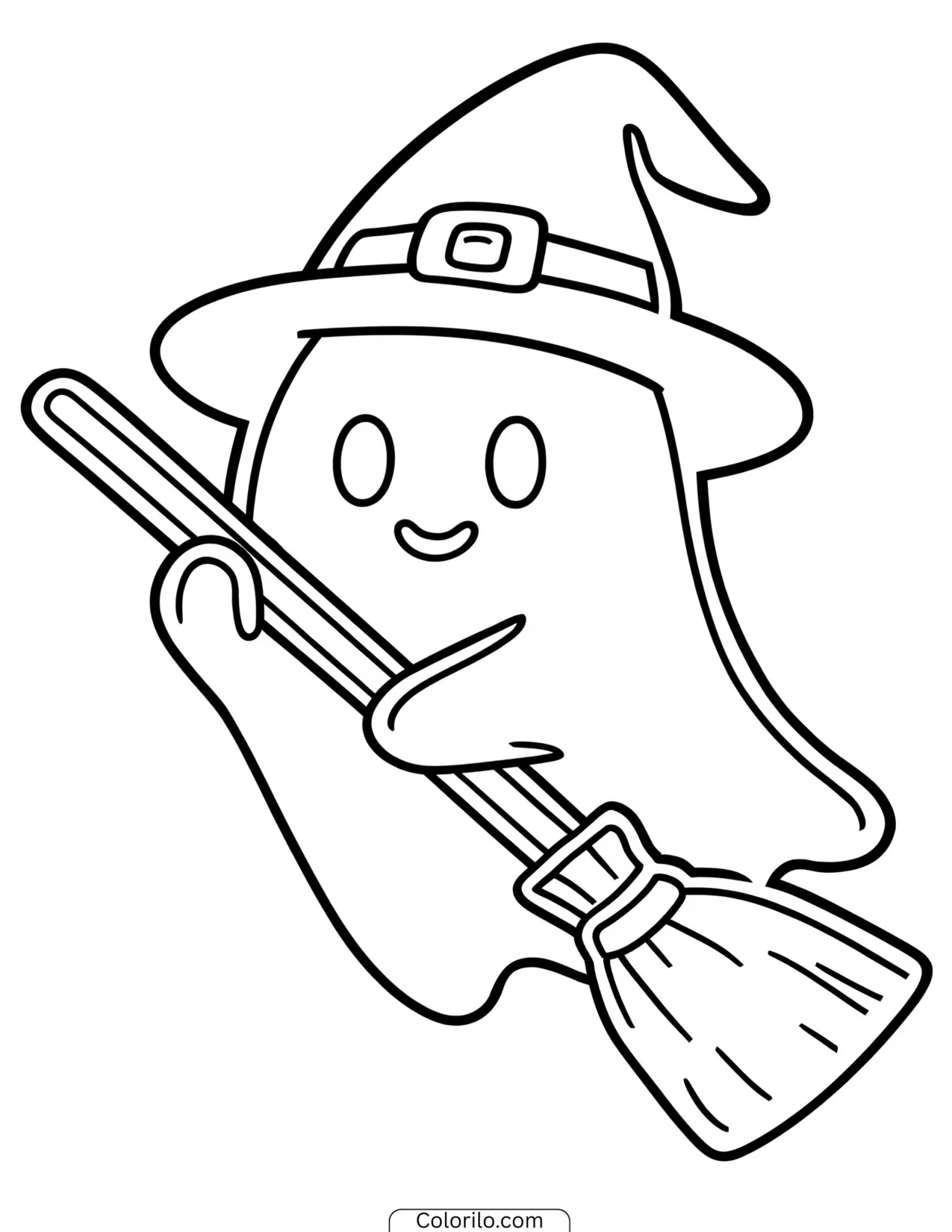
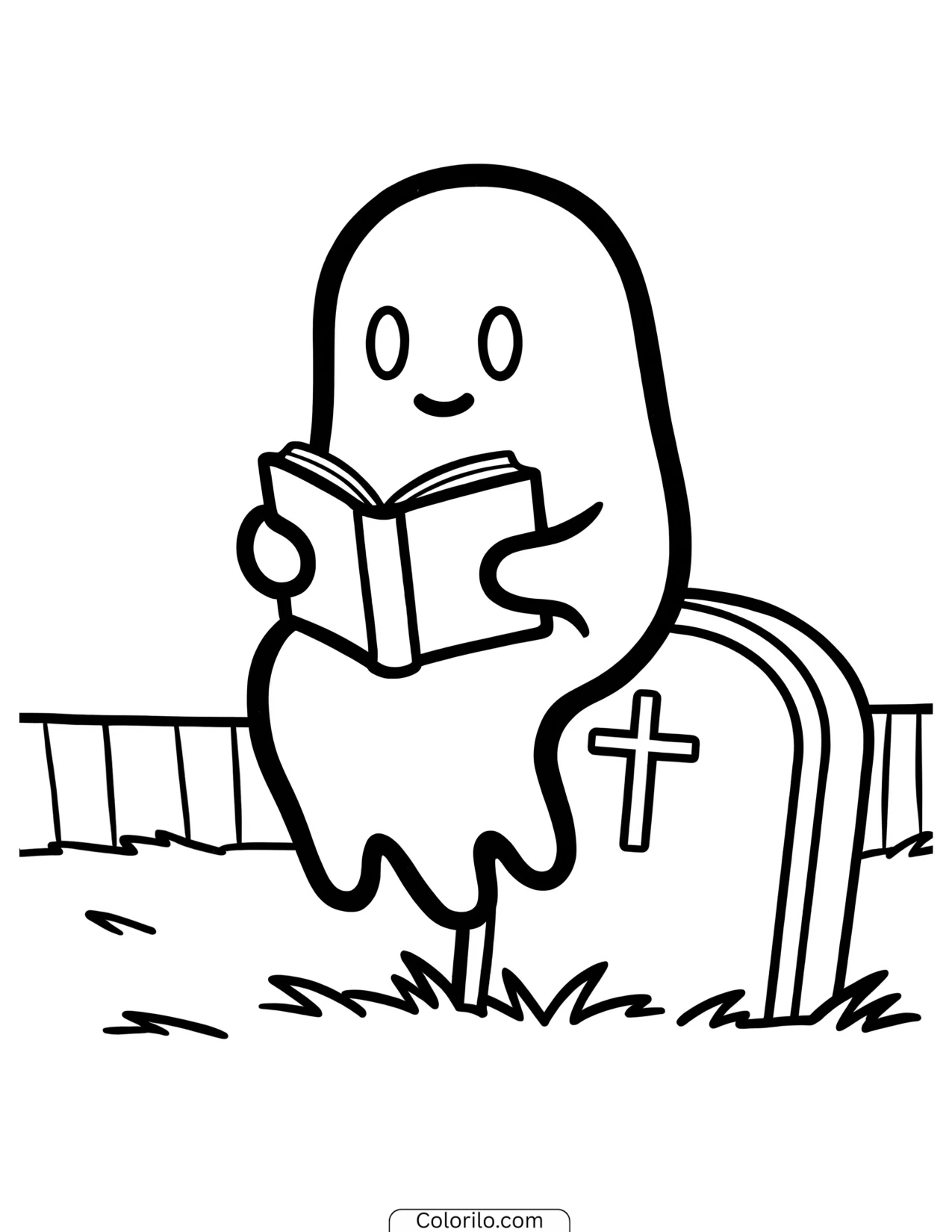
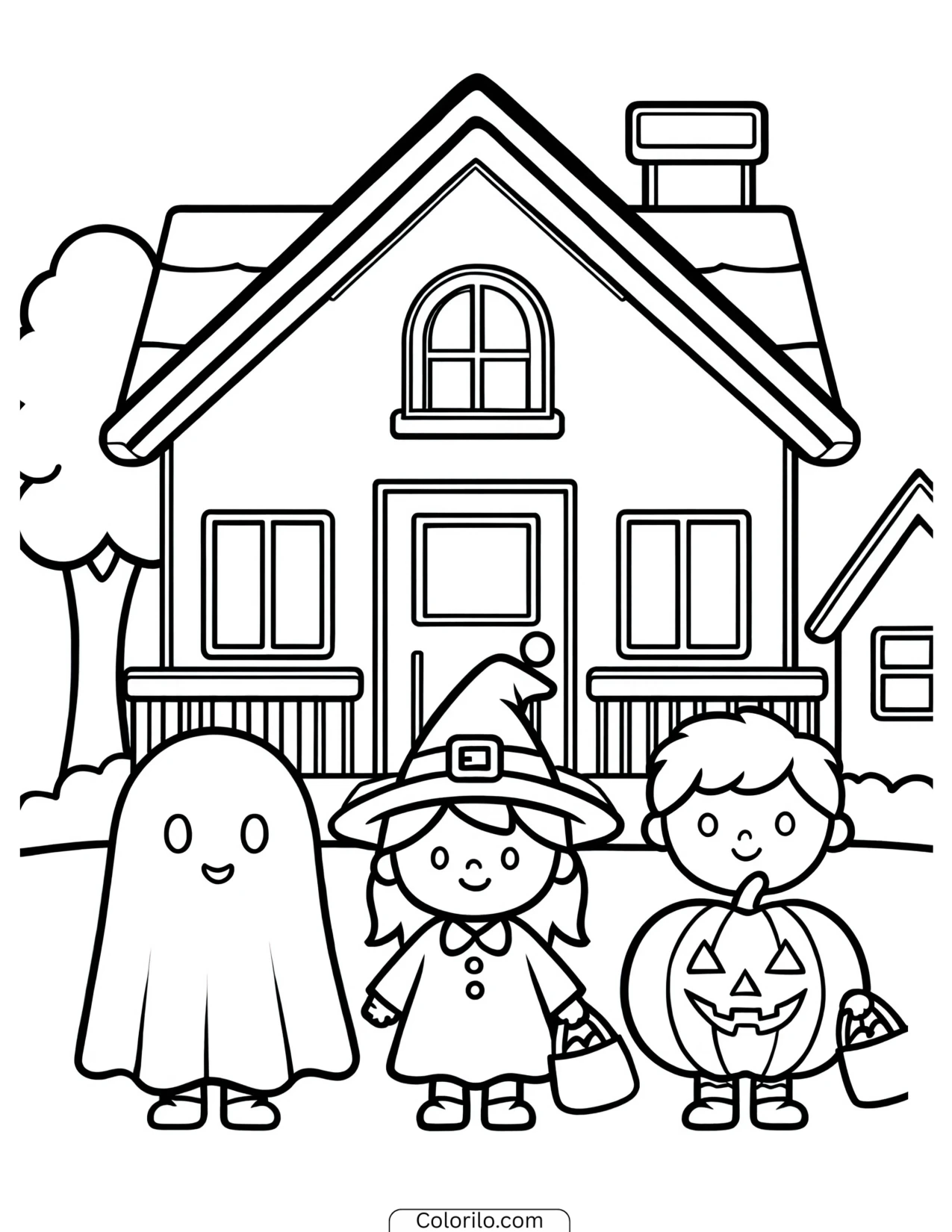
What’s in This Collection
Ghosts
Sixteen designs, and the friendliest group in the set. The sheet ghost is a surprisingly modern invention, popularised by Victorian stage productions where actors in white cloth were the practical way to suggest a spirit.
Witches
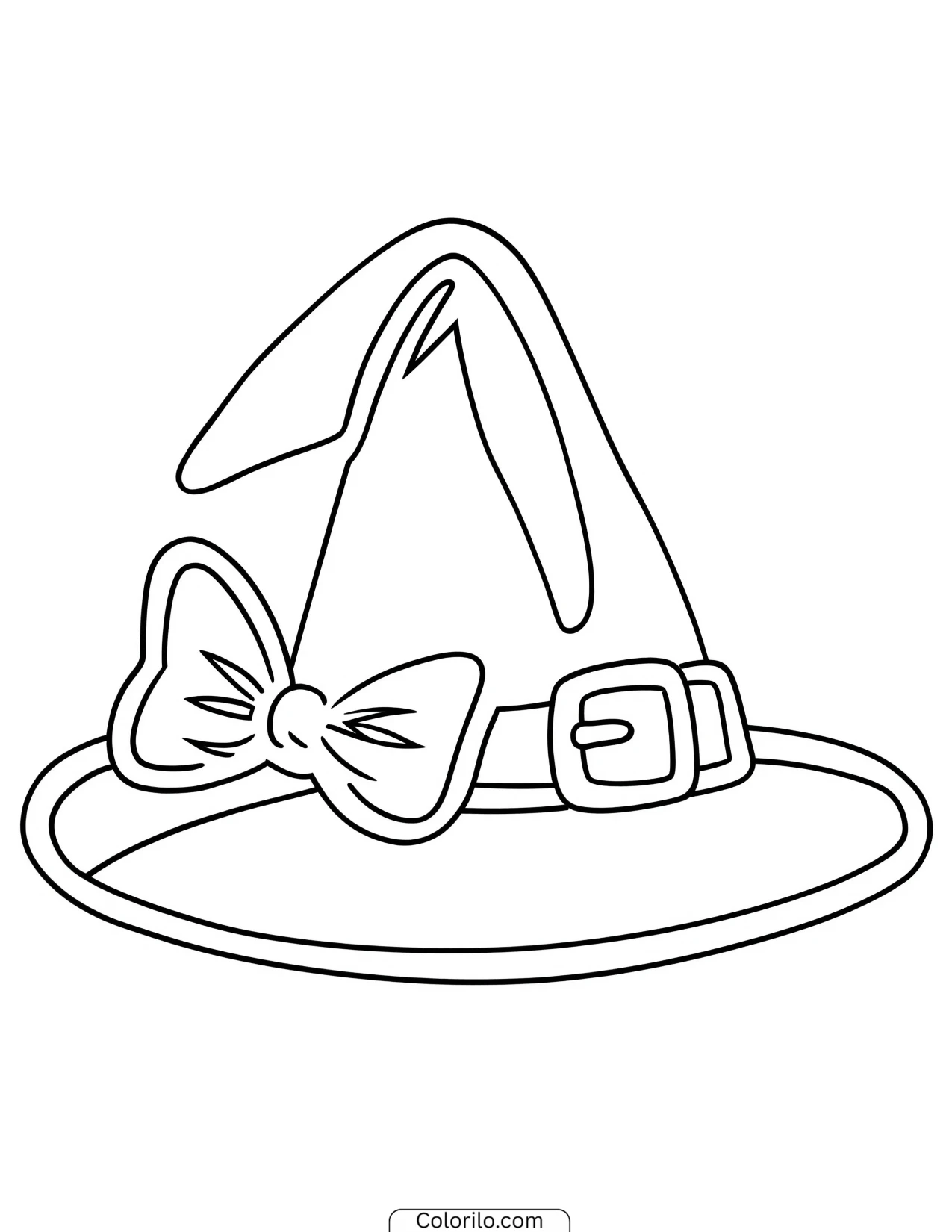
Fourteen designs. The pointed hat has no clear single origin and probably drew on several sources over centuries, including the tall hats worn in rural Europe and depictions in early modern woodcuts. The broomstick, cauldron, and black cat all arrived through the same slow accumulation.
Jack-o’-lanterns
Ten designs. Carving began in Ireland and Scotland, but with turnips rather than pumpkins, small, hard, and considerably more work. Irish emigrants to North America found pumpkins were larger, softer and far easier to carve, and the tradition changed vegetable within a generation.
Black cats
Four designs. Their association with witchcraft dates to medieval Europe, though in Britain and Japan a black cat crossing your path has long been read as good luck. Opposite superstitions, same animal.
Bats, owls and spiders
Eleven designs between them. All three became Halloween fixtures for the same reason: they’re nocturnal, they appear around dusk in autumn, and they were already associated with the uncanny long before the holiday took its current shape.
Haunted houses
Two designs, including a Victorian one. The tall, gabled, faintly decayed house is a specifically American image, drawn from real Victorian architecture that had fallen out of fashion and into disrepair by the early twentieth century.
Friendly monsters
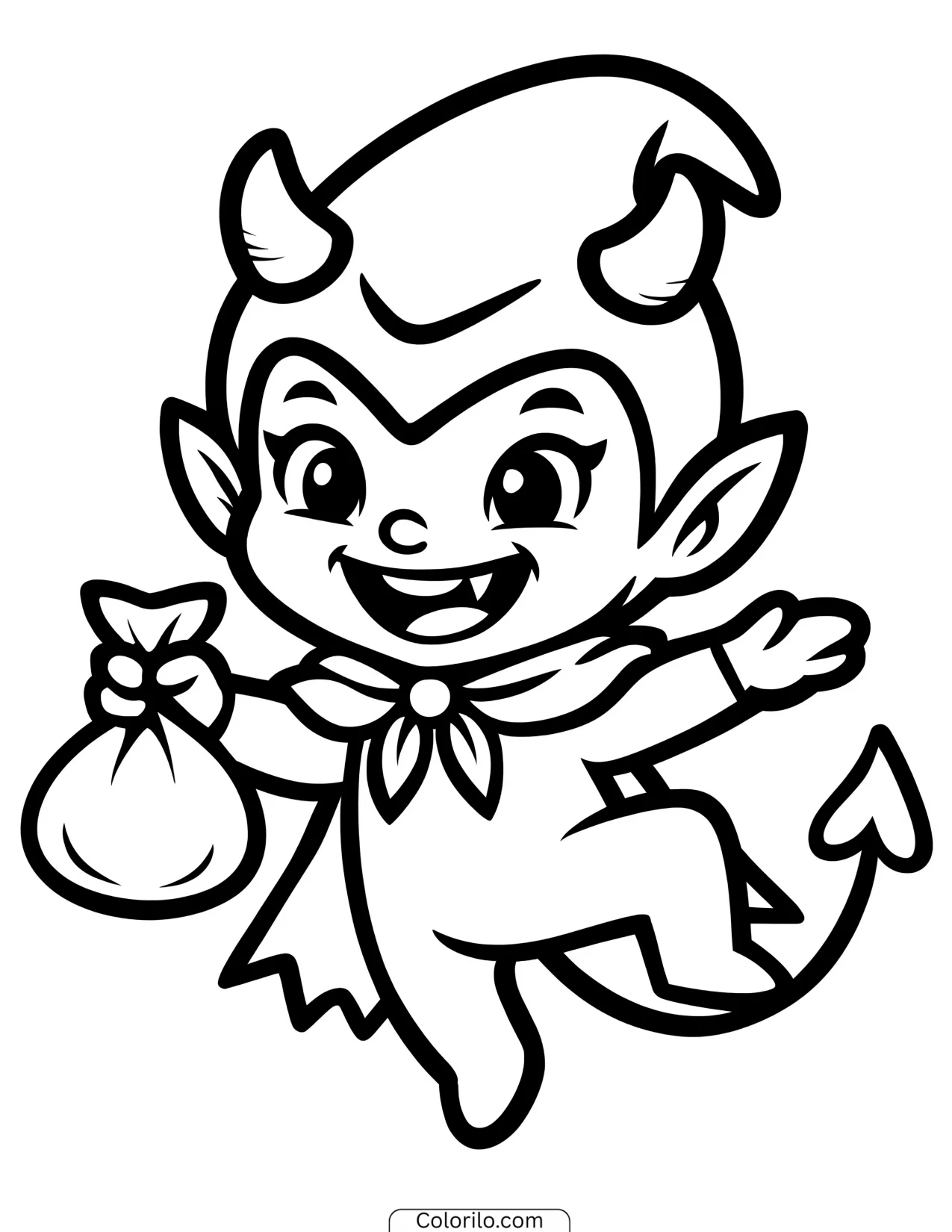
Frankenstein’s monster, a mummy, a vampire, a zombie, three skeletons and a cartoon devil. Worth noting for parents: none of these are drawn to frighten.
Detailed pages
The pumpkin mandala and the skull with floral border. These are the two designs here suited to adults or older children who want an hour rather than ten minutes.
Coloring Tips
Orange and black is the obvious choice, and it works. The pairing comes from the harvest and from darkness, and it’s why the holiday reads instantly. But purple, lime green and deep blue are equally traditional in Halloween imagery and will make a page stand out on a wall of orange ones.
Leave the light inside the pumpkins. On the jack-o’-lantern pages, leaving the carved eyes and mouth white or pale yellow while colouring the rest orange gives the impression of a candle inside. Filling the cut-outs dark loses it entirely.
Ghosts want almost nothing. Pale grey shading only around the edges and under the folds, leaving the middle white. A fully coloured ghost stops looking transparent.
Black cats need a highlight. Solid black flattens the animal. Leaving a lighter band along the back and around the face gives it shape, and the eyes should stay yellow or green.
Night skies carry the mood. The moon pages, the pumpkin patch, and the iron gate all benefit from a deep blue or purple background rather than black, it keeps the foreground readable while still reading as night.
Print the simple ones in bulk. The smiling jack-o’-lantern, the cartoon ghost, the three bats, and the witch hat are the easiest pages here and work well as a classroom or party activity for a group.
Frequently Asked Questions
Are these Halloween coloring pages really free?
Yes, all 70 are free to download and print. Click any design to open the PDF. No account, no email, no payment.
Are any of these too scary for young children?
No. The monsters here are all drawn as friendly cartoons, a waving mummy, a thumbs-up zombie, a chibi vampire, a dancing skeleton. There’s no blood, no gore, and nothing designed to frighten. The gentlest pages are the smiling ghosts, the two pumpkins holding hands, and the cartoon jack-o’-lanterns.
What age are these suitable for?
Most of the set works from around four. The simple ghosts, pumpkins and bats are the easiest. The haunted houses, the forest path and the pumpkin patch suit primary-age children. The pumpkin mandala and the ornate skull are aimed at older children and adults.
Can I use these in a classroom or at a party?
Yes. They work well as an October classroom activity or a Halloween party table, and are free for personal, educational, and classroom use. The simplest designs are the ones to print in quantity.
When should I print these for Halloween 2026?
Halloween falls on a Saturday in 2026, which makes for an unusually long weekend of activity. Most people start decorating in early October, so printing from the first week of the month gives a child time to work through several before the night itself. The autumn leaf and pumpkin patch designs work from late September, since they read as seasonal rather than specifically Halloween.
Why do we carve pumpkins?
The custom comes from an Irish folk tale about a man named Stingy Jack, who tricked the devil and was refused entry to both heaven and hell, left to wander with a burning coal inside a hollowed turnip. Carved turnips were set out in Ireland and Scotland to ward off wandering spirits, and the practice crossed the Atlantic with Irish emigrants in the nineteenth century, where the far more workable pumpkin replaced the turnip almost immediately.
Leave a Reply